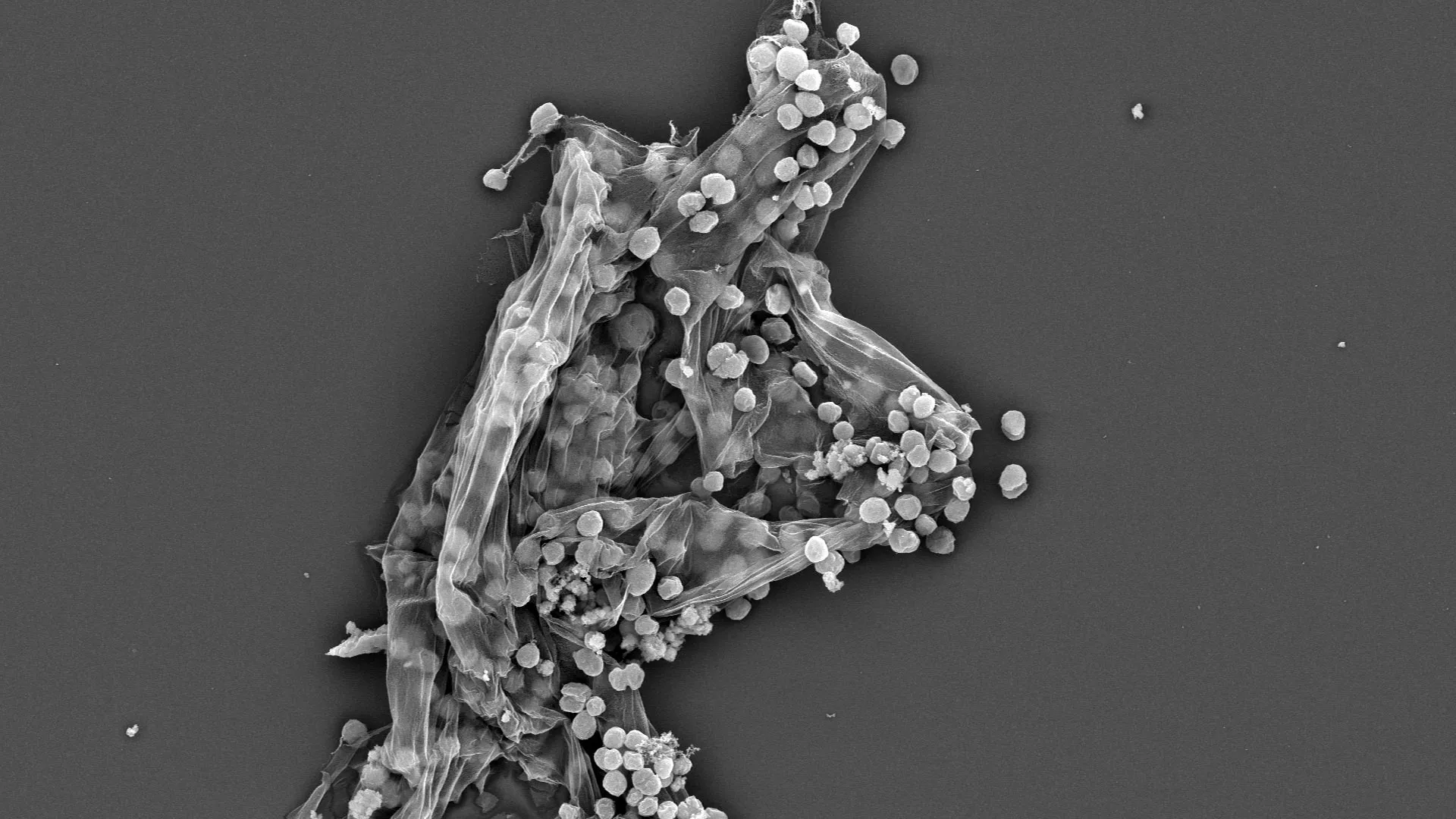
Scientist on personal mission to improve global water safety makes groundbreaking discovery

Source:University of Bristol

Summary:A study shedding new light on how arsenic can be made less dangerous to humans has the potential to dramatically improve water and food safety, especially in the Global South.Share:


FULL STORY


A study led by the University of Bristol shedding new light on how arsenic can be made less dangerous to humans has the potential to dramatically improve water and food safety, especially in the Global South.

For the lead researcher it’s an academic and personal mission because he witnessed first-hand the constant struggle to find clean, arsenic-free water as a child in India.

Lead author Dr Jagannath Biswakarma, Senior Research Associate at the University’s School of Earth Sciences, said: “There are millions of people living in regions affected by arsenic, like I was growing up. This breakthrough could pave the way for safer drinking water and a healthier future.”

Arsenic pollution exposure is a huge environmental and public health issue in southern and central Asia and South America, where people depend on groundwater for drinking and farming. The more toxic and mobile form of arsenic, called arsenite, easily seeps into water supplies and can lead to cancers, heart disease and other serious conditions.

Dr Biswakarma said: “I’ve seen the daily battle for safe drinking water in my hometown Assam. It’s very hard to find groundwater sources that aren’t contaminated with arsenic, so for me this research hits close to home. It’s an opportunity to not only advance science, but also better understand the extent of a problem which has affected so many people in my own community and across the world for many decades.”

Scientists previously believed arsenite could only be turned into the less harmful form, called arsenate, with oxygen. But this new study has shown it can still be oxidised, even in the absence of oxygen, with small amounts of iron which act as a catalyst for oxidation.

Dr Biswakarma said: “This study presents a new approach to addressing one of the world’s most persistent environmental health crises by showing that naturally occurring iron minerals can help oxidise, lowering the mobility of arsenic, even in low-oxygen conditions.”

Study findings revealed that arsenite could be oxidised by green rust sulfate, a source of iron prevalent in low-oxygen conditions, such as groundwater supplies. They also showed this oxidation process is further enhanced with a chemical released by plants and commonly found in soils and groundwater.

“These organic ligands, such a citrate from plant roots, could play a critical role in controlling arsenic mobility and toxicity in natural environments,” Dr Biswakarma added.

The implications of this discovery are particularly significant for regions in the Global South facing some of the world’s highest levels of arsenic pollution. In countries such as India and Bangladesh, the local geology is rich in iron, and reducing conditions often dominate in groundwater systems, leading to high levels of arsenic contamination. In the Ganges-Brahmaputra-Meghna Delta, which spans Bangladesh and eastern India, millions of people have been exposed to arsenic-contaminated groundwater for decades as the chemical enters the water through natural processes.

Dr Biswakarma said: “Many households rely on tube wells and hand pumps, but these systems do not guarantee access to clean water. The water often cannot be used for drinking or other household tasks due to its toxicity, odour, and discoloration. Additionally, there is an ongoing financial burden associated with obtaining new tube wells or hand pumps. As a result, economically disadvantaged families continue to struggle to find safe water for their daily needs.”

Similarly, the Mekong Delta and the Red River Delta, in Vietnam, face ongoing challenges with arsenic pollution, affecting drinking water supplies and agricultural productivity. Rice paddies can become hotspots of arsenic exposure, as the toxic chemical can accumulate in soil and be absorbed by rice plants, posing a further health risk through food consumption.

“The research opens the door for developing new strategies to mitigate arsenic pollution. Understanding the role of iron minerals in arsenic oxidation could lead to innovative approaches to water treatment or soil remediation, using natural processes to convert arsenic into its less harmful form before it enters drinking water supplies,” said co-author Molly Matthews, who worked on the paper during her Masters degree in Environmental Geoscience at the University of Bristol.

Identifying the specific form of arsenic in a sample can be challenging. Even a trace amount of oxygen can convert arsenite into arsenate, so it is vital to protect samples from exposure to air. Thanks to funding from the European Synchrotron Radiation Facility (ESRF) the team was able to conduct these complex experiments at its XMaS synchrotron facility, in Grenoble, France.

Co-author Dr James Byrne, Associate Professor of Earth Sciences, added: “Determining arsenic formation at the atomic level using X-ray absorption spectroscopy was crucial for confirming changes to the arsenic oxidation state. The synchrotron therefore played a pivotal role in supporting our findings, which have potentially broad implications for our understanding of water quality.”

This work at University of Bristol was supported through a UK Research & Innovation (UKRI) Future Leaders Fellowship (FLF) awarded to Dr James Byrne. Further research is now needed to explore how these findings can be applied in real-world settings.

Dr Biswakarma said: “The whole research team worked tirelessly on this project, putting in 24/7 shifts including over Easter to conduct the experiments in France.

“I genuinely believe, with more work, we can find effective possible solutions and we’re already making great inroads to overcoming this big global issue. We’re excited to investigate how this process might work in different types of soils and groundwater systems, especially in areas where arsenic contamination is most severe.”

Finding bold answers to big questions concerning global challenges is at the heart of the University of Bristol’s research. This study cuts across core themes, including advancing equitable and sustainable health, and driving forward social justice.

CLICK HERE FOR MORE INFORMATION

https://www.sciencedaily.com/releases/2024/10/241029120854.htm
The invisible plastic threat you can finally see

Researchers at the University of Stuttgart have developed an “optical sieve” for detecting tiny nanoplastic particles. It works like a test strip and is intended to serve as a new analysis tool in environmental and health research.

Source: Universität Stuttgart

Summary:Researchers in Germany and Australia have created a simple but powerful tool to detect nanoplastics—tiny, invisible particles that can slip through skin and even the blood-brain barrier. Using an “optical sieve” test strip viewed under a regular microscope, these particles reveal themselves through striking color changes.Share:


FULL STORY


The Invisible Plastic Threat You Can Finally See
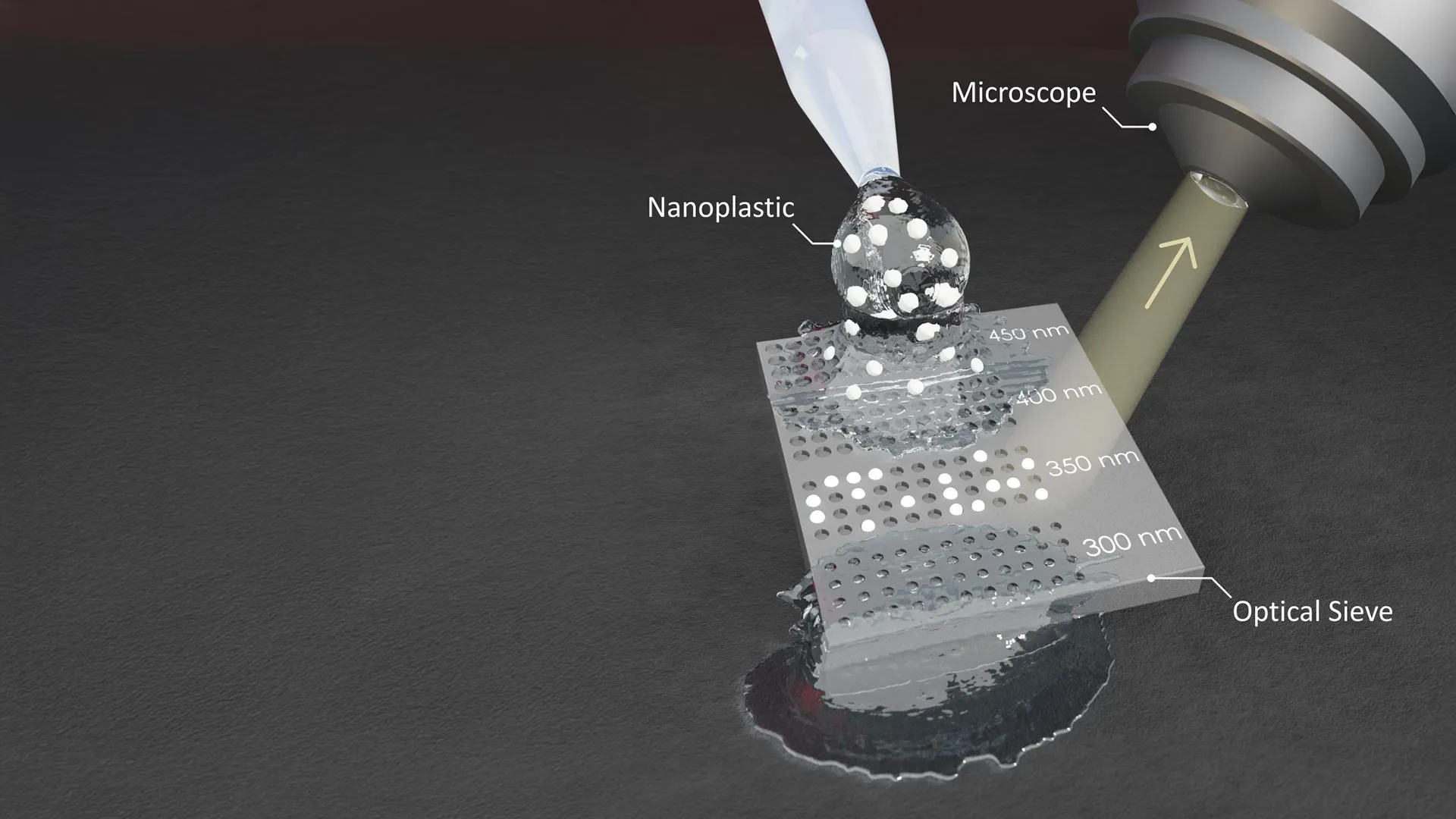
The optical sieve nanoplastic particles fall into holes of the appropriate size in the test strip. The color of the holes changes. The new color provides information about the size and number of particles. Credit: University of Stuttgart / 4th Physics Institute

A joint team from the University of Stuttgart in Germany and the University of Melbourne in Australia has developed a new method for the straightforward analysis of tiny nanoplastic particles in environmental samples. One needs only an ordinary optical microscope and a newly developed test strip — the optical sieve. The research results have now been published in Nature Photonics.

“The test strip can serve as a simple analysis tool in environmental and health research,” explains Prof. Harald Giessen, Head of the 4th Physics Institute of the University of Stuttgart. “In the near future, we will be working toward analyzing nanoplastic concentrations directly on site. But our new method could also be used to test blood or tissue for nanoplastic particles.”

Nanoplastics as a danger to humans and the environment

Plastic waste is one of the central and acute global problems of the 21st century. It not only pollutes oceans, rivers, and beaches but has also been detected in living organisms in the form of microplastics. Until now, environmental scientists have focused their attention on larger plastic residues. However, it has been known for some time that an even greater danger may be on the horizon: nanoplastic particles. These tiny particles are much smaller than a human hair and are created through the breakdown of larger plastic particles. They cannot be seen with the naked eye. These particles in the sub-micrometer range can also easily cross organic barriers such as the skin or the blood-brain barrier.

Color changes make tiny particles visible

Because of the small particle size, their detection poses a particular challenge. As a result, there are not only gaps in our understanding of how particles affect organisms but also a lack of rapid and reliable detection methods. In collaboration with a research group from Melbourne in Australia, researchers at the University of Stuttgart have now developed a novel method that can quickly and affordably detect such small particles. Color changes on a special test strip make nanoplastics visible in an optical microscope and allow researchers to count the number of particles and determine their size. “Compared with conventional and widely used methods such as scanning electron microscopy, the new method is considerably less expensive, does not require trained personnel to operate, and reduces the time required for detailed analysis,” explains Dr. Mario Hentschel, Head of the Microstructure Laboratory at the 4th Physics Institute.

Optical sieve instead of expensive electron microscope

The “optical sieve” uses resonance effects in small holes to make the nanoplastic particles visible. A study on optical effects in such holes was first published by the research group at the University of Stuttgart in 2023. The process is based on tiny depressions, known as Mie voids, which are edged into a semiconductor substrate. Depending on their diameter and depth, the holes interact characteristically with the incident light. This results in a bright color reflection that can be seen in an optical microscope. If a particle falls into one of the indentations, its color changes noticeably. One can therefore infer from the changing color whether a particle is present in the void.

“The test strip works like a classic sieve,” explains Dominik Ludescher, PhD student and first author of the publication in “Nature Photonics.” Particles ranging from 0.2 to 1 µm can thus be examined without difficulty. “The particles are filtered out of the liquid using the sieve in which the size and depth of the holes can be adapted to the nanoplastic particles, and subsequently by the resulting color change can be detected. This allows us to determine whether the voids are filled or empty.”

Number, size, and size distribution of particles can be determined

The novel detection method used can do even more. If the sieve is provided with voids of different sizes, only one particle of a suitable size will collect in each hole. “If a particle is too large, it won’t fit into the void and will be simply flushed away during the cleaning process,” says Ludescher. “If a particle is too small, it will adhere poorly to the well and will be washed away during cleaning.” In this way, the test strips can be adapted so that the size and number of particles in each individual hole can be determined from the reflected color.

Synthesized environmental samples examined

For their measurements, the researchers used spherical particles of various diameters. These are available in aequous solutions with specific nanoparticle. Because real samples from bodies of water with known nanoparticle concentrations are not yet available, the team produced a suitable sample themselves. The researchers used a water sample from a lake that contained a mixture of sand and other organic components and added spherical particles in known quantities. The concentration of plastic particles was 150 µg/ml. The number and size distribution of the nanoplastic particles was also be determined for this sample using the “optical sieve.”

Can be used like a test strip

“In the long term, the optical sieve will be used as a simple analysis tool in environmental and health research. The technology could serve as a mobile test strip that would provide information on the content of nanoplastics in water or soil directly on site,” explains Hentschel. The team is now planning experiments with nanoplastic particles that are not spherical. The researchers also plan to investigate whether the process can be used to distinguish between particles of different plastics. They are also particularly interested in collaborating with research groups that have specific expertise in processing real samples from bodies of water.

CLICK HERE FOR MORE INFORMATION

https://www.sciencedaily.com/releases/2025/09/250910000240.htm

Four billion particles of microplastics discovered in major body of water

Source:University of South Florida (USF Innovation)

Summary:While collecting water samples and plankton, researchers discovered a high concentration of microplastics, which are known to disrupt the marine food chain.Share:


FULL STORY


A new study from the University of South Florida St. Petersburg and Eckerd College estimates the waters of Tampa Bay contain four billion particles of microplastics, raising new questions about the impact of pollution on marine life in this vital ecosystem.

This is the first measurement of microplastic abundance and distribution in the region. Researchers hope the findings will provide necessary data to inform the debate around policies to reduce plastic in the marine environment.

Microplastics are tiny plastic particles less than 1/8 of an inch, barely or not at all visible to the eye. They come from the breakdown of larger plastics, such as water bottles, fishing gear and plastic bags, or from synthetic clothing and other items that contain elements of plastic. Previous studies have found these particles in every ocean on the planet and even in the Arctic.

“Very little is known about how much microplastics are out there and the full consequences of these particles on marine life,” said Kinsley McEachern, the first author of the study and a recent Environmental Science and Policy graduate student at USF St. Petersburg. “But emerging research indicates a wide range of impacts on marine ecosystems from the large accumulation of microplastics.”

Since particles are similar size as plankton, filter feeders such as oysters, clams, many fish and some birds ingest microplastics, allowing them to enter the food chain. Persistent organic pollutants, including toxic pesticides, and metals can stick to their surfaces, making ingestion potentially that much more damaging. Effects include cellular damage, reproductive disruption and even death.

The study revealed that the predominant type of these tiny particles in Tampa Bay — in both water and sediment — are thread-like fibers that are generated by fishing lines, nets and washing clothes. Synthetic fibers are released from clothes while they are being laundered, discharged to wastewater treatment plants and eventually released into the bay.

The next largest source are fragments that come from the breakdown of larger plastics.

“These plastics will remain in the bay, the gulf and ocean for more than a lifetime, while we use most plastic bags and bottles for less than an hour,” said David Hastings, Principal Investigator of the study, Courtesy Professor at USF College of Marine Science and a recently retired Professor of Marine Science and Chemistry at Eckerd College. “Although it is tempting to clean up the mess, it is not feasible to remove these particles from the water column or separate them out from sediments.”

“Only by removing the sources of plastics and microplastic particles can we successfully decrease the potential risks of plastics in the marine environment,” added McEachern.

Researchers found the largest concentrations of microplastics in water occurred after intense and long rainfall events, while in sediments the greatest amount of microplastics were located close to industrial sources.

For more than a decade, Hastings led annual research cruises in Tampa Bay with Eckerd College students to collect water samples and plankton. During these trips, he and his students were also seeing small pieces of plastic.

“We were looking at plankton, which form the base of the marine food web. But when we put the samples underneath the microscope, we were astonished to find many brightly colored pieces of microplastic. We wanted to learn more,” said Hastings.

Teaming up with McEachern, who was interested in focusing her graduate research on this issue, USFSP Associate Professor of Chemistry Henry Alegria and the Environmental Protection Commission of Hillsborough County, they set about counting microplastics in the region at 24 stations over a 14-month period. Collecting stations were located at the mouths of major rivers, near industrial facilities and in relatively pristine coastal mangroves. Particles believed to be plastic were probed with a hot dissecting needle. If the material quickly melted or disfigured, the sample was classified as a microplastic.

On average, the study found four pieces of microplastic per gallon of water at all sites, and more than 600 pieces of microplastic per pound of dry sediment. Extrapolating those findings to the entire Tampa Bay estuary, the researchers estimated there are approximately four billion particles in the water and more than 3 trillion pieces in surface sediments.

Researchers say the findings, though substantial, might also be conservative, since collection in the bay occurred several feet below the water surface, likely missing any buoyant microplastics at the surface.

“We collected only a few pieces of Styrofoam, most likely because we sampled below the surface and foam floats at the surface,” explained Hastings.

Plastic pollution in the marine environment has been a concern for decades. However, only recently have scientists started to uncover thwidespread abundance of microplastics in the environment. With mounting physical evidence of plastic pollution, there have been greater calls for action in coastal communities around the world. Recently bans on plastic bags and single-use plastics have been enacted by some local governments in Tampa Bay to reduce marine pollution and protect Florida’s largest open-water estuary.

The findings of billions of particles of microplastics in Tampa Bay waters could bring even greater calls for action and influence future decisions in the region and beyond. Researchers at USF St. Petersburg and Eckerd College are conducting further research to more fully understand microplastic pollution in the marine environment.

CLICK HERE FOR MORE INFORMATION

https://www.sciencedaily.com/releases/2019/09/190912111819.htm

Levels of one ‘forever chemical’ are increasing in groundwater

Source:American Chemical Society

Summary:Rain and water in ponds and lakes slowly seeps into the soil, moving through minute cracks to refill underground aquifers. Per- and polyfluoroalkyl substances (PFAS), often described as forever chemicals, can tag along into groundwater that’s later removed for drinking. Researchers analyzed water from over 100 wells in Denmark for one particularly persistent PFAS: trifluoroacetate. They report steadily increasing levels of the forever chemical in recent decades.Share:


FULL STORY


Rain and water in ponds and lakes slowly seeps into the soil, moving through minute cracks to refill underground aquifers. Per- and polyfluoroalkyl substances (PFAS), often described as forever chemicals, can tag along into groundwater that’s later removed for drinking. Researchers in ACS’ Environmental Science & Technology Letters analyzed water from over 100 wells in Denmark for one particularly persistent PFAS: trifluoroacetate. They report steadily increasing levels of the forever chemical in recent decades.

Trifluoroacetate forms when fluorinated gases, such as refrigerants, and fluorinated pesticides partially degrade in the environment. Water passing through air and soil picks up trifluoroacetate, transporting the persistent and mobile compound into groundwater aquifers. However, potable groundwater sources haven’t been widely tested for trifluoroacetate because there isn’t a regulatory limit for it beyond the European Environment Agency’s (EEA) limit on total PFAS in drinking water of 0.5 parts per billion (ppb). So, Christian Albers and Jürgen Sültenfuss wanted to thoroughly assess groundwater in Denmark for this contaminant, looking for potential changes in the past 60 years.

The researchers collected samples from 113 groundwater monitoring wells around Denmark. They analyzed the samples for trifluoroacetate and, using an established tritium-helium isotope method, calculated how long ago the water entered the underground aquifers. Overall, their data showed a trend of increasing trifluoroacetate concentrations since the 1960s. Specifically, groundwater from:

  • Before 1960 had unmeasurable levels.
  • 1960 to 1980 contained 0.06 ppb on average.
  • 1980 to 2000 contained 0.24 ppb on average.
  • 2000 to the 2020s contained 0.6 ppb on average, which exceeds the EEA’s total PFAS limit in drinking water.

The researchers attribute concentration differences within time periods to changing atmospheric deposition, plant uptake and local pesticide application. For example, pesticides that might be precursors for trifluoroacetate have been applied to agricultural areas within Denmark since the late 1960s. On the basis of those observations, the researchers say that trifluoroacetate concentrations could be used to categorize when groundwater entered aquifers, such as after 1985 or before 2000, rather than using more sophisticated and tedious dating methods that require isotopes. Additionally, Albers says some particularly high trifluoroacetate concentrations in groundwater less than 10 years old could suggest local sources have recently become more important, such as fluorinated pesticide applications.

CLICK HERE FOR MORE INFORMATION

https://www.sciencedaily.com/releases/2024/09/240904130857.htm

Harmful microplastics infiltrating drinking water

Wastewater treatment plants are still not effectively removing dangerous microplastics

Source:University of Texas at Arlington

Summary:Despite advances in wastewater treatment, tiny plastic particles called microplastics are still slipping through, posing potential health and environmental hazards, according to new research.Share:


FULL STORY


Despite advances in wastewater treatment, tiny plastic particles called microplastics are still slipping through, posing potential health and environmental hazards, according to new research from The University of Texas at Arlington.

Because plastic is inexpensive to produce yet lightweight and sturdy, manufacturers have found it ideal for use in nearly every consumer good, from food and beverage packaging to clothing and beauty products. The downside is that when a plastic item reaches the end of its useful life, it never truly disappears. Instead, it breaks down into smaller and smaller pieces called microplastics — particles five millimeters or less, about the width of a pencil eraser — that end up in our soil and water.

“What our systematic literature review found is that while most wastewater treatment facilities significantly reduce microplastics loads, complete removal remains unattainable with current technologies,” said Un-Jung Kim, assistant professor of earth and environmental sciences at UT Arlington and senior author of the study published in Science of the Total Environment.

“As a result, many microplastics are being reintroduced into the environment, likely transporting other residual harmful pollutants in wastewater, such the chemicals Bisphenols, PFAS and antibiotics,” Dr. Kim added. “These microplastics and organic pollutants would exist in trace level, but we can get exposure through simple actions like drinking water, doing laundry or watering plants, leading to potential long-term serious human health impacts such as cardiovascular disease and cancer.”

According to the study, one of the main challenges in detecting and mitigating microplastics is the lack of standardized testing methods. The researchers also call for a unified approach to define what size particle qualifies as a microplastic.

“We found that the effectiveness of treatments varies depending on the technology communities use and how microplastics are measured to calculate the removal rates,” said the study’s lead author, Jenny Kim Nguyen. “One way to better address the growing microplastics issue is to develop standardized testing methods that provide a clearer understanding of the issue.”

Nguyen began this research as an undergraduate student in Kim’s Environmental Chemistry Lab. She is now pursuing a master’s degree in earth and environmental sciences at UTA, where she is working to develop standardized experimental protocols for studying microplastics in air and water.

“This work helps us understand the current microplastics problem, so we can address its long-term health impacts and establish better mitigation efforts,” said Karthikraj Rajendiran, a co-author of the study and assistant professor of research from UTA’s Bone Muscle Research Center within the College of Nursing and Health Innovations.

The team also emphasizes the need for greater public awareness of microplastics to help consumers make more eco-friendly choices.

“While communities must take steps to improve microplastic detection and screening at the wastewater and water quality monitoring, consumers can already make a difference by choosing to buy clothing and textiles with less plastics whenever feasible, knowing that microfibers are the most common microplastic continually released through wastewater,” Kim added.

Funding for the project was provided by UTA’s Research Enhancement Program, which supports multidisciplinary researchers in launching new projects.

CLICK HERE FOR MORE INFORMATION

https://www.sciencedaily.com/releases/2025/04/250421162936.htm

Scientists just found a hidden factor behind Earth’s methane surge

Using CRISPR to dial down enzyme helps to understand the isotope signatures of methane from different environments

Source:University of California – Berkeley

Summary:Roughly two-thirds of all atmospheric methane, a potent greenhouse gas, comes from methanogens. Tracking down which methanogens in which environment produce methane with a specific isotope signature is difficult, however. UC Berkeley researchers have for the first time CRISPRed the key enzyme involved in microbial methane production to understand the unique isotopic fingerprints of different environments to better understand Earth’s methane budget.Share:

FULL STORY


Hidden Factor Behind Earth’s Methane Surge
An electron microscope image of single-celled methanogens, members of the archaea domain. They are ubiquitous in oxygen-free environments, turning simple foods into methane, a potent greenhouse gas. Credit: Alienor Baskevitch/UC Berkeley

Roughly two-thirds of all emissions of atmospheric methane — a highly potent greenhouse gas that is warming planet Earth — come from microbes that live in oxygen-free environments like wetlands, rice fields, landfills and the guts of cows.

Tracking atmospheric methane to its specific sources and quantifying their importance remains a challenge, however. Scientists are pretty good at tracing the sources of the main greenhouse gas, carbon dioxide, to focus on mitigating these emissions. But to trace methane’s origins, scientists often have to measure the isotopic composition of methane’s component atoms, carbon and hydrogen, to use as a fingerprint of various environmental sources.

A new paper by researchers at the University of California, Berkeley, reveals how the activity of one of the main microbial enzymes involved in producing methane affects this isotope composition. The finding could change how scientists calculate the contributions of different environmental sources to Earth’s total methane budget.

“When we integrate all the sources and sinks of carbon dioxide into the atmosphere, we kind of get the number that we’re expecting from direct measurement in the atmosphere. But for methane, large uncertainties in fluxes exist — within tens of percents for some of the fluxes — that challenge our ability to precisely quantify the relative importance and changes in time of the sources,” said UC Berkeley postdoctoral fellow Jonathan Gropp, who is first author of the paper. “To quantify the actual sources of methane, you need to really understand the isotopic processes that are used to constrain these fluxes.”

Gropp teamed up with a molecular biologist and a geochemist at UC Berkeley to, for the first time, employ CRISPR to manipulate the activity of this key enzyme to reveal how these methanogens interact with their food supply to produce methane.

“It is well understood that methane levels are rising, but there is a lot of disagreement on the underlying cause,” said co-author Dipti Nayak, UC Berkeley assistant professor of molecular and cell biology. “This study is the first time the disciplines of molecular biology and isotope biogeochemistry have been fused to provide better constraints on how the biology of methanogens controls the isotopic composition of methane.”

Many elements have heavier or lighter versions, called isotopes, that are found in small proportions in nature. Humans are about 99% carbon-12 and 1% carbon-13, which is slightly heavier because it has an extra neutron in its nucleus. The hydrogen in water is 99.985% hydrogen-1 and 0.015% deuterium or hydrogen-2, which is twice as heavy because it has a neutron in its nucleus.

The natural abundances of isotopes are reflected in all biologically produced molecules and variations can be used to study and fingerprint various biological metabolisms.

“Over the last 70 years, people have shown that methane produced by different organisms and other processes can have distinctive isotopic fingerprints,” said geochemist and co-author Daniel Stolper, UC Berkeley associate professor of earth and planetary science. “Natural gas from oil deposits often looks one way. Methane made by the methanogens within cow guts looks another way. Methane made in deep sea sediments by microorganisms has a different fingerprint. Methanogens can consume or ‘eat’, if you will, a variety of compounds including methanol, acetate or hydrogen; make methane; and generate energy from the process. Scientists have commonly assumed that the isotopic fingerprint depends on what the organisms are eating, which often varies from environment to environment, creating our ability to link isotopes to methane origins.”

“I think what’s unique about the paper is, we learned that the isotopic composition of microbial methane isn’t just based on what methanogens eat,” Nayak said. “What you ‘eat’ matters, of course, but the amount of these substrates and the environmental conditions matter too, and perhaps more importantly, how microbes react to those changes.”

“Microbes respond to the environment by manipulating their gene expression, and then the isotopic compositions change as well,” Gropp said. “This should cause us to think more carefully when we analyze data from the environment.”

The paper will appear Aug. 14 in the journal Science.

Vinegar- and alcohol-eating microbes

Methanogens — microorganisms that are archaea, which are on an entirely separate branch of the tree of life from bacteria — are essential to ridding the world of dead and decaying matter. They ingest simple molecules — molecular hydrogen, acetate or methanol, for example — excreted by other organisms and produce methane gas as waste. This natural methane can be observed in the pale Will-o’-the-wisps seen around swamps and marshes at night, but it’s also released invisibly in cow burps, bubbles up from rice paddies and natural wetlands and leaks out of landfills. While most of the methane in the natural gas we burn formed in association with hydrocarbon generation, some deposits were originally produced by methanogens eating buried organic matter.

The isotopic fingerprint of methane produced by methanogens growing on different “food” sources has been well established in laboratory studies, but scientists have found that in the complexity of the real world, methanogens don’t always produce methane with the same isotopic fingerprint as seen in the lab. For example, when grown in the lab, species of methanogens that eat acetate (essentially vinegar), methanol (the simplest alcohol), or molecular hydrogen (H2) produce methane, CH4, with a ratio of hydrogen and carbon isotopes different from the ratios observed in the environment.

Gropp had earlier created a computer model of the metabolic network in methanogens to understand better how the isotope composition of methane is determined. When he got a fellowship to come to UC Berkeley, Stolper and Nayak proposed that he experimentally test his model. Stolper’s laboratory specializes in measuring isotope compositions to explore Earth’s history. Nayak studies methanogens and, as a postdoctoral fellow, found a way to use CRISPR gene editing in methanogens. Her group recently altered the expression of the key enzyme in methanogens that produces the methane — methyl-coenzyme M reductase (MCR) — so that its activity can be dialed down. Enzymes are proteins that catalyze chemical reactions.

Experimenting with these CRISPR-edited microbes — in a common methanogen called Methanosarcina acetivorans growing on acetate and methanol — the researchers looked at how the isotopic composition of methane changed when the enzyme activity was reduced, mimicking what is thought to happen when the microbes are starved for their preferred food.

They found that when MCR is at low concentrations, cells respond by altering the activity of many other enzymes in the cell, causing their inputs and outputs to accumulate and the rate of methane generation to slow so much that enzymes begin running both backwards and forwards. In reverse, these other enzymes remove a hydrogen from carbon atoms; running forward, they add a hydrogen. Together with MCR, they ultimately produce methane (CH4). Each forward and reverse cycle requires one of these enzymes to pull a hydrogen off of the carbon and add a new one ultimately sourced from water. As a result, the isotopic composition of methane’s four hydrogen molecules gradually comes to reflect that of the water, and not just their food source, which starts with three hydrogens.

This is different from typical assumptions for growth on acetate and methanol that assume no exchange between hydrogen derived from water and that from the food source.

“This isotope exchange we found changes the fingerprint of methane generated by acetate and methanol consuming methanogens vs. that typically assumed. Given this, it might be that we have underestimated the contribution of the acetate-consuming microbes, and they might be even more dominant than we have thought,” Gropp said. “We’re proposing that we at least should consider the cellular response of methanogens to their environment when studying isotopic composition of methane.”

Beyond this study, the CRISPR technique for tuning production of enzymes in methanogens could be used to manipulate and study isotope effects in other enzyme networks broadly, which could help researchers answer questions about geobiology and the Earth’s environment today and in the past.

“This opens up a pathway where modern molecular biology is married with isotope-geochemistry to answer environmental problems,” Stolper said. “There are an enormous number of isotopic systems associated with biology and biochemistry that are studied in the environment; I hope we can start looking at them in the way molecular biologists now are looking at these problems in people and other organisms — by controlling gene expression and looking at how the stable isotopes respond.”

For Nayak, the experiments are also a big step in discovering how to alter methanogens to derail production of methane and redirect their energy to producing useful products instead of an environmentally destructive gas.

“By reducing the amount of this enzyme that makes methane and by putting in alternate pathways that the cell can use, we can essentially give them another release valve, if you will, to put those electrons, which they were otherwise putting in carbon to make methane, into something else that would be more useful,” she said.

Other co-authors of the paper are Markus Bill of Lawrence Berkeley National Laboratory and former UC Berkeley postdoc Rebekah Stein, and Max Lloyd, who is a professor at Penn State University. Gropp was supported by a fellowship from the European Molecular Biology Organization. Nayak and Stolper were funded, in part, by Alfred B. Sloan Research Fellowships. Nayak also is an investigator with the Chan-Zuckerberg Biohub.

CLICK HERE FOR MORE INFORMATION

https://www.sciencedaily.com/releases/2025/08/250816113528.htm

Scientists just solved the mystery of the missing ocean plastic—now we’re all in trouble

Summary:Millions of tons of plastic in the ocean aren’t floating in plain sight—they’re invisible. Scientists have now confirmed that the most abundant form of plastic in the Atlantic is in the form of nanoplastics, smaller than a micrometer. These particles are everywhere: in rain, rivers, and even the air. They may already be infiltrating entire ecosystems, including the human brain, and researchers say prevention—not cleanup—is our only hope.

“This estimate shows that there is more plastic in the form of nanoparticles floating in the this part of the ocean, than there is in larger micro- or macroplastics floating in the Atlantic or even all the world’s oceans!,” said Helge Niemann, researcher at NIOZ and professor of geochemistry at Utrecht University. Mid-June, he received a grant of 3.5 million euros to conduct more research into nanoplastics in the sea and their fate.

Ocean expedition For this research, Utrecht master student Sophie ten Hietbrink worked for four weeks aboard the research vessel RV Pelagia. On a trip from the Azores to the continental shelf of Europe, she took water samples at 12 locations where she filtered out anything larger than one micrometer. “By drying and heating the remaining material, we were able to measure the characteristic molecules of different types of plastics in the Utrecht laboratory, using mass spectrometry,” Ten Hietbrink says.

First real estimate The research by NIOZ and Utrecht University provides the first estimate of the amount of nanoplastics in the oceans. Niemann: “There were a few publications that showed that there were nanoplastics in the ocean water, but until now no estimate of the amount could ever be made.” This first estimate was made possible, according to Niemann, by the joining of forces of ocean scientists and the knowledge of atmospheric scientist Dusân Materic of Utrecht University.

Shocking amount Extrapolating the results from different locations to the whole of the North Atlantic Ocean, the researchers arrived at the immense amount of 27 million tons of nanoplastics. “A shocking amount,” Ten Hietbrink believes. “But with this we do have an important answer to the paradox of the missing plastic.” Until now, not all the plastic that was ever produced in the world could be recovered. So, it turns out that a large portion is now floating in the water as tiny particles.

Sun, rivers and rain The nanoplastics can reach water by various routes. In part, this happens because larger particles disintegrate under the influence of sunlight. Another part probably flows along with river water. It also appears that nanoplastics reach the oceans through the air, as suspended particles fall down with rainwater or fall from the air onto the water surface as ‘dry deposition’.

Consequences The consequences of all those nanoplastics in the water could be fundamental, Niemann emphasizes. “It is already known that nanoplastics can penetrate deep into our bodies. They are even found in brain tissue. Now that we know they are so ubiquitous in the oceans, it’s also obvious that they penetrate the entire ecosystem; from bacteria and other microorganisms to fish and top predators like humans. How that pollution affects the ecosystem needs further investigation.”

Other oceans In the future, Niemann and colleagues also want to do further research on, for example, the different types of plastics that have not yet been found in the fraction of 1 micrometer or smaller. “For example, we have not found polyethylene or polypropylene among the nanoplastics. It may well be that those were masked by other molecules in the study. We also want to know if nanoplastics are as abundant in the other oceans. It is to be feared that they do, but that remains to be proven.

Not cleaning up but preventing Niemann emphasizes that the amount of nanoplastics in ocean water was an important missing piece of the puzzle, but now there is nothing to do about it. “The nanoplastics that are there, can never be cleaned up. So an important message from this research is that we should at least prevent the further pollution of our environment with plastics.”

CLICK HERE FOR MORE INFORMATION

https://www.sciencedaily.com/releases/2025/07/250721223827.htm

The Ultimate Guide to Water Health: Cellular Hydration, Energy Metabolism, Detoxification & More

Optimal water intake is without a doubt one of the most vital factors in good health. In essence, we need the proper amount of water in our bodies for every cellular function. Even mild dehydration leads to fatigue, brain fog, headaches and dizziness. However, the subject of water and hydration also happens to be one of the most confusing topics – how much water we should drink? What’s the best type of water to drink; distilled, alkaline, spring, sparkling, still, or some other type? In this article, we will seek to answer these questions and then some. As we evolve this topic, there is something key to keep in mind; it’s not just about how much water you consume. More importantly in the world of hydration is that your cells actually utilize that water efficiently.

Cellular Hydration: Beyond Water Deficiency

While not drinking enough water is the easiest way to become dehydrated, it’s not the only way. The truth is, just like food, water needs to be metabolized. Many people eat enough, but still end up nutritionally deficient due to poor digestion and a sluggish metabolism. Similarly, many people drink more than enough water, yet their bodies are starved for water. How can this be? First, understand that the amount of water a person needs is extremely variable; it depends on various things such as metabolic rate, physical activity, and even the temperature and humidity of the air. For example, working out hard in hot, dry weather, it’s possible to drink more than two quarts and not produce any urine because that water is lost by evaporation or “burned up” by the increased metabolic rate of that active person. On the other hand, a person with a sluggish metabolism, even in hot, humid conditions can be endangered by too much water. These are only two examples, but in reality, anything that affects the physiology of a person can potentially create a stress and therefore affect cellular hydration and the way the body uses water.

Stress & Hydration

Any stress on the body, and stress being defined as anything that may interfere with energy production, can potentially disturb the interactions between water and the cell. Stress causes “excitation” and this causes a cell to take up extra water. In fact, it is well known that the tissues of people with hypothyroid (a stress condition) tend to hold more water; this is referred to as edema, a common symptom of hypothyroid. 1 There are other ways that stress can cause dehydration. Under a stress response, the body secretes an excess of the stress hormone cortisol. Cortisol has a feedback loop with estrogen, so as cortisol increases, estrogen also increases. It is well known that estrogen causes sodium loss, and has a high affinity to water. In other words, when the cell is stressed, under the influence of estrogen, it tends to uptake more water and swell (edema), causing both a loss of sodium and water. Additionally, stress causes the increase of hormones like aldosterone, which cause the kidneys to secrete excess sodium in the urine and sweat and the cells to hold water. This loss of sodium causes a vicious cycle to occur because when there isn’t enough sodium, more aldosterone is synthesized, which leads to the increased loss of electrolytes like potassium, magnesium, and calcium. The loss of potassium leads to something called vasoconstriction, which means vascular motility is decreased, contributing to heart and kidney failure and high blood pressure. In these ways, stress of any sort can cause the increase of stress hormones that alter the cells’ ability to interact with water. This can lead to the loss of sodium and the excess uptake of water into the cells causing not only dehydration but edema. To conclude, “stress” is the true cause of dehydration because it interferes with the proper cellular interaction with water. However, because stress can occur in endless ways, here are some other probable causes of dehydration to keep in mind:

  • A sodium-deficient diet: salt has been demonized in this society; however, it is necessary for proper kidney function, mineral/fluid balance and therefore the cellular regulation of water.
  • Drinking only still water: Most of our water today is either contaminated with fluoride, heavy metals and other toxins, or it is so filtered that it is lacking in necessary minerals like sodium, potassium, and magnesium. So if you suspect you suffer from dehydration yet drink enough water, it might not be enough to drink “filtered water”, you might need to enhance it with minerals, mineral-rich salt or purchase mineralized waters like Gerolsteiner.
  • Vigorous exercise: During times of increased physical activity or exercise, the body undergoes an acute stress response, resulting in the loss electrolytes. The best ways to offset this process is to avoid over-exercising, keep cool (avoid exercising in too intense of heat), increase your intake of sodium and consume more water than usual. Be sure to drink 16 ounces of mineralized (add TraceMinerals or Real Salt) to your water before a workout, one during and one immediately after.
  • Chronic Alcohol Consumption: Alcohol is a stress on the liver for a few reasons but most trace back to its estrogenic effects. Estrogen interferes with metabolic function (including water metabolism), and estrogen causes the loss of sodium in the cell. In one study, the ingestion of alcohol is known to negatively affect the hypothalamo-neurohypophysial system resulting in increased diuresis, dehydration and hyperosmolality. 2

Symptoms of Dehydration

Feeling incredibly thirsty is only one symptom of dehydration. As mentioned, water is essential for all physiological functions, therefore, the signs of dehydration can also include:

  • Tension, spasms
  • Constipation
  • In severe cases, kidney and heart problems.
  • Cognitive concerns; difficulties concentrating, recall, attention, psychomotor skills and memory 3
  • Low energy, fatigue
  • Chronic muscle pains
  • Skin problems; dry skin especially
  • Headaches
  • Weight gain
  • Weak immunity
  • Poor detoxification

Considering the roles water plays in digestion, metabolism, immunity and detoxification, and the consequences of destination, it is vital to know how to stay hydrated properly.

Secrets to Healthy Hydration

By now, it is clear to see that hydration is not merely a game of “drinking enough” but also entails stress management (of all sorts), and keeping a proper balance of minerals and water in the body. If you’re wondering how to achieve these goals, here are some tips that you may not have considered before…

  1. Lower Stress Hormones: As we learned, it is estrogen and aldosterone which ultimately lead to cellular dehydration. These hormones cause the loss of sodium, interfering with the proper interactions between our cells and water. Therefore, as strange as it seems, keeping stress to a minimum is an essential part in proper hydration. Here are some ways to lower these stress hormones;
  2. Consume Healthy Salt: When it comes to proper hydration, one of the most important things to consider is the balance between minerals and water. Sodium, potassium and magnesium play an equally important role in hydration as water. However, in our culture, the extra water consumption, combined with a low salt diet is perhaps the worst hydration advice one could get – especially for an already stressed person, let’s say with hypothyroidism. The truth is, salt has an anti-stress effect, capable of mitigating the secretion of stress hormones like cortisol and aldosterone. Also, it’s well known that when the body is stressed, it loses sodium. With that being said, a smarter piece of advice would be to cautiously avoid the overconsumption of still (mineral-deficient) water and underconsumption of salt. Instead, consume healthy amounts of salt (we like Redmond’s Real Salt and Himalayan), and be sure to choose quality water.
  3. Avoid Over Drinking Water: Despite what most of us have learned in America, when our bodies are healthy, we don’t need as much water as we are told. As we have discussed, too much water accompanied by the lack of sodium and stress can lead to edema, swelling and tension. So, if you are the type of person to “chug” copious amounts of water (especially still, plain water) you may want to make a few adjustments. In regards to water intake, this is a matter of quality over quantity. If you’re generally healthy, not overly stressed and you eat a whole-foods diet, it’s likely you do not need as much water as you think. Whole foods contain a generous supply of water, especially fruits, vegetables, broths, etc.
  4. Tap Water Toxicity: For some, tap water toxicity seems like a conspiracy, but the fact of the matter is there is a known presence of toxins in our water supply. In fact, one study by the Environmental Working Group has discovered 316 chemicals in tap water throughout the country, including dangerous chemicals, compounds and metals. 45

Choosing the Best Water

Not all water is created equally; some water contains harmful toxins, others simply lack the precious minerals or electrolytes needed for the proper cellular utilization of water. With this in mind, the water you choose to drink can play a large role in how well your body is hydrated. Here are some of our top picks for water:Sparkling Mineral Water: Sparkling water may be an acquired taste. However, if you have been dehydrated for some time and haven’t known it, once you start, it will be difficult to go back. Not only is sparkling mineral water rich in the exact minerals we need for the cellular utilization of water, but it also contains CO2(carbon dioxide), which has many helpful benefits. For thousands of years, the therapeutic value of carbonated mineral springs has been acknowledged. In fact, the theory that ‘living water’s’ gas content had therapeutic benefits led researcher Joseph Priestley to investigate ways to make carbonated water, and in the process he discovered oxygen. Carbonated water had its medical vogue in the 19th century, but the modern medical establishment has mostly chosen to ignore these effects. However, if we consider that CO2 is the basic metabolic byproduct of healthy cellular respiration, it would make sense that the ingestion of even small amounts of CO2 is beneficial on overall metabolism. Not to mention, sparkling water has a better mouth feel and is also typically rich in important minerals like sodium. Our favorite picks for sparkling are Pellegrino and Gerolsteiner. Both waters are premium, mineral-rich, carbonated waters. However, Pellegrino appears to be much richer in sulfates. Sulfates (sulfur) are a necessary part of a healthy diet. Sulfur is the 8th most common element in the human body and while it is not FDA recommended, the fact is, sulfur is necessary for many important physiological functions including collagen formation, detoxification (especially of cysteine and methionine, two harmful amino acids when in excess), the production of master antioxidant glutathione, and the regulation of inflammation prostaglandins, amongst others. So in our understanding and research, the consumption of these sparkling mineral waters is highly therapeutic! 6Distilled: Distillation is a simple water purification process where water is brought to a boil and converted to steam. The steam flows through cooling tubes and condenses back into water for drinking. The major benefit of this process is that it removes all potentially harmful contaminants, additives, organisms and other toxins. The downside to distilled water is that it lacks any beneficial minerals; however, these can be easily added with a mineral supplement or a pinch of high-mineral salt. One last thing to keep in mind with distilled water is the possibility of serious contamination. If the pre-distilled water contained any volatile organic compounds like chlorine, as the water is vaporized it can actually become concentrated in the finished distilled water. This would create a final product that contains even more dangerous contaminants than it was prior to distilling. Spring Water:True spring water might make for a good choice for water consumption. First, spring water usually contains an ideal pH. Where distilled water is likely too acidic and alkaline water is too alkaline for drinking, mountain spring water is usually in an ideal neutral range. Some also consider wild spring water to be the healthiest water simply because it is in its most natural state, the way nature intended. Like raw food, living spring water contains “biophotons”, small units of light stored which activate the mitochondria. Also, let’s not forget that spring water is free! There’s a very helpful website you can utilize called FindaSpring.com where you can find local, safe springs.

Conclusion

Staying properly hydrated is not just beneficial for plumper, moisturized skin, it goes way beyond that to affect every single cellular process in your body. So tell us… What are your secrets to staying hydrated? Have you experienced any benefits when addressing your water and electrolyte intake? Leave us a comment below!

CLICK HERE FOR MORE INFORMATION

Michigan officials say there are “significant deficiencies” in Wyandotte’s water system

The Michigan Department of Environment, Great Lakes and Energy has issued a report that there are “significant deficiencies” in the management of Wyandotte’s water system. 

But the city says the water is safe, adding “it consistently meets or exceeds all state and federal water quality standards.” 

“There is no known current risk to public health from the City’s drinking water, and we are fully committed to maintaining that record,” the city said on its website

The respective statements spin out of a notice that Michigan EGLE issued April 30, citing “significant deficiencies” in the areas of treatment, distribution system, finished water storage and management/operations. The letter was also sent to the Wayne County Health Department. 

“The most significant observations during the Survey are the need for adequate 
investment in capital improvement projects, completion of maintenance activities, and 
adequate investment in staffing,” EGLE said in its letter. “There are several indications the City is not keeping up with capital investments, especially in the distribution system and future operational and maintenance needs may overwhelm the available budget and resources.”  

https://cds.connatix.com/p/plugins/cnx.bridge-1.0.9-compressed.htmlThe video player is currently playing an ad. You can skip the ad in 5 sec with a mouse or keyboard

The four matters listed as significant deficiencies were: 

  • Failure to keep up with an inspection schedule for backflow prevention and cross-connections. 
  • Damage to the vents at one reservoir. 
  • Assorted debris, such as tennis balls and beverage containers, was found at another reservoir. 
  • A water treatment process that didn’t include a specified method of mixing the treatment chemical into the raw water. 

The city was given 120 days to either correct the significant deficiencies noted or submit a “corrective action plan” that EGLE will review. 

There were also other matters noted as deficiencies, such as an inspection report that showed zebra mussels found near an entrance to a water intake pipe, and routine maintenance schedules, such as hydrant flushing that was not implemented “due to inadequate staffing.” 

In addition, the city of Wyandotte has not included fluoride treatment for several years. “If fluoride treatment is not continued, the appropriate local procedures need to be followed,” the letter says. “It is imperative for the water supply to notify the public so residents can make informed decisions about their oral health.” 

On that detail, the city has replied, “Fluoridation of drinking water is not required by law. The City discontinued fluoride treatment in 2015 during a treatment plant rehabilitation project. Fluoride levels are monitored and disclosed in the City’s annual Consumer Confidence Reports, and residents are encouraged to consult with their dental professionals about supplemental fluoride needs.” 

Wyandotte officials say after the April report was issued, the city’s Municipal Services took steps toward “actively addressing all recommendations.” This includes a series of repairs at the reservoirs and evaluation of its filtration method. 

In the meantime, the EGLE staff noted that during the three years before its report was issued, the city had taken a number of steps to address water facility operations and improvements. 

CLICK HERE FOR MORE INFORMATION

https://www.cbsnews.com/detroit/news/egle-wyandotte-municipal-water-system/?intcid=CNM-00-10abd1h

Ways Water Can Encourage Natural Healing

By Jeff Hayward 

Water makes up about 60-percent of your body, so why is it when we need to fix an ailment we automatically reach for an artificial cream or some other commercial remedy?

Water is essential to life, as it is to maintain life and help us repair ourselves. It doesn’t have to be consumed to reap the benefits, either. Here are six ways water can encourage natural healing…

Soothing Pain from Arthritis

If you have a backyard pool or are close to a recreational facility that allows public swimming, then you have a great tool in warding off pain from arthritis and even soreness from exercising.

The Arthritis Foundation notes that gentle movement in water is easy on the joints, even though it provides 12-times the resistance of air. For the latter reason, you can still build muscle in the process. Heated pools (82-Fahrenheit to 88-Fahrenheit) can take healing to the next level, helping to soothe pain, adds the source.

Faster Wound Healing

AdvancedTissue.com says staying properly hydrated can step up the pace of the wound healing stages. It adds that a lack of moisture reaching the surface of the wound “will halt cellular migration, decrease oxygenation of the blood and vastly delay the wound treatment process.”

Because of the high content of water in your body, maintaining a “positive level of hydration” that can add in repairing wounds requires 64-ounces or more of water per day (around 8-glasses). Drinking more than this can further help cells to travel to the wound site to supply more oxygen and nutrients, adds the source.

Promoting Mental Health

While we often only think of the physical benefits of drinking water, Healthy Holistic Living says on its website that water is important in improving mental health. “Water also works to improve your mental health, making it easier to keep you going throughout the day,” notes the source.

It explains that water has an “interesting effect” on mood levels, and claims you can actually get “high” just by consuming water (not recommended to try, says the site). However, water helps keep you energized, which helps you generate more “feel good” hormones that impact mood, it adds.

Healing Debilitating Conditions?

Perhaps take this one with a grain of salt; but a website called Watercure.com explains how a man that had crippling spinal arthritis (ankylosing spondylitis) was reportedly cured with a water/salt treatment, after other treatments failed for three decades.

However, the site explains its about “more to it than simply drinking water.” Rehydration must be done gradually when it’s severe, it adds. “You must learn what can happen to your own body when it becomes dehydrated. Not everybody registers drought in the same way,” explains the source.

Enhancing Weakening Eyesight

At some point, everyone will experience some loss of their young hawk-eye vision—whether it’s due to near-sightedness or far-sightedness or both—but there are natural ways to help reverse this process, according to NaturalSociety.com.

“Pure water” is one of 4-steps to sharper sight, explains the source. “Drinking an adequate amount of pure filtered water will prevent total-body dehydration, and subsequently dry eyes,” it offers. Water intake should be complemented with antioxidants (beta-carotene), as well as fatty acids like fish oil.

Reducing Skin Blemishes

The jury is still out on whether drinking more water can make your skin look more youthful, as your body only uses so much of it before eliminating the excess (use a good moisturizer if you want anti-aging properties, suggest experts).

However, Greatist.com notes that inflammation in the skin that causes acne can be treated to some degree with some quality H2O. Water can help flush out the toxins that lead to the inflammation to begin with, adds the source. If water doesn’t work, see your doctor for any possible allergies causing skin blemishes.

CLICK HERE FOR MORE INFORMATION https://activebeat.com/diet-nutrition/immerse-yourself-in-6-healing-properties-of-water/6/?placement=kwd-10012841&device=c&gad_source=5&gad_campaignid=12874794209&gclid=EAIaIQobChMItoSEqbiIjgMVY0H_AR0fGhNLEAAYAyAAEgJ7q_D_BwE