Yale Experts Explain PFAS ‘Forever Chemicals’

Illustration of a frying pan and spatula

PFAS, also known as “forever chemicals,” have emerged as a serious environmental and public health threat due to their persistence and widespread contamination. These man-made chemicals, widely utilized in consumer and industrial products since World War II, are now linked to alarming levels of contamination in drinking water supplies and health risks ranging from cancers to liver toxicity to reduced fertility. 

Following decades of litigation, the U.S. Environmental Protection Agency in 2024 finally set legally enforceable levels for six PFAS chemicals in drinking water, requiring public water systems to monitor for the substances, report findings to customers, and take steps to reduce contamination. However, those regulations were partially rolled back in May 2025. 

In this Q&A, two Yale experts delve into the challenges posed by PFAS and potential solutions for reducing exposure and contamination. Vasilis Vasiliou is Department Chair and Susan Dwight Bliss Professor of Epidemiology at Yale School of Public Health (YSPH). Robert Bilott is an environmental attorney and serves as a lecturer with the YSPH Department of Environmental Health Sciences. Bilott’s story and landmark case against chemical giant DuPont were recounted in his book, “Exposure: Poisoned Water, Corporate Greed, and One Lawyer’s Twenty-Year Battle Against DuPont,” and were the basis for the 2019 motion picture “Dark Waters,” starring Mark Ruffalo. 

This interview was edited and condensed for clarity. 

What are PFAS? 

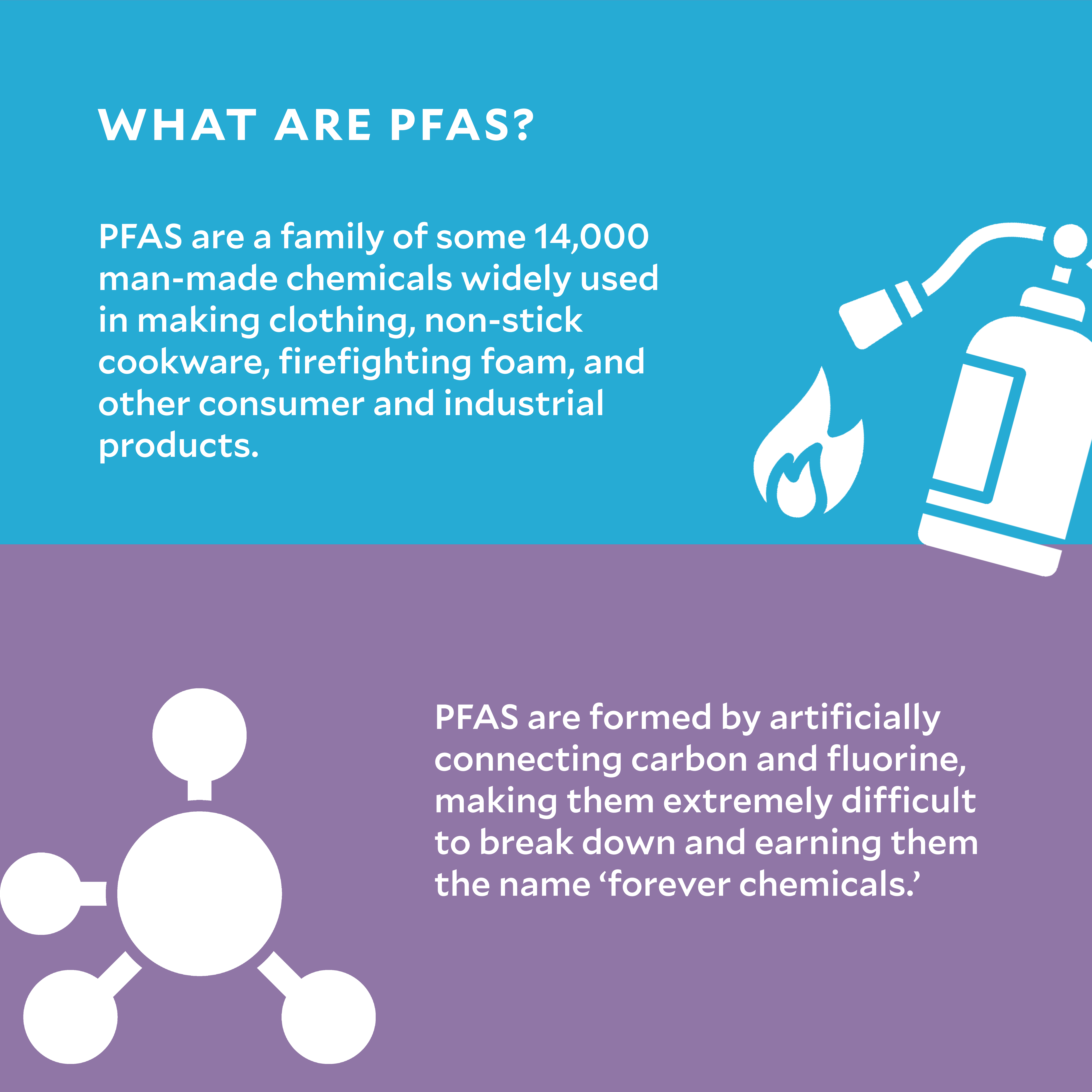
BILOTT: PFAS stands for per- and polyfluoroalkyl substances. They are a completely man-made family of chemicals created around the time of World War II. These chemicals, formed by artificially connecting carbon and fluorine, are known for their strength, stain resistance, grease protection, and water resistance. They are used in a wide variety of products, and there are now estimates of up to 14,000 different PFAS compounds. 

Why are PFAS called ‘forever chemicals?’ 

VASILIOU: PFAS are often called ‘forever chemicals’ because they contain an exceptionally strong carbon-fluorine bond, which makes them highly resistant to breakdown. As a result, they persist in the environment for decades or longer—in water, soil, and even living organisms. Their environmental and biological persistence means they can accumulate over time, raising long-term concerns for ecosystems and public health. 
What consumer or industrial products contain PFAS? 

BILOTT: PFAS have been used in an incredible array of consumer and commercial products since the 1940s. Common products containing PFAS include non-stick cookware, carpeting, clothing, fast food wrappers and packaging, computer chips, toilet paper, and waterproof cosmetics. Keywords like stain-resistant, waterproof, grease-resistant, and non-stick often indicate the presence of PFAS. These chemicals were not listed on ingredient lists or labels, and many companies were unaware they were using them. 

What are the known health risks associated with PFAS? 

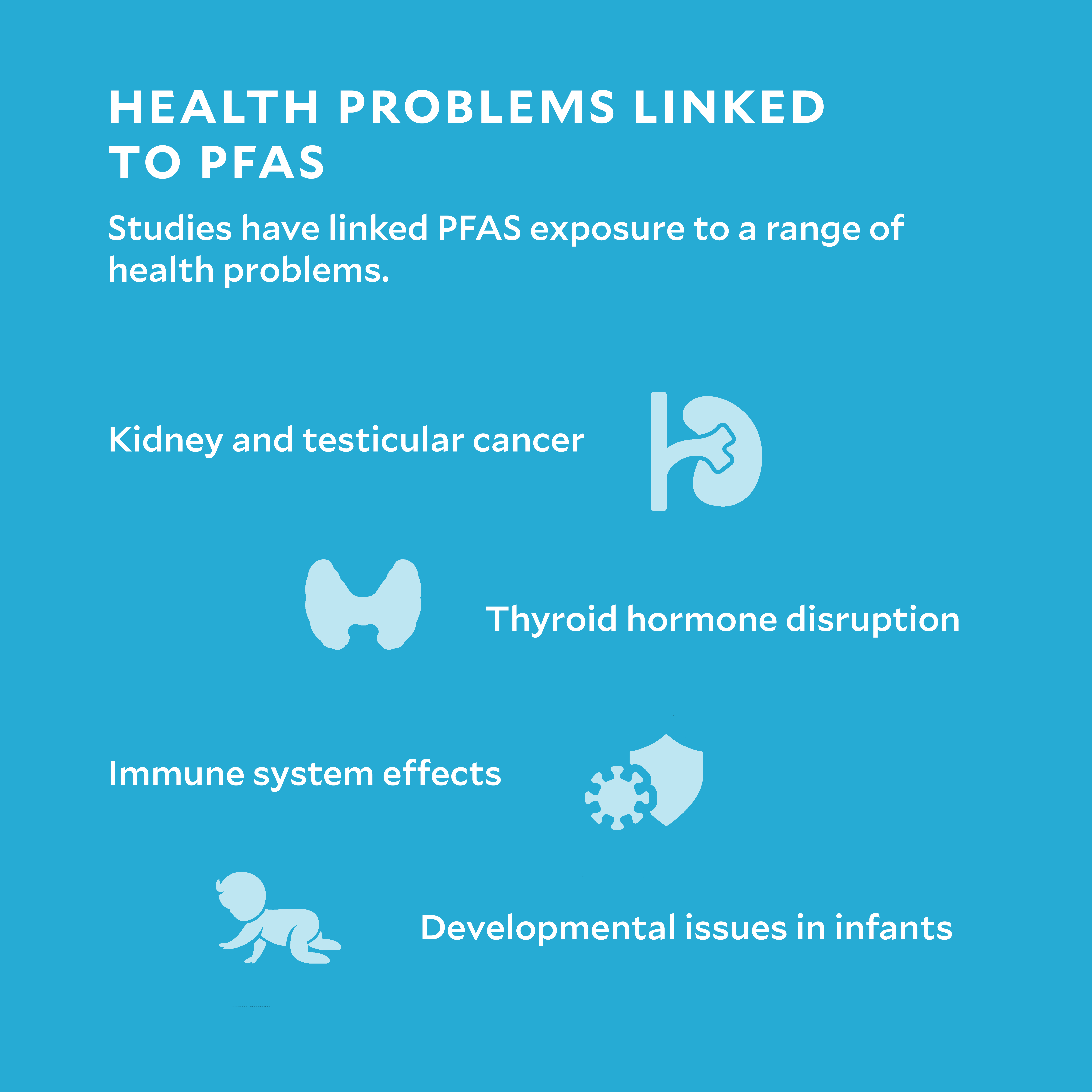
VASILIOU: PFAS are linked to various cancers such as kidney, testicular, and liver cancer, as well as liver toxicity. There is a rising incidence of early-onset cancers, like colon and liver cancer, in younger individuals, potentially due to developmental exposure. Developmental and reproductive effects of PFAS include low birth weight, accelerated puberty, reduced fertility, and pregnancy-induced hypertension, with possible epigenetic changes that might contribute to early-onset cancers. PFAS also impair the immune system, reducing vaccine effectiveness and potentially increasing susceptibility to infections like COVID-19. Additionally, PFAS exposure is linked to various metabolic effects such as obesity, type 2 diabetes, cardiovascular disease, reduced kidney function, high cholesterol, colitis, and neurodegenerative issues in children. 
By some estimates, 90% of drinking water in the U.S. contains PFAS. How did that happen? 

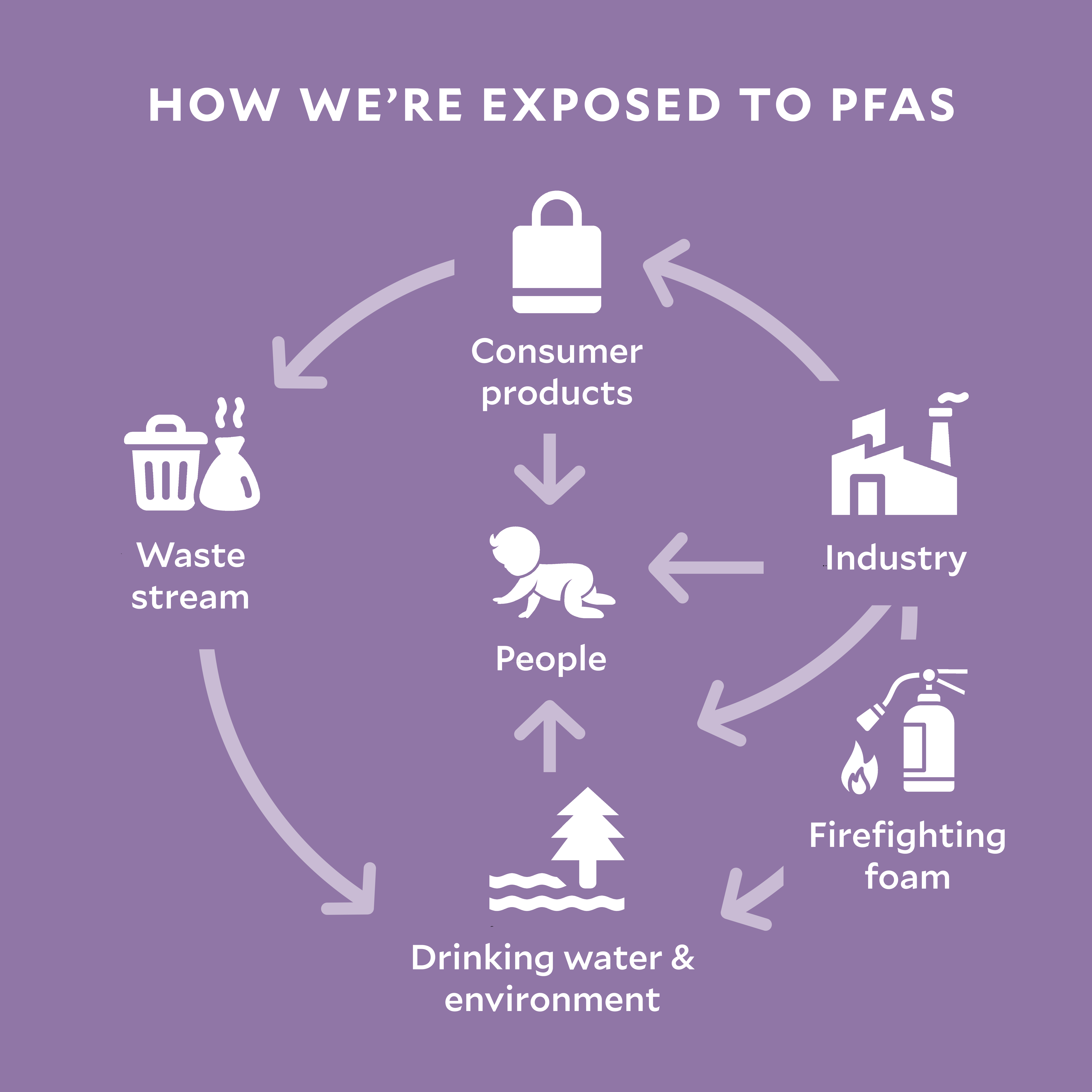
BILOTT: PFAS contamination in drinking water primarily comes from aqueous film-forming foam, or AFFF—the firefighting foam that was developed during the Vietnam War to extinguish petroleum-based fires. This foam contains high concentrations of C-8 PFAS chemicals known as PFOA and PFOS that have been widely used by military organizations, airports, and fire stations globally since the 1960s. The people buying and using it were not informed about its PFAS content and were misled about its safety, which led to widespread environmental contamination. 

Has a safe level for PFAS chemicals been identified? 

BILOTT: No one has identified a safe level of PFAS chemicals. Companies like 3M and DuPont set internal safety guidelines for their employees decades ago, but this information was withheld from government agencies and scientists until much later. Studies have revealed that PFAS are persistent, bioaccumulative, and toxic, affecting multiple organ systems and potentially reducing vaccine effectiveness. The EPA has set very low drinking water standards, aiming for no more than four parts per trillion and ideally zero for PFOA and PFOS, which are now recognized as human carcinogens. 

VASILIOU: PFAS chemicals are not metabolized by the body, unlike many other environmental contaminants. Because they resist breakdown and are only slowly excreted, they accumulate in human tissues—especially in the blood, liver, and kidneys—over time. This bioaccumulation contributes to a range of toxic effects, including immunotoxicity, endocrine disruption, and increased risk of kidney and testicular cancer. Given their extreme persistence and potential for harm even at very low levels, efforts to establish safe exposure limits increasingly aim toward zero. 

Can the human body repair damage caused by PFAS? 

VASILIOU: The human body has some ability to repair tissue damage, but with PFAS, this process is complicated by the chemicals’ persistence. PFAS remain in the body for years and can interfere with normal repair mechanisms by promoting inflammation, oxidative stress, and immune dysfunction. Even if some tissues, like the liver, can regenerate, ongoing internal exposure means that damage may continue, making full recovery difficult—especially with chronic or high-level exposures.
Are any PFAS chemicals regulated? 

BILOTT: In 2024, the first federal nationwide regulations for PFAS chemicals were adopted by the EPA, setting drinking water standards and declaring two C-8 PFAS as hazardous under federal Superfund law. The process took decades, with companies pushing back and fighting regulation in courts. States like New Jersey, Minnesota, and Connecticut have also moved forward with regulations, which are facing legal challenges from manufacturers. In Europe, proposed global bans on PFAS face significant opposition due to economic impacts.

What technologies exist to remove PFAS from drinking water? 

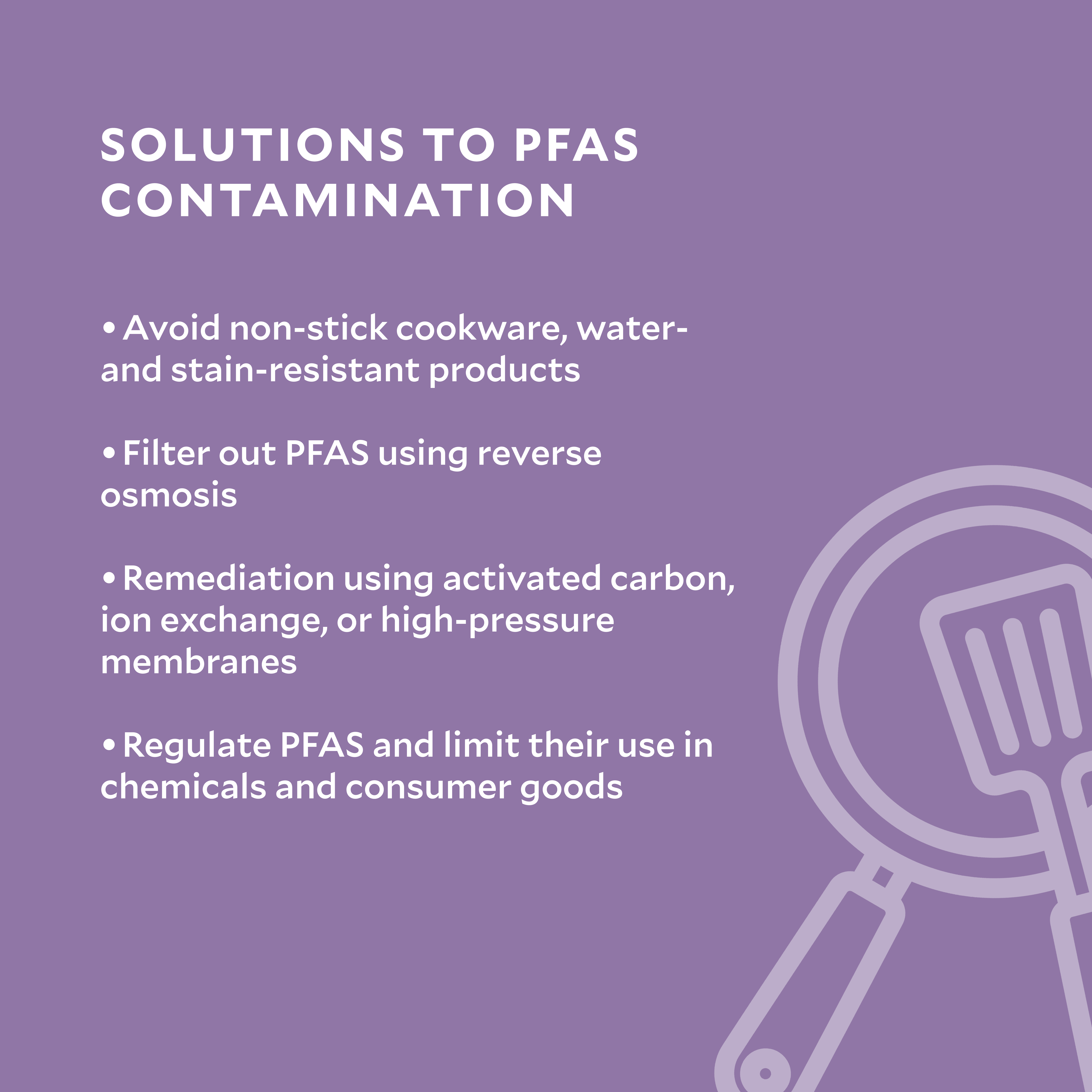
VASILIOU: Activated carbon and reverse osmosis are the primary technologies to remove PFAS, though reverse osmosis is very expensive for individual homes. Yale engineers are working on innovative solutions, such as membranes and methods to break down PFAS chemicals.
Who is going to pay for cleaning up PFAS contamination? 

BILOTT: Our law firm represents hundreds of cities seeking compensation from companies like 3M and DuPont, who created the chemicals. These cases are part of the aqueous film-forming foam (AFFF) multidistrict litigation in South Carolina. Recently, significant settlements totaling over $14 billion from companies like 3M, DuPont, BASF, and Tyco have been reached to help public water systems clean up PFAS. The federal government has allocated $10 billion for this purpose but that is taxpayer money. We are working to ensure the responsible companies pay for the cleanup. 

How does someone know if PFAS is present in their drinking water or consumer products? 

BILOTT: It’s not always easy. For public water systems, sampling is starting to be required and information may be available in quarterly reports to customers. But many districts haven’t started testing yet. The Environmental Working Group created an interactive map showing where testing has occurred and what the levels are. For consumer products, there’s a lot less information. PFAS were not listed on ingredient labels or material safety data sheets, and even manufacturers might not have known they were using PFAS. Some groups are now testing products for PFAS, and products labeled with buzzwords like waterproof, stain-resistant, non-stick, and grease-proof might contain PFAS. Consumer demand has led some companies to commit to PFAS-free products, but definitions and detection levels vary so that is causing mass confusion in the market. 

What can the average person do about the PFAS problem? 

VASILIOU: Individuals can reduce their PFAS exposure by avoiding products such as older non-stick cookware, water-resistant clothing, stain-proof textiles, and certain cosmetics that may contain PFAS. It’s also important to be informed about your drinking water—use certified filters that are effective against PFAS and consult local or state resources for water quality information, including bottled water when available. Beyond personal choices, civic engagement plays a powerful role. Raising awareness, supporting legislation, and demanding transparency from manufacturers and regulators can drive meaningful, large-scale change 

BILOTT: An individual can make a huge difference by standing up, speaking out, and demanding change. It may take a while, but as you see in the story of “Dark Waters,” individuals speaking out are having a huge impact. Laws are being proposed and passed to restrict these chemicals. Some of the biggest companies on the planet are now committing to getting out of PFAS. That only happened by individuals saying ‘we don’t want this.’ 

What is Yale doing? 

Yale is committed to making the university a healthy and productive place to live, work, and study. We are reducing the amount of harmful chemicals on campus through healthy furniture standards to reduce the amount of chemicals of concern in the materials we purchase to furnish our buildings. The Yale School of Public Health is leading groundbreaking research into the human health impacts of PFAS, analyzing their role in cancer cell migration, liver damage, and pregnancy loss. The Yale School of Engineering and Applied Sciences is developing technologies to separate and destroy PFAS at water treatment facilities and other locations.

CLICK HERE FOR MORE INFORMATION

https://sustainability.yale.edu/explainers/yale-experts-explain-pfas-forever-chemicals?

EPA Announces It Will Keep Maximum Contaminant Levels for PFOA, PFOS

EPA intends to provide regulatory flexibility and holistically address these contaminants in drinking water 

Contact Information

EPA Press Office (press@epa.gov)

WASHINGTON – U.S. Environmental Protection Agency (EPA) Administrator Lee Zeldin announced the agency will keep the current National Primary Drinking Water Regulations (NPDWR) for perfluorooctanoic acid (PFOA) and perfluorooctane sulfonic acid (PFOS), which set nationwide limits for these “forever chemicals” in drinking water. The agency is committed to addressing Per- and Polyfluoroalkyl substances (PFAS) in drinking water while following the law and ensuring that regulatory compliance is achievable for drinking water systems. 

“The work to protect Americans from PFAS in drinking water started under the first Trump Administration and will continue under my leadership,” said EPA Administrator Zeldin. “We are on a path to uphold the agency’s nationwide standards to protect Americans from PFOA and PFOS in their water. At the same time, we will work to provide common-sense flexibility in the form of additional time for compliance. This will support water systems across the country, including small systems in rural communities, as they work to address these contaminants. EPA will also continue to use its regulatory and enforcement tools to hold polluters accountable.” 

As part of this action, EPA is announcing its intent to extend compliance deadlines for PFOA and PFOS, establish a federal exemption framework, and initiate enhanced outreach to water systems, especially in rural and small communities, through EPA’s new PFAS OUTreach Initiative (PFAS OUT). This action would help address the most significant compliance challenges EPA has heard from public water systems, members of Congress, and other stakeholders, while supporting actions to protect the American people from certain PFAS in drinking water.  

Paired with effluent limitations guidelines (ELGs) for PFAS and other tools to ensure that polluters are held responsible, EPA’s actions are designed to reduce the burden on drinking water systems and the cost of water bills, all while continuing to protect public health and ensure that the agency is following the law in establishing impactful regulations such as these. 

EPA is also announcing its intent to rescind the regulations and reconsider the regulatory determinations for PFHxS, PFNA, HFPO-DA (commonly known as GenX), and the Hazard Index mixture of these three plus PFBS to ensure that the determinations and any resulting drinking water regulation follow the legal process laid out in the Safe Drinking Water Act. 

Regulatory Protection with Flexibility and Cost Savings   

On April 10, 2024, EPA announced the final National Primary Drinking Water Regulation, including standards for PFOA and PFOS. At that time, EPA established legally enforceable levels for these PFAS in drinking water and gave public water systems until 2029 to comply with the Maximum Contaminant Levels (MCLs). 

To allow drinking water systems more time to develop plans for addressing PFOA and PFOS where they are found and implement solutions, EPA plans to develop a rulemaking to provide additional time for compliance, including a proposal to extend the compliance date to 2031. EPA plans to issue a proposed rule this fall and finalize this rule in the Spring of 2026. Aligned with the agency’s intent to provide additional compliance time for water systems, EPA encourages states seeking primacy for implementing the PFAS drinking water regulation to request additional time from EPA to develop their applications. At the same time, EPA will support the U.S. Department of Justice in defending ongoing legal challenges to the PFAS National Primary Drinking Water Regulation with respect to PFOA and PFOS.  

“EPA has done the right thing for rural and small communities by delaying implementation of the PFAS rule. This commonsense decision provides the additional time that water system managers need to identify affordable treatment technologies and make sure they are on a sustainable path to compliance. NRWA greatly appreciates this reasonable and flexible approach, and we look forward to partnering with the agency’s PFAS OUTreach Initiative to help ensure water systems have the resources and support they need,” said National Rural Water Association CEO Matthew Holmes.  

“ASDWA supports EPA’s proposed approach to the PFAS regulation to extend the compliance date for systems by an additional two years. With the current compliance date of 2029, states and water systems are struggling with the timeframes to complete the pilot testing, development of construction plans, and building the necessary treatment improvements. EPA’s proposed extension of the compliance date and increased technical assistance will address the number of systems that would be out of compliance in 2029 due to not being able complete all of these tasks on time,” said Association of State Drinking Water Administrators Executive Director Alan Roberson. 

Enhancing Communication and Outreach  

To enhance engagement on addressing PFAS, EPA will launch PFAS OUT to connect with every public water utility known to need capital improvements to address PFAS in their systems, including those EPA has identified as having PFOA and PFOS levels above EPA’s MCL. EPA will share resources, tools, funding, and technical assistance to help utilities meet the federal drinking water standards. PFAS OUT will ensure that no community is left behind as we work to protect public health and bring utilities into compliance with federal drinking water standards. PFAS OUT will engage utilities, technical assistance providers and local, State, Tribal, and Territorial leaders to develop effective, practical solutions where they are needed most. 

EPA will continue to offer free water technical assistance (WaterTA) that provides services to water systems to improve their drinking water and help communities access available funding. EPA’s WaterTA initiatives work with water systems nationwide to identify affordable solutions to assess and address PFAS, including PFOA and PFOS. Services offered to utilities include water quality testing, development of technical plans, operator training support, designing public engagement and outreach strategies, and support for accessing federal funding opportunities.   

Holding Polluters Accountable  

Drinking water systems are passive receivers of PFOA and PFOS. Polluters can contaminate the surface waters or aquifers that these systems rely on to provide the drinking water to their communities. As announced by Administrator Zeldin, EPA intends to take a number of actions to reduce the prevalence of PFAS in the environment, including in sources of drinking water. Progress reducing concentrations of PFAS in drinking water sources can substantially reduce the cost burden for water systems and reduce the cost of living for the communities they serve. 

A Record of Leadership   

Administrator Zeldin’s leadership on PFAS dates back to his time in Congress, where he was a founding member of the PFAS Congressional Taskforce and a strong supporter of the PFAS Action Act, legislation to provide funding to support local communities cleaning up PFAS-contaminated water systems. He was, and remains, a staunch advocate for protecting Long Islanders and all Americans from contaminated drinking water.    

In the process of developing and taking action on a number of these items, Administrator Zeldin personally heard from members of Congress on passive receiver issues where local water utilities will foot the bill for contamination and pass those costs onto consumers. This mindset and the need for a polluter pays model has guided a lot of the work to be done at EPA in the future.  

Background    

On April 28, 2025, Administrator Zeldin announced a long list of actions to combat PFAS contamination that included in part the designation of an agency lead for PFAS, the development of ELGs for certain PFAS to reduce discharges to waterways including upstream of drinking water systems, and initiatives to engage with Congress and industry to establish a clear liability framework that ensures passive receivers and consumers are protected. This list is the first, not the last, of all decisions and actions EPA will be taking to address PFAS over the course of the Trump Administration. There will be more to come in the future across EPA’s program offices to help communities impacted by PFAS contamination.  

During President Trump’s first term, EPA convened a two-day National Leadership Summit on PFAS in Washington, D.C. that brought together more than 200 federal, state, and local leaders from across the country to discuss steps to address PFAS. Following the Summit, the agency hosted a series of visits during the summer of 2018 in communities directly impacted by PFAS. EPA interacted with more than 1,000 Americans during community engagement events in Exeter, New Hampshire, Horsham, Pennsylvania, Colorado Springs, Colorado, Fayetteville, North Carolina, and Leavenworth, Kansas, as well as through a roundtable in Kalamazoo, Michigan, and events with tribal representatives in Spokane, Washington.  

In 2019, the Trump EPA announced the PFAS Action Plan. This historic Plan responded to extensive public interest and input the agency received and represented the first time EPA built a multi-media, multi-program, national communication and research plan to address an emerging environmental challenge like PFAS. EPA’s Action Plan identified both short-term solutions for addressing these chemicals and long-term strategies that will help provide the tools and technologies states, tribes, and local communities need to provide clean and safe drinking water to their residents and to address PFAS at the source—even before it gets into the water. 

EPA supports water systems in reducing PFAS and emerging contaminants (EC) in drinking water through a range of funding resources. Federal funding opportunities include the Drinking Water State Revolving Fund (DWSRF) program, the EC Small or Disadvantaged Communities (EC-SDC) grant program, and funding resources, like EPA’s Water Infrastructure Finance and Innovation Act (WIFIA) program, that can be leveraged to provide supplemental, flexible, low-cost credit assistance to public and private borrowers. 

For information about the PFAS Rule, visit Final PFAS National Primary Drinking Water Regulation and Per- and Polyfluoroalkyl Substances (PFAS) NPDWR Implementation. For more information about PFAS Technical Assistance, visit EPA Water Technical Assistance. You can also Request EPA WaterTA services for your community.  

CLICK HERE FOR MORE INFORMATION

https://www.epa.gov/newsreleases/epa-announces-it-will-keep-maximum-contaminant-levels-pfoa-pfos?

Troubled waters? The future of drinking water in the U.S.

From fluoride to “forever chemicals,” drinking water has been in the spotlight this year. In a Q&A, Yale epidemiologist Nicole Deziel discusses the water we drink today — and what’s on tap for the future.

Aug 13, 2025

7 min read

By Meg Dalton

(Illustration by Michael S. Helfenbein)

Woman drinking water from a glass

Listen to this story

8:33

In 1945, Grand Rapids, Michigan, made history — as the first city in the world to add small amounts of fluoride to its public water supply. At the time, studies showed communities with higher levels of natural fluoride in water had better dental health. Water fluoridation is now practiced in about 25 countries around the world, including Spain, Malaysia, and the United States. In the U.S., approximately 63% of the population drinks fluoridated water.

Low levels of fluoride, a naturally occurring mineral, can be found in many sources of drinking water due to natural processes like the weathering of rocks and human activities like manufacturing. However, there’s growing debate over whether additional fluoride should be introduced to drinking water. This year, states including Utah and Florida have banned the use of fluoride in public water systems, and federal officials have called for more states to follow suit.

Nicole Deziel is an associate professor of epidemiology (environmental health sciences) and co-director of the Yale Center for Perinatal, Pediatric and Environmental Epidemiology at the Yale School of Public Health. In an interview, she explains the benefits and risks of fluoride, how “forever chemicals” and climate change impact water quality, and how we can monitor the water we drink.

Nicole Deziel
Nicole Deziel

The interview has been edited for length and clarity.

What are the benefits of fluoride? Are there any potential risks?

Nicole Deziel: Fluoride can strengthen our bones and teeth enamel, and the strengthening of the enamel prevents cavities. But too much of it can damage our bones and enamel in a process called fluorosis, and it can potentially have neurological effects as well. Fluoridation of the public water supply can help address disparities in dental insurance and access to dental care.

Finding the right amount where the benefits outweigh the risks is key. The U.S. Public Health Service recommends a fluoride concentration of 0.7 mg/L [parts per million] in drinking water. The World Health Organization recommends a limit of 1.5 mg/L, while the U.S. Environmental Protection Agency sets a limit of 4 mg/L. Newer evidence of more subtle neurological effects is prompting reexamination of these target levels and limits.

Why are we seeing some states ban the use of fluoride in public water systems? Why are some people suspicious of it?

Deziel: There’s a long history of controversy about fluoride, including urban legends and conspiracy theories. For some people, it may seem counterintuitive to add a chemical that may have some toxic properties to make our water safer. However, we do this with chlorine as well. Chlorine is toxic at high levels and can form harmful byproducts, but we add it to drinking water to disinfect it and kill bacteria and pathogens to make our water safe to drink. We’re often doing these kinds of tradeoffs in environmental health and public health. In addition, misinformation and distrust of science could all be contributing to us revisiting this [the fluoridation of water]. 

Finding the right amount [of fluoride] where the benefits outweigh the risks is key.

Nicole Deziel

However, there’s been some new data that should prompt us to reexamine fluoride. There have been a few recent studies that have shown that fluoride exposure is linked to lower IQ levels in children where fluoride levels are above some of the target levels. Some in the dental community have raised concerns about how the data in those studies are being interpreted. Given these concerns, it is important that experts across disciplines collectively re-examine the latest evidence on fluoride’s risks and benefits to ensure the public and policymakers receive clear, evidence-based guidance.

Let’s move from fluoride to so-called “forever chemicals,” also known as PFAS. What are PFAS, and why are they called “forever chemicals”?

Deziel: PFAS, or per- and polyfluoroalkyl substances, are commonly referred to as “forever chemicals” due to their persistence in the environment as well as human bodies. They’re molecules that have chains of carbon and fluorine, and the carbon-fluorine bond is the strongest chemical bond known.

Their properties have made PFAS very desirable in many consumer products like Teflon pans, stain-resistant and water-resistant clothing and textiles, food packaging, and more. They’re also in firefighting foam.

According to some estimates, 90% of drinking water in the U.S. contains PFAS. How did happen, and what impact do PFAS have on our health?

Deziel: This happens for a few reasons, such as improper disposal of PFAS at manufacturing sites and the use of firefighting foams at airports and military bases. But PFAS are also in household products, many of which can go down the drain and be introduced into our environment.

PFAS have been linked to a variety of adverse health problems, including endocrine disruption, cancer, reproductive effects, decreased effects on our immune system, decreased efficacy of vaccines, and more.

Last year, the U.S. set the first-ever national limits on PFAS. Now, some of those regulations are being delayed or reconsidered. How are limits set for contaminants like PFAS?

Deziel: The Environmental Protection Agency sets maximum contaminant levels for drinking water under the Safe Drinking Water Act. When they set them, they’re allowed to consider not just public health but technological or economic feasibility. It took about 20 years just to get the PFAS standards passed, even though we’ve known about these issues for decades. This is a very slow and inefficient process, and the standards are not keeping pace with the science. So, it’s frustrating that the few new standards set may not even move forward.

In recent years, we’ve also seen several extreme weather events, from wildfires and floods to intense heat and droughts. How does climate change threaten the safety of our drinking water?

Deziel: Climate change can impact our drinking water in many ways. First, increasing intense droughts can affect our water supplies and lead to water scarcity. With wildfires, we often focus on the smoke and the immediate damage, but once the fires have been addressed, there are concerns about all the fire-retardant chemicals that are deposited into our soils and waterways. Plus, wildfires require a lot of water. Rising sea levels can create saltwater intrusion into freshwater sources. Floods and storms can release chemicals into our waterways and impact our water infrastructure overall. So there are many ways our changing climate and extreme weather can affect drinking water.

What can people like you and me do to monitor — and even improve — the quality of the water we drink?

Deziel: In public health, we talk about a hierarchy of controls. So, the best would be to have evidence-based drinking water standards that reflect the best science, and that would be because not everybody has the time and resources to research different strategies or purchase different filters.

However, if someone wanted to reduce their exposures to chemicals, there are several different filtering devices that are available. The most common is the charcoal, or activated carbon, filter. These can remove some chemicals including chlorine, some metals, some organic contaminants, and some but not all PFAS. They can be installed for the whole house, under the sink, or directly on the faucet. Reverse osmosis filters, which push water through a special membrane, are more effective at removing a much wider range of chemicals, but they’re more expensive. Countertop and pitcher-style filters are other options. They use gravity to pass water through a carbon cartridge. They’re generally more affordable, and while they don’t remove as many contaminants as in-line systems, they offer some protection and may be a good starting point for some households.

People may be tempted to turn to bottled water. However, many brands of bottled water are just tap water that’s been run through extra purification steps (spring water and mineral water are exceptions). This additional treatment can mean the water is very clean, but bottled water comes with significant downsides. In the U.S., only a tiny fraction of the millions of plastic bottles we use actually get recycled, with most polluting streets, rivers, and oceans. Producing those bottles uses petroleum and releases greenhouse gases, adding to climate change. Moreover, single-use plastic bottles can release endocrine-disrupting chemicals called phthalates as well as tiny plastic particles known as microplastics, especially if left in sunlight and heat.

Media Contact

Fred Mamoun

fred.mamoun@yale.edu203-436-2643

CLICK HERE FOR MORE INFORMATION

https://news.yale.edu/2025/08/13/troubled-waters-future-drinking-water-us?

1 in 4 people globally still lack access to safe drinking water – WHO, UNICEF

Departmental update

Reading time: 3 min (828 words)

To mark World Water Week 2025, new report highlights persistent inequalities, with vulnerable communities left behind.

Despite progress over the last decade, billions of people around the world still lack access to essential water, sanitation, and hygiene services, putting them at risk of disease and deeper social exclusion.

A new report: Progress on Household Drinking Water and Sanitation 2000–2024: special focus on inequalities –launched by WHO and UNICEF during World Water Week 2025 – reveals that, while some progress has been made, major gaps persist. People living in low-income countries, fragile contexts, rural communities, children, and minority ethnic and indigenous groups face the greatest disparities.

Ten key facts from the report:

  • Despite gains since 2015, 1 in 4 – or 2.1 billion people globally – still lack access to safely managed drinking water*, including 106 million who drink directly from untreated surface sources.
  • 3.4 billion people still lack safely managed sanitation, including 354 million who practice open defecation.
  • 1.7 billion people still lack basic hygiene services at home, including 611 million without access to any facilities.
  • People in least developed countries are more than twice as likely as people in other countries to lack basic drinking water and sanitation services, and more than three times as likely to lack basic hygiene.
  • In fragile contexts**, safely managed drinking water coverage is 38 percentage points lower than in other countries, highlighting stark inequalities.
  • While there have been improvements for people living in rural areas, they still lag behind. Safely managed drinking water coverage rose from 50 per cent to 60 per cent between 2015 and 2024, and basic hygiene coverage from 52 per cent to 71 per cent. In contrast, drinking water and hygiene coverage in urban areas has stagnated.
  • Data from 70 countries show that while most women and adolescent girls have menstrual materials and a private place to change, many lack sufficient materials to change as often as needed.
  • Adolescent girls aged 15–19 are less likely than adult women to participate in activities during menstruation, such as school, work and social pastimes.
  • In most countries with available data, women and girls are primarily responsible for water collection, with many in sub-Saharan Africa and Central and Southern Asia spending more than 30 minutes per day collecting water.
  • As we approach the last five years of the Sustainable Development Goals period, achieving the 2030 targets for ending open defecation and universal access to basic water, sanitation and hygiene services will require acceleration, while universal coverage of safely managed services appears increasingly out of reach.

“Water, sanitation and hygiene are not privileges, they are basic human rights,” said Dr Ruediger Krech, Director a.i, Environment, Climate Change and Health, World Health Organization. “We must accelerate action, especially for the most marginalized communities, if we are to keep our promise to reach the Sustainable Development Goals.”

“When children lack access to safe water, sanitation, and hygiene, their health, education, and futures are put at risk,” said Cecilia Scharp, UNICEF Director of WASH. “These inequalities are especially stark for girls, who often bear the burden of water collection and face additional barriers during menstruation. At the current pace, the promise of safe water and sanitation for every child is slipping further from reach – reminding us that we must act faster and more boldly to reach those who need it most.”

Notes for editors:

Download the full report

Multimedia material is available here

This latest update – produced by WHO/UNICEF Joint Monitoring Programme for Water Supply, Sanitation and Hygiene (JMP) – provides new national, regional and global estimates for water, sanitation and hygiene services in households from 2000 until 2024. The report also includes expanded data on menstrual health for 70 countries, revealing challenges that affect women and girls across all income levels.

The report is being launched during World Water Week 24-28 August 2025, the leading annual conference on global water issues, and bringing together stakeholders from across sectors to accelerate progress towards the Sustainable Development Goals.

____________________________ 

*JMP definition of ‘Safely managed drinking water and sanitation services’: Drinking water from sources located on premises, free from contamination and available when needed, and using hygienic toilets from which wastes are treated and disposed of safely.

**Fragile contexts: Fragility, according to the OECD, is the combination of exposure to risk and insufficient coping capacities of the state, system and/or communities to manage, absorb or mitigate those risks. It occurs in a spectrum of intensity across six dimensions: economic, environmental, human, political, security and societal.

About the JMP
The WHO/UNICEF Joint Monitoring Programme for Water Supply, Sanitation and Hygiene (JMP) was established in 1990 and has been tracking global progress for 35 years. It is responsible for monitoring Sustainable Development Goal targets 1.4, 6.1 and 6.2, which call for universal access to safe water, sanitation, hygiene and the elimination of open defecation by 2030.

For more information, please contact:

WHO: mediainquiries@who.int
UNICEF: Iris Bano Romero | UNICEF New York | +1 9178048093 | ibano@unicef.org

CLICK HERE FOR MORE INFORMATION

https://www.who.int/news/item/26-08-2025-1-in-4-people-globally-still-lack-access-to-safe-drinking-water—who–unicef?

Microbes that breathe rust could help save Earth’s oceans

Microbes that breathe iron and eat sulfide could be quietly saving Earth’s oceans.

Source:University of Vienna

Summary:Researchers from the University of Vienna discovered MISO bacteria that use iron minerals to oxidize toxic sulfide, creating energy and producing sulfate. This biological process reshapes how scientists understand global sulfur and iron cycles. By outpacing chemical reactions, these microbes could help stop the spread of oceanic dead zones and maintain ecological balance.Share:


FULL STORY


Microbes That Breathe Rust
MISO bacteria “breathe” iron minerals while detoxifying sulfide, driving a newly discovered biological process that connects global sulfur, iron, and carbon cycles. Credit: Shutterstock

An international research team led by microbiologists Marc Mussmann and Alexander Loy at the University of Vienna has uncovered a completely new type of microbial metabolism. The newly identified microorganisms, known as MISO bacteria, are able to “breathe” iron minerals by oxidizing toxic sulfide. The scientists discovered that the reaction between hydrogen sulfide — a poisonous gas — and solid iron minerals is not only a chemical process, but also a biological one. In this newly revealed pathway, adaptable microbes living in marine sediments and wetland soils remove toxic sulfide and use it as an energy source for growth. These bacteria may also play an important role in preventing the expansion of oxygen-depleted “dead zones” in aquatic ecosystems.

The findings were recently published in Nature.

How Microbes Power Earth’s Element Cycles

The movement of key elements such as carbon, nitrogen, sulfur, and iron through the environment occurs through what are known as biogeochemical cycles. These transformations take place through reduction and oxidation (redox) reactions that move elements between air, water, soil, rocks, and living things. Because these cycles regulate greenhouse gases, they have a direct influence on Earth’s climate and temperature balance. Microorganisms drive nearly every step of these processes, using substances like sulfur and iron for respiration in much the same way humans rely on oxygen to metabolize food.

Sulfur and iron are particularly essential for microbial communities that live in oxygen-deprived habitats such as ocean floors, wetlands, and sediments. Sulfur can exist as a gas in the atmosphere, as sulfate dissolved in seawater, or locked within mineral deposits. Iron, on the other hand, shifts between different chemical forms depending on the availability of oxygen. When microbes process sulfur, they frequently change the form of iron at the same time, creating a tightly linked relationship between the two elements. This coupling affects nutrient cycling and influences the production or consumption of greenhouse gases like carbon dioxide and methane. Understanding these connections helps scientists predict how natural systems respond to environmental changes, including pollution and global warming.

Microbes That Use Iron to Eliminate Toxic Sulfide

“We show that this environmentally important redox reaction is not solely chemical,” says Alexander Loy, research group leader at CeMESS, the Centre for Microbiology and Environmental Systems Science at the University of Vienna. “Microorganisms can also harness it for growth.”

The team’s discovery reveals a new form of microbial energy production called MISO. This process connects the reduction of iron(III) oxide with the oxidation of sulfide. Unlike a purely chemical reaction, MISO directly generates sulfate, skipping intermediate steps in the sulfur cycle. “MISO bacteria remove toxic sulfide and may help prevent the expansion of so-called ‘dead zones’ in aquatic environments, while fixing carbon dioxide for growth — similar to plants,” adds Marc Mussmann, senior scientist at CeMESS.

A Fast, Widespread Process That Shapes the Planet

In laboratory experiments, the researchers found that the MISO reaction carried out by microbes happens faster than the same reaction when it occurs chemically. This indicates that microorganisms are likely the main force behind this transformation in natural environments. “Diverse bacteria and archaea possess the genetic capacity for MISO,” explains lead author Song-Can Chen, “and they are found in a wide range of natural and human-made environments.”

According to the study, MISO activity in marine sediments could be responsible for as much as 7% of all global sulfide oxidation to sulfate. This process is fueled by the steady flow of reactive iron entering the oceans from rivers and melting glaciers. The research, supported by the Austrian Science Fund (FWF) as part of the ‘Microbiomes Drive Planetary Health’ Cluster of Excellence, identifies a new biological mechanism linking the cycling of sulfur, iron, and carbon in oxygen-free environments.

“This discovery demonstrates the metabolic ingenuity of microorganisms and highlights their indispensable role in shaping Earth’s global element cycles,” concludes Alexander Loy.

CLICK HERE FOR MORE INFORMATION

https://www.sciencedaily.com/releases/2025/11/251109013252.htm

Plastic-eating bacteria discovered in the ocean

Source:King Abdullah University of Science & Technology (KAUST)

Summary:Beneath the ocean’s surface, bacteria have evolved specialized enzymes that can digest PET plastic, the material used in bottles and clothes. Researchers at KAUST discovered that a unique molecular signature distinguishes enzymes capable of efficiently breaking down plastic. Found in nearly 80% of ocean samples, these PETase variants show nature’s growing adaptation to human pollution.Share:


FULL STORY


Plastic-Eating Bacteria Discovered in the Ocean
Bacteria armed with the M5 motif on their PETase enzyme can feast on plastic, a trait now seen thriving across the world’s oceans. Credit: © 2025 KAUST

Far beneath the ocean’s surface, researchers have found bacteria that can digest plastic, using specialized enzymes that evolved alongside humanity’s synthetic debris.

A large-scale global study by scientists at KAUST (King Abdullah University of Science and Technology) revealed that these marine microbes are widespread and genetically prepared to consume polyethylene terephthalate (PET) — the tough plastic used in everyday items like drink bottles and fabrics.

Their remarkable ability stems from a distinct structural feature on a plastic-degrading enzyme called PETase. This feature, known as the M5 motif, acts as a molecular signature that signals when an enzyme can truly break down PET.

“The M5 motif acts like a fingerprint that tells us when a PETase is likely to be functional, able to break down PET plastic,” explains Carlos Duarte, a marine ecologist and co-leader of the study. “Its discovery helps us understand how these enzymes evolved from other hydrocarbon-degrading enzymes,” he says. “In the ocean, where carbon is scarce, microbes seem to have fine-tuned these enzymes to make use of this new, human-made carbon source: plastic.”

How Nature’s Recyclers Evolved

For decades, scientists believed PET was almost impossible to degrade naturally. That belief began to shift in 2016, when a bacterium discovered in a Japanese recycling plant was found to survive by consuming plastic waste. It had developed a PETase enzyme capable of dismantling plastic polymers into their building blocks.

Yet it remained unclear whether oceanic microbes had developed similar enzymes independently.

Using a combination of artificial intelligence modeling, genetic screening, and laboratory testing, Duarte and his team confirmed that the M5 motif distinguishes true PET-degrading enzymes from inactive look-alikes. In experiments, marine bacteria carrying the complete M5 motif efficiently broke down PET samples. Genetic activity maps showed that M5-PETase genes are highly active throughout the oceans, especially in areas heavily polluted with plastic.

Global Spread of Plastic-Eating Microbes

To understand how widespread these enzymes are, the researchers examined more than 400 ocean samples collected from across the globe. Functional PETases containing the M5 motif appeared in nearly 80 percent of the tested waters, ranging from surface gyres filled with floating debris to nutrient-poor depths nearly two kilometers below.

In the deep sea, this ability may give microbes an important edge. The ability to snack on synthetic carbon may confer a crucial survival advantage, noted Intikhab Alam, a senior bioinformatics researcher and co-leader of the study.

The discovery highlights a growing evolutionary response: microorganisms are adapting to human pollution on a planetary scale.

Although this adaptation reveals nature’s resilience, Duarte cautions against optimism. “By the time plastics reach the deep sea, the risks to marine life and human consumers have already been inflicted,” he warns. The microbial breakdown process is far too slow to offset the massive flow of plastic waste entering the oceans each year.

Turning Discovery Into Real-World Solutions

On land, however, the findings could accelerate progress toward sustainable recycling. “The range of PET-degrading enzymes spontaneously evolved in the deep sea provides models to be optimized in the lab for use in efficiently degrading plastics in treatment plants and, eventually, at home,” says Duarte.

The identification of the M5 motif offers a roadmap for engineering faster, more effective enzymes. It reveals the structural traits that work under real environmental conditions rather than just in test tubes. If scientists can replicate and enhance these natural mechanisms, humanity’s battle against plastic pollution may find powerful new allies in one of the planet’s most unexpected places: the deep ocean.

CLICK HERE FOR MORE INFORMATION

https://www.sciencedaily.com/releases/2025/11/251104013023.htm

The Polluted Tijuana River Is Polluting the Air in San Diego

Some people who reside in the southern portion of San Diego County, California, say it stinks to live there. Literally. For years, residents have complained that odors emanating from the polluted Tijuana River, which flows from Mexico into the U.S. toward the Pacific Ocean, are causing eye, nose and throat irritation, respiratory problems, fatigue, and headaches.

A new study shows that turbulence in polluted waters of the Tijuana River transfers contaminants to the air. In this photo, culverts at the Saturn Boulevard river crossing generate high turbulence, enhancing the transfer of toxic wastewater pollutants. The location was identified by members of the local community as a source of particularly strong odors.  |  Credit: Beatriz Klimeck / UC San Diego

Now, a new study from scientists at UC, San Diego Scripps Institution of Oceanography; UC, Riverside; San Diego State University; the National Science Foundation; and National Center for Atmospheric Research (NCAR) says the residents are not imagining things. The research found that the contaminated river is contaminating the air—releasing large quantities of the toxic gas hydrogen sulfide—commonly known as “sewer gas” because of its rotten egg smell.

In September 2024, the team had set up air quality monitors in San Diego’s Nestor community in the South Bay. One location was where water tumbles from a culvert, which as it falls, creates enough turbulence to send aerosolized particles of pollutants from the river into the air.

The scientists measured peak concentrations of hydrogen sulfide that were some 4,500 times what is typical for an urban area. In addition, they identified hundreds of other gases released into the air by the river and its ocean outflow, showing for the first time, a direct link between poor water quality and bad air quality—a connection lead investigator Kimberly Prather says had not been made before.

Untreated sewage and industrial waste have plagued the Tijuana River for decades, causing long-term closures of beaches. In July, the U.S. and Mexico signed a memorandum of understanding that requires both nations to expedite stormwater and sewage infrastructure projects on each side of the border.  

Last week, EPA announced the completion of a ten-million-gallon-per-day expansion of the South Bay International Wastewater Treatment Plant in San Diego, which could help mitigate the issue, but as inewsource reports, it’s unclear as to when it will be operating at its new capacity.

The paper was published in the journal Science.

CLICK HERE FOR MORE INFORMATION

https://h2oradio.org

Investigators

Portable tests could detect “forever chemicals” in your home’s drinking water

By Tara Molina

We know how important clean water is, but tricky chemicals that get into our water can be hard to detect, posing dangers to our water systems and our health ­– until now.

Researchers with the University of Chicago have teamed up with Argonne National Labs in Lemont to detect the smallest chemicals in our water in an effort to make it safer and healthier for all.

PFAS, or per- and polyfluoroalkyl substances, are better known as “forever chemicals.” They’re man-made compounds that are found in places like fast food packaging, firefighters’ foams and other places. They’re long-lasting chemicals and do not naturally degrade, instead accumulating in the environment and our bodies over time, which is why the Environmental Protection Agency issued regulations on them last year.

Until recently, they were somewhat difficult to detect in drinking water, but labs like Argonne are making gains.

“It affects essentially all of us, and it is, in fact, dangerous,” Argonne’s Seth Darling said. “They’re really toxic to humans. They’ve been linked to cancer, they’ve been linked to reproductive issues, thyroid problems, all kinds of health issues.”

Darling is working alongside Junhong Chen, with UChicago’s Pritzker School of Molecular Engineering. They’re building a first-of-its-kind sensor that can detect PFAS in water.

“The work we are doing here is really important, because now we have a way to be able to measure this PFAS,” Chen said. “Almost the only way to measure for PFAS is to take the water sample and send it to a high-end analytical laboratory for the analysis.”

Darling says that, because the chemicals are dangerous even at low concentrations, you need a technique that can test for extremely low levels. The sensor they’re behind can detect down to what would equate to one grain of sand in an Olympic-sized swimming pool, or 250 parts per quadrillion.

Typically, this level of inspection would require intensive and expensive lab testing. Their goal is to make these tests accessible for anyone to make sure their water is safe, directly from their home.

“What’s important here is developing new ways,” Darling said, “low-cost, fast ways to determine: Is there PFAS in your water and, if so, how much?”

Other universities in the Chicago area have also delved in to research PFAS. Back in the spring, Northwestern University professor of chemistry SonBinh Nguyen and professor of engineering Tim Wei developed a graphene oxide solution that is water- and oil-resistant and could be a replacement for PFAS in items such as takeout coffee cups.

Adam Harrington contributed to this report.

CLICK HERE FOR MORE INFORMATION

https://www.cbsnews.com/chicago/news/chicago-researchers-portable-tests-forever-chemicals-drinking-water/?intcid=CNM-00-10abd1h

States With the Most Lead Drinking Water Pipes

Nearly a tenth of the nation’s drinking water service lines contain lead, new data shows.

By Chris Gilligan

U.S. News & World Report

States With the Most Lead Pipes

More

A piece of old lead pipe is seen in 2016 in Chicago. (Abel Uribe/Chicago Tribune/Tribune News Service via Getty Images)

TNS

A piece of old lead pipe is seen in 2016 in Chicago.

https://cdn.instaread.co/player?article=states-with-the-most-lead-drinking-water-pipes&publication=usnews.com&article_url=https%3A%2F%2Fwww.usnews.com%2Fnews%2Fbest-states%2Farticles%2Fstates-with-the-most-lead-pipes&version=1759878000000

In a first-of-its-kind report, the Environmental Protection Agency has released a comprehensive assessment on lead pipe infrastructure across the United States, revealing that an estimated total of 9.2 million lead pipes serviced American homes in 2021.

According to the report, lead service lines are estimated to make up over 9% of the entire national service line infrastructure, exposing much of America’s drinking water to lead contamination.

The EPA says there are no safe levels of lead in children’s blood, as lead exposure has been tied to an array of adverse health effects in children, including behavioral problems, lower IQ and slowed growth. In adults, lead exposure is linked with decreased cardiovascular health and kidney function, and lead exposure in pregnant women is linked to premature births.

The bulk of the nation’s lead pipe infrastructure is concentrated in a handful of states, including many of the Rust Belt states in the Great Lakes region. Florida has the most lead service lines in the country, with its 1.16 million lines accounting for 12.6% of the country’s total. Over 50% of the national service lines are concentrated in six states: Florida, Illinois (11.4%), Ohio (8.1%), Pennsylvania (7.5%), Texas (7.1%) and New York (5.4%).

Lead service lines are far less common west of the Mississippi River, with Texas as the lone exception. Notably, California’s service line infrastructure, which serves the largest state population over the third-largest area, has less than 13,500 lead service lines, or about 0.15% of the national total.

Federal law prohibits installing new lead plumbing because of its dangers to health. In 2021, the Biden Administration announced an aggressive plan to replace all lead service lines in the next decade as part of the Bipartisan Infrastructure Law, and earlier this year the EPA announced that $1.2 billion had already been distributed to 23 states to address that goal. But the costs associated with such an effort are significant. Over the next two decades, the EPA report estimates that $625 billion is needed to address the challenges with drinking water infrastructure.

[ EXPLORE: More on Public Water System Violations ]

Lead exposure does not impact all American demographics evenly. The Centers for Disease Control and Prevention published a study in 2021 indicating that non-Hispanic Black or African American children were at particular risk, as well as children living in areas with higher poverty rates.

Although the Safe Drinking Water Act, which was enacted 1974 and amended most recently in 1996, aims to ensure the public’s access to contaminant-free water, large-scale issues with drinking water distribution systems are still prevalent. Spikes in the rates of lead in children’s blood in 2015 sparked the start of a years-long water crisis in Flint, Michigan. The city of Jackson, Mississippi, which endured days with a full water outage last August and September, has ongoing projects to reduce elevated levels of lead in its water supply, and lead contamination has led to crises in Newark, New Jersey, Chicago and Washington, D.C., among other communities.

These are the states with the most lead pipes, according to the EPA:

  1. Florida
  2. Illinois
  3. Ohio
  4. Pennsylvania
  5. Texas
  6. New York
  7. Tennessee
  8. North Carolina
  9. New Jersey
  10. Wisconsin

CLICK HERE FOR MORE INFORMATION

https://www.usnews.com/news/best-states/articles/states-with-the-most-lead-pipes

Local News

Northfield, Minnesota warns residents of unsafe drinking water for infants

By Jason Rantala

In 2019, city officials in Northfield, Minnesota said the town’s water supply tested for high levels of manganese.

In high doses, the metal can cause memory, attention and motor skills problems for adults, and particularly impacts infants, according to the Minnesota Department of Health.

Earlier this year, the city scrapped plans to build a new water treatment facility because costs became too high, rising from $60 million to $83 million.

“Certainly we’re all committed to safe and healthy drinking water here in Northfield,” said Ben Martig, Northfield’s city administrator.

City officials are now advising families with infants under 1 to have them drink bottled water or to treat the water themselves, like with a reverse osmosis system.

Officials said they have been warning residents about the water quality issues for years through multiple press releases.

“We’ve talked with local providers, letting them know to notify pregnant mothers and newborn families that they should be looking at different options for their water and making sure that it is further treated,” said Justin Wagner, the city’s utilities manager.

“It’s unsafe for children under 1 and people who are pregnant, and those are important and valuable people to our community, too,” said Ward 1 City Council Member Kathleen Holmes.

She said water treatment is a city need, and costs for the project will only increase as time passes.

“This is a situation for renters who can’t put in reverse osmosis or can’t afford it,” said Holmes.

Northfield resident Levi Prinzing is the parent of an infant, but said at this point he’s more worried about the financial impacts of a new treatment facility. Prinzing also filters his water.

“I don’t think we need a new treatment plant,” said Prinzing. “The treatment plant is a lot of money and we just raised our taxes a lot.”

“We have to find a way to work together as a council and find a solution that can help bridge that gap, that we can provide safe drinking water for all residents, and hopefully reduce the financial impact or financial burden that it is on residents,” said Holmes.

The City Council may reconsider the water treatment facility in June.

CLICK HERE FOR MORE INFORMATION

https://www.cbsnews.com/minnesota/news/northfield-minnesotas-warns-residents-of-unsafe-drinking-water-for-infants/?intcid=CNM-00-10abd1h