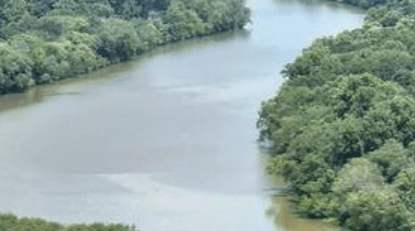
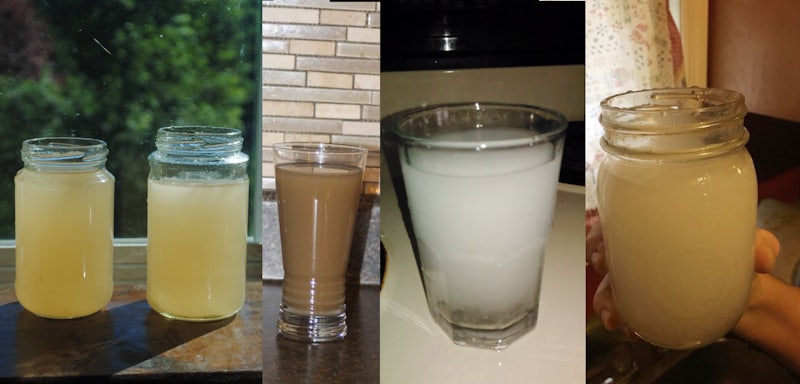
The release of inadequately treated wastewater from Atlanta’s R.M. Clayton Water Reclamation Center has caused a significant increase in dangerous E. coli bacteria levels in the Chattahoochee River downstream, according to Jason Ulseth, executive director of the Chattahoochee Riverkeeper. The environmental organization is advising people to avoid the river downstream of the Chattahoochee River National Recreation Area due to the health hazard posed by the contamination.
The contamination was discovered in routine daily samples collected downstream from the Marietta Boulevard/Atlanta Road bridge in NW Atlanta Metro Atlanta. Although there hasn’t been an official sewage spill, mechanical failures at the Clayton plant, caused by rising water from the Chattahoochee River flooding the facility, led to the discharge of sewage into the river. While the plant remains operational, corrective and preventive maintenance is being conducted on several secondary clarifiers to remove additional pollutants.
Despite efforts to mitigate the contamination, E. coli concentrations around the facility’s outfall have been found to be alarmingly high, well above safe levels for recreation. The Chattahoochee Riverkeeper reported concentrations of fecal bacteria exceeding 120,000 units per 100 milliliters of water. Although there have been no fish kills reported as of March 13, the contamination poses a significant risk to public health and recreational activities in the affected areas.
Officials say drinking water in Fulton County and the metro Atlanta region remains unaffected by the plant failure. The Atlanta Department of Watershed Management (DWM) is collaborating with the Georgia Environmental Protection Division to address the elevated E. coli levels and ensure compliance with environmental regulations.
The incident underscores the need for ongoing monitoring and maintenance of water treatment facilities to prevent similar occurrences in the future.
Valentine’s Day has come around again. Far from a modern invention, pre-Christian Romans celebrated the Saint beheaded by Claudius II in Third Century Europe – apparently the martyr wrote a final letter before his execution signed ‘Your Valentine’.
North America did not embrace the holiday until Hallmark cards specialised in Valentine’s cards in 1910. Since then, the marketing of symbols of love has flourished. In 1939 the De Beers company made diamonds the ultimate gift of love; within three years, 80 per cent of engagement rings in the United States were diamonds. Much attention has been paid to the implications of ‘blood diamonds’, which led to the creation of the Kimberly Process in 2000 to attempt to stop the trade.
Gold too falls into this category. Gold has retained its social value for centuries, which can only partially be explained through its attractiveness and relative scarcity. Estimates of how much gold there is in circulation, in vaults and jewelry boxes, range from 155,244 to 2.5 million tons, with an estimated 52,000 tons minable gold still in the ground. Yet, the potential severe environmental degradation resulting from gold mining through soil erosion, deforestation, resource intensity, greenhouse gas emissions and cyanide pollution makes the appeal of gold less bright.
A more modest token – flowers – have also become a global industry. The connection between roses and love can be traced back to Aphrodite in Greece or Venus in Rome: the Goddesses of love. The cut-flower – or floriculture industry – was developed in England in the late 19th Century and now stands at an estimated US$33 billion. The Netherlands, United States and Japan account for nearly half of the world’s flower trade with the majority of the market being distributed via the Netherlands. The Netherlands makes up only 10 per cent of production volume but accounts for 60 per cent of global export. Since the 1990s, production has shifted towards countries where climatic conditions can provide year round production with low labour costs, with Colombia, Kenya, Ecuador and Ethiopia the world’s greatest producers. Whilst controls do exist, there are huge implications for the environmental impact of the industry.
Chemical pollution is an issue. The cut-flower industry is a short-cycle production process that requires the extensive use of agrochemicals which have a negative effect on the air, soil and water supply.
The industry has loose regulatory status because flowers are not edible crops and are exempt from regulations on pesticide residues, although they carry significantly more pesticides than allowed on foods. It is estimated that one-fifth of the chemicals used in the floriculture industry in developing countries are banned or untested in the US. In 2015, the Montreal Protocol (signed in 1987 to prevent the depletion of the ozone layer) deadline for changing floricultural chemical use of Methyl Bromide came into effect in all developing countries. Already 100 per cent phased out in the US since 2005, Methyl Bromide is a toxic chemical hazardous to humans, five times more potent than Carbon Dioxide and destructive to the ozone layer with an Ozone Depletion Potential of 0.6 (with CFCs classified as 1).
Water use is also an issue. Increasingly, virtual water is being exported through international trade from some of the most water-stressed countries. For example, cut flowers account for 45 per cent of Kenya’s virtual water exports. Controversy surrounds Lake Naivasha, with more than half of the water extraction coming from the floriculture industry. Yet, flowers provide livelihoods. In Kenya for example, the industry stands at US$141 million per year, which is the second largest foreign exchange earner for the country. Cut flowers in Kenya produce the highest economic return per unit of water exported. To maintain water balance going forward, Kenya may need to import water-intense crops, such as maize, to ensure food security, or for the price of water to be offset in a price premium by the consumer.
Regulation is needed. In Ethiopia, where serious environmental concerns have been raised, the total area of land covered with flowers has increased from less than 100 hectares in the late 1990s to more than 1200 hectares in 2008 (over 990 hectares or 82 per cent is for rose cultivation). The earnings from the floriculture sector amounted to more than US$131 million in the year 2009. Export value earned is expected to rise up to US$550 million by 2016. Whilst government guidelines and collectives have been created to ensure standards, the proportion of adopters is still low. Standards are arising through Fairtrade and sustainably certified flowers but much more needs to be done.
The market is fragile. Proponents may argue that the floriculture industry employs thousands and takes the burden away from reliance on aid. Yet the industry is vulnerable to external factors such as currency rates, oil prices, climate change and the economic situation in the target markets.
As another Valentine’s Day brings a surge in demand for cut-flowers, and as the world edges towards a global population of 9.6 billion by 2050, which faces roughly a 70 per cent gap between the crop calories produced today and those that will be needed to feed the projected population, it is important to stop and ask whether the water, chemicals, land, air-miles and carbon footprint used for floriculture wouldn’t be better used elsewhere. For example, over 2,000 hectares of agricultural land in Kenya is used for cut flower cultivation and globally the area is expanding as countries like China make investments in the industry.
China has emerged as a large producer and exporter of floriculture products in Asia. According to official statistics, the estimated production value of flowers and plants in China increased by 150 per cent from €6 billion in 2009 to €15 billion in 2013. Of this, China’s cut flower industry had an estimated production value of €1.5 billion – the lily taking 42 per cent of the production value, followed by the rose at 24 per cent. Capitalising on this, as much as 90 per cent of the retail price of a rose is added after the flowers arrive in the United States or Europe.
Projecting into the future, China plans to become the largest flower exporter in Asia and the second globally after the Netherlands. Regardless of whether roses are grown in the greenhouses of Yunnan or elsewhere, we need to think about land use. Globally there is an estimated 2 billion hectares of degraded land, roughly twice the size of China, with opportunities for restoration. This Valentine’s Day it may be worth considering the value of this culturally constructed symbol of love, and looking at the thorns on your roses – which countries’ virtual water, chemicals, land and labour provide your love token.
David vs. Goliath. TikTok vs. your to do list. Toilet paper vs. the environment. All legendary showdowns, each with their own stakes.
The first two you’re probably familiar with. But just how harmful is toilet paper to the environment? Let’s dig in and discuss some possible solutions (like bamboo and 100% recycled toilet paper) for easing the strain on the planet.
What are the different ways toilet paper production harms the environment?
Traditional toilet paper production harms the environment at every step of the process — chopping down virgin trees, pumping out nasty chemicals and piling up landfill waste. Not great.
Fortunately, many brands are stepping up to impact the environment in positive ways by offering more eco-friendly alternatives, including bamboo and 100% recyclable toilet paper options.
But traditional toilet paper is still the big player and the biggest problem. From harvesting virgin pulp trees to chemical bleaching, its impact adds up.
How harmful is making toilet paper white for the environment?
Ever wondered how those traditional store brands get that bright, toilet paper white look? The answer isn’t great: for many manufacturers, chlorine is used in the bleaching process. It’s a process that isn’t just bad news for your bum — it can also pollute water supplies and disrupt ecosystems.
However not all bleaching methods are created equal.
Some, like elemental chlorine, are heavy hitters on the pollution scale, while others, like processed chlorine-free (PCF) and totally chlorine-free (TCF), are far less harmful. Unbleached toilet paper or paper whitened with hydrogen peroxide and chlorine dioxide both create less impact on the planet.
How bad is virgin pulp paper for the environment?
Most traditional TP relies on virgin pulp paper — meaning it’s made by chopping down tonnes of trees, instead of using recycled materials. And by tonnes, we mean tonnes — one million trees are harvested each day to keep up with demand.
This doesn’t just wipe out forests — it also wreaks havoc on ecosystems and uses staggering amounts of energy and water. If lowering your carbon footprint is on your to-do list, switching to more sustainable options is an easy way to make a big difference.
How much toilet paper winds up in the landfill?
Most of us imagine that toilet paper disposal ends as soon as we flush, but in many cases, that’s only the start of the story. In regions with limited plumbing infrastructure, disposal alternatives often mean toilet paper ends up in landfills — where it makes up 15% of paper products.
Even modern septic systems aren’t perfect. Without regular maintenance, they risk leaking waste into the environment, creating a negative impact on nearby water sources.
Is all toilet paper equally bad for the environment?
The short answer is no, not all toilet paper is equally bad for the environment — some rolls are putting in the work to do better. Making the switch to bamboo or 100% recycled toilet paper brings big eco benefits to your bathroom — think lower carbon emissions, less water waste, and more virgin trees standing tall where they should be.
While both are a huge upgrade for the environment compared to traditional TP, each brings its own strengths to the table. Let’s dig into the real impact of bamboo toilet paper and recycled toilet paper.
How bad is bamboo toilet paper for the environment?
While bamboo toilet paper has a smaller environmental footprint than virgin pulp paper, it’s not entirely impact-free. Most bamboo for toilet paper comes from China, where coal still powers some of the harvesting process.
On the plus side, bamboo toilet paper breaks down quicker than traditional TP, reducing pressure on sewage systems and landfills. It’s also the fastest-growing plant on the planet — sometimes growing up to 35 inches in a single day — meaning it takes much less time to replenish. Un-bamboo-lievable!
How bad is recycled toilet paper for the environment?
Don’t worry, it’s not used toilet paper. 100% recycled toilet paper just means no virgin trees were used in the production of the rolls. Instead, recycled toilet paper gives post-consumer waste like office paper, newspapers and junk mail a new lease on life.
While the process isn’t impact-free — carbon emissions and water usage are still part of the equation — these effects are significantly less compared to traditional toilet paper. The wins are clear: reduced deforestation, lower water consumption and a chlorine-free whitening process that’s easier on the earth and your conscience.
Conclusion: Making eco-friendly purchases
Toilet paper vs the environment doesn’t have to be a losing battle. While virgin pulp paper comes with a host of environmental troubles — deforestation, carbon emissions and water waste — your bum can still be part of the solution. Bamboo toilet paper and 100% recyclable toilet paper are way better options than virgin tree paper to help mitigate the harm toilet paper has on the environment.
By choosing bamboo toilet paper, you’re backing a sustainable, fast-growing resource. Opting for 100% recycled toilet paper gives refuse a second life and helps keep trees right where they belong.
Turns out the environment and toilet paper don’t have to be sworn enemies — with thoughtful choices, your bathroom habits can do their part for the planet. Everybody wins!
BY: Christian Harned, CUER Fellow | DATE: Feb 22, 2018
Many Americans are currently experiencing a clean water crisis and you likely haven’t heard about it. The public perception of water crises rarely extends beyond Flint, MI, or Capetown, SA. While these cities have experienced and are experiencing clear problems with access to clean water, rural Americans are experiencing a water crisis significantly larger than either of these cities.
There were 5,000 health violations issued against water systems in 2015. 50% of these violations were against water systems serving less than 500 people. When you combine these systems, millions of Americans lack access to safe or clean drinking water. The reason rural Americans face a crisis in access to clean water is often rooted in the industries that supply a town with jobs. Coal towns are often affected by spills from waste retainment ponds while agricultural fertilizers slide off the land and contaminate waterways. It is also worth mentioning that some rural Americans, like those in Lowndes County, AL, are the result of racist policies and funding.
Although polluters are often large-scale industries and the affected communities are distributed across the country, clear solutions for this problem exist. Many rural water systems are underfunded and, therefore, not maintained. Poorly maintained systems decay, creating an entry point for contaminants. We can solve this part of the problem by providing funding for the repair and maintenance of these systems. Further, we have technologies that can improve the efficiency of water-capture systems to reduce stress on the water infrastructure.
However, there is no solution here without tackling the pollution sources. Agriculture must have limits set for the use and disposal of chemical fertilizers, and coal companies must be regulated and held accountable for improperly maintained waste. Without addressing the source of pollution, any effort to address this problem will be treating the symptoms of the problem, not the cause.
To read more about the rural clean water crisis, read The New Republic’s article here.
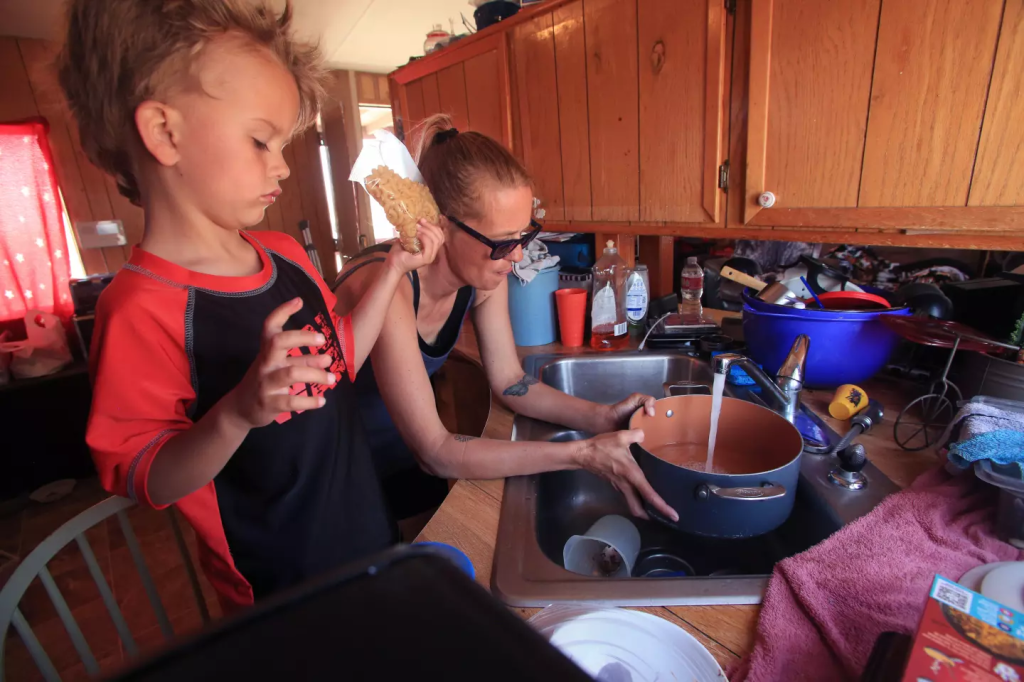
In the Mojave Desert community of North Edwards, 5-year-old Adam Ezelle knows never to drink water from the tap, which contains dangerous levels of arsenic.
In the tiny farming and oil refining community of Fuller Acres, where a potent carcinogen has tainted groundwater wells, Maria Martinez and her family say they feel neglected by a state that has pledged clean water for all of its residents.
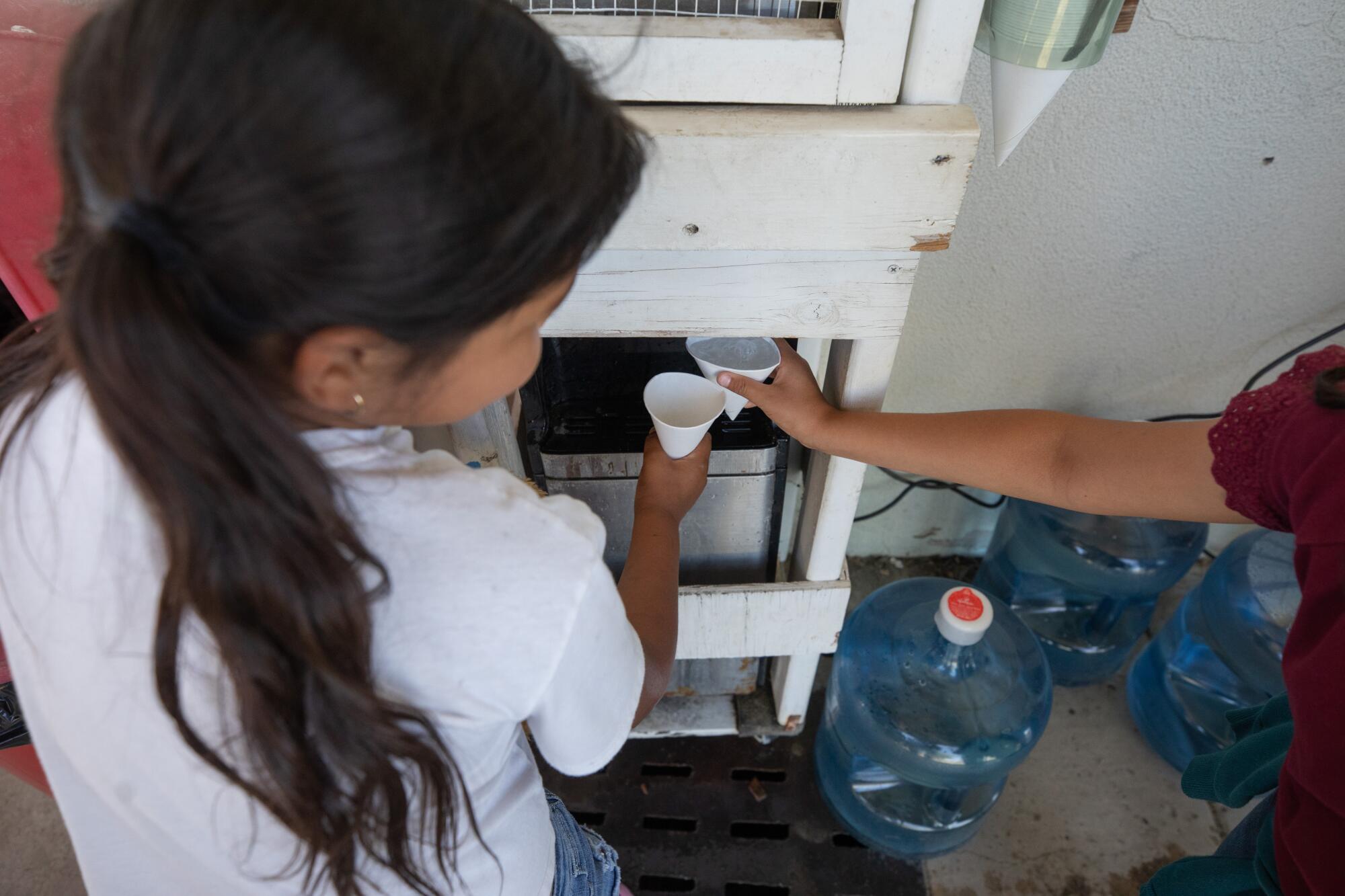
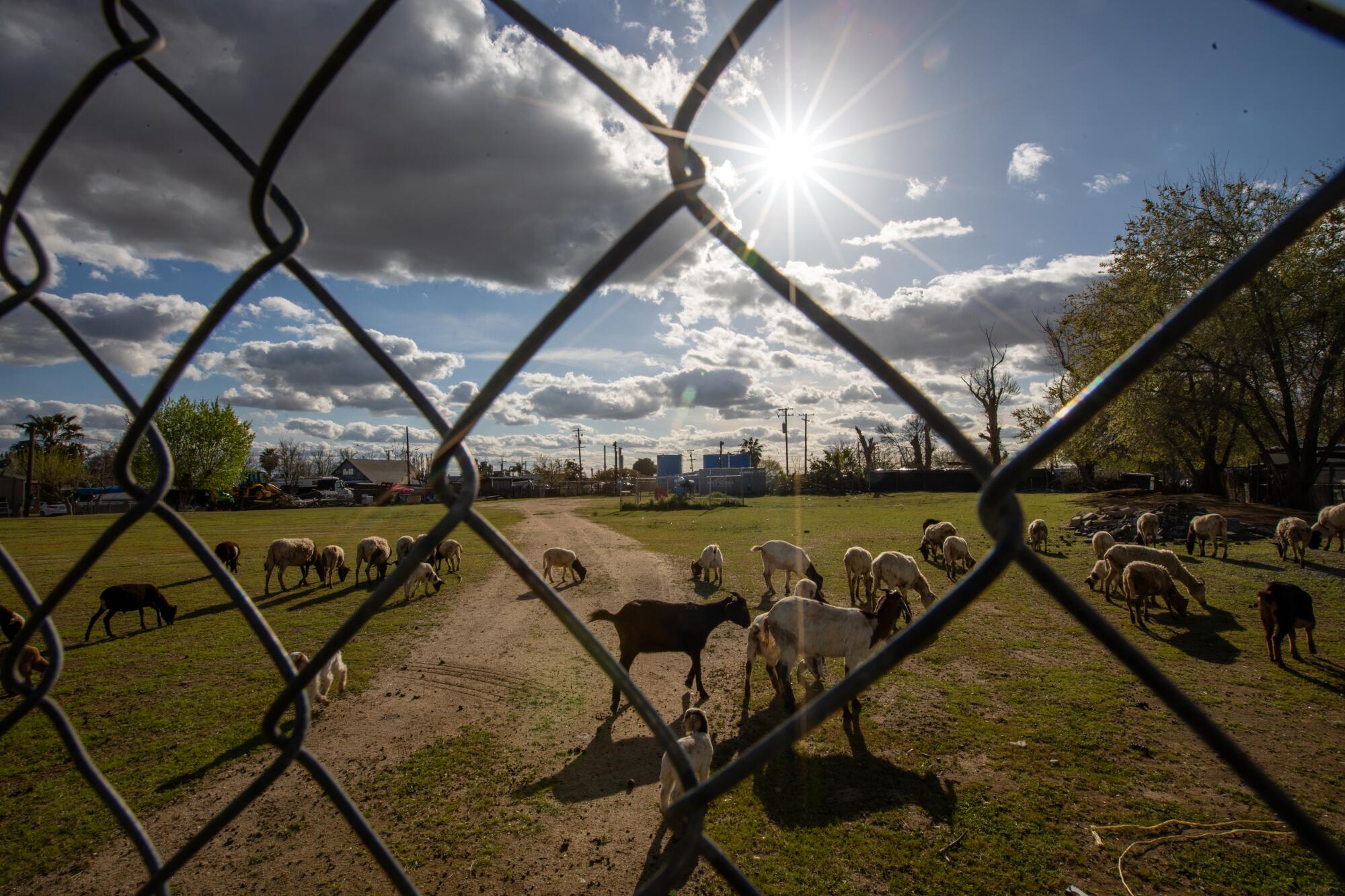
And in a dusty corner of Bakersfield, preschool through eighth-grade students at Lakeside School line up to fill paper cups from water jugs that have replaced their sinks and fountains, which were capped because of contamination.
More than a decade after California became the first state in the nation to declare that access to clean, safe and affordable drinking water was a human right, about a million residents remain connected to failing water systems — many of which may increase their risk of cancer, liver and kidney problems, or other serious health issues.
The number of failed water systems has jumped about 25% since 2021 , an increase driven partly by the collection of more data. Today, about 400 such systems exist across California, and experts warn that hundreds more are poised to fail because of new and higher testing standards.
“It’s a bit of a ticking time bomb,” said Gregory Pierce, director of the Human Right to Water Solutions Lab at UCLA. With new regulations slated to take effect in the next few years, many systems will need to take urgent and proactive steps or “they’ll be out of compliance and be failing.”
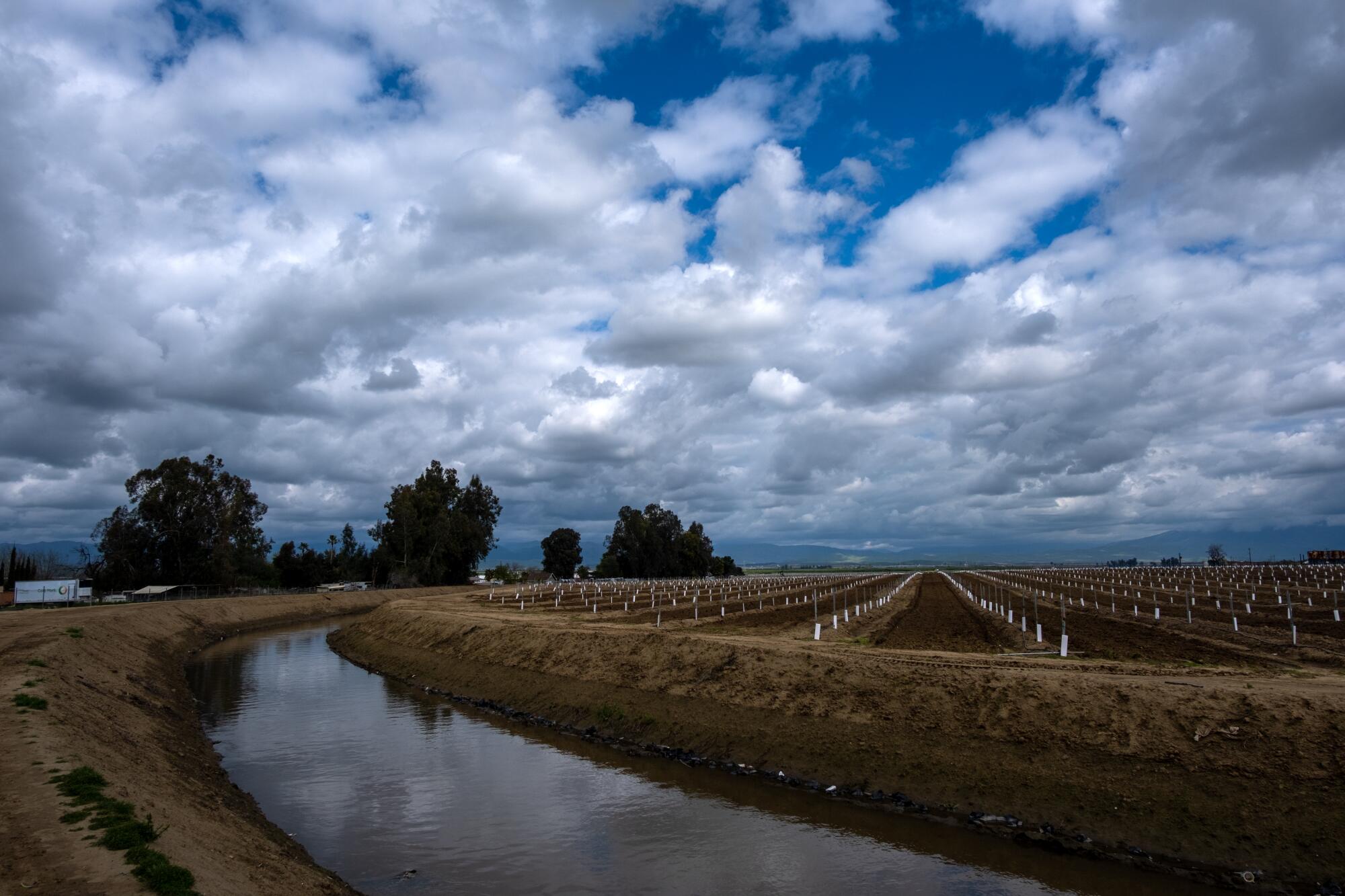
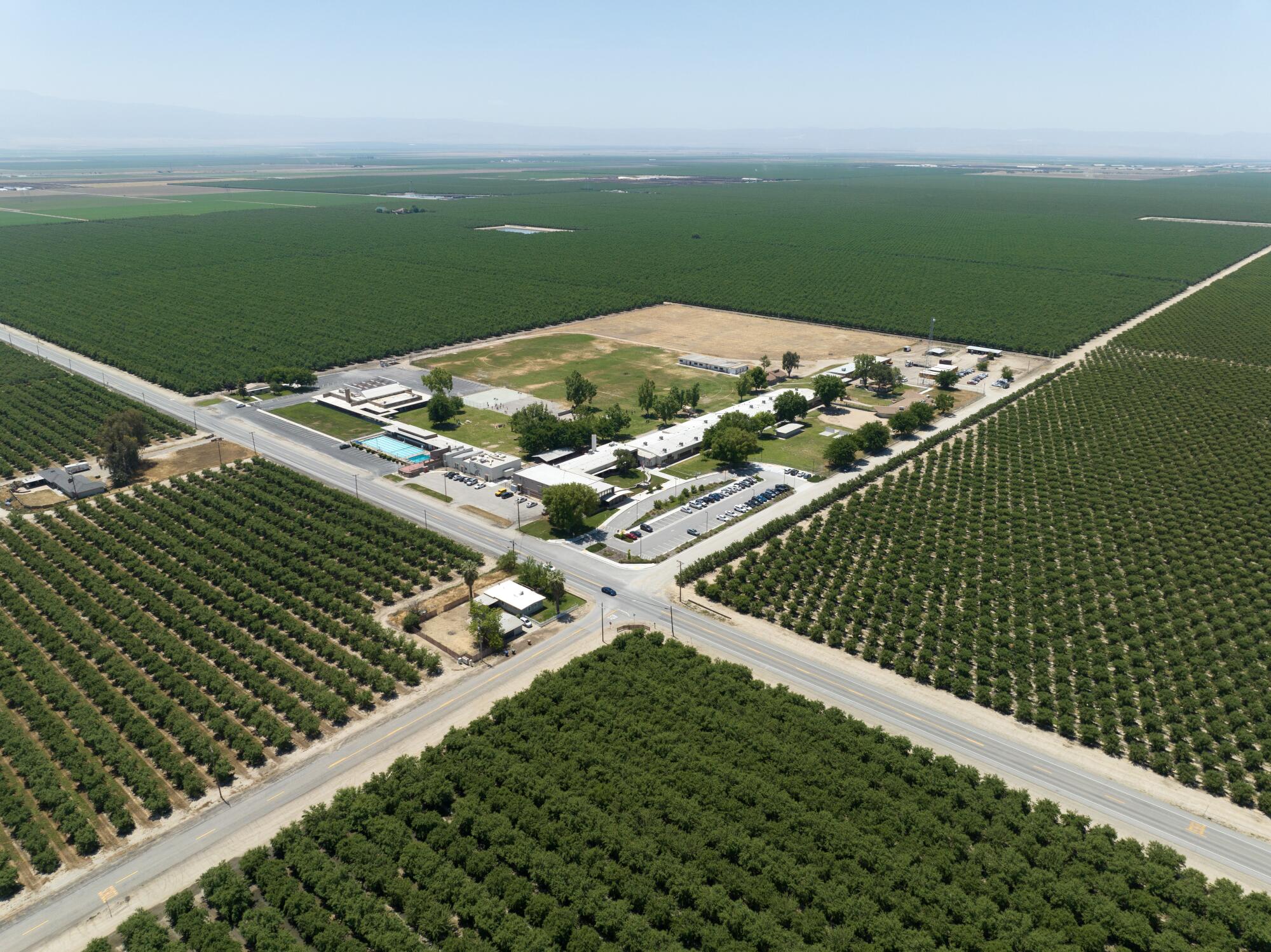
The crisis has cast a harsh light on the state’s ability to provide clean and affordable drinking water to all its residents, particularly those in the Central Valley, where widespread contaminants afflict communities with substandard infrastructure and where the heavy use of agricultural fertilizers and fumigants, as well as the overpumping of aquifers, has worsened water quality.
Advertisement
The State Water Resources Control Board insists that limited resources and a lack of involvement from some local governments have partly contributed to a persistent backlog of cases and assistance requests.
“The amount of work that’s needed across all of these failing systems is much larger than our capacity,” Bryan Potter, senior water resources control engineer with the Division of Drinking Water, said at a public gathering this year.
However, some experts, community groups and government auditors say the state can and should be doing more to ensure that all Californians have access to clean, safe water.
The board, also known as the State Water Board, “has funding available to help these failing systems improve the quality of their drinking water. Nonetheless, the board has generally demonstrated a lack of urgency in providing this critical assistance,” Michael S. Tilden, then-acting California state auditor, wrote last year.
Aggressive and impactful reporting on climate change, the environment, health and science.
“In fact, the time necessary for water systems to complete applications for funding and for the State Water Board to approve and award that funding nearly doubled from 17 months in 2017 to 33 months in 2021,” Tilden wrote.
Advertisement
The delays, critics say, have added hardship to the lives of those who lack clean water, and increased the likelihood they will suffer negative health outcomes.
Concern over the availability of clean drinking water has grown significantly in California as global warming, drought and climate whiplash threaten traditional sources.
At the same time, increased understanding of the potentially harmful effects of both natural and manufactured contaminants has raised new health alarms.
A Times analysis found that the problem of failed water systems is particularly acute in Kern County, where about 131,500 residents are served by 65 failed systems — the highest number of failing systems in the state. Nearly 80% of those systems have been categorized as failing for three or more years and nearly two-thirds have served contaminated water to customers in the last few years.
Hundreds of water systems in California have failed for years to provide safe drinking water
Central Valley communities are most affected by entrenched systems, defined as failing for three or more years. Kern County leads the state with 50 such systems.
This is a map of entrenched failing water systems in California. Kern County has the most with 50 failing systems. Next is Fresno with 26 and Tulare with 21 failing systems.
Count of entrenched systems
1-
7
8-1
4
15-2
1
22-2
8
29+
Areas shaded in gray have no entrenched water systems.
California State Water Resources Control Board
Katie Licari
Los Angeles Times
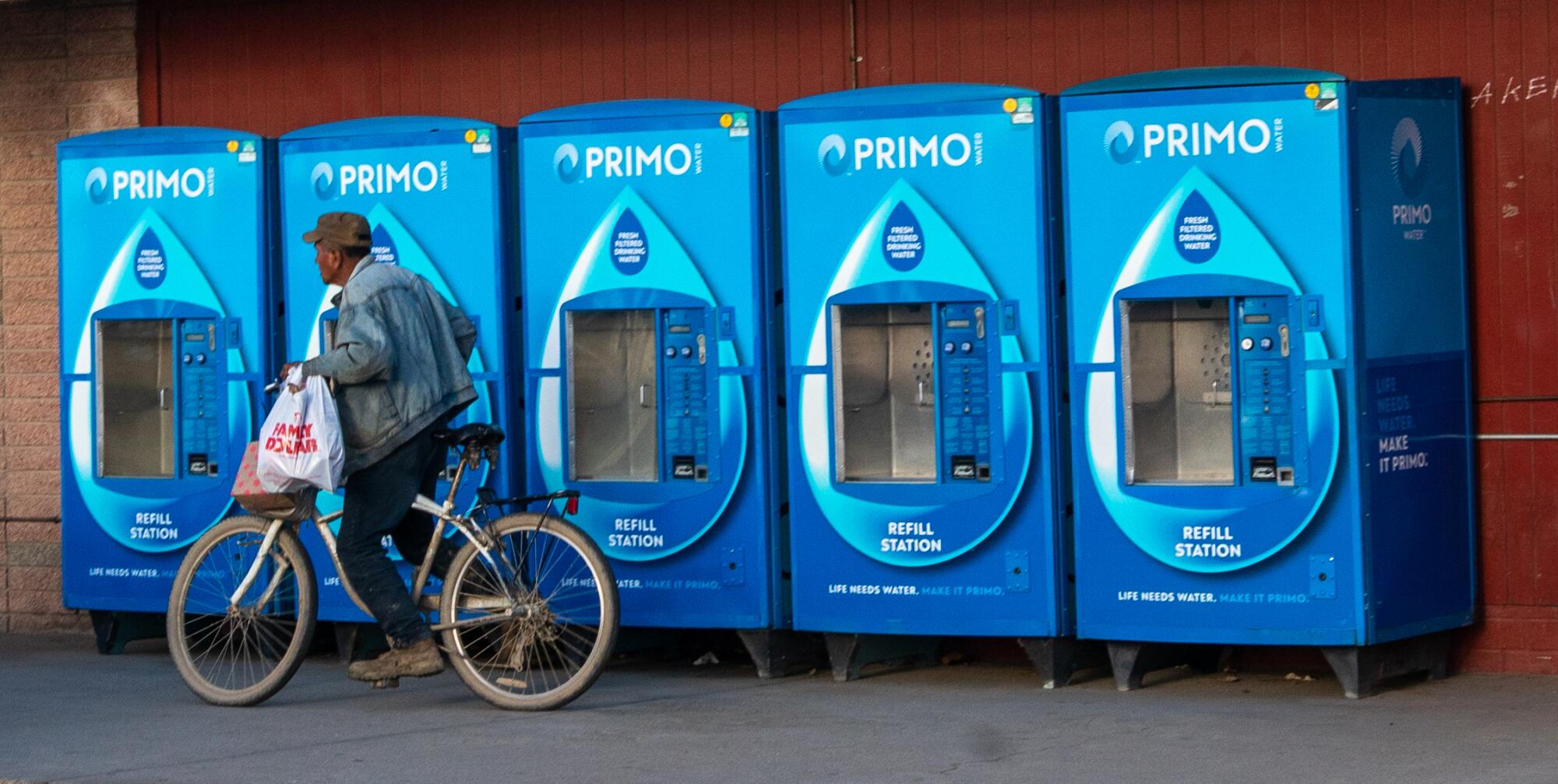
Many people connected to failed systems must drive multiple times a month to neighboring towns or cities to purchase potable water at a cost of hundreds of dollars, while paying monthly bills for water they can’t consume.
Some rely on twice-a-month deliveries funded by state grants and ration their water until the next distribution. When that runs out, some families are left with no choice but to drink and cook with contaminated tap water.
For Dana Ezelle, the lack of safe drinking water is something she lived with for nearly 20 years.
When she moved into her purple trailer in the Antelope Valley — just north of the dry lake bed where NASA’s space shuttle would make its return to Earth — she was warned that the tap water had high levels of arsenic.
“They said to drink the water at your own risk,” she said. And she did, because she couldn’t afford to buy bottled water.
Advertisement
Arsenic is a naturally occurring element that can cause cancer with chronic, long-term exposure. Consumption of large doses of arsenic in drinking water can also cause nausea, vomiting, diarrhea, numbness in the fingers and toes, partial paralysis or discoloration of the skin. It has also been associated with harmful effects on children’s cognitive development and decreased mental abilities among adults.
Since 1999, Fountain Trailer Park in North Edwards has received 74 violations for exceeding safe drinking water standards for arsenic. In the last three years, customers received notices that their water has arsenic up to eight times the state’s threshold of 10 parts per billion, according to data obtained by The Times. Plans are underway to connect the trailer park with a larger water system; however, that system is also contaminated.https://www.latimes.com/projects/california-drinking-water-contamination/north-edwards/
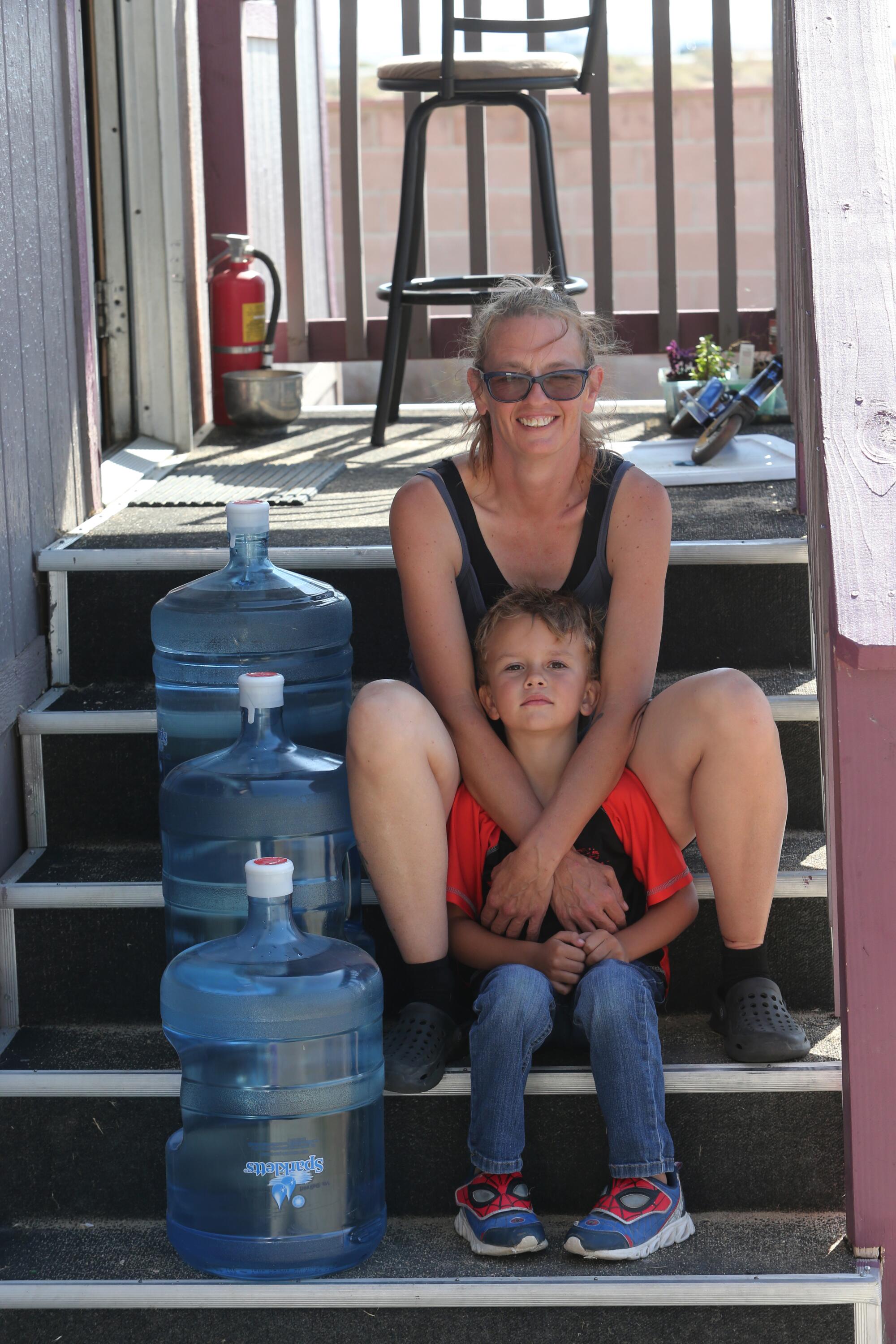
Before she recently moved, Ezelle, 47, still drank and cooked with the tap water. She saved the water deliveries — six 5-gallon jugs every other week — mostly for Adam, her blond and musically inclined son. She said that she hadn’t had a normal bowel movement since she moved to the desert community, and that their skin was always dry and itchy from showering.
In the summer, when temperatures in their home surged to 120 degrees, they finished the safe water within days.
“If I run out of Sparkletts water, my son and I are forced to drink this water because I don’t make enough to buy more,” said Ezelle, a single mother who until recently survived on some $12,900 a year.
Advertisement
As she spoke, four empty jugs stood on the floor nearby. It would be another week before the delivery of more clean water.
Experts, officials and community activists say the proliferation of failing systems is due to multiple factors — aging infrastructure; inadequate financial, managerial and technical capacity within systems; aquifer overpumping; decades of discriminatory policies and chronic disinvestment in affected communities.
They also blame widespread use of agricultural fertilizers and fumigants, and say the health risks are borne disproportionately by rural, low-income and predominantly nonwhite communities.
“The issue is, [the human right to water] is a moral obligation more than a legal obligation,” said Mark Gold, director of water scarcity solutions for the Natural Resources Defense Council. “That’s why you see the results that we’ve had. Unless there’s a legal obligation to clean up the water supply and provide it to your residents, then we end up perpetuating the system that we have, which is environmental racism.”
In California, the State Water Resources Control Board is responsible for enforcing regulations that ensure systems meet federal and state drinking water standards. As part of its role, the board’s Division of Drinking Water monitors risks that could tip water systems to failure — such as violations of drinking water standards and treatment techniques; extreme water bills and household socioeconomic burden; and the net annual income of system ratepayers.
In effort to address failing systems, Gov. Gavin Newsom established the Safe and Affordable Drinking Water Fund, which provides $130 million annually until June 2030 for struggling water systems. Similarly, California’s Safe and Affordable Funding for Equity and Resilience Program, administered by the water board, provides tools — including maps and data, funding sources and regulatory powers — to increase access to clean drinking water. Under the program, the board works with residents, water systems, local governments and other agencies in an effort to achieve the state’s goal of providing safe, clean, affordable and accessible water to all of its residents for drinking, cooking and sanitary needs. Other drinking water funds have also been established.
Yet water system operators and organizations working with them say they are frustrated with the lengthy and complicated application process and how long it can take to complete projects.
Since 2008, the water system in El Adobe, on the outskirts of Bakersfield, has exceeded arsenic standards. Although it has agreed to consolidate with the nearby Lamont Public Utility District — an effort that has received a $25.4-million grant from the water board — the state estimates the project won’t be completed until June 2025.
Kyle Wilkerson, president of the El Adobe Property Owners Assn. who runs its water system on a voluntary basis, said he’s frustrated by the length of time it’s taken to get clean water.
“This is just ridiculous. There’s no reason for it to take this long,” he said. “They keep saying two years, three years or six years, and it’s been 12 years since I’ve been out here.”
The board said the consolidation has taken time partly because Lamont’s water is also contaminated, which has to be remediated first.
Advertisement
A state audit blamed the water board’s “lack of goals and metrics” for likely delays and warned that “the longer the board takes to fund projects, the more expensive those projects become. More importantly, delays increase the likelihood of negative health outcomes for Californians served by the failing water systems.”
State water officials disputed the auditor’s criticisms. They said they’ve reduced the number of people affected by failing water systems by 40% between 2019 and 2022 — from 1.6 million people to 934,000.
Also, in March, the State Water Board adopted new protocols for its Expedited Drinking Water Grant Program to fast-track projects in disadvantaged communities. Joe Karkoski, deputy director and head of the board’s Division of Financial Assistance, said officials are hoping to expedite funding approvals from a year or more to four to six months. But he acknowledged the goal is ambitious.
Newsletter
Toward a more sustainable California
Get Boiling Point, our newsletter exploring climate change, energy and the environment, and become part of the conversation — and the solution.Enter email addressSign Me Up
You may occasionally receive promotional content from the Los Angeles Times.
E. Joaquin Esquivel, chair of the water board, acknowledged the scope and complexity of the challenge but also touted the state’s progress in recent years. Since 2019, more than 200 systems that were failing to meet drinking water standards have been brought into compliance, he said. He attributed the gains partly to $600 million in grant funding that has gone to small and disadvantaged communities.
Yet funding and local roadblocks, such as volunteer-run and under-resourced boards, remain fundamental obstacles, he said. He conceded that it was a “travesty” that one of the largest economies in the world had so many people living without reliable drinking water.
“I take the charge very seriously and with a lot of humility when I hear about the endemic lack of investment and attention,” Esquivel said, noting that he grew up in the eastern Coachella Valley and has seen many of these challenges firsthand.
The pressure of more droughts, floods and other challenges due to climate change is only adding to the urgency. But California continues to have more stringent drinking water standards than any other state in the nation, he said. “At least we have technical capacity, money, and I hope the continued faith that California is actually leading the nation, and doing well by really difficult topics that span multiple generations.”
Athough a system that’s failing does not necessarily mean it’s contaminated, 77% of the state’s failing water systems have at least one contaminant exceeding safe drinking water standards. In Kern County, 83% of failing water systems have exceeded a maximum contaminant level, or MCL.
The most common contaminants in 2022 were arsenic, which is colorless and odorless; nitrate, which can come from animal manure, fertilizers and sewage leaks; and 1,2,3-Trichloropropane, a carcinogen found in industrial solvents and some pesticides.
According to state data, 22% of primary MCL violations last year were for arsenic, and 22% were for nitrate, the highest of any contaminants. Twenty percent were for 1,2,3-TCP.
Systems are required to routinely test their water sources. If test results exceed an MCL, systems must attempt to address the contamination, such as with treatment techniques or dilution. When it can’t get levels below standards, they must routinely notify customers that their drinking water is contaminated.
Across the state, 81 systems in the last three years have sent 850 notices to customers that their drinking water had high levels of one of the three most common contaminants, according to system-level data obtained by The Times.
In Kern County — one of the most productive farming counties in the nation — the use of fertilizers and crop fumigants has resulted in numerous sources of contamination for nitrate and 1,2,3-TCP.
Arsenic is typically contained in rocks and sediment, but it can become soluble and enter groundwater supplies when it encounters conditions of low oxygen and high pH levels — both of which are particularly common in older groundwater.
That can be a major problem for the Central Valley, where worsening cycles of drought and dwindling supplies are causing growers to drill deeper than ever and tap into older reserves.
“Deeper wells that have generally older groundwater tend to have more of a problem with arsenic than shallower wells,” said John Izbicki, a research hydrologist with the California Water Science Center. “In places like the San Joaquin Valley, where shallower wells have, over the last many decades, extracted more recent groundwater, people are going deeper and deeper, and problems with arsenic are becoming increasingly common.”
Izbicki said he’s sampled wells with concentrations as high as 1,500 parts per billion, and some colleagues have even seen numbers as high as 10,000 in the Central Valley.
A recent study estimated that nearly 1.5 million people in the Central Valley rely on public water systems that may have moderate or high levels of arsenic. Elevated nitrate levels may affect more than 500,000 people.
Clean water advocates say delays in addressing such problems have potentially grave health impacts.
Joseph Heide, community development manager at the nonprofit Self-Help Enterprises, said that projects to address water quality problems can take five to 10 years to finish, and that officials need to expedite them to three.
“We need to make sure small, disadvantaged communities have the resources and the funding to fix their water within that three-year time period, because this has real impacts,” said Heide, who helps under-resourced communities access clean drinking water in the San Joaquin Valley — the fertile southern region of the Central Valley.
“There are real people on the ground that have lived with arsenic in their water for 10, 15 years. … People drinking water with arsenic or 1,2,3-TCP have higher rates of cancer, and you can definitely see that in the Central Valley.”
Although statistics indicate that Central Valley counties have a moderate cancer prevalence compared with other regions in the state, cancer was the second-leading cause of deaths in Fresno County from 2016 to 2020 and the first in Kern County from 2008 to 2018. Another recent study found that thyroid cancer associated with high nitrate contamination in drinking water wells is widespread in the Central Valley and disadvantaged communities, which had double the incidences of non-disadvantaged communities.
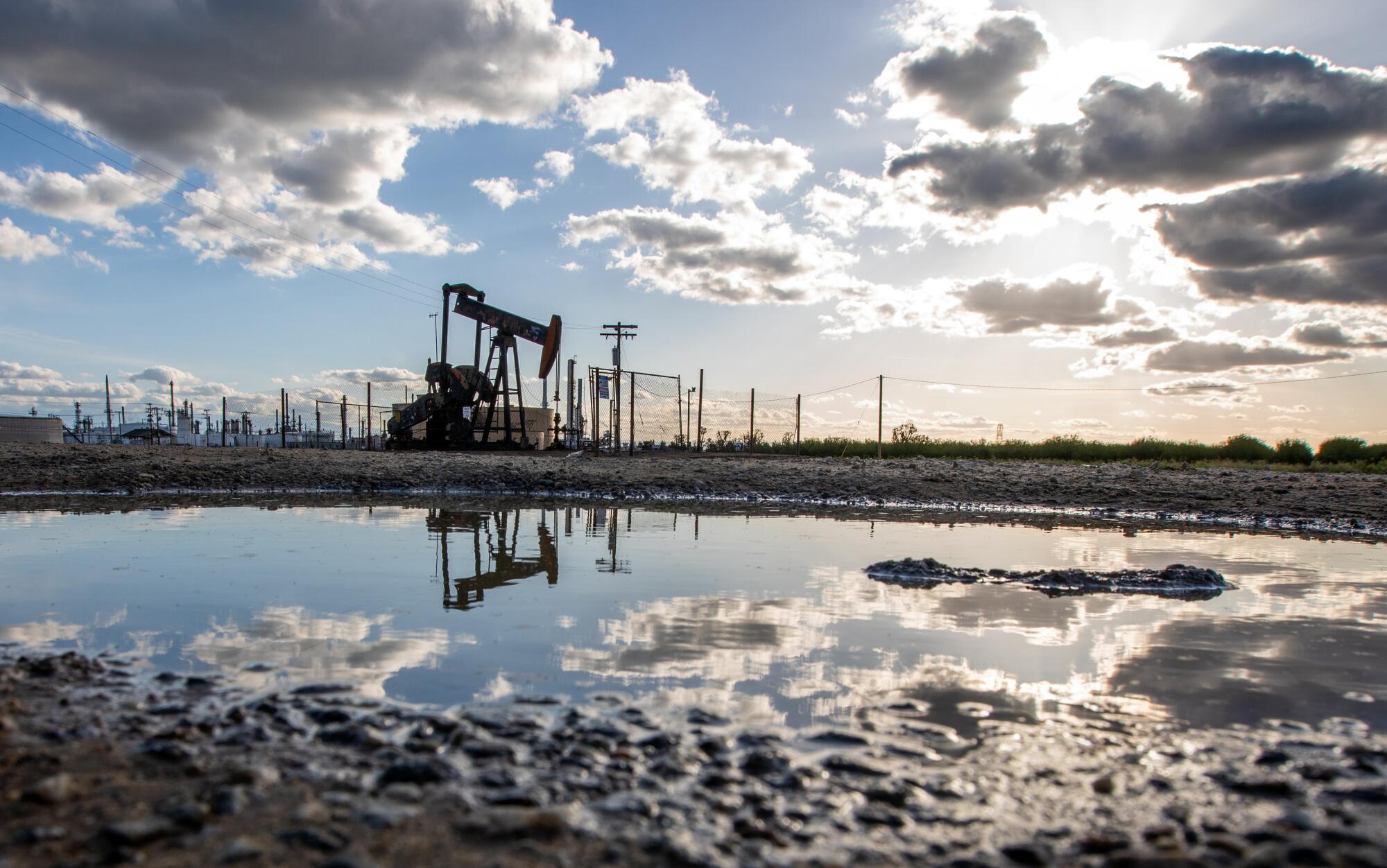
In Fuller Acres, where oil pumpjacks bob amid lush orchards, Maria Martinez and her family had never heard of 1,2,3-Trichloropropane until 2018, when they received a notice saying the tap water in their home had high levels of the chemical.
A component of soil fumigants that Central Valley growers once used to kill microscopic plant pests, 1,2,3-TCP causes cancer in lab animals, as well as liver and kidney damage, and is presumed to do the same in humans. Short-term exposure can cause eye, throat and skin irritation, and may affect memory, concentration and muscle coordination.https://latimes.com/projects/california-drinking-water-contamination/fuller
The presence of the chemical has generated numerous lawsuits over the years by water suppliers against the Dow Chemical and Shell Oil companies, accusing the manufacturers of failing to warn people of the risks. Although the potential health effects had been known for decades, it wasn’t until 2018 that the state mandated testing for the carcinogen.
News of the contamination concerned Martinez.
“I used the water for many years, and I don’t know if there will be future health risks,” said Martinez, 64, who moved to the rural, unincorporated community near downtown Bakersfield about 30 years ago. She said neighbors and others in the area have died from stomach cancer, and she and others wonder if their water was to blame.
Residents recently started receiving potable water after asking their provider, Fuller Acres Mutual Water Co., to apply for state-funded water deliveries until a project to address the contamination is completed. But that may take years. For now, the 5-gallon jugs every two weeks are enough for cooking and brewing coffee, but the Martinez family still buys their own bottled water, spending some $50 a month in addition to a $70 monthly water bill. There’s also the price of gas. It’s an economic stressor for a family living off some $14,500 a year.
They also worry about other forms of exposure: Showering. Washing dishes. Brushing their teeth. Eating fruits and vegetables from their gardens.
Living like this, Martinez said, makes her and her family feel neglected.
“We’re a really poor community and a community with lots of problems.” Even in Guanajuato, Mexico, a less affluent state where she was born and raised, communities had things like sewer systems and streetlights, she said. “And those of us living in the United States, where people supposedly live the American dream, we don’t have a sewer system and clean water.”
Some experts worry the growth of failing Central Valley water systems offers a glimpse into California’s future as climate change, drought, groundwater overpumping, aging infrastructure and heightened water standards push more systems to the brink. They say that addressing these failures will require not only more effort by the state, but from local officials as well.
“I think with enough resources, money, people and political will, the human right to water is absolutely achievable in California,” said Max Gomberg, an independent consultant working with environmental justice advocates and a former staffer at the State Water Board. “But it’s going to take all of that to a degree that has not been provided in the 11 years since the Human Right to Water Act was passed.”
Much of Kern County’s challenges have to do with the sheer number of public water systems in the county. Communities here rely heavily on groundwater, and many are served by small systems often run by volunteer boards with little staffing and limited income for long-term investments.
“A lot of these small systems operate to failure,” said Darrin Polhemus, deputy director and head of the Division of Drinking Water at the State Water Board. “A well-run, larger system never actually gets there.”
Contamination problems can surprise small water suppliers if they haven’t been doing sufficient maintenance or charging enough to pay for needed upgrades, he said.
It’s why state officials often believe that the best long-term solution is consolidation — connecting smaller failing suppliers to larger utilities or nearby towns. But some water systems are too remote to physically consolidate, and at roughly $1 million a mile, it’s a costly option and can be met with resistance.
To add to the challenges, some counties have not been active partners in remediation efforts. “The governing structures of the district level, then the communities and then the county, they’ve been really kind of hands off,” Polhemus said.
It’s a problem that clean water advocates have noticed as well.
“The state does have some responsibility in not addressing the challenge, but I think the board is trying to do a lot to address the issue,” said Erick Orellana, senior policy advocate for the nonprofit Community Water Center and a member of the Safe and Affordable Funding for Equity and Resilience Program’s advisory group. “It really just needs more local partners to help address the challenges, and certainly Kern County has not stepped up to be a partner yet.”
Amy Rutledge, assistant director of the Kern County Public Health Department, said the county can do only so much because it doesn’t regulate its public water systems.
Advertisement
“We are here to provide the water systems with any support they may need, answer any questions or concerns they may have and to facilitate between the water system and state as best as we can,” she said.
But getting counties and municipalities to be more involved is easier said than done.
For more than a decade, the staff and students at Lakeside School in Bakersfield have been almost entirely reliant on bottled water. If you turn the taps on a classroom sink, nothing will come out.
Officials there have been reporting arsenic levels above the Environmental Protection Agency’s limit since 2009, with an average reading of about 18 parts per billion. The school district has tried a variety of solutions, including an attempt to have its water system join Bakersfield’s municipal system. But the city fought the proposal, stating that it didn’t want to take on the maintenance of that pipeline, according to Supt. Ty Bryson. After several years of going back and forth, the city prevailed, and the proposal fizzled. https://www.latimes.com/projects/california-drinking-water-contamination/lakeside/
On a Friday morning this spring, Principal Kristin Angelo pointed to a seating area that was installed where a cluster of water fountains once stood, and a hand-washing station where all the spigots had been capped and sealed.
“It would be nice to not have to worry about it,” Angelo said as kids queued up at one of the school’s water stations, where they filled paper cups from 5-gallon jugs that require near-constant replacement. “To not have to deal with cups and refilling bottles and then staffing to deliver them — it’s just a whole other layer.”
Colby, then a fifth-grader, said he wished he could use water from the stations for art projects, but it’s against the rules. “It would be nice to be able to turn it on and use as much as we want,” he said.
Lakeside is one of 57 schools in California with a failing water system, and 76 more are at risk of failing.
“They talk about a human right to water, and I think something like that is so basic and essential,” Bryson said. “I think it’s just sad that a kid can’t go to a drinking fountain at their school and get a drink of water.”
High levels of antibiotics and other drugs have been found in water in the country’s most treasured and protected landscapes, raising concerns over antimicrobial resistance
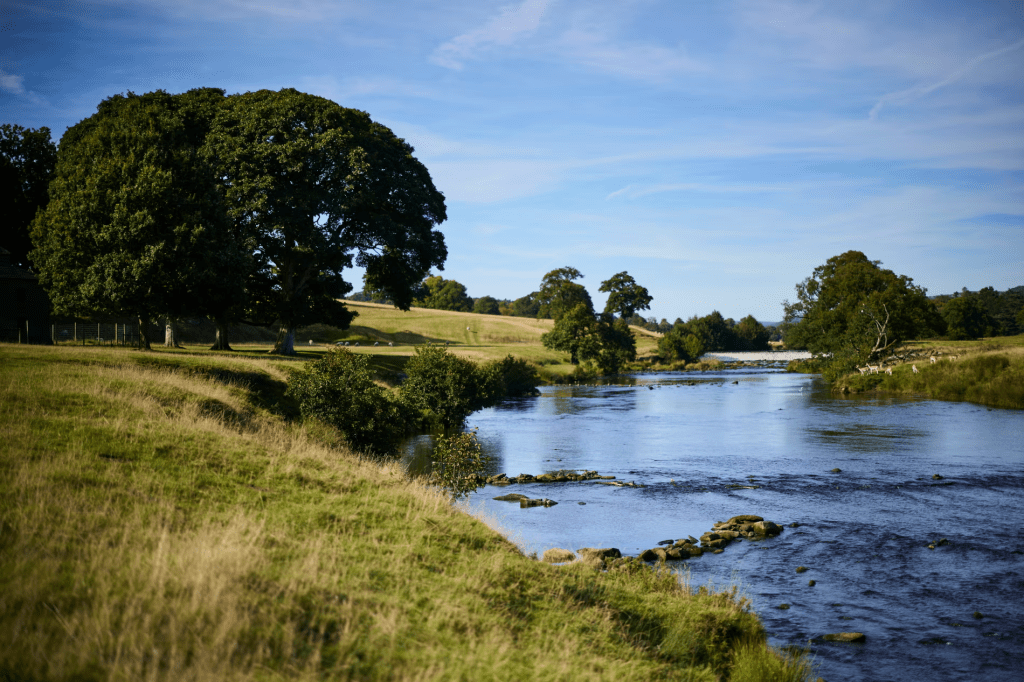
Nestled within the Peak District national park, the stream known as Brook Head Beck meanders between undulating green hills. It is mossy and dank by the river, surrounded by the gentle trickling sound of water, the smell of leaves starting to rot underfoot, and a weave of branches overhead with leaves turning golden in the autumn chill. This place is renowned for its quaint English beauty, and the government has designated it an ecological site of special scientific interest, meaning it holds some of the country’s most precious wildlife.
Yet within this pristine-looking stream flows a concoction of chemicals that could pose a threat to the freshwater organisms and humans who come into contact with it. Recent testing found it had the second highest levels of chemical pollution in the UK – after a site in Glasgow – with concentrations of pharmaceuticals higher than inner-city rivers in London, Belfast, Leeds and York.
New research, published in August in the journal Environmental Toxicology and Chemistry, revealed that England’s most protected rivers – those that run through its national parks – were also heavily contaminated by pharmaceuticals. The findings demonstrated how drug pollution now flows into even the most apparently untouched waterways, with transformative, potentially dangerous results for ecosystems and people.
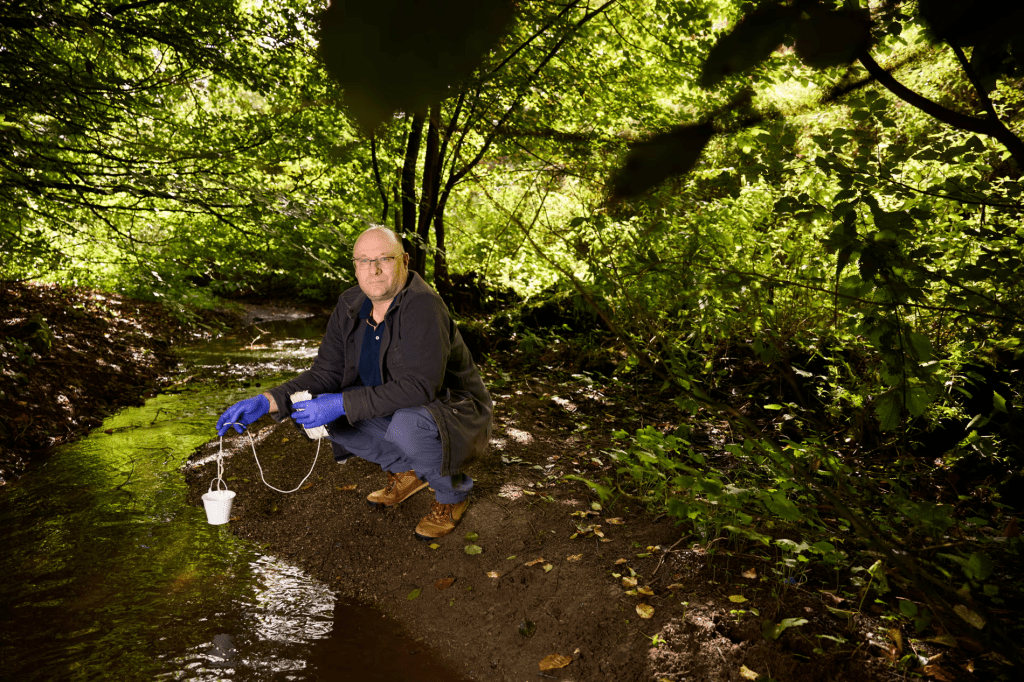
“I don’t think anyone had really looked for pharmaceuticals in national parks,” says Prof Alistair Boxall, from the University of York and lead author of the paper. “The big new thing we’ve shown is that environments you think are pristine are not.”
Antibiotics and the ‘silent pandemic’
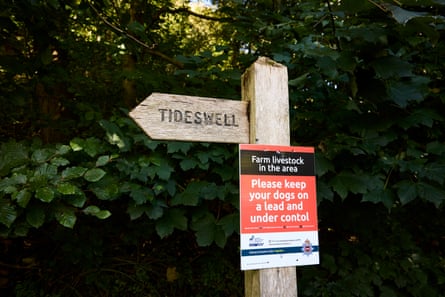
Antidepressants, antibiotics, diabetes treatments and anti-inflammatory drugs are among the chemicals flowing in the water – probably flushed down the toilet by someone in the nearby village of Tideswell. Brook Head Beck had 28 out of 54 pharmaceuticals that Boxall’s team tested for, but the greatest immediate risk to humans is posed by the concentration of antibiotics.
In this stream, antibiotic levels tested higher than those thought to promote antimicrobial resistance (AMR), where bacteria develop resistance to life-saving medicines. “If kids played in here, or animals drank it, it’s possible that they could consume bacteria that have acquired resistance,” says Boxall.
It is usually not possible to locate the source of antibiotic-resistant bacteria, and many people will not know they have it in their gut. But there is growing evidence that microbes living in waterways and coastal areas may be developing AMR.
In 2018, the University of Exeter’s Beach Bums study was the first to identify water as a source. It found surfers were three times more likely to have antibiotic-resistant bacteria in their gut than people who didn’t spend time in the water.
We urgently need to know more about how humans are exposed to these bacteria and how they colonise our guts
Dr Anne Leonard
The study looked at 300 regular surfers and bodyboarders (who are particularly vulnerable because they swallow up to 10 times more water than sea swimmers) and found 9% had AMR bacteria, compared with 3% of the general population. The university’s Poo-Sticks project is now recruiting wild swimmers to see if they have the same issues.
Dr Anne Leonard, from the University of Exeter medical school and lead author of the initial study, said there was an increasing focus on how resistance could be spread through the natural environment. “Antimicrobial resistance has been globally recognised as one of the greatest health challenges of our time … We urgently need to know more about how humans are exposed to these bacteria and how they colonise our guts.”
It is not just swallowing water that puts people at risk; you could ingest AMR bacteria via an open cut, or through contact with ears or eyes.
Prof Trisha Greenhalgh, from the University of Oxford, is a regular wild swimmer. She swims with a full wetsuit all year round because she tends to get scratches that get infected. One in 2022 affected the skin on her lower leg.
“I tried some antibiotic cream I had in the cupboard, then another cream, then saw my GP who prescribed first one antibiotic then a different one. So, all in all, four antibiotics before the infection cleared,” she says. Greenhalgh was never formally tested for antibiotic resistance as it is uncommon to test for it outside hospitals, but says: “It was striking how long it took for the infection to heal.”
Tideswell village in the Peak District is a popular destination for visitors
How do drugs end up in waterways?
Sewage spills often dominate headlines – they are visible and they smell bad – but invisible microchemicals, including pharmaceuticals, are having an equally serious impact on the ecology of our rivers, says Boxall.
Pharmaceutical pollution from human drugs typically ends up in waterways through the sewage system. When people take a medication, not all of it is absorbed by the body. Between 30% and 90% is excreted from the body then flushed down the toilet to be treated at a sewage plant.
In the UK and many other countries, there is no process to test for pharmaceutical pollution, or to remove it from sewage during treatment. Sewage treatment works are designed to deal with organic waste and are much less effective with chemicals. Boxall says: “Some will be very well removed, some will be removed to some degree, and some will be hardly removed at all. It’s really down to how degradable the pharmaceuticals are.”
We know little about the true extent of drug pollution, and humans are not the only source. More than half of the world’s antibiotics are used on farms and there are significantly fewer studies on their effects, but researchers say intensive agriculture “ploughs the way” for AMR because it involves putting so many chemicals in the soil and into livestock. These pollutants leach into the wider environment, often ending up in rivers. For example, a study in Wisconsin found that seasonal spreading of manure on the fields was linked to the presence of antibiotic resistance genes in rivers.
Previous research by Boxall in 2019 showed that concentrations of antibiotics in some of the world’s rivers exceeded safe levels by up to 300 times, with the most polluted sites found in Asia and Africa.
Antibiotic contamination poses one of the most immediate risks to human health, but many other drugs are flowing out into rivers and seas, where scientists warn they pose a growing threat to wildlife, causing changes to their behaviour and anatomy. In one study, scientists found that European perch lost their fear of predators when exposed to waterborne depression medication. In another, contamination from contraceptive pills caused sex reversal in some fish populations. The problem is widespread: Boxall’s recent study, published in collaboration with the Rivers Trust, found pharmaceuticals at 52 out of 54 locations monitored across England’s 10 national parks.
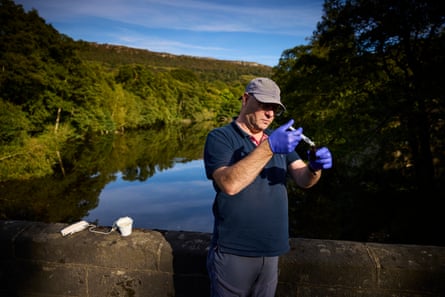
Prof Alistair Boxall taking a water sample from the River Derwent at Calver overlooking Froggat Edge in the Peak District national park
Why are national parks so contaminated?
While drug pollution is a national and international problem, in England, rivers in national parks are among the most contaminated. It’s a counterintuitive result – and an alarming one, given that these waterways are commonly used by wild swimmers, paddlers and holidaymakers.
The reason Brook Head Beck came to register such high levels of contaminant lies a mile up the road in the village of Tideswell.
Wonky lines of stone houses with small windows, hanging baskets and colourful doors line the streets of Tideswell. The village has been here for more than 1,300 years – names such as harvest cottage, the old wool shop and cobbler’s cottage recall the trades that once flourished here.
The way we monitor and regulate chemicals is stuck in the dark ages … we need to think more about where the chemicals go
Prof Alistair Boxall
“What goes down the drain is telling you about the population,” says Boxall. The drugs in the sample collected downstream from Tideswell included diabetes and blood pressure treatments, typically taken by older people, who generally take more pills. This is one of the reasons national park samples contain so many pharmaceuticals – the average age in England is 39, but people in national parks are on average at least 10 years older.
Another reason is that they are tourist hotspots, and the population swells during weekends in the summer. England’s national parks have a population of about 320,000 permanent residents, but they get an estimated 90 million visitors a year. This puts a strain on wastewater treatment infrastructure, potentially leading to increased levels of pharmaceutical discharge.
Older sewage plants, which are more likely to be serving isolated rural communities, are generally even less efficient. National parks also often have “low flow” rivers, meaning there is less water to dilute the pollutants coming from wastewater treatment plants.
The combination of these factors in remote and fragile places makes national parks particularly vulnerable to waterway pollution.
“The way we monitor and regulate chemicals is stuck in the dark ages,” says Boxall, who says authorities should set “safe levels”for some pharmaceuticals, such as antibiotics. The Environment Agency can’t do anything because the chemicals are not regulated. More intense monitoring is also needed at sites such as Tideswell. “As a society we need to think more about where all the chemicals go,” he says.
The Peak District village of Tideswell attracts tourists who are unlikely to realise the nearby becks and rivers are heavily polluted
Change is under way in Europe. Switzerland is the only country which has updated its sewage works to filter out these chemicals, and following the Swiss example, EU member states and the European parliament have approved the final text requiring sewage treatment works serving 10,000 people or more to have micropollutant treatment in place by 2045. Pharmaceutical and cosmetic producers will largely fund the upgrades in line with the “polluter pays” principle, but the UK government says it has no plans to do the same.
I ask Boxall if he’d swim in any of the rivers in England’s national parks, and he quickly shakes his head. “I wouldn’t go swimming in any UK river, knowing what rubbish is in there,” he says.
Exclusive: Researchers find 61% of fresh waters in the UK contain high levels of phosphate and nitrate
The UK’s rivers contain a cocktail of chemicals and stimulants including caffeine, antidepressants and painkillers from water company sewage releases, polluting freshwaters at levels which can pose a risk to aquatic life, testing has found.
Results from three days of testing in rivers by 4,531 volunteers for the environmental research group Earthwatch showed that, in addition to the chemical mix in rivers, 61% of fresh waters in the UK were in a poor state because of high levels of the nutrients phosphate and nitrate, the source of which is sewage effluent and agricultural runoff. England had the worst level of poor water quality in rivers, with 67% of freshwater samples showing high levels of nitrate and phosphate.
“Our rivers have been historically stressed by farming and are being pushed to the brink by outdated and inadequate sewage treatment works,” Earthwatch said.
Earthwatch volunteers tested rivers over three days in September, gathering 2,338 datasets which were tested for high levels of phosphates and nitrates. Ninety-one samples were sent for further testing for the presence of chemicals by Imperial College London. This testing, which is continuing, shows rivers are being subjected to toxic pollutants including nicotine, caffeine, antidepressants, antibiotics and painkillers such as tramadol and diclofenac. The main source of these pollutants is sewage from water company treatment works, said Sasha Woods, head of policy at Earthwatch.
Woods said the UK’s freshwater ecosystems were in a terrible state and that citizen science data was helping to fill in the gaps in testing to expose the true picture. She said the chemical results were shocking, revealing a failure to adequately deal with sewage.
“Caffeine was present in 100% of samples sent to Imperial,” said Woods. “This is alarming because it shows either that sewage effluent is not being cleaned properly by water companies before being discharged into rivers, or that too much raw sewage is going into rivers, or both of those things.”
Volunteers in what was termed the Great UK WaterBlitz collected the thousands of datasets at geographically spread locations across the UK over three days in September. Measurements of nitrates and phosphates taken by the volunteers within a river sub-basin were based on at least five samples per sub-basin.
Acceptable water quality was found where nitrates were under 1 part per million (ppm), and phosphates under 0.1 ppm, aligning with Environment Agency values. England had the worst water quality, with 67% of rivers deemed unacceptable or poor quality, compared with 43% poor quality in Northern Ireland, 29% in Scotland and 21% in Wales. The Anglian and Thames river basin districts have the worst water quality in the UK, with more than 80% of surveys showing unacceptable nutrient concentrations.
Rivers in West Glamorgan in Wales and Kirkcudbrightshire in Scotland had the best water quality of those measured.
Earthwatch said there was a pressing need for improvements to wastewater treatment processes and reductions in agriculture and urban run off to reduce threats to vulnerable freshwater systems and species.
“The poor state of many waterbodies in the UK is down to a complex and interconnected range of pollution sources: sewage discharge, agriculture and urban runoff,” their report said. The Earthwatch evidence of the poor state of UK rivers comes after data from the Environment Agency showed a dramatic decline in Atlantic salmon stocks in England and Wales. Salmon are an indicator species, and their rapid decline is considered a warning sign that the natural environment is under extreme stress.
The full analysis of about 300 chemicals will be published in a peer-reviewed journal in 2025. Initial results are already building a more complete picture of chemical in rivers and lakes.
Many of the chemicals found contained concentrations considered to pose risks to water creatures:
Of the 91 samples already analysed, 100% contained caffeine, with levels in 80% of these samples presenting some risk to aquatic life, said Woods.
Nicotine was found in 25% of samples, with concentrations that present some risk to aquatic life found in 7% of samples. The antidepressant venlafaxine was found in 30% of samples analysed, with 13% of samples containing levels that posed a risk to aquatic life.
The antibiotic trimethoprim was found in 10% of samples, all at concentrations that posed some level of risk to aquatic life.
Diclofenac, a non-steroidal anti-inflammatory drug, was in 11 % of samples, all of which showed some level of risk.
In 5% of samples, the fungicide tebuconazole was present as a result of agricultural runoff.
The neonicotinoid acetamiprid was present in 19% of samples, all showing some level of risk to aquatic life.
Earthwatch said the results showed the strong contribution that citizen science played in presenting a clearer picture of the health of rivers.
Owen Lewis, the deputy director for water analysis and reporting for the Environment Agency, said: “The Environment Agency values the contribution of England’s growing network of citizen scientists and welcomes the Great UK WaterBlitz and other initiatives that complement our own research, monitoring and assessment work.
“We are absolutely committed to improving water quality, which is why we are pleased to be working closely with Earthwatch to target research and help find solutions to the complex problems water is facing.”
The beauty and skincare industry, a realm often associated with rejuvenation and cleanliness, harbors a less glamorous facet that significantly impacts the environment, particularly our water bodies. This article delves into the intricate ways in which skincare ingredients contribute to water pollution, unveiling the hidden costs of beauty routines on aquatic ecosystems.
Skincare products, ranging from facial cleansers to exfoliating scrubs, play an integral role in daily hygiene and self-care routines for millions globally. However, beneath their surface of allure and promise of beauty benefits, lies a complex array of chemicals and micro-elements that are less benign than they appear. When these products are rinsed off, their residual ingredients embark on a journey through our plumbing systems, eventually finding their way into rivers, lakes, and oceans.
One of the primary culprits in this environmental narrative is microbeads, tiny plastic particles found in exfoliating products. These beads, though seemingly harmless due to their minuscule size, are not biodegradable. Once they enter water systems, they persist for years, accumulating in the aquatic environment. Marine life, mistaking these beads for food, ingests them, leading to a cascade of ecological disruptions. The beads not only physically harm the organisms but also act as carriers for other pollutants, which adhere to their surfaces and are consequently introduced into the food chain.
Another significant contributor to water pollution from skincare products is the chemical runoff comprising various compounds such as parabens, phthalates, and triclosan. These chemicals, used for their preservative and antimicrobial properties, disrupt hormonal balances in aquatic species, leading to reproductive and developmental issues. Parabens, for example, have been detected in marine mammals, raising concerns about their widespread environmental presence and the long-term effects on biodiversity.
Furthermore, the high concentration of synthetic fragrances and colorants in skincare products adds to the chemical cocktail in water bodies. These additives, designed to enhance the sensory appeal of products, often contain non-biodegradable and toxic compounds. When they enter the aquatic environment, they contribute to the degradation of water quality and pose risks to aquatic organisms and the overall health of the ecosystem.
Beyond the direct impact on marine life, the pollution of water bodies with skincare ingredients has broader implications. It affects the quality of water available for human use, and the persistent nature of these pollutants raises concerns about their accumulation in the environment and potential to enter the human food chain. The treatment of wastewater, though effective in removing certain contaminants, often falls short in fully addressing the complex mixture of chemicals emanating from skincare products.
In response to these environmental challenges, there has been a growing movement towards sustainable and eco-friendly skincare alternatives. The industry is witnessing a shift towards products with biodegradable ingredients, reduced plastic packaging, and a heightened awareness among consumers about the environmental footprint of their skincare choices. Regulatory measures, such as the ban on microbeads in several countries, also reflect a growing recognition of the need to protect water bodies from the inadvertent consequences of beauty routines.
In conclusion, the intersection of beauty and environmental conservation presents a complex and pressing challenge. The skincare industry, consumers, and regulatory bodies must collaboratively work towards mitigating the impact of skincare ingredients on water pollution. The path forward involves not only reformulating products to be environmentally benign but also fostering a collective consciousness about the unseen consequences of our daily routines on the planet’s most precious resource – water.
Algae has covered large amounts of unique 4,000-year-old maerl beds, which are crucial to marine life and carbon storage
Irreplaceable 4,000-year-old coral beds off the Cornish coast could be killed after being smothered in algae caused by sewage pollution and run-off from farms.
Marine scientists and conservationists were left shocked by the state of the ancient beds of rare pink calcified seaweeds, known as maerl, which are crucial to supporting fragile underwater ecosystems and act as a nursery for commercial fish and shellfish.
The rose pink of a maerl bed is a very rare sight in English waters, with few thought to exist outside Cornwall, where it particularly thrives in clear waters, estuaries and tide-swept bays.
Maerl are a critical habitat, food source and carbon sink
CORNWALL WILDLIFE TRUST
The maerl beds of the Fal and Helford estuaries in Cornwall were designated as a Marine Protected Area in 2005 but a recent dive revealed a “worrying deterioration” in the ecosystems in the Fal estuary, Cornwall Wildlife Trust said.
Matt Slater, a marine conservation officer at the trust, said what they found was “a massive concern” and improvement to the water quality in the Fal estuary was needed urgently.
“It was a shocking sight,” Slater said. “The area, which was previously purple and beautiful, is now covered with a thick layer of brown, fluffy algae.
“We’ve surveyed here regularly for the past eight years and I have never seen the maerl beds looking like this. It was a very sombre atmosphere.
“It’s a massive concern and shows, yet again, why it is urgent that we do all we can to improve water quality in the Fal estuary.”
Although often referred to as a coral, maerl is a red seaweed, best described as a coralline algae. Each nodule is hard to the touch due to a calcium carbonate skeleton. Maerl nodules are very fragile and very slow growing — just 1mm per year.
The beds, which also act as a carbon store, were recently classified as irreplaceable marine habitats by Natural England because of their almost complete inability to recover from damage. If they are hit by high levels of pollution and start to wither and die, nothing can save them.
The deteriorating state of the maerl beds in the Fal estuary was discovered last month at the end of the UK Maerl Forum, the first international event of its kind where European experts came together to create an action plan to protect Cornwall’s maerl beds.
In 2021, the same maerl was much healthier, but pollution has worsened
CORNWALL WILDLIFE TRUST
An organised dive took place at the end of the forum to see the densest maerl bed in English waters, which scientists at Exeter University have found to be genetically unique from other maerl in UK and European waters.
“Maerl is a coralline seaweed and this algae could potentially harm or kill the maerl bed,” Slater said. “There have been small amounts of algae on them in the past but this was completely covering the entire maerl bed. It was devastating to see.
“In Milford Haven [in Pembrokeshire] they have seen this kind of algae bloom damage maerl. It’s down to nutrient levels in the water.
“The Fal has a very large catchment. We can’t point fingers at people but if something is going to be done it’s going to have to be a big project working in multiple ways.”
Cornwall Wildlife Trust said mobile fishing gear was also damaging maerl beds, as was a deterioration in water quality.
Scallop dredges and beam trawls, which could destroy up to 70 per cent of the live maerl nodules, were of “particular concern”.
The Fal estuary is protected from damaging fishing equipment
WILL PERRETT/GETTY IMAGES
In other parts of the UK, such as Lamlash Bay on the Isle of Arran, fishing has been banned to protect maerl beds.
The trust said it was working with farmers to reduce agricultural run-off and with fishers on sustainable management practices.
Mobile fishing gear and maerl extraction are both banned in the Fal estuary. However, the conference highlighted that water quality was also a key threat.
In other areas, such as Milford Haven and Brittany, algal blooms caused by raised nutrient levels have reportedly led to severe decline, and in some cases complete loss, of maerl habitats.
The Times is demanding faster action to improve the country’s waterways. Find out more about the Clean It Up campaign.