Scientists stunned by salt giants forming beneath the Dead Sea

Source:University of California – Santa Barbara

Summary:The Dead Sea isn’t just the saltiest body of water on Earth—it’s a living laboratory for the formation of giant underground salt deposits. Researchers are unraveling how evaporation, temperature shifts, and unusual mixing patterns lead to phenomena like “salt snow,” which falls in summer as well as winter. These processes mirror what happened millions of years ago in the Mediterranean, leaving behind thick salt layers still buried today.Share:


FULL STORY


Salt Giants Rising Beneath the Dead Sea
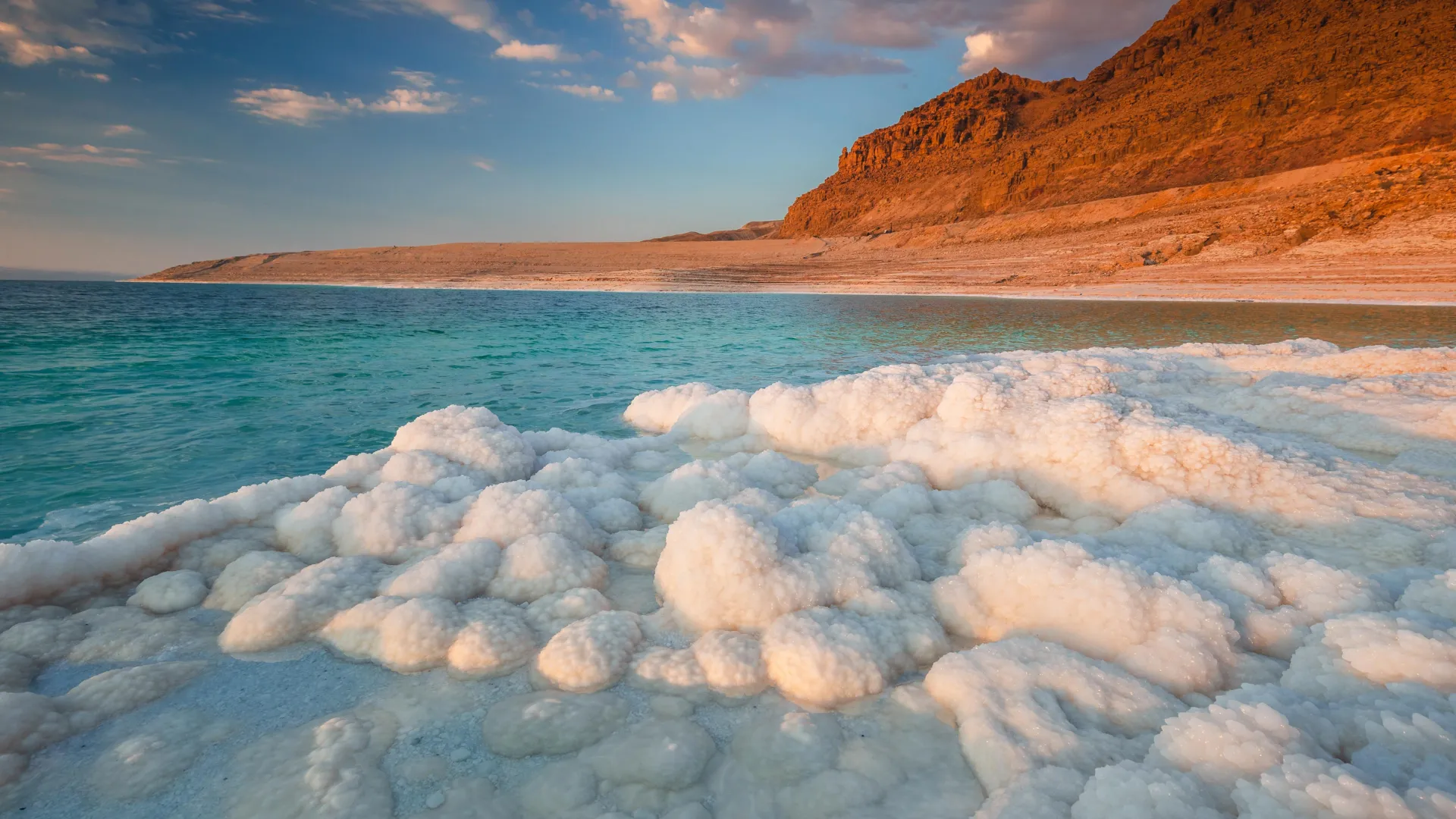
The Dead Sea’s extreme salinity and shifting water layers produce salt giants and even summer “salt snow.” Studying these rare processes provides clues to ancient oceans and modern coastal stability. Credit: Shutterstock

The Dead Sea is a confluence of extraordinary conditions: the lowest point on the Earth’s surface, with one of the world’s highest salinities. The high concentration of salt gives it a correspondingly high density, and the water body’s status as the deepest hypersaline lake gives rise to interesting and often temperature-related phenomena below the water’s surface that researchers are still uncovering.

One of the most intriguing features of the Dead Sea continues to be revealed: salt giants, large-scale salt deposits.

“These large deposits in the Earth’s crust can be many, many kilometers horizontally, and they can be more than a kilometer thick in the vertical direction,” said UC Santa Barbara mechanical engineering professor Eckart Meiburg, lead author of a paper published in the Annual Review of Fluid Mechanics. “How were they generated? The Dead Sea is really the only place in the world where we can study the mechanism of these things today.”

Indeed, while there are other bodies of water in the world with massive salt formations, such as the Mediterranean and Red seas, only in the Dead Sea can one find them in the making, which allows researchers to tackle the physical processes behind their evolution, and in particular, the spatial and temporal variations in their thickness.

Evaporation, precipitation, saturation

In their paper, Meiburg and fellow author Nadav Lensky of the Geological Survey of Israel cover the fluid dynamical and associated sediment transport processes currently governing the Dead Sea. These processes are influenced by several factors, including the Dead Sea’s status as a saltwater terminal lake — a lake with no outflow — leaving evaporation as the primary way water leaves the lake, which has been shrinking for millennia and leaving salt deposits as it does so. More recently, damming of the Jordan River, which feeds into the lake, has accelerated lake level decline, estimated at roughly 1 meter (3 feet) per year.

Temperatures along the water column also play a role in the dynamics behind salt giants and other formations such as salt domes and chimneys. A once “meromictic” (stably stratified) lake — the Dead Sea was layered such that less dense warmer water at the surface overlaid a more saline, cooler layer at depth throughout the entire year.

“It used to be such that even in the winter when things cooled off, the top layer was still less dense than the bottom layer,” Meiburg explained. “And so as a result, there was a stratification in the salt.”

That changed in the early 1980s thanks to the partial diversion of the Jordan River, which resulted in evaporation outpacing the rate of freshwater inflow. At that time, the surface salinity reached the levels found at depth, enabling mixing between the two layers and transitioning the lake from meromictic to holomictic (a lake that experiences annual overturns in the water column). The Dead Sea continues to stratify, but only for eight of the warmer months of the year.

In 2019, Meiburg et al identified a rather unique process occurring in the lake during the summer: halite crystal precipitation or “snow” that was more typical in the cooler season. Halite (“rock salt”) precipitates when the concentration of salt exceeds the amount that the water can dissolve, hence the deeper, colder, denser conditions of the bottom layer are where it is most likely to happen, and in the cooler months. However, they observed that during the summer, while evaporation was increasing the salinity of the upper layer, salts were nonetheless continuing to dissolve in that layer due to its warmer temperature. This leads to a condition called “double diffusion” at the interface between the two layers, in which sections of the saltier warmer water of the top layer cool down and sink, while portions of the lower, cooler, relatively less dense water warm up and rise. As the upper, denser layer cools down, salts precipitate out, creating the “salt snow” effect.

The combination of evaporation, temperature fluctuations and density changes throughout the water column, in addition to other factors including internal currents and surface waves, conspire to create salt deposits of various shapes and sizes, assert the authors. In contrast to shallower hypersaline bodies in which precipitation and deposition occur during the dry season, in the Dead Sea, these processes were found to be most intense during the winter months. This year-round “snow” season at depth explains the emergence of the salt giants, found in other saline bodies such as the Mediterranean Sea, which once dried up during the Messinian Salinity Crisis, about 5.96 to 5.33 million years ago.

“There was always some inflow from the North Atlantic into the Mediterranean through the Strait of Gibraltar,” Meiburg said. “But when tectonic motion closed off the Strait of Gibraltar, there couldn’t be any water inflow from the North Atlantic.” The sea level dropped 3-5 km (2-3 miles) due to evaporation, creating the same conditions currently found in the Dead Sea and leaving behind the thickest of this salt crust that can still be found buried below the deep sections of the Mediterranean, he explained. “But then a few million years later the Strait of Gibraltar opened up again, and so you had inflow coming in from the North Atlantic and the Mediterranean filled up again.”

Meanwhile, salinity fluxes and the presence of springs on the sea floor contribute to the formation of other interesting salt structures, such as salt domes and salt chimneys, according to the researchers.

In addition to gaining a fundamental understanding of some of the idiosyncratic processes that can occur in evaporating, hypersaline lakes, research into the associated sediment transport processes occurring on the emerging beaches may also yield insight on the stability and erosion of arid coastlines under sea level change, as well as the potential for resource extraction, the authors state.

CLICK HERE FOR MORE INFORMATION

https://www.sciencedaily.com/releases/2025/09/250916221828.htm

Geologists got it wrong: Rivers didn’t need plants to meander

Source:Stanford University

Summary:Stanford researchers reveal meandering rivers existed long before plants, overturning textbook geology. Their findings suggest carbon-rich floodplains shaped climate for billions of years.Share:


FULL STORY


Geologists Were Wrong About Meandering Rivers
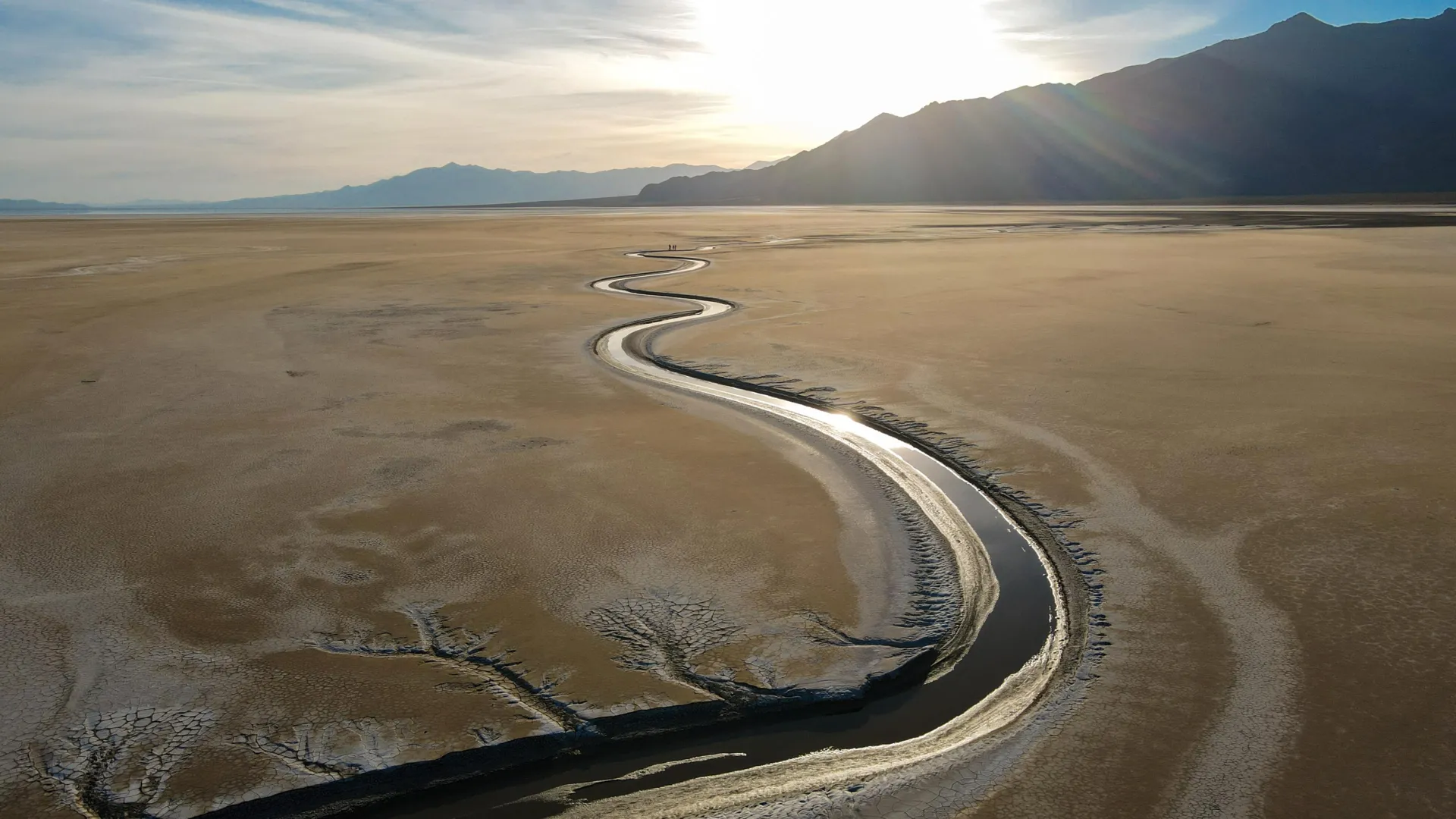
A view of seasonal flow in Shoshone Creek – an unvegetated meandering stream in Nevada. Credit: M. Hasson and M. Lapôtre

A new Stanford study challenges the decades-old view that the rise of land plants half a billion years ago dramatically changed the shapes of rivers.

Rivers generally come in two styles: braided, where multiple channels flow around sandy bars, and meandering, where a single channel cuts S-curves across a landscape. Geologists have long thought that before vegetation, rivers predominantly ran in braided patterns, only forming meandering shapes after plant life took root and stabilized riverbanks.

The new study, which was published online by the journal Science on Aug. 21, 2025, suggests the theory that braided rivers dominated the first 4 billion years of Earth’s history is based on a misinterpretation of the geological record. The research demonstrates that unvegetated meandering rivers can leave sedimentary deposits that look deceptively similar to those of braided rivers. This distinction is crucial for our understanding of Earth’s early ecology and climate, as a river’s type determines how long sediment, carbon, and nutrients are stored in floodplains.

“With our study, we’re pushing back on the widely accepted story of what landscapes looked like when plant life first evolved on land,” said lead author Michael Hasson, a PhD student in Mathieu Lapôtre’s lab at the Stanford Doerr School of Sustainability. “We’re rewriting the story of the intertwined relationship between plants and rivers, which is a significant revision to our understanding of the history of the Earth.”

The muddy floodplains of meandering rivers – dynamic ecosystems created over thousands of years by river overflow – are among the planet’s most abundant non-marine carbon reservoirs. Carbon levels in the atmosphere, in the form of carbon dioxide, act as Earth’s thermostat, regulating temperature over vast timescales. Accurately budgeting for the carbon caches created by meandering rivers could help scientists build more comprehensive models of Earth’s ancient and future climate.

“Floodplains play an important role in determining how, when, and whether carbon is buried or released back into the atmosphere,” Hasson said. “Based on this work, we argue carbon storage in floodplains would have been common for much longer than the classic paradigm that assumes meandering rivers only occurred over the last several hundred million years.”

Where the river flows

To gauge vegetation’s impact on river channel patterns, the researchers examined satellite imagery of about 4,500 bends in 49 current-day meandering rivers. About half of the rivers were unvegetated and half were densely or partly vegetated.

The researchers keyed in on point bars – the sandy landforms that develop on the inside bends of meandering rivers as water flow deposits sediments. Unlike the sandy bars that form in the middle of braided rivers, point bars tend to migrate laterally away from the centers of rivers. Over time, this migration contributes to meandering rivers’ characteristically sinuous channel shapes.

Recognizing that these sandy bars form in different places based on river style, geologists for decades have measured the trajectory of bars in the rock record to reveal ancient river paths. The rocks, typically of sandstones and mudstones, provide evidence for divergent river styles because each deposits different kinds of and amounts of rock-forming sediment, giving geologists clues for reconstructing long-ago river geometries. If sandstones showed little variation in the angle of bar migration, geologists interpreted the bars as moving downstream, and thus that a braided river created the deposits.

Using this technique, geologists had noticed that rivers changed the way they behaved around the time that plants first evolved on Earth. This observation led to the conclusion that land plants made river meandering possible, for instance by trapping sediment and stabilizing riverbanks.

“In our paper, we show that this conclusion – which is taught in all geology curricula to this day – is most likely incorrect,” said Lapôtre, the paper’s senior author and an assistant professor of earth and planetary sciences at the Doerr School of Sustainability.

By looking at modern rivers with a wide range of vegetation cover, the researchers showed that plants consistently change the direction of point bar migration. Specifically, in the absence of vegetation, point bars tend to migrate downstream – like mid-channel bars do in braided rivers.

“In other words, we show that, if one were to use the same criterion geologists use in ancient rocks on modern rivers, meandering rivers would be miscategorized as braided rivers,” Lapôtre said.

Rivers over time

The findings offer a provocative new window into Earth’s past eons, upending the conventional picture of how rivers have sculpted continents. If indeed carbon-loaded floodplains were laid down far more extensively over history, scientists may need to revise models of major natural climate swings over time, with implications for our understanding of ongoing climate change.

“Understanding how our planet is going to respond to human-induced climate change hinges on having an accurate baseline for how it has responded to past perturbations,” Hasson said. “The rock record provides that baseline, but it’s only useful if we interpret it accurately.”

“We’re suggesting that an important control on carbon cycling – where carbon is stored, and for how long, due to river type and floodplain creation – hasn’t been fully understood,” he said. “Our study now points the way to better assessments.”

Additional co-authors are from the University of Padova and the University of British Columbia.

CLICK HERE FOR MORE INFORMATION

https://www.sciencedaily.com/releases/2025/08/250831010533.htm

The ancient oxygen flood that forever changed life in the oceans

Source:Duke University

Summary:Ancient forests may have fueled a deep-sea oxygen boost nearly 390 million years ago, unlocking evolutionary opportunities for jawed fish and larger marine animals. New isotopic evidence shows that this permanent oxygenation marked a turning point in Earth’s history — a reminder of how fragile the ocean’s oxygen balance remains today.Share:


FULL STORY


Ancient Oxygen Flood Changed Life Forever
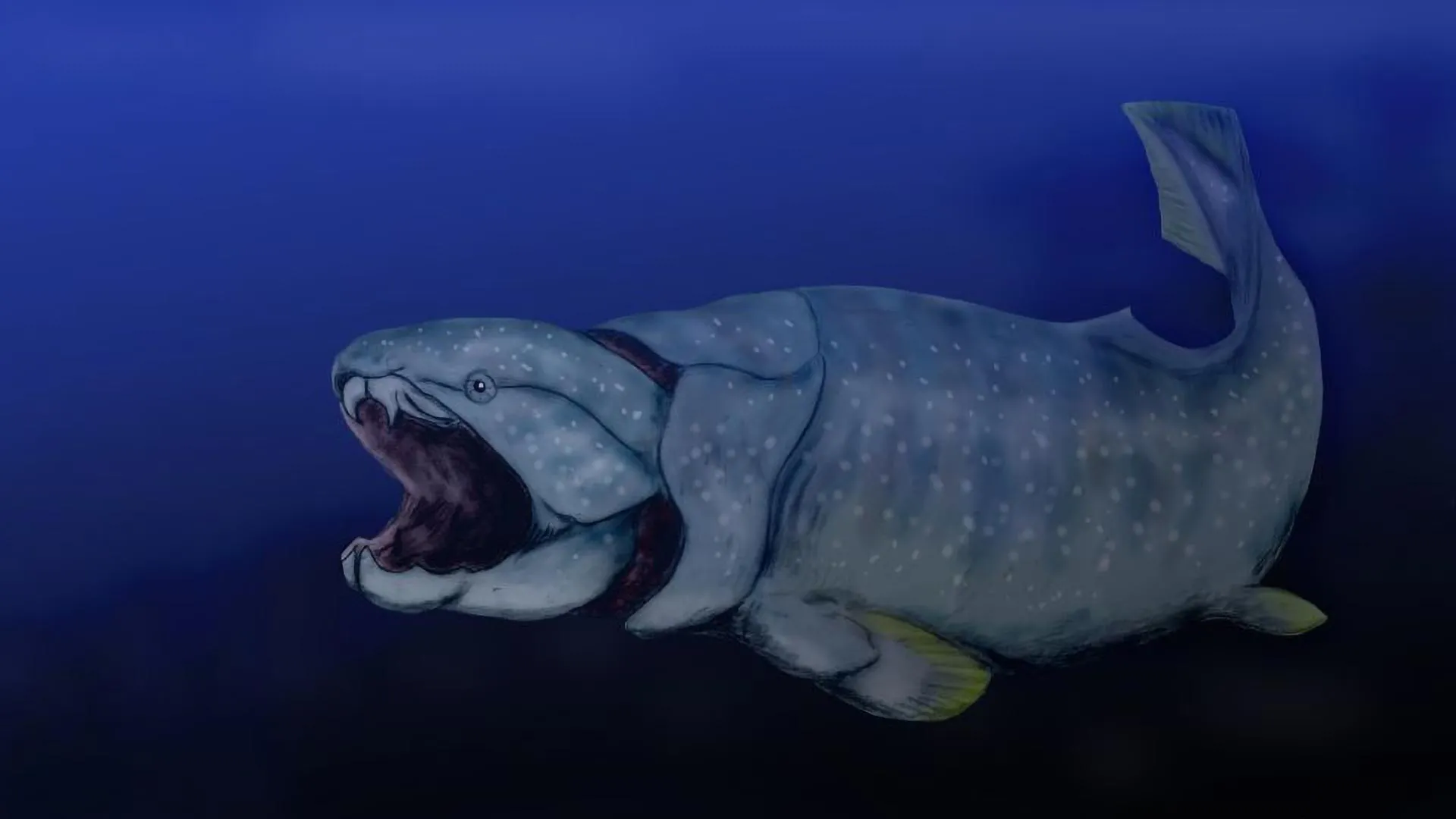
An artist’s rendering of a prehistoric jawed fish from the Late Devonian called Dunkleosteus. These sorts of large, active vertebrates evolved shortly after the deep ocean became well-oxygenated. Credit: © 2008 N. Tamura/CC-BY-SA

Some 390 million years ago in the ancient ocean, marine animals began colonizing depths previously uninhabited. New research indicates this underwater migration occurred in response to a permanent increase in deep-ocean oxygen, driven by the aboveground spread of woody plants — precursors to Earth’s first forests. 

That rise in oxygen coincided with a period of remarkable diversification among fish with jaws — the ancestors of most vertebrates alive today. The finding suggests that oxygenation might have shaped evolutionary patterns among prehistoric species.

“It’s known that oxygen is a necessary condition for animal evolution, but the extent to which it is the sufficient condition that can explain trends in animal diversification has been difficult to pin down,” said co-lead author Michael Kipp, assistant professor of earth and climate sciences in the Duke University Nicholas School of the Environment. “This study gives a strong vote that oxygen dictated the timing of early animal evolution, at least for the appearance of jawed vertebrates in deep-ocean habitats.”

For a time, researchers thought that deep-ocean oxygenation occurred once at the beginning of the Paleozoic Era, some 540 million years ago. But more recent studies have suggested that oxygenation occurred in phases, with nearshore waters first becoming livable to breathing organisms, followed by deeper environments.

Kipp and colleagues homed in on the timing of those phases by studying sedimentary rocks that formed under deep seawater. Specifically, they analyzed the rocks for selenium, an element that can be used to determine whether oxygen existed at life-sustaining levels in ancient seas. 

In the marine environment, selenium occurs in different forms called isotopes that vary by weight. Where oxygen levels are high enough to support animal life, the ratio of heavy to light selenium isotopes varies widely. But at oxygen levels prohibitive to most animal life, that ratio is relatively consistent. By determining the ratio of selenium isotopes in marine sediments, researchers can infer whether oxygen levels were sufficient to support animals that breathe underwater.

Working with research repositories around the world, the team assembled 97 rock samples dating back 252 to 541 million years ago. The rocks had been excavated from areas across five continents that, hundreds of millions of years ago, were located along the outermost continental shelves — the edges of continents as they protrude underwater, just before giving way to steep drop-offs.

After a series of steps that entailed pulverizing the rocks, dissolving the resulting powder and purifying selenium, the team analyzed the ratio of selenium isotopes that occurred in each sample.

Their data indicated that two oxygenation events occurred in the deeper waters of the outer continental shelves: a transient episode around 540 million years ago, during a Paleozoic period known as the Cambrian, and an episode that began 393-382 million years ago, during an interval called the Middle Devonian, that has continued to this day. During the intervening millennia, oxygen dropped to levels inhospitable to most animals. The team published their findings in Proceedings of the National Academy of Sciences in August.

“The selenium data tell us that the second oxygenation event was permanent. It began in the Middle Devonian and persisted in our younger rock samples,” said co-lead author Kunmanee “Mac” Bubphamanee, a Ph.D. candidate at the University of Washington.

That event coincided with numerous changes in oceanic evolution and ecosystems — what some researchers refer to as the “mid-Paleozoic marine revolution.” As oxygen became a permanent feature in deeper settings, jawed fish, called gnathostomes, and other animals began invading and diversifying in such habitats, according to the fossil record. Animals also got bigger, perhaps because oxygen supported their growth.

The Middle Devonian oxygenation event also overlapped with the spread of plants with hard stems of wood.

“Our thinking is that, as these woody plants increased in number, they released more oxygen into the air, which led to more oxygen in deeper ocean environments,” said Kipp, who began this research as a Ph.D. student at the University of Washington.

The cause of the first, temporary oxygenation event during the Cambrian is more enigmatic.

“What seems clear is that the drop in oxygen after that initial pulse hindered the spread and diversification of marine animals into those deeper environments of the outer continental shelves,” Kipp said.

Though the team’s focus was on ancient ocean conditions, their findings are relevant now.

“Today, there’s abundant ocean oxygen in equilibrium with the atmosphere. But in some locations, ocean oxygen can drop to undetectable levels. Some of these zones occur through natural processes. But in many cases, they’re driven by nutrients draining off continents from fertilizers and industrial activity that fuel plankton blooms that suck up oxygen when they decay,” Kipp said.

“This work shows very clearly the link between oxygen and animal life in the ocean. This was a balance struck about 400 million years ago, and it would be a shame to disrupt it today in a matter of decades.”

Funding: MAK was supported by an NSF Graduate Research Fellowship and Agouron Institute Postdoctoral Fellowship. Additional support was provided by the NASA Astrobiology Institute’s Virtual Planetary Laboratory.

CLICK HERE FOR MORE INFORMATION
https://www.sciencedaily.com/releases/2025/08/250827010726.htm

Drought Depletes Turkey’s Tekirdag Reservoirs, Forcing Emergency Water Curbs

By Reuters

Reuters

Reuters

A drone view shows the receding waterline and exposed lakebed in the dried basin of Turkmenli Dam, as drought conditions continue to affect water levels, in Marmara Ereglisi, in the northwestern Tekirdag province, Turkey, August 11, 2025. REUTERS/Murad Sezer

By Ali Kucukgocmen

TEKIRDAG, Turkey (Reuters) -A drought in Turkey’s northwestern province of Tekirdag has left the area’s main dams without potable water, straining infrastructure and leaving some homes without water for weeks, due to a sharp drop in precipitation in the country this year.

Authorities say drought is a critical issue, with several provinces warning of limited fresh water supply this summer.

Various areas in Izmir, Turkey’s third-most populous province, have experienced frequent water cuts this month, while the municipality in the western province of Usak was told over the weekend it would have access to water just six hours a day, with the main water reservoir depleted.

Rainfall slumped 71% in July across the country from a year ago, according to Turkey’s Meteorological Service. In the Marmara region, which includes Tekirdag and Istanbul, it shrank 95% below the monthly norm in July.

In the ten months to August, precipitation sank 32% in Marmara compared to the norm, while it fell 26% across Turkey to the lowest in 52 years.

ALTERNATIVES

The water level in Tekirdag’s Naip Dam, which has not seen any rainfall in June and July, fell to zero percent in August.

MORE: Places the U.S. Government Warns Not to Travel Right Now

That has forced authorities to find alternatives like delivering irrigation water for domestic use and building a pump system for delivery into urban areas.

The dam’s water level was 21% this time last year, according to the State Hydraulic Works.

Mehmet Ali Sismanlar, head of Tekirdag’s Water and Sewerage Administration (TESKI), said rainfall in Tekirdag has reduced dramatically over the past decade, and severe drought over the last two years has spurred frequent water cuts in some areas this summer.

“We are the area and the province that has been affected the most by the drought in Turkey,” he said, attributing it to climate change.

The water in Turkmenli dam, usually used for irrigation, was used to supply water to Tekirdag’s Marmaraereglisi district, where some neighbourhoods faced water cuts.

TESKI was working to open new wells to use ground water, not usually a preferred measure, Sismanlar said. He said ground water had sunk to twice its original depth over the years.

Mehmet, 70, a resident who lives in the Dereagzi neighbourhood with his family, said their home has had no water for two months, leaving them unable to shower or perform chores, and they were fetching water from nearby areas in large bottles.

“I have been living in filth for the past two months,” he said, standing among dirty piles of dishes in the kitchen, and adding that he last showered when he went to Istanbul, around 130 kilometres (81 miles) away.

His wife, Fatma, 65, said the family stayed up at night to fill up bottles in case water supply is resumed.

Remzi Karabas, 71, said he takes his laundry to Istanbul to be washed, but was done with living in Tekirdag. 

“We’ll leave some day soon. What can we do here? Water does not flow at all.”

(Editing by Tuvan Gumrukcu and Bernadette Baum)

CLICK HERE FOR MORE INFORMATION

https://www.usnews.com/news/world/articles/2025-08-19/drought-depletes-turkeys-tekirdag-reservoirs-forcing-emergency-water-curbs

Scientists reveal how just two human decisions rewired the Great Salt Lake forever

Utah geoscientist’s analysis of carbon and oxygen isotopes documents profound human-driven changes arising from agriculture and rail causeway.

Source: University of Utah

Summary:Scientists found that Great Salt Lake’s chemistry and water balance were stable for thousands of years, until human settlement. Irrigation and farming in the 1800s and a railroad causeway in 1959 created dramatic, lasting changes. The lake now behaves in ways unseen for at least 2,000 years.Share:


FULL STORY


Two Human Decisions Rewired the Great Salt Lake
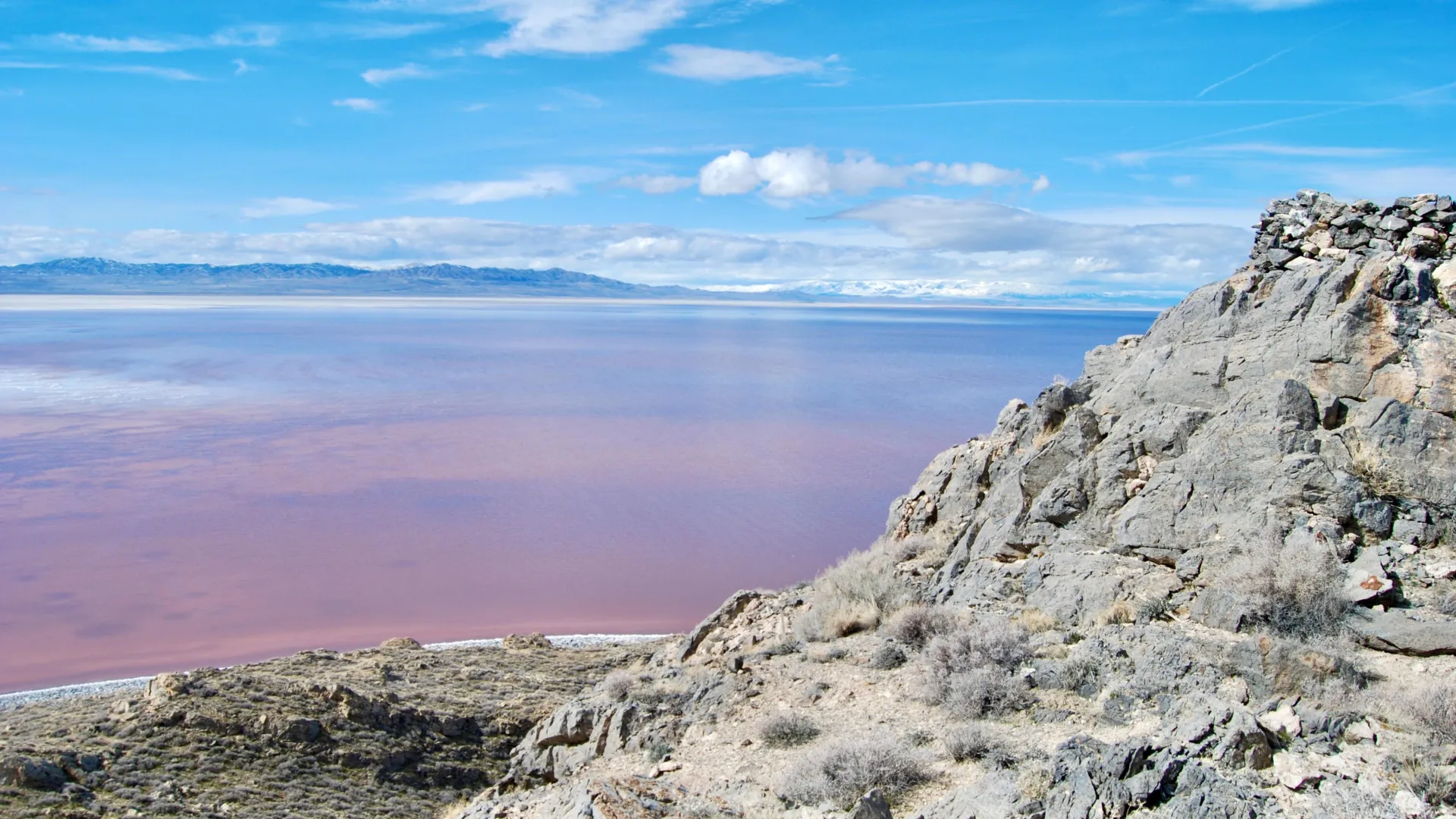
The view of Great Salt Lake’s North Arm from Gunnison Island, which has long served as a nesting ground for pelicans. Credit: Brian Maffly, University of Utah

Over the past 8,000 years, Utah’s Great Salt Lake has been sensitive to changes in climate and water inflow. Now, new sediment isotope data indicate that human activity over the past 200 years has pushed the lake into a biogeochemical state not seen for at least 2,000 years.

A University of Utah geoscientist applied isotope analysis to sediments recovered from the lake’s bed to characterize changes to the lake and its surrounding watershed back to the time the lake took its current shape from the vast freshwater Lake Bonneville that once covered much of northern Utah.

“Lakes are great integrators. They’re a point of focus for water, for sediments, and also for carbon and nutrients,” said Gabriel Bowen, a professor and chairman of the Department of Geology & Geophysics. “We can go to lakes like this and look at their sediments and they tell us a lot about the surrounding landscape.”

Sedimentary records provide context for ongoing changes in terminal saline lakes, which support fragile, yet vital ecosystems, and may help define targets for their management, according to Bowen’s new study, published last month in Geophysical Research Letters.

This research helps fill critical gaps in the lake’s geological and hydrological records, coming at a time when the drought-depleted level of the terminal body has been hovering near its historic low.

“We have all these great observations, so much monitoring, so much information and interest in what’s happening today. We also have a legacy of people looking at the huge changes in the lake that happened over tens of thousands and hundreds of thousands of years,” Bowen said. “What we’ve been missing is the scale in the middle.”

That is the time spanning the first arrival of white settlers in Utah but after Lake Bonneville receded to become Great Salt Lake.

By analyzing oxygen and carbon isotopes preserved in lake sediments, the study reconstructs the lake’s water and carbon budgets through time. Two distinct, human-driven shifts stand out:

  • Mid-19th century – Coinciding with Mormon settlement in 1847, irrigation rapidly greened the landscape around the lake, increasing the flow of organic matter into the lake and altering its carbon cycle.
  • Mid-20th century – Construction of the railroad causeway in 1959 disrupted water flow between the lake’s north and south arms, which turned Gilbert Bay from a terminal lake to an open one that partially drained into Gunnison Bay, altering the salinity and water balance to values rarely seen in thousands of years.

The new study examines two sets of sediment cores extracted from the bed of Great Salt Lake, each representing different timescales. The top 10 meters of the first core, drilled in the year 2000 south of Fremont Island, contains sediments washed into the lake up to 8,000 years ago.

The view of the Great Salt Lake from Gunnison Island, which has long served as a nesting ground for pelicans. Credit: Brian Maffly

The other samples, recovered by the U.S. Geological Survey, represent only the upper 30 centimeters of sediments, deposited in the last few hundred years.

“The first gives us a look at what was happening for the 8,000 years before the settlers showed up here,” Bowen said. “The second are these shallower cores that allow us to see how the lake changed after the arrival of the settlers.”

Bowen subjected these lakebed sediments at varying depths to an analysis that determines isotope ratios of carbon and oxygen, shedding light on the landscape surrounding the lake and the water in the lake at varying points in the past.

“The carbon tells us about the biogeochemistry, about how the carbon cycles through the lake, and that’s affected by things like weathering of rocks that bring carbon to the lake and the vegetation in the watershed, which also contributes carbon that dissolves into the water and flows to the lake,” he said.

Bowen’s analysis documented a sharp change in carbon, indicating profound changes that coincided with the arrival of Mormon pioneers in the Salt Lake Valley, where they introduced irrigated agriculture to support a rapidly growing community.

“We see a big shift in the carbon isotopes, and it shifts from values that are more indicative of rock weathering, carbon coming into the lake from dissolving limestone, toward more organic sources, more vegetation sources,” Bowen said.

The new carbon balance after settlement was unprecedented during the 8,000 years of record following the demise of Lake Bonneville.

Next, Bowen’s oxygen isotope analysis reconstructed the lake’s water balance over time.

“Essentially, it tells us about the balance of evaporation and water inflow into the lake. As the lake is expanding, the oxygen isotope ratio goes down. As the lake shrinks, it goes up, basically telling us about the rate of change of the lake volume. We see little fluctuations, but nothing major until we get to 1959.”

That’s the year Union Pacific built a 20-mile causeway to replace a historic rail trestle, dividing the lake’s North Arm, which has no tributaries, from its South Arm, also known as Gilbert Bay, which receives inflow from three rivers. Water flows through a gap in the causeway into North Arm, now rendering the South Arm an open system.

“We changed the hydrology of the lake fundamentally and gave it an outflow. We see that really clearly in the oxygen isotopes, which start behaving in a different way,” he said. Counterintuitively, the impact of this change was to make Gilbert Bay waters fresher than they would have been otherwise, buying time to deal with falling lake levels and increasing salinity due to other causes.

“If we look at the longer time scale, 8,000 years, the lake has mostly been pinned at a high evaporation state. It’s been essentially in a shrinking, consolidating state throughout that time. And that only reversed when we put in the causeway.”

The paper, “Multi-millennial context for post-colonial hydroecological change in Great Salt Lake,” was posted online July 22 in the journal Geophysical Research Letters. Gabriel Bowen is the sole author and is supported by grants from the National Science Foundation.

CLICK HERE FOR MORE INFORMATION

https://www.sciencedaily.com/releases/2025/08/250818102953.htm

Drought Stalks Serbia, Harming Livestock

By Reuters

U.S. News & World Report

Reuters

REUTERS

A drone view shows a herd of cattle searching for water amid a severe drought that has dried up Suva Planina mountain’s main springs, near the town of Bela Palanka, Serbia August 12, 2025. REUTERS/Djordje Kojadinovic

SUVA PLANINA, Serbia (Reuters) -A prolonged drought and sweltering heat are taking their toll on villagers, livestock and crops in the mountains of southeastern Serbia, with animals starting to die.

Lack of rainfall since May has caused water shortages, wildfires and disruption to agriculture across the Western Balkans, also comprised of Montenegro, Bosnia, Albania, Kosovo and North Macedonia,

At Serbia’s Suva Planina (Dry Mountain), owners who take their cows and horses for summer grazing said the springs dried up too early this year.

“There’s not a drop of water … animals are starting to die,” said Ljubisa Petkovic, a herder from the nearby municipality of Gadzin Han.

Around 1,000 thirsty cows and horses milled round a few watering holes and springs, sipping sparse and dirty water from puddles.

Temperatures in Serbia on Tuesday stood at around 35 degrees Celsius (95 Fahrenheit) with several wildfires burning.

In late July, local authorities, alerted by cattle owners, drove water trucks up the Suva Planina pastures, filled a pond, and pledged to send more.

Nikola Manojlovic, 35, said he hoped for more state water supplies and warned that villages in the valley were also suffering from the drought.

MORE:  Places the U.S. Government Warns Not to Travel Right Now

“Corn has dried up … we’ve had no running water in the village for three months now and we have no water here,” Manojlovic said.

Meteorologists say Serbia may have a spell of rainy weather later this month, but it may not be enough to replenish the small rivers, lakes and creeks needed for the cattle to drink.

(Reporting by Branko Filipovicc; Writing by Aleksandar Vasovic; Editing by Andrew Cawthorne)

Copyright 2025 Thomson Reuters.

CLICK HERE FOR MORE INFORMATION

https://www.usnews.com/news/world/articles/2025-08-12/drought-stalks-serbia-harming-livestock

Unprecedented climate shocks are changing the Great Lakes forever

Heat waves and cold spells are now more common on the Great Lakes, according to U-M research, with implications for the region’s weather, economy and ecology.

Summary:Extreme heat waves and cold spells on the Great Lakes have more than doubled since the late 1990s, coinciding with a major El Niño event. Using advanced ocean-style modeling adapted for the lakes, researchers traced temperature trends back to 1940, revealing alarming potential impacts on billion-dollar fishing industries, fragile ecosystems, and drinking water quality.

Great Lakes temperature extremes have surged since the late ’90s, threatening ecosystems, fisheries, and water quality. Advanced modeling now offers a detailed history back to 1940 and could help forecast future risks. Credit: Shutterstock

Heat waves and cold spells are part of life on the Great Lakes. But new research from the University of Michigan shows that is true today in a fundamentally different way than it was even 30 years ago.

“The appearance of these extreme temperatures is increasing,” said Hazem Abdelhady, a postdoctoral research fellow in the U-M School for Environment and Sustainability, or SEAS. “For most lakes, the appearance is up more than 100% compared with before 1998.” That timing is significant because it coincides with the 1997-1998 El Niño, which is one of the strongest on record, he added.To reveal this trend, Abdelhady and his colleagues developed a state-of-the-art approach to modeling the surface temperature of the Great Lakes, which allowed them to study heat waves and cold spells dating back to 1940. The surface water temperature of the Great Lakes plays an important role in the weather, which is an obvious concern for residents, travelers and shipping companies in the region.But the uptick in extreme temperature events could also disrupt ecosystems and economies supported by the lakes in more subtle ways, Abdelhady said.

“These types of events can have huge impacts on the fishing industry, which is a billion-dollar industry, for example,” Abdelhady said. Tribal, recreational and commercial fishing in the Great Lakes account for a total value of more than $7 billion annually, according to the Great Lakes Fishery Commission.

While fish can swim to cooler or warmer waters to tolerate gradual temperature changes, the same isn’t always true for sudden jumps in either direction, Abdelhady said. Fish eggs are particularly susceptible to abnormal temperature spikes or drops.

Hot and cold streaks can also disrupt the natural mixing and stratifying cycles of the lakes, which affects the health and water quality of lakes that people rely on for recreation and drinking water.Now that the researchers have revealed these trends on each of the Great Lakes, they’re working to build on that to predict future extreme temperature events as the average temperature of the lakes — and planet — continue to warm. In studying those events and their connections with global climate phenomena, such as El Niños and La Niñas, we can better prepare to brace for their impact, Abdelhady said.

“If we can understand these events, we can start thinking about how to protect against them,” Abdelahdy said.

The study was conducted through the Cooperative Institute for Great Lakes Research, or CIGLR, and published in Communications Earth & Environment, part of the Nature journal family. The work was supported by the National Science Foundation, its Global Centers program and the National Oceanic and Atmospheric Administration, or NOAA.

Capturing the greatness of the lakes

One of the challenges of this work was the size of the problem itself. Although researchers have developed computer models that can simulate processes in most lakes around the world, the Great Lakes aren’t most lakes.

For starters, they’re an interconnected system of five lakes. They also contain more than a fifth of the world’s fresh surface water. And the length of their shoreline is comparable to that of the U.S.’s entire Atlantic coast — including the gulf states.In many regards, the Great Lakes have more in common with coastal oceans than with other lakes, said study coauthor Ayumi Fujisaki-Manome, who is an associate research scientist with SEAS and CIGLR.

“We can’t use the traditional, simpler models for the Great Lakes because they really don’t do well,” Fujisaki-Manome said.

So Abdelhady turned to modeling approaches used to study coastal oceans and tailored them for the Great Lakes. But there was also a data hurdle to overcome in addition to the modeling challenges.

Satellites have enabled routine direct observations of the Great Lakes starting about 45 years ago, Fujisaki-Manome said. But when talking about climate trends and epochs, researchers need to work with longer time periods.

“The great thing with this study is we were able to extend that historical period by almost double,” Fujisaki-Manome said.

By working with available observational data and trusted data from global climate simulations, Abdelhady could model Great Lakes temperature data and validate it with confidence back to 1940.”That’s why we use modeling a lot of the time. We want to know about the past or the future or a point in space we can’t necessarily get to,” said coauthor Drew Groneworld, an associate professor in SEAS and a leader of the Global Center for Climate Change and Transboundary Waters. “With the Great Lakes, we have all three of those.”

David Cannon, an assistant research scientist with CIGRL, and Jia Wang, a climatologist and oceanographer with NOAA’s Great Lakes Environmental Research Laboratory, also contributed to the study. The study is a perfect example of how collaborations between universities and government science agencies can create a flow of knowledge that benefits the public and the broader research community, Gronewold said.

The team’s model is now available for other research groups studying the Great Lakes to explore their questions. For the team at U-M, its next steps are using the model to explore spatial differences across smaller areas of the Great Lakes and using the model to look forward in time.

“I’m very curious if we can anticipate the next big shift or the next big tipping point,” Gronewold said. “We didn’t anticipate the last one. Nobody predicted that, in 1997, there was going to be a warm-winter El Niño that changed everything.”

CLICK HERE FOR MORE INFORMATION

https://www.sciencedaily.com/releases/2025/08/250813083616.htm

332 colossal canyons just revealed beneath Antarctica’s ice

Summary:Deep beneath the Antarctic seas lies a hidden network of 332 colossal submarine canyons, some plunging over 4,000 meters, revealed in unprecedented detail by new high-resolution mapping. These underwater valleys, shaped by glacial forces and powerful sediment flows, play a vital role in transporting nutrients, driving ocean currents, and influencing global climate. Striking differences between East and West Antarctica’s canyon systems offer clues to the continent’s ancient ice history, while also exposing vulnerabilities as warm waters carve away at protective ice shelves.

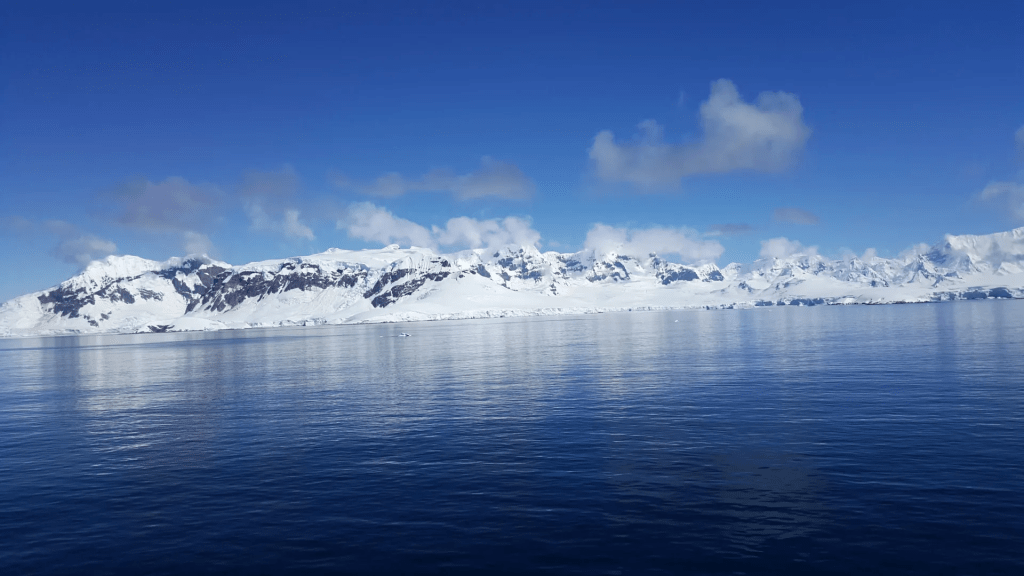
A groundbreaking seafloor map reveals 332 Antarctic canyons—giant, glacially carved corridors shaping climate, ocean currents, and ice shelf survival. Credit: Shutterstock

Submarine canyons are among the most spectacular and fascinating geological formations to be found on our ocean floors, but at an international level scientists have yet to uncover many of their secrets, especially of those located in remote regions of the Earth like the North and South Poles. Now, an article published in the journal Marine Geologyhas brought together the most detailed catalogue to date of Antarctic submarine canyons, identifying a total of 332 canyon networks that in some cases reach depths of over 4,000 meters.

The catalogue, which identifies five times as many canyons as previous studies had, was produced by the researchers David Amblàs, of the Consolidated Research Group on Marine Geosciences at the Faculty of Earth Sciences of the University of Barcelona, and Riccardo Arosio, of the Marine Geosciences Research Group at University College Cork. Their article shows that Antarctic submarine canyons may have a more significant impact than previously thought on ocean circulation, ice-shelf thinning and global climate change, especially in vulnerable areas such as the Amundsen Sea and parts of East Antarctica.Submarine canyons: the differences between East and West Antarctica

The submarine canyons that form valleys carved into the seafloor play a decisive role in ocean dynamics: they transport sediments and nutrients from the coast to deeper areas, they connect shallow and deep waters and they create habitats rich in biodiversity. Scientists have identified some 10,000 submarine canyons worldwide, but because only 27% of the Earth’s seafloor has been mapped in high resolution the real total is likely to be higher. And despite their ecological, oceanographic, and geological value, submarine canyons remain underexplored, especially in polar regions.

“Like those in the Arctic, Antarctic submarine canyons resemble canyons in other parts of the world,” explains David Amblàs. “But they tend to be larger and deeper because of the prolonged action of polar ice and the immense volumes of sediment transported by glaciers to the continental shelf.” Moreover, the Antarctic canyons are mainly formed by turbidity currents, which carry suspended sediments downslope at high speed, eroding the valleys they flow through. In Antarctica, the steep slopes of the submarine terrain combined with the abundance of glacial sediments amplifies the effects of these currents and contributes to the formation of large canyons.The new study by Amblàs and Arosio is based on Version 2 of the International Bathymetric Chart of the Southern Ocean (IBCSO v2), the most complete and detailed map of the seafloor in this region. It uses new high-resolution bathymetric data and a semi-automated method for identifying and analysing canyons that was developed by the authors. In total, it describes 15 morphometric parameters that reveal striking differences between canyons in East and West Antarctica.

“Some of the submarine canyons we analyzed reach depths of over 4,000 meters,” explained David Amblàs. “The most spectacular of these are in East Antarctica, which is characterized by complex, branching canyon systems. The systems often begin with multiple canyon heads near the edge of the continental shelf and converge into a single main channel that descends into the deep ocean, crossing the sharp, steep gradients of the continental slope.”

Riccardo Arosio noted that “It was particularly interesting to see the differences between canyons in the two major Antarctic regions, as this hadn’t been described before. East Antarctic canyons are more complex and branched, often forming extensive canyon-channel systems with typical U-shaped cross sections. This suggests prolonged development under sustained glacial activity and a greater influence of both erosional and depositional sedimentary processes. In contrast, West Antarctic canyons are shorter and steeper, characterized by V-shaped cross sections.”According to David Amblàs, this morphological difference supports the idea that the East Antarctica Ice Sheet originated earlier and has experienced a more prolonged development. “This had been suggested by sedimentary record studies,” Amblàs said, “but it hadn’t yet been described in large-scale seafloor geomorphology.”

About the research, Riccardo Arosio also explained that “Thanks to the high resolution of the new bathymetric database — 500 meters per pixel compared to the 1-2 kilometres per pixel of previous maps — we could apply semi-automated techniques more reliably to identify, profile and analyse submarine canyons. The strength of the study lies in its combination of various techniques that were already used in previous work but that are now integrated into a robust and systematic protocol. We also developed a GIS software script that allows us to calculate a wide range of canyon-specific morphometric parameters in just a few clicks.”

Submarine canyons and climate change

As well as being spectacular geographic accidents, the Antarctic canyons also facilitate water exchange between the deep ocean and the continental shelf, allowing cold, dense water formed near ice shelves to flow into the deep ocean and form what is known as Antarctic Bottom Water, which plays a fundamental role in ocean circulation and global climate.

Additionally, these canyons channel warmer waters such as Circumpolar Deep Water from the open sea toward the coastline. This process is one of the main mechanisms that drives the basal melting and thinning of floating ice shelves, which are themselves critical for maintaining the stability of Antarctica’s interior glaciers. And as Amblàs and Arosio have explained, when the shelves weaken or collapse, continental ice flows more rapidly into the sea and directly contributes to the rise in global sea level.

Amblàs and Arosio’s study also highlights the fact that current ocean circulation models like those used by the Intergovernmental Panel on Climate Change do not accurately reproduce the physical processes that occur at local scales between water masses and complex topographies like canyons. These processes, which include current channeling, vertical mixing and deep-water ventilation, are essential for the formation and transformation of cold, dense water masses like Antarctic Bottom Water. Omitting these local mechanisms limits the ability that models have to predict changes in ocean and climate dynamics.As the two researchers conclude, “That’s why we must continue to gather high-resolution bathymetric data in unmapped areas that will surely reveal new canyons, collect observational data both in situ and via remote sensors and keep improving our climate models to better represent these processes and increase the reliability of projections on climate change impacts.”

CLICK HERE FOR MORE INFORMATION

https://www.sciencedaily.com/releases/2025/08/250809100910.htm

Residents say jet fuel leak in Pennsylvania went undetected for months, poisoned their drinking water

When Kristine Wojnovich and her husband bought their home 20 years ago in Washington Crossing, Pennsylvania, it was everything they wanted — until one day in 2023, when she turned on her kitchen faucet.

“It tasted weird and smelled like oil,” Wojnovich said. “It was very disconcerting.”

Wojnovich called Sunoco Pipeline, operator of the Twin Oaks pipeline that runs just across their street. It carries jet fuel underground from a fuel terminal outside Philadelphia to Newark Terminal near the airport.Sunoco tested her water, but she says they didn’t find anything.

“[They said], ‘We’re so happy to tell you, there’s no oil, no gas, no propane, nothing in your water,'” Wojnovich said.

When she pressed further about the cause, Wojnovich said Sunoco Pipeline told her they didn’t know, but it could be “some kind of bacteria” unrelated to the pipeline.

But other neighbors made similar complaints. Finally, 16 months after Wojnovich made her first call — and only after the Pennsylvania Department of Environmental Protection investigated — Sunoco found a leak in the pipeline.

“I feel like we’re being poisoned every day,” Wojnovich said.

People in the community don’t use water piped in from a reservoir far away. Instead, they use wells that draw from underground aquifers for their cooking and drinking water.When their well was finally opened earlier this year, Wojnovich was shocked at the amount of jet fuel on top of it. 

“It was 15 gallons…and it’s been gathering there since September 2023,” Wojnovich said.

Sunoco removed that fuel, but Wojnovich says Sunoco still sends workers each day to skim off new fuel seeping into her well.

She’s not alone. The number of wells impacted has risen to at least 38, according to the Pennsylvania Department of Environmental Protection.

In 2024, Sunoco Pipeline spilled more fuel than any other pipeline in the United States, according to data from the Pipeline and Hazardous Materials Safety Administration.”A pipeline company that’s more aggressive in follow-up, would have identified it sooner,” said Robert Hall, who spent decades regulating pipeline safety for the federal government. “They are not one of the best pipeline companies with regard to their management of their pipeline.”

In a statement, Sunoco’s partner company Energy Transfer said it has installed “advanced water filtration systems at no cost” and is “committed to the cleanup and restoration of the…neighborhood,” but did not address why it took so long to find the leak.

As for Wojnovich, she is suing Sunoco Pipeline. With the pipeline back in operation, she doesn’t plan to stick around the neighborhood.

“Would you stay if there was 12 feet of jet fuel found on your well?” Wojnovich said. “We feel unsafe.”

CLICK HERE FIR MORE INFORMATION

https://www.cbsnews.com/news/sunoco-pipeline-fuel-leak-pennsylvania-water/

Monsoon Season, Water Shortages Worsen Health Conditions in Nepal

The Nepalese government plans to improve sanitation access to combat water-borne diseases, while the monsoon season further complicates health problems in the country.

Monsoon in Nepal

Photo by Eileen Delhi

“Colours of Monsoon.” Click to enlarge.

Twenty people have died from water-borne diseases while more than 400 cases of acute watery diarrhea have been recorded so far this year in Nepal, according to IRIN.

While the South Asian country has the second largest freshwater resource in the world it suffers from limited drinking water sources due to pollution and disease. Roughly 15 million people, about half the population, face drinking water shortages, while another 5 million don’t have access to safe drinking water, according to the Federation of Drinking Water and Sanitation Users Nepal, an organization that monitors water and sanitation. And with monsoon season in full effect–it runs from about mid-April to mid-October–major drinking water problems are worsening. In 2009, Nepal recorded 370 deaths and 67,000 cases of AWD during the six-month period, according to the Nepal Red Cross. Women, children and the elderly are often the most effected.

To combat these illnesses, the Nepalese government intends to expand access to toilets from 14.4 million to 19 million people by 2011, the The Himalayan reports.

Flooding, unsanitary dumping, agriculture and political confrontation have lead to further pollution of ground and surface water as well as a damaged water infrastructure.

“With water sources drying up, erratic rainfall and poor management of water resources, the problems are worsening every year,” said Prakash Amatya the director of NGO Forum for Urban Water & Sanitation.

More than 80 percent of diseases reported in Nepal stem from unsafe drinking water and poor hygiene, according to a 2009 report released by Water Aid, an international NGO that strives to improve water access and sanitation for communities. The report, End Water Poverty, reveals that 10,500 children die before the age of five every year from diseases contracted from unsafe water, which includes dysentery, hepatitis and cholera.

“This situation could affect a large number of families who have already been reeling under the immense water shortage situation over the last many years,” Ajaya Dixit, director of the Nepal Water Conservation Foundation, a non-partisan NGO that researches water issues in the Himalaya-Ganga region, told IRIN.

Meanwhile communities higher up in the Himalayas have limited access to the five tributaries of the River Ganges that serve as Nepal’s main water sources. These people live on less than 5 liters of water per person per day, according to a 2004 report from the University in Kathmandu.

Water deficiencies contribute to political turmoil both within Nepal and the region itself, according to Dan Smith, the secretary general of International Alert, an independent peace building organization that works in more than 20 countries.

Nepal is embedded between India and China, which also have large agriculture demands that consume a majority of the Himalayan water. A recently proposed Indian dam project on the trans-boundary Kosi River that is a tributary of the Ganges river, has caused political and social uproar within Nepal, reports The Himalayan.

Sources: The HimalayanInternational Alert and IRIN.

CLICK HERE FOR MORE INFORMATION