PRESS RELEASE FRESH WATER

Half the world’s countries have degraded freshwater systems, UN finds

Photo credit:Pixabay

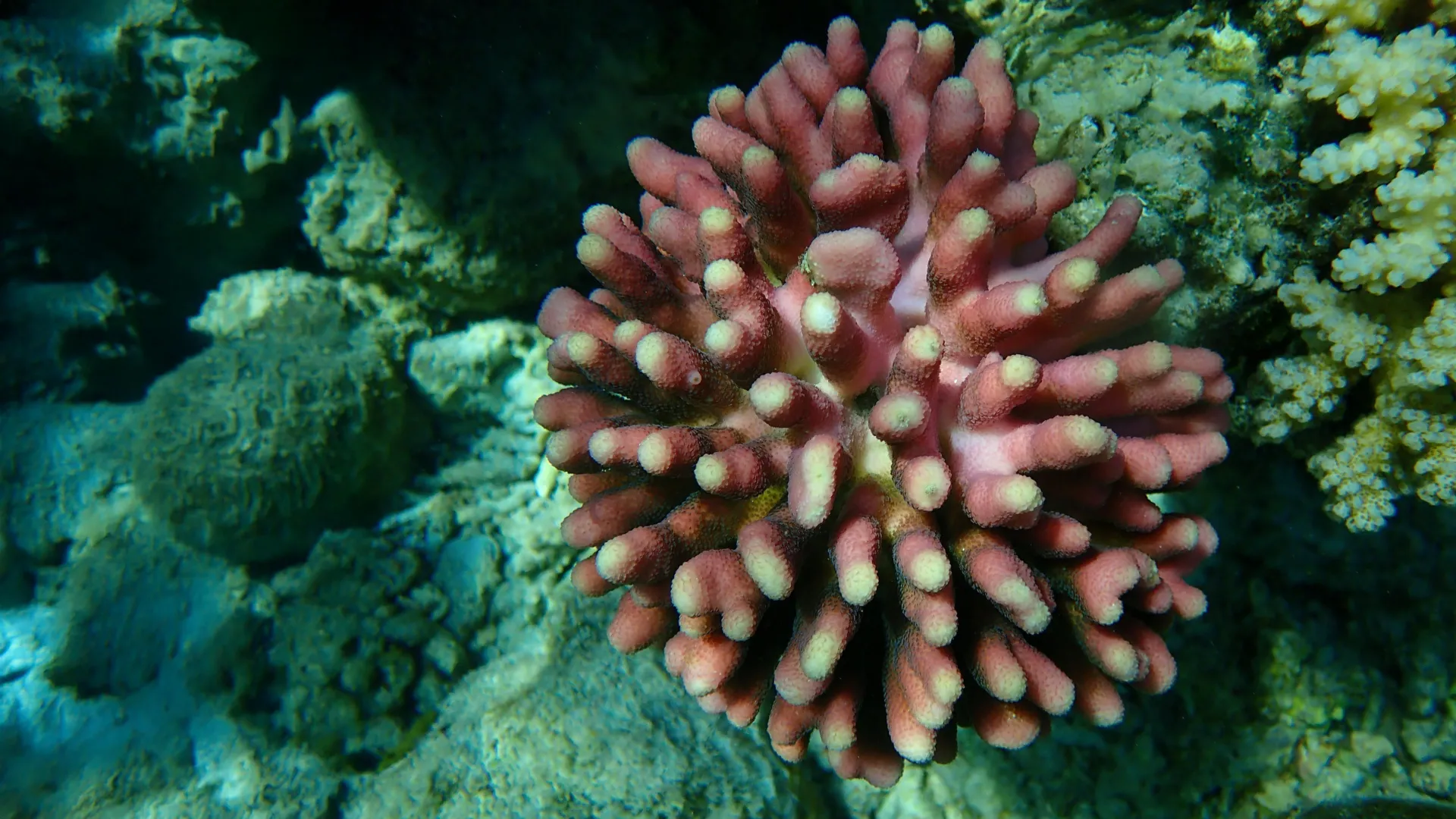
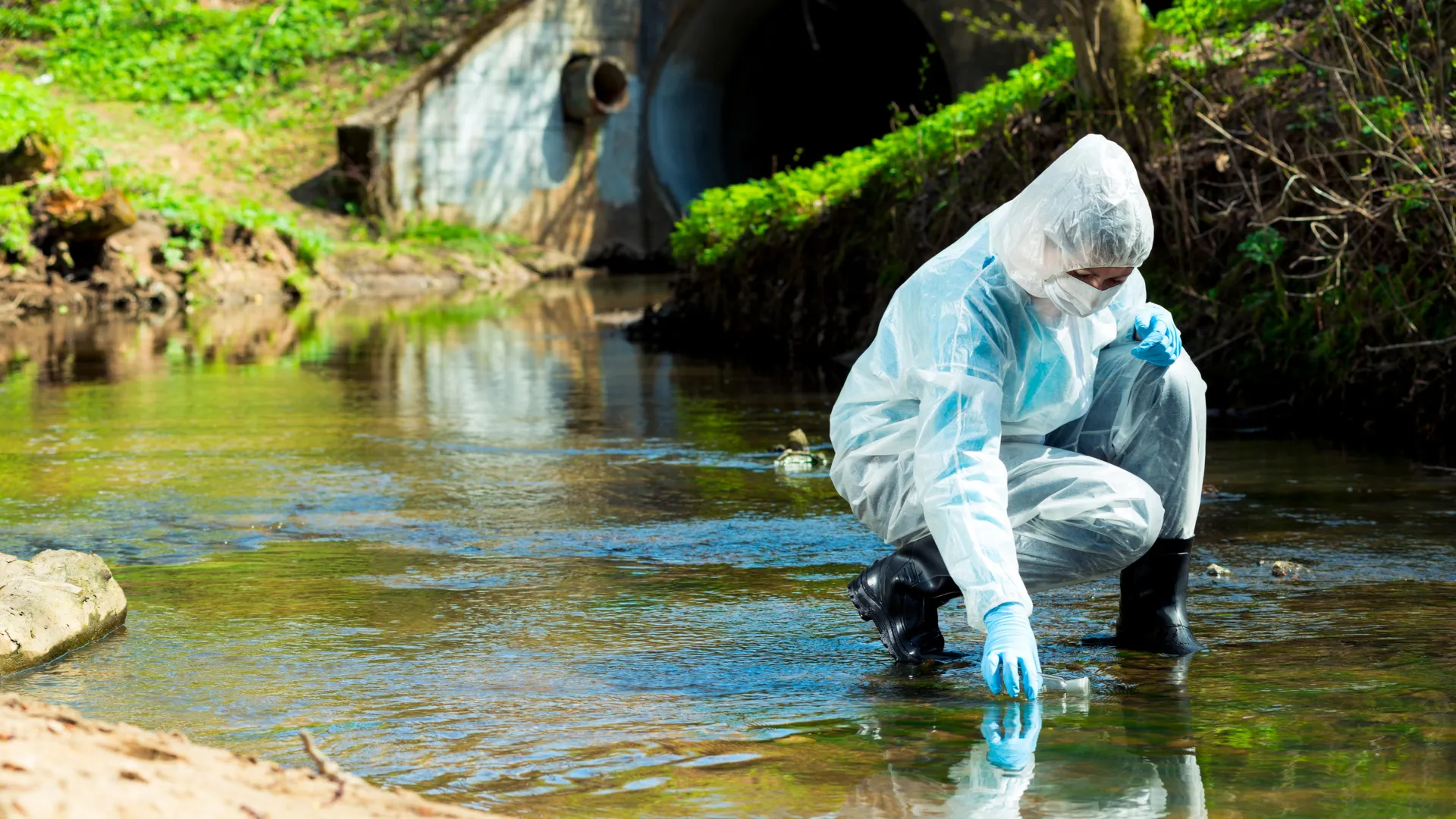
Nairobi, 28 August 2024 – In half the world’s countries one or more types of freshwater ecosystems are degraded, including rivers, lakes and aquifers. River flow has significantly decreased, surface water bodies are shrinking or being lost, ambient water is growing more polluted, and water management is off-track. These are some of the findings of three reports tracking progress on freshwater, published today by UN-Water and the UN Environment Programme (UNEP).

The triennial series of reports is focused on progress towards achieving the goal of “clean water and sanitation for all” (SDG 6) through protecting and restoring freshwater sources. Based on greater data sets than ever before, the reports reiterate the call to scale up support for Member States in tackling challenges through the UN System-wide strategy for water and sanitation and the accompanying upcoming Collaborative Implementation Plan.

“Our blue planet is being rapidly deprived of healthy freshwater bodies and resources, with dire prospects for food security, climate change and biodiversity,” said Dianna Kopansky, Head of the Freshwater and Wetlands Unit, Ecosystems Division at UNEP. “At this critical point, global political commitments for sustainable water management have never been higher, including through the passing of a water resolution at the last UN Environment Assembly in February, but they are not being matched by required finance or action. Protection and restoration policies, tailored for different regions, are halting further loss and show that reversing degradation is within reach. We absolutely need more of them.”


Widespread degradation

A reported 90 countries, most in Africa, Central- and Southeast Asia, are experiencing the degradation of one or more freshwater ecosystems. Other regions, such as Oceania, mark improvements. Pollution, dams, land conversion, over-abstraction and climate change contribute to degradation of freshwater ecosystems.

Influenced by climate change and land use, river flow has decreased in 402 basins worldwide – a fivefold increase since 2000. A much smaller number is gaining in river flow.

Loss of mangroves due to human activities (e.g., aquaculture and agriculture) poses a risk to coastal communities, freshwater resources, biodiversity, and climate due to their water filtration and carbon sequestering properties. Significant decreases of mangroves were reported in Southeast Asia, though the overall net rate of deforestation has leveled off in the last decade.

Lakes and other surface water bodies are shrinking or being lost entirely in 364 basins worldwide. A continued high level of particles and nutrients in many large lakes can lead to algal blooms and low-oxygen waters, primarily caused by land clearance and urbanization, and certain weather events.

Nevertheless, the construction of reservoirs contributes to a global net-gain in permanent water, mainly in regions like North America, Europe, and Asia.


Low levels of water quality monitoring

The poorest half of the world contributes under 3 per cent of global water quality data points, including only 4,500 lake quality measurements out of almost 250,000. This reveals an urgent need to improve monitoring capacity.

Lack of data on this scale means that by 2030 over half of humanity will live in countries that have inadequate water quality data to inform management decisions related to address drought, floods, impacts from wastewater effluents and agricultural runoff.

Where good data are available, it shows that freshwater quality has been degrading since 2017. Where data are lacking, the signs are not promising.

Report authors recommend the expansion and development of routine government-funded monitoring programmes, as well as incorporating citizen science into such national programmes, and exploring the potential of satellite-based Earth observation and modelled data products to help fill the data gap.


Inadequate progress on water resources management in over 100 countries

Balancing competing needs for sustainable water use from society and the economy requires the implementation of integrated water resources management (IWRM) across sectors, at all levels and across borders by 2030.

47 countries have fully reached or almost reached IWRM, 63 countries need to accelerate implementation, while 73 countries have only limited capacity for IWRM. At the current rate of reported progress, the world will only achieve sustainable water management by 2049. This means that by 2030 at least 3.3 billion people in over 100 countries are likely to have ineffective governance frameworks to balance competing water demands.

Solutions include unlocking finance through revenue raising and cost recovery arrangements, investments in infrastructure and management, as well as coordinated action, greater institutional capacity and better monitoring networks.


NOTES TO EDITORS 

About the UN Environment Programme (UNEP) 
UNEP is the leading global voice on the environment. It provides leadership and encourages partnership in caring for the environment by inspiring, informing and
enabling nations and peoples to improve their quality of life without compromising that of future generations. 

About UN-Water
 UN-Water coordinates the UN’s work on water and sanitation. It is comprised of UN Members States and international organizations working on water and sanitation issues. UN-Water’s role is to ensure that Members and Partners ‘deliver as one’ in response to water-related challenges.

CLICK HERE FOR MORE INFORMATION https://www.unep.org/news-and-stories/press-release/half-worlds-countries-have-degraded-freshwater-systems-un-finds?

How does the Printing Industry Contribute to Pollution?

As an industry largely based on paper, the industry produces around 400 million tons of paper per year (Environmental Paper Network, 2018). Additionally, take into account the ink and water that goes along with the processing of said paper in factories, offices, and even our own homes. The use of such a volume of natural resources, combined with the energy needed to process it makes the printing industry “the fourth largest user of industrial energy worldwide” (Laurijssen, 2013). Naturally, these processes are bound to affect the environment.

Thomas Millot (2018). Cooling Tower’s Fumes[Photograph]. Retrieved from https://unsplash.com/photos/q5jKHtV4hWc/info.

One result of this energy usage from printing plants and paper mills are volatile organic compounds (VOCs), which are chemicals that evaporate at room temperature. VOCs in small amounts may be found in our homes, which can “irritate the eyes, throat, and nose, as well as cause headaches, dizziness, and potentially lead to memory loss or visual impairment” (Lafond, n.d). However, VOCs emitted at larger amounts have an effect not just us, but our environment as well. According to the Government of Canada, VOCs from the printing industry are “one of the principal stationary sources of volatile organic compound”, which stems from the use of solvents in ink and cleaning (Environment Canada, 2016). VOCs on this scale are detrimental to our environment, contributing to acid rain and the formation of ozone. Acid rain can cause damage to ecosystems, seeping into the ground destroying nutrients, and releasing aluminum into water streams, making them toxic. Ozone is a pollutant that when at ground level, is hazardous to our health and can cause smog.

Global news (2016). Wastewater[Photograph]. Retrieved from https://globalnews.ca/news/2940478/federal-ontario-governments-provide-1-1b-for-clean-water-and-wastewater-projects/.

Another byproduct of the printing industry is effluent, also known as wastewater. Water is essential to printing, as ink is oil-based and water repels ink, which is how offset lithographic printing, the most common form of large scale printing today works. This water comes in contact with the ink, contaminating it. Water is also required to clean printing presses. Disposal of the wastewater and various solvents and cleansers is a procedure where the utmost care must be taken, as the pollutants from the effluent can quickly seep in and harm the surrounding environment. Waste management is necessary to safely dispose of the various chemicals used in printing processes. Recycling these chemicals instead of disposing of it saves the environmental and financial costs of producing these chemicals.

Having up to date technology is a crucial aspect of being sustainable in the print industry. For example, a printer that still uses traditional inks when vegetable-based inks are available, or printers that dispose of their solvents instead of recovering and recycling it are leaving behind a larger carbon footprint. Understanding and applying the latest tactics are key when it comes to reducing pollution and being sustainable in the printing industry.

References

Environment Canada. (2016). Printing industry and volatile organic compounds. Retrieved from https://www.canada.ca/en/environment-climate-change/services/managing-pollution/sources-industry/volatile-organic-compounds-consumer-commercial/printing.html

Lafond, A. (n.d.). How does volatile organic compounds concentration affect the environment. Retrieved from Foobot website: https://foobot.io/guides/how-does-volatile-organic-compounds-affect-the-environment.php

Laurijssen, J. (2013). Energy use in the paper industry. Retrieved from https://vnp.nl/wp-content/uploads/2014/01/8-Energy-use-in-the-paper-industry.-An-assessment-of-improvement-potentials-at-different-levels.pdf

CLICK FOR MORE INFORMATION https://medium.com/%40christianliau/how-does-the-printing-industry-contribute-to-pollution-758d05909eac

Unraveling Waste: How Planned Obsolescence Tangles Up the Hair Accessory Market

The Question That Confirmed Our Beliefs 

During a recent visit to Japan, we found ourselves in the offices of our esteemed supplier—a fourth-generation family business that’s been crafting hair accessories since the 1920s. As we presented an overview of the North American hair accessories market to their senior team, a particular slide sparked an unexpected yet enlightening conversation.

The slide displayed the top 10 best-selling hair tie packs in the USA, revealing that the average number of hair ties per pack was 55. We’ve long advocated for quality over quantity, so this statistic wasn’t news to us. But what happened next resonated deeply.

The operations manager raised his hand and asked, “Why would anyone ever need 55 hair ties at a time?” It was a question we’d often pondered ourselves. His curiosity wasn’t just a cultural difference; it was a shared bewilderment over a wasteful norm.

“In Japan,” he continued, “the average pack size of hair ties is two.”

At that moment, we realized we weren’t alone in questioning the status quo. It wasn’t just us—it was an entire country that valued durability and sustainability over disposability. And we believed millions of Americans would agree, given the facts.

Understanding Planned Obsolescence

What Is Planned Obsolescence?

Planned obsolescence is a business strategy where products are intentionally designed with a limited lifespan. The goal is to encourage consumers to purchase replacements more frequently, fueling a cycle of continuous consumption.

Why Is It Harmful?

  • Environmental Impact: Products designed to fail contribute to waste and pollution. Disposable items often end up in landfills or oceans, where they take centuries to decompose and break down into harmful microplastics.
  • Consumer Exploitation: It forces consumers to spend more money over time on low-quality items that need constant replacing.
  • Resource Depletion: The manufacturing of disposable products consumes valuable natural resources unnecessarily.

Everyday Examples of Planned Obsolescence

  • Smartphones: New models are released annually with minor upgrades, pushing consumers to replace perfectly good devices.
  • Fast Fashion: Low-quality clothing that wears out quickly, encouraging more frequent purchases.
  • Printers: Inexpensive printers that require costly ink cartridges, which run out rapidly.

The Hidden Cost of Bulk Hair Ties

More Than Just Wasteful

Those packs of 55 hair ties aren’t just excessive—they’re a hidden environmental hazard. Predominantly made from synthetic plastics, each hair tie contributes to the growing problem of microplastics contaminating our ecosystems. In fact, 25,000 lbs of plastic hair ties are lost or tossed daily in the USA because of planned obsolescence. 

Microplastics: An Invisible Threat

As these plastic hair ties degrade, they break down into tiny particles known as microplastics. These particles infiltrate our waterways, soil, and even enter the food chain, posing severe risks to wildlife and human health.

A Tale of Quality: Japan vs. North America

The Japanese Commitment to Durability

Our Japanese partner tests every single hair tie three times during production to ensure strength and integrity. This meticulous attention to quality means consumers only need to purchase a pack of two hair ties—not 55.

The Proof Is in the Testing

Before leaving Japan, we provided our partner with samples of the top-selling American hair ties. They sent these, along with our own Organic Cotton Round Hair Ties—the Mondos and Minis—to a third-party lab for strength testing.

The results were staggering:

  • Our Round hair ties are 2.5 to 3 times stronger than the major U.S. brands.
  • Our Flat Hair Ties, ethically made by hand in India, tested to be 6 times stronger. Hand-sewn with care, they offer a stronger, longer-lasting option for everyone.

Breaking the Cycle of Planned Obsolescence

Quality Over Quantity

It’s time to challenge the notion that more is better. A single, well-crafted hair tie can outlast dozens of disposable ones, saving you money and reducing environmental impact.

Making Sustainable Choices

  • Choose Natural Materials: Opt for hair ties made from biodegradable materials that won’t harm the planet.
  • Support Ethical Brands: Companies that prioritize sustainability and fair labor practices deserve your support.
  • Educate Yourself: Understanding the impact of your purchases empowers you to make better choices.

Discover the Strongest Hair Ties

Looking for hair ties that combine strength, durability, and sustainability? Explore our:

The Environmental Impact of Disposable Hair Ties

Reducing Hair Accessory Pollution

Every year, countless plastic hair ties contribute to hair accessory pollution. By choosing durable, eco-friendly options, we can significantly reduce this number.

Joining a Global Movement

Our experience in Japan affirmed that we’re part of a global community that values sustainability. By making conscious choices, we align ourselves with millions who believe in protecting our planet.

Conclusion: Time to Rethink Our Choices

The question from our Japanese colleague wasn’t just about cultural differences; it was a mirror reflecting our consumption habits. “Why would anyone ever need 55 hair ties at a time?”

We realized we’re not alone in questioning this norm. It’s time to embrace products designed to last, breaking free from the wasteful cycle of planned obsolescence. Together, we can make a difference—one hair tie at a time.

A very special thank you to our incredible team in Japan. 

CLICK HERE FOR MORE INFORMATION. https://kooshoo.com/blogs/zero-waste-sustainable-business-eco-fashion-blog/unraveling-waste-how-planned-obsolescence-tangles-up-the-hair-accessory-market

How Harmful is Toilet Paper for the Environment?

How Harmful is Toilet Paper for the Environment?

David vs. Goliath. TikTok vs. your to do list. Toilet paper vs. the environment. All legendary showdowns, each with their own stakes.

The first two you’re probably familiar with. But just how harmful is toilet paper to the environment? Let’s dig in and discuss some possible solutions (like bamboo and 100% recycled toilet paper) for easing the strain on the planet.

What are the different ways toilet paper production harms the environment?

Traditional toilet paper production harms the environment at every step of the process — chopping down virgin trees, pumping out nasty chemicals and piling up landfill waste. Not great.

Fortunately, many brands are stepping up to impact the environment in positive ways by offering more eco-friendly alternatives, including bamboo and 100% recyclable toilet paper options.

But traditional toilet paper is still the big player and the biggest problem. From harvesting virgin pulp trees to chemical bleaching, its impact adds up. 

How harmful is making toilet paper white for the environment?

Ever wondered how those traditional store brands get that bright, toilet paper white look? The answer isn’t great: for many manufacturers, chlorine is used in the bleaching process. It’s a process that isn’t just bad news for your bum — it can also pollute water supplies and disrupt ecosystems.

However not all bleaching methods are created equal. 

Some, like elemental chlorine, are heavy hitters on the pollution scale, while others, like processed chlorine-free (PCF) and totally chlorine-free (TCF), are far less harmful. Unbleached toilet paper or paper whitened with hydrogen peroxide and chlorine dioxide both create less impact on the planet.

How bad is virgin pulp paper for the environment?

Most traditional TP relies on virgin pulp paper — meaning it’s made by chopping down tonnes of trees, instead of using recycled materials. And by tonnes, we mean tonnesone million trees are harvested each day to keep up with demand.

This doesn’t just wipe out forests — it also wreaks havoc on ecosystems and uses staggering amounts of energy and water. If lowering your carbon footprint is on your to-do list, switching to more sustainable options is an easy way to make a big difference. 

How much toilet paper winds up in the landfill?

Most of us imagine that toilet paper disposal ends as soon as we flush, but in many cases, that’s only the start of the story.  In regions with limited plumbing infrastructure, disposal alternatives often mean toilet paper ends up in landfills — where it makes up 15% of paper products.

Even modern septic systems aren’t perfect. Without regular maintenance, they risk leaking waste into the environment, creating a negative impact on nearby water sources.

Is all toilet paper equally bad for the environment?

The short answer is no, not all toilet paper is equally bad for the environment — some rolls are putting in the work to do better. Making the switch to bamboo or 100% recycled toilet paper brings big eco benefits to your bathroom — think lower carbon emissions, less water waste, and more virgin trees standing tall where they should be.

While both are a huge upgrade for the environment compared to traditional TP, each brings its own strengths to the table. Let’s dig into the real impact of bamboo toilet paper and recycled toilet paper.

How bad is bamboo toilet paper for the environment?

While bamboo toilet paper has a smaller environmental footprint than virgin pulp paper, it’s not entirely impact-free. Most bamboo for toilet paper comes from China, where coal still powers some of the harvesting process.

On the plus side, bamboo toilet paper breaks down quicker than traditional TP, reducing pressure on sewage systems and landfills. It’s also the fastest-growing plant on the planet — sometimes growing up to 35 inches in a single day — meaning it takes much less time to replenish. Un-bamboo-lievable! 

How bad is recycled toilet paper for the environment?

Don’t worry, it’s not used toilet paper. 100% recycled toilet paper just means no virgin trees were used in the production of the rolls. Instead, recycled toilet paper gives post-consumer waste like office paper, newspapers and junk mail a new lease on life. 

While the process isn’t impact-free — carbon emissions and water usage are still part of the equation — these effects are significantly less compared to traditional toilet paper. The wins are clear: reduced deforestation, lower water consumption and a chlorine-free whitening process that’s easier on the earth and your conscience.

Conclusion: Making eco-friendly purchases

Toilet paper vs the environment doesn’t have to be a losing battle. While virgin pulp paper comes with a host of environmental troubles — deforestation, carbon emissions and water waste — your bum can still be part of the solution. Bamboo toilet paper and 100% recyclable toilet paper are way better options than virgin tree paper to help mitigate the harm toilet paper has on the environment.

By choosing bamboo toilet paper, you’re backing a sustainable, fast-growing resource. Opting for 100% recycled toilet paper gives refuse a second life and helps keep trees right where they belong. 

Turns out the environment and toilet paper don’t have to be sworn enemies — with thoughtful choices, your bathroom habits can do their part for the planet. Everybody wins!

Share

CLICK HERE FOR MORE INFORMATION https://blog.whogivesacrap.org/home/how-harmful-toilet-paper-environment?

Clean water and sanitation: Five facts to becoming informed and engaged global citizens

Toilets are probably not one of the first things most people think about when they are considering ways they can help make the world a better place, but lack of access to clean water and sanitation is a major global issue affecting billions of people around the world every year. Leaders from 193 countries have agreed to ensure access to water and sanitation for all people by the year 2030, which is Goal 6 of the United Nations (UN) Sustainable Development Goals. The Sustainable Development Goals are 17 interconnected goals that seek to transform our world by ending all forms of poverty, eliminating inequalities and improving the state of the world’s natural and human-made environments through sustained multinational cooperation and efforts in the next 15 years.

By learning about, teaching about and taking action on the state of clean water and sanitation around the world, young people can play a valuable leadership role in helping to accomplish the Sustainable Development Goals. Here are five important facts and some educational resources related to Goal 6 of the Sustainable Development Goals that can help youth learn and engage as global citizens, according to the UN.

  • Globally, 2.4 billion people do not have access to toilets or latrines. Earlier this year, the UN declared that access to clean sanitation is a basic human right. Without access to clean sanitation, people are not able to pursue and enjoy their other human rights, such as their right to health, life and education. The UN has found that “more than 443 million school days are lost every year due to sanitation and water related issues. Inadequate sanitation facilities are a common barrier for school attendance, particularly for girls.”
  • Approximately 1.8 billion people use a source of drinking water that is fecally contaminated. That means one in four people around the world have to use water that has been contaminated by human waste, which is a potential source of deadly pathogens and diseases.
  • One thousand children die every day due to preventable water and sanitation-related diarrheal diseases, which continue to be a major source of death in children under 5. “Worldwide, more than two million people die every year from diarrheal diseases. Poor hygiene and unsafe water are responsible for nearly 90 percent of these deaths and mostly affect children,” according to the UN.
  • Approximately 663 million people live without access to improved drinking water sources. “An improved drinking-water source is defined as one that, by nature of its construction or through active intervention, is protected from outside contamination, in particular from contamination with fecal matter, according to the WHO/UNICEF Joint Monitoring Programme for Water Supply and Sanitation.
  • Water scarcity affects more than 40 percent of the global population and is projected to rise.

Goal 6 of the Sustainable Development Goals seeks to improve the global populations access to clean water and sanitation by the year 2030 by ending open defection, reducing water pollution, increasing water-use efficiency, implementing “integrated water resources management,” protecting and restoring water-related ecosystems and expanding water harvesting, desalination, wastewater treatment and water recycling and reuse in developing countries.

Researchers at Michigan State University are engaged in efforts that will help reach the targets set out in Goal 6 of the Sustainable Development Goals. MSU professor Joan Rose, the 2016 Stockholm Water Prize Laureate, along with other university researchers, are studying innovative new materials for use in water filters as a way to make it easier and less costly for people to access clean and safe drinking water.

Adult and youth leaders can help other youth and children learn about global water quality, clean water access and sanitation issues in order to be informed and active global citizens. Here are some activities and lesson plans that can be used to help teach others about these issues:

  • There’s No New Water! A National 4-H curriculum designed for high school aged youth, There’s No New Water is a high quality set of resources and activities to help young people learn “that water is a finite natural resource whose quantity and quality must be responsibly preserved, protected, used and reused.” In addition to learning about the natural water cycle and the impact of human activity on water quality and quantity, the curriculum helps youth plan and conduct a service learning project as the local level.
  • Water Conservation with the Water Lion. For younger learners, Pennsylvania State Extension provides a set of resources on youth water conservation to help elementary, middle and high school-aged youth develop knowledge about the water cycle, water quality and ways to use water responsibly in their home.
  • Clean Water For All. Available as a free download from World’s Largest Lesson website, Clean Water for All is a lesson plan and set of resources for helping youth ages 8-14 learn about the topics of global water pollution and clean water access. The set of activities can be led by older youth leaders or adults, and is designed as a 60-minute learning session with opportunities to extend the learning beyond the activity.
  • Plan for Change: Water Toolkit. This resource and set of activities is available as a free download from Plan Canada’s website. The toolkit includes information and activities to help youth and children learn about access to safe water and clean toilets in other parts of the world.
  • Get Involved and Take Action! Ready to help make a difference in the world around the issue of clean water and sanitation? Get a group of youth together to start planning a service activity for World Toilet Day (Nov. 19) or World Water Day (March 22).

MSU Extension and the Michigan 4-H Youth Development program helps to prepare youth as positive and engaged leaders and global citizens by providing educational experiences and resources for youth interested in developing knowledge and skills in these areas. To learn about the positive impact of Michigan 4-H youth leadership, civic engagement, citizenship and global/cultural programs, read our 2015 Impact Report: “Developing Civically Engaged Leaders.”

Other articles in series

This article was published by Michigan State University Extension. For more information, visit https://extension.msu.edu. To have a digest of information delivered straight to your email inbox, visit https://extension.msu.edu/newsletters. To contact an expert in your area, visit https://extension.msu.edu/experts, or call 888-MSUE4MI (888-678-3464).

CLICK HERE FOR MORE INFORMATION https://www.canr.msu.edu/news/clean_water_and_sanitation_five_facts_to_becoming_informed_and_engaged