The growing intrusion of microplastics (MPs) into water supply networks, exacerbated by their physicochemical features that facilitate their movement in water and enable microbial attachment, represents an under-recognized but rising threat to public health. The present work is a scooping review that synthesized recent studies to explore the roles of MPs as dynamic pollutants that not only contaminate water sources and distribution systems but also interact with bacterial contaminants in ways that intensify health threats. In accordance with SDG 6 (Clean Water and Sanitation), we examined the sources and fate of MPs in water distribution networks, their mechanisms of transportation, and their function as surfaces for bacterial attachment and biofilm development. We paid attention to how MPs can carry harmful bacteria and store genes that make bacteria resistant to antibiotics, which could help these bacteria survive and spread throughout the water distribution system, an issue related to SDG 3 (Good Health and Well-being). These microplastic-associated biofilms called plastisphere can compromise water quality assessments, escape conventional water treatment procedures, and aggravate the distribution of antimicrobial resistance. Furthermore, we highlight the limits of existing detection and monitoring methods for MPs and related bacterial threats in water. We ascertain serious knowledge gaps in understanding the long-term behaviour of MPs in real-world water distribution conditions, particularly under variable hydraulic and environmental stresses. Addressing these gaps require imminent research focus on in situ studies of MP-bacterial interactions, innovative molecular and sensing machineries, risk valuation models that integrate microbial and genetic information (SDG 9: Industry, Innovation, and Infrastructure). Interdisciplinary collaborations among environmental microbiologists, water engineers, and public health workers could also help to develop a standardized, high-resolution detection protocols.
Water is life. Yet, as the world population mushrooms and climate change intensifies droughts, over 2 billion people still lack access to clean, safe drinking water. By 2030, water scarcity could displace over 700 million people. From deadly diseases to famines, economic collapse to terrorism, the global water crisis threatens to sever the strands holding communities together. This ubiquitous yet unequally distributed resource underscores the precarious interdependence binding all nations and ecosystems and shows the urgent need for bold collective action to promote global water security and avert the humanitarian, health, economic, and political catastrophes that unchecked water stress promises.
—
The global water crisis refers to the scarcity of usable and accessible water resources across the world. Currently, nearly 703 million people lack access to water – approximately 1 in 10 people on the planet – and over 2 billion do not have safe drinking water services. The United Nations predicts that by 2025, 1.8 billion people will be living in countries or regions with absolute water scarcity. With the existing climate change scenario, almost half the world’s population will be living in areas of high water stress by 2030. In addition, water scarcity in some arid and semi-arid places will displace between 24 million and 700 million people. By 2030, water scarcity could displace over 700 million people.
In Africa alone, as many as 25 African countries are expected to suffer from a greater combination of increased water scarcity and water stress by 2025. Sub-Saharan regions are experiencing the worst of the crisis, with only 22-34% of populations in at least eight sub-Saharan countries having access to safe water.
Water security, or reliable access to adequate quantities of acceptable quality water for health, livelihoods, ecosystems, and production has become an urgent issue worldwide.
This crisis has far-reaching implications for global health, food security, education, economics, and politics. As water resources dwindle, conflicts and humanitarian issues over access to clean water will likely increase. Climate change also exacerbates water scarcity in many parts of the world. Addressing this complex and multifaceted crisis requires understanding its causes, impacts, and potential solutions across countries and communities.
The global water crisis stems from a confluence of factors, including growing populations, increased water consumption, poor resource management, climate change, pollution, and lack of access due to poverty and inequality.
The world population has tripled over the last 70 years, leading to greater demand for finite freshwater resources. Agricultural, industrial, and domestic water usage have depleted groundwater in many regions faster than it can be replenished. Agriculture alone accounts for nearly 70% of global water withdrawals, often utilizing outdated irrigation systems and water-intensive crops.Climate change has significantly reduced renewable water resources in many parts of the world. Glaciers are melting, rainfall patterns have shifted, droughts and floods have intensified, and temperatures are on the rise, further exacerbating the crisis.
Baseline water stress measures the ratio of total water withdrawals to available renewable water supplies. Image: United Nations (2019).
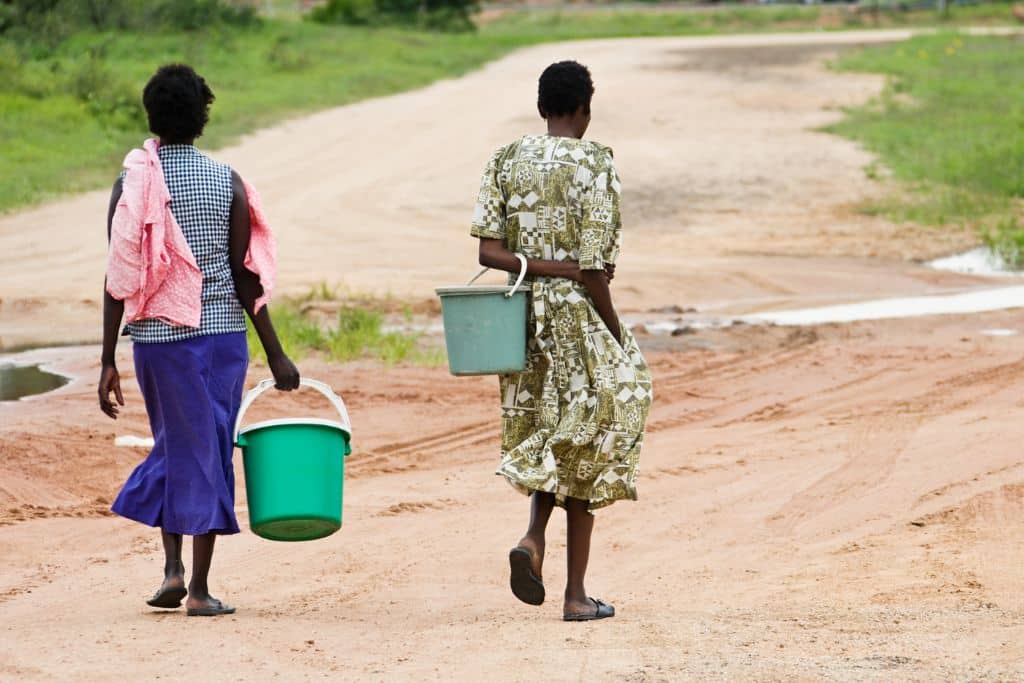
In many less developed nations, lack of infrastructure, corruption, and inequality leave large populations without reliable access to clean water. Women and children often bear the burden of travelling distances to fetch water for households. Contamination from human waste, industrial activities, and agricultural runoff also threaten water quality and safety.
Water scarcity poses risks to health, sanitation, food production, energy generation, economic growth, and political stability worldwide. Conflicts over shared water resources are likely to intensify without concerted global action.
Case Study: Water Crisis in Gaza
The water crisis in Gaza represents one of the most severe cases of water scarcity worldwide. The small Palestinian territory relies almost entirely on the underlying coastal aquifer as its source of freshwater. However, years of excessive pumping far exceed natural recharge rates. According to the UN, 97% groundwater does not meet World Health Organization (WHO) standards for human consumption due to high salinity and nitrate levels.
The pollution of Gaza’s sole freshwater source stems from multiple factors. Rapid population growth contaminated agricultural runoff, inadequate wastewater treatment, and saltwater intrusion due to over-extraction have rendered the aquifer unusable.
In June 2007, following the military takeover of Gaza by Hamas, the Israeli authorities significantly intensified existing movement restrictions, virtually isolating the Gaza Strip from the rest of the occupied Palestinian territory (oPt), and the world. The blockade imposed by Israeli Authority also severely restricts infrastructure development and humanitarian aid.
The water crisis has devastated Gazan agriculture, caused widespread health issues, and crippled economic growth. Many citizens of Gaza have to buy trucked water of dubious quality, as the public network is unsafe and scarce. The United Nations Relief and Works Agency for Palestine Refugees in the Near East (UNRWA) reports that this water can cost up to 20 times more than the public tariff, with some households spending a third of their income or more on water. Long-term solutions require increased water supplies, wastewater reuse, desalination, and better resource management under conflict.
According to a 2022 report by the WHO and UNICEF’s Joint Monitoring Programme (JMP), 344 million people in sub-Saharan Africa lacked access to safely managed drinking water, and 762 million lacked access to basic sanitation in 2020. WaterAid, a non-governmental organization, explains that water resources are often far from communities due to the expansive nature of the continent, though other factors such as climate change, population growth, poor governance, and lack of infrastructure also play a role. Surface waters such as lakes and rivers evaporate rapidly in the arid and semi-arid regions of Africa, which cover about 45% of the continent’s land area. Many communities rely on limited groundwater and community water points to meet their water needs, but groundwater is not always a reliable or sustainable source, as it can be depleted, contaminated, or inaccessible due to technical or financial constraints. A 2021 study by UNICEF estimated that women and girls in sub-Saharan Africa collectively spend about 37 billion hours a year collecting water, which is equivalent to more than 1 billion hours a day.The 2023 UN World Water Development Report emphasizes the importance of partnerships and cooperation for water, food, energy, health and climate security in Africa, a region with diverse water challenges and opportunities, low water withdrawals per capita, high vulnerability to climate change, and large investment gap for water supply and sanitation.
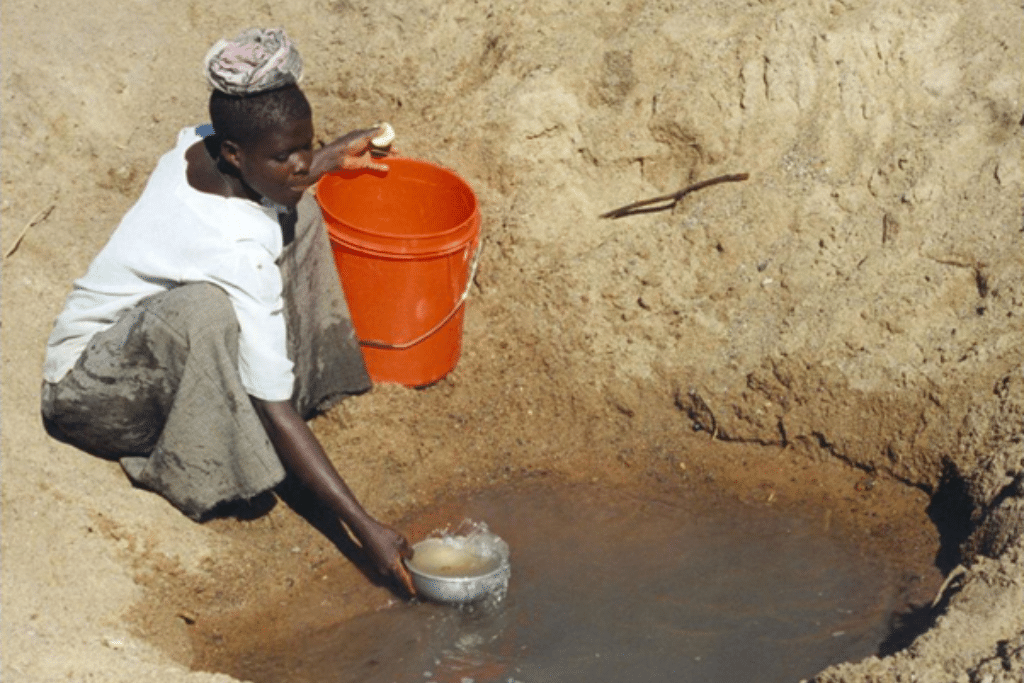
In the Meatu District in Shinyanga, an administrative region of Tanzania, water most often comes from open holes dug in the sand of dry riverbeds and it is invariably contaminated.
Water security in Africa is low and uneven, with various countries facing water scarcity, poor sanitation, and water-related disasters. Transboundary conflicts over shared rivers, such as the Nile, pose additional challenges for water management.
However, some efforts have been made to improve water security through various interventions, such as community-based initiatives, irrigation development, watershed rehabilitation, water reuse, desalination, and policy reforms. These interventions aim to enhance water availability, quality, efficiency, governance, and resilience in the face of climate change. Water security is essential for achieving sustainable development in Africa, as it affects numerous sectors, such as agriculture, health, energy, and the environment.
Other Countries with Water Shortages
Water scarcity issues plague many other parts of the world beyond Gaza and Africa. Several examples stand out:
Iraq faces severe water stress impacting agriculture and public health. The Tigris and Euphrates Rivers have dwindled because of upstream damming and climate change. Water distribution is inefficient and wasteful.
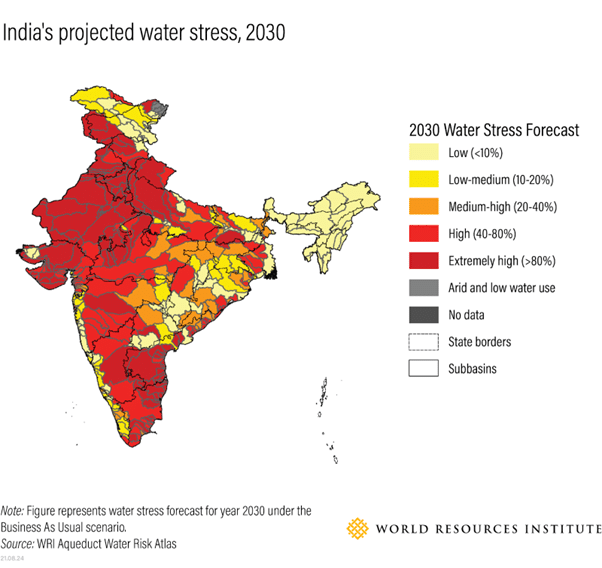
Indiagrapples with extensive groundwater depletion, shrinking reservoirs and glaciers, pollution from agriculture and industry, and tensions with Pakistan and China over shared rivers. Monsoons are increasingly erratic with climate change.
Projections show India will be under severe water stress by the end of the decade. Image: WRI.
While the specifics differ, recurrent themes include unsustainable usage, climate change, pollution, lack of infrastructure, mismanagement, poverty, transboundary conflicts, and population growth pressures. But resources often exist; the challenge lies in equitable distribution, cooperation, efficiency, and sustainable practices. Multiple approaches must accommodate local conditions and transboundary disputes.
Water scarcity poses a grave threat to global security on multiple fronts.
First, it can incite conflicts within and between nations over access rights. History contains many examples of water wars, and transboundary disputes increase the risk today in arid regions like the Middle East and North Africa.
Second, water shortages undermine food security. With agriculture consuming the greatest share of water resources, lack of irrigation threatens crops and livestock essential for sustenance and livelihoods. Food price spikes often trigger instability and migrations.
Third, water scarcity fuels public health crises, leading to social disruptions. Contaminated water spreads diseases like cholera and typhoid. Poor sanitation and hygiene due to water limitations also increase illness. The Covid-19 pandemic underscored the essential nature of water access for viral containment.
Finally, water shortages hamper economic growth and worsen poverty. Hydroelectricity, manufacturing, mining, and other water-intensive industries suffer. The World Bank estimates that by 2050, water scarcity could cost some regions 6% of gross domestic product (GDP), entrenching inequality. Climate migration strains nations. Overall, water crises destabilize societies on many levels if left unaddressed.
Solutions and Recommendations
Tackling the global water crisis requires both local and international initiatives across infrastructure, technology, governance, cooperation, education, and funding.
First, upgrading distribution systems, sewage treatment, dams, desalination, watershed restoration, and irrigation methods could improve supply reliability and quality while reducing waste. Community-based projects often succeed by empowering local stakeholders.
Second, emerging technologies like low-cost water quality sensors, affordable desalination, precision agriculture, and recyclable treatment materials could help poorer nations bridge infrastructure gaps. However, funding research and making innovations affordable remains a key obstacle.
Third, better governance through reduced corruption, privatization, metering, pricing incentives, and integrated policy frameworks could improve efficiency. But human rights must be protected by maintaining affordable minimum access.
Fourth, transboundary water-sharing treaties like those for the Nile and Mekong Rivers demonstrate that diplomacy can resolve potential conflicts. But political will is needed, along with climate change adaptation strategies.
Fifth, education and awareness can empower conservation at the individual level. Behaviour change takes time but can significantly reduce household and agricultural usage.
Finally, increased financial aid, public-private partnerships, better lending terms, and innovation prizes may help nations fund projects. Cost-benefit analyses consistently find high returns on water security investments.
In summary, sustainable solutions require combining new technologies, governance reforms, education, cooperation, and creative financing locally and globally.
Conclusion
The global water crisis threatens the well-being of billions of people and the stability of nations worldwide. Key drivers include unsustainable usage, climate change, pollution, lack of infrastructure, poverty, weak governance, and transboundary disputes. The multiple impacts span public health, food and energy security, economic growth, and geopolitical conflicts.
While daunting, this crisis also presents opportunities for innovation, cooperation, education, and holistic solutions. With wise policies and investments, water security can be achieved in most regions to support development and peace. But action must be accelerated on both global and community levels before the stresses become overwhelming. Ultimately, our shared human dependence on clean water demands that all stakeholders work in unison to create a water-secure future.
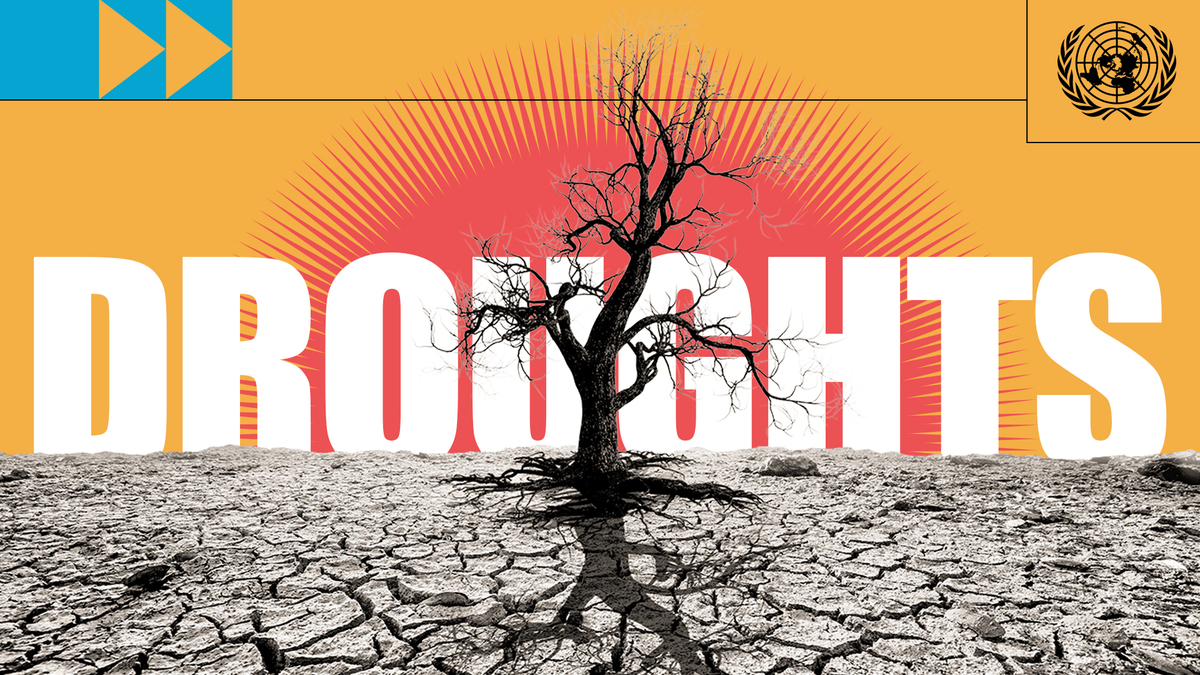
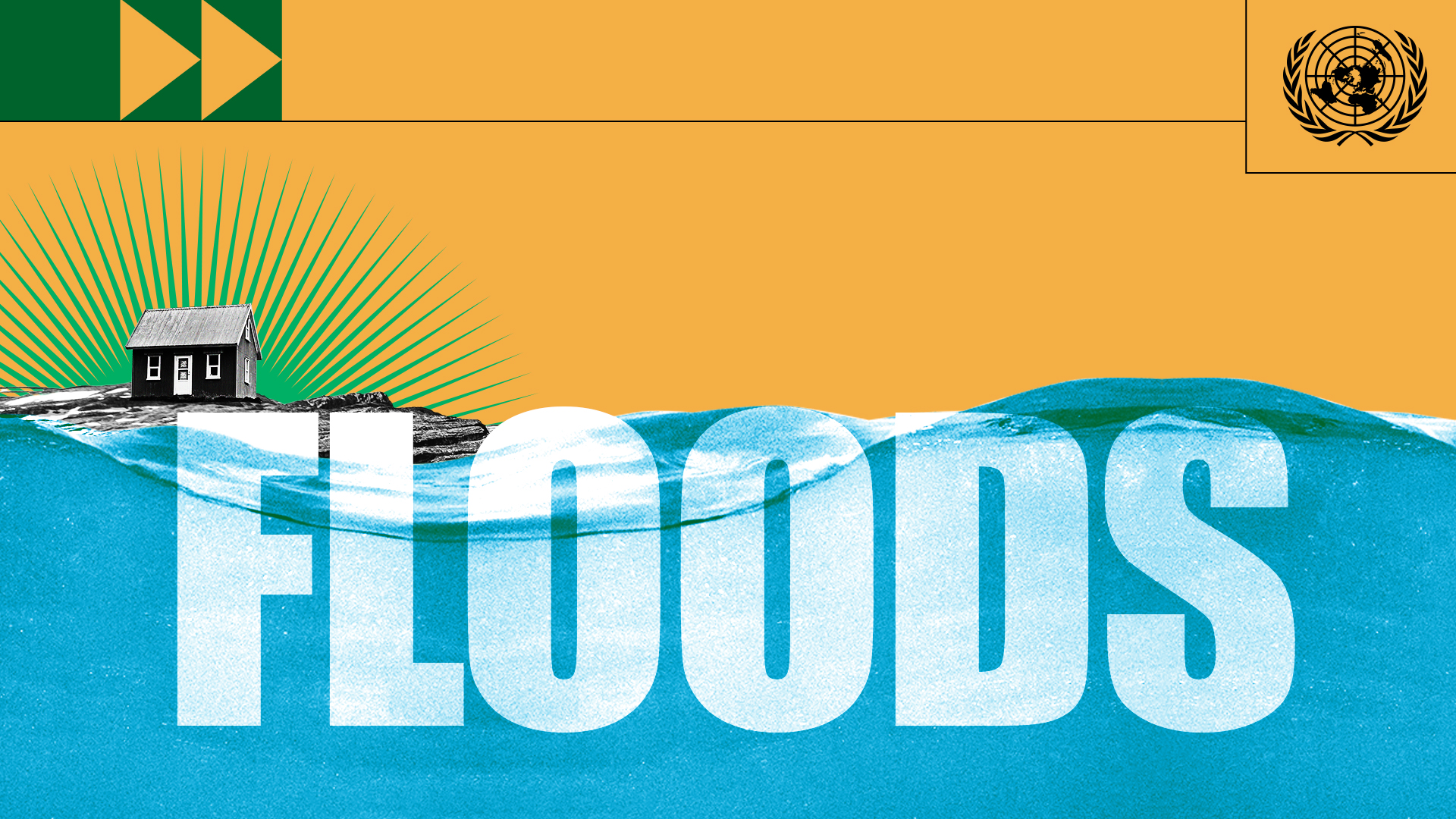
Climate change is exacerbating both water scarcity and water-related hazards (such as floods and droughts), as rising temperatures disrupt precipitation patterns and the entire water cycle.
Water and climate change are inextricably linked. Climate change affects the world’s water in complex ways. From unpredictable rainfall patterns to shrinking ice sheets, rising sea levels, floods and droughts – most impacts of climate change come down to water.
Climate change is exacerbating both water scarcity and water-related hazards (such as floods and droughts), as rising temperatures disrupt precipitation patterns and the entire water cycle.
Only 0.5 per cent of water on Earth is useable and available freshwater – and climate change is dangerously affecting that supply. Over the past twenty years, terrestrial water storage – including soil moisture, snow and ice – has dropped at a rate of 1 cm per year, with major ramifications for water security.
Melting glaciers, snow and permafrost are affecting humans and ecosystems in mid-to-high latitudes and the high-mountain regions. These changes are already impacting irrigation, hydropower, water supply, and populations depending on ice, snow and permafrost.
Climate change is one of the key drivers of the loss and degradation of freshwater ecosystems and the unprecedented decline and extinction of many freshwater-dependent populations, particularly due to land use and pollution.
Limiting global warming to 1.5°C compared to 2°C would approximately halve the proportion of the world population expected to suffer water scarcity, although there is considerable variability between regions.
Water quality is also affected by climate change, as higher water temperatures and more frequent floods and droughts are projected to exacerbate many forms of water pollution – from sediments to pathogens and pesticides.
Climate change, population growth and increasing water scarcity will put pressure on food supply as most of the freshwater used, about 70 per cent on average, is used for agriculture (it takes between 2000 and 5000 liters of water to produce a person’s daily food).
Rising global temperatures increase the moisture the atmosphere can hold, resulting in more storms and heavy rains, but paradoxically also more intense dry spells as more water evaporates from the land and global weather patterns change.
Annual mean precipitation is increasing in many regions worldwide and decreasing over a smaller area, particularly in the tropics.
Climate change has increased the likelihood of extreme precipitation events and the associated increase in the frequency and magnitude of river floods.
Climate change has also increased the likelihood or severity of drought events in many parts of the world, causing reduced agricultural yields, drinking water shortages, increased wildfire risk, loss of lives and economic damages.
Drought and flood risks, and associated societal damages, are projected to further increase with every degree of global warming.
Water-related disasters have dominated the list of disasters over the past 50 years and account for 70 per cent of all deaths related to natural disasters.
Since 2000, flood-related disasters have risen by 134 per cent compared with the two previous decades. Most of the flood-related deaths and economic losses were recorded in Asia. The number and duration of droughts also increased by 29 per cent over this same period. Most drought-related deaths occurred in Africa.
Water solutions
Healthy aquatic ecosystems and improved water management can lower greenhouse gas emissions and provide protection against climate hazards.
Wetlands such as mangroves, seagrasses, marshes and swamps are highly effective carbon sinks that absorb and store CO2, helping to reduce greenhouse gas emissions.
Wetlands also serve as a buffer against extreme weather events. They provide a natural shield against storm surges and absorb excess water and precipitation. Through the plants and microorganisms that they house, wetlands also provide water storage and purification.
Early warning systems for floods, droughts and other water-related hazards provide a more than tenfold return on investment and can significantly reduce disaster risk: a 24-hour warning of a coming storm can cut the ensuing damage by 30 per cent.
Water supply and sanitation systems that can withstand climate change could save the lives of more than 360,000 infants every year.
Even in countries with adequate water resources, water scarcity is not uncommon. Although this may be due to a number of factors — collapsed infrastructure and distribution systems, contamination, conflict, or poor management of water resources — it is clear that climate change, as well as human factors, are increasingly denying children their right to safe water and sanitation.
Water scarcity limits access to safe water for drinking and for practising basic hygiene at home, in schools and in health-care facilities. When water is scarce, sewage systems can fail and the threat of contracting diseases like cholera surges. Scarce water also becomes more expensive.
Water scarcity takes a greater toll on women and children because they are often the ones responsible for collecting it. When water is further away, it requires more time to collect, which often means less time at school. Particularly for girls, a shortage of water in schools impacts student enrolment, attendance and performance. Carrying water long distances is also an enormous physical burden and can expose children to safety risks and exploitation.
UNICEF/UNI315914/Haro Niger, 2020. Early in the morning, children go to the nearest water point to fetch water, 15 kilometres away from their home in Tchadi village.
Key facts
Four billion people — almost two thirds of the world’s population — experience severe water scarcity for at least one month each year.
Over two billion people live in countries where water supply is inadequate.
Half of the world’s population could be living in areas facing water scarcity by as early as 2025.
Some 700 million people could be displaced by intense water scarcity by 2030.
By 2040, roughly 1 in 4 children worldwide will be living in areas of extremely high water stress.
UNICEF’s response
As the factors driving water scarcity are complex and vary widely across countries and regions, UNICEF works at multiple levels to introduce context-specific technologies that increase access to safe water and address the impacts of water scarcity. We focus on:
Identifying new water resources: We assess the availability of water resources using various technologies, including remote sensing and geophysical surveys and field investigations.
Improving the efficiency of water resources: We rehabilitate urban water distribution networks and treatment systems to reduce water leakage and contamination, promoting wastewater reuse for agriculture to protect groundwater.
Planning for urban scarcity: We plan for future water needs by identifying available resources to reduce the risk of cities running out of water.
Expanding technologies to ensure climate resilience: We support and develop climate-resilient water sources, including the use of deeper groundwater reserves through solar-powered water networks. We also advance water storage through small-scale retention structures, managed aquifer recharge (where water is pumped into underground reserves to improve its quality), and rainwater harvesting.
Changing behaviours: We work with schools and communities to promote an understanding of the value of water and the importance of its protection, including by supporting environmental clubs in schools.
Planning national water needs: We work with key stakeholders at national and sub-national levels to understand the water requirements for domestic use and for health and sanitation, and advocate to ensure that this is reflected in national planning considerations.
Supporting the WASH sector: We develop technical guidance, manuals and online training programmes for WASH practitioners to improve standards for water access.
To mark World Water Week 2025, new report highlights persistent inequalities, with vulnerable communities left behind.
Despite progress over the last decade, billions of people around the world still lack access to essential water, sanitation, and hygiene services, putting them at risk of disease and deeper social exclusion.
A new report: Progress on Household Drinking Water and Sanitation 2000–2024: special focus on inequalities –launched by WHO and UNICEF during World Water Week 2025 – reveals that, while some progress has been made, major gaps persist. People living in low-income countries, fragile contexts, rural communities, children, and minority ethnic and indigenous groups face the greatest disparities.
Ten key facts from the report:
Despite gains since 2015, 1 in 4 – or 2.1 billion people globally – still lack access to safely managed drinking water*, including 106 million who drink directly from untreated surface sources.
3.4 billion people still lack safely managed sanitation, including 354 million who practice open defecation.
1.7 billion people still lack basic hygiene services at home, including 611 million without access to any facilities.
People in least developed countries are more than twice as likely as people in other countries to lack basic drinking water and sanitation services, and more than three times as likely to lack basic hygiene.
In fragile contexts**, safely managed drinking water coverage is 38 percentage points lower than in other countries, highlighting stark inequalities.
While there have been improvements for people living in rural areas, they still lag behind. Safely managed drinking water coverage rose from 50 per cent to 60 per cent between 2015 and 2024, and basic hygiene coverage from 52 per cent to 71 per cent. In contrast, drinking water and hygiene coverage in urban areas has stagnated.
Data from 70 countries show that while most women and adolescent girls have menstrual materials and a private place to change, many lack sufficient materials to change as often as needed.
Adolescent girls aged 15–19 are less likely than adult women to participate in activities during menstruation, such as school, work and social pastimes.
In most countries with available data, women and girls are primarily responsible for water collection, with many in sub-Saharan Africa and Central and Southern Asia spending more than 30 minutes per day collecting water.
As we approach the last five years of the Sustainable Development Goals period, achieving the 2030 targets for ending open defecation and universal access to basic water, sanitation and hygiene services will require acceleration, while universal coverage of safely managed services appears increasingly out of reach.
“Water, sanitation and hygiene are not privileges, they are basic human rights,” said Dr Ruediger Krech, Director a.i, Environment, Climate Change and Health, World Health Organization. “We must accelerate action, especially for the most marginalized communities, if we are to keep our promise to reach the Sustainable Development Goals.”
“When children lack access to safe water, sanitation, and hygiene, their health, education, and futures are put at risk,” said Cecilia Scharp, UNICEF Director of WASH. “These inequalities are especially stark for girls, who often bear the burden of water collection and face additional barriers during menstruation. At the current pace, the promise of safe water and sanitation for every child is slipping further from reach – reminding us that we must act faster and more boldly to reach those who need it most.”
This latest update – produced by WHO/UNICEF Joint Monitoring Programme for Water Supply, Sanitation and Hygiene (JMP) – provides new national, regional and global estimates for water, sanitation and hygiene services in households from 2000 until 2024. The report also includes expanded data on menstrual health for 70 countries, revealing challenges that affect women and girls across all income levels.
The report is being launched during World Water Week 24-28 August 2025, the leading annual conference on global water issues, and bringing together stakeholders from across sectors to accelerate progress towards the Sustainable Development Goals.
____________________________
*JMP definition of ‘Safely managed drinking water and sanitation services’: Drinking water from sources located on premises, free from contamination and available when needed, and using hygienic toilets from which wastes are treated and disposed of safely.
**Fragile contexts: Fragility, according to the OECD, is the combination of exposure to risk and insufficient coping capacities of the state, system and/or communities to manage, absorb or mitigate those risks. It occurs in a spectrum of intensity across six dimensions: economic, environmental, human, political, security and societal.
About the JMP The WHO/UNICEF Joint Monitoring Programme for Water Supply, Sanitation and Hygiene (JMP) was established in 1990 and has been tracking global progress for 35 years. It is responsible for monitoring Sustainable Development Goal targets 1.4, 6.1 and 6.2, which call for universal access to safe water, sanitation, hygiene and the elimination of open defecation by 2030.
A new report on the economic importance of a strong water sector forecasts that America will need to invest $3.4 trillion over the next 20 years to modernize its infrastructure.
As Iran’s water crisis continues, dams in the country’s second-largest city, Mashhad, have dwindled to less than 3 percent capacity.
Millions of people in Niger, Nigeria, and Ghana are at high risk of surface water contamination and loss as a result of deforestation, a new report indicates.
The over-extraction of sand from Cambodia’s Tonle Sap, Asia’s largest lake and a crucial Mekong River source, threatens to shrink its wet-season size by up to 40 percent.
The Lead
For every 1,000 hectares of forest cleared in Niger and Nigeria, almost 10 hectares of surface water disappear, according to a study released this month from Water Aid and Tree Aid, two international NGOs.
The links between deforestation and worsening water crises in West Africa are clear, the report shows. Across Ghana, Niger, and Nigeria, 122 million people live in areas of high surface water risk as a direct result of deforestation — a 5 million-person increase in five years. Nigeria alone, which loses 27,000 hectares of vegetation cover annually, accounts for 70 percent of this vulnerable population.
In Niger, the impacts of deforestation are particularly dire. Tree loss imperils nearly all the country’s available freshwater sources. In the primarily arid and semi-arid country, climate change is giving rise to a pronounced “more drought, more flood” phenomenon. Without forests to filter and absorb excess water, storms – when they do arrive – are falling increasingly in extreme bursts, resulting in runoff, contamination, and infrastructure damage. But there is also hope. Of the three countries studied, Niger is the only one to achieve a net gain in forest cover since 2013, adding more than 100,000 hectares.
When invested into water infrastructure in America, it yields $2.5 million in economic output, according to a report released last week by the nonprofit U.S. Water Alliance. What’s more, that $1 million provides 10 jobs, $837,000 in labor income, and $1.4 million in GDP.
The publication, a centerpiece of the organization’s Value of Water campaign, links the country’s financial health with sound water investments — a relationship that is strained by widespread underinvestment, it warns. Over the next 20 years, the report estimates that America will need to spend roughly $3.4 trillion to modernize and repair its aging wastewater, treatment, and stormwater facilities. The problem is comparatively worse in rural communities, which face greater needs per-capita than urban areas in 80 percent of states.
Per capita, these investments would have the greatest impact in North Dakota, Iowa, Louisiana, West Virginia, Vermont, and New Hampshire.
“Clean water utilities are on the frontlines of protecting public health and the environment. This report affirms what we have long known — that closing the investment gap will not only safeguard clean water, but also strengthen the entire U.S. economy,” Adam Krantz, CEO of the National Association of Clean Water Agencies, said in the report.
Amount by which the wet season-size of Tonle Sap, the largest lake in Asia, will shrink by 2038 if local mining continues at its current pace, according to a study published this week in the journal Nature Sustainability. A rising demand for sand, used to make concrete and glass, has led to increased dredging in the Cambodian lake, which drains for half of the year into the Mekong River, supporting its southern flow. But during the rainy summer months of May through October, rising water levels in the Mekong reverse this trend, and Tonle Sap pulses, “expanding the lake’s surface area by 4 to 6 times and swelling its water volume to 80 cubic kilometers,” Science reports. This dynamic supports some of the world’s most biodiverse riparian, lake, and wetland habitat, and the livelihoods and cultural identities of some 60 million people who live along the Mekong’s shores. In the absence of strong, nutrient-rich pulses, fisheries and water supplies are at risk of collapse.
According to Science, sand is the world’s second most-exploited resource, “often extracted from riverbeds or shores.” Water is the most exploited. Both Cambodia and Vietnam have banned sand export, though its mining from the Mekong watershed continues, to the detriment of its health and local human communities, flora, and fauna.
As the Tehran metropolitan area — home to nearly 18 million people — nears a potential Day Zero scenario within two weeks, Iran’s second-largest city is also facing acute water shortages amid widespread drought, exacerbated by mismanagement.
The water levels in dams in Mashhad, population 4 million, have dwindled to less than 3 percent capacity, Agence France-Presse (AFP) reports. The city’s water consumption has been measured at roughly 8,000 liters per second, “of which about 1,000 to 1,500 litres per second is supplied from the dams,” Hossein Esmaeilian, the chief executive of Mashhad’s water company, told AFP. Residents are urged to reduce their water consumption by 20 percent, he said.
Tehran officials admitted this week that water rationing began too late in the capital, a failure that may now lead to forced evacuations, according to Iran International. The country’s central plateau may be depopulated as a result of “a chronic disconnect between scientists, industry, and government agencies.” Already, residents of villages and rural regions have abandoned their land amid shortages and migrated toward city centers, further straining limited reservoir supplies.
Wetland Watch
MARSH Project: Near the historic downtown of Charleston, South Carolina, a grassroots effort to preserve important salt marshes along the Ashley River — installed amid rollbacks to the Clean Water Act — has proved successful in mitigating floods, the Associated Press reports.
On November 19, DC Water will launch an ambitious effort – Pure Water DC – to reduce the District’s reliance on the Potomac River as its only water source. We’ll be hosting an event to outline our vision and strategy for resilience and host an expert panel to address one of the most critical challenges facing the nation’s capital.
Any disruption to the Potomac or Washington Aqueduct—whether from contamination, drought, or infrastructure failure—would have catastrophic consequences for public health, the economy, and national security.
Pure Water DC seeks to mitigate that risk through a comprehensive program to strengthen water supply resilience and explore a second source of water for the District. This initiative represents a major investment and a regional call to action, inviting collaboration among utilities, agencies, and stakeholders to secure a drought-proof future.
EVENT DETAILS
What: Launch of Pure Water DC Program, unveiling the vision and strategy for water supply resilience, followed by an expert panel discussion.
When: Wednesday, November 19, 2025 10:00 a.m. – 12:00 p.m.
Where: DC Water Headquarters 1385 Canal Street SE Washington, DC 20003
Who: DC Water leadership, regional water utilities, environmental agencies, and federal partners including:
U.S. Environmental Protection Agency (EPA)
District Department of Energy & Environment (DOEE)
Water Environment Federation (WEF)
Interstate Commission on the Potomac River Basin (ICPRB)
WSSC Water
Greater Washington Board of Trade
Pure Water DC is DC Water’s commitment to lead the region toward a more resilient water future. The program will explore several options, including:
Safeguard our existing source and optimize the distribution system.
Add local storage and align with regional emergency storage efforts.
Explore advanced water reuse from Blue Plains as a drought-proof, cost-effective second source.
DC Water has committed $21 million over three years to fund studies, pilot projects, and public engagement, including the creation of the Pure Water DC Discovery Center at Blue Plains. This facility will test purification technologies, support regulatory research, and educate the public about water resilience.
The stakes are high: a major disruption could cost the region $15 billion in the first month alone.
Media should RSVP by Tuesday, November 18, at noon to Sherri Lewis at sherri.lewis@dcwater.com to attend and learn more about the new initiative, and next steps to create a more resilient water supply.
IMAGE: IMAGE SHOWING FLOW OF WATER AND TREATED WATER.view more CREDIT: PLOS WATER, ET. AL.
University of Pittsburgh Researchers Reveal Hidden Impacts of Drinking Water Treatment on Urban Streams
Aging lead-pipe drinking water systems, along with the public health measures implemented to reduce their risks, are reshaping the chemistry and health of nearby urban streams. New research from University of Pittsburgh biogeochemists, hydrologists, and environmental engineers uncovered previously overlooked environmental impacts of a common water treatment practice: adding orthophosphate to drinking water systems to prevent lead pipe corrosion. Published in PLOS Water, the study reveals that phosphate used in drinking water treatment can leak into urban streams, altering their chemistry and potentially accelerating eutrophication, the process where such nutrients lead to excessive growth of algae and aquatic plants..
And such lead-pipe networks are widespread throughout the Northeast, Great Lakes region and Midwest — meaning as many as 20 million Americans and their nearby streams may face similar challenges.
In collaboration with local water authorities, the scientists studied five urban streams to look for changes in the pre- and post-implementation of orthophosphate-based corrosion control on stream chemistry. Their findings show statistically significant increases in phosphorus and metal concentrations in streamwater following the treatment, indicating that subsurface infrastructure is not a closed system. Phosphorus concentrations in urban streams increased by over 600% following orthophosphate dosing, while trace metals such as copper, iron, and manganese also rose by nearly 3,500%, suggesting co-transport of corrosion byproducts.
“We were surprised by how clearly the effects of drinking water treatment appeared in stream chemistry. This finding suggests that our underground infrastructure isn’t as sealed off from the environment as we often assume,” said first author Dr. Anusha Balangoda, Assistant Teaching Professor in Geology and Environmental Science in the Kenneth P. Dietrich School of Arts & Sciences. “Our study is the first to examine urban stream chemistry and the influence of drinking-water additives.”
“We absolutely need to protect people from lead in drinking water,” said co-author Dr. Emily Elliott, co-founder and chair of the Pittsburgh Water Collaboratory and professor in Geology and Environmental Science. “But we also need to understand how these treatments affect our rivers and ecosystems.” Elliott collaborated with co-authors Sarah-Jane-Haig, an associate professor, and Isaiah Spencer-Williams, a doctoral student, both also in Civil and Environmental Engineering. Their paper, titled “From Pipes to Streams: The Hidden Influence of Orthophosphate Additions on Urban Waterways,” was published November 13 in PLOS Water.
Public-health emergencies arising from corroded, lead-water pipes are nothing new— contaminations have made the news in the past decade in Flint, Michigan, Washington, D.C., and more recently in the study area of Pittsburgh. Phosphate corrosion inhibitors are used in water systems across North America, the United Kingdom, and parts of Europe. The researchers noted that the potential ecological consequences of this dosing of drinking-water system pipes does to streams, rivers, and groundwater remain “largely unexplored, particularly in the U.S.”
The study examined a pathway of phosphorus pollution that has received little attention: leakage from drinking water pipes rather than traditional sources like wastewater discharge or industrial runoff. The researchers monitored five above-ground urban stream reaches, selecting these because most Pittsburgh streams are buried in an underground pipe network, and collected detailed water chemistry samples monthly over a two-year period spanning before, during, and after orthophosphate treatment implementation (February 2019 to June 2020). They also conducted nutrient addition bioassays at three key time points, using both streamwater and tap water controls, to assess the ecological impacts on algal growth.
The scientists offer four corrective actions to address phosphate leakage from buried water infrastructure systems:
1. Repair Aging Infrastructure. Urgently address the issue of drinking water pipe networks losing 40-50% of treated water through leaks and breaks, thereby preventing phosphate-enriched water from reaching urban streams and groundwater.
2. Upgrade Wastewater Treatment. Implement tertiary treatment processes at wastewater treatment plants to remove excess phosphorus. The study shows effluent phosphorus increased 26% after dosing began, yet many plants lack phosphorus removal capabilities that can achieve an 80-99% reduction.
3. Optimize Dosing Concentrations. Determine the minimum effective orthophosphate concentration that protects human health from lead exposure while minimizing ecological harm to receiving waters.
4. Develop Innovative Approaches to Monitor Infrastructure-Ecosystem Interactions. Create new monitoring and assessment methods to understand how additives in drinking water systems reach and affect urban streams through subsurface connections.
“Pittsburgh isn’t unique—millions of Americans are served by water systems with lead pipes and aging infrastructure,” Elliott said. “Our findings suggest this issue extends far beyond one city, particularly in the Midwest and Northeast where both lead pipes and phosphate treatment are common. We need a national conversation about infrastructure and water quality.”
This research was supported by the National Science Foundation RAPID funding program (grant NSF No. 1929843), as well as the Pittsburgh Water Collaboratory. The Pittsburgh Water and Sewer Authority contributed drinking water sample collection, chemical analysis and water treatment information.
# # #
JOURNAL
PLOS Water
METHOD OF RESEARCH
Data/statistical analysis
SUBJECT OF RESEARCH
Not applicable
ARTICLE TITLE
From Pipes to Streams: The Hidden Influence of 2 Orthophosphate Additions on Urban Waterways
ARTICLE PUBLICATION DATE
13-Nov-2025
COI STATEMENT
None
Disclaimer: AAAS and EurekAlert! are not responsible for the accuracy of news releases posted to EurekAlert! by contributing institutions or for the use of any information through the EurekAlert system.
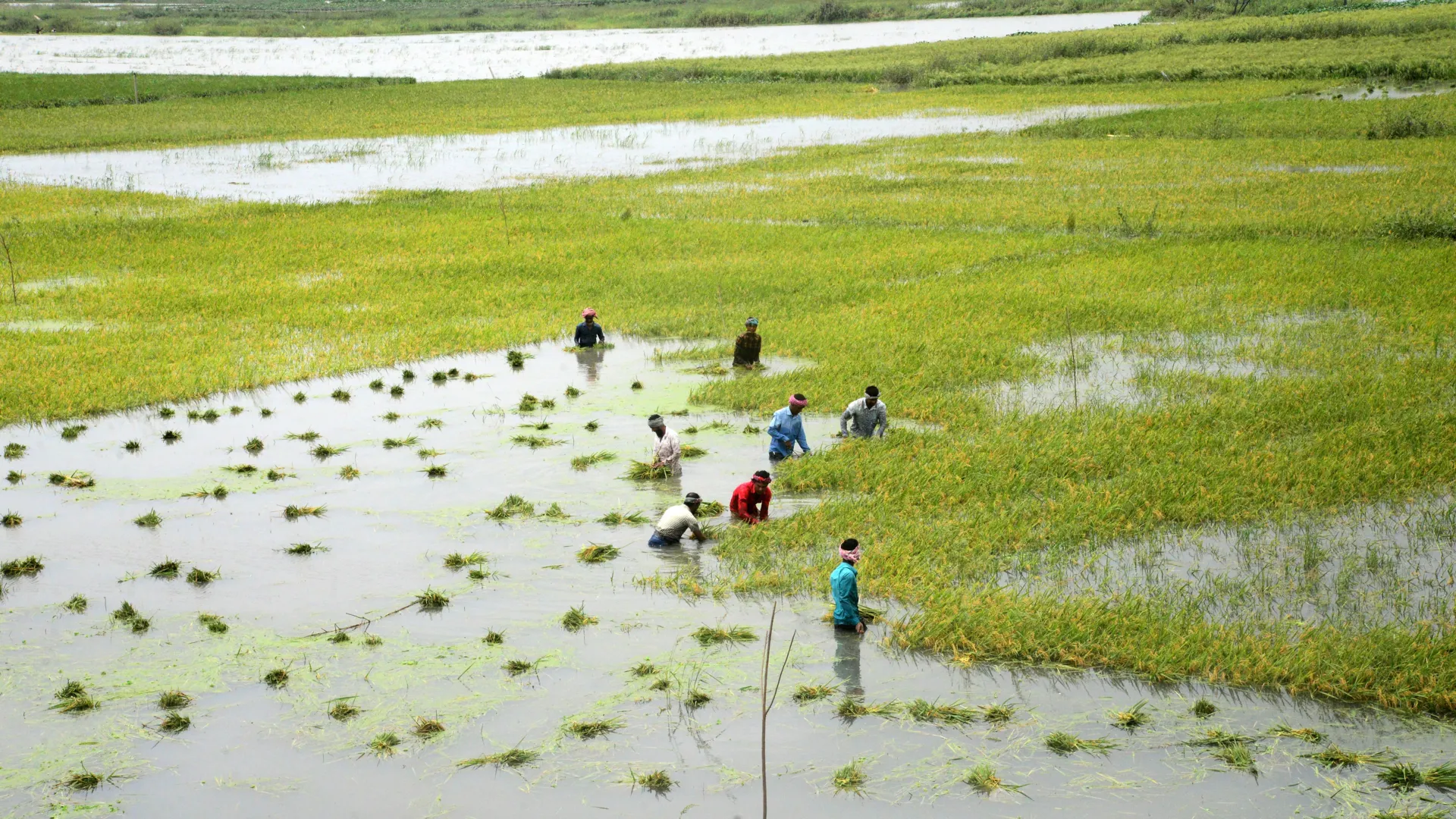
Flooding is emerging as a silent but powerful destroyer of global rice supplies—and the danger is accelerating.
Source:Stanford UniversitySummary:Scientists discovered that a week of full submergence is enough to kill most rice plants, making flooding a far greater threat than previously understood. Intensifying extreme rainfall events may amplify these losses unless vulnerable regions adopt more resilient rice varieties.Share:
FULL STORY
Severe flooding is increasingly damaging global rice yields, slashing production by millions of tons and threatening food security for billions. Credit: Shutterstock
Intense flooding has significantly reduced rice harvests around the world in recent decades, putting at risk the food supply of billions of people who rely on the grain as a dietary staple. Between 1980 and 2015, annual losses averaged about 4.3%, or roughly 18 million tons of rice each year, according to Stanford University research published November 14 in Science Advances.
The researchers found that the damage has grown worse since 2000 as extreme floods have become more common in many of the planet’s main rice-growing regions. They report that climate change is likely to further increase the frequency and severity of these destructive floods in the coming decades.
Droughts, Floods, and a Delicate Balance for Rice
Scientists and farmers have long known that rice yields fall during droughts. The new study adds fresh detail to this picture, estimating that droughts reduced rice yields by an average of 8.1% per year during the 35-year study window. At the same time, the work draws attention to a related but less examined danger from too much water. Rice plants benefit from shallow standing water during early growth, yet prolonged or deep flooding can severely damage or kill the crop.
“While the scientific community has focused on damage to rice yield due to droughts, the impacts of floods have not received enough attention,” said Steven Gorelick, the study’s senior co-author and a professor of Earth system science in the Stanford Doerr School of Sustainability. “Our research documents not only areas where rice yields have suffered due to past flooding, but also where we can anticipate and prepare for this threat in the future.”
What Counts as a ‘Rice-Killing’ Flood
The research team clearly spells out, for the first time, the conditions that turn a flood into a lethal event for rice, said lead study author Zhi Li, who worked on the project as a postdoctoral fellow in Gorelick’s lab at Stanford and recently joined the faculty of the University of Colorado Boulder.
They found that a full week of complete submergence during the plant’s growth cycle is the critical tipping point. “When crops are fully submerged for at least seven days, most rice plants die,” Li said. “By defining ‘rice-killing floods,’ we were able to quantify for the first time how these specific floods are consistently destroying one of the most important staple foods for more than half of the global population.”
How the Researchers Measured Flood and Drought Damage
To estimate how much past droughts and floods have harmed rice production, the scientists combined several lines of evidence. They drew on information about rice growth stages, annual global rice yields, a worldwide database of droughts and floods dating back to 1950, a model of how floods behave across landscapes, and a simulation of soil moisture levels over time in major rice-growing river basins.
Their analysis indicates that, in the coming decades, the most intense week of rainfall in key rice-growing basins around the world could deliver 13% more rain than the average for those regions during the 1980 to 2015 baseline period. This projected increase suggests that rice-killing flood conditions may become more common as the climate continues to warm.
Flood-Resistant Rice Varieties and High-Risk Regions
Wider use of flood-resistant rice varieties could help reduce future losses, especially in the areas that face the highest risk. The study highlights the Sabarmati Basin in India, which experiences the longest rice-killing floods, along with North Korea, Indonesia, China, the Philippines, and Nepal, where the impact of such floods on rice yields has grown the most in recent decades. The greatest total losses have occurred in North Korea, East China, and India’s West Bengal.
The researchers also identified exceptions, such as India’s Pennar Basin, where flooding appears to boost rice yields. They suggest that in these locations, hot and dry conditions may allow standing floodwater to evaporate quickly, reducing long-term damage and sometimes even creating favorable moisture conditions for the crop.
Compounding Climate Stresses on Rice
For Gorelick and Li, the new findings reinforce the need to understand how rice responds not only to floods and droughts, but also to heat waves and cold stress, both individually and when they occur in succession. Earlier research has shown that rapid swings from drought to flood and back again can nearly double rice yield losses compared with single flood or drought events on their own. According to the authors, “How these combined effects can be mitigated remains a major challenge.”
Additional co-authors not mentioned above include Lorenzo Rosa, who is affiliated with the Department of Earth System Science in the Stanford Doerr School of Sustainability and the Department of Global Ecology at the Carnegie Institution for Science. The research was supported by a Dean’s Postdoctoral Fellowship awarded to Li by the Stanford Doerr School of Sustainability.
A lightweight, floating system turns raindrops into renewable power using water itself as the key component.
ource:Science China PressSummary:A new floating droplet electricity generator is redefining how rain can be harvested as a clean power source by using water itself as both structural support and an electrode. This nature-integrated design dramatically reduces weight and cost compared to traditional solid-based generators while still producing high-voltage outputs from each falling drop. It remains stable in harsh natural conditions, scales to large functional devices, and has the potential to power sensors, off-grid electronics, and distributed energy systems on lakes and coastal waters.Share:
FULL STORY
A water-integrated generator can float on lakes or reservoirs and convert raindrop impacts into strong electrical pulses with minimal materials. Credit: Shutterstock
Raindrops are more than a source of fresh water. They also carry mechanical energy that reaches the ground for free, and scientists have been exploring how to turn that energy into electricity for years. Traditional droplet electricity generators, however, often struggle with low efficiency, heavy components, and limited potential for scaling up. A research team from Nanjing University of Aeronautics and Astronautics has now developed a new solution: a floating droplet electricity generator that uses natural water as part of its structure. The result is a lighter, more affordable, and more sustainable way to collect clean energy. The work is described in National Science Review.
Most droplet electricity generators use a solid platform and a metal bottom electrode. When a raindrop hits the dielectric film on top, the impact produces an electrical signal. Although this approach can generate hundreds of volts, it relies on rigid, costly materials that limit widespread deployment. The new design takes a different approach by allowing the device to float on a water surface. In this setup, the water itself acts as the supporting base and also serves as the conductive electrode. This nature-integrated configuration cuts the device’s weight by about 80 percent and lowers cost by about 50 percent while maintaining similar electrical output compared to conventional systems.
How Water Improves Energy Generation
When a raindrop lands on the floating dielectric film, the water beneath it provides the strength needed to absorb the impact because of its incompressibility and surface tension. This lets the droplet spread more effectively across the surface. At the same time, ions in the water act as charge carriers, allowing the water layer to operate as a dependable electrode. These combined effects enable the floating generator to deliver high peak voltages of around 250 volts per droplet, a performance level comparable to devices that rely on metal components and solid substrates.
Durability is a major advantage of the new system. Tests showed that the W-DEG continued to function under a wide range of temperatures and salt levels, and even when exposed to natural lake water containing biofouling. Many energy-harvesting devices degrade in such environments, but this generator remained stable because its dielectric layer is chemically inert and its water-based structure is naturally resilient. To improve reliability further, the team used water’s strong surface tension to design drainage holes that let water move downward but not upward. This creates a self-regulating way to remove excess droplets and helps prevent water buildup that could interfere with performance.
Scalable Design for Large-Area Energy Collection
Scalability is a promising aspect of this technology. The researchers created an integrated device measuring 0.3 square meters, which is much larger than most previous droplet generators, and demonstrated that it could power 50 light-emitting diodes (LEDs) at the same time. The system also charged capacitors to useful voltages within minutes, showing its potential for powering small electronics and wireless sensors. With continued development, similar systems could be deployed on lakes, reservoirs, or coastal waters, providing renewable electricity without using any land-based space.
“By letting water itself play both structural and electrical roles, we’ve unlocked a new strategy for droplet electricity generation that is lightweight, cost-effective, and scalable,” said Prof. Wanlin Guo, a corresponding author of the study. “This opens the door to land-free hydrovoltaic systems that can complement other renewable technologies like solar and wind.”
Broader Applications and Future Possibilities
The impact of this research goes beyond capturing energy from rainfall. Because the generator floats naturally on water, it could support environmental monitoring systems in diverse aquatic settings, including sensors for water quality, salinity, or pollution. In areas with frequent rain, the technology could offer a distributed source of clean power for local grids or act as a resource for off-grid needs. The “nature-integrated design” approach, which uses abundant natural materials like water as essential working components, may also inspire future advances in sustainable technology.
Although the laboratory results are encouraging, the researchers emphasize that additional work is necessary before the technology can be deployed at large scales. Real raindrops vary in both size and speed, and these differences could influence power generation. Maintaining the durability of large dielectric films in dynamic outdoor conditions will also require further engineering. Even so, the successful demonstration of a stable, efficient, and scalable prototype represents an important step toward practical applications.








 GET WET!