Summary:Water scientists have proposed a more effective method of removing organic pesticides from drinking water, reducing the risk of contamination and potential health problems.Share:
FULL STORY
Water scientists from Australia and China have proposed a more effective method of removing organic pesticides from drinking water, reducing the risk of contamination and potential health problems.
A 62% rise in global pesticide use in the past 20 years has escalated fears that many of these chemicals could end up in our waterways, causing cancer.
Powdered activated carbon (PAC) is currently used to remove organic pesticides from drinking water, but the process is costly, time consuming and not 100% effective.
University of South Australia water researcher Professor Jinming Duan has collaborated with his former PhD student, Dr Wei Li of Xi’an University of Architecture & Technology and Chinese colleagues in a series of experiments to improve the process.
The researchers found that reducing the PAC particles from the existing commercial size of 38 μm (one millionth of a metre) to 6 μm, up to 75% less powder was needed to remove six common pesticides, achieving significant water treatment savings.
At 6 μm, the PAC particles are still large enough to be filtered out after the adsorption process, ensuring they do not end up in the drinking water after toxic pesticides are removed.
Prof Duan says pollutants in our waterways are projected to increase in coming decades as the world’s population and industrial development grows.
“It’s therefore critical that we develop cost-effective treatment processes to ensure our waterways remain safe,” he says.
Their findings have been published in the journal Chemosphere.
“Pesticides cannot be removed using conventional water treatment processes such as flocculation, sedimentation and filtration. Powdered activated carbon does the job, but the existing methods have limitations. Our study has identified how we can make this process more efficient.”
Approximately 3.54 million metric tons of pesticides were applied to agricultural crops worldwide in 2021, according to the Statista Research Department.
Worryingly, despite efforts to increase their efficiency, it is estimated that only 10% of pesticides reach their target pests, with most of the chemicals remaining on plant surfaces or entering the environment, including the soil, waterways and atmosphere.
Toxicological studies have suggested that long-term exposure to low levels of pesticides — primarily through diet or drinking water — could increase the risks of cancer and other diseases.
“This is why it is important to reduce their levels to as low as feasibly possible,” Prof Duan says.
The researchers also hope to explore how super-fine activated carbon could be used to remove toxic polyfluoroalkyl substances (PFAS) and perfluorinated compounds (PFCs) found in many consumer products, which have been linked to adverse health impacts.
Global water availability has been affected by a variety of factors, including climate change, water pollution, urbanization, and population growth. These issues have been particularly acute in many parts of the world, where access to clean water remains a significant challenge. In this context, preserving existing water bodies is a critical priority. Numerous studies have demonstrated the inadequacy of conventional water treatment processes in removing active pharmaceutical ingredients (APIs) from the water. These pharmaceutical active compounds have been detected in treated wastewater, groundwater, and even drinking water sources. The presence of APIs in water resources poses a significant threat not only to aquatic organisms but also to human health. These emerging contaminants have the potential to disrupt endocrine systems, promote the development of antibiotic-resistant bacteria, and bioaccumulate in the food chain, ultimately leading to unacceptable risks to public health. The inability of current conventional treatment methods to effectively remove APIs from water has raised serious concerns about the safety and reliability of water supplies. This issue requires immediate attention and the development of more effective treatment technologies to safeguard the quality of water resources and protect both aquatic ecosystems and human health. Other treatment methods, such as nanotechnology, microalgal treatment, and reverse osmosis, are promising in addressing the issue of API contamination in water resources. These innovative approaches have demonstrated higher removal efficiencies for a wide range of APIs compared to conventional methods, such as activated sludge and chlorination, which have been found to be inadequate in the removal of these emerging contaminants. The potential of these alternative treatment technologies to serve as effective tertiary treatment. To address this critical challenge, governments and policymakers should prioritize investment in research and development to establish effective and scalable solutions for eliminating APIs from various water sources. This should include comprehensive studies to assess the performance, cost-effectiveness, and environmental sustainability of emerging treatment technologies. The emerging contaminants should be included in robust water quality monitoring programs (Aus der Beek et al. in Environ Toxicol Chem 2016;35(4):823-835), with strict regulatory limits enforced to protect public health and the environment. By doing so, the scientific community and regulatory authorities can work together to develop a multi-barrier approach to safeguarding the water resources and ensuring access to safe, clean water for all. This review explores the potential of alternative treatment technologies to serve as viable solutions in the fight against API contamination. Innovative approaches, including nanotechnology, microalgal treatment, and reverse osmosis, have demonstrated remarkable success in addressing this challenge, exhibiting higher removal efficiencies compared to traditional methods.
In 2021, over 2 billion people live in water-stressed countries, which is expected to be exacerbated in some regions as result of climate change and population growth (1).
In 2022, globally, at least 1.7 billion people use a drinking water source contaminated with faeces. Microbial contamination of drinking-water as a result of contamination with faeces poses the greatest risk to drinking-water safety.
Safe and sufficient water facilitates the practice of hygiene, which is a key measure to prevent not only diarrhoeal diseases, but acute respiratory infections and numerous neglected tropical diseases.
Microbiologically contaminated drinking water can transmit diseases such as diarrhoea, cholera, dysentery, typhoid and polio and is estimated to cause approximately 505 000 diarrhoeal deaths each year.
In 2022, 73% of the global population (6 billion people) used a safely managed drinking-water service – that is, one located on premises, available when needed, and free from contamination.
Overview
Safe and readily available water is important for public health, whether it is used for drinking, domestic use, food production or recreational purposes. Improved water supply and sanitation, and better management of water resources, can boost countries’ economic growth and can contribute greatly to poverty reduction.
In 2010, the UN General Assembly explicitly recognized the human right to water and sanitation. Everyone has the right to sufficient, continuous, safe, acceptable, physically accessible and affordable water for personal and domestic use.
Drinking-water services
Sustainable Development Goal target 6.1 calls for universal and equitable access to safe and affordable drinking water. The target is tracked with the indicator of “safely managed drinking water services” – drinking water from an improved water source that is located on premises, available when needed, and free from faecal and priority chemical contamination.
In 2022, 6 billion people used safely managed drinking-water services – that is, they used improved water sources located on premises, available when needed, and free from contamination. The remaining 2.2 billion people without safely managed services in 2022 included:
1.5 billion people with basic services, meaning an improved water source located within a round trip of 30 minutes;
292 million people with limited services, or an improved water source requiring more than 30 minutes to collect water;
296 million people taking water from unprotected wells and springs; and
115 million people collecting untreated surface water from lakes, ponds, rivers and streams.
Sharp geographic, sociocultural and economic inequalities persist, not only between rural and urban areas but also in towns and cities where people living in low-income, informal or illegal settlements usually have less access to improved sources of drinking-water than other residents.
Water and health
Contaminated water and poor sanitation are linked to transmission of diseases such as cholera, diarrhoea, dysentery, hepatitis A, typhoid and polio. Absent, inadequate, or inappropriately managed water and sanitation services expose individuals to preventable health risks. This is particularly the case in health care facilities where both patients and staff are placed at additional risk of infection and disease when water, sanitation and hygiene services are lacking.
Out of every 100 patients in acute-care hospitals, 7 patients in high-income countries (HICs) and 15 patients in low- and middle-income countries (LMICs) will acquire at least one health care-associated infection during their hospital stay.
Inadequate management of urban, industrial and agricultural wastewater means the drinking-water of hundreds of millions of people is dangerously contaminated or chemically polluted. Natural presence of chemicals, particularly in groundwater, can also be of health significance, including arsenic and fluoride, while other chemicals, such as lead, may be elevated in drinking-water as a result of leaching from water supply components in contact with drinking-water.
Some 1 million people are estimated to die each year from diarrhoea as a result of unsafe drinking-water, sanitation and hand hygiene. Yet diarrhoea is largely preventable, and the deaths of 395 000 children aged under 5 years could be avoided each year if these risk factors were addressed. Where water is not readily available, people may decide handwashing is not a priority, thereby adding to the likelihood of diarrhoea and other diseases.
Diarrhoea is the most widely known disease linked to contaminated food and water but there are other hazards. In 2021, over 251.4 million people required preventative treatment for schistosomiasis – an acute and chronic disease caused by parasitic worms contracted through exposure to infested water.In many parts of the world, insects that live or breed in water carry and transmit diseases such as dengue fever. Some of these insects, known as vectors, breed in clean, rather than dirty water, and household drinking water containers can serve as breeding grounds. The simple intervention of covering water storage containers can reduce vector breeding and may also reduce faecal contamination of water at the household level.
Economic and social effects
When water comes from improved and more accessible sources, people spend less time and effort physically collecting it, meaning they can be productive in other ways. This can also result in greater personal safety and reducing musculoskeletal disorders by reducing the need to make long or risky journeys to collect and carry water. Better water sources also mean less expenditure on health, as people are less likely to fall ill and incur medical costs and are better able to remain economically productive.
With children particularly at risk from water-related diseases, access to improved sources of water can result in better health, and therefore better school attendance, with positive longer-term consequences for their lives.
Challenges
Historical rates of progress would need to double for the world to achieve universal coverage with basic drinking water services by 2030. To achieve universal safely managed services will require a 6-fold increase. Climate change, increasing water scarcity, population growth, demographic changes and urbanization already pose challenges for water supply systems. Over 2 billion people live in water-stressed countries, which is expected to be exacerbated in some regions as result of climate change and population growth. Re-use of wastewater to recover water, nutrients or energy is becoming an important strategy. Use of wastewater and sludge is widespread globally; however, much is used informally and/or without sufficient treatment and other controls to ensure that human and environmental health is protected. If done appropriately safe use of wastewater and sludge can yield multiple benefits, including increased food production, increased resilience to water and nutrient scarcity and greater circularity in the economy.
Options for water sources used for drinking-water and irrigation will continue to evolve, with an increasing reliance on groundwater and alternative sources, including wastewater. Climate change will lead to greater fluctuations in harvested rainwater. Management of all water resources will need to be improved to ensure provision and quality.
WHO’s response
As the international authority on public health and water quality, WHO leads global efforts to prevent water-related disease, advising governments on the development of health-based targets and regulations.
WHO produces a series of water quality guidelines, including on drinking-water, safe use of wastewater, and recreational water quality. The water quality guidelines are based on managing risks, and since 2004 the Guidelines for drinking-water quality promote the Framework for safe drinking-water. The Framework recommends establishment of health-based targets, the development and implementation of water safety plans by water suppliers to most effectively identify and manage risks from catchment to consumer, and independent surveillance to ensure that water safety plans are effective and health-based targets are being met.
The drinking-water guidelines are supported by background publications that provide the technical basis for the Guidelines recommendations. WHO also supports countries to implement the drinking-water quality guidelines through the development of practical guidance materials and provision of direct country support. This includes the development of locally relevant drinking-water quality regulations aligned to the principles in the Guidelines, the development, implementation and auditing of water safety plans and strengthening of surveillance practices.
Since 2014, WHO has been testing household water treatment products against WHO health-based performance criteria through the WHO International Scheme to Evaluate Household Water Treatment Technologies. The aim of the scheme is to ensure that products protect users from the pathogens that cause diarrhoeal disease and to strengthen policy, regulatory and monitoring mechanisms at the national level to support appropriate targeting and consistent and correct use of such products.
WHO works closely with UNICEF in a number of areas concerning water and health, including on water, sanitation, and hygiene in health care facilities. In 2015 the two agencies jointly developed WASH FIT (Water and Sanitation for Health Facility Improvement Tool), an adaptation of the water safety plan approach. WASH FIT aims to guide small, primary health care facilities in low- and middle-income settings through a continuous cycle of improvement through assessments, prioritization of risk, and definition of specific, targeted actions. A 2023 report describes practical steps that countries can take to improve water, sanitation and hygiene in health care facilities.
Richie Nero, of Boyle & Fogarty Construction, shows the the cross section of an original lead, residential water service line, at left, and the replacement copper line, at right, outside a home where service was getting upgraded June 29, 2023, in Providence, R.I. (AP Photo/Charles Krupa, File)
WASHINGTON (AP) — The Trump administration said Friday it backs a 10-year deadline for most cities and towns to replace their harmful lead pipes, giving notice that it will support a tough rule approved under the Biden administration to reduce lead in drinking water.
The Environmental Protection Agency told a federal appeals court in Washington that it would defend the strongest overhaul of lead-in-water standards in three decades against a court challenge by a utility industry association.
The Trump administration has typically favored rapid deregulation, including reducing or killing rules on air and water pollution. On Friday, for example, it repealed tight limits on mercury and other toxic emissions from coal plants. But the agency has taken a different approach to drinking water.
“After intensive stakeholder involvement, EPA concluded that the only way to comply with the Safe Drinking Water Act’s mandate to prevent anticipated adverse health effects ‘to the extent feasible’ is to require replacement of lead service lines,” the agency’s court filing said.
Doing so by a 10-year deadline is feasible, the agency added, supporting a rule that was based in part of the finding that old rules that relied on chemical treatment and monitoring to reduce lead “failed to prevent system-wide lead contamination and widespread adverse health effects.”
The EPA said in August it planned to defend the Biden administration’s aggressive rule, but added that it would also “develop new tools and information to support practical implementation flexibilities and regulatory clarity.” Some environmental activists worried that that meant the EPA was looking to create loopholes.
Lead, a heavy metal once common in products like pipes and paints, is a neurotoxin that can stunt children’s development, lower IQ scores and increase blood pressure in adults. Lead pipes can corrode and contaminate drinking water. The previous Trump administration’s rule had looser standards and did not mandate the replacement of all pipes.
Standards aimed at protecting kids
The Biden administration finalized its lead-in-water overhaul in 2024. It mandated that utilities act to combat lead in water at lower concentrations, with just 10 parts per billion as a trigger, down from 15. If higher levels were found, water systems had to inform their consumers, take immediate action to reduce lead and work to replace lead pipes that are commonly the main source of lead in drinking water.
The Biden administration at the time estimated the stricter standards would protect up to 900,000 infants from having low birth weight and avoid up to 1,500 premature deaths a year from heart disease.
“People power and years of lead-contaminated communities fighting to clean up tap water have made it a third rail to oppose rules to protect our health from the scourge of toxic lead. Maybe only a hidebound water utility trade group is willing to attack this basic public health measure,” said Erik Olson, senior director at the Natural Resource Defense Council, an environmental nonprofit.
The American Water Works Association, a utility industry association, had challenged the rule in court, arguing the EPA lacks authority to regulate the portion of the pipe that’s on private property and therefore cannot require water systems to replace them.
The agency countered on Friday that utilities can be required to replace the entire lead pipe because they have sufficient control over them.
The AWWA also said the 10-year deadline wasn’t feasible, noting it’s hard to find enough labor to do the work and water utilities face other significant infrastructure challenges simultaneously. Water utilities were given three years to prepare before the 10-year timeframe starts and some cities with a lot of lead were given longer.
The agency said they looked closely at data from dozens of water utilities and concluded that the vast majority could replace their lead pipes in 10 years or less.
Replacing decades-old standards
The original lead and copper rule for drinking water was enacted by the EPA more than 30 years ago. The rules have significantly reduced lead in water but have been criticized for letting cities move too slowly when levels rose too high.
Lead pipes are most commonly found in older, industrial parts of the country, including major cities such as Chicago, Cleveland, Detroit and Milwaukee. The rule also revises the way lead amounts are measured, which could significantly expand the number of communities found violating the rules.
The EPA under President Donald Trump has celebrated deregulation. Officials have sought to slash climate change programs and promote fossil fuel development. On drinking water issues, however, their initial actions have been more nuanced.
In March, for example, the EPA announced plans to partially roll back rules to reduce so-called “forever chemicals” in drinking water — the other major Biden-era tap water protection. That change sought to keep tough limits for some common PFAS, but also proposed scrapping and reconsidering standards for other types and extending deadlines.
PFAS and lead pipes are both costly threats to safe water. There are some federal funds to help communities.
The Biden administration estimated about 9 million lead pipes provide water to homes and businesses in the United States. The Trump administration updated the analysis and now projects there are roughly 4 million lead pipes. Changes in methodology, including assuming that communities that did not submit data did not have lead pipes, resulted in the significant shift. The new estimate does correct odd results from some states — activists said that the agency’s initial assumptions for Florida, for example, seemed far too high.
The EPA declined to comment on pending litigation. The AWWA pointed to their previous court filing when asked for comment.
___
The Associated Press receives support from the Walton Family Foundation for coverage of water and environmental policy. The AP is solely responsible for all content. For all of AP’s environmental coverage, visit https://apnews.com/hub/climate-and-environment.
Atmospheric water harvesting (AWH) is a decentralized water technology that dehumidifies air to provide water. When atmospheric water is condensed, other atmospheric particles and gases can enter the liquid water. For AWH to serve as drinking water, it is necessary to understand how these air constituents interact with water as it condenses and the resulting water quality. The objectives of this research were to determine: i) the variation of measured air and water quality contaminants at two sites, and ii) the extent of interaction between particulate matter concentration in the air and the water quality of atmospherically harvested water. This study performed AWH using compressor dehumidifiers at industrial and urban ambient air quality monitoring sites in Albuquerque, New Mexico, USA. Air contamination was greater at the industrial site compared to the urban site (range PM2.5 urban 1.3 – 33.4 μg/m3, industrial 1.8 – 127.5 μg/m3; range PM10 urban 3.7 – 99.2 μg/m3, industrial 4.4 – 1525 μg/m3). Water trace metals concentrations and turbidity were also greater at the industrial site. Aluminum concentrations ranged 22.9 – 600 μg/L (urban) and 22.1 – 1560 μg/L (industrial); Iron ranged 0.5 – 363 μg/L (urban), 3.4 – 828 μg/L (industrial); Manganese ranged 0.7 – 23.7 μg/L (urban), 1.3 – 69.2 μg/L (industrial); and turbidity ranged 0.3 – 28 NTU (urban), 0.5 – 52 NTU (industrial). Water quality exceeded U.S. EPA regulations for aluminum (39 % of samples at urban site, and 90 % of samples at industrial site > 200 µg/L) and turbidity (96 % at urban site, 100 % at industrial site > 0.3 NTU). A linear mixed-effects statistical model showed water quality was a function of air quality, but for only some parameters. At the industrial site, there was a strong positive relationship between PM2.5 and some metals (aluminum, calcium, iron [p<0.05]), and marginal significance with other metals (potassium, zinc [p<0.1]). At the urban site, there was only a strong positive relationship between PM2.5 and calcium. Large variations in PM concentrations and site differences in their characteristics could play an important role in how much of metals in the air enters atmospherically harvested water. Findings from this study can guide research on understanding if air quality can be used to predict AWH water quality, provide insight to further understand the mechanisms of interaction between gas-phase water and particles as they move from the air to condensed water, and drive treatment decisions to meet water quality goals.
Global warming and the increased variability and intensity of natural disasters (e.g., floods, droughts, wildfire) are a continuing concern to water supplies. Any of these natural disasters can impact municipal water supplies and limit access for weeks to months. The atmosphere is an alternative freshwater reservoir that contains 12,900 km3 of water (Shiklomanov, 1991), is universally accessible, and can serve as a water source when other supplies are inaccessible. Atmospheric water harvesting (AWH) can condense this available water vapor to provide access to water for communities in need during emergencies (Gayoso et al., 2024; Mulchandani and Westerhoff, 2020).
There are few studies on AWH water quality, and the relationship between air quality and water quality has only been minimally investigated for both condensation and sorption-based systems (Mulchandani et al., 2022; Zeng et al., 2024). These AWH water quality studies are often performed at a single site for around 12 months (Mulchandani et al. 2022), while few have studied AWH across multiple sites and months (Xia et al., 2015). These studies find turbidity, aluminum, iron, and manganese concentrations above United States Environmental Protection Agency (U.S. EPA) and World Health Organization (WHO) drinking water regulations in untreated AWH water, and aluminum and iron above regulatory values in treated AWH water (Zeng et al., 2024). As more studies are performed, it is apparent that there may be large variability in concentrations of metal and organic contaminants over space and time. The concentration of these contaminants may be impacted by variability in air quality, but this influence is not well studied. Xia et al. (2015) studied the relationship between particulate matter (PM) and ion contaminants in condensation-based atmospherically harvested water and found high concentrations of Cl–, SO42-, NH4+ and Ca2+ in industrial areas associated with soil dust and exhaust. This study was performed in a temperate climate (relative humidity ranged 60–80 %), and it is unknown whether these results are transferable or universal for all climate zones and pollution sources, specifically those experienced in more arid regions. For AWH to be considered a viable drinking water source in multiple regions, more data is needed to understand the extent and nature of air quality influence on AWH water quality. Spatial and temporal analysis across environments (e.g., arid with heavy agricultural and urban emissions sources, vs humid with heavy industrial emissions) is needed to determine the full range of potential water quality.
Air quality is influenced by natural and anthropogenic emissions of trace gases and aerosols as well as meteorological factors such as temperature, wind speed, and humidity. As such, air quality can vary across a geographic region and changes throughout the day (Hosein et al., 1977). The U.S. EPA classifies and measures outdoor air pollution by 6 criteria pollutants: ozone (O3), carbon monoxide (CO), nitrogen dioxide (NO2), sulfur dioxide (SO2), lead (Pb) and particulate matter (PM) pollution (US EPA, 2015a). Of these pollutants, PM may be most likely to influence chemical makeup of AWH water quality due to the interaction between PM and gas phase water in the atmosphere.
Fig. S1 shows how PM and gas-phase water interact in the atmosphere. PM is formed through nucleation, accumulation and coarse modes. In nucleation mode, particles are freshly formed through combustion or atmospheric reactions from emissions sources such as traffic, industry and burning (EPA, 2023). These particles grow through coagulation with water vapor and other constituents to get to accumulation mode. As small particles stick together, the total particle number decreases, and the mass and surface area of each coagulated particle increase. Lastly, coarse mode generally consists of mechanically separated particles that may be resuspended from surfaces. PM is classified as fine (<2.5 m) and coarse (<10 m) and is often made up of clusters of different constituents depending on the emissions that influence the air quality (EPA, 2019). PM2.5 typically contains crustal material comprising of metal compounds (Al, Cu, Fe, K, Mn, etc.), soil, small liquids, elemental carbon, volatile organic compounds and various ions (SO42- and NO3–) (Chemical Elements, Minerals, Rocks, 2024; EPA, 2023; Hasheminassab et al., 2014). PM10 is typically produced by surface abrasion, sea spray, biological materials, and road, crop and livestock dust (EPA, 2023). Water vapor in the air continue to interact with particulates, which may partition with water vapor into condensed AWH waters. We theorize that when this water vapor condenses within an AWH system, particles of all sizes from various sources (e.g., traffic, industry and burning) containing constituents such as metals, carbon and gases will be collected in the harvested water and impact water quality.
Currently, there is a knowledge gap regarding the relationship between PM concentrations and characteristics, and subsequent water quality of AWH, particularly as it varies by space and time to determine site specific impacts. These relationships may vary as a function of location, climate, and air quality. Closing this gap can provide key insight on the level and type of treatment required to make AWH a viable drinking water source. If there is a significant relationship between air quality measured as PM and water quality, air could be pre-filtered to remove PM before harvesting. Alternatively, post-harvesting water treatment may be applied to remove both particles and dissolved constituents.
The objectives of this research were to determine: i) the variation of measured air and water quality contaminants by site, and ii) the extent of interaction between particulate matter concentration in the air and the water quality of atmospherically harvested water. Condensation-based AWH devices were operated in a semi-arid high-desert metropolitan city. AWH devices were co-located with air quality monitoring instrumentation to directly compare air quality with AWH water quality. The air was not pre-filtered, and AWH water samples were not filtered or treated in order to gain a full understanding of the impact of PM on water quality. We hypothesized that air pollution and AWH water pollution would be greater at the industrial site compared to the urban site. Secondly, we hypothesized that there would be a positive linear relationship between both PM10 and PM2.5 and total organic carbon and metal concentrations, the nature of which may be specific to each site. Findings from this study can guide research on understanding if PM can be used to predict AWH water quality, provide insight to further understand the mechanisms of interaction between gas-phase water and particles as they move from the air to condensed water, and drive treatment decisions to meet water quality goals.
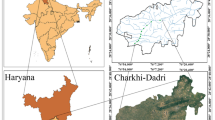
This work was carried out for the determination of the water quality in the Talagang District of Pakistan, as water is essential for agriculture and drinking uses. This study aims to assess the water quality for irrigation, drinking, and health risks using the Water Quality Index (WQI) and Human Health Risk Assessment (HHRA) tools to identify regions with contaminated water, and to evaluate the associated risks. A total of 98 water samples were taken at various points from diverse sources such as hand pumps, streams, springs, dug wells, and tube wells for physio-chemical assessment. In the current study, the effectiveness of the irrigation water quality index (IWQI), human health risk assessment (HHRA), and water quality index (WQI) tools have been assessed. The characteristics of subterranean water are influenced by evaporation, ion exchange, rock-water interaction, and parent-rock weathering, as shown by the Piper and Gibbs diagram. According to the WQI results, the water quality is 20. 89% and 27.46% of the sample sites are moderate and poor, making them unfit for human intake. Based on HHRA, compared to adult males and females in the study area, children are deemed to be at a higher risk. A larger number of the sample localities are appropriate for irrigation purposes. The study assists in identifying contaminated regions and in monitoring newly implemented remediation actions to manage the source of contaminants in the study area.
Surface and subterranean water are essential sources of drinking, farming, industrial, and domestic uses worldwide and also have a substantial effect on shaping the quality of lives and sustainability of societies1. Due to rapid growth and population increase, natural and human actions such as industry, urbanization, mining, and agriculture have resulted in water depletion and impairment issues2,3. Water quality degradation and depletion have emerged as significant global challenges, directly impacting public health, agriculture, and the environment4,5. The poor quality of water poses both direct and indirect health risks to the communities that rely on it, often leading to substantial public health issues and increased costs for water treatment and rehabilitation6. Direct health risks are associated with the consumption of contaminated water, such as heavy metal contamination, which can cause serious illnesses7,8. Indirect health risks occur when contaminated water is used for irrigation, affecting agricultural crops, horticulture, and aquaculture, leading to bioaccumulation of toxins in the food chain9.Heavy metals including Zn, Cu, and Mn are naturally occurring in water in trace amounts and are significantly essential for human metabolism and the growth of living things10. However, excessive amounts of these metals pose chronic and acute health issues. Other heavy metals including Pb, Cd, As, Cr, and Ni are severely toxic although in very low concentrations11. For example, the higher concentration of Pb is known to harm the development of the brain in children. Exposure to elevated concentrations of Cd causes chronic and acute diseases such as skeletal and kidney damage. The As causes many health problems in humans such as skin lesions, and cancer of the liver, brain, stomach, and kidney12,13. Higher intakes of Cr and Ni have been linked with liver, kidney, and heart problems14. The WQI is a handy means for evaluating the quality of water that is appropriate for residential practice. The weighted arithmetic and integrated WQI are extensively used in India for assessing surface and subterranean water because it yield results with greater accuracy1516. investigatedthe chemistry and quality index of groundwater in northwest China and noticed that 11.43% of sample locations had poor water quality, and 17.14% had very poor water quality. Similarly17, used weighted overlay analysis to assess groundwater quality for drinking and irrigation purposes in Bangladesh, revealing that 90% of water from deep wells and 57.6% from shallow wells were suitable for human consumption, according to the Drinking Water Quality Index (DWQI).
Several recent studies have employed various techniques to assess water quality, including the use of WQI, which integrates multiple physicochemical variables into a single dimensionless value representing overall water quality18,19,20,21,22. The WQI is an assessment model that can be used for integrating a variety of physicochemical variables into a dimensionless value that may depict the overall quality of the water18,20. n Pakistan, water quality contamination has been reported in several regions, affecting both surface and groundwater resources11. Given the importance of water for human health, agriculture, and overall well-being, it is crucial to evaluate the water quality in various regions. The primary objective of this study is to assess the surface and subsurface water quality for irrigation, drinking, and health risks in Talagang District, Pakistan, using the Water Quality Index (WQI) and Human Health Risk Assessment (HHRA) tools. This research aims to evaluate the hydro-chemical parameters of groundwater in the study area for both irrigation and drinking purposes, and to assess the associated health risks using the WQI and HHRA models. The findings will contribute to identifying areas where water quality poses health risks and help in formulating strategies for water management and remediation.
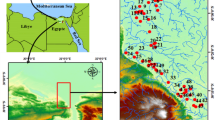
Human health is at risk from drinking water contamination, which causes a number of health problems in many parts of the world. The geochemistry of groundwater, its quality, the origins of groundwater pollution, and the associated health risks have all been the subject of substantial research in recent decades. In this study, groundwater in the west Rosetta Nile branch of the Nile Delta Aquifer is examined for drinking potential. Numerous water quality indices were applied, such as water quality index (WQI), synthetic pollution index (SPI) models, and health risk assessment (HRA) method. The limits of the measured parameters are used to test its drinking validity on the basis of WHO recommendations. TDS in the southern regions is within the desirable to allowable limits with percent 25.3% and 29.33%, respectively. Nearly all the study area has desirable value for HCO3, Al and Ba. Ca and Mg have desirable values in the center and south portion of the investigated area, whereas in the north are unsuitable. Na, Cl and SO4 fall within the desired level in the regions of the south but become unsuitable towards the north. Mn and NO3 are inappropriate except in the northwestern part. Fe is within suitable range in the southwestern and northwestern regions. Pb, Zn, Cu, and Cd were undetected in the collected samples. Regarding to WQI the study area is classified into 4 classes good, poor, very poor and unfit for drinking water from south to north. According to SPI model, 20%, 18.7%, 18.7%, 8% and 34.6% of water samples are suitable, slightly, moderately, highly polluted and unfit, respectively from south to north. Based on HRA, Children are the most category endangered with percent 14.7% of the overall samples obtained, followed by females and males with percent 12% and 8%, respectively. This study offers insights into the conservation and management of coastal aquifers’ groundwater supplies. These findings have significant implications for developing strategies and executing preventative actions to reduce water resource vulnerability and related health hazards in West Nile Delta, Egypt.
In recent years, rapid urbanization and population growth, stress on natural resources, and global climate change have caused the demand for water to increase. Sustainable water resource management is becoming increasingly important to meet this demand. It is critical to manage water resources globally since groundwater is essential for meeting human needs and for sustaining life1,2,3,4. Furthermore, unregulated exploitation of groundwater resources has resulted in water shortages over recent decades, which has adversely affected groundwater quality and levels5,6,7,8,9,10. Salinization is a significant issue in many coastal regions globally, particularly in semi-arid and arid areas. It is seen as a crucial and visible issue that threatens future water resources and reduces water quality. Groundwater salinization is a key concern because it restricts water availability for both agricultural and urban needs, impacting the resilience and sustainability of coastal areas. An increase in total dissolved solids (TDS) or chloride (Cl) levels is a clear indicator of salinization11,12,13. The issue of water quality has garnered significant attention in coastal aquifers worldwide due to the aforementioned reasons for example, Thriassion Plain and Eleusis Gulf, Greece14, north Kuwait15, China15, Bangladesh16, Spain17, Mexico18, and others. As groundwater quality is equally important as its quantity, it is crucial to carefully assess it.
Heavy metals pose a toxic threat to human health and ecosystems when their concentrations surpass established limits as they can disrupt ecological systems, endanger human health, and worsen the quality of groundwater. Specific heavy metals, including copper (Cu), zinc (Zn), manganese (Mn), and chromium (Cr), are vital for metabolic processes in traces quantity, but become hazardous at high levels. In contrast, metals such as cadmium (Cd) are toxic even at minimal concentrations19,20. Tackling the presence of trace element-contaminated water resources is crucial for protecting both the ecosystem and human health21. Additionally, understanding the environmental behavior of these trace elements, including their transfer, fate, persistence, and the health risks they pose to consumers through the food chain, is vital. The health impacts of these elements are significantly influenced by factors such as their behavior, specific chemical composition, and binding state. Gaining insight into these factors is the key to assessing the potential risks of trace elements and devising effective strategies to minimize their harmful effects22,23. Controlling and mitigating these harmful effects can be achieved by monitoring heavy metal distribution, concentration, and health risks regularly.
Evaluating groundwater quality is a fundamental approach for ensuring the sustainable management of this essential resource. Various methodologies have been employed to assess groundwater quality, including stoichiometric, graphical, index-based, and inferential chemometric techniques, which are commonly used to analyze and monitor groundwater conditions and hydrogeochemical properties24,25,26. Additionally, advanced tools such as clustering, regression analysis, neural networks, and machine learning algorithms have been incorporated to observe and predict water quality trends effectively27,28,29. Given the variety of hydrochemical criteria, the water quality index (WQI) technique serves as an effective tool for evaluating groundwater quality. Due to its comprehensive calculation method, assessing groundwater quality through multiple hydrochemical parameters is considered a more reliable and robust approach. As a result, WQIs have been widely utilized in groundwater quality assessments. The most frequent techniques for assessing water quality are the WQI for drinking and synthetic pollution index (SPI). The Water Quality Index (WQI) for drinking water and the Synthetic Pollution Index (SPI) are effective tools for measuring and evaluating overall water quality, offering a more comprehensive approach than traditional techniques for evaluating the quality of water. Each of the two types of standard water quality index models (WQI and SPI) measure the cumulative impact of different physicochemical variables on groundwater quality based on weight and rate. Each physicochemical parameter is weighed according to its influence on drinking water quality30,31. Since many people rely on groundwater for drinking and other household purposes, high levels of nitrate in drinking water can result in serious health risks32,33,34. Therefore, health risk assessment (HRA) based on nitrate concentration was applied as drinking water quality criteria35,36,37. Combining water quality indices with GIS techniques provides the most effective method for detecting and visualizing changes in groundwater facies. Several studies have applied water quality indices (WQI and SPI) and HRA methods to evaluate groundwater quality for human use in various regions, and these techniques have proven successful. For instance, studies have been conducted on Makkah Al-Mukarramah Province (Saudi Arabia)38, coastal plain in Nigeria23, dumpsite in Awka (Nigeria)22, El Fayoum depression (Egypt)30, El Kharga Oasis (Egypt)39, and Central Nile Delta Region (Egypt)40.
The quaternary aquifer, coastal aquifer, is considered the main source of groundwater in the area west of Rosetta branch. Based on the previous studies, the groundwater within the study area exposed to several factors, which may lead to increase signs of groundwater quality deterioration. These factors are mainly attributed to anthropogenic activities and sea water intrusion12. Moreover, most previous studies conducted west of the Nile Delta have primarily focused on the morphological and geological features of the terrain41,42,43,44. Additionally, water sources have been examined in terms of their geochemical properties and suitability for irrigation purposes8,12,45,46. However, limited attention has been given to evaluating the quality of groundwater for drinking purposes within the study area. As a result, significant knowledge gaps remain regarding the suitability of groundwater for human consumption in this region.
Based on the aforementioned objectives, this study aimed to evaluate the quality of groundwater for drinking purposes in the region west of the Nile Delta’s Rosetta branch. This study was conducted to develop geospatial maps of physicochemical parameters in groundwater to determine the quality suitability of drinking water. Furthermore, in order to assess the water quality from the aspect of human health, two typical water quality index models are used, namely water quality index (WQI) and synthetic pollution index (SPI). In order to analyze the data concerning water quality, descriptive statistics and correlation matrices were applied. Eventually, human health risk (HRA) was assessed in the study region via contaminated water consumption by adults (males and females) and children. It is expected that this study will assist decision makers in identifying vulnerable zones and optimizing monitoring networks for groundwater quality.
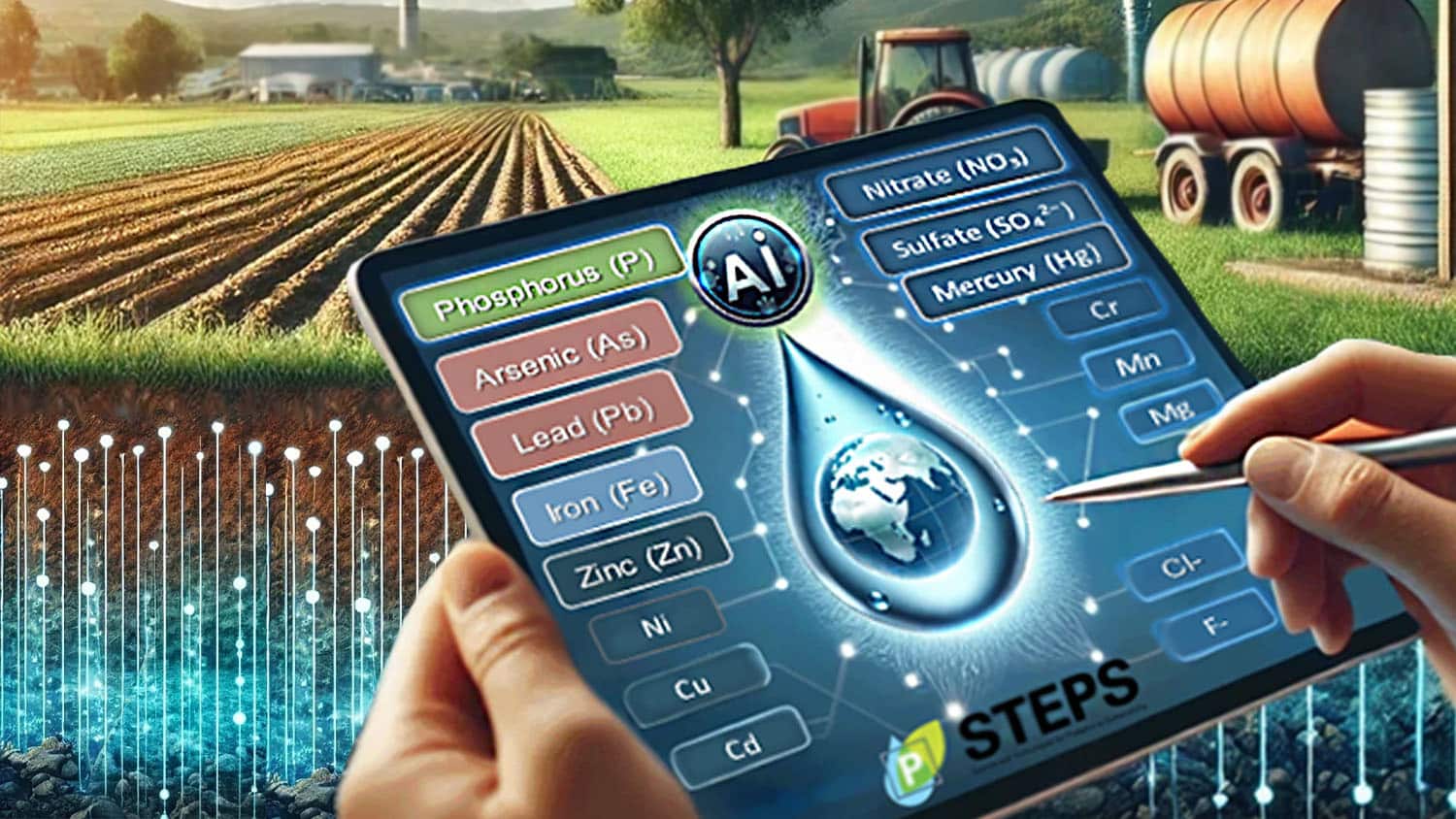
An interdisciplinary team of researchers has developed a machine learning framework that uses limited water quality samples to predict which inorganic pollutants are likely to be present in a groundwater supply. The new tool allows regulators and public health authorities to prioritize specific aquifers for water quality testing.
This proof-of-concept work focused on Arizona and North Carolina but could be applied to fill critical gaps in groundwater quality in any region.
Groundwater is a source of drinking water for millions and often contains pollutants that pose health risks. However, many regions lack complete groundwater quality datasets.
“Monitoring water quality is time-consuming and expensive, and the more pollutants you test for, the more time-consuming and expensive it is,” says Yaroslava Yingling, co-corresponding author of a paper describing the work and Kobe Steel Distinguished Professor of Materials Science and Engineering at North Carolina State University.
“As a result, there is interest in identifying which groundwater supplies should be prioritized for testing, maximizing limited monitoring resources,” Yingling says. “We know that naturally occurring pollutants, such as arsenic or lead, tend to occur in conjunction with other specific elements due to geological and environmental factors. This posed an important data question: with limited water quality data for a groundwater supply, could we predict the presence and concentrations of other pollutants?”
“Along with identifying elements that pose a risk to human health, we also wanted to see if we could predict the presence of other elements – such as phosphorus – which can be beneficial in agricultural contexts but may pose environmental risks in other settings,” says Alexey Gulyuk, a co-first author of the paper and a teaching professor of materials science and engineering at NC State.
To address this challenge, the researchers drew on a huge data set, encompassing more than 140 years of water quality monitoring data for groundwater in the states of North Carolina and Arizona. Altogether, the data set included more than 20 million data points, covering more than 50 water quality parameters.
“We used this data set to ‘train’ a machine learning model to predict which elements would be present based on the available water quality data,” says Akhlak Ul Mahmood, co-first author of this work and a former Ph.D. student at NC State. “In other words, if we only have data on a handful of parameters, the program could still predict which inorganic pollutants were likely to be in the water, as well as how abundant those pollutants are likely to be.”
One key finding of the study is that the model suggests pollutants are exceeding drinking water standards in more groundwater sources than previously documented. While actual data from the field indicated that 75-80% of sampled locations were within safe limits, the machine learning framework predicts that only 15% to 55% of the sites may truly be risk-free.
“As a result, we’ve identified quite a few groundwater sites that should be prioritized for additional testing,” says Minhazul Islam, co-first author of the paper and a Ph.D. student at Arizona State University. “By identifying potential ‘hot spots,’ state agencies and municipalities can strategically allocate resources to high-risk areas, ensuring more targeted sampling and effective water treatment solutions”
“It’s extremely promising and we think it works well,” Gulyuk says. “However, the real test will be when we begin using the model in the real world and seeing if the prediction accuracy holds up.”
Moving forward, researchers plan to enhance the model by expanding its training data across diverse U.S. regions; integrating new data sources, such as environmental data layers, to address emerging contaminants; and conducting real-world testing to ensure robust, targeted groundwater safety measures worldwide.
“We see tremendous potential in this approach,” says Paul Westerhoff, co-corresponding author and Regents’ Professor in the School of Sustainable Engineering and the Built Environment at ASU. “By continuously improving its accuracy and expanding its reach, we’re laying the groundwork for proactive water safety measures across the globe.”
“This model also offers a promising tool for tracking phosphorus levels in groundwater, helping us identify and address potential contamination risks more efficiently,” says Jacob Jones, director of the National Science Foundation-funded Science and Technologies for Phosphorus Sustainability (STEPS) Center at NC State, which helped fund this work. “Looking ahead, extending this model to support broader phosphorus sustainability could have a significant impact, enabling us to manage this critical nutrient across various ecosystems and agricultural systems, ultimately fostering more sustainable practices.”
The paper, “Multiple Data Imputation Methods Advance Risk Analysis and Treatability of Co-occurring Inorganic Chemicals in Groundwater,” is published open access in the journal Environmental Science & Technology. The paper was co-authored by Emily Briese and Mohit Malu, both Ph.D. students at Arizona State; Carmen Velasco, a former postdoctoral researcher at Arizona State; Naushita Sharma, a postdoctoral researcher at Oak Ridge National Laboratory; and Andreas Spanias, a professor of digital signal processing at Arizona State.
This work was supported by the NSF STEPS Center; and by the Metals and Metal Mixtures: Cognitive Aging, Remediation and Exposure Sources (MEMCARE) Superfund Research Center based at Harvard University, which is supported by the National Institute of Environmental Health Science under grant P42ES030990.
-shipman-
Note to Editors: The study abstract follows.
“Multiple Data Imputation Methods Advance Risk Analysis and Treatability of Co-occurring Inorganic Chemicals in Groundwater”
Authors: Akhlak U. Mahmood, Alexey V. Gulyuk and Yaroslava G. Yingling, North Carolina State University; Minhazul Islam, Emily Briese, Carmen A. Velasco, Mohit Malu, Naushita Sharma, Andreas Spanias and Paul Westerhoff, Arizona State University
Abstract: Accurately assessing and managing risks associated with inorganic pollutants in groundwater is imperative. Historic water quality databases are often sparse due to rationale or financial budgets for sample collection and analysis, posing challenges in evaluating exposure or water treatment effectiveness. We utilized and compared two advanced multiple data imputation techniques, AMELIA and MICE algorithms, to fill gaps in sparse groundwater quality data sets. AMELIA outperformed MICE in handling missing values, as MICE tended to overestimate certain values, resulting in more outliers. Field data sets revealed that 75% to 80% of samples exhibited no co-occurring regulated pollutants surpassing MCL values, whereas imputed values showed only 15% to 55% of the samples posed no health risks. Imputed data unveiled a significant increase, ranging from 2 to 5 times, in the number of sampling locations predicted to potentially exceed health-based limits and identified samples where 2 to 6 co-occurring chemicals may occur and surpass health-based levels. Linking imputed data to sampling locations can pinpoint potential hotspots of elevated chemical levels and guide optimal resource allocation for additional field sampling and chemical analysis. With this approach, further analysis of complete data sets allows state agencies authorized to conduct groundwater monitoring, often with limited financial resources, to prioritize sampling locations and chemicals to be tested. Given existing data and time constraints, it is crucial to identify the most strategic use of the available resources to address data gaps effectively. This work establishes a framework to enhance the beneficial impact of funding groundwater data collection by reducing uncertainty in prioritizing future sampling locations and chemical analyses.
Summary:Converting forest land to urban development or agricultural use can present risks to water quality when done near streams or river sources. This study examined data from 15 water treatment plants in the Middle Chattahoochee watershed to model the impacts of four potential land use scenarios several decades into the future.Share:
FULL STORY
A new study from North Carolina State University researchers finds that conversion of forests to urban development or agriculture near streams can have harmful effects on water quality downstream, presenting both health concerns and raising the cost of water treatment.
Using a model called the Soil and Water Assessment Tool, researchers mapped out the current and projected future effects of four land-use scenarios at 15 water intake locations across the Middle Chattahoochee watershed in Georgia and Alabama. By combining a series of potential socioeconomic outcomes and climate change models reaching out to 2070, researchers examined several potential land use change scenarios to predict their effects on water quality.
Katherine Martin, associate professor in the NC State University College of Natural Resources and co-author of a paper on the study, said that in models where forest cover was converted to other land uses, water quality suffered.
“In terms of aspects of water quality that we have long term data on, two of the biggest are nitrogen levels and the amount of sediment in the water. Looking at those two, in places where we’re losing forest cover, we see both of those increasing,” she said. “Those are both detrimental to the quality of drinking water, and they require more filtration.”
Part of the issue, Martin said, is the relatively high level of fertilizer used in large-scale agriculture. Urban development results in large areas of impermeable surfaces, where rainwater cannot soak into the ground and instead runs off into rivers and streams. This causes the water to carry more sediment into those waterways than it would if it had been absorbed into the ground.
Increased filtration has several knock-on effects, Martin said. Not only is it potentially harmful for aquatic life, but it also increases the cost of managing water treatment plants. For facilities that do not serve large populations, this can lead to large per-capita price increases that end up being passed on to residents. These areas are also more likely to see increased development, due to their abundance of open land. The study suggests that more attention should be paid to where development might have serious effects on water quality for people living nearby, Martin said.
“Agriculture and urban development are beneficial, and this study does not say otherwise,” she said. “What we are seeing is that there are tradeoffs when we lose forest cover, and we need to open up the conversation about those.”
This work was supported by the U.S. Department of Agriculture Forest Service Southern Research Station agreement number 20-CS-11330180-053.
Wastewater treatment plants are still not effectively removing dangerous microplastics
Date:April 21, 2025
Source:University of Texas at Arlington
Summary:Despite advances in wastewater treatment, tiny plastic particles called microplastics are still slipping through, posing potential health and environmental hazards, according to new research.Share:
FULL STORY
Despite advances in wastewater treatment, tiny plastic particles called microplastics are still slipping through, posing potential health and environmental hazards, according to new research from The University of Texas at Arlington.
Because plastic is inexpensive to produce yet lightweight and sturdy, manufacturers have found it ideal for use in nearly every consumer good, from food and beverage packaging to clothing and beauty products. The downside is that when a plastic item reaches the end of its useful life, it never truly disappears. Instead, it breaks down into smaller and smaller pieces called microplastics — particles five millimeters or less, about the width of a pencil eraser — that end up in our soil and water.
“What our systematic literature review found is that while most wastewater treatment facilities significantly reduce microplastics loads, complete removal remains unattainable with current technologies,” said Un-Jung Kim, assistant professor of earth and environmental sciences at UT Arlington and senior author of the study published in Science of the Total Environment.
“As a result, many microplastics are being reintroduced into the environment, likely transporting other residual harmful pollutants in wastewater, such the chemicals Bisphenols, PFAS and antibiotics,” Dr. Kim added. “These microplastics and organic pollutants would exist in trace level, but we can get exposure through simple actions like drinking water, doing laundry or watering plants, leading to potential long-term serious human health impacts such as cardiovascular disease and cancer.”
According to the study, one of the main challenges in detecting and mitigating microplastics is the lack of standardized testing methods. The researchers also call for a unified approach to define what size particle qualifies as a microplastic.
“We found that the effectiveness of treatments varies depending on the technology communities use and how microplastics are measured to calculate the removal rates,” said the study’s lead author, Jenny Kim Nguyen. “One way to better address the growing microplastics issue is to develop standardized testing methods that provide a clearer understanding of the issue.”
Nguyen began this research as an undergraduate student in Kim’s Environmental Chemistry Lab. She is now pursuing a master’s degree in earth and environmental sciences at UTA, where she is working to develop standardized experimental protocols for studying microplastics in air and water.
“This work helps us understand the current microplastics problem, so we can address its long-term health impacts and establish better mitigation efforts,” said Karthikraj Rajendiran, a co-author of the study and assistant professor of research from UTA’s Bone Muscle Research Center within the College of Nursing and Health Innovations.
The team also emphasizes the need for greater public awareness of microplastics to help consumers make more eco-friendly choices.
“While communities must take steps to improve microplastic detection and screening at the wastewater and water quality monitoring, consumers can already make a difference by choosing to buy clothing and textiles with less plastics whenever feasible, knowing that microfibers are the most common microplastic continually released through wastewater,” Kim added.
Funding for the project was provided by UTA’s Research Enhancement Program, which supports multidisciplinary researchers in launching new projects.


 GET WET!