Japan’s hot springs hold clues to the origins of life on Earth

These findings show how life adapted before photosynthesis reshaped the planet and may also guide the search for life on alien worlds.

Source:Institute of Science Tokyo

Summary:Billions of years ago, Earth’s atmosphere was hostile, with barely any oxygen and toxic conditions for life. Researchers from the Earth-Life Science Institute studied Japan’s iron-rich hot springs, which mimic the ancient oceans, to uncover how early microbes survived. They discovered communities of bacteria that thrived on iron and tiny amounts of oxygen, forming ecosystems that recycled elements like carbon, nitrogen, and sulfur.Share:


FULL STORY


Hot Springs Hold Clues to the Origins of Life
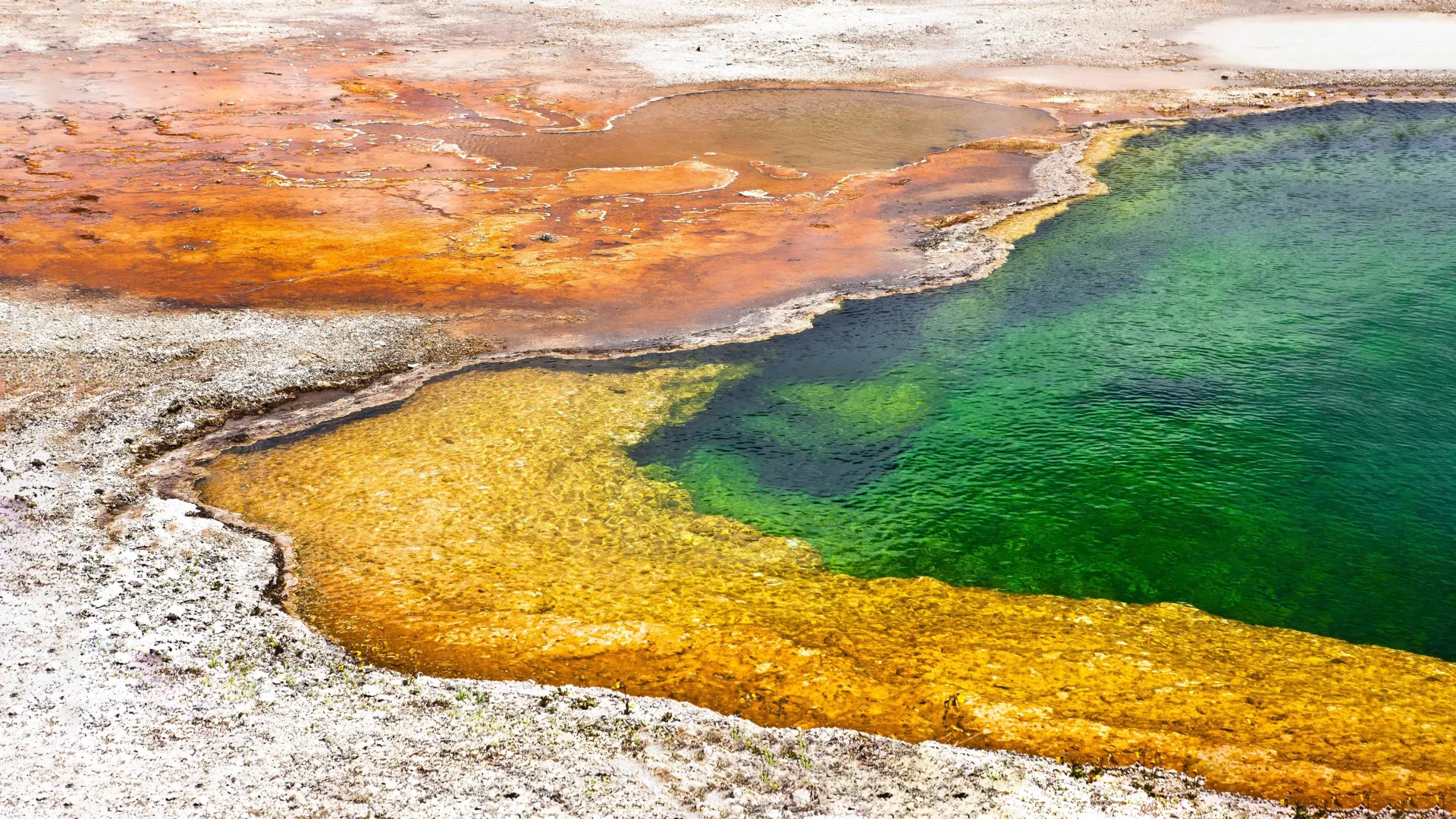
Ancient microbes survived by harnessing iron and low oxygen levels in ecosystems resembling modern hot springs in Japan. These discoveries illuminate how life adapted during Earth’s Great Oxygenation Event and hint at possible life strategies on other planets. Credit: Shutterstock

Earth was not always the blue-green world we know today: the early Earth’s oxygen levels were about a million times lower than we now experience. There were no forests and no animals. For ancient organisms, oxygen was toxic. What did life look like at that time then? A recent study led by Fatima Li-Hau (graduate student at ELSI at the time of the research) along with the supervisor Associate Professor Shawn McGlynn (at the time of research) of the Earth-Life Science Institute (ELSI) at Institute of Science Tokyo, Japan, explores this question by examining iron-rich hot springs that mimic the chemistry of Earth’s ancient oceans around the time of one of Earth’s most dramatic changes: the oxygenation of the atmosphere. Their findings suggest that early microbial communities used iron along with oxygen released by photosynthetic microbes, for energy, revealing a transitional ecosystem where life turned a waste product of one organism into a new energy source before photosynthesis became dominant.

The Great Oxygenation Event (GOE) occurred around 2.3 billion years ago and marked the rise of atmospheric oxygen, likely triggered by green Cyanobacteria that used sunlight to split water, subsequently converting carbon dioxide into oxygen through photosynthesis. The result is that the current atmosphere is around 78% nitrogen and 21% oxygen, with only traces of other gases such as methane and carbon dioxide, which might have played a greater role before the rise of oxygen. The GOE fundamentally changed the course of life on Earth. This high amount of oxygen allows us animals to breathe, but it also complicates life for ancient life forms, which were almost unaware of the O2 molecule. Understanding how these ancient microbes adapted to the presence of oxygen remains a major question.

To answer this, the team studied five hot springs in Japan, which are rich in varied water chemistries. Those five springs (one in Tokyo, two each in Akita and Aomori prefectures) are naturally rich in ferrous iron (Fe2+). They are rare in today’s oxygen-rich world because ferrous iron quickly reacts with oxygen and turns into an insoluble ferric iron form (Fe3+). But in these springs, the water still contains high levels of ferrous iron, low levels of oxygen, and a near-neutral pH, conditions thought to resemble parts of the early Earth’s oceans.

“These iron-rich hot springs provide a unique natural laboratory to study microbial metabolism under early Earth-like conditions during the late Archean to early Proterozoic transition, marked by the Great Oxidation Event. They help us understand how primitive microbial ecosystems may have been structured before the rise of plants, animals, or significant atmospheric oxygen,” says Shawn McGlynn, who supervised Li-Hau during her dissertation work.

In four of the five hot springs, the team found microaerophilic iron-oxidising bacteria to be the dominant microbes. These organisms thrive in low-oxygen conditions and use ferrous iron as an energy source, converting it into ferric iron. Cyanobacteria, known for producing oxygen through photosynthesis, were also present but in relatively small numbers. The only exception was one of the Akita hot springs, where non-iron-based metabolisms were surprisingly dominant.

Using metagenomic analysis, the team assembled over 200 high-quality microbial genomes and used them to analyse in detail the functions of microbes in the community. The same microbes that coupled iron and oxygen metabolism converted a toxic compound into an energy source and helped maintain conditions that allowed oxygen-sensitive anaerobes to persist. These communities carried out essential biological processes such as carbon and nitrogen cycling, and the researchers also found evidence of a partial sulfur cycle, identifying genes involved in sulfide oxidation and sulfate assimilation. Given that hot springs contained very little sulfur compounds, this was a surprising discovery. The researchers propose that this may indicate a “cryptic” sulfur cycle, where microbes recycle sulfur in complex ways that are not yet fully understood.

“Despite differences in geochemistry and microbial composition across sites, our results show that in the presence of ferrous iron and limited oxygen, communities of microaerophilic iron oxidisers, oxygenic phototrophs, and anaerobes consistently coexist and sustain remarkably similar and complete biogeochemical cycles,” says Li-Hau.

The research suggests a shift in our understanding of early ecosystems, showing that microbes may have harnessed energy from iron oxidation and oxygen produced by early phototrophs. The study proposes that, similar to these hot springs, early Earth hosted ecosystems were composed of diverse microbes, including iron-oxidising bacteria, anaerobes, and Cyanobacteria living alongside one another and modulating oxygen concentrations.

“This paper expands our understanding of microbial ecosystem function during a crucial period in Earth’s history, the transition from an anoxic, iron-rich ocean to an oxygenated biosphere at the onset of the GOE. By understanding modern analogue environments, we provide a detailed view of metabolic potentials and community composition relevant to early Earth’s conditions,” says Li-Hau.

Together, these insights deepen our understanding of life’s early evolution on Earth and have implications for the search for life on other planets with geochemical conditions similar to those of early Earth.

More information

Earth-Life Science Institute (ELSI) is one of Japan’s ambitious World Premiere International research centers, whose aim is to achieve progress in broadly inter-disciplinary scientific areas by inspiring the world’s greatest minds to come to Japan and collaborate on the most challenging scientific problems. ELSI’s primary aim is to address the origin and co-evolution of the Earth and life.

Institute of Science Tokyo (Science Tokyo) was established on October 1, 2024, following the merger between Tokyo Medical and Dental University (TMDU) and Tokyo Institute of Technology (Tokyo Tech), with the mission of “Advancing science and human wellbeing to create value for and with society.”

World Premier International Research Center Initiative (WPI) was launched in 2007 by Japan’s Ministry of Education, Culture, Sports, Science and Technology (MEXT) to foster globally visible research centers boasting the highest standards and outstanding research environments. Numbering more than a dozen and operating at institutions throughout the country, these centers are given a high degree of autonomy, allowing them to engage in innovative modes of management and research. The program is administered by the Japan Society for the Promotion of Science (JSPS).

CLICK HERE FOR MORE INFORMATION

https://www.sciencedaily.com/releases/2025/10/251002074009.htm

The shocking reason Arctic rivers are turning rusty orange

Ice doesn’t just freeze, it fuels hidden chemistry that could turn rivers rusty as the planet warms.

Source:Umea University

Summary:Researchers found that ice can trigger stronger chemical reactions than liquid water, dissolving iron minerals in extreme cold. Freeze-thaw cycles amplify the effect, releasing iron into rivers and soils. With climate change accelerating these cycles, Arctic waterways may face major transformations.


FULL STORY


Why Arctic Rivers Are Turning Rusty Orange
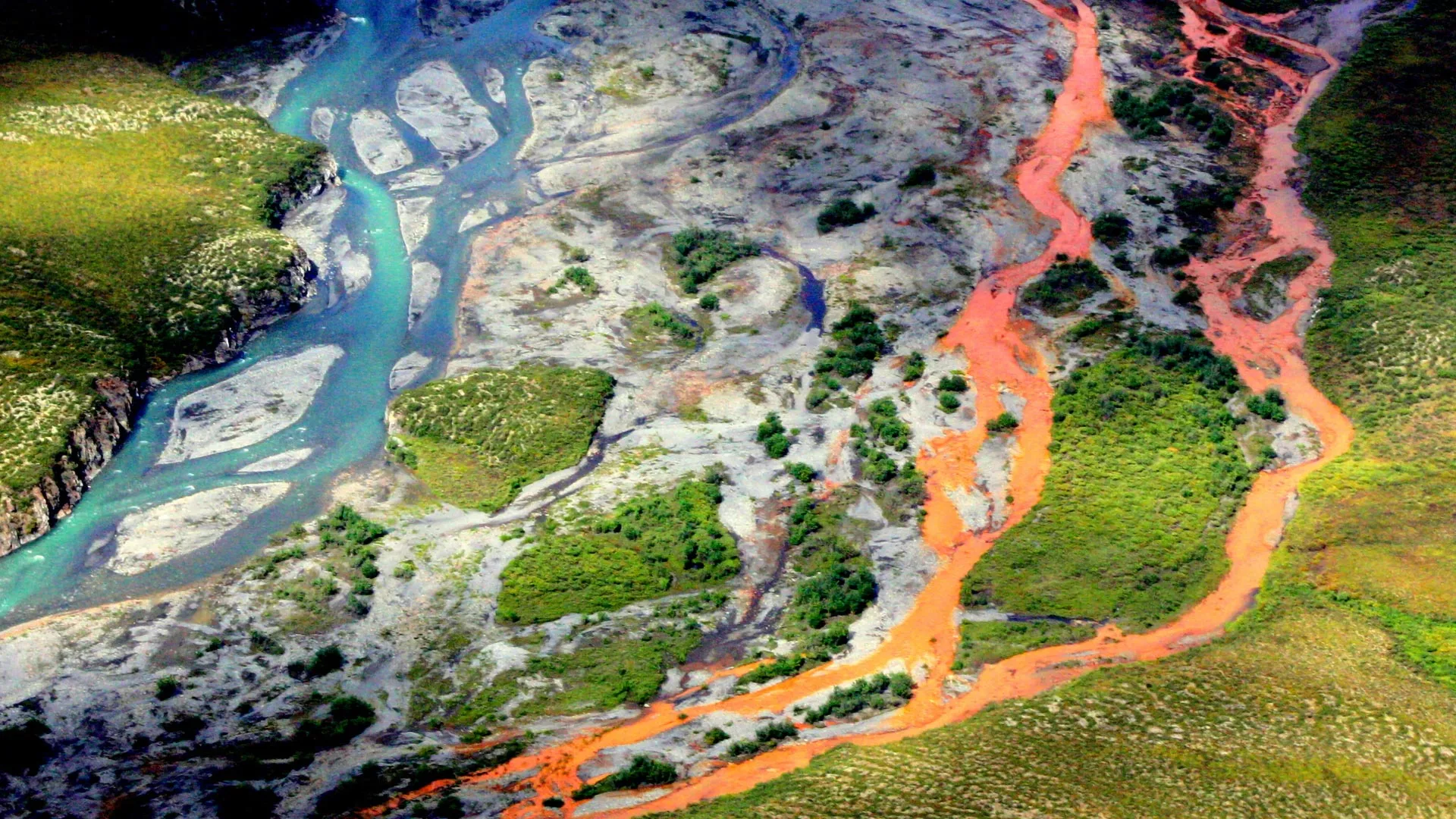
An aerial view of the rust-colored Kutuk River in Gates of the Arctic National Park in Alaska. Thawing permafrost is exposing minerals to weathering, increasing the acidity of the water, which releases metals like iron, zinc, and copper. Credit: Ken Hill / National Park Service

Ice can dissolve iron minerals more effectively than liquid water, according to a new study from Umeå University. The discovery could help explain why many Arctic rivers are now turning rusty orange as permafrost thaws in a warming climate.

The study, recently published in the scientific journal PNAS, shows that ice at minus ten degrees Celsius releases more iron from common minerals than liquid water at four degrees Celsius. This challenges the long-held belief that frozen environments slow down chemical reactions.

“It may sound counterintuitive, but ice is not a passive frozen block,” says Jean-François Boily, Professor at Umeå University and co-author of the study. “Freezing creates microscopic pockets of liquid water between ice crystals. These act like chemical reactors, where compounds become concentrated and extremely acidic. This means they can react with iron minerals even at temperatures as low as minus 30 degrees Celsius.”

To understand the process, the researchers studied goethite – a widespread iron oxide mineral – together with a naturally occurring organic acid, using advanced microscopy and experiments.

They discovered that repeated freeze-thaw cycles make iron dissolve more efficiently. As the ice freezes and thaws, organic compounds that were previously trapped in the ice are released, fuelling further chemical reactions. Salinity also plays a crucial role: fresh and brackish water increase dissolution, while seawater can suppress it.

The findings apply mainly to acidic environments, such as mine drainage sites, frozen dust in the atmosphere, acid sulfate soils along the Baltic Sea coast, or in any acidic frozen environment where iron minerals interact with organics. The next step is to find out if the same is true for all iron-bearing ice. This is what ongoing research in the Boily laboratory will soon reveal.

“As the climate warms, freeze-thaw cycles become more frequent,” says Angelo Pio Sebaaly, doctoral student and first author of the study. “Each cycle releases iron from soils and permafrost into the water. This can affect water quality and aquatic ecosystems across vast areas.”

The findings show that ice is not a passive storage medium, but an active player. As freezing and thawing increase in polar and mountain regions, for the impact on ecosystems. and the natural cycling of elements could be significant.

CLICK HERE FOR MORE INFORMATION

https://www.sciencedaily.com/releases/2025/09/250922074938.htm

Scientists stunned by salt giants forming beneath the Dead Sea

Source:University of California – Santa Barbara

Summary:The Dead Sea isn’t just the saltiest body of water on Earth—it’s a living laboratory for the formation of giant underground salt deposits. Researchers are unraveling how evaporation, temperature shifts, and unusual mixing patterns lead to phenomena like “salt snow,” which falls in summer as well as winter. These processes mirror what happened millions of years ago in the Mediterranean, leaving behind thick salt layers still buried today.Share:


FULL STORY


Salt Giants Rising Beneath the Dead Sea
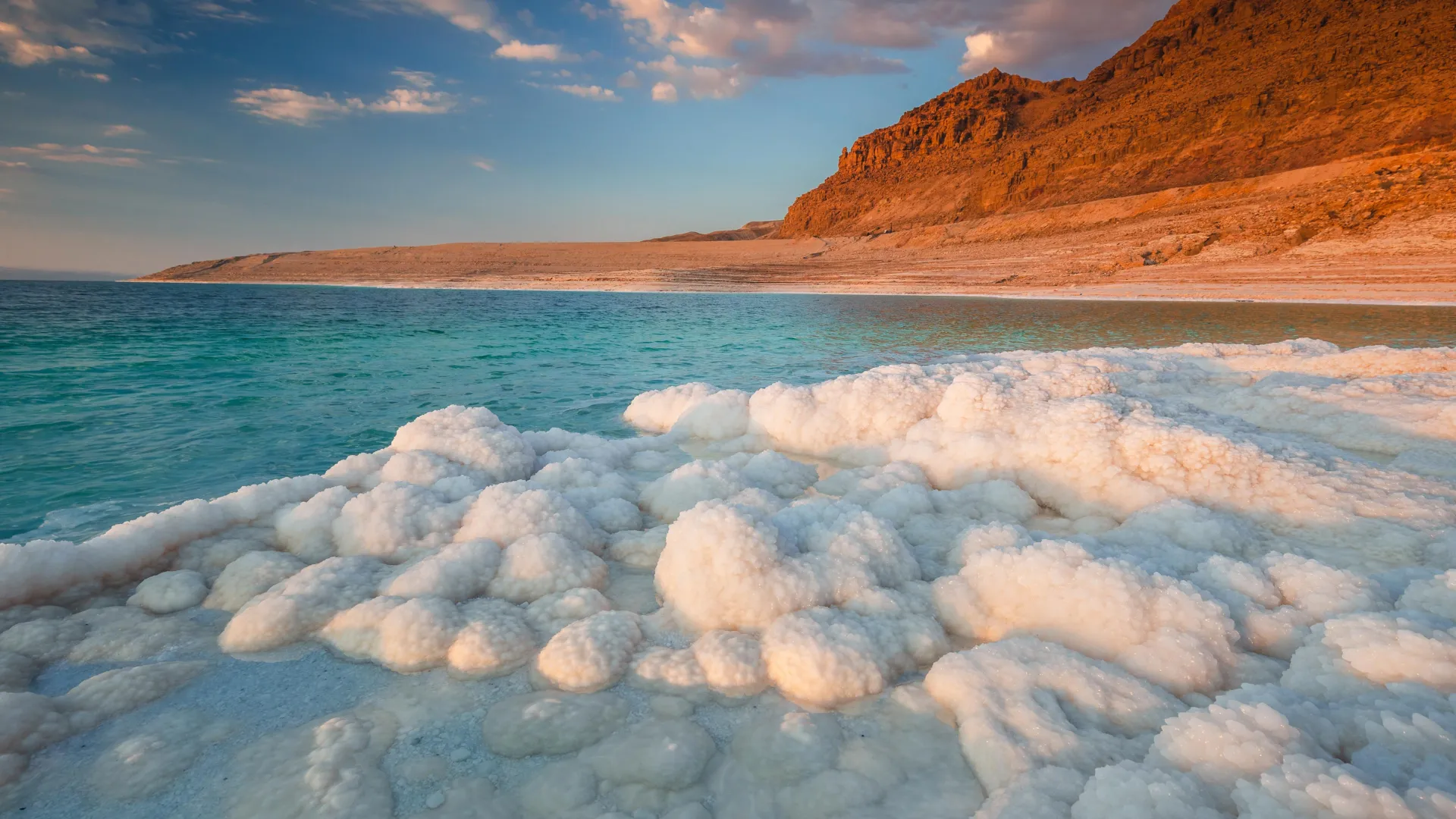
The Dead Sea’s extreme salinity and shifting water layers produce salt giants and even summer “salt snow.” Studying these rare processes provides clues to ancient oceans and modern coastal stability. Credit: Shutterstock

The Dead Sea is a confluence of extraordinary conditions: the lowest point on the Earth’s surface, with one of the world’s highest salinities. The high concentration of salt gives it a correspondingly high density, and the water body’s status as the deepest hypersaline lake gives rise to interesting and often temperature-related phenomena below the water’s surface that researchers are still uncovering.

One of the most intriguing features of the Dead Sea continues to be revealed: salt giants, large-scale salt deposits.

“These large deposits in the Earth’s crust can be many, many kilometers horizontally, and they can be more than a kilometer thick in the vertical direction,” said UC Santa Barbara mechanical engineering professor Eckart Meiburg, lead author of a paper published in the Annual Review of Fluid Mechanics. “How were they generated? The Dead Sea is really the only place in the world where we can study the mechanism of these things today.”

Indeed, while there are other bodies of water in the world with massive salt formations, such as the Mediterranean and Red seas, only in the Dead Sea can one find them in the making, which allows researchers to tackle the physical processes behind their evolution, and in particular, the spatial and temporal variations in their thickness.

Evaporation, precipitation, saturation

In their paper, Meiburg and fellow author Nadav Lensky of the Geological Survey of Israel cover the fluid dynamical and associated sediment transport processes currently governing the Dead Sea. These processes are influenced by several factors, including the Dead Sea’s status as a saltwater terminal lake — a lake with no outflow — leaving evaporation as the primary way water leaves the lake, which has been shrinking for millennia and leaving salt deposits as it does so. More recently, damming of the Jordan River, which feeds into the lake, has accelerated lake level decline, estimated at roughly 1 meter (3 feet) per year.

Temperatures along the water column also play a role in the dynamics behind salt giants and other formations such as salt domes and chimneys. A once “meromictic” (stably stratified) lake — the Dead Sea was layered such that less dense warmer water at the surface overlaid a more saline, cooler layer at depth throughout the entire year.

“It used to be such that even in the winter when things cooled off, the top layer was still less dense than the bottom layer,” Meiburg explained. “And so as a result, there was a stratification in the salt.”

That changed in the early 1980s thanks to the partial diversion of the Jordan River, which resulted in evaporation outpacing the rate of freshwater inflow. At that time, the surface salinity reached the levels found at depth, enabling mixing between the two layers and transitioning the lake from meromictic to holomictic (a lake that experiences annual overturns in the water column). The Dead Sea continues to stratify, but only for eight of the warmer months of the year.

In 2019, Meiburg et al identified a rather unique process occurring in the lake during the summer: halite crystal precipitation or “snow” that was more typical in the cooler season. Halite (“rock salt”) precipitates when the concentration of salt exceeds the amount that the water can dissolve, hence the deeper, colder, denser conditions of the bottom layer are where it is most likely to happen, and in the cooler months. However, they observed that during the summer, while evaporation was increasing the salinity of the upper layer, salts were nonetheless continuing to dissolve in that layer due to its warmer temperature. This leads to a condition called “double diffusion” at the interface between the two layers, in which sections of the saltier warmer water of the top layer cool down and sink, while portions of the lower, cooler, relatively less dense water warm up and rise. As the upper, denser layer cools down, salts precipitate out, creating the “salt snow” effect.

The combination of evaporation, temperature fluctuations and density changes throughout the water column, in addition to other factors including internal currents and surface waves, conspire to create salt deposits of various shapes and sizes, assert the authors. In contrast to shallower hypersaline bodies in which precipitation and deposition occur during the dry season, in the Dead Sea, these processes were found to be most intense during the winter months. This year-round “snow” season at depth explains the emergence of the salt giants, found in other saline bodies such as the Mediterranean Sea, which once dried up during the Messinian Salinity Crisis, about 5.96 to 5.33 million years ago.

“There was always some inflow from the North Atlantic into the Mediterranean through the Strait of Gibraltar,” Meiburg said. “But when tectonic motion closed off the Strait of Gibraltar, there couldn’t be any water inflow from the North Atlantic.” The sea level dropped 3-5 km (2-3 miles) due to evaporation, creating the same conditions currently found in the Dead Sea and leaving behind the thickest of this salt crust that can still be found buried below the deep sections of the Mediterranean, he explained. “But then a few million years later the Strait of Gibraltar opened up again, and so you had inflow coming in from the North Atlantic and the Mediterranean filled up again.”

Meanwhile, salinity fluxes and the presence of springs on the sea floor contribute to the formation of other interesting salt structures, such as salt domes and salt chimneys, according to the researchers.

In addition to gaining a fundamental understanding of some of the idiosyncratic processes that can occur in evaporating, hypersaline lakes, research into the associated sediment transport processes occurring on the emerging beaches may also yield insight on the stability and erosion of arid coastlines under sea level change, as well as the potential for resource extraction, the authors state.

CLICK HERE FOR MORE INFORMATION

https://www.sciencedaily.com/releases/2025/09/250916221828.htm

Antarctica’s frozen heart is warming fast, and models missed it

First long-term study on the East Antarctic interior ice sheet region reveals the Indian Ocean mechanism driving this change

Source: Nagoya University

Summary: New research has revealed that East Antarctica’s vast and icy interior is heating up faster than its coasts, fueled by warm air carried from the Southern Indian Ocean. Using 30 years of weather station data, scientists uncovered a hidden climate driver that current models fail to capture, suggesting the world’s largest ice reservoir may be more vulnerable than previously thought. Share:


FULL STORY


Antarctica’s Frozen Heart Is Warming Fast
Scientists discovered that East Antarctica’s interior is warming faster than its coasts due to warm air flows from the Southern Indian Ocean. Current climate models don’t capture this effect, suggesting ice loss could be underestimated. Credit: Shutterstock

Scientists have confirmed that East Antarctica’s interior is warming faster than its coastal areas and identified the cause. A 30-year study, published in Nature Communications and led by Nagoya University’s Naoyuki Kurita, has traced this warming to increased warm air flow triggered by temperature changes in the Southern Indian Ocean. Previously considered an observation “blind spot,” East Antarctica contains most of the world’s glacial ice. This newly identified warming mechanism indicates that current predictions may underestimate the rate of future Antarctic ice loss.

Collecting data in Earth’s most extreme environment

Antarctica, the world’s coldest, driest, and windiest continent, contains about 70% of Earth’s freshwater frozen in its massive ice sheets. Climate change in the region has been studied using data from manned stations located mostly in coastal areas. However, the Antarctic interior has only four manned stations, with long-term climate data available for just two: Amundsen-Scott Station (South Pole) and Vostok Station (East Antarctic Interior). Therefore, the actual state of climate change in the vast interior remained largely undocumented.

The research group collected observation data from three unmanned weather stations in East Antarctica where observations have continued since the 1990s: Dome Fuji Station, Relay Station, and Mizuho Station. They created a monthly average temperature dataset spanning 30 years, from 1993 to 2022.

Annual average temperature changes showed that all three locations experienced temperature increases at a rate of 0.45-0.72°C per decade, faster than the global average. The researchers analyzed meteorological and oceanic data and traced this temperature rise to changes in the Southern Indian Ocean that alter atmospheric circulation patterns and transport warm air toward Antarctica’s interior.

Current climate models do not capture this warming process, so future projections of temperature for Antarctica may be underestimated. “While interior regions show rapid warming, coastal stations have not yet experienced statistically significant warming trends,” Professor Naoyuki Kurita from the Institute for Space-Earth Environmental Research at Nagoya University said. “However, the intensified warm air flow over 30 years suggests that detectable warming and surface melting could reach coastal areas like Syowa Station soon.”

The Southern Indian Ocean-East Antarctica climate connection

Ocean fronts — areas where warm and cold ocean waters meet — create sharp temperature boundaries in the Southern Indian Ocean. Because global warming heats ocean waters unevenly, it intensifies these temperature differences: stronger oceanic fronts lead to more storm activity and atmospheric changes that create a “dipole” pattern, with low pressure systems in mid-latitudes and high pressure over Antarctica. The high-pressure system over Antarctica pulls warm air southward and carries it deep into the continent.

Now, for the first time, scientists have comprehensive weather station data demonstrating that East Antarctica’s interior is warming faster than its coasts and have identified the major cause of this change. The study provides important insights into how quickly the world’s largest ice reservoir will respond to continued global warming.

CLICK HERE FOR MORE INFORMATION

https://www.sciencedaily.com/releases/2025/09/250909031503.htm

The invisible plastic threat you can finally see

Researchers at the University of Stuttgart have developed an “optical sieve” for detecting tiny nanoplastic particles. It works like a test strip and is intended to serve as a new analysis tool in environmental and health research.

Source: Universität Stuttgart

Summary:Researchers in Germany and Australia have created a simple but powerful tool to detect nanoplastics—tiny, invisible particles that can slip through skin and even the blood-brain barrier. Using an “optical sieve” test strip viewed under a regular microscope, these particles reveal themselves through striking color changes.Share:


FULL STORY


The Invisible Plastic Threat You Can Finally See
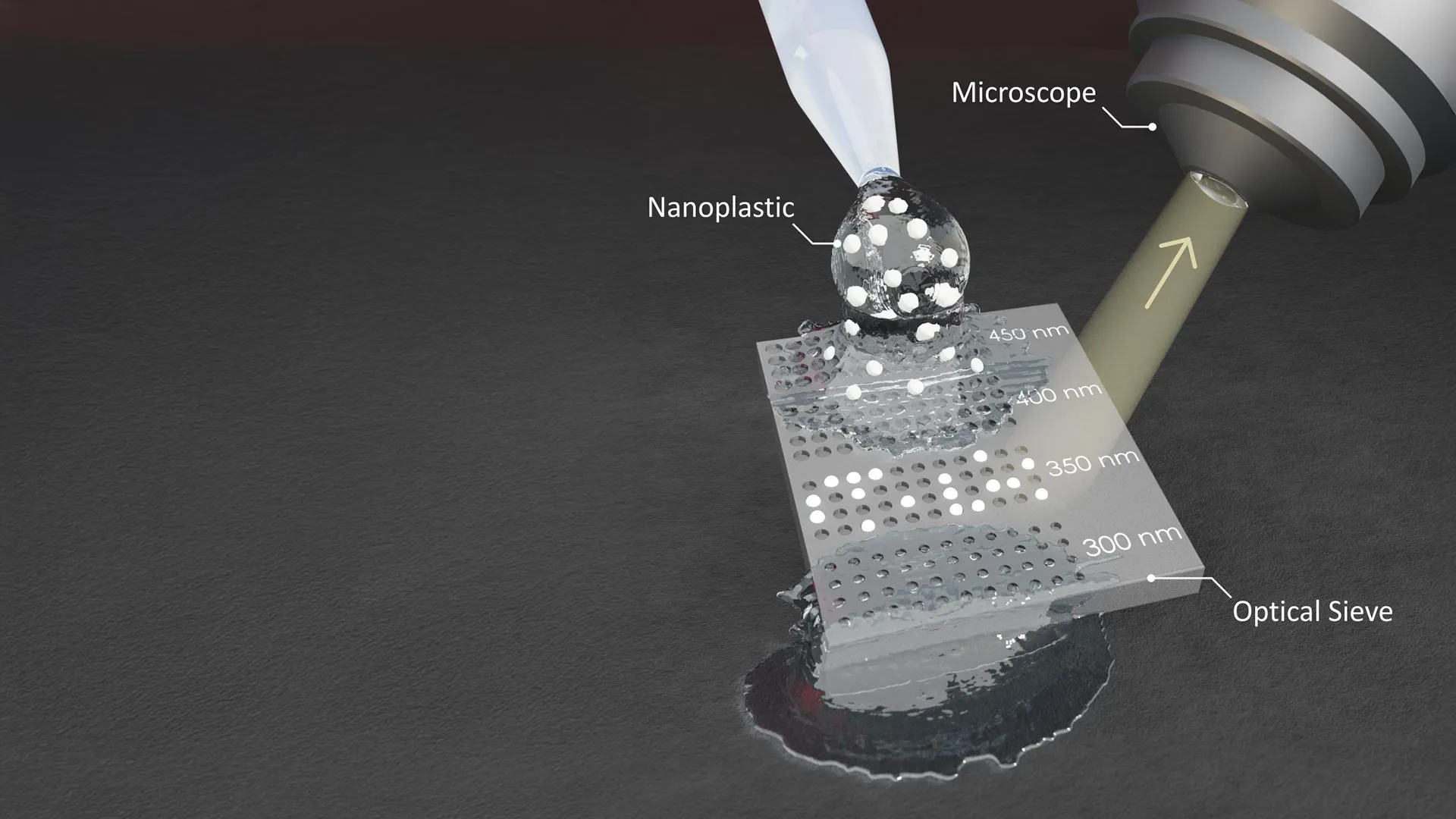
The optical sieve nanoplastic particles fall into holes of the appropriate size in the test strip. The color of the holes changes. The new color provides information about the size and number of particles. Credit: University of Stuttgart / 4th Physics Institute

A joint team from the University of Stuttgart in Germany and the University of Melbourne in Australia has developed a new method for the straightforward analysis of tiny nanoplastic particles in environmental samples. One needs only an ordinary optical microscope and a newly developed test strip — the optical sieve. The research results have now been published in Nature Photonics.

“The test strip can serve as a simple analysis tool in environmental and health research,” explains Prof. Harald Giessen, Head of the 4th Physics Institute of the University of Stuttgart. “In the near future, we will be working toward analyzing nanoplastic concentrations directly on site. But our new method could also be used to test blood or tissue for nanoplastic particles.”

Nanoplastics as a danger to humans and the environment

Plastic waste is one of the central and acute global problems of the 21st century. It not only pollutes oceans, rivers, and beaches but has also been detected in living organisms in the form of microplastics. Until now, environmental scientists have focused their attention on larger plastic residues. However, it has been known for some time that an even greater danger may be on the horizon: nanoplastic particles. These tiny particles are much smaller than a human hair and are created through the breakdown of larger plastic particles. They cannot be seen with the naked eye. These particles in the sub-micrometer range can also easily cross organic barriers such as the skin or the blood-brain barrier.

Color changes make tiny particles visible

Because of the small particle size, their detection poses a particular challenge. As a result, there are not only gaps in our understanding of how particles affect organisms but also a lack of rapid and reliable detection methods. In collaboration with a research group from Melbourne in Australia, researchers at the University of Stuttgart have now developed a novel method that can quickly and affordably detect such small particles. Color changes on a special test strip make nanoplastics visible in an optical microscope and allow researchers to count the number of particles and determine their size. “Compared with conventional and widely used methods such as scanning electron microscopy, the new method is considerably less expensive, does not require trained personnel to operate, and reduces the time required for detailed analysis,” explains Dr. Mario Hentschel, Head of the Microstructure Laboratory at the 4th Physics Institute.

Optical sieve instead of expensive electron microscope

The “optical sieve” uses resonance effects in small holes to make the nanoplastic particles visible. A study on optical effects in such holes was first published by the research group at the University of Stuttgart in 2023. The process is based on tiny depressions, known as Mie voids, which are edged into a semiconductor substrate. Depending on their diameter and depth, the holes interact characteristically with the incident light. This results in a bright color reflection that can be seen in an optical microscope. If a particle falls into one of the indentations, its color changes noticeably. One can therefore infer from the changing color whether a particle is present in the void.

“The test strip works like a classic sieve,” explains Dominik Ludescher, PhD student and first author of the publication in “Nature Photonics.” Particles ranging from 0.2 to 1 µm can thus be examined without difficulty. “The particles are filtered out of the liquid using the sieve in which the size and depth of the holes can be adapted to the nanoplastic particles, and subsequently by the resulting color change can be detected. This allows us to determine whether the voids are filled or empty.”

Number, size, and size distribution of particles can be determined

The novel detection method used can do even more. If the sieve is provided with voids of different sizes, only one particle of a suitable size will collect in each hole. “If a particle is too large, it won’t fit into the void and will be simply flushed away during the cleaning process,” says Ludescher. “If a particle is too small, it will adhere poorly to the well and will be washed away during cleaning.” In this way, the test strips can be adapted so that the size and number of particles in each individual hole can be determined from the reflected color.

Synthesized environmental samples examined

For their measurements, the researchers used spherical particles of various diameters. These are available in aequous solutions with specific nanoparticle. Because real samples from bodies of water with known nanoparticle concentrations are not yet available, the team produced a suitable sample themselves. The researchers used a water sample from a lake that contained a mixture of sand and other organic components and added spherical particles in known quantities. The concentration of plastic particles was 150 µg/ml. The number and size distribution of the nanoplastic particles was also be determined for this sample using the “optical sieve.”

Can be used like a test strip

“In the long term, the optical sieve will be used as a simple analysis tool in environmental and health research. The technology could serve as a mobile test strip that would provide information on the content of nanoplastics in water or soil directly on site,” explains Hentschel. The team is now planning experiments with nanoplastic particles that are not spherical. The researchers also plan to investigate whether the process can be used to distinguish between particles of different plastics. They are also particularly interested in collaborating with research groups that have specific expertise in processing real samples from bodies of water.

CLICK HERE FOR MORE INFORMATION

https://www.sciencedaily.com/releases/2025/09/250910000240.htm

Satellites confirm 1990s sea-level predictions were shockingly accurate

Source:Tulane University

Summary:Satellite data reveals sea-level rise has unfolded almost exactly as predicted by 1990s climate models, with one key underestimation: melting ice sheets. Researchers stress the importance of refining local projections as seas continue to rise faster than before.Share:


FULL STORY


1990s Sea-Level Predictions Shockingly Accurate
1990s climate projections nailed sea-level rise, but underestimated ice-sheet melt. Now, with accelerating seas, scientists warn of regional risks and the slim chance of catastrophic collapse. Credit: Shutterstock

Global sea-level change has now been measured by satellites for more than 30 years, and a comparison with climate projections from the mid-1990s shows that they were remarkably accurate, according to two Tulane University researchers whose findings were published in Earth’s Future, an open-access journal published by the American Geophysical Union.

“The ultimate test of climate projections is to compare them with what has played out since they were made, but this requires patience – it takes decades of observations,” said lead author Torbjörn Törnqvist, Vokes Geology Professor in the Department of Earth and Environmental Sciences.

“We were quite amazed how good those early projections were, especially when you think about how crude the models were back then, compared to what is available now,” Törnqvist said. “For anyone who questions the role of humans in changing our climate, here is some of the best proof that we have understood for decades what is really happening, and that we can make credible projections.”

Co-author Sönke Dangendorf, David and Jane Flowerree Associate Professor in the Department of River-Coastal Science and Engineering, said that while it is encouraging to see the quality of early projections, today’s challenge is to translate global information into projections tailored to the specific needs of stakeholders in places like south Louisiana.

“Sea level doesn’t rise uniformly – it varies widely. Our recent study of this regional variability and the processes behind it relies heavily on data from NASA’s satellite missions and NOAA’s ocean monitoring programs,” he said. “Continuing these efforts is more important than ever, and essential for informed decision-making to benefit the people living along the coast.”

A new era of monitoring global sea-level change took off when satellites were launched in the early 1990s to measure the height of the ocean surface. This showed that the rate of global sea-level rise since that time has averaged about one eighth of an inch per year. Only more recently, it became possible to detect that the rate of global sea-level rise is accelerating.

When NASA researchers demonstrated in October 2024 that the rate has doubled during this 30-year period, the time was right to compare this finding with projections that were made during the mid-1990s, independent of the satellite measurements.

In 1996, the Intergovernmental Panel on Climate Change published an assessment report soon after the satellite-based sea-level measurements had started. It projected that the most likely amount of global sea-level rise over the next 30 years would be almost 8 cm (three inches), remarkably close to the 9 cm that has occurred. But it also underestimated the role of melting ice sheets by more than 2 cm (about one inch).

At the time, little was known about the role of warming ocean waters and how that could destabilize marine sectors of the Antarctic Ice Sheet from below. Ice flow from the Greenland Ice Sheet into the ocean has also been faster than foreseen.

The past difficulties of predicting the behavior of ice sheets also contain a message for the future. Current projections of future sea-level rise consider the possibility, albeit uncertain and of low likelihood, of catastrophic ice-sheet collapse before the end of this century. Low-lying coastal regions in the United States would be particularly affected if such a collapse occurs in Antarctica.

CLICK HERE FOR MORE INFORMATION

https://www.sciencedaily.com/releases/2025/09/250906013453.htm

The ancient oxygen flood that forever changed life in the oceans

Source:Duke University

Summary:Ancient forests may have fueled a deep-sea oxygen boost nearly 390 million years ago, unlocking evolutionary opportunities for jawed fish and larger marine animals. New isotopic evidence shows that this permanent oxygenation marked a turning point in Earth’s history — a reminder of how fragile the ocean’s oxygen balance remains today.Share:


FULL STORY


Ancient Oxygen Flood Changed Life Forever
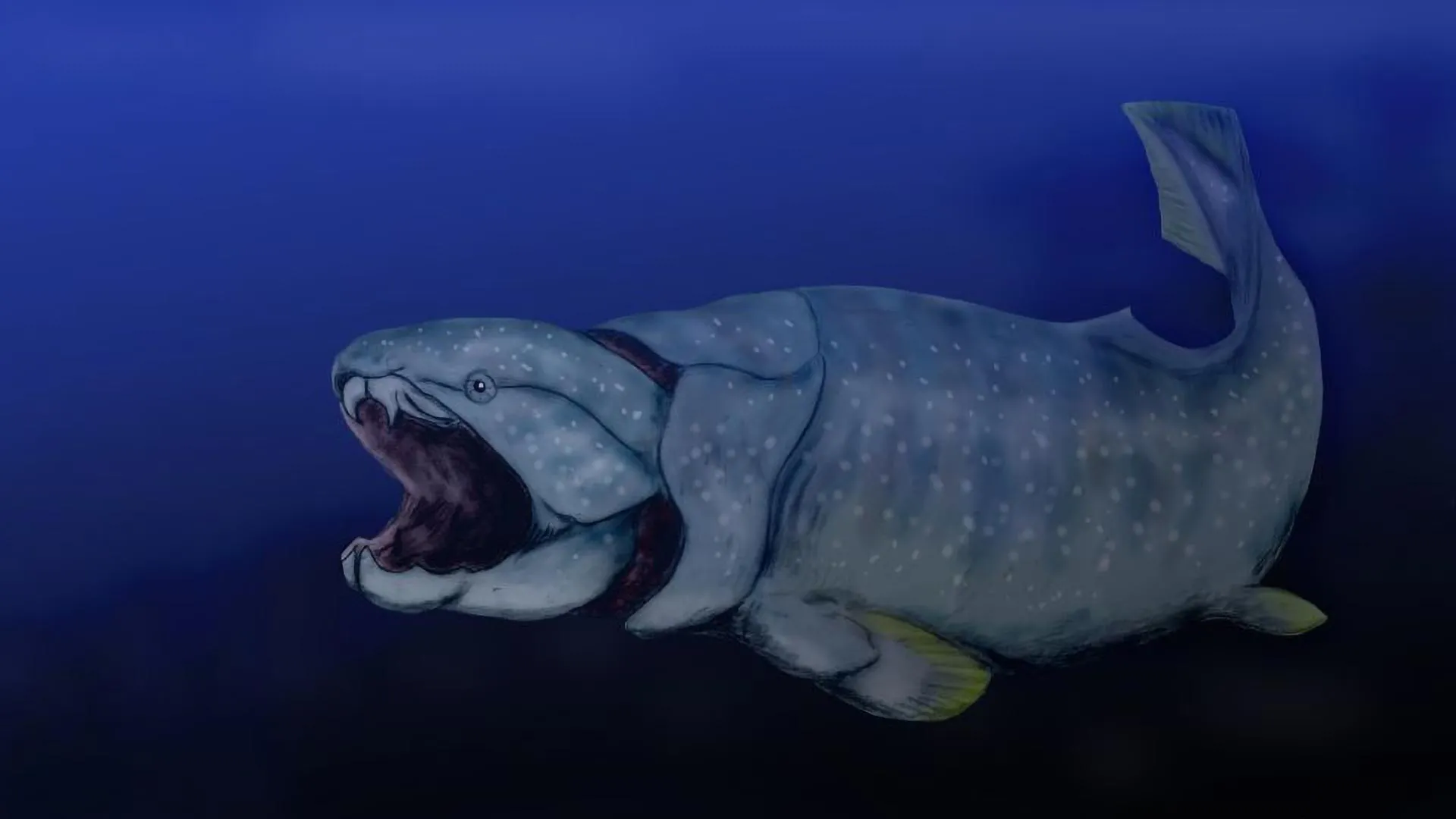
An artist’s rendering of a prehistoric jawed fish from the Late Devonian called Dunkleosteus. These sorts of large, active vertebrates evolved shortly after the deep ocean became well-oxygenated. Credit: © 2008 N. Tamura/CC-BY-SA

Some 390 million years ago in the ancient ocean, marine animals began colonizing depths previously uninhabited. New research indicates this underwater migration occurred in response to a permanent increase in deep-ocean oxygen, driven by the aboveground spread of woody plants — precursors to Earth’s first forests. 

That rise in oxygen coincided with a period of remarkable diversification among fish with jaws — the ancestors of most vertebrates alive today. The finding suggests that oxygenation might have shaped evolutionary patterns among prehistoric species.

“It’s known that oxygen is a necessary condition for animal evolution, but the extent to which it is the sufficient condition that can explain trends in animal diversification has been difficult to pin down,” said co-lead author Michael Kipp, assistant professor of earth and climate sciences in the Duke University Nicholas School of the Environment. “This study gives a strong vote that oxygen dictated the timing of early animal evolution, at least for the appearance of jawed vertebrates in deep-ocean habitats.”

For a time, researchers thought that deep-ocean oxygenation occurred once at the beginning of the Paleozoic Era, some 540 million years ago. But more recent studies have suggested that oxygenation occurred in phases, with nearshore waters first becoming livable to breathing organisms, followed by deeper environments.

Kipp and colleagues homed in on the timing of those phases by studying sedimentary rocks that formed under deep seawater. Specifically, they analyzed the rocks for selenium, an element that can be used to determine whether oxygen existed at life-sustaining levels in ancient seas. 

In the marine environment, selenium occurs in different forms called isotopes that vary by weight. Where oxygen levels are high enough to support animal life, the ratio of heavy to light selenium isotopes varies widely. But at oxygen levels prohibitive to most animal life, that ratio is relatively consistent. By determining the ratio of selenium isotopes in marine sediments, researchers can infer whether oxygen levels were sufficient to support animals that breathe underwater.

Working with research repositories around the world, the team assembled 97 rock samples dating back 252 to 541 million years ago. The rocks had been excavated from areas across five continents that, hundreds of millions of years ago, were located along the outermost continental shelves — the edges of continents as they protrude underwater, just before giving way to steep drop-offs.

After a series of steps that entailed pulverizing the rocks, dissolving the resulting powder and purifying selenium, the team analyzed the ratio of selenium isotopes that occurred in each sample.

Their data indicated that two oxygenation events occurred in the deeper waters of the outer continental shelves: a transient episode around 540 million years ago, during a Paleozoic period known as the Cambrian, and an episode that began 393-382 million years ago, during an interval called the Middle Devonian, that has continued to this day. During the intervening millennia, oxygen dropped to levels inhospitable to most animals. The team published their findings in Proceedings of the National Academy of Sciences in August.

“The selenium data tell us that the second oxygenation event was permanent. It began in the Middle Devonian and persisted in our younger rock samples,” said co-lead author Kunmanee “Mac” Bubphamanee, a Ph.D. candidate at the University of Washington.

That event coincided with numerous changes in oceanic evolution and ecosystems — what some researchers refer to as the “mid-Paleozoic marine revolution.” As oxygen became a permanent feature in deeper settings, jawed fish, called gnathostomes, and other animals began invading and diversifying in such habitats, according to the fossil record. Animals also got bigger, perhaps because oxygen supported their growth.

The Middle Devonian oxygenation event also overlapped with the spread of plants with hard stems of wood.

“Our thinking is that, as these woody plants increased in number, they released more oxygen into the air, which led to more oxygen in deeper ocean environments,” said Kipp, who began this research as a Ph.D. student at the University of Washington.

The cause of the first, temporary oxygenation event during the Cambrian is more enigmatic.

“What seems clear is that the drop in oxygen after that initial pulse hindered the spread and diversification of marine animals into those deeper environments of the outer continental shelves,” Kipp said.

Though the team’s focus was on ancient ocean conditions, their findings are relevant now.

“Today, there’s abundant ocean oxygen in equilibrium with the atmosphere. But in some locations, ocean oxygen can drop to undetectable levels. Some of these zones occur through natural processes. But in many cases, they’re driven by nutrients draining off continents from fertilizers and industrial activity that fuel plankton blooms that suck up oxygen when they decay,” Kipp said.

“This work shows very clearly the link between oxygen and animal life in the ocean. This was a balance struck about 400 million years ago, and it would be a shame to disrupt it today in a matter of decades.”

Funding: MAK was supported by an NSF Graduate Research Fellowship and Agouron Institute Postdoctoral Fellowship. Additional support was provided by the NASA Astrobiology Institute’s Virtual Planetary Laboratory.

CLICK HERE FOR MORE INFORMATION

https://www.sciencedaily.com/releases/2025/08/250827010726.htm

Scientists just found a hidden factor behind Earth’s methane surge

Using CRISPR to dial down enzyme helps to understand the isotope signatures of methane from different environments

Source:University of California – Berkeley

Summary:Roughly two-thirds of all atmospheric methane, a potent greenhouse gas, comes from methanogens. Tracking down which methanogens in which environment produce methane with a specific isotope signature is difficult, however. UC Berkeley researchers have for the first time CRISPRed the key enzyme involved in microbial methane production to understand the unique isotopic fingerprints of different environments to better understand Earth’s methane budget.Share:

FULL STORY


Hidden Factor Behind Earth’s Methane Surge
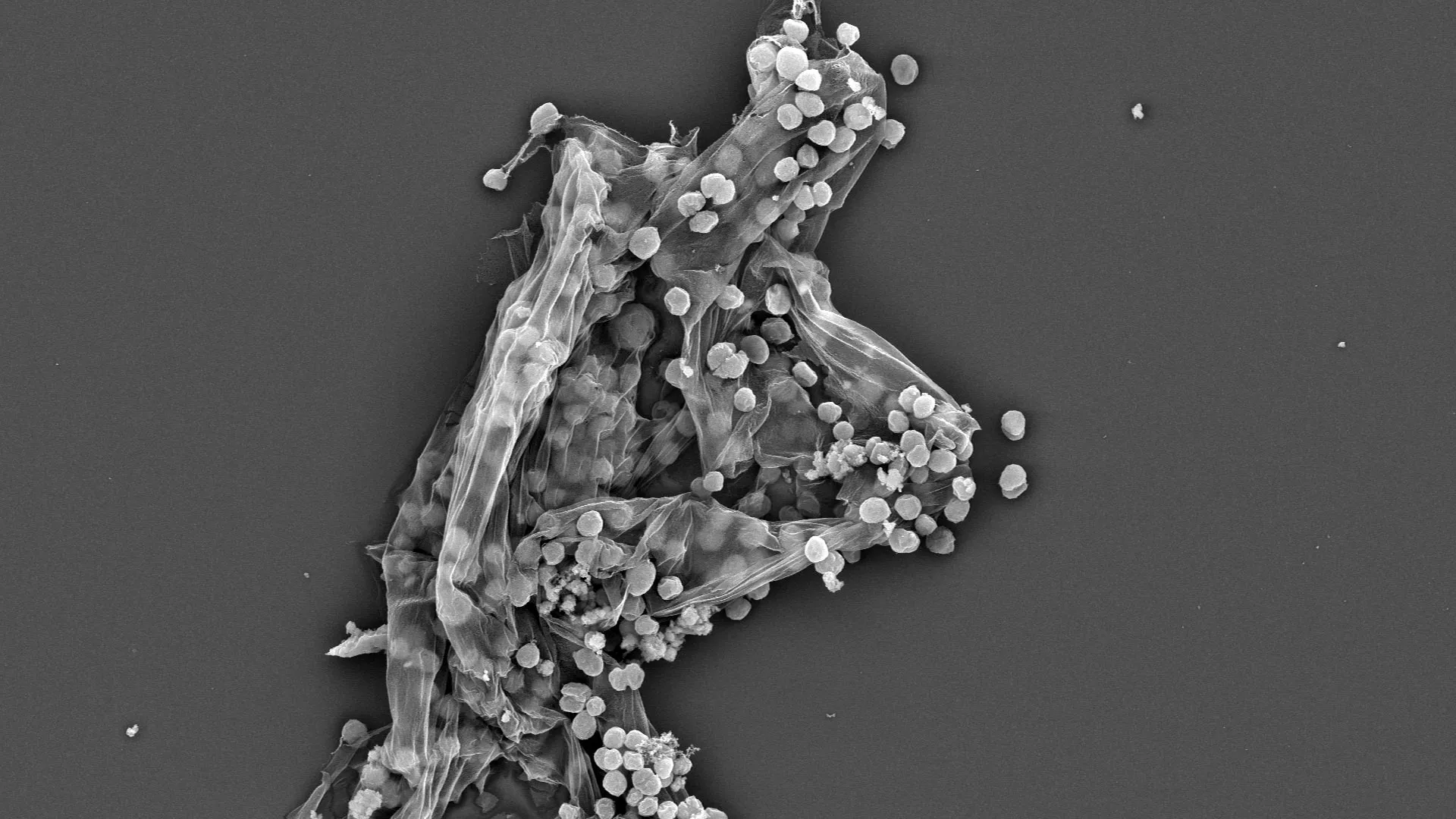
An electron microscope image of single-celled methanogens, members of the archaea domain. They are ubiquitous in oxygen-free environments, turning simple foods into methane, a potent greenhouse gas. Credit: Alienor Baskevitch/UC Berkeley

Roughly two-thirds of all emissions of atmospheric methane — a highly potent greenhouse gas that is warming planet Earth — come from microbes that live in oxygen-free environments like wetlands, rice fields, landfills and the guts of cows.

Tracking atmospheric methane to its specific sources and quantifying their importance remains a challenge, however. Scientists are pretty good at tracing the sources of the main greenhouse gas, carbon dioxide, to focus on mitigating these emissions. But to trace methane’s origins, scientists often have to measure the isotopic composition of methane’s component atoms, carbon and hydrogen, to use as a fingerprint of various environmental sources.

A new paper by researchers at the University of California, Berkeley, reveals how the activity of one of the main microbial enzymes involved in producing methane affects this isotope composition. The finding could change how scientists calculate the contributions of different environmental sources to Earth’s total methane budget.

“When we integrate all the sources and sinks of carbon dioxide into the atmosphere, we kind of get the number that we’re expecting from direct measurement in the atmosphere. But for methane, large uncertainties in fluxes exist — within tens of percents for some of the fluxes — that challenge our ability to precisely quantify the relative importance and changes in time of the sources,” said UC Berkeley postdoctoral fellow Jonathan Gropp, who is first author of the paper. “To quantify the actual sources of methane, you need to really understand the isotopic processes that are used to constrain these fluxes.”

Gropp teamed up with a molecular biologist and a geochemist at UC Berkeley to, for the first time, employ CRISPR to manipulate the activity of this key enzyme to reveal how these methanogens interact with their food supply to produce methane.

“It is well understood that methane levels are rising, but there is a lot of disagreement on the underlying cause,” said co-author Dipti Nayak, UC Berkeley assistant professor of molecular and cell biology. “This study is the first time the disciplines of molecular biology and isotope biogeochemistry have been fused to provide better constraints on how the biology of methanogens controls the isotopic composition of methane.”

Many elements have heavier or lighter versions, called isotopes, that are found in small proportions in nature. Humans are about 99% carbon-12 and 1% carbon-13, which is slightly heavier because it has an extra neutron in its nucleus. The hydrogen in water is 99.985% hydrogen-1 and 0.015% deuterium or hydrogen-2, which is twice as heavy because it has a neutron in its nucleus.

The natural abundances of isotopes are reflected in all biologically produced molecules and variations can be used to study and fingerprint various biological metabolisms.

“Over the last 70 years, people have shown that methane produced by different organisms and other processes can have distinctive isotopic fingerprints,” said geochemist and co-author Daniel Stolper, UC Berkeley associate professor of earth and planetary science. “Natural gas from oil deposits often looks one way. Methane made by the methanogens within cow guts looks another way. Methane made in deep sea sediments by microorganisms has a different fingerprint. Methanogens can consume or ‘eat’, if you will, a variety of compounds including methanol, acetate or hydrogen; make methane; and generate energy from the process. Scientists have commonly assumed that the isotopic fingerprint depends on what the organisms are eating, which often varies from environment to environment, creating our ability to link isotopes to methane origins.”

“I think what’s unique about the paper is, we learned that the isotopic composition of microbial methane isn’t just based on what methanogens eat,” Nayak said. “What you ‘eat’ matters, of course, but the amount of these substrates and the environmental conditions matter too, and perhaps more importantly, how microbes react to those changes.”

“Microbes respond to the environment by manipulating their gene expression, and then the isotopic compositions change as well,” Gropp said. “This should cause us to think more carefully when we analyze data from the environment.”

The paper will appear Aug. 14 in the journal Science.

Vinegar- and alcohol-eating microbes

Methanogens — microorganisms that are archaea, which are on an entirely separate branch of the tree of life from bacteria — are essential to ridding the world of dead and decaying matter. They ingest simple molecules — molecular hydrogen, acetate or methanol, for example — excreted by other organisms and produce methane gas as waste. This natural methane can be observed in the pale Will-o’-the-wisps seen around swamps and marshes at night, but it’s also released invisibly in cow burps, bubbles up from rice paddies and natural wetlands and leaks out of landfills. While most of the methane in the natural gas we burn formed in association with hydrocarbon generation, some deposits were originally produced by methanogens eating buried organic matter.

The isotopic fingerprint of methane produced by methanogens growing on different “food” sources has been well established in laboratory studies, but scientists have found that in the complexity of the real world, methanogens don’t always produce methane with the same isotopic fingerprint as seen in the lab. For example, when grown in the lab, species of methanogens that eat acetate (essentially vinegar), methanol (the simplest alcohol), or molecular hydrogen (H2) produce methane, CH4, with a ratio of hydrogen and carbon isotopes different from the ratios observed in the environment.

Gropp had earlier created a computer model of the metabolic network in methanogens to understand better how the isotope composition of methane is determined. When he got a fellowship to come to UC Berkeley, Stolper and Nayak proposed that he experimentally test his model. Stolper’s laboratory specializes in measuring isotope compositions to explore Earth’s history. Nayak studies methanogens and, as a postdoctoral fellow, found a way to use CRISPR gene editing in methanogens. Her group recently altered the expression of the key enzyme in methanogens that produces the methane — methyl-coenzyme M reductase (MCR) — so that its activity can be dialed down. Enzymes are proteins that catalyze chemical reactions.

Experimenting with these CRISPR-edited microbes — in a common methanogen called Methanosarcina acetivorans growing on acetate and methanol — the researchers looked at how the isotopic composition of methane changed when the enzyme activity was reduced, mimicking what is thought to happen when the microbes are starved for their preferred food.

They found that when MCR is at low concentrations, cells respond by altering the activity of many other enzymes in the cell, causing their inputs and outputs to accumulate and the rate of methane generation to slow so much that enzymes begin running both backwards and forwards. In reverse, these other enzymes remove a hydrogen from carbon atoms; running forward, they add a hydrogen. Together with MCR, they ultimately produce methane (CH4). Each forward and reverse cycle requires one of these enzymes to pull a hydrogen off of the carbon and add a new one ultimately sourced from water. As a result, the isotopic composition of methane’s four hydrogen molecules gradually comes to reflect that of the water, and not just their food source, which starts with three hydrogens.

This is different from typical assumptions for growth on acetate and methanol that assume no exchange between hydrogen derived from water and that from the food source.

“This isotope exchange we found changes the fingerprint of methane generated by acetate and methanol consuming methanogens vs. that typically assumed. Given this, it might be that we have underestimated the contribution of the acetate-consuming microbes, and they might be even more dominant than we have thought,” Gropp said. “We’re proposing that we at least should consider the cellular response of methanogens to their environment when studying isotopic composition of methane.”

Beyond this study, the CRISPR technique for tuning production of enzymes in methanogens could be used to manipulate and study isotope effects in other enzyme networks broadly, which could help researchers answer questions about geobiology and the Earth’s environment today and in the past.

“This opens up a pathway where modern molecular biology is married with isotope-geochemistry to answer environmental problems,” Stolper said. “There are an enormous number of isotopic systems associated with biology and biochemistry that are studied in the environment; I hope we can start looking at them in the way molecular biologists now are looking at these problems in people and other organisms — by controlling gene expression and looking at how the stable isotopes respond.”

For Nayak, the experiments are also a big step in discovering how to alter methanogens to derail production of methane and redirect their energy to producing useful products instead of an environmentally destructive gas.

“By reducing the amount of this enzyme that makes methane and by putting in alternate pathways that the cell can use, we can essentially give them another release valve, if you will, to put those electrons, which they were otherwise putting in carbon to make methane, into something else that would be more useful,” she said.

Other co-authors of the paper are Markus Bill of Lawrence Berkeley National Laboratory and former UC Berkeley postdoc Rebekah Stein, and Max Lloyd, who is a professor at Penn State University. Gropp was supported by a fellowship from the European Molecular Biology Organization. Nayak and Stolper were funded, in part, by Alfred B. Sloan Research Fellowships. Nayak also is an investigator with the Chan-Zuckerberg Biohub.

CLICK HERE FOR MORE INFORMATION

https://www.sciencedaily.com/releases/2025/08/250816113528.htm

Unprecedented climate shocks are changing the Great Lakes forever

Heat waves and cold spells are now more common on the Great Lakes, according to U-M research, with implications for the region’s weather, economy and ecology.

Summary:Extreme heat waves and cold spells on the Great Lakes have more than doubled since the late 1990s, coinciding with a major El Niño event. Using advanced ocean-style modeling adapted for the lakes, researchers traced temperature trends back to 1940, revealing alarming potential impacts on billion-dollar fishing industries, fragile ecosystems, and drinking water quality.

Great Lakes temperature extremes have surged since the late ’90s, threatening ecosystems, fisheries, and water quality. Advanced modeling now offers a detailed history back to 1940 and could help forecast future risks. Credit: Shutterstock

Heat waves and cold spells are part of life on the Great Lakes. But new research from the University of Michigan shows that is true today in a fundamentally different way than it was even 30 years ago.

“The appearance of these extreme temperatures is increasing,” said Hazem Abdelhady, a postdoctoral research fellow in the U-M School for Environment and Sustainability, or SEAS. “For most lakes, the appearance is up more than 100% compared with before 1998.” That timing is significant because it coincides with the 1997-1998 El Niño, which is one of the strongest on record, he added.To reveal this trend, Abdelhady and his colleagues developed a state-of-the-art approach to modeling the surface temperature of the Great Lakes, which allowed them to study heat waves and cold spells dating back to 1940. The surface water temperature of the Great Lakes plays an important role in the weather, which is an obvious concern for residents, travelers and shipping companies in the region.But the uptick in extreme temperature events could also disrupt ecosystems and economies supported by the lakes in more subtle ways, Abdelhady said.

“These types of events can have huge impacts on the fishing industry, which is a billion-dollar industry, for example,” Abdelhady said. Tribal, recreational and commercial fishing in the Great Lakes account for a total value of more than $7 billion annually, according to the Great Lakes Fishery Commission.

While fish can swim to cooler or warmer waters to tolerate gradual temperature changes, the same isn’t always true for sudden jumps in either direction, Abdelhady said. Fish eggs are particularly susceptible to abnormal temperature spikes or drops.

Hot and cold streaks can also disrupt the natural mixing and stratifying cycles of the lakes, which affects the health and water quality of lakes that people rely on for recreation and drinking water.Now that the researchers have revealed these trends on each of the Great Lakes, they’re working to build on that to predict future extreme temperature events as the average temperature of the lakes — and planet — continue to warm. In studying those events and their connections with global climate phenomena, such as El Niños and La Niñas, we can better prepare to brace for their impact, Abdelhady said.

“If we can understand these events, we can start thinking about how to protect against them,” Abdelahdy said.

The study was conducted through the Cooperative Institute for Great Lakes Research, or CIGLR, and published in Communications Earth & Environment, part of the Nature journal family. The work was supported by the National Science Foundation, its Global Centers program and the National Oceanic and Atmospheric Administration, or NOAA.

Capturing the greatness of the lakes

One of the challenges of this work was the size of the problem itself. Although researchers have developed computer models that can simulate processes in most lakes around the world, the Great Lakes aren’t most lakes.

For starters, they’re an interconnected system of five lakes. They also contain more than a fifth of the world’s fresh surface water. And the length of their shoreline is comparable to that of the U.S.’s entire Atlantic coast — including the gulf states.In many regards, the Great Lakes have more in common with coastal oceans than with other lakes, said study coauthor Ayumi Fujisaki-Manome, who is an associate research scientist with SEAS and CIGLR.

“We can’t use the traditional, simpler models for the Great Lakes because they really don’t do well,” Fujisaki-Manome said.

So Abdelhady turned to modeling approaches used to study coastal oceans and tailored them for the Great Lakes. But there was also a data hurdle to overcome in addition to the modeling challenges.

Satellites have enabled routine direct observations of the Great Lakes starting about 45 years ago, Fujisaki-Manome said. But when talking about climate trends and epochs, researchers need to work with longer time periods.

“The great thing with this study is we were able to extend that historical period by almost double,” Fujisaki-Manome said.

By working with available observational data and trusted data from global climate simulations, Abdelhady could model Great Lakes temperature data and validate it with confidence back to 1940.”That’s why we use modeling a lot of the time. We want to know about the past or the future or a point in space we can’t necessarily get to,” said coauthor Drew Groneworld, an associate professor in SEAS and a leader of the Global Center for Climate Change and Transboundary Waters. “With the Great Lakes, we have all three of those.”

David Cannon, an assistant research scientist with CIGRL, and Jia Wang, a climatologist and oceanographer with NOAA’s Great Lakes Environmental Research Laboratory, also contributed to the study. The study is a perfect example of how collaborations between universities and government science agencies can create a flow of knowledge that benefits the public and the broader research community, Gronewold said.

The team’s model is now available for other research groups studying the Great Lakes to explore their questions. For the team at U-M, its next steps are using the model to explore spatial differences across smaller areas of the Great Lakes and using the model to look forward in time.

“I’m very curious if we can anticipate the next big shift or the next big tipping point,” Gronewold said. “We didn’t anticipate the last one. Nobody predicted that, in 1997, there was going to be a warm-winter El Niño that changed everything.”

CLICK HERE FOR MORE INFORMATION

https://www.sciencedaily.com/releases/2025/08/250813083616.htm

332 colossal canyons just revealed beneath Antarctica’s ice

Summary:Deep beneath the Antarctic seas lies a hidden network of 332 colossal submarine canyons, some plunging over 4,000 meters, revealed in unprecedented detail by new high-resolution mapping. These underwater valleys, shaped by glacial forces and powerful sediment flows, play a vital role in transporting nutrients, driving ocean currents, and influencing global climate. Striking differences between East and West Antarctica’s canyon systems offer clues to the continent’s ancient ice history, while also exposing vulnerabilities as warm waters carve away at protective ice shelves.

A groundbreaking seafloor map reveals 332 Antarctic canyons—giant, glacially carved corridors shaping climate, ocean currents, and ice shelf survival. Credit: Shutterstock

Submarine canyons are among the most spectacular and fascinating geological formations to be found on our ocean floors, but at an international level scientists have yet to uncover many of their secrets, especially of those located in remote regions of the Earth like the North and South Poles. Now, an article published in the journal Marine Geologyhas brought together the most detailed catalogue to date of Antarctic submarine canyons, identifying a total of 332 canyon networks that in some cases reach depths of over 4,000 meters.

The catalogue, which identifies five times as many canyons as previous studies had, was produced by the researchers David Amblàs, of the Consolidated Research Group on Marine Geosciences at the Faculty of Earth Sciences of the University of Barcelona, and Riccardo Arosio, of the Marine Geosciences Research Group at University College Cork. Their article shows that Antarctic submarine canyons may have a more significant impact than previously thought on ocean circulation, ice-shelf thinning and global climate change, especially in vulnerable areas such as the Amundsen Sea and parts of East Antarctica.Submarine canyons: the differences between East and West Antarctica

The submarine canyons that form valleys carved into the seafloor play a decisive role in ocean dynamics: they transport sediments and nutrients from the coast to deeper areas, they connect shallow and deep waters and they create habitats rich in biodiversity. Scientists have identified some 10,000 submarine canyons worldwide, but because only 27% of the Earth’s seafloor has been mapped in high resolution the real total is likely to be higher. And despite their ecological, oceanographic, and geological value, submarine canyons remain underexplored, especially in polar regions.

“Like those in the Arctic, Antarctic submarine canyons resemble canyons in other parts of the world,” explains David Amblàs. “But they tend to be larger and deeper because of the prolonged action of polar ice and the immense volumes of sediment transported by glaciers to the continental shelf.” Moreover, the Antarctic canyons are mainly formed by turbidity currents, which carry suspended sediments downslope at high speed, eroding the valleys they flow through. In Antarctica, the steep slopes of the submarine terrain combined with the abundance of glacial sediments amplifies the effects of these currents and contributes to the formation of large canyons.The new study by Amblàs and Arosio is based on Version 2 of the International Bathymetric Chart of the Southern Ocean (IBCSO v2), the most complete and detailed map of the seafloor in this region. It uses new high-resolution bathymetric data and a semi-automated method for identifying and analysing canyons that was developed by the authors. In total, it describes 15 morphometric parameters that reveal striking differences between canyons in East and West Antarctica.

“Some of the submarine canyons we analyzed reach depths of over 4,000 meters,” explained David Amblàs. “The most spectacular of these are in East Antarctica, which is characterized by complex, branching canyon systems. The systems often begin with multiple canyon heads near the edge of the continental shelf and converge into a single main channel that descends into the deep ocean, crossing the sharp, steep gradients of the continental slope.”

Riccardo Arosio noted that “It was particularly interesting to see the differences between canyons in the two major Antarctic regions, as this hadn’t been described before. East Antarctic canyons are more complex and branched, often forming extensive canyon-channel systems with typical U-shaped cross sections. This suggests prolonged development under sustained glacial activity and a greater influence of both erosional and depositional sedimentary processes. In contrast, West Antarctic canyons are shorter and steeper, characterized by V-shaped cross sections.”According to David Amblàs, this morphological difference supports the idea that the East Antarctica Ice Sheet originated earlier and has experienced a more prolonged development. “This had been suggested by sedimentary record studies,” Amblàs said, “but it hadn’t yet been described in large-scale seafloor geomorphology.”

About the research, Riccardo Arosio also explained that “Thanks to the high resolution of the new bathymetric database — 500 meters per pixel compared to the 1-2 kilometres per pixel of previous maps — we could apply semi-automated techniques more reliably to identify, profile and analyse submarine canyons. The strength of the study lies in its combination of various techniques that were already used in previous work but that are now integrated into a robust and systematic protocol. We also developed a GIS software script that allows us to calculate a wide range of canyon-specific morphometric parameters in just a few clicks.”

Submarine canyons and climate change

As well as being spectacular geographic accidents, the Antarctic canyons also facilitate water exchange between the deep ocean and the continental shelf, allowing cold, dense water formed near ice shelves to flow into the deep ocean and form what is known as Antarctic Bottom Water, which plays a fundamental role in ocean circulation and global climate.

Additionally, these canyons channel warmer waters such as Circumpolar Deep Water from the open sea toward the coastline. This process is one of the main mechanisms that drives the basal melting and thinning of floating ice shelves, which are themselves critical for maintaining the stability of Antarctica’s interior glaciers. And as Amblàs and Arosio have explained, when the shelves weaken or collapse, continental ice flows more rapidly into the sea and directly contributes to the rise in global sea level.

Amblàs and Arosio’s study also highlights the fact that current ocean circulation models like those used by the Intergovernmental Panel on Climate Change do not accurately reproduce the physical processes that occur at local scales between water masses and complex topographies like canyons. These processes, which include current channeling, vertical mixing and deep-water ventilation, are essential for the formation and transformation of cold, dense water masses like Antarctic Bottom Water. Omitting these local mechanisms limits the ability that models have to predict changes in ocean and climate dynamics.As the two researchers conclude, “That’s why we must continue to gather high-resolution bathymetric data in unmapped areas that will surely reveal new canyons, collect observational data both in situ and via remote sensors and keep improving our climate models to better represent these processes and increase the reliability of projections on climate change impacts.”

CLICK HERE FOR MORE INFORMATION

https://www.sciencedaily.com/releases/2025/08/250809100910.htm