Earth is slowly peeling its continents from below, fueling ocean volcanoes

New research challenges long-held ideas about how volcanic islands form and how Earth’s interior stays dynamic.

Source:University of Southampton

Summary:Researchers discovered that continents don’t just split at the surface—they also peel from below, feeding volcanic activity in the oceans. Simulations reveal that slow mantle waves strip continental roots and push them deep into the oceanic mantle. Data from the Indian Ocean confirms this hidden recycling process, which can last tens of millions of years.Share:


FULL STORY


Hidden Forces Fuel Ocean Volcanoes
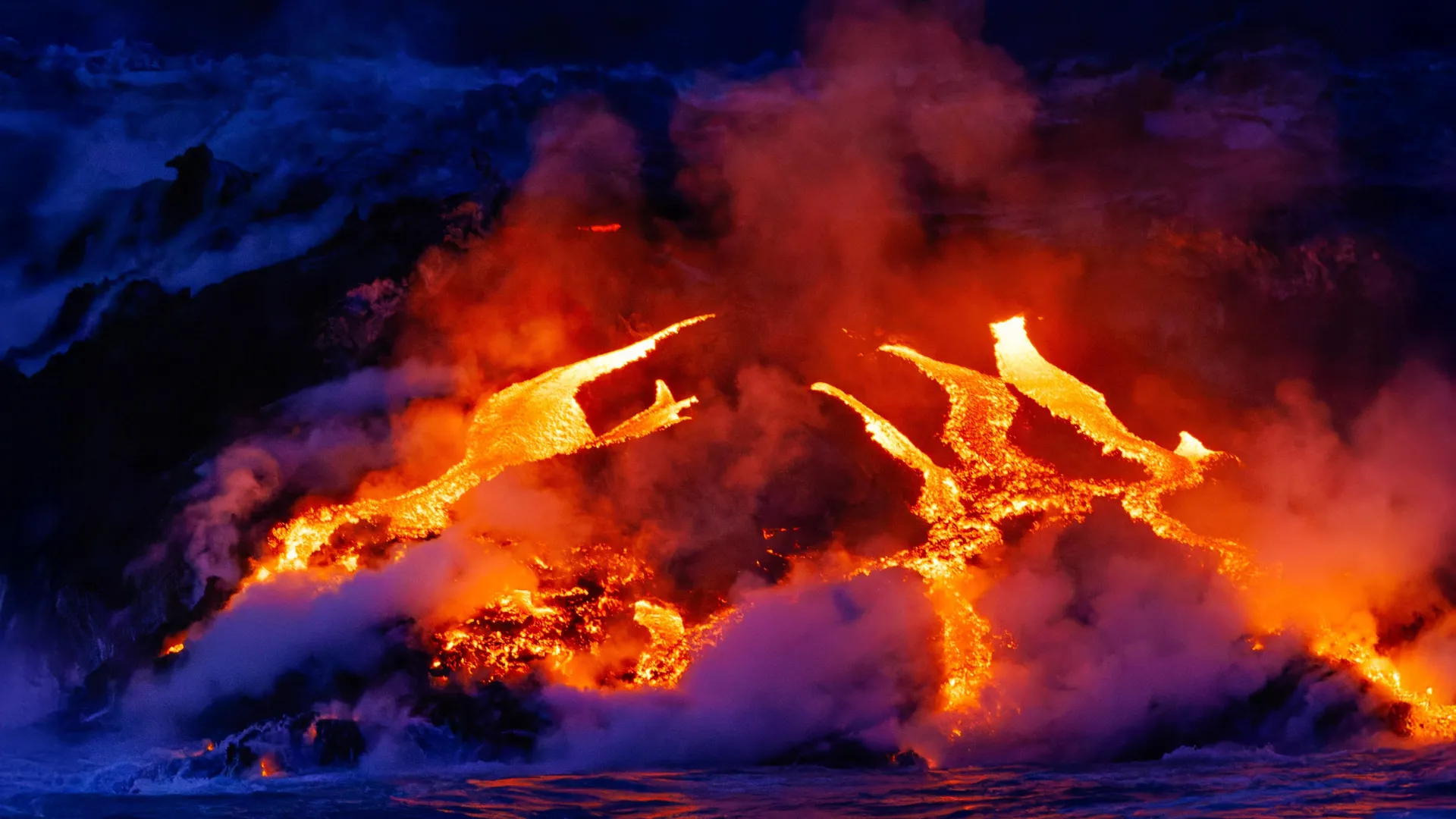
Continents slowly peel away from below, sending slivers deep into the oceanic mantle that fuel volcanic activity far from tectonic edges. This newfound process, traced through the Indian Ocean, reshapes how scientists understand Earth’s hidden geological engine. Credit: Shutterstock

Earth scientists have uncovered a slow and surprising process beneath our planet’s surface that helps fuel volcanic activity in the oceans.

Researchers from the University of Southampton found that fragments of continents are gradually stripped away from below and drawn into the oceanic mantle — the hot, mostly solid layer beneath the sea floor that slowly circulates. Once there, this continental material can power volcanic eruptions for tens of millions of years.

This discovery resolves a long-standing geological puzzle: why certain ocean islands located far from tectonic plate boundaries contain chemical signatures that look distinctly continental, even though they lie in the middle of vast oceans.

The study, published in Nature Geoscience, was conducted by an international team from the University of Southampton, GFZ Helmholtz Centre for Geosciences in Potsdam, the University of Potsdam, Queen’s University (Canada), and Swansea University.

Ancient chemical clues deep within the mantle

Ocean islands such as Christmas Island in the northeast Indian Ocean often contain unusually high concentrations of certain “enriched” elements that typically come from continents. Scientists have compared this mixing process to the motion of a cake mixer folding in older, recycled ingredients from deep within the Earth.

For years, geologists assumed these enriched elements came from ocean sediments pulled into the mantle when tectonic plates sink, or from columns of rising hot rock known as mantle plumes.

However, those explanations have limits. Some volcanic regions lack evidence of recycled crust, while others seem too shallow and cool to be driven by deep mantle plumes.

“We’ve known for decades that parts of the mantle beneath the oceans look strangely contaminated, as if pieces of ancient continents somehow ended up in there,” said Thomas Gernon, Professor of Earth Science at the University of Southampton and the study’s lead author. “But we haven’t been able to adequately explain how all that continental material got there.”

Continents are peeling from below

The researchers propose a new mechanism: continents not only split apart at the surface but also peel away from below, and across far greater distances than scientists once believed possible.

To test this, the team built computer simulations that recreated how the mantle and continental crust behave when stretched by tectonic forces.

Their results show that when continents begin to break apart, powerful stresses deep within the Earth trigger a slow-moving “mantle wave.” This rolling motion travels along the base of the continents at depths of 150 to 200 kilometers, disturbing and gradually stripping material from their deep roots.

The process happens at an incredibly slow rate — roughly a millionth the speed of a snail. Over time, these detached fragments are carried sideways for more than 1,000 kilometers into the oceanic mantle, where they feed volcanic activity for tens of millions of years.

Study co-author Professor Sascha Brune of GFZ in Potsdam explained, “We found that the mantle is still feeling the effects of continental breakup long after the continents themselves have separated. The system doesn’t switch off when a new ocean basin forms — the mantle keeps moving, reorganizing, and transporting enriched material far from where it originated.”

Clues from the Indian Ocean

To support their model, the team analyzed chemical and geological data from regions such as the Indian Ocean Seamount Province — a chain of volcanic formations that appeared after the breakup of the supercontinent Gondwana over 100 million years ago.

Their findings show that soon after Gondwana split apart, a pulse of magma unusually rich in continental material erupted to the surface. Over time, this chemical signature gradually faded as the flow of material from beneath the continents diminished. Notably, this happened without the presence of a deep mantle plume, challenging long-held assumptions about the source of such volcanism.

Professor Gernon added: “We’re not ruling out mantle plumes, but this discovery points to a completely new mechanism that also shapes the composition of the Earth’s mantle. Mantle waves can carry blobs of continental material far into the oceanic mantle, leaving behind a chemical signature that endures long after the continents have broken apart.”

The research also builds on the team’s earlier work showing that these slow, rolling mantle waves can have dramatic effects deep inside continents. Their previous studies suggest that such waves may help trigger diamond eruptions and even reshape landscapes thousands of kilometers away from tectonic boundaries.

CLICK HERE FOR MORE INFORMATION
https://www.sciencedaily.com/releases/2025/11/251112011806.htm

Microbes that breathe rust could help save Earth’s oceans

Microbes that breathe iron and eat sulfide could be quietly saving Earth’s oceans.

Source:University of Vienna

Summary:Researchers from the University of Vienna discovered MISO bacteria that use iron minerals to oxidize toxic sulfide, creating energy and producing sulfate. This biological process reshapes how scientists understand global sulfur and iron cycles. By outpacing chemical reactions, these microbes could help stop the spread of oceanic dead zones and maintain ecological balance.Share:


FULL STORY


Microbes That Breathe Rust
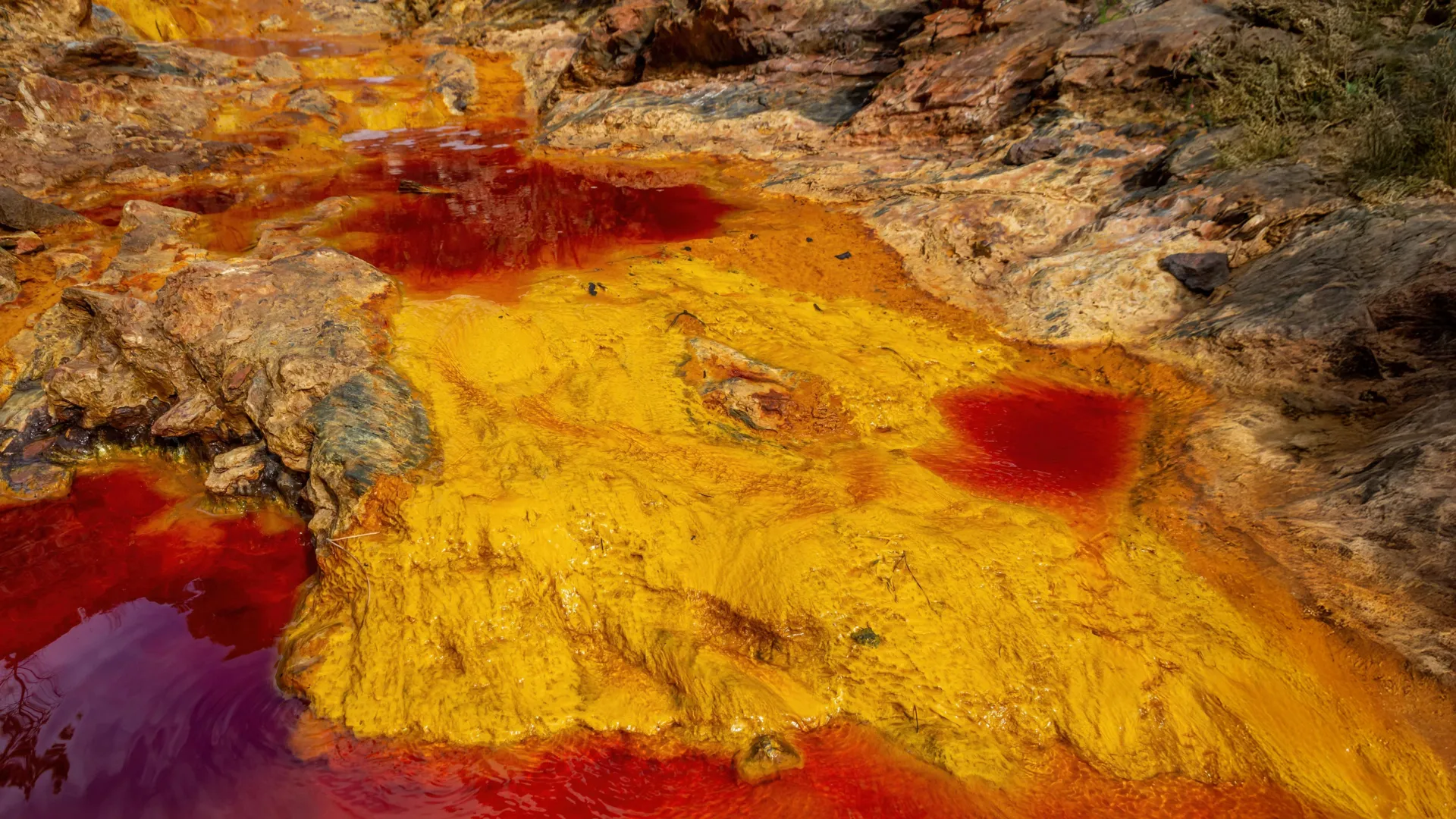
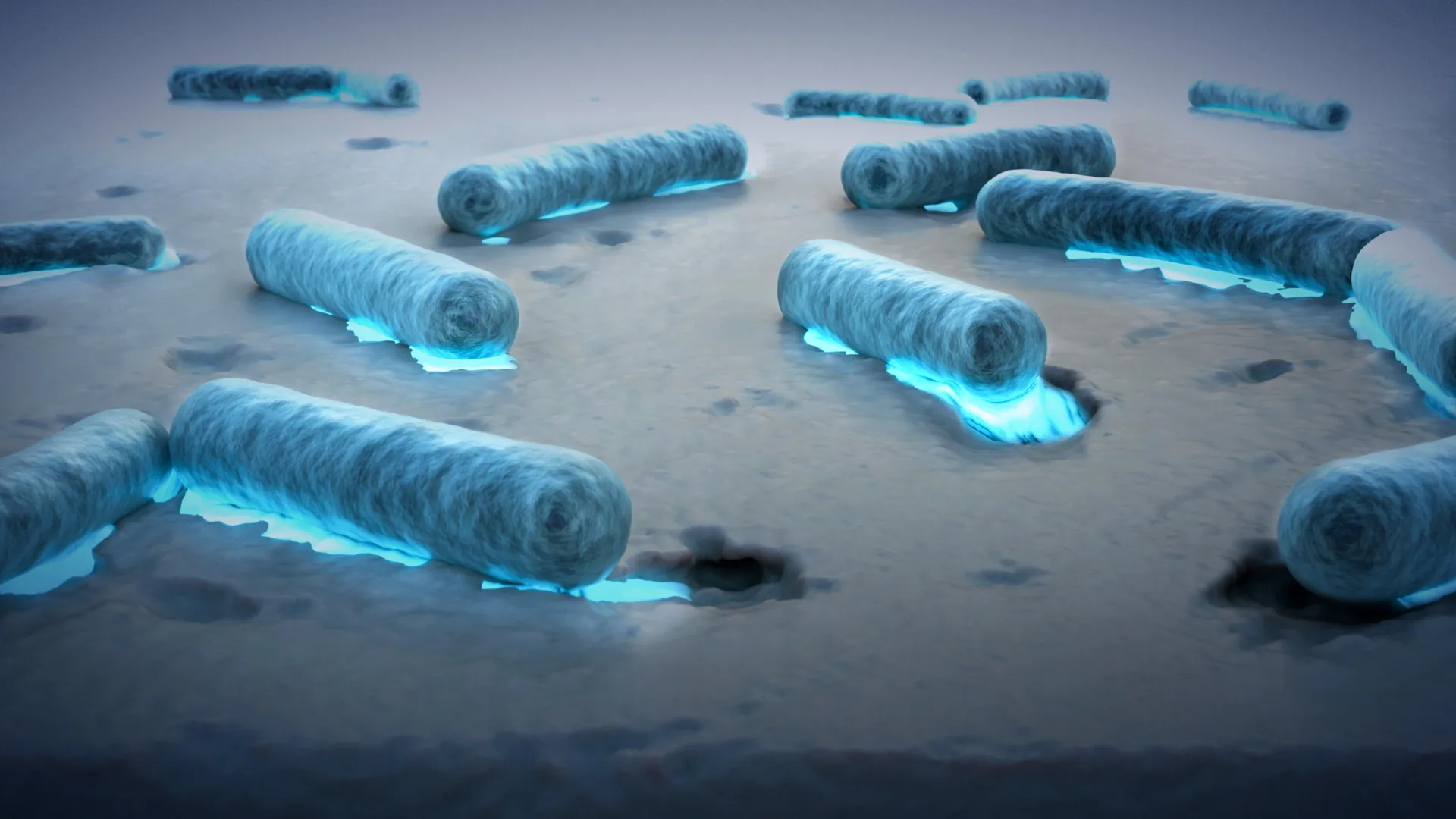
MISO bacteria “breathe” iron minerals while detoxifying sulfide, driving a newly discovered biological process that connects global sulfur, iron, and carbon cycles. Credit: Shutterstock

An international research team led by microbiologists Marc Mussmann and Alexander Loy at the University of Vienna has uncovered a completely new type of microbial metabolism. The newly identified microorganisms, known as MISO bacteria, are able to “breathe” iron minerals by oxidizing toxic sulfide. The scientists discovered that the reaction between hydrogen sulfide — a poisonous gas — and solid iron minerals is not only a chemical process, but also a biological one. In this newly revealed pathway, adaptable microbes living in marine sediments and wetland soils remove toxic sulfide and use it as an energy source for growth. These bacteria may also play an important role in preventing the expansion of oxygen-depleted “dead zones” in aquatic ecosystems.

The findings were recently published in Nature.

How Microbes Power Earth’s Element Cycles

The movement of key elements such as carbon, nitrogen, sulfur, and iron through the environment occurs through what are known as biogeochemical cycles. These transformations take place through reduction and oxidation (redox) reactions that move elements between air, water, soil, rocks, and living things. Because these cycles regulate greenhouse gases, they have a direct influence on Earth’s climate and temperature balance. Microorganisms drive nearly every step of these processes, using substances like sulfur and iron for respiration in much the same way humans rely on oxygen to metabolize food.

Sulfur and iron are particularly essential for microbial communities that live in oxygen-deprived habitats such as ocean floors, wetlands, and sediments. Sulfur can exist as a gas in the atmosphere, as sulfate dissolved in seawater, or locked within mineral deposits. Iron, on the other hand, shifts between different chemical forms depending on the availability of oxygen. When microbes process sulfur, they frequently change the form of iron at the same time, creating a tightly linked relationship between the two elements. This coupling affects nutrient cycling and influences the production or consumption of greenhouse gases like carbon dioxide and methane. Understanding these connections helps scientists predict how natural systems respond to environmental changes, including pollution and global warming.

Microbes That Use Iron to Eliminate Toxic Sulfide

“We show that this environmentally important redox reaction is not solely chemical,” says Alexander Loy, research group leader at CeMESS, the Centre for Microbiology and Environmental Systems Science at the University of Vienna. “Microorganisms can also harness it for growth.”

The team’s discovery reveals a new form of microbial energy production called MISO. This process connects the reduction of iron(III) oxide with the oxidation of sulfide. Unlike a purely chemical reaction, MISO directly generates sulfate, skipping intermediate steps in the sulfur cycle. “MISO bacteria remove toxic sulfide and may help prevent the expansion of so-called ‘dead zones’ in aquatic environments, while fixing carbon dioxide for growth — similar to plants,” adds Marc Mussmann, senior scientist at CeMESS.

A Fast, Widespread Process That Shapes the Planet

In laboratory experiments, the researchers found that the MISO reaction carried out by microbes happens faster than the same reaction when it occurs chemically. This indicates that microorganisms are likely the main force behind this transformation in natural environments. “Diverse bacteria and archaea possess the genetic capacity for MISO,” explains lead author Song-Can Chen, “and they are found in a wide range of natural and human-made environments.”

According to the study, MISO activity in marine sediments could be responsible for as much as 7% of all global sulfide oxidation to sulfate. This process is fueled by the steady flow of reactive iron entering the oceans from rivers and melting glaciers. The research, supported by the Austrian Science Fund (FWF) as part of the ‘Microbiomes Drive Planetary Health’ Cluster of Excellence, identifies a new biological mechanism linking the cycling of sulfur, iron, and carbon in oxygen-free environments.

“This discovery demonstrates the metabolic ingenuity of microorganisms and highlights their indispensable role in shaping Earth’s global element cycles,” concludes Alexander Loy.

CLICK HERE FOR MORE INFORMATION
https://www.sciencedaily.com/releases/2025/11/251109013252.htm

Deep-sea mining starves life in the ocean’s twilight zone

New research reveals that deep-sea mining waste could disrupt one of Earth’s most vital but least understood ecosystems.

Source:University of Hawaii at Manoa

Summary:Scientists have discovered that deep-sea mining plumes can strip vital nutrition from the ocean’s twilight zone, replacing natural food with nutrient-poor sediment. The resulting “junk food” effect could starve life across entire marine ecosystems.Share:


FULL STORY


Deep-Sea Mining Starves Life in the Ocean
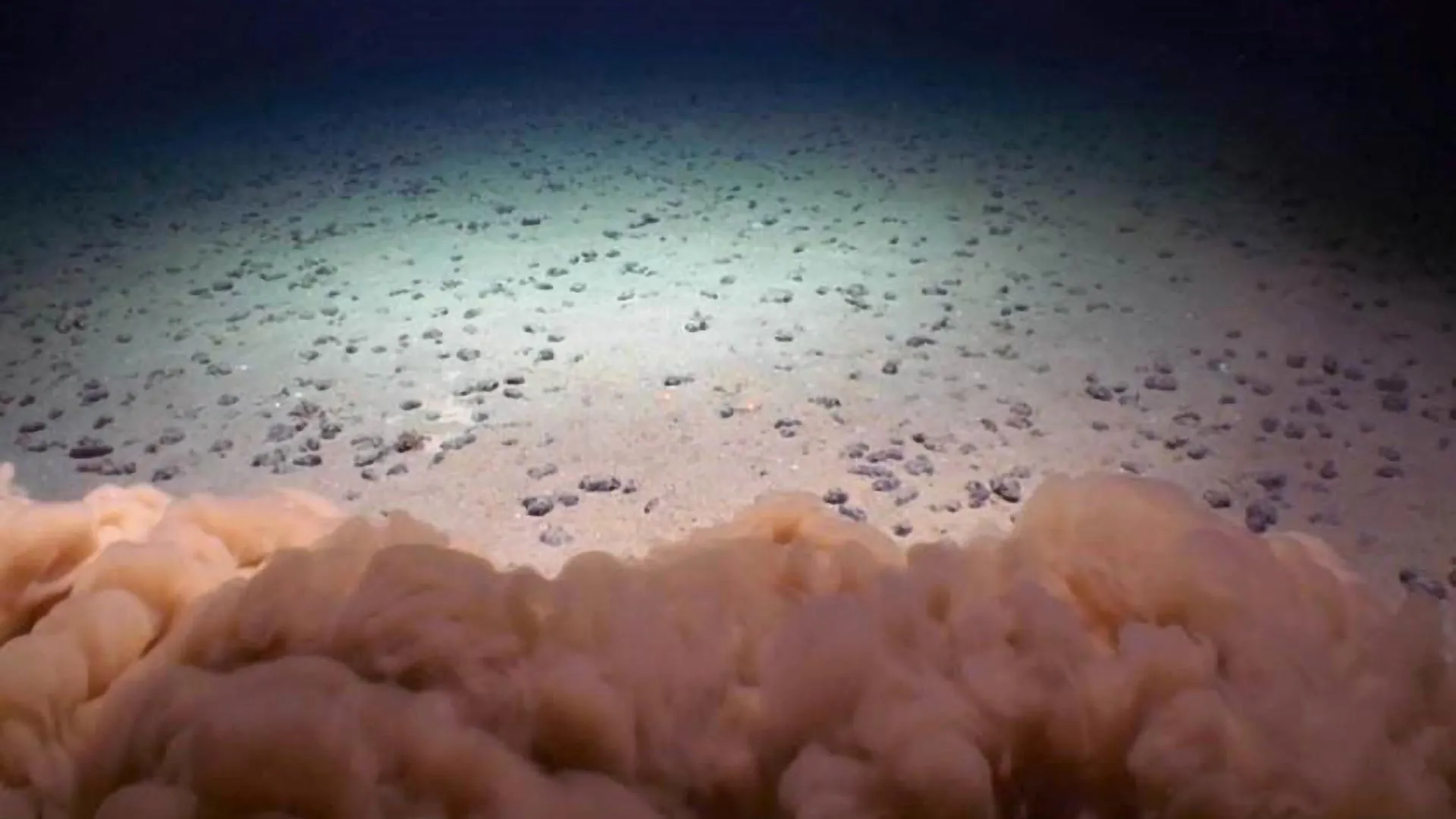
Nodules on the abyssal seafloor in the Clarion Clipperton Zone with a mud cloud from a scientific remotely-operated vehicle (ROV) touching down. Credit: UH/NOAA DeepCCZ Expedition

A new study from the University of Hawai’i (UH) at Mānoa, published on November 6 in Nature Communications, provides the first direct evidence that waste from deep-sea mining could disrupt vital ecosystems in the Pacific Ocean’s Clarion-Clipperton Zone (CCZ). This area, one of the most biologically rich regions of the deep sea, is now the focus of growing industrial interest. Researchers found that sediment discharged during mining operations could harm marine life in the midwater “twilight zone,” a key habitat between 200 and 1,500 meters below the surface that supports vast populations of tiny drifting animals called zooplankton — the foundation of the ocean’s food web.

The team determined that 53% of zooplankton and 60% of micronekton, which feed on zooplankton, would be affected by mining waste discharge. Such disturbances could ripple through the food chain, ultimately impacting larger predators such as fish, seabirds, and marine mammals.

Murky Plumes and “Junk Food” Sediment

“When the waste released by mining activity enters the ocean, it creates water as murky as the mud-filled Mississippi River. The pervasive particles dilute the nutritious, natural food particles usually consumed by tiny, drifting Zooplankton,” said Michael Dowd, lead author of the study and a graduate student in Oceanography at the UH Mānoa School of Ocean and Earth Science and Technology (SOEST).

“Micronekton, small shrimp, fish and other animals that swim, feed on zooplankton. Some migrate between the depths and near surface waters and they are consumed by fish, seabirds and marine mammals. Zooplankton’s exposure to junk food sediment has the potential to disrupt the entire food web.”

Measuring the Nutritional Impact of Deep-Sea Mining

The research, titled “Deep-sea mining discharge can disrupt midwater food webs,” examined the effects of sediment plumes released during a 2022 mining test in the CCZ. This vast region is targeted for the extraction of polymetallic nodules that contain valuable minerals such as cobalt, nickel, and copper — key components for electric vehicles and renewable technologies.

By collecting and analyzing water samples from the depths where waste was discharged, the scientists found that mining particles contained far fewer amino acids, an important measure of nutritional quality, than the natural particles that typically nourish marine organisms.

“This isn’t just about mining the seafloor; it’s about reducing the food for entire communities in the deep sea,” said co-author Erica Goetze, a SOEST oceanography professor and marine zooplankton specialist. “We found that many animals at the depth of discharge depend on naturally occurring small detrital particles — the very food that mining plume particles replace.”

At present, around 1.5 million square kilometers of the CCZ are licensed for deep-sea mining exploration, reflecting the surge in global demand for minerals used in low-carbon technologies.

Disrupting an Ecosystem Built on Scarcity

During the mining process, nodules are collected from the seafloor along with surrounding sediments and seawater, then pumped to a surface vessel where nodules are separated from the waste material. The leftover sediment and fine nodule fragments are then released back into the ocean. Some companies have proposed releasing this waste within the twilight zone, but the environmental consequences of such practices have remained largely unknown — until now.

These findings underscore a major regulatory gap, as no international rules currently govern where or how mining waste can be discharged.

The twilight zone teems with life, including krill, squid, fish, octopus, and delicate jelly-like species. Many of these organisms travel upward toward the surface each night to feed and then descend again by day, transporting carbon to the deep ocean in the process. This vertical migration helps maintain the planet’s carbon balance and supports the health of marine ecosystems worldwide.

“Our research suggests that mining plumes don’t just create cloudy water — they change the quality of what’s available to eat, especially for animals that can’t easily swim away,” said co-author Jeffrey Drazen, a deep-sea ecologist and SOEST professor of oceanography. “It’s like dumping empty calories into a system that’s been running on a finely tuned diet for hundreds of years.”

Global Implications for Marine Food Webs

The study raises concerns that large-scale mining could trigger widespread and long-lasting changes in ocean ecosystems if it proceeds without strict safeguards. Even commercial fisheries could be affected; for instance, tuna populations migrate through the CCZ, meaning the impacts of mining could extend to seafood consumed around the world.

“Deep-sea mining has not yet begun at a commercial scale, so this is our chance to make informed decisions,” said co-author Brian Popp, SOEST professor of Earth sciences and an expert in marine stable isotope biogeochemistry. “If we don’t understand what’s at stake in the midwater, we risk harming ecosystems we’re only just beginning to study.”

A Call for Responsible Regulation

The authors hope their results will guide policy discussions currently underway at the International Seabed Authority and inform environmental reviews conducted by the National Oceanic and Atmospheric Administration. They stress the importance of developing international rules to protect marine ecosystems from surface waters to the deep sea.

“Before commercial deep-sea mining begins, it is essential to carefully consider the depth at which mining waste is discharged,” added Drazen. “The fate of these mining waste plumes and their impact on ocean ecosystems varies with depth, and improper discharge could cause harm to communities from the surface to the seafloor.”

Additional contributors to the study include UH Mānoa oceanography graduate students Victoria Assad and Alexus Cazares-Nuesser, and oceanography professor Angelicque White.

CLICK HERE FOR MORE INFORMATION
https://www.sciencedaily.com/releases/2025/11/251108012850.htm

Laser satellites expose a secret Antarctic carbon burst

Source:Chinese Academy of Sciences Headquarters

Summary:A new study shows that the Southern Ocean releases far more carbon dioxide in winter than once thought. By combining laser satellite data with AI analysis, scientists managed to “see” through the polar darkness for the first time. The results reveal a 40% undercount in winter emissions, changing how researchers view the ocean’s carbon balance and its impact on climate models.Share:


FULL STORY


Satellites Expose Secret Antarctic Carbon Burst
Researchers have found that the Southern Ocean emits about 40% more carbon dioxide during the Antarctic winter than previous estimates suggested. Using laser-based satellite technology, they uncovered a hidden seasonal flux that redefines the ocean’s role in the global carbon cycle. Credit: Shutterstock

A team of scientists has found that the Southern Ocean emits far more carbon dioxide (CO2) during the lightless Antarctic winter than researchers once believed. According to their new study, this wintertime release of CO2 has been underestimated by as much as 40%.

The research was led by scientists from the Second Institute of Oceanography, Ministry of Natural Resources (SIO-MNR), and the Nanjing Institute of Geography and Limnology (NIGLAS) of the Chinese Academy of Sciences. Their results were published in Science Advances on Nov. 5.

The Ocean’s Role in Earth’s Carbon Balance

The Southern Ocean is a major regulator of the global carbon cycle, absorbing a large share of the carbon released by human activity. Yet despite its importance, it remains the “largest source of uncertainty” in global CO2 flux calculations.

That uncertainty comes from a lack of winter observations. For months each year, the Southern Ocean lies in complete darkness and is lashed by extreme weather, making direct measurement nearly impossible. During this time, the region becomes an “observational black box.” Traditional satellites, which depend on reflected sunlight (passive sensors) to detect ocean properties, cannot collect data under these conditions, leaving scientists reliant on incomplete or estimated models.

Using Lasers to See in the Dark

To overcome this limitation, the researchers used an advanced approach that combined 14 years of data from a laser-based satellite instrument called LIDAR (on the CALIPSO mission) with machine learning analysis.

LIDAR, unlike passive sensors, sends out its own light signals, working similarly to radar but with lasers instead of radio waves. This technology allowed the team to observe the ocean even during the polar night and create the first continuous, observation-based record of winter CO2 exchange in the Southern Ocean.

The results revealed that earlier estimates had missed nearly 40% of the Southern Ocean’s wintertime CO2output. “Our findings suggest that the Southern Ocean’s role in the global carbon cycle is more complex and dynamic than previously known,” said Prof. Kun Shi of NIGLAS.

Rethinking the Ocean’s Carbon Dynamics

Beyond updating the numbers, the study redefines how scientists understand carbon movement in the Southern Ocean. The team introduced a new “three-loop framework” to explain how CO2 exchange varies across different regions.

In the Antarctic Loop (south of 60°S), physical factors such as sea ice and salinity are the main drivers of CO2exchange. In the Polar Front Loop (45°S-60°S), the interaction between atmospheric CO2 and biological activity (chlorophyll) becomes more influential. Meanwhile, in the Subpolar Loop (north of 45°S), sea surface temperature plays the dominant role.

Global Climate Implications

Filling this long-standing data gap could lead to more accurate global carbon budgets, which form the foundation of climate projections used by organizations such as the Intergovernmental Panel on Climate Change (IPCC).

CLICK HERE FOR MORE INFORMATION

https://www.sciencedaily.com/releases/2025/11/251108014024.htm

Antarctica’s collapse may already be unstoppable, scientists warn

Source:Australian National University

Summary:Researchers warn Antarctica is undergoing abrupt changes that could trigger global consequences. Melting ice, collapsing ice shelves, and disrupted ocean circulation threaten sea levels, ecosystems, and climate stability. Wildlife such as penguins and krill face growing extinction risks. Scientists stress that only rapid emission reductions can avert irreversible damage.Share:


FULL STORY


Antarctica’s Collapse May Already Be Unstoppable
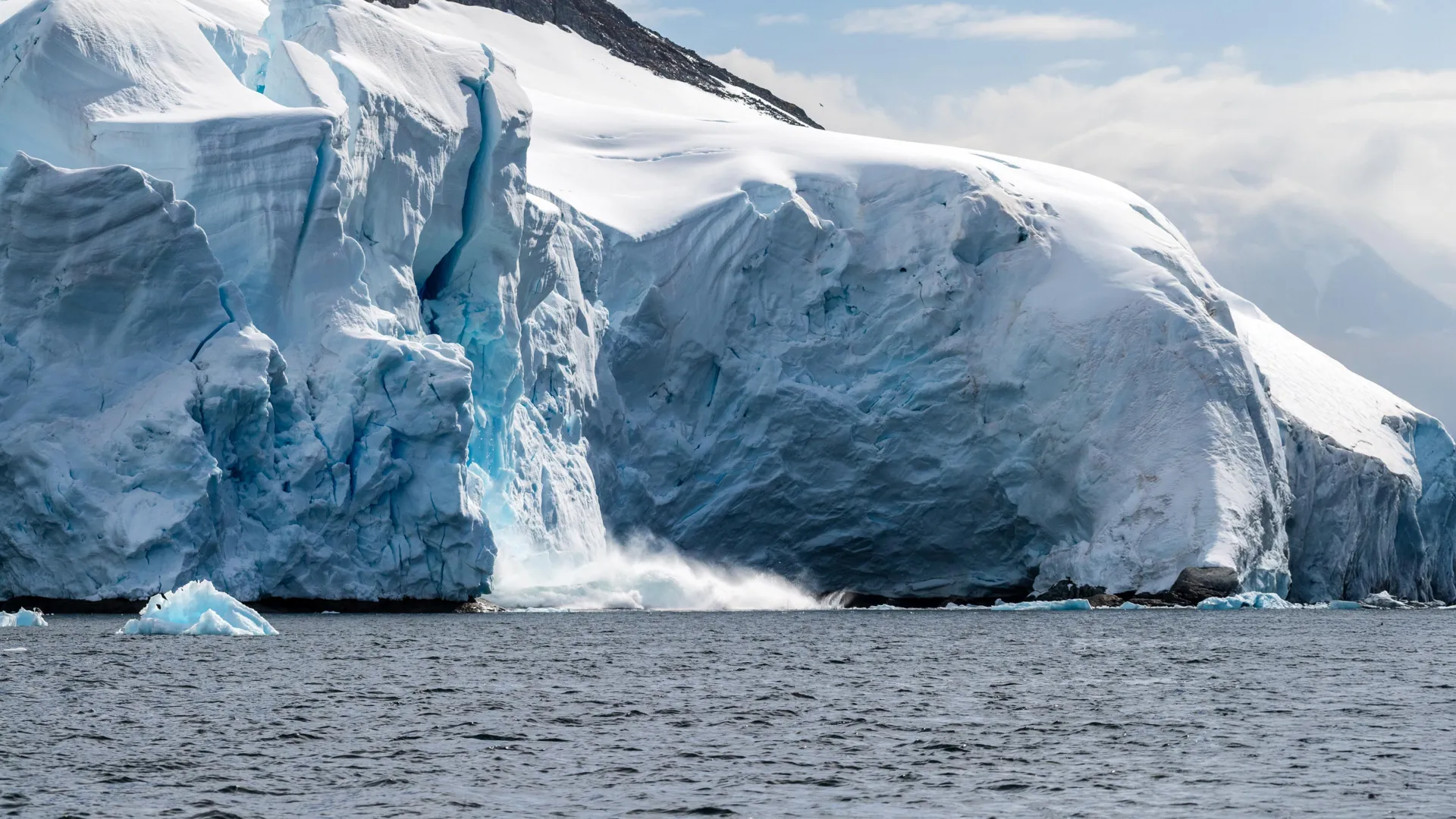
Antarctica’s ice and ecosystems are destabilizing faster than expected, threatening coastal cities and wildlife alike. Experts say urgent emission cuts are the only way to stop a cascade of irreversible changes. Credit: Shutterstock

Antarctica faces the possibility of sudden and potentially irreversible changes to its ice, oceans, and ecosystems. Scientists warn that without a sharp global reduction in carbon emissions, these transformations could have serious effects not only for the continent but also for Australia and the rest of the planet.

The warning comes from new research published in Nature by scientists from The Australian National University (ANU) and the University of New South Wales (UNSW), together with researchers from all of Australia’s major Antarctic science institutions.

The team found that multiple large-scale changes are now unfolding at once across Antarctica and that these processes are tightly “interlinked,” intensifying global pressure on the climate system, sea levels, and ecosystems.

The West Antarctic Ice Sheet: A Collapse in Motion

Researchers identified the West Antarctic Ice Sheet (WAIS) as being at extreme risk of collapsing as atmospheric carbon dioxide levels continue to climb. A full collapse of the WAIS could raise global sea levels by more than three meters, endangering coastal populations and major cities worldwide.

Dr. Nerilie Abram, Chief Scientist at the Australian Antarctic Division (AAD) and lead author of the study, warned that such an event would have “catastrophic consequences for generations to come.”

She noted that “rapid change has already been detected across Antarctica’s ice, oceans and ecosystems, and this is set to worsen with every fraction of a degree of global warming.”

Sea Ice Decline and Worsening Feedback Loops

According to Dr. Abram, the sharp decline in Antarctic sea ice is another alarming signal. “The loss of Antarctic sea ice is another abrupt change that has a whole range of knock-on effects, including making the floating ice shelves around Antarctica more susceptible to wave-driven collapse,” she said.

The reduction in sea ice, together with the weakening of deep ocean circulation in the Southern Ocean, indicates that these systems are more vulnerable to rising temperatures than previously believed.

As sea ice disappears, more solar heat is absorbed by the ocean’s surface, amplifying regional warming. Dr. Abram added that other critical systems may soon reach a point of no return, including the ice shelves that hold back parts of the Antarctic ice sheet.

Consequences Reaching Australia and Beyond

Professor Matthew England from UNSW and the ARC Australian Centre for Excellence in Antarctic Science (ACEAS), who co-authored the study, explained that these rapid Antarctic shifts could have severe effects for Australia.

“Consequences for Australia include rising sea levels that will impact our coastal communities, a warmer and deoxygenated Southern Ocean being less able to remove carbon dioxide from the atmosphere, leading to more intense warming in Australia and beyond, and increased regional warming from Antarctic sea ice loss,” he said.

Wildlife and Ecosystems in Jeopardy

The loss of sea ice is already threatening Antarctic wildlife. Professor England warned that emperor penguin populations are facing greater extinction risks because their chicks depend on stable sea ice to mature. “The loss of entire colonies of chicks has been seen right around the Antarctic coast because of early sea ice breakout events, and some colonies have experienced multiple breeding failure events over the last decade,” he said.

Other species are also under threat. The researchers reported that krill, as well as several penguin and seal species, could experience major declines, while key phytoplankton that form the base of the food web are being affected by ocean warming and acidification.

Professor England added that a potential collapse in Antarctic overturning circulation would be disastrous for marine ecosystems, preventing vital nutrients from reaching surface waters where marine life depends on them.

Urgent Global Action Needed

Dr. Abram emphasized that while efforts through the Antarctic Treaty System remain vital, they will not be sufficient on their own. “While critically important, these measures will not help to avoid climate-related impacts that are already beginning to unfold,” she said.

She urged that “the only way to avoid further abrupt changes and their far-reaching impacts is to reduce greenhouse gas emissions fast enough to limit global warming to as close to 1.5 degrees Celsius as possible.”

Governments, industries, and communities, she added, must now include these accelerating Antarctic changes in their planning for climate adaptation, especially in regions like Australia that will be directly affected.

A Global Effort to Understand Antarctica’s Rapid Change

The research represents a collaboration among leading Antarctic experts from Australia, South Africa, Switzerland, France, Germany, and the United Kingdom. It was led by the Australian Centre for Excellence in Antarctic Science (ACEAS), working with Securing Antarctica’s Environmental Future (SAEF), the Australian Antarctic Program Partnership (AAPP), and the Australian Antarctic Division (AAD).

This study supports the objectives of the Australian Antarctic Science Decadal Strategy 2025-2035, a long-term initiative to understand and address the sweeping changes underway in Earth’s southernmost region.

CLICK HERE FOR MORE INFORMATION

https://www.sciencedaily.com/releases/2025/11/251106003941.htm#google_vignette

Plastic-eating bacteria discovered in the ocean

Source:King Abdullah University of Science & Technology (KAUST)

Summary:Beneath the ocean’s surface, bacteria have evolved specialized enzymes that can digest PET plastic, the material used in bottles and clothes. Researchers at KAUST discovered that a unique molecular signature distinguishes enzymes capable of efficiently breaking down plastic. Found in nearly 80% of ocean samples, these PETase variants show nature’s growing adaptation to human pollution.Share:


FULL STORY


Plastic-Eating Bacteria Discovered in the Ocean
Bacteria armed with the M5 motif on their PETase enzyme can feast on plastic, a trait now seen thriving across the world’s oceans. Credit: © 2025 KAUST

Far beneath the ocean’s surface, researchers have found bacteria that can digest plastic, using specialized enzymes that evolved alongside humanity’s synthetic debris.

A large-scale global study by scientists at KAUST (King Abdullah University of Science and Technology) revealed that these marine microbes are widespread and genetically prepared to consume polyethylene terephthalate (PET) — the tough plastic used in everyday items like drink bottles and fabrics.

Their remarkable ability stems from a distinct structural feature on a plastic-degrading enzyme called PETase. This feature, known as the M5 motif, acts as a molecular signature that signals when an enzyme can truly break down PET.

“The M5 motif acts like a fingerprint that tells us when a PETase is likely to be functional, able to break down PET plastic,” explains Carlos Duarte, a marine ecologist and co-leader of the study. “Its discovery helps us understand how these enzymes evolved from other hydrocarbon-degrading enzymes,” he says. “In the ocean, where carbon is scarce, microbes seem to have fine-tuned these enzymes to make use of this new, human-made carbon source: plastic.”

How Nature’s Recyclers Evolved

For decades, scientists believed PET was almost impossible to degrade naturally. That belief began to shift in 2016, when a bacterium discovered in a Japanese recycling plant was found to survive by consuming plastic waste. It had developed a PETase enzyme capable of dismantling plastic polymers into their building blocks.

Yet it remained unclear whether oceanic microbes had developed similar enzymes independently.

Using a combination of artificial intelligence modeling, genetic screening, and laboratory testing, Duarte and his team confirmed that the M5 motif distinguishes true PET-degrading enzymes from inactive look-alikes. In experiments, marine bacteria carrying the complete M5 motif efficiently broke down PET samples. Genetic activity maps showed that M5-PETase genes are highly active throughout the oceans, especially in areas heavily polluted with plastic.

Global Spread of Plastic-Eating Microbes

To understand how widespread these enzymes are, the researchers examined more than 400 ocean samples collected from across the globe. Functional PETases containing the M5 motif appeared in nearly 80 percent of the tested waters, ranging from surface gyres filled with floating debris to nutrient-poor depths nearly two kilometers below.

In the deep sea, this ability may give microbes an important edge. The ability to snack on synthetic carbon may confer a crucial survival advantage, noted Intikhab Alam, a senior bioinformatics researcher and co-leader of the study.

The discovery highlights a growing evolutionary response: microorganisms are adapting to human pollution on a planetary scale.

Although this adaptation reveals nature’s resilience, Duarte cautions against optimism. “By the time plastics reach the deep sea, the risks to marine life and human consumers have already been inflicted,” he warns. The microbial breakdown process is far too slow to offset the massive flow of plastic waste entering the oceans each year.

Turning Discovery Into Real-World Solutions

On land, however, the findings could accelerate progress toward sustainable recycling. “The range of PET-degrading enzymes spontaneously evolved in the deep sea provides models to be optimized in the lab for use in efficiently degrading plastics in treatment plants and, eventually, at home,” says Duarte.

The identification of the M5 motif offers a roadmap for engineering faster, more effective enzymes. It reveals the structural traits that work under real environmental conditions rather than just in test tubes. If scientists can replicate and enhance these natural mechanisms, humanity’s battle against plastic pollution may find powerful new allies in one of the planet’s most unexpected places: the deep ocean.

CLICK HERE FOR MORE INFORMATION

https://www.sciencedaily.com/releases/2025/11/251104013023.htm

Earth has hit its first climate tipping point, scientists warn

Source:Goethe University FrankfurtSummary:Global scientists warn that humanity is on the verge of crossing irreversible climate thresholds, with coral reefs already at their tipping point and polar ice sheets possibly beyond recovery. The Global Tipping Points Report 2025 reveals how rising temperatures could trigger a cascade of system collapses, from the Amazon rainforest turning to savanna to the potential shutdown of the Atlantic Ocean circulation.Share:


FULL STORY


Earth Has Hit Its First Climate Tipping Point
Rising temperatures have pushed coral reefs to the brink and may have already destabilized parts of the polar ice sheets. Scientists warn of cascading climate failures but see hope in emerging positive social and technological shifts. Credit: Shutterstock

In a recently released report, a team of international climate scientists warns that saving many tropical coral reefs from destruction caused by rising ocean temperatures will now require extraordinary effort. The researchers also conclude that some regions of the polar ice sheets may have already crossed their tipping points. If this melting continues, it could cause irreversible sea level rise measured in several meters.

Scientists Warn of Cascading Climate System Failures

Among the lead authors of the Global Tipping Points Report 2025 (GTPR 2025) is Nico Wunderling, Professor of Computational Earth System Sciences at Goethe University’s Center for Critical Computational Studies | C3S and researcher at the Senckenberg Research Institute Frankfurt. Together with several co-authors, he led the chapter on “Earth System Tipping Points and Risks.”

Wunderling explains: “The devastating consequences that arise when climate tipping points are crossed pose a massive threat to our societies. There is even a risk of the tipping of one climate system potentially triggering or accelerating the tipping of others. This risk increases significantly once the 1.5°C threshold is exceeded.”

The World Nears a Cascade of Climate Tipping Points

According to the report, scientists have identified roughly two dozen parts of the global climate system that could reach tipping points. The first of these, involving tropical coral reefs, appears to have already been surpassed. The report projects that the global average temperature will rise 1.5°C above pre-industrial levels within the next few years. This would mark the start of a period in which multiple tipping points could be crossed, with profound outcomes such as rapid sea level rise from melting ice sheets or global temperature disruptions caused by a breakdown of the Atlantic Ocean circulation. The authors also recommend actions to prevent further temperature increases.

The coordinating lead author of the GTPR 2025 is Tim Lenton, Professor at the University of Exeter’s (UK) Global Systems Institute. More than 100 scientists from over 20 countries contributed to the report, which was released ahead of the 30th World Climate Conference beginning November 10, 2025, in Belém, Brazil. First published in 2023, the Global Tipping Points Report has already gained recognition as a leading reference for assessing both the risks and potential benefits of negative and positive tipping points within the Earth system and human societies.

Understanding Climate Tipping Points

Climate tipping points have become a major focus in climate research only within the past two decades. The GTPR authors describe a climate-induced tipping point as a level of warming at which key natural systems — such as coral reefs, the Amazon rainforest, or major ocean currents — undergo self-reinforcing and often irreversible change.

For example, once tropical coral reefs surpass their temperature threshold, they begin to die even if humanity later stabilizes or reduces global warming. The scientists warn that more tipping points may soon follow, as some lie near or at 1.5°C of warming. Systems already at risk include the Amazon rainforest (which could shift toward savanna), the ice sheets of Greenland and West Antarctica (which could raise sea levels by several meters), and the Atlantic Ocean circulation (whose collapse could sharply cool Europe).

CLICK HERE FOR MORE INFORMATION

https://www.sciencedaily.com/releases/2025/10/251029002920.htm

Scientists just found hidden life thriving beneath the Arctic ice

Source:University of Copenhagen

Summary:Melting Arctic ice is revealing a hidden world of nitrogen-fixing bacteria beneath the surface. These microbes, not the usual cyanobacteria, enrich the ocean with nitrogen, fueling algae growth that supports the entire marine food chain. As ice cover declines, both algae production and CO2 absorption may increase, altering the region’s ecological balance. The discovery could force scientists to revise predictions about Arctic climate feedbacks.Share:


FULL STORY


Hidden Life Thriving Beneath the Arctic Ice
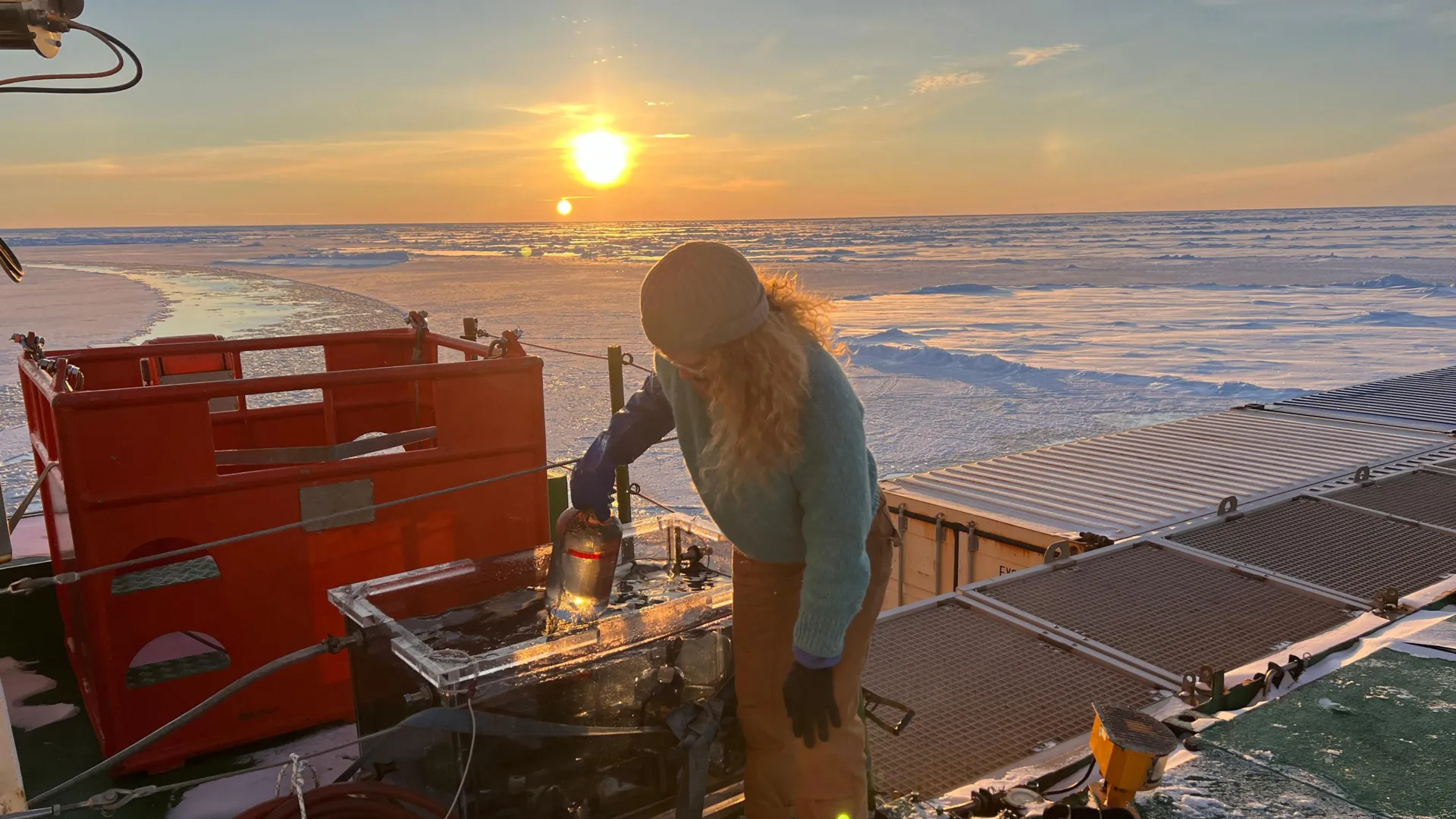
Measurements of nitrogen fixation in the Arctic Ocean aboard RV Polarstern. Credit: Rebecca Duncan

The rapid loss of sea ice in the Arctic Ocean is often seen as an environmental catastrophe. Yet researchers have found that the same melting process could help sustain life in unexpected ways. As the ice retreats, it creates conditions that encourage the growth of algae, the foundation of the Arctic’s marine food web.

Algae form the base of most ocean ecosystems, but they depend on nitrogen to grow — and nitrogen is scarce in Arctic waters. Now, an international team led by the University of Copenhagen has discovered that more nitrogen may become available than scientists once believed. This shift could reshape the future of marine life in the region and influence how much carbon the ocean can absorb.

A Hidden Source of Nitrogen Beneath the Ice

The study is the first to confirm that nitrogen fixation — a process in which certain bacteria transform nitrogen gas (N2) dissolved in seawater into ammonium — occurs beneath Arctic sea ice, even in its most remote and central areas. Ammonium not only helps these bacteria thrive but also nourishes algae and, by extension, the creatures that depend on them.

“Until now, it was believed that nitrogen fixation could not take place under the sea ice because it was assumed that the living conditions for the organisms that perform nitrogen fixation were too poor. We were wrong,” says Lisa W. von Friesen, lead author of the study and former PhD student at the Department of Biology.

Less Ice, More Life

Unlike most other oceans where cyanobacteria dominate nitrogen fixation, the Arctic Ocean relies on an entirely different group of bacteria known as non-cyanobacteria. The researchers found the highest nitrogen fixation rates along the ice edge — where melting is most intense. While these bacteria can operate beneath the ice, they flourish along the melting boundary. As climate change accelerates ice retreat, this expanding melt zone could allow more nitrogen to enter the ecosystem.

“In other words, the amount of available nitrogen in the Arctic Ocean has likely been underestimated, both today and for future projections. This could mean that the potential for algae production has also been underestimated as climate change continues to reduce the sea ice cover,” says von Friesen.

“Because algae are the primary food source for small animals such as planktonic crustaceans, which in turn are eaten by small fish, more algae can end up affecting the entire food chain,” she adds.

Could This Help the Planet Absorb More CO2?

This new nitrogen source could also influence how much carbon dioxide the Arctic Ocean takes in. More algae mean more photosynthesis, which enables the ocean to capture greater amounts of CO2.

“For the climate and the environment, this is likely good news. If algae production increases, the Arctic Ocean will absorb more CO2 because more CO2 will be bound in algae biomass. But biological systems are very complex, so it is hard to make firm predictions, because other mechanisms may pull in the opposite direction,” explains Lasse Riemann, professor at the Department of Biology and senior author of the study.

The researchers emphasize that nitrogen fixation should now be considered in models predicting the Arctic’s future. “We do not yet know whether the net effect will be beneficial for the climate. But it is clear that we should include an important process such as nitrogen fixation in the equation when we try to predict what will happen to the Arctic Ocean in the coming decades as sea ice declines,” adds Riemann.

How Nitrogen Fixation Works

In the Arctic, non-cyanobacteria perform nitrogen fixation. These microorganisms consume dissolved organic matter — often released by algae — and in turn, produce fixed nitrogen that promotes further algal growth. This exchange creates a small but vital nutrient loop beneath the ice.

Algae play a double role in the ecosystem: they are both the starting point of the marine food chain and natural absorbers of CO2. As they grow, they pull carbon dioxide from the air, which can later sink to the ocean floor as part of their biomass.

Behind the Discovery

The study, published in Communications Earth & Environment, involved scientists from the University of Copenhagen (Denmark), Linnaeus University (Sweden), Alfred Wegener Institute (Germany), Aix Marseille University (France), National Oceanography Centre (United Kingdom), Max Planck Institute for Chemistry (Germany), Stockholm University (Sweden), and the Swedish University of Agricultural Sciences (Sweden).

Their findings are based on two major research expeditions aboard the icebreakers IB Oden and RV Polarstern. Samples and measurements were collected at 13 sites across the central Arctic Ocean, including regions off northeast Greenland and north of Svalbard.

CLICK HERE FOR MORE INFORMATION

https://www.sciencedaily.com/releases/2025/10/251020092826.htm

China’s coastal cities are sinking as seas rise at record speed

Sea levels are rising faster than at any time in 4,000 years, and China’s sinking coastal cities are on the front lines.

Source:Rutgers University

Summary:Sea levels are rising faster than at any time in 4,000 years, scientists report, with China’s major coastal cities at particular risk. The rapid increase is driven by warming oceans and melting ice, while human activities like groundwater pumping make it worse. In some areas, the land itself is sinking faster than the ocean is rising. Still, researchers see progress as cities like Shanghai adopt new technologies to stabilize the ground and prepare for the future.Share:


FULL STORY


Sea Levels Are Rising Faster Than in 4,000 Years
Scientists have found that modern sea level rise is accelerating faster than at any time in the past 4,000 years, and China’s coastal megacities are among the most at risk. Credit: Shutterstock

A team of scientists led by Rutgers University researchers has found that sea levels today are climbing more quickly than at any time in the past 4,000 years, with China’s coastal cities facing some of the most severe risks.

To uncover this trend, the researchers analyzed thousands of geological records from natural indicators such as ancient coral reefs and mangrove formations. These environments preserve long-term evidence of past sea levels. Using this data, the team reconstructed ocean changes stretching back almost 12,000 years to the start of the Holocene epoch, which began after the last major ice age.

Fastest Rate of Rise Since 1900

Published in Nature, the study reports that global sea levels have risen by an average of 1.5 millimeters (about one-sixteenth of an inch) per year since 1900. This pace is faster than any century-long period recorded in the last four millennia.

“The global mean sea level rise rate since 1900 is the fastest rate over at least the last four millennia,” said Yucheng Lin, who conducted the research as a postdoctoral associate at Rutgers and is a scientist at Australia’s national research agency, the Commonwealth Scientific and Industrial Research Organization in Hobart.

Lin worked under the guidance of Robert Kopp, a Distinguished Professor in the Department of Earth and Planetary Sciences at Rutgers. “Dr. Lin’s work illustrates how geological data can help us better understand the hazards that coastal cities face today,” said Kopp, who also authored the study.

What’s Driving the Acceleration

According to Lin, two main processes are responsible for today’s rapid sea level rise: thermal expansion and melting ice. As climate change warms the planet, oceans absorb heat, causing the water to expand. At the same time, melting glaciers and ice sheets in Greenland and Antarctica add vast amounts of water to the seas.

“Getting warmer makes your ocean take up more volume,” Lin said. “And the glaciers respond faster because they are smaller than the ice sheets, which are often the size of continents. We are seeing more and more acceleration in Greenland now.”

China’s Coastal Cities Face a Double Threat

While sea level rise is a global concern, China faces a particularly dangerous combination of natural and human factors. Many of its largest cities — including Shanghai, Shenzhen and Hong Kong — sit in delta regions made of soft, water-saturated sediment that naturally sinks over time.

Human activities have accelerated this sinking.

“We’ve been able to quantify the natural rate of sea level rise for this area,” Lin said. “But human intervention, mostly groundwater extraction, makes it happen much faster.”

Subsidence, the gradual sinking or settling of the Earth’s surface, can occur through natural geological changes or from human-driven causes such as overuse of groundwater.

Delta Regions Under Pressure

To assess the risk to China’s deltas, the researchers combined geological records, measurements of land subsidence, and data on human impacts. They focused on the Yangtze River Delta and Pearl River Delta, two areas that are home to several megacities and key industrial zones.

In Shanghai, parts of the city sank more than one meter (around three feet) during the 20th century because of extensive groundwater pumping, Lin said. That rate is vastly higher than the current global average for sea level rise.

Delta regions are naturally flat and fertile, making them ideal for farming, transport, and urban development. But those same features make them exceptionally vulnerable to flooding.

“Centimeters of sea level rise will greatly increase the risk of flooding in deltas,” Lin said. “These areas are not only important domestically, they’re also international manufacturing hubs. If coastal risks happen there, the global supply chain will be vulnerable.”

Efforts to Slow the Sinking

Despite the alarming data, Lin noted that there are reasons for optimism. Some Chinese cities have begun taking effective steps to manage the problem. Shanghai, for example, has slowed its rate of subsidence by controlling groundwater extraction and reinjecting freshwater into underground aquifers.

“Shanghai now is not sinking that fast anymore,” Lin said. “They recognized the problem and started regulating their groundwater usage.”

The research team also created vulnerability maps to help local governments and city planners identify high-risk zones and prepare for future sea level rise.

A Global Lesson

Although the study focuses on China, its implications reach far beyond. Many major coastal cities, including New York, Jakarta and Manila, are built on low-lying plains and face similar threats.

“Deltas are great places, good for farming, fishing, urban development and naturally draw civilizations to them,” Lin said. “But they are really flat yet prone to human-caused subsidence, so sustained sea level rise could submerge them really fast.”

Modeling the Past to Protect the Future

The paper is an application of PaleoSTeHM, an open-source software framework for statistically modeling paleo-environmental data that Lin developed as a postdoctoral associate.

Praveen Kumar, a postdoctoral associate in the Department of Earth and Planetary Sciences, also contributed to the study.

The National Science Foundation and NASA supported the research.

CLICK HERE FOR MORE INFORMATION

https://www.sciencedaily.com/releases/2025/10/251023031627.htm

They’re smaller than dust, but crucial for Earth’s climate

Microscopic plankton that regulate Earth’s climate and sustain ocean ecosystems take center stage in a new awareness campaign.

Source:Ruđer Bošković Institute

Summary:Coccolithophores, tiny planktonic architects of Earth’s climate, capture carbon, produce oxygen, and leave behind geological records that chronicle our planet’s history. European scientists are uniting to honor them with International Coccolithophore Day on October 10. Their global collaboration highlights groundbreaking research into how these microscopic organisms link ocean chemistry, climate regulation, and carbon storage. The initiative aims to raise awareness that even the smallest ocean dwellers have planetary impact.Share:


FULL STORY


Tiny Ocean Creatures Key to Climate Stability
Microscopic view of a coccolithophore (Syracosphaera pulchra), a single-celled ocean alga whose intricate calcium plates (coccoliths) play a role in the global carbon cycle. Credit: Dr. Jelena Godrijan, Ruđer Bošković Institute

Smaller than a grain of dust and shaped like minute discs, coccolithophores are microscopic ocean dwellers with an outsized influence on the planet’s climate. These tiny algae remove carbon from seawater, release oxygen, and create delicate calcite plates that eventually sink to the ocean floor. Over time, these plates form chalk and limestone layers that record Earth’s climate history. Today, five European research institutions announced a new effort to establish October 10 as International Coccolithophore Day, drawing attention to the organisms’ vital contributions to carbon regulation, oxygen production, and the health of marine ecosystems that sustain life on Earth.

The initiative is being led by the Ruđer Bošković Institute (Zagreb, Croatia), the Lyell Centre at Heriot-Watt University (Edinburgh, UK), NORCE Norwegian Research Centre (Bergen, Norway), Marine and Environmental Sciences Centre (MARE) at the University of Lisbon (Portugal), and the International Nannoplankton Association (INA).

A Delicate Balance Under Threat

Few people are aware of coccolithophores, yet without them, the planet’s oceans and climate would look drastically different. These single-celled algae, which contain chlorophyll, float in the sunlit layers of the sea and are coated with calcium carbonate plates known as coccoliths.

Though incredibly small, coccolithophores are among Earth’s most effective natural carbon regulators. Every year, they generate more than 1.5 billion tonnes of calcium carbonate, capturing carbon dioxide from the atmosphere and storing it in deep-sea sediments. In addition to removing carbon, they produce oxygen, nourish marine food webs, and influence the planet’s greenhouse balance.

Coccolithophores often dominate vast stretches of the ocean, but climate change is altering the temperature, chemistry, and nutrient makeup of seawater. These shifts pose serious risks to their survival—and to the stability of the ecosystems that depend on them.

Why Coccolithophores?

What makes coccolithophores stand out from other plankton is both their role in the global carbon cycle and the unique record they leave behind. “Unlike other groups, they build intricate calcium carbonate plates that not only help draw down carbon dioxide from the atmosphere, but also transport it into deep ocean sediments, where it can be locked away for millennia. This biomineralization leaves behind an exceptional geological record, allowing us to study how they’ve responded to past climate shifts and better predict their future role. In short, their dual role as carbon pumps and climate archives makes them irreplaceable in understanding and tackling climate change,” says Professor Alex Poulton of the Lyell Centre.

“They are the ocean’s invisible architects, crafting the tiny plates that become vast archives of Earth’s climate,” says Dr. Jelena Godrijan, a leading coccolithophore researcher at the Ruđer Bošković Institute. “By studying their past and current responses to changes in the ocean, we can better understand how marine ecosystems function and explore how natural processes might help us tackle climate change.”

Cutting-Edge Science: From Plankton to Planetary Processes

The launch of International Coccolithophore Day spotlights the tiny ocean plankton that quietly help regulate atmospheric carbon dioxide.

At the Lyell Centre in Scotland, the OceanCANDY team, led by Prof. Alex Poulton, studies how these plankton pull CO2 from the air and store it in the sea, and tests how warmer, more acidic oceans could alter this process. Computer forecasts compare which species do this job best, today and tomorrow.

In Norway, scientists at NORCE Research, led by Dr. Kyle Mayers and his team, track coccolithophore life stories, how they grow, who eats them, and the viruses that infect and ultimately kill them, to show how carbon moves through the ocean. Ancient DNA in seafloor mud adds a long view of past climate shifts. “Coccolithophore interactions with viruses and grazers matter,” says Dr. Kyle Mayers of NORCE. “These links shape food webs and how the ocean stores carbon.”

In Croatia, the Cocco team at the Ruđer Bošković Institute study how they shape the ocean’s carbon cycle, from the decay of organic matter to bacterial interactions that influence seawater chemistry and CO2 uptake. “In understanding coccolithophores, we’re really uncovering the living engine of the ocean’s carbon balance,” says Dr. Jelena Godrijan “Their interactions with bacteria determine how carbon moves and transforms — processes that connect the microscopic scale of plankton to the stability of our planet’s climate.”

At MARE, University of Lisbon, Dr. Catarina V. Guerreiro leads studies to trace how aerosol-driven fertilization shapes the distribution of coccolithophores across the Atlantic into the Southern Ocean, and what that means for the ocean’s carbon pumps today and in recent times. Her approach consists of combining aerosol and seawater samples with sediment records, satellite data and lab microcosms to pin down cause and effect. “We’re connecting tiny chalky organisms to planetary carbon flows,” says Dr. Guerreiro.

At INA, scientists connect living coccolithophores to their fossil record, using their microscopic plates to date rocks and trace Earth’s climate history. By refining global biostratigraphic frameworks and calibrating species’ evolutionary timelines, INA researchers transform fossils of coccolithophores into precise tools for reconstructing ancient oceans, linking modern plankton ecology with the geological record of climate change.

Why Coccolithophore Day Matters?

Designating a day for Coccolithophores may seem like a small gesture, but its advocates argue it could have a big impact. “This could contribute to changing the way we see the ocean. “We most often talk about whales, coral reefs, and ice caps, but coccolithophores are a vital part of the planet’s climate system. They remind us that the smallest organisms can have the biggest impact, and that microscopic life plays a crucial role in shaping our planet’s future, ” says Dr. Sarah Cryer from the CHALKY project and OceanCANDY team.

The campaign to establish October 10 as International Coccolithophore Day is a call to action. By highlighting the profound, yet often overlooked, role of coccolithophores, scientists want to inspire a new wave of ocean literacy, policy focus, and public engagement.

CLICK HERE FOR MORE INFORMATION

https://www.sciencedaily.com/releases/2025/10/251010091548.htm