The Polluted Tijuana River Is Polluting the Air in San Diego

Some people who reside in the southern portion of San Diego County, California, say it stinks to live there. Literally. For years, residents have complained that odors emanating from the polluted Tijuana River, which flows from Mexico into the U.S. toward the Pacific Ocean, are causing eye, nose and throat irritation, respiratory problems, fatigue, and headaches.

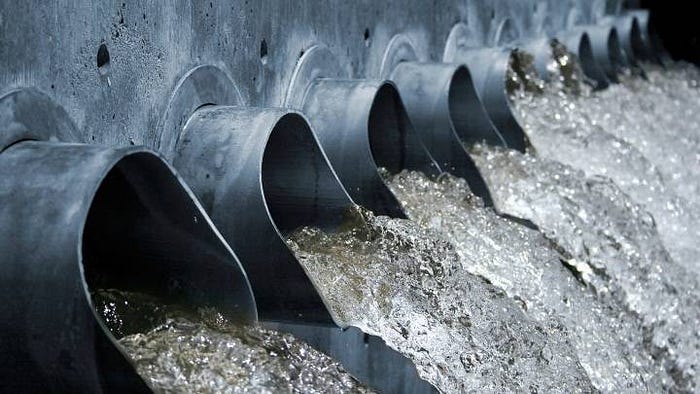
A new study shows that turbulence in polluted waters of the Tijuana River transfers contaminants to the air. In this photo, culverts at the Saturn Boulevard river crossing generate high turbulence, enhancing the transfer of toxic wastewater pollutants. The location was identified by members of the local community as a source of particularly strong odors.  |  Credit: Beatriz Klimeck / UC San Diego

Now, a new study from scientists at UC, San Diego Scripps Institution of Oceanography; UC, Riverside; San Diego State University; the National Science Foundation; and National Center for Atmospheric Research (NCAR) says the residents are not imagining things. The research found that the contaminated river is contaminating the air—releasing large quantities of the toxic gas hydrogen sulfide—commonly known as “sewer gas” because of its rotten egg smell.

In September 2024, the team had set up air quality monitors in San Diego’s Nestor community in the South Bay. One location was where water tumbles from a culvert, which as it falls, creates enough turbulence to send aerosolized particles of pollutants from the river into the air.

The scientists measured peak concentrations of hydrogen sulfide that were some 4,500 times what is typical for an urban area. In addition, they identified hundreds of other gases released into the air by the river and its ocean outflow, showing for the first time, a direct link between poor water quality and bad air quality—a connection lead investigator Kimberly Prather says had not been made before.

Untreated sewage and industrial waste have plagued the Tijuana River for decades, causing long-term closures of beaches. In July, the U.S. and Mexico signed a memorandum of understanding that requires both nations to expedite stormwater and sewage infrastructure projects on each side of the border.  

Last week, EPA announced the completion of a ten-million-gallon-per-day expansion of the South Bay International Wastewater Treatment Plant in San Diego, which could help mitigate the issue, but as inewsource reports, it’s unclear as to when it will be operating at its new capacity.

The paper was published in the journal Science.

CLICK HERE FOR MORE INFORMATION

https://h2oradio.org

How does the Printing Industry Contribute to Pollution?

As an industry largely based on paper, the industry produces around 400 million tons of paper per year (Environmental Paper Network, 2018). Additionally, take into account the ink and water that goes along with the processing of said paper in factories, offices, and even our own homes. The use of such a volume of natural resources, combined with the energy needed to process it makes the printing industry “the fourth largest user of industrial energy worldwide” (Laurijssen, 2013). Naturally, these processes are bound to affect the environment.

Thomas Millot (2018). Cooling Tower’s Fumes[Photograph]. Retrieved from https://unsplash.com/photos/q5jKHtV4hWc/info.

One result of this energy usage from printing plants and paper mills are volatile organic compounds (VOCs), which are chemicals that evaporate at room temperature. VOCs in small amounts may be found in our homes, which can “irritate the eyes, throat, and nose, as well as cause headaches, dizziness, and potentially lead to memory loss or visual impairment” (Lafond, n.d). However, VOCs emitted at larger amounts have an effect not just us, but our environment as well. According to the Government of Canada, VOCs from the printing industry are “one of the principal stationary sources of volatile organic compound”, which stems from the use of solvents in ink and cleaning (Environment Canada, 2016). VOCs on this scale are detrimental to our environment, contributing to acid rain and the formation of ozone. Acid rain can cause damage to ecosystems, seeping into the ground destroying nutrients, and releasing aluminum into water streams, making them toxic. Ozone is a pollutant that when at ground level, is hazardous to our health and can cause smog.

Global news (2016). Wastewater[Photograph]. Retrieved from https://globalnews.ca/news/2940478/federal-ontario-governments-provide-1-1b-for-clean-water-and-wastewater-projects/.

Another byproduct of the printing industry is effluent, also known as wastewater. Water is essential to printing, as ink is oil-based and water repels ink, which is how offset lithographic printing, the most common form of large scale printing today works. This water comes in contact with the ink, contaminating it. Water is also required to clean printing presses. Disposal of the wastewater and various solvents and cleansers is a procedure where the utmost care must be taken, as the pollutants from the effluent can quickly seep in and harm the surrounding environment. Waste management is necessary to safely dispose of the various chemicals used in printing processes. Recycling these chemicals instead of disposing of it saves the environmental and financial costs of producing these chemicals.

Having up to date technology is a crucial aspect of being sustainable in the print industry. For example, a printer that still uses traditional inks when vegetable-based inks are available, or printers that dispose of their solvents instead of recovering and recycling it are leaving behind a larger carbon footprint. Understanding and applying the latest tactics are key when it comes to reducing pollution and being sustainable in the printing industry.

References

Environment Canada. (2016). Printing industry and volatile organic compounds. Retrieved from https://www.canada.ca/en/environment-climate-change/services/managing-pollution/sources-industry/volatile-organic-compounds-consumer-commercial/printing.html

Lafond, A. (n.d.). How does volatile organic compounds concentration affect the environment. Retrieved from Foobot website: https://foobot.io/guides/how-does-volatile-organic-compounds-affect-the-environment.php

Laurijssen, J. (2013). Energy use in the paper industry. Retrieved from https://vnp.nl/wp-content/uploads/2014/01/8-Energy-use-in-the-paper-industry.-An-assessment-of-improvement-potentials-at-different-levels.pdf

CLICK FOR MORE INFORMATION https://medium.com/%40christianliau/how-does-the-printing-industry-contribute-to-pollution-758d05909eac