Microplastics in Our Waters: Insights from a Configurative Systematic Review of Water Bodies and Drinking Water Sources

by 

Awnon Bhowmik 1 and

Goutam Saha 2,3,4,*

1

Department of Business & Management, Colorado State University Global, Denver, CO 80202, USA

2

School of Mechanical and Mechatronic Engineering, University of Technology Sydney, Ultimo, NSW 2007, Australia

3

Miyan Research Institute, International University of Business Agriculture and Technology, Uttara, Dhaka 1230, Bangladesh

4

Department of Mathematics, University of Dhaka, Dhaka 1000, Bangladesh

*

Author to whom correspondence should be addressed.

Microplastics 20254(2), 24; https://doi.org/10.3390/microplastics4020024

Submission received: 8 January 2025 / Revised: 7 April 2025 / Accepted: 13 April 2025 / Published: 7 May 2025

Downloadkeyboard_arrow_down 

Browse Figures

Versions Notes

Abstract

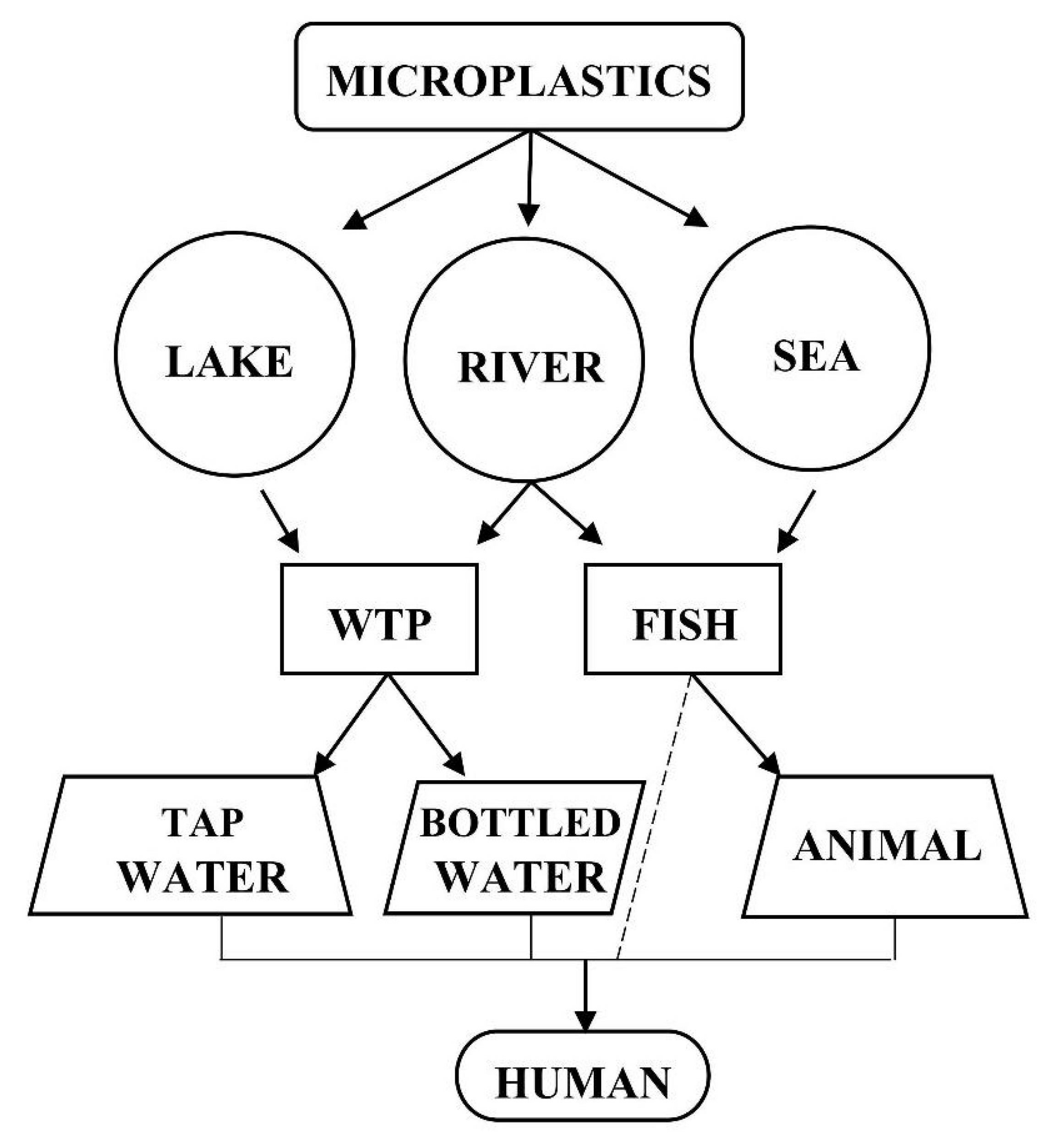
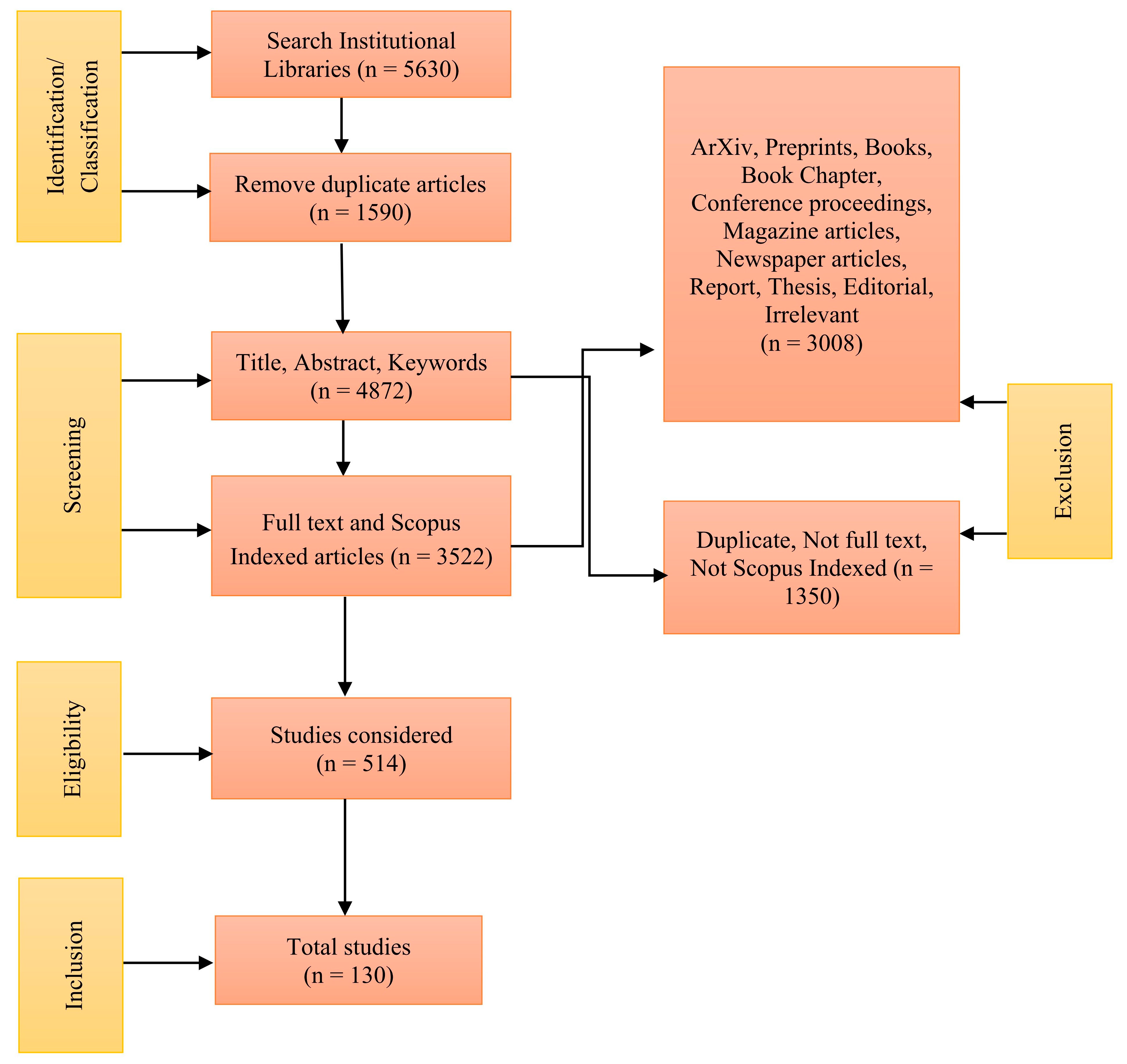
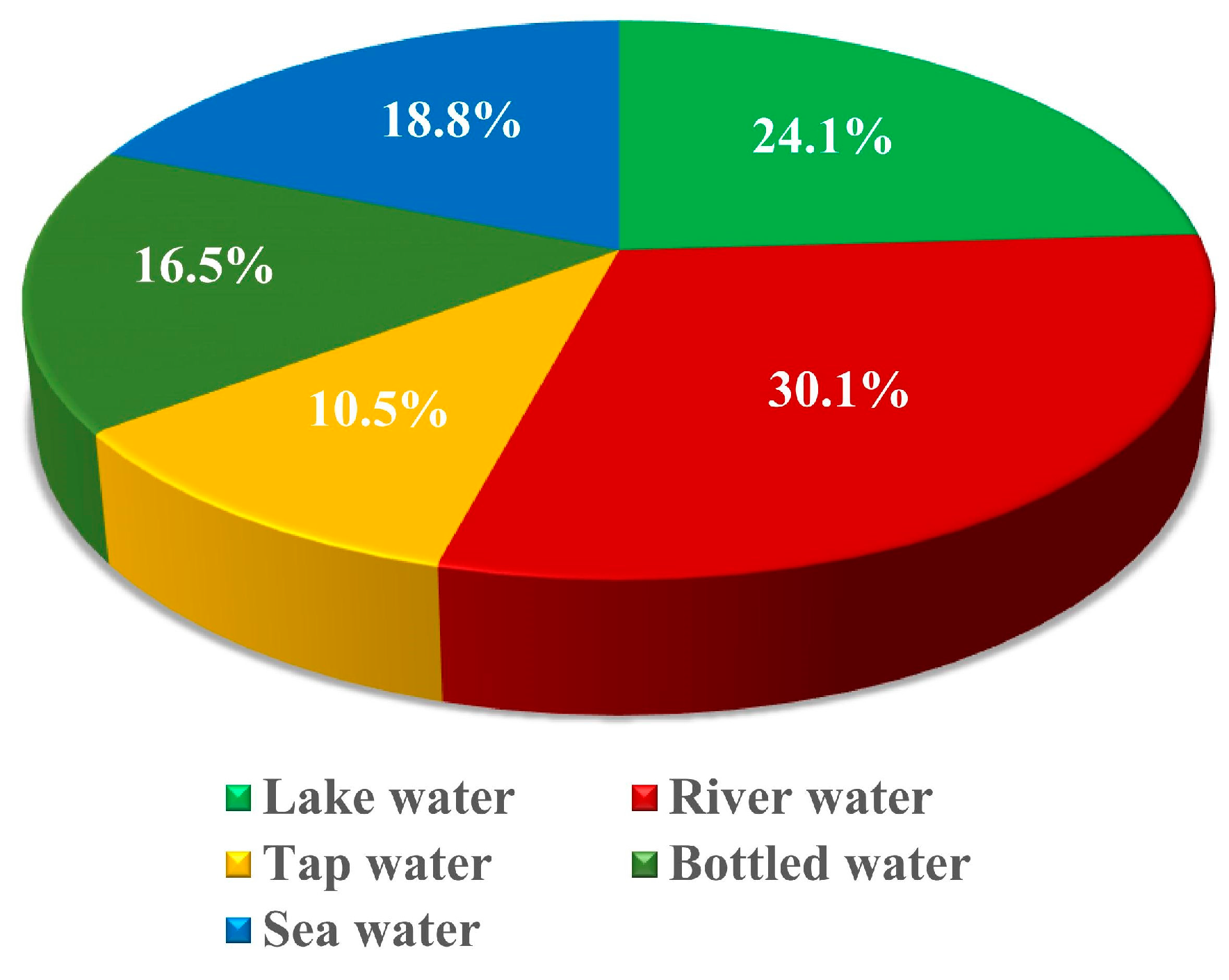
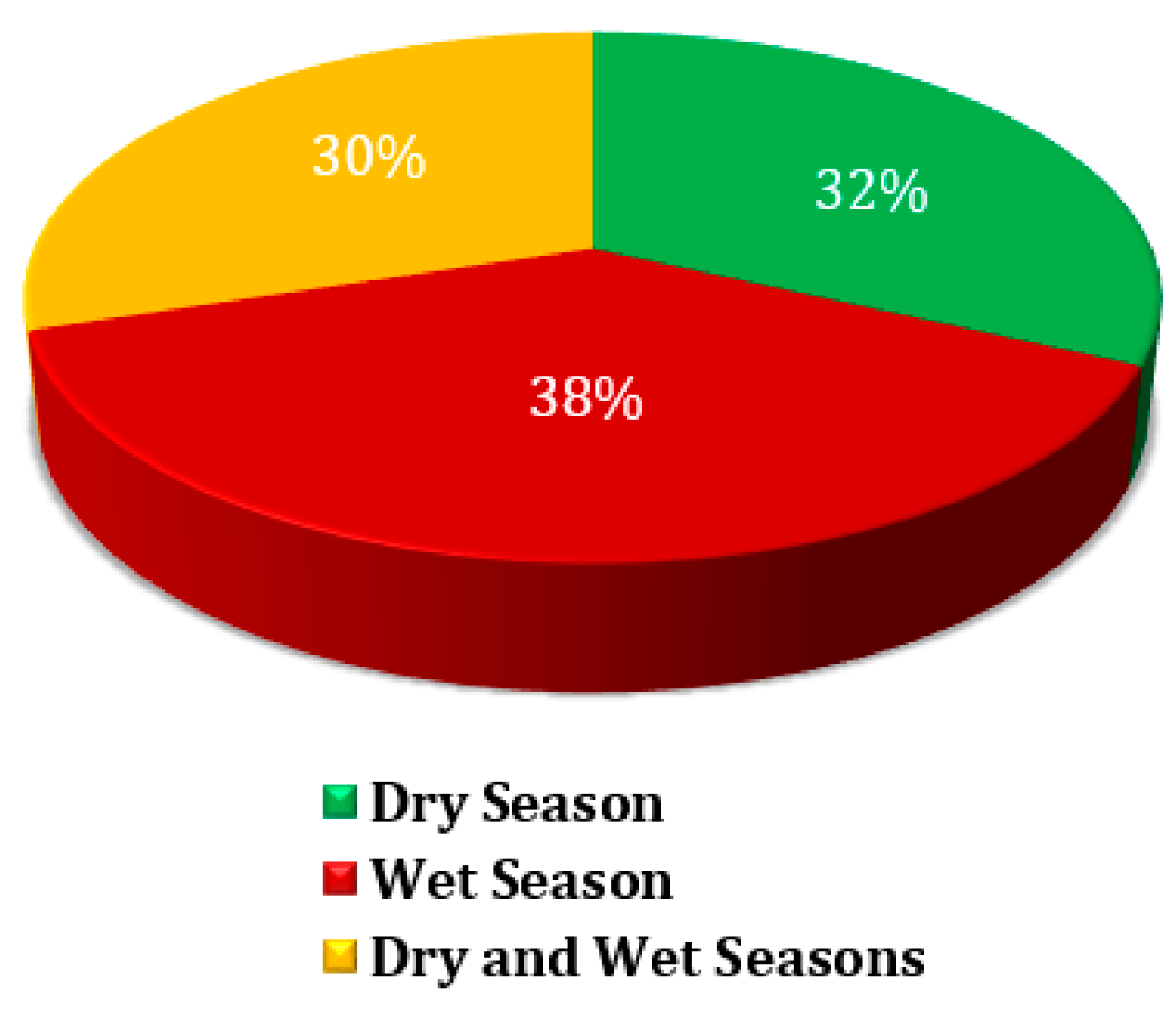
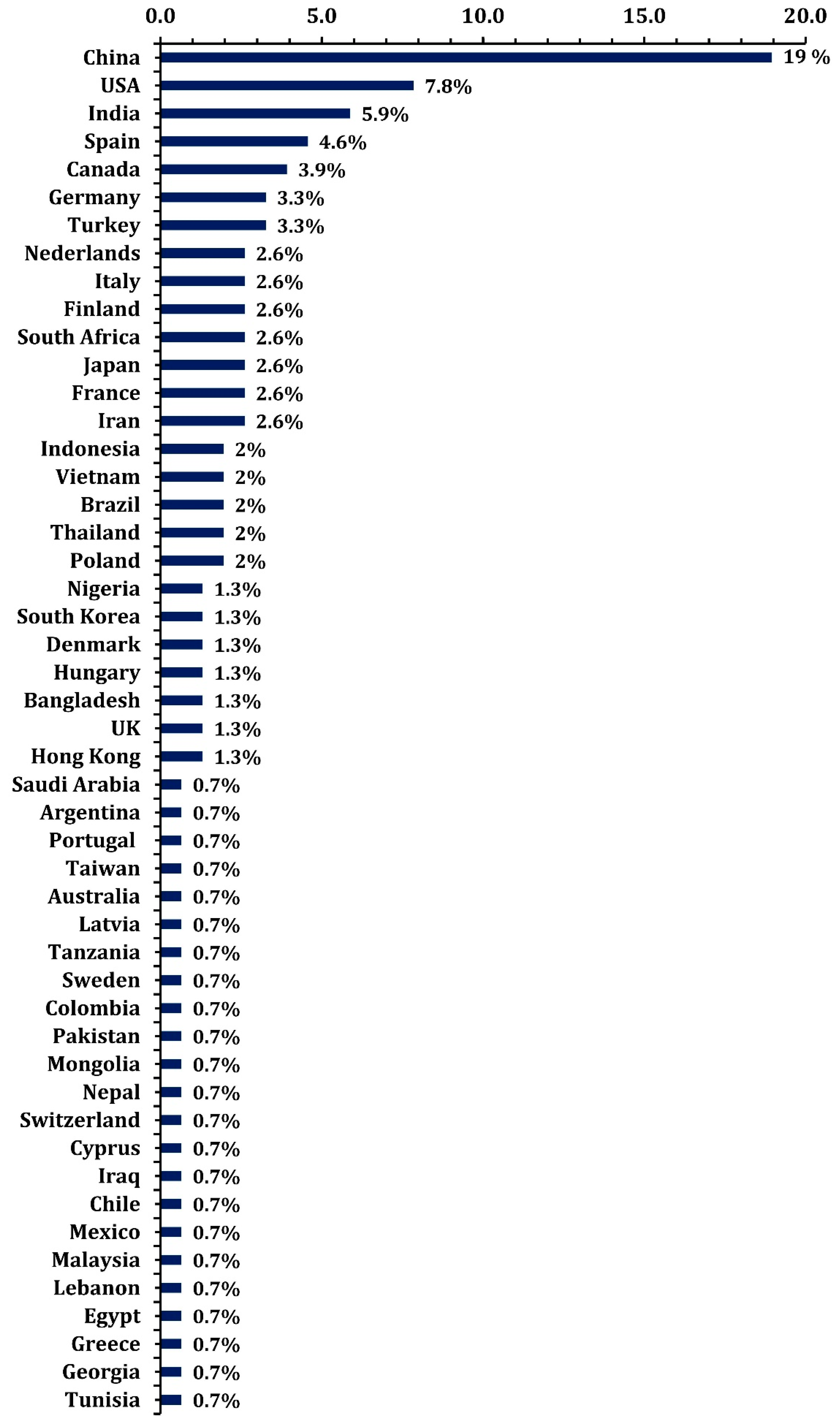
Microplastics (MPs), defined as plastic particles smaller than 5 mm, are an emerging global environmental and health concern due to their pervasive presence in aquatic ecosystems. This systematic review synthesizes data on the distribution, shapes, materials, and sizes of MPs in various water sources, including lakes, rivers, seas, tap water, and bottled water, between 2014 and 2024. Results reveal that river water constitutes the largest share of studies on MP pollution (30%), followed by lake water (24%), sea water (19%), bottled water (17%), and tap water (11%), reflecting their critical roles in MP transport and accumulation. Seasonal analysis indicates that MP concentrations peak in the wet season (38%), followed by the dry (32%) and transitional (30%) seasons. Spatially, China leads MP research globally (19%), followed by the USA (7.8%) and India (5.9%). MPs are predominantly composed of polyethylene (PE), polypropylene (PP), and polyethylene terephthalate (PET), with fibers and fragments being the most common shapes. Sub-millimeter MPs (<1 mm) dominate globally, with significant variations driven by anthropogenic activities, industrial discharge, and environmental factors such as rainfall and temperature. The study highlights critical gaps in understanding the long-term ecological and health impacts of MPs, emphasizing the need for standardized methodologies, improved waste management, and innovative mitigation strategies. This review underscores the urgency of addressing microplastic pollution through global collaboration and stricter regulatory measures.

Keywords: 

microplasticspollutionenvironmentfreshwaterpublic healthmitigation strategiestap and bottled water

CLICK HERE TO READ MORE

https://www.mdpi.com/2673-8929/4/2/24?

Microplastics in drinking water: quantitative analysis of microplastics from source to tap by pyrolysis–gas chromatography-mass spectrometry

  • Research Article
  • Open access
  • Published: 05 November 2025

You have full access to thisopen accessarticle

Download PDF

Environmental Science and Pollution ResearchAims and scopeSubmit manuscript

Microplastics in drinking water: quantitative analysis of microplastics from source to tap by pyrolysis–gas chromatography-mass spectrometry

Download PDF

Abstract

The widespread presence of microplastics (MPs) in fresh surface water has raised concerns about potential human exposure through drinking water sourced from these environments. While MP research is advancing to understand the occurrence and fate of MPs in drinking water production systems, data based on mass concentration is scarce. This study assesses MP concentrations in the drinking water supply system of Amsterdam (the Netherlands) from source to tap, analyzing raw water from two freshwater sources (Lek Canal and Bethune Polder), treated water from two drinking water treatment plants (DWTPs) (Leiduin and Weesperkarspel DWTPs), and household tap water samples from the Amsterdam distribution area. MPs ≥ 0.7 µm were identified and quantified using pyrolysis gas chromatography-mass spectrometry (Py-GC–MS) targeting 6 high production volume polymers: polyethylene (PE), polyethylene terephthalate (PET), polymethyl methacrylate (PMMA) polypropylene (PP), polystyrene (PS), and polyvinyl chloride (PVC). Average MP concentrations in raw water samples were 50.6 ± 34.7 µg/L (n = 14) and 47.5 ± 33.7 µg/L (n = 14), while treated water samples exhibited significantly lower levels of 0.80 ± 0.44 µg/L (n = 12) and 1.65 ± 2.19 µg/L (n = 14), demonstrating high removal efficiencies of 97–98%. PE, PVC, and PET were the most abundant polymer types detected. Household tap water samples showed lower concentrations with an average of 0.21 ± 0.12 µg/L (n = 20). These findings highlight the effective removal of MPs during drinking water treatment processes while emphasizing the need for further research to understand the factors influencing MP transport and fate within water distribution networks.

CLICK HERE TO READ MORE

https://link.springer.com/article/10.1007/s11356-025-37130-8?

The invisible plastic threat you can finally see

Researchers at the University of Stuttgart have developed an “optical sieve” for detecting tiny nanoplastic particles. It works like a test strip and is intended to serve as a new analysis tool in environmental and health research.

Source: Universität Stuttgart

Summary:Researchers in Germany and Australia have created a simple but powerful tool to detect nanoplastics—tiny, invisible particles that can slip through skin and even the blood-brain barrier. Using an “optical sieve” test strip viewed under a regular microscope, these particles reveal themselves through striking color changes.Share:


FULL STORY


The Invisible Plastic Threat You Can Finally See
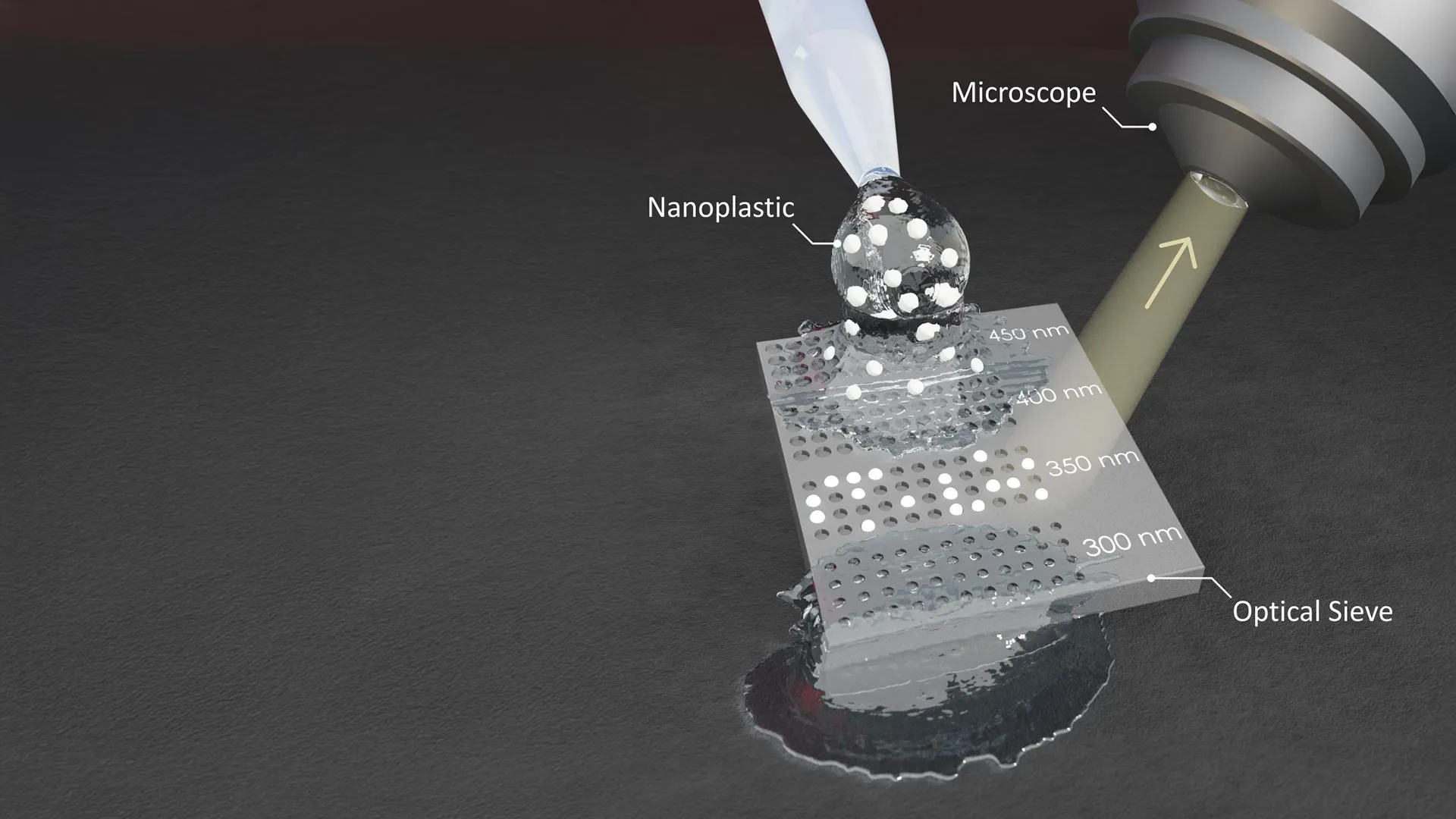
The optical sieve nanoplastic particles fall into holes of the appropriate size in the test strip. The color of the holes changes. The new color provides information about the size and number of particles. Credit: University of Stuttgart / 4th Physics Institute

A joint team from the University of Stuttgart in Germany and the University of Melbourne in Australia has developed a new method for the straightforward analysis of tiny nanoplastic particles in environmental samples. One needs only an ordinary optical microscope and a newly developed test strip — the optical sieve. The research results have now been published in Nature Photonics.

“The test strip can serve as a simple analysis tool in environmental and health research,” explains Prof. Harald Giessen, Head of the 4th Physics Institute of the University of Stuttgart. “In the near future, we will be working toward analyzing nanoplastic concentrations directly on site. But our new method could also be used to test blood or tissue for nanoplastic particles.”

Nanoplastics as a danger to humans and the environment

Plastic waste is one of the central and acute global problems of the 21st century. It not only pollutes oceans, rivers, and beaches but has also been detected in living organisms in the form of microplastics. Until now, environmental scientists have focused their attention on larger plastic residues. However, it has been known for some time that an even greater danger may be on the horizon: nanoplastic particles. These tiny particles are much smaller than a human hair and are created through the breakdown of larger plastic particles. They cannot be seen with the naked eye. These particles in the sub-micrometer range can also easily cross organic barriers such as the skin or the blood-brain barrier.

Color changes make tiny particles visible

Because of the small particle size, their detection poses a particular challenge. As a result, there are not only gaps in our understanding of how particles affect organisms but also a lack of rapid and reliable detection methods. In collaboration with a research group from Melbourne in Australia, researchers at the University of Stuttgart have now developed a novel method that can quickly and affordably detect such small particles. Color changes on a special test strip make nanoplastics visible in an optical microscope and allow researchers to count the number of particles and determine their size. “Compared with conventional and widely used methods such as scanning electron microscopy, the new method is considerably less expensive, does not require trained personnel to operate, and reduces the time required for detailed analysis,” explains Dr. Mario Hentschel, Head of the Microstructure Laboratory at the 4th Physics Institute.

Optical sieve instead of expensive electron microscope

The “optical sieve” uses resonance effects in small holes to make the nanoplastic particles visible. A study on optical effects in such holes was first published by the research group at the University of Stuttgart in 2023. The process is based on tiny depressions, known as Mie voids, which are edged into a semiconductor substrate. Depending on their diameter and depth, the holes interact characteristically with the incident light. This results in a bright color reflection that can be seen in an optical microscope. If a particle falls into one of the indentations, its color changes noticeably. One can therefore infer from the changing color whether a particle is present in the void.

“The test strip works like a classic sieve,” explains Dominik Ludescher, PhD student and first author of the publication in “Nature Photonics.” Particles ranging from 0.2 to 1 µm can thus be examined without difficulty. “The particles are filtered out of the liquid using the sieve in which the size and depth of the holes can be adapted to the nanoplastic particles, and subsequently by the resulting color change can be detected. This allows us to determine whether the voids are filled or empty.”

Number, size, and size distribution of particles can be determined

The novel detection method used can do even more. If the sieve is provided with voids of different sizes, only one particle of a suitable size will collect in each hole. “If a particle is too large, it won’t fit into the void and will be simply flushed away during the cleaning process,” says Ludescher. “If a particle is too small, it will adhere poorly to the well and will be washed away during cleaning.” In this way, the test strips can be adapted so that the size and number of particles in each individual hole can be determined from the reflected color.

Synthesized environmental samples examined

For their measurements, the researchers used spherical particles of various diameters. These are available in aequous solutions with specific nanoparticle. Because real samples from bodies of water with known nanoparticle concentrations are not yet available, the team produced a suitable sample themselves. The researchers used a water sample from a lake that contained a mixture of sand and other organic components and added spherical particles in known quantities. The concentration of plastic particles was 150 µg/ml. The number and size distribution of the nanoplastic particles was also be determined for this sample using the “optical sieve.”

Can be used like a test strip

“In the long term, the optical sieve will be used as a simple analysis tool in environmental and health research. The technology could serve as a mobile test strip that would provide information on the content of nanoplastics in water or soil directly on site,” explains Hentschel. The team is now planning experiments with nanoplastic particles that are not spherical. The researchers also plan to investigate whether the process can be used to distinguish between particles of different plastics. They are also particularly interested in collaborating with research groups that have specific expertise in processing real samples from bodies of water.

CLICK HERE FOR MORE INFORMATION

https://www.sciencedaily.com/releases/2025/09/250910000240.htm

Four billion particles of microplastics discovered in major body of water

Source:University of South Florida (USF Innovation)

Summary:While collecting water samples and plankton, researchers discovered a high concentration of microplastics, which are known to disrupt the marine food chain.Share:


FULL STORY


A new study from the University of South Florida St. Petersburg and Eckerd College estimates the waters of Tampa Bay contain four billion particles of microplastics, raising new questions about the impact of pollution on marine life in this vital ecosystem.

This is the first measurement of microplastic abundance and distribution in the region. Researchers hope the findings will provide necessary data to inform the debate around policies to reduce plastic in the marine environment.

Microplastics are tiny plastic particles less than 1/8 of an inch, barely or not at all visible to the eye. They come from the breakdown of larger plastics, such as water bottles, fishing gear and plastic bags, or from synthetic clothing and other items that contain elements of plastic. Previous studies have found these particles in every ocean on the planet and even in the Arctic.

“Very little is known about how much microplastics are out there and the full consequences of these particles on marine life,” said Kinsley McEachern, the first author of the study and a recent Environmental Science and Policy graduate student at USF St. Petersburg. “But emerging research indicates a wide range of impacts on marine ecosystems from the large accumulation of microplastics.”

Since particles are similar size as plankton, filter feeders such as oysters, clams, many fish and some birds ingest microplastics, allowing them to enter the food chain. Persistent organic pollutants, including toxic pesticides, and metals can stick to their surfaces, making ingestion potentially that much more damaging. Effects include cellular damage, reproductive disruption and even death.

The study revealed that the predominant type of these tiny particles in Tampa Bay — in both water and sediment — are thread-like fibers that are generated by fishing lines, nets and washing clothes. Synthetic fibers are released from clothes while they are being laundered, discharged to wastewater treatment plants and eventually released into the bay.

The next largest source are fragments that come from the breakdown of larger plastics.

“These plastics will remain in the bay, the gulf and ocean for more than a lifetime, while we use most plastic bags and bottles for less than an hour,” said David Hastings, Principal Investigator of the study, Courtesy Professor at USF College of Marine Science and a recently retired Professor of Marine Science and Chemistry at Eckerd College. “Although it is tempting to clean up the mess, it is not feasible to remove these particles from the water column or separate them out from sediments.”

“Only by removing the sources of plastics and microplastic particles can we successfully decrease the potential risks of plastics in the marine environment,” added McEachern.

Researchers found the largest concentrations of microplastics in water occurred after intense and long rainfall events, while in sediments the greatest amount of microplastics were located close to industrial sources.

For more than a decade, Hastings led annual research cruises in Tampa Bay with Eckerd College students to collect water samples and plankton. During these trips, he and his students were also seeing small pieces of plastic.

“We were looking at plankton, which form the base of the marine food web. But when we put the samples underneath the microscope, we were astonished to find many brightly colored pieces of microplastic. We wanted to learn more,” said Hastings.

Teaming up with McEachern, who was interested in focusing her graduate research on this issue, USFSP Associate Professor of Chemistry Henry Alegria and the Environmental Protection Commission of Hillsborough County, they set about counting microplastics in the region at 24 stations over a 14-month period. Collecting stations were located at the mouths of major rivers, near industrial facilities and in relatively pristine coastal mangroves. Particles believed to be plastic were probed with a hot dissecting needle. If the material quickly melted or disfigured, the sample was classified as a microplastic.

On average, the study found four pieces of microplastic per gallon of water at all sites, and more than 600 pieces of microplastic per pound of dry sediment. Extrapolating those findings to the entire Tampa Bay estuary, the researchers estimated there are approximately four billion particles in the water and more than 3 trillion pieces in surface sediments.

Researchers say the findings, though substantial, might also be conservative, since collection in the bay occurred several feet below the water surface, likely missing any buoyant microplastics at the surface.

“We collected only a few pieces of Styrofoam, most likely because we sampled below the surface and foam floats at the surface,” explained Hastings.

Plastic pollution in the marine environment has been a concern for decades. However, only recently have scientists started to uncover thwidespread abundance of microplastics in the environment. With mounting physical evidence of plastic pollution, there have been greater calls for action in coastal communities around the world. Recently bans on plastic bags and single-use plastics have been enacted by some local governments in Tampa Bay to reduce marine pollution and protect Florida’s largest open-water estuary.

The findings of billions of particles of microplastics in Tampa Bay waters could bring even greater calls for action and influence future decisions in the region and beyond. Researchers at USF St. Petersburg and Eckerd College are conducting further research to more fully understand microplastic pollution in the marine environment.

CLICK HERE FOR MORE INFORMATION

https://www.sciencedaily.com/releases/2019/09/190912111819.htm

Harmful microplastics infiltrating drinking water

Wastewater treatment plants are still not effectively removing dangerous microplastics

Source:University of Texas at Arlington

Summary:Despite advances in wastewater treatment, tiny plastic particles called microplastics are still slipping through, posing potential health and environmental hazards, according to new research.Share:


FULL STORY


Despite advances in wastewater treatment, tiny plastic particles called microplastics are still slipping through, posing potential health and environmental hazards, according to new research from The University of Texas at Arlington.

Because plastic is inexpensive to produce yet lightweight and sturdy, manufacturers have found it ideal for use in nearly every consumer good, from food and beverage packaging to clothing and beauty products. The downside is that when a plastic item reaches the end of its useful life, it never truly disappears. Instead, it breaks down into smaller and smaller pieces called microplastics — particles five millimeters or less, about the width of a pencil eraser — that end up in our soil and water.

“What our systematic literature review found is that while most wastewater treatment facilities significantly reduce microplastics loads, complete removal remains unattainable with current technologies,” said Un-Jung Kim, assistant professor of earth and environmental sciences at UT Arlington and senior author of the study published in Science of the Total Environment.

“As a result, many microplastics are being reintroduced into the environment, likely transporting other residual harmful pollutants in wastewater, such the chemicals Bisphenols, PFAS and antibiotics,” Dr. Kim added. “These microplastics and organic pollutants would exist in trace level, but we can get exposure through simple actions like drinking water, doing laundry or watering plants, leading to potential long-term serious human health impacts such as cardiovascular disease and cancer.”

According to the study, one of the main challenges in detecting and mitigating microplastics is the lack of standardized testing methods. The researchers also call for a unified approach to define what size particle qualifies as a microplastic.

“We found that the effectiveness of treatments varies depending on the technology communities use and how microplastics are measured to calculate the removal rates,” said the study’s lead author, Jenny Kim Nguyen. “One way to better address the growing microplastics issue is to develop standardized testing methods that provide a clearer understanding of the issue.”

Nguyen began this research as an undergraduate student in Kim’s Environmental Chemistry Lab. She is now pursuing a master’s degree in earth and environmental sciences at UTA, where she is working to develop standardized experimental protocols for studying microplastics in air and water.

“This work helps us understand the current microplastics problem, so we can address its long-term health impacts and establish better mitigation efforts,” said Karthikraj Rajendiran, a co-author of the study and assistant professor of research from UTA’s Bone Muscle Research Center within the College of Nursing and Health Innovations.

The team also emphasizes the need for greater public awareness of microplastics to help consumers make more eco-friendly choices.

“While communities must take steps to improve microplastic detection and screening at the wastewater and water quality monitoring, consumers can already make a difference by choosing to buy clothing and textiles with less plastics whenever feasible, knowing that microfibers are the most common microplastic continually released through wastewater,” Kim added.

Funding for the project was provided by UTA’s Research Enhancement Program, which supports multidisciplinary researchers in launching new projects.

CLICK HERE FOR MORE INFORMATION

https://www.sciencedaily.com/releases/2025/04/250421162936.htm

Scientists just solved the mystery of the missing ocean plastic—now we’re all in trouble

Summary:Millions of tons of plastic in the ocean aren’t floating in plain sight—they’re invisible. Scientists have now confirmed that the most abundant form of plastic in the Atlantic is in the form of nanoplastics, smaller than a micrometer. These particles are everywhere: in rain, rivers, and even the air. They may already be infiltrating entire ecosystems, including the human brain, and researchers say prevention—not cleanup—is our only hope.

“This estimate shows that there is more plastic in the form of nanoparticles floating in the this part of the ocean, than there is in larger micro- or macroplastics floating in the Atlantic or even all the world’s oceans!,” said Helge Niemann, researcher at NIOZ and professor of geochemistry at Utrecht University. Mid-June, he received a grant of 3.5 million euros to conduct more research into nanoplastics in the sea and their fate.

Ocean expedition For this research, Utrecht master student Sophie ten Hietbrink worked for four weeks aboard the research vessel RV Pelagia. On a trip from the Azores to the continental shelf of Europe, she took water samples at 12 locations where she filtered out anything larger than one micrometer. “By drying and heating the remaining material, we were able to measure the characteristic molecules of different types of plastics in the Utrecht laboratory, using mass spectrometry,” Ten Hietbrink says.

First real estimate The research by NIOZ and Utrecht University provides the first estimate of the amount of nanoplastics in the oceans. Niemann: “There were a few publications that showed that there were nanoplastics in the ocean water, but until now no estimate of the amount could ever be made.” This first estimate was made possible, according to Niemann, by the joining of forces of ocean scientists and the knowledge of atmospheric scientist Dusân Materic of Utrecht University.

Shocking amount Extrapolating the results from different locations to the whole of the North Atlantic Ocean, the researchers arrived at the immense amount of 27 million tons of nanoplastics. “A shocking amount,” Ten Hietbrink believes. “But with this we do have an important answer to the paradox of the missing plastic.” Until now, not all the plastic that was ever produced in the world could be recovered. So, it turns out that a large portion is now floating in the water as tiny particles.

Sun, rivers and rain The nanoplastics can reach water by various routes. In part, this happens because larger particles disintegrate under the influence of sunlight. Another part probably flows along with river water. It also appears that nanoplastics reach the oceans through the air, as suspended particles fall down with rainwater or fall from the air onto the water surface as ‘dry deposition’.

Consequences The consequences of all those nanoplastics in the water could be fundamental, Niemann emphasizes. “It is already known that nanoplastics can penetrate deep into our bodies. They are even found in brain tissue. Now that we know they are so ubiquitous in the oceans, it’s also obvious that they penetrate the entire ecosystem; from bacteria and other microorganisms to fish and top predators like humans. How that pollution affects the ecosystem needs further investigation.”

Other oceans In the future, Niemann and colleagues also want to do further research on, for example, the different types of plastics that have not yet been found in the fraction of 1 micrometer or smaller. “For example, we have not found polyethylene or polypropylene among the nanoplastics. It may well be that those were masked by other molecules in the study. We also want to know if nanoplastics are as abundant in the other oceans. It is to be feared that they do, but that remains to be proven.

Not cleaning up but preventing Niemann emphasizes that the amount of nanoplastics in ocean water was an important missing piece of the puzzle, but now there is nothing to do about it. “The nanoplastics that are there, can never be cleaned up. So an important message from this research is that we should at least prevent the further pollution of our environment with plastics.”

CLICK HERE FOR MORE INFORMATION

https://www.sciencedaily.com/releases/2025/07/250721223827.htm

Plastic particles in bottled water

Plastics are a part of our everyday lives, and plastic pollution is a growing concern. When plastics break down over time, they can form smaller particles called microplastics, which are 5 mm or less in length—smaller than a sesame seed. Microplastics, in turn, can break down into even smaller pieces called nanoplastics, which are less than 1 μm in size. Unable to be seen with the naked eye, these are small enough to enter the body’s cells and tissues.

Previous research has found evidence of plastic particles in human blood, lungs, gut, feces, and reproductive tissues like the placenta and testes. But the potential health effects of these tiny plastic bits are still unproven and unknown. The small size of nanoparticles has made them especially difficult to detect and study.

To gain more insight into nanoplastics, a research team led by Drs. Wei Min and Beizhan Yan of Columbia University modified a powerful imaging technique that Min co-invented 15 years ago with NIH support. The technique, called stimulated Raman scattering (SRS) microscopy, is now widely used to visualize small molecules in living cells. The method works by focusing two laser beams on samples to stimulate certain molecules to emit unique detectable light signals. Unlike many other methods, SRS microscopy does not depend on labeling specific molecules to find them.

For the new study, which was supported by NIH, the researchers developed a new SRS approach to detect micro- and nanoplastics at the single-particle level. After confirming that the technique could rapidly spot plastic particles smaller than 1 μm, they developed an algorithm based on machine learning to detect seven common types of plastic.

To test their new high-throughput imaging platform, the team analyzed the micro- and nanoplastics in three popular brands of bottled water. Results were reported on January 8, 2024, in the Proceedings of the National Academy of Sciences.

The researchers found that, on average, a liter of bottled water included about 240,000 tiny pieces of plastic. About 90% of these plastic fragments were nanoplastics. This total was 10 to 100 times more plastic particles than seen in earlier studies, which mostly focused on larger microplastics.

The water contained particles of all seven types of plastic. The most common was polyamide, a type of nylon that’s often used to help filter and purify water. An abundance of polyethylene terephthalate (PET) was also detected. This might be expected, since PET is used to make bottles for water, soda, and many other drinks and foods. Other identified plastics included polyvinyl chloride, polymethyl methacrylate, and polystyrene, which is also used in water purification. The method identified millions of additional particles that did not match the seven categories of plastic. It’s not yet clear if these tiny particles are nanoplastics or other substances.

The researchers say that this new technique will help to advance our understanding of human exposure to nanoplastics. “This opens a window where we can look into a plastic world that was not exposed to us before,” Yan says.

In the future, the researchers will apply this approach to analyze more environmental samples, such as tap water, indoor and outdoor air samples, and biological tissues. They are also developing filters that can reduce plastic pollution from laundry wastewater, since many fabrics include nylon, PET, and other plastics.

—by Vicki Contie

Related Links

References: Rapid single-particle chemical imaging of nanoplastics by SRS microscopy. Qian N, Gao X, Lang X, Deng H, Bratu TM, Chen Q, Stapleton P, Yan B, Min W. Proc Natl Acad Sci U S A. 2024 Jan 16;121(3):e2300582121. doi: 10.1073/pnas.2300582121. Epub 2024 Jan 8. PMID: 38190543.

Funding: NIH’s National Institute of Environmental Health Sciences (NIEHS); Research Initiatives in Science and Engineering of Columbia University; Hudson River Foundation.

CLICK HERE FOR MORE INFORMATION https://www.nih.gov/news-events/nih-research-matters/plastic-particles-bottled-water?