Drinking water source and exposure to regulated water contaminants in the California Teachers Study cohort

Journal of Exposure Science & Environmental Epidemiology volume 35, pages454–465 (2025)Cite this article

  • 4058 Accesses
  • 6 Citations
  • Metrics

Abstract
Background
Pollutants including metals/metalloids, nitrate, disinfection byproducts, and volatile organic compounds contaminate federally regulated community water systems (CWS) and unregulated domestic wells across the United States. Exposures and associated health effects, particularly at levels below regulatory limits, are understudied.

Objective
We described drinking water sources and exposures for the California Teachers Study (CTS), a prospective cohort of female California teachers and administrators.

Methods
Participants’ geocoded addresses at enrollment (1995–1996) were linked to CWS service area boundaries and monitoring data (N = 115,206, 92%); we computed average (1990–2015) concentrations of arsenic, uranium, nitrate, gross alpha (GA), five haloacetic acids (HAA5), total trihalomethanes (TTHM), trichloroethylene (TCE), and tetrachloroethylene (PCE). We used generalized linear regression to estimate geometric mean ratios of CWS exposures across demographic subgroups and neighborhood characteristics. Self-reported drinking water source and consumption at follow-up (2017–2019) were also described.

Results
Medians (interquartile ranges) of average concentrations of all contaminants were below regulatory limits: arsenic: 1.03 (0.54,1.71) µg/L, uranium: 3.48 (1.01,6.18) µg/L, GA: 2.21 (1.32,3.67) pCi/L, nitrate: 0.54 (0.20,1.97) mg/L, HAA5: 8.67 (2.98,14.70) µg/L, and TTHM: 12.86 (4.58,21.95) µg/L. Among those who lived within a CWS boundary and self-reported drinking water information (2017–2019), approximately 74% self-reported their water source as municipal, 15% bottled, 2% private well, 4% other, and 5% did not know/missing. Spatially linked water source was largely consistent with self-reported source at follow-up (2017–2019). Relative to non-Hispanic white participants, average arsenic, uranium, GA, and nitrate concentrations were higher for Black, Hispanic and Native American participants. Relative to participants living in census block groups in the lowest socioeconomic status (SES) quartile, participants in higher SES quartiles had lower arsenic/uranium/GA/nitrate, and higher HAA5/TTHM. Non-metropolitan participants had higher arsenic/uranium/nitrate, and metropolitan participants had higher HAA5/TTHM.

Impact
Though average water contaminant levels were mostly below regulatory limits in this large cohort of California women, we observed heterogeneity in exposures across sociodemographic subgroups and neighborhood characteristics. These data will be used to support future assessments of drinking water exposures and disease risk.

Insights to estimate exposure to regulated and non-regulated disinfection by-products in drinking water
Article Open access
29 June 2022

US drinking water quality: exposure risk profiles for seven legacy and emerging contaminants
Article Open access
22 September 2023

Human health implications of metal pollution in the Betwa-Yamuna river system, India: evidence from Monte Carlo risk modelling
Article Open access
11 January 2026
Introduction
Drinking water represents an important source of exposure to inorganics (e.g., arsenic and nitrate), radionuclides (uranium, alpha particles), disinfection byproducts (DBPs), and volatile organic compounds (VOCs) for populations in the United States (U.S.) and worldwide [1]. Approximately 90% of the U.S. population is served by public water systems, and 10% by private wells [2]. In California, approximately 95% of the population is served by public water systems [3]. Public water systems include at least 15 service connections or serve at least 25 people; community water systems (CWS) are a type of public water system that serve the same population year-round [2]. Public water systems are regulated by the U.S. Environmental Protection Agency (EPA) under the Safe Drinking Water Act [4]. The contaminants we evaluated are regulated through federally enforceable maximum contaminant levels (MCLs), which were determined based on economic and technical feasibility, treatment technologies, cost-benefit analysis, and public health benefit for specific health endpoints [4]. States generally have primacy over enforcement of federal drinking water regulations. Notably, the MCL goal, a non-enforceable standard based solely on risk to health, is 0 µg/l for arsenic, uranium, alpha particles, trichloroethylene (TCE), tetrachloroethylene (PCE), bromodichloromethane, bromoform, and dichloroacetic acid, as there is no known safe level of exposure to these contaminants [4]. Private wells are not federally regulated or monitored.

Nitrate is a common contaminant of drinking water supplies in agricultural areas, due to use of nitrogen fertilizers and concentrated animal feeding operation waste [5, 6]. Atmospheric deposition, erosion of natural deposits, and septic tank or sewage leakage contribute to nitrate contamination in rural and urban areas [4]. Geogenic arsenic occurs in groundwater across the U.S., with regional differences due to climatic and geological factors; arid climates can cause evaporative concentration of arsenic in shallow groundwater supplies and lead to high levels, such as in the San Joaquin Valley of California [7,8,9,10]. Mining and historical arsenical pesticide use are anthropogenic sources of arsenic contamination in water supplies [8]. Uranium is present in different rock types and is leached from host mineral phases to surface and ground water supplies; uranium mining/milling and mobilization of uranium via nitrate fertilizer use are anthropogenic sources of uranium contamination [11,12,13,14,15]. Uranium and other radionuclides can decay and release alpha radiation, often quantified as total gross alpha for monitoring compliance purposes. DBPs are formed by the reaction of chlorine and bromine with natural organic compounds during the disinfection of water supplies to treat pathogens [16]. DBPs are commonly found in public water supplies across the U.S., with the highest concentrations observed in those reliant on surface water or shallow groundwater [16]. While over 700 DBPs have been identified, the most abundant classes are trihalomethanes (THMs, which include the chemicals chloroform, dibromochloromethane, bromodichloromethane, and bromoform, and regulated as the sum total, TTHM), and haloacetic acids (HAA5, regulated as the sum of dichloroacetic acid, trichloroacetic acid, monochloroacetic acid, bromoacetic acid, and dibromoacetic acid) [4, 17, 18]. The VOCs TCE and PCE are solvents used in dry cleaning, metal degreasing, textile, art, and industrial processes, and may be found in some consumer products [19]. Toxic waste disposal sites, sometimes recognized as Superfund sites under the Comprehensive Environmental Response, Compensation, and Liability Act (CERCLA), are anthropogenic sources of inorganic arsenic, uranium, TCE, and PCE in groundwater [12, 19,20,21,22,23,24].

Numerous studies implicate one or more of these drinking water contaminants in adverse health effects, including cancer, cardiovascular disease, reproductive and developmental toxicity, nephrotoxicity, and other adverse health conditions [1, 16, 20, 25,26,27,28,29,30,31,32,33,34,35,36,37,38,39]. Inorganic arsenic is classified by the International Agency for Research on Cancer (IARC) as a cause of cancers of the bladder, lung, and skin, and is associated with increased risk of cancers of the kidney, liver, and prostate [26]. Inorganic arsenic is also a potent toxicant associated with numerous adverse health outcomes, including cardiovascular disease, hypertension, and reproductive disorders [26, 31, 32]. Uranium exposure through drinking water is associated with renal damage and nephrotoxicity, and an increased risk of colorectal, breast, kidney, prostate, and total cancer [20, 27, 33]. Nitrate is classified by IARC as a probable human carcinogen when ingested under conditions that result in the endogenous formation of N-nitroso-compounds, most of which are animal carcinogens [28, 34]. Cancers of the stomach, colon, bladder, kidney, ovary, and thyroid, and thyroid disease are associated with elevated nitrate ingested from drinking water; however, the number of studies of most cancer sites is limited [29, 35]. Higher intake of DBPs through drinking water is associated with increased bladder cancer risk, and a limited number of studies suggest DBP exposures are potential risk factors for colon, rectum, and endometrial cancer [16, 36]. TCE is classified as carcinogenic to humans based on kidney cancer, and PCE (Group 2A) as probably carcinogenic to humans based on bladder cancer evidence [30]. Occupational studies also support adverse developmental, neurological, and hepatotoxic effects of TCE and PCE exposures [19]. Assessment of long-term drinking water contaminant exposures and associated health risks have traditionally been limited by the lack of water quality data that could be assigned to individuals in epidemiologic cohorts; understanding large-scale water quality data at the level of consumer intake is a critical research gap [40]. Additionally, there are relatively few cohort studies evaluating drinking water exposures at levels below the MCLs and World Health Organization guidelines that are commonly experienced by the general U.S. population [1]. Inequalities in CWS arsenic, uranium, and nitrate exposures by sociodemographic characteristics such as, race and ethnicity, income, education, region, and rurality/urbanicity have been documented [41, 42]. Few studies have evaluated sociodemographic inequalities in DBP and TCE/PCE exposures in the United States.

Our primary objective for this study was to describe exposure to regulated, frequently detected and measured contaminants in drinking water in the California Teachers Study (CTS), a large prospective cohort of women. We described the spatial linkage of participants’ residences to their drinking water source and corresponding estimates of contaminant concentrations. For a subset, we evaluated the agreement between address-assigned and self-reported drinking water source and described the daily intake of tap water and CWS contaminants. Additionally, we examined inequalities in CWS exposures across sociodemographic groups.

CLICK HERE FOR MORE INFORMATION

https://www.nature.com/articles/s41370-024-00703-9

Improving drinking water quality in the U.S.

By: Jay Lau

Throughout the fall, Harvard Chan faculty will share evidence-based recommendations on urgent public health issues facing the next U.S. administration. Ronnie Levin, instructor in the Department of Environmental Health, offered her thoughts on policies that could address contamination in the country’s drinking water supply.

Q: Why is drinking water quality a pressing public health issue?

A: The U.S. has arguably the best and most reliable drinking water in the world, and that’s because we’ve spent a lot of money and time getting it in that shape. On the other hand, our drinking water is not risk-free. It’s not perfectly safe—it can contain lead, nitrate, PFAS, arsenic, and uranium, as examples. In addition, there are racial and ethnic disparities in contaminant exposures, so not everybody gets the same quality of drinking water.

Q: What are the biggest challenges facing the next administration around improving drinking water quality?

A: A hundred years ago, we sunk a lot of money into water treatment and infrastructure, but then we stopped putting in that kind of investment. Now our water systems are severely aging and deteriorated, and we haven’t continued to maintain the older ones. And when we build new ones, they’re not always as well designed as the old ones.

In addition, science has moved on—we’ve found things in our drinking water that we thought weren’t bad, like PFAS, that turn out to be biologically active at very low levels. Lead, arsenic, and nitrate cause health effects at lower levels than we knew when we set the standards decades ago. We now need to catch up.

Ronnie Levin. Photo: Kent Dayton
Q: What are your top policy recommendations to address drinking water quality?

A: There’s been recent progress toward reducing lead in drinking water. On Oct. 8, the Environmental Protection Agency (EPA) announced a rule that requires all lead pipes in U.S. water systems to be replaced within the next decade, lowers the current level for taking action to reduce lead exposure from 15 to 10 parts per billion, and also implements several other policies to reduce exposure to lead from drinking water. If the rule is implemented and enforced, millions of people will have cleaner, safer water. Importantly, it will particularly enhance environmental protection among disadvantaged and low-income populations, which have been disproportionately impacted by lead-contaminated water.

There are several other contaminants I’d like to see the government address. PFAS are a class of thousands of chemicals that are in all kinds of consumer products. We don’t even know all of them, because industry keeps tweaking them to be different and cheaper, and industry doesn’t have to report how they get used. There are PFAS everywhere, contaminating water, soil, air, and food, and they build up in people and the environment over time.

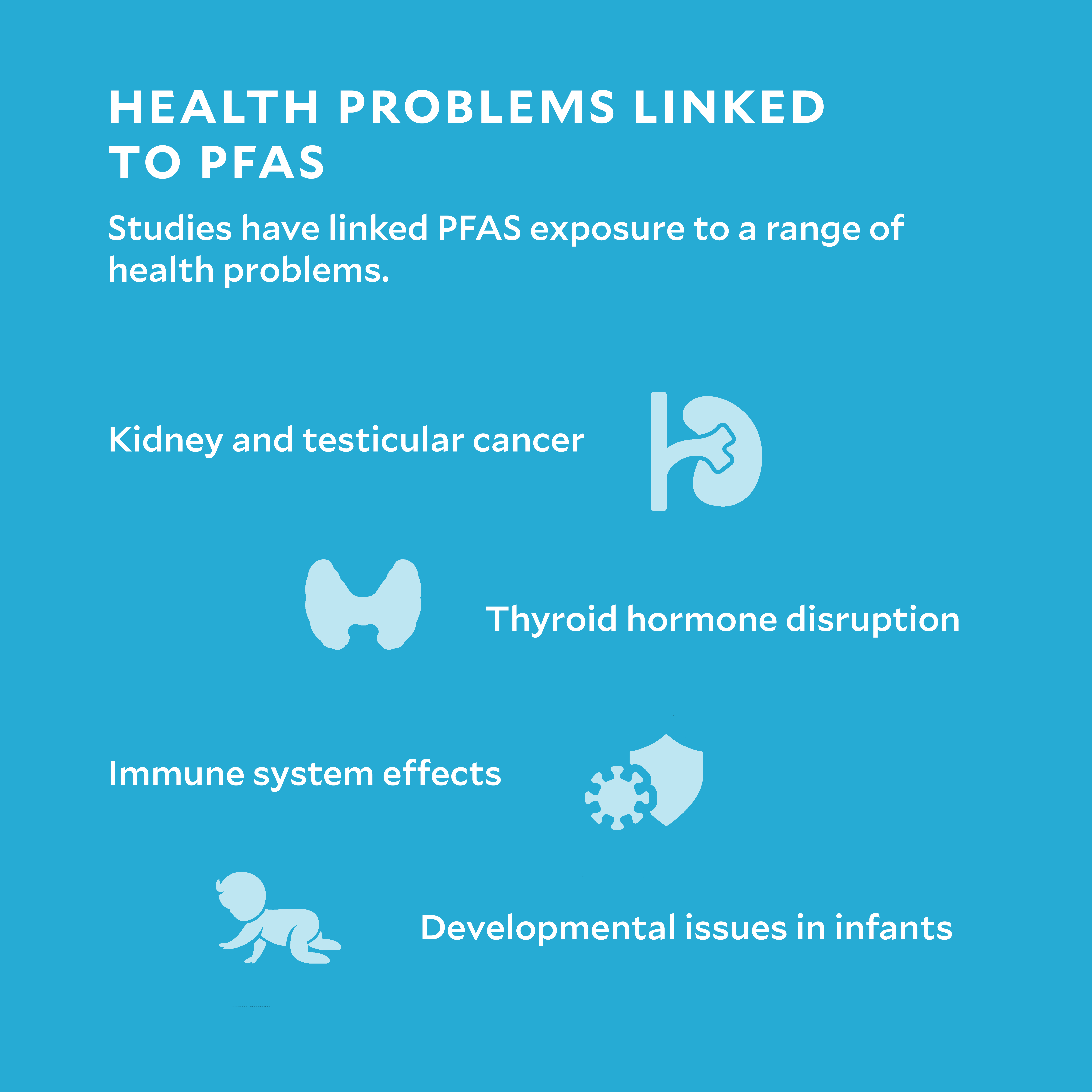
We don’t know a lot about the thousands of different PFAS because it takes years to do studies, and we haven’t known about them for that many years. But research so far has suggested that PFAS are associated with a host of biological changes, even at very low levels. PFAS exposure has been linked with many adverse health outcomes, such as decreased immune system function, thyroid disease, and kidney and testicular cancers.

The EPA recently set regulations for six PFAS chemicals, ones that we know are the easiest to measure and are associated with numerous health effects. Many people are researching PFAS, but industry is constantly altering the formulations for new and different applications, and so there’s no way to stop this train. But the EPA’s efforts are really good news.

Another issue that the EPA needs to address is revising the standard for arsenic in drinking water. We’ve known that arsenic is a poison for a really long time, and that’s actually what makes it so useful—we use it in chemotherapies, pesticides, and herbicides. It has a lot of other useful applications, like in paints and glassmaking. But arsenic has negative health effects across the board, including cardiovascular harms, liver damage, neurotoxicity, and reproductive toxicity.

The arsenic limit for drinking water—which was set in 2001 at 10 parts per billion—is probably an order of magnitude too high. It was looking like the EPA might propose lowering the arsenic standard in the next few years, but with the change in administration, that likelihood is looking dim. There’s a lot of resistance from industry and water utilities, but I think taking action on arsenic will be easier than regulating so many different types of PFAS, which is going to take a lot longer.

As for the EPA’s nitrate standard, it is dangerously high, and violations of the nitrate standard are the most common health-based violations of drinking water standards.

In general, the EPA is behind in keeping the drinking water standards up to date with the current scientific literature. Setting standards is a laborious process and, in addition, there is tremendous pushback from the “drinking water industry”—public water systems, which are often cities themselves, or semi-governmental agencies like the Massachusetts Water Resources Authority, which oversees water systems in the Boston metropolitan area. There are 50,000 active public water systems in the U.S., and there is a lot of complaining from those systems about the difficulty and expense of meeting stricter standards.

Q: What’s the evidence supporting those recommendations?

A: My colleagues and I wrote a 2023 review article about the exposure risks of a wide range of drinking water contaminants, including PFAS, arsenic, and more. In that article, we cited a number of studies linking these chemicals to health harms:

A 2023 meta-analysis of over a dozen different studies found that several types of PFAS may lower the body’s ability to produce antibodies after receiving vaccines, particularly for diphtheria, rubella, and tetanus.
A 2022 meta-analysis of over 100 rodent and human epidemiological studies identified a link between PFAS exposure and liver injury.
A 2013 study followed almost 4,000 individuals for around two decades, and found that higher arsenic levels in urine were associated with increased mortality from lung, prostate, and pancreatic cancers.
A 2015 meta-analysis of over a dozen studies identified a link between arsenic exposure and adverse pregnancy outcomes and infant mortality.
A 2021 study analyzed nationwide data collected by the Centers for Disease Control and Prevention, finding that an increased level of arsenic in urine was associated with heart disease mortality.
Q: What do you hope can be accomplished to improve drinking water quality in the next four years?

A: Addressing both PFAS and arsenic will be difficult and expensive, and also take a lot of political will. The Supreme Court has tied the EPA’s hands through decisions such as eliminating the Chevron deference, which called for deferring to federal agencies for their judgments where federal law is silent or unclear, and the 2023 Sackett v. EPA case, which limited the agency’s power to regulate wetlands and waterways. The EPA can’t just issue regulations, it has to get laws passed through Congress, which is much harder to do. It used to be that the courts would defer to the EPA, but now the agency is going to have to make a much stronger case for regulations.

Regarding lead, now that the Biden administration has finalized the new lead pipe rule the government needs to make sure that the rule is implemented and enforced.

We have to regain a commitment to protecting human health and the environment, and clean drinking water should be a top priority. We have a lot of hard work to do.

CLICK HERE FOR MORE INFORMATION

Microplastics in Our Waters: Insights from a Configurative Systematic Review of Water Bodies and Drinking Water Sources

by 

Awnon Bhowmik 1 and

Goutam Saha 2,3,4,*

1

Department of Business & Management, Colorado State University Global, Denver, CO 80202, USA

2

School of Mechanical and Mechatronic Engineering, University of Technology Sydney, Ultimo, NSW 2007, Australia

3

Miyan Research Institute, International University of Business Agriculture and Technology, Uttara, Dhaka 1230, Bangladesh

4

Department of Mathematics, University of Dhaka, Dhaka 1000, Bangladesh

*

Author to whom correspondence should be addressed.

Microplastics 2025, 4(2), 24; https://doi.org/10.3390/microplastics4020024

Submission received: 8 January 2025 / Revised: 7 April 2025 / Accepted: 13 April 2025 / Published: 7 May 2025

Downloadkeyboard_arrow_down 

Browse Figures

Versions Notes

Abstract

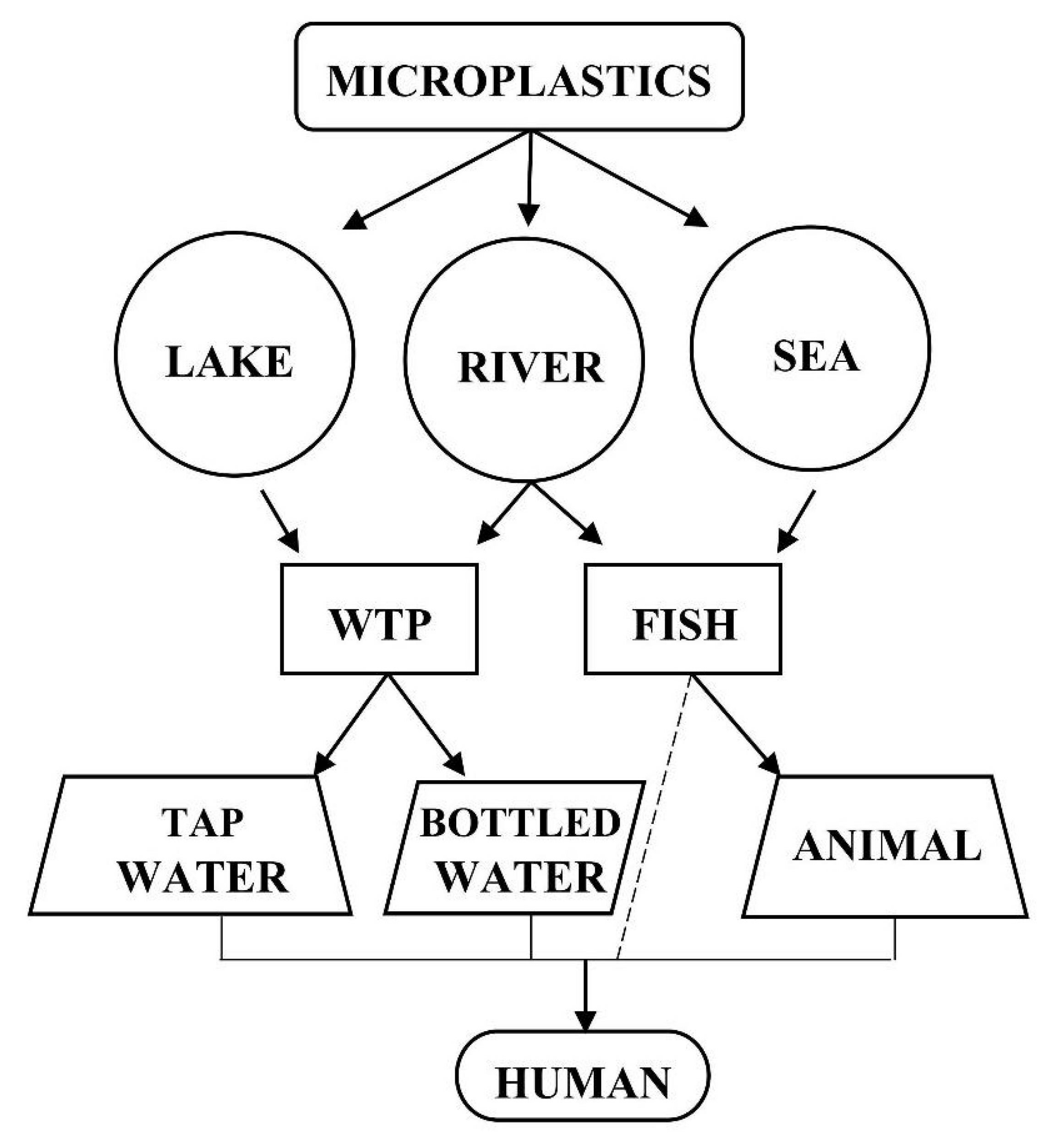
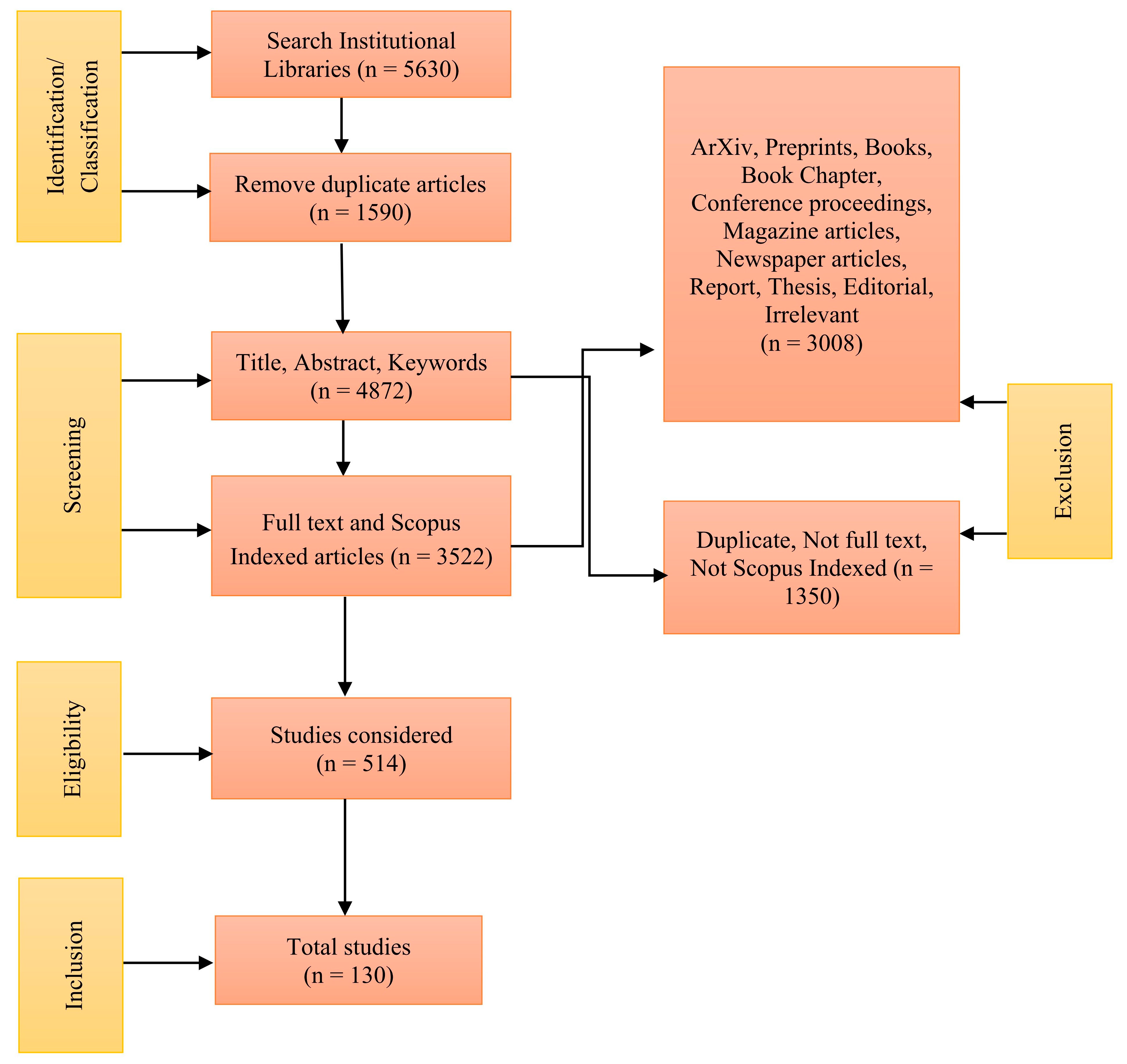
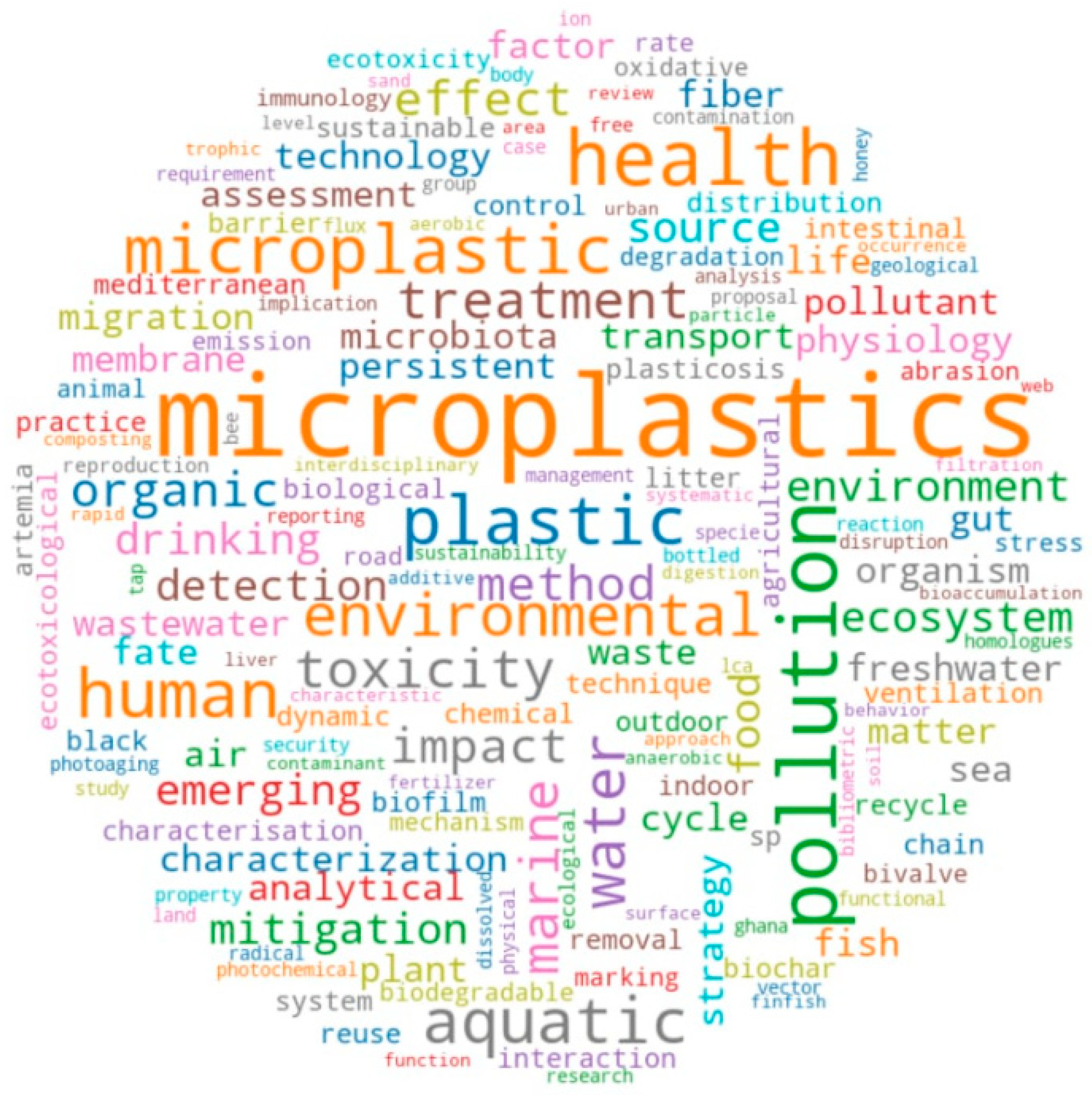
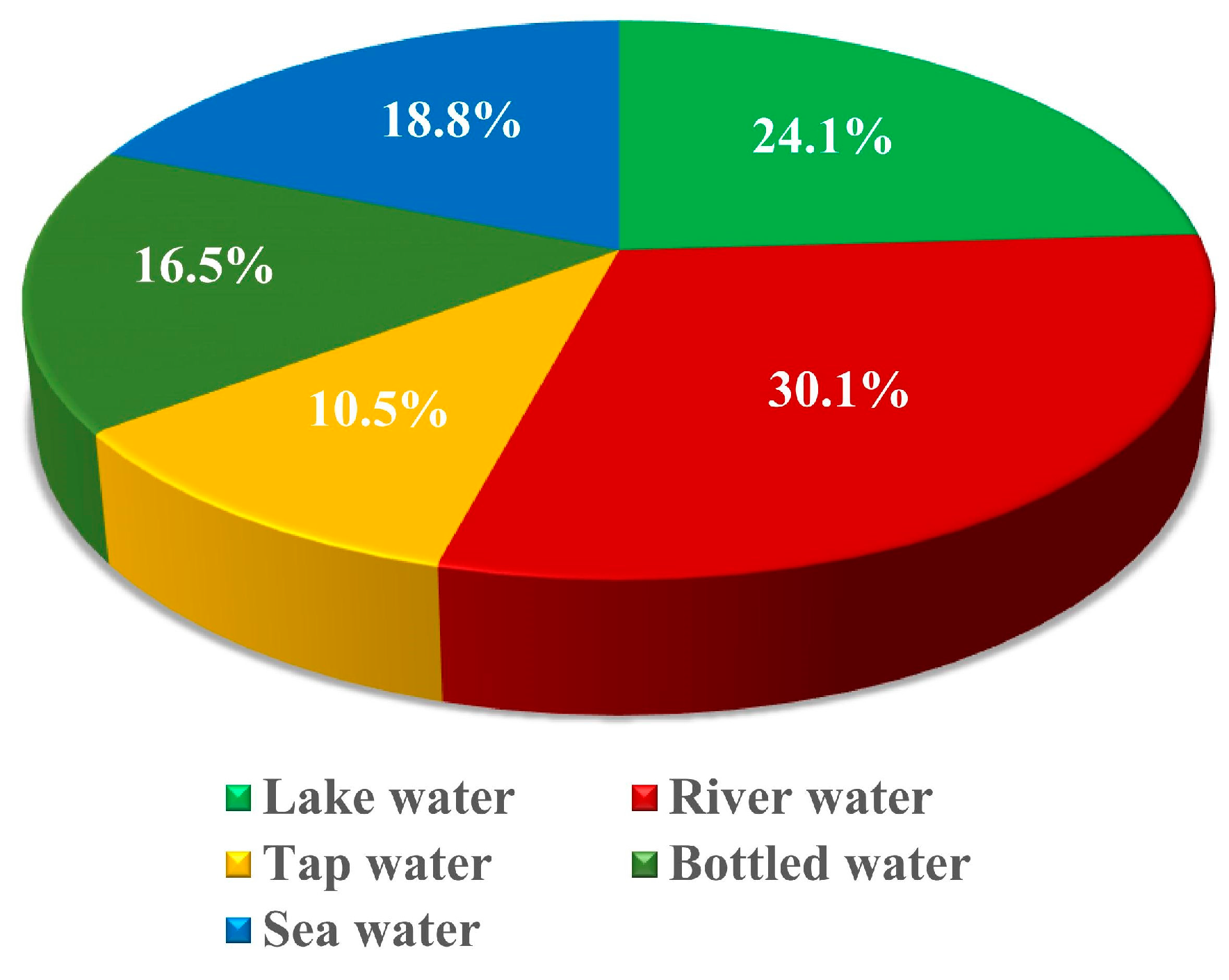
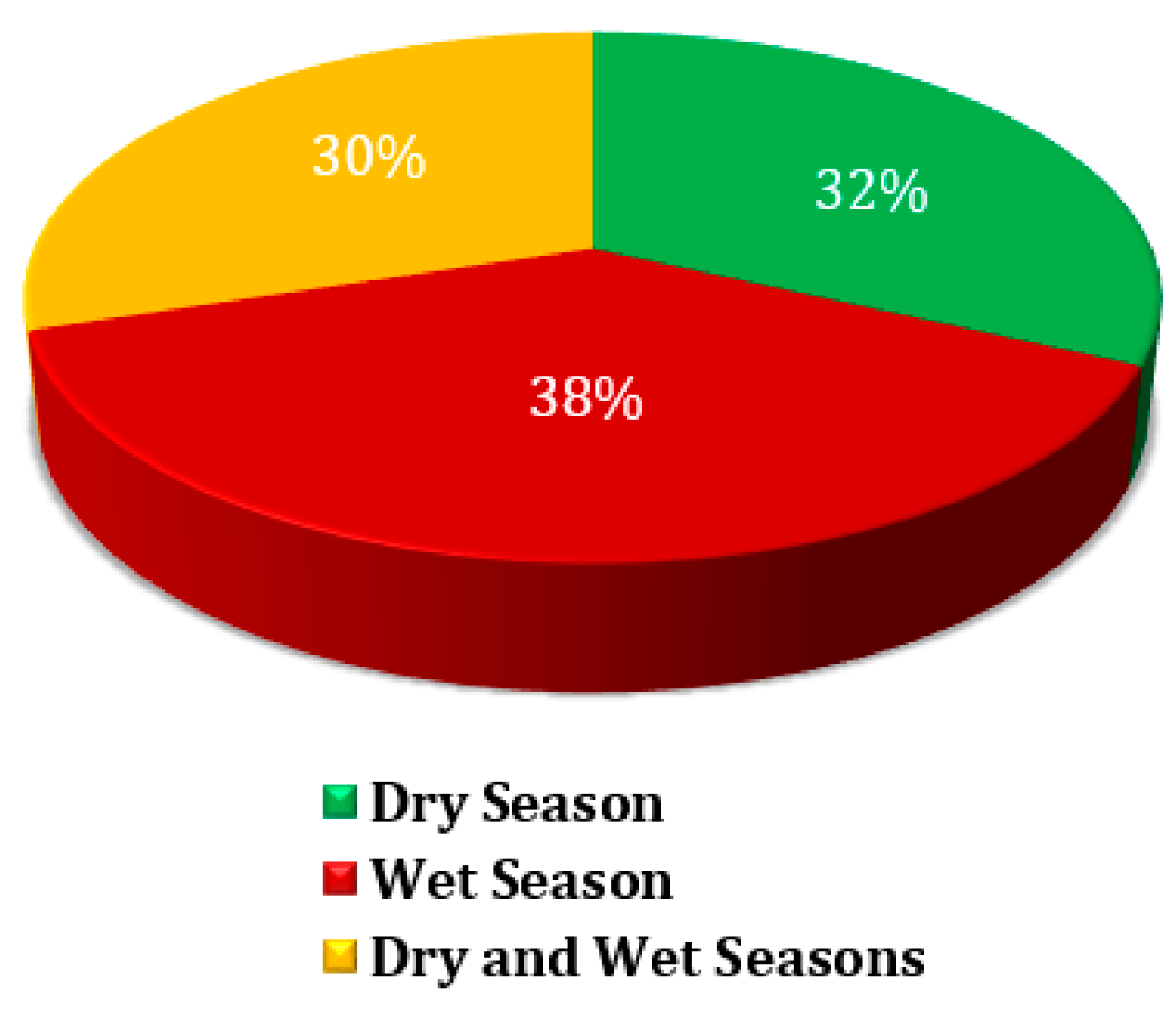
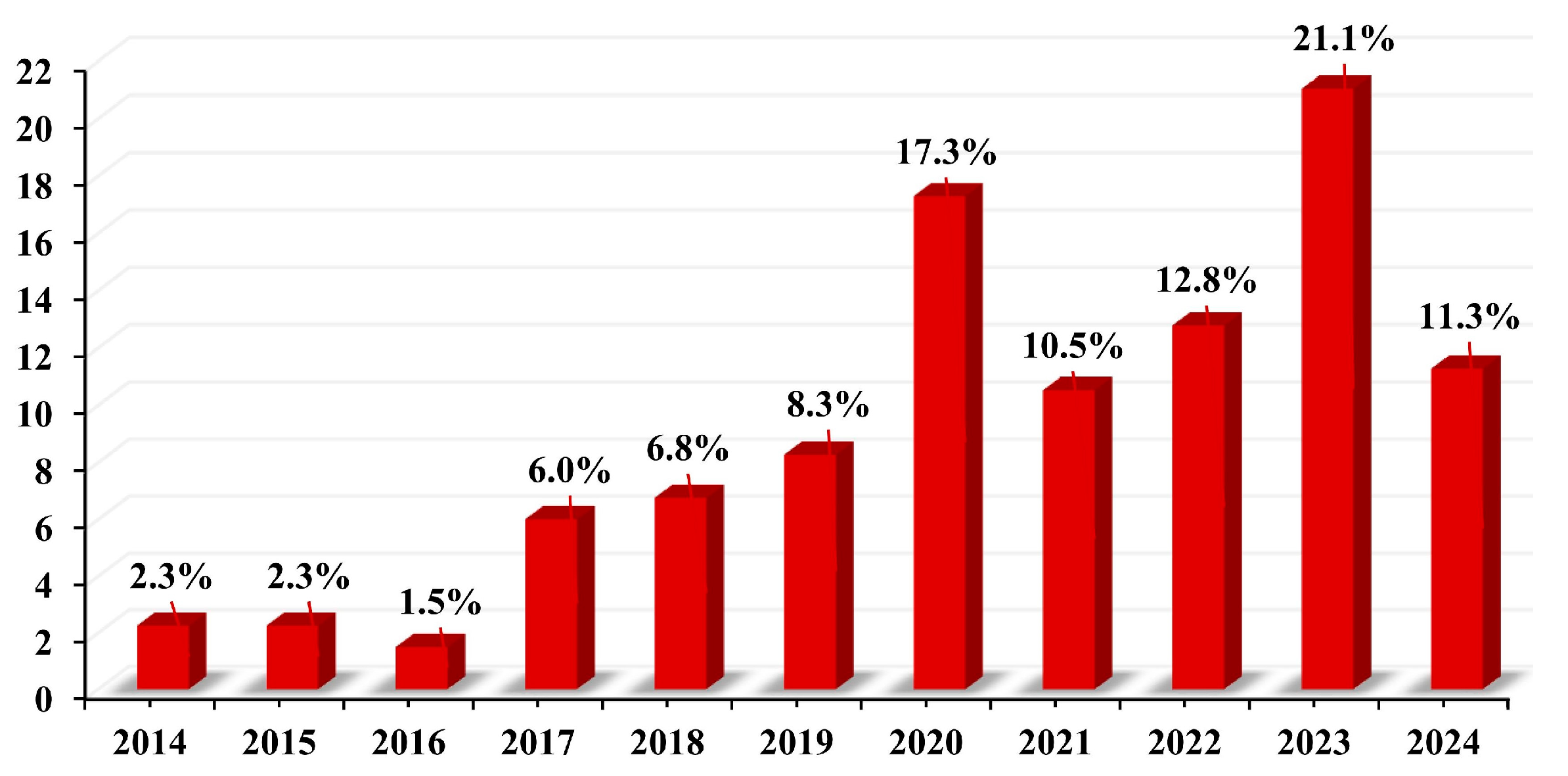
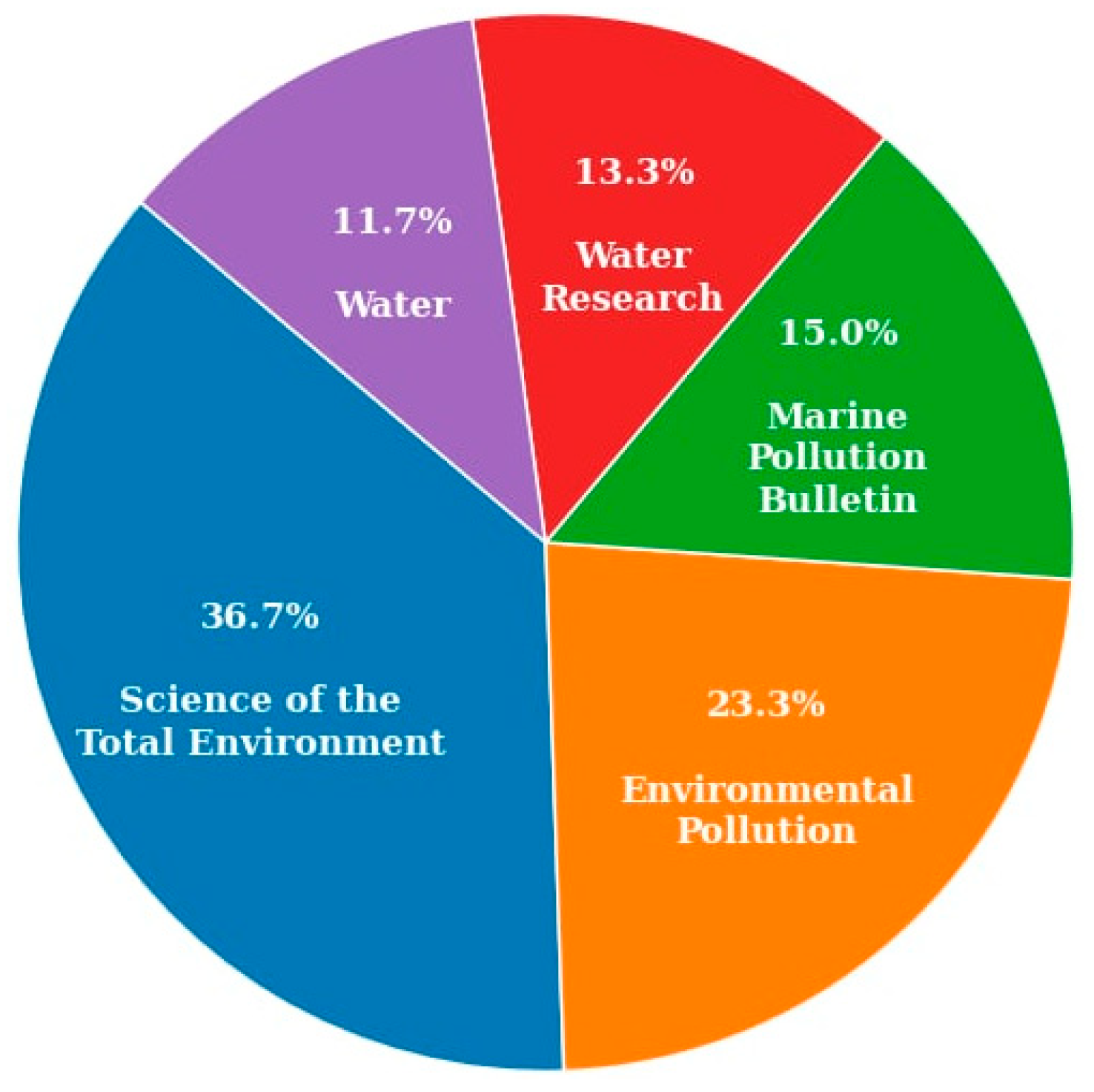
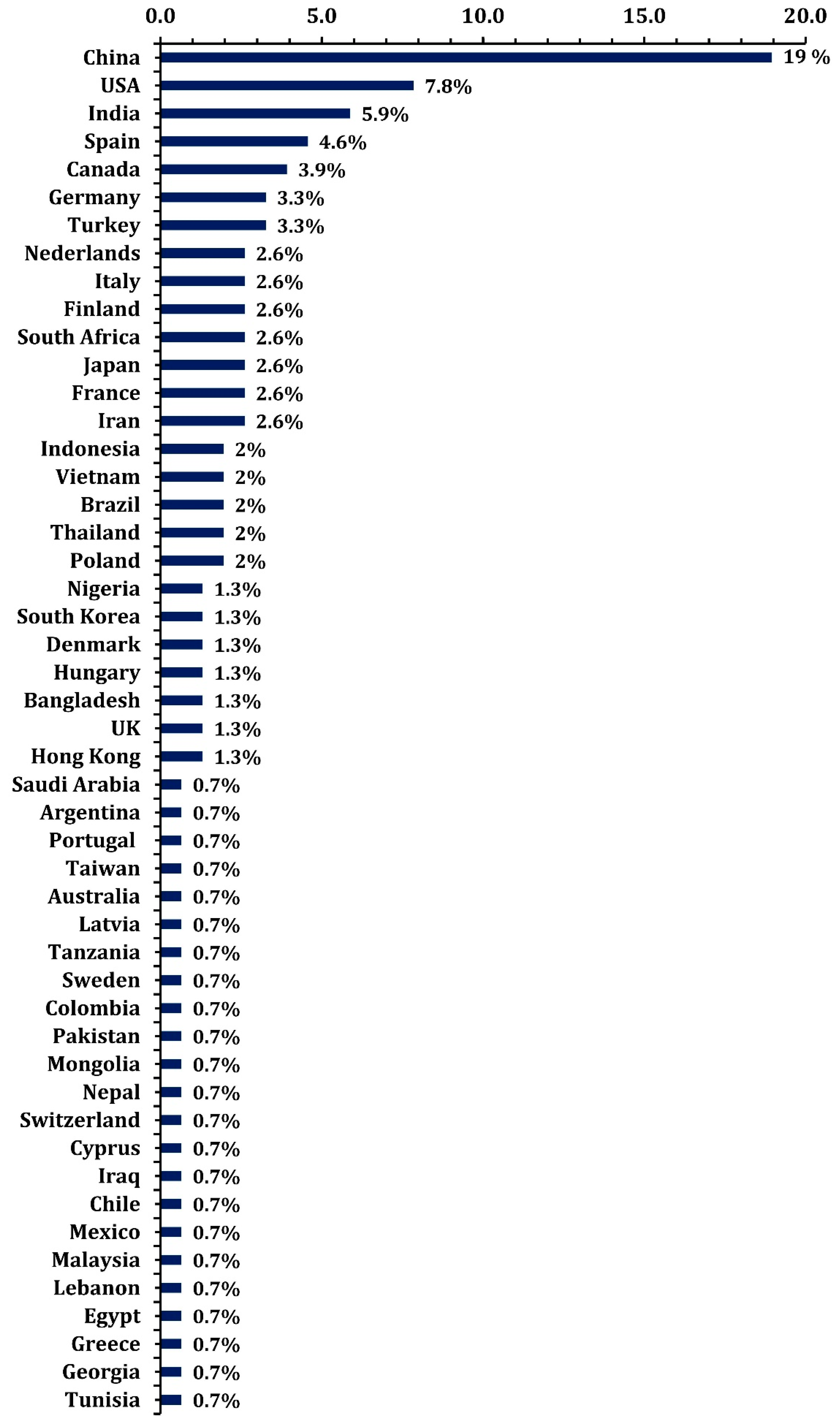
Microplastics (MPs), defined as plastic particles smaller than 5 mm, are an emerging global environmental and health concern due to their pervasive presence in aquatic ecosystems. This systematic review synthesizes data on the distribution, shapes, materials, and sizes of MPs in various water sources, including lakes, rivers, seas, tap water, and bottled water, between 2014 and 2024. Results reveal that river water constitutes the largest share of studies on MP pollution (30%), followed by lake water (24%), sea water (19%), bottled water (17%), and tap water (11%), reflecting their critical roles in MP transport and accumulation. Seasonal analysis indicates that MP concentrations peak in the wet season (38%), followed by the dry (32%) and transitional (30%) seasons. Spatially, China leads MP research globally (19%), followed by the USA (7.8%) and India (5.9%). MPs are predominantly composed of polyethylene (PE), polypropylene (PP), and polyethylene terephthalate (PET), with fibers and fragments being the most common shapes. Sub-millimeter MPs (<1 mm) dominate globally, with significant variations driven by anthropogenic activities, industrial discharge, and environmental factors such as rainfall and temperature. The study highlights critical gaps in understanding the long-term ecological and health impacts of MPs, emphasizing the need for standardized methodologies, improved waste management, and innovative mitigation strategies. This review underscores the urgency of addressing microplastic pollution through global collaboration and stricter regulatory measures.

Keywords: 

microplastics; pollution; environment; freshwater; public health; mitigation strategies; tap and bottled water

CLICK HERE TO READ MORE

https://www.mdpi.com/2673-8929/4/2/24?

Microplastic mediated bacterial contamination in water distribution systems as an emerging public health threat

You have full access to thisopen accessarticle

Download PDF

Discover SustainabilityAims and scopeSubmit manuscript

Microplastic mediated bacterial contamination in water distribution systems as an emerging public health threat

Download PDF

Abstract

The growing intrusion of microplastics (MPs) into water supply networks, exacerbated by their physicochemical features that facilitate their movement in water and enable microbial attachment, represents an under-recognized but rising threat to public health. The present work is a scooping review that synthesized recent studies to explore the roles of MPs as dynamic pollutants that not only contaminate water sources and distribution systems but also interact with bacterial contaminants in ways that intensify health threats. In accordance with SDG 6 (Clean Water and Sanitation), we examined the sources and fate of MPs in water distribution networks, their mechanisms of transportation, and their function as surfaces for bacterial attachment and biofilm development. We paid attention to how MPs can carry harmful bacteria and store genes that make bacteria resistant to antibiotics, which could help these bacteria survive and spread throughout the water distribution system, an issue related to SDG 3 (Good Health and Well-being). These microplastic-associated biofilms called plastisphere can compromise water quality assessments, escape conventional water treatment procedures, and aggravate the distribution of antimicrobial resistance. Furthermore, we highlight the limits of existing detection and monitoring methods for MPs and related bacterial threats in water. We ascertain serious knowledge gaps in understanding the long-term behaviour of MPs in real-world water distribution conditions, particularly under variable hydraulic and environmental stresses. Addressing these gaps require imminent research focus on in situ studies of MP-bacterial interactions, innovative molecular and sensing machineries, risk valuation models that integrate microbial and genetic information (SDG 9: Industry, Innovation, and Infrastructure). Interdisciplinary collaborations among environmental microbiologists, water engineers, and public health workers could also help to develop a standardized, high-resolution detection protocols.

CLICK HERE TO READ MORE

https://link.springer.com/article/10.1007/s43621-025-02137-1?

Microplastics in drinking water: quantitative analysis of microplastics from source to tap by pyrolysis–gas chromatography-mass spectrometry

  • Research Article
  • Open access
  • Published: 05 November 2025

You have full access to thisopen accessarticle

Download PDF

Environmental Science and Pollution ResearchAims and scopeSubmit manuscript

Microplastics in drinking water: quantitative analysis of microplastics from source to tap by pyrolysis–gas chromatography-mass spectrometry

Download PDF

Abstract

The widespread presence of microplastics (MPs) in fresh surface water has raised concerns about potential human exposure through drinking water sourced from these environments. While MP research is advancing to understand the occurrence and fate of MPs in drinking water production systems, data based on mass concentration is scarce. This study assesses MP concentrations in the drinking water supply system of Amsterdam (the Netherlands) from source to tap, analyzing raw water from two freshwater sources (Lek Canal and Bethune Polder), treated water from two drinking water treatment plants (DWTPs) (Leiduin and Weesperkarspel DWTPs), and household tap water samples from the Amsterdam distribution area. MPs ≥ 0.7 µm were identified and quantified using pyrolysis gas chromatography-mass spectrometry (Py-GC–MS) targeting 6 high production volume polymers: polyethylene (PE), polyethylene terephthalate (PET), polymethyl methacrylate (PMMA) polypropylene (PP), polystyrene (PS), and polyvinyl chloride (PVC). Average MP concentrations in raw water samples were 50.6 ± 34.7 µg/L (n = 14) and 47.5 ± 33.7 µg/L (n = 14), while treated water samples exhibited significantly lower levels of 0.80 ± 0.44 µg/L (n = 12) and 1.65 ± 2.19 µg/L (n = 14), demonstrating high removal efficiencies of 97–98%. PE, PVC, and PET were the most abundant polymer types detected. Household tap water samples showed lower concentrations with an average of 0.21 ± 0.12 µg/L (n = 20). These findings highlight the effective removal of MPs during drinking water treatment processes while emphasizing the need for further research to understand the factors influencing MP transport and fate within water distribution networks.

CLICK HERE TO READ MORE

https://link.springer.com/article/10.1007/s11356-025-37130-8?

Press Release

Exposure to PFAS in drinking water linked to higher blood levels of these “forever” chemicals

First-of-its-kind study at ADLM 2025 lays the foundation for addressing public health threat

Share

  • Share On Facebook
  • Share On Instagram
  • Share On Twitter
  • Share On Linkedin
  • >Share With Email

CHICAGO — Breaking research presented today at ADLM 2025 (formerly the AACC Annual Scientific Meeting & Clinical Lab Expo) found that people who live in areas with higher levels of PFAS in their drinking water also have elevated blood levels of these manufactured chemicals. Highlighting why these so-called “forever chemicals” are a growing public-health concern, these findings provide support for policies encouraging more PFAS testing and treatment in public water systems.

“Drinking water is one of the most important routes for exposure to environmental contaminants, including PFAS,” said Dr. Wen Dui, a member of the research team from Quest Diagnostics that conducted the study. “This study was the first of its kind to apply the National Academies of Science, Engineering, and Medicine (NASEM) PFAS guidance to study correlation between PFAS in human bodies and drinking water in a large-scale clinical population.” 

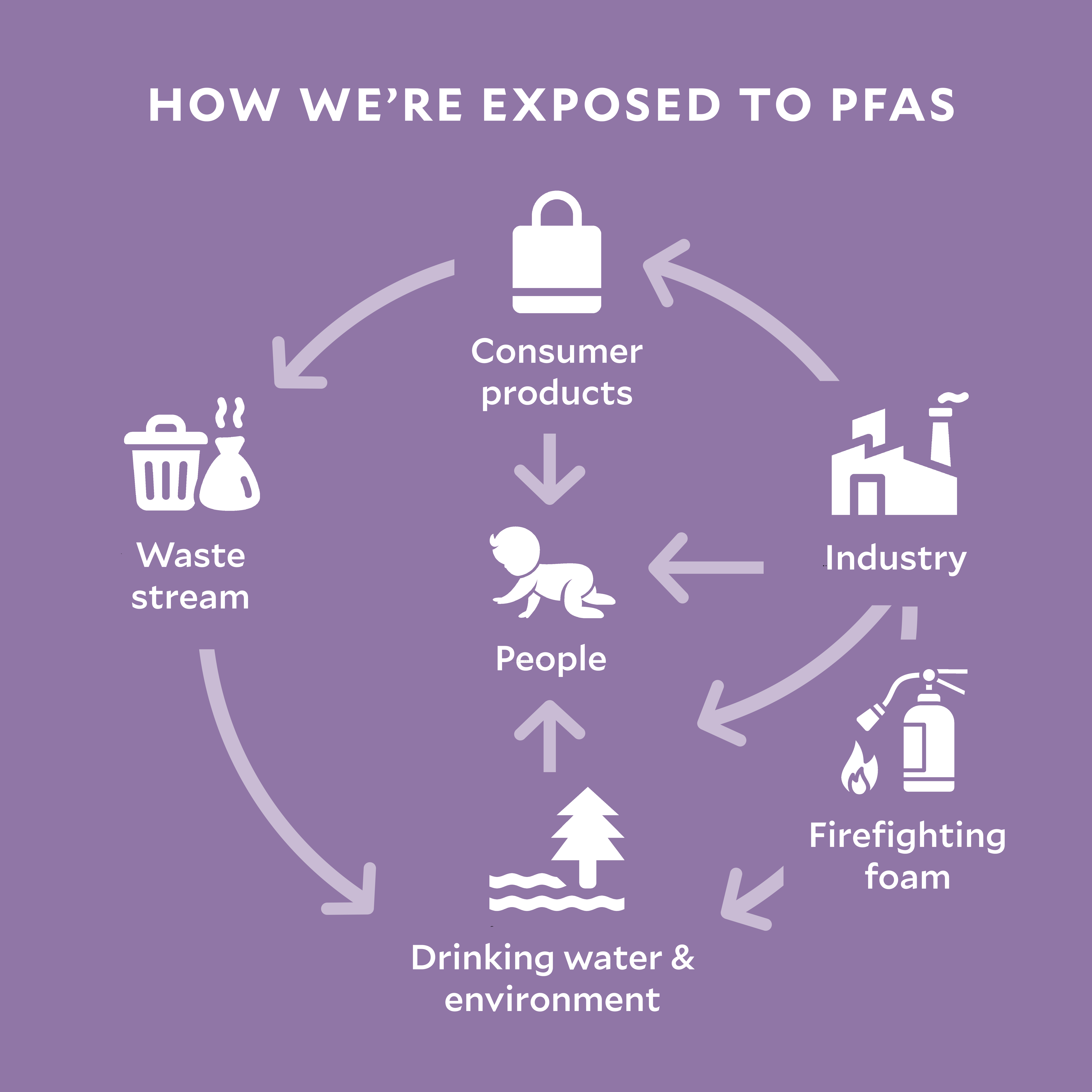
First developed in the 1940s, PFAS, or per- and poly-fluoroalkyl substances, were designed to resist water, oil, grease, and heat, making them useful in numerous consumer products and across multiple industries. For example, PFAS can be found in non-stick cookware, waterproof clothing, and fast-food packaging, as well as in firefighting foams, aircraft components, medical devices, and construction materials. The substances can enter the public water supply when manufacturers release wastewater into nearby water sources, for example, or when PFAS in landfills leach into groundwater.

Scientists are concerned about possible health consequences of PFAS, which build up in people and the environment over time. For instance, NASEM found evidence of an association between PFAS and adult kidney cancer, decreased infant and fetal growth, abnormally high cholesterol, and a reduced antibody response. The NASEM guidance recommends that anyone with high blood levels of PFAS, defined as a summed total of more than 20 ng/mL of nine key PFAS, receive further testing and reduce their exposure.

“Several federal agencies, including the Centers for Disease Control and Prevention and NASEM, have worked together to summarize evidence, publish guidance, and encourage more clinical PFAS testing,” Dui said. “Quest developed and published a blood test for serum PFAS quantitation of the nine NASEM-recommended analytes to address the critical need for reliable PFAS measurement in clinical laboratories,” Dui said.

As one of its first steps, the team sought to establish the relationship between drinking water contaminated with PFAS and PFAS levels in people’s blood — which is what this new study accomplishes.

Since the U.S. Environmental Protection Agency monitors the amount of PFAS in public water systems, the researchers were able to pull information from previously collected blood samples to do a geographic comparison by exposure level. They evaluated blood samples taken from 771 individuals who lived in zip codes with high exposure to PFAS through their water and 788 people with low exposure to the substances, ensuring the two groups were otherwise comparable in their age and gender distribution.

They found that 7.1% of the people from zip codes with high-exposure to PFAS had elevated blood levels of PFAS (>20 ng/mL), versus only 2.8% of the people in the low-exposure group — a significant difference. Moreover, the estimated average of combined PFAS in the blood samples was significantly higher in the high-exposure group (9.2 ng/mL) versus the low-exposure group (6.1 ng/mL), as were mean blood levels of each individual PFAS studied.

“Our study found that a higher PFAS level in U.S. public drinking water supply corresponds to higher PFAS serum concentrations in exposed communities,” Dui said, adding that, as a next step, the company hopes to contribute to research on the correlation between PFAS exposure and health outcomes.


Session information

ADLM 2025 registration is free for members of the media. Reporters can register online here: https://xpressreg.net/register/adlm0725/media/landing.asp

Abstract B-281: Correlation between PFAS forever chemical concentrations in remnant serum and public drinking water will be presented during:

Scientific poster session
Wednesday, July 30
9:30 a.m. – 5 p.m. (presenting authors in attendance from 1:30 – 2:30 p.m.)

The session will take place in the Poster Hall on the Expo show floor of McCormick Place, Chicago.

About ADLM 2025

ADLM 2025 (formerly the AACC Annual Scientific Meeting & Clinical Lab Expo) offers 5 days packed with opportunities to learn about exciting science from July 27-31 in Chicago. Plenary sessions will explore urgent problems related to clinical artificial intelligence (AI) integration, fake medical news, and the pervasiveness of plastics, as well as tapping into the promise of genomics and microbiome medicine for personalized healthcare.

At the ADLM 2025 Clinical Lab Expo, more than 800 exhibitors will fill the show floor of the McCormick Place Convention Center in Chicago, with displays of the latest diagnostic technology, including but not limited to AI, point-of-care, and automation.

About the Association for Diagnostics & Laboratory Medicine (ADLM)

Dedicated to achieving better health for all through laboratory medicine, ADLM (formerly AACC) unites more than 70,000 clinical laboratory professionals, physicians, research scientists, and business leaders from 110 countries around the world. Our community is at the forefront of laboratory medicine’s diverse subdisciplines, including clinical chemistry, molecular diagnostics, mass spectrometry, clinical microbiology, and data science, and is comprised of individuals holding the spectrum of lab-related professional degrees, certifications, and credentials. Since 1948, ADLM has championed the advancement of laboratory medicine by fostering scientific collaboration, knowledge sharing, and the development of innovative solutions that enhance health outcomes. For more information, visit www.myadlm.org.

CLICK HERE FOR MORE INFORMATION

https://myadlm.org/media/press-release-archive/2025/07-july/exposure-to-pfas-in-drinking-water-linked-to-higher-blood-levels-of-these-forever-chemicals?

Study links PFAS contamination of drinking water to a range of rare cancers

In the first study of its kind, researchers from the Keck School of Medicine of USC found an association between levels of manmade “forever chemicals” in drinking water and the incidence of certain digestive, endocrine, respiratory, and mouth and throat cancers.

Zara Abrams

Image shows water from faucet with the letters PFAS under a magnifying glass.
Image/Francesco Scatena, iStock

Communities exposed to drinking water contaminated with manufactured chemicals known as per- and polyfluoroalkyl substances (PFAS) experience up to a 33% higher incidence of certain cancers, according to new research from the Keck School of Medicine of USC.

The study, funded by the National Institutes of Health and just published in the Journal of Exposure Science and Environmental Epidemiology, is the first to examine cancer and PFAS contamination of drinking water in the U.S.

PFAS, which are used in consumer products such as furniture and food packaging, have been found in about 45% of drinking water supplies across the United States. Past research has linked the chemicals, which are slow to break down and accumulate in the body over time, to a range of health problems, including kidney, breast and testicular cancers.

To paint a more comprehensive picture of PFAS and cancer risk, Keck School of Medicine researchers conducted an ecological study, which uses large population-level datasets to identify patterns of exposure and associated risk. They found that between 2016 and 2021, counties across the U.S. with PFAS-contaminated drinking water had higher incidence of certain types of cancer, which differed by sex. Overall, PFAS in drinking water are estimated to contribute to more than 6,800 cancer cases each year, based on the most recent data from the U.S. Environmental Protection Agency (EPA).

“These findings allow us to draw an initial conclusion about the link between certain rare cancers and PFAS,” said Shiwen (Sherlock) Li, PhD, a postdoctoral researcher in the Department of Population and Public Health Sciences at the Keck School of Medicine and first author of the study. “This suggests that it’s worth researching each of these links in a more individualized and precise way.”

In addition to providing a roadmap for researchers, the findings underscore the importance of regulating PFAS. Starting in 2029, the EPA will police levels of six types of PFAS in drinking water, but stricter limits may ultimately be needed to protect public health, Li said.

The toll of PFAS 

To understand how PFAS contamination relates to cancer incidence, the researchers compared two exhaustive datasets—one covering all reported cancer cases and the other including all data on PFAS in drinking water data across the country. Data on cancer cases between 2016 and 2021 were obtained from the National Cancer Institute’s Surveillance, Epidemiology, and End Results Program, while data on PFAS levels in public drinking water (2013-2024) came from the EPA’s Unregulated Contaminant Monitoring Rule programs.

Li and his colleagues controlled for a number of factors that could influence cancer risk. At the individual level, these included age and sex; at the county level, they ruled out changes in cancer incidence due to socioeconomic status, smoking rates, obesity prevalence, urbanicity (how urban or rural an area is) and the presence of other pollutants.

The researchers then compared cancer incidence in each county to PFAS contamination in the drinking water, using the EPA’s recommended cutoffs for each type of PFAS. Counties where drinking water surpassed recommended maximum levels of PFAS had a higher incidence of digestive, endocrine, respiratory, and mouth and throat cancers. Increases in incidence ranged from slightly elevated at 2% to substantially elevated at 33% (the increased incidence of mouth and throat cancers linked to perfluorobutanesulfonic acid, or PFBS).

Males in counties with contaminated drinking water had a higher incidence of leukemia, as well as cancers of the urinary system, brain and soft tissues, compared to males living in areas with uncontaminated water. Females had a higher incidence of cancers in the thyroid, mouth and throat, and soft tissues. Based on the latest available EPA data, the researchers estimate that PFAS contamination of drinking water contributes to 6,864 cancer cases per year.

“When people hear that PFAS is associated with cancer, it’s hard to know how it’s relevant. By calculating the number of attributable cancer cases, we’re able to estimate how many people may be affected,” Li said, including inferring the personal and financial toll of these cases year after year.

Protecting public health 

These population-level findings reveal associations between PFAS and rare cancers that might otherwise go unnoticed. Next, individual-level studies are needed to determine whether the link is causal and to explore what biological mechanisms are involved.

On the regulation side, the results add to the mounting evidence that PFAS levels should be limited, and suggest that proposed changes may not go far enough.

“Certain PFAS that were less studied need to be monitored more, and regulators need to think about other PFAS that may not be strictly regulated yet,” Li said

The work is part of a collaboration between the Southern California Environmental Health Sciences Center, which is funded by the National Institute of Environmental Health Sciences, and the USC Norris Comprehensive Cancer Center at the Keck School of Medicine.

About this research 

In addition to Li, the study’s other authors are Lu Zhang, Jesse Goodrich, Rob McConnell, David Conti, Lida Chatzi and Max Aung from the Department of Population and Public Health Science, Keck School of Medicine of USC, University of Southern California; and Paulina Oliva from the Department of Economics, Dornsife College of Letters, Arts and Sciences, University of Southern California.

This work was supported by a pilot grant from the Southern California Environmental Health Sciences Center [P30ES007048] and the National Cancer Institute [5P30CA014089-47].

CLICK HERE FOR MORE INFORMATION

New EPA data shows 165M people exposed to ‘forever chemicals’ in U.S. drinking water

WASHINGTON – New data released by the Environmental Protection Agency shows an additional 6.5 million Americans have drinking water contaminated by the toxic “forever chemicals” known as PFAS. It brings the total number of people at risk of drinking this contaminated tap water to about 165 million across the U.S. 

That’s a 4% increase in the number of Americans with verified PFAS-polluted water in just the last few months. Exposure to PFAS is linked to cancer, reproductive harm, immune system damage and other serious health problems, even at low levels. 

“It is impossible to ignore the growing public health crisis of PFAS exposure. It’s detectable in nearly everyone and it’s found nearly everywhere, including the drinking water for a huge segment of the population,” said David Andrews, Ph.D., acting chief science officer at the Environmental Working Group.

“The documented extent of PFAS contamination of the country’s water supply highlights the enormous scale of contamination,” he added.  

The EPA’s new findings come from tests of the nation’s drinking water supply conducted as part of the Fifth Unregulated Contaminant Monitoring Rule, or UCMR 5, which requires U.S. water utilities to test drinking water for 29 individual PFAS compounds.

Protections under threat

In 2024, the EPA finalized first-time limits on six PFAS in drinking water, which help tackle forever chemicals contamination – but these standards are now at risk.

The EPA has said it will roll back limits on four PFAS in drinking water, leaving those chemicals unregulated. It plans to only retain standards for the  two most notorious chemicals, PFOA and PFOS. These maximum contaminant levels or MCLs, set enforceable standards for the amount of contaminants allowed in drinking water. 

Even with keeping the PFOA and PFOS MCLs in place, rolling back the four other limits will make it harder to hold polluters responsible and ensure clean drinking water.

In addition, the EPA’s plan to reverse the four science-based MCLs likely contradicts an anti-backsliding provision in the Safe Drinking Water Act. That law requires any revision to a federal drinking water standard “maintain, or provide for greater, protection of the health of persons.”

“It’s worrying to see the EPA renege on its commitments to making America cleaner and safer, especially as it ignores its own guidelines to do so,” said Melanie Benesh, EWG’s vice president for government affairs.

Widespread PFAS pollution 

The Trump administration’s PFAS standards rollback could grant polluters unchecked freedom to release toxic forever chemicals into U.S. waterways, endangering millions of Americans.

EWG estimates nearly 30,000 industrial polluters could be discharging PFAS into the environment, including into sources of drinking water. Restrictions on industrial discharges would lower the amount of PFAS ending up in drinking water sources.

“Addressing the problem means going to the source. For PFAS, that’s industrial sites, chemical plants and the unnecessary use of these chemicals in consumer products,” said Andrews. 

Health risks of PFAS exposure

PFAS are toxic at extremely low levels. They are known as forever chemicals because once released into the environment, they do not break down and can build up in the body. The Centers for Disease Control and Prevention has detected PFAS in the blood of 99 percent of Americans, including newborn babies. 

Very low doses of PFAS have been linked to suppression of the immune system. Studies show exposure to PFAS can also increase the risk of cancer, harm fetal development and reduce vaccine effectiveness. 

For over 30 years, EWG has been dedicated to safeguarding families from harmful environmental exposures, holding polluters accountable and advocating for clean, safe water.

“Clean water should be the baseline,” Andrews said, “The burden shouldn’t fall on consumers to make their water PFAS-free. While there are water filters that can help, making water safer begins with ending the unnecessary use of PFAS and holding polluters accountable for cleanup.” 

For people who know of or suspect the presence of PFAS in their tap water, a home filtration system is the most efficient way to reduce exposure. Reverse osmosis and activated carbon water filters can be extremely effective at removing PFAS. 

EWG researchers tested the performance of 10 popular water filters to evaluate how well each reduced PFAS levels detected in home tap water. 

###

The Environmental Working Group is a nonprofit, non-partisan organization that empowers people to live healthier lives in a healthier environment. Through research, advocacy and unique education tools, EWG drives consumer choice and civic action.

CLICK HERE FOR MORE INFORMATION

https://www.ewg.org/news-insights/news-release/2025/06/new-epa-data-shows-165m-people-exposed-forever-chemicals-us?

Yale Experts Explain PFAS ‘Forever Chemicals’

Illustration of a frying pan and spatula

PFAS, also known as “forever chemicals,” have emerged as a serious environmental and public health threat due to their persistence and widespread contamination. These man-made chemicals, widely utilized in consumer and industrial products since World War II, are now linked to alarming levels of contamination in drinking water supplies and health risks ranging from cancers to liver toxicity to reduced fertility. 

Following decades of litigation, the U.S. Environmental Protection Agency in 2024 finally set legally enforceable levels for six PFAS chemicals in drinking water, requiring public water systems to monitor for the substances, report findings to customers, and take steps to reduce contamination. However, those regulations were partially rolled back in May 2025. 

In this Q&A, two Yale experts delve into the challenges posed by PFAS and potential solutions for reducing exposure and contamination. Vasilis Vasiliou is Department Chair and Susan Dwight Bliss Professor of Epidemiology at Yale School of Public Health (YSPH). Robert Bilott is an environmental attorney and serves as a lecturer with the YSPH Department of Environmental Health Sciences. Bilott’s story and landmark case against chemical giant DuPont were recounted in his book, “Exposure: Poisoned Water, Corporate Greed, and One Lawyer’s Twenty-Year Battle Against DuPont,” and were the basis for the 2019 motion picture “Dark Waters,” starring Mark Ruffalo. 

This interview was edited and condensed for clarity. 

What are PFAS? 

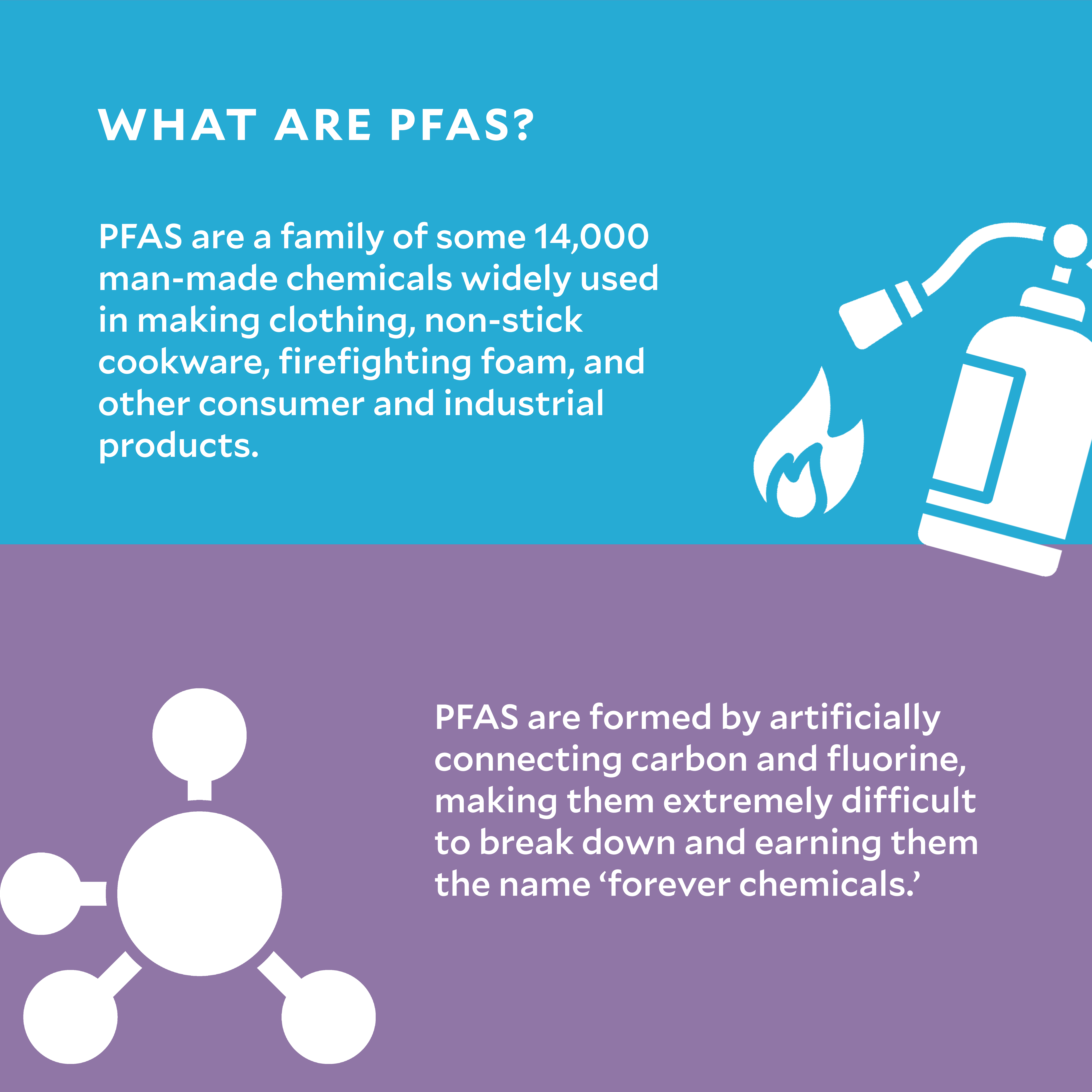
BILOTT: PFAS stands for per- and polyfluoroalkyl substances. They are a completely man-made family of chemicals created around the time of World War II. These chemicals, formed by artificially connecting carbon and fluorine, are known for their strength, stain resistance, grease protection, and water resistance. They are used in a wide variety of products, and there are now estimates of up to 14,000 different PFAS compounds. 

Why are PFAS called ‘forever chemicals?’ 

VASILIOU: PFAS are often called ‘forever chemicals’ because they contain an exceptionally strong carbon-fluorine bond, which makes them highly resistant to breakdown. As a result, they persist in the environment for decades or longer—in water, soil, and even living organisms. Their environmental and biological persistence means they can accumulate over time, raising long-term concerns for ecosystems and public health. 

What consumer or industrial products contain PFAS? 

BILOTT: PFAS have been used in an incredible array of consumer and commercial products since the 1940s. Common products containing PFAS include non-stick cookware, carpeting, clothing, fast food wrappers and packaging, computer chips, toilet paper, and waterproof cosmetics. Keywords like stain-resistant, waterproof, grease-resistant, and non-stick often indicate the presence of PFAS. These chemicals were not listed on ingredient lists or labels, and many companies were unaware they were using them. 

What are the known health risks associated with PFAS? 

VASILIOU: PFAS are linked to various cancers such as kidney, testicular, and liver cancer, as well as liver toxicity. There is a rising incidence of early-onset cancers, like colon and liver cancer, in younger individuals, potentially due to developmental exposure. Developmental and reproductive effects of PFAS include low birth weight, accelerated puberty, reduced fertility, and pregnancy-induced hypertension, with possible epigenetic changes that might contribute to early-onset cancers. PFAS also impair the immune system, reducing vaccine effectiveness and potentially increasing susceptibility to infections like COVID-19. Additionally, PFAS exposure is linked to various metabolic effects such as obesity, type 2 diabetes, cardiovascular disease, reduced kidney function, high cholesterol, colitis, and neurodegenerative issues in children. 

By some estimates, 90% of drinking water in the U.S. contains PFAS. How did that happen? 

BILOTT: PFAS contamination in drinking water primarily comes from aqueous film-forming foam, or AFFF—the firefighting foam that was developed during the Vietnam War to extinguish petroleum-based fires. This foam contains high concentrations of C-8 PFAS chemicals known as PFOA and PFOS that have been widely used by military organizations, airports, and fire stations globally since the 1960s. The people buying and using it were not informed about its PFAS content and were misled about its safety, which led to widespread environmental contamination. 

Has a safe level for PFAS chemicals been identified? 

BILOTT: No one has identified a safe level of PFAS chemicals. Companies like 3M and DuPont set internal safety guidelines for their employees decades ago, but this information was withheld from government agencies and scientists until much later. Studies have revealed that PFAS are persistent, bioaccumulative, and toxic, affecting multiple organ systems and potentially reducing vaccine effectiveness. The EPA has set very low drinking water standards, aiming for no more than four parts per trillion and ideally zero for PFOA and PFOS, which are now recognized as human carcinogens. 

VASILIOU: PFAS chemicals are not metabolized by the body, unlike many other environmental contaminants. Because they resist breakdown and are only slowly excreted, they accumulate in human tissues—especially in the blood, liver, and kidneys—over time. This bioaccumulation contributes to a range of toxic effects, including immunotoxicity, endocrine disruption, and increased risk of kidney and testicular cancer. Given their extreme persistence and potential for harm even at very low levels, efforts to establish safe exposure limits increasingly aim toward zero. 

Can the human body repair damage caused by PFAS? 

VASILIOU: The human body has some ability to repair tissue damage, but with PFAS, this process is complicated by the chemicals’ persistence. PFAS remain in the body for years and can interfere with normal repair mechanisms by promoting inflammation, oxidative stress, and immune dysfunction. Even if some tissues, like the liver, can regenerate, ongoing internal exposure means that damage may continue, making full recovery difficult—especially with chronic or high-level exposures.

Are any PFAS chemicals regulated? 

BILOTT: In 2024, the first federal nationwide regulations for PFAS chemicals were adopted by the EPA, setting drinking water standards and declaring two C-8 PFAS as hazardous under federal Superfund law. The process took decades, with companies pushing back and fighting regulation in courts. States like New Jersey, Minnesota, and Connecticut have also moved forward with regulations, which are facing legal challenges from manufacturers. In Europe, proposed global bans on PFAS face significant opposition due to economic impacts.

What technologies exist to remove PFAS from drinking water? 

VASILIOU: Activated carbon and reverse osmosis are the primary technologies to remove PFAS, though reverse osmosis is very expensive for individual homes. Yale engineers are working on innovative solutions, such as membranes and methods to break down PFAS chemicals.

Who is going to pay for cleaning up PFAS contamination? 

BILOTT: Our law firm represents hundreds of cities seeking compensation from companies like 3M and DuPont, who created the chemicals. These cases are part of the aqueous film-forming foam (AFFF) multidistrict litigation in South Carolina. Recently, significant settlements totaling over $14 billion from companies like 3M, DuPont, BASF, and Tyco have been reached to help public water systems clean up PFAS. The federal government has allocated $10 billion for this purpose but that is taxpayer money. We are working to ensure the responsible companies pay for the cleanup. 

How does someone know if PFAS is present in their drinking water or consumer products? 

BILOTT: It’s not always easy. For public water systems, sampling is starting to be required and information may be available in quarterly reports to customers. But many districts haven’t started testing yet. The Environmental Working Group created an interactive map showing where testing has occurred and what the levels are. For consumer products, there’s a lot less information. PFAS were not listed on ingredient labels or material safety data sheets, and even manufacturers might not have known they were using PFAS. Some groups are now testing products for PFAS, and products labeled with buzzwords like waterproof, stain-resistant, non-stick, and grease-proof might contain PFAS. Consumer demand has led some companies to commit to PFAS-free products, but definitions and detection levels vary so that is causing mass confusion in the market. 

What can the average person do about the PFAS problem? 

VASILIOU: Individuals can reduce their PFAS exposure by avoiding products such as older non-stick cookware, water-resistant clothing, stain-proof textiles, and certain cosmetics that may contain PFAS. It’s also important to be informed about your drinking water—use certified filters that are effective against PFAS and consult local or state resources for water quality information, including bottled water when available. Beyond personal choices, civic engagement plays a powerful role. Raising awareness, supporting legislation, and demanding transparency from manufacturers and regulators can drive meaningful, large-scale change 

BILOTT: An individual can make a huge difference by standing up, speaking out, and demanding change. It may take a while, but as you see in the story of “Dark Waters,” individuals speaking out are having a huge impact. Laws are being proposed and passed to restrict these chemicals. Some of the biggest companies on the planet are now committing to getting out of PFAS. That only happened by individuals saying ‘we don’t want this.’ 

What is Yale doing? 

Yale is committed to making the university a healthy and productive place to live, work, and study. We are reducing the amount of harmful chemicals on campus through healthy furniture standards to reduce the amount of chemicals of concern in the materials we purchase to furnish our buildings. The Yale School of Public Health is leading groundbreaking research into the human health impacts of PFAS, analyzing their role in cancer cell migration, liver damage, and pregnancy loss. The Yale School of Engineering and Applied Sciences is developing technologies to separate and destroy PFAS at water treatment facilities and other locations.

CLICK HERE FOR MORE INFORMATION
https://sustainability.yale.edu/explainers/yale-experts-explain-pfas-forever-chemicals?

EPA Announces It Will Keep Maximum Contaminant Levels for PFOA, PFOS

EPA intends to provide regulatory flexibility and holistically address these contaminants in drinking water 

Contact Information

EPA Press Office (press@epa.gov)

WASHINGTON – U.S. Environmental Protection Agency (EPA) Administrator Lee Zeldin announced the agency will keep the current National Primary Drinking Water Regulations (NPDWR) for perfluorooctanoic acid (PFOA) and perfluorooctane sulfonic acid (PFOS), which set nationwide limits for these “forever chemicals” in drinking water. The agency is committed to addressing Per- and Polyfluoroalkyl substances (PFAS) in drinking water while following the law and ensuring that regulatory compliance is achievable for drinking water systems. 

“The work to protect Americans from PFAS in drinking water started under the first Trump Administration and will continue under my leadership,” said EPA Administrator Zeldin. “We are on a path to uphold the agency’s nationwide standards to protect Americans from PFOA and PFOS in their water. At the same time, we will work to provide common-sense flexibility in the form of additional time for compliance. This will support water systems across the country, including small systems in rural communities, as they work to address these contaminants. EPA will also continue to use its regulatory and enforcement tools to hold polluters accountable.” 

As part of this action, EPA is announcing its intent to extend compliance deadlines for PFOA and PFOS, establish a federal exemption framework, and initiate enhanced outreach to water systems, especially in rural and small communities, through EPA’s new PFAS OUTreach Initiative (PFAS OUT). This action would help address the most significant compliance challenges EPA has heard from public water systems, members of Congress, and other stakeholders, while supporting actions to protect the American people from certain PFAS in drinking water.  

Paired with effluent limitations guidelines (ELGs) for PFAS and other tools to ensure that polluters are held responsible, EPA’s actions are designed to reduce the burden on drinking water systems and the cost of water bills, all while continuing to protect public health and ensure that the agency is following the law in establishing impactful regulations such as these. 

EPA is also announcing its intent to rescind the regulations and reconsider the regulatory determinations for PFHxS, PFNA, HFPO-DA (commonly known as GenX), and the Hazard Index mixture of these three plus PFBS to ensure that the determinations and any resulting drinking water regulation follow the legal process laid out in the Safe Drinking Water Act. 

Regulatory Protection with Flexibility and Cost Savings   

On April 10, 2024, EPA announced the final National Primary Drinking Water Regulation, including standards for PFOA and PFOS. At that time, EPA established legally enforceable levels for these PFAS in drinking water and gave public water systems until 2029 to comply with the Maximum Contaminant Levels (MCLs). 

To allow drinking water systems more time to develop plans for addressing PFOA and PFOS where they are found and implement solutions, EPA plans to develop a rulemaking to provide additional time for compliance, including a proposal to extend the compliance date to 2031. EPA plans to issue a proposed rule this fall and finalize this rule in the Spring of 2026. Aligned with the agency’s intent to provide additional compliance time for water systems, EPA encourages states seeking primacy for implementing the PFAS drinking water regulation to request additional time from EPA to develop their applications. At the same time, EPA will support the U.S. Department of Justice in defending ongoing legal challenges to the PFAS National Primary Drinking Water Regulation with respect to PFOA and PFOS.  

“EPA has done the right thing for rural and small communities by delaying implementation of the PFAS rule. This commonsense decision provides the additional time that water system managers need to identify affordable treatment technologies and make sure they are on a sustainable path to compliance. NRWA greatly appreciates this reasonable and flexible approach, and we look forward to partnering with the agency’s PFAS OUTreach Initiative to help ensure water systems have the resources and support they need,” said National Rural Water Association CEO Matthew Holmes.  

“ASDWA supports EPA’s proposed approach to the PFAS regulation to extend the compliance date for systems by an additional two years. With the current compliance date of 2029, states and water systems are struggling with the timeframes to complete the pilot testing, development of construction plans, and building the necessary treatment improvements. EPA’s proposed extension of the compliance date and increased technical assistance will address the number of systems that would be out of compliance in 2029 due to not being able complete all of these tasks on time,” said Association of State Drinking Water Administrators Executive Director Alan Roberson. 

Enhancing Communication and Outreach  

To enhance engagement on addressing PFAS, EPA will launch PFAS OUT to connect with every public water utility known to need capital improvements to address PFAS in their systems, including those EPA has identified as having PFOA and PFOS levels above EPA’s MCL. EPA will share resources, tools, funding, and technical assistance to help utilities meet the federal drinking water standards. PFAS OUT will ensure that no community is left behind as we work to protect public health and bring utilities into compliance with federal drinking water standards. PFAS OUT will engage utilities, technical assistance providers and local, State, Tribal, and Territorial leaders to develop effective, practical solutions where they are needed most. 

EPA will continue to offer free water technical assistance (WaterTA) that provides services to water systems to improve their drinking water and help communities access available funding. EPA’s WaterTA initiatives work with water systems nationwide to identify affordable solutions to assess and address PFAS, including PFOA and PFOS. Services offered to utilities include water quality testing, development of technical plans, operator training support, designing public engagement and outreach strategies, and support for accessing federal funding opportunities.   

Holding Polluters Accountable  

Drinking water systems are passive receivers of PFOA and PFOS. Polluters can contaminate the surface waters or aquifers that these systems rely on to provide the drinking water to their communities. As announced by Administrator Zeldin, EPA intends to take a number of actions to reduce the prevalence of PFAS in the environment, including in sources of drinking water. Progress reducing concentrations of PFAS in drinking water sources can substantially reduce the cost burden for water systems and reduce the cost of living for the communities they serve. 

A Record of Leadership   

Administrator Zeldin’s leadership on PFAS dates back to his time in Congress, where he was a founding member of the PFAS Congressional Taskforce and a strong supporter of the PFAS Action Act, legislation to provide funding to support local communities cleaning up PFAS-contaminated water systems. He was, and remains, a staunch advocate for protecting Long Islanders and all Americans from contaminated drinking water.    

In the process of developing and taking action on a number of these items, Administrator Zeldin personally heard from members of Congress on passive receiver issues where local water utilities will foot the bill for contamination and pass those costs onto consumers. This mindset and the need for a polluter pays model has guided a lot of the work to be done at EPA in the future.  

Background    

On April 28, 2025, Administrator Zeldin announced a long list of actions to combat PFAS contamination that included in part the designation of an agency lead for PFAS, the development of ELGs for certain PFAS to reduce discharges to waterways including upstream of drinking water systems, and initiatives to engage with Congress and industry to establish a clear liability framework that ensures passive receivers and consumers are protected. This list is the first, not the last, of all decisions and actions EPA will be taking to address PFAS over the course of the Trump Administration. There will be more to come in the future across EPA’s program offices to help communities impacted by PFAS contamination.  

During President Trump’s first term, EPA convened a two-day National Leadership Summit on PFAS in Washington, D.C. that brought together more than 200 federal, state, and local leaders from across the country to discuss steps to address PFAS. Following the Summit, the agency hosted a series of visits during the summer of 2018 in communities directly impacted by PFAS. EPA interacted with more than 1,000 Americans during community engagement events in Exeter, New Hampshire, Horsham, Pennsylvania, Colorado Springs, Colorado, Fayetteville, North Carolina, and Leavenworth, Kansas, as well as through a roundtable in Kalamazoo, Michigan, and events with tribal representatives in Spokane, Washington.  

In 2019, the Trump EPA announced the PFAS Action Plan. This historic Plan responded to extensive public interest and input the agency received and represented the first time EPA built a multi-media, multi-program, national communication and research plan to address an emerging environmental challenge like PFAS. EPA’s Action Plan identified both short-term solutions for addressing these chemicals and long-term strategies that will help provide the tools and technologies states, tribes, and local communities need to provide clean and safe drinking water to their residents and to address PFAS at the source—even before it gets into the water. 

EPA supports water systems in reducing PFAS and emerging contaminants (EC) in drinking water through a range of funding resources. Federal funding opportunities include the Drinking Water State Revolving Fund (DWSRF) program, the EC Small or Disadvantaged Communities (EC-SDC) grant program, and funding resources, like EPA’s Water Infrastructure Finance and Innovation Act (WIFIA) program, that can be leveraged to provide supplemental, flexible, low-cost credit assistance to public and private borrowers. 

For information about the PFAS Rule, visit Final PFAS National Primary Drinking Water Regulation and Per- and Polyfluoroalkyl Substances (PFAS) NPDWR Implementation. For more information about PFAS Technical Assistance, visit EPA Water Technical Assistance. You can also Request EPA WaterTA services for your community.  

CLICK HERE FOR MORE INFORMATION

https://www.epa.gov/newsreleases/epa-announces-it-will-keep-maximum-contaminant-levels-pfoa-pfos?