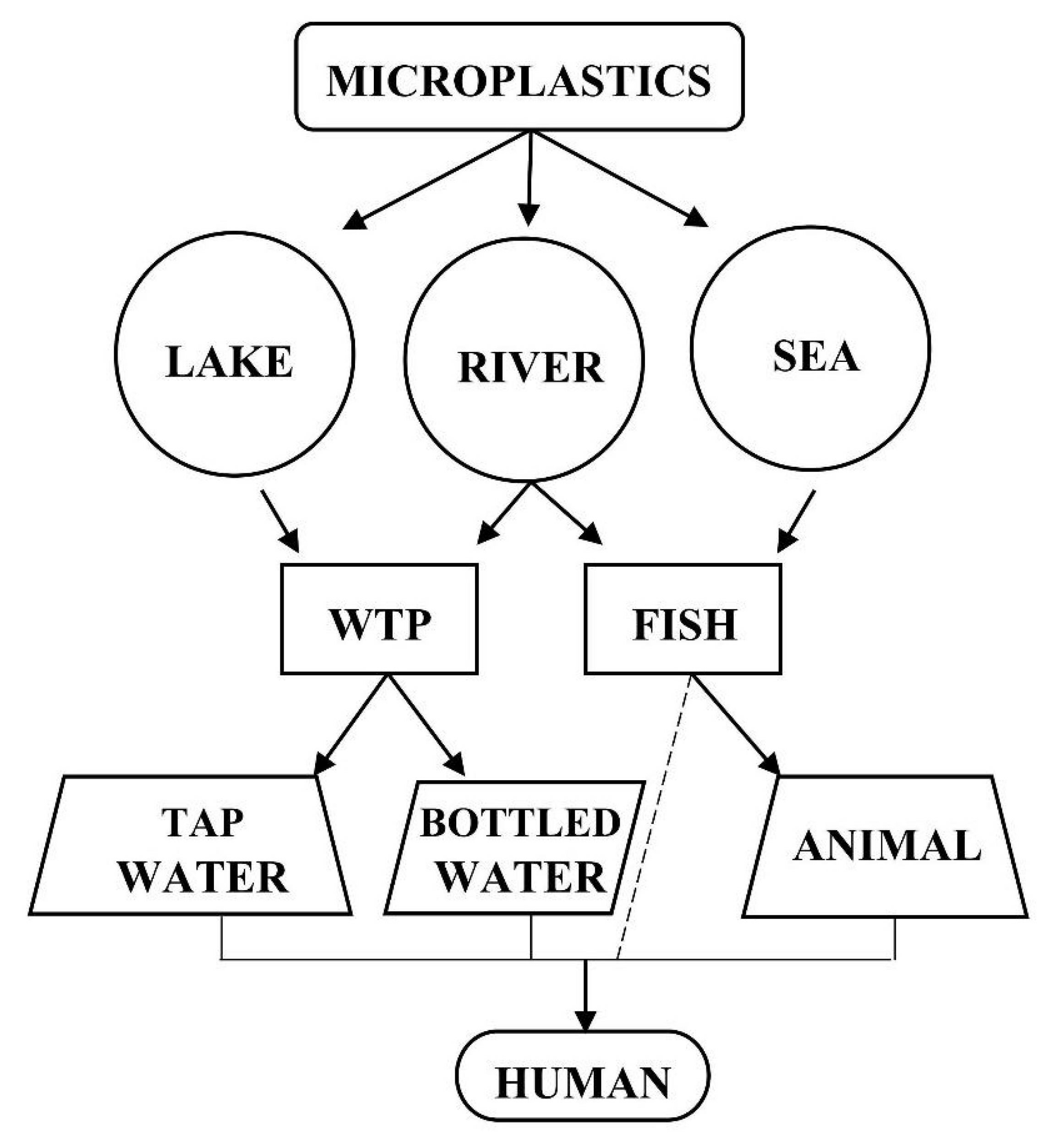
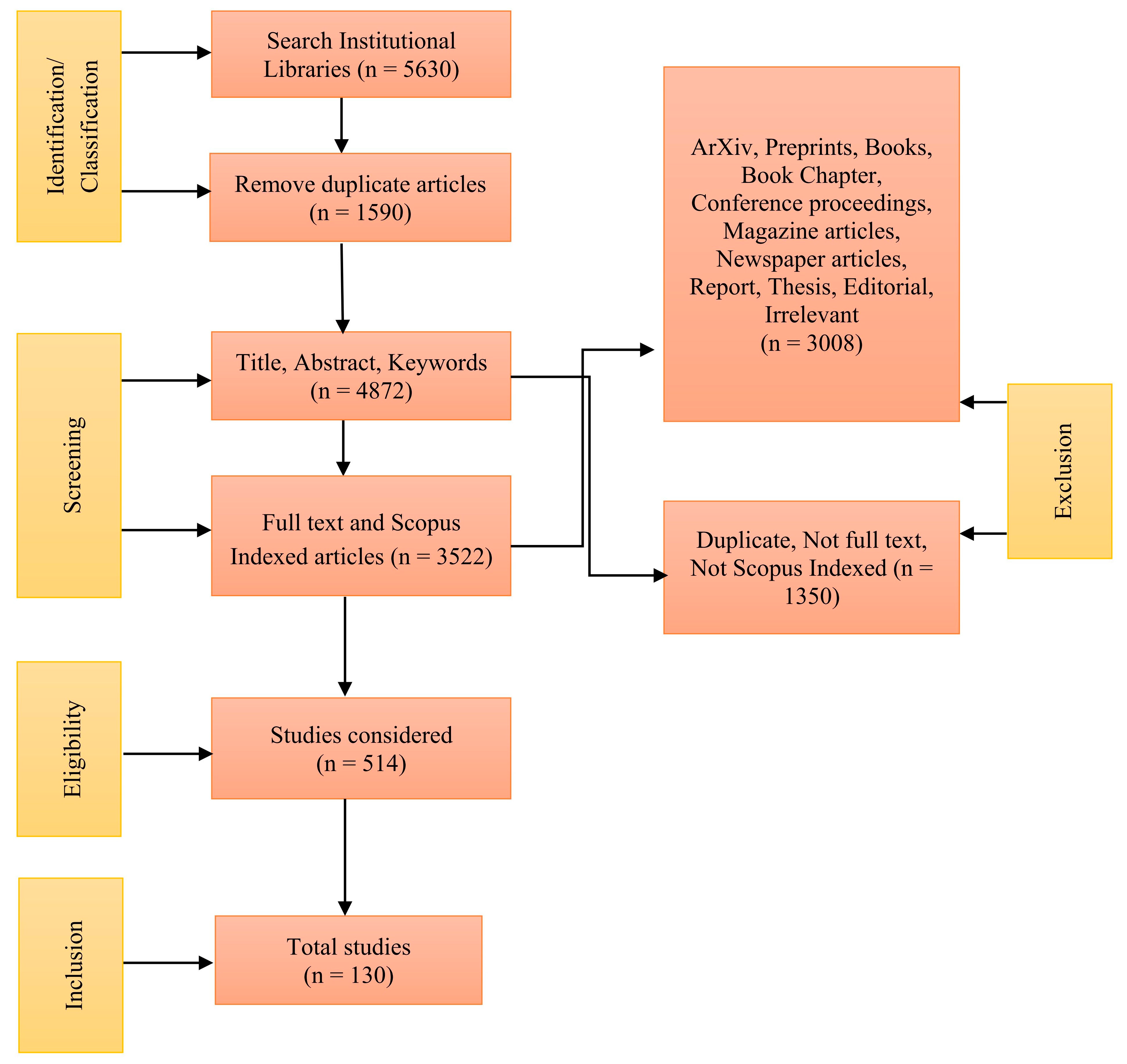
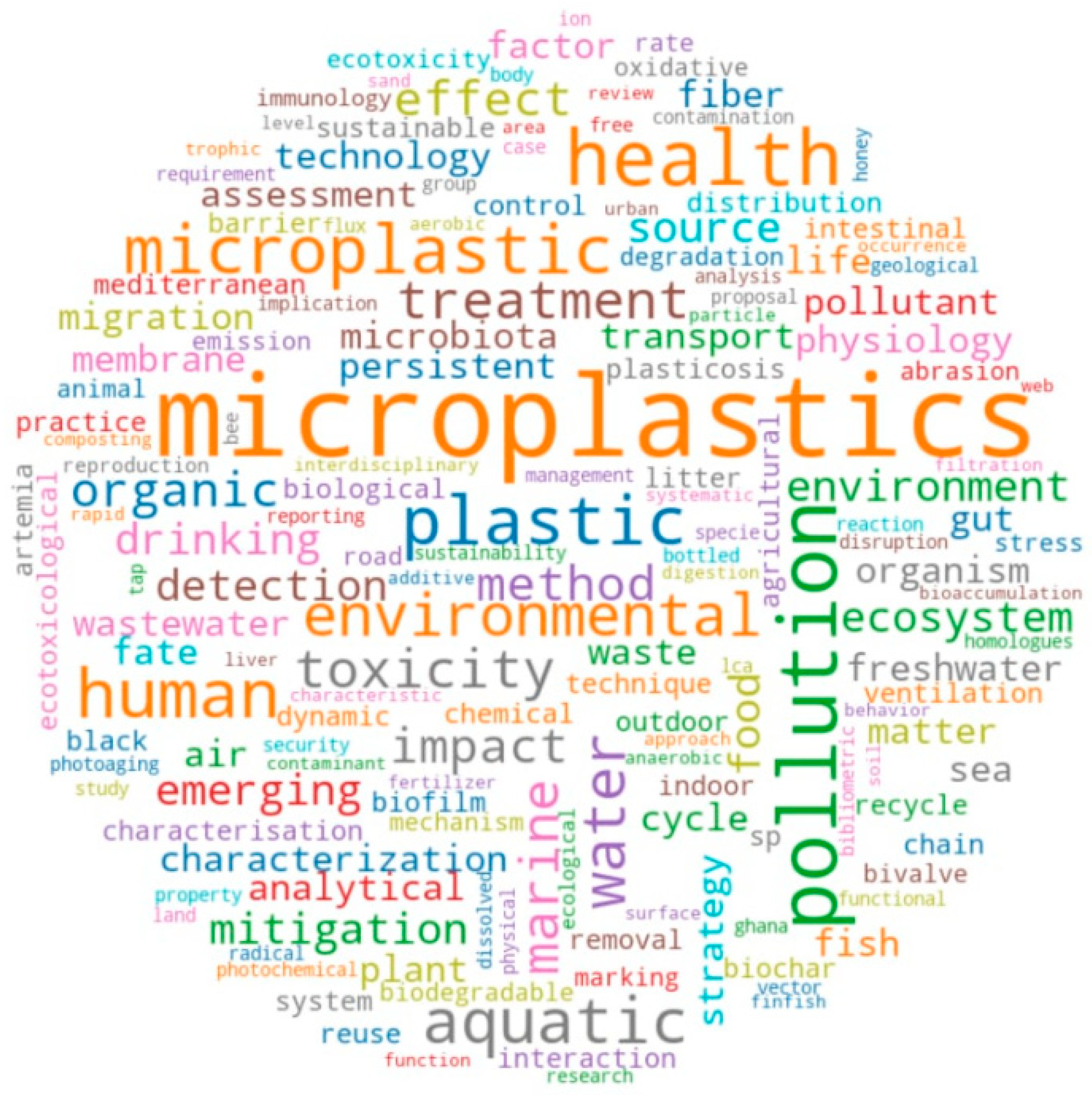
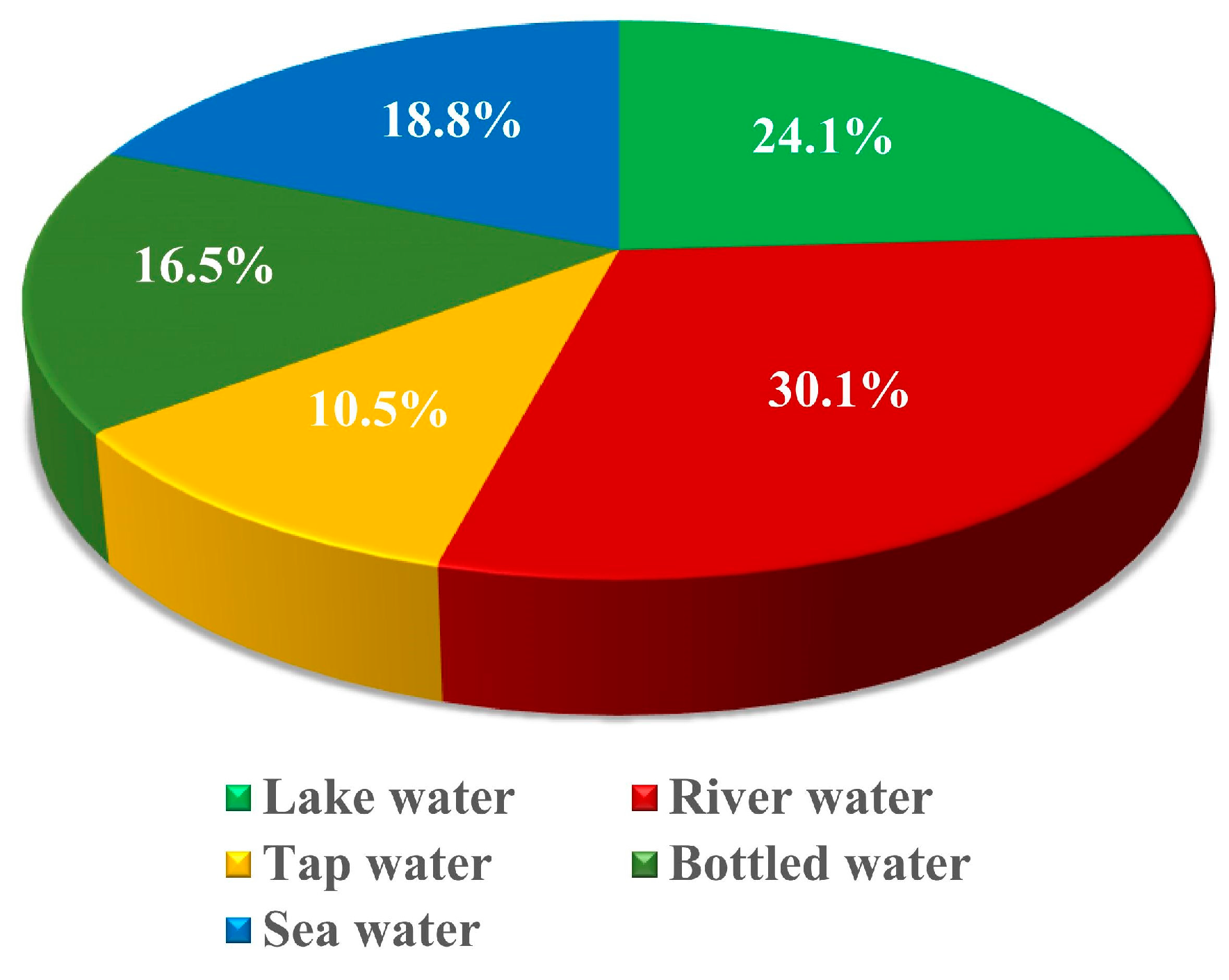
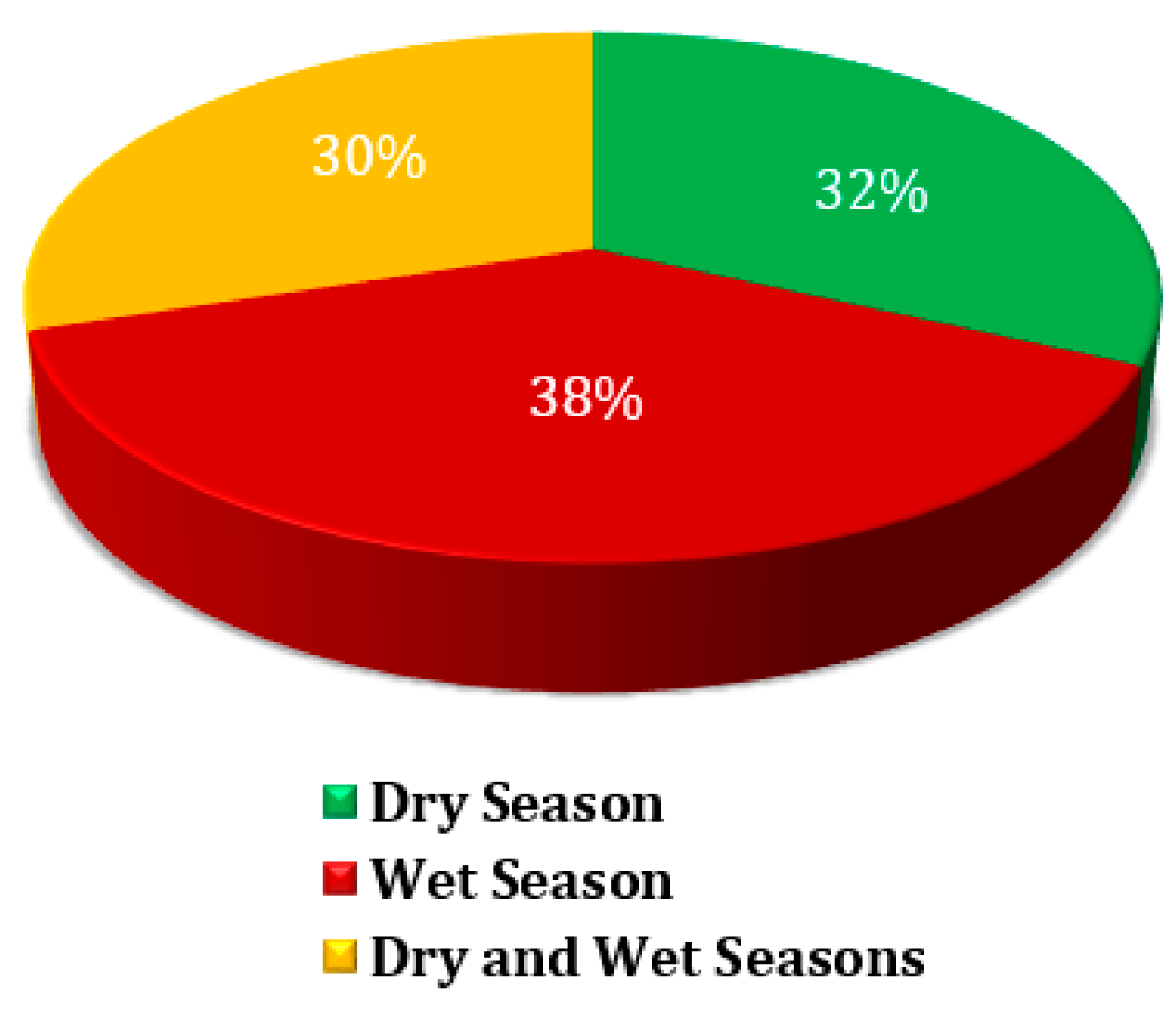
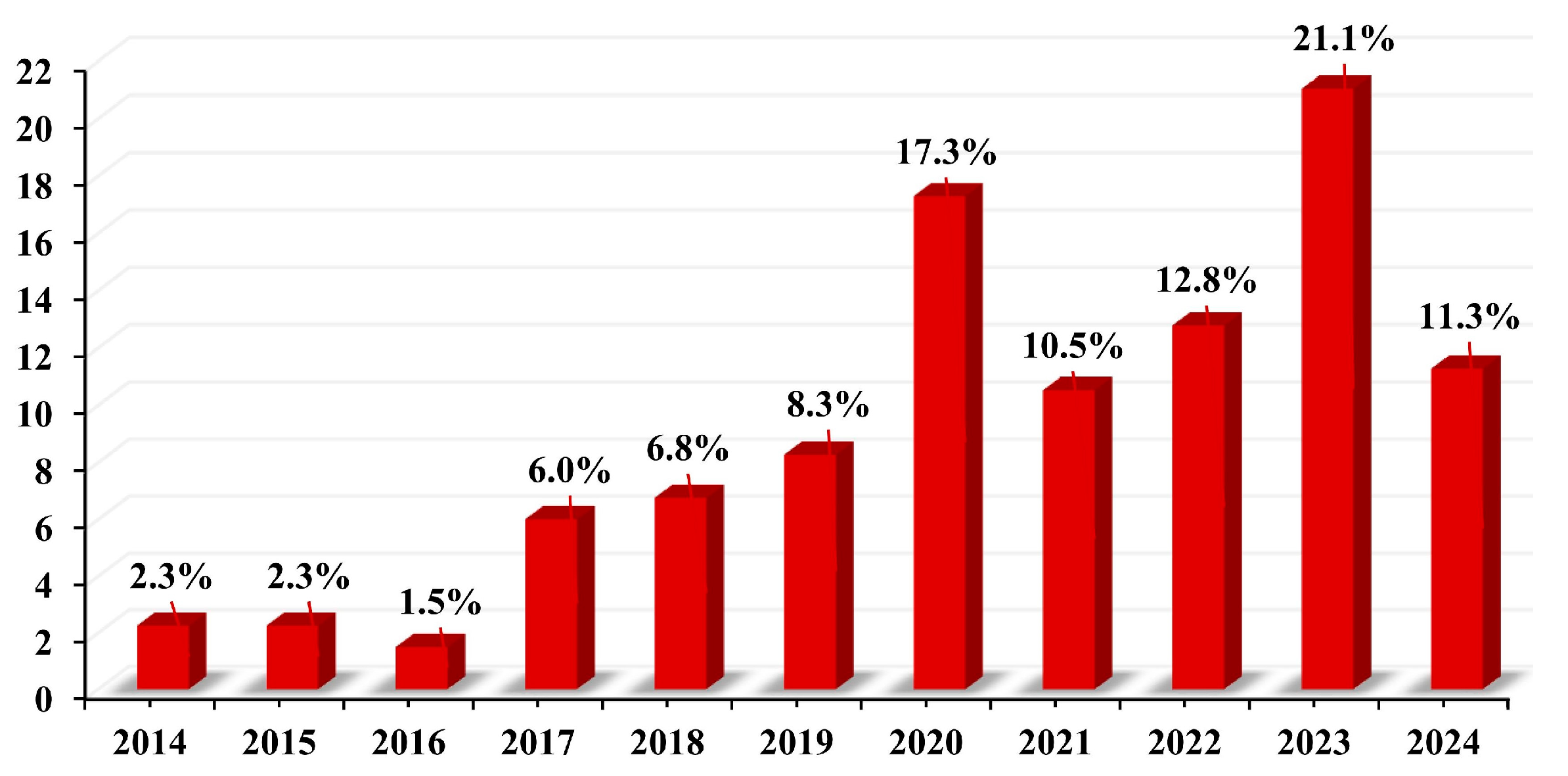
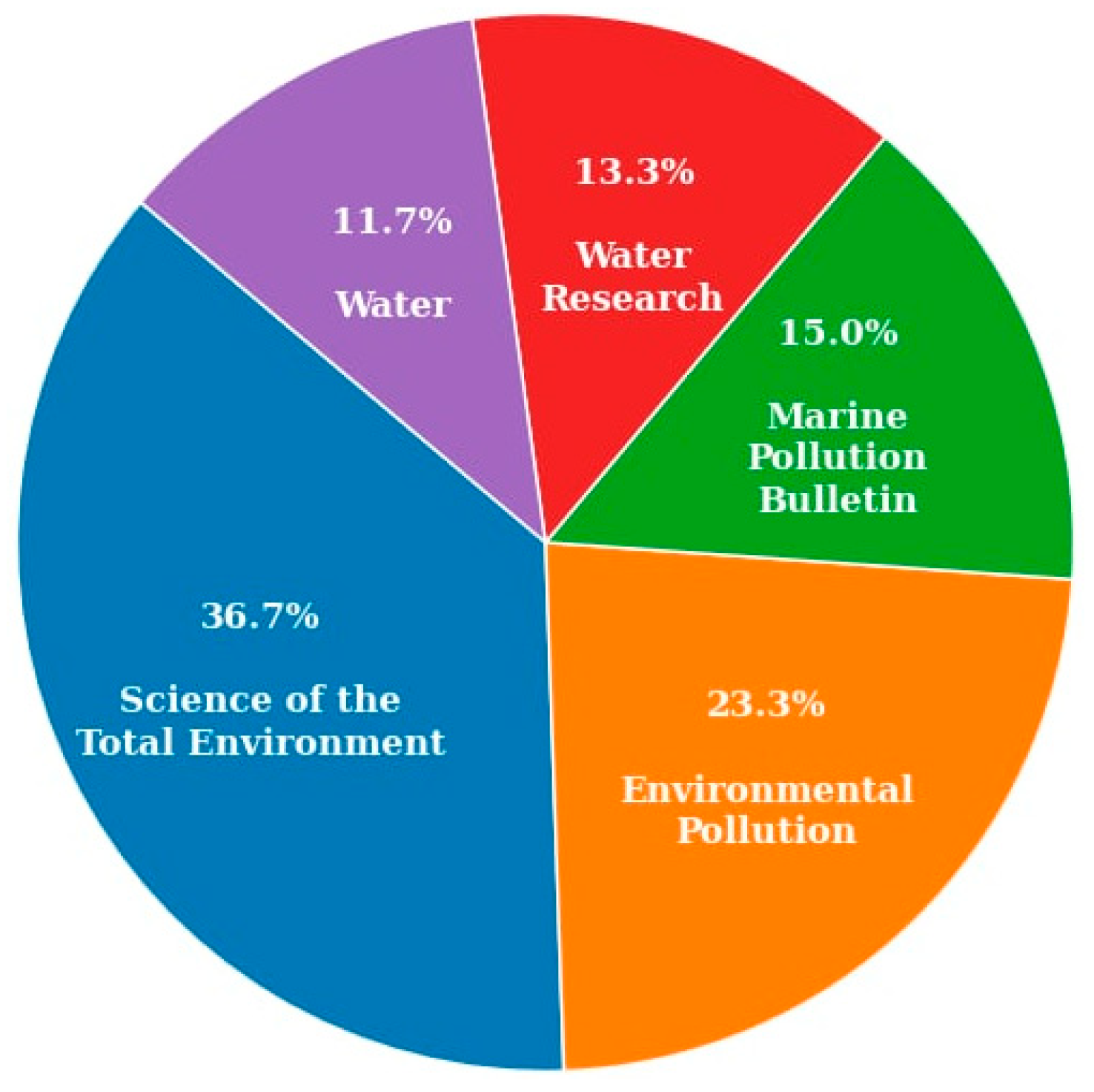
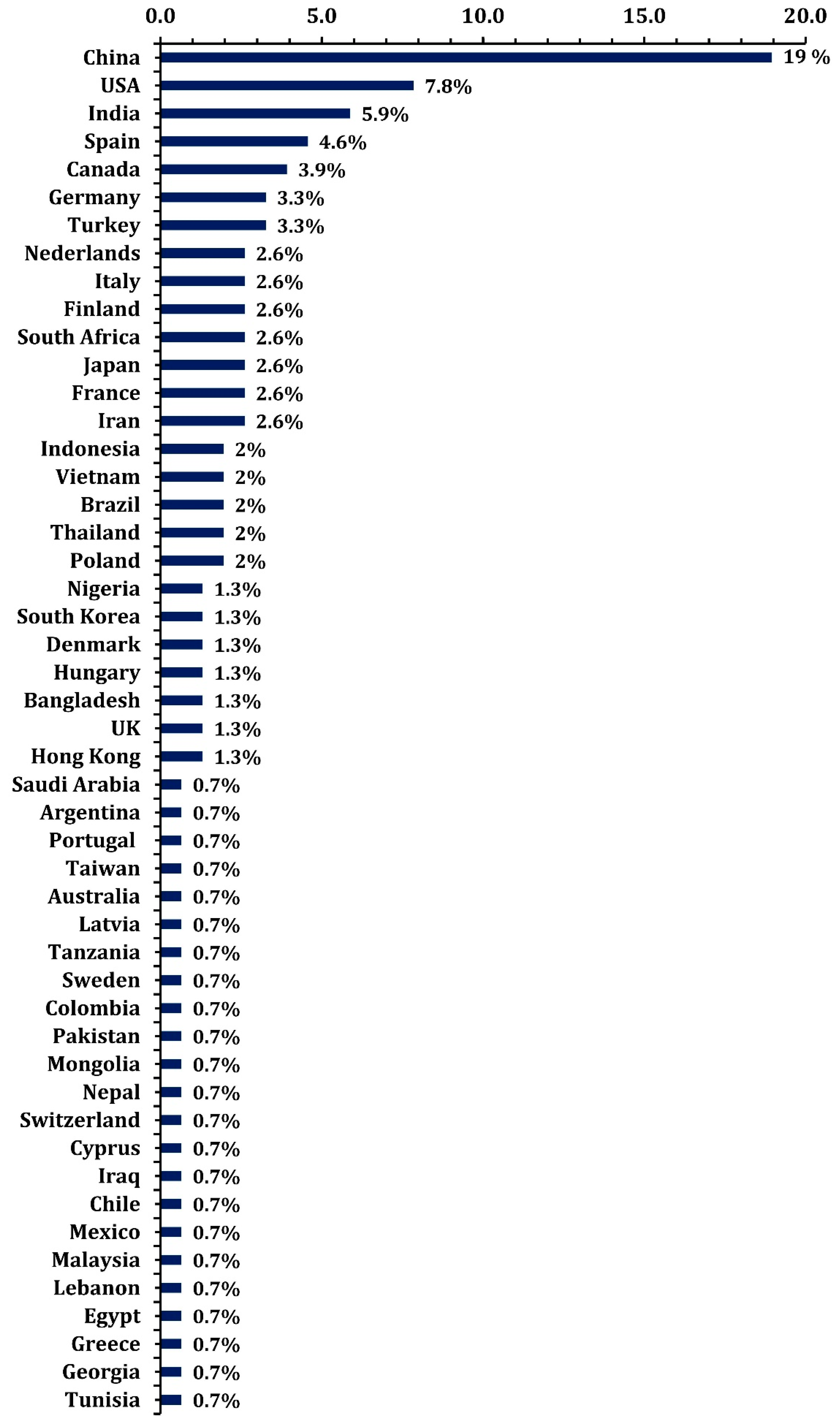
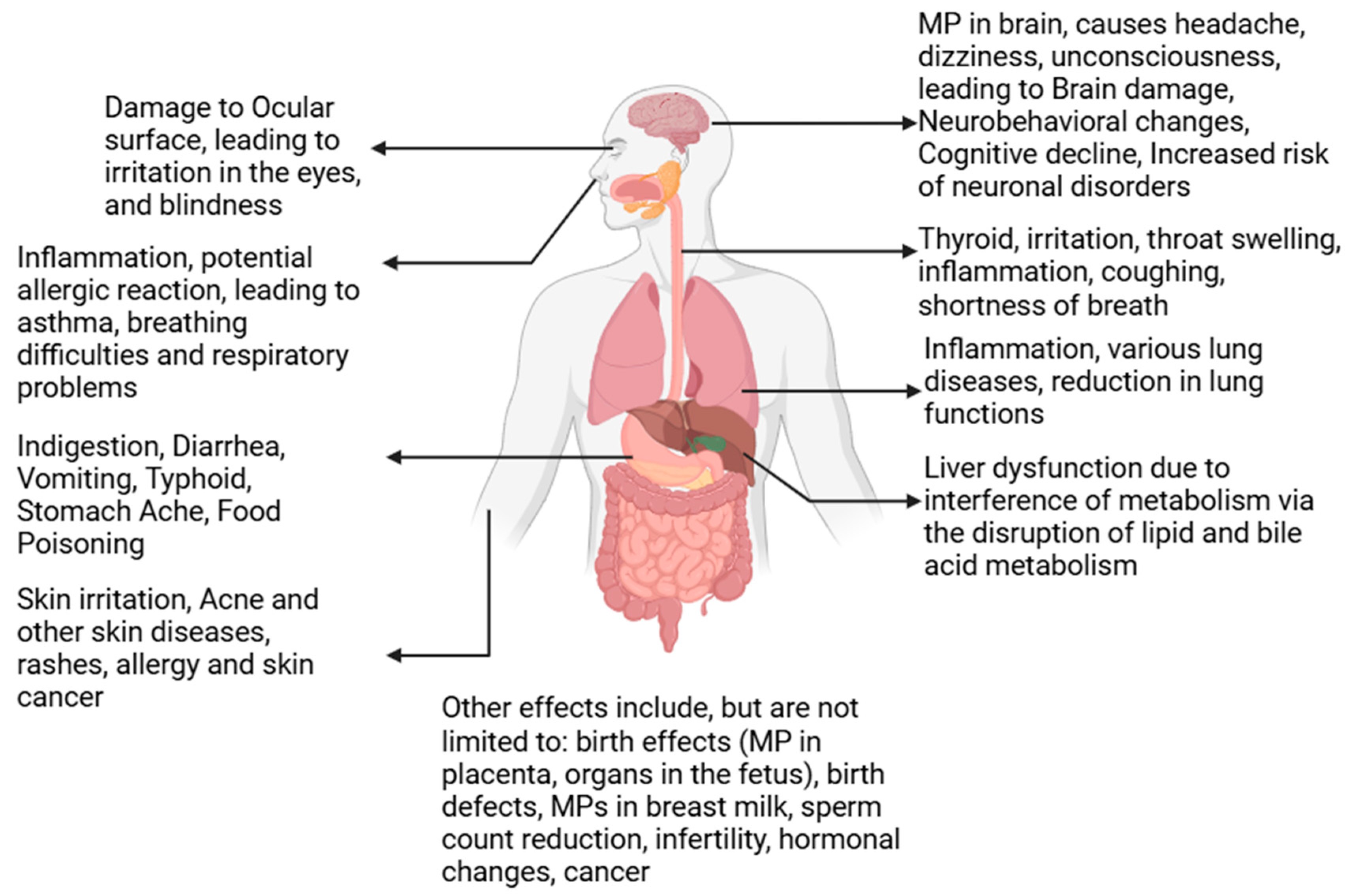
Microplastics (MPs), defined as plastic particles smaller than 5 mm, are an emerging global environmental and health concern due to their pervasive presence in aquatic ecosystems. This systematic review synthesizes data on the distribution, shapes, materials, and sizes of MPs in various water sources, including lakes, rivers, seas, tap water, and bottled water, between 2014 and 2024. Results reveal that river water constitutes the largest share of studies on MP pollution (30%), followed by lake water (24%), sea water (19%), bottled water (17%), and tap water (11%), reflecting their critical roles in MP transport and accumulation. Seasonal analysis indicates that MP concentrations peak in the wet season (38%), followed by the dry (32%) and transitional (30%) seasons. Spatially, China leads MP research globally (19%), followed by the USA (7.8%) and India (5.9%). MPs are predominantly composed of polyethylene (PE), polypropylene (PP), and polyethylene terephthalate (PET), with fibers and fragments being the most common shapes. Sub-millimeter MPs (<1 mm) dominate globally, with significant variations driven by anthropogenic activities, industrial discharge, and environmental factors such as rainfall and temperature. The study highlights critical gaps in understanding the long-term ecological and health impacts of MPs, emphasizing the need for standardized methodologies, improved waste management, and innovative mitigation strategies. This review underscores the urgency of addressing microplastic pollution through global collaboration and stricter regulatory measures.
The growing intrusion of microplastics (MPs) into water supply networks, exacerbated by their physicochemical features that facilitate their movement in water and enable microbial attachment, represents an under-recognized but rising threat to public health. The present work is a scooping review that synthesized recent studies to explore the roles of MPs as dynamic pollutants that not only contaminate water sources and distribution systems but also interact with bacterial contaminants in ways that intensify health threats. In accordance with SDG 6 (Clean Water and Sanitation), we examined the sources and fate of MPs in water distribution networks, their mechanisms of transportation, and their function as surfaces for bacterial attachment and biofilm development. We paid attention to how MPs can carry harmful bacteria and store genes that make bacteria resistant to antibiotics, which could help these bacteria survive and spread throughout the water distribution system, an issue related to SDG 3 (Good Health and Well-being). These microplastic-associated biofilms called plastisphere can compromise water quality assessments, escape conventional water treatment procedures, and aggravate the distribution of antimicrobial resistance. Furthermore, we highlight the limits of existing detection and monitoring methods for MPs and related bacterial threats in water. We ascertain serious knowledge gaps in understanding the long-term behaviour of MPs in real-world water distribution conditions, particularly under variable hydraulic and environmental stresses. Addressing these gaps require imminent research focus on in situ studies of MP-bacterial interactions, innovative molecular and sensing machineries, risk valuation models that integrate microbial and genetic information (SDG 9: Industry, Innovation, and Infrastructure). Interdisciplinary collaborations among environmental microbiologists, water engineers, and public health workers could also help to develop a standardized, high-resolution detection protocols.
The widespread presence of microplastics (MPs) in fresh surface water has raised concerns about potential human exposure through drinking water sourced from these environments. While MP research is advancing to understand the occurrence and fate of MPs in drinking water production systems, data based on mass concentration is scarce. This study assesses MP concentrations in the drinking water supply system of Amsterdam (the Netherlands) from source to tap, analyzing raw water from two freshwater sources (Lek Canal and Bethune Polder), treated water from two drinking water treatment plants (DWTPs) (Leiduin and Weesperkarspel DWTPs), and household tap water samples from the Amsterdam distribution area. MPs ≥ 0.7 µm were identified and quantified using pyrolysis gas chromatography-mass spectrometry (Py-GC–MS) targeting 6 high production volume polymers: polyethylene (PE), polyethylene terephthalate (PET), polymethyl methacrylate (PMMA) polypropylene (PP), polystyrene (PS), and polyvinyl chloride (PVC). Average MP concentrations in raw water samples were 50.6 ± 34.7 µg/L (n = 14) and 47.5 ± 33.7 µg/L (n = 14), while treated water samples exhibited significantly lower levels of 0.80 ± 0.44 µg/L (n = 12) and 1.65 ± 2.19 µg/L (n = 14), demonstrating high removal efficiencies of 97–98%. PE, PVC, and PET were the most abundant polymer types detected. Household tap water samples showed lower concentrations with an average of 0.21 ± 0.12 µg/L (n = 20). These findings highlight the effective removal of MPs during drinking water treatment processes while emphasizing the need for further research to understand the factors influencing MP transport and fate within water distribution networks.
CHICAGO — Breaking research presented today at ADLM 2025 (formerly the AACC Annual Scientific Meeting & Clinical Lab Expo) found that people who live in areas with higher levels of PFAS in their drinking water also have elevated blood levels of these manufactured chemicals. Highlighting why these so-called “forever chemicals” are a growing public-health concern, these findings provide support for policies encouraging more PFAS testing and treatment in public water systems.
“Drinking water is one of the most important routes for exposure to environmental contaminants, including PFAS,” said Dr. Wen Dui, a member of the research team from Quest Diagnostics that conducted the study. “This study was the first of its kind to apply the National Academies of Science, Engineering, and Medicine (NASEM) PFAS guidance to study correlation between PFAS in human bodies and drinking water in a large-scale clinical population.”
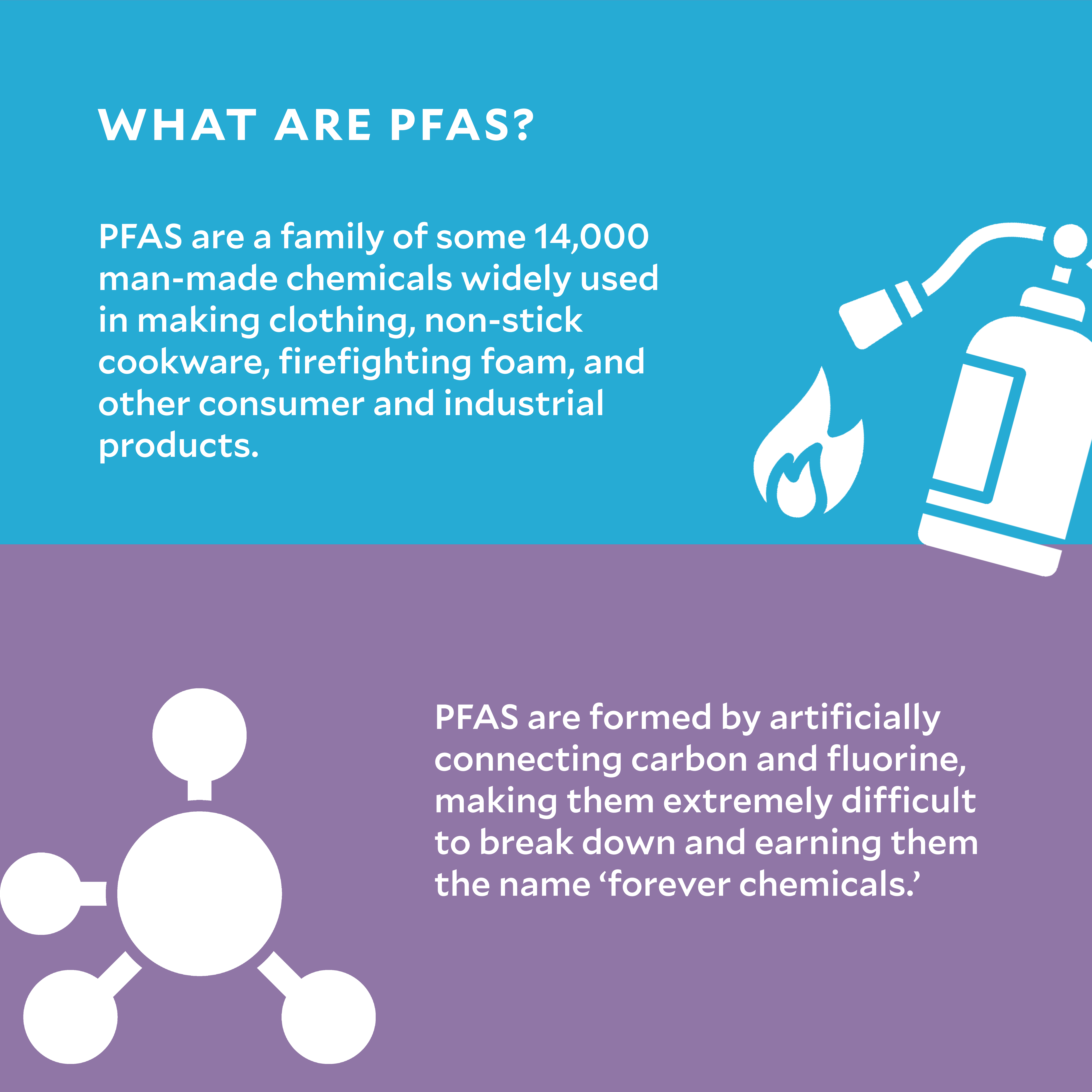
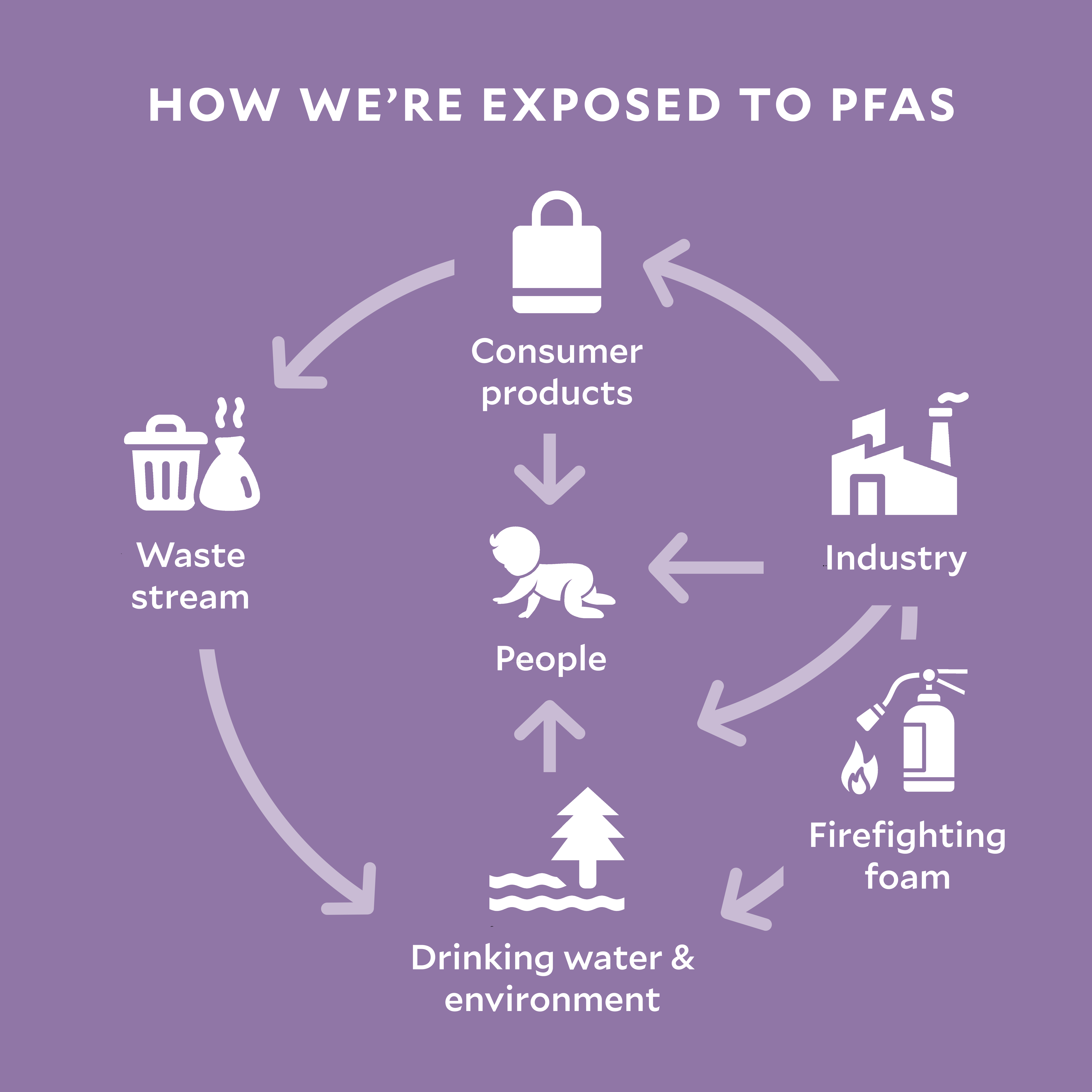
First developed in the 1940s, PFAS, or per- and poly-fluoroalkyl substances, were designed to resist water, oil, grease, and heat, making them useful in numerous consumer products and across multiple industries. For example, PFAS can be found in non-stick cookware, waterproof clothing, and fast-food packaging, as well as in firefighting foams, aircraft components, medical devices, and construction materials. The substances can enter the public water supply when manufacturers release wastewater into nearby water sources, for example, or when PFAS in landfills leach into groundwater.
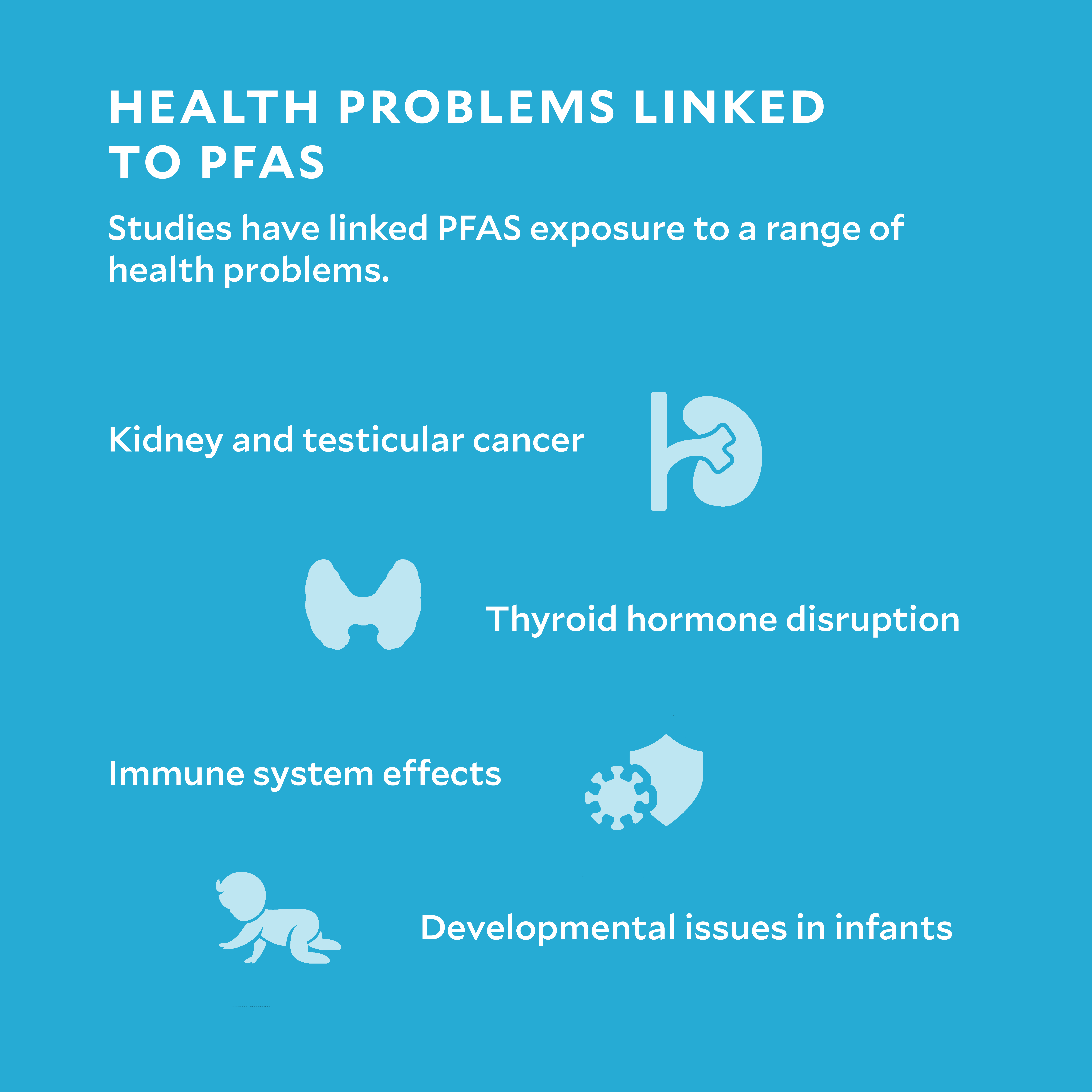
Scientists are concerned about possible health consequences of PFAS, which build up in people and the environment over time. For instance, NASEM found evidence of an association between PFAS and adult kidney cancer, decreased infant and fetal growth, abnormally high cholesterol, and a reduced antibody response. The NASEM guidance recommends that anyone with high blood levels of PFAS, defined as a summed total of more than 20 ng/mL of nine key PFAS, receive further testing and reduce their exposure.
“Several federal agencies, including the Centers for Disease Control and Prevention and NASEM, have worked together to summarize evidence, publish guidance, and encourage more clinical PFAS testing,” Dui said. “Quest developed and published a blood test for serum PFAS quantitation of the nine NASEM-recommended analytes to address the critical need for reliable PFAS measurement in clinical laboratories,” Dui said.
As one of its first steps, the team sought to establish the relationship between drinking water contaminated with PFAS and PFAS levels in people’s blood — which is what this new study accomplishes.
Since the U.S. Environmental Protection Agency monitors the amount of PFAS in public water systems, the researchers were able to pull information from previously collected blood samples to do a geographic comparison by exposure level. They evaluated blood samples taken from 771 individuals who lived in zip codes with high exposure to PFAS through their water and 788 people with low exposure to the substances, ensuring the two groups were otherwise comparable in their age and gender distribution.
They found that 7.1% of the people from zip codes with high-exposure to PFAS had elevated blood levels of PFAS (>20 ng/mL), versus only 2.8% of the people in the low-exposure group — a significant difference. Moreover, the estimated average of combined PFAS in the blood samples was significantly higher in the high-exposure group (9.2 ng/mL) versus the low-exposure group (6.1 ng/mL), as were mean blood levels of each individual PFAS studied.
“Our study found that a higher PFAS level in U.S. public drinking water supply corresponds to higher PFAS serum concentrations in exposed communities,” Dui said, adding that, as a next step, the company hopes to contribute to research on the correlation between PFAS exposure and health outcomes.
Abstract B-281: Correlation between PFAS forever chemical concentrations in remnant serum and public drinking water will be presented during:
Scientific poster session Wednesday, July 30 9:30 a.m. – 5 p.m. (presenting authors in attendance from 1:30 – 2:30 p.m.)
The session will take place in the Poster Hall on the Expo show floor of McCormick Place, Chicago.
About ADLM 2025
ADLM 2025 (formerly the AACC Annual Scientific Meeting & Clinical Lab Expo) offers 5 days packed with opportunities to learn about exciting science from July 27-31 in Chicago. Plenary sessions will explore urgent problems related to clinical artificial intelligence (AI) integration, fake medical news, and the pervasiveness of plastics, as well as tapping into the promise of genomics and microbiome medicine for personalized healthcare.
At the ADLM 2025 Clinical Lab Expo, more than 800 exhibitors will fill the show floor of the McCormick Place Convention Center in Chicago, with displays of the latest diagnostic technology, including but not limited to AI, point-of-care, and automation.
About the Association for Diagnostics & Laboratory Medicine (ADLM)
Dedicated to achieving better health for all through laboratory medicine, ADLM (formerly AACC) unites more than 70,000 clinical laboratory professionals, physicians, research scientists, and business leaders from 110 countries around the world. Our community is at the forefront of laboratory medicine’s diverse subdisciplines, including clinical chemistry, molecular diagnostics, mass spectrometry, clinical microbiology, and data science, and is comprised of individuals holding the spectrum of lab-related professional degrees, certifications, and credentials. Since 1948, ADLM has championed the advancement of laboratory medicine by fostering scientific collaboration, knowledge sharing, and the development of innovative solutions that enhance health outcomes. For more information, visit www.myadlm.org.
In the first study of its kind, researchers from the Keck School of Medicine of USC found an association between levels of manmade “forever chemicals” in drinking water and the incidence of certain digestive, endocrine, respiratory, and mouth and throat cancers.
Zara Abrams
Image/Francesco Scatena, iStock
Communities exposed to drinking water contaminated with manufactured chemicals known as per- and polyfluoroalkyl substances (PFAS) experience up to a 33% higher incidence of certain cancers, according to new research from the Keck School of Medicine of USC.
PFAS, which are used in consumer products such as furniture and food packaging, have been found in about 45% of drinking water supplies across the United States. Past research has linked the chemicals, which are slow to break down and accumulate in the body over time, to a range of health problems, including kidney, breast and testicular cancers.
To paint a more comprehensive picture of PFAS and cancer risk, Keck School of Medicine researchers conducted an ecological study, which uses large population-level datasets to identify patterns of exposure and associated risk. They found that between 2016 and 2021, counties across the U.S. with PFAS-contaminated drinking water had higher incidence of certain types of cancer, which differed by sex. Overall, PFAS in drinking water are estimated to contribute to more than 6,800 cancer cases each year, based on the most recent data from the U.S. Environmental Protection Agency (EPA).
“These findings allow us to draw an initial conclusion about the link between certain rare cancers and PFAS,” said Shiwen (Sherlock) Li, PhD, a postdoctoral researcher in the Department of Population and Public Health Sciences at the Keck School of Medicine and first author of the study. “This suggests that it’s worth researching each of these links in a more individualized and precise way.”
In addition to providing a roadmap for researchers, the findings underscore the importance of regulating PFAS. Starting in 2029, the EPA will police levels of six types of PFAS in drinking water, but stricter limits may ultimately be needed to protect public health, Li said.
The toll of PFAS
To understand how PFAS contamination relates to cancer incidence, the researchers compared two exhaustive datasets—one covering all reported cancer cases and the other including all data on PFAS in drinking water data across the country. Data on cancer cases between 2016 and 2021 were obtained from the National Cancer Institute’s Surveillance, Epidemiology, and End Results Program, while data on PFAS levels in public drinking water (2013-2024) came from the EPA’s Unregulated Contaminant Monitoring Rule programs.
Li and his colleagues controlled for a number of factors that could influence cancer risk. At the individual level, these included age and sex; at the county level, they ruled out changes in cancer incidence due to socioeconomic status, smoking rates, obesity prevalence, urbanicity (how urban or rural an area is) and the presence of other pollutants.
The researchers then compared cancer incidence in each county to PFAS contamination in the drinking water, using the EPA’s recommended cutoffs for each type of PFAS. Counties where drinking water surpassed recommended maximum levels of PFAS had a higher incidence of digestive, endocrine, respiratory, and mouth and throat cancers. Increases in incidence ranged from slightly elevated at 2% to substantially elevated at 33% (the increased incidence of mouth and throat cancers linked to perfluorobutanesulfonic acid, or PFBS).
Males in counties with contaminated drinking water had a higher incidence of leukemia, as well as cancers of the urinary system, brain and soft tissues, compared to males living in areas with uncontaminated water. Females had a higher incidence of cancers in the thyroid, mouth and throat, and soft tissues. Based on the latest available EPA data, the researchers estimate that PFAS contamination of drinking water contributes to 6,864 cancer cases per year.
“When people hear that PFAS is associated with cancer, it’s hard to know how it’s relevant. By calculating the number of attributable cancer cases, we’re able to estimate how many people may be affected,” Li said, including inferring the personal and financial toll of these cases year after year.
Protecting public health
These population-level findings reveal associations between PFAS and rare cancers that might otherwise go unnoticed. Next, individual-level studies are needed to determine whether the link is causal and to explore what biological mechanisms are involved.
On the regulation side, the results add to the mounting evidence that PFAS levels should be limited, and suggest that proposed changes may not go far enough.
“Certain PFAS that were less studied need to be monitored more, and regulators need to think about other PFAS that may not be strictly regulated yet,” Li said
The work is part of a collaboration between the Southern California Environmental Health Sciences Center, which is funded by the National Institute of Environmental Health Sciences, and the USC Norris Comprehensive Cancer Center at the Keck School of Medicine.
About this research
In addition to Li, the study’s other authors are Lu Zhang, Jesse Goodrich, Rob McConnell, David Conti, Lida Chatzi and Max Aung from the Department of Population and Public Health Science, Keck School of Medicine of USC, University of Southern California; and Paulina Oliva from the Department of Economics, Dornsife College of Letters, Arts and Sciences, University of Southern California.
This work was supported by a pilot grant from the Southern California Environmental Health Sciences Center [P30ES007048] and the National Cancer Institute [5P30CA014089-47].
WASHINGTON – New data released by the Environmental Protection Agency shows an additional 6.5 million Americans have drinking water contaminated by the toxic “forever chemicals” known as PFAS. It brings the total number of people at risk of drinking this contaminated tap water to about 165 million across the U.S.
“It is impossible to ignore the growing public health crisis of PFAS exposure. It’s detectable in nearly everyone and it’s found nearly everywhere, including the drinking water for a huge segment of the population,” saidDavid Andrews, Ph.D., acting chief science officer at the Environmental Working Group.
“The documented extent of PFAS contamination of the country’s water supply highlights the enormous scale of contamination,” he added.
The EPA’s new findings come from tests of the nation’s drinking water supply conducted as part of the Fifth Unregulated Contaminant Monitoring Rule, or UCMR 5, which requires U.S. water utilities to test drinking water for 29 individual PFAS compounds.
The EPA has said it will roll back limits on four PFAS in drinking water, leaving those chemicals unregulated. It plans to only retain standards for the two most notorious chemicals, PFOA and PFOS. These maximum contaminant levels or MCLs, set enforceable standards for the amount of contaminants allowed in drinking water.
Even with keeping the PFOA and PFOS MCLs in place, rolling back the four other limits will make it harder to hold polluters responsible and ensure clean drinking water.
In addition, the EPA’s plan to reverse the four science-based MCLs likely contradicts an anti-backsliding provision in the Safe Drinking Water Act. That law requires any revision to a federal drinking water standard “maintain, or provide for greater, protection of the health of persons.”
“It’s worrying to see the EPA renege on its commitments to making America cleaner and safer, especially as it ignores its own guidelines to do so,” said Melanie Benesh, EWG’s vice president for government affairs.
Widespread PFAS pollution
The Trump administration’s PFAS standards rollback could grant polluters unchecked freedom to release toxic forever chemicals into U.S. waterways, endangering millions of Americans.
EWG estimates nearly 30,000 industrial polluters could be discharging PFAS into the environment, including into sources of drinking water. Restrictions on industrial discharges would lower the amount of PFAS ending up in drinking water sources.
“Addressing the problem means going to the source. For PFAS, that’s industrial sites, chemical plants and the unnecessary use of these chemicals in consumer products,” said Andrews.
Health risks of PFAS exposure
PFAS are toxic at extremely low levels. They are known as forever chemicals because once released into the environment, they do not break down and can build up in the body. The Centers for Disease Control and Prevention has detected PFAS in the blood of 99 percent of Americans, including newborn babies.
For over 30 years, EWG has been dedicated to safeguarding families from harmful environmental exposures, holding polluters accountable and advocating for clean, safe water.
“Clean water should be the baseline,” Andrews said, “The burden shouldn’t fall on consumers to make their water PFAS-free. While there are water filters that can help, making water safer begins with ending the unnecessary use of PFAS and holding polluters accountable for cleanup.”
For people who know of or suspect the presence of PFAS in their tap water, a home filtration system is the most efficient way to reduce exposure. Reverse osmosis and activated carbon water filters can be extremely effective at removing PFAS.
EWG researchers tested the performance of 10 popular water filters to evaluate how well each reduced PFAS levels detected in home tap water.
###
The Environmental Working Group is a nonprofit, non-partisan organization that empowers people to live healthier lives in a healthier environment. Through research, advocacy and unique education tools, EWG drives consumer choice and civic action.
PFAS, also known as “forever chemicals,” have emerged as a serious environmental and public health threat due to their persistence and widespread contamination. These man-made chemicals, widely utilized in consumer and industrial products since World War II, are now linked to alarming levels of contamination in drinking water supplies and health risks ranging from cancers to liver toxicity to reduced fertility.
Following decades of litigation, the U.S. Environmental Protection Agency in 2024 finally set legally enforceable levels for six PFAS chemicals in drinking water, requiring public water systems to monitor for the substances, report findings to customers, and take steps to reduce contamination. However, those regulations were partially rolled back in May 2025.
In this Q&A, two Yale experts delve into the challenges posed by PFAS and potential solutions for reducing exposure and contamination. Vasilis Vasiliou is Department Chair and Susan Dwight Bliss Professor of Epidemiology at Yale School of Public Health (YSPH). Robert Bilott is an environmental attorney and serves as a lecturer with the YSPH Department of Environmental Health Sciences. Bilott’s story and landmark case against chemical giant DuPont were recounted in his book, “Exposure: Poisoned Water, Corporate Greed, and One Lawyer’s Twenty-Year Battle Against DuPont,” and were the basis for the 2019 motion picture “Dark Waters,” starring Mark Ruffalo.
This interview was edited and condensed for clarity.
What are PFAS?
BILOTT: PFAS stands for per- and polyfluoroalkyl substances. They are a completely man-made family of chemicals created around the time of World War II. These chemicals, formed by artificially connecting carbon and fluorine, are known for their strength, stain resistance, grease protection, and water resistance. They are used in a wide variety of products, and there are now estimates of up to 14,000 different PFAS compounds.
Why are PFAS called ‘forever chemicals?’
VASILIOU: PFAS are often called ‘forever chemicals’ because they contain an exceptionally strong carbon-fluorine bond, which makes them highly resistant to breakdown. As a result, they persist in the environment for decades or longer—in water, soil, and even living organisms. Their environmental and biological persistence means they can accumulate over time, raising long-term concerns for ecosystems and public health.
What consumer or industrial products contain PFAS?
BILOTT: PFAS have been used in an incredible array of consumer and commercial products since the 1940s. Common products containing PFAS include non-stick cookware, carpeting, clothing, fast food wrappers and packaging, computer chips, toilet paper, and waterproof cosmetics. Keywords like stain-resistant, waterproof, grease-resistant, and non-stick often indicate the presence of PFAS. These chemicals were not listed on ingredient lists or labels, and many companies were unaware they were using them.
What are the known health risks associated with PFAS?
VASILIOU: PFAS are linked to various cancers such as kidney, testicular, and liver cancer, as well as liver toxicity. There is a rising incidence of early-onset cancers, like colon and liver cancer, in younger individuals, potentially due to developmental exposure. Developmental and reproductive effects of PFAS include low birth weight, accelerated puberty, reduced fertility, and pregnancy-induced hypertension, with possible epigenetic changes that might contribute to early-onset cancers. PFAS also impair the immune system, reducing vaccine effectiveness and potentially increasing susceptibility to infections like COVID-19. Additionally, PFAS exposure is linked to various metabolic effects such as obesity, type 2 diabetes, cardiovascular disease, reduced kidney function, high cholesterol, colitis, and neurodegenerative issues in children.
By some estimates, 90% of drinking water in the U.S. contains PFAS. How did that happen?
BILOTT: PFAS contamination in drinking water primarily comes from aqueous film-forming foam, or AFFF—the firefighting foam that was developed during the Vietnam War to extinguish petroleum-based fires. This foam contains high concentrations of C-8 PFAS chemicals known as PFOA and PFOS that have been widely used by military organizations, airports, and fire stations globally since the 1960s. The people buying and using it were not informed about its PFAS content and were misled about its safety, which led to widespread environmental contamination.
Has a safe level for PFAS chemicals been identified?
BILOTT: No one has identified a safe level of PFAS chemicals. Companies like 3M and DuPont set internal safety guidelines for their employees decades ago, but this information was withheld from government agencies and scientists until much later. Studies have revealed that PFAS are persistent, bioaccumulative, and toxic, affecting multiple organ systems and potentially reducing vaccine effectiveness. The EPA has set very low drinking water standards, aiming for no more than four parts per trillion and ideally zero for PFOA and PFOS, which are now recognized as human carcinogens.
VASILIOU: PFAS chemicals are not metabolized by the body, unlike many other environmental contaminants. Because they resist breakdown and are only slowly excreted, they accumulate in human tissues—especially in the blood, liver, and kidneys—over time. This bioaccumulation contributes to a range of toxic effects, including immunotoxicity, endocrine disruption, and increased risk of kidney and testicular cancer. Given their extreme persistence and potential for harm even at very low levels, efforts to establish safe exposure limits increasingly aim toward zero.
Can the human body repair damage caused by PFAS?
VASILIOU: The human body has some ability to repair tissue damage, but with PFAS, this process is complicated by the chemicals’ persistence. PFAS remain in the body for years and can interfere with normal repair mechanisms by promoting inflammation, oxidative stress, and immune dysfunction. Even if some tissues, like the liver, can regenerate, ongoing internal exposure means that damage may continue, making full recovery difficult—especially with chronic or high-level exposures.
Are any PFAS chemicals regulated?
BILOTT: In 2024, the first federal nationwide regulations for PFAS chemicals were adopted by the EPA, setting drinking water standards and declaring two C-8 PFAS as hazardous under federal Superfund law. The process took decades, with companies pushing back and fighting regulation in courts. States like New Jersey, Minnesota, and Connecticut have also moved forward with regulations, which are facing legal challenges from manufacturers. In Europe, proposed global bans on PFAS face significant opposition due to economic impacts.
What technologies exist to remove PFAS from drinking water?
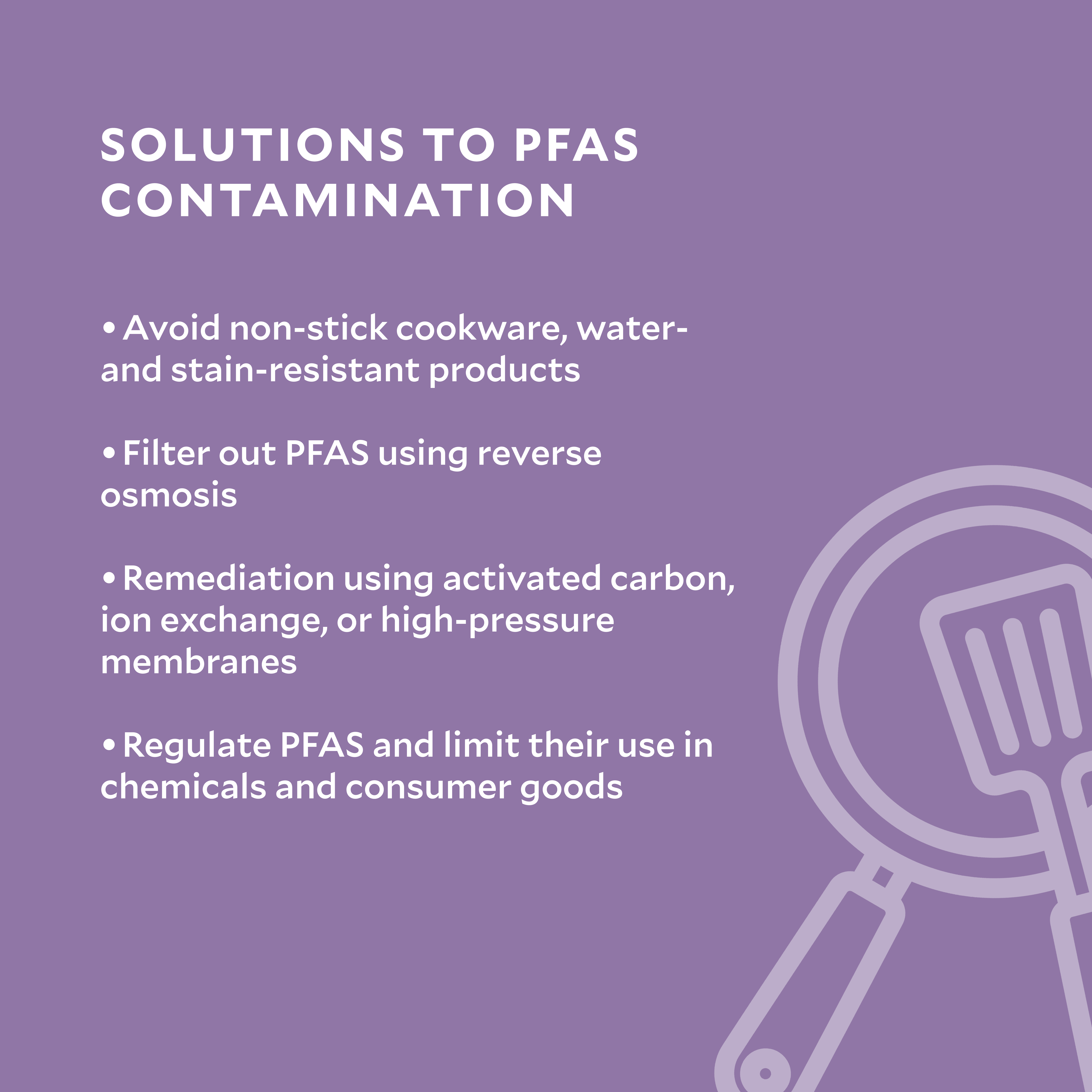
VASILIOU: Activated carbon and reverse osmosis are the primary technologies to remove PFAS, though reverse osmosis is very expensive for individual homes. Yale engineers are working on innovative solutions, such as membranes and methods to break down PFAS chemicals.
Who is going to pay for cleaning up PFAS contamination?
BILOTT: Our law firm represents hundreds of cities seeking compensation from companies like 3M and DuPont, who created the chemicals. These cases are part of the aqueous film-forming foam (AFFF) multidistrict litigation in South Carolina. Recently, significant settlements totaling over $14 billion from companies like 3M, DuPont, BASF, and Tyco have been reached to help public water systems clean up PFAS. The federal government has allocated $10 billion for this purpose but that is taxpayer money. We are working to ensure the responsible companies pay for the cleanup.
How does someone know if PFAS is present in their drinking water or consumer products?
BILOTT: It’s not always easy. For public water systems, sampling is starting to be required and information may be available in quarterly reports to customers. But many districts haven’t started testing yet. The Environmental Working Group created an interactive map showing where testing has occurred and what the levels are. For consumer products, there’s a lot less information. PFAS were not listed on ingredient labels or material safety data sheets, and even manufacturers might not have known they were using PFAS. Some groups are now testing products for PFAS, and products labeled with buzzwords like waterproof, stain-resistant, non-stick, and grease-proof might contain PFAS. Consumer demand has led some companies to commit to PFAS-free products, but definitions and detection levels vary so that is causing mass confusion in the market.
What can the average person do about the PFAS problem?
VASILIOU: Individuals can reduce their PFAS exposure by avoiding products such as older non-stick cookware, water-resistant clothing, stain-proof textiles, and certain cosmetics that may contain PFAS. It’s also important to be informed about your drinking water—use certified filters that are effective against PFAS and consult local or state resources for water quality information, including bottled water when available. Beyond personal choices, civic engagement plays a powerful role. Raising awareness, supporting legislation, and demanding transparency from manufacturers and regulators can drive meaningful, large-scale change
BILOTT: An individual can make a huge difference by standing up, speaking out, and demanding change. It may take a while, but as you see in the story of “Dark Waters,” individuals speaking out are having a huge impact. Laws are being proposed and passed to restrict these chemicals. Some of the biggest companies on the planet are now committing to getting out of PFAS. That only happened by individuals saying ‘we don’t want this.’
What is Yale doing?
Yale is committed to making the university a healthy and productive place to live, work, and study. We are reducing the amount of harmful chemicals on campus through healthy furniture standards to reduce the amount of chemicals of concern in the materials we purchase to furnish our buildings. The Yale School of Public Health is leading groundbreaking research into the human health impacts of PFAS, analyzing their role in cancer cell migration, liver damage, and pregnancy loss. The Yale School of Engineering and Applied Sciences is developing technologies to separate and destroy PFAS at water treatment facilities and other locations.
WASHINGTON – U.S. Environmental Protection Agency (EPA) Administrator Lee Zeldin announced the agency will keep the current National Primary Drinking Water Regulations (NPDWR) for perfluorooctanoic acid (PFOA) and perfluorooctane sulfonic acid (PFOS), which set nationwide limits for these “forever chemicals” in drinking water. The agency is committed to addressing Per- and Polyfluoroalkyl substances (PFAS) in drinking water while following the law and ensuring that regulatory compliance is achievable for drinking water systems.
“The work to protect Americans from PFAS in drinking water started under the first Trump Administration and will continue under my leadership,” saidEPA Administrator Zeldin. “We are on a path to uphold the agency’s nationwide standards to protect Americans from PFOA and PFOS in their water. At the same time, we will work to provide common-sense flexibility in the form of additional time for compliance. This will support water systems across the country, including small systems in rural communities, as they work to address these contaminants. EPA will also continue to use its regulatory and enforcement tools to hold polluters accountable.”
As part of this action, EPA is announcing its intent to extend compliance deadlines for PFOA and PFOS, establish a federal exemption framework, and initiate enhanced outreach to water systems, especially in rural and small communities, through EPA’s new PFAS OUTreach Initiative (PFAS OUT). This action would help address the most significant compliance challenges EPA has heard from public water systems, members of Congress, and other stakeholders, while supporting actions to protect the American people from certain PFAS in drinking water.
Paired with effluent limitations guidelines (ELGs) for PFAS and other tools to ensure that polluters are held responsible, EPA’s actions are designed to reduce the burden on drinking water systems and the cost of water bills, all while continuing to protect public health and ensure that the agency is following the law in establishing impactful regulations such as these.
EPA is also announcing its intent to rescind the regulations and reconsider the regulatory determinations for PFHxS, PFNA, HFPO-DA (commonly known as GenX), and the Hazard Index mixture of these three plus PFBS to ensure that the determinations and any resulting drinking water regulation follow the legal process laid out in the Safe Drinking Water Act.
Regulatory Protection with Flexibility and Cost Savings
On April 10, 2024, EPA announced the final National Primary Drinking Water Regulation, including standards for PFOA and PFOS. At that time, EPA established legally enforceable levels for these PFAS in drinking water and gave public water systems until 2029 to comply with the Maximum Contaminant Levels (MCLs).
To allow drinking water systems more time to develop plans for addressing PFOA and PFOS where they are found and implement solutions, EPA plans to develop a rulemaking to provide additional time for compliance, including a proposal to extend the compliance date to 2031. EPA plans to issue a proposed rule this fall and finalize this rule in the Spring of 2026. Aligned with the agency’s intent to provide additional compliance time for water systems, EPA encourages states seeking primacy for implementing the PFAS drinking water regulation to request additional time from EPA to develop their applications. At the same time, EPA will support the U.S. Department of Justice in defending ongoing legal challenges to the PFAS National Primary Drinking Water Regulation with respect to PFOA and PFOS.
“EPA has done the right thing for rural and small communities by delaying implementation of the PFAS rule. This commonsense decision provides the additional time that water system managers need to identify affordable treatment technologies and make sure they are on a sustainable path to compliance. NRWA greatly appreciates this reasonable and flexible approach, and we look forward to partnering with the agency’s PFAS OUTreach Initiative to help ensure water systems have the resources and support they need,” said National Rural Water Association CEO Matthew Holmes.
“ASDWA supports EPA’s proposed approach to the PFAS regulation to extend the compliance date for systems by an additional two years. With the current compliance date of 2029, states and water systems are struggling with the timeframes to complete the pilot testing, development of construction plans, and building the necessary treatment improvements. EPA’s proposed extension of the compliance date and increased technical assistance will address the number of systems that would be out of compliance in 2029 due to not being able complete all of these tasks on time,” said Association of State Drinking Water Administrators Executive Director Alan Roberson.
Enhancing Communication and Outreach
To enhance engagement on addressing PFAS, EPA will launch PFAS OUT to connect with every public water utility known to need capital improvements to address PFAS in their systems, including those EPA has identified as having PFOA and PFOS levels above EPA’s MCL. EPA will share resources, tools, funding, and technical assistance to help utilities meet the federal drinking water standards. PFAS OUT will ensure that no community is left behind as we work to protect public health and bring utilities into compliance with federal drinking water standards. PFAS OUT will engage utilities, technical assistance providers and local, State, Tribal, and Territorial leaders to develop effective, practical solutions where they are needed most.
EPA will continue to offer free water technical assistance (WaterTA) that provides services to water systems to improve their drinking water and help communities access available funding. EPA’s WaterTA initiatives work with water systems nationwide to identify affordable solutions to assess and address PFAS, including PFOA and PFOS. Services offered to utilities include water quality testing, development of technical plans, operator training support, designing public engagement and outreach strategies, and support for accessing federal funding opportunities.
Holding Polluters Accountable
Drinking water systems are passive receivers of PFOA and PFOS. Polluters can contaminate the surface waters or aquifers that these systems rely on to provide the drinking water to their communities. As announced by Administrator Zeldin, EPA intends to take a number of actions to reduce the prevalence of PFAS in the environment, including in sources of drinking water. Progress reducing concentrations of PFAS in drinking water sources can substantially reduce the cost burden for water systems and reduce the cost of living for the communities they serve.
A Record of Leadership
Administrator Zeldin’s leadership on PFAS dates back to his time in Congress, where he was a founding member of the PFAS Congressional Taskforce and a strong supporter of the PFAS Action Act, legislation to provide funding to support local communities cleaning up PFAS-contaminated water systems. He was, and remains, a staunch advocate for protecting Long Islanders and all Americans from contaminated drinking water.
In the process of developing and taking action on a number of these items, Administrator Zeldin personally heard from members of Congress on passive receiver issues where local water utilities will foot the bill for contamination and pass those costs onto consumers. This mindset and the need for a polluter pays model has guided a lot of the work to be done at EPA in the future.
Background
On April 28, 2025, Administrator Zeldin announced a long list of actions to combat PFAS contamination that included in part the designation of an agency lead for PFAS, the development of ELGs for certain PFAS to reduce discharges to waterways including upstream of drinking water systems, and initiatives to engage with Congress and industry to establish a clear liability framework that ensures passive receivers and consumers are protected. This list is the first, not the last, of all decisions and actions EPA will be taking to address PFAS over the course of the Trump Administration. There will be more to come in the future across EPA’s program offices to help communities impacted by PFAS contamination.
During President Trump’s first term, EPA convened a two-day National Leadership Summit on PFAS in Washington, D.C. that brought together more than 200 federal, state, and local leaders from across the country to discuss steps to address PFAS. Following the Summit, the agency hosted a series of visits during the summer of 2018 in communities directly impacted by PFAS. EPA interacted with more than 1,000 Americans during community engagement events in Exeter, New Hampshire, Horsham, Pennsylvania, Colorado Springs, Colorado, Fayetteville, North Carolina, and Leavenworth, Kansas, as well as through a roundtable in Kalamazoo, Michigan, and events with tribal representatives in Spokane, Washington.
In 2019, the Trump EPA announced the PFAS Action Plan. This historic Plan responded to extensive public interest and input the agency received and represented the first time EPA built a multi-media, multi-program, national communication and research plan to address an emerging environmental challenge like PFAS. EPA’s Action Plan identified both short-term solutions for addressing these chemicals and long-term strategies that will help provide the tools and technologies states, tribes, and local communities need to provide clean and safe drinking water to their residents and to address PFAS at the source—even before it gets into the water.
EPA supports water systems in reducing PFAS and emerging contaminants (EC) in drinking water through a range of funding resources. Federal funding opportunities include the Drinking Water State Revolving Fund (DWSRF) program, the EC Small or Disadvantaged Communities (EC-SDC) grant program, and funding resources, like EPA’s Water Infrastructure Finance and Innovation Act (WIFIA) program, that can be leveraged to provide supplemental, flexible, low-cost credit assistance to public and private borrowers.
From fluoride to “forever chemicals,” drinking water has been in the spotlight this year. In a Q&A, Yale epidemiologist Nicole Deziel discusses the water we drink today — and what’s on tap for the future.
Aug 13, 2025
7 min read
By Meg Dalton
(Illustration by Michael S. Helfenbein)
Listen to this story
8:33
In 1945, Grand Rapids, Michigan, made history — as the first city in the world to add small amounts of fluoride to its public water supply. At the time, studies showed communities with higher levels of natural fluoride in water had better dental health. Water fluoridation is now practiced in about 25 countries around the world, including Spain, Malaysia, and the United States. In the U.S., approximately 63% of the population drinks fluoridated water.
Low levels of fluoride, a naturally occurring mineral, can be found in many sources of drinking water due to natural processes like the weathering of rocks and human activities like manufacturing. However, there’s growing debate over whether additional fluoride should be introduced to drinking water. This year, states including Utah and Florida have banned the use of fluoride in public water systems, and federal officials have called for more states to follow suit.
Nicole Deziel is an associate professor of epidemiology (environmental health sciences) and co-director of the Yale Center for Perinatal, Pediatric and Environmental Epidemiology at the Yale School of Public Health. In an interview, she explains the benefits and risks of fluoride, how “forever chemicals” and climate change impact water quality, and how we can monitor the water we drink.
Nicole Deziel
The interview has been edited for length and clarity.
What are the benefits of fluoride? Are there any potential risks?
Nicole Deziel: Fluoride can strengthen our bones and teeth enamel, and the strengthening of the enamel prevents cavities. But too much of it can damage our bones and enamel in a process called fluorosis, and it can potentially have neurological effects as well. Fluoridation of the public water supply can help address disparities in dental insurance and access to dental care.
Finding the right amount where the benefits outweigh the risks is key. The U.S. Public Health Service recommends a fluoride concentration of 0.7 mg/L [parts per million] in drinking water. The World Health Organization recommends a limit of 1.5 mg/L, while the U.S. Environmental Protection Agency sets a limit of 4 mg/L. Newer evidence of more subtle neurological effects is prompting reexamination of these target levels and limits.
Why are we seeing some states ban the use of fluoride in public water systems? Why are some people suspicious of it?
Deziel: There’s a long history of controversy about fluoride, including urban legends and conspiracy theories. For some people, it may seem counterintuitive to add a chemical that may have some toxic properties to make our water safer. However, we do this with chlorine as well. Chlorine is toxic at high levels and can form harmful byproducts, but we add it to drinking water to disinfect it and kill bacteria and pathogens to make our water safe to drink. We’re often doing these kinds of tradeoffs in environmental health and public health. In addition, misinformation and distrust of science could all be contributing to us revisiting this [the fluoridation of water].
Finding the right amount [of fluoride] where the benefits outweigh the risks is key.
Nicole Deziel
However, there’s been some new data that should prompt us to reexamine fluoride. There have been a few recent studies that have shown that fluoride exposure is linked to lower IQ levels in children where fluoride levels are above some of the target levels. Some in the dental community have raised concerns about how the data in those studies are being interpreted. Given these concerns, it is important that experts across disciplines collectively re-examine the latest evidence on fluoride’s risks and benefits to ensure the public and policymakers receive clear, evidence-based guidance.
Let’s move from fluoride to so-called “forever chemicals,” also known as PFAS. What are PFAS, and why are they called “forever chemicals”?
Deziel: PFAS, or per- and polyfluoroalkyl substances, are commonly referred to as “forever chemicals” due to their persistence in the environment as well as human bodies. They’re molecules that have chains of carbon and fluorine, and the carbon-fluorine bond is the strongest chemical bond known.
Their properties have made PFAS very desirable in many consumer products like Teflon pans, stain-resistant and water-resistant clothing and textiles, food packaging, and more. They’re also in firefighting foam.
According to some estimates, 90% of drinking water in the U.S. contains PFAS. How did happen, and what impact do PFAS have on our health?
Deziel: This happens for a few reasons, such as improper disposal of PFAS at manufacturing sites and the use of firefighting foams at airports and military bases. But PFAS are also in household products, many of which can go down the drain and be introduced into our environment.
PFAS have been linked to a variety of adverse health problems, including endocrine disruption, cancer, reproductive effects, decreased effects on our immune system, decreased efficacy of vaccines, and more.
Last year, the U.S. set the first-ever national limits on PFAS. Now, some of those regulations are being delayed or reconsidered. How are limits set for contaminants like PFAS?
Deziel: The Environmental Protection Agency sets maximum contaminant levels for drinking water under the Safe Drinking Water Act. When they set them, they’re allowed to consider not just public health but technological or economic feasibility. It took about 20 years just to get the PFAS standards passed, even though we’ve known about these issues for decades. This is a very slow and inefficient process, and the standards are not keeping pace with the science. So, it’s frustrating that the few new standards set may not even move forward.
In recent years, we’ve also seen several extreme weather events, from wildfires and floods to intense heat and droughts. How does climate change threaten the safety of our drinking water?
Deziel: Climate change can impact our drinking water in many ways. First, increasing intense droughts can affect our water supplies and lead to water scarcity. With wildfires, we often focus on the smoke and the immediate damage, but once the fires have been addressed, there are concerns about all the fire-retardant chemicals that are deposited into our soils and waterways. Plus, wildfires require a lot of water. Rising sea levels can create saltwater intrusion into freshwater sources. Floods and storms can release chemicals into our waterways and impact our water infrastructure overall. So there are many ways our changing climate and extreme weather can affect drinking water.
What can people like you and me do to monitor — and even improve — the quality of the water we drink?
Deziel: In public health, we talk about a hierarchy of controls. So, the best would be to have evidence-based drinking water standards that reflect the best science, and that would be because not everybody has the time and resources to research different strategies or purchase different filters.
However, if someone wanted to reduce their exposures to chemicals, there are several different filtering devices that are available. The most common is the charcoal, or activated carbon, filter. These can remove some chemicals including chlorine, some metals, some organic contaminants, and some but not all PFAS. They can be installed for the whole house, under the sink, or directly on the faucet. Reverse osmosis filters, which push water through a special membrane, are more effective at removing a much wider range of chemicals, but they’re more expensive. Countertop and pitcher-style filters are other options. They use gravity to pass water through a carbon cartridge. They’re generally more affordable, and while they don’t remove as many contaminants as in-line systems, they offer some protection and may be a good starting point for some households.
People may be tempted to turn to bottled water. However, many brands of bottled water are just tap water that’s been run through extra purification steps (spring water and mineral water are exceptions). This additional treatment can mean the water is very clean, but bottled water comes with significant downsides. In the U.S., only a tiny fraction of the millions of plastic bottles we use actually get recycled, with most polluting streets, rivers, and oceans. Producing those bottles uses petroleum and releases greenhouse gases, adding to climate change. Moreover, single-use plastic bottles can release endocrine-disrupting chemicals called phthalates as well as tiny plastic particles known as microplastics, especially if left in sunlight and heat.
Water is life. Yet, as the world population mushrooms and climate change intensifies droughts, over 2 billion people still lack access to clean, safe drinking water. By 2030, water scarcity could displace over 700 million people. From deadly diseases to famines, economic collapse to terrorism, the global water crisis threatens to sever the strands holding communities together. This ubiquitous yet unequally distributed resource underscores the precarious interdependence binding all nations and ecosystems and shows the urgent need for bold collective action to promote global water security and avert the humanitarian, health, economic, and political catastrophes that unchecked water stress promises.
—
The global water crisis refers to the scarcity of usable and accessible water resources across the world. Currently, nearly 703 million people lack access to water – approximately 1 in 10 people on the planet – and over 2 billion do not have safe drinking water services. The United Nations predicts that by 2025, 1.8 billion people will be living in countries or regions with absolute water scarcity. With the existing climate change scenario, almost half the world’s population will be living in areas of high water stress by 2030. In addition, water scarcity in some arid and semi-arid places will displace between 24 million and 700 million people. By 2030, water scarcity could displace over 700 million people.
In Africa alone, as many as 25 African countries are expected to suffer from a greater combination of increased water scarcity and water stress by 2025. Sub-Saharan regions are experiencing the worst of the crisis, with only 22-34% of populations in at least eight sub-Saharan countries having access to safe water.
Water security, or reliable access to adequate quantities of acceptable quality water for health, livelihoods, ecosystems, and production has become an urgent issue worldwide.
This crisis has far-reaching implications for global health, food security, education, economics, and politics. As water resources dwindle, conflicts and humanitarian issues over access to clean water will likely increase. Climate change also exacerbates water scarcity in many parts of the world. Addressing this complex and multifaceted crisis requires understanding its causes, impacts, and potential solutions across countries and communities.
The global water crisis stems from a confluence of factors, including growing populations, increased water consumption, poor resource management, climate change, pollution, and lack of access due to poverty and inequality.
The world population has tripled over the last 70 years, leading to greater demand for finite freshwater resources. Agricultural, industrial, and domestic water usage have depleted groundwater in many regions faster than it can be replenished. Agriculture alone accounts for nearly 70% of global water withdrawals, often utilizing outdated irrigation systems and water-intensive crops.Climate change has significantly reduced renewable water resources in many parts of the world. Glaciers are melting, rainfall patterns have shifted, droughts and floods have intensified, and temperatures are on the rise, further exacerbating the crisis.
Baseline water stress measures the ratio of total water withdrawals to available renewable water supplies. Image: United Nations (2019).
In many less developed nations, lack of infrastructure, corruption, and inequality leave large populations without reliable access to clean water. Women and children often bear the burden of travelling distances to fetch water for households. Contamination from human waste, industrial activities, and agricultural runoff also threaten water quality and safety.
Water scarcity poses risks to health, sanitation, food production, energy generation, economic growth, and political stability worldwide. Conflicts over shared water resources are likely to intensify without concerted global action.
Case Study: Water Crisis in Gaza
The water crisis in Gaza represents one of the most severe cases of water scarcity worldwide. The small Palestinian territory relies almost entirely on the underlying coastal aquifer as its source of freshwater. However, years of excessive pumping far exceed natural recharge rates. According to the UN, 97% groundwater does not meet World Health Organization (WHO) standards for human consumption due to high salinity and nitrate levels.
The pollution of Gaza’s sole freshwater source stems from multiple factors. Rapid population growth contaminated agricultural runoff, inadequate wastewater treatment, and saltwater intrusion due to over-extraction have rendered the aquifer unusable.
In June 2007, following the military takeover of Gaza by Hamas, the Israeli authorities significantly intensified existing movement restrictions, virtually isolating the Gaza Strip from the rest of the occupied Palestinian territory (oPt), and the world. The blockade imposed by Israeli Authority also severely restricts infrastructure development and humanitarian aid.
The water crisis has devastated Gazan agriculture, caused widespread health issues, and crippled economic growth. Many citizens of Gaza have to buy trucked water of dubious quality, as the public network is unsafe and scarce. The United Nations Relief and Works Agency for Palestine Refugees in the Near East (UNRWA) reports that this water can cost up to 20 times more than the public tariff, with some households spending a third of their income or more on water. Long-term solutions require increased water supplies, wastewater reuse, desalination, and better resource management under conflict.
According to a 2022 report by the WHO and UNICEF’s Joint Monitoring Programme (JMP), 344 million people in sub-Saharan Africa lacked access to safely managed drinking water, and 762 million lacked access to basic sanitation in 2020. WaterAid, a non-governmental organization, explains that water resources are often far from communities due to the expansive nature of the continent, though other factors such as climate change, population growth, poor governance, and lack of infrastructure also play a role. Surface waters such as lakes and rivers evaporate rapidly in the arid and semi-arid regions of Africa, which cover about 45% of the continent’s land area. Many communities rely on limited groundwater and community water points to meet their water needs, but groundwater is not always a reliable or sustainable source, as it can be depleted, contaminated, or inaccessible due to technical or financial constraints. A 2021 study by UNICEF estimated that women and girls in sub-Saharan Africa collectively spend about 37 billion hours a year collecting water, which is equivalent to more than 1 billion hours a day.The 2023 UN World Water Development Report emphasizes the importance of partnerships and cooperation for water, food, energy, health and climate security in Africa, a region with diverse water challenges and opportunities, low water withdrawals per capita, high vulnerability to climate change, and large investment gap for water supply and sanitation.
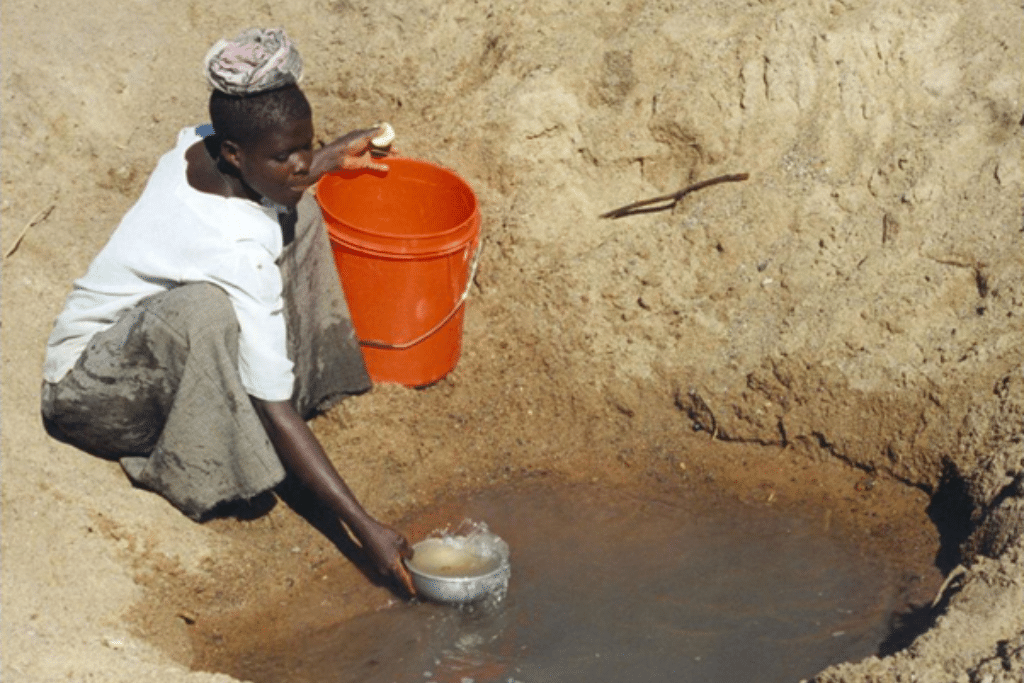
In the Meatu District in Shinyanga, an administrative region of Tanzania, water most often comes from open holes dug in the sand of dry riverbeds and it is invariably contaminated.
Water security in Africa is low and uneven, with various countries facing water scarcity, poor sanitation, and water-related disasters. Transboundary conflicts over shared rivers, such as the Nile, pose additional challenges for water management.
However, some efforts have been made to improve water security through various interventions, such as community-based initiatives, irrigation development, watershed rehabilitation, water reuse, desalination, and policy reforms. These interventions aim to enhance water availability, quality, efficiency, governance, and resilience in the face of climate change. Water security is essential for achieving sustainable development in Africa, as it affects numerous sectors, such as agriculture, health, energy, and the environment.
Other Countries with Water Shortages
Water scarcity issues plague many other parts of the world beyond Gaza and Africa. Several examples stand out:
Iraq faces severe water stress impacting agriculture and public health. The Tigris and Euphrates Rivers have dwindled because of upstream damming and climate change. Water distribution is inefficient and wasteful.
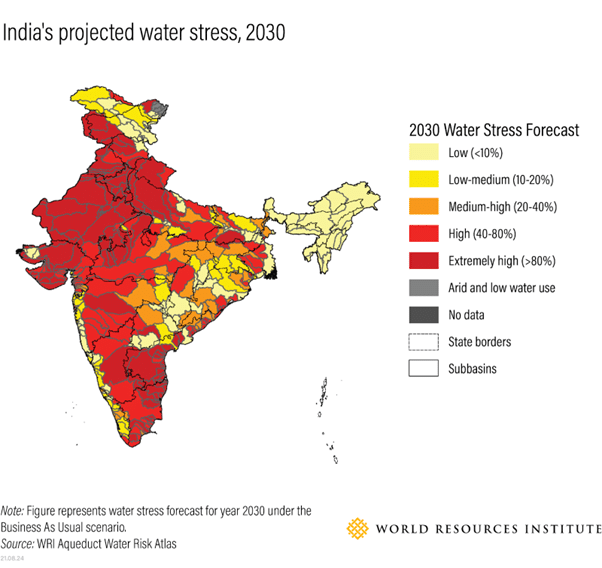
Indiagrapples with extensive groundwater depletion, shrinking reservoirs and glaciers, pollution from agriculture and industry, and tensions with Pakistan and China over shared rivers. Monsoons are increasingly erratic with climate change.
Projections show India will be under severe water stress by the end of the decade. Image: WRI.
While the specifics differ, recurrent themes include unsustainable usage, climate change, pollution, lack of infrastructure, mismanagement, poverty, transboundary conflicts, and population growth pressures. But resources often exist; the challenge lies in equitable distribution, cooperation, efficiency, and sustainable practices. Multiple approaches must accommodate local conditions and transboundary disputes.
Water scarcity poses a grave threat to global security on multiple fronts.
First, it can incite conflicts within and between nations over access rights. History contains many examples of water wars, and transboundary disputes increase the risk today in arid regions like the Middle East and North Africa.
Second, water shortages undermine food security. With agriculture consuming the greatest share of water resources, lack of irrigation threatens crops and livestock essential for sustenance and livelihoods. Food price spikes often trigger instability and migrations.
Third, water scarcity fuels public health crises, leading to social disruptions. Contaminated water spreads diseases like cholera and typhoid. Poor sanitation and hygiene due to water limitations also increase illness. The Covid-19 pandemic underscored the essential nature of water access for viral containment.
Finally, water shortages hamper economic growth and worsen poverty. Hydroelectricity, manufacturing, mining, and other water-intensive industries suffer. The World Bank estimates that by 2050, water scarcity could cost some regions 6% of gross domestic product (GDP), entrenching inequality. Climate migration strains nations. Overall, water crises destabilize societies on many levels if left unaddressed.
Solutions and Recommendations
Tackling the global water crisis requires both local and international initiatives across infrastructure, technology, governance, cooperation, education, and funding.
First, upgrading distribution systems, sewage treatment, dams, desalination, watershed restoration, and irrigation methods could improve supply reliability and quality while reducing waste. Community-based projects often succeed by empowering local stakeholders.
Second, emerging technologies like low-cost water quality sensors, affordable desalination, precision agriculture, and recyclable treatment materials could help poorer nations bridge infrastructure gaps. However, funding research and making innovations affordable remains a key obstacle.
Third, better governance through reduced corruption, privatization, metering, pricing incentives, and integrated policy frameworks could improve efficiency. But human rights must be protected by maintaining affordable minimum access.
Fourth, transboundary water-sharing treaties like those for the Nile and Mekong Rivers demonstrate that diplomacy can resolve potential conflicts. But political will is needed, along with climate change adaptation strategies.
Fifth, education and awareness can empower conservation at the individual level. Behaviour change takes time but can significantly reduce household and agricultural usage.
Finally, increased financial aid, public-private partnerships, better lending terms, and innovation prizes may help nations fund projects. Cost-benefit analyses consistently find high returns on water security investments.
In summary, sustainable solutions require combining new technologies, governance reforms, education, cooperation, and creative financing locally and globally.
Conclusion
The global water crisis threatens the well-being of billions of people and the stability of nations worldwide. Key drivers include unsustainable usage, climate change, pollution, lack of infrastructure, poverty, weak governance, and transboundary disputes. The multiple impacts span public health, food and energy security, economic growth, and geopolitical conflicts.
While daunting, this crisis also presents opportunities for innovation, cooperation, education, and holistic solutions. With wise policies and investments, water security can be achieved in most regions to support development and peace. But action must be accelerated on both global and community levels before the stresses become overwhelming. Ultimately, our shared human dependence on clean water demands that all stakeholders work in unison to create a water-secure future.







 GET WET!