Twenty-year study shows cleaner water slashes cancer and heart disease deaths

Source:Columbia University’s Mailman School of Public Health

Summary:A 20-year project in Bangladesh reveals that lowering arsenic levels in drinking water can slash death rates from major chronic diseases. Participants who switched to safer wells had the same risk levels as people who were never heavily exposed. The researchers tracked individual water exposure with detailed urine testing. Their results show how quickly health improves once contaminated water is replaced.Share:


FULL STORY
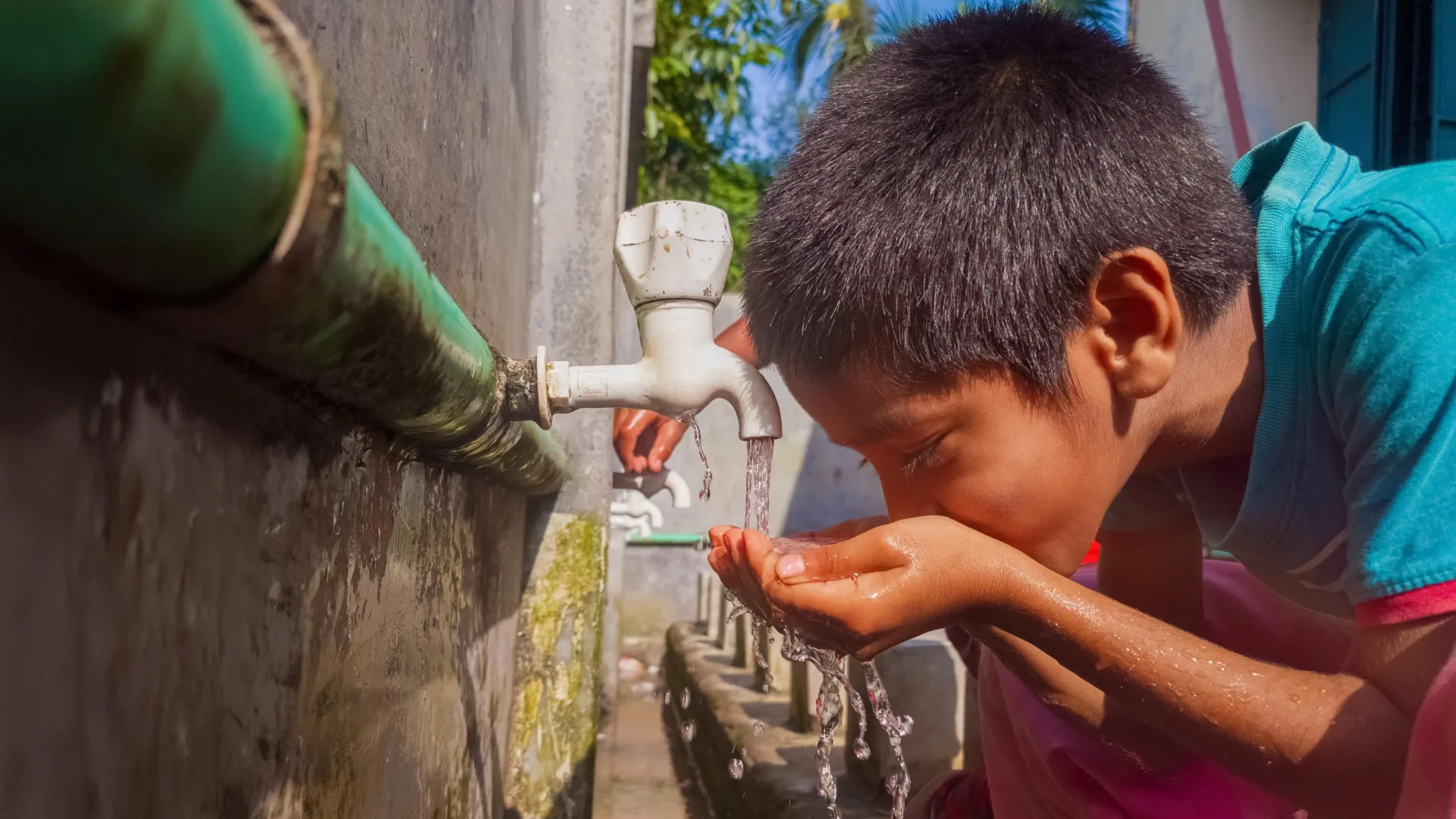

Safer Wells Save Lives in Bangladesh
Cleaner water dramatically reduces chronic disease deaths, even for those exposed to arsenic for years. Credit: Shutterstock

A large 20-year investigation following nearly 11,000 adults in Bangladesh found that reducing arsenic in drinking water was tied to as much as a 50 percent drop in deaths from heart disease, cancer and several other chronic illnesses. The research offers the strongest long-term evidence so far that lowering arsenic exposure can reduce mortality, even for people who lived with contaminated water for many years. These results appear in JAMA.

Scientists from Columbia University, the Columbia Mailman School of Public Health and New York University led the analysis, which addresses a widespread health concern. Naturally occurring arsenic in groundwater remains a significant challenge across the world. In the United States, more than 100 million people depend on groundwater that can contain arsenic, particularly those using private wells. Arsenic continues to be one of the most common chemical contaminants in drinking water.

“We show what happens when people who are chronically exposed to arsenic are no longer exposed,” said co-lead author Lex van Geen of the Lamont-Doherty Earth Observatory, part of the Columbia Climate School. “You’re not just preventing deaths from future exposure, but also from past exposure.”

Two Decades of Data Strengthen the Evidence

Co-lead author Fen Wu of NYU Grossman School of Medicine said the findings offer the clearest proof yet of the connection between lowering arsenic exposure and reduced mortality risk. Over the course of two decades, the researchers closely tracked participants’ health and repeatedly measured arsenic through urine samples, which strengthened the precision of their analysis.

“Seeing that our work helped sharply reduce deaths from cancer and heart disease, I realized the impact reaches far beyond our study to millions in Bangladesh and beyond now drinking water low in arsenic,” said Joseph Graziano, Professor Emeritus at Columbia Mailman School of Public Health and principal investigator of the NIH-funded program. “A 1998 New York Times story first brought us to Bangladesh. More than two decades later, this finding is deeply rewarding. Public health is often the ultimate delayed gratification.”

Clear Drop in Risk When Arsenic Exposure Falls

People whose urinary arsenic levels fell from high to low had mortality rates that matched those who had consistently low exposure for the entire study. The size of the drop in arsenic was closely tied to how much mortality risk declined. Those who continued drinking high-arsenic water did not show any reduction in chronic disease deaths.

Arsenic naturally accumulates in groundwater and has no taste or smell, meaning people can drink contaminated water for years without knowing it. In Bangladesh, an estimated 50 million people have consumed water exceeding the World Health Organization’s guideline of 10 micrograms per liter. The WHO has described this as the largest mass poisoning in history.

From 2000 to 2022, the Health Effects of Arsenic Longitudinal Study (HEALS) monitored thousands of adults in Araihazar, Bangladesh. The project tested more than 10,000 wells in a region where many families rely on shallow tube wells with arsenic levels ranging from extremely low to dangerously high.

Researchers periodically measured arsenic in participants’ urine, a direct marker of internal exposure, and recorded causes of death. These detailed data allowed the team to compare long-term health outcomes for people who reduced their exposure with those who remained highly exposed.

Community Efforts Created a Natural Comparison Group

Throughout the study period, national and local programs labeled wells as safe or unsafe based on arsenic levels. Many households switched to safer wells or installed new ones, while others continued using contaminated water. This created a natural contrast that helped researchers understand the effects of reducing exposure.

Arsenic exposure decreased substantially in Araihazar during the study. The concentration in commonly used wells fell by about 70 percent as many families sought cleaner water sources. Urine tests confirmed a corresponding decline in internal exposure, averaging a 50 percent reduction that persisted through 2022.

Reduced Exposure Brings Lasting Health Benefits

These trends held true even after researchers accounted for differences in age, smoking and socioeconomic factors. Participants who remained highly exposed, or whose exposure rose over time, continued to face significantly higher risks of death from chronic diseases.

The researchers compared the health benefits of lowering arsenic to quitting smoking. The risks do not disappear immediately but drop gradually as exposure decreases.

In Bangladesh, well testing, labeling unsafe sources, drilling private wells and installing deeper government wells have already improved water safety for many communities.

“Our findings can now help persuade policymakers in Bangladesh and other countries to take emergency action in arsenic ‘hot spots’,” said co-author Kazi Matin Ahmed of the University of Dhaka.

To reach more households, the research team is collaborating with the Bangladeshi government to make well data easier to access. They are piloting NOLKUP (“tubewell” in Bangla), a free mobile app created from more than six million well tests. Users can look up individual wells, review arsenic levels and depths, and locate nearby safer options. The tool also helps officials identify communities that need new or deeper wells.

Clean Water Investments Can Save Lives

The study shows that health risks can fall even for people who were exposed to arsenic for years. This highlights an important opportunity: investing in clean water solutions can save lives within a single generation.

“Sustainable funding to support the collection, storage and maintenance of precious samples and data over more than 20 years have made this critically important work possible,” said Ana Navas-Acien, MD, PhD, Professor and Chair of Environmental Health Sciences at Columbia Mailman School of Public Health. “Science is difficult and there were challenges and setbacks along the way, but we were able to maintain the integrity of the samples and the data even when funding was interrupted, which has allowed us to reveal that preventing arsenic exposure can prevent disease.”

The study team included researchers from Columbia University’s Mailman School of Public Health, the New York University Grossman School of Medicine, Lamont-Doherty Earth Observatory, Boston University School of Public Health, the Department of Geology at the University of Dhaka and the Institute for Population and Precision Health at the University of Chicago.

The HEALS project was launched by Columbia University through the National Institute of Environmental Health Sciences’ Superfund Research Program, with most U.S. collaborators based at Columbia when the study began.

CLICK HERE FOR MORE INFORMATION

https://www.sciencedaily.com/releases/2025/11/251127010327.htm?
The Water Health Open Knowledge Graph

Scientific Data volume 12, Article number: 274 (2025) Cite this article

Abstract

Global sustainability challenges have recently led to an increasing interest in the management of water and health resources. Thus, the availability of effective, meaningful and open data is crucial to address those issues in the broader context of the Sustainable Development Goals of clean water and sanitation as targeted by the United Nations. In this paper, we present the Water Health Open Knowledge Graph (WHOW-KG) along with its design methodology and analysis on impact. Developed in the context of the EU-funded WHOW (Water Health Open Knowledge) project, the WHOW-KG is a semantic knowledge graph that models data on water consumption, pollution, extreme weather events, infectious disease rates and drug distribution. Indeed, it aims at supporting a wide range of applications: from knowledge discovery to decision-making, making it a valuable resource for researchers, policymakers, and practitioners in the water and health domains. The WHOW-KG consists of a network of five ontologies and related linked open data, modelled according to those ontologies. As a fully distributed system, it is sustainable over time, can handle large datasets, and allows data providers full control, establishing it as a vital European asset in the fields of water consumption and pollution.

Occurrences, sources and health hazard estimation of potentially toxic elements in the groundwater of Garhwal Himalaya, India

Article Open access11 August 2023

Evaluating water-related health risks in East and Central Asian Islamic Nations using predictive models (2020–2030)

Article Open access22 July 2024

Examining awareness, implementation, and challenges of sustainable development goal 6 in rural Osun State, Nigeria

Article Open access06 January 2026

Introduction

Interest in water and sanitation management has grown in recent years driven by global sustainability challenges that prioritise, among the others, clean water and sanitation, as outlined in the UN Sustainable Development Goals1.

To provide effective responses to these global issues, the availability of high quality and open data becomes an essential requirement. However, the heterogeneity and complexity of water and health data, when available, can pose significant challenges. Not only data is heterogeneous both in format and in semantics, but mostly it does not guarantee, at any level, the FAIR principles2, designed to assess to what extent data is Findable, Accessible, Interoperable, and Reusable. FAIR principles aim at enhancing data sharing and reuse in both human and machine contexts. More specifically, findable refers to the fact that both data and metadata should be easy to locate for both humans and machines. This includes assigning persistent identifiers (e.g. DOIs) and ensuring metadata is richly described and indexed in searchable repositories. Accessible is about the use of standardised protocols to retrievable data and metadata. Instead, interoperable refers to the use of standardised formats, vocabularies, ontologies, and frameworks to ensure compatibility with other datasets, tools, and workflows, facilitating integration across disciplines. Finally, reusable refers to the specification of rich and detailed metadata to describe data, by including clear licensing terms, and adhere reproducible processes hence supporting reuse by third parties. However, some research studies3,4,5 show that (open) data are often not findable, and not accessible nor interoperable. This claim is especially relevant since the FAIR principles currently do not include detailed guidelines on data or software quality, nor do they address issues of trustworthiness or content interoperability—gaps that ontologies can help bridge6. Furthermore, the absence of clear licensing frameworks makes it common to encounter datasets with unspecified licenses, rendering direct reuse of the data impossible7. In response, only a few ontological modelling works have emerged to represent this fragmented knowledge within a FAIR framework, aiming to cater to the need for coverage of heterogeneous datasets in the international landscape.

This paper introduces the Water Health Open Knowledge Graph (WHOW-KG), which is the first European open distributed knowledge graph aimed at linking, using a common semantics, data on water consumption and quality with health parameters (e.g., infectious diseases rates, general health conditions of the population). Designed to understand the impact of water-related climate events, water quality, and water consumption on health, it provides a harmonised data layer that can be re-used for analysis, research, and development of innovative services and applications. The project’s primary driver was to establish a sustainable methodology for open knowledge graph production to ensure authoritativeness, timeliness, semantic accuracy, and consistency data quality characteristics, as well as metadata compliance with the European DCAT-AP profile8 and related national and thematic extensions.

The WHOW-KG currently consists of more than 100 millions of RDF triples from 19 selected datasets according to three use cases. The WHOW-KG is distributed and it is available via three SPARQL endpoints: two endpoints available from two data providers, i.e. Lombardy Region (https://lod.dati.lombardia.it/sparql) and ISPRA – Italian National Institute of Environmental Research (https://dati.isprambiente.it/sparql), and one endpoint from CNR – Institute of Cognitive Sciences and Technologies (https://semscout.istc.cnr.it/sparql). The Lombardy region was included in this project as one of the consortium partners (i.e. ARIA SpA) is the in-house company of the Lombardy region responsible for creating, managing, and curating open data on behalf of the region. Furthermore, Lombardy is recognised for its excellence in open data production. Those open data include extensive datasets covering microbiological, chemical, and physical parameters of water. Additional data from the Region’s Agency for Environmental Protection (ARPA) and its epidemiological observatory contribute to a comprehensive overview of the topics covered by WHOW, from bathing water quality to infectious diseases and associated health services. All the resources from the Lombardy Region are licensed under the Creative Commons Public Domain License (CC0) and the ones from ISPRA under the Creative Commons Attribution 4.0 International (CC-BY 4.0) License.

In summary, this paper presents the following contributions:

  • An analysis of the five WHOW ontologies: the Hydrography ontology, the Water Monitoring ontology, the Water Indicator Ontology, the Weather Monitoring ontology, and the Health Monitoring ontology; including a review of the state of the art in terms of similar works in both domains of water and health;
  • The WHOW-KG and a discussion of its impact;
  • design methodology to support data providers in the publication of FAIR, highly extensible and sustainable Linked Open Data.

CLICK HERE FOR MORE INFORMATION

https://www.nature.com/articles/s41597-025-04537-4?

New research reveals what’s really hiding in bottled water

Scientists estimate that bottled water drinkers swallow up to 90,000 more microplastic particles per year than those who stick to tap water.

Source:Concordia University

Summary:A chance encounter with plastic waste on a tropical beach sparked a deep investigation into what those fragments mean for human health. The research reveals that bottled water isn’t as pure as it seems—each sip may contain invisible microplastics that can slip through the body’s defenses and lodge in vital organs. These tiny pollutants are linked to inflammation, hormonal disruption, and even neurological damage, yet remain dangerously understudied.Share:


FULL STORY


What’s Really Hiding in Bottled Water
Recent research has revealed that people may be unknowingly ingesting tens of thousands of microplastic particles every year. On average, individuals consume between 39,000 and 52,000 particles annually, with bottled water drinkers taking in an additional 90,000 microplastic fragments compared to those who drink tap water. Credit: Shutterstock

Thailand’s Phi Phi Islands are known for their crystal-clear waters and white sand, not for launching advanced scientific research. Yet for one environmental scientist, the contrast between natural beauty and pollution sparked a major career shift from business to environmental science.

“I was standing there looking out at this gorgeous view of the Andaman Sea, and then I looked down and beneath my feet were all these pieces of plastic, most of them water bottles,” she says.

“I’ve always had a passion for waste reduction, but I realized that this was a problem with consumption.”

Armed with years of experience as co-founder of ERA Environmental Management Solutions, a company specializing in environmental, health and safety software, she returned to Concordia University to pursue a PhD on plastic waste. Her recent paper in the Journal of Hazardous Materials explores how single-use plastic water bottles pose potential health risks that remain largely overlooked in scientific research.

Hidden Hazards of Bottled Water

In an extensive review of more than 140 studies, the research reveals that people consume between 39,000 and 52,000 microplastic particles every year, and those who drink bottled water take in roughly 90,000 more than tap water users.

These microplastics are tiny fragments, often invisible to the eye. A typical particle measures between one micron (a thousandth of a millimeter) and five millimeters, while nanoplastics are even smaller. The contamination begins during manufacturing, transportation, and storage, when low-quality plastics release microscopic fragments — especially when exposed to sunlight and fluctuating temperatures. Unlike microplastics from food sources, those in bottled water are ingested directly.

Inside the Human Body

Once consumed, these particles can travel throughout the body. Studies indicate that microplastics can cross biological barriers, enter the bloodstream, and accumulate in organs. This may cause chronic inflammation, oxidative stress, hormonal disruption, reproductive impairment, neurological issues, and even some cancers. However, the long-term impact remains uncertain due to limited standardized testing and measurement techniques.

The researcher highlights that current detection tools vary in precision and capability. Some methods can spot smaller particles but cannot identify their composition, while others analyze chemical makeup but miss the tiniest plastics. The most advanced systems are both expensive and difficult to access, hindering consistent global study.

Rethinking Plastic Use Through Education

Despite growing environmental laws aimed at reducing plastic pollution, most regulations target items like shopping bags, straws, and packaging. Single-use water bottles often escape similar scrutiny.

“Education is the most important action we can take,” she says. “Drinking water from plastic bottles is fine in an emergency but it is not something that should be used in daily life. People need to understand that the issue is not acute toxicity — it is chronic toxicity.”

Chunjiang An, associate professor, and Zhi Chen, professor, in the Department of Building, Civil and Environmental Engineering at the Gina Cody School of Engineering and Computer Science contributed to this paper.

This research was supported by the Natural Sciences and Engineering Research Council of Canada and Concordia University.

CLICK HERE FOR MORE INFORMATION

https://www.sciencedaily.com/releases/2025/10/251006051131.htm?

EWG: Reducing multiple tap water contaminants may prevent over 50,000 cancer cases

Study shows health benefits of tackling arsenic, chromium-6 and other pollutants at once

WASHINGTON – Drinking water treatment that pursues a multi-contaminant approach, tackling several pollutants at once, could prevent more than 50,000 lifetime cancer cases in the U.S., finds a new peer-reviewed study by the Environmental Working Group.

The finding challenges the merits of regulating one tap water contaminant at a time, the long-standing practice of states and the federal government. 

In the paper, published in the journal Environmental Research, EWG scientists analyzed more than a decade of data from over 17,000 community water systems. They found that two cancer-causing chemicals – arsenic and hexavalent chromium, or chromium-6 – often appear together in systems and can be treated using the same technologies. 

If water systems with chromium-6 contamination also reduce arsenic levels to a range from 27% to 42%, it could avoid up to quadruple the number of cancer cases compared to just lowering chromium-6 levels alone, the study finds. 

Treatment of drinking water for one contaminant, such as nitrate, has advantages for public health. But tackling multiple contaminants at once increases the health benefits. And those benefits can expand along with the number of pollutants treated at the same time. 

 “Drinking water is contaminated mostly in mixtures, but our regulatory system still acts like they appear one at a time,” said Tasha Stoiber, Ph.D., a senior scientist at EWG and lead author of the study. “This research shows that treating multiple contaminants together could prevent tens of thousands of cancer cases.”

Chromium-6 and arsenic are commonly found in drinking water across the U.S. Chromium-6 has been found in drinking water served to 264 million Americans

“Addressing co-occurring contaminants is scientifically the most sound approach, as well as an efficient way to protect public health,” added Stoiber.

In California alone, nearly eight out of 10 preventable cancer cases are linked to arsenic exposure.

Arizona, California and Texas bear the highest burden of arsenic pollution and would gain the most from multi-contaminant water treatment efforts.

Health risks of water contaminants

Toxic chemicals like chromium-6, arsenic and nitrate pose the greatest risks to children, pregnant people and those living in smaller communities served by water systems relying on groundwater. Systems serving these populations often rely on only one water source and the smaller communities lack the resources to demand better treatment, despite facing the most serious health harms.

Chromium-6 

This cancer-causing chemical made infamous by the film “Erin Brockovich” is linked to serious health risks. Studies show even low levels in drinking water can increase the risk of stomach cancer, liver damage and reproductive harm. 

In 2008, the National Toxicology Program found much higher rates of stomach and intestinal tumors in lab animals exposed to chromium-6 in water. California researchers later confirmed a higher risk of stomach cancer in workers who had been exposed.

The Environmental Protection Agency does not limit the amount of chromium-6 in drinking water. It does regulate total chromium, which includes chromium-6 and the mostly harmless chromium-3. Total chromium is set at 100 parts per billion, or ppb, for drinking water.

Arsenic

Arsenic is found in drinking water in all 50 states. It occurs in natural deposits and as a result of human activities such as mining and pesticide use. Long-term exposure is linked to serious health issues, including bladder, lung and skin cancers, as well as cardiovascular and developmental harm.

The legal federal limit for arsenic in drinking water is 10 ppb, set in 2001 based on outdated cost estimates for treatment, not on what’s safest for health. California’s public health goal is just 0.004 ppb, the level scientists say would pose no significant cancer risk over a lifetime.

Arsenic can also contaminate certain foods, especially rice and rice-based products, making clean water standards all the more important for reducing overall exposure.

Nitrate 

Nitrate is one of the most common drinking water contaminants, especially downstream from agricultural areas where it enters water supplies through fertilizer and manure runoff. It’s also found in private wells, often near farms or septic systems.

Exposure to nitrate in drinking water is linked to serious health risks, including colorectal and ovarian cancer, very preterm birth, low birth weight, and neural tube defects. 

The EPA set the nitrate limit at 10 parts per million in 1992 to prevent “blue baby syndrome.” But it hasn’t updated the standard in over 30 years. New research shows cancer and birth-related harms can occur at levels far below the legal limit. European studies have found increased cancer risks at nitrate levels more than 10 times lower than the EPA limit.

“Ensuring clean drinking water for all communities is about fairness and equity,” said Sydney Evans, MPH, EWG senior science analyst and a co-author of the new study. 

“Communities in the U.S. that rely on groundwater are often affected by these contaminants. New water treatment technologies offer a chance to improve water quality overall. This strengthens the case for action and investment.”

Call for smarter water rules

Federal regulations still evaluate the cost and benefit of water treatment on a one-contaminant basis, a model EWG’s report calls outdated and inefficient. 

Small and rural water systems often face the steepest per-person costs to implement new treatment technologies. But they’re among the most exposed to pollutants and associated risks.

These systems frequently lack the funding and technical support to upgrade aging infrastructure, leaving residents exposed to serious health threats. This level of vulnerability calls for new strategies for these communities – a  boost in funding coupled with more effective regulations.

For example, nitrate, often found alongside chromium-6 in drinking water, represents a major but overlooked opportunity for health protection.

“Nitrate pollution is a public health crisis, particularly in the Midwest but also across the country,” said Anne Schechinger, EWG’s Midwest director. “The federal nitrate limit was set decades ago to prevent infant deaths, but we now know see cancer and birth complications at levels of nitrate far below that outdated standard.

“Even lowering nitrate slightly could prevent hundreds of cancer cases and save tens of millions of dollars in health care costs, especially when paired with treatment for other contaminants, such as chromium-6 and arsenic,” she said. “There’s a real cost to inaction – our health and our wallets can’t afford to wait for better treatment.”

Proven technologies like ion exchange and reverse osmosis, already used today, can remove nitrate, chromium-6 and arsenic from drinking water at the same time. 

“This is about more than clean water – it’s about protecting health and advancing equity,” said David Andrews, Ph.D., acting chief science officer at EWG. “We have the engineering solutions to fix the broken drinking water system in the U.S., but we need state and federal policies to reflect the reality people face when they turn on the tap.”

Consumers concerned about chemicals in their tap water can install a water filter to help reduce their exposure to contaminants. The home filter system that’s most effective for removing chromium-6, arsenic and nitrate from water is reverse osmosisIon exchange technology is another option for reducing levels of these contaminants.

EWG’s water filter guide contains more information about available options. It is crucial to change water filters on time. Old filters aren’t safe, since they harbor bacteria and let contaminants through.

People can also search EWG’s national Tap Water Database to learn which contaminants are detected in their tap water.

###

The Environmental Working Group is a nonprofit, non-partisan organization that empowers people to live healthier lives in a healthier environment. Through research, advocacy and unique education tools, EWG drives consumer choice and civic action.

CLICK HERE FOR MORE INFORMATION

https://www.ewg.org/news-insights/news-release/2025/07/ewg-reducing-multiple-tap-water-contaminants-may-prevent-over?

EWG Tap Water Database update shows hundreds of contaminants widespread in U.S. tap water

Search by postal code for water quality reports and filter recommendations

WASHINGTON – This year’s update to the Environmental Working Group’s Tap Water Database shows millions of Americans are drinking water tainted with harmful chemicals, heavy metals and radioactive substances. Many of these contaminants are at levels far above what scientists consider safe.

EWG’s latest analysis includes water quality data collected between 2021 and 2023 from nearly 50,000 water systems. It identified 324 contaminants in drinking water across the country, with detectable levels in almost all community water systems.

“This is a wake-up call,” said Tasha Stoiber, Ph.D., a senior scientist at EWG. “For over 30 years, EWG has been at the forefront of advocating for stronger drinking water protections. Outdated federal regulations continue to leave millions of people at risk of exposure to harmful substances.

“Our Tap Water Database is the only resource providing consumers in every state access to accurate information about water contaminants, health risks and steps to reduce exposure through filtration – information they need so they can take action,” she said.

The levels of contamination in many locations fall largely below the Environmental Protection Agency’s outdated legal limits. But they often far exceed EWG’s health-based standards, the sweeping analysis of nationwide water utility tests found.

The Tap Water Database empowers virtually everyone in all 50 states and the District of Columbia to check local water quality and take action to improve it, if necessary. By entering their ZIP code, users can easily find detailed information about the contaminants in their local water supply, including tips on choosing the right water filter to reduce exposure.

“Consumers shouldn’t need to worry if their water is safe to drink,” said Sydney Evans, a senior science analyst at EWG. “The burden also shouldn’t fall to individuals to filter out hazardous substances that shouldn’t be in water taps to begin with.”

The update highlights contaminants in U.S. drinking water, including the toxic “forever chemicals” known as PFAS, that are in the drinking water of over143 million people. Tap water throughout the U.S. can also contain volatile organic compounds, nitrate and arsenic, among many other contaminants. These pollutants, often linked to cancer, developmental issues and other health risks, are found in nearly all community water systems.

Harmful disinfection byproducts and radiological contaminants also persist in water supplies in many communities.

Hexavalent chromium, or chromium-6, is a carcinogen made infamous by the Erin Brockovich case in Hinkley, Calif., and it’s in the drinking water of over 250 million Americans. There is no federal limit for chromium-6, despite its widespread presence and link to cancer and organ damage.

EPA efforts to safeguard drinking water continue to lag

Despite mounting scientific evidence and public concern about U.S. drinking water quality, federal action remains slow. In 2024, the Biden EPA introduced its first drinking water standards in more than 20 years, setting health-protective maximum contaminant limits for six PFAS.

“For too long, outdated federal standards have failed to reflect the latest science on drinking water, leaving millions exposed to harmful chemicals,” said Melanie Benesh, vice president of government affairs at EWG. “While the new PFAS standards represent a historic step forward, they are only a fraction of what is needed to protect public health.”

The EPA standards are critical in reducing PFAS contamination in the nation’s water supply. But these vital new protections could be at risk if the Trump administration tries to roll them back, along with weakening other steps the Biden EPA took to tackle PFAS pollution.

“Safe drinking water shouldn’t be a political debate – it’s a fundamental right. A rollback of these hard-won protections would be a devastating setback. We must push for stronger, science-based regulations to ensure safe water for every American,” said Benesh.

###

The Environmental Working Group is a nonprofit, non-partisan organization that empowers people to live healthier lives in a healthier environment. Through research, advocacy and unique education tools, EWG drives consumer choice and civic action. 

CLICK HERE FOR MORE INFORMATION

https://www.ewg.org/news-insights/news-release/2025/02/ewg-tap-water-database-update-shows-hundreds-contaminants?

Integrating water quality and water quantity to diagnose the health of water metabolism systems in multi-core multi-level urban agglomerations

Author links open overlay panelYing Yang a1

, Jing Wen a1

Meirong Su b

, Qionghong Chen cShow moreAdd to MendeleyShareCite

https://doi.org/10.1016/j.watres.2025.123899Get rights and content

Highlights

  • •The MRIO table was compiled for a multi-core multi-level urban agglomeration.
  • •A diagnostic framework was established by coupling ENA and MRIO approaches.
  • •Water quantity-water quality linkage was considered in the diagnostic framework.
  • •The IWMN was less vigorous and less organized than the QWMN.
  • •The IWMN tended slightly towards mutualism but had more negative collaborations.

Abstract

Urban agglomerations (UAs) are compelled to scrutinize the health of their water systems as the frequency of water crises increases. An urban water system’s health is closely related to metabolism processes. To date, water systems in multi-core multi-level UAs have not been analyzed using water quantity and water quality because of methodological constraints. To address this research gap, we developed an integrated water quality–water quantity model for diagnosing water metabolism systems that could process nested multi-region input-output (MRIO) tables. We coupled the MRIO tables and established two networks, an integrated water quantity–quality metabolism network (IWMN) and a water quantity metabolism network (QWMN). We tested the two networks with data from the Guangdong-Hong Kong-Macao UA and assessed four aspects of the networks’ health, namely vigor, organization, resilience, and collaboration, using ecological network analysis. We discovered that IWMN exhibited lower vigor (internal circulation 10.4 %) and organization dominated by dependency (total contribution intensity σ = -23) compared to the QWMN. Polity-driven disparities shaped the robustness distribution, while a mutualism tendency coexisted with a complex exploitation relationship (52.4 %), particularly in the core large-sized city of Hong Kong, where 58 new competitive pairs emerged. Thus, we recommend prioritizing Guangdong-Hong Kong-Macao trade optimization for high-water-content products to enhance system health.

Graphical abstract

Image, graphical abstract

Introduction

The surface water deficit experienced in 482 of the world’s largest cities is projected to reach 6.75 million tons by 2050 because of an imbalance between the water supply and the demand (Flörke et al., 2018). This trend has prompted growing interest in resource allocation and environmental protection within urban agglomerations (UAs). UAs are composed of multiple geographically adjacent cities with diverse sizes and characteristics (Fang et al., 2015). Diverse UAs with multi-core structures (classified by comprehensive urban engine functions) and multi-level systems (quantified by social indicators) face challenges due to high heterogeneity in population size and spatial resource allocation (Han et al., 2019; Chirigati, 2022; Zhao et al., 2021). Water quantity and water quality are important attributes of water resources. Changes in the water quantity caused by a lack of rainfall or heavy rainfall events affect the water quality by concentrating pollutants or diluting. Conversely, degraded water quality diminishes the availability of water resources (Li et al., 2023) and has direct effects on urban aquatic ecosystems (Liu and Yang, 2012). Therefore, to optimize water management in multi-core multi-level UAs, we need to know more about the combined effects of water quality and water quantity on the water resources.

When optimizing water management in urban areas, the water metabolism mechanism of the system should be analyzed, and key issues should be identified (Cao et al., 2021; He et al., 2020b; Liu et al., 2022). The concept of water metabolism originates from urban metabolism (Wolman, 1965), which describes water cycle processes (e.g., water input, output, and storage) driven by social activities in different cities (Wang and Chen, 2010). This concept can effectively identify hidden risks resulting from the allocation of social resources—such as population, industry and environment within UAs, thus challenging the traditional multilevel paradigm of urban water management. In assessing the health of water systems based on water metabolism mechanisms, processes analogous to those in natural ecosystems, such as vigor and collaboration (Y.J. Yang et al., 2020; Zhu et al., 2020), sustained and stable organization, and adaptability to external pressures (Yan et al., 2014), are employed. However, to date, most research has primarily focused on the efficiency of consumptive activities (Nishimura et al., 2021; Qi et al., 2021; Xu et al., 2020), while ignoring the underlying water metabolism processes.

Network methods are effective for characterizing critical resource metabolism processes (Liang et al., 2020). Ecological Network Analysis (ENA) (Hannon B, 1973) quantifies metabolic features via resource fluxes (Fath, 2004; Ulanowicz et al., 2009), offering insights into system health. For example, resource footprint circulation rates reflect node vigor; balanced control-dependency relationships enhance organizational capacity; maintaining metabolic orderliness optimizes resilience thresholds; and niche complementarity indices help analyze co-evolutionary collaboration. There is concern about the approaches used to quantitatively assess the resource flows within a network. A bottom-up approach uses industrial processes to track water flows (Vanham and Bidoglio, 2013), but a top-down approach quantitatively assesses the resource flows within a network (Feng et al., 2011). For example, input-output analysis (IOA), an accepted method for quantifying water flows in a water metabolism system, is preferred over bottom-up approaches because it can link industrial economic data to water consumption using input-output tables and produce a high-resolution view of the networked water flow transactions, helping us to address issues caused within UAs by economic trade, such as water-related resource flows, ecosystem services, and health status (Hubacek and Feng, 2016). However, our ability to carry out a comprehensive and accurate assessment of water system health within UAs is hampered by a lack of high-resolution MRIO data for multi-core multi-level UAs, which has resulted from the poor alignment of statistical standards used for trade data across cities of different levels.

To date, there is little clarity about how the combination of water quantity and water quality influences the health of water metabolism systems in UAs. Cao et al. (2021) were the first to evaluate the health of water networks using an assessment model that focused on water quantity, but excluded water quality. Adequate water quantity and sufficient water quality are essential for the sustainable use of urban water resources (Cai et al., 2023). A water footprint, which incorporates both water quantity and water quality, can be used to assess water flows (Hoekstra and Mekonnen, 2012). Various water footprints have been defined, and the blue water footprint (BWF) and grey water footprint (GWF) have been used to quantify both water quantity and water quality (Chapagain and Hoekstra, 2011; Yu et al., 2022). In previous studies, researchers have focused on either water quantity or water quality when assessing the intensity of resource transfers (Cai et al., 2023; Zhao et al., 2016) and the factors that influenced them (Cai and Guo, 2023; Guan et al., 2014). Some researchers have also simulated and evaluated the performance of metabolism systems using either water quantity or water quality as the independent metabolism medium (He et al., 2020b, 2020a; Liu et al., 2022). The conventional separation of water quantity and quality in current research paradigms makes it difficult to reveal the cascading effects of their synergistic interactions on multiscale metabolism systems, which may lead to ecological cognitive bias in system health assessments. As synergistic variables within regional metabolism system, the mechanisms underlying the interactions between water quantity and water quality remain underexplored. It is imperative to conceptualize water quantity and quality as an integrated metabolism medium and develop a corresponding theoretical framework to elucidate how their synergistic metabolic processes influence system health.

The diagnoses of water metabolism system health at the UA scale are constrained by a) a lack of MRIO tables, which hinders the accurate assessment of water flow within UAs with multi-core and multi-level cities, and b) a limited understanding of how the health of metabolism systems is influenced when water quantity and water quality are combined into a single metabolism medium. To address these issues, we proposed a method for compiling MRIO tables for multi-core multi-level UAs that resolved the methodological limitations associated with assessments of water flow. We created two networks based on MRIO and ENA, one that integrated water quantity and water quality and another for water quantity only, and assessed four attributes of the health of the two networks, namely vigor, organization, resilience, and collaboration. We then tested the method with data from the Guangdong-Hong Kong-Macao Greater Bay Area UA (GBA).

CLICK HERE FOR MORE INFORMATION

https://www.sciencedirect.com/science/article/abs/pii/S0043135425008073?via%3Dihub

Influence of particulate matter air quality on water quality of atmospheric water harvesting

Author links open overlay panelMatthew Russell ab

, Alex Webster c

, Carl Abadam bd

, Katelin Fisher b

, Stephanie Campbell bd

, Carmen Atchley bd

, Kana Radius bd

, Paris Eisenman bd

, Ashley Apodaca-Sparks bd

, Astrid Gonzaga bd

, Rui Liu e

, Patrick Hudson f

, Anjali Mulchandani abdShow moreAdd to MendeleyShareCite

https://doi.org/10.1016/j.watres.2025.124213Get rights and content

Under a Creative Commons license

Open access

Abstract

Atmospheric water harvesting (AWH) is a decentralized water technology that dehumidifies air to provide water. When atmospheric water is condensed, other atmospheric particles and gases can enter the liquid water. For AWH to serve as drinking water, it is necessary to understand how these air constituents interact with water as it condenses and the resulting water quality. The objectives of this research were to determine: i) the variation of measured air and water quality contaminants at two sites, and ii) the extent of interaction between particulate matter concentration in the air and the water quality of atmospherically harvested water. This study performed AWH using compressor dehumidifiers at industrial and urban ambient air quality monitoring sites in Albuquerque, New Mexico, USA. Air contamination was greater at the industrial site compared to the urban site (range PM2.5 urban 1.3 – 33.4 μg/m3, industrial 1.8 – 127.5 μg/m3; range PM10 urban 3.7 – 99.2 μg/m3, industrial 4.4 – 1525 μg/m3). Water trace metals concentrations and turbidity were also greater at the industrial site. Aluminum concentrations ranged 22.9 – 600 μg/L (urban) and 22.1 – 1560 μg/L (industrial); Iron ranged 0.5 – 363 μg/L (urban), 3.4 – 828 μg/L (industrial); Manganese ranged 0.7 – 23.7 μg/L (urban), 1.3 – 69.2 μg/L (industrial); and turbidity ranged 0.3 – 28 NTU (urban), 0.5 – 52 NTU (industrial). Water quality exceeded U.S. EPA regulations for aluminum (39 % of samples at urban site, and 90 % of samples at industrial site > 200 µg/L) and turbidity (96 % at urban site, 100 % at industrial site > 0.3 NTU). A linear mixed-effects statistical model showed water quality was a function of air quality, but for only some parameters. At the industrial site, there was a strong positive relationship between PM2.5 and some metals (aluminum, calcium, iron [p<0.05]), and marginal significance with other metals (potassium, zinc [p<0.1]). At the urban site, there was only a strong positive relationship between PM2.5 and calcium. Large variations in PM concentrations and site differences in their characteristics could play an important role in how much of metals in the air enters atmospherically harvested water. Findings from this study can guide research on understanding if air quality can be used to predict AWH water quality, provide insight to further understand the mechanisms of interaction between gas-phase water and particles as they move from the air to condensed water, and drive treatment decisions to meet water quality goals.

Graphical abstract

Image, graphical abstract

Keywords

Dehumidification

Condensation

Aerosols

Water vapor

Pollutants

1. Introduction

Global warming and the increased variability and intensity of natural disasters (e.g., floods, droughts, wildfire) are a continuing concern to water supplies. Any of these natural disasters can impact municipal water supplies and limit access for weeks to months. The atmosphere is an alternative freshwater reservoir that contains 12,900 km3 of water (Shiklomanov, 1991), is universally accessible, and can serve as a water source when other supplies are inaccessible. Atmospheric water harvesting (AWH) can condense this available water vapor to provide access to water for communities in need during emergencies (Gayoso et al., 2024Mulchandani and Westerhoff, 2020).

There are few studies on AWH water quality, and the relationship between air quality and water quality has only been minimally investigated for both condensation and sorption-based systems (Mulchandani et al., 2022Zeng et al., 2024). These AWH water quality studies are often performed at a single site for around 12 months (Mulchandani et al. 2022), while few have studied AWH across multiple sites and months (Xia et al., 2015). These studies find turbidity, aluminum, iron, and manganese concentrations above United States Environmental Protection Agency (U.S. EPA) and World Health Organization (WHO) drinking water regulations in untreated AWH water, and aluminum and iron above regulatory values in treated AWH water (Zeng et al., 2024). As more studies are performed, it is apparent that there may be large variability in concentrations of metal and organic contaminants over space and time. The concentration of these contaminants may be impacted by variability in air quality, but this influence is not well studied. Xia et al. (2015) studied the relationship between particulate matter (PM) and ion contaminants in condensation-based atmospherically harvested water and found high concentrations of Cl, SO42-, NH4+ and Ca2+ in industrial areas associated with soil dust and exhaust. This study was performed in a temperate climate (relative humidity ranged 60–80 %), and it is unknown whether these results are transferable or universal for all climate zones and pollution sources, specifically those experienced in more arid regions. For AWH to be considered a viable drinking water source in multiple regions, more data is needed to understand the extent and nature of air quality influence on AWH water quality. Spatial and temporal analysis across environments (e.g., arid with heavy agricultural and urban emissions sources, vs humid with heavy industrial emissions) is needed to determine the full range of potential water quality.

Air quality is influenced by natural and anthropogenic emissions of trace gases and aerosols as well as meteorological factors such as temperature, wind speed, and humidity. As such, air quality can vary across a geographic region and changes throughout the day (Hosein et al., 1977). The U.S. EPA classifies and measures outdoor air pollution by 6 criteria pollutants: ozone (O3), carbon monoxide (CO), nitrogen dioxide (NO2), sulfur dioxide (SO2), lead (Pb) and particulate matter (PM) pollution (US EPA, 2015a). Of these pollutants, PM may be most likely to influence chemical makeup of AWH water quality due to the interaction between PM and gas phase water in the atmosphere.

Fig. S1 shows how PM and gas-phase water interact in the atmosphere. PM is formed through nucleation, accumulation and coarse modes. In nucleation mode, particles are freshly formed through combustion or atmospheric reactions from emissions sources such as traffic, industry and burning (EPA, 2023). These particles grow through coagulation with water vapor and other constituents to get to accumulation mode. As small particles stick together, the total particle number decreases, and the mass and surface area of each coagulated particle increase. Lastly, coarse mode generally consists of mechanically separated particles that may be resuspended from surfaces. PM is classified as fine (<2.5 m) and coarse (<10 m) and is often made up of clusters of different constituents depending on the emissions that influence the air quality (EPA, 2019). PM2.5 typically contains crustal material comprising of metal compounds (Al, Cu, Fe, K, Mn, etc.), soil, small liquids, elemental carbon, volatile organic compounds and various ions (SO42- and NO3) (Chemical Elements, Minerals, Rocks, 2024EPA, 2023Hasheminassab et al., 2014). PM10 is typically produced by surface abrasion, sea spray, biological materials, and road, crop and livestock dust (EPA, 2023). Water vapor in the air continue to interact with particulates, which may partition with water vapor into condensed AWH waters. We theorize that when this water vapor condenses within an AWH system, particles of all sizes from various sources (e.g., traffic, industry and burning) containing constituents such as metals, carbon and gases will be collected in the harvested water and impact water quality.

Currently, there is a knowledge gap regarding the relationship between PM concentrations and characteristics, and subsequent water quality of AWH, particularly as it varies by space and time to determine site specific impacts. These relationships may vary as a function of location, climate, and air quality. Closing this gap can provide key insight on the level and type of treatment required to make AWH a viable drinking water source. If there is a significant relationship between air quality measured as PM and water quality, air could be pre-filtered to remove PM before harvesting. Alternatively, post-harvesting water treatment may be applied to remove both particles and dissolved constituents.

The objectives of this research were to determine: i) the variation of measured air and water quality contaminants by site, and ii) the extent of interaction between particulate matter concentration in the air and the water quality of atmospherically harvested water. Condensation-based AWH devices were operated in a semi-arid high-desert metropolitan city. AWH devices were co-located with air quality monitoring instrumentation to directly compare air quality with AWH water quality. The air was not pre-filtered, and AWH water samples were not filtered or treated in order to gain a full understanding of the impact of PM on water quality. We hypothesized that air pollution and AWH water pollution would be greater at the industrial site compared to the urban site. Secondly, we hypothesized that there would be a positive linear relationship between both PM10 and PM2.5 and total organic carbon and metal concentrations, the nature of which may be specific to each site. Findings from this study can guide research on understanding if PM can be used to predict AWH water quality, provide insight to further understand the mechanisms of interaction between gas-phase water and particles as they move from the air to condensed water, and drive treatment decisions to meet water quality goals.

CLICK HERE FOR MORE INFORMATION

https://www.sciencedirect.com/science/article/pii/S0043135425011200?via%3Dihub

Assessment of water quality and health hazards using water quality index and human health risk evaluation in district Talagang Pakistan

Scientific Reports volume 15, Article number: 5191 (2025) Cite this article

Abstract

This work was carried out for the determination of the water quality in the Talagang District of Pakistan, as water is essential for agriculture and drinking uses. This study aims to assess the water quality for irrigation, drinking, and health risks using the Water Quality Index (WQI) and Human Health Risk Assessment (HHRA) tools to identify regions with contaminated water, and to evaluate the associated risks. A total of 98 water samples were taken at various points from diverse sources such as hand pumps, streams, springs, dug wells, and tube wells for physio-chemical assessment. In the current study, the effectiveness of the irrigation water quality index (IWQI), human health risk assessment (HHRA), and water quality index (WQI) tools have been assessed. The characteristics of subterranean water are influenced by evaporation, ion exchange, rock-water interaction, and parent-rock weathering, as shown by the Piper and Gibbs diagram. According to the WQI results, the water quality is 20. 89% and 27.46% of the sample sites are moderate and poor, making them unfit for human intake. Based on HHRA, compared to adult males and females in the study area, children are deemed to be at a higher risk. A larger number of the sample localities are appropriate for irrigation purposes. The study assists in identifying contaminated regions and in monitoring newly implemented remediation actions to manage the source of contaminants in the study area.

Hydro-chemical profiling and contaminant source identification in agricultural canals using data driven clustering approaches

Article Open access10 July 2025

New approach to predict wastewater quality for irrigation utilizing integrated indexical approaches and hyperspectral reflectance measurements supported with multivariate analysis

Article Open access12 May 2025

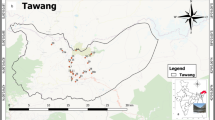
Evaluation of water quality index and geochemical characteristics of surfacewater from Tawang India

Article Open access09 July 2022

Introduction

Surface and subterranean water are essential sources of drinking, farming, industrial, and domestic uses worldwide and also have a substantial effect on shaping the quality of lives and sustainability of societies1. Due to rapid growth and population increase, natural and human actions such as industry, urbanization, mining, and agriculture have resulted in water depletion and impairment issues2,3. Water quality degradation and depletion have emerged as significant global challenges, directly impacting public health, agriculture, and the environment4,5. The poor quality of water poses both direct and indirect health risks to the communities that rely on it, often leading to substantial public health issues and increased costs for water treatment and rehabilitation6. Direct health risks are associated with the consumption of contaminated water, such as heavy metal contamination, which can cause serious illnesses7,8. Indirect health risks occur when contaminated water is used for irrigation, affecting agricultural crops, horticulture, and aquaculture, leading to bioaccumulation of toxins in the food chain9.Heavy metals including Zn, Cu, and Mn are naturally occurring in water in trace amounts and are significantly essential for human metabolism and the growth of living things10. However, excessive amounts of these metals pose chronic and acute health issues. Other heavy metals including Pb, Cd, As, Cr, and Ni are severely toxic although in very low concentrations11. For example, the higher concentration of Pb is known to harm the development of the brain in children. Exposure to elevated concentrations of Cd causes chronic and acute diseases such as skeletal and kidney damage. The As causes many health problems in humans such as skin lesions, and cancer of the liver, brain, stomach, and kidney12,13. Higher intakes of Cr and Ni have been linked with liver, kidney, and heart problems14. The WQI is a handy means for evaluating the quality of water that is appropriate for residential practice. The weighted arithmetic and integrated WQI are extensively used in India for assessing surface and subterranean water because it yield results with greater accuracy1516. investigatedthe chemistry and quality index of groundwater in northwest China and noticed that 11.43% of sample locations had poor water quality, and 17.14% had very poor water quality. Similarly17, used weighted overlay analysis to assess groundwater quality for drinking and irrigation purposes in Bangladesh, revealing that 90% of water from deep wells and 57.6% from shallow wells were suitable for human consumption, according to the Drinking Water Quality Index (DWQI).

Several recent studies have employed various techniques to assess water quality, including the use of WQI, which integrates multiple physicochemical variables into a single dimensionless value representing overall water quality18,19,20,21,22. The WQI is an assessment model that can be used for integrating a variety of physicochemical variables into a dimensionless value that may depict the overall quality of the water18,20. n Pakistan, water quality contamination has been reported in several regions, affecting both surface and groundwater resources11. Given the importance of water for human health, agriculture, and overall well-being, it is crucial to evaluate the water quality in various regions. The primary objective of this study is to assess the surface and subsurface water quality for irrigation, drinking, and health risks in Talagang District, Pakistan, using the Water Quality Index (WQI) and Human Health Risk Assessment (HHRA) tools. This research aims to evaluate the hydro-chemical parameters of groundwater in the study area for both irrigation and drinking purposes, and to assess the associated health risks using the WQI and HHRA models. The findings will contribute to identifying areas where water quality poses health risks and help in formulating strategies for water management and remediation.

CLICK HERE FOR MORE INFORMATION

https://www.nature.com/articles/s41598-025-89932-y?

Unsafe drinking water and human health: A global umbrella review of disease outcomes, intervention effectiveness, and policy implications

Author links open overlay panelShen Li (李燊) 16

, Yuhao Wei (韦宇豪) 16

, Jingxuan Zhou (周靖宣) 26

, Yifan Li (李逸帆) 16

, Lichun Qiao (乔利春) 3

, Diqing You (犹迪庆) 4

, Yuting Jiang (江雨婷) 1

, Zedong Jiang (江泽东) 1

, Xiawei Wei (魏霞蔚) 15

, Xuelei Ma (马学磊) 17Show moreAdd to MendeleyShareCite

https://doi.org/10.1016/j.xcrm.2026.102588Get rights and content

Under a Creative Commons license

Open access

Highlights

  • •Unsafe water is linked to cancer, infection, cardiovascular, and maternal-neonatal risks
  • •Water filtration and defluoridation effectively reduce disease risks
  • •Risk attribution robustness varies; intervention benefits are robust
  • •Policy should prioritize proven solutions over precise risk estimates

Summary

Access to safe drinking water is a fundamental determinant of global health. In this umbrella review, we synthesized evidence from 25 systematic reviews and meta-analyses, covering 158 outcomes, to assess health risks and intervention effectiveness (PROSPERO: CRD420251001778). Employing a rigorous methodological framework including A Measurement Tool to Assess Systematic Reviews 2 (AMSTAR 2); Evidence Classification; the Grading of Recommendations, Assessment, Development, and Evaluation (GRADE); and simplified evidence-to-decision criteria, we identified significant associations between unsafe drinking water and various health conditions, including infectious diseases, cancers, cardiovascular diseases, and adverse maternal-child health outcomes. Importantly, while the certainty of evidence for precise risk attribution remains limited, evidence supporting effective interventions is robust. Point-of-use (POU) filtration reduces childhood diarrhea by 52% (relative risk [RR] = 0.48; moderate-certainty evidence), and defluoridation effectively prevents fluorosis. Overall, these findings support a shift in policy focus: despite uncertainties in exact risk quantification, public health strategies should prioritize immediate implementation of proven interventions to safeguard vulnerable populations.

CLICK HERE FOR MORE INFORMATION

https://www.sciencedirect.com/science/article/pii/S2666379126000054?

Health risk assessment of groundwater use for drinking in West Nile Delta, Egypt

Scientific Reports volume 15, Article number: 7414 (2025) Cite this article

Abstract

Human health is at risk from drinking water contamination, which causes a number of health problems in many parts of the world. The geochemistry of groundwater, its quality, the origins of groundwater pollution, and the associated health risks have all been the subject of substantial research in recent decades. In this study, groundwater in the west Rosetta Nile branch of the Nile Delta Aquifer is examined for drinking potential. Numerous water quality indices were applied, such as water quality index (WQI), synthetic pollution index (SPI) models, and health risk assessment (HRA) method. The limits of the measured parameters are used to test its drinking validity on the basis of WHO recommendations. TDS in the southern regions is within the desirable to allowable limits with percent 25.3% and 29.33%, respectively. Nearly all the study area has desirable value for HCO3, Al and Ba. Ca and Mg have desirable values in the center and south portion of the investigated area, whereas in the north are unsuitable. Na, Cl and SO4 fall within the desired level in the regions of the south but become unsuitable towards the north. Mn and NO3 are inappropriate except in the northwestern part. Fe is within suitable range in the southwestern and northwestern regions. Pb, Zn, Cu, and Cd were undetected in the collected samples. Regarding to WQI the study area is classified into 4 classes good, poor, very poor and unfit for drinking water from south to north. According to SPI model, 20%, 18.7%, 18.7%, 8% and 34.6% of water samples are suitable, slightly, moderately, highly polluted and unfit, respectively from south to north. Based on HRA, Children are the most category endangered with percent 14.7% of the overall samples obtained, followed by females and males with percent 12% and 8%, respectively. This study offers insights into the conservation and management of coastal aquifers’ groundwater supplies. These findings have significant implications for developing strategies and executing preventative actions to reduce water resource vulnerability and related health hazards in West Nile Delta, Egypt.

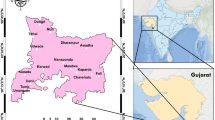
Sustainable groundwater management through water quality index and geochemical insights in Valsad India

Article Open access13 March 2025

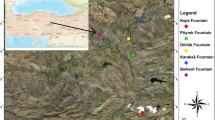
Spatiotemporal variations in the levels of toxic elements in drinking water of Sivas, Türkiye, and an ecotoxicological risk assessment

Article Open access24 March 2025

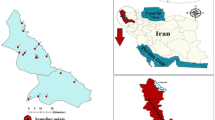
A decadal analysis of drinking water quality and nitrate-related health risk assessment in groundwater sources: a case study of Poldasht County, Northwest Iran

Article Open access05 February 2026

Introduction

In recent years, rapid urbanization and population growth, stress on natural resources, and global climate change have caused the demand for water to increase. Sustainable water resource management is becoming increasingly important to meet this demand. It is critical to manage water resources globally since groundwater is essential for meeting human needs and for sustaining life1,2,3,4. Furthermore, unregulated exploitation of groundwater resources has resulted in water shortages over recent decades, which has adversely affected groundwater quality and levels5,6,7,8,9,10. Salinization is a significant issue in many coastal regions globally, particularly in semi-arid and arid areas. It is seen as a crucial and visible issue that threatens future water resources and reduces water quality. Groundwater salinization is a key concern because it restricts water availability for both agricultural and urban needs, impacting the resilience and sustainability of coastal areas. An increase in total dissolved solids (TDS) or chloride (Cl) levels is a clear indicator of salinization11,12,13. The issue of water quality has garnered significant attention in coastal aquifers worldwide due to the aforementioned reasons for example, Thriassion Plain and Eleusis Gulf, Greece14, north Kuwait15, China15, Bangladesh16, Spain17, Mexico18, and others. As groundwater quality is equally important as its quantity, it is crucial to carefully assess it.

Heavy metals pose a toxic threat to human health and ecosystems when their concentrations surpass established limits as they can disrupt ecological systems, endanger human health, and worsen the quality of groundwater. Specific heavy metals, including copper (Cu), zinc (Zn), manganese (Mn), and chromium (Cr), are vital for metabolic processes in traces quantity, but become hazardous at high levels. In contrast, metals such as cadmium (Cd) are toxic even at minimal concentrations19,20. Tackling the presence of trace element-contaminated water resources is crucial for protecting both the ecosystem and human health21. Additionally, understanding the environmental behavior of these trace elements, including their transfer, fate, persistence, and the health risks they pose to consumers through the food chain, is vital. The health impacts of these elements are significantly influenced by factors such as their behavior, specific chemical composition, and binding state. Gaining insight into these factors is the key to assessing the potential risks of trace elements and devising effective strategies to minimize their harmful effects22,23. Controlling and mitigating these harmful effects can be achieved by monitoring heavy metal distribution, concentration, and health risks regularly.

Evaluating groundwater quality is a fundamental approach for ensuring the sustainable management of this essential resource. Various methodologies have been employed to assess groundwater quality, including stoichiometric, graphical, index-based, and inferential chemometric techniques, which are commonly used to analyze and monitor groundwater conditions and hydrogeochemical properties24,25,26. Additionally, advanced tools such as clustering, regression analysis, neural networks, and machine learning algorithms have been incorporated to observe and predict water quality trends effectively27,28,29. Given the variety of hydrochemical criteria, the water quality index (WQI) technique serves as an effective tool for evaluating groundwater quality. Due to its comprehensive calculation method, assessing groundwater quality through multiple hydrochemical parameters is considered a more reliable and robust approach. As a result, WQIs have been widely utilized in groundwater quality assessments. The most frequent techniques for assessing water quality are the WQI for drinking and synthetic pollution index (SPI). The Water Quality Index (WQI) for drinking water and the Synthetic Pollution Index (SPI) are effective tools for measuring and evaluating overall water quality, offering a more comprehensive approach than traditional techniques for evaluating the quality of water. Each of the two types of standard water quality index models (WQI and SPI) measure the cumulative impact of different physicochemical variables on groundwater quality based on weight and rate. Each physicochemical parameter is weighed according to its influence on drinking water quality30,31. Since many people rely on groundwater for drinking and other household purposes, high levels of nitrate in drinking water can result in serious health risks32,33,34. Therefore, health risk assessment (HRA) based on nitrate concentration was applied as drinking water quality criteria35,36,37. Combining water quality indices with GIS techniques provides the most effective method for detecting and visualizing changes in groundwater facies. Several studies have applied water quality indices (WQI and SPI) and HRA methods to evaluate groundwater quality for human use in various regions, and these techniques have proven successful. For instance, studies have been conducted on Makkah Al-Mukarramah Province (Saudi Arabia)38, coastal plain in Nigeria23, dumpsite in Awka (Nigeria)22, El Fayoum depression (Egypt)30, El Kharga Oasis (Egypt)39, and Central Nile Delta Region (Egypt)40.

The quaternary aquifer, coastal aquifer, is considered the main source of groundwater in the area west of Rosetta branch. Based on the previous studies, the groundwater within the study area exposed to several factors, which may lead to increase signs of groundwater quality deterioration. These factors are mainly attributed to anthropogenic activities and sea water intrusion12. Moreover, most previous studies conducted west of the Nile Delta have primarily focused on the morphological and geological features of the terrain41,42,43,44. Additionally, water sources have been examined in terms of their geochemical properties and suitability for irrigation purposes8,12,45,46. However, limited attention has been given to evaluating the quality of groundwater for drinking purposes within the study area. As a result, significant knowledge gaps remain regarding the suitability of groundwater for human consumption in this region.

Based on the aforementioned objectives, this study aimed to evaluate the quality of groundwater for drinking purposes in the region west of the Nile Delta’s Rosetta branch. This study was conducted to develop geospatial maps of physicochemical parameters in groundwater to determine the quality suitability of drinking water. Furthermore, in order to assess the water quality from the aspect of human health, two typical water quality index models are used, namely water quality index (WQI) and synthetic pollution index (SPI). In order to analyze the data concerning water quality, descriptive statistics and correlation matrices were applied. Eventually, human health risk (HRA) was assessed in the study region via contaminated water consumption by adults (males and females) and children. It is expected that this study will assist decision makers in identifying vulnerable zones and optimizing monitoring networks for groundwater quality.

CLICK HERE FOR MORE INFORMATION

https://www.nature.com/articles/s41598-025-90477-3?