The removal of microplastics and oil from oil-water emulsions presents significant challenges in membrane technology due to issues with low permeability, rejection rates, and membrane fouling. This study focuses on enhancing nanofibrous composite membranes to effectively separate microplastic contaminants (0.5 micrometer) and oil-water emulsions in wastewater. Polyvinylidene fluoride (PVDF) polymeric nanofibers were produced using a needle-free electrospinning technique and attached to a nonwoven surface through lamination. The membranes were modified with alkaline treatment, biosurfactant (BS), TiO_2, and CuO particles to prevent fouling and improve separation efficiency. The modified membranes demonstrated exceptional water permeability, with BS-modified membranes reaching above 9000 Lm^{-2} h^{-1} bar^{-1} for microplastic separation. However, BS modifications led to reduced water permeability during oil-water emulsion treatment. TiO_2 and CuO further enhanced permeability and reduced fouling. The TiO_2-modified membranes exhibited superior performance in oil-water emulsion separation, maintaining high oil rejection rates (~95%) and antifouling properties. The maximum microplastic and oil rejection rates were of 99.99% and 95.30%, respectively. This study illustrates the successful modification of membrane surfaces to improve the separation of microplastics and oil-water emulsions, offering significant advancements in wastewater treatment technology.
Water quality is foundational to environmental sustainability, ecosystem resilience, and public health. Deep learning offers transformative potential for large-scale water quality prediction and scientific insights generation. However, their widespread adoption in high-stakes operational decision-making, such as pollution mitigation and equitable resource allocation, is prevented by unresolved trustworthiness challenges, including performance disparity, robustness, uncertainty, interpretability, generalizability, and reproducibility. In this work, we present a multi-dimensional, quantitative evaluation of trustworthiness benchmarking three state-of-the-art deep learning architectures: recurrent (LSTM), operator-learning (DeepONet), and transformer-based (Informer), trained on 37 years of data from 482 U.S. basins to predict 20 water quality variables. Our investigation reveals systematic performance disparities tied to process complexity, data availability, and basin heterogeneity. Management-critical variables remain the least predictable and most uncertain. Robustness tests reveal pronounced sensitivity to outliers and corrupted targets; notably, the architecture with the strongest baseline performance (LSTM) proves most vulnerable under data corruption. Attribution analyses align for simple variables but diverge for nutrients, underscoring the need for multi-method interpretability. Spatial generalization to ungauged basins remains poor across all models. This work serves as a timely call to action for advancing trustworthy data-driven methods for water resources management and provides a pathway to offering critical insights for researchers, decision-makers, and practitioners seeking to leverage artificial intelligence (AI) responsibly in environmental management.
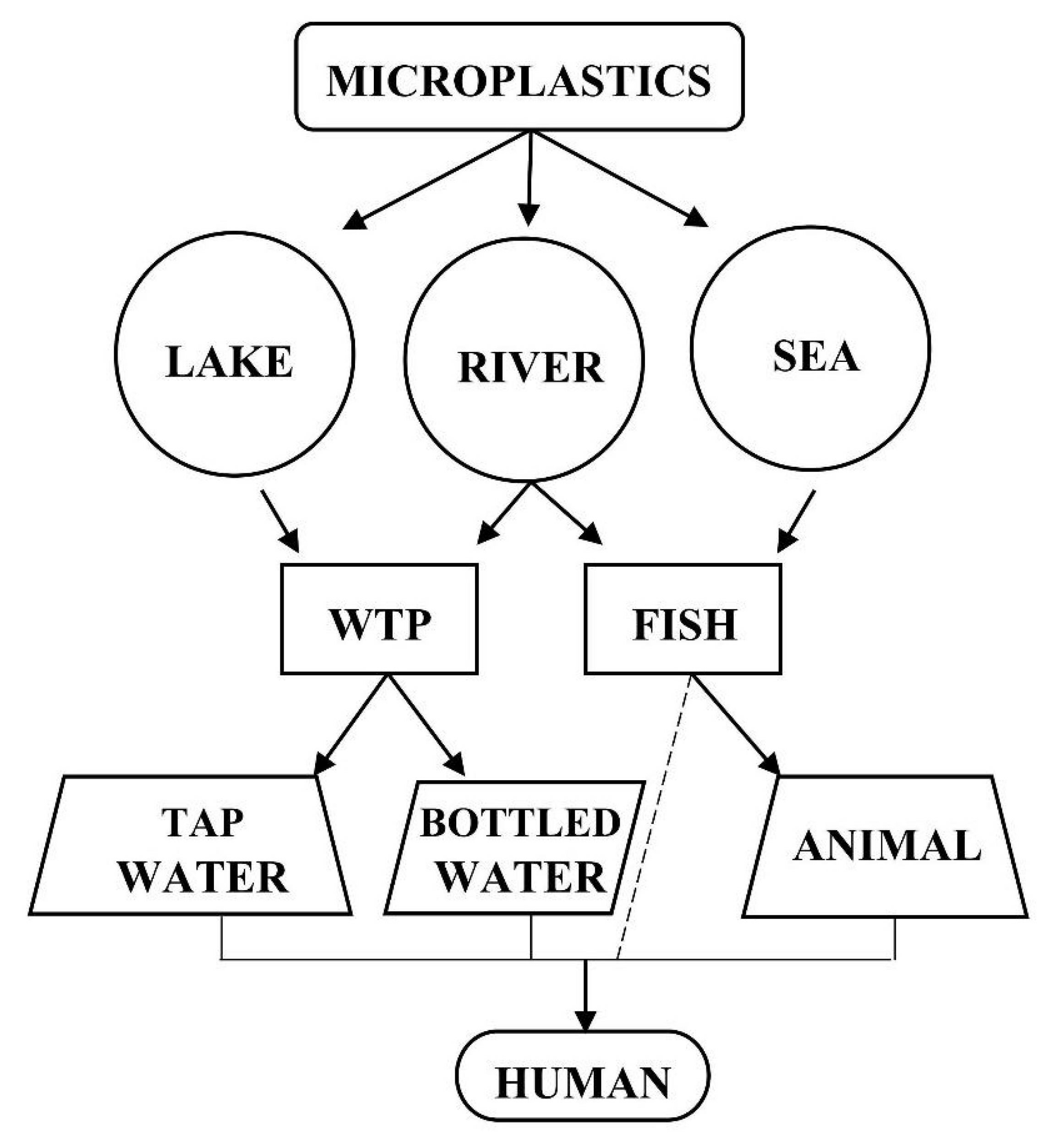
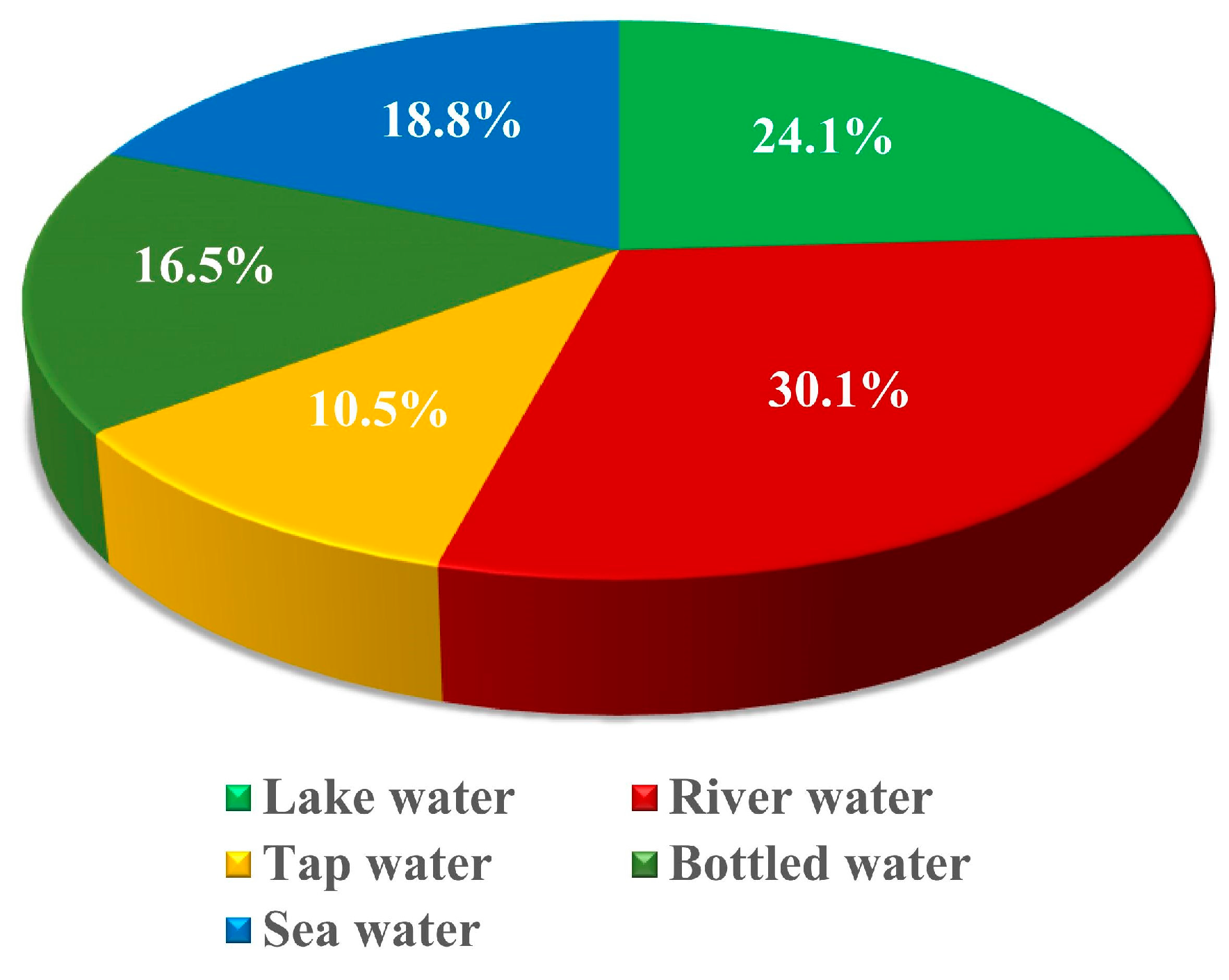
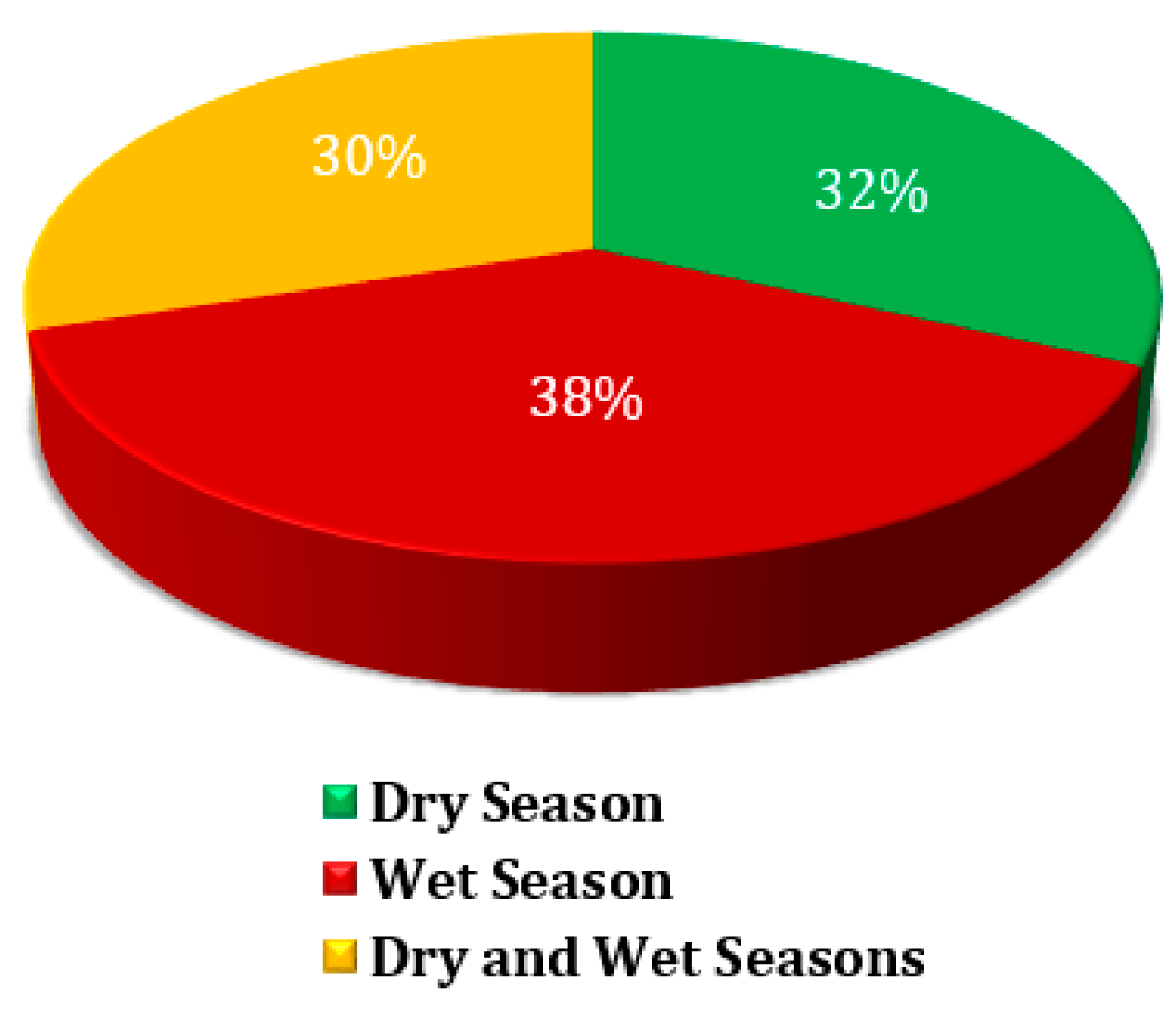
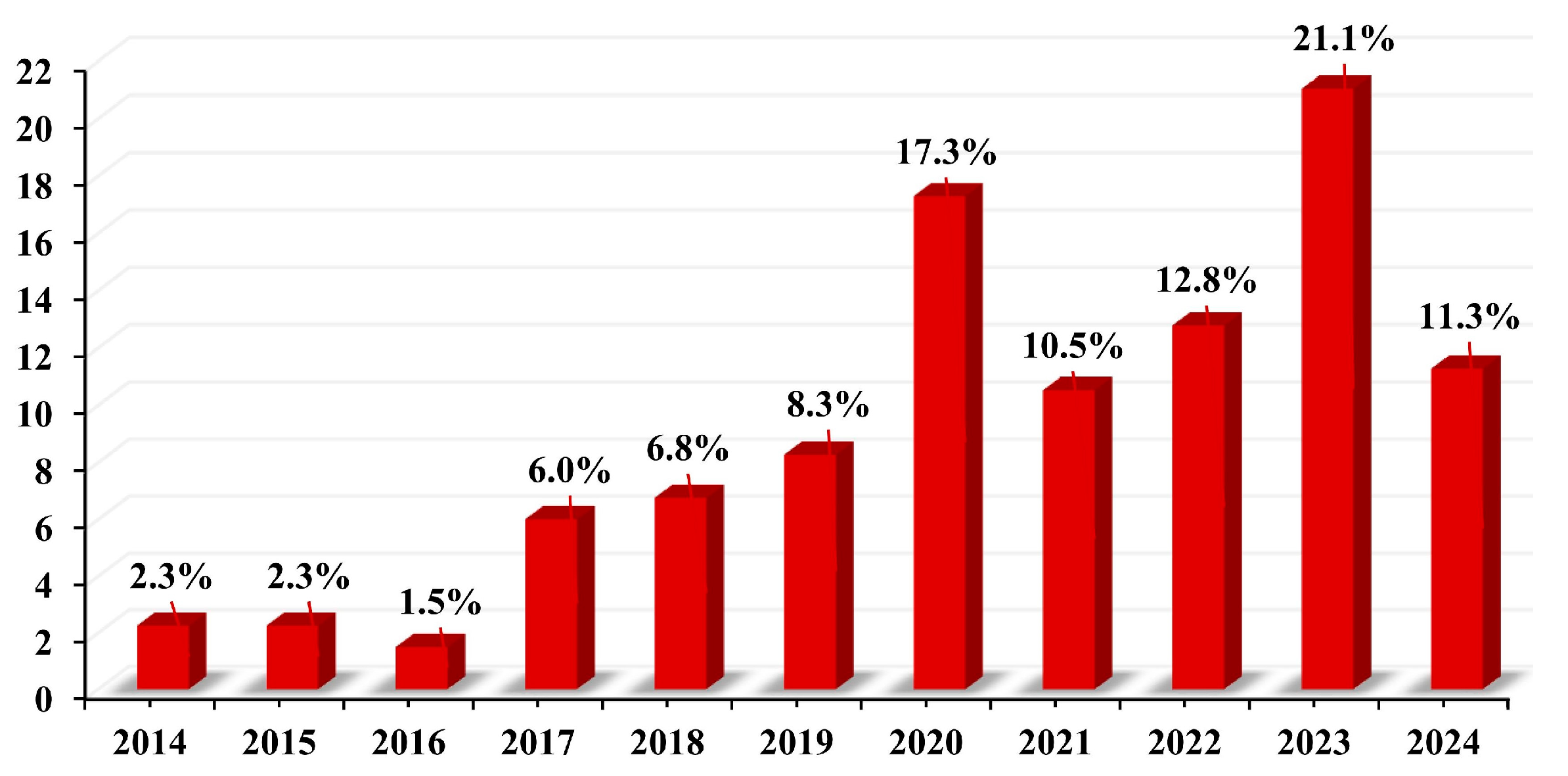
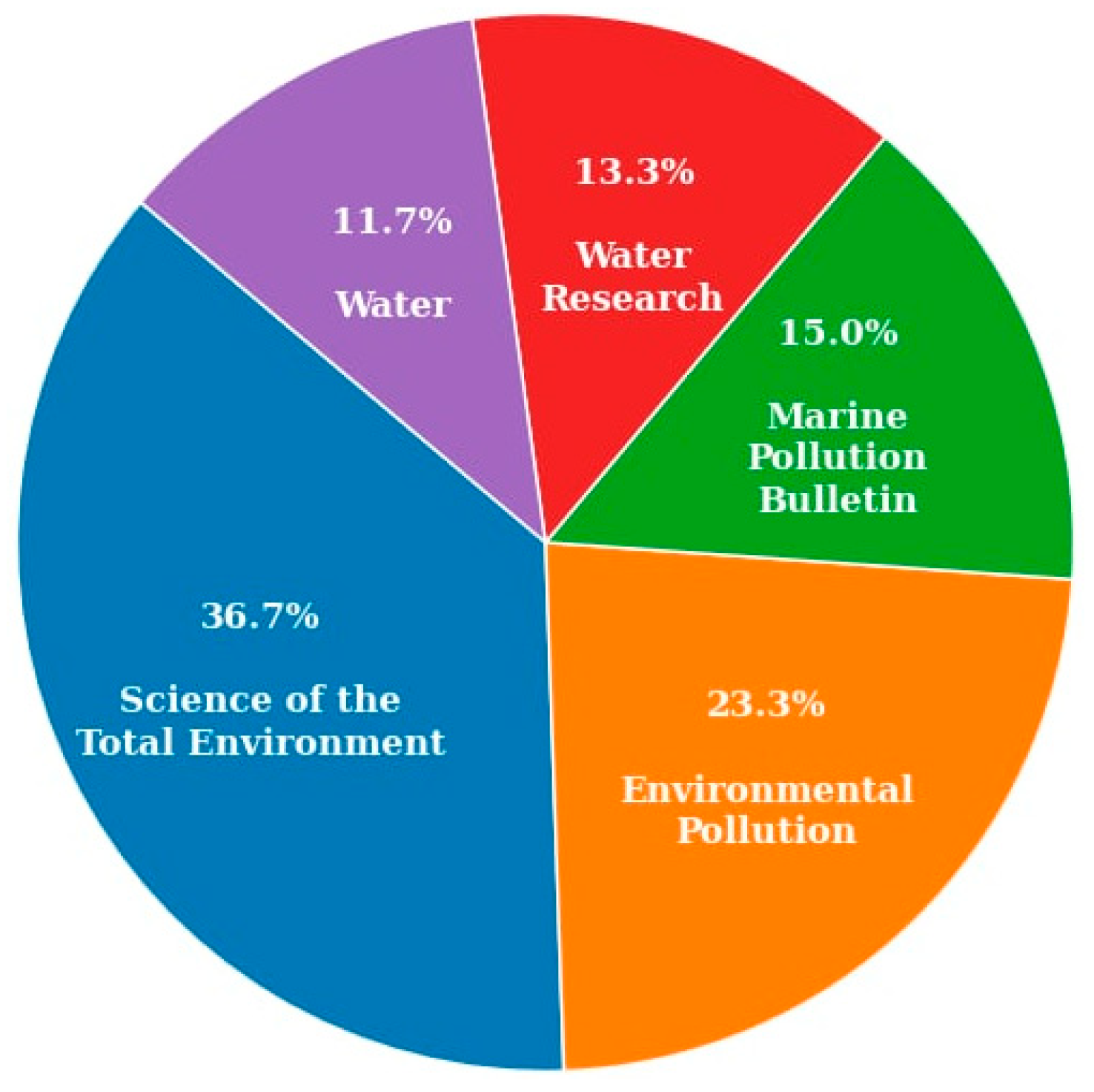
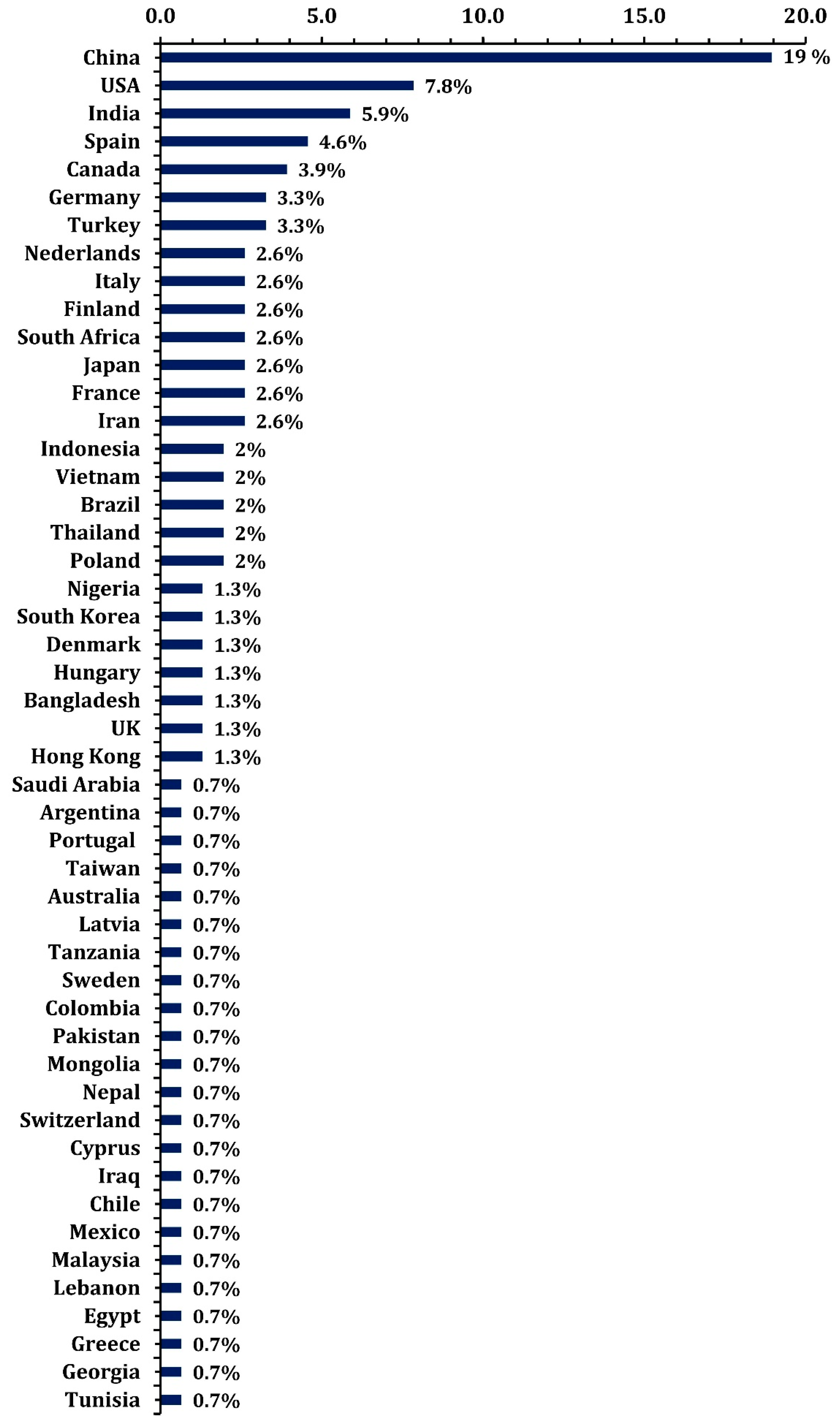
Microplastics (MPs), defined as plastic particles smaller than 5 mm, are an emerging global environmental and health concern due to their pervasive presence in aquatic ecosystems. This systematic review synthesizes data on the distribution, shapes, materials, and sizes of MPs in various water sources, including lakes, rivers, seas, tap water, and bottled water, between 2014 and 2024. Results reveal that river water constitutes the largest share of studies on MP pollution (30%), followed by lake water (24%), sea water (19%), bottled water (17%), and tap water (11%), reflecting their critical roles in MP transport and accumulation. Seasonal analysis indicates that MP concentrations peak in the wet season (38%), followed by the dry (32%) and transitional (30%) seasons. Spatially, China leads MP research globally (19%), followed by the USA (7.8%) and India (5.9%). MPs are predominantly composed of polyethylene (PE), polypropylene (PP), and polyethylene terephthalate (PET), with fibers and fragments being the most common shapes. Sub-millimeter MPs (<1 mm) dominate globally, with significant variations driven by anthropogenic activities, industrial discharge, and environmental factors such as rainfall and temperature. The study highlights critical gaps in understanding the long-term ecological and health impacts of MPs, emphasizing the need for standardized methodologies, improved waste management, and innovative mitigation strategies. This review underscores the urgency of addressing microplastic pollution through global collaboration and stricter regulatory measures.
The growing intrusion of microplastics (MPs) into water supply networks, exacerbated by their physicochemical features that facilitate their movement in water and enable microbial attachment, represents an under-recognized but rising threat to public health. The present work is a scooping review that synthesized recent studies to explore the roles of MPs as dynamic pollutants that not only contaminate water sources and distribution systems but also interact with bacterial contaminants in ways that intensify health threats. In accordance with SDG 6 (Clean Water and Sanitation), we examined the sources and fate of MPs in water distribution networks, their mechanisms of transportation, and their function as surfaces for bacterial attachment and biofilm development. We paid attention to how MPs can carry harmful bacteria and store genes that make bacteria resistant to antibiotics, which could help these bacteria survive and spread throughout the water distribution system, an issue related to SDG 3 (Good Health and Well-being). These microplastic-associated biofilms called plastisphere can compromise water quality assessments, escape conventional water treatment procedures, and aggravate the distribution of antimicrobial resistance. Furthermore, we highlight the limits of existing detection and monitoring methods for MPs and related bacterial threats in water. We ascertain serious knowledge gaps in understanding the long-term behaviour of MPs in real-world water distribution conditions, particularly under variable hydraulic and environmental stresses. Addressing these gaps require imminent research focus on in situ studies of MP-bacterial interactions, innovative molecular and sensing machineries, risk valuation models that integrate microbial and genetic information (SDG 9: Industry, Innovation, and Infrastructure). Interdisciplinary collaborations among environmental microbiologists, water engineers, and public health workers could also help to develop a standardized, high-resolution detection protocols.
The widespread presence of microplastics (MPs) in fresh surface water has raised concerns about potential human exposure through drinking water sourced from these environments. While MP research is advancing to understand the occurrence and fate of MPs in drinking water production systems, data based on mass concentration is scarce. This study assesses MP concentrations in the drinking water supply system of Amsterdam (the Netherlands) from source to tap, analyzing raw water from two freshwater sources (Lek Canal and Bethune Polder), treated water from two drinking water treatment plants (DWTPs) (Leiduin and Weesperkarspel DWTPs), and household tap water samples from the Amsterdam distribution area. MPs ≥ 0.7 µm were identified and quantified using pyrolysis gas chromatography-mass spectrometry (Py-GC–MS) targeting 6 high production volume polymers: polyethylene (PE), polyethylene terephthalate (PET), polymethyl methacrylate (PMMA) polypropylene (PP), polystyrene (PS), and polyvinyl chloride (PVC). Average MP concentrations in raw water samples were 50.6 ± 34.7 µg/L (n = 14) and 47.5 ± 33.7 µg/L (n = 14), while treated water samples exhibited significantly lower levels of 0.80 ± 0.44 µg/L (n = 12) and 1.65 ± 2.19 µg/L (n = 14), demonstrating high removal efficiencies of 97–98%. PE, PVC, and PET were the most abundant polymer types detected. Household tap water samples showed lower concentrations with an average of 0.21 ± 0.12 µg/L (n = 20). These findings highlight the effective removal of MPs during drinking water treatment processes while emphasizing the need for further research to understand the factors influencing MP transport and fate within water distribution networks.
The performance of conventional and advanced drinking water treatment processes for the removal of microplastics is poorly understood due to the use of a wide range of methods for sample collection, isolation, and analysis that make direct comparison among studies challenging. In this study, microplastic (>2 µm) removal across ten drinking water treatment facilities, as well as their presence in source waters and distribution systems, was characterized. Municipal drinking water treatment facilities achieved >97.5% removal, primarily due to chemically assisted granular media filtration or ultrafiltration. In untreated source waters, concentrations ranged from 1193 ± 64 to 7185 ± 64 particles/L, with polypropylene, polyethylene, polyamide, and plastic copolymers representing the most common polymer types identified. These findings provide insight regarding microplastic exposure via drinking water, as well as treatment process performance for their removal which may be used to inform the development and implementation of future regulations and/or guidelines.
Microplastics are a known threat to overall health — and eating and drinking from plastic containers, like water bottles, could be a great offender, researchers suggest.
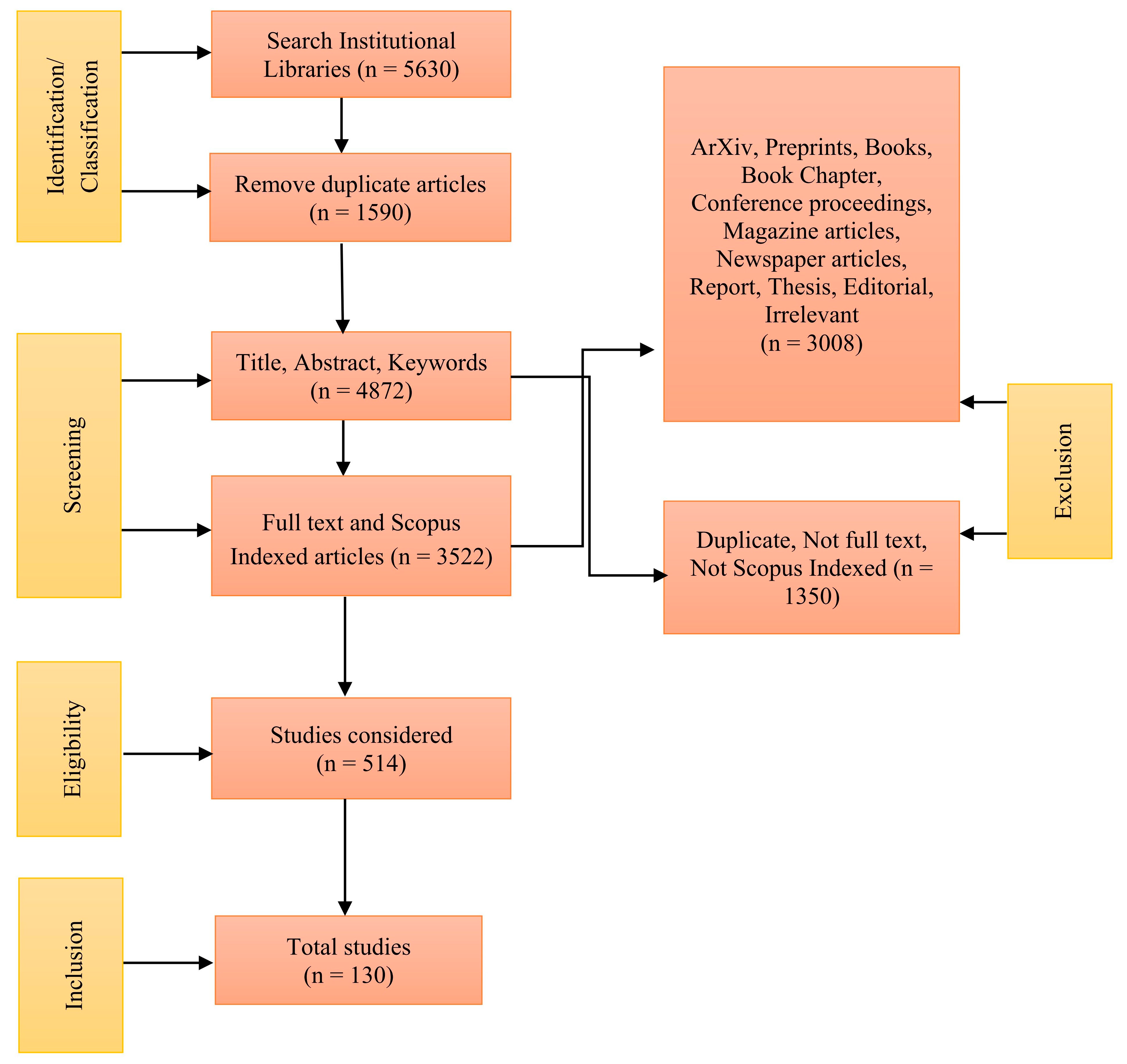
A new study published in the Journal of Hazardous Materials analyzed 141 existing scientific papers on microplastics and nanoplastics from single-use plastic water bottles to gauge how much plastic people may be ingesting.
Researchers at Concordia University in Montreal, Canada, discovered that the average person consumes 39,000 to 52,000 microplastic particles per year, according to a university press release.
Individuals who drink bottled water regularly ingest up to 90,000 more particles each year than those who drink mainly tap water, the study found.
The researchers noted that nanoplastics are especially concerning, as they’re invisible to the naked eye and smaller than 1 micron. They can also enter human cells, cross biological barriers and have the potential to reach organs and tissues, they cautioned.
“People need to understand that the issue is not acute toxicity – it is chronic toxicity,” said the lead researcher of the study. (iStock)
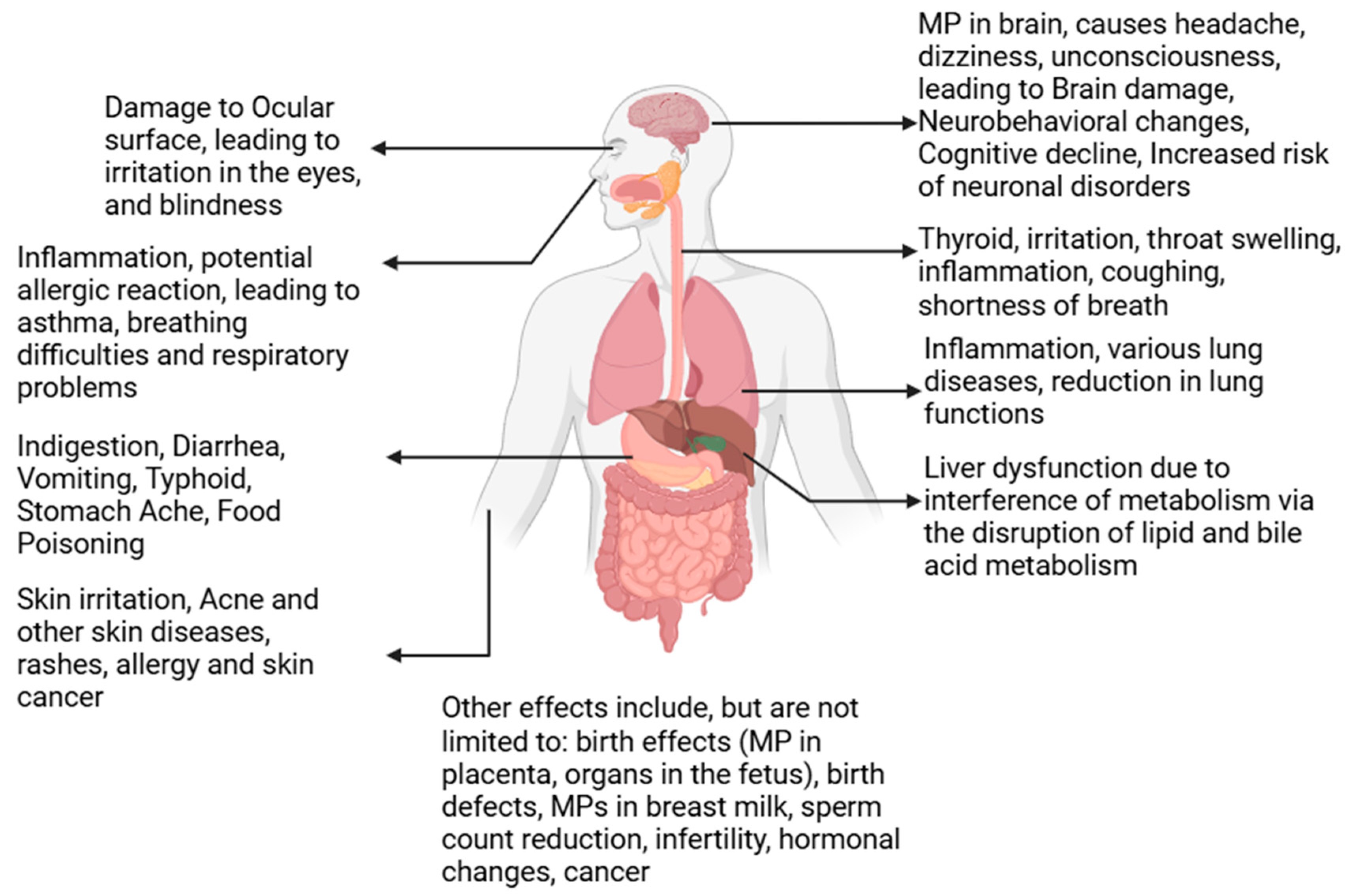
Nanoplastics and microplastics have both been linked to serious and long-term health complications, including respiratory and reproductive issues, brain and nerve toxicity, and cancer risks.
These particles entering the bloodstream and vital organs can also cause chronic inflammation, oxidative stress on cells and hormonal disruption, according to the release.
These tiny plastic pieces emerge as bottles are made, stored, transported and broken down, and shed particles when they’re manipulated and exposed to sunlight or temperature changes, experts cautioned.
“The long-term effects remain poorly understood due to a lack of widespread testing and standardized methods of measurement and detection,” the release stated.
Exposure to sunlight and temperature changes can cause plastic particles to shed, experts warn. (iStock)
Lead study author Sarah Sajedi, an environmental management expert and Ph.D. candidate at Concordia University, reacted to these findings with “deep concern and urgency,” noting that 90,000 additional annual particles is “staggering.”
“What’s most surprising is how understudied this issue remains, despite its widespread impact,” he told Fox News Digital. “My review reveals not only the chronic health risks including inflammation, hormonal disruption, neurotoxicity and cancer, but also the lack of standardized testing methods, which hinders accurate risk assessment and regulatory action.”
Sajedi recommends opting for reusable water bottles made from stainless steel or glass, drinking filtered tap water when possible, keeping plastic bottles out of heat or sunlight, and avoiding squeezing or repeatedly opening and closing these bottles.
“Drinking water from plastic bottles is fine in an emergency, but it is not something that should be used in daily life,” she added in a press release. “People need to understand that the issue is not acute toxicity — it is chronic toxicity.”
Individuals who drink bottled water regularly ingest up to 90,000 more particles each year than those who drink mainly tap water. (iStock)
The analysis did have some limitations, the researchers noted. The numerous studies used various testing methods, which means results are not always comparable. Some were also lacking in data on the size and composition of these particles.
The researchers called for further standardized testing and stronger policies to control the contamination of plastics in bottled water.
The review was supported by the Natural Sciences and Engineering Research Council of Canada and Concordia University.
Industry reps speak out
In January 2025, the International Bottled Water Association issued a statement related to the risk associated with microplastics and nanoplastics, pointing out that bottled water is among thousands of food and beverage products that are packaged in plastic containers.
“The bottled water industry is committed to providing consumers with the safest and highest quality healthy hydration products,” says the statement on IBWA’s website. “Micro- and nanoplastics are found everywhere in the environment — in the air, soil and water.”
“Because there are no certified testing methods and no scientific consensus on the potential health impacts of micro- and nanoplastics, the industry supports conducting additional research on this important issue.”
The FDA issued a statement on the topic in 2024, stating that “current scientific evidence does not demonstrate that levels of microplastics or nanoplastics detected in foods pose a risk to human health.” (iStock)
In 2024, the FDA issued a statement on the topic, stating that “current scientific evidence does not demonstrate that levels of microplastics or nanoplastics detected in foods pose a risk to human health.”
The agency noted that it will continue to monitor research on microplastics and nanoplastics in foods and that it is “taking steps to advance the science and ensure our food remains safe.”
In a 2022 report from the World Health Organization, the agency stated that “no adverse health effects could be drawn from dietary exposure to micro- and nanoplastic particles less than 10 microns due to minimal scientific research.”
Fox News Digital reached out to the Concordia University researchers and to multiple bottled water companies for comment.
Microplastic (MP) contamination affects all environmental media, even in remote, unpopulated regions of the globe. Many studies have addressed this issue under various aspects; however, actual and definitive evidence that MPs are a cause of human health risk in actual environmental conditions has not been provided. MP decomposition generates smaller nanoplastics (NPs) with different properties, closer to engineered nanoparticles than to MP. Their detection is more complex and laborious than MP’s, and, as such, their fate and effects are still poorly studied. Advanced technologies to remove MP/NPs from supply water are being investigated, but current evidence indicates that conventional drinking water treatment facilities efficiently remove a major part of MPs, at least as far as sizes greater than 20 µm. Notwithstanding recent developments in MP/NP classification and detection techniques, at the moment, very few studies specifically address NPs, which, therefore, deserve more targeted investigation. This paper addresses MPs and NPs in drinking water, examining recent current literature on their presence and state-of-the-art in risk assessment and toxicology. The paper also critically overviews treatment technologies for their removal and discusses the present knowledge gap and possible approaches to this widespread issue.
Keywords: freshwater, microplastics, drinking water, treatment processes, nanoplastics, health risks
1. Introduction
The widespread use of plastic compounds as an indispensable industrial commodity began in the 1950s: their popularity was due to the fact that they are cheap to manufacture, easily molded, and light compared to alternative materials for intended uses. Studies showed that, if properly managed, plastic is highly ecologically friendly compared to possible existing alternatives: their production requires at least 2–4% less energy than current alternative materials and generates about three times less greenhouse gas (GHG). Furthermore, substituting plastic with other materials in all sectors would require, on average, about 57% more energy consumption and increase GHG emissions by 61% overall [1,2]. A Life Cycle Assessment (LCA) impact study on plastic products versus other materials conducted by global management consultants McKinsey & Company found that plastic has the lowest energy and carbon footprint in thirteen out of fourteen different examined applications. In addition to production energy emissions (Scope 2), plastic’s light weight contributes to the reduction of transport-related consumption, positively impacting indirect emissions (Scope 3). Overall, a plastic bottle provides a 15% GHG emission advantage versus a glass one and up to 50% versus an aluminum can [3]. Plastic also contributes to a circular economy by being highly recyclable: it is estimated that almost 90% of households in developed countries have access to the possibility to recycle these materials [4,5]. PET and HDPE bottles can be made from 100% recycled content; additionally, pyrolysis can convert polymeric waste into renewable, high-quality oils and chemicals without releasing toxic substances into the atmosphere [6].
Since its commercial introduction, over 9 billion tons of plastic products have been produced, of which an estimated 70% were discarded, resulting in about 7 billion tons of cumulated plastic waste [7]. Often, however, plastic waste is poorly managed, i.e., dumped in unregulated landfills, in surface waters, or directly into seas, especially in developing countries (Figure 1). Its fate is largely unknown; however, estimates indicate that 4.8–12.7 Mt/y of macroplastic waste (bottles, bags, food containers, fishing gear, nets, etc.) is currently dispersed into oceans worldwide [8]. This figure, which is probably underestimated, constantly adds to the estimated 195 Mt already present in global waters [9]. Plastic is eventually subject to physical breakdown through natural processes (bio-, photo-, thermo-oxidative degradation, and hydrolytic reactions), starting at their accessible polymeric surface and accelerating progressively due to the gradually increasing specific exposed area [10]. This is usually denoted with the terms aging or weathering, indicating the change of polymer properties (composition, particle integrity, surface properties) over time [11].
An outcome of plastic waste mismanagement [12], microplastic (MP) (i.e., particles ≤5 mm, according to the mainstream definition) contamination is a ubiquitous phenomenon globally affecting even remote, pristine, high altitude and uninhabited polar regions [13,14]. MPs vary in size, characteristics, and polymeric nature, and the seven most common categories are acrylic or polymethyl methacrylate (PMMA), polycarbonate (PC), polyethylene (PE), polypropylene (PP), polyethylene terephthalate (PETE or PET), polyvinyl chloride (PVC), acrylonitrile-butadiene-styrene (ABS). Overall, there are around 200 different types of polymers, with diverse subcategories that obtain their specific properties from other chemicals (additives) to allow them to be processed into millions of products [15].
From an environmental perspective, MPs are differentiated between primary and secondary: the former already enter the environment in size ≤5 mm; they are usually specifically manufactured for industrial production purposes (drug vectors, cosmetic ingredients, industrial building blocks for final products), but their environmental immission is relatively low, estimated at 0.8–2.5 Mt/y. The largest MP fraction, i.e., secondary MPs, derives from macroplastic weathering or originates from common domestic and industrial activities, vehicle tire wear, marine coatings, road markings, city dust, and others; for example, synthetic fibers’ garment washing could contribute up to 2000 MP/garment-wash. Wastewater discharges are also point sources of MPs release into surface waters, although wastewater treatment plants (WWTPs) efficiently remove most of the original influent load: conventional units such as dissolved air flotation and sedimentation can remove up to 95% MPs (75% on average). Biological units remove MPs mainly by incorporation in biological flocs, with an average efficiency of 92%. The most effective removal is observed in membrane bioreactors (MBRs), achieving removal efficiency close to 99% [17]. It should be noted that although MPs are removed in WWTPs, they are generally not destroyed, i.e., their fate is disconnected from plant effluents but persists in other media (e.g., biological or chemical sludge).
MPs have been detected in sediment, biota, agricultural soils, and air [18]; MP contamination could be compared to other instances of global transboundary pollution originating from entirely anthropogenic substances (e.g., Polychlorinated biphenyls, PCBs, Per- and poly-fluoroalkyl substances, PFASs, PBDEs, etc.) [19,20]. Weathering of macroplastic waste into MPs is faster on land than in water due to exposure to higher temperatures and sunlight irradiation; the most significant drivers of MPs transport from land into surface waters are rainfall intensity and soil erosion [21]. MPs persist in aquatic environments for long periods, susceptible to further fragmentation and dispersion: ocean waves vaporize water, salt, and pollutants, including MPs, promoting their aerosolization. Wind dispersion effectively makes oceans a relevant secondary source of atmospheric MPs [22]. Figure 2 depicts the simplified environmental cycle of macro and microplastic transport.
Macro and micro/nano plastics environmental cycle.
In time, floating plastic in marine environments (e.g., the ‘great Pacific garbage patch’, GPGP, in the central North Pacific Ocean, covering 1.6 million km2) have developed into ecosystems of their own, known as ‘plastisphere’, which act as colonization support for diverse aquatic and bird species, as well as vast microbial populations [23,24]. Although highly persistent, MPs could be destroyed by the latter: Parengyodontium album isolated from the GPGP has shown the capability of mineralizing UV-exposed PE into CO2 [25]. Similarly, Bacillus cereus can mineralize low-density polyethylene (LDPE) and PS [26]; several other bacterial and fungal strains can contribute to MP destruction through joint metabolism [27].
The aim of this paper is to critically address the issue of MP/NPs in drinking water in the light of recent literature and highlight the need for better precision in tackling this subject, to discuss the need and relevance of specific removal technologies from drinking water, and the impact of possible approaches and future research needs.
2. Methodology
A literature review of scientific articles, technical reports, official documents, and established standards was performed, initially limited to publications dating from 2018. The keywords “microplastics”, “nanoplastics”, “water”, “drinking water”, “detection”, “characterization”, “health effect”, and “health risk” in various combinations were used for multiple online searches on Google Scholar. Scientific articles in non-peer-reviewed journals were excluded, and only the most recent review papers were considered. Documents from sectoral industrial websites or information media were included when deemed credible and appropriate.
3. MPs in Aquatic Environments
MP presence in global waters has been the object of innumerable studies: a present Google Scholar search on the subject returned over 26,000 hits just since 2020. The majority of field studies on MPs in aquatic environments report the highest typical counts of ˂1 to a few 100’s MPs/m3: in the open sea, their mean concentration was reported as 0.031–0.305 MP/m3. Notwithstanding the common perception of the GPGP as consisting of a giant island of floating waste, fostered by several media showing unrelated images, its actual average MP density is just 4 MP/m3, which prevents its detection by satellites and even by boats crossing the area [28]. Much higher MP counts are observed in certain coastal areas: up to 6600 MP/m3 in the East China Sea, near the Yangtze estuary [29]. The average MP concentration in commercial ports’ inner waters ranges from 0.1 to 3 × 10⁶ MP/m3, with the highest numbers observed recently at the ports of Mongla (Bangladesh) at 3 × 10⁶ MP/m3 and Tua (Indonesia) at ≈625.000 MP/m3 [30]. The highest MP counts in freshwaters (>5.4 × 10⁶ MP/m3) have been consistently monitored in China (the world’s biggest plastic producer) and occasionally in U.S. locations. European freshwaters usually show MP concentrations between 1–100 MP/m3 [31].
Between different raw water sources, groundwater has shown by far the lowest microplastic concentrations [32]; however, despite the general scarcity of studies on the subject, high concentrations were observed in Chinese wells (up to 6832 MP/m3, with of average 2100 MP/m3), and in Southwest Iran (up to 1300 MP/m3, mean 480 MP/m3) [33]. Groundwater distributed as drinking supply in Germany contained up to 7 MP/m3, with 60% of samples showing no MPs [34]. The reason for the reported figures huge variability is not clear, but it could be assumed to be due in part to the limited number of replications in each, the different adopted methodologies among studies, or both.
MP exposure from drinking water is commonly touted by mainstream media as a potentially serious risk to human health through biotic accumulation and pollutants vector effect since 81% of tap water sampled around the globe has shown some level of contamination; however, actual counts are generally low due to the effect of conventional drinking water treatment technology: in EU countries an average of 3.6 MP/L were reported, in the US 6.2 MP/L, and in India 9.2 MP/L [35]. In comparison to bottled water, containing up to 240,000 MP/L (90% of which ≤20 µm) [36], tap water can be considered a minor contributor to human MP ingestion, estimated at 3000–6000 MP/person-y. While this may seem a large number, it ought to be compared to >20-fold assimilation from bottled water consumption (64,000–127,000 MP/person-y) and an approximate 10-fold inhalation from ambient air (35,000–62,000 MP/person-y) [37,38]. However, a study based on typical consumption rates, considering MPs down to 1 µm in size, much smaller than those previously considered, extrapolated much higher maximum human adult uptakes of 458,000 MP/y from tap water and 3,569,000 MP/y from bottled water [39].
It should also be noted that reported MP counts are highly dependent on the sampling protocol adopted in the various studies: [40] highlighted detection methods’ influence on observed MP abundance in freshwater environments around the world, as most published studies limit investigation to MPs in the range 20–5 mm, neglecting lower size particles; however, by pushing experimental protocol below the generally adopted threshold of 20 µm, and even remaining within the MP 1 µm lower limit, up to 2–3 log count detection increases were reported.
3.1. MP Detection Issues
A logical question arises at this point: what do MP count numbers actually mean? To answer this, MP definition and detection technologies should be examined. The most astonishing fact is that no legal MP definition existed until very recently (2023), notwithstanding the fact that the European Chemicals Agency (ECHA) had already in 2019 proposed a regulatory definition for MP under REACH (Registration, Evaluation and Authorisation and Restriction of Chemicals) legislation. In that year, the EU unofficially adopted the upper size limit of 5 mm [41]. The first official definition came in 2023, under ISO standard 24187 [42], in which large microplastics are described as any solid plastic particle (insoluble in water) with any dimension between 1 and 5 mm, and microplastic as particles with dimension between 1 and 1000 µm. At the moment, however, other differing definitions, such as those from EU agencies, ISO, and Swedish EPA, complicate data consistency: ECHA defines MPs as particles with dimensions ˂5 mm and fiber particles with lengths ˂15 mm; the Swedish EPA defines MPs as particles with dimensions ranging between 1 nm to 5 mm; finally, the Marine Strategy Framework Directive 2008/56/EC (MSFD) defines MPs as microlitter smaller than 5 mm in the longest dimension and provides no lower limit [43]. In addition to size, types of MPs also need standardization. According to ECHA, MP particles must be organic, insoluble, and resistant to degradation, thus excluding bio-degradable or water-soluble particles above 2 g/L. The Swedish EPA also includes as MPs synthetic and natural rubber (latex) particles as they exhibit similar properties from an environmental perspective. The MSFD uses the term “microlitter”, including metal, paper, and glass particles, which are the most common components of litter found on coastlines; ISO only mentions that particles must be insoluble in water [43].
Following EU Directive 2020/2184 introducing regulations to ensure safe human consumption of drinking water [44], a recent Commission’s Delegated Decision stipulated that MPs must be monitored in drinking water [45]. To support this effort, a Joint Research Center (JRC) report was recently published to standardize MPs in drinking water analytical methods, as sampling techniques significantly affect their detection [46].
A new proposal of the European Council and Parliament concerning urban wastewater treatment (under discussion) indicates that MPs should also be monitored and regulated in wastewater [47]; however, there is still no standardized method for determining MP in wastewater (or sludge). Generally, the same standards for drinking water (e.g., ASTM D8332-20) [48] are also used for wastewater; however, generalization of these procedures required significant modifications due to the challenges originating from much higher content of organic and suspended solids materials in the latter, which may result, in the end, in incomparable data.
Even for different types of natural waters (e.g., from wells, rivers, springs, lakes, estuaries, and oceans, including thawed snow), standardized MP determination methods have not been established yet. For example, the MSFD Technical Group on Marine Litter highlights that the Atlantic Ocean, North Sea, Baltic Sea, and Mediterranean seawaters are being sampled differently, as the trawl’s mesh size, trawling duration, and surface area/length are not standardized. Generally, 45 µm mesh is used for collecting surface water at 1 to 3 knots speed, as smaller (20 µm) mesh is easily clogged by plankton [49]. Thus, most measurements do not include smaller particles. These inconsistencies in MP definition and measurement methods may cause unnecessary challenges when comparing data (e.g., g/L or MP/L) to assess baselines and trends, thresholds, and environmental risk.
Environmental samples are commonly analyzed using either visual analysis (for particles down to ≈50 μm), vibrational spectroscopy, or thermal analysis [43]. Most existing monitoring studies have focused on MP detection by µ-FTIR (micro Fourier-transform infrared spectroscopy) and micro-Raman technologies, whose resolutions are in the order of 20 µm and 1 µm, respectively [50]; both, however, are subject to errors and uncertainty since degraded particles may produce different spectra compared to pristine samples [51]; furthermore, microbiological, organic and inorganic materials can also cause significant interference. For these reasons, only a few studies have successfully identified MPs of 1 μm [52]. Pyrolysis–Gas Chromatography–Mass Spectrometry (Py-GC/MS), on the other hand, can identify polymer type and mass with no lower size limit since the sample is incinerated and analyzed as an entity; however, particle sizing must be made preliminarily either through sieving or filtration. Table 1 summarizes requirements, strengths, and weaknesses of current MP determination methods.
Table 1.
Requirements, strengths, and weaknesses of current MP determination methods. (modified from [43]).
Method
Strength
Weakness
Notes
Visual analysis
Straightforward. Allows the exam of large filter surfaces, leading to quick analysis.
No polymer identification. Serious risk of particle misidentification.
Requires skilled and experienced analysts. Useful for sample pre-screening prior to other analyses. It can be improved with training and experience.
FTIR
High resolution. Polymer type identification. Less instrument settings than Raman. μ-FTIR: resolution below 20 μm, with automatic sample scan μ-FTIR provides information on MP aging (through carbonyl index).
Measures smaller filter surface area than visual analysis. Commonly used after visual analysis on selected particles, selection bias can occur. Possible fragment counts are overestimated compared to a stereomicroscope. Accuracy affected by MP morphology. It may not identify particles <10 μm. μ-FTIR operation is time-consuming as it measures individual particles (unless using focal plane array-based detection requiring liquid N for cooling.
Advanced instruments require trained personnel and routine maintenance/calibration to operate. Requires cleaner samples: chemical treatment can affect results. Overlapping particles may induce refractive error. Additional costs for special filters (i.e., anodisc, PTFE, gold coated). Spectral libraries affect identification accuracy. Different laboratories use different hit quality indices and spectral matching libraries, resulting in varying matching success. Harmonization of spectral libraries is needed. Expertise in interpreting spectra of weathered particles is essential.
Raman spectroscopy
Higher resolution than visual analysis. Polymer identification. A good complement to visual analysis. Less affected by polymer degradation than FTIR, not affected by thickness. Can identify particle <1 μm. It can be automated to reduce spectral interpretation operating time. μ-Raman in combination with an optical microscope to analyze particles ˂1 μm.
Risk of contamination by adhesive polymer fragments on instrument surface. Spectra interfered by particle color, addictive, fluorescence, and pigment content. Risk of sample damage by laser beam
Advanced instruments require trained personnel and routine maintenance/calibration to operate. Requires clean sample to reduce spectral interference. Similar to FTIR, different spectral libraries influence final results.
Py-GC/MS
Identifies the total mass of each polymer type in a sample. Characterization of both polymers and additives
No size class of particles is given unless prior particles are manual sorting.
Advanced instruments require trained personnel and routine maintenance/calibration to operate. Requires a clean sample to achieve a cleaner program. Requires dedicated libraries for polymers and additives.
Additionally, as a consequence of the above, most literature on removal technologies refers generically to MPs, either without size specification or often explicitly limited to those >20 µm, due to the complexity of the analytical procedures involved. In some studies, biodegradable MP plastics are excluded [53]. As discussed in the following section, possible implications for human health increase with decreasing particle size; therefore, the World Health Organization (WHO) currently recommends the characterization and quantification of MP in sizes <10 μm and considers current data generally incomplete for proper assessment of human health risk [54]. A more detailed, and still missing, MP classification based on both particle size and material would thus be more appropriate and relevant to the assessment of their effects; in particular, among MPs, nanoplastics (NPs) are one of the least known and characterized pollutants in all environmental media, due to detection and analytical issues.
NPs derive from the continued environmental degradation of MPs but may specifically originate from other potential sources, such as 3-D printer waste, plastic tea bags, and others [55]. Aside from the order-of-magnitude size difference, recent research points to the likelihood that NPs could be far more toxicologically active than MPs, presenting potentially higher hazards to organisms than the latter due to their capability to cross biological barriers [56].
3.2. Nanoplatics: An Entirely Separate Issue?
Although there is no consensus on the definition of nanoplastics (NPs), it was initially suggested that these should be defined within the size range of 1 to 1000 nm [57]; Swedish norms include this range in their MP definition, but ISO 24187 does not. On the other hand, both the U.S. National Nanotechnology Initiative [58], the European Commission [59,60,61], and ISO norms [62] define nanoscale materials (engineered nanomaterials) as those having one or more dimensions within the range of 1–100 nm; NPs could logically follow that definition, given that most individual polymer molecules are ˂100 nm in size. Occasionally, the term ‘submicroplastics’ appeared in a few reports describing intermediate particles between 100 and 1000 nm.
To overcome the detection limits (≈1 µm) still affecting sophisticated state-of-the-art technologies [50], new methods for NP detection have been investigated: hyperspectral stimulated Raman scattering (HSRS) microscopy, increasingly used in biomedical imaging, was recently shown to experimentally enable NP detection down to the 100 nm size, differentiating them from other nanoscale nonpolymeric materials [36]. Nano-FTIR [63], Atomic infrared spectroscopy (AFM-IR) [64], Confocal Laser Scanning microscopy (CLSM) [65], and other techniques were recently proposed for NP identification, since they offer significantly higher resolution, reaching down to the 10–20 nm level [63]. In combination with Py-GC/MS, they offer the capability to provide both quantitative and qualitative information on NPs in the environment [63].
Notwithstanding the technical possibility of detecting such small NPs, the technological readiness of these methods could be estimated at TRL 4–5, at most, accessible to a few selected laboratories but still well beyond generalized commercial application. It is, therefore, obvious that the practical feasibility of facile NP detection does not comprise their entire range; secondly, analytical characterization of these particles is challenging for complex matrices since the term “plastics” describes a variety of materials, sometimes with very different properties, and tests may not necessarily recognize them after ‘aging’ due to environmental permanence [66].
The NP issue overlaps with that of nanoscale materials in general (e.g., carbon nanotubes, graphene oxide, titanium dioxide, etc.), which are increasingly used in biomedical, industrial, and environmental applications and face major challenges for experimental quantification even in controlled laboratory conditions [67]. These nanoscale particles may also pose possible threats to human health and the environment [68], similar, considering their physicochemical properties, to those of NPs. It also was postulated that due to their peculiar physical and chemical properties, and environmental and biological fate, NPs should be considered as an entirely different pollutant class rather than be grouped either with MPs or engineered nanomaterials [69,70].
3.3. MP/NP Ingestion and Human Health Risk
In the light of current knowledge, a clear distinction between MPs and NPs should therefore be made. For the purpose of this discussion, particles ≥1 µm will be considered MPs, consistent with the approach of the 2022 WHO report [54]. Given the evidence presented, the actual levels of human MP ingestion from drinking water seem highly uncertain, as is the extent of risk represented or implied by mainstream literature [71].
In fact, according to the World Health Organization (WHO), there is still insufficient information to draw definite conclusions on MPs toxicity in humans; while some studies have reported adverse effects, these have substantial limitations, including limited cohort size and insufficient accounting for co-factors; data are also often contradictory, as other studies found no significant correlation between exposure to MPs and claimed adverse effects. Currently, available evidence is therefore considered insufficient to determine whether exposure to MP can be associated directly or indirectly with any pathology. Limited MP hazard characterization suggests that their possible adverse effects may be similar to those of other well-studied solid, insoluble particles through similar acting mechanisms [54].
On the other hand, food-related studies suggest that microparticles <1.5 μm could cross the intestinal epithelium [72], but MPs did not so far show significant bioaccumulation or biomagnification in humans or higher organisms, unlike persistent and toxic pollutants found at concentrations orders of magnitude higher than in the surrounding environment. Recent studies (on 42 hospitalized patients with unrelated diagnoses) estimated the accumulation of MPs in various human tissues to be between 1.40 ± 3.37 and 44.37 ± 91.44 µg/g, predominantly in the lungs, indicating that inhalation seems a prevalent ingestion pathway [73]. When orally ingested, MPs traverse the digestive system, remaining largely unaltered by physical or biochemical agents, including the stomach’s acidic conditions, without substantial alteration of their physicochemical characteristics [74]. Medical studies indicate that MPs in the 50–500 µm range were present in adult stools from different global locations and that those >150 µm are likely to be rapidly excreted in feces, while adsorption of smaller ones is largely unexplored but expected to be limited, increasing with diminishing size [75]. Given the multitude of human exposure pathways to MPs and the possibility of smaller MPs to cross human cell membranes and migrate to different organs, it becomes virtually impossible to ascertain the initial provenance of accumulated MPs in human tissues.
The human risk from MPs ingestion is still unresolved, especially concerning exposure to associated chemicals (due to the so-called ‘vector effect’) related to MPs’ scavenging of dispersed environmental pollutants [76,77,78,79]. A wide spectrum of inorganic and organic pollutants, including PCBs, PFAS, and pharmaceuticals, can, in fact, adsorb on MPs, as well as on NPs [80,81,82]. Potential hazards of MPs are sometimes estimated based on their composition: for example, the vinyl chloride monomer, which carries a high potential risk to human health based on cell studies, accounts for 100% of PVC polymers [83]. Scientifically accurate models should, however, be developed to evaluate MP actual toxicity rather than relying on individual monomers’ toxicity in those molecules since, so far direct cause-effect link between MP ingestion and effects associated with adsorbed contaminants has not been demonstrated yet, and often referred to as ‘complex’, ‘under debate’ or ‘controversial’, by the few studies carried out in environmentally relevant conditions.
Studies on biological human samples for MP determination are subject to high variability, as no standardized procedures exist at the moment, and most such studies are limited to a few repetitions. Toxicological studies on mice, where adverse effects were observed, are of questionable relevance since they were generally conducted with extremely high concentrations and exposure that would not normally occur through drinking water ingestion [84]. Most studies on MP effects on organisms were carried out on small aquatic species at exposure conditions several orders of magnitude higher than those observed in natural environments, usually involving only one or few polymer types and sizes [85].
On the other hand, preliminary in vitro studies on NPs show that, unlike MPs, they could pass through internal biomembranes into the bloodstream and, from there, reach organs, including the heart and brain, enter individual cells, and cross the placenta [74]. Oral administration in mice and cellular studies on human gastric epithelial cells showed that NPs can be absorbed after prolonged exposure [86]; however, information on actual NPs effects in humans is limited and may be assimilated to those of other nonpolymeric nanoparticles. Toxicological concerns of NPs are mostly based on their higher surface/volume ratio and surface reactivity in comparison to larger particles.
Recent studies submitted that the potential MP/NP risk is not dependent solely on concentration but also on polymer type, chemicals eventually absorbed from the environment, and final localization within the human body [83,87,88]. As with MPs, the vector effect of NPs for anthropogenic contaminants and toxic metals has not been thoroughly studied. Much like MPs, and perhaps to a higher degree, NPs have the capacity for organic contaminants adsorption due to their high specific surface area and hydrophobic composition. Additionally, NPs can more easily enter cellular membranes and, thus, may be more effective vectors for contaminants ‘delivery’ within organisms, but this does not necessarily imply that these contaminants would be readily bioavailable: it was shown that low concentrations of polystyrene NPs could actually reduce the concentration and cytotoxicity of phthalate esters on human lung epithelial cells, as a result of phthalate ester being sorbed on NP particles, thus reduced its bioavailability [89].
Plastics contain additives introduced during their production that confer them the desired physical properties; these include softeners, UV stabilizers, flame retardants, and other agents. ECHA lists about 400 such additives, some of which (e.g., phthalates, bisphenols, brominated flame retardants, triclosan, and organotins) are of concern to human health [90]. It was shown that such potentially toxic plastic additives may be gradually released from MP/NP over long periods and may actually bioaccumulate [91]. Such release mechanisms and related toxic effects should be investigated; from preliminary findings, however, it seems likely that slow release of these substances will not occur during the short residence time of larger MPs within human organisms, while release from NPs may be facilitated by their incorporation into biological tissues. As very little is known about the toxicity of MP/NP to humans, more research is needed to systematically address this subject [92,93]. From the evidence available so far, for the purpose of human water consumption exposure effects, attention should be mainly focused on NPs and dissolved compounds, for which traditional drinking water treatment is scarcely effective, as discussed in the following section. More detailed studies on these aspects are hence necessary.
A note is of order on MP/NP human intake from drinking water: as pointed out in several studies [36,94], individuals who mostly drink (plastic) bottled water are likely subject to a much higher lifetime oral particle intake than those consuming mainly tap water. Increased MP (1–5 μm) content in bottled water (partly within the range of possible cell penetration) could derive from the degradation of packaging material: studies showed that MPs released from PET bottles and HDPE caps into the contained water considerably increased after repeated bottle opening and closing cycles [54]. Additionally, these individuals may also be ingesting plastic additives, including bisphenol A, phthalates, alkylphenols, perfluoroalkyl and polyfluoroalkyl substances (PFAS), and organophosphate esters, that can leach into water from the bottles’ material to their content during long-term storage [95].
Although bottled water consumption is virtually an obligatory choice in some regions, due to limited progress or failure of public water supply systems development [96], its exclusive consumption has been associated with increased risk for certain health conditions, with reported detrimental effects on human health. Studies, however, seem to attribute these consequences to leached additives rather than particles themselves; plastic bottled water may contain PPCPs, PFASs, APs, and BPAs at ng/L concentration levels, and phthalates at μg/L levels, showing greater degrees of CEC contamination than glass bottled water [54,97,98,99].
4. Drinking Water Treatment Technologies and MP/NP Removal
Studies on MP removal from drinking water showed that particles are removed significantly by coagulation and filtration, with removal efficiency depending on coagulant type, solution chemistry, and polymer type. Up to 56% of MPs may be removed by conventional sand filters; coagulation, flocculation, sedimentation and granular activated carbon (GAC) filtration have shown removal efficiency of 40–54.5% for MP fibres, and 56.8–60.9% for small size MPs [100].
Removal of MPs during coagulation and flocculation processes can be influenced by natural organic matter (NOM) presence, either hindering or promoting the aggregation and settling of MPs, depending on the coagulant type and MP nature [101].
Since literature reporting MP removal efficiencies often does not specify the investigated granulometry, comparison among studies is not immediate, and the variability of reported results is of difficult interpretation. Sand filters are among the most common filtration processes in water purification: in a laboratory sand filtration study, removal efficiencies for 20, 45, and 90 μm MPs varied in the range 77.4–95.3%, with close-to-complete removal of those ≥45 µm in size, but relatively low removal (33.0–41.1%) for those ≤20 μm [102].
Filtration efficiency can be enhanced by pre-coagulation: three conventional (consisting of clariflocculation, sand filtration, chlorination sequence) WTPs in Dhaka (Bangladesh) reduced initial MP (≥20 µm) content of Shitalakshya River’s raw water by more than 98.5% [103]. In various studies, coagulation by Fe- and Al-based salts showed inconsistent efficiency; coagulation/settling with the use of polyacrylamide (PAM) based coagulants resulted in higher (up to 3 fold) MPs counts [78]. Since floc particle size affects collision efficiency and settling behavior, ballasted flocculation (BSF), a physical-chemical separation process employing additives to promote the formation of heavier flocs, with the addition of sand or GAC/PAC [104], could be employed to improve process performance. Electrocoagulation is a relatively cheap treatment process not relying on the reagents used in general chemical coagulation but using metal electrodes to electrically produce them, making the process simple and robust [105]. Electrocoagulation performance for MP removal under laboratory conditions showed removal efficiencies of PE MPs >90% [106].
MP removal by agglomeration-fixation processes using organosilanes [107], as well as other polymers such as alkoxy-silylates [108], were tested: these lead to the formation of larger particles (up to 3-log bigger, easily removed by conventional separation techniques.
A recent study claimed that the surprisingly simple strategy of boiling water can “decontaminate” it from MP/NPs [109]. The study presented evidence that PS, PE, and PP particles can co-precipitate with calcium carbonate (CaCO3) in tap water upon boiling; the effect is more pronounced in hard water (>120 mg/L CaCO3), in which boiling can remove at least 80% of particles between 0.1–150 μm; in softer water (80 mg/L CaCO3), the removal is limited to 4% of particles. The mechanism is reportedly due to high temperature promoting CaCO3 nucleation on MP/NPs, resulting in their encapsulation and aggregation within CaCO3 precipitate polymorphs (i.e., calcite, aragonite, and vaterite).
Drinking boiled water is an ancient and still persisting tradition in several Asian countries, including China, as it is considered beneficial for human health; in fact, boiling can remove some chemicals and most biological substances. This practice would be highly sustainable as electric kettles to boil water have low energy consumption and thus low CO2 emission. After boiling, filtration devices, such as simple fine stainless steel filters (frequently used when preparing tea), are essential to retain CaCO3/MP/NP precipitates in prepared water. While not eliminating exposure completely, such universally-implementable low-impact systems could significantly reduce it, especially if previously treated in conventional WTPs.
4.1. AOPs and MPs
UV-based processes for disinfection/advanced oxidation in conventional WTPs were shown to induce increased photochemical MP weathering, the release of plastic additives, and related degradation [110,111]. While reporting complete removal of 45–90 µm MPs in sand filters, Na et al. [103] observed breakthrough of those ≤20 µm (1.2% and 16.6% for 20 and 10 µm MPs, respectively), which were then further fragmented by subsequent UV oxidation. Total MP counts increased by 4.1% after UV treatment (6 h) and by 13.2% after UV/H2O2 treatment, respectively. It should be noted that since MP are generally counted and not weighted (save for the case where Py-GC/MS is used), the same mass of fragmented MP could result in higher counts after certain processes: UV/H2O2 treatment promotes higher fragmentation and chemical leaching than UV alone.
Likewise, ozonation often results in negative MP removal efficiency, with smaller (1–5 µm) MP counts increasing by 2.8–16.0% after treatment due to their breakdown into smaller particles under combined chemical degradation and the effect of shearing forces. Post-ozonation GAC filtration, however, enhanced removal by 17.2–22.2% [78].
A study at a conventional WTP (flocculation, sand filter, chlorination) in Geneva (Switzerland) reported 70% MP removal (size ≥ 63 µm) after sand filtration and 98% after the addition of ozonation followed by GAC filtration [112]. A comparison of a conventional (coagulation/sedimentation, sand filtration, and chlorination) and an advanced WTP (conventional plus ozonation and GAC filtration) in China showed that the latter removed MPs better (83.0%) than the former (73.3%) [113]. Although this aspect has not been studied extensively, it has been shown that several advanced oxidation processes (AOPs) used for the removal of specific emerging contaminants or disinfection [114] contribute to MP degradation [115,116]. AOPs’ effects on MPs include degradation, decrease of particle size, and mass loss; however, observed polymeric mineralization rates are low, therefore resulting in higher counts of smaller particle generation [117].
4.2. Membranes and MPs
Membrane filtration is currently considered the ‘gold standard’ of water and wastewater treatment technology; it works as a physical barrier against all solids and is commonly used for advanced treatment of drinking water due to its high achievable effluent quality [118]. Few specific studies on drinking water MP removal by membrane separation are available since most deal with wastewater applications [38,119].
Comparative studies on MP removal by membranes (0.05 µm porosity) and rapid sand filters in Indonesia showed superior performance of the former by >44% [120]. Membrane filtration can increase MP removal by one order of magnitude, from 2.2 MP/L after primary treatment to 0.28 and 0.21 MP/L after ultrafiltration (UF) and reverse osmosis (RO), respectively [121]; however, negative MP removal efficiency by membrane filtration processes may occur because of polymeric membranes aging and cleaning causing their rupture, thereby increasing the number of MPs in effluents [122]. RO technology, able to retain particles as small as 0.1 nm, is commonly applied for the exploitation of seawater as an alternative supply source in water-scarce areas [123]; due to the very small pore size, MP/NP content in desalinated seawater should be virtually nil. The biggest problem in membrane filtration is fouling, leading to premature degradation of process performance and increasing cost: MP loads in processed water as high as 106–107 MP/day pose an increased risk of fouling, reducing filtration performance and requiring higher process transmembrane pressure (TMP) for operation [124]. Increased TMP increases membrane stress and could potentially induce abrasion or deterioration of the membrane surface, causing polymeric particle dislodgement into the permeate.
4.3. NP Removal
Few specific studies have specifically addressed NP removal in WTP due to the discussed detection issues. In a recent study adopting advanced detection methodologies, NP (20–1000 nm) removal efficiency was assessed in a WTP with 10,000 m3/d capacity, consisting of conventional coagulation, precipitation, filtration, and disinfection units, supplemented by advanced treatment ozonation and ozone-activated carbon (AC-O3) units [74]. Investigated PE and PVC NP counts at different sampling points throughout the WTP train were converted into mass concentration by empirical calibration: in the influent, PE and PVC NPs were detected at 0.86 μg/L and 137.31 μg/L. After ozonation, concentrations increased to 4.49 μg/L and 208.64 μg/L, respectively; a negative removal was also observed in other studies concerning MP ozonation [76,125].
Observed NP concentrations were reduced in the downstream units of an advanced WTP in the Zhejiang Province (China), consisting of a conventional train of coagulation, precipitation, filtration, and disinfection, in which advanced ozonation and ozone-activated carbon filter units were included. Influent and effluent NPs (20–1000 nm) were characterized by AFM-IR followed by Pyr-GC/MS; influent concentrations of PE and PVC NPs were 0.86 μg/L and 137.31 μg/L, respectively, increased to 4.49 μg/L and 208.64 μg/L in the effluent of the ozone contact unit, and further reduced non-detected and 76.83 μg/L PVC NPs in the effluent after GAC filtration [126]. Results indicated that a WTP thus configured could remove NPs to some extent (≈44%); however, process trains must be appropriately studied to achieve that purpose.
Other NP-specific studies reported that their removal in sand filters could be significantly improved (from 58.2% to 99.91%) by reducing flow rates (from 3.6 m/h to 0.48 m/h) [127]. While this is not discussed in the study, it could be hypothesized that lower hydraulic loading rates to the sand filter could favor NPs adsorption onto the bed particles. Studies on engineered nanoparticles, in fact, indicate that they can be removed from water by adsorption [128]. Activated carbon is the most used adsorbent in drinking water treatment due to its properties, practicality, and cost, showing efficiency in the removal of organic and inorganic pollutants [129]. Given the similarities between engineered nanoparticles and NPs, it is logical to hypothesize that the latter could respond well to such a process. Studies showed that NP retention in sand columns could be increased up to ≈98% by the addition of adsorbents (i.e., GAC, Fe3O4-doped biochar) to the column medium without lowering hydraulic load; removal efficiency of 180 nm PS NPs by anthracite filtration reached 98.9% [130]. A pilot-scale WTP, reproducing at a reduced scale the processes and conditions of a real facility, showed that filtration by sand and GAC mixed filters could achieve an overall NP removal of 88.1% [131].
A study investigating NP (<400 nm) removal from water using conventional filtration, centrifugation, and ballasted flocculation at bench scale showed that filtration (0.22 μm) removed 92 ± 3% of particles without changing their distribution; centrifugation at 10,000 rpm for 10 min removed 99 ± 1% of preferentially larger particles. Ballasted flocculation removed 88 ± 3% of particles [132].
In conclusion, empirical evidence confirms that commonly used processes in WTPs can effectively remove MPs larger than ≈1–10 µm [133]. Limited evidence that smaller-sized NPs, which are scarcely studied and difficult to detect, could also be eliminated by conventional units (e.g., sand filters, GAC) was also presented. In addition, nano- and ultra-filtration and RO membranes could be used for enhanced NP removal thanks to their small pore sizes [134], much the same way that they can effectively remove engineered nanoparticles [135].
Table 2 summarizes the main current technologies for MP/NP removal from drinking water.
Table 2.
Summary of main technologies for the removal of MP/NPs in water.
At this point, another important question arises: is it actually necessary to implement advanced technologies for MP/NP removal from WTP, and if so, under which circumstances?
5. Possible Approches
Several critical issues have emerged from the previous sections. The first concerns experimental protocols variability in MP studies: although the size limits have been recently (2023) set at 1–5 mm for MPs 1 to 1000 µm for NPs [42], a systematic review of published research articles highlighted that the minimum size of particles considered varied from 1 to 100 μm, which is critical when considering reported counts data [36]. Nonstandardized reporting also hinders the reliability and comparability of experimental protocols: as pointed out by a recent systematic review, only one study (out of 12 finally examined according to precise consistency criteria) reported MP counts retrieved from extraction, only four (out of 12) how many particles were analyzed for composition; just seven reported the upper MP size detected [39]. Studies using either FTIR, RM, or SEM-EDX methodologies showed differences in spectral similarity index, number and proportion of particles analyzed, and spectral libraries used. The first rule for obtaining scientifically comparable results is the use of standardized experimental protocols, as in conventional contaminants determinations (e.g., the well-known APHA Standard Methods with reference to conventional parameters) [144]. MP/NP standardized determination methodologies, which should also include size and composition identification, have been long advocated [145], and although it was just recently (partly) developed (with the exclusion of sub-µ particles), it may shed more confusion in the comparison of results from older studies to those of new ones following those protocols.
There is evidence that NP is the most critical particle with regard to removal technologies’ efficiency and to possible human exposure risk, including accumulation in tissues and internal organs, with the possible release of various potentially harmful constituents (metal ions, chemicals). Most MP detection protocols rely on micro-FTIR or micro-Raman methods with resolutions in the order of 20 µm and 1 µm, respectively, which are not suitable, notwithstanding their technological sophistication and complexity, to detect and analyze NPs. This issue concerns not just NPs but also engineered nanomaterial in general, from which the former are of laborious differentiation [146]: a still unanswered scientific question is whether NPs, due to their specific characteristics and behavior, should fall in the MP or in the former category, or should be classified as a contaminant class of their own [69,70].
The second issue concerns the fate of MP/NPs in human organisms, which is different across various tissues and organs due to their different permeability [72,74,147]: studies are needed to assess the potential for accumulation and toxic compounds release of specific sizes and types of particles in the human organism. Experimental laboratory conditions should mirror observable conditions in drinking water treatment and distribution systems (i.e., real-life exposure situations). Particle size distribution in raw and distributed water and their interactions with treatment systems and other environments should be studied to assess the real need for specific MP removal actions in view of their proven toxicity risk. These aspects are essential to assess the need for additional action in WTPs and water distribution systems. Although few studies on MP removal from drinking water include a comprehensive screening of various sizes and compositions, traditional treatments can generally be considered effective in removing the majority of MPs larger than 20 µm, resulting in tap water with ˂2–10 MP/L of that size.
The third issue concerns possible WTP additional treatment needs and the effect of water distribution systems on MP/NP presence due to processes occurring in the pipeline environment itself. Several studies have addressed strategies for remediating MP/NPs from contaminated water. Suggested methods include chemical, biological (bacterial, fungal, enzymatic, including OGM-based), and nanotechnology-based treatments [148]. The drawbacks of most of those technologies are the possibility of further particle breakdown, producing greater, less controllable NP presence, and possible hazardous byproducts resulting from their decomposition [148]. It was previously shown that advanced treatment processes, such as AOPs, may actually increase NP counts by causing MP degradation into smaller particles, possibly increasing the toxic potential of treated water.
Furthermore, studies indicated that transport in water distribution systems may both retain, produce, or release micro- and nano-particles. For example, MP concentrations in WTPs effluents in Germany were observed to exceed those in tap water, indicating that the distribution system may have retained them in pipe scales [34]. Particles in pipe scale samples were found to be smaller than in liquid samples (generally <50 μm, versus up to 100 μm in the latter), possibly due to the stronger adsorption capacity of smaller particles linked to higher specific surface, stronger hydrophobicity, and lower electronegativity [149]. On the other hand, MPs immobilized in pipe scales may be released due to changes in the pipes’ environment, long hydraulic retention times, and shear stress that may lead to MP desorption or abrasion from aging or peeling epoxy paints in cast iron pipes, aging of plastic pipes and fittings, or both [34]. Pipe scales’ MPs may provide growing surfaces for microbes to form, with microbial communities changing over time as a function of hydraulic conditions; opportunistic pathogens, which might be harmful to humans, could also develop and be transported upon particle release [150]. Apart from their occurrence, deposition, and release in the water distribution system, material migration tests indicated that worn elements from WTPs could also be a potential source of MPs [151]. Based on current literature reviews, most MPs can be removed by existing water treatment plants prior to being distributed; however, excess residues in tap water have been detected without a clear major source of contamination after WTP treatment [101]. The dynamics of MP/NPs in distribution system pipes is a still poorly understood phenomenon that may contribute to high final particle counts at household taps [152].
Further, exposure of human targets drinking private well water or relying on public water systems with basic (low treatment) technology has hardly been addressed by past studies. It is highly likely that, even upon a future implementation of the recent Commission’s Delegated Decision on MPs monitoring of drinking water [45], these situations will escape surveillance.
In view of the previous considerations and based on current scientific evidence, it could be concluded that there is no need for additional action for advanced MP removal beyond that demonstrated so far by normally efficient, conventional WTPs. The presence of GAC filtration units in most WTPs greatly improves both MP and NP removal efficiency to varying degrees. In specific situations, should ad hoc investigations highlight critical conditions, and in particular concerning users of untreated supplies, final point-of-use (POU) removal could be implemented, thus also eliminating eventual in-pipe, post-treatment generated MP/NPs. Onsite household filtration of drinking water by consumer POU devices is already popular for the removal of an array of compounds, including heavy metals, fluorides, nitrates, objectionable tastes/odor, and precipitated particulate originating within distribution networks. Commercial POU test studies, generally limited to MPs (>1 µm), showed that commercial devices consisting of different combinations of GAC, ion exchange, microfiltration (0.22 μm), and non-woven membranes demonstrated removal efficiencies greater than 90%, and up to 94.3% [153]. Innovative polyvinyl alcohol (PVA) nanofibrous membranes suitable for POU device applications were recently tested, showing PE MPs (5–25 μm) removal efficiency of 99.7% [154]. Membrane pore sizes >1 µm may still not retain smaller particles: observed retention of 0.1–0.5 µm PS and PMMA particles in POU devices was ˂7% [155].
RO compact domestic systems have been recently put on the market and could be considered an effective way to remove not just MPs but also most NPs at the final POU. One drawback of such systems, curiously, lies in their high particle removal selectivity: the WHO, in fact, recommends against relying solely on RO-treated water for long-term drinking purposes due to its deficiency in trace elements and minerals essential for human health. In Singapore, where RO-treated NEWater is produced from recycled wastewater, providing 30% of the Country’s water needs, the produced water is mainly directed to industrial users for this specific reason [156]. Electrolyte replenishment (remineralization) is needed for long-term drinking uses; while this can be easily performed in a highly controlled fashion in centralized facilities, it could be more problematic and less controllable in small decentralized/domestic systems. Other RO disadvantages may include high maintenance requirements due to filter clogging, potentially increasing in the case of hard water sources, high installation costs, and slow water production in household applications, as the pressure used is generally lower than in industrial facilities. Previous studies also correlated the possibility of increased gastrointestinal disease associated with certain POU RO treatment devices for domestic use [157]. Despite incomplete removal achievable, based on current technological knowledge and maturity, a combination of UF membranes and GAC filtration could be the most efficient one for POU devices.
Future climate scenario uncertainty could affect water availability, highlighting the impending need to build supply resilience and sustainability [158]. The increasing use of marginal water sources may affect the quality of water supplies, and careful evaluation of all health-related parameters will be a growing challenge for the future.
6. Conclusions
Micro- and nano-plastic contamination of drinking water resources is a global issue reflecting the pervasive presence of plastics in all environmental media. Oral ingestion is not, in most cases, the prevalent pathway for human exposure, and current scientific evidence does not delineate a generalized situation of ascertained human health hazards due to MP ingestion exposure. The high removal efficiency of many conventional water treatment technologies, in addition, results in limited counts at final points of use. More detailed toxicological evidence is required for an accurate assessment of exposure and potential hazards of orally ingested NPs, particularly concerning additives release and tissue bioaccumulation.
The micro- and nanoplastic diffusion certainly requires careful assessment of applicable scientific standards and potential risks communication, and the need to develop standard approaches to monitor and assess their presence, fate, and impact on water supplies. However, additional MP/NP removal efforts from piped drinking water supplies do not seem, at the moment, justified by actual health impacts and risk evaluation, and in view of the relevance of their contribution to overall human intake of these substances. Simple household methods (e.g., boiling water prior to consumption) and commercial POU technologies capable of high MP removal are already available for application in cases of concern due to high target exposure. However, they are not as effective for the removal of smaller (˂1 µm) NPs. From the limited evidence available so far, NPs may imply greater potential risks than MPs on human health and could, in that case, require the possible introduction of yet commonly unavailable, advanced technologies for their removal from water supplies.
Institutional Review Board Statement
Not applicable.
Informed Consent Statement
Not applicable.
Data Availability Statement
No new data were generated in this study.
Conflicts of Interest
The author reports there are no competing interests to declare.
Funding Statement
This research received no external funding.
Footnotes
Disclaimer/Publisher’s Note: The statements, opinions and data contained in all publications are solely those of the individual author(s) and contributor(s) and not of MDPI and/or the editor(s). MDPI and/or the editor(s) disclaim responsibility for any injury to people or property resulting from any ideas, methods, instructions or products referred to in the content.
•Nano and microplastics in bottled water pose risks to human health and ecosystems.
•NMPs can infiltrate the body, raising concerns over long-term health effects.
•Exposure to NMPs may cause respiratory, reproductive, neurological, and cancer risks.
•Lack of standardized testing hinders accurate assessment of health impacts.
•Focused regulations to reduce single-use water bottles are essential.
Abstract
Single-use plastic products, such as water bottles, have become ubiquitous in modern society, contributing significantly to the growing problem of plastic waste in landfills, rivers, oceans, and natural habitats. This poses severe threats to biodiversity and ecosystem stability. The emergence of microplastics (1 µm to 5 mm) and nanoplastics (less than 1 µm) has raised alarms about their harmful effects on human health. Nanoplastics are especially hazardous due to their smaller size and enhanced ability to infiltrate the human body. There are critical gaps in the literature regarding the contamination of nano- and microplastics from single-use plastic water bottles, emphasizing the urgent need for further research. Here we review, we examine the global impact of nano- and microplastics from single-use plastic water bottles on human health, drawing insights from over 141 scientific articles. Key findings include the annual ingestion of 39,000–52,000 microplastic particles by individuals, with bottled water consumers ingesting up to 90,000 more particles than tap water consumers. The literature reveals variations in the number of nano- and microplastics particles, their sizes, and a lack of information on their physical properties. Moreover, the review highlights the chronic health issues linked to exposure to nano- and microplastics, including respiratory diseases, reproductive issues, neurotoxicity, and carcinogenicity. We highlight the challenges of standardized testing methods and the need for comprehensive regulations targeting nano- and microplastics in water bottles. This review article underscores the pressing need for expanding research, increasing public awareness, and implementing robust regulatory measures to address the adverse effects of nano- and microplastics from single-use plastic water bottles.
The widespread presence of single-use plastic products, such as water bottles, has become a pressing global issue in modern society in the need for alternative solutions, as emphasized by the United Nations Environment Program [1]. The production, consumption, and disposal of these bottles contribute significantly to the accumulation of plastic wastes in landfills, in water bodies such as rivers and oceans, and in natural habitats, posing severe threats to biodiversity and ecosystem stability [2], [3], [4].
The emergence of microplastics, ranging from 1 µm to 5 mm in size, and the potential existence of even smaller nanoplastics less than 1 μm have raised widespread concerns regarding their detrimental effects on human health. Notably, nanoplastics are considered more hazardous than microplastics due to their smaller size, which enhances their ability to infiltrate the human body [5]. Mason et al. [6] analyzed the annual consumption rates of microplastics and reported that bottled water consumers faced a greater burden in terms of plastic consumption than tap water consumers. Moreover, Gigault et al. [7] and Mintenig [8], underscored the critical gaps in the literature regarding nano- and microplastics contamination from single-use plastic water bottles, emphasizing the need for further investigation [7], [8].
The growing scientific interest in this topic is evident from the substantial increase in the number of articles related to nano- and microplastics and human health rose from seven in 2016–399 in 2023, reaching 133 in the first quarter of 2024. Similarly, the number of articles related to nano- and microplastics, and water bottles increased from two in 2016–86 in 2023, with over 24 articles published in the first quarter of 2024 [9]. Nanoplastics are likely more hazardous than microplastics because they are more abundant, reactive, and capable of penetrating living cells [10]. Nano- and microplastics from single-use plastic water bottles have profound implications for human health. Studies have linked nano- and microplastics exposure to various chronic health issues in humans, including respiratory diseases, reproductive issues, neurotoxicity, and carcinogenicity [11].
This review provides a comprehensive synthesis of current research on nanoplastic contamination specifically related to single-use plastic water bottles, offering a novel approach by integrating experimental findings with emerging analytical techniques. While prior studies often isolate aspects like source identification or particle characterization, this review introduces an interdisciplinary framework linking nanoplastic behavior, degradation, and chronic health risks. It critically evaluates methodological limitations such as inconsistent detection thresholds, inadequate blank controls, and variability across sampling protocols highlighting the challenges in reproducibility and reliability. By identifying these gaps and proposing future research directions, this review advances a more unified understanding of nanoplastics and their implications, laying the groundwork for more effective and evidence-based mitigation strategies (Fig. 1).
2. Multifaceted review of nano- and microplastics in single-use water bottles: studies, stressors, and detection
2.1. Overview of number of studies, sample sizes, and brand analysis
A major challenge in the field of nano- and microplastics is the limited number of comprehensive studies. Among the latest available data from January 2024, sixteen relevant studies were identified; these studies were conducted between 2018 and January 2024 which specifically addressed the presence of nano- and microplastics in single-use plastic water bottles [5], [6], [12], [13], [14], [15], [16], [17], [18], [19], [20], [21], [22], [23], [24], [25]. These existing studies have undoubtedly provided valuable insights into the presence and types of nano- and microplastics found in single-use plastic water bottles. However, the number of samples tested in these studies was somewhat limited, ranging from a minimum of eight to a maximum of 280 samples [19], [23]. With such sample sizes, it is difficult to draw definitive conclusions that people can confidently rely on for regulatory decision-making. A previous study that included samples from 16 countries namely Chile, Australia, Iran, Malaysia, Thailand, Indonesia, the United States of America, India, Mexico, the United Kingdom, France, Germany, Brazil, Lebanon, Italy, and China undoubtedly contributed valuable data to the current research [6]. Additionally, the study by Mason et al. [6] stands out as one of the few studies in which researchers explored the correlation between water bottle brands and the water microplastics content (Fig. 2) [6]. Their study highlights the significant impact that different brands can have on microplastics contamination levels. For example, Nestle Pure Life (Amazon.com) and Bisleri (India) presented the highest average microplastics particle concentrations, ranging from 826 and 2277 microplastics particles per liter, respectively. Incorporating brand-specific data into future studies on nano- and microplastics contamination will significantly increase our understanding of this issue and facilitate the development of targeted solutions to address this problem effectively [6].
2.2. Varieties of water samples and impacts of stressors
Various factors significantly influence the prevalence of nano- and microplastics in water bottles. Notably, some studies have underscored the critical impact of water type i.e., drinking water, natural minerals, purified, distilled, ocean-purified, and spring and its source on the presence of microplastics in water bottles [15], [18], [19], [26]. In addition to manufacturing processes and water sources, environmental stress can also affect the release of nano- and microplastics into water. Table 1 presents studies that have considered the effects of physical or environmental stressors on nano- and microplastics release in single-use plastic water bottles. Particular attention is given to potential sources of nano- and microplastics, such as polyethylene terephthalate (commonly referred to as PET) bottlenecks and high-density polyethylene caps (commonly referred to as HDPE), which have been found to be significant microplastics contributors, especially when bottles are subjected to extended mechanical stress during opening and closing procedures [13], [17], [21], [27]. During everyday use, water bottles are often subjected to repeated opening and closing, and even the simple act of squeezing a bottle to drink can cause abrasion and friction between the bottle material and water. These actions may result in the shedding of nano- and microplastics particles into the water, contributing to the overall contamination level. Furthermore, environmental stress can also play a significant role in the release of nano- and microplastics from water bottles. Prolonged exposure to sunlight can exacerbate the degradation of plastic materials, leading to the release of nano and microplastic particles. In a study, Taheri et al. [21], demonstrated the substantial impact of sunlight exposure on the release of microplastics. Additional studies are necessary to further confirm the impact of various environmental stresses on the release of nano- and microplastics from single-use water bottles.
Table 1. Summary of previous studies on nano- and microplastics in single-use plastic water bottles, including the number of brands examined, sample sizes, and geographical coverage. The table also highlights studies that consider the effects of physical or environmental stressors on the release of nano- and microplastics, with a focus on potential sources such as polyethylene terephthalate (PET) bottlenecks and high-density polyethylene (HDPE) caps.
Reference
Types of water
Types of bottles
Physical stress/ Types of environmental stress factors
Single-use bottles made of polyethylene terephthalate
Norway
4/Not available
2.3. Importance of particle size in nano and microplastic research
The reported levels of nano- and microplastics levels in water bottles vary widely across previous studies. The microplastic concentrations in water can range from as low as 2 microplastics/liter to as high as 6626.7 microplastics/liter, with an even wider range of (2.4 ± 1.3) × 105 for nanoplastics/liter [5], [18], [21]. The variability in these results can be attributed to the different analytical methods, sampling methodologies, and types of water bottles used by different researchers to quantify nano- and microplastics in water samples. Given the wide range of results, standardizing the methods across studies becomes crucial to ensure the comparability and reliability of the findings. Some studies have also considered the differences between single-use and reusable plastic products, which can lead to varying overall nano and microplastic counts [12], [14].
The findings presented in Table 2 provide an overview of the size and number of nano- and microplastics particles found in single-use plastic water bottles. Notably, results from various studies have revealed a wide range of nano- and microplastics particle sizes, varying from 0.5 µm [15] to greater than 100 nm [5]. Despite this wide range, in most of these articles, the authors have emphasized the importance of focusing on particles smaller than 1.5 µm since small particles, as they have a greater risk of translocating into body tissues and causing harm [12], [16], [19], [28]. Studies have revealed that microplastic particles less than 1.5 µm in size can be absorbed through the stomach lining and enter the bloodstream, ultimately reaching vital organs. The implications of such absorption on human health from food are of particular concern. Compared to large particles, smaller particles may be more likely to be absorbed by the digestive system [29], potentially resulting in increased accumulation within the human body. Given the potential health implications, it is essential to better understand and quantify the presence of smaller nano- and microplastics particles.
Table 2. Overview of nano and microplastic particle sizes and analytical methods used in various studies on single-use plastic water bottles. The table highlights the range of particle sizes (0.5 µm to greater than 100 nm) and the focus on particles smaller than 1.5 µm due to their higher potential for absorption into body tissues and associated health risks.
Average count for 6.5–20 μm, 20–50 μm, and greater than or equal 50 μm
140 ± 19
1. Fluorescent tagging with Nile Red (greater than or equal 6.5 μm) 2. Optical microscopy (greater than or equal 50 μm) 3. Attenuated total reflectance – Fourier transform infrared spectroscopy (ATR-FTIR) (greater than or equal 50 μm) 4. Confocal Raman spectroscopy (1–50 μm)
2.4. Analytical methods for nano- and microplastics: pros and cons
Since the early 2000s, researchers have increasingly focused their attention on this topic of nano- and microplastics. Ever since their emergence in scientific literature around 2004, thousands of studies have examined these tiny plastic particles from various perspectives. However, there is still a lack of standardization in the methods, which can vary widely [30]. The measurement techniques employed may have different sensitivities, accuracies, and limitations. Notably, techniques such as Fourier transform infrared (FTIR) or Raman microscopy have been utilized for single-particle chemical imaging; however, these methods have limitations in terms of instrumental resolution and detection sensitivity, which can impede their effectiveness in analyzing nanoplastics [31], [32]. Electron microscopy and atomic force microscopy offer nano level sensitivity but lack chemical specificity [15], [30]. More recently, single-particle chemical imaging techniques, such as photothermal infrared microscopy (AFM-IR) and total-field X-ray microscopy (TXM), have shown promise, but their throughput remains insufficient for comprehensive quantification of environmental nano- and microplastics [33], [34], [35]. Qian et al.[5], developed a novel hyperspectral stimulated Raman scattering (SRS) microscopy platform, leveraging the power of stimulated Raman spectroscopy as the imaging contrast mechanism. Since analytical methods significantly affect the outcome of any study related to nano- and microplastics in single-use plastic water bottles, it is essential to determine the advantages and disadvantages of each method and select the technique that yields the most reproducible and reliable outcomes.
Nile red fluorescence spectroscopy (FS) can usually be used to evaluate microplastics greater than or equal to 3 µm to less than or equal to 500 µm in size [36]. The advantages of fluorescence spectroscopy include its low-cost, rapid analysis, and the potential for automated methods to identify microplastics with sample sizes down to the microscale range, which can then be visualized and counted [37], [38]. However, the technique faces limitations, as the organic matter present in samples following treatment with acid, or alkaline, oxidizing chemicals is stained and fluoresces, perhaps leading to an overestimation of the number of microplastics present [36]. Additionally, both spectral data and visual data are required to fully analyze the results, which can be one of the significant challenges of fluorescence spectroscopy staining [36].
Fourier transform infrared (FTIR) spectroscopy can be used to usually detect particles down to a size of 10–20 µm [39]. One of the key advantages of this method is that the chemical imaging process is nondestructive and requires no contact with the sample, allowing the same samples to be used to conduct a range of analyses by employing various instruments. Another advantage of this technique is that chemical spectroscopic imaging can be used to acquire information on sample spatial features, enabling the characterization of sample morphology and chemical composition. Finally, an automated pipeline for spectroscopic analysis, which is more efficient and labor-saving than other analytical methods, can potentially be developed [39]. However, Fourier transform infrared (FTIR) spectroscopy also has some inherent limitations. Fourier transform infrared instruments typically have a single beam design, whereas dispersive instruments generally have double beams. In addition, Fourier transform infrared spectra are affected by detector noise, fluctuations in the intensity of the radiation source used, and inconsistent sample thicknesses.
Micro-Fourier transform infrared (µ-FTIR) spectroscopy has several advantages over traditional dispersive infrared techniques. It offers increased speed, sensitivity, and the ability to perform nondestructive analysis. Unlike dispersive Infrared Spectroscopy, Micro-Fourier transform infrared can be used to simultaneously detect all wavelengths of light, significantly accelerating the analysis process. Additionally, the technique has enhanced sensitivity, allowing for more accurate measurements of weak signals, while preserving the integrity of the sample during analysis [40], [41], [42]. Disadvantages include limitations related to sample size and homogeneity, which impact the results, as well as the complexity of micro-Fourier transform infrared (µ-FTIR) instruments, which require careful maintenance [41].
Attenuated total reflectance-Fourier transform infrared (ATR-FTIR) spectroscopy offers several advantages. It enhances sensitivity relative to Fourier transform infrared, facilitating stronger sample absorbance and thus improving the detection of chemical constituents. Moreover, sample preparation is simple, labor-intensive pretreatment processes are eliminated, and chemical usage is reduced, thereby saving time and enabling real-time, in situ analysis. Additionally, due to the limited path length into samples, issues associated with the strong attenuation of the IR signal in highly absorbing media such as aqueous solutions are circumvented [43]. However, Attenuated total reflectance–Fourier transform infrared has drawbacks. Quantifying light absorbance can be challenging due to light scattering from multiple reflection elements. Furthermore, it is a surface-sensitive technique, and the bulk composition of samples cannot be analyzed as deeper layers remain inaccessible [44].
Laser direct infrared imaging (LDIR) offers the advantage of rapidly analyzing microplastics greater than 10 µm in clean matrices, such as bottled drinking water [45]. This technique involves sample scanning before actual imaging, and eventually, ensuring that only the areas with actual particles are analyzed [46]. However, one of the disadvantages of this technique is that if two particles are close to one another, they are considered a single particle, and only one spectrum is recorded [47]. Additionally, the infrared band recorded with Laser direct infrared imaging instruments is narrow approximately 1800–900 cm− 1[47]. As less information is collected, Laser direct infrared imaging is more prone to misidentification in the analysis of weathered particles than Micro-Fourier transform infrared [48].
Raman spectroscopy and micro-Raman (µ-Raman) spectroscopy advantages include broad spectral coverage, high sensitivity to nonpolar functional groups, and narrow spectral bands [37]. Microscopy coupled with Raman spectroscopy allows for the analysis of small particles between 1 and 20 µm in size with high spatial resolution, and the technique has relatively low sensitivity toward water. Nontransparent and dark particles can be analyzed, and fast chemical mapping can be performed via the Raman spectroscopy method, enabling fast and automatic data collection and processing [37]. Additionally, the spatial resolution of µ-Raman spectroscopy can be as high as 0.5–1.0 µm [21]. However, like the other techniques, Raman spectroscopy also has some limitations. Raman spectra need to be corrected for cosmic ray events, which can be generated by high-energy particles passing through the charge coupled device (CCD) camera, generate many electrons and can be interpreted by the charge coupled device camera as a signal. Additionally, Raman spectroscopy is susceptible to strong background fluorescence signal, which can be many times more intense than the weak Raman signals. Various processing methods, such as polynomial fitting, first- and second-order differentiation, and frequency domain filtering, have been used for baseline correction [39]. Raman spectra is also affected by detector noise and intensity fluctuations in the radiation source used, and the significant interference from fluorescence signals of biological, organic, and inorganic impurities can hamper the identification of microplastics [49]. Sample purification and appropriate Raman acquisition parameters i.e., wavelength, laser power, and photobleaching are important, and the analysis via micro-Raman spectroscopy can be time-consuming [37].
Scanning electron microscopy and energy dispersive X-ray spectroscopy (SEM/EDX and EDS) yields high-resolution images, which enables the quantification and detection of small particles on a surface [26]. Scanning electron microscopy (SEM) provides images i.e., with morphological information or surface features on a magnified scale from X10 to X100,000, although the usual range is typically X50 to X5000. Energy dispersive X-ray (EDX) can be used to determine the elemental composition of an area, with a sensitivity of 0.1–1 % and a spatial resolution of 1 µm [50]. However, while scanning electron microscopy and energy dispersive X-ray spectroscopy analysis is suitable for detecting polyethylene terephthalate particles and allowing for microplastic release studies for this type of plastic, it cannot be used to distinguish among other plastic polymers [26].
Hyperspectral stimulated Raman scattering (SRS) imaging platform, which leverages stimulated Raman spectroscopy as its imaging contrast mechanism in detecting nano plastic particles, offers several advantages. This platform leverages stimulated Raman spectroscopy as its imaging contrast mechanism, resulting in significantly improved imaging speeds compared to conventional Raman microscopy, which was originally utilized in biomedical imaging. By precisely focusing the stimulating beam’s energy at specific vibrational modes, the platform achieves exceptional sensitivity at the nanoscale level, enabling the detection of nanoplastics as small as 100 nm. This provides invaluable insights into the complex world of nanoscale plastic pollution. However, the spectral features of hyperspectral stimulated Raman scattering imaging are constrained to the strongest vibrational signatures above the detection threshold, which poses challenges for automated spectrum identification, a crucial aspect for high-throughput analysis of plastic particles. The limited spectral features obtained may hinder the accurate identification and characterization of plastic particles, potentially impacting the efficiency and reliability of particle analysis processes [5].
High-performance liquid chromatography coupled with high-resolution mass spectrometry (HPLC-HRMS) is a powerful analytical technique that combines liquid chromatography is combined with high-resolution mass spectrometry. This approach offers several advantages in diverse applications, such as the identification of unknown compounds from complex matrices like food, environmental samples, or biological fluids. Due to its high resolution and accurate mass measurements, it can assist in pinpointing specific analytes, addressing challenging identification scenarios [51]. Coelution, a phenomenon in which compounds overlap in a chromatogram, is effectively managed via high-performance liquid chromatography coupled with high-resolution mass spectrometry. This technique provides two identification parameters retention time and mass charge ratio (m/z) of fragments – allowing for the effective separation and identification of coeluted compounds [52]. The integration of liquid chromatography with mass spectrometry also ensures the precise quantification of analytes, enabling researchers to confidently measure compound concentrations in various samples and enhance the reliability of quantitative analyses [53]. However, despite its strengths, high-performance liquid chromatography coupled with high-resolution mass spectrometry presents certain challenges, such as cost and complexity. Establishing and maintaining a high-performance liquid chromatography coupled with high-resolution mass spectrometry system can be financially burdensome due to the high cost of instrumentation, consumables, and the need for skilled personnel. Sample preparation for High-performance liquid chromatography coupled with high-resolution mass spectrometry can also be time-consuming and labor-intensive, requiring meticulous extraction, cleanup, and concentration steps to ensure accurate results. Additionally, variations in ionization efficiency across different compounds can affect sensitivity and detection limits, posing challenges in achieving consistent analytical performance [51], [54].
Surface-enhanced Raman spectroscopy (SERS) is another powerful vibrational spectroscopic technique that offers several advantages, such as high sensitivity, even at the single-molecule level, allowing for the detection of trace amounts of analytes, making it valuable for applications in chemistry, materials science, and biomedicine. It generates unique molecular fingerprints, enabling the direct identification of target molecules, which aids in accurate analysis and characterization [55]. However, the choice of substrate significantly impacts surface-enhanced Raman spectroscopy performance. To achieve reproducible and reliable results, careful substrate design and preparation must be carried out [56]. Fluorescence signals from impurities or background materials can also interfere with surface-enhanced Raman spectroscopy signals, and researchers must address this issue to increase specificity [57]. Despite its potential, surface-enhanced Raman spectroscopy has not become a routinely used analytical technique due to challenges in scalability, reproducibility, and practical implementation [55]. In Table 3, we present a summary of the analytical detection methods for nano and micro plastics, including their respective detection limits.
Table 3. Summary of analytical detection methods for nanoplastic and microplastic particles and their respective descriptions, detection limits and references. Methods include tagging and visual observation, vibrational spectroscopy, electron microscopy, and liquid chromatography-mass spectrometry.
Analytical method name
Analytical method description
Detection limits
Reference
Methods of detection
FS
Fluorescence spectroscopy
Greater than or equal 3 µm – less than or equal 5 mm
In this review, we explored various analytical techniques for the detection and characterization of nano- and microplastics. The inconsistencies observed across existing studies underscore the need for methods that provide consistent and reproducible quantification results for nano- and microplastics. Additionally, there is a pressing need for effective characterization techniques that are capable of handling large sample quantities in a cost-effective manner. The development and application of robust analytical methods for nano and microplastic detection and characterization are pivotal for environmental monitoring, human health assessment, and regulatory compliance, as well as policy making. These data are essential for understanding the scope of nano and microplastic pollution, evaluating related risks, and implementing effective regulatory measures to safeguard the environment and public health. Continued advancements in analytical techniques are vital for overcoming the challenges inherent in nano and microplastic analysis and regulation. As of now, there is no universally accepted or standardized method for quantifying nanoplastics, which presents a significant challenge in this area of research. Unlike more established contaminants such as bacteria or lead, for which reliable testing methods and protocols have been developed and approved by governmental agencies e.g., Environmental Protection Agency (EPA) or the World Health Organization (WHO), the detection and measurement of nanoplastics remains in a state of development. While numerous analytical techniques have been proposed, they often suffer from limitations. Many of these methods are not easily reproducible, require highly specialized equipment, or are prohibitively expensive for widespread use.
3. Examining the chronic health effects of nano/microplastic consumption
Nano- and microplastics can enter the human body through ingestion and inhalation, accumulating in various organs and leading to a range of chronic health effects. The gastrointestinal system is particularly vulnerable, as these particles can cause inflammation and disrupt normal digestive processes. Once absorbed, NMPs can enter the bloodstream and affect multiple systems. The immune system may be compromised due to the triggering of chronic inflammatory responses. The endocrine system is also impacted, with additives such as phthalates functioning as endocrine disruptors, leading to hormonal imbalances and reproductive health issues [61], [62]. Neurotoxic effects on the brain and nervous system may impair cognitive function, while the accumulation of microplastics in vital organs can contribute to chromosomal abnormalities and an increased cancer risk [62], [63].
In addition to carcinogenic risks demonstrated in both in vitro and in vivo studies, NMP exposure has been associated with metabolic disorders such as obesity, diabetes, and non-alcoholic fatty liver disease [61]. Immediate symptoms may include pain, inflammation, and hormonal imbalances, while long-term exposure has been linked to conditions such as infertility, chronic obstructive pulmonary disease (COPD), and various cancers [63]. Despite growing evidence of these health risks, significant gaps remain in the scientific understanding of NMP toxicity. Most existing studies have focused on monodisperse particles, particularly polystyrene, with sizes ranging from 10 nm to 200 μm. There is a need for more comprehensive studies on the long-term and cumulative effects of diverse NMP types [64].
3.1. Size matters: the fate of nano- and microplastics in the human body
Plastic pollution has emerged as a pressing and evolving problem, which significantly impacts the climate, environment, and human health. The rising production and demand for single-use plastics have contributed to the growing challenge of managing plastic waste effectively. This issue requires concerted attention and collective efforts to mitigate the detrimental effects of plastics on the planet and all living beings [65], [66], [67]. Nano- and microplastics, in particular, pose a significant threat, as they can enter the human body in various ways. The annual microplastic consumption varies depending on age, sex, and method of intake. For individuals’ annual ingestion, consumption ranges from 39,000 to 52,000 particles. Moreover, individuals who meet their recommended water intake solely from single-use plastic water bottles may ingest an additional 90,000 microplastics per year, whereas individuals who consume only tap water may ingest approximately 4000 microplastics annually [68]. Lusher et al. [69], reported that the fate of microplastics within the mammalian body is strongly influenced by the size of the particle. Notably, microplastics larger than 150 μm are not likely to be absorbed by the body. Conversely, microplastics smaller than 150 μm have been observed to pass from the intestinal cavity into the lymphatic and circulatory systems, with an absorption rate of less than or equal to 0.3 %, leading to systemic exposure [70]. Additionally, microplastics approximately 100 μm in size can enter the portal vein, which transports them from the stomach to the liver. Furthermore, microplastics smaller than or equal to 20 μm have the potential to enter various organs. Notably, nanoplastics smaller than or equal to 100 nm can reach all organs, with 7 % translocation across the bloodbrain and placental barriers [69]. Fig. 3 illustrates the fate of microplastics within the mammalian body, which is contingent upon the size of the nano and microplastic particles [69].
3.2. Health implications of increased nano/microplastic exposure
Increased exposure to nano- and microplastics poses significant chronic health risks and can lead to a range of health problems. This includes metabolic disruption, and reproductive harm, as they interact with other environmental pollutants and release harmful additives like endocrine-disrupting phthalates [71]. Respiratory diseases [72], [73], oxidative stress [73], [74], [75], [76], [77], reproductive issues [78], [79], neurotoxicity i.e., toxic effects on the nervous system [80], [81], [82], disruptions to immune function, and cancer [73], [79], [83], [84], [85], [86], intestinal dysbiosis [75], [87], [88], [89] are among the major chronic health concerns associated with nano and microplastic exposure. Recognizing the risks of nano and microplastic is crucial, and appropriate precautions should be taken to minimize human exposure [11]. At the nanoscale level, nano- and microplastics have significant biological impacts, which include inducing reactive oxygen species (ROS) generation, triggering inflammatory responses to activate the immune system, and potentially causing genotoxic deoxyribonucleic acid (DNA) damage [90] and may be linked to colorectal cancer in human [91]. Fig. 4 depicts the potential chronic health risks of nano- and microplastics on humans.
Studies on nano and microplastic exposure have been conducted using polystyrene due to its high toxicity characteristics in mammals. [75], [79], [92], [93], [94]. Nanoplastics are believed to be able to breach biological barriers, making them toxicologically relevant and potentially reaching various organs and tissues postexposure [95]. While specific studies on the cellular uptake of polyethylene terephthalate nanoplastics are lacking, their presence in Caco-2 cell lysosomes suggests potential interactions and internalization within cells [96]. Their uptake may occur through endocytosis, similar to the uptake of polystyrene nanoplastics, which was identified as the primary cellular absorption pathway in prior research [96]. Interestingly, the oral bioavailability of 50-nm polystyrene nanoparticles was estimated to be ten to one hundred times greater than that of microplastics (2–7 %) [97], [98].
In an article, Yee et al. [99], suggested that the absorption rates of nanoplastics within the gastrointestinal tract lumen are difficult to measure but likely occur. Following ingestion, nanoplastics undergo transformations that can affect their absorption rates [99]. Interactions with various molecules in the gastrointestinal tract, including proteins, lipids, carbohydrates, nucleic acids, ions, and water, can influence this process [100], [101]. Specifically, a group of proteins can envelop nanoplastics, forming a ‘corona’ [102]. Studies suggest that the protein corona undergoes changes in an in vitro model that mimics human digestion, leading to increased nanoparticle translocation across the gut lining and facilitating nano plastic entry into the bloodstream [98]. Fig. 5a illustrates the pathway through which nanoplastic particles enter the human body via ingestion. It shows how changes in the protein corona, observed in an in vitro model simulating human digestion, may enhance nanoparticle translocation across the gut lining and facilitate the entry of nanoplastics into the bloodstream.
Rodríguez-Hernández et al. [103], developed a method to produce nanosized polyethylene terephthalate particles for toxicological and environmental investigations. Preliminary cell internalization experiments were conducted using fluorescent-labeled nano-polyethylene terephthalate particles. Confocal microscopy revealed that macrophages surrounded the nano-polyethylene terephthalate agglomerates, and internalized nano-polyethylene terephthalate particles. Further observation revealed that actin spaces merged with internalized nano-polyethylene terephthalate fluorescence regions. Transmission electron microscopy (TEM) observations (Figs. 5b-1) confirmed the cell internalization of nano-polyethylene terephthalate particles, with small nano-polyethylene terephthalate particles aggregating in the nucleus (Figs. 5b-2) and dispersed nanoparticles appearing in small vesicles (Figs. 5b-3). The control cultures lacking nano-polyethylene terephthalate showed no red fluorescence. These findings may help in understanding the potential ingestion-mediated uptake of nanoplastics into cells [103].
Goodman et al. [104], investigated the toxicological effects of 1 μm polystyrene- microplastics on human embryonic kidney (HEK293) cells and human hepatocellular (Hep G2) liver cells. When both cell lines were exposed to polystyrene-microplastics, there was a significant reduction in cell proliferation but no significant decrease in cell viability. Cell viability remained high (at least 94 %), even at the highest polystyrene -microplastics concentration of 100 μg/mL. Phase-contrast imaging and confocal fluorescence microscopy confirmed that both kidney and liver cells took up the 1 μm polystyrene-microplastic particles after 72 h of exposure, with more than 70 % of the cells internalizing the particles within 48 h. Overall, the adverse effects of polystyrene-microplastics on human kidney and liver cells indicate that the ingestion of microplastics may have toxicological implications for cell metabolism and cellcell interactions. These findings highlight the potential undesirable effects of microplastics on human health, leading to morphological, metabolic, and proliferative changes, as well as cellular stress in human cells [104]. Fig. 4c illustrates a graphical representation of the chronic health risks of microplastics on human liver and kidney cells.
Despite the limitations in nano plastic detection methodologies, numerous relevant studies have demonstrated that microplastics are associated with a range of adverse chronic human health. These effects include oxidative stress, which can lead to cellular damage, disruption of immune functions, and potential carcinogenicity [74], [76], [77], [88]. Furthermore, microplastics have also been linked to neurotoxicity, causing harm to the nervous system [80], [81]. They can also contribute to intestinal dysbiosis, disrupt the balance of gut microbiota [75], and may lead to respiratory system diseases when inhaled [72], [86]. Additionally, there are concerns about the reproductive toxicity of microplastics, as they can potentially interfere with reproductive processes [78], [79]. These wide-ranging chronic health risks highlight the importance of recognizing and addressing the impact of nano- and microplastics to safeguard human health.
4. Regulatory landscape of single-use plastics: efforts and gaps
4.1. Worldwide regulations
The global imperative to address plastic pollution has driven the international community to forge a transformative path toward a comprehensive global treaty to eradicate plastic pollution [105]. Gaps and synergies within multilevel governance and regulatory frameworks are being examined, and efforts are underway to bolster the efficacy of these endeavors. These efforts include global conventions focused on ocean protection, without a plastic-specific agreement, as well as regional protocols and collaborations to address plastic pollution, international plans and campaigns to provide strategies for global action with a focus on education and awareness, and finally, plastic waste alliances that focus on coordinating the efforts of the public to promote education and public awareness [105], [106]. The timeline illustrating the significant global initiatives and actions addressing plastic waste in marine environments is depicted in Fig. 6. This timeline highlights key milestones, international agreements, policy implementations, and conservation efforts aimed at reducing plastic pollution and protecting marine ecosystems.
The growing global response to plastic waste is evident in the significant rise in the number of conferences addressing plastic pollution since 1960, reflecting increasing awareness and collaborative efforts to tackle this urgent issue. Notably, a sharp surge in attention began in 2009, coinciding with a rise in scholarly articles examining the effects of nano- and microplastics on human health and the environment, as shown in Fig. 7.
4.2. United nations environmental protection agency
The United Nations Environment Assembly (UNEA-5) passed a landmark resolution to address the full life cycle of plastics, including plastic production, design and disposal on March 2nd, 2022. The UN assembly, held in Nairobi, passed a historic resolution to forge an international, legally binding agreement to end plastic pollution by the end of 2024. This resolution was endorsed by heads of state, environment ministers and other representatives from 175 nations. The United Nations Environment Program issued a draft of their own legally binding resolution to address pollution [1], [107]. Alongside the UN’s groundbreaking efforts, many countries have also sought to implement improved plastic regulations and initiatives.
4.3. Asia and the European Union
In January 2020, China’s National Development and Reform Commission (NDRC) and the Ministry of Ecology and Environment issued a policy document outlining a five-year roadmap to restrict the use of certain single-use plastic products. This included bans on non-degradable plastic bags, straws, and utensils in major cities by the end of 2020, with further restrictions extending to other cities and counties by 2022. By 2025, the use of non-degradable single-use plastic tableware for takeout in cities must be reduced by 30 %. The revised Law on the Prevention and Control of Environmental Pollution Caused by Solid Waste, effective from September 2020, imposes fines for non-compliance [108].
In August 2021, India’s Ministry of Environment, Forest and Climate Change notified the Plastic Waste Management Amendment Rules, 2021, which prohibit identified single-use plastic items from July 1, 2022. Items banned include plastic earbuds, balloon sticks, plastic flags, candy sticks, ice cream sticks, polystyrene for decoration, plates, cups, glasses, cutlery, straws, trays, and wrapping films [109]. The rules also increased the thickness of plastic carry bags to promote reuse [110]. These measures aim to mitigate pollution caused by littered single-use plastics [111].
Thailand’s roadmap for plastic waste management includes a ban on foam food containers, plastic straws, plastic cups, and plastic bags, with further reductions or bans on additional single-use plastic items planned until 2026 [112]. The Draft Sustainable Packaging Management Act, currently under consultation, aims to introduce extended producer responsibility (EPR) for packaging, which would legally mandate producers to ensure the recovery and recycling of packaging waste [113].
Indonesia’s Ministry of Environment and Forestry announced in June 2023 that it would extend its bans on certain single-use plastic items to the end of 2029. These bans cover single-use plastic shopping bags, plastic straws and cutlery, and Styrofoam food packaging [114]. Local regulations have been adopted by various provincial and city governments since 2018, focusing on reducing the use of plastic bags, straws, and Styrofoam [115].
The Plastic Resource Circulation Act, effective from April 2022, addresses the entire lifecycle of plastics, from product design to waste disposal in Japan. It sets criteria for retailers and service providers to reduce single-use plastics, such as by mandating charges for plastic bags and promoting the use of eco-friendly alternatives [116]. The act involves all stakeholders in promoting the principles of reduce, reuse, recycle, and recover [117].
The European Union Directive 2019/904 of the European Parliament and of the Council, issued on 5 June 2019, is focused on reducing the impact of certain plastic products, especially on aquatic ecosystems and human health. The Directive introduces restrictions on the provision of single-use plastic items detailed in the Annex, products made from oxo-degradable plastic, and fishing gear incorporating plastic, and promotes a circular economy through innovative and sustainable practices. The Annex includes cups for beverages, food containers for immediate consumption, cutlery, plates, straws, stirrers, balloon sticks, and so on. The bill restricts their provision unless requested, and items cannot be bundled. The measure extends to items such as cotton bud sticks, tobacco filters, wet wipes, and so on, promoting a circular economy. Separate collection and awareness strategies are also outlined for specific items, all aimed at reducing the impact of plastic waste on the environment and human health [118].
In Germany, a five-point plan was introduced to drastically reduce plastic waste. First, the use of unnecessary packaging should be avoided; for example, bananas need not be packaged as they are protected by a natural “skin.” Second, eco-friendly packaging should be promoted through new licensing rules. Third, the plan aims to significantly increase plastic recycling targets, from the current 36 % to an ambitious 63 % by 2022. Fourth, plastics should be prevented from entering organic waste to enhance compost quality. Finally, the plan emphasizes the importance of supporting international efforts to combat oceanic plastic pollution, including increased aid for cleaning up the most impacted rivers [119].
Meanwhile, Sweden has implemented plastic bottle return systems, where users pay a deposit for plastic bottles and return the bottles to retailers after use. The collected bottles are then transported by beverage companies to recyclers. The act on certain beverage containers mandates the refilling of polyethylene terephthalate bottles, rather than solely recycling. Small producers protested this act because it favors large producers. A 1993 resolution allowed plastic recycling instead of refilling, with a deposit system in place to increase the rate of returns. Refillable polyethylene terephthalate bottles are cleaned and refilled, while single-use bottles are sorted, with 50 % recycled into new bottles and the other 50 % recycled into other products. The return pack-polyethylene terephthalate guidelines aim to regulate the refillable plastic system, which maintains a remarkable 98 % reuse rate. The popularity of reusable polyethylene terephthalate bottles is decreasing, while that of recycled bottles is on the rise [120].
4.4. Canada and the United States
In 2020 the Government of Canada undertook an analysis of available data by government representatives to identify single-use plastic items for a proposed ban. Six items, including checkout bags, cutlery, problematic plastic foodservice ware, ring carriers, stirring sticks, and straws, were considered for prohibition. In June 2022, the single-use plastic Prohibition Regulations SOR/2022–138 i.e., Canada Gazette, Part 2, Volume 156, Number 13 became a law [121] was promulgated.
Two California, USA regulations are noteworthy, the first being California AB-793 recycling plastic beverage containers, minimum recycled content in September 2020. The California beverage container recycling and litter reduction act mandates a minimum refund value for all beverage containers sold in the state. The department of resource recycling and recovery calculates a processing fee for these containers, with a scrap value paid by manufacturers to distributors. Effective January 1, 2022, this bill requires a specified amount of average post-consumer recycled plastic content per year for all plastic beverage containers sold by manufacturers. The plan establishes tiers, with the goal of a minimum of 50 % postconsumer recycled plastic content per year for all plastic beverage containers by January 1, 2030, except under special circumstances [122]. The second notable regulation is Bill AB-1276: Single-use food ware accessories and standard condiments, October 2021. This bill restricts food facilities from providing single-use food ware accessories or standard condiments to customers unless specifically requested. Additionally, it prohibits the bundling of these items to prevent customer selection [123].
In addition to California, USA regulations, several other state-specific regulations have been introduced to address plastic waste and improve recycling efforts. For example, in 2022, Colorado introduced the plastic pollution reduction act (Colorado House Bill 21–1162, 25–17–501, 2021) to address the growing concern over plastic waste. The Colorado General Assembly acknowledged the importance of limiting single-use plastic carryout bags and reducing the use of polystyrene products to protect the state’s environment and natural resources. This legislation includes a ban on single-use plastic bags in most stores and prohibits the use of expanded polystyrene (EPS) foam takeout containers in most restaurants [124]. The Connecticut general assembly introduced S.B. No. 928, an act addressing the minimum recycled plastic content in products sold within the state. This legislation directs the department of energy and environmental protection to develop a plan for implementing a minimum recycled content policy. Additionally, it includes provisions related to solid waste management, replacing raised S.B. No. 1037 on the bottle bill. Key changes under this bill include doubling the bottle deposit value to 10 cents and expanding the range of containers accepted by collection facilities [125], [126]. In 2021, the state of Maine introduced H.P. 1146 – L.D. 1541, an act designed to support and enhance municipal recycling programs while reducing costs for taxpayers. The legislation covers most types of consumer packaging and requires producers to contribute to a stewardship organization, which funds local governments’ packaging management expenses [127]. The Rhode Island’s senate bill S 0155, part of title 21-food and drugs, seeks to reduce plastic pollution by banning single-use plastic straws in food service establishments. By restricting the use of these items, the legislation aims to minimize plastic waste and its environmental impact [128]. The Washington state’s senate bill 5219 focuses on plastic packaging management to mitigate environmental impact. The bill holds producers accountable for the entire lifecycle of plastic packaging, sets ambitious recycling targets, and mandates that a portion of packaging be made from recycled materials. Additionally, it includes public education initiatives on recycling and establishes a system to monitor progress [129]. The New Jersey’s senate bill No. 2515, introduced in the 219th legislature, establishes recycled content requirements for plastic containers, glass containers, paper carryout bags, reusable plastic film carryout bags, and plastic trash bags. The bill also prohibits the sale of loose polystyrene foam packaging [130].
This extensive review of worldwide regulations demonstrates the need for targeted legislation to address the issue of single-use plastic water bottles. Legislation has been effective in regulating the problem of single-use plastic bags, and a similar approach should be adopted for plastic water bottles. Early recognition of single-use plastic bags problem began in the early 2000s, with countries like Bangladesh leading the way by implementing bans due to the bags’ role in flooding and pollution. In 2013, the European Union took action with Directive 2015/720, mandating member states to reduce plastic bag consumption through charges or bans and set targets to decrease per capita use significantly by 2025. This effort was further expanded in 2021 with the Single-Use Plastics Directive, which introduced stricter measures on a broader range of plastic items.
The movement to ban single-use plastic bags in North America began with San Francisco’s landmark ban in 2007, followed by California’s statewide ban in 2014, which came into effect in 2016. By 2020, a patchwork of local and state regulations had emerged across the U.S. addressing plastic bag use. In Canada, Vancouver’s 2016 ban on plastic bags was an early step, with other cities and provinces following suit. In 2021, the Canadian government announced a nationwide ban on single-use plastic bags, marking a significant stride towards reducing plastic waste and promoting sustainable practices. This global trend highlights a shift from initial awareness to comprehensive regulations aimed at mitigating plastic pollution and fostering environmental sustainability.
By focusing legislative measures on specific items, such as single-use plastic bags, we can now target single-use plastic water bottles, which are among the most common sources of plastic pollution. The power of legislation lies not only in its ability to enforce change but also in its capacity to raise awareness among the masses. It provides a tangible target for collective action and promotes a shift in consumer behavior toward more sustainable choices. By spotlighting single-use plastic water bottles through legislation, we can encourage individuals, businesses, and governments to consider alternative options, such as promoting the use of reusable water containers, supporting the expansion of water-refilling stations, and fostering a culture of mindful consumption.
5. Gaps and opportunities for future research
5.1. Human behavior studies
Human behavior studies should delve into consumer behavioral patterns surrounding the usage of single-use plastic water bottles. This could include surveys, interviews, and observational studies to explore factors influencing consumer decisions, such as convenience, affordability, and perceived water quality. Understanding consumer preferences and habits can provide valuable insights for designing targeted interventions and behavioral change campaigns aimed at reducing the consumption of single-use plastic water bottles. Country-specific studies play a vital role in advancing our understanding of the environmental and health impacts of single-use plastic water bottles within localized contexts. By tailoring research efforts to the unique socioeconomic, environmental, and cultural conditions influencing plastic consumption and pollution in specific countries, researchers can develop targeted interventions and policy recommendations to mitigate the adverse effects of single-use plastic water bottle usage and promote more sustainable alternatives.
5.2. Environmental and physical stressors evaluating exposure
The research on single-use plastic water bottles must consider the various conditions during transport, storage and consumption. Investigating the effects of environmental and physical stressors on nano and microplastic release from single-use plastic water bottles is essential for understanding the dynamics of plastic pollution and its potential impacts on the environment and human health. Controlled experiments can simulate real-world scenarios to assess the release of nano- and microplastics under different conditions. One aspect of this research involves studying the effects of environmental stressors, such as sunlight and heat, on single-use plastic water bottles. Researchers can design experiments to expose single-use plastic water bottles to varying levels of sunlight and temperatures over time, monitoring the changes in nano- and microplastics release. Understanding how environmental factors influence nano and microplastic release can provide valuable insights into the risk of plastic exposure to human health. Furthermore, investigating the impact of physical stressors, such as squeezing and bottle cap opening and closing, is crucial for comprehending how human interactions with single-use plastic water bottles contribute to nano and microplastic release. Additionally, exposure assessment studies can be conducted to evaluate the scope of human exposure to nano- and microplastics from single-use plastic water bottles under various scenarios. This could involve measuring the concentration of nano- and microplastics in bottled water samples and estimating the potential intake of nano- and microplastics through drinking water consumption. By conducting controlled experiments and exposure assessments, researchers can generate valuable data to support evidence-based decision-making and promote sustainable practices for plastic use and disposal.
5.3. Fate of nano- and microplastics according to size
Exploring the influence of nano- and microplastics in single-use plastic water bottles on their fate of nano within different human organs is crucial for understanding the potential health impacts of plastic pollution. Research in this area can elucidate transport, deposition, and potential uptake of nano- and microplastics by various organs in the human body. A key element of this research should involve studying the transport of nano- and microplastics in the human body after ingestion. Investigating the size-dependent transport mechanisms of nano- and microplastics can provide insights into their distribution in different organs and tissues. Smaller particles, such as nanoplastics, can penetrate cell membranes more easily and disrupt normal cellular processes, potentially leading to cytotoxicity, inflammation, and oxidative stress. Studies have indicated that particles smaller than 1 µm can be internalized by nonphagocytic cells via clathrin- and caveolin-mediated endocytosis pathways [61]. Understanding these mechanisms is essential for assessing the health risks associated with nano- and microplastics.
Understanding the deposition of nano- and microplastics in human organs is essential for assessing their potential health effects. Nano- and microplastics may accumulate in organs such as the liver, kidneys, and lungs through processes such as filtration and phagocytosis. Research has shown that smaller particles exhibit higher transendothelial transport and permeability, leading to increased cellular damage[131]. This translocation can result in the accumulation of nano- and microplastics in sensitive organs like the brain, potentially impacting neurological health. Through targeted studies, researchers can investigate how the size of nano- and microplastics influences their deposition patterns and whether nano- and microplastics of certain sizes are more likely to accumulate in specific organs. Nano- and microplastics can translocate cross biological barriers such as the blood-brain barrier (BBB) and the placental barrier. Size-dependent studies have demonstrated that smaller particles exhibit higher transendothelial transport and permeability, leading to increased cellular damage [131].
The long-term health effects of nano- and microplastics are still being explored. Chronic exposure to these particles may lead to persistent inflammation and contribute to the development of diseases such as cancer, cardiovascular diseases, and metabolic disorders [61]. Research into the genotoxicity and mutagenicity of nano- and microplastics is essential for understanding their potential role in disease progression. Through targeted studies, researchers can investigate how the size of nano- and microplastics influences their deposition patterns and whether nano- and microplastics of certain sizes are more likely to accumulate in specific organs.
5.4. Regulatory oversight deficiency and policy vacuum
The lack of comprehensive regulations and policies regarding nano and microplastic pollution from single-use plastic water bottles is a critical issue that requires thorough examination and targeted intervention. To address this challenge effectively, a holistic approach is necessary, involving a comprehensive study of existing regulations pertaining to single-use plastic items, including bags, utensils, and water bottles, both at the national and global levels. The first step in this process is to conduct an in-depth analysis of the current regulatory landscape surrounding single-use plastics. This includes identifying and reviewing relevant laws, policies, and initiatives aimed at regulating production, distribution, use, and disposal of single-use plastic products. By examining the strengths and limitations of existing regulations, researchers can gain insight into the gaps and shortcomings that need to be addressed to effectively mitigate the problems related to nano- and microplastics from single-use plastic water bottles. It is crucial to assess the effectiveness of current regulations in addressing the specific risks associated with nano and microplastic contamination from single-use plastic water bottles.
It is important to note that while there is mounting evidence of the potential chronic health and environmental risks posed by nano- and microplastics, particularly in relation to water and food contamination, the scientific community is still working to fully characterize these risks. Therefore, this section does not present these risks as definitively proven, but instead emphasizes the regulatory gap surrounding them, particularly concerning single-use plastic water bottles.
Based on the findings of this regulatory analysis, researchers can propose more targeted and stringent regulations that specifically address problems related to nano- and microplastics from single-use plastic water bottles. The key components of these proposed regulations could include the following:
1.Mandatory labeling requirements: Manufacturers should be required to label single-use plastic water bottles with clear and prominent information about the presence of nano- and microplastics and their potential health and environmental impacts. This labeling can help consumers make more informed choices and incentivize companies to reduce nano and microplastic contamination in their products.
2.Extended producer responsibility (EPR) programs: EPR programs that hold manufacturers accountable for the entire lifecycle of their products, including the issues related to nano and microplastic, should be implemented. This may involve imposing fees or levies on producers to fund cleanup and mitigation efforts.
The reliability of the proposed regulation is based on extensive research and analysis of existing successful models such as single-use plastic bags and best practices. The regulation aims to address critical environmental concerns while providing clear guidelines and standards for compliance. By leveraging proven methodologies and technologies, we believe the proposed regulation will be reliable in achieving its intended outcomes. This confidence is further supported by the worldwide success of single-use plastic bag regulations. For instance, as of 2018, at least 127 countries have adopted some form of legislation to regulate plastic bags [132]. These regulations have shown significant progress in reducing plastic pollution and promoting sustainable alternatives [133], [134]
The regulatory oversight deficiency and policy vacuum surrounding nano and microplastic pollution from single-use plastic water bottles is a pressing issue that demands immediate attention and action. While scientific research continues to explore the full scope of health and environmental risks, the lack of targeted policies leaves a critical gap that must be addressed. By conducting a thorough analysis of current regulations and identifying their limitations, we can begin to craft more effective, targeted measures that not only mitigate the pollution caused by single-use plastics but also protect human health and the environment. The implementation of the suggested actions is estimated to take approximately three to five years. This timeline accounts for the necessary legislative processes, stakeholder engagement, infrastructure development, and public awareness campaigns. The phased approach outlined in the regulation allows for gradual adaptation and compliance, ensuring that all parties involved have sufficient time to transition and meet the new standards. Continuous monitoring and evaluation will be conducted to assess progress and make any necessary adjustments to ensure successful implementation.
Access to safe drinking water is a fundamental human right, and while single-use plastic water bottles provide an immediate solution in areas with inadequate infrastructure, they should not be relied upon long-term. This paper advocates for a shift towards sustainable water access solutions through infrastructure development, innovative water sourcing methods, and enhanced recycling initiatives. Research into nano- and microplastics, particularly in bottled water, highlights the potential health risks, urging a cultural transformation towards more sustainable water consumption practices. The lack of regulatory frameworks to address the environmental impacts of single-use plastic water bottles is a critical concern. Implementing regulations that reduce production, promote reusable alternatives, and boost recycling initiatives can drive industry and consumer behavior changes. Furthermore, improving public access to safe drinking water and educating the public are essential steps in reducing reliance on single-use plastics. While the understanding of nano- and microplastics’ impact is advancing, further research is necessary. Regulatory measures must be implemented to address environmental and health risks, ensuring a more sustainable and resilient future for water access.
6. Conclusion
This paper provides a comprehensive review of nano- and microplastics in single-use plastic water bottles, covering various study types, environmental stressors, detection methods, and the chronic health implications of their consumption. While prior reviews have examined plastic pollution more broadly including microplastics in food, beverages, and environmental matrices, as well as their removal [135], [136], [137], [138], [139], this review uniquely focuses on single-use plastic water bottles as a distinct and underexplored vector of nano- and microplastics exposure. It critically evaluates the limitations in current research, such as small sample sizes, inconsistent lab conditions, and a lack of standardized detection protocols.
Despite the growing concern, there are limited studies specifically focused on single-use plastic water bottles and the different laboratory conditions under which they should be tested. Additionally, the number of samples tested in existing studies is often very limited, which hampers the ability to draw definitive conclusions. The findings highlight significant gaps in the instrumentation used in detection methods. However, there have been major strides in detection methodologies to quantify nano- and microplastics in 2023 and 2024. The chronic health implications of consuming nano- and microplastics, particularly those related to Polyethylene Terephthalate (PET), are also explored, though studies in this area remain scarce.
The paper examines the current regulatory landscape of single-use plastic products, highlighting major gaps in regulations specifically focused on single-use plastic water bottles. It identifies opportunities for future research, including studies on human behavior, the evaluation of environmental and physical stressors affecting exposure, the fate of nano- and microplastics according to size, and deficiencies in regulatory oversight and policies. By addressing these issues, the paper aims to provide a clearer understanding of the broader consequences of plastic pollution and the necessary steps to mitigate its impact on both human health and the environment.
Access to safe drinking water is a fundamental human right, and while single-use plastic water bottles may offer an immediate solution in regions with limited access to clean water, they should not be viewed as a long-term answer. This paper emphasizes the need to transition from reliance on single-use plastics to sustainable, long-term water access solutions. Prioritizing infrastructure development, and innovative water sourcing methods, initiatives will help reduce dependence on single-use plastics and create more resilient, sustainable water systems. The research into nano- and microplastics and their potential chronic health impacts, especially related to single-use plastic water bottles, is crucial in understanding the broader consequences of plastic pollution. As water consumption habits shift, with increased reliance on bottled water due to the decline in public water fountain accessibility, it is essential to raise awareness about the chronic health risks associated with nano- and microplastics. Effective regulations, promoting reusable alternatives, and reducing production can drive changes in both industry practices and consumer behavior. Addressing public access to safe drinking water and improving water infrastructure are vital in reducing reliance on single-use plastics.
By integrating toxicological evidence, regulatory perspectives, and material degradation research within a focused context, this review addresses a critical gap in the literature. Unlike broader plastic pollution reviews, this work provides a detailed, interdisciplinary framework specifically centered on single-use bottled water. Its novel contribution lies in bridging analytical, environmental, and public health domains to support a more comprehensive understanding of plastic contamination and its consequences. This positions the review as a foundation for developing targeted mitigation strategies and regulatory reforms tailored to single-use plastic water bottles, a key but often overlooked source of micro- and nanoplastic exposure. Comprehensive research is still needed to fully understand the health and environmental impacts of nano- and microplastics in bottled water, and implementing regulatory measures to manage these impacts will be key to promoting both public health and sustainability. By addressing these issues holistically, we can build a more sustainable future.
Environmental Implication
The environmental implications of nano and microplastics from single-use plastic water bottles, as explored in this review study, have direct and severe consequences for human health. These plastic particles infiltrate drinking water, leading to chronic exposure that poses risks such as respiratory diseases, reproductive issues, neurotoxicity, and potential carcinogenic effects. The study highlights the lack of standardized testing methods, making it difficult to assess long-term health impacts accurately. Without regulatory action, continued plastic contamination may exacerbate public health crises, emphasizing the urgent need for stricter policies, improved monitoring, and sustainable alternatives to mitigate the risks of plastic exposure.
CRediT authorship contribution statement
Zhi Chen: Writing – review & editing. Sarah Sajedi: Writing – original draft, Visualization, Methodology, Investigation, Formal analysis, Data curation, Conceptualization. Chunjiang An: Writing – review & editing, Supervision.
Authors’ Contributions
SS conceived the Article conducted the literature analysis and wrote the manuscript. CA revised the manuscript. ZC revised the manuscript.
Ethics approval and consent to participate
Not applicable.
Code Availability
Not applicable
Funding
This research was supported by the Natural Sciences and Engineering Research Council of Canada and Concordia University.
Declaration of Competing Interest
The authors declare that they have no known competing financial interests or personal relationships that could have appeared to influence the work reported in this paper.
Acknowledgments
We are deeply grateful for Bingyang Yu’s exceptional contributions as a graphic designer. Her dedication, creativity, and meticulous attention to detail have significantly enhanced the quality of this article. We are also grateful to the editor and the reviewers for their insightful comments and suggestions.
Data Availability
The data supporting this article have been included in the article.
Whether we know it, or like it, our bodies are polluted by tiny fragments of plastic that fail to break down in our earthly environment. What does that mean for our long-term health, and what can we do about it?
They’re in the water we drink, the food we eat, the clothes we wear and the air we breathe. They’ve pervaded every ecosystem in the world, from coral reefs to Antarctic ice. And they’ve infiltrated the human body, lodging themselves in everything from brain tissue to reproductive organs.
Microplastics — plastic fragments up to 5 millimeters long — are inescapable. An estimated 10 to 40 million metric tons of these particles are released into the environment every year, and if current trends continue, that number could double by 2040. Most come from larger plastic items that break down over time, while some are added directly to products we use such as paint, cleansers and toothpastes.
“Plastic never goes away — it just breaks down into finer and finer particles,” said Desiree LaBeaud, MD, a pediatric infectious diseases physician at Stanford Medicine who co-founded the university’s interdisciplinary Plastics and Health Working Group.
Public concerns over the health effects of microplastics are growing. In the past year alone, headlines have sounded the alarm about particles in tea bags, seafood, meat and bottled water. Scientists have estimated that adults ingest the equivalent of one credit card per week in microplastics. Studies in animals and human cells suggest microplastics exposure could be linked to cancer, heart attacks, reproductive problems and a host of other harms. Yet few studies have directly examined the impact of microplastics on human health, leaving us in the dark about how dangerous they really are.
While avoiding microplastics is impossible, experts at Stanford Medicine point out that individuals can take steps to reduce their exposure. Addressing the problem on a broader scale will require action from industry leaders and policymakers, they say.
The promise and peril of plastics
The age of plastics dawned in 1907, when Leo Baekeland, a Belgian chemist who’d emigrated to the United States, invented the first fully synthetic plastic while searching for a shellac substitute. Manufacturers soon realized the new material was both inexpensive and highly versatile — it was durable, flexible, light, non-flammable and didn’t conduct electricity. They began using it to produce everything from radios to cars to appliances. In the 1930s and 1940s, scientists invented new forms of the material, including polyester, nylon, Styrofoam and Plexiglas.
Plastic production exploded in the 1950s. A Life magazine story from 1955 titled “Throwaway Living” lauded the spread of disposable items, such as single-use plastics, as a godsend for housewives drowning in chores. It was also a boon for industry, becoming critical to modern medicine, construction, apparel, food packaging and more.
By the late 1960s, experts began warning about the dangers of plastic pollution, including islands of debris clogging the oceans. In the 1970s, researchers observed small pieces of plastic in marine plankton. The term “microplastics” was first used in 2004 (particles less than 1 micrometer in size are known as “nanoplastics”). Researchers discovered that plastic fragments were being spread by wind and water, contaminating everything from the depths of the oceans to the summit of Mount Everest.
Adobe Stock/Richard Carey
The durability of plastic molecules contributes to their staying power — scientists believe that all the plastic ever made, besides that which has been incinerated, is still around in a form that can’t degrade naturally (burning plastic releases toxic chemicals and heavy metals). To date, microplastics have been found in 1,300 species, including throughout the human body.
How harmful are microplastics?
Research on the health impacts of microplastics in humans is just beginning. The particles have been found in multiple organs and tissues, including the brain, testicles, heart, stomach, lymph nodes and placenta. They’ve also been detected in urine, breastmilk, semen and meconium, which is a newborn’s first stool. “We’re born pre-polluted,” LaBeaud said.
Evidence is growing that this exposure could be harmful. Studies show that microplastics make fish and birds more vulnerable to infections. Animal and cellular studies have linked microplastics to biological changes including inflammation, an impaired immune system, deteriorated tissues, altered metabolic function, abnormal organ development, cell damage and more. A recent large-scale review of existing research by scholars at the University of California, San Francisco, concluded that exposure to microplastics is suspected to harm reproductive, digestive and respiratory health and suggested a link to colon and lung cancer.
One of the first papers to directly examine the risks of microplastics exposure in humans, published in The New England Journal of Medicine in March 2024, studied patients undergoing surgery to remove plaque from their arteries. More than two years after the procedure, those who had microplastics in their plaque had a higher risk of heart attack, stroke and death than those who didn’t.
Inspired by this research, Juyong Brian Kim, MD, an assistant professor at Stanford Medicine, is conducting pilot studies to investigate the effects of microplastics and nanoplastics on animals and on human cells that line blood vessels. So far, his research shows that these plastics can get inside cells and lead to major changes in gene expression. “These findings suggest that the particles contribute to vascular disease progression, emphasizing the urgency of studying their impact,” he said.
What’s the deal with BMI, aka body mass index?
Examining the controversial number that dictates the healthy weight equation: body mass index. > READ STORY HERE
“Although data is still quite limited, maybe all these epidemics that we have — obesity, cardiovascular disease, everybody getting cancer — are related,” LaBeaud said. “People are trying to figure out if they’re associated with the plastics that we’re inhaling and imbibing.”
Children, whose organs are still developing, could be at higher risk of harm. Kara Meister, MD, a pediatric otolaryngologist and head and neck surgeon at Stanford Medicine, noticed that thyroid cancer was becoming more common among her patients and was often linked to autoimmune disease. Considering what could be disrupting kids’ hormones, she decided to research microplastics.
In early 2024, Meister and her team began looking for microplastics in tonsils they’d removed from healthy children with conditions such as sleep apnea. “What we found is there are definitely microplastics in a high proportion of pediatric tonsil tissue, and they seem to be not only on the surface but also deep within,” she said. In one child’s tonsils, the team found specs of Teflon visible with a microscope.
Next, Meister and her team are developing techniques to identify and quantify the microplastics they’re finding and to determine where exactly they’re embedded. Eventually, her aim is to illuminate the potential role of microplastics in pediatric thyroid disease. “We have a long way to go,” she said.
Scientists don’t yet know how long microplastics stay in the body or how effects are tempered by genetics, the environment or other factors. They haven’t determined whether some plastics or forms of exposure are worse than others. Nor do studies exist on the direct dangers of microplastics in humans. “Because plastic is so ubiquitous, it’s difficult to have a lot of evidence that’s causal,” LaBeaud said. “It’s not like we’re going to have randomized control trials where people aren’t exposed.”
What’s the deal with PFAS, aka ‘forever chemicals’?
Scientists agree there is cause for concern. So what should we be doing to mitigate our health risks? > READ STORY HERE
Research is also complicated by the fact that scientists lack standardized techniques for identifying and quantifying microplastics. (With funding from the Sustainability Accelerator at Stanford’s Doerr School of Sustainability, Meister is part of a team developing user-friendly, portable devices they hope will democratize measurement of microplastics.) Nanoplastics are even harder to track yet may do the most damage. “It’s certainly not proven, but if something is small enough to get intracellular, it may have more implication to cellular function or signaling,” Meister said.
Most existing studies fail to account for the multiple sizes, types and shapes of real-world plastic particles. Researchers also struggle to know which substances to study, as more than 10,000 chemicals are used to make plastic; two-thirds have not been assessed for safety, while over 2,400 are considered potentially toxic. Eliminating contamination is also difficult, as many laboratory materials are made of plastic.
Still, research is growing exponentially, and Meister believes more studies about the effects of real-world microplastics in humans are around the corner. “Probably within the next year or two, we’ll have a couple more big landmark papers,” she said.
What can be done?
In the meantime, consumers can measure their own microplastics levels through commercially available tests. Million Marker, founded by Jenna Hua, an environmental health scientist and dietitian who completed a postdoctoral fellowship at Stanford Medicine, offers a mail-in kit that screens urine. Meanwhile, Blueprint Bryan Johnson, founded by the eponymous entrepreneur and venture capitalist, makes one that measures levels in the blood. However, Meister cautions that it’s unclear how the amount of microplastics in urine relates to that in the body, and that the Blueprint tests lack transparency about its methods.
While microplastics are unavoidable, LaBeaud and Meister agree that reducing exposure likely lowers health risks. “All of us need to stop using plastic as much as we can to protect our health, especially single-use plastics,” LaBeaud said.
All of us need to stop using plastic as much as we can to protect our health, especially single-use plastics.Desiree LaBeaud
(Adobe Stock/wachiwit)
She suggests avoiding nonstick and plastic cookware, wearing clothes made of natural fibers, and seeking out plastic-free toiletries and cosmetics. She opts for peanut butter and beverages in glass jars and cooks at home as much as possible; when ordering out, she asks restaurants to put food in a glass container she brings along. She recommends foil instead of plastic wrap and metal or wooden toys for babies and small children.
Heat likely increases leaching, so Meister encourages hand-washing plastic items and not using plastic containers to reheat food in the microwave. Wear and tear may also increase exposure to particles, so she suggests not reusing degraded plastic items.
Living a healthy lifestyle, including adequate sleep, a balanced diet and reducing stress, may also help. “Just because you have a little plastic in you doesn’t necessarily mean doomsday,” Meister said. “Giving your body the best shot to deal with whatever might come along is the best you can do.”
Just because you have a little plastic in you doesn’t necessarily mean doomsday.Kara Meister
Ultimately, decreasing microplastics in the environment will require action from corporations and regulators. The U.S. and Europe have banned cosmetics containing plastic microbeads, and in 2018, California became the first state to require testing for microplastics in drinking water (monitoring has yet to begin). In 2023, the European Union adopted restrictions on microplastics intentionally added to products, and the U.S. federal government has set a goal of eliminating single-use plastics from all operations by 2035.
LaBeaud argues that’s not enough when at least 450 million metric tons of plastic are produced every year, an amount expected to triple by 2060. She says policymakers should set caps on plastics production, eliminate all unnecessary single-use plastics, phase out all toxic substances used in plastics manufacturing, and pass a global treaty to end plastics pollution.
LaBeaud is experimenting with innovative ways to reduce plastic waste. The Health and Environmental Research Institute, a nonprofit she formed in Kenya, is seeking funding to feed plastic to black soldier flies, which become feed for chickens that in turn produce excrement that serves as fertilizer. LaBeaud is planning a research project to ensure the process does not spread microplastics.
Consumers and professional organizations, including those in the medical field, should also demand action from companies to develop healthier alternatives to plastic, LaBeaud says. “Individuals need to recognize that we have a lot of agency, and we can make choices that actually do change things,” she said.
Have an idea for a ‘What’s the deal with…?‘ topic? Send it to sm_editors@stanford.edu.


 By
By  Like
Like

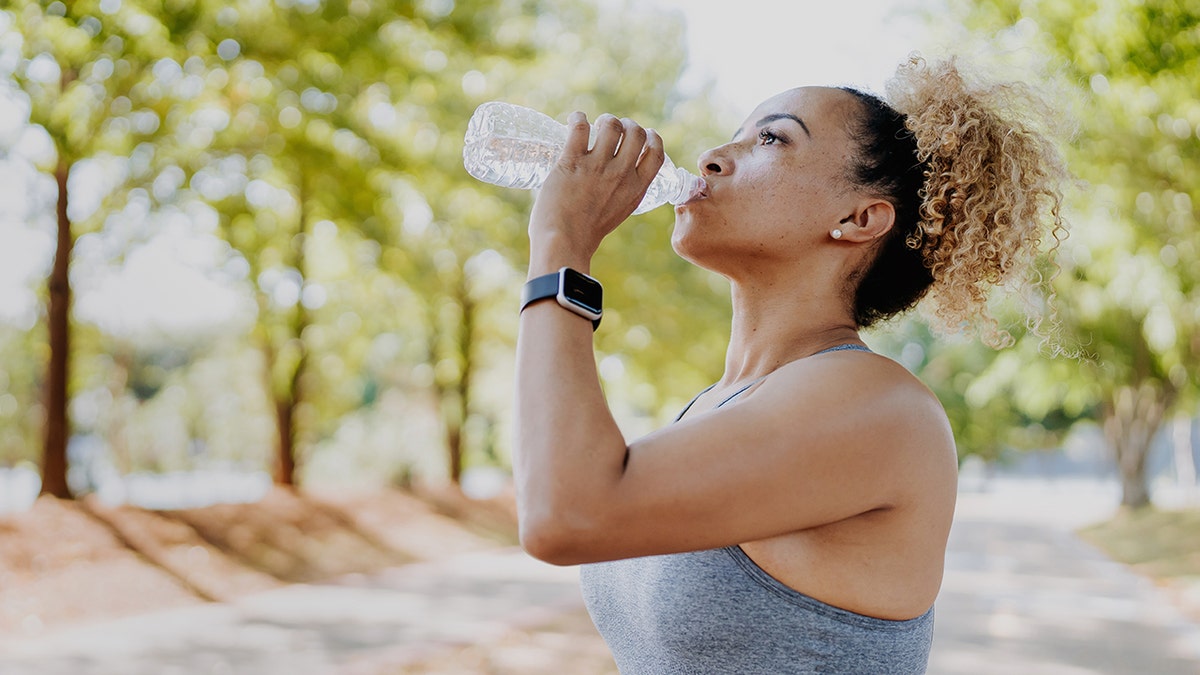
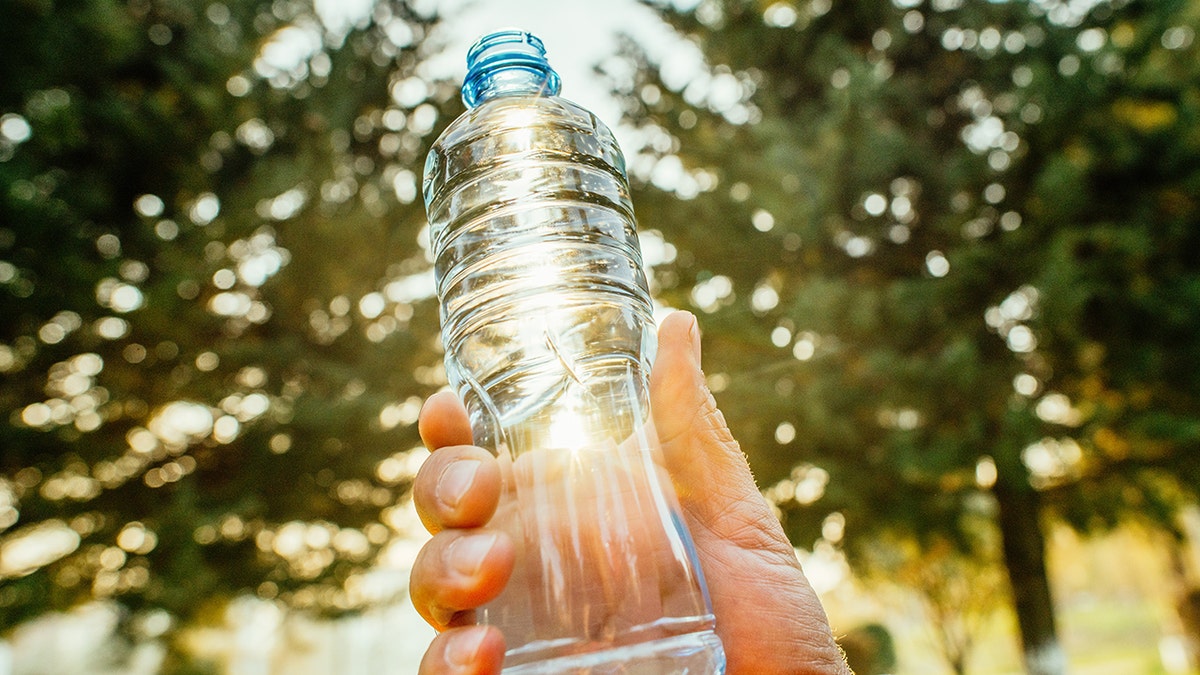

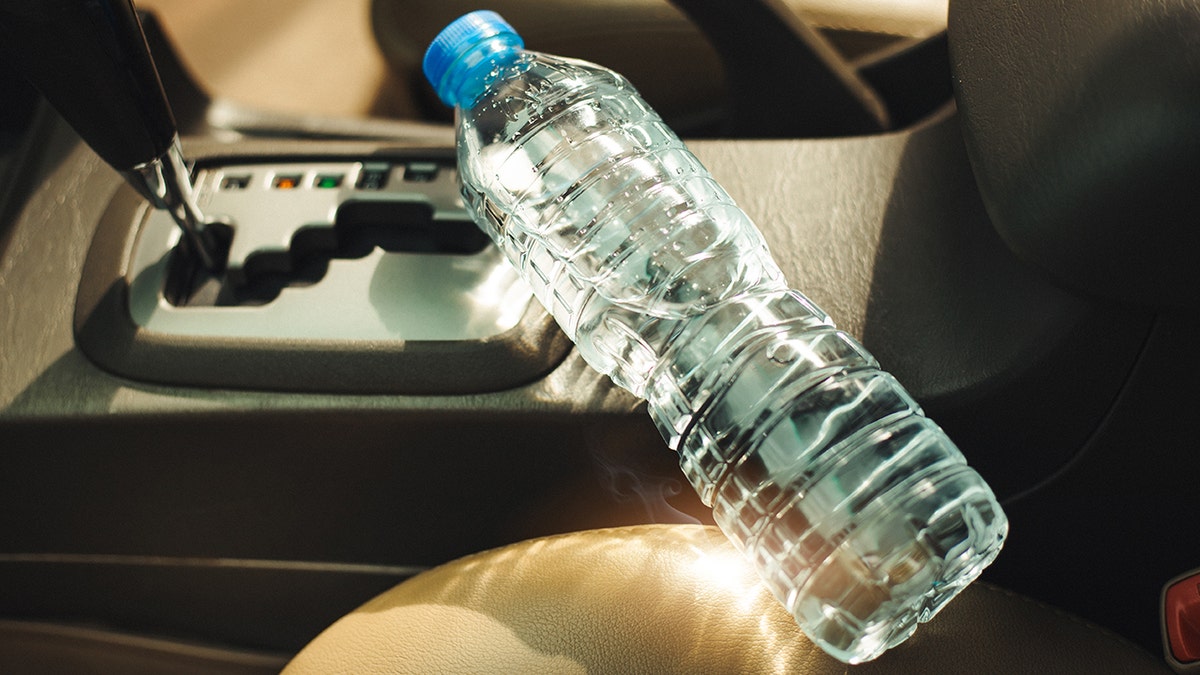


 brain and placental barriers


 Adobe Stock/Richard Carey

 (Adobe Stock/wachiwit)
 GET WET!