Water Stress: A Global Problem That’s Getting Worse

Water scarcity threatens the health and development of communities around the globe. Climate change is intensifying the problem, pushing governments to find more innovative, collaborative ways to address water stress.

New Delhi residents fill containers with drinking water from a municipal tanker in June 2018.
New Delhi residents fill containers with drinking water from a municipal tanker in June 2018. Adnan Abidi/Reuters

WRITTEN BY

Claire Klobucista and Kali Robinson

UPDATED

Last updated April 3, 2023 10:35 am (EST)

Summary

  • Water scarcity happens when communities can’t fulfill their water needs, either because supplies are insufficient or infrastructure is inadequate. Today, billions of people face some form of water stress.
  • Countries have often cooperated on water management. Still, there are a handful of places where transboundary waters are driving tensions, such as the Nile Basin.
  • Climate change will likely exacerbate water stress worldwide, as rising temperatures lead to more unpredictable weather and extreme weather events, including floods and droughts.

Introduction

Billions of people around the world lack adequate access to one of the essential elements of life: clean water. Although governments and aid groups have helped many living in water-stressed regions gain access in recent years, the problem is projected to get worse due to global warming and population growth. Meanwhile, a paucity of international coordination on water security has slowed the search for solutions.

Water stress can differ dramatically from one place to another, in some cases causing wide-reaching damage, including to public health, economic development, and global trade. It can also drive mass migrations and spark conflict. Now, pressure is mounting on countries to implement more sustainable and innovative practices and to improve international cooperation on water management.

RELATED

Navigating Rough Waters: The Limitations of International Watercourse Governance

by Guest Blogger for the Internationalist

Let’s Talk About Toilets

by Gabrielle SierraTom SlaymakerSangita VyasBrooke YamakoshiAsher RossMarkus ZakariaRafaela Siewert and Jeremy Sherlick

How U.S. Water Infrastructure Works

by James McBride and Noah Berman

What is water stress?

Water stress or scarcity occurs when demand for safe, usable water in a given area exceeds the supply. On the demand side, the vast majority—roughly 70 percent—of the world’s freshwater is used for agriculture, while the rest is divided between industrial (19 percent) and domestic uses (11 percent), including for drinking. On the supply side, sources include surface waters, such as rivers, lakes, and reservoirs, as well as groundwater, accessed through aquifers.

Daily News Brief

A summary of global news developments with CFR analysis delivered to your inbox each morning. Weekdays.

View all newsletters >

But scientists have different ways of defining and measuring water stress, taking into account a variety of factors including seasonal changes, water quality, and accessibility. Meanwhile, measurements of water stress can be imprecise, particularly in the case of groundwater. “Any numbers out there have to be taken with a grain of salt,” says Upmanu Lall, a Columbia University professor and water expert. “None of these definitions are typically accounting for groundwater usage, or groundwater stock.”

What causes water scarcity?

Water scarcity is often divided into two categories: physical scarcity, when there is a shortage of water because of local ecological conditions; and economic scarcity, when there is inadequate water infrastructure.

The two frequently come together to cause water stress. For instance, a stressed area can have both a shortage of rainfall as well as a lack of adequate water storage and sanitation facilities. Experts say that even when there are significant natural causes for a region’s water stress, human factors are often central to the problem, particularly with regard to access to clean water and safe sanitation. Most recently, for example, the war in Ukraine damaged critical infrastructure, leaving six million people with limited or no access to safe water in 2022.

“Almost always the drinking water problem has nothing to do with physical water scarcity,” says Georgetown University’s Mark Giordano, an expert on water management. “It has to do with the scarcity of financial and political wherewithal to put in the infrastructure to get people clean water. It’s separate.”

Hear More

Preparing for a Dryer Future

Why It Matters

At the same time, some areas that suffer physical water scarcity have the infrastructure that has allowed life there to thrive, such as in Oman and the southwestern United States.

A variety of authorities, from the national level down to local jurisdictions, govern or otherwise influence the water supply. In the United States, more than half a dozen federal agencies deal with different aspects of water: the Environmental Protection Agency (EPA) enforces regulations on clean water, while the Federal Emergency Management Agency (FEMA) prepares for and responds to water disasters. Similar authorities exist at the state and local levels to protect and oversee the use of water resources, including through zoning and rehabilitation projects.

Which regions are most water-stressed?

The Middle East and North Africa (MENA) is the worst off in terms of physical water stress, according to most experts. MENA receives less rainfall than other regions, and its countries tend to have fast-growing, densely populated urban centers that require more water. But many countries in these regions, especially wealthier ones, still meet their water needs. For example, the United Arab Emirates (UAE) imports nearly all of its food, alleviating the need to use water for agriculture. The UAE and other wealthy MENA countries also rely heavily on the desalination of abundant ocean water, albeit this process is an expensive, energy-intensive one.

Water Stress Is a Global Challenge

Darker shaded areas have more physical water stress; but myriad factors, including infrastructure, governance, and population, all contribute to water availability.

Physical water stress in 2014, defined as withdrawals as a share of renewable surface and groundwater supplies> 80%40–80%20–40%10–20%< 10%Arid and low water useDCABE

+-

One in three members of the Navajo Nation lacks running water, while non-Navajos nearby generally have indoor plumbing.A

For centuries, Italy’s aquifers provided easy access to clean water, but the now outdated infrastructure is putting pressure on the country.B

The DRC has over half of Africa’s water reserves, but millions of Congolese don’t have access to clean water, contributing to disease and malnutrition.C

On top of Yemen’s physical water scarcity, years of war have wiped out water services, leaving millions without basic water supplies.D

India is among the most water-stressed countries, in part due to its population, pollution, and the exploitation of groundwater.E

SourcesNational Geographic; Navajo Water Project; UNICEF; World Resources Institute; WRI Aqueduct.

Meanwhile, places experiencing significant economic scarcity include Central African countries such as the Democratic Republic of Congo, which receives a lot of rain but lacks proper infrastructure and suffers from high levels of mismanagement.

Even high-income countries experience water stress. Factors including outdated infrastructure and rapid population growth have put tremendous stress on some U.S. water systems, causing crises in cities including Flint, Michigan, and Newark, New Jersey.

How is climate change affecting water stress?

For every 1°C (1.8°F) increase in the global average temperature, UN experts project a 20 percent dropin renewable water resources. Global warming is expected to increase the number of water-stressed areas and heighten water stress in already affected regions. Subtropical areas, such as Australia, the southern United States, and North African countries, are expected to warm and suffer more frequent and longer droughts; however, when rainfall does occur in these regions, it is projected to be more intense. Weather in tropical regions will likewise become more variable, climate scientists say.

Agriculture could become a particular challenge. Farming suffers as rainfall becomes more unpredictable and rising temperatures accelerate the evaporation of water from soil. A more erratic climate is also expected to bring more floods, which can wipe out crops an overwhelm storage systems. Furthermore, rainfall runoff can sweep up sediment that can clog treatment facilities and contaminate other water sources.

In a 2018 report, a panel consisting of many of the world’s top climate researchers showed that limiting global warming to a maximum 1.5°C (2.7°F) above preindustrial levels—the aim of the Paris Agreement on climate—could substantially reduce the likelihood of water stress in some regions, such as the Mediterranean and southern Africa, compared to an unchecked increase in temperature. However, most experts say the Paris accord will not be enough to prevent the most devastating effects of climate change.

What are its impacts on public health and development?

Prolonged water stress can have devastating effects on public health and economic development. More than two billion people worldwide lack access to safe drinking water; and nearly double that number—more than half the world’s population—are without adequate sanitation services. These deprivations can spur the transmission of diseases such as cholera, typhoid, polio, hepatitis A, and diarrhea.

At the same time, because water scarcity makes agriculture much more difficult, it threatens a community’s access to food. Food-insecure communities can face both acute and chronic hunger, where children are more at risk of conditions stemming from malnutrition, such as stunting and wasting, and chronic illnesses due to poor diet, such as diabetes.

Dive Deeper

Rising Hunger: Facing a Food-Insecure World

Even if a water-stressed community has stable access to potable water, people can travel great lengths or wait in long lines to get it—time that could otherwise be spent at work or at school. Economists note these all combine [PDF] to take a heavy toll on productivity and development.

Living in a Water-Stressed World

A housing development lies on the edge of Cathedral City, a desert resort town in southern California, in April 2015.Damon Winter/New York Times/Redux

The COVID-19 pandemic heightened the need for safe water access. Handwashing is one of the most effective tools for combating the coronavirus, but health experts noted that three in ten individuals—2.3 billion people globally—could not wash their hands at home at the pandemic’s onset.

How has water factored into international relations?

Many freshwater sources transcend international borders, and, for the most part, national governments have been able to manage these resources cooperatively. Roughly three hundred international water agreements have been signed since 1948. Finland and Russia, for example, have long cooperated on water-management challenges, including floods, fisheries, and pollution. Water-sharing agreements have even persisted through cross-border conflicts about other issues, as has been the case with South Asia’s Indus River and the Jordan River in the Middle East.

However, there are a handful of hot spots where transboundary waters are a source of tension, either because there is no agreement in place or an existing water regime is disputed. One of these is the Nile Basin, where the White and Blue Nile Rivers flow from lakes in East Africa northward to the Mediterranean Sea. Egypt claims the rights to most of the Nile’s water based on several treaties, the first dating back to the colonial era; but other riparian states say they are not bound to the accords because they were never party to them. The dispute has flared in recent years after Ethiopia began construction of a massive hydroelectric dam that Egypt says drastically cuts its share of water.

Ethiopian Dam Ignites Tensions With Egypt, Sudan Over Nile Waters

A map of the Nile and its sources, showing the importance of the Blue Nile in Ethiopia as a source of river water in Egypt

Flow

direction

Cairo

Sources of Nile

River water in Egypt

EGYPT

Blue Nile: 57%

White Nile: 31%

Other: 12%

Lake

Nasser

RED

SEA

Nile

SUDAN

Khartoum

White Nile

Blue Nile

ETHIOPIA

SOUTH

SUDAN

Grand Ethiopian 

Renaissance Dam

Lake Victoria

Sources:  Mada Masr; UN Food and Agriculture Organization. 

Transboundary water disputes can also fuel intrastate conflict; some observers note this has increased in recent years, particularly in the hot spots where there are fears of cross-border conflict. For example, a new hydropower project could benefit elites but do little to improve the well-being of the communities who rely on those resources.

Moreover, water stress can affect global flows of goods and people. For instance, wildfires and drought in 2010 wiped out Russian crops, which resulted in a spike in commodities prices and food riots in Egypt and Tunisia at the start of the Arab uprisings. Climate stress is also pushing some to migrate across borders. The United Nations predicts that without interventions in climate change, water scarcity in arid and semi-arid regions will displace hundreds of millions of people by 2030.

What are international organizations and governments doing to alleviate water stress?

There has been some international mobilization around water security. Ensuring the availability and sustainable management of water and sanitation for all is one of the UN Sustainable Development Goals (SDGs), a sweeping fifteen-year development agenda adopted by member states in 2015. Smart water management is also vital to many of the other SDGs, such as eliminating hunger and ensuring good health and well-being. And while the Paris Agreement on climate does not refer to water explicitly, the United Nations calls [PDF] water management an “essential component of nearly all the mitigation and adaptation strategies.” The organization warns of the increasing vulnerability of conventional water infrastructure, and points to many climate-focused alternatives, such as coastal reservoirs and solar-powered water systems.

However, there is no global framework for addressing water stress, like there is for fighting climate change or preserving biodiversity. The most recent UN summit on water, held in March 2023, was the first such conference since 1977 and didn’t aim to produce an international framework. It instead created a UN envoy on water and saw hundreds of governments, nonprofits, and businesses sign on to a voluntary Water Action Agenda, which analysts called an important but insufficient step compared to a binding agreement among world governments.

Some governments and partner organizations have made progress in increasing access to water services: Between 2000 and 2017, the number of people using safely managed drinking water and safely managed sanitation services rose by 10 percent and 17 percent, respectively. In 2022, the Joe Biden administration announced an action planto elevate global water security as a critical component of its efforts to achieve U.S. foreign policy objectives. But the pace of climate change and the COVID-19 pandemic have presented new challenges. Now, many countries say they are unlikely to implement integrated water management systems by 2030, the target date for fulfilling the SDGs. 

Still, some governments are taking ambitious and creative steps to improve their water security that could serve as models for others:

Green infrastructure. Peruvian law mandates that water utilities reinvest a portion of their profits into green infrastructure (the use of plant, soil, and other natural systems to manage stormwater), and Canada and the United States have provided tens of millions of dollars in recent years to support Peru’s efforts [PDF]. Vietnam has taken similar steps to integrate natural and more traditional built water infrastructure.

Wastewater recycling. More and more cities around the globe are recycling sewage water into drinking water, something Namibia’s desert capital has been doing for decades. Facilities in countries including China and the United States turn byproducts from wastewater treatment into fertilizer.

Smarter agriculture. Innovations in areas such as artificial intelligence and genome editing are also driving progress. China has become a world leader in bioengineering crops to make them more productive and resilient.

Recommended Resources

The Wilson Center’s Lauren Risi writes that water wars between countries have not come to pass, but subnational conflicts over the resource are already taking a toll.

CFR’s Why It Matters podcast talks to Georgetown University’s Mark Giordano and the Global Water Policy Project’s Sandra Postel about water scarcity.

The World Economic Forum describes the growing water crisis in the Horn of Africa, while National Geographic looks at how the prolonged drought is pushing wildlife closer to towns.

The World Resources Institute’s Aqueduct maps the areas facing extremely high water stress.

The United Nations shares facts about water and its role in all aspects of life.

BuzzFeed News interviews residents of Jackson, Mississippi, who lost access to safe water after freezing temperatures wreaked havoc on the city’s decaying infrastructure.

CLICK HERE FOR MORE INFORMATION

England has driest spring in over a century: comment

02 Jun. 2025

Comment on confirmation that England has had driest spring in over a century

Profile picture of Tom Lancaster

By Tom Lancasterinfo@eciu.net

SHARE

Last updated: 02 Jun. 2025

Commenting on confirmation from the Met Office that England has suffered it’s driest spring in over a century, and the UK its warmest and sunniest spring on record, [1] Tom Lancaster, land, food and farming analyst at the Energy and Climate Intelligence Unit (ECIU) said:

The rate at which climate records are falling is relentless. 2022 saw the hottest UK day ever, with dire impacts on potato and vegetable growers. 2024 was then the wettest winter on record, following the wettest 18 month spell, ushering in one of the UK’s worst ever harvests [2]. And now farmers are having to contend with England’s driest spring in over a century, that has already damaged crops, threatening another poor harvest this year [3].

“Farmers now desperately need more and better support to be able to adapt to these extremes. The outcome of the spending review in June will be pivotal to the future of UK farming and its resilience in the face of climate change. We know that climate change is already adding hundreds of pounds to shopping bills and until we reach net zero emissions, all of these extremes will continue to worsen threatening our farmers and food supplies.”


Notes to editors:
 

1. https://www.metoffice.gov.uk/about-us/news-and-media/media-centre/weather-and-climate-news/2025/double-record-breaker-spring-2025-is-warmest-and-sunniest-on-uk-record

2. https://eciu.net/media/press-releases/2024/uk-harvest-hits-near-record-lows-following-government-food-security-warnings

3. https://ahdb.org.uk/cereals-oilseeds/crop-development-report

For more information or for interview requests:

George Smeeton, Head of Communications, ECIU, Tel: 07894 571 153, email: george.smeeton@eciu.net

CLICK HERE FOR MORE INFORMATION

https://eciu.net/media/press-releases/2025/england-has-driest-spring-in-over-a-century-comment?

What is World Water Day? 

This year's World Water Day on 22 March is focused on preserving the world's glaciers.

This year’s World Water Day on 22 March is focused on preserving the world’s glaciers. Image: United Nations

Joe Myers

Writer, Forum Stories

This article is part of:Centre for Nature and Climate

This article has been updated.

  • World Water Day is held every year on 22 March to raise awareness of global freshwater challenges and solutions.
  • This year’s theme is Glacier Preservation, highlighting how their rapid melting threatens water security and livelihoods.

World Water Day is held every year on 22 March, and is a United Nations (UN) day focused on raising awareness of the importance of freshwater. 

This year’s World Water Day theme, Glacier Preservation, highlights the urgent need to protect glaciers, as their rapid melting threatens water security, ecosystems and livelihoods, requiring collective global and local action.

“Glaciers may be shrinking, but we cannot shrink from our responsibilities … Action this year is critical. Every country must deliver strong national climate action plans aligned with limiting global temperature rise to 1.5 degrees Celsius,” reminds UN Secretary-General, António Guterres. 

World Water Day 2025 banner - save our glaciers.

This year’s theme is Glacier Preservation. Image: United Nations

DISCOVER

Why does World Water Day matter? 

The stats around freshwater speak for themselves:

And so World Water Day has been observed since 1993 to highlight the work that remains to ensure everyone on Earth has access to clean drinking water. And while it’s a high-profile issue – check out our podcast with Matt Damon below – the figures above emphasize the challenges that remain, especially with freshwater usage increasing each year.

The World Health Organization warns that “historical rates of progress would need to double” for the world to achieve universal coverage of basic drinking water services by the end of the decade.

Only 0.5% of water on Earth is useable and available freshwater – and climate change is dangerously affecting that supply, says the World Meteorological Association. Over the past 20 years, terrestrial water storage – including soil moisture, snow and ice – has dropped at a rate of 1cm per year, with major ramifications for water security.

Global risks report 2- and 10-year risk scenarios

Natural resource shortages, including water insecurity, is a major risk over the next decade. Image: World Economic Forum

From climate change to urbanization and demographic changes, water supply systems face numerous risks. Indeed, the World Economic Forum’s Global Risks Report 2025lists “natural resource shortages” as the 4th biggest risk over the next decade. 

That’s why raising awareness on conserving and protecting freshwater for everyone on Earth is vital, especially as the world looks to find – and implement – solutions.

https://open.spotify.com/embed/episode/3Nfxa8Cz9QyspdddBfXUPP

Glacial melt and the water-climate crisis

Water and climate change are inextricably linked, with glaciers playing a critical role in maintaining freshwater availability. Rising global temperatures are accelerating glacial melt, disrupting the seasonal flow of meltwater that feeds major river systems. These rivers support agriculture, drinking water supply, and hydropower for millions of people, particularly in lowland regions. 

As glaciers recede, water sources become less predictable, leading to prolonged droughts, reduced soil moisture, and declining groundwater levels. At the same time, excessive glacial melting can contribute to flooding, landslides and glacial lake outburst floods, endangering communities and infrastructure. These disruptions affect ecosystems, food security and livelihoods, making glacial melt a key driver of water-related challenges in a changing climate.

Find out more about the challenges in the session below from our Annual Meeting in 2024  Out of Balance with Water.

Innovation to help improve water security

Innovation and entrepreneurial thinking can also help conserve and protect freshwater sources. The World Economic Forum’s UpLink platform supports purpose-driven entrepreneurs by building ecosystems to help scale their businesses, focusing on solutions for global challenges such as climate change, ecosystem degradation and inequality.

One of its Top Innovators is a Latin American Climatech company connecting farmers seeking to improve irrigation practices with companies focused on water security. Kilimo implements measurable, auditable actions that deliver water volumetric benefits through partnerships between farmers and companies. With this business model, it aims to promote climate adaptation and ensure water availability for communities, ecosystems and economic development.

Meanwhile, the video below shows how sustainable water management practices, including conservation techniques like Ice Stupas and Glacial Grafting, can help mitigate some of these challenges by supporting water storage and availability in vulnerable regions. 

Collaboration between public and private sectors has a significant role to play in providing clean water for all, and ensuring a sustainable, resilient global water system. The Forum’s Water Futures Community is a collaborative platform driving solutions and finance to address emerging water challenges, advancing the global water agenda through dialogue and partnerships.

CLICK HERE FOR MORE INFORMATION
https://www.weforum.org/stories/2025/03/world-water-day-march-2025/?

PRESS RELEASE FRESH WATER

Half the world’s countries have degraded freshwater systems, UN finds

Photo credit:Pixabay

Nairobi, 28 August 2024 – In half the world’s countries one or more types of freshwater ecosystems are degraded, including rivers, lakes and aquifers. River flow has significantly decreased, surface water bodies are shrinking or being lost, ambient water is growing more polluted, and water management is off-track. These are some of the findings of three reports tracking progress on freshwater, published today by UN-Water and the UN Environment Programme (UNEP).

The triennial series of reports is focused on progress towards achieving the goal of “clean water and sanitation for all” (SDG 6) through protecting and restoring freshwater sources. Based on greater data sets than ever before, the reports reiterate the call to scale up support for Member States in tackling challenges through the UN System-wide strategy for water and sanitation and the accompanying upcoming Collaborative Implementation Plan.

“Our blue planet is being rapidly deprived of healthy freshwater bodies and resources, with dire prospects for food security, climate change and biodiversity,” said Dianna Kopansky, Head of the Freshwater and Wetlands Unit, Ecosystems Division at UNEP. “At this critical point, global political commitments for sustainable water management have never been higher, including through the passing of a water resolution at the last UN Environment Assembly in February, but they are not being matched by required finance or action. Protection and restoration policies, tailored for different regions, are halting further loss and show that reversing degradation is within reach. We absolutely need more of them.”


Widespread degradation

A reported 90 countries, most in Africa, Central- and Southeast Asia, are experiencing the degradation of one or more freshwater ecosystems. Other regions, such as Oceania, mark improvements. Pollution, dams, land conversion, over-abstraction and climate change contribute to degradation of freshwater ecosystems.

Influenced by climate change and land use, river flow has decreased in 402 basins worldwide – a fivefold increase since 2000. A much smaller number is gaining in river flow.

Loss of mangroves due to human activities (e.g., aquaculture and agriculture) poses a risk to coastal communities, freshwater resources, biodiversity, and climate due to their water filtration and carbon sequestering properties. Significant decreases of mangroves were reported in Southeast Asia, though the overall net rate of deforestation has leveled off in the last decade.

Lakes and other surface water bodies are shrinking or being lost entirely in 364 basins worldwide. A continued high level of particles and nutrients in many large lakes can lead to algal blooms and low-oxygen waters, primarily caused by land clearance and urbanization, and certain weather events.

Nevertheless, the construction of reservoirs contributes to a global net-gain in permanent water, mainly in regions like North America, Europe, and Asia.


Low levels of water quality monitoring

The poorest half of the world contributes under 3 per cent of global water quality data points, including only 4,500 lake quality measurements out of almost 250,000. This reveals an urgent need to improve monitoring capacity.

Lack of data on this scale means that by 2030 over half of humanity will live in countries that have inadequate water quality data to inform management decisions related to address drought, floods, impacts from wastewater effluents and agricultural runoff.

Where good data are available, it shows that freshwater quality has been degrading since 2017. Where data are lacking, the signs are not promising.

Report authors recommend the expansion and development of routine government-funded monitoring programmes, as well as incorporating citizen science into such national programmes, and exploring the potential of satellite-based Earth observation and modelled data products to help fill the data gap.


Inadequate progress on water resources management in over 100 countries

Balancing competing needs for sustainable water use from society and the economy requires the implementation of integrated water resources management (IWRM) across sectors, at all levels and across borders by 2030.

47 countries have fully reached or almost reached IWRM, 63 countries need to accelerate implementation, while 73 countries have only limited capacity for IWRM. At the current rate of reported progress, the world will only achieve sustainable water management by 2049. This means that by 2030 at least 3.3 billion people in over 100 countries are likely to have ineffective governance frameworks to balance competing water demands.

Solutions include unlocking finance through revenue raising and cost recovery arrangements, investments in infrastructure and management, as well as coordinated action, greater institutional capacity and better monitoring networks.


NOTES TO EDITORS 

About the UN Environment Programme (UNEP) 
UNEP is the leading global voice on the environment. It provides leadership and encourages partnership in caring for the environment by inspiring, informing and
enabling nations and peoples to improve their quality of life without compromising that of future generations. 

About UN-Water
 UN-Water coordinates the UN’s work on water and sanitation. It is comprised of UN Members States and international organizations working on water and sanitation issues. UN-Water’s role is to ensure that Members and Partners ‘deliver as one’ in response to water-related challenges.

CLICK HERE FOR MORE INFORMATION https://www.unep.org/news-and-stories/press-release/half-worlds-countries-have-degraded-freshwater-systems-un-finds?
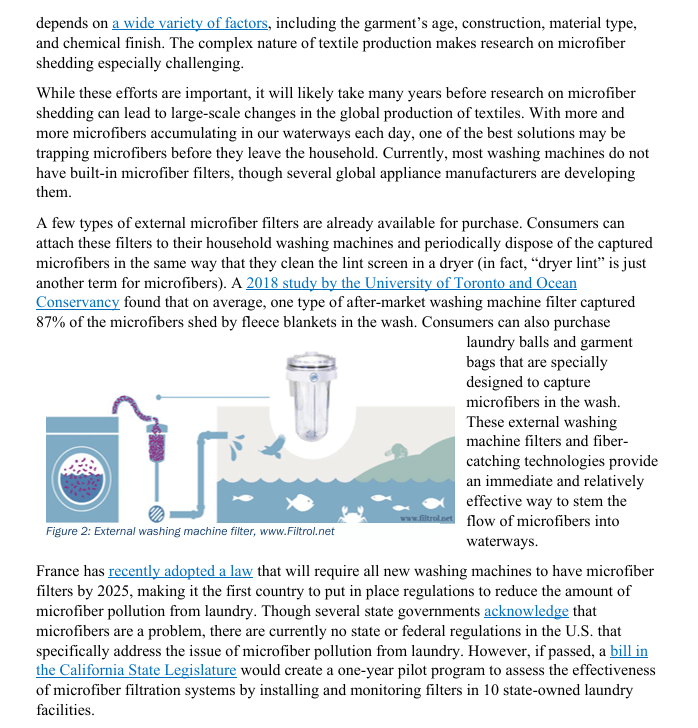
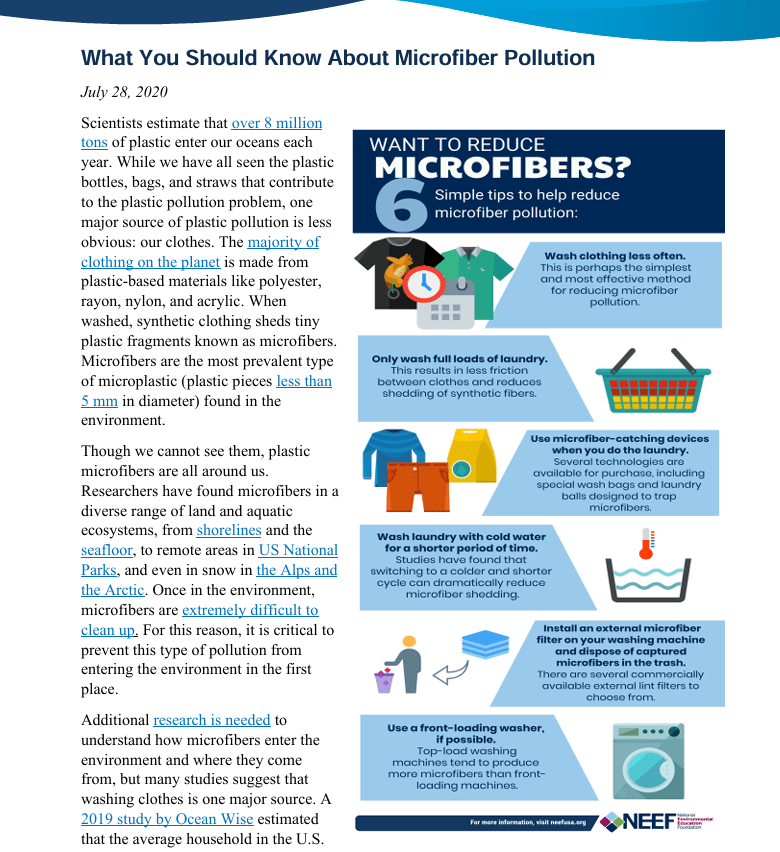
What You Should Know About Microfiber Pollution

The second article in the EPA Trash Free Waters Article Series explains how our clothes are contributing to the plastic pollution problem. It also provides tips for how you can help reduce the flow of microfibers from your clothes into waterways. 


CLICK FOR MORE INFORMATION https://www.epa.gov/trash-free-waters/what-you-should-know-about-microfiber-pollution?

How Does Jewelry Impact the Environment?

4ocean Team

Understanding the Environmental Impact of Jewelry: A Comprehensive Guide

Jewelry has long been cherished as a symbol of beauty, status, and personal expression. However, beneath the glittering surface of these adornments lies a complex web of environmental impacts. This blog explores the environmental footprint of jewelry production and consumption, shedding light on both the detrimental effects and the strides being made toward sustainable practices.

Jewelry is more than just an accessory; it’s a form of art, a statement of individuality, and often a repository of sentimental value. Yet, the journey of a piece of jewelry from raw materials to a finished product can have profound environmental repercussions. As we become increasingly aware of the need for sustainable living, it’s crucial to understand how our choices in jewelry can either harm or help the planet.

Mining and Raw Material Extraction

The environmental impact of jewelry begins with the extraction of raw materials. Precious metals like gold and silver, and gemstones such as diamonds, emeralds, and rubies, are mined from the earth. Mining operations, especially those that are not regulated or poorly managed, can cause significant environmental damage:

  1. Habitat Destruction: Mining activities often lead to deforestation and the destruction of natural habitats. This not only affects wildlife but also disrupts local ecosystems.
  2. Water Pollution: The process of mining and refining precious metals often involves the use of toxic chemicals like cyanide and mercury. These chemicals can leach into water bodies, causing pollution and affecting both aquatic life and human communities.
  3. Carbon Emissions: The extraction and processing of metals and gemstones require substantial energy, contributing to greenhouse gas emissions and climate change.

Manufacturing Processes

Once raw materials are extracted, the manufacturing process can further exacerbate environmental issues:

  1. Energy Consumption: Jewelry manufacturing is energy-intensive. Smelting, refining, and shaping metals consume significant amounts of electricity and fuel.
  2. Waste Generation: The production of jewelry generates various forms of waste, including scrap metal, polishing compounds, and chemical residues. Improper disposal of these wastes can lead to soil and water contamination.
  3. Worker Health and Safety: In many parts of the world, jewelry manufacturing does not adhere to strict environmental and safety standards. Workers often face hazardous conditions, and local communities can suffer from pollution and health risks.

Transportation and Packaging

The environmental footprint of jewelry also includes the impact of transportation and packaging:

  1. Carbon Footprint: Jewelry pieces are often transported long distances from mines to manufacturing facilities, then to retailers, and finally to consumers. This extensive transportation network contributes to carbon emissions.
  2. Packaging Waste: High-end jewelry typically comes with elaborate packaging, including boxes, bags, and protective materials. This packaging, often made from non-recyclable materials, adds to the growing problem of plastic and paper waste.

The Role of Consumer Behavior

Consumer choices play a pivotal role in the environmental impact of jewelry. The demand for fast fashion and inexpensive jewelry leads to mass production and low-quality items that are quickly discarded. Conversely, a growing awareness of sustainable practices is driving demand for eco-friendly and ethically produced jewelry.

Sustainable Practices in the Jewelry Industry

Despite the challenges, there is a burgeoning movement towards sustainability within the jewelry industry. Here are some ways in which the sector is evolving:

  1. Ethical Sourcing: Companies are increasingly committing to sourcing materials from mines that adhere to fair labor practices and environmental standards. Certifications such as Fairtrade Gold and the Kimberley Process for diamonds are examples of efforts to ensure ethical sourcing.
  2. Recycling and Upcycling: Many jewelers are turning to recycled metals and gemstones. This practice reduces the need for new mining and minimizes environmental impact. Upcycling old jewelry into new designs is another innovative approach.
  3. Eco-Friendly Manufacturing: Advances in technology and stricter regulations are helping reduce the environmental footprint of jewelry manufacturing. This includes using renewable energy sources, reducing waste, and implementing cleaner production techniques.
  4. Sustainable Packaging: To address the issue of packaging waste, some jewelers are adopting sustainable packaging solutions. This includes using recycled materials, minimizing packaging size, and encouraging consumers to reuse or recycle packaging.

The Rise of Sustainable Jewelry Brands

Several jewelry brands are leading the charge towards sustainability. These companies prioritize eco-friendly practices and transparency, offering consumers a responsible choice without compromising on style or quality. For instance:

  • 4ocean : Known for its ocean cleanup initiatives, 4ocean creates bracelets from recycled materials, each purchase funding the removal of trash from oceans.
  • Bario Neal : This brand uses ethically sourced metals and gemstones, recycled materials, and eco-friendly packaging.
  • Catbird : Based in Brooklyn, Catbird focuses on using recycled gold and conflict-free stones, with a strong commitment to sustainability and ethical practices.

How to Choose Sustainable Jewelry

As a consumer, you can make informed choices to support sustainable practices in the jewelry industry:

  1. Research Brands: Look for brands that are transparent about their sourcing, manufacturing processes, and environmental impact.
  2. Check Certifications: Certifications like Fairtrade Gold, Responsible Jewellery Council (RJC), and Kimberley Process can help you identify ethically sourced and environmentally friendly jewelry.
  3. Opt for Recycled Materials: Choose jewelry made from recycled metals and stones. This helps reduce the demand for new mining.
  4. Support Local Artisans: Buying from local artisans not only supports small businesses but also reduces the carbon footprint associated with transportation.
  5. Quality Over Quantity: Invest in high-quality, timeless pieces that will last longer, rather than inexpensive, trendy items that may quickly go out of style.

The environmental impact of jewelry is significant, but the industry is evolving towards more sustainable practices. By choosing ethically sourced and eco-friendly jewelry, including sustainable bracelets, consumers can play a crucial role in driving this change. Every small step towards sustainability, whether through mindful purchasing or supporting responsible brands, contributes to a healthier planet. As we adorn ourselves with beautiful jewelry, let’s also adorn our world with practices that reflect our commitment to environmental stewardship.

CLICK HERE FOR MORE INFORMATION https://www.4ocean.com/blogs/sustainable-bracelets/how-does-jewelry-impact-the-environment?srsltid=AfmBOoro3tY1Nmm4nyDNWaClL3nA8JOZHcQxbl_yB0kaO869AQeFokmZ

How does the Printing Industry Contribute to Pollution?

As an industry largely based on paper, the industry produces around 400 million tons of paper per year (Environmental Paper Network, 2018). Additionally, take into account the ink and water that goes along with the processing of said paper in factories, offices, and even our own homes. The use of such a volume of natural resources, combined with the energy needed to process it makes the printing industry “the fourth largest user of industrial energy worldwide” (Laurijssen, 2013). Naturally, these processes are bound to affect the environment.

Thomas Millot (2018). Cooling Tower’s Fumes[Photograph]. Retrieved from https://unsplash.com/photos/q5jKHtV4hWc/info.

One result of this energy usage from printing plants and paper mills are volatile organic compounds (VOCs), which are chemicals that evaporate at room temperature. VOCs in small amounts may be found in our homes, which can “irritate the eyes, throat, and nose, as well as cause headaches, dizziness, and potentially lead to memory loss or visual impairment” (Lafond, n.d). However, VOCs emitted at larger amounts have an effect not just us, but our environment as well. According to the Government of Canada, VOCs from the printing industry are “one of the principal stationary sources of volatile organic compound”, which stems from the use of solvents in ink and cleaning (Environment Canada, 2016). VOCs on this scale are detrimental to our environment, contributing to acid rain and the formation of ozone. Acid rain can cause damage to ecosystems, seeping into the ground destroying nutrients, and releasing aluminum into water streams, making them toxic. Ozone is a pollutant that when at ground level, is hazardous to our health and can cause smog.

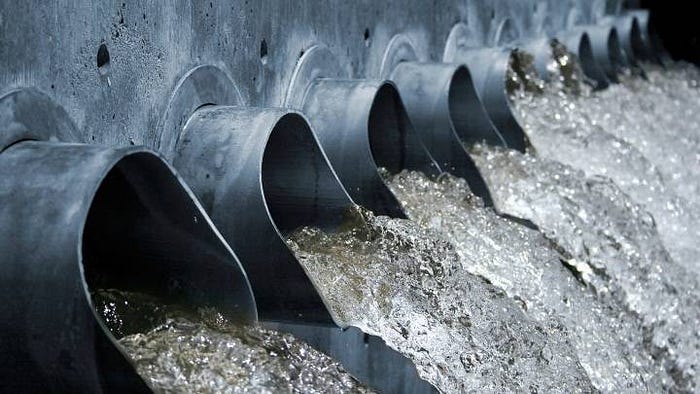
Global news (2016). Wastewater[Photograph]. Retrieved from https://globalnews.ca/news/2940478/federal-ontario-governments-provide-1-1b-for-clean-water-and-wastewater-projects/.

Another byproduct of the printing industry is effluent, also known as wastewater. Water is essential to printing, as ink is oil-based and water repels ink, which is how offset lithographic printing, the most common form of large scale printing today works. This water comes in contact with the ink, contaminating it. Water is also required to clean printing presses. Disposal of the wastewater and various solvents and cleansers is a procedure where the utmost care must be taken, as the pollutants from the effluent can quickly seep in and harm the surrounding environment. Waste management is necessary to safely dispose of the various chemicals used in printing processes. Recycling these chemicals instead of disposing of it saves the environmental and financial costs of producing these chemicals.

Having up to date technology is a crucial aspect of being sustainable in the print industry. For example, a printer that still uses traditional inks when vegetable-based inks are available, or printers that dispose of their solvents instead of recovering and recycling it are leaving behind a larger carbon footprint. Understanding and applying the latest tactics are key when it comes to reducing pollution and being sustainable in the printing industry.

References

Environment Canada. (2016). Printing industry and volatile organic compounds. Retrieved from https://www.canada.ca/en/environment-climate-change/services/managing-pollution/sources-industry/volatile-organic-compounds-consumer-commercial/printing.html

Lafond, A. (n.d.). How does volatile organic compounds concentration affect the environment. Retrieved from Foobot website: https://foobot.io/guides/how-does-volatile-organic-compounds-affect-the-environment.php

Laurijssen, J. (2013). Energy use in the paper industry. Retrieved from https://vnp.nl/wp-content/uploads/2014/01/8-Energy-use-in-the-paper-industry.-An-assessment-of-improvement-potentials-at-different-levels.pdf

CLICK FOR MORE INFORMATION https://medium.com/%40christianliau/how-does-the-printing-industry-contribute-to-pollution-758d05909eac

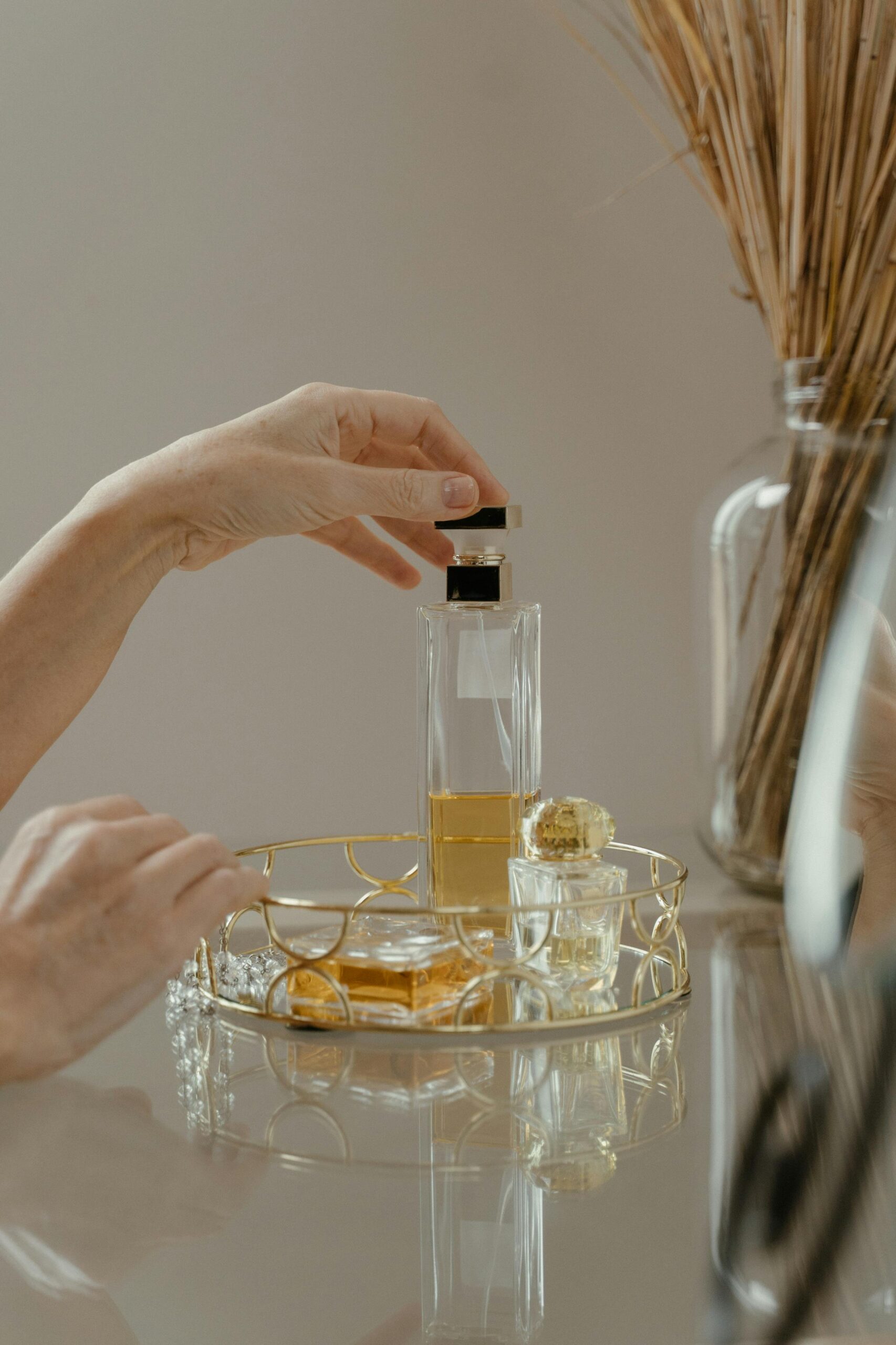
The impact of perfume and fragrances //a good-smelling, dirty, industry

GITTEMARY LEAVE A COMMENTON THE IMPACT OF PERFUME AND FRAGRANCES //A GOOD-SMELLING, DIRTY, INDUSTRY

We have used scents from nature to mask their body odour throughout the entirety of human history.

  • Perfume comes from the Latin “per” meaning “through” and “fumum,” or “smoke.” Many ancient perfumes were made by extracting natural oils from plants through pressing and steaming. The oil was then burned to scent the air.
  • The early Egyptians also perfumed their dead and often assigned specific fragrances to deities. Their word for perfume has been translated as “fragrance of the gods.”
  • It is said that the prophet Mohammed wrote, “Perfumes are foods that reawaken the spirit.”
  • The art of perfumery spread to Europe when 13th-century Crusaders brought back samples from Palestine to England, France, and Italy.
  • France’s King Louis the 14th used it so much that he was called the “perfume king.” His court contained a floral pavilion filled with fragrances, and dried flowers were placed in bowls throughout the palace to freshen the air.
  • It was at this time that Grasse, a region of southern France where many flowering plant varieties grow, became a leading producer of perfumes.
  • It was not until the late 1800s, when synthetic chemicals were used, that perfumes could be mass-marketed. The first synthetic perfume was nitrobenzene, made from nitric acid and benzene. This synthetic mixture gave off an almond smell and was often used to scent soaps.
  • Today, The United States is the world’s largest perfume market with annual sales totalling several billions of dollars.

Also check out: products that aren’t as sustainable as you think // toothtabs

Also check out: ZERO WASTE SKIN & HAIR CARE // an international list

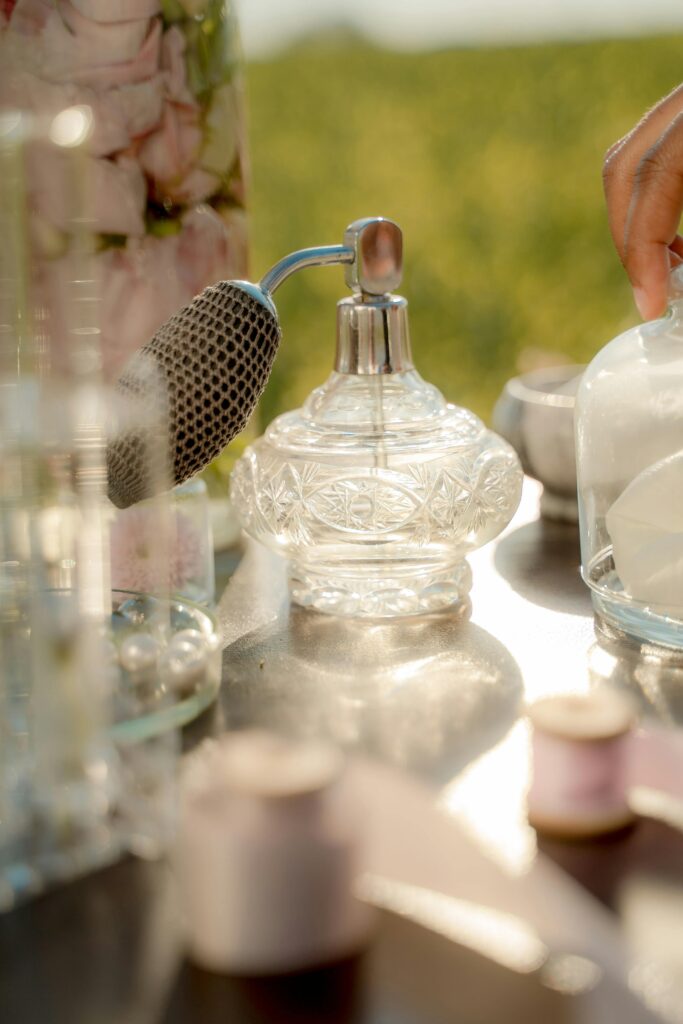
How is perfume made?

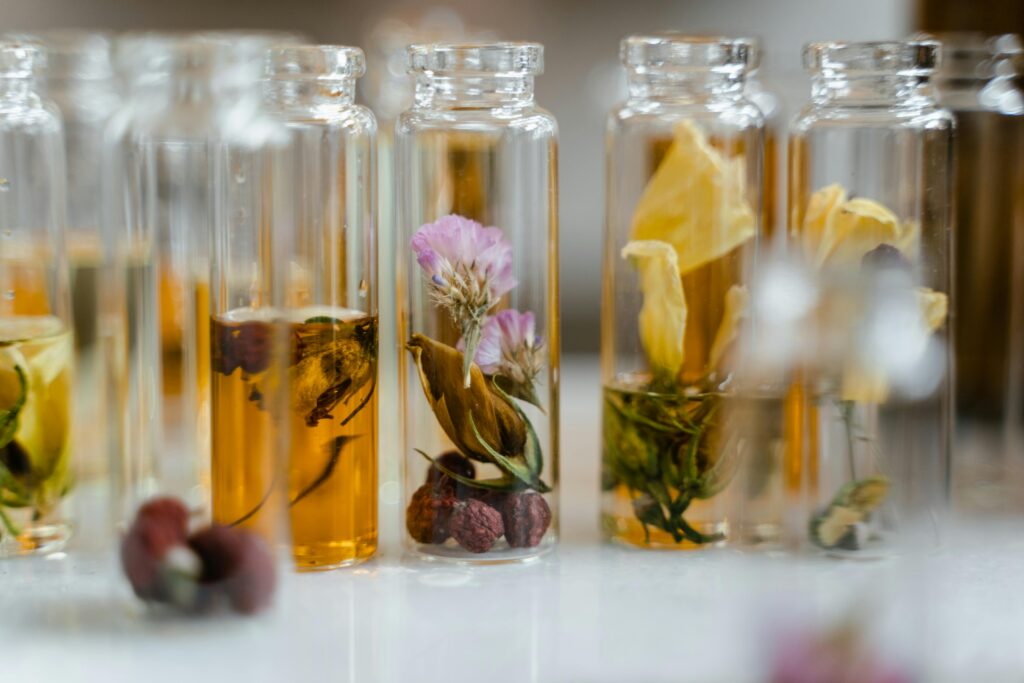
Perfume contains natural ingredients like flowers, grasses, spices, fruit, wood, roots, resins, balsams, leaves, gums, and animal secretions. The oils from these ingredients are extracted and that’s where the scents are. These natural compounds are mixed with alcohol, petrochemicals, coal and coal tars. Some plants used in many perfumes, like Lily of the Valley, do not produce any oils naturally. It’s only about 2000 of the 250.000 flowering plants on earth that contain oil naturally. As such, those scents are not obtained through harvesting the flowers, those scents are created synthetically.

Synthetic ingredients are used more widely today because it makes the perfumers less dependent on harvest quality, weather and crop yield. Previously, perfumery was a very unstable craft because it was very hard to make several identical batches of essential oil. With synthetic ingredients made in a lab, perfumers can control the quality, thus wasting less product and using less natural materials. Today even scents that could be extracted from natural resources are recreated synthetically, to standardize the products.

Many perfumes also contain a fair amount of animal-derived products, some of which are pretty grim. Castor and vanillin are derived from beavers. Musk from male deer. Ambergris from the sperm whale. They enable the perfume to evaporate more slowly and emit the odour for longer. This can also be done using fossil fuel-derived compounds like tar, coal, resin and petrochemicals. But yeah, just know that if you’re smelling “natural vanilla aroma” it is probably extracted from the anal glands of a beaver.

Alcohol and water are used to dilute ingredients in perfumes, and it is the ratio of alcohol to scent that determines whether the perfume is “eau de toilette” (toilet water) or cologne.

Most full perfumes are made of about 10-20% perfume oils dissolved in alcohol and a trace of water. Colognes contain approximately 3-5% oil diluted in 80-90% alcohol, with water making up about 10%. Toilet water has the least amount—2% oil in 60-80% alcohol and 20% water.

  • To make a perfume, you must first extract the ingredients, several methods are depending on what subject the scent is extracted from.
  • A “nose”, which is a master perfumer blends the scents and develops the formula. It can take more than 800 different ingredients to make a perfume.
  • A perfume consists of three notes, “notes de tete”, “notes de Coeur” and notes de fond”. The top notes are typically tangy or citrus-like, the central tones provide body to the scent and tend to be based on aromatic flowers, and the base tones create woody fragrances. But more notes and tones are used to create a unique formula, but that’s the gist of it
  • When the perfume is blended it has to age, which can take months or years. [1]

Also check out: LOW WASTE COSMETICS // international list and recommendations

The natural ingredients

So there are two aspects of perfume we need to look at, first the natural ingredients, and then the synthetic ingredients. Now first of all, I am always sceptical if a product is heavily advertised as “natural”, because “natural” is not synonymous with “sustainable”, not at all actually. It is easy to fall into the trap of demonising everything synthetic while believing that everything natural is perfectly healthy. We need a little bit more nuanced than that.

The natural ingredients in perfumes are essential oils, extracted from flowers, herbs, grass, wood and yeah, animals. But let’s zoom in on essential oils, the crack of 2016 zero waste households and almonds moms.

The amount of plant material required to produce a single bottle of essential oil can vary greatly depending on the plant type and the specific oil being produced as well as the method of extraction.

  • 10,000lbs to create 1 lb of rose oil [2]
  • 8,000 carefully hand-picked blossoms to produce 1 gram (about 1 ml.) of Jasmine oil [3]
  • 1,000 pounds of orange blossoms to create 1lb of oil[4]
  • 7 tons of Melissa leaves to create 1kg of Melissa oil [5]
  • 1500 lemons to create 1 pound of lemon oil[6]

Essential oil production comes with various impact factors. Firstly, some oil is difficult to extract from the plant if the plant only provides small yields. Constantly planting vast amounts of the same plant, which is just a good-smelling mono-crop at this point, deprives the soil of nutrients, some farmers also use pesticides and insecticides, and essential oils derived from sap often means that the trees have to be cut down to extract enough, so we also have deforestation as a factor. This is not always the case, but when we’re looking at the industrial production.

Another issue is that many essential oils come from plants that are listed on the IUCN Red List of Threatened Species. For instance, rosewood and atlas cedarwood, two popular essential oils, are listed as endangered species. Listed as vulnerable, sandalwood’s population is also decreasing mainly because of illegal harvesting and overexploitation. In India and Indonesia, sandalwood has been so overharvested that it nearly went extinct.[7] While it remains a heavily used ingredient in many perfumes and fragrances.

Deforestation and mono-cultures make the environment and local ecosystems vulnerable and decrease biodiversity. I don’t think I have made one impact video where mono-crops have not been mentioned tbh. But that’s what happens when we mass produce anything. Even products marketed as natural and eco-friendly.

Also check out: LOW WASTE COSMETICS //The Impact of Makeup / what you need to know about the beauty industry

The synthetic ingredients

Using synthetic ingredients means that we won’t need millions and millions of flowers and herbs to produce a few drops of oil, so this much be better for the planet on all parameters, right? Right??.

Perfumes, colognes, deodorants, candles, air fresheners, cleaning products, soaps, shampoo, paints and detergents are the most frequently used scented products. And while I’ll try to close in on perfumes as much as possible, most of the studies about fragrances include the impact of all these scented products, so we’ll keep that in mind.

Perfumes and these products contain thousands of chemical compounds and the thing is, it is impossible to know which and how many. That’s because the composition of fragrances is usually kept secret to avoid other brands using the same formula, but it also means that consumers have virtually no idea what they are putting on their bodies. A fragrance or scented product contains thousands of different synthetic fragrance compounds of unknown origins, completely protected by intellectual property law.

The majority of fragrances today are made with synthetic chemicals with 4000 to 7000 compounds. On average, perfumed soaps contain between 30 and 150 fragrance ingredients, whereas scented cosmetics can contain between 200 and 500 fragrance ingredients, making it impossible to determine individual product impact.[8]

Water pollution

The synthetic compounds from fragrances and scented products are washed into our water systems every single day, and wastewater treatment plants cannot effectively remove those substances from our water. So it is inevitable that those compounds end up in aquatic ecosystems, and in our bodies as well. 

And the thing is when we release, even somewhat harmless synthetic ingredients into the environment they don’t go away – they bioaccumulate. This means that they build up in the environments, and react with other synthetic compounds causing unpredictable reactions.

Musks, which is a family of ingredients often used in perfumes have been especially bad because they do not degrade when they are released into the environment but instead, they attach themselves to the fatty tissue of aquatic organisms.

The unknown composition of harmful chemical scents is just the beginning of the problem. According to Lenntech, phosphates in some of these chemical mixes can cause algae to bloom uncontrollably in waterways, thereby depleting oxygen levels. Other chemicals can even reduce the surface tension of water, making it easier for pesticides and other toxins to enter the water and be absorbed by the plants and animals that live there. [9]

Of course, not only synthetic compounds can pose a threat to water systems. In this study from 2021 essential oils and extract toxicity levels are observed: “While some essential oils and extracts have been described to have no toxic effects to the selected organisms or the toxic effects were only observable at high concentrations, others were reported to be toxic at concentrations below the limit set by international regulations, some of them at very low concentrations. Generally, essential oils exhibit higher toxicity than extracts. However, when the extracts are obtained from plants that are known to produce toxic metabolites, the extracts can be more toxic than essential oils. Overall, and despite being generally considered “eco-friendly” products and safer than their synthetic counterparts, some essential oils and plant extracts are toxic towards non-target organisms. Given the increasing interest from the industry on these plant-based products further research using international standardized protocols is mandatory.” [10]

Air pollution and emissions

Our air is also impacted – both indoors and outdoors.  Most fragrances are classified as volatile compounds, which means they break down into other compounds when released into the air; very often these compounds can have more serious environmental and health implications compared to the actual fragrance compound. But that’s not the worst part.

About 5% of raw oil is processed into ingredients for household products whereas 95% is processed into fuel, but these 5 % are doing some serious damage.

According to a 2018 study from NOAA, the greenhouse gas emissions released from scented consumer products and the chemical vapours they emit are roughly the same as the greenhouse gasses emitted from burning fuel for transportation. Even though there are 15 times more petroleum used for fuel than as ingredients in industrial and consumer products.

These chemical vapours as known as VOCs (volatile chemical vapours), and when they react with sunlight they form ozone pollution and react with other particles in the air. The head of the study explains that: “as the transportation sector gets cleaner, these other sources of VOCs become more and more important”. Furthermore, fuel systems minimize the loss of gasoline to evaporation to maximize energy generated by combustion, but common products like paints and perfumes are engineered to evaporate. Again this doesn’t mean that perfumes alone emit as many greenhouse gasses as fuel, but perfume belongs to a larger category of consumer products where that is the case. [11]

Reducing environmental damage

The biggest game changer here would be legislation that demands greater transparency from corporations and manufacturers. Demanding greater transparency would mean that consumers and distributors would know which chemical compounds are used. Moreover, we could also demand stricter requirements and bans on certain ingredients that are most likely to bioaccumulate etc. Politically, there are several measures we can take, and demand to reduce the impact of these products.

But of course, there are also tons of ways consumers can minimize the impact of these compounds. For instance, avoid scented products and fragrances whenever possible, or at the very least in products that do not need them.

  • Instead of air fresheners, ventilate your home, and remove smells with vinegar
  • Avoid scented candles and soaps and go for more neutral alternatives
  • Avoid scented cleaning products and detergents, fabric softeners are simply unnecessary and “clean” is the absence of scents and smells, so cleaning products without scents are better. [12]
  • Replacing all synthetic fragrances with essential oil is not the solution, but reducing consumption and being mindful of how much we use is the way to go.
  • Before you buy new essential oils, research whether the plant species are on the Red List of Threatened Species (you can do a quick search on the website). If they are endangered or even vulnerable, refrain from purchasing them. This includes ingredients like sandalwood, rosewood, and cedarwood.
  • Store your perfumes in a dark place, away from the sunlight to extend the shelf-life and keep the bottle closed.
  • Do not store perfumes in the bathroom, the humidity can alter both the colour and the scent of the perfume
  • Look for organic, or wild-harvested essential oils from plants native to the environment they are grown in.
  • To make your essential oils last longer, dilute them in carrier oils, like coconut or jojoba oil. It is always recommended to do so!
  • Many “sustainable” perfume brands only focus on recycled/refillable packaging, and while that’s nice we should be looking for brands that reduce the impact of their ingredients, and are cruelty-free of course.
  • If you want to know more about the ingredients in your products, look them up at the EWG Skin Deep Index: https://www.ewg.org/skindeep/

So are there even sustainable perfumes? Well, there are more or less sustainable options and more or less sustainable ways of using perfume. While the impacts of synthetic and natural ingredients are often different, and thus somewhat difficult to compare 1/1; the most important thing consumers can do is not overconsume perfumes and essential oils, and store them correctly to extend shelf life. Avoiding certain polluting or extinction-threatened ingredients is also a good idea. But, I did a little digging to come up with some recommendations for more sustainable brands or options, I have left that list down below.

These brands both improve their supply chains, as well as ingredients (and packaging, but we’re not spending too much time on that, or I guess we are spending the amount of time on packaging that is equivalent to how much of the product impact packaging accounts for).

Perfume brands that are doing better:


CLICK HERE FOR MORE INFORMATION

Unraveling Waste: How Planned Obsolescence Tangles Up the Hair Accessory Market

The Question That Confirmed Our Beliefs 

During a recent visit to Japan, we found ourselves in the offices of our esteemed supplier—a fourth-generation family business that’s been crafting hair accessories since the 1920s. As we presented an overview of the North American hair accessories market to their senior team, a particular slide sparked an unexpected yet enlightening conversation.

The slide displayed the top 10 best-selling hair tie packs in the USA, revealing that the average number of hair ties per pack was 55. We’ve long advocated for quality over quantity, so this statistic wasn’t news to us. But what happened next resonated deeply.

The operations manager raised his hand and asked, “Why would anyone ever need 55 hair ties at a time?” It was a question we’d often pondered ourselves. His curiosity wasn’t just a cultural difference; it was a shared bewilderment over a wasteful norm.

“In Japan,” he continued, “the average pack size of hair ties is two.”

At that moment, we realized we weren’t alone in questioning the status quo. It wasn’t just us—it was an entire country that valued durability and sustainability over disposability. And we believed millions of Americans would agree, given the facts.

Understanding Planned Obsolescence

What Is Planned Obsolescence?

Planned obsolescence is a business strategy where products are intentionally designed with a limited lifespan. The goal is to encourage consumers to purchase replacements more frequently, fueling a cycle of continuous consumption.

Why Is It Harmful?

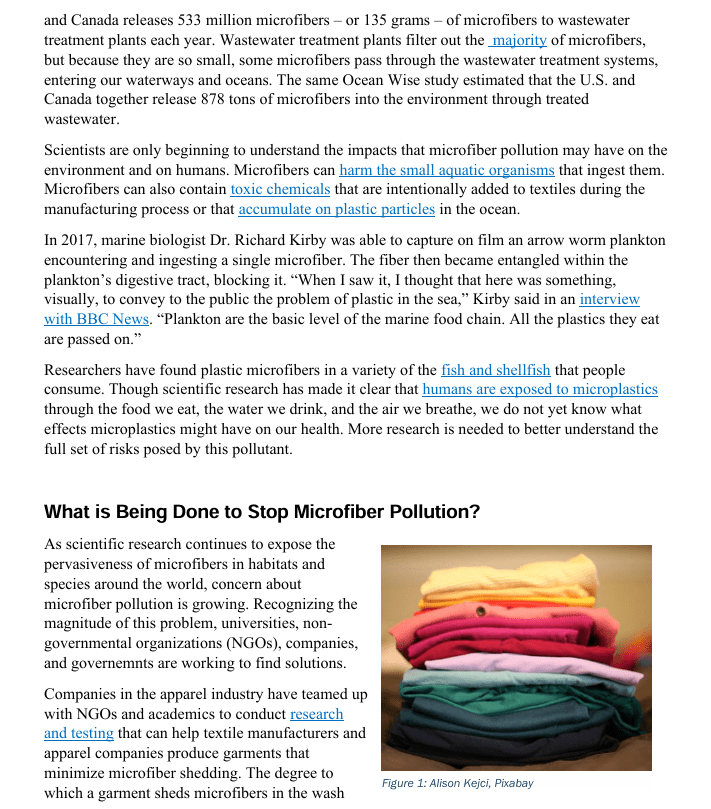
  • Environmental Impact: Products designed to fail contribute to waste and pollution. Disposable items often end up in landfills or oceans, where they take centuries to decompose and break down into harmful microplastics.
  • Consumer Exploitation: It forces consumers to spend more money over time on low-quality items that need constant replacing.
  • Resource Depletion: The manufacturing of disposable products consumes valuable natural resources unnecessarily.

Everyday Examples of Planned Obsolescence

  • Smartphones: New models are released annually with minor upgrades, pushing consumers to replace perfectly good devices.
  • Fast Fashion: Low-quality clothing that wears out quickly, encouraging more frequent purchases.
  • Printers: Inexpensive printers that require costly ink cartridges, which run out rapidly.

The Hidden Cost of Bulk Hair Ties

More Than Just Wasteful

Those packs of 55 hair ties aren’t just excessive—they’re a hidden environmental hazard. Predominantly made from synthetic plastics, each hair tie contributes to the growing problem of microplastics contaminating our ecosystems. In fact, 25,000 lbs of plastic hair ties are lost or tossed daily in the USA because of planned obsolescence. 

Microplastics: An Invisible Threat

As these plastic hair ties degrade, they break down into tiny particles known as microplastics. These particles infiltrate our waterways, soil, and even enter the food chain, posing severe risks to wildlife and human health.

A Tale of Quality: Japan vs. North America

The Japanese Commitment to Durability

Our Japanese partner tests every single hair tie three times during production to ensure strength and integrity. This meticulous attention to quality means consumers only need to purchase a pack of two hair ties—not 55.

The Proof Is in the Testing

Before leaving Japan, we provided our partner with samples of the top-selling American hair ties. They sent these, along with our own Organic Cotton Round Hair Ties—the Mondos and Minis—to a third-party lab for strength testing.

The results were staggering:

  • Our Round hair ties are 2.5 to 3 times stronger than the major U.S. brands.
  • Our Flat Hair Ties, ethically made by hand in India, tested to be 6 times stronger. Hand-sewn with care, they offer a stronger, longer-lasting option for everyone.

Breaking the Cycle of Planned Obsolescence

Quality Over Quantity

It’s time to challenge the notion that more is better. A single, well-crafted hair tie can outlast dozens of disposable ones, saving you money and reducing environmental impact.

Making Sustainable Choices

  • Choose Natural Materials: Opt for hair ties made from biodegradable materials that won’t harm the planet.
  • Support Ethical Brands: Companies that prioritize sustainability and fair labor practices deserve your support.
  • Educate Yourself: Understanding the impact of your purchases empowers you to make better choices.

Discover the Strongest Hair Ties

Looking for hair ties that combine strength, durability, and sustainability? Explore our:

The Environmental Impact of Disposable Hair Ties

Reducing Hair Accessory Pollution

Every year, countless plastic hair ties contribute to hair accessory pollution. By choosing durable, eco-friendly options, we can significantly reduce this number.

Joining a Global Movement

Our experience in Japan affirmed that we’re part of a global community that values sustainability. By making conscious choices, we align ourselves with millions who believe in protecting our planet.

Conclusion: Time to Rethink Our Choices

The question from our Japanese colleague wasn’t just about cultural differences; it was a mirror reflecting our consumption habits. “Why would anyone ever need 55 hair ties at a time?”

We realized we’re not alone in questioning this norm. It’s time to embrace products designed to last, breaking free from the wasteful cycle of planned obsolescence. Together, we can make a difference—one hair tie at a time.

A very special thank you to our incredible team in Japan. 

CLICK HERE FOR MORE INFORMATION. https://kooshoo.com/blogs/zero-waste-sustainable-business-eco-fashion-blog/unraveling-waste-how-planned-obsolescence-tangles-up-the-hair-accessory-market

FDA reports major recall of popular volcanic water due to contamination

Thousands of bottles of Waiakea’s artisanal volcanic water have been recalled after the discovery of hazardous bacteria, leading to a major safety overhaul by the company.

According to the Daily Mail, Waiakea Bottling Inc. concluded a massive recall this week after customers reported seeing floating particles in their bottles.

Waiakea Bottling Inc., a Hawaii-based company, is known for sourcing its water from unique volcanic regions in Hawaii. The brand values sustainability and purity, catering to a clientele that appreciates natural and minimally processed products.

A recent issue surfaced when consumers noticed undesirable objects, described as mold, white blobs, and other unspecified particles, floating in the water. These complaints triggered a lot of concerns, prompting the company to investigate further and eventually initiate a product recall.

The recall began in 2023 after consumers’ complaints reached the company. Waiakea swiftly responded with a comprehensive examination of its quality control procedures, confirming the particles to be caused by Pseudomonas aeruginosa. This bacterium can be extremely harmful, particularly to those with compromised immune systems.

Detailed FDA Report Sheds Light on Severity of Contamination

The Food and Drug Administration (FDA) played a crucial role in classifying and evaluating the level of threat posed by the contaminated water. Their inspection report employed terms like ‘mold,’ ‘white blob,’ and ‘floaters’ to describe the contaminants, which underscored the variability and visible nature of the impurities.

During their investigation, the FDA classified the incident as a Class II recall. This classification indicates that while the exposure might result in temporary or medically reversible adverse health consequences, experts deemed the risk of long-term serious effects low.

The severity of the issue sparked an array of health concerns across the customer base. In response, Waiakea Bottling Inc. took significant measures to rectify the contamination issues and reassure its consumer base of the water’s safety and quality moving forward.

Enhancements in Quality Control after the Recall

In the aftermath of the recall, Waiakea took deliberate steps to overhaul and improve its safety protocols and quality control procedures. Their initiatives included the adoption of state-of-the-art sanitation technology and the installation of advanced sensors.

Company spokespeople detailed the steps taken following the incident. They stated, “We have intensified our quality control processes and enhanced our safety protocols to maintain the highest standards of product excellence. This includes upgrading our sanitation technology to state-of-the-art, fault-proof equipment and sensors,” highlighting their commitment to preventing future issues.

At the onset of the recall, Waiakea expressed remorse and a determined commitment to its customers. Its official statement noted, “After receiving complaints about floating particles in some bottles, we discovered a potential issue during our rigorous quality assurance procedures. We identified the affected lots through our safety protocols and took this precautionary measure to recall them.”

Other Incidents in the Bottled Water Industry

The incident with Waiakea’s products does not stand alone within the bottled water industry. Recently, other companies have also faced similar challenges. For instance, in spring 2024, Fiji recalled 1.9 million bottles due to elevated levels of minerals and bacterial contamination, while Berkeley Club Beverages recalled products due to coliform contamination.

These recurring issues across multiple brands highlight the challenges the industry faces in maintaining the purity of bottled water. They also stress the importance of rigorous quality assurance practices and proactive consumer safety measures.

Amidst these industry-wide challenges, the FDA continues to mandate annual inspections and stringent testing for both source water and final products in a bid to safeguard public health and ensure that the industry maintains high standards of product quality and safety.

Community and Consumer Response to Safety Measures

Waiakea’s quick response and transparency during the recall process have been crucial in maintaining trust with its customers. Their proactive communication and upgrades in safety protocols suggest a strong ongoing commitment to quality and consumer safety.

As the company moves forward, it expects these enhancements in operational protocols to set new standards not just for Waiakea, but potentially for others in the bottled water industry, fostering a greater emphasis on quality control and consumer trust.

The recall, although a significant setback for Waiakea, provided important lessons and opportunities for growth, ensuring that the safety of the consumers remains paramount in their operations.

CLICK HERE FOR MORE INFORMATION https://insiderjournal.com/fda-reports-major-recall-of-popular-volcanic-water-due-to-contamination/?