Ways Water Can Encourage Natural Healing

By Jeff Hayward 

Water makes up about 60-percent of your body, so why is it when we need to fix an ailment we automatically reach for an artificial cream or some other commercial remedy?

Water is essential to life, as it is to maintain life and help us repair ourselves. It doesn’t have to be consumed to reap the benefits, either. Here are six ways water can encourage natural healing…

Soothing Pain from Arthritis

If you have a backyard pool or are close to a recreational facility that allows public swimming, then you have a great tool in warding off pain from arthritis and even soreness from exercising.

The Arthritis Foundation notes that gentle movement in water is easy on the joints, even though it provides 12-times the resistance of air. For the latter reason, you can still build muscle in the process. Heated pools (82-Fahrenheit to 88-Fahrenheit) can take healing to the next level, helping to soothe pain, adds the source.

Faster Wound Healing

AdvancedTissue.com says staying properly hydrated can step up the pace of the wound healing stages. It adds that a lack of moisture reaching the surface of the wound “will halt cellular migration, decrease oxygenation of the blood and vastly delay the wound treatment process.”

Because of the high content of water in your body, maintaining a “positive level of hydration” that can add in repairing wounds requires 64-ounces or more of water per day (around 8-glasses). Drinking more than this can further help cells to travel to the wound site to supply more oxygen and nutrients, adds the source.

Promoting Mental Health

While we often only think of the physical benefits of drinking water, Healthy Holistic Living says on its website that water is important in improving mental health. “Water also works to improve your mental health, making it easier to keep you going throughout the day,” notes the source.

It explains that water has an “interesting effect” on mood levels, and claims you can actually get “high” just by consuming water (not recommended to try, says the site). However, water helps keep you energized, which helps you generate more “feel good” hormones that impact mood, it adds.
Healing Debilitating Conditions?

Perhaps take this one with a grain of salt; but a website called Watercure.com explains how a man that had crippling spinal arthritis (ankylosing spondylitis) was reportedly cured with a water/salt treatment, after other treatments failed for three decades.

However, the site explains its about “more to it than simply drinking water.” Rehydration must be done gradually when it’s severe, it adds. “You must learn what can happen to your own body when it becomes dehydrated. Not everybody registers drought in the same way,” explains the source.

Enhancing Weakening Eyesight

At some point, everyone will experience some loss of their young hawk-eye vision—whether it’s due to near-sightedness or far-sightedness or both—but there are natural ways to help reverse this process, according to NaturalSociety.com.

“Pure water” is one of 4-steps to sharper sight, explains the source. “Drinking an adequate amount of pure filtered water will prevent total-body dehydration, and subsequently dry eyes,” it offers. Water intake should be complemented with antioxidants (beta-carotene), as well as fatty acids like fish oil.

Reducing Skin Blemishes

The jury is still out on whether drinking more water can make your skin look more youthful, as your body only uses so much of it before eliminating the excess (use a good moisturizer if you want anti-aging properties, suggest experts).

However, Greatist.com notes that inflammation in the skin that causes acne can be treated to some degree with some quality H2O. Water can help flush out the toxins that lead to the inflammation to begin with, adds the source. If water doesn’t work, see your doctor for any possible allergies causing skin blemishes.

CLICK HERE FOR MORE INFORMATION https://activebeat.com/diet-nutrition/immerse-yourself-in-6-healing-properties-of-water/6/?placement=kwd-10012841&device=c&gad_source=5&gad_campaignid=12874794209&gclid=EAIaIQobChMItoSEqbiIjgMVY0H_AR0fGhNLEAAYAyAAEgJ7q_D_BwE

The Oceans Are Getting Darker

Colorado River Basin Suffers from a Warm and Dry Spring

Officials, farmers, and others who depend on the Colorado River received a grim prediction last week that Lake Powell, the second largest reservoir in the basin, will receive less than half of the yearly median amount of water over the next three months, which could mean cutbacks in the future. 

The Colorado River carves through the Grand Canyon  |  Credit: Grand Canyon NPS

The snowpack at the beginning of April was less than normal, and the spring has been very warm and dry in the Rocky Mountains, which has led to low runoff.  

Currently, Lake Powell is at 31 percent capacity, and Lake Mead, the largest reservoir in the country, is at 32 percent after about 25 years of severe drought. A study done three years ago showed that the drought in the Western U.S. was the driest two decades in the last 1,200 years.

Officials in the seven states of the Colorado River Basin, including Utah, Wyoming, Colorado, New Mexico, Arizona, Nevada, and California, met last week and have yet to come to an agreement on how they will share water in the coming years after the existing guidelines expire at the end of 2026. If no agreement is reached, the federal government will likely impose its own plan, which could lead to much litigation.

Meanwhile, a new study is showing that ground and surface water in the Colorado River Basin have been depleted during the last 20 years by an amount that is equivalent to the total capacity of Lake Mead. NASA satellite imagery shows the severity of the region’s crisis. Jay Famiglietti, the senior author of the study and a professor at Arizona State University, toldthe Guardian that groundwater is disappearing nearly 2.5 times faster than surface water. He added that everyone in the U.S. should be worried about the crisis in the Southwest, because much of the country’s food is grown there. In addition, the river provides drinking water to 40 million people in the U.S. and Mexico.

The study was published in the journal Geophysical Research Letters.

High Court Decision Could Allow Oil Trains along the Colorado River 

A controversial plan to transport crude oil by rail along portions of the Colorado River is much closer to becoming a reality after the U.S. Supreme Court overturned a lower court’s decision blocking it. 

Amtrak’s California Zephyr train travels along the Colorado River near McCoy, Colorado. |  Credit: Tony Webster/Creative Commons

Environmental groups and Eagle County, Colorado, home of Vail Ski Resort, had challenged an agency decision that permitted the two-mile-long trains to ship crude oil from Utah’s Uintah Basin to the Gulf Coast. They argued that the Surface Transportation Board did not weigh the downstream effects should a tanker derail and pollute the Colorado River, threatening the environment and communities. Additionally, they said the agency had not considered how refining five billion gallons of additional oil per year would exacerbate global warming.

An appellate court agreed, but the Supreme Court, in a unanimous decision, with Justice Gorsuch recusing himself, decided that some judges have incorrectly reviewed an agency decision under the National Environmental Policy Act (NEPA) and used it to block or slow down many projects. All three of the Court’s liberal justices agreed with the decision, which has a much broader effect than just the potential of endangering people and the environment by oil tankers that could derail. 

Justice Kavanaugh, writing for the Court, said that overly intrusive judicial review has led to delay upon delay and higher costs. NEPA, he continued, is to inform decision-making, not paralyze it. NEPA requires federal agencies to assess the environmental effects of proposed major actions prior to making decisions. However, this case narrows the scope of all environmental reviews of major infrastructure projects like highways and pipelines.

Earlier, the Supreme Court severely reduced environmental regulation by limiting rules on water pollution and runoff and allowing long-standing agency actions to be challenged in court, according to the Washington Post. The Court has also cut away at the ability of the EPA to regulate greenhouse gas emissions and air pollution.

Darkening Oceans Raises Concerns about Food Webs and Fisheries

The world’s oceans are getting darker. That’s the conclusion of a new study out last week that says there’s cause for concern. 

According to researchers from the University of Plymouth, 21 percent of the global ocean—an area spanning more than 75 million sq km—has darkened over the past two decades.  |  Credit: Naja Bertolt Jensen / Unsplash

“Ocean darkening” occurs when sunlight and moonlight can’t penetrate the upper layers of the ocean called the “photic zone,” which is home to 90 percent of all marine life and one of the most productive habitats on Earth. According to researchers from the University of Plymouth in the UK, over one-fifth (21 percent) of the global ocean—around 75 million square kilometers—has darkened over the past two decades.

Typically, darkening can occur near coastlines because of agricultural runoff and increased rainfall making the waters murkier. However, this new research shows that it’s happening in the open ocean, which they suggest could be from hotter temperatures causing increased algal blooms that reduce light penetration below the surface. It could also be the result of changes in ocean circulation patterns driven by global warming.

The researchers used data from NASA’s Ocean Color Web, which breaks the global ocean down into a series of 9km pixels, to assess the changes and found that the most prominent shifts in photic zone depth in the open ocean were at the top of the Gulf Stream and around both the Arctic and Antarctic—areas of the planet experiencing the most pronounced shifts as a result of climate change. Conversely, the team also found around ten percent of the ocean had become lighter during the same study period.

The authors suggest that a shrinking photic zone in the upper ocean where marine organisms grow, hunt, reproduce, and photosynthesize, would create intense competition for resources and negatively affect food webs and global fisheries.

The study was published in Global Change Biology.

A New Tax in Hawai’i That You Can Feel Good About

The word kuleana in the Hawai‘an language means a responsibility, right, or privilege to take care of one another—and to take care of the āina—the land. Those terms were invoked when, on May 27, Governor Josh Green, MD, signed into law Act 96 (Senate Bill 1396) that establishes a “Green Fee” that will add a tax on hotel stays to protect the environment in the face of climate change. It’s a first for the state—and for the country.

On May 27, Hawai‘i Governor Josh Green signed into law Act 96 (Senate Bill 1396) that establishes a “Green Fee” that will add a tax on hotel stays to protect the environment in the face of climate change. |  Credit: Hawai‘i Governor Josh Green, M.D./Flickr

The new “climate impact fee” is a response to the increased risk of natural disasters driven by global warming, like the wildfires on Maui in 2023. The revenue will provide a stable source of funding for environmental stewardship, hazard mitigation, and sustainable tourism, which together will enhance the islands’ resiliency.

The new law raises the amount of the current transient accommodations tax or TAT by 0.75 percent, or roughly $3 on a $400 hotel room per night. It will also apply to short-term rentals as well as to cruise ships—a sector that has long gone untaxed. The Green Fee is projected to generate $100 million annually, when it goes into effect in January 2026. 

As the online publication Travel And Tour World reports, Hawai‘i joins a list of places around the globe like Greece, Bali, and the Galápagos Islands, where fees are being implemented in recognition that tourism, while economically vital, must be managed responsibly to protect the fragile ecosystems—that many people come to see—from the growing impacts of climate change.

Bridging Freshwater and Ocean Action: From the UN Ocean Conference to the 2026 UN Water Conference

On Wednesday, 11 June 2025,  a side event titled Bridging the Waters from the United Nations Ocean Conference to the 2026 United Nations Water Conference: Joint Action for Sustainable Freshwater and Ocean Management will take place during the Third United Nations Ocean Conference.

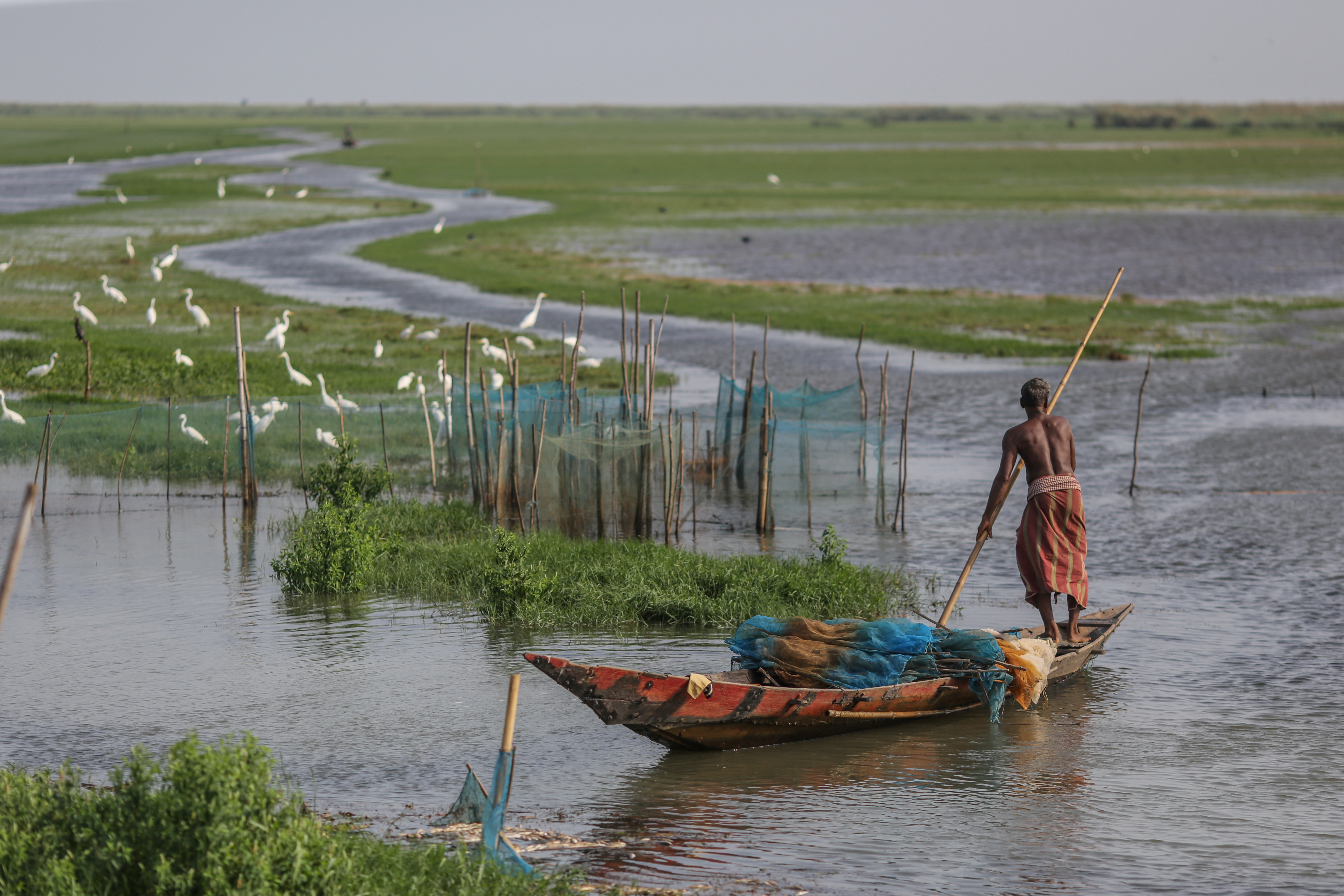
Fisherman in wetland in boat

This event will explore the vital link between freshwater and marine ecosystems and the need for a unified “source-to-sea” approach. Water flows from mountain springs to rivers and deltas before reaching the ocean, carrying with it the effects of land-based activities. Coordinated management across these systems is essential for biodiversity, pollution control, and climate resilience.

The session brings together policymakers, civil society, experts, and local voices to discuss how the Ocean Conference and the 2026 United Nations Water Conference, co-hosted by the United Arab Emirates and Senegal, can reinforce each other. A key question will be how to ensure that commitments made at the Ocean Conference meaningfully shape preparations for the UN 2026 Water Conference.

Speakers will also address how ocean and freshwater agendas can be better aligned, what practical mechanisms are needed for coordination, and how integrated approaches can strengthen resilience for both inland and coastal communities. Examples of successful implementation and the role of traditional and indigenous knowledge will also be discussed.

This event will highlight the connection between the Water Action Agenda and the Oceans Commitments, in the context of the UN System-wide Strategy for Water and Sanitation. The outcomes of this side event will inform and inspire the lead-up to the 2026 UN Water Conference and beyond.

CLICK HERE FOR MORE INFORMATION

https://www.unwater.org/news/bridging-freshwater-and-ocean-action-un-ocean-conference-2026-un-water-conference

The ocean is getting darker. Here’s what that means for life on Earth

One-fifth of the global ocean has become darker in the past 20 years, impacting marine ecosystems that depend on sunlight, scientists reveal in a new study


The world’s oceans are losing light – and it could change marine life as we know it, according to a new study.

The research found that over the past two decades, more than 21% of the global ocean has become darker.

This change affects the photic zone – the upper layer of the ocean that sunlight penetrates – where around 90% of marine life lives.

The loss of light in these waters may have far-reaching impacts on marine ecosystems, as well as the humans who rely on them.

The study, recently published in the journal Global Change Biology, was led by scientists from the University of Plymouth and Plymouth Marine Laboratory.

Dark ocean
The new study found that 21% of the global ocean has experienced a reduction in the depth of its lit zones. Credit: Getty

Is the ocean getting darker?

By analysing nearly two decades of satellite data alongside advanced ocean modelling, researchers found that the depth of sunlit ocean waters has decreased in many parts of the world. In some areas, the depth of the photic zone has reduced by more than 100 metres.

According to the study, 21% of the global ocean – over 75 million square kilometres – has seen a decline in light penetration between 2003 and 2022.

Around 9% of the ocean has lost over 50 metres of its photic depth, and 2.6% has lost more than 100 metres.

However, the pattern isn’t entirely one of loss. Around 10% of the ocean – equivalent to more than 37 million square kilometres – has become lighter over the same period.

This mixed picture reflects the complexity of ocean systems and the many factors that influence water clarity, say the authors of the study.

Why is the ocean getting darker?

The reasons for ocean darkening vary by location, explain the researchers. In coastal areas, increased sediment and nutrient runoff from agriculture and heavier rainfall due to climate change are likely culprits. These pollutants can feed blooms of plankton that reduce the amount of light penetrating the water.

In the open ocean, darkening may be linked to changes in plankton communities, driven by shifting sea surface temperatures and nutrient levels.

Where is ocean darkening happening the most?

Geographically, some of the most significant changes were observed in the Arctic and Antarctic regions, and in areas influenced by the Gulf Stream. These are all regions under strong pressure from climate change, further linking ocean darkening to global environmental shifts.

Darkening was also widespread in enclosed seas such as the Baltic, where river runoff carries nutrients and sediments from land, further limiting light in the water.

Shifts in the global photic zones
A world map showing changes in global photic zones between 2003 and 2022. Reds indicate regions where the oceans are getting darker, while blues indicate regions where oceans are getting lighter and white indicates regions where there was no statistically significant change over the period. Credit: University of Plymouth

What does this mean for marine life?

The photic zone is vital to ocean life. It’s where sunlight powers photosynthesis in microscopic plants known as phytoplankton, which form the base of the marine food chain. It also supports the behaviours of countless species that rely on light for survival and reproduction.

A shrinking photic zone could force animals to move closer to the surface, where competition for resources is greater – and may even alter entire ecosystems.

“We also rely on the ocean and its photic zones for the air we breathe, the fish we eat, our ability to fight climate change, and for the general health and wellbeing of the planet,” says co-author Dr Thomas Davies, associate professor of marine conservation at the University of Plymouth. “Taking all of that into account, our findings represent genuine cause for concern.”

Professor Tim Smyth, who also co-authored the study, adds: “The ocean is far more dynamic than it is often given credit for,” says Smyth. “For example, we know the light levels within the water column vary massively over any 24-hour period, and animals whose behaviour is directly influenced by light are far more sensitive to its processes and change.

“If the photic zone is reducing by around 50m in large swathes of the ocean, animals that need light will be forced closer to the surface where they will have to compete for food and the other resources they need. That could bring about fundamental changes in the entire marine ecosystem.”

Sunlight under surface of ocean
A darkening photic zone could force animals to move closer to the surface, where competition for resources is greater, say the researchers. Credit: Getty

What about light levels at night?

Interestingly, while night-time changes in light levels were generally smaller than those during the day, they were still found to be ecologically significant.

Some marine species, especially those active at night, are particularly sensitive to even subtle changes in light levels.

How exactly was the study carried out?

To track changes in light levels, the researchers used NASA’s Ocean Colour Web data, which divides the ocean into 9km-wide pixels, offering a detailed global view of surface conditions.

An algorithm was then used to estimate the depth of the photic zone across each pixel, combining satellite data with solar and lunar light models.

Find out more about the study: Darkening of the Global Ocean

Main image: dark ocean. Credit: Getty

More stories about the environment

CLICK HERE FOR MORE INFORMATION https://www.discoverwildlife.com/environment/darkening-oceans

6th Global Water Operators’ Partnerships Congress

Global NDC Conference 2017, Berlin

The 6th Global Water Operators’ Partnerships Congress will take place from October 27-29, 2025, in Bonn, Germany. Organized by Global Water Operators’ Partnerships Alliance (GWOPA), which is facilitated by UN-Habitat, and with financial support from Germany’s Federal Ministry for Economic Cooperation and Development, the event will bring together global leaders in water and sanitation.

The Congress will provide a platform for networking, innovation, and collaboration. Attendees will engage with industry pioneers, explore cutting-edge technologies, and participate in interactive discussions aimed at addressing global water challenges. Sessions will focus on sustainable water management practices and strategies to enhance water operations worldwide.

With experts, decision-makers, and stakeholders from across the globe, the event aims to drive impactful change in the water sector.

CLICK HERE FOR MORE INFORMATION

https://www.unwater.org/news/6th-global-water-operators%E2%80%99-partnerships-congress

FAO Launches Call for Land, Soil, and Water Solutions to Mark 80th Anniversary

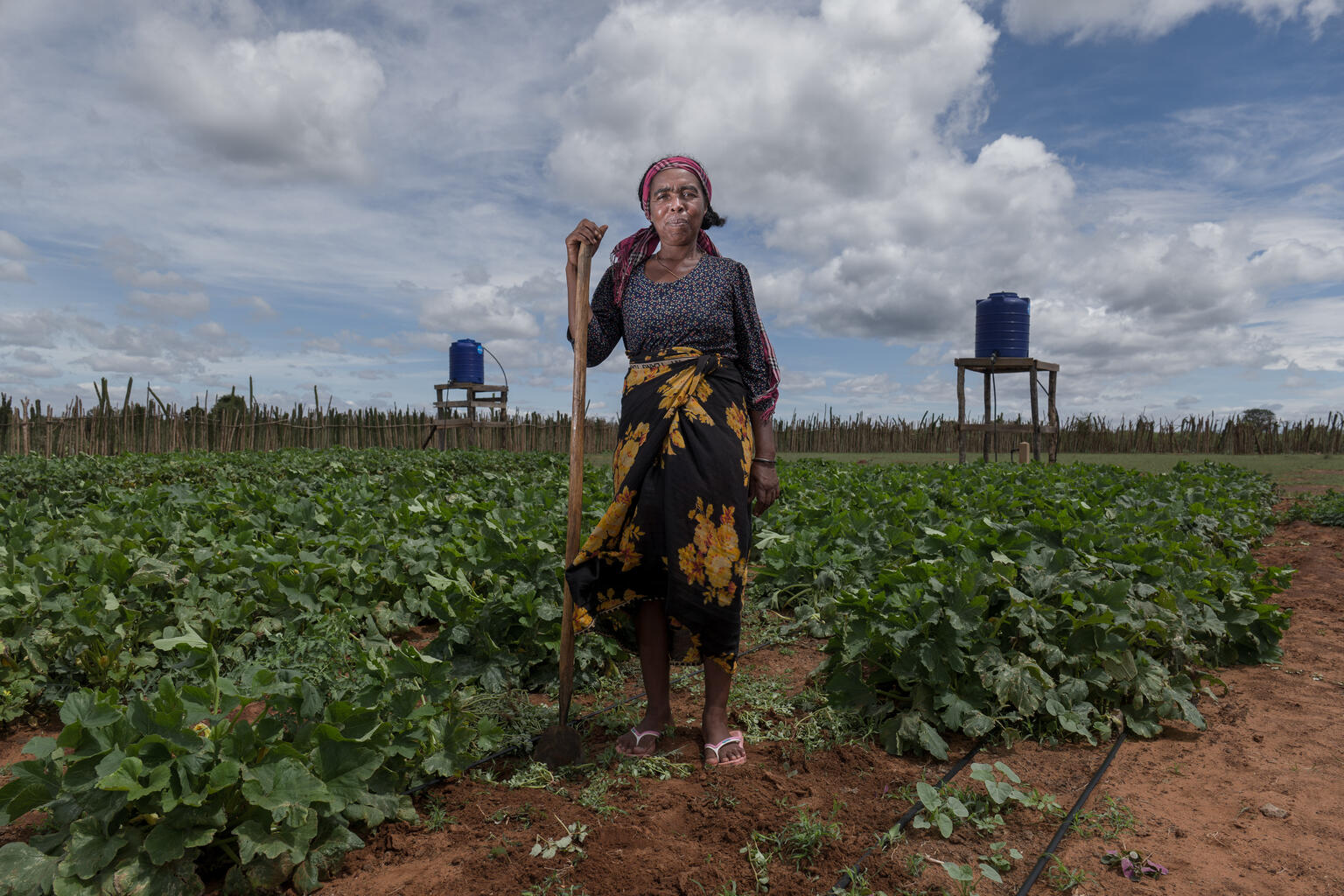
Female farmer in a the field, Madagascar

The Food and Agriculture Organization of the United Nations (FAO) has issued a global call for submissions to highlight innovative, scalable, and impactful solutions in land, soil, and water resource management. The initiative is part of FAO’s 80th anniversary celebrations, recognizing decades of technical leadership in sustainable natural resource management. 

FAO invites its Members to submit proven, innovative, and scalable solutions that have strengthened food security and promoted resilient agriculture over the years.  

Submissions should fall into one of these four categories: Land, Soil, Water, or Integrated Land-Soil-Water Solutions. Each Member can submit one solution under each category, for a maximum of four solutions.

Selected entries will be recognized at key international events, including the 13th Plenary Assembly of the Global Soil Partnership in June, and the Rome Water Dialogue in October 2025.

Deadlines are 8 May 2025 for Land and Soil categories, and 30 May 2025 for Integrated Land-Soil-Water Solutions.

CLICK HERE FOR MORE INFORMATION’

https://www.unwater.org/news/fao-launches-call-land-soil-and-water-solutions-mark-80th-anniversary

Global workshop on ecosystems conservation and restoration in transboundary basins

Man in boat on lake

The Global Workshop on Ecosystems Conservation and Restoration in Transboundary Basins will take place from 16–17 June 2025 at the Palais des Nations in Geneva, Switzerland.  

Organized under the UN Economic Commission for Europe (UNECE) Water Convention and co-led by France, Slovenia, and Zambia, the event will bring together governments, experts, and civil society to accelerate restoration and cooperation across shared freshwater ecosystems.

In light of the triple planetary crisis, the 10th session of the Meeting of the Parties of the Water Convention (23-25 October 2024, Ljubljana, Slovenia) decided to include in the work programme 2025-2027 of the Water Convention a dedicated sub-programme area on the conservation and restoration of transboundary freshwater ecosystems. This global workshop is an essential element of this workstream and will inform, among others, the discussion at the ninth meeting of the Task Force on Water-Food-Energy-Ecosystems Nexus (18 June 2025, Geneva).

The workshop is organized in partnership with the European Union, Global Environment Facility (GEF), and several UN-Water Members and Partners: the International Union for Conservation of Nature (IUCN), the Ramsar Convention on Wetlands, UN Environment Programme (UNEP), and the World Wildlife Fund (WWF).

Proceedings will be interpreted into Arabic, English, French, Russian and Spanish.

CLICK HERE FOR MORE INFORMATION

https://www.unwater.org/news/global-workshop-ecosystems-conservation-and-restoration-transboundary-basins

World Environment Day 2025: Global Call to #BeatPlasticPollution

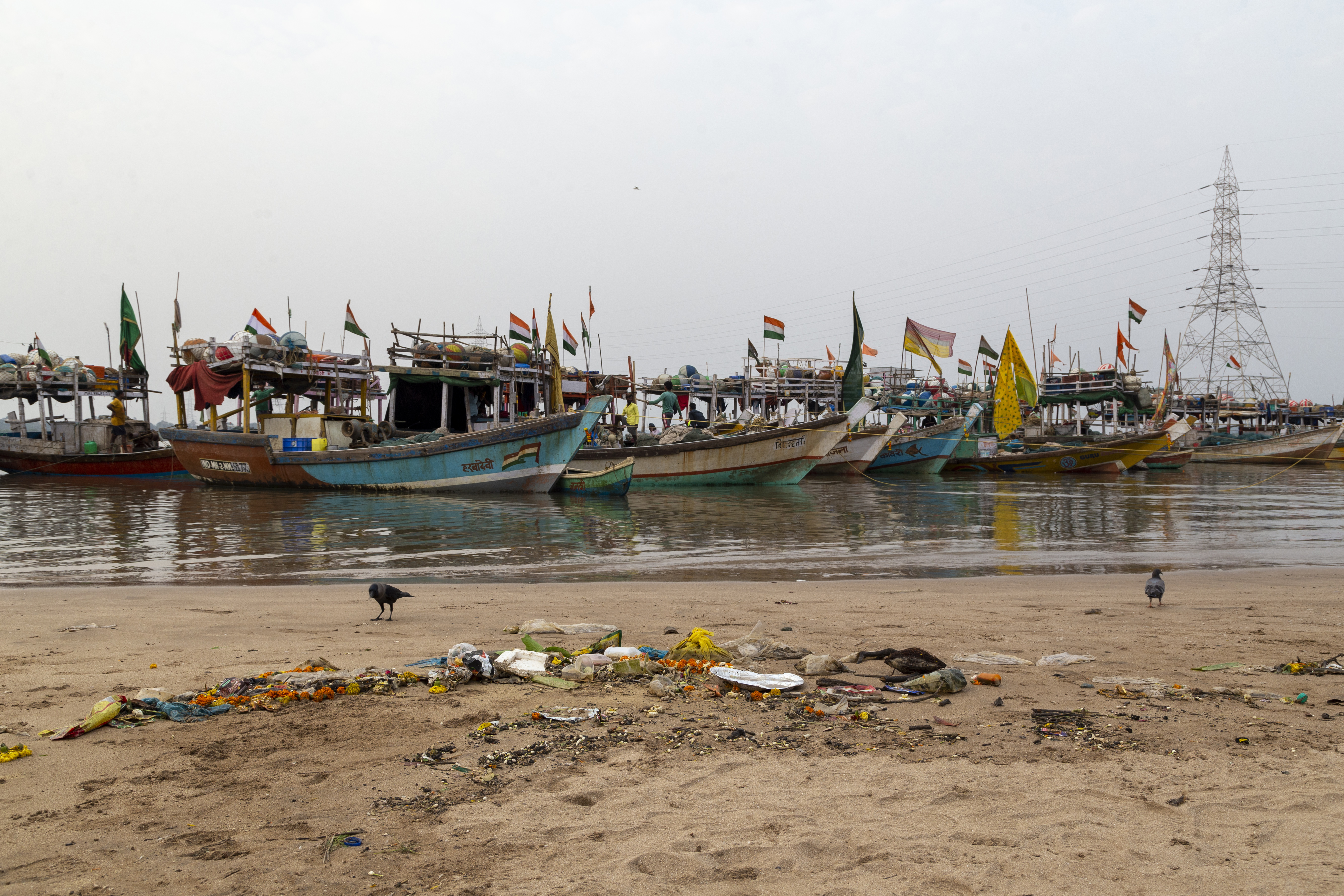
Plastic waste on beach, fishingboats in the background

World Environment Day, 5 June 2025, will focus on ending plastic pollution. The Republic of Korea will host the global celebrations. 

This year, World Environment Day joins the UN Environment Programme-led #BeatPlasticPollution initiative to mobilize communities worldwide to implement and advocate for solutions.  

Globally, an estimated 11 million tonnes of plastic waste leak into aquatic ecosystems each year, while microplastics accumulate in the soil from sewage and landfills, due to the use of plastics in agricultural products. The annual social and environmental cost of plastic pollution ranges between US$300 billion and US$600 billion.

While plastic pollution is a major concern, it is also one of the most fixable of today’s environmental challenges, with some obvious solutions at hand.

World Environment Day will spotlight the growing scientific evidence on the impacts of plastic pollution and drive momentum to refuse, reduce, reuse, recycle, and rethink plastics use. It will also reinforce the global commitment made in 2022 to end plastic pollution through a global plastic pollution treaty.

CLICK HERE FOR MORE INFORMATION

https://www.unwater.org/news/world-environment-day-2025-global-call-beatplasticpollution

Global Water Partnership Organisation opens MoU to new governments

UN Water Netherlands SDG6 Monitoring-2

For the first time in over 20 years, the Global Water Partnership Organisation (GWPO) is opening its intergovernmental Memorandum of Understanding (MoU), offering a historic opportunity for new States and Governments to join the formal body behind one of the world’s most influential water networks. 

The GWPO provides the legal framework and operational support for the Global Water Partnership (GWP) – a broad international network dedicated to sustainable water management. GWPO coordinates the network, manages finances, and represents GWP in global forums.

The MoU will open for signature on 2 June in Stockholm, Pretoria, and Geneva. The move follows strong support during a recent extraordinary meeting of GWPO’s Sponsoring Partners, where the United Call for Global Water Investment Leadership was launched.

Endorsed by Sweden, the Netherlands, Hungary, Pakistan, and the World Meteorological Organization (WMO), the initiative urges more governments to join and lead on global water investment.

CLICK HERE FOR MORE INFORMATION

https://www.unwater.org/news/global-water-partnership-organisation-opens-mou-new-governments

Scientists say microplastics are ‘silently spreading from soil to salad to humans’

A review from Murdoch University has stressed that agricultural soils now hold around 23 times more microplastics than oceans.

Amongst the revelations in the comprehensive evaluation is that plastics in soil may be exposed to up to 10,000 chemical additives, most of which are unregulated in agriculture.

“These microplastics are turning food-producing land into a plastic sink,” said PhD candidate Joseph Boctor, who led the study.

Both microplastics and nanoplastics have now been found in lettuce, wheat and carrot crops. This happens through various means, from plastic mulching, fertilisers and even through being dropped by clouds.

This is particularly concerning when combined with findings of these plastics in the human lungs, brain, heart, blood, and even placenta.

“And BPA-free does not equal risk free,” Mr Boctor said.

“Replacement chemicals like BPF and BPS show comparable or greater endocrine-disrupting activity.”

The challenge is that regulations are slower than science, and industry is faster than both.

In addition to this, assessing additive toxicity is often overlooked, Mr Boctor said, due to the lack of transparency in the plastic industry and large number of additives produced.

“This makes the plastic crisis unchecked, and human health exposed,” he said.

“This review tries to bring this creeping danger under the radar and shine a flashlight on regulators.”

Alongside endocrine disruptors, the review pinpointed other additives in soil such as Phthalates (linked to reproductive issues), and PBDEs (neurotoxic flame retardants).

These additives have been linked with neurodegenerative disease, increased risks of stroke and heart attack and early death.

“These are not distant possibilities — they are unfolding within biological systems — silently and systematically,” Mr Boctor said.

To address this crisis, Mr Boctor is working alongside his colleagues at the Bioplastics Innovation Hub to create a type of plastic that is not only safe, but also decomposes in soil, land and water, leaving behind no legacy.

One innovation currently under development is the Smart Sprays Project — which will demonstrate and test a non-toxic, bioplastic-based spray for soil which forms a water barrier to harvest rainfall and reduce evaporation that can be easily applied with existing farm equipment.

The hope is that through the Hub’s work, they will introduce a green plastic to the market that will minimise and eventually negate the need for non-sustainable plastic production worldwide.

“This review highlights the urgent need for coordinated scientific and regulatory efforts,” Joseph said.

“Regulators, scientists and industry must collaborate to close the loopholes before plastic pollution further entrenches itself in the global food chain.”

CLICK HERE FOR MORE INFORMATION

https://www.sciencedaily.com/releases/2025/05/250522125353.htm