A monster seaweed bloom is taking over the Atlantic

Source:Florida Atlantic University

Summary:Sargassum has escaped the Sargasso Sea and exploded across the Atlantic, forming the massive Great Atlantic Sargassum Belt. Fueled by nutrient runoff, Amazon outflows, and climate events, these blooms now reshape ecosystems, economies, and coastlines on a staggering scale.Share:


FULL STORY
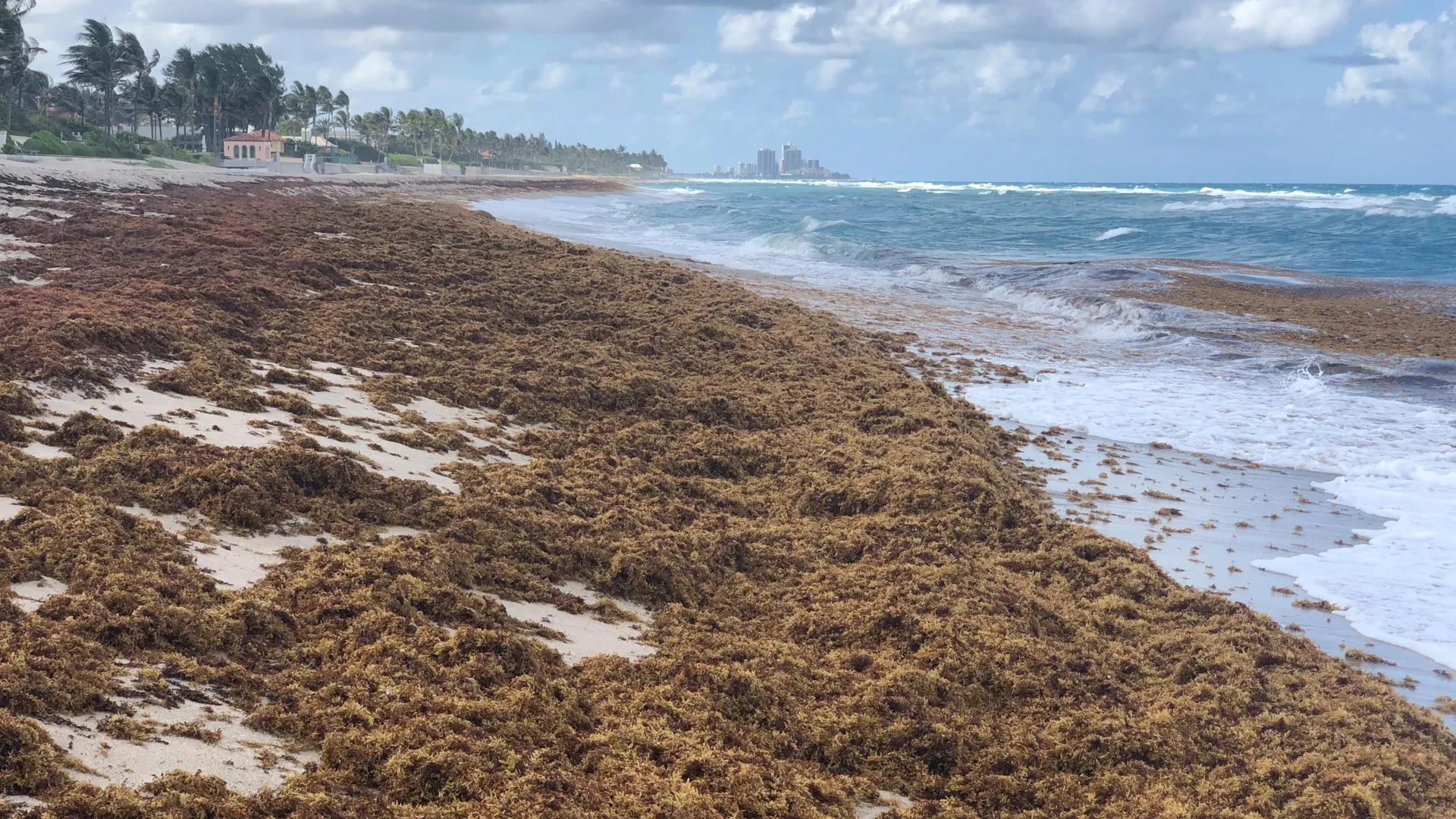

Monster Seaweed Bloom Taking Over the Atlantic
Sargassum on a beach in Palm Beach County in 2021. Credit: Brian Lapointe, FAU Harbor Branch

Researchers at Florida Atlantic University’s Harbor Branch Oceanographic Institute have released a landmark review tracing four decades of changes in pelagic sargassum – free-floating brown seaweed that plays a vital role in the Atlantic Ocean ecosystem.

Once thought to be primarily confined to the nutrient-poor waters of the Sargasso Sea, sargassum is now recognized as a rapidly growing and widely distributed marine organism, whose expansion across the Atlantic is closely linked to both natural processes and human-induced nutrient enrichment.

The review, published in the journal Harmful Algae, sheds new light on the origins and development of the Great Atlantic Sargassum Belt, a massive recurring bloom of sargassum that stretches across the Atlantic Ocean from the coast of West Africa to the Gulf of America.

Since its first appearance in 2011, this belt has formed nearly every year – except in 2013 – and in May, reached a new record biomass of 37.5 million tons. This does not include the baseline biomass of 7.3 million tons historically estimated in the Sargasso Sea.

By combining historical oceanographic observations, modern satellite imagery, and advanced biogeochemical analyses, this review provides a comprehensive framework for understanding the dramatic changes in sargassum distribution, productivity and nutrient dynamics. It also highlights the broader implications of anthropogenic nutrient enrichment on ocean ecology and the need for coordinated international efforts to monitor and manage the impacts of these massive seaweed blooms.

“Our review takes a deep dive into the changing story of sargassum – how it’s growing, what’s fueling that growth, and why we’re seeing such a dramatic increase in biomass across the North Atlantic,” said Brian Lapointe, Ph.D., lead author and a research professor at FAU Harbor Branch. “By examining shifts in its nutrient composition – particularly nitrogen, phosphorus and carbon – and how those elements vary over time and space, we’re beginning to understand the larger environmental forces at play.”

Early in the review, Lapointe and co-authors Deanna F. Webber, research coordinator; and Rachel Brewton, Ph.D., an assistant research professor, both with FAU Harbor Branch, explain that early oceanographers charted the Sargasso Sea based on surface sightings of sargassum, believing the seaweed thrived in its warm, clear, but nutrient-poor waters. However, this notion created a paradox when mid-20th-century oceanographers described the region as a “biological desert.”

However, recent satellite observations, ocean circulation models, and field studies have resolved this paradox by tracing the seasonal transport of sargassum from nutrient-rich coastal areas, particularly the western Gulf of America, to the open ocean via the Loop Current and Gulf Stream. These findings support early theories by explorers who proposed that Gulf-originating sargassum could feed populations in the Sargasso Sea.

Remote sensing technology played a pivotal role in these discoveries. In 2004 and 2005, satellites captured extensive sargassum windrows – long, narrow lines or bands of floating sargassum – in the western Gulf of America, a region experiencing increased nutrient loads from river systems such as the Mississippi and Atchafalaya.

“These nutrient-rich waters fueled high biomass events along the Gulf Coast, resulting in mass strandings, costly beach cleanups and even the emergency shutdown of a Florida nuclear power plant in 1991,” Lapointe said. “A major focus of our review is the elemental composition of sargassum tissue and how it has changed over time.”

Laboratory experiments and field research dating back to the 1980s confirmed that sargassum grows more quickly and is more productive in nutrient-enriched neritic waters than in the oligotrophic waters of the open ocean. Controlled studies revealed that the two primary species, sargassum natans and sargassum fluitans, can double their biomass in just 11 days under optimal conditions. These studies also established that phosphorus is often the primary limiting nutrient for growth, although nitrogen also plays a critical role.

From the 1980s to the 2020s, the nitrogen content of sargassum increased by more than 50%, while phosphorus content decreased slightly, leading to a sharp rise in the nitrogen-to-phosphorus (N:P) ratio.

“These changes reflect a shift away from natural oceanic nutrient sources like upwelling and vertical mixing, and toward land-based inputs such as agricultural runoff, wastewater discharge and atmospheric deposition,” said Lapointe. “Carbon levels in sargassum also rose, contributing to changes in overall stoichiometry and further highlighting the impact of external nutrient loading on marine primary producers.”

The review also explores how nutrient recycling within sargassum windrows, including excretion by associated marine organisms and microbial breakdown of organic matter, can sustain growth in nutrient-poor environments. This micro-scale recycling is critical in maintaining sargassum populations in parts of the ocean that would otherwise not support high levels of productivity.

Data from sargassum collected near the Amazon River mouth support the hypothesis that nutrient outflows from this major river contribute significantly to the development of the GASB. Variations in sargassum biomass have been linked to flood and drought cycles in the Amazon basin, further connecting land-based nutrient inputs to the open ocean.

The formation of the GASB appears to have been seeded by an extreme atmospheric event – the negative phase of the North Atlantic Oscillation in 2009 to 2010, which may have helped shift surface waters and sargassum from the Sargasso Sea southward into the tropical Atlantic.

However, the researchers caution that there is no direct evidence of this movement. Moreover, genetic and morphological data suggest that some sargassum populations, particularly the dominant S. natans var. wingei, were already present in the tropical Atlantic prior to 2011, indicating that this region may have had an overlooked role in the early development of the GASB.

“The expansion of sargassum isn’t just an ecological curiosity – it has real impacts on coastal communities. The massive blooms can clog beaches, affect fisheries and tourism, and pose health risks,” said Lapointe. “Understanding why sargassum is growing so much is crucial for managing these impacts. Our review helps to connect the dots between land-based nutrient pollution, ocean circulation, and the unprecedented expansion of sargassum across an entire ocean basin.”

This work was funded by the Florida Department of Emergency Management, United States Environmental Protection Agency, South Florida Program Project, and the NOAA Monitoring and Event Response for Harmful Algal Blooms program. Historical studies included within the review were funded by the NASA Ocean Biology and Biogeochemistry Program and Ecological Forecast Program, NOAA RESTORE Science Program, National Science Foundation, “Save Our Seas” Specialty License Plate and discretionary funds, granted through the Harbor Branch Oceanographic Institute Foundation, and a Red Wright Fellowship from the Bermuda Biological Station.

CLICK HERE FOR MORE INFORMATION

https://www.sciencedaily.com/releases/2025/08/250830001159.htm
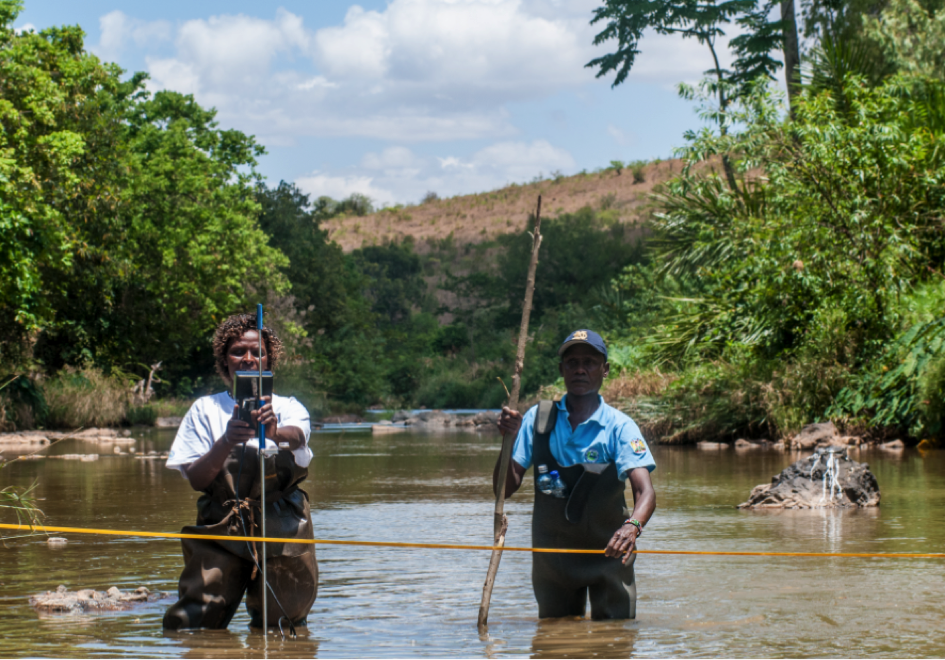
Post-2025 Africa Water Vision and Policy at 3rd Pan-African Conference on Water (PANAFCON-3) 

28 August 2025

photo_georgina_smith_creative_commons_attributions

The third Pan-African Implementation and Partnership Conference on Water (PANAFCON-3), which took place in May 2025, in Lusaka, Zambia, gathered ministers, water experts, and development partners to deliberate on the draft Post-2025 Africa Water Vision and Policy, reaffirming the continent’s determination to place water at the heart of its development agenda. 

Eight bold Vision Statements, developed through subregional consultations held between March and April 2025, were presented to delegates. These statements will shape the Post-2025 Africa Water Vision and Policy, positioning water as a strategic driver for inclusive development and economic growth.

The eight draft Vision Statements are: 

  1. Universal access to safely managed water, sanitation, and hygiene services.
  2. Sustainable water availability to support transformed economies amidst climate uncertainty.
  3. Resilient people and ecosystems protected from water-related disasters.
  4. Transparent water governance rooted in subsidiarity and accountability.
  5. Water basins as assets for peace, regional integration, and shared prosperity.
  6. Skilled human capital and technology to drive resource management.
  7. Investment in integrated water information systems to support evidence-based decision-making.
  8. A thriving blue economy that harnesses Africa’s marine wealth for sustainable development. 

PANAFCON-3 was hosted by the Government of the Republic of Zambia through the Ministry of Water Development and Sanitation, convened by the African Union Commission (AUC) and the African Ministers’ Council on Water (AMCOW), and co-convened by African Development Bank/Africa Water Facility (AfDB/AWF), United Nations Economic Commission for Africa (UNECA) and the Southern African Development Community (SADC).

A summary of the main deliberations can be found here.  

CLICK HERE FOR MORE INFORMATION

https://www.unwater.org/news/post-2025-africa-water-vision-and-policy-3rd-pan-african-conference-water-panafcon-3

Geologists got it wrong: Rivers didn’t need plants to meander

Source:Stanford University

Summary:Stanford researchers reveal meandering rivers existed long before plants, overturning textbook geology. Their findings suggest carbon-rich floodplains shaped climate for billions of years.Share:


FULL STORY


Geologists Were Wrong About Meandering Rivers
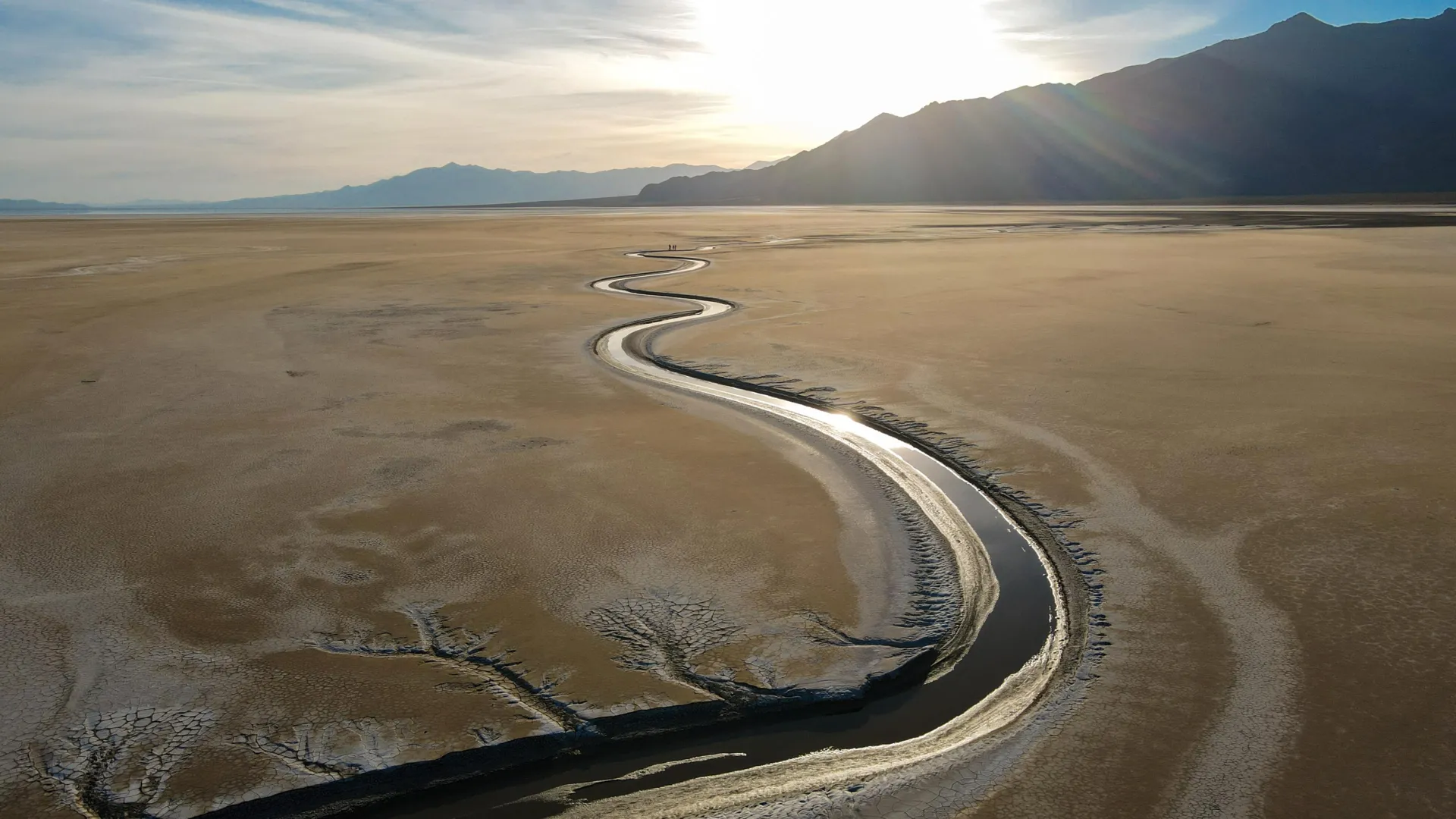
A view of seasonal flow in Shoshone Creek – an unvegetated meandering stream in Nevada. Credit: M. Hasson and M. Lapôtre

A new Stanford study challenges the decades-old view that the rise of land plants half a billion years ago dramatically changed the shapes of rivers.

Rivers generally come in two styles: braided, where multiple channels flow around sandy bars, and meandering, where a single channel cuts S-curves across a landscape. Geologists have long thought that before vegetation, rivers predominantly ran in braided patterns, only forming meandering shapes after plant life took root and stabilized riverbanks.

The new study, which was published online by the journal Science on Aug. 21, 2025, suggests the theory that braided rivers dominated the first 4 billion years of Earth’s history is based on a misinterpretation of the geological record. The research demonstrates that unvegetated meandering rivers can leave sedimentary deposits that look deceptively similar to those of braided rivers. This distinction is crucial for our understanding of Earth’s early ecology and climate, as a river’s type determines how long sediment, carbon, and nutrients are stored in floodplains.

“With our study, we’re pushing back on the widely accepted story of what landscapes looked like when plant life first evolved on land,” said lead author Michael Hasson, a PhD student in Mathieu Lapôtre’s lab at the Stanford Doerr School of Sustainability. “We’re rewriting the story of the intertwined relationship between plants and rivers, which is a significant revision to our understanding of the history of the Earth.”

The muddy floodplains of meandering rivers – dynamic ecosystems created over thousands of years by river overflow – are among the planet’s most abundant non-marine carbon reservoirs. Carbon levels in the atmosphere, in the form of carbon dioxide, act as Earth’s thermostat, regulating temperature over vast timescales. Accurately budgeting for the carbon caches created by meandering rivers could help scientists build more comprehensive models of Earth’s ancient and future climate.

“Floodplains play an important role in determining how, when, and whether carbon is buried or released back into the atmosphere,” Hasson said. “Based on this work, we argue carbon storage in floodplains would have been common for much longer than the classic paradigm that assumes meandering rivers only occurred over the last several hundred million years.”

Where the river flows

To gauge vegetation’s impact on river channel patterns, the researchers examined satellite imagery of about 4,500 bends in 49 current-day meandering rivers. About half of the rivers were unvegetated and half were densely or partly vegetated.

The researchers keyed in on point bars – the sandy landforms that develop on the inside bends of meandering rivers as water flow deposits sediments. Unlike the sandy bars that form in the middle of braided rivers, point bars tend to migrate laterally away from the centers of rivers. Over time, this migration contributes to meandering rivers’ characteristically sinuous channel shapes.

Recognizing that these sandy bars form in different places based on river style, geologists for decades have measured the trajectory of bars in the rock record to reveal ancient river paths. The rocks, typically of sandstones and mudstones, provide evidence for divergent river styles because each deposits different kinds of and amounts of rock-forming sediment, giving geologists clues for reconstructing long-ago river geometries. If sandstones showed little variation in the angle of bar migration, geologists interpreted the bars as moving downstream, and thus that a braided river created the deposits.

Using this technique, geologists had noticed that rivers changed the way they behaved around the time that plants first evolved on Earth. This observation led to the conclusion that land plants made river meandering possible, for instance by trapping sediment and stabilizing riverbanks.

“In our paper, we show that this conclusion – which is taught in all geology curricula to this day – is most likely incorrect,” said Lapôtre, the paper’s senior author and an assistant professor of earth and planetary sciences at the Doerr School of Sustainability.

By looking at modern rivers with a wide range of vegetation cover, the researchers showed that plants consistently change the direction of point bar migration. Specifically, in the absence of vegetation, point bars tend to migrate downstream – like mid-channel bars do in braided rivers.

“In other words, we show that, if one were to use the same criterion geologists use in ancient rocks on modern rivers, meandering rivers would be miscategorized as braided rivers,” Lapôtre said.

Rivers over time

The findings offer a provocative new window into Earth’s past eons, upending the conventional picture of how rivers have sculpted continents. If indeed carbon-loaded floodplains were laid down far more extensively over history, scientists may need to revise models of major natural climate swings over time, with implications for our understanding of ongoing climate change.

“Understanding how our planet is going to respond to human-induced climate change hinges on having an accurate baseline for how it has responded to past perturbations,” Hasson said. “The rock record provides that baseline, but it’s only useful if we interpret it accurately.”

“We’re suggesting that an important control on carbon cycling – where carbon is stored, and for how long, due to river type and floodplain creation – hasn’t been fully understood,” he said. “Our study now points the way to better assessments.”

Additional co-authors are from the University of Padova and the University of British Columbia.

CLICK HERE FOR MORE INFORMATION

https://www.sciencedaily.com/releases/2025/08/250831010533.htm

Scientists stunned as strange islands and hidden springs appear in the Great Salt Lake

U of Utah geologists investigate reed-covered mounds that reveal spots where ancient groundwater reaches daylight.

Source:University of Utah

Summary:As the Great Salt Lake shrinks, scientists are uncovering mysterious groundwater-fed oases hidden beneath its drying lakebed. Reed-covered mounds and strange surface disturbances hint at a vast underground plumbing system that pushes fresh water up under pressure. Using advanced tools like airborne electromagnetic surveys and piezometers, researchers are mapping the hidden freshwater reserves and testing whether they could help restore fragile lakebed crusts, reduce dust pollution, and reveal long-buried secrets of the region’s hydrology.Share:


FULL STORY


Strange Islands Appear on the Great Salt Lake
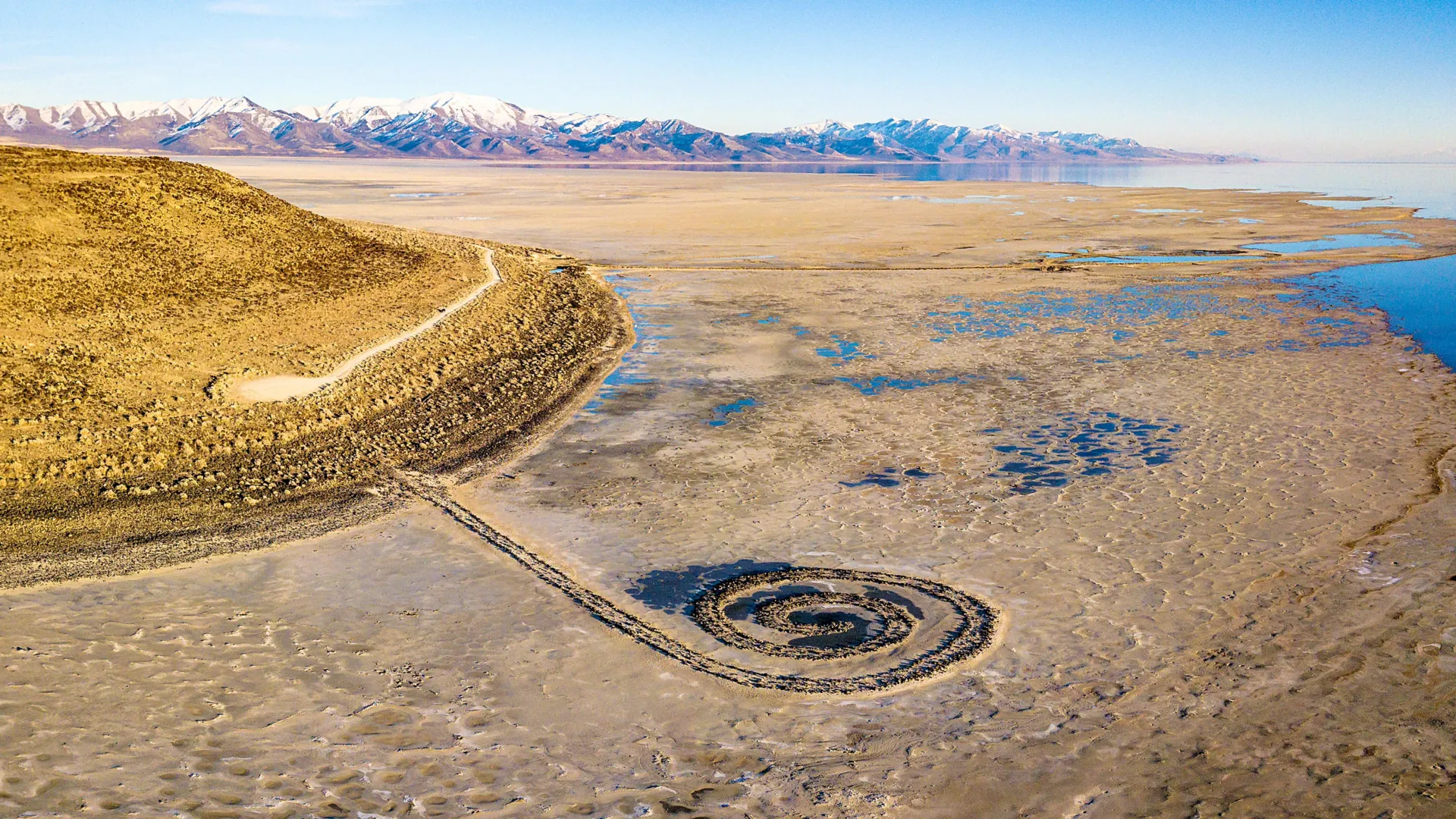
Freshwater oases hidden under the Great Salt Lake are surfacing, hinting at a vast underground system that could reshape understanding of the lake’s decline. Credit: Shutterstock

 As Great Salt Lake’s levels continue to sag, yet another strange phenomenon has surfaced, offering Utah scientists more opportunities to plumb the vast saline lake’s secrets.

Phragmites-covered mounds in recent years have appeared on the drying playa off the lake’s southeast shore. After several years of scratching their heads, University of Utah geoscientists, deploying a network of piezometers and aerial electromagnetic surveys, are now finding out what’s going on under the lakebed that is creating these reed-choked oases.

Bill Johnson, a professor in the Department of Geology & Geophysics, suspects the circular mounds have formed at spots where a subsurface plumbing system delivers fresh groundwater under pressure into the lake and its surrounding wetlands.

“Water in the lake has spent a significant time underground on its way to the lake. But where that happened, we don’t know,” said Johnson during a recent visit to one of the mounds, a research site known as Round Spot 9. “Did that happen somewhere in the uplands where the water spent time in the ground and emerged in the stream before going to the lake? Or was it transmitted directly to the lake?”

On this day, Johnson and graduate student Ebenezer Adomako-Mensah were checking piezometers they had installed there last year to record underground water pressures at various depths and locations around the island.

Mapping the lakebed’ subsurface

In February 2025, Johnson hired a Canadian firm, Expert Geophysics, to conduct airborne electromagnetic surveys over Farmington Bay using a circular device hanging under a helicopter. The pilot flew a grid pattern over the bay, collecting data that will help locate freshwater deposits lurking under the lakebed.

The equipment generates current in the loop, which transmits a frequency deep into the lakebed below. A receiver suspended in a ball at the center of the hoop records the electromagnetic signals bouncing back.

“It’ll give you a spectrum, basically, of magnetic fields, and we’ll use that data to create a 3D image of what’s under the Earth,” said Jeff Sanderson, a crew leader with Expert Geophysics.

As low lake levels persist, the lakebed will increasingly serve as a source of wind-blown dust affecting Utah’s population centers. Ongoing research by U atmospheric scientists suggests that the disturbed lakebed crusts that keep sediments in place can be regenerated when they are submerged.

One goal of Johnson’s research is to determine whether the groundwater can be tapped to restore broken lakebed crusts, thereby reducing dust pollution.

“It looks like it’s a from a water resource that could be useful in the future, but we need to understand it and not overexploit it to the detriment of the wetlands,” said Johnson, who has served on the Great Salt Lake Strike Team, the university-state agency partnership exploring ways to reverse the lake’s decline.

Armed with new data, Johnson secured preliminary funding from the Utah Department of Natural Resources to investigate to characterize this underground water resource. The research team, which includes other senior geology faculty, including Kip Solomon, Mike Thorne and Michael Zhdanov, is seeking to discover the breadth and depth of the freshwater under the lake.

For example, Solomon’s lab is using isotope analysis to determine the age of the groundwater and its recharge elevation, or where it originated in the mountains. Thorne is constructing on-ground resistivity profiles. And Zhdanov and Michael Jorgensen are processing the electromagnetic data gathered in the airborne geophysical surveys to construct a 3D image of the subsurface beneath the lake.

“We hope to map out the boundary between fresh water and salt water, and find the location of freshwater springs that are discharging groundwater into the lake,” said Solomon, who is scheduled to present preliminary findings recently at the Geochemical Society’s 2025 Goldschmidt conference in the Czech Republic.

For Johnson, the groundwater mystery began several years ago when he was traveling Great Salt Lake’s North Arm by airboat and observed something strange. Water and gas were roiling the surface in a circle about twice the size of the airboat, suggesting that groundwater was rushing under pressure into the lake at that spot.

Johnson dropped a 30-foot depth gauge into the swirl, but it failed to hit the bottom of the shallow lake.

“I always wondered what the heck that was, because it seemed like groundwater was coming to the system at a huge rate,” he said. Later on, he and others noticed mounds appearing on Google Earth images of the Farmington Bay playa.

Where does the groundwater come from?

Previously, it was believed that direct groundwater discharge accounts for just 3% of the lake’s water budget, but recently gathered data using chemical mass balance methods indicate it may be as much as 12% and new insights are emerging.

For starters, Johnson’s team has found that fresh water at depth in several spots far offshore.

“We didn’t expect that. We expected that fresh water would be coming into the system at the periphery, farther away from the lake,” he said, “and yet there it is, all the way underneath the causeway in Farmington Bay.”

Johnson’s team has located freshwater almost everywhere they looked in tight sediments 30 feet below the surface. The new geophysical data indicate these sediments are up to 10,000 feet deep.

“We don’t know if it’s freshwater that deep, but it is certainly going to be fresh a long way down, and it could be fresh all the way down,” Johnson said. “The last thing I want to do is get this hyped as a water resource, but it’s very clear, and it’s under pressure. And in my mind, it could help mitigate any dust generation on the exposed playa.”

The focus of Johnson’s research homes in on one of at least 18 mounds detected off the lake’s southeast shore, most of them choked with thickets of phragmites, the water-hogging invasive reed cluttering the lakeshore.

A vast underground plumbing system

On Round Spot 9 in Farmington Bay, Johnson’s team has installed three sets of four piezometers at various distances from the edge of the 250-foot-diameter island. The four instruments are placed at varying depths, 7, 11, 30 and 60 feet, connected to the surface via white PVC pipes.

Accompanied by grad students like Adomako-Mensah, Johnson has regularly visited the site this year by mountain bike or airboat to recover data that is already telling an interesting story.

Near-surface water is the purest measured at the center of the mound and gets progressively more saline as you move closer to the edge, while deep water is fresh at all locations. In other words, the groundwater is not reaching the surface on the periphery of the island, but mostly at the center. Why?

“Those show that the fresh water in the center is pressured the deeper you go; the more hydraulic head it has. It really wants to come up,” Johnson said. “And that’s true also in the perimeter, but it’s freshwater at depth there. It’s not coming up because it’s capped.”

Johnson believes there are hundreds of these groundwater-fed oases scattered across Great Salt Lake’s exposed playa, suggesting the presence of a vast underground reservoir connected to the surface by a plumbing system that is only now getting close study, thanks in part to the lake’s decline.

With his colleagues’ help, the geologist hopes to discover where the water came from, when it fell as snow and most critically, how much is there.

“The last thing we wanted to do is for this to be characterized as a water resource we should be tapping,” he said. “It’s much more fragile than that, and we need to understand it better.”

CLICK HERE FOR MORE INFORMATION

https://www.sciencedaily.com/releases/2025/08/250831010526.htm

Harmful microplastics infiltrating drinking water

Wastewater treatment plants are still not effectively removing dangerous microplastics

Source:University of Texas at Arlington

Summary:Despite advances in wastewater treatment, tiny plastic particles called microplastics are still slipping through, posing potential health and environmental hazards, according to new research.Share:


FULL STORY


Despite advances in wastewater treatment, tiny plastic particles called microplastics are still slipping through, posing potential health and environmental hazards, according to new research from The University of Texas at Arlington.

Because plastic is inexpensive to produce yet lightweight and sturdy, manufacturers have found it ideal for use in nearly every consumer good, from food and beverage packaging to clothing and beauty products. The downside is that when a plastic item reaches the end of its useful life, it never truly disappears. Instead, it breaks down into smaller and smaller pieces called microplastics — particles five millimeters or less, about the width of a pencil eraser — that end up in our soil and water.

“What our systematic literature review found is that while most wastewater treatment facilities significantly reduce microplastics loads, complete removal remains unattainable with current technologies,” said Un-Jung Kim, assistant professor of earth and environmental sciences at UT Arlington and senior author of the study published in Science of the Total Environment.

“As a result, many microplastics are being reintroduced into the environment, likely transporting other residual harmful pollutants in wastewater, such the chemicals Bisphenols, PFAS and antibiotics,” Dr. Kim added. “These microplastics and organic pollutants would exist in trace level, but we can get exposure through simple actions like drinking water, doing laundry or watering plants, leading to potential long-term serious human health impacts such as cardiovascular disease and cancer.”

According to the study, one of the main challenges in detecting and mitigating microplastics is the lack of standardized testing methods. The researchers also call for a unified approach to define what size particle qualifies as a microplastic.

“We found that the effectiveness of treatments varies depending on the technology communities use and how microplastics are measured to calculate the removal rates,” said the study’s lead author, Jenny Kim Nguyen. “One way to better address the growing microplastics issue is to develop standardized testing methods that provide a clearer understanding of the issue.”

Nguyen began this research as an undergraduate student in Kim’s Environmental Chemistry Lab. She is now pursuing a master’s degree in earth and environmental sciences at UTA, where she is working to develop standardized experimental protocols for studying microplastics in air and water.

“This work helps us understand the current microplastics problem, so we can address its long-term health impacts and establish better mitigation efforts,” said Karthikraj Rajendiran, a co-author of the study and assistant professor of research from UTA’s Bone Muscle Research Center within the College of Nursing and Health Innovations.

The team also emphasizes the need for greater public awareness of microplastics to help consumers make more eco-friendly choices.

“While communities must take steps to improve microplastic detection and screening at the wastewater and water quality monitoring, consumers can already make a difference by choosing to buy clothing and textiles with less plastics whenever feasible, knowing that microfibers are the most common microplastic continually released through wastewater,” Kim added.

Funding for the project was provided by UTA’s Research Enhancement Program, which supports multidisciplinary researchers in launching new projects.

CLICK HERE FOR MORE INFORMATION

https://www.sciencedaily.com/releases/2025/04/250421162936.htm

The dangers of collecting drinking water

Source:University of East Anglia

Summary:Fetching drinking water in low and middle income countries can cause serious injury, particularly for women. A new study reveals dangers including falls, traffic accidents, animal attacks, and fights, which can result in broken bones, spinal injuries, lacerations, and other physical injuries. The work draws on a survey of 6,291 randomly selected households across 24 sites in 21 low- and middle-income countries in Asia, Africa, Latin America, and the Caribbean.Share:


FULL STORY


Collecting drinking water in low and middle income countries can cause serious injury, particularly for women, according to new research from the University of East Anglia.

A new international study published in BMJ Global Health reveals dangers including falls, traffic accidents, animal attacks, and fights, which can result in broken bones, spinal injuries, lacerations, and other physical injuries.

And women are most likely to sustain such injuries — highlighting the social the social and gender inequities of a hidden global health challenge.

Dr Jo-Anne Geere, from UEA’s School of Health Sciences, said: “Millions of people don’t have the luxury of clean drinking water at their home, and they face many dangers before the water even touches their lips.

“Global research on water has largely focused on scarcity and health issues related to what is in the water, but the burden and risks of how water is retrieved and carried has been overlooked until now.

“We wanted to better understand the true burden of water insecurity.”

The new study was led by Northwestern University in the US, in collaboration with UEA, the University of Miamii and the Household Water Insecurity Experiences Research Coordination Network (HWISE RCN).

The research team used a large global dataset to understand what factors might predict water-fetching injuries. The work draws on a survey of 6,291 randomly selected households across 24 sites in 21 low- and middle-income countries in Asia, Africa, Latin America, and the Caribbean.

They found that 13 per cent of the respondents reported some sort of injury while collecting water, and that women were twice as likely to be hurt as men.

Dr Sera Young, from Northwestern University, said: “Thirteen percent is a big number, but it is probably an underestimate. It’s highly likely that more people would have reported injuries if the survey had more detailed questions.

Prof Paul Hunter, from UEA’s Norwich Medical School, said: “This reinforces how the burden of water scarcity disproportionately falls on women, on rural populations, and on those who do not have water sources close to home.

“It highlights the importance of safe interventions that prioritise personal physical safety alongside traditional global indicators of water, sanitation, and hygiene.”

The researchers say that keeping track of such safety measures — in addition to the usual measures of water quality and access — could help better assess progress towards the United Nations’ Sustainable Development Goal 6.1, which sets out “to achieve universal and equitable access to safe and affordable drinking water for all” by 2030.

Dr Vidya Venkataramanan, also from Northwestern University, said: “It seems likely that water-fetching can contribute considerably to the global Water, Sanitation and Hygiene (WaSH) burden, but it usually goes unmeasured because we typically think about access and water quality. It is, therefore, a greatly underappreciated, nearly invisible public health challenge.

“It’s really important that data on water-fetching injuries are systematically collected so that we can know the true burden of water insecurity. Currently, all of the broken bones, spinal injuries, lacerations and other physical injuries are not accounted for in calculations about the burden of water insecurity.”

CLICK HERE FOR MORE INFORMATION

https://www.sciencedaily.com/releases/2020/11/201104102213.htm

The ancient oxygen flood that forever changed life in the oceans

Source:Duke University

Summary:Ancient forests may have fueled a deep-sea oxygen boost nearly 390 million years ago, unlocking evolutionary opportunities for jawed fish and larger marine animals. New isotopic evidence shows that this permanent oxygenation marked a turning point in Earth’s history — a reminder of how fragile the ocean’s oxygen balance remains today.Share:


FULL STORY


Ancient Oxygen Flood Changed Life Forever
An artist’s rendering of a prehistoric jawed fish from the Late Devonian called Dunkleosteus. These sorts of large, active vertebrates evolved shortly after the deep ocean became well-oxygenated. Credit: © 2008 N. Tamura/CC-BY-SA

Some 390 million years ago in the ancient ocean, marine animals began colonizing depths previously uninhabited. New research indicates this underwater migration occurred in response to a permanent increase in deep-ocean oxygen, driven by the aboveground spread of woody plants — precursors to Earth’s first forests. 

That rise in oxygen coincided with a period of remarkable diversification among fish with jaws — the ancestors of most vertebrates alive today. The finding suggests that oxygenation might have shaped evolutionary patterns among prehistoric species.

“It’s known that oxygen is a necessary condition for animal evolution, but the extent to which it is the sufficient condition that can explain trends in animal diversification has been difficult to pin down,” said co-lead author Michael Kipp, assistant professor of earth and climate sciences in the Duke University Nicholas School of the Environment. “This study gives a strong vote that oxygen dictated the timing of early animal evolution, at least for the appearance of jawed vertebrates in deep-ocean habitats.”

For a time, researchers thought that deep-ocean oxygenation occurred once at the beginning of the Paleozoic Era, some 540 million years ago. But more recent studies have suggested that oxygenation occurred in phases, with nearshore waters first becoming livable to breathing organisms, followed by deeper environments.

Kipp and colleagues homed in on the timing of those phases by studying sedimentary rocks that formed under deep seawater. Specifically, they analyzed the rocks for selenium, an element that can be used to determine whether oxygen existed at life-sustaining levels in ancient seas. 

In the marine environment, selenium occurs in different forms called isotopes that vary by weight. Where oxygen levels are high enough to support animal life, the ratio of heavy to light selenium isotopes varies widely. But at oxygen levels prohibitive to most animal life, that ratio is relatively consistent. By determining the ratio of selenium isotopes in marine sediments, researchers can infer whether oxygen levels were sufficient to support animals that breathe underwater.

Working with research repositories around the world, the team assembled 97 rock samples dating back 252 to 541 million years ago. The rocks had been excavated from areas across five continents that, hundreds of millions of years ago, were located along the outermost continental shelves — the edges of continents as they protrude underwater, just before giving way to steep drop-offs.

After a series of steps that entailed pulverizing the rocks, dissolving the resulting powder and purifying selenium, the team analyzed the ratio of selenium isotopes that occurred in each sample.

Their data indicated that two oxygenation events occurred in the deeper waters of the outer continental shelves: a transient episode around 540 million years ago, during a Paleozoic period known as the Cambrian, and an episode that began 393-382 million years ago, during an interval called the Middle Devonian, that has continued to this day. During the intervening millennia, oxygen dropped to levels inhospitable to most animals. The team published their findings in Proceedings of the National Academy of Sciences in August.

“The selenium data tell us that the second oxygenation event was permanent. It began in the Middle Devonian and persisted in our younger rock samples,” said co-lead author Kunmanee “Mac” Bubphamanee, a Ph.D. candidate at the University of Washington.

That event coincided with numerous changes in oceanic evolution and ecosystems — what some researchers refer to as the “mid-Paleozoic marine revolution.” As oxygen became a permanent feature in deeper settings, jawed fish, called gnathostomes, and other animals began invading and diversifying in such habitats, according to the fossil record. Animals also got bigger, perhaps because oxygen supported their growth.

The Middle Devonian oxygenation event also overlapped with the spread of plants with hard stems of wood.

“Our thinking is that, as these woody plants increased in number, they released more oxygen into the air, which led to more oxygen in deeper ocean environments,” said Kipp, who began this research as a Ph.D. student at the University of Washington.

The cause of the first, temporary oxygenation event during the Cambrian is more enigmatic.

“What seems clear is that the drop in oxygen after that initial pulse hindered the spread and diversification of marine animals into those deeper environments of the outer continental shelves,” Kipp said.

Though the team’s focus was on ancient ocean conditions, their findings are relevant now.

“Today, there’s abundant ocean oxygen in equilibrium with the atmosphere. But in some locations, ocean oxygen can drop to undetectable levels. Some of these zones occur through natural processes. But in many cases, they’re driven by nutrients draining off continents from fertilizers and industrial activity that fuel plankton blooms that suck up oxygen when they decay,” Kipp said.

“This work shows very clearly the link between oxygen and animal life in the ocean. This was a balance struck about 400 million years ago, and it would be a shame to disrupt it today in a matter of decades.”

Funding: MAK was supported by an NSF Graduate Research Fellowship and Agouron Institute Postdoctoral Fellowship. Additional support was provided by the NASA Astrobiology Institute’s Virtual Planetary Laboratory.

CLICK HERE FOR MORE INFORMATION

https://www.sciencedaily.com/releases/2025/08/250827010726.htm

Wildfires threaten water quality for up to eight years after they burn

A study of 100,000 water samples from 500 river basins found elevated levels of contaminants persist for years after a fire.

Source:University of Colorado at Boulder

Summary:Wildfires don’t just leave behind scorched earth—they leave a toxic legacy in Western rivers that can linger for nearly a decade. A sweeping new study analyzed over 100,000 water samples from more than 500 U.S. watersheds and revealed that contaminants like nitrogen, phosphorus, organic carbon, and sediment remain elevated for up to eight years after a blaze.Share:


FULL STORY


Wildfires Leave Rivers Polluted for 8 Years
Wildfires leave a hidden trail: rivers tainted by long-lasting pollution. New research shows water contamination can linger up to eight years, with storms often triggering delayed surges of toxic runoff. Credit: Shutterstock

Years after wildfires burn forests and watersheds, the contaminants left behind continue to poison rivers and streams across the Western U.S. — much longer than scientists estimated.

A new study, published on June 23 in Nature Communications Earth & Environment, analyzed water quality in more than 500 watersheds across the Western U.S., and is the first large-scale assessment of post-wildfire quality.

The research was led by scientists from the Cooperative Institute for Research in Environmental Science (CIRES) at the University of Colorado Boulder.

“We were attempting to look at notable trends in post-wildfire water quality across the entire U.S. West, to help inform water management strategies in preparing for wildfire effects,” said Carli Brucker, lead author and former CU Boulder and Western Water Assessment PhD student.

The results showed contaminants like organic carbon, phosphorus, nitrogen, and sediment can degrade water quality for up to eight years after a fire. Water managers can use this data to help them plan for the future and respond appropriately when wildfires strike.

CIRES Fellow and Western Water Assessment Director Ben Livneh was the principal investigator and co-author of the study. Much of his research focuses on hydrology, or water supply, on a continental scale. When he realized he could use the same approach to understand large-scale trends in water quality, he was excited to test the method.

“There’s been a lot of work, for example, in the National Climate Assessment and the International Panel on Climate Change talking about changes in global water supply,” said Livneh, associate professor in the Department of Civil, Environmental and Architectural Engineering. “But those assessments point to this gap in water quality assessments in a continental scale context, whereas people like me in physical hydrology have been thinking about the continental scale challenges for a while.”

Researchers have long known that fire ash and soil destruction contribute to degraded water quality. Yet, past research has largely been limited to state and municipal studies — cities and towns test water quality in local streams and rivers following large fires.

For the new study, the team analyzed more than 100,000 water samples from 500 sites: half from burned river basins and half from unburned. They measured levels of organic carbon, nitrogen, phosphorus, and sediment as well as turbidity, or cloudiness, of each sample.

To understand wildfire-driven impacts, the team built data-driven models to measure how much contaminants changed in each basin before and after wildfires. In the final step, they compiled data to find the average across the burned basins for each pre- and post-wildfire year, and then compared those to the unburned basins.

The results showed watersheds take longer to recover after wildfires than previous studies found. Organic carbon, phosphorus, and turbidity are significantly elevated in the first one to five years post-fire. Nitrogen and sediment show significant increases up to eight years post-fire. Fire-driven impacts were worse in more forested areas.

“It can take two years, up to eight years, for the effect to be fully felt,” Livneh said. “Sometimes it can be a delayed effect, meaning, it’s not all happening right away, or sometimes you need a big enough storm that will mobilize enough of the leftover contaminants.”

Each watershed in the study felt the impacts differently. This is likely tied to where the fire struck — a fire closer to the river would be worse than an upstream fire. Different soils, vegetation, and weather also change the impact in each watershed, making it difficult to plan for the future.

“There’s a huge amount of variability in sedimentation rates,” said Brucker, who now works as a consultant. “Some streams are completely clear of sediment after wildfires, and some have 2000 times the amount of sediment.”

Despite variability across river basins, the study provides concrete numbers that give insight to water managers across the Western U.S. Researchers hope the results provide better direction on informing future planning efforts for increasing wildfire resilience.

“I’m hoping that providing concrete numbers is very impactful to water managers,” Brucker said. “You can’t fund resilience improvements on general concerns alone. Water managers need real numbers for planning, and that’s what we’re providing,” Brucker said.

CLICK HERE FOR MORE INFORMATION

https://www.sciencedaily.com/releases/2025/06/250624044332.htm#google_vignette

UNICEF and IDB report urges stronger WASH commitments in NDCs 

As Latin America and the Caribbean prepare the third generation of Nationally Determined Contributions (NDCs), a new joint report by the United Nations Children’s Fund (UNICEF) and the Inter-American Development Bank (IDB) calls for the stronger integration of water, sanitation, and hygiene (WASH) strategies into national climate commitments.  

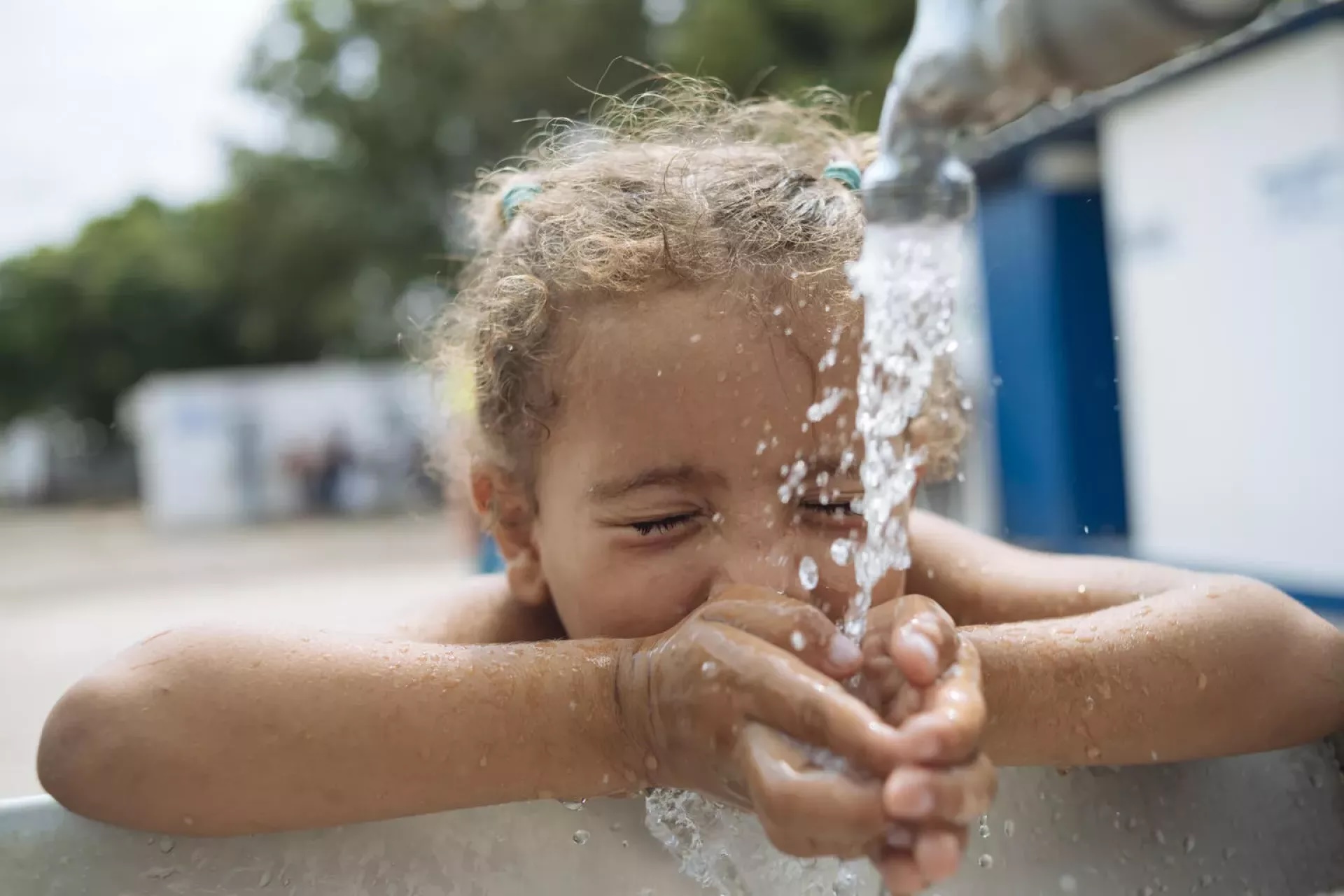
Girl drinking water from tap outdoor

The report emphasizes that aligning WASH with climate action is essential to address both environmental and development challenges, especially for vulnerable children and adolescents.

The study reviews current NDCs in the region, highlighting gaps and opportunities in water conservation, infrastructure investment, and resource governance. It also examines the extent to which climate actions reflect children’s rights and link with sustainable water management.

With climate impacts intensifying, the report urges governments to adopt more ambitious and inclusive WASH targets in the third generation of NDCs (“NDCs 3.0”) to help build climate resilience, advance equity, and limit global warming to below 1.5°C.

Explore the report in English and Spanish here

CLICK HERE FOR MORE INFORMATION

https://www.unwater.org/news/unicef-and-idb-report-urges-stronger-wash-commitments-ndcs

Drought Depletes Turkey’s Tekirdag Reservoirs, Forcing Emergency Water Curbs

By Reuters

Reuters

Reuters

A drone view shows the receding waterline and exposed lakebed in the dried basin of Turkmenli Dam, as drought conditions continue to affect water levels, in Marmara Ereglisi, in the northwestern Tekirdag province, Turkey, August 11, 2025. REUTERS/Murad Sezer

By Ali Kucukgocmen

TEKIRDAG, Turkey (Reuters) -A drought in Turkey’s northwestern province of Tekirdag has left the area’s main dams without potable water, straining infrastructure and leaving some homes without water for weeks, due to a sharp drop in precipitation in the country this year.

Authorities say drought is a critical issue, with several provinces warning of limited fresh water supply this summer.

Various areas in Izmir, Turkey’s third-most populous province, have experienced frequent water cuts this month, while the municipality in the western province of Usak was told over the weekend it would have access to water just six hours a day, with the main water reservoir depleted.

Rainfall slumped 71% in July across the country from a year ago, according to Turkey’s Meteorological Service. In the Marmara region, which includes Tekirdag and Istanbul, it shrank 95% below the monthly norm in July.

In the ten months to August, precipitation sank 32% in Marmara compared to the norm, while it fell 26% across Turkey to the lowest in 52 years.

ALTERNATIVES

The water level in Tekirdag’s Naip Dam, which has not seen any rainfall in June and July, fell to zero percent in August.

MORE: Places the U.S. Government Warns Not to Travel Right Now

That has forced authorities to find alternatives like delivering irrigation water for domestic use and building a pump system for delivery into urban areas.

The dam’s water level was 21% this time last year, according to the State Hydraulic Works.

Mehmet Ali Sismanlar, head of Tekirdag’s Water and Sewerage Administration (TESKI), said rainfall in Tekirdag has reduced dramatically over the past decade, and severe drought over the last two years has spurred frequent water cuts in some areas this summer.

“We are the area and the province that has been affected the most by the drought in Turkey,” he said, attributing it to climate change.

The water in Turkmenli dam, usually used for irrigation, was used to supply water to Tekirdag’s Marmaraereglisi district, where some neighbourhoods faced water cuts.

TESKI was working to open new wells to use ground water, not usually a preferred measure, Sismanlar said. He said ground water had sunk to twice its original depth over the years.

Mehmet, 70, a resident who lives in the Dereagzi neighbourhood with his family, said their home has had no water for two months, leaving them unable to shower or perform chores, and they were fetching water from nearby areas in large bottles.

“I have been living in filth for the past two months,” he said, standing among dirty piles of dishes in the kitchen, and adding that he last showered when he went to Istanbul, around 130 kilometres (81 miles) away.

His wife, Fatma, 65, said the family stayed up at night to fill up bottles in case water supply is resumed.

Remzi Karabas, 71, said he takes his laundry to Istanbul to be washed, but was done with living in Tekirdag. 

“We’ll leave some day soon. What can we do here? Water does not flow at all.”

(Editing by Tuvan Gumrukcu and Bernadette Baum)

CLICK HERE FOR MORE INFORMATION

https://www.usnews.com/news/world/articles/2025-08-19/drought-depletes-turkeys-tekirdag-reservoirs-forcing-emergency-water-curbs