


Optimal water intake is without a doubt one of the most vital factors in good health. In essence, we need the proper amount of water in our bodies for every cellular function. Even mild dehydration leads to fatigue, brain fog, headaches and dizziness. However, the subject of water and hydration also happens to be one of the most confusing topics – how much water we should drink? What’s the best type of water to drink; distilled, alkaline, spring, sparkling, still, or some other type? In this article, we will seek to answer these questions and then some. As we evolve this topic, there is something key to keep in mind; it’s not just about how much water you consume. More importantly in the world of hydration is that your cells actually utilize that water efficiently.
Cellular Hydration: Beyond Water Deficiency
While not drinking enough water is the easiest way to become dehydrated, it’s not the only way. The truth is, just like food, water needs to be metabolized. Many people eat enough, but still end up nutritionally deficient due to poor digestion and a sluggish metabolism. Similarly, many people drink more than enough water, yet their bodies are starved for water. How can this be? First, understand that the amount of water a person needs is extremely variable; it depends on various things such as metabolic rate, physical activity, and even the temperature and humidity of the air. For example, working out hard in hot, dry weather, it’s possible to drink more than two quarts and not produce any urine because that water is lost by evaporation or “burned up” by the increased metabolic rate of that active person. On the other hand, a person with a sluggish metabolism, even in hot, humid conditions can be endangered by too much water. These are only two examples, but in reality, anything that affects the physiology of a person can potentially create a stress and therefore affect cellular hydration and the way the body uses water.
Stress & Hydration
Any stress on the body, and stress being defined as anything that may interfere with energy production, can potentially disturb the interactions between water and the cell. Stress causes “excitation” and this causes a cell to take up extra water. In fact, it is well known that the tissues of people with hypothyroid (a stress condition) tend to hold more water; this is referred to as edema, a common symptom of hypothyroid. 1 There are other ways that stress can cause dehydration. Under a stress response, the body secretes an excess of the stress hormone cortisol. Cortisol has a feedback loop with estrogen, so as cortisol increases, estrogen also increases. It is well known that estrogen causes sodium loss, and has a high affinity to water. In other words, when the cell is stressed, under the influence of estrogen, it tends to uptake more water and swell (edema), causing both a loss of sodium and water. Additionally, stress causes the increase of hormones like aldosterone, which cause the kidneys to secrete excess sodium in the urine and sweat and the cells to hold water. This loss of sodium causes a vicious cycle to occur because when there isn’t enough sodium, more aldosterone is synthesized, which leads to the increased loss of electrolytes like potassium, magnesium, and calcium. The loss of potassium leads to something called vasoconstriction, which means vascular motility is decreased, contributing to heart and kidney failure and high blood pressure. In these ways, stress of any sort can cause the increase of stress hormones that alter the cells’ ability to interact with water. This can lead to the loss of sodium and the excess uptake of water into the cells causing not only dehydration but edema. To conclude, “stress” is the true cause of dehydration because it interferes with the proper cellular interaction with water. However, because stress can occur in endless ways, here are some other probable causes of dehydration to keep in mind:
- A sodium-deficient diet: salt has been demonized in this society; however, it is necessary for proper kidney function, mineral/fluid balance and therefore the cellular regulation of water.
- Drinking only still water: Most of our water today is either contaminated with fluoride, heavy metals and other toxins, or it is so filtered that it is lacking in necessary minerals like sodium, potassium, and magnesium. So if you suspect you suffer from dehydration yet drink enough water, it might not be enough to drink “filtered water”, you might need to enhance it with minerals, mineral-rich salt or purchase mineralized waters like Gerolsteiner.
- Vigorous exercise: During times of increased physical activity or exercise, the body undergoes an acute stress response, resulting in the loss electrolytes. The best ways to offset this process is to avoid over-exercising, keep cool (avoid exercising in too intense of heat), increase your intake of sodium and consume more water than usual. Be sure to drink 16 ounces of mineralized (add TraceMinerals or Real Salt) to your water before a workout, one during and one immediately after.
- Chronic Alcohol Consumption: Alcohol is a stress on the liver for a few reasons but most trace back to its estrogenic effects. Estrogen interferes with metabolic function (including water metabolism), and estrogen causes the loss of sodium in the cell. In one study, the ingestion of alcohol is known to negatively affect the hypothalamo-neurohypophysial system resulting in increased diuresis, dehydration and hyperosmolality. 2
Symptoms of Dehydration
Feeling incredibly thirsty is only one symptom of dehydration. As mentioned, water is essential for all physiological functions, therefore, the signs of dehydration can also include:
- Tension, spasms
- Constipation
- In severe cases, kidney and heart problems.
- Cognitive concerns; difficulties concentrating, recall, attention, psychomotor skills and memory 3
- Low energy, fatigue
- Chronic muscle pains
- Skin problems; dry skin especially
- Headaches
- Weight gain
- Weak immunity
- Poor detoxification
Considering the roles water plays in digestion, metabolism, immunity and detoxification, and the consequences of destination, it is vital to know how to stay hydrated properly.
Secrets to Healthy Hydration
By now, it is clear to see that hydration is not merely a game of “drinking enough” but also entails stress management (of all sorts), and keeping a proper balance of minerals and water in the body. If you’re wondering how to achieve these goals, here are some tips that you may not have considered before…
- Lower Stress Hormones: As we learned, it is estrogen and aldosterone which ultimately lead to cellular dehydration. These hormones cause the loss of sodium, interfering with the proper interactions between our cells and water. Therefore, as strange as it seems, keeping stress to a minimum is an essential part in proper hydration. Here are some ways to lower these stress hormones;
- Consume Healthy Salt: When it comes to proper hydration, one of the most important things to consider is the balance between minerals and water. Sodium, potassium and magnesium play an equally important role in hydration as water. However, in our culture, the extra water consumption, combined with a low salt diet is perhaps the worst hydration advice one could get – especially for an already stressed person, let’s say with hypothyroidism. The truth is, salt has an anti-stress effect, capable of mitigating the secretion of stress hormones like cortisol and aldosterone. Also, it’s well known that when the body is stressed, it loses sodium. With that being said, a smarter piece of advice would be to cautiously avoid the overconsumption of still (mineral-deficient) water and underconsumption of salt. Instead, consume healthy amounts of salt (we like Redmond’s Real Salt and Himalayan), and be sure to choose quality water.
- Avoid Over Drinking Water: Despite what most of us have learned in America, when our bodies are healthy, we don’t need as much water as we are told. As we have discussed, too much water accompanied by the lack of sodium and stress can lead to edema, swelling and tension. So, if you are the type of person to “chug” copious amounts of water (especially still, plain water) you may want to make a few adjustments. In regards to water intake, this is a matter of quality over quantity. If you’re generally healthy, not overly stressed and you eat a whole-foods diet, it’s likely you do not need as much water as you think. Whole foods contain a generous supply of water, especially fruits, vegetables, broths, etc.
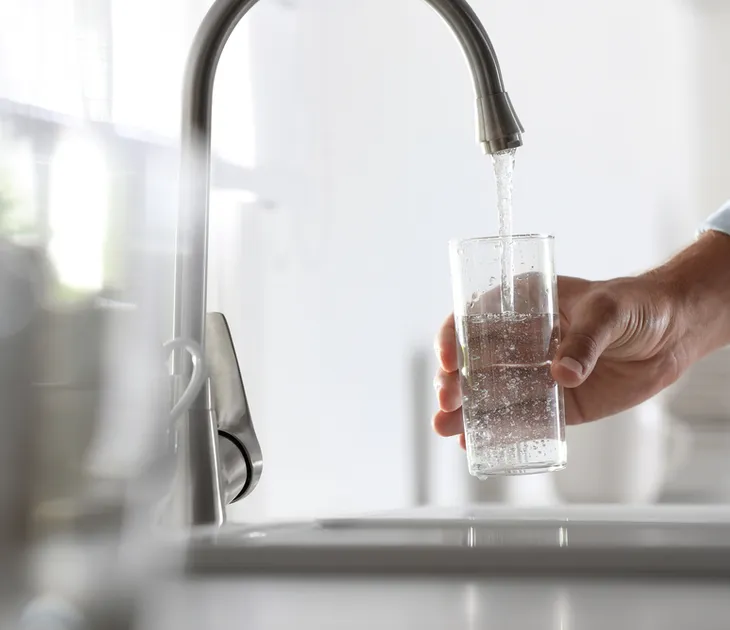
- Tap Water Toxicity: For some, tap water toxicity seems like a conspiracy, but the fact of the matter is there is a known presence of toxins in our water supply. In fact, one study by the Environmental Working Group has discovered 316 chemicals in tap water throughout the country, including dangerous chemicals, compounds and metals. 4, 5
Choosing the Best Water
Not all water is created equally; some water contains harmful toxins, others simply lack the precious minerals or electrolytes needed for the proper cellular utilization of water. With this in mind, the water you choose to drink can play a large role in how well your body is hydrated. Here are some of our top picks for water:Sparkling Mineral Water: Sparkling water may be an acquired taste. However, if you have been dehydrated for some time and haven’t known it, once you start, it will be difficult to go back. Not only is sparkling mineral water rich in the exact minerals we need for the cellular utilization of water, but it also contains CO2(carbon dioxide), which has many helpful benefits. For thousands of years, the therapeutic value of carbonated mineral springs has been acknowledged. In fact, the theory that ‘living water’s’ gas content had therapeutic benefits led researcher Joseph Priestley to investigate ways to make carbonated water, and in the process he discovered oxygen. Carbonated water had its medical vogue in the 19th century, but the modern medical establishment has mostly chosen to ignore these effects. However, if we consider that CO2 is the basic metabolic byproduct of healthy cellular respiration, it would make sense that the ingestion of even small amounts of CO2 is beneficial on overall metabolism. Not to mention, sparkling water has a better mouth feel and is also typically rich in important minerals like sodium. Our favorite picks for sparkling are Pellegrino and Gerolsteiner. Both waters are premium, mineral-rich, carbonated waters. However, Pellegrino appears to be much richer in sulfates. Sulfates (sulfur) are a necessary part of a healthy diet. Sulfur is the 8th most common element in the human body and while it is not FDA recommended, the fact is, sulfur is necessary for many important physiological functions including collagen formation, detoxification (especially of cysteine and methionine, two harmful amino acids when in excess), the production of master antioxidant glutathione, and the regulation of inflammation prostaglandins, amongst others. So in our understanding and research, the consumption of these sparkling mineral waters is highly therapeutic! 6Distilled: Distillation is a simple water purification process where water is brought to a boil and converted to steam. The steam flows through cooling tubes and condenses back into water for drinking. The major benefit of this process is that it removes all potentially harmful contaminants, additives, organisms and other toxins. The downside to distilled water is that it lacks any beneficial minerals; however, these can be easily added with a mineral supplement or a pinch of high-mineral salt. One last thing to keep in mind with distilled water is the possibility of serious contamination. If the pre-distilled water contained any volatile organic compounds like chlorine, as the water is vaporized it can actually become concentrated in the finished distilled water. This would create a final product that contains even more dangerous contaminants than it was prior to distilling. Spring Water:True spring water might make for a good choice for water consumption. First, spring water usually contains an ideal pH. Where distilled water is likely too acidic and alkaline water is too alkaline for drinking, mountain spring water is usually in an ideal neutral range. Some also consider wild spring water to be the healthiest water simply because it is in its most natural state, the way nature intended. Like raw food, living spring water contains “biophotons”, small units of light stored which activate the mitochondria. Also, let’s not forget that spring water is free! There’s a very helpful website you can utilize called FindaSpring.com where you can find local, safe springs.
Conclusion
Staying properly hydrated is not just beneficial for plumper, moisturized skin, it goes way beyond that to affect every single cellular process in your body. So tell us… What are your secrets to staying hydrated? Have you experienced any benefits when addressing your water and electrolyte intake? Leave us a comment below!
CLICK HERE FOR MORE INFORMATION




 GET WET!