Rivers contain hidden sinks and sources of microplastics

By The University of Plymouth

Significant quantities of microplastic particles are being trapped in riverbed sediments or carried through the air along major river systems, a new study has shown.

The research, conducted along the length of the Ganges River in South Asia, found on average about 41 microplastic particles per square metre per day settled from the atmosphere. .

In addition, analysis by scientists found 57 particles per kilogram on average in sediment from the riverbed as well as one particle in every 20 litres of water.

The research, published in Science of the Total Environment, represents the first combined analysis of microplastics in water, sediment and air around a major river system.

It was conducted using samples collected by an international team of scientists as part of the National Geographic Society’s Sea to Source: Ganges expedition.

Lead author Dr Imogen Napper, a Research Fellow at the University of Plymouth and National Geographic Explorer, said: “We have known for some time that rivers are key pathways for the transfer of microplastics to marine environments. However, there has always been uncertainty about the sheer amounts being transported, and whether they represent long-term sinks. This study goes some way to unravelling that mystery, and revealing the true scale of microplastic contamination that our river systems can represent.”

The research involved scientists from: the University of Plymouth (UK); the Wildlife Institute of India (India); the University of Dhaka, WildTeam, and Isabella Foundation (Bangladesh); National Geographic Society, University of Georgia (USA); ZSL (Zoological Society of London), University of Exeter (UK); and Nantes Université (France).

Many of the same scientists were involved in a previous study, published in January 2021, which suggested the Ganges River and its tributaries could be responsible for up to 3 billion microplastic particles entering the Bay of Bengal every day.

In addition to highlighting the overall abundance of particles, for the new study scientists found fibres to be the most common type, representing up to 99% of the microplastics discovered in some of the samples analysed.

Within this, rayon (synthetically altered cellulose) was the dominant polymer — representing up to 82% of the fibres found in some samples — ahead of acrylic and polyester, and blue was the most common colour.

The sediment samples often contained denser microplastic particles than those found in water and air, and higher population densities correlated with increased microplastic abundance for air and water samples.

Writing in the study, scientists say they believe clothing is likely to be the prominent source of microplastics to this particular river system, influenced by atmospheric deposition, wastewater, and direct inputs such as the handwashing of clothes in the Ganges.

Dr Anju Baroth, scientist and PI from Wildlife Institute of India, said: “Earlier studies based on modelling had reported rivers in Asia as one the largest source of microplastic pollution to sea. This research based on primary field data has provided clear insight on the levels of microplastics in different environmental matrices of river Ganges and that several major river systems of the world have reported comparatively higher microplastics than the Ganges. This study could be used to further mature the theory on major sinks and sources of microplastics in major river systems of the world.”

Dr Gawsia Wahidunnessa Chowdhury, country lead in Bangladesh, added: “This research is ground breaking and we need to make the findings understandable for the key stakeholders. including policy makers. This research provides a platform for global scientists and we have developed a collaborative research group who have been working hard to implement innovative solutions locally for Bangladesh.”

Professor Heather Koldewey, ZSL (Zoological Society of London) Senior Marine Technical Advisor, said: “Our research shows that clothing is the major source of microplastics in the air, water and sediment of this vast river system, enabling us to work with partners and policy makers to seek locally appropriate solutions. These can be informed and supported by the brilliant scientists from Bangladesh and India who were key members of the team involved in this paper.”

CLICK HERE TO LEARN MORE: https://www.sciencedaily.com/releases/2023/09/230925124804.htm
Ultrasound may rid groundwater of toxic ‘forever chemicals’

By Ohio State University

New research suggests that ultrasound may have potential in treating a group of harmful chemicals known as PFAS to eliminate them from contaminated groundwater.

Invented nearly a century ago, per- and poly-fluoroalkyl substances, also known as “forever chemicals,” were once widely used to create products such as cookware, waterproof clothing and personal care items. Today, scientists understand that exposure to PFAS can cause a number of human health issues such as birth defects and cancer. But because the bonds inside these chemicals don’t break down easily, they’re notoriously difficult to remove from the environment.

Such difficulties have led researchers at The Ohio State University to study how ultrasonic degradation, a process that uses sound to degrade substances by cleaving apart the molecules that make them up, might work against different types and concentrations of these chemicals.

By conducting experiments on lab-made mixtures containing three differently sized compounds of fluorotelomer sulfonates — PFAS compounds typically found in firefighting foams — their results showed that over a period of three hours, the smaller compounds degraded much faster than the larger ones. This is in contrast to many other PFAS treatment methods in which smaller PFAS are actually more challenging to treat.

“We showed that the challenging smaller compounds can be treated, and more effectively than the larger compounds,” said co-author of the study Linda Weavers, a professor of civil, environmental and geodetic engineering at The Ohio State University. “That’s what makes this technology potentially really valuable.”

The research was published in The Journal of Physical Chemistry A.

One of only a few studies to probe into how ultrasound might be used to rid our surroundings of toxic PFAS chemicals, this paper is an extension of previous research of Weavers’ that determined that the same technology could also degrade pharmaceuticals in municipal tap and wastewater.

“PFAS compounds are unique because many of the destruction technologies that we use in environmental engineering for other hard-to-remove compounds don’t work for them,” Weavers said. “So we really need to be developing an array of technologies to figure out which ones might be useful in different applications.”

Unlike other traditional destruction methods that attempt to break down PFAS by reacting them with oxidizing chemicals, ultrasound works to purify these substances by emitting sound at a frequency much lower than typically used for medical imaging, said Weavers. Ultrasound’s low-pitched pressure wave compresses and pulls apart the solution, which then creates pockets of vapor called cavitation bubbles.

“As the bubbles collapse, they gain so much momentum and energy that it compresses and over-compresses, heating up the bubble,” said Weavers.

Much like powerful combustion chambers, the temperatures inside these tiny bubbles can reach up to 10,000 Kelvin, and it’s this heat that breaks down the stable carbon-fluorine bonds that PFAS are made of and renders the byproducts essentially harmless. Unfortunately, this degradation method can be costly and extremely energy intensive, but with few other options, it may be something the public needs to consider investing in to protect groundwater for drinking and other uses, said Weavers.

While manufacturing industries are starting to move away from making use of PFAS, regulatory agencies are working to heighten public awareness about how to avoid them. Earlier this year, the U.S Environmental Protection Agency proposed the National Primary Drinking Water Regulation (NPDWR), which would require public water systems to monitor for certain PFAS, notify the public of these levels and take measures to reduce them if they’re over a certain limit.

Because ultrasound is so effective at cleaning PFAS from solutions, the study concludes that scientists and government agencies should consider using it in future treatment technology development as well as along with other combined-treatment approaches.

Though Weavers’ research is not ready to be scaled up to aid in larger anti-contamination efforts, the study does note that their work could be the opening move toward creating small, high-energy water filtration devices for public use inside the home.

“Our research revolves around trying to think about how you scale to something bigger and what you need to make it work,” said Weavers. “These compounds are found everywhere, so as we learn more about them, understanding how they can degrade and break down is important for furthering the science.”

CLICK HERE TO LEARN MORE: https://www.sciencedaily.com/releases/2023/09/230929131545.htm

Ancient plant wax reveals how global warming affects methane in Arctic lakes

By Northwestern University

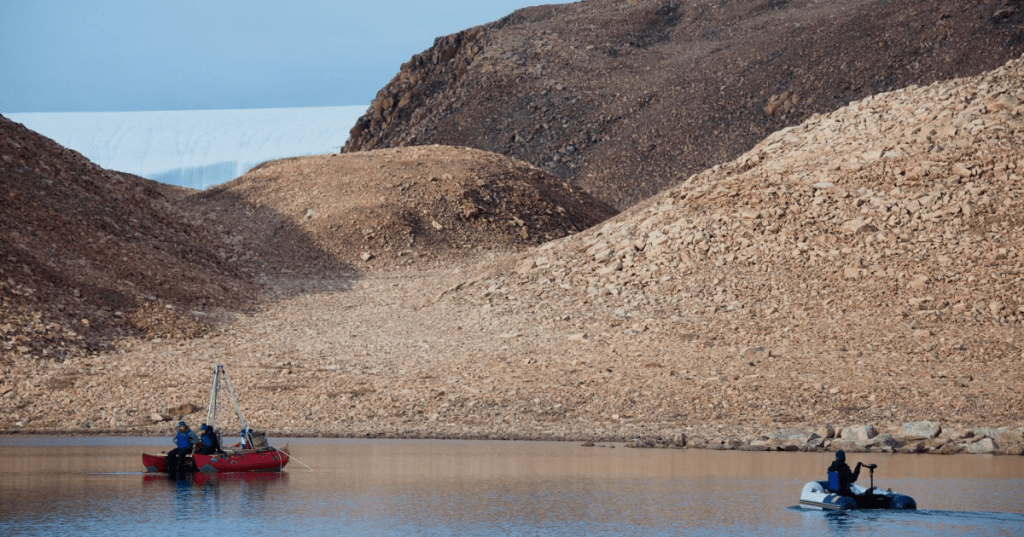
By studying fossils from ancient aquatic plants, Northwestern University and University of Wyoming (UW) researchers are gaining a better understanding of how methane produced in Arctic lakes might affect — and be affected by — climate change.

In a new study, the researchers examined the waxy coatings of leaves preserved as organic molecules within sediment from the early-to-middle Holocene, a period of intense warming that occurred due to slow changes in Earth’s orbit 11,700 to 4,200 years ago. These wax biomarkers — which were once a part of common aquatic brown mosses — were preserved in sediment buried beneath four lakes in Greenland.

By studying these biomarkers, the researchers discovered that past warming during the middle Holocene caused lakes across a wide range of Greenland’s climates to generate methane. Because methane is a more potent greenhouse gas than carbon dioxide, any changes in methane production with warming are important to understand.

Currently, researchers have incomplete knowledge of how much methane is produced in Arctic lakes and how ongoing warming will affect methane production. The new study suggests that warming potentially could lead to a previously under-appreciated flux in methane emissions from lakes.

The study will be published on Friday (Sept. 29) in the journal Science Advances.

“Last time Greenland lakes experienced major warming, we were coming out of the last ice age, and it took some time for the conditions to develop for lake methane cycling to increase,” said Jamie McFarlin, who led the study. “But once it developed, the lakes in our study maintained an intensified methane cycle for thousands of years until the onset of the naturally driven late Holocene cooling. This supports a climate dependence on lake methane cycling in some Arctic lakes.”

“These data show increased periods of methane cycling during past warm periods,” added Magdalena Osburn, the study’s senior author. “Living on a warming planet, we can look to these signs from the past to help predict our future. We suspect this process is going to become more and more important in the future of these lakes.”

When the research began, McFarlin was a Ph.D. student at Northwestern; now she is an assistant professor at UW. Osburn is an associate professor of Earth and planetary sciences at Northwestern’s Weinberg College of Arts and Sciences. Osburn co-advised McFarlin with Yarrow Axford, William Deering Professor in Geological Sciences at Weinberg College and the paper’s second author.

Lakes act as significant natural sources of methane, but exactly how much methane production will change with ongoing warming within Arctic lakes is not fully quantified. And because Arctic and boreal landscapes are the fastest warming regions on Earth, it is imperative for researchers to better understand the dynamics between warming temperatures and methane production in these lakes.

To explore these dynamics, the researchers produced new data at two lakes (Wax Lips Lake and Trifna Sø) and reviewed published data from two additional lakes on Greenland (Lake N3 and Pluto Lake). They compared the hydrogen isotopic composition of aquatic plant waxes within the sediment to biomarkers from terrestrial plants and other sources. The isotopic composition of biomarkers from aquatic plants revealed a signature from methane during the early-middle Holocene at most sites.

Because these plants absorb methane, they might mitigate some of the methane produced in lakes before it is emitted into the atmosphere.

“In the lakes in our study, some methane was taken up by aquatic mosses living in the lakes — likely through a symbiotic association with a type of bacteria that eats methane,” McFarlin said. “We do not know yet how much methane was produced versus consumed in these lakes during the time period of our study, so the overall effect on the atmosphere remains unclear. The uptake of methane into plants is likely restricted to very specific types of aquatic mosses, however, so not all lakes or even all Arctic lakes will have these same dynamics.”

“The Arctic has huge areas covered in lakes,” Axford said. “Not every lake has mosses that will record methane dynamics, but our study also highlights that those vast swaths of Arctic lakes are vulnerable to climate-driven changes in methane cycling, whether mosses are on site to witness those changes or not. This is yet another way that rapid warming in the Arctic could affect global climate.”

CLICK HERE TO LEARN MORE: https://www.sciencedaily.com/releases/2023/09/230929171001.htm

Salt water creeping up Mississippi could cause health concerns and more

By Denise Chow

The steady push of salt water upstream in the drought-hit Mississippi River could have serious health and economic consequences across southern Louisiana, where many communities rely on the river for drinking water, irrigation and shipping.

Persistent drought in the region has dropped water levels in the Mississippi River to near-historic lows, allowing salt water from the Gulf of Mexico to creep upriver and much farther inland than normal. 

Drinking water across most of the state is still considered safe at the moment, but it’s projected that salt water could reach water intake facilities in Belle Chasse by Oct. 13, St. Bernard by around Oct. 19 and facilities in New Orleans later in October. In Plaquemines Parish, south of New Orleans, residents have already been relying on bottled water since the summer after the area’s water system became inundated.

President Joe Biden on Wednesday declared the unfolding saltwater intrusion a federal emergency, freeing up funds to support state and local relief efforts. The U.S. Army Corps of Engineers was working this week to expand an underwater barrier to help delay the seawater’s movement upstream, but officials say they expect the “sill” to be overtopped again in the coming weeks.

The health impacts from excess salinity in drinking water are top of mind for those in southeastern Louisiana, but experts say saltwater intrusion can also endanger crops, animal stock and infrastructure in the region.

Salt in the drinking water supply is a major concern because it can cause sodium to spike to unsafe levels in the human body, which increases blood pressure.

Stephen Murphy, an assistant professor at Tulane University’s School of Public Health and Tropical Medicine, said those most at risk are infants, pregnant women and people who already need to closely monitor their sodium intake.

“Members of the population who are on no-salt or low-salt diets will be susceptible because those individuals need to be extremely careful about high blood pressure,” he said.

Officials in Louisiana said millions of gallons of water are being barged in to dilute local water supplies, if needed, and reverse osmosis equipment may also be used at some treatment facilities.

Gov. John Bel Edwards said the Louisiana Department of Health will work with parish officials to test municipal drinking water and issue public health guidance.

Murphy said people can prepare by stocking up on bottled water, but added that there’s no reason to panic.

“Just like we would during hurricane season, go out and buy what you need and maybe a little more in case something goes wrong,” he said. “But you don’t need to go out and buy every pallet of water you can find.”

Still, saltwater intrusion can have other serious effects on people and animals, particularly because of its corrosive nature.

There are concerns, for instance, that seawater could corrode pipes and leach heavy metals into the water supply, said Holly Michael, a hydrogeologist at the University of Delaware and director of the Delaware Environmental Institute.

“If you introduce water with different chemistry into a water distribution system, that can create all sorts of problems,” she said. “Depending on what pipes are made of, saltwater intrusion could release heavy metals, it could change the chemistry in water treatment, it could corrode appliances in people’s homes.”

Agriculture in the region will likely be affected by salt water creeping upstream, particularly farmers who rely on river water for irrigation. Michael’s own research in Delaware found that saltwater intrusion often caused farmers to unknowingly irrigate their fields with saltier-than-normal water, causing crops to die.

Low water levels in the Mississippi River, a key shipping corridor, could also affect commercial operations, exacerbating existing issues from lingering drought conditions.

Michael said the developing situation highlights how climate change and drought are affecting people’s lives and livelihoods — and how far-reaching the consequences can be.

“It’s important that people understand how fragile our systems are, especially at the coast,” she said. “We need to really think about what we’re doing to our systems and also how they’re responding to change, and then be proactive about understanding how that might affect our lives and infrastructure.”

CLICK HERE TO LEARN MORE: https://www.nbcnews.com/science/environment/salt-water-creeping-mississippi-cause-health-concerns-rcna117360

Spain’s Andalusia Region to Buy Land to Expand Endangered Wetland

By Emma Pinedo

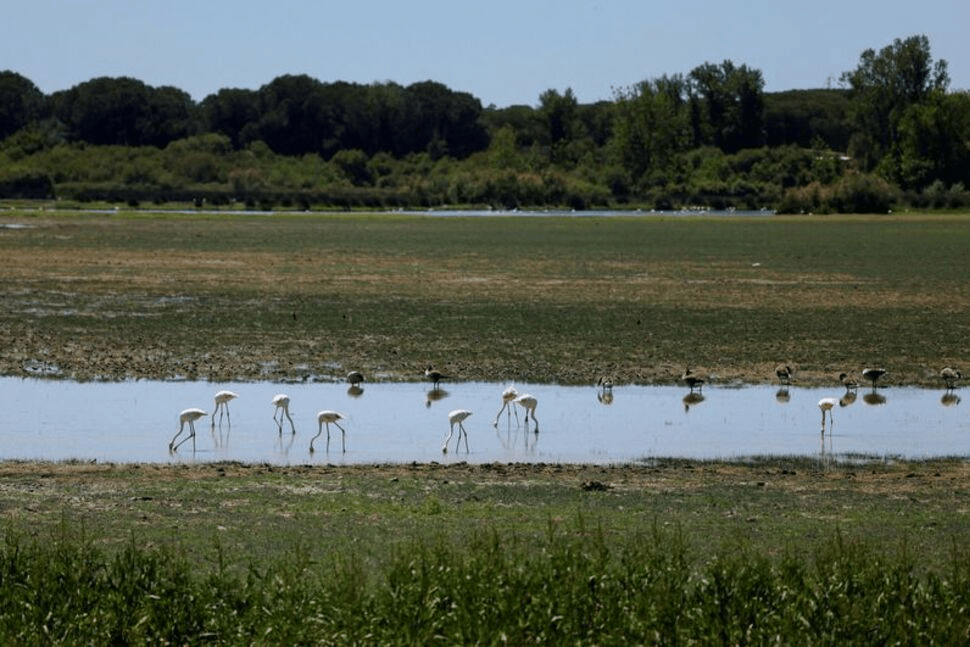
MADRID (Reuters) – The government of the southern Spanish region of Andalusia plans to buy swathes of land around the Donana National Park in a bid to preserve and expand its wetlands threatened by frequent droughts, rising temperatures and illegal water usage.

Regional leader Juanma Moreno said on Tuesday the planned purchase of 7,500 hectares (18,533 acres) would expand Donana’s area by 14% in what he called “the biggest action for the conservation of the park in the last decades”.

Scientists warn that the park, endangered by climate change and illegal irrigation, is in critical condition with lagoons drying out and biodiversity disappearing, and urge a reduction in the pumping of water.

The Donana wetlands harbour many endemic and threatened species, such as freshwater eels and turtles and provide an important refuge for migratory birds heading southward after breeding in northern Europe.

Average rainfall in Spain over the past 12 months has been 17% lower than the average recorded between 1991 and 2020. The environment ministry has said climate change was causing increasingly frequent and intense droughts, with Spain being more vulnerable than other European countries.

The planned land purchase comes after Moreno’s conservative administration came under heavy criticism from environmentalists and the government in Madrid over its plan to legalise additional irrigation around Donana.

The purchase includes around 3,500 ha of artificial wetland in Veta la Palma estate that was used as fish farms until 2021 and now runs the risk of drying out.

Donana’s lagoons are surrounded by a sea of greenhouses and a complex system of pipes that take water from illegally drilled wells for use by farmers growing strawberries and other berries.

Acting Environment Minister Teresa Ribera, whose Socialist- led national government has vowed to protect the park, welcomed the measure but said it does not tackle the problem of lack of water head on.

She has announced a plan to spend more than 12 billion euros to alleviate the impact of drought. The funds will go mostly towards reusing water, building desalination plants and improving water infrastructure, she added.

CLICK HERE TO LEARN MORE: https://www.usnews.com/news/world/articles/2023-09-12/spains-andalusia-region-to-buy-land-to-expand-endangered-wetland

New Si-based photocatalyst enables efficient solar-driven hydrogen production and biomass refinery

By The Ulsan National Institute of Science and Technology (UNIST)

A team of researchers, led by Professor Jungki Ryu in the School of Energy and Chemical Engineering at UNIST and Professor Soojin Park from Pohang University of Science and Technology (POSTECH), have achieved a significant breakthrough in the development of a hybrid silicon photocatalyst. This innovative catalyst utilizes solar power to produce hydrogen and high-value compounds efficiently, marking a major step forward in green hydrogen production technology.

The newly developed photocatalyst is both non-toxic and eco-friendly, addressing the limitations associated with previous catalysts that were not sunlight-responsive or posed toxicity concerns. Silicon-based photocatalysts demonstrate excellent light absorption properties, making them highly efficient in utilizing solar energy. Moreover, these non-toxic materials do not emit harmful chemicals during their production process.

Previous research faced challenges in achieving continuous production of hydrogen alongside high-value compounds due to a lack of suitable catalysts. Toxic catalysts used under strong base conditions often led to environmental pollution issues. Additionally, as oxide layers formed on traditional silicon photocatalysts during reactions, it negatively impacted hydrogen production efficiency over time.

To overcome these obstacles, the research team developed a hybrid silicon photocatalyst by uniformly coating nickel-doped graphene quantum dots onto the surface of 2 to 3 nm thick silicon flakes. The modified surface enabled significantly higher hydrogen production efficiency compared to conventional silicon photocatalysts — achieving an impressive rate of 14.2 mmol gcat−1 h−1 — a substantial improvement equating to approximately 28 times higher performance.

Furthermore, through oxidation reactions using biomass instead of water — an organic substance derived from biological sources — the hybrid silicon photocatalyst demonstrated its capability for producing high-value compounds alongside hydrogen production. The catalyst also maintained 98% of its original form, ensuring long-term stability.

Professor Ryu stated, “Previous research on hydrogen production has been limited to photocatalysts that absorb ultraviolet rays or involve toxic catalysts. Our non-toxic and cost-effective silicon photocatalyst is a significant advancement as it enables high-efficiency hydrogen production through superior solar absorption.”

Professor Park added, “The surface modification technique utilizing nickel-doped graphene quantum dots can be applied not only to silicon photocatalysts but also to various other types of photocatalysts, opening up new possibilities in energy applications.”

The study has been jointly participated by Yuri Choi (Research Assistant Professor, School of Energy and Chemical Engineering, UNIST) and Sungho Choi (Combined MS/Ph.D. Program of Advanced Materials Science, POSTECH). The findings of this study were published in Advanced Materials on July 27, 2023. This study has been supported by the grants through the National Research Foundation of Korea (NRF) funded by the Ministry of Science and ICT of Korea, as well as the Basic Science Research Program through the NRF funded by the Ministry of Education of Korea.

CLICK HERE TO LEARN MORE: https://www.sciencedaily.com/releases/2023/09/230920111139.htm

Mussels able to adjust heart rate to cope with marine heatwaves

By The University of South Australia

Mussels are among the ultimate superfoods, high in vitamin B12, omega-3 and great for the heart. Now, new research shows they are also likely to withstand marine heatwaves by adjusting their body functions.

In an experiment testing the impact of a marine heatwave on large and small mussels, both sizes came through with flying colours, demonstrating their remarkable ability to cope with environmental stress, despite short term physiological changes.

Researchers from the Chinese University of Hong Kong and University of South Australia tested vital signs of mussels exposed to three weeks of very warm ocean temperatures. Although their heart and clearance* rates increased with the elevated temperatures, within a week of the heatwave ending, their vital signs had returned to normal.

“This bodes well for their survival under future marine heatwaves, with these events predicted to increase in severity, frequency and duration,” says UniSA environmental lecturer Dr Laura Falkenberg, who was involved in the study.

“We expected to see some marked impacts of increased ocean temperature on their vital signs, including survival, heart and respiratory rates, but to our surprise they were extremely resilient, persisting through — and recovering after — the marine heatwave.”

Mussels are vital to marine ecosystems, playing critical roles in recycling nutrients and improving water quality in coastal systems by filtering large volumes of water while feeding, which helps to keep the water clean.

They are also an important source of protein for humans, in particular iron, B-12 and omega-3, containing over nine times the amount of B-12 than beef and five times more than salmon.

Dr Falkenberg says very few studies to date have looked at the capacity of organisms to recover from marine heatwaves, and which factors may affect this capacity.

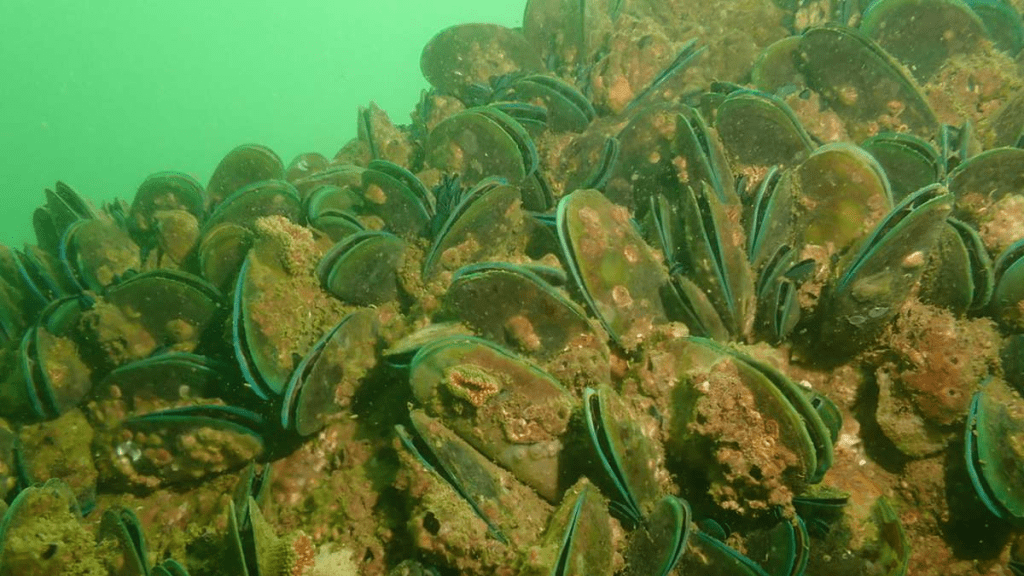
The mussel Perna viridisis abundant in the Indo Pacific region, which is projected to experience a higher increase in marine heatwaves in coming decades, relative to other latitudes.

In the experiment, large and small Asian green mussels were collected from Tolo Harbour in Hong Kong, kept in laboratory conditions in tanks filled with seawater, and fed a phytoplankton diet. Half of the tanks were controls and the remainder were experimental tanks, where the temperature was increased by 1ºC each day until it reached almost 27 degrees Celsius.

Elevated temperatures were maintained for three weeks, and the biological responses of the mussels were measured in the final two days. The temperatures of the heatwave tanks were then lowered to the control temperature and the mussels monitored over the next week.

Following the heatwave recovery period, all physiological traits — including heart rate, temperature and clearance rate — returned to normal levels, showing that the mussels’ long-term functioning was unaffected by heatwave conditions.

“Mussels have limited strategies to regulate their core body temperature, and adjusting their heart rate and clearance rate may be the primary ways they can respond,” says Dr Falkenberg.

Researchers say the ability of mussels to adjust their cardiac activity could help maintain normal functioning of the circulatory system, which is closely associated with feeding, growth and reproduction.

Notably, their ability to increase clearance rates under elevated temperatures may also benefit other organisms in coastal systems, as marine heatwaves often drive algal and plankton blooms.

CLICK HERE TO LEARN MORE: https://www.sciencedaily.com/releases/2023/09/230921105743.htm

We could sequester CO2 by ‘re-greening’ arid lands, plant scientists say

By Cell Press

Reducing CO2 levels in the atmosphere will take more than cutting emissions — we will also need to capture and store the excessive volumes of already-emitted carbon. In an opinion paper publishing in the journal Trends in Plant Science on September 21, a team of plant scientists argue that arid lands such as deserts could be one answer to the carbon-capture problem.

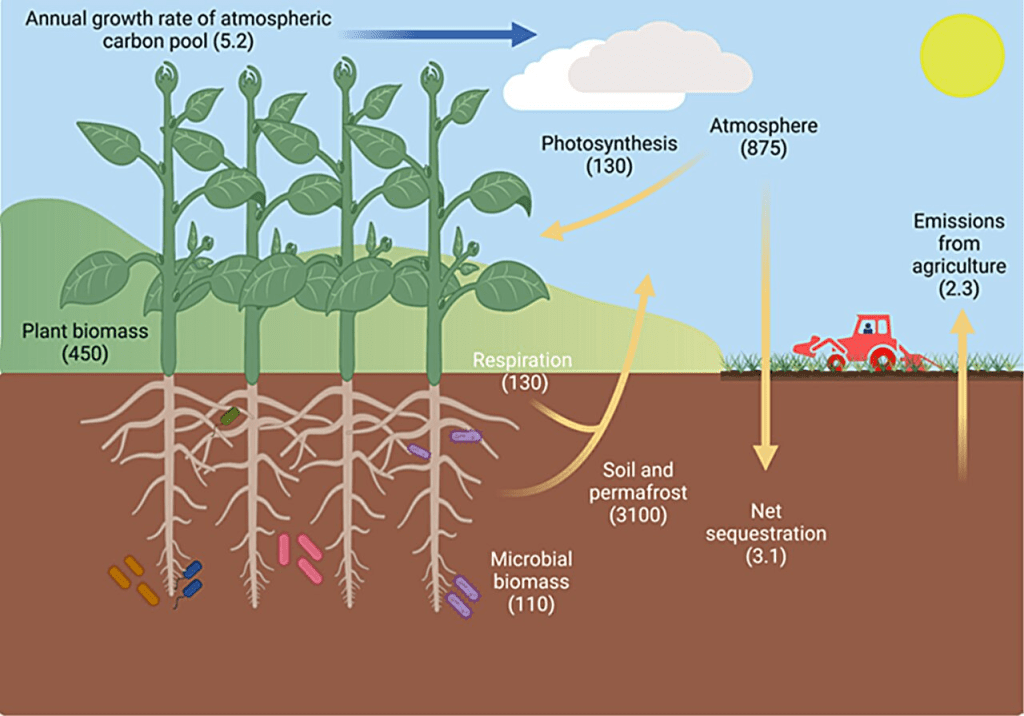
The authors argue that we could transform arid ecosystems into efficient carbon-capture systems with improved soil health, enhanced photosynthetic efficiency, and larger root biomass by engineering ideal combinations of plants, soil microbes, and soil type to facilitate a naturally occurring biogeochemical process called the oxalate-carbonate pathway to create below-ground carbon sinks.

“Re-greening deserts by restoration of ecosystem functions, including carbon sequestration, should be the preferential approach,” writes the research team, led by senior author and plant scientist Heribert Hirt of King Abdullah University of Science and Technology. “The advantage of reclaiming arid regions for re-greening and carbon sequestration is that they do not compete with lands used in agriculture and food production.”

The method takes advantage of arid-adapted plants that produce oxalates — ions containing carbon and oxygen that might ring a bell if you’re unlucky enough to suffer from kidney stones or gout. Some soil microbes use oxalates as their sole carbon source, and in doing so, they excrete carbonate molecules into the soil. Carbonate usually breaks down quickly, but if these plant-microbe systems are grown in alkaline- and calcium-rich soils, the carbonate reacts with calcium to form stable deposits of calcium carbonate.

Carbon naturally cycles between the atmosphere, oceans, and terrestrial ecosystems, but human actions have resulted in the accumulation of excess CO2 in the atmosphere. Even if we can reduce CO2 emissions, the researchers write that the .” ..climate effects of elevated CO2 will remain irreversible for at least 1,000 years unless CO2 can be sequestered from the atmosphere.”

Trees are considered an ideal system for carbon capture, but reforestation competes directly with agriculture for arable land. In contrast, arid lands, which constitute approximately one-third of terrestrial surfaces, are not utilized for agriculture.

Currently, arid ecosystems support very little plant life, with the lack of water being the biggest limiting factor. However, some plants have adapted to arid life by evolving different mechanisms for coping with the lack of water and extreme temperatures. Some arid-adapted plants have special root systems for reaching deep into the soil to tap hidden water sources while others use different forms of photosynthesis that allow them to minimize water loss during the hottest parts of the day. Yet others, so-called “oxalogenic” plants, produce large amounts of oxalates that they can convert into water during times of drought. Some of the carbon from these oxalates is deposited below-ground as carbon deposits when oxalogenic plants are grown under certain conditions, and it’s this mechanism that the authors want to exploit for carbon sequestration.

“Overall, in this form of carbon sequestration, one out of every sixteen photosynthetically fixed carbon atoms might be sequestered into carbonates,” the authors write.

Amplifying this naturally occurring biogeochemical process in arid lands could convert these currently unproductive and degraded ecosystems into carbon sinks with healthier soil and plants, the authors say. They suggest beginning with “fertility islands” — small pockets of re-greened habitat from which the plants and microbes can spread to form a carpet of vegetation.

The authors estimate that these approaches could result in significant increases in both plant and soil carbon sequestration in less than ten years. However, they note that the success and speed of the proposed method will depend on the rate of plant growth (which tends to be slow under water-scarce conditions) and .” ..will also depend on the financial and political means to apply this technology in various arid countries.”

CLICK HERE TO LEARN MORE: https://www.sciencedaily.com/releases/2023/09/230921154543.htm

Nanoparticles made from plant viruses could be farmers’ new ally in pest control

By The University of California – San Diego

A new form of agricultural pest control could one day take root — one that treats crop infestations deep under the ground in a targeted manner with less pesticide.

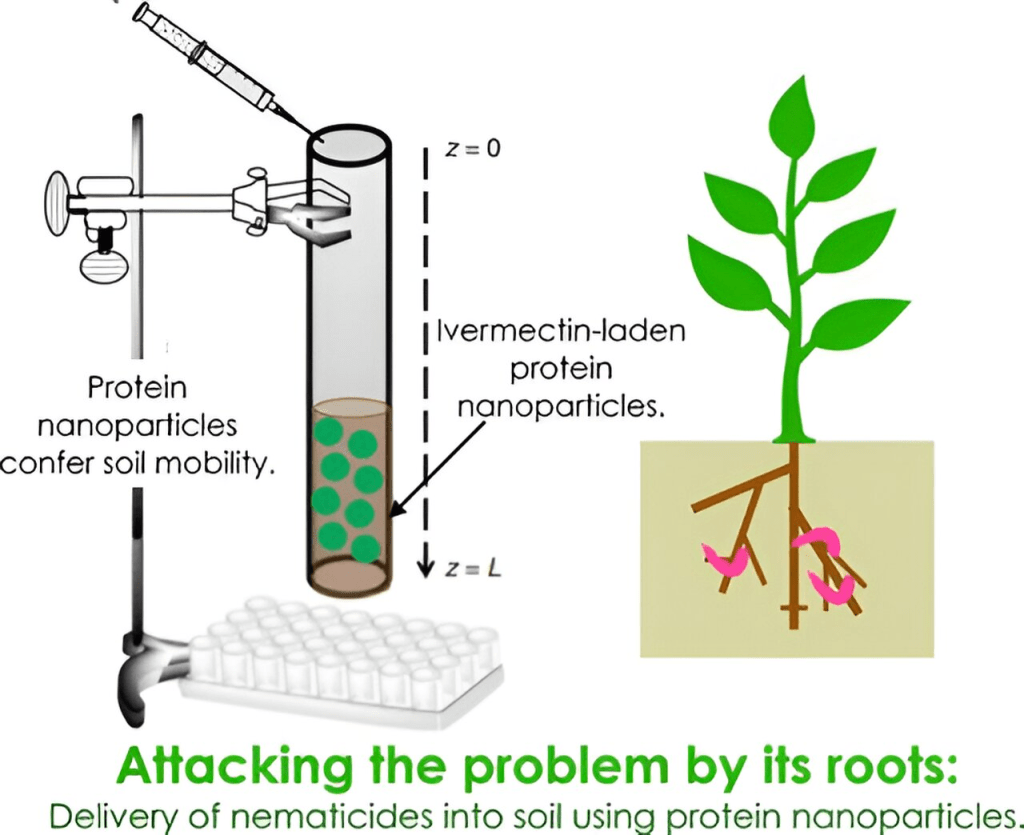
Engineers at the University of California San Diego have developed nanoparticles, fashioned from plant viruses, that can deliver pesticide molecules to soil depths that were previously unreachable. This advance could potentially help farmers effectively combat parasitic nematodes that plague the root zones of crops, all while minimizing costs, pesticide use and environmental toxicity.

Controlling infestations caused by root-damaging nematodes has long been a challenge in agriculture. One reason is that the types of pesticides used against nematodes tend to cling to the top layers of soil, making it tough to reach the root level where nematodes wreak havoc. As a result, farmers often resort to applying excessive amounts of pesticide, as well as water to wash pesticides down to the root zone. This can lead to contamination of soil and groundwater.

To find a more sustainable and effective solution, a team led by Nicole Steinmetz, a professor of nanoengineering at the UC San Diego Jacobs School of Engineering and founding director of the Center for Nano-ImmunoEngineering, developed plant virus nanoparticles that can transport pesticide molecules deep into the soil, precisely where they are needed. The work is detailed in a paper published in Nano Letters.

Steinmetz’s team drew inspiration from nanomedicine, where nanoparticles are being created for targeted drug delivery, and adapted this concept to agriculture. This idea of repurposing and redesigning biological materials for different applications is also a focus area of the UC San Diego Materials Research Science and Engineering Center (MRSEC), of which Steinmetz is a co-lead.

“We’re developing a precision farming approach where we’re creating nanoparticles for targeted pesticide delivery,” said Steinmetz, who is the study’s senior author. “This technology holds the promise of enhancing treatment effectiveness in the field without the need to increase pesticide dosage.”

The star of this approach is the tobacco mild green mosaic virus, a plant virus that has the ability to move through soil with ease. Researchers modified these virus nanoparticles, rendering them noninfectious to crops by removing their RNA. They then mixed these nanoparticles with pesticide solutions in water and heated them, creating spherical virus-like nanoparticles packed with pesticides through a simple one-pot synthesis.

This one-pot synthesis offers several advantages. First, it is cost-effective, with just a few steps and a straightforward purification process. The result is a more scalable method, paving the way toward a more affordable product for farmers, noted Steinmetz. Second, by simply packaging the pesticide inside the nanoparticles, rather than chemically binding it to the surface, this method preserves the original chemical structure of the pesticide.

“If we had used a traditional synthetic method where we link the pesticide molecules to the nanoparticles, we would have essentially created a new compound, which will need to go through a whole new registration and regulatory approval process,” said study first author Adam Caparco, a postdoctoral researcher in Steinmetz’s lab. “But since we’re just encapsulating the pesticide within the nanoparticles, we’re not changing the active ingredient, so we won’t need to get new approval for it. That could help expedite the translation of this technology to the market.”

Moreover, the tobacco mild green mosaic virus is already approved by the Environmental Protection Agency (EPA) for use as an herbicide to control an invasive plant called the tropical soda apple. This existing approval could further streamline the path from lab to market.

The researchers conducted experiments in the lab to demonstrate the efficacy of their pesticide-packed nanoparticles. The nanoparticles were watered through columns of soil and successfully transported the pesticides to depths of at least 10 centimeters. The solutions were collected from the bottom of the soil columns and were found to contain the pesticide-packed nanoparticles. When the researchers treated nematodes with these solutions, they eliminated at least half of the population in a petri dish.

While the researchers have not yet tested the nanoparticles on nematodes lurking beneath the soil, they note that this study marks a significant step forward.

“Our technology enables pesticides meant to combat nematodes to be used in the soil,” said Caparco. “These pesticides alone cannot penetrate the soil. But with our nanoparticles, they now have soil mobility, can reach the root level, and potentially kill the nematodes.”

Future research will involve testing the nanoparticles on actual infested plants to assess their effectiveness in real-world agricultural scenarios. Steinmetz’s lab will perform these follow-up studies in collaboration with the U.S. Horticultural Research Laboratory. Her team has also established plans for an industry partnership aimed at advancing the nanoparticles into a commercial product.

CLICK HERE TO LEARN MORE: https://www.sciencedaily.com/releases/2023/09/230921154516.htm

Dozens of Nations to Sign U.N. Ocean Treaty but Implementation Still Awaits

By David Stanway

A new U.N. treaty to protect the world’s oceans was signed by 67 countries on Wednesday, another step in efforts to reverse the damage done to fragile marine environments by overfishing and other human activities.

The global pact to conserve biodiversity on the high seas was finally agreed in March and formally adopted by the United Nations in June. It is seen as a crucial tool to meet a target agreed last year to protect 30% of the earth’s land and sea by 2030, known as “30 by 30.”

Despite the nearly 70 signatures at the United Nations General Assembly on Wednesday, the treaty needs to be ratified on a national level before it goes into effect.

“With the signature of the High Seas Treaty, we can safeguard the ocean from human pressures, and get closer to our objective of protecting at least 30% of the planet by 2030,” said European Environment Commissioner Virginijus Sinkevičius, calling the treaty “our constitution for the ocean.”

Mads Christensen, interim executive director of Greenpeace International, described the signings as a “powerful signal” which should help maintain momentum to meet the “30 by 30” target.

“But this signing is a purely symbolic moment,” he said. “Now politicians must bring the treaty home and ensure it is ratified in record time.”

The agreement will create ocean sanctuaries where fishing will be prohibited, and also ensure human activity on the high seas is subject to environmental impact assessments.

The International Union for the Conservation of Nature estimates that $500 million in funding will be required to kickstart the treaty, and a special implementation and capacity-building fund could require another $100 million per year.

Threats to the ocean environment have been mounting in recent years as a result of overfishing as well as rising temperatures, and new threats could also emerge from ocean-bed mining and the use of geoengineering technologies to boost the ocean’s capacity to absorb carbon dioxide.

Environmental groups say the treaty must be brought fully into effect by 2025 at the latest to ensure the “30-by-30″ protection target is reached.”The ocean can’t wait, and with the treaty being in the making for the better part of the past 20 years, there is absolutely no time to waste,” said Jessica Battle, an ocean expert with the Worldwide Fund for Nature.

CLICK HERE TO LEARN MORE: https://www.usnews.com/news/world/articles/2023-09-19/dozens-of-nations-to-sign-u-n-ocean-treaty-but-implementation-still-awaits