Thousands of people gathered in central London on Sunday to call for tougher action on keeping the UK’s rivers and seas clean.
The March for Clean Water was advertised as a “one-off” event to petition the government to enforce laws that tackle water pollution and ensure “all polluting industries” upgrade infrastructure and reduce water wastage.
Steve Reed, the environment, food, and rural affairs secretary, said he shared the “public’s anger” and had taken “immediate action” to start tackling the “pollution scandal”
A spokesperson for the water industry regulator Ofwat said “companies will be held to account for past failings” and it had opened an enforcement action against “all wastewater companies”.
Water companies can release untreated sewage when it rains heavily to prevent homes being flooded but there have been instances where this has been done prematurely, and such spills are potentially illegal when it is dry.
Contained within the spills is human waste, wet wipes and sanitary products, which can pose a serious risk to the local wildlife, swimmers and others who use UK waterways.
On average in 2023, there were 1,271 spills a day across England, compared to 825 in 2022.
The Clean Water March was organised by 140 organisations and started at the Albert Embankment and ended with a rally in Parliament Square.
Those taking part came from across the UK, from West Yorkshire to Pembrokeshire, and the organisers said 8,000 people registered to take part.Sarah Walsh from Cornwall was at the march and told the BBC that pollution in the sea “affects my livelihood directly” as an open-water swimming coach.
“I can’t take people swimming if the sea’s got any form of pollution in it,” she said.
“It affects our well-being as well because we can’t get in the sea, so it’s just been horrendous this year particularly.”
Katherine Keyte from Poole and Bournemouth is part of a cold water swim group and said she had “never marched before” but “felt very, very passionately about this”.
“The frustration is around everything, I don’t really care who is in government, it is about having a plan, a plan that lasts more than four years, a plan that is long term so we can all enjoy, so our children, and our children’s children can enjoy clean water,” the 60-year-old said.
She added: “It is quite emotional looking and seeing the amount and type of people from every walk of life and every hobby – and they have all come down for one cause.”
Nature broadcaster Chris Packham was among the crowd at the march in central London and said “people are still frustrated” and want to see action more rapidly.
He criticised the Budget that was announced on Wednesday for “not mentioning nature”, which he called “reckless”.
“I think this is very much a time when we want to see our politicians putting planet first and understanding that this is a long-term investment that’s required to recover these ecosystems and it needs to go in place now,” he told the BBC.
Steve Reed said within 70 days of winning the general election in July, he introduced new laws banning the payment of “unfair bonuses to polluting water bosses”.
He added that he had launched a commission to lead a “root and branch review of the entire water sector to put right what’s gone so badly wrong”.
A spokesperson from Water UK, the trade association for the water industry, said it supported the aims of March for Clean Water, adding that the system was “not working” and was “not delivering for people or the environment”.
“No sewage spill is ever acceptable, and water companies want to invest a record £108 billion to ensure the security of our water supply in the future and end sewage entering our rivers and seas.”
The ocean heat extremes in 2017, 2020, and 2024 – the highest in four centuries – were caused by human influence on the climate system, new research suggests.
—
This generation will likely witness the demise of Australia’s iconic Great Barrier Reef unless rapid, coordinated, and ambitious action is taken globally to reverse climate change, a new study has warned.
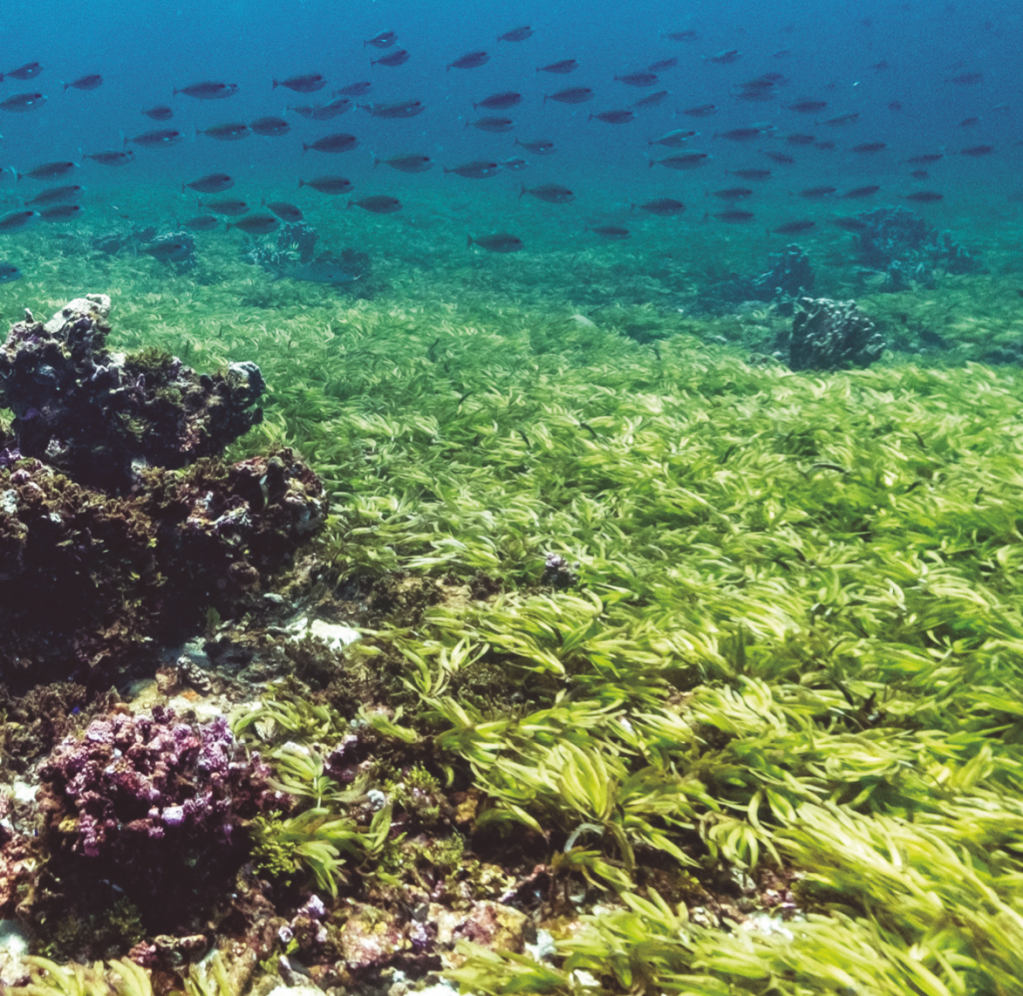
Scientists came to this conclusion after looking at recent sea surface temperature trends. They found that the extreme ocean heat recorded between January and March in 2017, 2020, and 2024 was the highest in 400 years. These extremes, which were caused by anthropogenic influence on the climate system, pose an “existential threat” to the reef’s ecosystem. Located off the coast of Queensland, the reef is the largest in the world. It covers an area of about 344,400 square kilometres (133,000 square miles), more than the UK and Ireland combined.
Coral bleaching occurs as a heat stress response from rising ocean temperatures, which drives algae away from coral reefs, causing reefs to lose their vibrant colours. While a bleaching event is not directly linked to corals’ death, more frequent and intense heat stresses make corals more vulnerable to diseases, slowing down their recovery and limiting their ability to spawn.
Scientists at universities across Australia said in a paper published Wednesday in the scientific journal Nature that at this rate, the reef is at risk of experiencing “near-annual coral bleaching.” This, they said, would “further threaten the ecological function and outstanding universal value of one of Earth’s greatest natural wonders.”
Recent large-scale marine heatwaves have led to more frequent and severe mass bleaching events around the world, with reefs’ natural recovery processes struggling to keep up.
Coral reefs are extremely important ecosystems that exist in more than 100 countries and territories and support at least 25% of marine species. They are integral to sustaining Earth’s vast and interconnected web of marine biodiversity and provide ecosystem services valued up to $9.9 trillion annually. They are sometimes referred to as “rainforests of the sea” for their ability to act as carbon sinks by absorbing the excess carbon dioxide in the water.
Monthly global surface air temperature anomalies (C) relative to 1850–1900 from January 1940 to July 2024, plotted as time series for each year. Data source: ERA5. Image: C3S/ECMWF.
According to the new study, even if all current international climate mitigation pledges are met, global mean surface temperature is still estimated to increase anywhere between 1.9C and 3.2C above pre-industrial levels by the end of the century. But even if we were to limit global warming to 1.5C, the critical threshold established in 2015 as part of the Paris Agreement, 70-90% of the world’s reefs would still “likely” be lost globally.
So far, the world has warmed by 1.2C compared to pre-industrial times. Nevertheless, IPCC data suggests that 20-40% of the global human population live in regions that, by the decade 2006–2015, had already experienced warming of more than 1.5C in at least one season. According to the UN body, every 0.5C (0.9F) of global warming will cause discernible increases in the frequency and severity of heat extremes, heavy rainfall events, and regional droughts.
NAPLES, Fla. − Florida has seen a surge of flesh-eating bacteria cases in recent weeks after parts of the state were inundated with heavy rain and flooding due to back-to-back hurricanes, according to state health department data.
There have been 74 cases of Vibrio vulnificus in 2024, according to the latest data from the Florida Department of Health, equaling the record set in 2022 when Hurricane Ian and other devastating storms hit the state. Of this year’s cases, the data also shows that there have been 13 deaths statewide linked to Vibrio vulnificus infections.
Vibrio vulnificus is a naturally occurring but potentially fatal bacterial infection that thrives in warm floodwaters when hurricanes and tropical storms push a mix of fresh and saltwater upstream into canals and rivers. The water carries pollutants, sewage and debris.
The bacteria can infect a person with an open wound, such as a cut, and can cause the skin and soft tissue around the wound to quickly break down. Treatment may require limb amputation to stop the rapid flesh deterioration, and the infection can be fatal.
“While floodwaters are present, there is an increased risk of Vibrio infections, such as Vibrio vulnificus, which can be life-threatening,” the state health department warned in a news release before Hurricane Milton made landfall as a Category 3 hurricane, pushing a wall of water ashore and dumping rain across the state.
“Vibriobacteria, commonly found in warm coastal waters, can cause illness when ingested or when open wounds are exposed to contaminated water,” the state health department added. “After heavy rainfall and flooding, the concentration of these bacteria may rise, particularly in brackish and saltwater environments.”
The Tampa Bay area saw the largest increase of Vibrio vulnificus cases after Hurricane Helene made landfall on Sept. 26 as a Category 4 storm along Florida’s Big Bend region. Before Helene, there were no reported cases in Pinellas County and only one in Hillsborough County.
But as of Sunday, Pinellas County has 14 confirmed cases while Hillsborough County has eight, according to state health department data.
Nationwide, about 150 to 200 Vibrio vulnificus cases are reported to the Centers for Disease Control each year. About one in five people die from this infection, sometimes within one to two days of becoming ill, according to the CDC.
Where are the cases of flesh-eating bacteria in Florida?
After the recent hurricanes, health officials issued “no swim” advisories until testing could determine bacteria levels at popular beach spots. The advisories in Lee County and at most Collier County beaches were lifted last week after tests showed acceptable bacteria levels based on state guidelines.
Though Vibrio vulnificus normally lives in warm seawater, the surge in cases could stem from earlier infections or contact with bacteria-laden water in canals and other bodies of water.
As of Tuesday afternoon, here’s a breakdown of the cases per county, according to the Florida Department of Health:
Alachua County: 2
Bay County: 1
Brevard County: 5
Broward County: 1
Charlotte County: 4
Citrus County: 3
Clay County: 1
Collier County: 1
Duval County: 4
Escambia County: 4
Hernando: 3
Hillsborough: 7
Lee: 5
Leon County: 1
Okaloosa County: 1
Palm Beach County: 2
Pasco County: 4
Pinellas County: 14
Santa Rosa County: 2
Sarasota County: 2
Seminole County: 2
Sumter County: 1
Volusia County: 2
Walton County: 2
The counties of Charlotte, Citrus, Hernando, Hillsborough, Lee, Pasco, Pinellas, and Sarasota showed unusual increases due to Helene and Milton, the state health department said.
What is Vibrio vulnificus?
The Vibrio vulnificus bacteria can be found in raw or undercooked seafood, saltwater, and brackish water, created when fresh water from a river or lake meets salty seawater. Flooding spreads brackish water into places it doesn’t usually get to, and people working in floodwaters during and after storms are susceptible.
Vibrio vulnificus, while rare, can be life-threatening. Some Vibrio vulnificus infections lead to necrotizing fasciitis, a severe infection in which the flesh around an open wound dies. Without treatment, death can occur in just a few days.
People with compromised immune systems, liver disease or open wounds are at higher risk for Vibrio vulnificus, the Florida Department of Health said.
What are the symptoms of Vibrio vulnificus?
Common symptoms of Vibrio infection may include:
Watery diarrhea, often accompanied by stomach cramping, nausea, vomiting and fever.
Wound infection, which may spread to the rest of the body: fever, redness, pain, swelling, warmth, discoloration and discharge (leaking fluids).
Health officials advise people who experience these symptoms to seek immediate medical attention after exposure to floodwaters. Healthcare professionals can treat the infection with antibiotics, but in extreme cases, arms and legs may need to be amputated to remove dead or infected tissue.
“Many people with Vibrio vulnificus infection require intensive care or limb amputations,” the CDC said on their website.
To avoid contracting Vibrio vulnificus, the Florida Department of Health said to follow several safety precautions:
Avoid swimming or wading in floodwaters, standing water, seawater and brackish water.
Cover open cuts or wounds with waterproof bandages if they come in contact with floodwaters, standing water, seawater or brackish water.
Wash skin and any open cuts or wounds thoroughly with soap and clean water after contact with floodwaters.
By Christopher Cann, Sarah Honosky, and Iris Seaton
ASHEVILLE, N.C. – More than three weeks after Tropical Storm Helene ravaged western North Carolina, 26 people remain unaccounted for Tuesday as schools and government offices prepare to reopen amid prolonged power outages and water service disruptions.
The missing were being sought and tracked by a North Carolina Department of Public Safety task force created after several hundred people were unaccounted for amid widespread communication and power blackouts. Last week, North Carolina Gov. Roy Cooper said 96 people were missing.
Helene’s death toll stands at 224; a total of 96 storm-related deaths were reported in North Carolina alone. The toll includes 49 deaths in South Carolina, 33 in Georgia, 27 in Florida, 17 in Tennessee and two in Virginia.
While search operations continue, other large-scale recovery efforts were underway after what Cooper said was “the deadliest and most devastating storm” in North Carolina’s history.
Hundreds of roads remain closed. Dozens of parks are shuttered. At least 7,300 homes and businesses were without power as of Tuesday. And all residents in the storm-battered city of Asheville remain under a boil water advisory.
Some things are returning to normal – or at least intend to. The school board in hard-hit Buncombe County voted to reopen schools Friday. In Asheville, officials lifted a citywide curfew Monday, and the school district announced classes will resume next week. Major attractions, including the North Carolina Arboretum and the Biltmore Estate, were preparing to reopen.
Here’s what we know about the recovery in western North Carolina.
3 weeks after Helene, some residents still have no running water
Though a significant portion of Asheville’s water system has come back online, the water is still not safe to drink and areas pummeled by landslides remain without water altogether – frustrating residents.
Officials in Asheville said about 95% of the city’s water system is running non-potable water. For many, the water that sputtered out of faucets was brown or sediment-filled, but it was enough to flush their toilets.
Get the Daily Briefing newsletter in your inbox.
The day’s top stories, from sports to movies to politics to world events.
Delivery: DailyYour Email
Some pockets of the city remain “particularly problematic” because of pipes being washed out in the historic deluge, Water Resources Department spokesperson Clay Chandler said. Some residents at higher elevations also might need to wait longer for running water, she said.
Del Coufal and his neighbors have not had water for three weeks. Amid the outage, Coufal has settled into a new routine: stopping at various water distribution sites around the county to pick up boxes of water for his family.
Though he understands the complications, Coufal said, it’s still frustrating to watch as water returns to other parts of Asheville and Buncombe County.
“Honestly, it’s just the life’s essentials that you kind of take for granted, and now that they’re gone, it can be really challenging,” he said. He can get by for another week or two, but not knowing is difficult. “You just continue on. I guess that’s all you can do.”
School districts in battered Asheville, Buncombe County set to reopen
Multiple school districts in western North Carolina were set to reopen after weeks of repairs and restoration.
The Asheville City School District, which serves 3,900 students, will reopen on Oct. 28 with two shortened days before resuming its regular schedule Oct. 30. Superintendent Maggie Fehrman said staff are working to prepare lessons to support students with their experiences after the storm.
“When you get your students back in the building, you have to take some time to process what happened and give them that opportunity for their voices to be heard so they feel seen,” Fehrman said.
The district is also working on plans to support staff who have had traumatic experiences. “We did have staff that lost their home, but we also have staff that lost their family. One of our staff members lost 11 members of her family,” Fehrman said.
The school district for Buncombe County, which encompasses Asheville and its surrounding communities, will resume classes on Friday, the district said. Earlier in the month, the district announced the deaths of four of its students from Helene. All other students have since been accounted for.
Non-potable water is back at each of the district’s campuses, but with a boil-water notice still in effect, the district is unable to reopen to pre-K students. An emergency plan is pending with the state, Fehrman said, adding she does not have a timeline for its approval.
Debris processing sites galvanize local residents amid health concerns
After resident concerns mounted over temporary debris processing sites opened in Asheville – two of them near a public housing neighborhood – officials closed several sites and designated another as the new main area for staging, grinding and compacting debris.
The announcement said no additional debris will be taken to 65 Ford St. – a grassy expanse near public housing complex Deaverview Apartments and adjacent to Westmore, which has 72 affordable apartments for low-income families – while the city continues to secure additional sites, City Manager Debra Campbell said at a Buncombe County briefing.
Officials also closed a processing site set up last week in the Asheville Municipal Golf Course.
“We are aware of the concern that many have expressed about the location of sites that were initially chosen to manage storm debris,” Campbell said. “I want to emphasize that the safest thing we can do for our environment, our economy and our community is to remove storm debris from our homes and business areas as quickly and as responsibly as possible.”
The processing sites were opened to deal with the 10 million cubic yards of wreckage generated by Helene in Buncombe County and Asheville.
Last week, Campbell said the sites would serve temporarily as staging for organic waste, such as trees and vegetation; construction and demolition materials; appliances and electronics; and household hazardous waste like batteries, pesticides, paint and cleaning supplies. Processing the materials might produce “noise, dust and smells,” she said.
The sites, which are estimated to operate for at least a year, quickly galvanized nearby residents.
“We’re trying to get a committee together to get them out of here. Because we’ve got children, babies. This is our health,” said Vivian Pagan, a longtime resident of a public housing complex near one of the now-closed sites. “We don’t want them here. They can find somewhere else to put that place.”
Reopenings announced as residents seek ‘sense of normalcy’
Campbell said city offices will reopen Wednesday. Some city facilities remain closed, including several recreation centers and regional entertainment facilities.
The Biltmore Estate, one of Asheville’s most popular tourist attractions and largest employers, announced it will reopen on Nov. 2 after portions of its grounds, including its entrance and multiple low-lying buildings, were damaged.
“We are incredibly grateful for the outpouring of support for our community and the determination of our first responders, utility workers and community volunteers,” Bill Cecil Jr., president and CEO of Biltmore, said in a statement. “As recovery unfolds, welcoming guests back to Biltmore not only means we can open, but also brings critical support to our region’s economy to aid area employees, local businesses and friends.”
The North Carolina Arboretum in southern Asheville is working to reopen by Nov. 18, the first day of its annual Winter Lights Festival.
The storm uprooted more than 5,000 trees across the 434-acre enclave. To make a successful reopening a reality, arboretum officials are in talks with the U.S. Army Corps of Engineers.
“We’re trying to get open as quick as we can,” said Drake Fowler, the North Carolina Arboretum’s executive director. “We have people calling and asking all the time; they want to get out and walk their dog, and they want that sense of normalcy.”
The State of Global Water Resources report released on Monday also highlights that over the last five years below-normal conditions for river flows have been recorded with less water reaching reservoirs.The reduction in supplies has reduced the amount of water available for communities, agriculture and ecosystems.
Currently, 3.6 billion people worldwide face inadequate access to water at least a month per year and this is expected to increase to more than five billion by 2050, according to UN Water.
The report also reveals that glaciers suffered the largest loss of mass ever registered in the last five decades. Every region in the world where glaciers are present reported ice loss.
The ice loss has produced more than 600 gigatonnes of water, much of which has ended up in the ocean as well as some riverways.
Meanwhile, 2023 was recorded as the hottest year on record, leading to elevated temperatures and widespread dry conditions, which contributed to prolonged droughts.
Unprecedented stress
“Water is the canary in the coalmine of climate change. We receive distress signals in the form of increasingly extreme rainfall, floods and droughts which wreak heavy toll on lives, ecosystems and economies said WMO Secretary-General Celeste Saulo.
The report also paints a stark picture of the world’s freshwater resources, highlighting unprecedented stress, exacerbated by climate change and increasing demand.
Climate change intensifies
A significant number of floods across the world are highlighted in the report.
The surge in extreme hydrological events has been influenced by naturally occurring climate conditions including the transition from La Niña to El Niño weather patterns in mid-2023 as well as human induced climate change.
“As a result of rising temperatures, the hydrological cycle has accelerated. It has also become more erratic and unpredictable, and we are facing growing problems of either too much or too little water,” Ms. Saulo explained.
Africa battered
Africa was the most impacted in terms of human casualties. In Libya, two dams collapsed due to the major flood in September 2023, claiming more than 11,000 lives and affecting 22 per cent of the population.
Floods also affected the Greater Horn of Africa, the Democratic Republic of the Congo as well as Rwanda, Mozambique and Malawi.
Meanwhile, the southern United States, Central America, Argentina, Uruguay, Peru and Brazil were affected by widespread drought conditions, which led to the lowest water levels ever observed in the Amazon and in Lake Titicaca on the border of Bolivia and Peru.
Monitoring and data sharing
“Far too little is known about the true state of the world’s freshwater resources. We cannot manage what we do not measure,” Ms. Saulo stated.
“This report seeks to contribute to improved monitoring, data-sharing, cross-border collaboration and assessments. This is urgently needed,” she added.
WMO said the report seeks to enhance the accessibility and availability of observational data, through better monitoring and improved data sharing, particularly in the Global South.
Early warning
The report aligns with the focus of the UN’s global Early Warnings for All initiative in addressing water-related challenges.
The global effort aims to improve data quality and access for water-related hazard monitoring and forecasting, with the goal of providing Early Warning systems for all by 2027.
The WMO has emphasised the urgent need for action to address water-related challenges, calling for improved monitoring, data sharing and cross-border collaboration to better understand and manage global water resources.
March 22 marks World Water Day, which is a day meant to highlight the importance of fresh water for life on Earth. But this year, it comes as major cities across the world are running out of their supply, and a new United Nations report shows that if that problem continues to spread, so does the risk of global conflict.
Within just the past few weeks, two heavily populated cities in the world saw their taps run dry. In Mexico City, officials said at the beginning of March that they fear a “day zero” could be coming when their water system no long has enough water to supply its nearly 22 million residents. That day, they said, could come as soon as June 26, and last until September.
Many have already gone “days, if not weeks, without running water in their houses,” CBS News contributor Enrique Acevedo said.
It’s a problem also being felt in Johannesburg, the largest city in South Africa. There, thousands of people have been lining up for whatever water they can get as extreme heat shrinks their reservoirs and decades of neglect have allowed infrastructure to crumble. Local officials have said that if conservation efforts are not escalated soon, they could face a total collapse of the water system.
Sicily is also facing diminishing supplies.
“There is no water,” Rosaria, a resident of Agrigento, told Reuters.
Another local, Antonio, told the outlet that it’s been a “long-standing issue.”
“Water in Agrigento is gold,” he said.
The issue appears to be escalating worldwide, and a new United Nations report published this week explains that if it does, so will global tensions at a time that are already proving difficult. “As water stress increases, so do the risks of local or regional conflict,” Audrey Azoulay, director-general of UNESCO said in a news release on Friday. “UNESCO’s message is clear: if we want to preserve peace, we must act swiftly not only to safeguard water resources but also to enhance regional and global cooperation in this area.”
What the report says
The 2024 World Water Development Report says that 2.2 billion people currently don’t have access to safely managed drinking water, and that as of 2022, about half of the entire global population experienced at least temporary severe water scarcity.
As global temperatures increase, largely due to the burning of fossil fuels, those numbers are expected to worsen, as higher temperatures will also bring more frequent and intense extreme weather events, including drought.
But climate change isn’t the only factor. The report says that freshwater consumption has been growing by just under 1% every year, with agriculture accounting for roughly 70% of freshwater withdrawals, and industrial and domestic uses accounting for 20% and 10%, respectively.
The U.N. has established a set of targets to ensure that water – a vital source of life on Earth – remains available. Those targets say that by 2030, there should be, among other things, universal and equitable access to safe and affordable drinking water, adequate and equitable sanitation and hygiene, reduced water pollution, and increased water-use efficiency.
But according to the World Water Day report, none of those targets “appear to be on track.”
“Four out of five people lacking at least basic drinking water services lived in rural areas. The situation with respect to safely managed sanitation remains dire, with 3.5 billion people lacking access to such services,” the report’s executive summary says. “Cities and municipalities have been unable to keep up with the accelerating growth of their urban populations.”
But it’s not just individual and communal well-being that is impacted by the problem. The U.N. says having safe, plentiful and affordable water resources is directly linked to global prosperity and peace. Water doesn’t “trigger” conflict, the report says, but recent events have seen civilian water infrastructure attacked and unrest itself has sparked issues with vulnerable groups getting access to water supplies.
“Water nurtures prosperity by meeting basic human needs, supporting health and livelihoods, underpinning food and energy security, and defending environmental integrity and economic development,” the report says.
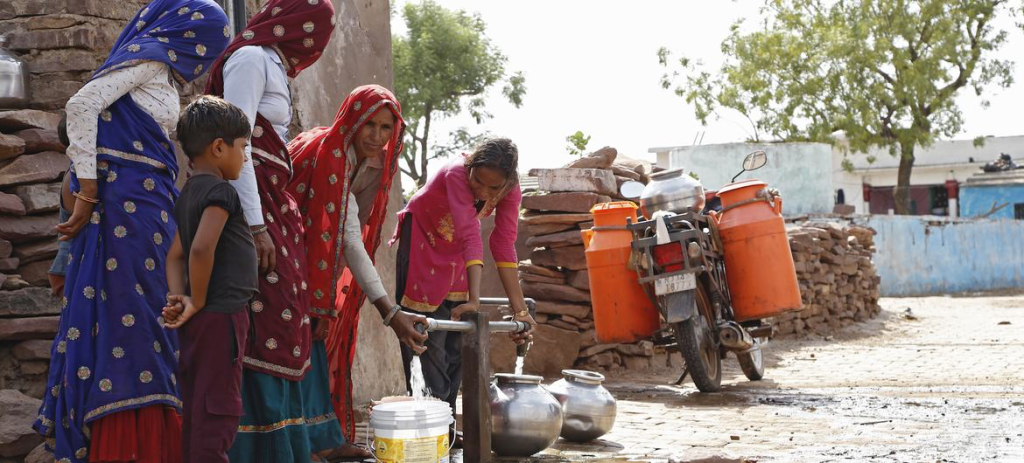
Women and girls are those immediately impacted by water shortages, as these demographics are often relied upon for gathering whatever supply they can. This can occupy several hours a day, and in many cases, means less time in school and potentially, putting them more at-risk of safety issues.
In Somalia last year, for example, an estimated 43,000 people died from the nation’s longest drought on record, half of them being children. That happened amid ongoing battles with al Qaeda affiliate al-Shabaab. In Gaza, officials have said that the conflict with Israel has also weakened water supplies.
It’s not just cities on other continents. The story has also started to unfold in the U.S., with the Colorado River serving as a prime example of what could come. Many reservoirs served by the Colorado River faced serious shortages last year, emptying reservoirs and further complicating where dwindling supplies should be allocated – a war that broke out into several battles between states, sectors and communities.
“The saying is: whiskey’s for drinking and water’s for fighting and that old adage is getting to become more and more of a realization as we move forward here,” Bob Brachtenback, who lives on a Colorado farm, told CBS Colorado in December.
The U.N. report makes clear that the relationship between conflict and basic human needs is complex, but nonetheless linked. What it boils down to, they signify, is that if the world does not rapidly work to address dwindling water resources, global issues regarding wars, agriculture, migration and other aspects that allow humanity to prosper, will only intensify.
NEW YORK (AP) — Microplastics have been found in the ocean and the air, in our food and water. They have been found in a wide range of body tissues, including the heart, liver, kidneys and even testicles.
But are they actually harming you?
Evidence suggests they might, but it’s limited in scope. Some researchers are worried, but acknowledge there are lots of unanswered questions.
Dr. Marya Zlatnik, a San Francisco-based obstetrician who has studied environmental toxins and pregnancy, has seen studies raising concerns about microplastics’ impact on the health of babies and adults.
But it’s a young research field, and it’s not something she generally discusses with patients.
“I’m not entirely sure what to say yet,” Zlatnik said.
Here’s a look at what’s known so far:
WHAT ARE MICROPLASTICS?
Plastics are man-made materials — many of them derived from oil or other petroleum products. They can break down into smaller particles, through exposure to heat and weather and even animal digestion.
These minuscule plastics have been detected in air, water and soil, in milk, and in bottled and tap drinking water. They also have been found in a variety of foods, including salt, sugar, honey, rice and seafood.
ARE THERE MICROPLASTICS IN YOU?
Most likely yes.
There is scientific debate about how much people inhale and ingest, and it can vary on what they eat and drink and where they live, researchers say.
Some Australian researchers, on behalf of the World Wildlife Fund, calculated in 2019 that many people each week consume roughly 5 grams of plastic from common food and beverages — the equivalent of a credit card. That estimate is not universally embraced by researchers, but is commonly mentioned in news articles.
Researchers are still trying to understand exposure levels, but study after study is finding signs of plastics in body tissues.
“Microplastics have been measured in pretty much all of the body tissues that have been evaluated,” said Tracey Woodruff, a University of California at San Francisco researcher. Scientists have even reported finding them in the penis, in ovaries and in placentas.
WILL MICROPLASTICS HURT YOU?
That’s still being sorted out.
A 2022 World Health Organization report concluded there was no clear risk to human health, based on the available evidence.
There’s also not an obvious signal of widespread public health impact, at least in terms of mortality. Cancer, heart disease and stroke death rates have been falling, not rising.
But researchers only started measuring plastics in the human body — and trying to assess the health effects — in recent years. Some of that work is only coming to fruition now.
It makes sense that microplastics are harmful because they contain toxic chemicals, said Woodruff, who was part of a team that reviewed nearly 2,000 studies about microplastics at the request of California legislators. It may be, for example, that microplastics play a role in rising occurrences of some cancers in younger people, she said.
Available information indicates plastics can spark inflammation and cause other problematic changes in the body that can, for example, raise the risk of heart attack and stroke.
A small study in the New England Journal of Medicine earlier this year suggested, but did not prove, that patients with evidence of plastics in their arteries were at greater risk of death from heart attacks and strokes. But an expert not involved in the research suggested the study may have overstated any effects.
“Even though there’s a lot we still don’t know about microplastic particles and the harm they cause to humans, the information that is available today is in my mind very concerning,” said Dr. Philip Landrigan, of Boston College.
WHAT CAN YOU DO ABOUT MICROPLASTICS?
There are ways to reduce potential microplastics exposure, researchers say.
Take your shoes off before you go in the house, to avoid tracking in plastics-laden dust (not to mention germs, dirt and other debris) throughout your home.
Eat foods — especially fresh fruits and vegetables — that you prepare in the home.
Don’t microwave a meal in a plastic tray, no matter what TV dinner instructions might say, Woodruff said.
And opt for reusable stainless steel or glass water bottles, rather than disposable plastic ones, she added.
Zlatnik, the obstetrician, noted that families with limited incomes may have bigger things to worry about.
“If someone is worried about where their next meal is going to come from, I’m not going to give them advice to keep their leftovers in glass containers and to not microwave in plastic,” she said.
When Jaime Ross, PhD, a neuroscientist and assistant professor at the University of Rhode Island College of Pharmacy, decided to study how contaminating the drinking water of mice with tiny fragments of plastic might affect their cognitive function, she didn’t expect the experiment to yield much.
But in just three weeks, Ross and her team found microplastics had made their way into the mice’s brains, passing the robust defenses of the blood-brain barrier. The researchers performed a variety of tests and found that the microplastic-exposed mice started exhibiting signs of cognitive decline similar to dementia.
“I didn’t really think we were going to see anything,” Ross says. But when they examined the mice’s tissues, they were shocked. “Every one we looked at we found the microplastics. It was surprising, especially finding them in the brain. Things are not supposed to go there!”
Despite these findings, experts say that little is known and understood about what impact these microplastics have on human health. A few studies have drawn associations between microplastics and poor health outcomes, including cardiovascular disease and low male fertility. And chemicals often found in plastics are known to cause a variety of health problems, including cancers, metabolic disorders, attention deficit/hyperactivity disorder, and fertility issues.
But most of the studies raising alarm have been in labs or in animal models that don’t give a complete picture of the effect on humans, says Mary Margaret Johnson, MD, PhD, a principal research scientist of environmental health at Harvard T.H. Chan School of Public Health in Boston.
“I do think there needs to be more funding devoted to researching how it really is impacting our organs and disease itself,” she says.
What are microplastics?
Though plastics have become ubiquitous in modern life, they weren’t invented until the mid-1800s and weren’t produced on a large scale until the 1950s. Over the past century, technology to create a huge variety of malleable polymers (chains of large, repeating molecules) has evolved into the umbrella term plastics, which are often derived from petroleum and other fossil fuels, according to the Science History Institute in Philadelphia.
Plastics are used in most containers and packaging materials; in most of the fabrics that make clothing, bedding, carpeting, and towels; in the construction of buildings and motor vehicles; and in many of the materials used in health care settings to prevent the spread of infection, among many other uses.
The production of plastics worldwide has doubled in the last two decades, according to Our World in Data. Plastic’s versatility, durability, and low weight-to-strength ratio have made it an efficient material for many of life’s modern conveniences. However, by their nature, plastics can break down and degrade into smaller pieces. At the same time, scientists have found that plastic materials can exist for decades, if not longer, without completely disintegrating.
Scientists have studied the impact of plastic on the ecological environment for decades and have raised concerns about the health effects of some chemicals used in plastics. But it’s only within the last several years that researchers have discovered the extent to which microplastics (which range from 1 nanometer, 1/80,000 the width of a strand of hair, to 5 millimeters, the size of a pencil-top eraser) and nanoplastics (which are even smaller and invisible) have become embedded in the environment and in human bodies, explains Tracey Woodruff, PhD, MPH, a professor in the Department of Obstetrics, Gynecology, and Reproductive Sciences and director of the Program on Reproductive Health and the Environment at the University of California San Francisco (UCSF) School of Medicine.
Woodruff, who has studied the effect of some chemicals found in plastics on human health, reproduction, and development for two decades, first started looking into microplastics in 2021. She and a group of scientists from across the University of California system reviewed hundreds of existing studies on microplastics and health and compiled a report for state lawmakers to consider during policymaking. Though mostly based on animal studies, Woodruff and her colleagues concluded that there was evidence that microplastics could harm fertility and increase cancer risk in humans.
“Governments have not really fully figured out what they’re going to do about this,” Woodruff says. There have been some efforts to ban the use of plastic microbeads in cosmetics, but not much beyond that, she adds.
Red flags for human health
While there haven’t yet been any definitive studies showing that microplastics cause health problems in humans, researchers have identified several red flags that call for further investigation.
In Ross’ research in mice, for example, the scientists used plastic particles that were “clean,” meaning that they did not have any of the known toxic chemicals found in many plastics and they were also free of bacteria and viruses that microplastics can pick up from environmental exposure. And yet, with the mere presence of the microplastics, the mice began to experience negative effects. This could be because the immune system recognizes the presence of a foreign invader and triggers inflammation, which can have a negative effect on a range of organs.
“We just wanted to see the effect of plastic itself, but that’s not what is really in the environment,” Ross says. “Plastics in the environment are not this way; they’re not pristine.”
Ross’ work has raised even more questions about microplastics in the body.
“We’re trying to understand: How are they getting into the brain? What do they do? Where do they go? Do they get out?” she says.
Sheela Sathyanarayana, MD, MPH, a professor in the University of Washington Department of Pediatrics and the Department of Environmental and Occupational Health Sciences, worries that the harm from microplastics in the body could be compounded by what are known as endocrine disrupting chemicals that are found in many plastics.
Bisphenol A (BPA), phthalates, and per- and polyfluoroalkyl substances (PFAS) are just a few of the chemicals known to imitate hormones and disrupt the body’s natural endocrine system, which is responsible for making the hormones that govern processes such as growth and development, metabolism, appetite, mood, and certain aspects of reproduction.
Sathyanarayana has focused her research on studying the impact of exposure to endocrine disrupting chemicals on reproduction and has found that they can have a profound impact, especially during fetal development.
“That’s when organ development is happening; that’s when programming for later life happens,” Sathyanarayana says. “Whatever happens during pregnancy will affect your later life and health for the whole continuum.”
She gave the example of research that found some women who experience famine while pregnant later have babies who experience obesity, likely because of the effect their mothers’ starvation has on the development of the babies’ metabolism.
Woodruff also raises the concern that rising rates of younger people diagnosed with colon cancer and other cancers related to the gastrointestinal tract could be linked to ingested plastics and other chemicals.
“I always recommend to people, try to reduce your plastic exposure as much as possible,” Sathyanarayana says.
Reducing plastic in the world and at home
Because plastics are in almost every part of modern life, it’s extremely difficult to eliminate exposures, Sathyanarayana acknowledges, but she has found ways to reduce her own.
She carries a stainless-steel water bottle and avoids plastic water bottles. She doesn’t microwave food in plastic containers and only uses glass, wood, or metal kitchen items, including mixing bowls, spoons, cutting boards, and food storage containers.
In her home, Sathyanarayana also takes her shoes off to avoid tracking in dust from the outside and uses a HEPA filter to capture particles from the air.
The Program on Reproductive Health and the Environment at UCSF offers additional tips to help minimize exposure to toxic chemicals, like those sometimes found in microplastics.
But Sathyanarayana admits there are some things that are tough to relinquish. For example, though most of her clothes are made of non-plastic cotton and wool, some of her clothes are made of plastic fibers, like the spandex, polyester, and nylon in her activewear.
“The reality is we can’t avoid plastics,” she says. “No one can.”
That’s why the bulk of the responsibility for reducing microplastics exposure is on governments and manufacturers, Woodruff says. For example, regulatory bodies could require washing machines to include filters that catch microplastics coming from clothing. Or even better, clothing manufacturers could use less plastic, she says.
But there’s still a lot of research and discussion that needs to happen to help policymakers understand the best way forward, Ross says.
“I don’t want to demonize plastics; they’re quite important,” Ross says, adding that they have been lifesaving in health care settings. “But do we really need our vegetables wrapped in plastic at the grocery store? Let’s have a conversation about what we really need plastic for.”
This is the question we are not only asked frequently at restaurants, but we also ask ourselves every time we reach for a glass of water. Subconsciously, the answer is almost always bottled.
It’s a good time to think about water as October 18 marks the 52nd anniversary of the 1972 Clean Water Act in the U.S, which largely came about because of the very first Earth Day in 1970, when 20 million people across the United States marched, demanding clean air and clean water.
While not everyone has access to clean drinking tap water from a tap – what’s shocking is that for many of us that do – we still prefer plastic bottled water. Why? Because tap water is losing the PR war with plastic bottled water.
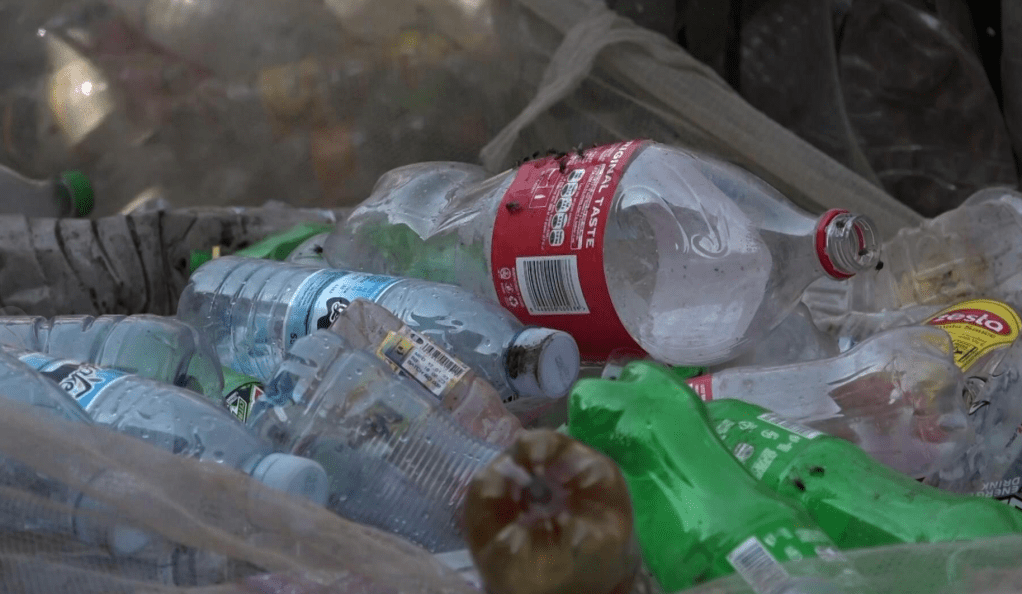
Consider this terrible truth – producing one billion plastic bottles requires 24 million gallons of oil, and given that a staggering 79 percent of all the plastic ever made remains in polluting landfill sites around the world, why are we asking for our water to be served to us this way?
Plastics PR Coup
The public’s perception of plastic bottles as ‘better’ than tap water has been shaped by clever marketing campaigns. Brands like FIJI and Smartwater lure the public with their appealing names and promises of purity. Consequently, about 39 percent of participants in a recent Harvard study thought bottled water was superior to tap.
But, that’s not always a fair comparison. This March 2024, the FDA recalled over 78,000 cases of Fiji, due to the presence of three strains of bacteria and elevated manganese levels. This was followed in April when the FDA issued a second bottled drinking water recall, this time for a brand called “Waiakea Hawaiian Volcanic Water’. While neither contaminants were considered life threatening and the Fufi Water recall was eventually downgraded to a Class III category recall – both cases illustrate that bottled water is not immune to issues. However the one that is perhaps most worrying is around plastics getting into bottle water.
One concerning study revealed that the average liter of bottled water can contain up to 240,000 tiny pieces of plastic, 90 percent of the plastics they found were so tiny that they were classified as nanoplastics. These particles are even smaller than microplastics, which are typically visible to the eye and roughly the size of a grain of rice. When microplastics break down further, they form nanoplastics, measuring less than 1 µm in size. This tiny size allows them to penetrate the body’s cells and tissues.
Recent research has found microplastics in human blood, feces, and major organs. The health implications of these plastics are rapidly emerging with evidence suggesting associations with serious human health issues, including cell death and the decrease of immunity.
How can you avoid drinking plastic particles and plastic related chemicals ? Where possible opt for tap water because according to research from 2022 by the National Institute of Health (NIC), in Bethesda, Maryland, tap water in the US at least contains less plastic contaminants than bottled water.
The U.S Environmental Protection Agency (EPA) is responsible for regulating tap water in the United States, and monitors for 90 known contaminants in tap water.
In San Francisco, a city that provides one of the best water qualities in the U.S, tap water is tested more than 10,000 times before being distributed. In April, 2024, the EPA announced new rules known as the National Primary Drinking Water Regulation (NPDWR), which covers six per- and polyfluoroalkyl substances (PFAS) which are chemicals that resist grease, oil, water, and heat and are commonly used in plastic products. The EPA is anticipating that the new ruling will “prevent PFAS exposure in drinking water for approximately 100 million people, prevent thousands of deaths, and reduce tens of thousands of serious PFAS-attributable illnesses”.
In addition, the EPA announced $1 billion in the Bipartisan Infrastructure Law to help states implement rigorous PFAS testing and treatment at public water systems and to help owners of private wells address PFAS contamination.
There have been cases of tap water being deemed dangerous, albeit not from plastics. For example in 2014 in Flint, Michigan, the local authority switched their municipal water supply source from Lake Huron to the Flint River. This corroded water distribution pipes, which then leached lead directly into tap water. But hopefully instances like this are rare.
Bottled water meanwhile is monitored for safety and reliability by the U.S Food and Drug Administration (FDA). The FDA manages bottled water as a food product, which means that bottled water does not have to be tested by certified laboratoriesfor quality testing or for reporting test results.
More Positives for Tap Water
The other added benefit of tap water is that much of it is fluoridated. Fluoride is added at low levels because it’s been shown to harden the enamel layer of teeth which builds up our resistance to tooth decay.
Tap water is significantly more economical than single-use plastic bottled water. Consumers who regularly buy bottled water pay approximately 3,000 percent more than those who drink tap water. Although costs can vary by household, the average annual water bill is around $300, translating to about a penny per gallon, while bottled water costs about $1.44 per gallon.
What’s more, an estimated 20 million metric tons of plastic end up in our environment annually- polluting the soil and our precious water table and ultimately and ironically, ourselves.
Reject the Bottle and Embrace the Tap
However, public skepticism over tap water persits which is helping to drive the ever expanding $46 billion U.S bottled water market, making it one of the fastest-growing industries in the world today.
We are so habitually used to having a plastic bottle of water ready and in our grasp, that it is easy to forget about good old tap water.
Psychologically, humans rely on two systems to motivate behavior; system 1 is responsible for making immediate decisions, while system 2 is about making analytical decisions. It is hard to switch to the latter system, because it requires more thinking and much more reasoning. So, when faced with the option of bottled or tap water, humans will tend to pick the one they are most familiar with, which is increasingly plastic bottled water. Even though it’s much more expensive, it is destroying the planet and poisoning our bodies with plastic particles and chemicals.
Let’s face it: switching to tap water isn’t just a matter of convenience; it requires us to break free from our ingrained habits. To make a meaningful change, we must learn to actively engage System 2 when it comes to our water choices. By consciously allowing our values to guide us, we can opt for tap water and help mitigate the waste and pollution associated with single-use plastic bottles, paving the way for a cleaner, healthier environment for future generations.
To help protect our communities from plastic buildup, and inform policymakers on plastic pollution and its underlying causes, consider donating to the EARTHDAY.ORG campaign to End Plastics. By uncovering the systematic problems within plastic use, including the misinformation regarding tap water, we can make a difference for our planet – and our own health, because every plastic water bottle sold is one more bottle too much.
The report summarises scientific findings over the last five years which raise the alarm about ocean warming, coral bleaching, shifting marine species distributions, sea ice loss, sea level rise and extreme weather events.[1] Also highlighting a recent study, the report warns that the oceans’ ability to absorb carbon dioxide may no longer be able to keep pace with human emissions.[2] All these changes have come at huge cost to the oceans themselves, and with profound consequences for billions of people worldwide.
Chris Thorne, Campaigner for Greenpeace UK, Protect the Oceans campaign said: “We must urgently take action and safeguard our best ally in the fight against climate change, by drastically reducing emissions, and by protecting 30% of the world’s ocean by 2030. The ocean supports all life on this planet, but as the climate crisis accelerates, the ocean’s ability to protect against its worst impacts, sustain coastal communities and support marine ecosystems is being damaged at an unprecedented scale.”
While the ocean and climate crises are worsening, governments have been dragging their feet on measures to effectively protect the oceans. To this day, less than 1% of the high seas – the largest habitat on Earth, comprising 64% of the world’s ocean – is fully or highly protected from human activities.
Chris Thorne added: “The Global Ocean Treaty can play a pivotal role in strengthening ocean resilience. It is the only tool we have that can protect 30% of the world’s ocean by 2030, in a network of ocean sanctuaries. Governments need to stop dragging their heels, sign it into law and get on with delivering their promise of protecting the ocean, before it’s too late”.
Alongside drastically reducing carbon emissions in line with the Paris Agreement as a matter of urgency, governments must ratify the Global Ocean Treaty, agreed upon by all governments in 2022, by the UN Ocean Conference, taking place in Nice, France, in June 2025.
At least 60 countries must ratify the Global Ocean Treaty by the UN Ocean Conference of the Parties (COP) in June 2025 for the agreement to enter into force 120 days later. After ratification, governments must continue to prioritise ocean protection through rapid and effective implementation of the Treaty.
[1] Key facts from the report include:
Warming ocean waters mean the ocean is 1–2% less oxygenated than in the 1970s.
The Arctic sea ice minimum extent in 2024 was the seventh-lowest on satellite record, and the 18 lowest annual minima have all occurred in the last 18 years.
A global mass bleaching event began in 2023 – the second in 10 years – and by July 2024, 73% of the world’s corals had been exposed to enough heat to begin bleaching.
So-called “once in a century” extreme sea level events are predicted to be 20–30 times more frequent, exposing one billion people to their effects.
Sea levels are 21 cm higher than they were in 1900, and projected future ice loss from polar ice sheets and from glaciers in mountainous regions means that larger increases are expected by 2100 even under the lowest emissions scenario
[2] The ocean is the greatest carbon sink on Earth, holding more than 50 times the amount of carbon in the atmosphere. The absorption of carbon dioxide by the ocean has so far provided a buffer against even more extreme impacts from the climate crisis, but this has come at a huge cost to the ocean. Ocean warming, acidification and deoxygenation are causing the health of the ocean to drastically deteriorate. The ocean’s key role in the carbon cycle is therefore being compromised.