By U.S. tap water should be safe. However, millions of Americans may face a higher risk of developing illnesses because of levels of contaminants in our drinking water that still get a pass from federal regulators.
The Environmental Protection Agency has set legal maximum levels in drinking water for about 90 contaminants, using its authority under the Safe Drinking Water Act. But many of these rules are outdated and do not rely on the most current science or address ongoing public health concerns.
That’s why legal limits don’t always mean safe limits. Here’s what you should know about six of the most commonly detected contaminants in drinking water:
PFAS
PFAS are a group of fluorinated chemicals that are used in hundreds of products, from waterproof textiles and cosmetics to firefighting gear and firefighting foam. Known as “forever chemicals,” PFAS don’t break down in the environment and they can build up in our bodies.
PFAS can cause widespread harm, especially to the immune system, and they are also linked to cancer. The presence of PFAS in water sources, including rivers, lakes and groundwater, has in turn contaminated tap water across the U.S., compromising the safety of humans as well as wildlife. Filtering your water is one of the easiest ways to reduce your exposure to PFAS.
Disinfection byproducts
Drinking water must be disinfected so disease-causing microbes don’t make us sick. But when chlorine or chloramine is used to treat water, harmful disinfection byproducts can form.
These byproducts are linked to an increased risk of cancer and harm during pregnancy. A simple carbon filter can effectively remove disinfection byproducts from water used for drinking and cooking.
Nitrate
Nitrate is one of the most common contaminants in tap water, and the most common in groundwater, since it does not degrade once it enters groundwater. It comes from fertilizer or livestock manure that has washed off farm fields into drinking water sources.
In more populous areas, nitrate from storm water runoff and wastewater treatment plant releases can also contaminate drinking water.
Studies show nitrate in tap water is linked to cancer and reproductive harm. Reverse osmosis filters are the most effective for reducing nitrate in tap water.
Heavy metals, including arsenic and hexavalent chromium
Heavy metals can especially be an issue when tap water comes from a groundwater well. For example, arsenic is a highly potent carcinogen, and ingesting even small amounts can increase the risk of cancer. It can contaminate water from naturally occurring minerals or from human activity such as mining and industrial uses.
Hexavalent chromium, or chromium-6, a carcinogen, is another metal that can contaminate groundwater from industrial pollution. California recently passed a limit on chromium-6 in drinking water, but the federal government has not, despite the metal’s widespread presence and link to cancer. It contaminates the drinking water of more than 250 million Americans.
Radiological contaminants
Radiological contaminants like radium and uranium enter tap water from natural deposits, but can also be released by mining and drilling. Radiation in tap water can be dangerous and may cause harm during pregnancy. There are six radiological contaminants, but the most common are radium-226 and radium-228. The EPA’s drinking water limits for these contaminants are outdated, and even low levels of exposure can increase the risk of cancer.
Volatile organic compounds
Trichloroethylene, or TCE, is a type of volatile organic compound, or VOC, that has been used as a metal degreaser or dry cleaning agent. Industrial discharges of TCE have contaminated tap water. Like many VOCs, TCE is linked to increased risk of cancer and birth defects.
Rapid development and deployment of powerful generative AI models comes with environmental consequences, including increased electricity demand and water consumption.
By Adam Zewe
The excitement surrounding potential benefits of generative AI, from improving worker productivity to advancing scientific research, is hard to ignore. While the explosive growth of this new technology has enabled rapid deployment of powerful models in many industries, the environmental consequences of this generative AI “gold rush” remain difficult to pin down, let alone mitigate.
The computational power required to train generative AI models that often have billions of parameters, such as OpenAI’s GPT-4, can demand a staggering amount of electricity, which leads to increased carbon dioxide emissions and pressures on the electric grid.
Furthermore, deploying these models in real-world applications, enabling millions to use generative AI in their daily lives, and then fine-tuning the models to improve their performance draws large amounts of energy long after a model has been developed.
Beyond electricity demands, a great deal of water is needed to cool the hardware used for training, deploying, and fine-tuning generative AI models, which can strain municipal water supplies and disrupt local ecosystems. The increasing number of generative AI applications has also spurred demand for high-performance computing hardware, adding indirect environmental impacts from its manufacture and transport.
“When we think about the environmental impact of generative AI, it is not just the electricity you consume when you plug the computer in. There are much broader consequences that go out to a system level and persist based on actions that we take,” says Elsa A. Olivetti, professor in the Department of Materials Science and Engineering and the lead of the Decarbonization Mission of MIT’s new Climate Project.
Olivetti is senior author of a 2024 paper, “The Climate and Sustainability Implications of Generative AI,” co-authored by MIT colleagues in response to an Institute-wide call for papers that explore the transformative potential of generative AI, in both positive and negative directions for society.
Demanding data centers
The electricity demands of data centers are one major factor contributing to the environmental impacts of generative AI, since data centers are used to train and run the deep learning models behind popular tools like ChatGPT and DALL-E.
A data center is a temperature-controlled building that houses computing infrastructure, such as servers, data storage drives, and network equipment. For instance, Amazon has more than 100 data centers worldwide, each of which has about 50,000 servers that the company uses to support cloud computing services.
While data centers have been around since the 1940s (the first was built at the University of Pennsylvania in 1945 to support the first general-purpose digital computer, the ENIAC), the rise of generative AI has dramatically increased the pace of data center construction.
“What is different about generative AI is the power density it requires. Fundamentally, it is just computing, but a generative AI training cluster might consume seven or eight times more energy than a typical computing workload,” says Noman Bashir, lead author of the impact paper, who is a Computing and Climate Impact Fellow at MIT Climate and Sustainability Consortium (MCSC) and a postdoc in the Computer Science and Artificial Intelligence Laboratory (CSAIL).
Scientists have estimated that the power requirements of data centers in North America increased from 2,688 megawatts at the end of 2022 to 5,341 megawatts at the end of 2023, partly driven by the demands of generative AI. Globally, the electricity consumption of data centers rose to 460 terawatts in 2022. This would have made data centers the 11th largest electricity consumer in the world, between the nations of Saudi Arabia (371 terawatts) and France (463 terawatts), according to the Organization for Economic Co-operation and Development.
By 2026, the electricity consumption of data centers is expected to approach 1,050 terawatts (which would bump data centers up to fifth place on the global list, between Japan and Russia).
While not all data center computation involves generative AI, the technology has been a major driver of increasing energy demands.
“The demand for new data centers cannot be met in a sustainable way. The pace at which companies are building new data centers means the bulk of the electricity to power them must come from fossil fuel-based power plants,” says Bashir.
The power needed to train and deploy a model like OpenAI’s GPT-3 is difficult to ascertain. In a 2021 research paper, scientists from Google and the University of California at Berkeley estimated the training process alone consumed 1,287 megawatt hours of electricity (enough to power about 120 average U.S. homes for a year), generating about 552 tons of carbon dioxide.
While all machine-learning models must be trained, one issue unique to generative AI is the rapid fluctuations in energy use that occur over different phases of the training process, Bashir explains.
Power grid operators must have a way to absorb those fluctuations to protect the grid, and they usually employ diesel-based generators for that task.
Increasing impacts from inference
Once a generative AI model is trained, the energy demands don’t disappear.
Each time a model is used, perhaps by an individual asking ChatGPT to summarize an email, the computing hardware that performs those operations consumes energy. Researchers have estimated that a ChatGPT query consumes about five times more electricity than a simple web search.
“But an everyday user doesn’t think too much about that,” says Bashir. “The ease-of-use of generative AI interfaces and the lack of information about the environmental impacts of my actions means that, as a user, I don’t have much incentive to cut back on my use of generative AI.”
With traditional AI, the energy usage is split fairly evenly between data processing, model training, and inference, which is the process of using a trained model to make predictions on new data. However, Bashir expects the electricity demands of generative AI inference to eventually dominate since these models are becoming ubiquitous in so many applications, and the electricity needed for inference will increase as future versions of the models become larger and more complex.
Plus, generative AI models have an especially short shelf-life, driven by rising demand for new AI applications. Companies release new models every few weeks, so the energy used to train prior versions goes to waste, Bashir adds. New models often consume more energy for training, since they usually have more parameters than their predecessors.
While electricity demands of data centers may be getting the most attention in research literature, the amount of water consumed by these facilities has environmental impacts, as well.
Chilled water is used to cool a data center by absorbing heat from computing equipment. It has been estimated that, for each kilowatt hour of energy a data center consumes, it would need two liters of water for cooling, says Bashir.
“Just because this is called ‘cloud computing’ doesn’t mean the hardware lives in the cloud. Data centers are present in our physical world, and because of their water usage they have direct and indirect implications for biodiversity,” he says.
The computing hardware inside data centers brings its own, less direct environmental impacts.
While it is difficult to estimate how much power is needed to manufacture a GPU, a type of powerful processor that can handle intensive generative AI workloads, it would be more than what is needed to produce a simpler CPU because the fabrication process is more complex. A GPU’s carbon footprint is compounded by the emissions related to material and product transport.
There are also environmental implications of obtaining the raw materials used to fabricate GPUs, which can involve dirty mining procedures and the use of toxic chemicals for processing.
Market research firm TechInsights estimates that the three major producers (NVIDIA, AMD, and Intel) shipped 3.85 million GPUs to data centers in 2023, up from about 2.67 million in 2022. That number is expected to have increased by an even greater percentage in 2024.
The industry is on an unsustainable path, but there are ways to encourage responsible development of generative AI that supports environmental objectives, Bashir says.
He, Olivetti, and their MIT colleagues argue that this will require a comprehensive consideration of all the environmental and societal costs of generative AI, as well as a detailed assessment of the value in its perceived benefits.
“We need a more contextual way of systematically and comprehensively understanding the implications of new developments in this space. Due to the speed at which there have been improvements, we haven’t had a chance to catch up with our abilities to measure and understand the tradeoffs,” Olivetti says.
Ice acts like a protective cover over the Earth and our oceans. These bright white spots reflect excess heat back into space and keep the planet cooler. In theory, the Arctic remains colder than the equator because more of the heat from the sun is reflected off the ice, back into space.
Glaciers around the world can range from ice that is several hundred to several thousand years old and provide a scientific record of how climate has changed over time. Through their study, we gain valuable information about the extent to which the planet is rapidly warming. They provide scientists a record of how climate has changed over time.
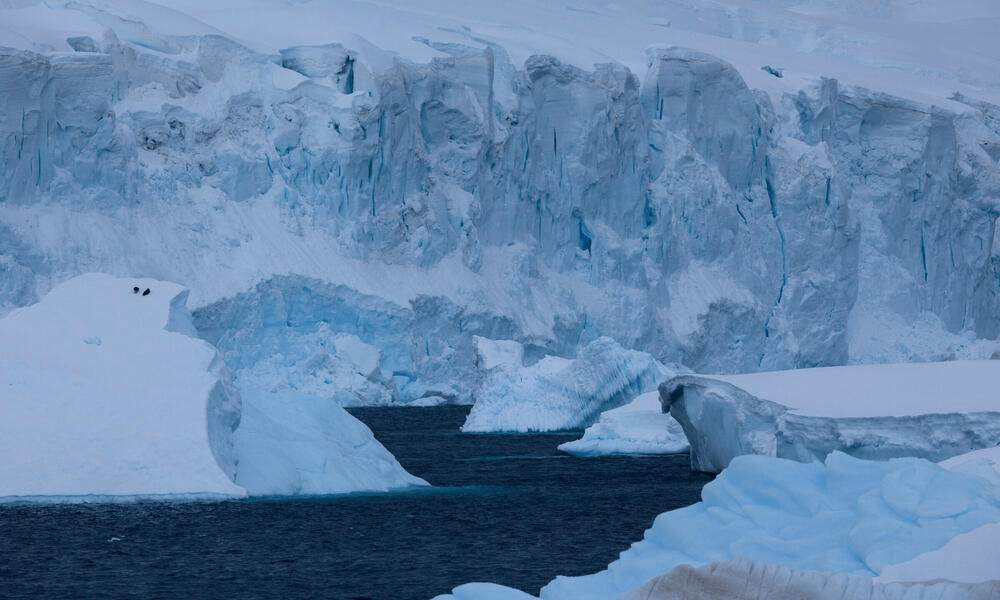
Today, about 10% of land area on Earth is covered with glacial ice. Almost 90% is in Antarctica, while the remaining 10% is in the Greenland ice cap.
Rapid glacial melt in Antarctica and Greenland also influences ocean currents, as massive amounts of very cold glacial-melt water entering warmer ocean waters is slowing ocean currents. And as ice on land melts, sea levels will continue to rise.
What is the difference between sea ice and glaciers?
Sea ice forms and melts strictly in the ocean whereas glaciers are formed on land.Icebergs are chunks of glacial ice that break off glaciers and fall into the ocean.
When glaciers melt, because that water is stored on land, the runoff significantly increases the amount of water in the ocean, contributing to global sea level rise.
Sea ice, on the other hand, is often compared to ice cubes in a glass of water: when it melts, it does not directly change the level of water in the glass. Instead, depleting Arctic sea ice triggers a host of other devastating consequences—from depleting available ice on which walrus can haul out or polar bears hunt to changing weather systems around the world by altering the pattern of the Jet stream.
Why are glaciers melting?
Since the early 1900s, many glaciers around the world have been rapidly melting. Human activities are at the root of this phenomenon. Specifically, since the industrial revolution, carbon dioxide and other greenhouse gas emissions have raised temperatures, even higher in the poles, and as a result, glaciers are rapidly melting, calving off into the sea and retreating on land.
Even if we significantly curb emissions in the coming decades, more than a third of the world’s remaining glaciers will melt before the year 2100. When it comes to sea ice, 95% of the oldest and thickest ice in the Arctic is already gone.
Scientists project that if emissions continue to rise unchecked, the Arctic could be ice free in the summer as soon as the year 2040 as ocean and air temperatures continue to rise rapidly.
What are the effects of melting glaciers on sea level rise?
Melting glaciers add to rising sea levels, which in turn increases coastal erosion and elevates storm surge as warming air and ocean temperatures create more frequent and intense coastal storms like hurricanes and typhoons. Specifically, the Greenland and Antarctic ice sheets are the largest contributors of global sea level rise. Right now, the Greenland ice sheet is disappearing four times faster than in 2003 and already contributes 20% of current sea level rise.
How much and how quickly these Greenland and Antarctic ice sheets melt in the future will largely determine how much ocean levels rise in the future. If emissions continue to rise, the current rate of melting on the Greenland ice sheet is expected to double by the end of the century. Alarmingly, if all the ice on Greenland melted, it would raise global sea levels by 20 feet.
How do melting sea ice and glaciers affect weather patterns?
Today, the Arctic is warming twice as fast as anywhere on earth, and the sea ice there is declining by more than 10% every 10 years. As this ice melts, darker patches of ocean start to emerge, eliminating the effect that previously cooled the poles, creating warmer air temperatures and in turn disrupting normal patterns of ocean circulation. Research shows the polar vortex is appearing outside of the Arctic more frequently because of changes to the jet stream, caused by a combination of warming air and ocean temperatures in the Arctic and the tropics.
The glacial melt we are witnessing today in Antarctic and Greenland is changing the circulation of the Atlantic Ocean and has been linked to collapse of fisheries in the Gulf of Maine and more destructive storms and hurricanes around the planet.
What are the effects of melting glaciers and sea ice loss on humans and wildlife?
What happens in these places has consequences across the entire globe. As sea ice and glaciers melt and oceans warm, ocean currents will continue to disrupt weather patterns worldwide. Industries that thrive on vibrant fisheries will be affected as warmer waters change where and when fish spawn. Coastal communities will continue to face billion-dollar disaster recovery bills as flooding becomes more frequent and storms become more intense. People are not the only ones impacted. In the Arctic, as sea ice melts, wildlife like walrus are losing their home and polar bears are spending more time on land, causing higher rates of conflict between people and bears.
Among the most pervasive contaminants are arsenic, nitrate and a chemical called 1,2,3-trichloropropane, or 1,2,3-TCP. Combined, elevated levels of these chemicals contaminatemore than 220 failing systems serving nearly half a million people.
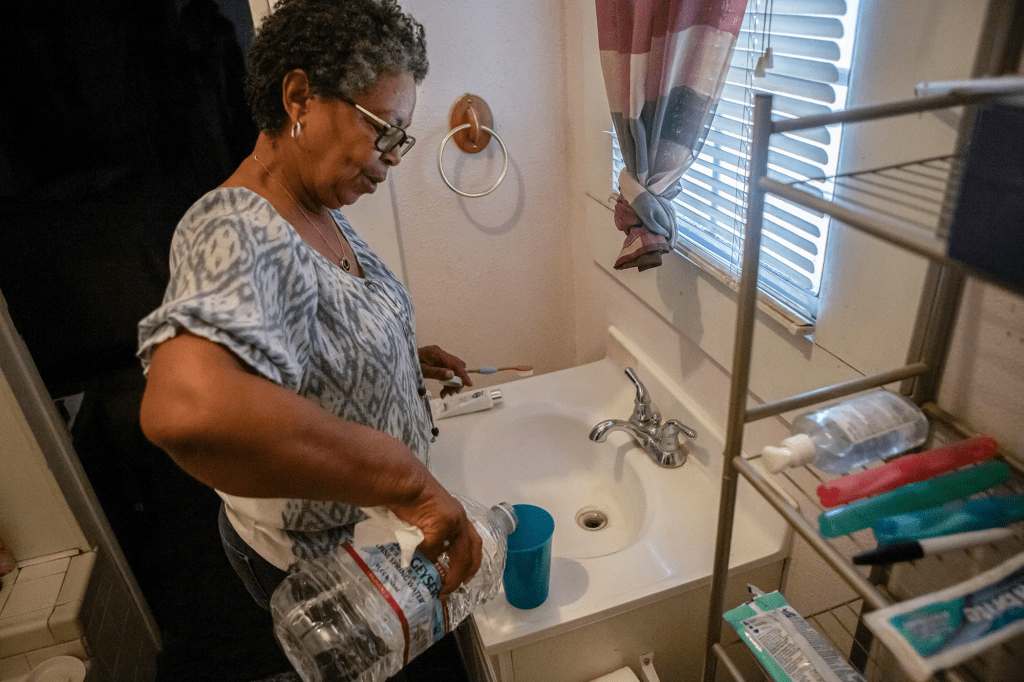
Unsafe drinking water is a chronic, insidious and sometimes hidden problem in a state where attention more often focuses on shortages than the quality of the water. The failing systems are clustered in rural farm areas that have experienced decades of groundwater contamination. Many residents are afraid to drink tap water, or even bathe their children in it, relying on bottled water instead.
“It is morally outrageous that we can’t provide the level of basic human rights that people need, and that it’s primarily low income communities of color who are facing these disparate impacts,” said Kyle Jones, policy and legal director with the Community Water Center, a nonprofit group. “While the state’s made a lot of good progress … more needs to be done.”
But despite all the systems that have been removed from the state’s failing list, about 600 others serving 1.6 million people are at risk of failureand more than 400 others serving another 1.6 million are deemed “potentially at risk.”
“We have continuing degradation of groundwater from all our human activities — farming, industry, drought itself with our climate change,” said Darrin Polhemus, deputy director of the State Water Resources Control Board and head of its Division of Drinking Water. “We’re seeing the dawn of a new age where treatment is required on almost all our groundwater sources, and these small communities are not prepared for what that means.”
“It is morally outrageous that we can’t provide the level of basic human rights that people need.”KYLE JONES, COMMUNITY WATER CENTER
Ensuring safe and reliable drinking water for all Californians will cost about $16 billion, according to a recent state analysis. But the state water board projects that it has only $2 billion available for grants in communities and $1.5 billion for loans.
Suppliers that violate drinking water standards are required to notify residents and reduce their exposure, often by treating or blending water supplies. State regulators are pushing for long-term fixes, like consolidating some smaller suppliers with bigger systems nearby.
The state auditor lambasted California water officials two years ago for “a lack of urgency,” pointing to lengthy funding timelines and other problems. But infrastructure takes time and advanced planning, which is a struggle for smaller water systems, state officials say.
“We’re seeing the dawn of a new age where treatment is required on almost all our groundwater sources, and these small communities are not prepared for what that means.” DARRIN POLHEMUS, STATE WATER RESOURCES CONTROL BOARD
Some water providers, such as in the town of Lamont in Kern County, are poised to fix their water problems with millions of dollars in state funding. Other, smaller communities, like Allensworth in Tulare County and San Lucas on the Central Coast, have been waiting for clean water for years.
Meanwhile, rural residents are left to weigh the risks flowing through their taps for themselves.
“It scares me. All of it scares me,” said Jefferson. “And then no one thinks about it. Here, we’re in a rural community, and people have a tendency to overlook us.”
In this small town, pesticide residue is the culprit
In the San Joaquin Valley community of Pixley, home to about 3,800 people, the jobs are rooted in agriculture — and so are the water problems.
Widespread use of soil fumigants starting in the 1950s contaminated Central Valley groundwater with 1,2,3-TCP, which is an impurity in those fumigants and also is used as an industrial solvent. Though the fumigants were pulled from the market or reformulated in California by the 1990s, elevated levels continue to taint the water in wells throughout the San Joaquin Valley.
“You’re pretty much playing Russian Roulette…It scares me. All of it scares me.”TEQUITA JEFFERSON, PIXLEY RESIDENT
Christina Velazquez, who has lived in Pixley for 44 years and had her own brush with cancer, estimates that she spends at least $30 per month to buy filters and water bottles, on top of her water and sewer bill.
“That’s what I make my grandkids drink — I won’t let them drink the water from the faucet,” Velasquez said. “We shouldn’t have to buy water when we’re already paying for it.”
Pixley received $11.5 million from pesticide manufacturers in 2021 to settle a lawsuit about the contamination, according to attorney Chad Lew, counsel for the Pixley Public Utility District.
But David Terrel, a teacher and vice president of the district’s board, said there still isn’t enough funding to fix the contamination problem. “If we could handle it on our own, we would be doing that,” he said.
Pixley is holding out hope for a construction grant from the state. The district has received about $750,000 for planning and technical assistance, as well as for installing filtered-water vending machines, according to a state database.
“We’re still pretty broken when it comes to corporate responsibility for wide-scale pollution,” Polhemus said. The money will “last for a decade or two, but what about the third and fourth and fifth decade, when they’re still dealing with that contaminant?”
In Lamont, about an hour south of Pixley near Bakersfield, the failure of one well forced more than 18,200 people to rely more heavily on a well contaminated with elevated levels of 1,2,3-TCP.
“Without the state help, what would we have done? Honestly, I don’t have a clue… We don’t have $30 million laying around.”SCOTT TAYLOR, LAMONT PUBLIC UTILITYDISTRICT
Lamont Public UtilityDistrict General Manager Scott Taylor said a fix is already in the works, thanks to a new well built with state funds. Another$25.4 million grant from the water boardwill help Lamont install three new wells to provide water to Lamont and a smaller arsenic-plagued system nearby.
“Without the state help, what would we have done? Honestly, I don’t have a clue. And I’m glad I don’t have to find out,” Taylor said. “We don’t have $30 million laying around.”
In Allensworth, arsenic is a decades-long problem
Just 20 minutes away from Pixley, in Allensworth, Sherry Hunter keeps catching herself running the tap to brush her teeth.
The Allensworth Community Services District,where Hunter serves as president, has tried to reduce the contamination by blending in water from a less tainted well.
But in July, both wells failed because of suspected electrical issues, according to the nonprofit Self-Help Enterprises. Though the more contaminated well was brought back online, it, too, began sputtering out in August — leaving residents with either arsenic-contaminated water or no water at all.
Farmworkers living in Allensworth found themselves unable to shower after long days in the heat, Hunter said. “It’s a horrible feeling … We don’t have rich people that live in Allensworth.”
By the end of August, Allensworth had qualified for emergency state water board funding through Self-Help Enterprises to repair the wells and investigate the source of the electrical issues.
Hunter said she’s excited to know that help is on the way, but she’s frustrated with how long it’s taking to bring reliably clean water to her community.
“It wouldn’t have happened in none of the other little cities around here,” Hunter said. “People of color are always put on the back burner. Latinos, and Blacks, we’re always sitting on the back of the bus.”
Nitrate spikes in a Monterey County town’s wells
Two hours toward the coast, in the agricultural Monterey County community of San Lucas, Virginia Sandoval mixes formula with bottled water for her 2-month-old twin granddaughters. She’s afraid to even bathe the babies, born prematurely, in the tap water.
San Lucas’ water system is designated as failing because of nitrate levels that wax and wane, according to Andrew Altevogt, an assistant deputy director of the State Water Board’s Division of Drinking Water.
“Nitrate’s an acute contaminant, so if it does happen, it’s an immediate concern,” Altevogt said.
The water system has also been plagued with other contaminants that affect taste, odor and color.
For years, residents have relied on bottled water mandated by regional regulators and provided by the farmer where the well is located.
The supplies often don’t last the week for Sandoval. She regularly drives the 20-mile round trip to King City to purchase more bottles — a cost of more than $20 per week, she estimates, on top of her monthly water bill.
“It’s very stressful to be thinking every morning … ‘Do I have water or do I not have water?’ What am I going to do?’” Sandoval said in Spanish. “I even had to look for coins, pennies, so that I can go pick up water.”
“It’s very stressful to be thinking every morning … ‘Do I have water or do I not have water?’ What am I going to do?’… I even had to look for coins, pennies, so that I can go pick up water.”VIRGINIA SANDOVAL, SAN LUCAS RESIDENT
Three years ago, regional water regulators issued an order setting limits on the amount of fertilizer applied to crops. But two years later, state officials overturned them, saying that an expert panel needed to evaluate whether there was enough data to support the restrictions, according to a statement from the state water board.
“You really can’t grow a lot of these crops without fertilizer,” said Norm Groot, executive director of the Monterey County Farm Bureau. “We can’t artificially reduce that overnight and continue to produce the food items that are important to our nation’s dinner tables.”
The groups say the state board’s rollback of the fertilizer limits “disproportionately harmed Latinx communities and other communities of color,” which are 4.4 times more likely to have groundwater contamination above the state limits.
“We sit here today counting years. It’s mind-blowing,” said Monterey County Supervisor Chris Lopez. “I feel like we’ve failed (residents) as a society so much, without being able to give them the clean drinking water that they deserve.”
There are high hopes that artificial intelligence (AI) can help tackle some of the world’s biggest environmental emergencies. Among other things, the technology is already being used to map the destructive dredging of sand and chart emissions of methane, a potent greenhouse gas.
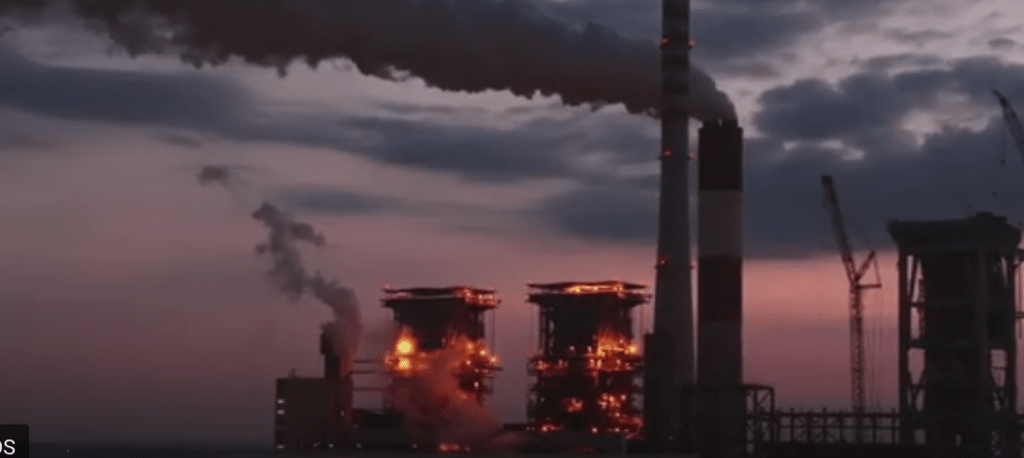
But when it comes to the environment, there is a negative side to the explosion of AI and its associated infrastructure, according to a growing body of research. The proliferating data centres that house AI servers produce electronic waste. They are large consumers of water, which is becoming scarce in many places. They rely on critical minerals and rare elements, which are often mined unsustainably. And they use massive amounts of electricity, spurring the emission of planet-warming greenhouse gases.
“There is still much we don’t know about the environmental impact of AI but some of the data we do have is concerning,” said Golestan (Sally) Radwan, the Chief Digital Officer of the United Nations Environment Programme (UNEP). “We need to make sure the net effect of AI on the planet is positive before we deploy the technology at scale.”
This week, UNEP released an issue note that explores AI’s environmental footprint and considers how the technology can be rolled out sustainably. It follows a major UNEP report, Navigating New Horizons, which also examined AI’s promise and perils. Here’s what those publications found.
First of all, what is AI?
AI is a catch-all term for a group of technologies that can process information and, at least superficially, mimic human thinking. Rudimentary forms of AI have been around since the 1950s. But the technology has evolved at a breakneck pace in recent years, in part because of advances in computing power and the explosion of data, which is crucial for training AI models.
Why are people excited about the potential of AI when it comes to the environment?
The big benefit of AI is that it can detect patterns in data, such as anomalies and similarities, and use historic knowledge to accurately predict future outcomes. That could make AI invaluable for monitoring the environment, and helping governments, businesses and individuals make more planet-friendly choices. It can also enhance efficiencies. UNEP, for example, uses AI to detectwhen oil and gas installations vent methane, a greenhouse gas that drives climate change.
Most large-scale AI deployments are housed in data centres, including those operated by cloud service providers. These data centres can take a heavy toll on the planet. The electronics they house rely on a staggering amount of grist: making a 2 kg computer requires 800 kg of raw materials. As well, the microchips that power AI need rare earth elements, which are often mined in environmentally destructive ways, noted Navigating New Horizons.
The second problem is that data centres produce electronic waste, which often contains hazardous substances, like mercury and lead.
Third, data centres use water during construction and, once operational, to cool electrical components. Globally, AI-related infrastructure may soon consume six times more water than Denmark, a country of 6 million, according to one estimate. That is a problem when a quarter of humanity already lacks access to clean water and sanitation.
Finally, to power their complex electronics, data centres that host AI technology need a lot of energy, which in most places still comes from the burning of fossil fuels, producing planet-warming greenhouse gases. A request made through ChatGPT, an AI-based virtual assistant, consumes 10 times the electricity of a Google Search, reported the International Energy Agency. While global data is sparse, the agency estimates that in the tech hub of Ireland, the rise of AI could see data centres account for nearly 35 per cent of the country’s energy use by 2026.
Driven in part by the explosion of AI, the number of data centres has surged to 8 million from 500,000 in 2012, and experts expect the technology’s demands on the planet to keep growing.
Some have said that when it comes to the environment, AI is a wildcard. Why is that?
We have a decent handle on what the environmental impacts of data centres could be. But it’s impossible to predict how AI-based applications themselves will affect the planet. Some experts worry they may have unintended consequences. For example, the development of AI-powered self-driving cars could cause more people to drive instead of cycling or taking public transit, pushing up greenhouse gas emissions. Then there are what experts call higher-order effects. AI, for example, could be used to generate misinformation about climate change, downplaying the threat in the eyes of the public.
Is anybody doing anything about the environmental impacts of AI?
More than 190 countries have adopted a series of non-binding recommendations on the ethical use of AI, which covers the environment. As well, both the European Union and the United States of America have introduced legislation to temper the environmental impact of AI. But policies like those are few and far between, says Radwan.
“Governments are racing to develop national AI strategies but rarely do they take the environment and sustainability into account. The lack of environmental guardrails is no less dangerous than the lack of other AI-related safeguards.”
How can the world rein in the environmental fallout from AI?
In the new issue note, UNEP recommends five main things. Firstly, countries can establish standardized procedures for measuring the environmental impact of AI; right now, there’s a dearth of reliable information on the subject. Secondly, with support from UNEP, governments can develop regulations that require companies to disclose the direct environmental consequences of AI-based products and services. Thirdly, tech companies can make AI algorithms more efficient, reducing their demand for energy, while recycling water and reusing components where feasible. Fourthly, countries can encourage companies to green their data centres, including by using renewable energy and offsetting their carbon emissions. Finally, countries can weave their AI-related policies into their broader environmental regulations.
The US supreme court has weakened rules on the discharge of raw sewage into water supplies in a 5-4 ruling that undermines the 1972 Clean Water Act.
The CWA is the principal law governing pollution control and water quality of the nation’s waterways.
The Republican super majority court ruled on Tuesday that the Environmental Protection Agency (EPA) cannot employ generic, water body-focused pollution discharge limits to Clean Water Act permit holders, and must provide specific limitations to pollution permittees.
The ruling is a win for San Francisco, which challenged nonspecific, or “narrative,” wastewater permits that the EPA issues to protect the quality of surface water sources like rivers and streams relied upon for drinking water.
In a 5-4 ruling written by Justice Samuel Alito, the court blocked the EPA from issuing permits that make a permittee responsible for surface water quality, or “end result” permits – a new term coined by the court.
“The agency has adequate tools to obtain needed information from permittees without resorting to end-result requirements,” wrote Justice Samuel Alito, who was joined by Chief Justice John Roberts and Justices Clarence Thomas and Brett Kavanaugh, along with Justice Neil Gorsuch, who joined part of the majority opinion.
The EPA issued San Francisco a permit allowing it to discharge pollutants from its combined sewer system into the Pacific Ocean. The permit’s conditions include prohibitions on discharges that contribute to a violation of applicable water quality standards. The permit included generic prohibitions on the impacts to water quality, as part of the EPA’s efforts to halt San Francisco’s releases of raw sewage into the Pacific Ocean during rainstorms.
San Francisco challenged these conditions, arguing that EPA lacks statutory authority to impose them. The US Court of Appeals for the ninth circuit in July 2023 upheld EPA’s authority to issue generic limits on discharges under the Clean Water Act. San Francisco took the case to the supreme court.
The case drew the attention of powerful business groups including the National Mining Association and US Chamber of Commerce, which wrote amicus briefs in support of San Francisco’s position. It was the first case to grapple with Clean Water Act regulations since the court struck down Chevron deference in Loper Bright Enterprises v Raimondo in June 2024, though it was barely mentioned during oral arguments.
“The city is wrong,” according to Justice Amy Coney Barrett, who wrote the dissenting opinion, which was joined by the three Democratic justices, Sotomayor, Kagan and Jackson. “The relevant provision of the Clean WaterAct directs EPA to impose any more stringent limitation that is necessary to meet… or required to implement any applicable water quality standard.”
The relationship between the risk to water security in each hydrological basin
Securing the world’s water supply is one of the greatest challenges of our time. Research at Stockholm University is now presenting an alternative method for quantifying the global risk of water scarcity. Results indicate higher risks to water supply than previously expected if accounting for the environmental conditions and governability where rain is produced.
The common idea of global water supply is rain falling on the earth’s surface and then stored in aquifers, lakes, and rivers. This idea is usually used to assess water security and the risk of water scarcity. However, a study, titled “Upwind moisture supply increases risk to water security” in Nature Water, shows how the water risks are dependent on governance and environmental conditions present upwind, which means the areas where the moisture for rain comes from.
“Water supply really originates beforehand, with moisture evaporated from land or in the ocean traveling in the atmosphere before falling as rain. This upwind moisture is commonly overlooked when assessing water availability,” says Fernando Jaramillo, associate professor of physical geography at Stockholm University and responsible for the study.
When a lake or river is shared between different countries or authorities, assessments and regulations mainly apply an upstream perspective, considering conditions in the direction upriver from the water body. Instead, an upwind perspective considers the area where evaporated water is transported before ending up as rain. The area is known as a “precipitationshed” and can cover large areas of the earth’s surface.
“For instance, in tropical South America, most of the Amazon basin is downstream of the Andes mountain range, whereas large areas of the Andes are in themselves downwind of the Amazon rainforest and depending on it, which makes these two regions dependent on each other for water supply,” says Jaramillo.
The study examined 379 hydrological basins worldwide, revealing that risks to water security are significantly higher when considering the upwind origin of water.
“With this approach, we see that 32,900 km3/year of water requirements worldwide face very high risk, a near 50% increase, compared to the 20,500 km3/year resulting from the more traditional upstream focus,” says José Posada, former doctoral student at Stockholm University and main author of the study.
Political control can have major consequences
Since a large amount of water is evaporated from plants, changes in land use can affect downwind water availability. If deforestation and agricultural development are predominant in upwind areas, the amount of moisture vegetation provides may decrease, reducing rainfall downwind and increasing the risk to water security.
“For coastal countries such as the Philippines, most of the rain comes from the sea, which means that land-use changes pose very little risk to water security. Rainfall in inland countries such as Niger, on the other hand, comes mainly from moisture that evaporates in neighboring countries such as Nigeria and Ghana. This puts many land-locked countries at high risk regarding how water security is affected by changes in land use,” says Jaramillo.
In other words, political factors such as environmental management and regulations in areas where moisture first evaporates can affect water safety in completely different areas.
“For instance, the Congo River basin, heavily reliant on moisture from neighboring countries with low environmental performance and governance according to global indicators, faces considerable risks due to potential deforestation and unregulated land use changes in neighboring areas,” says Lan Wang-Erlandsson, researcher at the Stockholm Resilience Center at Stockholm University and co-author of the study.
Environmental regulation requires an upwind perspective.
The study reveals why the lack of governability and environmental performance in a country upwind may be relevant to the water supply of a country downwind. It stresses the codependence between upstream/downwind and downstream/upwind countries.
“It is not possible to ignore the interdependence between countries. In the end, all water is connected, so we should not only mind how we manage our water resources within a region or country but also how our neighboring countries do,” says Wang-Erlandsson.
“We hope that the findings of this study can help identify where and to whom cooperation strategies and efforts can be directed to mitigate the causes of water-related tensions, including atmospheric water flows in transboundary decision-making and water governance frameworks. We stress the need for international cooperation to effectively manage upwind moisture sources,” concludes Jaramillo.
On November 8, 2018, a power line dropped into dry grass in the foothills of the Sierra Nevada mountains, north of Sacramento, and ignited the deadliest fire in California’s history. Powerful winds swept flames through Paradise and several other small towns in the tinder-dry forest, killing 85 people, destroying 18,000 structures, and causing more than $16 billion in damage.
Among the fire victims was the city’s water system, poisoned by the toxins in smoke. “Every time a home burns, it’s an open line to the atmosphere,” said Kevin Phillips, a former town manager and the district manager for the Paradise Irrigation District, which provides drinking water to more than 9,000 customers. “You are squirting water out [of lines that supply homes] at full speed and eventually [the system] depressurizes. That creates a vacuum effect and sucks in smoke with contaminants back into the system.” Smoke from burning trees, plastics — including PVC water pipes — and other materials contain benzene and other carcinogens. A year after the fire, testing revealed levels of benzene 80 times higher than the legal limit in some drinking water samples.
The road back to a healthy water supply has been long, requiring many rounds of flushing the system, testing, and replacing pipes. But this August, after seven years of work and expenditures of $40 million, the town’s new water system will be finished and all toxic substances flushed.
Flooding in Asheville washed away large water pipes and damaged backup pipes buried 25 feet underground.
From fires to floods, droughts, extreme heat, and sea level rise, climate change is taking a growing and serious toll on drinking water supplies around the world. The changes hit hardest in places with already stressed, or fragile, municipal water systems. And as such climate impacts worsen, they are forcing expensive fixes — if fixes exist at all.
“Climate change is having a significant impact on the availability of our water resources from a quality and quantity perspective,” said Alexandra Campbell Ferrari, executive director of the Center for Water Security and Cooperation. “We are not really addressing the challenges. Ultimately, we’ll be unprepared to address the floods and drought and pollution that we will continue to be faced with.”
More than half of the U.S. population drinks water that’s captured and filtered by forested lands. But with wildland fires growing in intensity, frequency, and duration, surface water supplies in those watersheds are increasingly contaminated with dissolved carbon, heavy metals, and excessive nutrients, including nitrogen and phosphorous, from burning trees and other forest materials. When fires burn houses and towns, plastic pipes and other human-made materials pollute the water system. And after the fires, mudslides often occur, washing sediment, debris, and other contaminants into surface water, compounding water quality problems.
Flooding poses a major threat to drinking water systems worldwide as the climate warms and the atmosphere holds ever more moisture. Last September, Hurricane Helene swept up the U.S. East Coast, dropping 14 inches of rain on Asheville, North Carolina, over the course of three days. The once-in-a-thousand-year deluge wiped out homes, businesses, and infrastructure in the mountain community — including the city’s water system.
The flooding washed away the large-diameter pipes that carried water from treatment plants to the rest of the system and damaged back-up pipes buried 25 feet underground. The 1,000 miles of smaller pipes in Asheville that carried water to businesses and residences were also heavily damaged.
This wreckage was even more striking because it happened to a system built in 2004, which was designed to be more resilient in the wake of a previous flood event. Officials “thought they were building the best they could with the means they had at the time,” Asheville Mayor Esther Manheimer toldTheNew York Times last year. “I don’t know how you can build a system that can withstand a 1,000-year flood situation like we just experienced. If you had all the money in the world, you probably could. When you’re a city on a budget of $250 million a year, you know, you can’t.”
“Wastewater systems are not designed for this changing climate. They were designed for an older climate that doesn’t exist anymore.”
The problem is worse in countries without, or with minimal, water infrastructure. Recent extreme flooding events in Pakistan, Niger, and Chad flooded sewers and latrines. Pathogens were washed into drinking water, which resulted in outbreaks of diarrhea and cholera. In Chad, which was already suffering from a food crisis, contaminated floodwaters also destroyed stores of food as well as crops in fields. In southern Brazil, flooding in the spring of 2024 contributed to an increase in leptospirosis in urban settings with inadequate sanitation systems.
High-intensity rain storms can also wash toxic chemicals from fertilized fields, industrial sites, and roads into streams and reservoirs. The contaminants complicate the water-treatment process as systems overflow, equipment breaks down, filters clog, and more disinfectant is required. Because many sewage and water treatment plants are built along streams and low-lying areas prone to flooding, as in Asheville, climate change is expected to damage more of these facilities. Such challenges increase the risk of contamination both immediately and over the long term.
“Wastewater systems are not designed for this changing climate,” said Sri Vedachalam. “They were designed for an older climate that probably doesn’t exist anymore.”
Wells are at risk too. Testing after Hurricane Helene showed that E. coli and coliform bacteria contaminated 40 percent of the private wells in the path of Helene. Studies have shown that flooding and heavy rains can cause human feces and other contaminants from leaky septic systems to seep into public and private wells. Some 53 million people in the United States rely on private wells, which are not regulated by the federal government and are not subject to mandatory treatment for contaminants
Droughts — made more frequent and intense by climate change — can also affect water quality. When water levels are low, organic material, such as decomposing leaves and other vegetation, gets concentrated in surface water sources, which spurs treatment plants to use more disinfectant — typically chlorine. But organic material can react with chlorine to create two families of toxic disinfection byproducts (DBP) — trihalomethanes and haloacetic acids. Utilities face a balancing act: Using too little chlorine could allow opportunistic pathogens to survive. Using too much chlorine could allow harmful DBPs to build up in drinking water. A recent analysis found some evidence that trihalomethanes, even at levels below regulatory limits in the U.S. and the European Union, increase the risk of bladder and colorectal cancer over decades of consumption; haloacetic acids are also considered a potential carcinogen.
In Mozambique, drought has led to a lack of clean water, leading to an increase in water-borne diseases like cholera.
Globally, rural areas that lack advanced water treatment systems also suffer. In Mozambique’s Nampula Province, climate-related drought has diminished rivers, shallow boreholes, and wells; the lack of clean water has contributed to rising cases of tropical diseases like scabies, schistosomiasis, and lymphatic filariasis, according to Doctors Without Borders, in addition to water-borne diseases like cholera and diarrhea. A solution: digging deeper and better-covered wells.
Fertilizer runoff and contaminated stormwater from extreme rainfall, combined with warmer water temperatures, are also increasing the frequency and intensity of harmful algal blooms in freshwater. After a massive algal bloom occurred in Lake Erie in the summer of 2014, residents of Toledo, Ohio, were warned not to drink their tap water because it contained cyanotoxins generated by thick green slicks of algae. Exposure to these naturally occurring compounds, through swimming in or drinking affected water, can cause serious illness and even death.
Experts say the risk of algal blooms, and their risk to drinking water, is growing. Lake Erie’s “blooms are starting earlier,” said Sean Corson, director of NOAA’s National Center for Coastal Ocean Science toldInside Climate News. “They’re lasting longer. Their peaks are larger. So, by some measures, they’re getting worse.”
Ocean water is also threatening drinking water supplies as river volumes decline. The Mississippi River has experienced a drought over the last two years, due to lack of precipitation and excessive heat. The low river levels have allowed saltwater to travel from the Gulf of Mexico further upstream, threatening to contaminate New Orleans’ drinking water.
“Lately it’s been an extremely low river,” said Mark “Hobbo” Cognevich, who works on water issues as a district representative for Plaquemines Parish, at the mouth of the Mississippi. “The seawater is rising and so it’s moving its way upriver against the freshwater coming down.” Saltwater intrusion has become more frequent in the last few years, said Cognevich. Last year, parish officials delivered bottled water to residents, and the utility occasionally trucks in reverse osmosis filters, or desalination units, to supplement its water treatment until a new plant in Belle Chasse with reverse osmosis capabilities can be completed.
To cope with the growing risk of fires to its water system, Paradise, California has learned hard lessons on how to prepare.
Utilities across the U.S. are working on various fronts to adapt to the changing water picture. In Paradise, to cope with the growing risk of fires, Phillips said the city has learned hard lessons on how to better prepare. “We put in concrete meter boxes everywhere so they are more resilient to heat,” he said. “We use brass meters, no more plastic meters. And every house is equipped with a backflow device, so if a house was to burn down there would no longer be the opportunity for a vacuum effect.”
According to a recent report by the Pacific Institute, the Center for Water Security and Cooperation, and DigDeep, which promotes clean-water initiatives in underserved communities, a key part of adapting to climate impacts on water systems is legal reform.
“Until our laws reflect some kind of instruction manual that says we need to think about how we are managing our water resources” — including protecting minimum stream flows and aquifer levels, reducing the amount of pollution going into water, and prioritizing equitable access to drinking water — “we aren’t going to achieve those goals,” said Ferrari, of the Center for Water Security and Cooperation. “The law creates the impetus for change.”
Water is essential to life, driving our economies and supporting the foundation of ecosystems. Yet, despite its critical role, many regions are facing severe water shortages.
Add to this the plight of a warming planet, and the result is an urgent global crisis that needs effective water management strategies.
Research conducted by Lorenzo Rosa of Carnegie Science and Matteo Sangiorgio of the Polytechnic University of Milan sheds light on the growing water crisis under various climate scenarios.
The experts emphasize a critical need for robust water policies, with insights that could prove instrumental in future preparations.
The water gap issue
A “water gap” happens when people need more water than what is available. This problem affects billions of people around the world.
The amount of water needed for drinking, farming, and industry is often more than what nature can provide. When people use too much water without allowing time for it to be replenished, natural sources like rivers, lakes, and aquifers start to dry up.
Over time, this continuous overuse creates a serious water shortage, making it harder for communities, farms, and businesses to get the water they need.
“Water scarcity is one of the greatest challenges facing humanity this century. About 4 billion people reside and about half the world’s irrigated agriculture is in regions that experience water scarcity for at least one month each year,” said Rosa.
Climate change and water shortages
The water scarcity issue is further complicated by climate change. Rising temperatures destabilize rainfall patterns, shift water cycles, and deplete natural freshwater sources.
This adds substantial strain to already fragile water systems, elevating the risk of shortages in urban and rural areas.
According to Rosa, higher temperatures accelerating evaporation rates can deplete water supplies, even in regions that have historically been stable. Unpredictable weather patterns causing droughts and floods further complicate water management.
Water demand amidst population growth
Population explosion further strains water resources with expanding cities requiring greater quantities for drinking, sanitation, and industrial usage.
Agricultural production must also increase to feed the growing population, making water conservation and management even more critical.
“We must be able to balance environmental resilience and the growing need for water in a warming world with a burgeoning population,” noted Rosa.
Rising temperatures and water shortages
The research paints a troubling picture. The baseline global water gap stands at nearly 458 billion cubic meters (121 trillion gallons) annually.
The water gap is expected to increase by 6% under 1.5°C (2.7°F) warming and by 15% under 3°C (5.4°F) warming.
“Even relatively modest increases in the water gap can put pressure on ecosystems and lead to severe shortages for agricultural use, resulting in food insecurity,” said Rosa.
Water resource management needs quick action and future planning. Building better systems to store and share water can help solve the problem. Advances in technology present possibilities like desalination of seawater and wastewater treatment and reuse.
Agriculture, a major consumer of global water, must adapt by shifting to crops that require less water or employing advanced irrigation techniques.
Finding solutions for water shortages
Rosa’s research plays an important role in finding solutions for water shortages. He is exploring ways to make irrigation more efficient so that less water is wasted.
Rosa also investigates how to keep soil moist for longer, which helps crops grow with less water. Another part of his work focuses on improving how water is stored, making sure it is available when needed.
In addition to water management, Rosa also examines how to reduce the harmful effects of fertilizer production on the environment. The goal is to make farming more sustainable, ensuring that future generations can grow food without harming natural resources.
As climate change intensifies, water shortages will continue to be a significant issue across the globe. It is essential for policymakers, researchers, and communities to collaborate on finding effective solutions.
By understanding water scarcity and exploring innovative approaches, we can work toward ensuring a sustainable water future.
Climate change impacts the world’s water in complex ways. Consider a water cycle diagram, like the one below; global warming is altering nearly every stage in the diagram. These changes will put pressure on drinking water supplies, food production, property values, and more, in the U.S. and all around the world.
Evaporation
Warmer air can hold more moisture than cool air. As a result, in a warmer world, the air will suck up more water from oceans, lakes, soil and plants. The drier conditions this air leaves behind could negatively affect drinking water supplies and agriculture.
On the flip side, the warmer, wetter air could also endanger human lives. A study out of Columbia University’s Lamont-Doherty Earth Observatory found that higher humidity will make future higher temperatures unbearable in some places, by blocking the cooling effects of our sweat.
Precipitation
When all that extra warm, extra wet air cools down, it drops extra rain or snow to the ground. Thus, a warmer world means we get hit with heavier rain and snowstorms. The northeastern U.S. is so far seeing the largest increase in the intensity and frequency of heavy precipitation events. And in the Central U.S., clusters of thunderstorms have been becoming more frequent and dropping more precipitation since 1979.
By changing air temperatures and circulation patterns, climate change will also change where precipitation falls. Some areas — such as the American West, Southwest, and Southeast — are expected to get drier. Meanwhile, the northern parts of the U.S. and the Midwest are expected to get wetter. These precipitation projections are already becoming reality.
The Southwest, southern Great Plains, and Southeast are predicted to see more intense and prolonged droughts, according to the National Climate Assessment. And most of the rest of the country is at risk of experiencing more severe short-term droughts, too. Researchers within the Earth Institute have found that climate change may already have exacerbated past and present droughts, and that drier conditions are making wildfires worse.
“The drought scenario could be mitigated by having more water storage in dams, which nobody’s working on,” Lall pointed out, “or in groundwater, which is being discussed in some places but is not that easy to do for large quantities of water.”
Changes in precipitation patterns will challenge many farmers, as well as natural ecosystems. Scientists at Columbia University’s International Research Institute for Climate and Society are creating tools and strategies to help farmers adapt to these challenges. Natural ecosystems, however, may not be able to adapt as quickly.
Surface Runoff and Stream Flow
The heavier bursts of precipitation caused by warmer, wetter air can lead to flooding, which can of course endanger human lives, damage homes, kill crops, and hurt the economy.
The America’s Water initiative at the Columbia Water Center has been working to identify the specific causes of catastrophic flooding, in order to more accurately predict them, to save lives and property. The project also made projections about how flooding will change as the world continues to warm. “On the action side, we looked at what structures like dams and levees need to be refurbished, and what zoning changes need to be done so that people are out of harm’s way?” said Lall.
Heavier rainstorms will also increase surface runoff — the water that flows over the ground after a storm. This moving water may strip nutrients from the soil and pick up pollutants, dirt, and other undesirables, flushing them into nearby bodies of water. Those contaminants may muck up our water supplies and make it more expensive to clean the water to drinking standards. The National Climate Assessment finds that water quality is already diminishing in many parts of the U.S, “particularly due to increasing sediment and contaminant concentrations after heavy downpours.”
In addition, as runoff dumps sediments and other contaminants into lakes and streams, it could harm fish and other wildlife. Fertilizer runoff can cause algae blooms that ultimately end up suffocating aquatic critters and causing a stinky mess. The problem is compounded by warming water, which can’t hold as much of the dissolved oxygen that fish need to survive. These conditions could harm fisheries, and make conditions unpleasant for folks who like to use lakes and streams for fishing, swimming, and other recreational activities.
Researchers within the Earth Institute at Columbia University are finding that green infrastructure, such as parks, wetlands, and other green areas, can help to absorb runoff and filter out its contaminants. These work on a small scale with everyday storms, although Lall notes they aren’t much help when it comes to floods.
Oceans
Warmer temperatures and increasing acidity are making life difficult for sea creatures. These changes are transforming food chains from the bottom-up. In addition, many fish are moving poleward in search of cooler waters, which has implications for the fishing industry and people who like to eat fish.
Temperature changes also have the potential to alter major ocean currents. Because ocean temperatures drive atmospheric circulation patterns, this could change weather patterns all over the world. Climate scientist Richard Seager from Columbia’s Lamont-Doherty Earth Observatory has found that higher ocean surface temperatures could make rainfall more variable, and thus less predictable, from year to year.
And of course, as ice sheets and mountaintop glaciers melt, they’re dumping extra water into the oceans; the resulting sea level rise jeopardizes coastal properties around the world.
Snowpack
Ordinarily, as winter snowpack melts in the springtime, it slowly adds fresh water to rivers and streams and helps to replenish drinking water supplies.
However, as the air warms, many areas are receiving more of their precipitation as rain rather than snow. This means less water is being stored for later as snowpack. In addition, the rain actually accelerates the melting of snow that’s already on the ground.
The lack of snowpack can lead to drier conditions later in the year, which can be bad news for regions that rely on snowmelt to refill their drinking water supplies. In California, for example, declines in snowpack have contributed to long-term drought and water shortages. At the same time, as the rains come faster rather than slowly melting from snow, California’s ability to control floods is decreasing.
A study last year out of Lamont-Doherty Earth Observatory found that increasing summer heat is driving off California’s morning clouds. This lack of clouds allows more sunlight to strike the ground, raising temperatures further, exacerbating drying and the risk of wildfires.
Changes in Water Demand
In addition to changing the water cycle, climate change could change how we use water and how much we need. Higher temperatures and evaporation rates could increase the demand for water in many areas.
Water Stress
These changes in water supply, demand, and quality will “exacerbate our current problem,” says Lall, “which is that we have aging water infrastructure across the country that is failing, and we simply do not have the capacity to deal with even historical variation, let alone what people are projecting for the future.”
Climate change will make water shortages more likely in parts of the U.S., particularly the southern U.S. and the Caribbean and Pacific islands.
An estimated 1.6 million Americans already don’t have regular access to safe drinking water. A study out of Michigan State University found that, because of climate change, aging infrastructure and other factors, up to 40.9 million American households may not be able to afford water and wastewater services in 2022.
A recent study from Harvard projects that by 2071, nearly half of the 204 fresh water basins in the United States may not be able to meet their monthly water demand. This is due in part to growing populations, but also because of the effects of climate change. Around 50 years from now, the study found, many U.S. regions may see their water supplies reduced by a third of their current size, while demand continues to increase. The authors warn this could pose serious challenges for agriculture.
What Can Be Done
Work from the Columbia Water Center could help municipalities to meet the challenges of the future; the America’s Water project has been examining how water can be allocated to prevent shortages, and where more water storage is needed to withstand future droughts.
To make these calculations, the Columbia Water Center teamed up with folks from Lamont-Doherty, using tree ring data to reconstruct droughts and floods from the last 700 years in all the major river basins in the U.S. In the process, they learned that in the 1300s and 1400s, the U.S. experienced droughts far more severe and widespread than anything we’ve seen in modern times.
“The reason for going back 700 years is that, whether or not people believe in future climate change projections, this is something that has happened, and so we should prepare for it in case it happens again,” Lall explained.
Whereas climate models always have some degree of uncertainty, he continued, with historical data, “it’s easier to convince people that, for example, if you remove some of the dams on the Colorado River, there’s really just no ability to meet even the more modest older droughts.”
Lall’s team built an open-source optimization model which allows anyone to investigate and explore different scenarios for water supply and demand in their own watershed. This tool can help to identify which crops would grow best under certain water regimes, or how adding renewable energy will affect the water supply.
Increasing water storage, making irrigation systems more efficient, and making sure crops are appropriate for the local climate are a few ways municipalities can help to stave off water stress. Wind and solar power projects can help, too, because they use less water than traditional power plants.
There are also things that the rest of us can do to help conserve water, like fixing leaky plumbing, taking shorter showers, watering the lawn less often, and avoiding foods that require a lot of water. For example, it requires 1,800 gallons of water to produce one pound of beef.
Lall also suggests that people learn more about how climate change is going to affect the water in their own region, and start taking action locally.
“In the process, you discover that your water system is inadequate to meet the challenges of climate change,” said Lall. “You will discover that the rivers that you go fishing in and jetskiing and things like that, they’re likely to become stinky swamps. Once you go through this discovery process, then it becomes much more tangible to get action at a local level, and start changing things from the bottom-up.”