‘Forever Chemicals’ Reach Tap Water via Treated Sewage, Study Finds

By Hiroko Tabuchi

As the world grapples with climate change, population growth and dwindling supplies of fresh water, more people are set to rely on treated wastewater to sustain their daily lives.

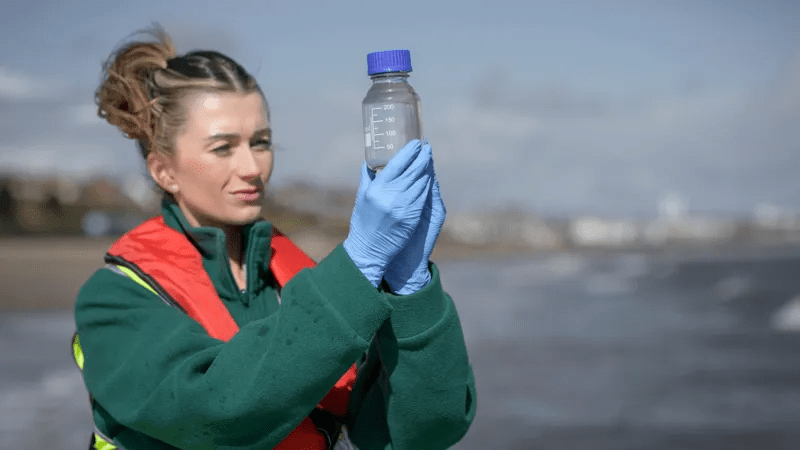
But wastewater, even after treatment, contains high levels of harmful “forever chemicals” that are already contaminating the drinking water of millions of Americans, researchers said in a study published on Monday that analyzed wastewater samples nationwide.

The study, led by researchers at Harvard and New York University, found elevated levels of six types of chemicals known as PFAS, or per- and polyfluoroalkyl substances, in the samples. The chemicals, which have been linked to cancer and other diseases, are known as forever chemicals because they don’t break down in the environment. Last year, the Environmental Protection Agency started to regulate PFAS in drinking water.

The researchers found that the samples contained an even greater quantity of organofluorines, a wider group of chemicals that includes PFAS and is used in pharmaceuticals, refrigerants, and nonstick coatings. The majority of those chemicals are unregulated and the health consequences of exposure to many of them are still unknown.

“What are all of these other compounds? Are they other PFAS that we’re not measuring, that the industry has shifted toward?” said Bridger Ruyle, assistant professor of environmental engineering at New York University, who led the research. “What does that mean for exposure?”

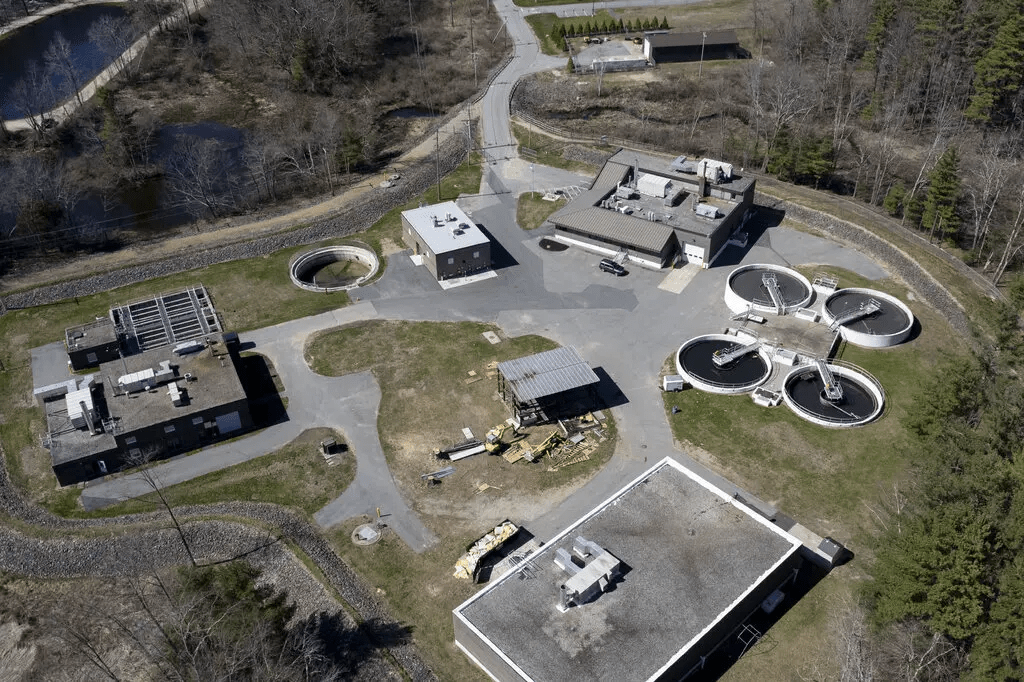
The study, published in the Proceedings of the National Academy of Sciences, found that wastewater treatment facilities do not effectively remove these compounds from wastewater. At most sites, in fact, PFAS in wastewater became more concentrated after treatment, the researchers found.

The contamination is of particular concern, the researchers said, given that water scarcity across many regions of the United States means wastewater is being reused or is being released into rivers and lakes. And if that wastewater isn’t diluted enough before re-entering the drinking water supply, a concern that is growing as water flows dwindle because of overuse and climate change, “you have a contamination issue,” Professor Ruyle said.

About 50 percent of the country’s drinking water supplies are downstream of one or more wastewater sites, he added. The study used modeling to show that PFAS from wastewater was already contaminating the drinking water of up to 23 million people in the United States.

The results “emphasize the importance of further curbing ongoing PFAS sources,” the researchers concluded.

The new study highlights how widespread contamination is complicating efforts to reuse wastewater, which includes sewage from households as well as polluted water from businesses and factories. The sludge that is left over after wastewater treatment is also used to fertilize farmland across the country, and PFAS contamination of that sludge is also raising concerns over the practice.

CLICK HERE FOR MORE INFORMATION: https://www.nytimes.com/2025/01/06/climate/forever-chemicals-pfas-sewage-drinking-water.html

How the fashion industry pollutes our water

By Gerardo Bandera

Greater public awareness of the climate crisis has pressured large retailers to ‘green’ production chains and make them more sustainable, but the bulk of the work is yet to be done.

The fashion industry emits up to 10 percent of global carbon emissions and continues to be the second-largest consumer of water. The culture generated by fast fashion to update our wardrobes for this year’s new look has also generated high levels of water pollution, contamination and waste with detrimental effects on the environment and human health.

The past two decades have seen an unprecedented growth for the fashion industry. Consumers today purchase 60 percent more clothing than they did 15 years ago, while clothing waste has also increased due to early discardment, overproduction and cheap fabrication; nearly one third of the clothing produced is burnt or trashed before being sold.

The increase in demand generated by fast fashion’s culture has induced destructive consequences for the world’s water supply, 93 billion cubic metres of which is used by the fashion industry annually. Below are the main sources of the textile industry’s water pollution.

Sources of water pollution by the fashion industry

Cotton farming

The most widely used natural fabric for clothing, cotton requires large amounts of water for irrigation and treatment, depleting local freshwater and groundwater resources. To increase the production required to fulfil this high demand, pesticides and fertilisers are often used to increase cotton output.

Apart from damaging the quality of soil and destroying microbial communities underground, the runoffs from the agrochemical-contaminated water pollute nearby water sources – posing threats to local biodiversity and human health.

Synthetic fabric production

Wastewater from the production of synthetic fabrics, which requires 70 million barrels of oil per year, releases lead, arsenic, benzene and other pollutants into water sources. 

Contaminated wastewater

Fabric dying and treatment practices generate about 20 percent of the world’s wastewater. In Bangladesh alone, 1,500 billion litres of water are used annually in garment factories and mills, depleting the region’s dwindling groundwater resources and transporting byproducts and harmful contaminants to nearby water sources.

The textile finishing and dying process infuses many chemicals into the water, including oil, phenol, dyes, pesticides and heavy metals, like copper, mercury and chromium. The polluted water can make its way to nearby streams and groundwater and may then be used for irrigating crops, therefore contaminating food sources with carcinogenic chemicals.

Microfibre pollution 

Little visible but highly dangerous, the textile industry’s pollution of water sources with microfibres (tiny synthetic fibres) has worried environmentalists all over the world, especially since these can spread across rivers and oceans. Some studies have estimated that up to 85 percent of human-made pollution on shorelines is from microfibres, while others have warned that half a million tonnes of microfibres are discarded into the oceans annually.

These fibres are released not only during the production process, but also after purchasing, when clothes are worn and washed. Microfibre pollution from synthetic materials can take hundreds of years to decompose and can disrupt underwater ecosystems. In fact, traces of microfibres from synthetic sources, like polyester and nylon, have been found in fish and other seafood destined for human consumption.

Fashion’s Biggest Water Polluters

The world’s largest water polluters hide under murky waters since most companies do not monitor their contributions to the sector-wide issue, and those who do are hesitant to disclose this information out of fear of backlash. Recent studies have shown that only one in 10 fashion companies is conscious of its water pollution levels, while less than a quarter of companies have set goals to reduce water pollution across the supply-chain.

In the past, the world’s largest retailers, such as Zara, Puma and Armani, have been linked to water pollution scandals in China. Companies like Gap Inc. and H&M have acknowledged their role in water pollution and have enforced measures to reduce water-use and contamination across their manufacturing process. Whether these promises are true commitments or just greenwashing campaigns to appease customers’ environmental consciences remains to be seen.

Solutions

Sustainable Cotton Farming

The World Wildlife Fund has started the Better Cotton Initiative, which seeks to promote sustainable cotton farming that minimises its impact on the environment. The enterprise assists farmers in sustainable water management, reducing agrochemical use and promoting decent work environments.

Shopping from retailers that source their cotton from certified organic cotton vendors can help promote sustainable farming and reduce their own impact on the environment.

Choose sustainable materials

To reduce their environmental impact, consumers should choose garments made of natural fibres that require less water in the manufacturing process, such as linen or organic cotton, and when possible, reduce the purchase of synthetic fibres that release microfibres, such as nylon and polyester. 

Customers can look for clothing with certifications of limited chemical content, such as OEKO_TEXⓇ or GOTS.

Reduced Consumption and production

While fashion is a powerful method of self-expression and the fashion industry has been integral to economic growth and development, the current rates of consumption and production cannot continue without exacerbating the dangerous consequences for the environment.

Consumer culture should shift towards long-term use of quality garments, repairing or donating older garments and purchasing second-hand clothing. On the production side, companies will have to decouple themselves from the expectation of rampant growth and focus instead on providing quality products that stay in style longer.

CLICK HERE FOR MORE INFORMATION: https://www.fairplanet.org/story/how-the-fashion-industry-pollutes-our-water/

Drug pollution in water is making salmon take more risks

By Jack Brand and Michael Bertram, The Conversation

“Out of sight, out of mind” is how we often treat what is flushed down our toilets. But the drugs we take, from anxiety medications to antibiotics, don’t simply vanish after leaving our bodies. Many are not fully removed by wastewater treatment systems and end up in rivers, lakes, and streams, where they can linger and affect wildlife in unexpected ways.

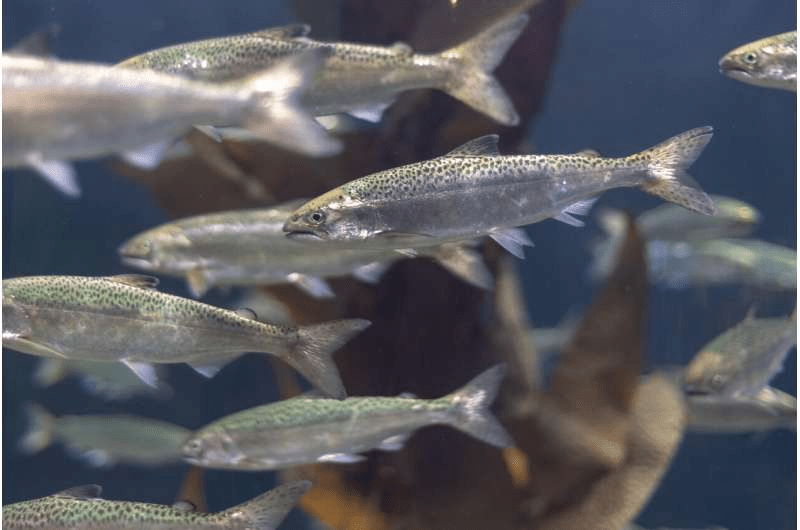
In our new study, we investigated how a sedative called clobazam, commonly prescribed for sleep and anxiety disorders, influences the migration of juvenile Atlantic salmon (Salmo salar) from the River Dal in central

Sweden to the Baltic Sea.

Our findings suggest that even tiny traces of drugs in the environment can alter animal behavior in ways that may shape their survival and success in the wild.

A recent global survey of the world’s rivers found drugs were contaminating waterways on every continent—even Antarctica. These substances enter aquatic ecosystems not only through our everyday use, as active compounds pass through our bodies and into sewage systems, but also due to improper disposal and industrial effluents.

To date, almost 1,000 different active pharmaceutical substances have been detected in environments worldwide.

Particularly worrying is the fact that the biological targets of many of these drugs, such as receptors in the human brain, are also present in a wide variety of other species. That means animals in the wild can also be affected.

In fact, research over the last several decades has demonstrated that pharmaceutical pollutants can disrupt a wide range of traits in animals, including their physiology, development, and reproduction.

Pharmaceutical pollution in the wild

The behavioral effects of pharmaceutical pollutants have received relatively less attention, but laboratory studies show that a variety of these contaminants can change brain function and behavior in fish and other animals. This is a major cause for concern, given that actions critical to survival, including avoiding predators, foraging for food, and social interaction, can all be disrupted.

Lab-based research has provided useful insights, but experimental conditions rarely reflect the complexity of nature. Environments are dynamic and difficult to predict, and animals often behave differently than they do in controlled settings. That’s why we set out to test the effects of pharmaceutical exposure in the wild.

As part of a large field study in central Sweden, we attached implants that slowly released clobazam (a common pharmaceutical pollutant) and also miniature tracking transmitters to juvenile Atlantic salmon on their seaward migration through the Dal.

We found that clobazam increased the success of this river-to-sea migration, as more clobazam-treated salmon reached the Baltic Sea compared with untreated fish. These clobazam-exposed salmon also took less time to pass through two major hydropower dams that often delay or block salmon migration.

To better understand these changes, we followed up with a laboratory experiment which revealed that clobazam also altered how fish group and move together—what scientists call shoaling behavior—when faced with a predator.

This suggests that the migration changes observed in the wild may stem from drug-induced shifts in social dynamics and risk-taking behavior.

What does this mean for wildlife?

Our study is among the first to show that pharmaceutical pollution can affect not just behavior in the lab, but outcomes for animals in their natural environment.

While an increase in migration success might initially sound like a positive effect, any disruption to natural behavior can have ripple effects across ecosystems.

Even seemingly beneficial changes to animal behavior, like faster passage through barriers, can come at a cost. Changes to the timing of migrations, for instance, might lead fish to arrive at the sea when conditions are not ideal, or expose them to new predators and risks. Over time, these subtle shifts could influence the dynamics of entire populations and threaten the balance of ecosystems.

Pharmaceuticals are vital for keeping people and animals healthy. But the accumulation of these drugs in rivers and lakes demands smarter approaches to keeping waterways clean.

One part of the solution is upgrading wastewater treatment plants. Some advanced methods such as ozonation, which involves bubbling ozone gas through wastewater to break down pollutants, can be effective at removing pharmaceuticals. But such advanced treatment systems are often prohibitively expensive to install and out of reach for many regions.

Another promising avenue is green chemistry: designing drugs that break down more easily in the environment or become less toxic after use. Our team has recently highlighted this as a key step toward reducing pharmaceutical pollution in the environment.

Stronger regulations and better drug disposal practices can also help to prevent medications from ending up in waterways in the first place.

There’s no single fix, but by advancing and integrating science, technology, and policy, we can help to protect wildlife from the unintended effects of pharmaceutical pollution.

CLICK HERE FOR MORE INFORMATION: https://phys.org/news/2025-04-drug-pollution-salmon.html

PFAS in drinking water linked to increased cancer risk, groundbreaking study finds

By Pamela Ferdinand 

Exposure to “forever chemicals” in drinking water is significantly associated with the increased risk of multiple cancers, including some not previously linked to these toxic compounds, a first-of-its-kind study shows.

PFAS (per- and polyfluoroalkyl substances) are endocrine-disrupting chemicals widely used in consumer products, from textiles and food packaging to cleaning agents. Known for their persistence in the environment, they accumulate in humans and animals and have been linked to cancer, birth defects, liver disease, thyroid disease, decreased immunity, hormone disruption, childhood obesity, and a range of other serious health problems.

Researchers from the University of Southern California’s Keck School of Medicine estimate that PFAS-contaminated water may contribute to as many as 6,864 cancer cases per year in the U.S. Communities where drinking water surpassed recommended maximum levels of PFAS had higher rates of digestive, endocrine, respiratory, and mouth and throat cancers—ranging from 2% to 33%, they say. 

“The key takeaway is that PFAS contamination in everyday water sources is a risk factor for long-term health consequences, including cancers,” the researchers say. “[Our] findings highlight the critical importance of developing effective strategies to mitigate cancer risks from exposure to PFAS through drinking water.”

This study, published in The Journal of Exposure Science & Environmental Epidemiology [January 2025], is the first large-scale analysis examining the association between PFAS-contaminated drinking water and cancer incidence across multiple organ systems using county-level U.S. data.

It follows the EPA’s establishment last year of the first enforceable drinking water standard for six PFAS types, a regulation currently being challenged by water systems and industry groups in federal court. Meanwhile, legislators in at least five states, including Vermont and California, are pushing for stricter PFAS limits.

Researchers found strong links between PFAS exposure and cancers of the mouth, throat, digestive, respiratory, and endocrine systems. Among the most notable findings:

  • Perfluorobutane sulfonic acid (PFBS) had the strongest correlation, with a 33% increased risk of mouth and throat cancers.
  • Perfluorohexanesulfonic acid (PFHxS) was associated with a 12% higher risk of digestive system cancers.
  • Perfluoroheptanoic acid (PFHpA) correlated with a 10% increased risk of endocrine system cancers.
  • Perfluorooctanoic acid (PFOA) was linked to a 6% higher risk of lung cancer.
  • PFHpA and perfluoropentanoic acid (PFPeA) were tied to 3% and 4% higher risks of respiratory system cancers, respectively.

Different cancers were also associated with PFAS by gender. The data showed:

  • Females: Higher incidence of thyroid, mouth, throat, and soft tissue cancers
  • Males: Increased cases of urinary system (kidney and bladder), brain, leukemia, and soft tissue cancers

“The significant associations identified between PFAS in drinking water and various cancers underscore the urgent need for more comprehensive research,” says Dr. Claudia Thompson, chief of the Population Health Branch at the National Institute of Environmental Health Studies (NIEHS), which funded the study.

Scientists have confirmed that PFAS levels in the blood come mainly from drinking water, based on tests of both tap water and blood samples. One or more types of PFAS were detected in at least 45% of the nation’s tap water, according to a 2023 report by the U.S. Geological Survey. Other recent studies have reinforced health concerns about PFAS exposure. 

One study, scheduled for publication in The International Journal of Hygiene and Environmental Health (May 2025), found that PFAS may elevate blood pressure in pregnant women, even in those who otherwise have normal blood pressure, increasing the odds of pregnancy complications. It found higher levels of PFOS linked to increased systolic blood pressure and PFHxS linked to increased diastolic blood pressure.

“Because of their characteristics, including the propensity to propagate through the food chain, accumulate and biomagnify, and ultimately pose a threat to human life, it is crucial to replace and remove these chemicals,” that study concluded.

Study methodology and limitations

Previous studies have focused primarily on PFOS and PFOA, with limited research assessing the effects of PFAS from drinking water. In the NIEHS study, researchers analyzed PFAS in public drinking water systems over two monitoring periods (2013-2015 and 2023-2024). They also examined all cancer cases reported between 2016 and 2021 across 22 cancer registries, covering about half of the U.S. population.

To refine their analysis, researchers accounted for demographic variables, air pollution, smoking rates, obesity levels, and urbanicity (how urban an area is). They note several study limitations, including:

  • Inability to control for individual-level risk factors beyond age and sex
  • Missing data from certain states
  • Not able to account for the delay between PFAS exposure and cancer onset
  • Potential exposure misclassification due to lack of personal drinking behavior data

“While these results should be interpreted cautiously, they highlight an urgent need for further research using personal health data and molecular studies,” the researchers say.

Next, they plan to conduct more detailed investigations, including an ongoing analysis of PFAS in Los Angeles drinking water.

CLICK HERE FOR MORE INFORMATION: https://usrtk.org/healthwire/pfas-drinking-water-cancer/

Six hazardous contaminants in drinking water

By Kayleigh Holcombe

By U.S. tap water should be safe. However, millions of Americans may face a higher risk of developing illnesses because of levels of contaminants in our drinking water that still get a pass from federal regulators.

The Environmental Protection Agency has set legal maximum levels in drinking water for about 90 contaminants, using its authority under the Safe Drinking Water Act. But many of these rules are outdated and do not rely on the most current science or address ongoing public health concerns.

That’s why legal limits don’t always mean safe limits. Here’s what you should know about six of the most commonly detected contaminants in drinking water:

PFAS

PFAS are a group of fluorinated chemicals that are used in hundreds of products, from waterproof textiles and cosmetics to firefighting gear and firefighting foam. Known as “forever chemicals,” PFAS don’t break down in the environment and they can build up in our bodies. 

PFAS can cause widespread harm, especially to the immune system, and they are also linked to cancer. The presence of PFAS in water sources, including rivers, lakes and groundwater, has in turn contaminated tap water across the U.S., compromising the safety of humans as well as wildlife. Filtering your water is one of the easiest ways to reduce your exposure to PFAS. 

Disinfection byproducts

Drinking water must be disinfected so disease-causing microbes don’t make us sick. But when chlorine or chloramine is used to treat water, harmful disinfection byproducts can form. 

These byproducts are linked to an increased risk of cancer and harm during pregnancy. A simple carbon filter can effectively remove disinfection byproducts from water used for drinking and cooking. 

Nitrate

Nitrate is one of the most common contaminants in tap water, and the most common in groundwater, since it does not degrade once it enters groundwater. It comes from fertilizer or livestock manure that has washed off farm fields into drinking water sources. 

In more populous areas, nitrate from storm water runoff and wastewater treatment plant releases can also contaminate drinking water.

Studies show nitrate in tap water is linked to cancer and reproductive harm. Reverse osmosis filters are the most effective for reducing nitrate in tap water. 

Heavy metals, including arsenic and hexavalent chromium

Heavy metals can especially be an issue when tap water comes from a groundwater well. For example, arsenic is a highly potent carcinogen, and ingesting even small amounts can increase the risk of cancer. It can contaminate water from naturally occurring minerals or from human activity such as mining and industrial uses.

Hexavalent chromium, or chromium-6, a carcinogen, is another metal that can contaminate groundwater from industrial pollution. California recently passed a limit on chromium-6 in drinking water, but the federal government has not, despite the metal’s widespread presence and link to cancer. It contaminates the drinking water of more than 250 million Americans.

Radiological contaminants

Radiological contaminants like radium and uranium enter tap water from natural deposits, but can also be released by mining and drilling. Radiation in tap water can be dangerous and may cause harm during pregnancy. There are six radiological contaminants, but the most common are radium-226 and radium-228. The EPA’s drinking water limits for these contaminants are outdated, and even low levels of exposure can increase the risk of cancer. 

Volatile organic compounds

Trichloroethylene, or TCE, is a type of volatile organic compound, or VOC, that has been used as a metal degreaser or dry cleaning agent. Industrial discharges of TCE have contaminated tap water. Like many VOCs, TCE is linked to increased risk of cancer and birth defects. 

CLICK HERE FOR MORE INFORMATION: https://www.ewg.org/news-insights/news/2025/03/six-hazardous-contaminants-drinking-water

Explained: Generative AI’s environmental impact

Rapid development and deployment of powerful generative AI models comes with environmental consequences, including increased electricity demand and water consumption.

By Adam Zewe

The excitement surrounding potential benefits of generative AI, from improving worker productivity to advancing scientific research, is hard to ignore. While the explosive growth of this new technology has enabled rapid deployment of powerful models in many industries, the environmental consequences of this generative AI “gold rush” remain difficult to pin down, let alone mitigate.

The computational power required to train generative AI models that often have billions of parameters, such as OpenAI’s GPT-4, can demand a staggering amount of electricity, which leads to increased carbon dioxide emissions and pressures on the electric grid.

Furthermore, deploying these models in real-world applications, enabling millions to use generative AI in their daily lives, and then fine-tuning the models to improve their performance draws large amounts of energy long after a model has been developed.

Beyond electricity demands, a great deal of water is needed to cool the hardware used for training, deploying, and fine-tuning generative AI models, which can strain municipal water supplies and disrupt local ecosystems. The increasing number of generative AI applications has also spurred demand for high-performance computing hardware, adding indirect environmental impacts from its manufacture and transport.

“When we think about the environmental impact of generative AI, it is not just the electricity you consume when you plug the computer in. There are much broader consequences that go out to a system level and persist based on actions that we take,” says Elsa A. Olivetti, professor in the Department of Materials Science and Engineering and the lead of the Decarbonization Mission of MIT’s new Climate Project.

Olivetti is senior author of a 2024 paper, “The Climate and Sustainability Implications of Generative AI,” co-authored by MIT colleagues in response to an Institute-wide call for papers that explore the transformative potential of generative AI, in both positive and negative directions for society.

Demanding data centers

The electricity demands of data centers are one major factor contributing to the environmental impacts of generative AI, since data centers are used to train and run the deep learning models behind popular tools like ChatGPT and DALL-E.

A data center is a temperature-controlled building that houses computing infrastructure, such as servers, data storage drives, and network equipment. For instance, Amazon has more than 100 data centers worldwide, each of which has about 50,000 servers that the company uses to support cloud computing services.

While data centers have been around since the 1940s (the first was built at the University of Pennsylvania in 1945 to support the first general-purpose digital computer, the ENIAC), the rise of generative AI has dramatically increased the pace of data center construction.

“What is different about generative AI is the power density it requires. Fundamentally, it is just computing, but a generative AI training cluster might consume seven or eight times more energy than a typical computing workload,” says Noman Bashir, lead author of the impact paper, who is a Computing and Climate Impact Fellow at MIT Climate and Sustainability Consortium (MCSC) and a postdoc in the Computer Science and Artificial Intelligence Laboratory (CSAIL).

Scientists have estimated that the power requirements of data centers in North America increased from 2,688 megawatts at the end of 2022 to 5,341 megawatts at the end of 2023, partly driven by the demands of generative AI. Globally, the electricity consumption of data centers rose to 460 terawatts in 2022. This would have made data centers the 11th largest electricity consumer in the world, between the nations of Saudi Arabia (371 terawatts) and France (463 terawatts), according to the Organization for Economic Co-operation and Development.

By 2026, the electricity consumption of data centers is expected to approach 1,050 terawatts (which would bump data centers up to fifth place on the global list, between Japan and Russia).

While not all data center computation involves generative AI, the technology has been a major driver of increasing energy demands.

“The demand for new data centers cannot be met in a sustainable way. The pace at which companies are building new data centers means the bulk of the electricity to power them must come from fossil fuel-based power plants,” says Bashir.

The power needed to train and deploy a model like OpenAI’s GPT-3 is difficult to ascertain. In a 2021 research paper, scientists from Google and the University of California at Berkeley estimated the training process alone consumed 1,287 megawatt hours of electricity (enough to power about 120 average U.S. homes for a year), generating about 552 tons of carbon dioxide.

While all machine-learning models must be trained, one issue unique to generative AI is the rapid fluctuations in energy use that occur over different phases of the training process, Bashir explains.

Power grid operators must have a way to absorb those fluctuations to protect the grid, and they usually employ diesel-based generators for that task.

Increasing impacts from inference

Once a generative AI model is trained, the energy demands don’t disappear.

Each time a model is used, perhaps by an individual asking ChatGPT to summarize an email, the computing hardware that performs those operations consumes energy. Researchers have estimated that a ChatGPT query consumes about five times more electricity than a simple web search.

“But an everyday user doesn’t think too much about that,” says Bashir. “The ease-of-use of generative AI interfaces and the lack of information about the environmental impacts of my actions means that, as a user, I don’t have much incentive to cut back on my use of generative AI.”

With traditional AI, the energy usage is split fairly evenly between data processing, model training, and inference, which is the process of using a trained model to make predictions on new data. However, Bashir expects the electricity demands of generative AI inference to eventually dominate since these models are becoming ubiquitous in so many applications, and the electricity needed for inference will increase as future versions of the models become larger and more complex.

Plus, generative AI models have an especially short shelf-life, driven by rising demand for new AI applications. Companies release new models every few weeks, so the energy used to train prior versions goes to waste, Bashir adds. New models often consume more energy for training, since they usually have more parameters than their predecessors.

While electricity demands of data centers may be getting the most attention in research literature, the amount of water consumed by these facilities has environmental impacts, as well.

Chilled water is used to cool a data center by absorbing heat from computing equipment. It has been estimated that, for each kilowatt hour of energy a data center consumes, it would need two liters of water for cooling, says Bashir.

“Just because this is called ‘cloud computing’ doesn’t mean the hardware lives in the cloud. Data centers are present in our physical world, and because of their water usage they have direct and indirect implications for biodiversity,” he says.

The computing hardware inside data centers brings its own, less direct environmental impacts.

While it is difficult to estimate how much power is needed to manufacture a GPU, a type of powerful processor that can handle intensive generative AI workloads, it would be more than what is needed to produce a simpler CPU because the fabrication process is more complex. A GPU’s carbon footprint is compounded by the emissions related to material and product transport.

There are also environmental implications of obtaining the raw materials used to fabricate GPUs, which can involve dirty mining procedures and the use of toxic chemicals for processing.

Market research firm TechInsights estimates that the three major producers (NVIDIA, AMD, and Intel) shipped 3.85 million GPUs to data centers in 2023, up from about 2.67 million in 2022. That number is expected to have increased by an even greater percentage in 2024.

The industry is on an unsustainable path, but there are ways to encourage responsible development of generative AI that supports environmental objectives, Bashir says.

He, Olivetti, and their MIT colleagues argue that this will require a comprehensive consideration of all the environmental and societal costs of generative AI, as well as a detailed assessment of the value in its perceived benefits.

“We need a more contextual way of systematically and comprehensively understanding the implications of new developments in this space. Due to the speed at which there have been improvements, we haven’t had a chance to catch up with our abilities to measure and understand the tradeoffs,” Olivetti says.

CLICK HERE FOR MORE INFORMATION: https://news.mit.edu/2025/explained-generative-ai-environmental-impact-0117

Why are glaciers and sea ice melting?

By: Lorin Hancock

Why are glaciers important?

Ice acts like a protective cover over the Earth and our oceans. These bright white spots reflect excess heat back into space and keep the planet cooler. In theory, the Arctic remains colder than the equator because more of the heat from the sun is reflected off the ice, back into space.

Glaciers around the world can range from ice that is several hundred to several thousand years old and provide a scientific record of how climate has changed over time. Through their study, we gain valuable information about the extent to which the planet is rapidly warming. They provide scientists a record of how climate has changed over time.

Today, about 10% of land area on Earth is covered with glacial ice. Almost 90% is in Antarctica, while the remaining 10% is in the Greenland ice cap.

Rapid glacial melt in Antarctica and Greenland also influences ocean currents, as massive amounts of very cold glacial-melt water entering warmer ocean waters is slowing ocean currents. And as ice on land melts, sea levels will continue to rise.

What is the difference between sea ice and glaciers?

Sea ice forms and melts strictly in the ocean whereas glaciers are formed on land. Icebergs are chunks of glacial ice that break off glaciers and fall into the ocean.

When glaciers melt, because that water is stored on land, the runoff significantly increases the amount of water in the ocean, contributing to global sea level rise.

Sea ice, on the other hand, is often compared to ice cubes in a glass of water: when it melts, it does not directly change the level of water in the glass. Instead, depleting Arctic sea ice triggers a host of other devastating consequences—from depleting available ice on which walrus can haul out or polar bears hunt to changing weather systems around the world by altering the pattern of the Jet stream.

Why are glaciers melting?

Since the early 1900s, many glaciers around the world have been rapidly melting. Human activities are at the root of this phenomenon. Specifically, since the industrial revolution, carbon dioxide and other greenhouse gas emissions have raised temperatures, even higher in the poles, and as a result, glaciers are rapidly melting, calving off into the sea and retreating on land.

Even if we significantly curb emissions in the coming decades, more than a third of the world’s remaining glaciers will melt before the year 2100. When it comes to sea ice, 95% of the oldest and thickest ice in the Arctic is already gone.

Scientists project that if emissions continue to rise unchecked, the Arctic could be ice free in the summer as soon as the year 2040 as ocean and air temperatures continue to rise rapidly.

What are the effects of melting glaciers on sea level rise?

Melting glaciers add to rising sea levels, which in turn increases coastal erosion and elevates storm surge as warming air and ocean temperatures create more frequent and intense coastal storms like hurricanes and typhoons. Specifically, the Greenland and Antarctic ice sheets are the largest contributors of global sea level rise. Right now, the Greenland ice sheet is disappearing four times faster than in 2003 and already contributes 20% of current sea level rise.

How much and how quickly these Greenland and Antarctic ice sheets melt in the future will largely determine how much ocean levels rise in the future. If emissions continue to rise, the current rate of melting on the Greenland ice sheet is expected to double by the end of the century. Alarmingly, if all the ice on Greenland melted, it would raise global sea levels by 20 feet.

How do melting sea ice and glaciers affect weather patterns?

Today, the Arctic is warming twice as fast as anywhere on earth, and the sea ice there is declining by more than 10% every 10 years. As this ice melts, darker patches of ocean start to emerge, eliminating the effect that previously cooled the poles, creating warmer air temperatures and in turn disrupting normal patterns of ocean circulation. Research shows the polar vortex is appearing outside of the Arctic more frequently because of changes to the jet stream, caused by a combination of warming air and ocean temperatures in the Arctic and the tropics.

The glacial melt we are witnessing today in Antarctic and Greenland is changing the circulation of the Atlantic Ocean and has been linked to collapse of fisheries in the Gulf of Maine and more destructive storms and hurricanes around the planet.

What are the effects of melting glaciers and sea ice loss on humans and wildlife?

What happens in these places has consequences across the entire globe. As sea ice and glaciers melt and oceans warm, ocean currents will continue to disrupt weather patterns worldwide. Industries that thrive on vibrant fisheries will be affected as warmer waters change where and when fish spawn. Coastal communities will continue to face billion-dollar disaster recovery bills as flooding becomes more frequent and storms become more intense. People are not the only ones impacted. In the Arctic, as sea ice melts, wildlife like walrus are losing their home and polar bears are spending more time on land, causing higher rates of conflict between people and bears.

CLICK HERE FOR MORE INFORMATION: https://www.worldwildlife.org/pages/why-are-glaciers-and-sea-ice-melting#:~:text=Melting%20glaciers%20add%20to%20rising,storms%20like%20hurricanes%20and%20typhoons.

‘I won’t let them drink the water’: The California towns where clean drinking water is out of reach

By Rachel Becker

In a major milestone, state regulators announced in July that nearly a million more Californians now have safe drinking water than five years ago. 

But across the state, the problem remains severe: More than 735,000 people are still served by the nearly 400 water systems that fail to meet state requirements for safe and reliable drinking water. Latino farm communities struggling with poverty and pollution are especially hard-hit. 

About three-quarters of the failing systems in California have violated state or federal standards for contaminants that are linked to serious health problems, such as cancer and effects on developing babies, according to a CalMatters analysis of state data.

Among the most pervasive contaminants are arsenic, nitrate and a chemical called 1,2,3-trichloropropane, or 1,2,3-TCP. Combined, elevated levels of these chemicals contaminatemore than 220 failing systems serving nearly half a million people.

Unsafe drinking water is a chronic, insidious and sometimes hidden problem in a state where attention more often focuses on shortages than the quality of the water. The failing systems are clustered in rural farm areas that have experienced decades of groundwater contamination. Many residents are afraid to drink tap water, or even bathe their children in it, relying on bottled water instead. 

 “It is morally outrageous that we can’t provide the level of basic human rights that people need, and that it’s primarily low income communities of color who are facing these disparate impacts,” said Kyle Jones, policy and legal director with the Community Water Center, a nonprofit group. “While the state’s made a lot of good progress … more needs to be done.” 

Twelve years ago, California became the first state to recognize clean, safe, affordable and accessible drinking water as a human right. In 2019, Legislators and Gov. Gavin Newsom approved a law that gave rise to the state’s Safe and Affordable Funding program.

Today, about 98% of Californians are served by water systems that meet state standards, and over $1 billion in state grants have helped disadvantaged communities tackle drinking water problems.

But despite all the systems that have been removed from the state’s failing list, about 600 others serving 1.6 million people are at risk of failure and more than 400 others serving another 1.6 million are deemed “potentially at risk.” 

“We have continuing degradation of groundwater from all our human activities — farming, industry, drought itself with our climate change,” said Darrin Polhemus, deputy director of the State Water Resources Control Board and head of its Division of Drinking Water. “We’re seeing the dawn of a new age where treatment is required on almost all our groundwater sources, and these small communities are not prepared for what that means.” 

 “It is morally outrageous that we can’t provide the level of basic human rights that people need.”KYLE JONES, COMMUNITY WATER CENTER

Ensuring safe and reliable drinking water for all Californians will cost about $16 billion, according to a recent state analysis. But the state water board projects that it has only $2 billion available for grants in communities and $1.5 billion for loans.

Suppliers that violate drinking water standards are required to notify residents and reduce their exposure, often by treating or blending water supplies. State regulators are pushing for long-term fixes, like consolidating some smaller suppliers with bigger systems nearby.

The state auditor lambasted California water officials two years ago for “a lack of urgency,” pointing to lengthy funding timelines and other problems. But infrastructure takes time and advanced planning, which is a struggle for smaller water systems, state officials say.

Violations “can be resolved in a matter of days, or it can take years,” according to a 2023 water board report.

“We’re seeing the dawn of a new age where treatment is required on almost all our groundwater sources, and these small communities are not prepared for what that means.” DARRIN POLHEMUS, STATE WATER RESOURCES CONTROL BOARD

Some water providers, such as in the town of Lamont in Kern County, are poised to fix their water problems with millions of dollars in state funding. Other, smaller communities, like Allensworth in Tulare County and San Lucas on the Central Coast, have been waiting for clean water for years.

Meanwhile, rural residents are left to weigh the risks flowing through their taps for themselves. 

“You’re pretty much playing Russian Roulette,” said Tequita Jefferson, a longtime resident of Pixley, where the water system has elevated levels of the chemical 1,2,3-TCP, which has been linked to cancer. 

“It scares me. All of it scares me,” said Jefferson. “And then no one thinks about it. Here, we’re in a rural community, and people have a tendency to overlook us.” 

In this small town, pesticide residue is the culprit

In the San Joaquin Valley community of Pixley, home to about 3,800 people, the jobs are rooted in agriculture — and so are the water problems. 

Widespread use of soil fumigants starting in the 1950s contaminated Central Valley groundwater with 1,2,3-TCP, which is an impurity in those fumigants and also is used as an industrial solvent. Though the fumigants were pulled from the market or reformulated in California by the 1990s, elevated levels continue to taint the water in wells throughout the San Joaquin Valley.

In the absence of federal standards, state regulators set the most stringent drinking water limits for the chemical in the country in 2017. 

The chemical has been linked to cancers in animal studies. People can be exposed to 1,2,3-TCP by drinking it, cooking with it and breathing in vapor from household water use. 

“You’re pretty much playing Russian Roulette…It scares me. All of it scares me.”TEQUITA JEFFERSON, PIXLEY RESIDENT

Christina Velazquez, who has lived in Pixley for 44 years and had her own brush with cancer, estimates that she spends at least $30 per month to buy filters and water bottles, on top of her water and sewer bill. 

“That’s what I make my grandkids drink — I won’t let them drink the water from the faucet,” Velasquez said. “We shouldn’t have to buy water when we’re already paying for it.” 

Pixley received $11.5 million from pesticide manufacturers in 2021 to settle a lawsuit about the contamination, according to attorney Chad Lew, counsel for the Pixley Public Utility District.

But David Terrel, a teacher and vice president of the district’s board, said there still isn’t enough funding to fix the contamination problem. “If we could handle it on our own, we would be doing that,” he said. 

Pixley is holding out hope for a construction grant from the state. The district has received about $750,000 for planning and technical assistance, as well as for installing filtered-water vending machines, according to a state database. 

Other water systems also have won large payouts from pesticide manufacturers. Fresno, for instance, received $230 million in a recent case. But Polhemus, with the state’s Division of Drinking Water, said these settlements are rarely enough. 

“We’re still pretty broken when it comes to corporate responsibility for wide-scale pollution,” Polhemus said. The money will “last for a decade or two, but what about the third and fourth and fifth decade, when they’re still dealing with that contaminant?”  

In Lamont, about an hour south of Pixley near Bakersfield, the failure of one well forced more than 18,200 people to rely more heavily on a well contaminated with elevated levels of 1,2,3-TCP.  

“Without the state help, what would we have done? Honestly, I don’t have a clue… We don’t have $30 million laying around.”SCOTT TAYLOR, LAMONT PUBLIC UTILITY DISTRICT

Lamont Public Utility District General Manager Scott Taylor said a fix is already in the works, thanks to a new well built with state funds. Another $25.4 million grant from the water boardwill help Lamont install three new wells to provide water to Lamont and a smaller arsenic-plagued system nearby. 

“Without the state help, what would we have done? Honestly, I don’t have a clue. And I’m glad I don’t have to find out,” Taylor said. “We don’t have $30 million laying around.”

In Allensworth, arsenic is a decades-long problem

Just 20 minutes away from Pixley, in Allensworth, Sherry Hunter keeps catching herself running the tap to brush her teeth. 

The tiny Tulare County community of about 530 people, 93% of them Latino, has struggled with arsenic leaching into its wells for decades, one of which still regularly exceeds state health limits. And the crisis keeps worsening.

Drinking arsenic-contaminated water over a long period of time can cause cancers and has been linked with fetal deaths and malformations in test animals as well as harm to the developing brains of babies and young children. 

Arsenic is found naturally in rocks and soils throughout California, though it is worsened by groundwater over-pumping to irrigate farm fields in the San Joaquin Valley.

The Allensworth Community Services District, where Hunter serves as president, has tried to reduce the contamination by blending in water from a less tainted well. 

But in July, both wells failed because of suspected electrical issues, according to the nonprofit Self-Help Enterprises. Though the more contaminated well was brought back online, it, too, began sputtering out in August —  leaving residents with either arsenic-contaminated water or no water at all.

Farmworkers living in Allensworth found themselves unable to shower after long days in the heat, Hunter said. “It’s a horrible feeling … We don’t have rich people that live in Allensworth.”

Communities of color like Allensworth are more likely to be served by water systems that violate state and federal limits for the contaminant, according to UC Berkeley researchers. 

The town has been working for years to install a new well. But efforts have lagged for over a decade — delayed by logistics including land purchases tied up in probate and lengthy environmental permitting, including for impacts on endangered and other protected species. 

In the meantime, Allensworth has been piloting alternative water sources as a test site for hydropanels designed to extract freshwater from the atmosphere and for lower cost treatment technology out of UC Berkeley.

By the end of August, Allensworth had qualified for emergency state water board funding through Self-Help Enterprises to repair the wells and investigate the source of the electrical issues.

Hunter said she’s excited to know that help is on the way, but she’s frustrated with how long it’s taking to bring reliably clean water to her community. 

“It wouldn’t have happened in none of the other little cities around here,” Hunter said. “People of color are always put on the back burner. Latinos, and Blacks, we’re always sitting on the back of the bus.” 

Nitrate spikes in a Monterey County town’s wells

Two hours toward the coast, in the agricultural Monterey County community of San Lucas, Virginia Sandoval mixes formula with bottled water for her 2-month-old twin granddaughters. She’s afraid to even bathe the babies, born prematurely, in the tap water. 

For over a decade, the largely Latino town of about 300 residents has struggled with nitrate contamination in its well, which is located on nearby farmland. The contaminant leaches into water supplies from crop fertilizer. 

When consumed in high enough quantities, nitrate has been linked to cancers and pregnancy complications and can reduce the capacity of a baby’s blood to carry oxygen, leading to a sometimes deadly condition known as “blue baby syndrome.” Nitrate is not absorbed through the skin, and the California Department of Public Health says babies can be bathed in nitrate-contaminated water. 

San Lucas’ water system is designated as failing because of nitrate levels that wax and wane, according to Andrew Altevogt, an assistant deputy director of the State Water Board’s Division of Drinking Water.

Though the levels have averaged well below the federal health standard for the past decade, they have occasionally spiked to double the state’s limit, according to a recent engineering report. 

“Nitrate’s an acute contaminant, so if it does happen, it’s an immediate concern,” Altevogt said.

The water system has also been plagued with other contaminants that affect taste, odor and color.

For years, residents have relied on bottled water mandated by regional regulators and provided by the farmer where the well is located. 

The supplies often don’t last the week for Sandoval. She regularly drives the 20-mile round trip to King City to purchase more bottles — a cost of more than $20 per week, she estimates, on top of her monthly water bill. 

“It’s very stressful to be thinking every morning … ‘Do I have water or do I not have water?’ What am I going to do?’” Sandoval said in Spanish. “I even had to look for coins, pennies, so that I can go pick up water.”

Nitrate is a pervasive problem in the Central Coast,  where 90% of drinking water is pumped from the ground and farms discharge nitrogen waste at a rate “approximately an order of magnitude greater” than what scientists consider “protective of water quality,” according to the Central Coast Regional Water Quality Control Board. 

“It’s very stressful to be thinking every morning … ‘Do I have water or do I not have water?’ What am I going to do?’… I even had to look for coins, pennies, so that I can go pick up water.”VIRGINIA SANDOVAL, SAN LUCAS RESIDENT

Three years ago, regional water regulators issued an order setting limits on the amount of fertilizer applied to crops. But two years later, state officials overturned them, saying that an expert panel needed to evaluate whether there was enough data to support the restrictions, according to a statement from the state water board.

“You really can’t grow a lot of these crops without fertilizer,” said Norm Groot, executive director of the Monterey County Farm Bureau. “We can’t artificially reduce that overnight and continue to produce the food items that are important to our nation’s dinner tables.” 

Community and conservation organizations sued both the state and regional regulators. Another coalition, including San Lucas community members, filed a racial discriminationcomplaint with the U.S. Environmental Protection Agency. 

The groups say the state board’s rollback of the fertilizer limits “disproportionately harmed Latinx communities and other communities of color,” which are 4.4 times more likely to have groundwater contamination above the state limits. 

Meanwhile, residents are still waiting for reliably clean water. A decade-old plan to connect San Lucas with King City’s water supply via an 8-mile pipeline stalled after state regulators said the long pipeline would be too expensive and urged the county to find a new groundwater source instead, according to correspondence posted by Monterey County. 

Now, eight years and a state-funded study later, state, county, regional and water district officials are once again weighing their options. 

“We sit here today counting years. It’s mind-blowing,” said Monterey County Supervisor Chris Lopez. “I feel like we’ve failed (residents) as a society so much, without being able to give them the clean drinking water that they deserve.” 

CLICK HERE FOR MORE INFORMATION: https://calmatters.org/environment/water/2024/09/california-drinking-water-contamination/

AI has an environmental problem. Here’s what the world can do about that.

By UN Environment Programme

There are high hopes that artificial intelligence (AI) can help tackle some of the world’s biggest environmental emergencies. Among other things, the technology is already being used to map the destructive dredging of sand and chart emissions of methane, a potent greenhouse gas.  

But when it comes to the environment, there is a negative side to the explosion of AI and its associated infrastructure, according to a growing body of research. The proliferating data centres that house AI servers produce electronic waste. They are large consumers of water, which is becoming scarce in many places. They rely on critical minerals and rare elements, which are often mined unsustainably. And they use massive amounts of electricity, spurring the emission of planet-warming greenhouse gases.  

“There is still much we don’t know about the environmental impact of AI but some of the data we do have is concerning,” said Golestan (Sally) Radwan, the Chief Digital Officer of the United Nations Environment Programme (UNEP). “We need to make sure the net effect of AI on the planet is positive before we deploy the technology at scale.”  

This week, UNEP released an issue note that explores AI’s environmental footprint and considers how the technology can be rolled out sustainably. It follows a major UNEP report, Navigating New Horizons, which also examined AI’s promise and perils. Here’s what those publications found. 

First of all, what is AI? 

AI is a catch-all term for a group of technologies that can process information and, at least superficially, mimic human thinking. Rudimentary forms of AI have been around since the 1950s. But the technology has evolved at a breakneck pace in recent years, in part because of advances in computing power and the explosion of data, which is crucial for training AI models. 

Why are people excited about the potential of AI when it comes to the environment? 

The big benefit of AI is that it can detect patterns in data, such as anomalies and similarities, and use historic knowledge to accurately predict future outcomes. That could make AI invaluable for monitoring the environment, and helping governments, businesses and individuals make more planet-friendly choices. It can also enhance efficiencies. UNEP, for example, uses AI to detectwhen oil and gas installations vent methane, a greenhouse gas that drives climate change.  

Advances like those are fostering hope that AI could help the world tackle at least some aspects of the triple planetary crisis of climate change, nature and biodiversity loss, and pollution and waste. 

So how is AI problematic for the environment? 

Most large-scale AI deployments are housed in data centres, including those operated by cloud service providers. These data centres can take a heavy toll on the planet. The electronics they house rely on a staggering amount of grist: making a 2 kg computer requires 800 kg of raw materials. As well, the microchips that power AI need rare earth elements, which are often mined in environmentally destructive ways, noted Navigating New Horizons.  

The second problem is that data centres produce electronic waste, which often contains hazardous substances, like mercury and lead.  

Third, data centres use water during construction and, once operational, to cool electrical components. Globally, AI-related infrastructure may soon consume six times more water than Denmark, a country of 6 million, according to one estimate. That is a problem when a quarter of humanity already lacks access to clean water and sanitation.  

Finally, to power their complex electronics, data centres that host AI technology need a lot of energy, which in most places still comes from the burning of fossil fuels, producing planet-warming greenhouse gases. A request made through ChatGPT, an AI-based virtual assistant, consumes 10 times the electricity of a Google Search, reported the International Energy Agency. While global data is sparse, the agency estimates that in the tech hub of Ireland, the rise of AI could see data centres account for nearly 35 per cent of the country’s energy use by 2026.  

Driven in part by the explosion of AI, the number of data centres has surged to 8 million from 500,000 in 2012, and experts expect the technology’s demands on the planet to keep growing. 

Some have said that when it comes to the environment, AI is a wildcard. Why is that?  

We have a decent handle on what the environmental impacts of data centres could be. But it’s impossible to predict how AI-based applications themselves will affect the planet. Some experts worry they may have unintended consequences. For example, the development of AI-powered self-driving cars could cause more people to drive instead of cycling or taking public transit, pushing up greenhouse gas emissions. Then there are what experts call higher-order effects. AI, for example, could be used to generate misinformation about climate change, downplaying the threat in the eyes of the public. 

Is anybody doing anything about the environmental impacts of AI? 

More than 190 countries have adopted a series of non-binding recommendations on the ethical use of AI, which covers the environment. As well, both the European Union and the United States of America have introduced legislation to temper the environmental impact of AI. But policies like those are few and far between, says Radwan. 

“Governments are racing to develop national AI strategies but rarely do they take the environment and sustainability into account. The lack of environmental guardrails is no less dangerous than the lack of other AI-related safeguards.” 

How can the world rein in the environmental fallout from AI? 

In the new issue note, UNEP recommends five main things. Firstly, countries can establish standardized procedures for measuring the environmental impact of AI; right now, there’s a dearth of reliable information on the subject. Secondly, with support from UNEP, governments can develop regulations that require companies to disclose the direct environmental consequences of AI-based products and services. Thirdly, tech companies can make AI algorithms more efficient, reducing their demand for energy, while recycling water and reusing components where feasible. Fourthly, countries can encourage companies to green their data centres, including by using renewable energy and offsetting their carbon emissions. Finally, countries can weave their AI-related policies into their broader environmental regulations. 

CLICK HERE FOR MORE INFORMATION: https://www.unep.org/news-and-stories/story/new-energy-efficiency-project-lights-way-kenyas-schools

US supreme court weakens rules on discharge of raw sewage into water supplies

By: Nina Lakhani

The US supreme court has weakened rules on the discharge of raw sewage into water supplies in a 5-4 ruling that undermines the 1972 Clean Water Act.

The CWA is the principal law governing pollution control and water quality of the nation’s waterways.

The Republican super majority court ruled on Tuesday that the Environmental Protection Agency (EPA) cannot employ generic, water body-focused pollution discharge limits to Clean Water Act permit holders, and must provide specific limitations to pollution permittees.

The ruling is a win for San Francisco, which challenged nonspecific, or “narrative,” wastewater permits that the EPA issues to protect the quality of surface water sources like rivers and streams relied upon for drinking water.

In a 5-4 ruling written by Justice Samuel Alito, the court blocked the EPA from issuing permits that make a permittee responsible for surface water quality, or “end result” permits – a new term coined by the court.

“The agency has adequate tools to obtain needed information from permittees without resorting to end-result requirements,” wrote Justice Samuel Alito, who was joined by Chief Justice John Roberts and Justices Clarence Thomas and Brett Kavanaugh, along with Justice Neil Gorsuch, who joined part of the majority opinion.

The EPA issued San Francisco a permit allowing it to discharge pollutants from its combined sewer system into the Pacific Ocean. The permit’s conditions include prohibitions on discharges that contribute to a violation of applicable water quality standards. The permit included generic prohibitions on the impacts to water quality, as part of the EPA’s efforts to halt San Francisco’s releases of raw sewage into the Pacific Ocean during rainstorms.

San Francisco challenged these conditions, arguing that EPA lacks statutory authority to impose them. The US Court of Appeals for the ninth circuit in July 2023 upheld EPA’s authority to issue generic limits on discharges under the Clean Water Act. San Francisco took the case to the supreme court.

The case drew the attention of powerful business groups including the National Mining Association and US Chamber of Commerce, which wrote amicus briefs in support of San Francisco’s position. It was the first case to grapple with Clean Water Act regulations since the court struck down Chevron deference in Loper Bright Enterprises v Raimondo in June 2024, though it was barely mentioned during oral arguments.

“The city is wrong,” according to Justice Amy Coney Barrett, who wrote the dissenting opinion, which was joined by the three Democratic justices, Sotomayor, Kagan and Jackson. “The relevant provision of the Clean WaterAct directs EPA to impose any more stringent limitation that is necessary to meet… or required to implement any applicable water quality standard.”

CLICK HERE FOR MORE INFORMATION: https://www.theguardian.com/us-news/2025/mar/04/epa-ruling-sewage-water#