Published on 20/04/2023 – 13:13 GMT+2•Updated 21/04/2023 – 8:19 GMT+2
There is still very little research into the environmental impact of AI.
For every 20 to 50 questions ChatGPT is asked, it “drinks” a bottle of water according to new research.
OpenAI’s AI chatbot has soared in popularity thanks to its uncanny ability to accurately answer our questions. After being made available to the public for testing last November, it has been used for everything from poetry to coding and even answering exam questions meant for medical students.
But despite billions of users around the world, there’s still very little research on what environmental impact AI like this is having.
A new study from researchers at the University of Colorado Riverside and the University of Texas Arlington in the US gives some insight into its water consumption. The paper has not yet been peer-reviewed and has been shared ahead of its publication.
Its authors say that the “water footprint” of these AI models has so far “remained under the radar”.
How do AI chatbots use water?
The study’s water consumption figures refer to fresh clean water used by data centres to generate electricity and cool the racks of servers.
Most of the prominent chatbots’ cloud computing relies on thousands of servers inside data centres around the world. Computers are used to train algorithms known as ‘models’ to perform tasks like answering questions from users.
During a 20 to 50 question conversation with the AI chatbot, they estimate it could “drink” a 500ml bottle of water.
A bottle of water might not seem like much but ChatGPT has billions of users.
“While a 500ml bottle of water might not seem too much, the total combined water footprint for inference is still extremely large, considering ChatGPT’s billions of users,” the researchers say.
Scientists believe that while training GPT-3 alone, Microsoft may have consumed an incredible 700,000 litres of water.
More complex next-generation models like GPT-4 could consume even more during training, they say, but there is hardly any publicly available data with which to make an accurate estimate.
Companies need to ‘take responsibility and lead by example’
The study’s authors have urged companies to “take social responsibility and lead by example” to address their water footprint in the face of global shortages.
Earlier this year, a landmark report on water economics said that demand is expected to outstrip the supply of fresh water by 40 per cent by the end of this decade. The report from the Global Commission on the Economics of Water said that all industries need to overhaul their wasteful practices.
The study’s authors are also asking for more data transparency so that the environmental impact of these AI systems can be better assessed through research like this.
“AI models’ water footprint can no longer stay under the radar – water footprint must be addressed as a priority as part of collective efforts to combat global water challenges,” they conclude.
OpenAI didn’t immediately respond to Euronews’ request for comment and Microsoft declined to comment on the study.
Plastics are a part of our everyday lives, and plastic pollution is a growing concern. When plastics break down over time, they can form smaller particles called microplastics, which are 5 mm or less in length—smaller than a sesame seed. Microplastics, in turn, can break down into even smaller pieces called nanoplastics, which are less than 1 μm in size. Unable to be seen with the naked eye, these are small enough to enter the body’s cells and tissues.
Previous research has found evidence of plastic particles in human blood, lungs, gut, feces, and reproductive tissues like the placenta and testes. But the potential health effects of these tiny plastic bits are still unproven and unknown. The small size of nanoparticles has made them especially difficult to detect and study.
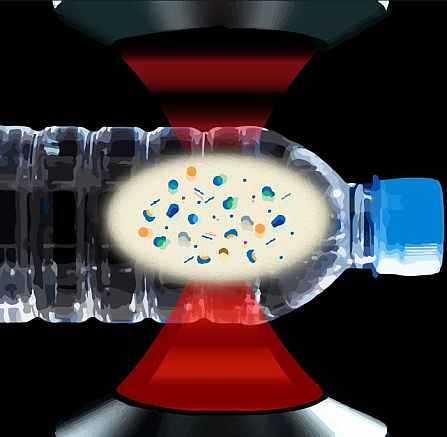
To gain more insight into nanoplastics, a research team led by Drs. Wei Min and Beizhan Yan of Columbia University modified a powerful imaging technique that Min co-invented 15 years ago with NIH support. The technique, called stimulated Raman scattering (SRS) microscopy, is now widely used to visualize small molecules in living cells. The method works by focusing two laser beams on samples to stimulate certain molecules to emit unique detectable light signals. Unlike many other methods, SRS microscopy does not depend on labeling specific molecules to find them.
For the new study, which was supported by NIH, the researchers developed a new SRS approach to detect micro- and nanoplastics at the single-particle level. After confirming that the technique could rapidly spot plastic particles smaller than 1 μm, they developed an algorithm based on machine learning to detect seven common types of plastic.
To test their new high-throughput imaging platform, the team analyzed the micro- and nanoplastics in three popular brands of bottled water. Results were reported on January 8, 2024, in the Proceedings of the National Academy of Sciences.
The researchers found that, on average, a liter of bottled water included about 240,000 tiny pieces of plastic. About 90% of these plastic fragments were nanoplastics. This total was 10 to 100 times more plastic particles than seen in earlier studies, which mostly focused on larger microplastics.
The water contained particles of all seven types of plastic. The most common was polyamide, a type of nylon that’s often used to help filter and purify water. An abundance of polyethylene terephthalate (PET) was also detected. This might be expected, since PET is used to make bottles for water, soda, and many other drinks and foods. Other identified plastics included polyvinyl chloride, polymethyl methacrylate, and polystyrene, which is also used in water purification. The method identified millions of additional particles that did not match the seven categories of plastic. It’s not yet clear if these tiny particles are nanoplastics or other substances.
The researchers say that this new technique will help to advance our understanding of human exposure to nanoplastics. “This opens a window where we can look into a plastic world that was not exposed to us before,” Yan says.
In the future, the researchers will apply this approach to analyze more environmental samples, such as tap water, indoor and outdoor air samples, and biological tissues. They are also developing filters that can reduce plastic pollution from laundry wastewater, since many fabrics include nylon, PET, and other plastics.
Funding: NIH’s National Institute of Environmental Health Sciences (NIEHS); Research Initiatives in Science and Engineering of Columbia University; Hudson River Foundation.
It’s exciting to get upgrades! Everyone always seems to want the latest and greatest model, addition, version…of their favorite electronic device. Because of this, the lifespan of these devices is diminishing, leading to a surge in electronic waste, commonly known as e-waste. This growing concern impacts not only landfills but also the purity of our water bodies. At NewTech Recycling, we understand the critical importance of the proper disposal of e-waste, ensuring that hazardous materials are not leached into our environment. Our commitment to e-waste recycling services is not just about sustainability; it’s about protecting our water for future generations. Join us as we explore the journey of e-waste to water bodies, its detrimental effects, and how responsible recycling practices can make a significant difference.
Understanding E-Waste
E-waste encompasses a broad range of discarded electronic devices, from smartphones and computers to refrigerators and LED bulbs. These items, rich in metals and other materials, become e-waste when no longer functional or desirable. The challenge with e-waste lies not only in its volume but in its composition. Many electronics contain hazardous substances like lead, mercury, and cadmium, which can pose significant risks when not disposed of properly. At NewTech Recycling, our e-waste recycling process is designed to manage these risks, transforming potential environmental hazards into opportunities for resource recovery and reuse.
E-Waste’s Journey to Water Bodies
The path of improperly disposed e-waste to water bodies is a complex one, involving several stages and actors. Often, e-waste is initially dumped in landfills, where it may be exposed to natural elements or inadequate containment measures. Over time, rainwater leaches toxic chemicals from this waste, carrying them into the groundwater, rivers, and eventually oceans. Illegal dumping exacerbates the issue, with e-waste often directly abandoned in or near waterways. This not only pollutes the water but disrupts aquatic ecosystems and the communities relying on these water sources. Understanding this journey underscores the urgency of adopting proper e-waste disposal and recycling practices to safeguard our water resources.
Impact on Water Quality and Ecosystems
The infiltration of e-waste into our water systems introduces a host of toxic substances, including heavy metals such as mercury, lead, and cadmium, alongside a variety of chemicals from plastics and coatings. These contaminants pose severe risks to water quality, directly affecting aquatic ecosystems. Heavy metals can accumulate in the food chain, leading to bioaccumulation in fish, which not only endangers wildlife but also threatens human health through the consumption of contaminated seafood. Furthermore, the chemical runoff from e-waste disrupts the delicate balance of aquatic ecosystems, leading to decreased biodiversity and the alteration of habitats. Our efforts in e-waste recycling services at NewTech Recycling aim to curb the release of these hazardous substances, demonstrating our role in preserving natural water resources and supporting the health of aquatic ecosystems.
Human Health Implications
The repercussions of e-waste contamination in water extend significantly to human health. Communities relying on contaminated water sources may suffer from a range of health issues, including kidney damage, neurological disorders, and developmental problems in children, all linked to the toxic substances leached from improperly disposed of electronics. The importance of clean, uncontaminated water cannot be overstated, not only for drinking but also for agriculture and everyday hygiene. Ensuring the proper disposal of e-waste is a critical step towards safeguarding public health, highlighting the indispensable service provided by facilities like NewTech Recycling in mitigating these risks.
The Role of Proper Disposal and Recycling
Addressing the challenges posed by e-waste requires a comprehensive approach to disposal and recycling. Proper e-waste disposal involves separating hazardous materials from recyclable components, ensuring that toxins are not released into the environment. Through professional e-waste recycling services, materials such as metals, plastics, and glass can be safely recovered and repurposed, reducing the need for new raw materials and decreasing the environmental footprint of new products. At NewTech Recycling, our commitment to advanced recycling processes not only aids in preventing water pollution but also contributes to a circular economy, where the value of electronic materials is maximized. By choosing responsible recycling paths, individuals and businesses can play a pivotal role in protecting our water resources and promoting environmental sustainability.
Let’s Save Our Water
The journey from awareness to action in the proper disposal of e-waste is crucial for the health of our planet and its inhabitants. As we’ve explored, the consequences of negligence are far-reaching, affecting water quality, ecosystems, and human health. However, through informed decisions and the support of professional e-waste recycling services like those offered by NewTech Recycling, we can mitigate these impacts. We invite you to join us in this vital effort to protect our water by responsibly recycling your electronic waste. Together, we can forge a path towards a cleaner, safer environment for future generations. Visit New Tech Recycling to learn more about how you can contribute to the solution
More than half classed as very toxic, toxic or harmful to aquatic life, with 20 categorised as ‘substances of very high concern’
Almost 500 different chemicals, some of which are banned, have been found in various mixtures across all 171 river and groundwater catchments tested in England in 2024, according to data from the Environment Agency, analysed by the Guardian and Watershed Investigations.
More than half of them are classified as very toxic, toxic or harmful to aquatic life, according to the European Chemicals Agency (ECHA), and a banned, carcinogenic “forever chemical” was among 20 “substances of very high concern” found.
“What this shows is that the way we monitor and manage chemicals in our rivers is completely unfit for purpose,” said Alistair Boxall, professor in environmental science at the University of York.
“Although it depends on the concentrations, a lot of these are very toxic. We know they target algae, invertebrates and fish. If you’ve got a mixture of a few hundred substances, they are potentially working together and exacerbating the effect,” explained Boxall.
Environmental groups have called chemical pollution the silent killer in our waterways. The world has lost 83% of its freshwater aquatic life in 50 years and in UK waters, the sturgeon and the burbot have vanished and Atlantic salmon is endangered.
“Our invertebrate monitoring shows clear evidence of significant chemical impact across all the 100-plus rivers we monitor,” said the WildFish CEO, Nick Measham. “It ties together chemical presence with widespread ecological impact. It makes poo in rivers look like a second-order problem.”
Neonicotinoid pesticides are banned in the UK and EU for use on all outdoor crops because of the high risk to pollinators. However, the data shows all three banned neonics across 29 river and groundwater catchments, including thiamethoxam, which the UK government has continued to allow for sugar beet crops. The Environment Agency said policies were being changed to prevent this use.
Another neonic, imidacloprid, is still legally used as a flea treatment for dogs and cats, which experts say is nonsensical.
“Imidacloprid is like novichok for insects,” said Dave Goulson, professor of biology at Sussex University.
“A single teaspoon of this pesticide is enough to deliver a lethal dose to 1.25 billion honey bees. It’s concerning that our rivers should be awash with a potent insecticide.”
The majority is found downstream of sewage outlets, suggesting that they are coming primarily from owners washing their pets and bedding at home. These chemicals are more toxic to insects than vertebrates, but there are health concerns and research in Switzerland found neonics in the cerebral spinal fluid of children.
The most widespread chemicals found are classic markers of road runoff, where pollutants from car exhaust pipes and tyres, for example, build up on roads and then get washed into streams and rivers when it rains. Fluoranthene, which is very toxic to aquatic life, and pyrene, were found in 80% of water catchments. Both are substances of very high concern because they are persistent, bioaccumulative and toxic, meaning they don’t break down easily and can build up in our bodies.
“I found fluoranthene at levels over 100 times above the maximum allowable concentration in samples of runoff from the M6,” said Jo Bradley, a former Environment Agency officer who heads the Stormwater Shepherds nonprofit. She says road runoff often exceeds statutory standards.
“National Highways identified fluoranthene and pyrene as potentially significant pollutants way back in 2002, so it is desperately sad that they have not delivered treatment schemes at their highway outfalls to control this pollution in the last 20 years.”
National Highways says it is “committed to improving water quality, and our water quality plan sets out a high-level programme of work to address all our high-risk outfalls by 2030.”
Farm runoff was another major source of contamination, with approximately 30% of the substances commonly used as insecticides, fungicides, pesticides and medicines for livestock. Around 34% of substances detected are pharmaceuticals, caffeine and sweeteners, which are probably discharging from sewage treatment works.
Sewage is the main reason the Medway catchment fails to meet good status followed by agriculture, according to the Environment Agency. Together with the Tees estuary, it has the highest number of different chemicals in its waters. The highest concentrations of the recreational drug ketamine was found here, as well as of an insecticide used to control aphids on crops.
“We have parts of the River Medway that are no-go areas, where the river is devoid of life and we don’t fish there,” said Ian Tucker, of the Royal Tunbridge Wells Angling Society.
Sewage works could install tertiary treatment to remove many chemicals, but it is expensive.
“We’ve had a lack of investment in wastewater treatment and we’ve not progressed to removing chemicals,” said Chris Gardner at the South East Rivers Trust. “We need a regulator to drive improvements.”
Water UK, the water industry body, points out that water companies are not responsible for these pollutants being in the water system and supports a “polluter pays” principle.
“Water companies want to invest nearly £12bn to stop sewage spills from storm overflows and remove chemicals during the treatment process,” a Water UK spokesperson said. “We now need Ofwat to approve these plans in full so we can get on with it. However, prevention is better than cure and we need greater action from government and other sectors to stop this material entering the environment in the first place.”
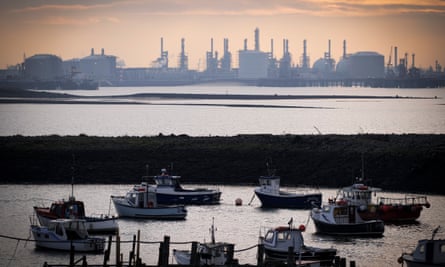
In the country’s chemical manufacturing capital, the Tees estuary, the site of a series of crustacean mass die-offs in 2021, seven out of the top 10 highest sum concentration chemicals found are very toxic, toxic or harmful to aquatic life. For example, the highest levels found in all the samples in England is of a pesticide that is 200 times over the predicted no-effect concentration and is very harmful to aquatic life.
In the Tees estuary seven out of the top 10 highest sum concentration chemicals found are very toxic, toxic or harmful to aquatic life. Photograph: Mark Pinder/The Guardian
“As this study confirms, the extent of chemical pollution of our waterways is staggering, impacting upon aquatic life and raising implications for human health”, said Rob Collins, of the Rivers Trust. “It is imperative that we see a robust chemicals strategy from the government as a matter of urgency, where tackling chemical pollution at source is prioritised.”
An Environment Agency spokesperson said: “Ouranalytical techniques are highly sensitive and allow us to detect over 1,500 compounds at low levels to support our work on managing chemical risks in the environment. This testing is specifically targeted at sites where we want to better understand the chemical risk.
“We are working closely with other regulators and the water industry on a series of chemical investigation programmes to better understand how chemical compounds affect our water environment.”
But experts remain concerned.
“The big picture is that from conception we’re all being exposed to a cocktail of synthetic toxins,” warned Goulson. “The impact of the mixtures is totally unknown … and it’s inescapable.”
Benji Jones is an environmental correspondent at Vox, covering biodiversity loss and climate change. Before joining Vox, he was a senior energy reporter at Business Insider. Benji previously worked as a wildlife researcher.
In the 1970s, acid rain was one of the most serious environmental threats in North America and Europe. The air was so laden with pollution from coal power plants and cars at the time that it turned the rain toxic. Downpours killed fish, destroyed forests, eroded statues, and damaged buildings, sparking public outcry.
“Acid rain is a particularly alarming demonstration of the simple adage that what goes up must come down,” former Colorado Sen. Gary Hart said in 1979. “With acid rain,” he said, “what comes down is much worse than what went up — worse in its potential damage to trees and crops, worse in its potential damage to freshwater lakes and fish and tourism.”
A few decades later, acid rain had largely disappeared.
A statue on the side of a building that’s been weathered, in part, by acid rain, seen in Leipzig, Germany in 1990.Richard Baker/In Pictures via Getty Images
A forest in Poland that’s been killed off by acid rain.Christopher Pillitz/Getty Images
Beginning around 1990, the US and Europe passed legislation that limited the amount of acid-forming pollutants — such as sulfur dioxide and nitrogen oxides — that power plants could emit. Laws requiring car manufacturers to put catalytic converters into new vehicles, which reduced harmful emissions, were also taking effect. That brings us to today: While precipitation in some regions is still unnaturally acidic, on the whole, acid rain is largely a problem of the past and a major environmental success story.
Now, however, there’s another problem with our rain — and it’s even more alarming.
While precipitation has become less acidic, a growing body of evidence suggests that it’s now full of many other pollutants that pose a risk to public health, including microplastics. And unlike the compounds that cause acid rain, these pollutants are almost impossible to get rid of.
The new pollutants in our rain
As government regulators focused on reigning in air pollution, companies were busy generating new sources of pollution, including plastics and PFAS, the so-called forever chemicals. PFAS, which stands for perfluoroalkyl and polyfluoroalkyl substances, are a large group of compounds used, among other things, to make fabric stain-resistant and pans nonstick.
Over time, these modern-era substances — which famously take decades to millennia to degrade — have leached into the environment, reaching every corner of the planet, no matter how tall or deep. Microplastics, PFAS, and some other compounds, such as pesticides, are now so widespread that they’ve essentially become part of our biome, not unlike bacteria or fungi.
They’re so common, in fact, that they’re even found in the rain.
A number of studies, for example, have documented microplastics in rain falling all over the world — even in remote, unpopulated regions. For one 2020 analysis in the journal Science, researchers documented microplastics in rainwater that fell on several national parks and wilderness areas in the Western US. Most of the plastic bits were microfibers, such as those shed from polyester sweaters or carpeting on the floor of a car. The researchers estimated that more than 1,000 metric tons of plastic from the atmosphere fall on parks in the West each year, including both as rainfall and as dry dust. That’s equivalent to roughly 120 to 300 million plastic water bottles, according to the study.
The largest source of those microplastics was highways, said Janice Brahney, a biogeochemist at Utah State University who led the Science study. Roads are often littered with plastic waste that gets broken down by cars and kicked up into the air. Those particles are typically lighter than soil, so once they become airborne, they can easily move around in the atmosphere and get grabbed by rain as it falls.
A gull carrying a piece of trash along the San Gabriel River in Southern California.Mark Rightmire/MediaNews Group/Orange County Register via Getty Images
Another important source of plastic rain is the ocean, Brahney said. Several million tons of plastic enter the ocean each year, much of which breaks down into microplastics. When waves crash on the beach or bubbles burst on the sea surface, it sends microscopic plastic particles into the air.
Plastic rain is an environmental threat that’s harder to fix than the last one. “It’s much worse than the acid rain problem,” Brahney said. “With acid rain, we could stop emitting acid precursors and then acid rain would stop falling. But we can’t stop the microplastic cycle anymore. It’s there and it’s not going away.”
The story of PFAS is similarly bleak: Researchers have detected these chemicals in rain across the planet from the US and Sweden to China and even Antarctica, often at levels above drinking water guidelines. For a study published in 2024 — titled “It’s raining PFAS in South Florida” — researchers analyzed rainwater that fell around Miami and found more than 20 PFAS compounds, including PFOS and PFOA. Although these two PFAS were phased out in the US years ago due to public health concerns, the researchers still found them at concentrations beyond government health advisory levels for drinking water, underscoring the remarkable persistence of forever chemicals.
For another article, published in 2022, scientists reviewed studies of PFAS in rainwater and similarly found concentrations of these chemicals at levels above what US and Danish regulators say is safe for drinking water. The authors concluded that, based on health advisories, no untreated rainwater would be considered safe to drink.
“For us to get rid of PFAS, we probably have to go back in time,” said Natalia Soares Quinete, a chemist at Florida International University who was involved in the 2024 study. Even though the government is increasingly regulating PFAS, she said, “I don’t see us completely getting rid of those chemicals.”
Is the rain dangerous?
The good news is that most people — especially in wealthy countries like the US — don’t rely on untreated rainwater. What is concerning is that rain ends up in groundwater, rivers, and reservoirs that feed into municipal water systems.
Treatment plants help a lot, typically removing upward of 70 percent of microplastics in water, but some still pass through. A study published earlier this year, for example, found a small amount of microplastics in bottled water and tap water in France. Similarly, typical filtration plants for municipal water remove some but not all PFAS. Authors of a 2023 study by the US Geological Survey, a federal agency, estimate that at least 45 percent of the country’s tap water has at least one type of PFAS present.
Treatment facilities don’t have the technology to treat all of the microplastic compounds, let alone the technology to measure them, Brahney said. “There are tens of thousands of chemicals involved, and we only understand a fraction of them,” she said.
Whether or not you’re at risk from microplastics, PFAS, and other chemicals is all about exposure — how much of those substances you’re breathing in or consuming. There’s not much of them in a single glass of tap or a bottle of water. The problem is that there are many other pathways that these pollutants can take to enter your body, such as through food. And over time they add up.
A recent study found that the human brains contain as much as a typical plastic spoon’s worth of microplastic, by weight. Scientists still don’t understand what impact that might have on human health, but they suspect that microplastics could be linked to cancer, heart and kidney disease, and Alzheimer’s.
Meanwhile, nearly all Americans have a measurable amount of PFAS in their blood, according to US health officials, though concentrations of some of them — including PFOA and PFOS — are declining. On the whole, forever chemicals are associated with a range of ailments including increased cholesterol, decreases in birth weight, and kidney cancer.
All of these contaminants can also be harmful to wildlife, which unlike most of us, do rely on untreated water. One study, for example, linked exposure to PFAS to impaired immune systems in alligators. “If we have these contaminants in our rainwater they’re getting into our groundwater,” Brahney said. “They’re infiltrating our soils. Every organism is interacting with rainwater.”
Ultimately, what all of this research reveals is that the planet is dirty, even if the filth can be hard to see. These chemicals are in the rain because they’re abundant in the environment — and they’re in the environment because they’re in the rain. And while there’s ongoing research, we don’t yet fully understand how those pollutants impact our bodies and our ecosystems. We just know they’ll be around for a very, very long time.
“To be honest, I cry, because there’s no walking this back,” Brahney said of microplastic pollution. “These particles don’t break down at a time scale that would be relevant. So yeah, we’re not escaping that.”
How to protect yourself from polluted rain
Avoid drinking untreated rainwater and eating snow, no matter how pristine it looks! If you can afford to filter your water, you should.
Standard filters like reverse osmosis — which runs water through a semi-permeable membrane — typically remove a large portion of microplastics and PFAS.
Some countertop pitcher filters also remove at least some PFAS (e.g., Zero Water) and microplastics (e.g., LifeStraw), though they vary a lot. Consumer Reports also has a great guide to getting PFAS out of your water.
Opt for tap over bottled water to avoid ingesting microplastics. Tap water is also way better for the planet.
With sewage and plastic pollution the world is poisoning its most important resource. When will we start to respect our rivers and seas?
Liam Fox
Sunday April 14 2024, 12.01am BST, The Sunday Times
Access to clean water is the most basic human right of all. That means the competition for water with a burgeoning human population is a threat to our wider security. And our present levels of global pollution are a collective crime against nature and a betrayal of our duty to conserve our natural environment for the generations to come after us.
Any society can only achieve good rates of public health, economic productivity, gender equity, educational attainment and a host of other desirable outcomes when all its members enjoy their rights to water and sanitation. Water, in all its aspects, is crucial to the safe and effective functioning of the world in which we live.
The discussion over the unacceptable discharge of untreated water into our rivers takes us back (perhaps guiltily) to one of the proudest achievements in our own history. During the first half of the 19th century, London’s population was ballooning and the capital’s booming economy also meant that an ever-greater amount of additional waste from factories and slaughterhouses heaped pressure upon a failing system. The scorching summer of 1858 brought things to a crisis as the river levels dropped to such a low level that raw effluent from the city sewers lay on the riverbanks.
It was the beginning of what became known as “the Great Stink”. Charles Dickens wrote, “I can certify that the offensive smells, even in that short whiff, have been of a most head and stomach-distending nature.” The recently rebuilt Houses of Parliament received the full force of the river’s foulness. New legislation allowed the Metropolitan Board of Works to borrow £3 million, which was to be repaid from a threepenny levy on every London household over the following 40 years (not a million miles in principle away from what Thames Water appears to want today). It is arguable that this one project did more to save lives than any other, dramatically improving sanitary conditions in the capital and striking a huge blow against waterborne diseases.
But today, dreadful though they are, we must keep the problems of Britain’s water pollution in perspective. The Danube, for example, has high levels of chemical, particularly pharmaceutical, waste and extremely high levels of farming pesticides, and there has been increasing scrutiny of the role Serbia plays in the pollution of Europe’s second-longest river. About a third of Belgrade, Serbia’s capital city of 1.6 million, has no connection to drainage systems and relies instead on septic tanks that are emptied straight into the river. The rest of the population spew their unprocessed waste into the waterway through about 100 sewage drains. In all, this is over 13,000 times the unacceptable volume of wastewater dumped into the Thames last year.
This one example is part of a wider horror story about how the human population is trashing global waters. Perhaps the most shameful fact is that 80 per cent of the sewage produced globally makes its way into the world’s oceans untreated. This can be deadly for delicate marine habitats, like seagrass beds and coral reefs. When healthy, these habitats act as carbon sinks, produce oxygen and allow marine flora and fauna to develop and thrive.
In 2021 a global study by geographers at Columbia University used a new high-resolution geospatial model to measure and map nitrogen and faecal indicator organisms from human sewage in watersheds around the world — areas of land that channel rainfall, snowmelt and runoff into a river. The researchers found that just 25 watersheds — out of 135,000 — contributed nearly half of all wastewater nitrogen, but that 58 per cent of coral reefs and 88 per cent of seagrass beds were exposed to it.
Along with the Danube, the watersheds that carry the most pollution to the ocean include the Yangtze, the Nile, the Mississippi and the Parana in South America, which ultimately empties into the Atlantic. It indicates the global nature of the problem resulting from the activities of large and small, rich and poor countries alike.
This is all before we come to one of our greatest horrors — the scourge of plastics. The facts on plastic pollution are shocking. At the present rate of accumulation, plastic is expected to outweigh all the fish in the sea by 2050. In the first decade of the 21st century, we made more plastic than had been made in the whole of history up to that point, and there are now somewhere between 15 and 50 trillion pieces in the world’s oceans. There is nowhere on the planet that is plastic-free. Microplastics have now even been found in Antarctic snow.
Four countries — China, Indonesia, Thailand and Vietnam — dump more plastic into the sea than all other countries combined. Of those, China is by far the worst culprit. Of the 60 million tonnes of plastic waste produced in China every year, only about 16 million tonnes are recycled, and the Yangtze River pours more plastic into the world’s oceans than any other.
Our precious marine life is hugely threatened by plastic, which can entangle it, suffocate it or block its digestive tracts. Seabirds and turtles have been found with bottle tops in their stomachs, and countless numbers have died from respiratory obstruction or plastic ingestion. Fish in the North Pacific are estimated to ingest between 12,000 and 24,000 tonnes of plastic each year and studies suggest that a quarter of all the fish sold at California markets contain plastic in their guts.
Yet only two of the UN’s 17 goals for sustainable development mention water at all. Goal 14 is to “conserve and sustainably use the oceans, seas and marine resources for sustainable development”. Targets for 2025 will be missed by a considerable distance. Goal 6 is: “By 2030, achieve universal and equitable access to safe and affordable drinking water for all.” This prerequisite for health and human wellbeing, as well as economic and social development, comes — bizarrely, in my view — behind other goals such as education and gender equality.
Those of us who are fortunate enough, despite the recent lapses by UK water companies, should seek to ensure that everyone is able to benefit from the advantages that we take for granted. Pushing the case for clean water and worldwide agreements on the pollution of our oceans is a global crusade that we, as a country, should champion with relish. It is an issue that must be put above the pettiness of our domestic politics. It is time to lift up the level of our national discourse, shift our time frames and recognise the irreversible nature of the damage we, as a species, are inflicting on our precious blue world.
Droughts in Somalia. Water rationing in Rome. Flooding in Jakarta and Harvey-battered Houston. It doesn’t take a hydrologist to realize that there is a growing global water crisis. Each August, water experts, industry innovators, and researchers gather in Stockholm for World Water Week to tackle the planet’s most pressing water issues.
What are they up against this year? Here’s a quick rundown on the growing global water crisis.
1) We’re Changing the Climate, Making Dry Areas Drier and Precipitation More Variable and Extreme.
Climate change is warming the planet, making the world’s hottest geographies even more scorching. At the same time, clouds are moving away from the equator toward the poles, due to a climate-change driven phenomenon called Hadley Cell expansion. This deprives equatorial regions like sub-Saharan Africa, the Middle East and Central America of life-giving rainwater.
Paradoxically, climate change is also increasing precipitation in other areas, and people who live near rivers and streams have the most to lose. Currently, at least 21 million people worldwide are at risk of river flooding each year. That number could increase to 54 million by 2030. All countries with the greatest exposure to river floods are least developed or developing countries – which makes them even more vulnerable to climate change and natural disasters. This summer, extreme flooding submerged over a third of Bangladesh, claiming over 115 lives and affecting 5.7 million citizens.
2) More People + More Money = More Water Demand.
It’s a simple equation: As populations increase and incomes grow, so does water demand. The world’s population, now at 7.5 billion, is projected to add 2.3 billion more people by 2050. How can the planet satisfy their thirst? Growing incomes also exacerbate the water problem, because of the water-intensive products—like meat and energy from fossil fuels—that richer populations demand.
3) Groundwater Is Being Depleted.
About 30 percent of Earth’s fresh water lies deep underground in aquifers. And it’s extracted daily for farming, drinking and industrial processes – often at dangerously unsustainable rates. Nowhere is this more evident than India, which guzzles more groundwater than any other country. 54 percent of India’s groundwater wells are decreasing, meaning that water is used faster than it’s replenished. Unless patterns shift, in 20 years, 60 percent of India’s aquifers will be in critical condition.
Unlike an incoming hurricane or a drained lake, the naked eye cannot see when groundwater reserves in aquifers are declining. Global water supplies are susceptible to this hidden and growing threat.
4) Water Infrastructure Is in a Dismal State of Disrepair.
Having enough water to go around is only the beginning. That water also needs to be transported, treated, and discharged. Around the world, water infrastructure―treatment plants, pipes, and sewer systems―is in a state of disrepair. In the United States, 6 billion gallons of treated water are lost per day from leaky pipes alone. Built infrastructure is notoriously expensive to install and repair, meaning that many localities ignore growing infrastructure issues until disaster strikes, as it did in California earlier this year.
5) And Natural Infrastructure Is Being Ignored.
Heavy machinery removing trees in Ecuador. Flickr/CIFOR
Healthy ecosystems are ” natural infrastructure” and vital to clean, plentiful water. They filter pollutants, buffer against floods and storms, and regulate water supply. Plants and trees are essential for replenishing groundwater; without them, rainfall will slide across dry land, instead of seeping into the soil. Loss of vegetation from deforestation, overgrazing and urbanization is limiting our natural infrastructure and the benefits that it provides. Forested watersheds around the world are under threat: watersheds have lost up to 22 percent of their forests in the past 14 years.
6) Water Is Wasted.
Although it’s true that water is a renewable resource, it’s often wasted. Inefficient practices like flood irrigation and water-intensive wet cooling at thermal power plants use more water than necessary. What’s more, as we pollute our available water at an alarming rate, we also fail to treat it. About 80 percent of the world’s wastewater is discharged back into nature without further treatment or reuse. In many countries, it’s cheaper to receive clean drinking water than to treat and dispose of wastewater, which encourages water waste. This brings us to the next issue:
7) The Price Is Wrong.
Globally, water is seriously undervalued. Its price does not reflect the true, total cost of service, from its transport via infrastructure to its treatment and disposal. This has led to misallocation of water, and a lack of investments in infrastructure and new water technologies that use water more efficiently. After all, why would a company or government invest in expensive water-saving technologies, when water is cheaper than the technology in question? When the price of receiving clean water is closer to its actual service cost, efficient water use will be incentivized. And on the flip side, the poor often end up paying disproportionately high prices for water, stunting development.
It’s Not Too Late
Amidst these seven deadly water sins, there is good news: governments, businesses, universities and citizens around the world are waking up to water challenges, and beginning to take action. Each year brings more solutions – like using wastewater for energy, using restoration to bring water back to dry topographies, and monitoring groundwater levels more closely. However, even the best solutions will not implement themselves. Along with fresh water, political will and public pressure are critical resources in ensuring a sustainable future for all.
Water consumption is up this year across multiple water districts within the Great Salt Lake basin, but some of the biggest users are still trying to find ways to cut back.
By Carter Williams | KSL.com | Sep. 28, 2024, 8:00 a.m.
This article is published through the Great Salt Lake Collaborative, a solutions journalism initiative that partners news, education and media organizations to help inform people about the plight of the Great Salt Lake—and what can be done to make a difference before it is too late. Read all of our stories at greatsaltlakenews.org.
A lot has changed since Preston Cox and his wife, Melissa, founded Perennial Favorites in the early ‘90s, growing about 4,000 plants and 25 varieties from a wholesale nursery in the backyard of their home near the Great Salt Lake wetlands.
“We started the business, and just gradually, each year, we’d add onto the business,” he said, standing on a narrow dirt road employees in motorized carts use to reach the seemingly endless rows of plants and greenhouses.
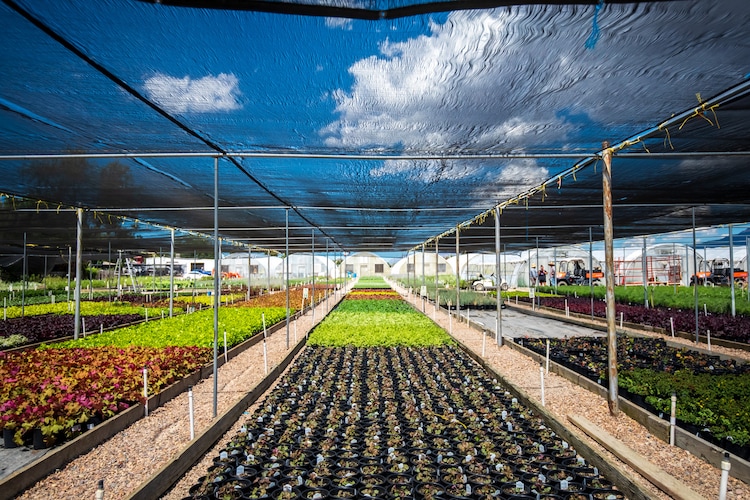
It’s a full-scale operation, three decades later, with dozens of employees who tend a portion of the 1.2 million plants of about 1,500 or more varieties that the company now grows annually. On a warm and partly cloudy August afternoon, they were hard at work, getting the plants ready for the many clients the company has amassed all over the region and beyond with help from the internet.
That’s not the only change, though. Cox has seen the county’s population double, and there’s now a highway that juts through the farmland just south of the nursery. However, he figures the biggest difference might be how much he and his colleagues dwell on water availability.
Water wasn’t an issue three decades ago, he says. The Great Salt Lake was close to its historic average, having just receded from its record high. Utah had its droughts, but it wasn’t something that threatened the Great Salt Lake basin’s water supply either.
Now, water is one of the primary topics his business and many others in the agricultural community talk about following several major drought cycles and the decline of the Great Salt Lake.
“(We realized) here not too long ago … that something had to change,” he said.
A slowdown in Utah’s water paradigm shift?
Cox isn’t alone in this feeling. Water users across several industries within the Great Salt Lake basin and across the state have rethought the way they consume water. Most of it started as drought became a reoccurring theme almost every year, beginning around 2000.
Water managers reported all kinds of water consumption cuts during that time. The state pushed water conservation measures as its reservoir system fell to about 40% capacity statewide.
However, this year has felt slightly different. Water consumption, as of early September, rose about 5% above the three-year average within the Salt Lake Department of Public Utilities service area, said director Laura Briefer.
Her department handles water needs in Salt Lake City, Cottonwood Heights, Holladay, Millcreek and some unincorporated parts of Salt Lake County. Representatives of the Jordan Valley Water Conservancy District and Weber Basin Water Conservancy District — two other major water managers within the basin — say they also noticed small increases in water consumption this past summer.
Alan Packard, assistant general manager for the Jordan Valley Water Conservancy District, said it could be weather-induced. June, July and August combined to produce Utah’s second-hottest meteorological summer since 1895. While rainfall was close to normal statewide, some counties within the Great Salt Lake basin dealt with the largest precipitation deficits.
“It was a bit hotter and drier this summer as compared to last summer. Our demands have increased,” he said.
Briefer agrees that it could be tied to summer conditions because people appeared to slow down consumption when it rained. It could also be the aftereffect of back-to-back strong snowpack collections.
“It just feels like maybe there’s a little fatigue around water issues and drought because we’ve had such an intense last couple of years where that was a tremendous focus,” Briefer said.
Cox noticed another change in consumer habits. Perennial Favorites shifted the types of plants it grew so Utahns could plant more water-efficient gardens. This started about 15 years ago when it became difficult to keep up with more dry years than not.
The company moved away from growing “water-hogging” plants, like astilbes and ligularia, and focused more on producing higher volumes of native and “water-friendly” alternatives like echinaceas, rudbeckias and penstemons.
He says customers were initially wary about the business decision, but that softened with every drought. The more Utah residents understood the impact of outdoor watering on the state’s water supply, the more they became interested in native plants.
But business has slowed down some after back-to-back productive winters.
“We’ve seen that interest drop off a little bit,” he said. “I think that’s a bad thing because we’re in Utah. If we have a couple of wet years, it’s not too far down the road that we’ll be back in some dry years.”
Still clinging to conservation
This is why the company has no plans to back down from water conservation. Perennial Favorites offered reporters a tour of its premises in August to showcase a water reclamation system concocted by Cox’s son, Cort, a few years ago.
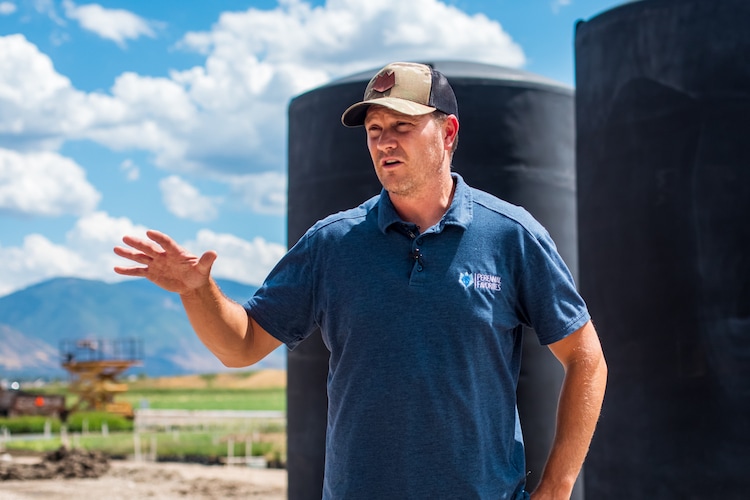
During our visit, Cort Cox swung open a door to a small shed and pointed to the various control panels that help the company save and reuse water stored. It’s a fairly complex system, but it essentially takes extra water from time watering plants and stores it in three large black containers so it can be reused in the watering process in certain sections of the nursery.
(Carter Williams | KSL.com) Cort Cox, head annual grower for Perennial Favorites, talks about the company’s water reclamation system while standing in front of its three large tanks on Aug. 20. The tanks can hold up to 15,000 gallons of water at any given time.
The idea, Cort Cox said, came together after the company noticed excess water pooling up after each watering period. The system helps the company save about 15,000 gallons of water every day, including about 1 million to 1.2 million gallons (3-3.7 acre-feet) of water during the primary growing season.
“I feel like that’s really big for us and for our community,” he said.
The project cost about $50,000 for the company to install, but Cort Cox said he believes it was worth it because it opens up a little more water to go to areas in need and helps them save water as it has become more uncertain.
(Carter Williams | KSL.com) Rows of plants at the Perennial Favorites nursery in Layton are pictured on Aug. 20.
Water conservation wasn’t always what people in the farming, ranching and growing community talked about, but drought has changed that, says Joel Ferry, who serves as director of the Utah Department of Natural Resources and is a fifth-generation farmer and rancher in Box Elder County.
Agricultural water — adding in some golf courses — has historically accounted for about 84% of the state’s water consumption since 1950, Utah State University researchers wrote in a report last year. The industry remains the biggest water consumer, but the percentage used dropped to about 80% in 2015.
Utah’s Coordinated Action Plan for Water, released in 2022, estimated that agriculture remains the state’s biggest water user, but its share has since slipped to about 75%.
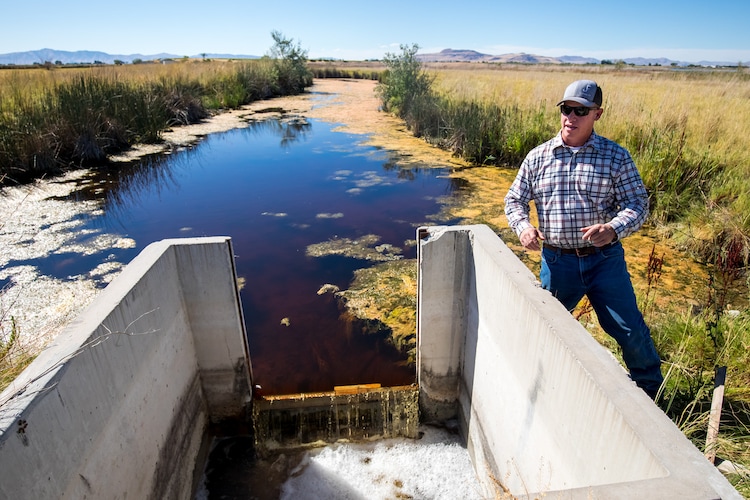
Ferry’s farm underwent a major transformation fairly early in the megadrought. He said he installed “miles and miles” of irrigation piping to replace the old, uncovered dirt ditches. It eliminated evaporation, seepage loss and other issues that led to water loss before it could be used on any plants.
He also started laser-leveling the land so that water was evenly distributed throughout the field and began planting cover crops that can reduce evaporation and the need for watering in drought years.
“(We use) a whole myriad of different practices that all add up to make a big difference,” he said, standing by a small stream on the farm that feeds into the Bear River about 50 yards away. “If I can eliminate one irrigation cycle on my corn, that’s going to save hundreds of acre-feet of water.”
(Carter Williams | KSL.com) Joel Ferry, director of the Utah Department of Natural Resources, stands near a culvert on his farm property in Brigham City on Aug. 20.
The state followed suit, creating an agriculture water optimization program in 2019 to help facilitate these types of changes. The goal is that every farm, ranch and grower has the potential to save a large amount of water.
Neither Ferry nor Perennial Favorites participated in this program for their projects, but other agricultural water consumers quickly jumped at the opportunity. Businesses in Box Elder, Cache, Davis and Rich counties — all within the lake basin — account for most projects approved thus far.
Some other industries are also changing water practices specifically because of the Great Salt Lake’s decline in recent decades. Compass Minerals reached a deal with Utah earlier this month to permanently direct over 200,000 acre-feet of water to the lake every year, following a mineral-related bill passed this year.
Municipalities haven’t stopped, either. Despite this summer’s water use uptick, Briefer points out that municipal water consumption this summer is still nowhere near the historic levels before drought left the state’s future water supply in doubt.
That, she says, gives her hope that Utahns are aware of the risk the state regularly faces, because its water fortunes can quickly change again. She adds that the Great Salt Lake is also far from making a full recovery from years of drought and overconsumption, which is still a major concern for many communities near it.
Packard feels the same way. He said using less water can help Utah survive long droughts and help struggling bodies of water like the Great Salt Lake.
“We want to continue to emphasize to the public it is to use water wisely,” he said. “If we have the combined efforts of all of our water users in our service area, it’ll make us confident to make these sorts of releases in the future.”
Water is one of our most precious natural resources, yet it’s easy to take it for granted. With global water shortages becoming an increasingly serious issue, conserving water has never been more important. By making small changes in our daily routines, we can collectively make a big difference in preserving this vital resource for future generations. In this article, we’ll explore simple, practical ways to reduce your water usage without sacrificing comfort or convenience.
1. Why Water Conservation Matters
Water conservation is not just an environmental issue—it’s also about ensuring a sustainable, reliable water supply for everyone. Here are some key reasons why it’s crucial to conserve water:
Environmental Impact:
Water conservation reduces the demand on natural water sources like rivers, lakes, and aquifers. Over-extraction of water can lead to ecosystem damage, harming wildlife and plant life, and depleting important habitats. By using water more wisely, we can help protect the delicate balance of these ecosystems.
Climate Change and Water Scarcity:
Climate change is making water scarcity a growing concern, especially in regions prone to droughts or extreme weather patterns. By conserving water, we can help mitigate the effects of droughts and ensure a more sustainable future for all.
Cost Savings:
Using less water means lower water bills. Many households are paying more than they need to simply because of wasteful water practices. Whether it’s running the tap while brushing your teeth or taking longer showers than necessary, small changes can lead to significant savings over time.
Energy Savings:
Water treatment and transportation require a lot of energy. By using less water, you reduce the amount of energy needed to pump, heat, and treat the water, which can also contribute to a reduction in your overall energy consumption.
2. Water-Saving Tips for the Bathroom
The bathroom is one of the biggest culprits when it comes to water wastage. From showers to toilets, there are plenty of opportunities to save water in this room. Here are some practical tips:
1. Shorten Your Showers:
Showering is one of the most common ways we use water, but it’s also one of the easiest places to cut back. Try reducing your shower time by just a few minutes. A typical showerhead uses 2.5 gallons (9.5 liters) of water per minute, so every minute you save equals almost 3 gallons of water.
2. Install a Low-Flow Showerhead:
Low-flow showerheads are designed to use less water while maintaining strong water pressure. They can save you up to 50% of the water used during showers. The best part? They’re easy to install and relatively inexpensive.
3. Fix Leaky Faucets and Toilets:
A leaky faucet can waste more than 3,000 gallons of water per year. Toilets that continuously run can waste up to 200 gallons a day! Make sure to fix leaks promptly and check your toilet’s flushing mechanism. For a simple fix, you can add a water-saving bag or a tank bank to your toilet’s tank to reduce water usage.
4. Turn Off the Tap:
It’s easy to forget, but turning off the tap while brushing your teeth, washing your face, or shaving can save gallons of water every day. Instead of keeping the water running, wet your toothbrush and then turn off the tap while you brush.
3. Water-Saving Tips for the Kitchen
The kitchen is another place where water usage can add up quickly. From cooking to cleaning, here are some easy ways to save water in the kitchen:
1. Use a Dishwasher Efficiently:
Dishwashers, when used correctly, are actually more water-efficient than washing dishes by hand. Make sure to run your dishwasher only when it’s full, and use the energy-efficient settings. Modern dishwashers use about 3-5 gallons per load, whereas washing by hand can waste up to 20 gallons per wash.
2. Scrape, Don’t Rinse:
Instead of rinsing off dishes under running water, scrape off food waste into a compost bin or trash can. If you do need to rinse, fill up a basin or a small bowl with water and rinse your dishes in that, rather than leaving the tap running.
3. Use a Container to Wash Produce:
Instead of rinsing your fruits and vegetables under a running stream of water, try filling a bowl with water and washing them in that. You can then reuse that water for watering your plants or garden.
4. Store Cold Water:
When waiting for hot water to come through the faucet, collect the cold water in a container and use it to water your plants, clean your floors, or fill up your pet’s water bowl. It’s a simple way to avoid wasting water that’s just sitting there.
4. Water-Saving Tips for the Laundry Room
Water conservation in the laundry room is often overlooked, but there are several strategies that can help reduce water consumption:
1. Wash Full Loads Only:
Whether you use a front-loading or top-loading machine, always try to wash full loads of laundry. Washing small loads wastes both water and energy. If you have a smaller load, consider adjusting the water level on your washing machine to match the amount of laundry.
2. Choose Water-Efficient Washers:
If you’re in the market for a new washing machine, consider purchasing a high-efficiency model. These machines use up to 50% less water than traditional washers. Additionally, they typically have shorter wash cycles, saving you time and energy as well.
3. Use a Shorter Cycle:
For lightly soiled laundry, try using a shorter wash cycle. Modern machines are designed to handle most laundry with just a quick wash, saving you both water and energy.
4. Line Dry Your Clothes:
Whenever possible, skip the dryer and hang your clothes to dry. Line drying uses no energy, reduces wear and tear on your clothes, and helps save water. You can even install a clothesline in your yard or use an indoor drying rack.
5. Smart Landscaping: Water Conservation in the Garden
The garden can be a significant water guzzler, but there are many strategies to keep your garden lush and green while using less water:
1. Water Early in the Morning or Late in the Evening:
Watering during the heat of the day can cause the water to evaporate too quickly, wasting precious resources. Early morning or late evening watering allows the water to be absorbed more effectively by the plants.
2. Use a Drip Irrigation System:
Drip irrigation systems deliver water directly to the roots of plants, minimizing water waste through evaporation and runoff. These systems can be set on timers, ensuring that your plants get the right amount of water without any waste.
3. Choose Drought-Tolerant Plants:
Consider replacing high-water-demand plants with drought-tolerant varieties. These plants require less water, are often more resilient, and can still add beauty to your landscape.
4. Mulch Your Garden Beds:
Mulching helps retain moisture in the soil, reducing the frequency with which you need to water. It also helps suppress weeds, which compete with plants for water.
6. Innovative Technologies for Water Conservation
Modern technology has provided some great solutions for water conservation in the home. Here are some innovative devices and tools to consider:
1. Smart Water Meters:
Smart water meters track your water usage in real-time, alerting you to any unusual spikes in consumption. These meters can help you identify areas where you’re using more water than necessary and adjust accordingly.
2. Low-Flow Faucets and Showerheads:
In addition to low-flow showerheads, there are also low-flow faucets and aerators that can be easily installed in your kitchen or bathroom. These devices limit water flow without compromising water pressure.
3. Greywater Recycling Systems:
Greywater systems allow you to reuse water from activities like showering, washing dishes, or laundry for purposes like irrigation. Though they can be an upfront investment, they can help conserve water in the long run.
7. Water Conservation for the Whole Family
Getting the whole family involved in water conservation efforts is key to making lasting changes. Here are a few ways to encourage everyone to use water wisely:
1. Educate Your Family:
Explain the importance of water conservation to your family members and involve them in efforts to reduce water use. Set up goals, like reducing shower times or turning off taps, and make it a fun challenge.
2. Teach Kids to Turn Off the Tap:
Instill good habits early by teaching kids to turn off the tap when brushing their teeth and to take shorter showers. Create a habit by making these actions a part of the daily routine.
3. Make Water Conservation a Game:
Gamify water-saving habits by setting daily or weekly challenges. For example, see who can take the shortest shower or whose washing routine wastes the least water.
FAQs
How much water can I save by reducing my shower time? By shortening your shower by just 2-3 minutes, you can save up to 1,000 gallons of water per year.
Do low-flow toilets really work? Yes! Low-flow toilets use significantly less water without sacrificing flushing power. They’re designed to conserve water while still effectively getting rid of waste.
How can I reduce water usage in my garden? Use drought-resistant plants, mulch your garden beds, and water early in the morning or late in the evening to minimize evaporation and runoff.
Can I install a water-saving showerhead myself? Yes, installing a low-flow showerhead is easy and requires no special skills. Most showerheads can be screwed into the existing pipe without professional help.
How can I check for leaks in my home? To check for leaks, read your water meter before and after a two-hour period during which no water is used. If the meter has changed, you may have a leak.
What is greywater and how can I reuse it? Greywater is wastewater from baths, showers, sinks, and washing machines. It can be reused for irrigation or toilet flushing with the help of a greywater system.
How much water does a dishwasher use? A dishwasher uses between 3-5 gallons per load, while washing dishes by hand can use up to 20 gallons.
Can I recycle water from my washing machine? Yes! With a greywater system, you can recycle water from your washing machine to irrigate your garden or lawn.
Is it really possible to conserve water and still have a beautiful garden? Absolutely! By choosing water-efficient plants, using mulch, and implementing a drip irrigation system, you can have a lush, thriving garden while saving water.
How can I make my home more water-efficient overall? Install low-flow faucets, showerheads, and toilets, fix leaks promptly, use energy-efficient appliances, and encourage everyone in the household to use water more consciously.
If you think the water you are drinking is just H2O, think again! According to studies, an astonishing 75,000 chemical compounds have been found in our water, yet the EPA has established enforceable safety standards for only 87. Many of these common water contaminants and chemicals are potentially harmful and can spawn health problems. According to the Centers for Disease Control and Prevention, nearly one million people get sick from drinking contaminated water each year, with about 1,000 cases on average ending in death.
Using outdated technology, many municipalities simply weren’t built to handle the influx of common modern-day water contaminants. Various pollutants such as pesticides, herbicides, toxic waste from landfills, chemical and oil spills, acid rain, and more find their way into our water supplies. Most often this water is treated with chlorine or chloramines to control bacterial growth which, according to some health experts, may also contribute to illness.
Even if the water that leaves the treatment plants meets EPA minimum safety standards, health threats don’t stop there. The water may pass through unsafe water lines that recontaminate it on the way to your home. Examine your pipes and those of water distribution systems and you’ll find the insides of some of these pipes caked with mineral, biological and chemical deposits. In some cases, the pipes themselves may leach copper and lead! Another threat lurking inside older water pipes is bio-film, composed of layers of bacteria that can harbor pathogens like E. coli. And don’t think well water is any safer because groundwater pollutants may also seep into that source. Add to that the chlorine and other chemicals used to treat well water, and you have water that is chemically altered.
The sad truth is that our water supply is compromised by harmful chemicals. EPA standards require water treatment plants to reduce certain common water contaminants. Annual reports issued by the EPA for 2002 indicated that there were 80,635 documented violations nationwide. When violations occur, “boil water” alerts are issued but, by then, you may have already consumed dangerously contaminated water.
You have to ask yourself the question, “Over the course of my life, how will these chemicals and trace pollutants affect my health and that of my family?” Consider what this means if, over the course of your life, you drink approximately 13,000 gallons of water. There could be undetected contaminants in each glass you drink having a cumulative effect on your health for the worse. That’s why it’s so important you make doubly sure the water you drink is 100% steam distilled. And with Waterwise’s distilled water-making machines, you can take control of your water quality today and enjoy peace of mind.












 GET WET!