

By Dylan Ortuno
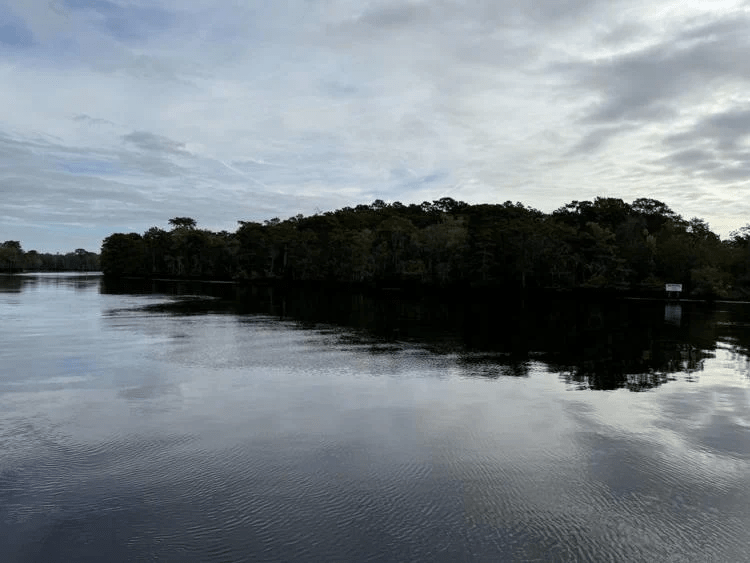
CONWAY — A former textile mill contaminated the Waccamaw River and Intracoastal Waterway with “forever chemicals” that could pose a danger to the thousands of Horry County residents who rely on the Grand Strand Water and Sewer Authority for their drinking water, according to a recently filed lawsuit.
The Conway-based authority, which filed the lawsuit Aug. 9, alleges Burlington Industries, Inc., released contaminated industrial wastewater from its Society Hill mill into the Pee Dee River watershed for decades. That water then flowed downstream to the Myrtle Beach area.
The filing states the leftover toxic per- and polyfluoroalkyl substances (PFAS), otherwise known as “forever chemicals” because they don’t naturally break down, are unable to be filtered by the authority’s wastewater treatment processes and pose a threat to humans if consumed.
The court filings noted the dangers from drinking contaminated water include cancer and reproductive issues, among other things.
“Defendant’s PFAS contaminates Plaintiff’s water sources at concentrations exceeding what the U.S. Environmental Protection Agency (“EPA”) deems unsafe for consumption, and Plaintiff’s existing water treatment processes cannot remove them,” the lawsuit stated. “Instead, Plaintiff requires new water treatment technologies to remove, and provide water free from, Defendant’s PFAS.”
The lawsuit alleges the contamination has impacted two of the authority’s water treatment plants: one in Bucksport near Bull Creek, an arm of the Great Pee Dee River, and another in Myrtle Beach near the Intracoastal Waterway.
The Bucksport plant alone provides water to about 115,000 customers, according to the lawsuit. The Myrtle Beach plant services the cities of Myrtle Beach and North Myrtle Beach, which distribute the water to tens of thousands of residents.
Pee Dee/Lynches River Project Coordinator Dylan Coleman of the Winyah Rivers Alliance said the alliance and Coastal Carolina University are studying the “forever chemical” contamination of the Great Pee Dee River. Coleman noted that it is not uncommon for rivers near such industries to encounter this issue.
“What I’ve learned is that textile mills typically are very much associated with PFAS contamination,” Coleman said. “That’s not saying every (textile mill) will be, but there’s a pretty strong correlation between what you find at a former textile mill or in (wastewater) lagoons that correlates to PFAS along with other contaminants.”
In court filings, the authority states that Burlington Industries, Inc., operated an industrial facility that spanned close to 234 acres near Cedar Creek and the Great Pee Dee River.
Throughout Burlington’s ownership, 1966-1988, it used products that contained and degraded to a wide range of chemicals, according to the lawsuit. The facility operated under other names until it closed in 2016.
Following that shut down, the filing said, the site was not remediated and “wastewater lagoons and other storage basins” that had gathered the dangerous chemicals overflowed into the Great Pee Dee River toward Bull Creek, contaminating GSWSA’s water sources.
A representative for Burlington Industries could not be reached for comment.
Coleman noted that federal and state agencies tend to be the ones left behind to “clean up that mess” after textile mills shut down.
“And the longer (the wastewater) sits there, the more likely it is to leach into the groundwater or overflow and get into our surface water and therefore our drinking water,” Coleman said.
He added that “forever chemicals” and their exact effects are still being studied, likening this time period to “the big tobacco debacle” when people began learning about the health impacts that came from tobacco use.
“But the main difference in this case is people aren’t consciously making the decision to ingest this kind of stuff through drinking water like the way you would any other harmful product,” Coleman said.
Coleman added that across the country lawsuits have been filed against industries that released these chemicals into the environment.
“And the reason why more than anything is to have the money to upgrade their (wastewater) treatment systems,” he said. “For instance, I live in Marion County and the county could not afford to do that on their own. They would almost have to seek some sort of compensation from these industries in order to pay for it.”
The GSWSA makes a similar case in its lawsuit, asking the court to force Burlington to clear the controversial chemicals from the water systems “by funding the acquisition, installation, and operation of treatment technology capable of removing them.”
The GSWSA’s listed causes of action include private nuisance, public nuisance and negligence.
The authority’s attorney declined to comment beyond the statements in the complaint.
CLICK HERE FOR MORE INFO: https://www.postandcourier.com/myrtle-beach/news/lawsuit-forever-chemicals-waccamaw-river-intracoastal-waterway-sc/article_288a5cfa-66da-11ef-b4c4-fb48c5fa4090.html

