Wildfires can contaminate drinking water with harmful chemicals. Here’s what to know

By Andrew J. Whelton

The wildfires in the Los Angeles area have destroyed thousands of structures, many of them homes, and firefighters continue to battle the infernos. Parts of Pacific Palisades, Altadena, Pasadena and other California communities are now unrecognizable.

As evacuation orders are lifted, safe drinking water should be top of mind for those residents able to return to their homes.

What many people don’t realize is the extent to which their community drinking water systems can be damaged by fire, how their water is affected and what they can do about it.

As an environmental engineer, I work with communities affected by wildfires and other disasters. Over the years, my team and I have been called in to help after some of the most destructive wildfires in U.S. history. In some cases, we have advised state and local officials from afar.

Several local water systems in the Los Angeles area have begun issuing warnings about not using the potentially unsafe drinking water. Here’s what residents in the area, and anyone else living near where a wildfire burns, need to know.

How fires can make water unsafe

Fires can make drinking water, and the water pipes and tanks themselves, unsafe. This occurs for a number of reasons.

One cause is when high water use from firefighting drains the water system.

A firefighter works to keep a car from burning as flames spread nearby.
Fighting fires can take enormous amounts of water. If the water lines are depleted, contamination can result. AP Photo/Ethan Swope

Water systems are not designed to fight wildfires. Damaged and destroyed structures also prompt uncontrolled water leaks. Power loss also prevents water from being replenished fast enough into the draining water systems. Combined, these factors can depressurize the water system, leaving no water available.

When water is depleted, the system is vulnerable to chemical contamination.

Drinking water contamination can also come from the air and from damage to water system infrastructure. Heat can partially melt plastic pipes and water meters, releasing chemicals; smoke can be sucked into water systems; and breaks in the water infrastructure can introduce contamination.

An illustration shows damage to the systems themselves.
Some common sources of water contamination during fires include water use depressurizing water systems, plastic heating up and smoke pulled into systems. Andrew Whelton/Purdue University, CC BY-SA

A host of cancer-causing chemicals have been found in damaged water systems after wildfires. Sometimes these chemicals, such as benzene, can cause someone to become immediately ill if they drink or use the water. Symptoms can include nausea, headaches and rashes.

These chemicals stick to the infrastructure surfaces and can even penetrate some plastic pipes and gaskets. Removing them can take days to months. Some plastics can adsorb chemicals like a sponge and release them into clean drinking water slowly, making that water unsafe for long periods of time.

A photo shows water pipes and a meter beneath a melted plastic cover, damaged by a fire.
Water meters and pipes are vulnerable to damage during a fire. Andrew Whelton/Purdue University, CC BY-ND

How communities can reduce the risk

Residents and businesses should pay attention to announcements from their drinking water provider and health officials about water safety.

Safety can be determined through proper chemical testing. Fortunately, the first-ever guide for water systems to respond to and recover from fires was published in 2024. Property owners can find more information from groups like our research team at Purdue University.

When to test and treat your own water

When it comes to testing home drinking water, caution is needed.

After the 2023 wildfires in Maui, Hawaii, and the 2018 Camp Fire in Paradise, California, I met with many households who spent hundreds to thousands of dollars to hire companies to conduct their own water testing. However, many of the results turned out to be irrelevant. In some cases:

  • Residents were charged for water analysis even though their samples were improperly handled.
  • The potentially contaminated water was dumped out of plumbing before a sample was collected.
  • Water samples were not screened for the correct fire-related chemicals.
  • Samples were not collected from the right locations or enough locations in the home.

Treating water is not advised until the levels of contamination are known. Water systems in the area have issued such warnings.

A student tests water in a sink.
Purdue University graduate student Paula Coelho conducts tests for water quality. Home drinking water testing can be helpful once the water provider has confirmed that the water being delivered is now safe. Andrew Whelton/Purdue University, CC BY-ND

Residents should also be aware that home water treatment devices are not certified to make extremely contaminated water safe.

To help property owners make the best decisions, water utilities need to rapidly test and share with the public what chemicals are present in their water systems. Once that testing has been done and the risks are known, property owners may want to commission their own testing if their plumbing is damaged or if contaminated water has flowed in.

Water systems can recover

It can be frustrating waiting for information, but immediately after fires it’s often unsafe for water officials to enter the affected areas to begin testing.

As history has shown, safe water can be restored. Assistance from experts who have helped others respond can expedite the recovery. In my experience, communities that recover rapidly and stronger are those where they work together and support one another.

CLICK HERE FOR MORE INFORMATION: https://theconversation.com/wildfires-can-contaminate-drinking-water-systems-with-harmful-chemicals-heres-what-los-angeles-needs-to-know-247146

‘Dying of thirst’ as climate-driven floods mix with oil

By Maura Ajak & Stephanie Stafford

Herders scooping murky water from a small pond in grasslands in South Sudan are well aware of the dangers they face if they drink it.

“The water is dirty because this place has oil – it has chemicals in it,” says their chief, Chilhok Puot.

Nyatabah, a woman from this community raising cows in the heart of oil fields in Unity State, adds: “If you drink it, it makes you pant and cough.

“We know it’s bad water, but we don’t have anywhere else, we’re dying of thirst.”

A former oil engineer, David Bojo Leju, has told the BBC World service that flooding in the area is washing pollution into water sources.

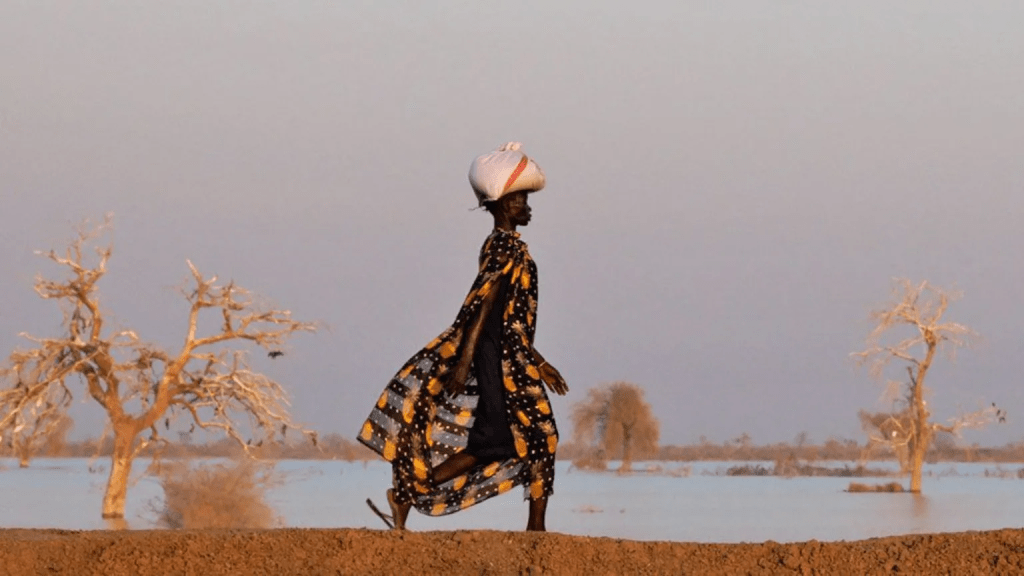
Large swathes of the state have been under water for several years after unprecedented flooding, which scientists say has been worsened by climate change.

Mr Bojo Leju says the floods are a “disaster” and that pollution from mismanaged oil facilities is a “silent killer” spreading across the state.

South Sudan is the world’s youngest country and one of its poorest, with a government hugely dependent on oil revenue.

Unity State, a major oil-producing state, has always experienced seasonal flooding. But in 2019, extreme rains brought a deluge that engulfed villages, grasslands and forests. Year after year of intense rainfall followed. The water built up, trapped on the clay soil.

At the worst point in 2022, two-thirds of Unity State were submerged, according to the UN World Food Programme (WFP) – even now, it says about 40% is still under water.

Mr Bojo Leju worked for eight years for the oil consortium Greater Pioneer Operating Company (GPOC), a joint venture between Malaysian, Indian and Chinese oil companies – with South Sudan’s government owning 5%.

After a major pipeline rupture five years ago, he started photographing and filming pools of oily water and heaps of blackened soil in locations in Unity State, including sites near Roriak, where the herders live.

He says spills from oil wells and pipelines were “a recurring situation”, and that he was involved in transporting contaminated soil away from roads, so it would not be seen.

He tried to raise his concerns with company managers, but he says little was done and “there was no treatment plan for soil”.

Mr Bojo Leju also says “produced water” – water released from the ground when oil is extracted and often containing hydrocarbons and other pollutants – was not properly treated.

There were reports of high oil content, above international standards, in the produced water “every day in our morning meeting”, he says, “and this water is injected back into the environment”.

“The question is where does water flow?” he says. 

“Up to the river, up to the water source where people drink, up to ponds where people catch fish.”

Mr Bojo Leju explains that “some of the oil chemicals seeped down” into the groundwater, where they will flow into boreholes.

“The water table is contaminated,” he says.

When intense rains began in 2019, earth dykes were put around some spilled oil “but it was not enough to withstand the volume of water”, he adds.

In Roriak, there is no data available about the quality of the water the herders drink, but they fear pollution is making their cattle sick. 

They say calves have been born without heads or without limbs.

Unity State’s agriculture minister blames the deaths of more than 100,000 cattle in the last two years on the floods combined with oil pollution.

In a forest close to Roriak, a group of men and women chop down trees to make charcoal. 

They have walked for eight hours along dirt roads flanked by flood water to reach the forest.

They say the only water they can find here is polluted. 

Even boiled “it causes diarrhoea and abdominal pain”, says one woman, Nyakal.

Another, Nyeda, wipes away tears, saying she needs the charcoal to sell, but is worried about her seven children, left with her mother for a week.

“She has nothing either,” she says.

Nyeda lives near the state capital, Bentiu, in a reed hut squeezed into a camp housing 140,000 people who have fled conflict or the floods. It is completely surrounded by flood water and protected only by earth dykes.

There is some food aid, but many in the area survive by foraging for water lily roots and fish to supplement their rations.

Safe water is scarce. Nyeda uses water from a borehole for washing and cooking, but needs money to buy drinking water.

Health professionals and politicians in the area have told the BBC they fear pollution and the lack of clean water are taking a toll on human health.

In a hospital in Bentiu, a mother has just given birth. Her new-born baby’s nose and mouth are joined.

“They have no access to clean water,” says Dr Samuel Puot, one of the doctors caring for the baby.

“They just drink from the river where water and oil are mixed. That might be the problem.”

He says there are “many” cases of children born with abnormalities, such as no limbs or a small head, in Bentiu and also Ruweng, an oil-producing area north of Unity State. 

They often die within days or months, he adds.

Genetic testing can give clues about the causes of congenital abnormalities, but the hospital does not have the facilities, and results are often not conclusive.

Dr Puot wants the government to keep a register of cases.

As the data is not recorded systematically, it is not clear whether these anecdotal reports indicate an unusually high prevalence of congenital abnormalities.

“It is plausible that oil-related pollution could contribute to an increased risk of birth defects,” says Dr Nicole Deziel, an environmental health specialist at Yale University.

Environmental pollution is a risk factor for congenital abnormalities, alongside genetics, maternal age, infection and nutrition, she says.

Some compounds released during the production of oil can affect foetal development, Dr Deziel adds.

“Anecdotal reports can serve as important indicators of environmental health problems,” she says, but stresses that without systematic data collection, establishing evidence of a causal relationship is difficult.

In 2014 and 2017, the German-based non-governmental organisation Sign of Hope carried out peer-reviewed studies close to other oil fields in Unity State.

They found increased salinity and high concentrations of heavy metals in water nearer oil wells, as well as high concentrations of lead and barium in human hair samples. 

The researchers concluded these were indicators of pollution from oil production.

The government has commissioned an environmental audit of the impact of the oil industry, but the results are yet to be made public more than a year later than expected.

Mary Ayen Majok, a senior politician from the ruling party, has been raising concerns about oil pollution for more than a decade.

She is a member of the government and deputy speaker in the upper house of the South Sudanese parliament, and is from Ruweng. 

She says one of her own relatives has had a child “born with deformities” and believes many such cases are not reported because of fear of stigma or lack of access to medical facilities.

Ms Majok says South Sudan “inherited an industry that was based on bad practices” when the country was formed in 2011 after it gained independence from Sudan.

A five-year civil war broke out in 2013. For a nation facing conflict and heavily dependent on oil revenues, improving environmental responsibility has been “at the tail of our priorities”, she says.

Laws and institutions have been established but “accountability is not that strong”, she says.

“Talking about oil is like touching the heart of the government,” says Mr Bojo Leju.

He spoke to the BBC in Sweden, where he has been granted asylum.

In 2020 he was approached by South Sudanese lawyers who wanted to sue the government over oil pollution.

He agreed to testify as a witness. But he says security personnel detained him, hit him on the head with a pistol and forced him to sign a document recanting his evidence.

He fled the country soon afterwards. The lawyers did not pursue their case.

The BBC asked the oil consortium GPOC and the South Sudanese president’s office to comment on the allegations in this report, but they did not respond.

Scientists are not sure whether the floods in Unity State will ever recede.

Dr Chris Funk, director of the Climate Hazards Center at University of Carolina, Santa Barbara, says 2019 saw record sea surface temperatures in the west Indian Ocean, which “would have been impossible in a world without climate change”.

Warmer air can hold more moisture, and he says there was a “strong link” between these sea temperatures and the 2019 extreme rains over East Africa.

Dr Funk says higher rainfall has continued since then over the Lake Victoria basin that feeds into South Sudan, but it is not clear whether this is a permanent new pattern.

Temperatures in South Sudan have risen and are expected to rise further, he adds.

This means extreme precipitation “will be more extreme” and, under some global warming scenarios, heat and humidity could mean some parts of the country “would not be liveable”, he says.

However, despite the floods and pollution fears, many here hope to return to a life of raising animals and living off the land.

In Roriak, children fashion a miniature village out of the clay on the ground, complete with model huts and cows.

And near Bentiu, an elderly woman grinds water lily roots next to the flood water. She says she would like to a have a cow again, one day.

“When the water goes down, I’ll grow grain, even if it’s years,” she adds.

CLICK HERE FOR MORE INFORMATION: https://www.bbc.com/news/articles/c4gpmx7z0xno

Thousands of abandoned mines in Colorado are leaking toxic water, but Congress finally has a solution in sight

By Elise Schmelzer, The Denver Post

Polluted water leaking from thousands of abandoned mines in Colorado’s mountains is turning wetlands orange and dumping toxic dissolved metals in the headwaters of many of the state’s rivers.


But people who want to fix the problem are hampered by the very federal laws meant to protect the environment.

Organizations and local governments that want to fix the acidic drainage from a mine outside of Alma—and the hundreds of thousands of other abandoned mines across the West—are hopeful about new legislation under consideration in Congress. By removing liability burdens, the bill would finally give them more leeway to stop the pollution seeping into the streams relied upon for drinking water, recreation, and fish and animal habitat.

“This is a problem that is generally unseen to the general public,” said Ty Churchwell, a mining coordinator with Trout Unlimited who has worked for more than two decades to create better policy for abandoned mine cleanup. “As long as they can walk over to their tap and turn it on and clean water comes out, too often people don’t think about what’s happening at the top of the watersheds.

“But it’s a horribly pervasive problem, especially in the West. It’s hurting fisheries, tourism and recreation, domestic water—it’s a problem that needs to be solved.”

More than 23,000 abandoned mines dot public and private land across Colorado’s mountains and hills, according to the Colorado Division of Reclamation, Mining and Safety. At least 500 of those measurably harm nearby water quality by leaking acidic water packed with dissolved metals and sulfates. Those substances can turn streams and wetlands an unsettling orange. In high-enough concentrations, the acidic mine drainage can kill aquatic ecosystems.

Acidic drainage pollutes at least 1,800 miles of Colorado’s streams, according to a 2017 report from state agencies. About 40% of headwater streams across the West are contaminated by historical mining activity, according to the Environmental Protection Agency.

But nonprofits, local governments and other third parties interested in fixing the problem are deterred by stringent liability policies baked into two of the country’s landmark environmental protection laws: Superfund and the Clean Water Act. Anyone attempting to clean up sources of pollution at a mine could end up with permanent liability for the site and its water quality.

“When I talk to clients and lay out exposure under Superfund and the Clean Water Act, they just throw up their hands and say, ‘John I’d like to help, but I can’t take that risk,”‘ said John Watson, an attorney who practices environmental law.

State officials, nonprofit leaders and lawmakers for decades have worked to find a solution that allows outsiders—called “good Samaritans”—to mitigate the pollution infiltrating thousands of miles of streams.

That work may finally bear fruit as Congress considers a solution that advocates believe has a good chance of passing. Federal legislation to address the problem cleared the Senate with unanimous support, and on Wednesday it passed out of the House Transportation and Infrastructure Committee—the farthest any good Samaritan mine cleanup bill has proceeded.Perfect as the enemy of the good

Last week, large machinery rumbled at the abandoned mine outside Alma as contractors worked to grade a hill of mine waste, flattening the yellow- and orange-tinged rocks.

Since the mine’s opening in 1891, polluted water has flowed out, traveling through the pile of mine tailings and waste rock, which contain elevated levels of arsenic, iron, lead, copper, mercury, molybdenum and zinc.

Zinc, which is toxic to fish in elevated concentrations, is one of the major concerns at the site, where the collapsed mine entrance spews about an eighth of a pound of dissolved zinc every day. The water becomes even more polluted after it passes through the waste piles.

Water testing showed that the amount of dissolved zinc in the water increased by a factor of 14 after the mine water traveled through the waste.

That water was then dumped into 4 acres of wetlands below the site—and eventually into Mosquito Creek, which drains into the Middle Fork of the South Platte River south of Alma.

But now, after work by Trout Unlimited, the mine water travels around the mine waste via a lined channel that keeps the contaminated water from seeping into the dirt. Contractors will also reshape the mine waste—which covers about an acre—and enhance it with substances like crushed limestone to trap and neutralize metals when water passes through.

The hill will then be covered and revegetated.

When completed in October, the $244,000 project should measurably improve water quality in the creek, said Jason Willis, director of the nonprofit’s Western Abandoned Mine Lands Program. Though work is only halfway done, the wetlands already appear less orange.If good Samaritan laws were in place, Willis said, Trout Unlimited could address the source of the pollution at the mouth of the mine.

“We could be doing this project a little more holistically,” he said.

Under current law, Trout Unlimited would have to assume permanent liability for the pollution if it decided to address the discharge at its source. The nonprofit would also be required to treat 100% of the pollution, which is not always possible or financially feasible, said Churchwell, the group’s mining coordinator.

“Our contention is that if we can remove 25%, 50%, 75%—isn’t that better than none at all?” he said. “And none at all is the program that we have today. We can’t let the perfect be the enemy of the good.”

Even state agencies shy away from treating toxic mine drainage at its source.

Colorado’s Inactive Mine Reclamation Program addresses safety concerns from mine openings and pollution from mine waste and tailings, but it does not treat polluted water at the point of discharge, program director Jeff Graves said in an email.

“CERCLA (the Superfund law) and Clean Water Act create a situation where a Good Sam, in this case the State, could be liable for long-term water treatment or remediation at a site where the State undertakes reclamation activities,” he wrote.

No constituency for orange water

Now Congress is attempting to remove that barrier. The pending bill, the Good Samaritan Remediation of Abandoned Hardrock Mines Act of 2024, would create a pilot program for up to 15 remediation projects led by good Samaritan organizations. A number of Colorado lawmakers are co-sponsors of the bill, including both senators and Reps. Brittany Pettersen, Joe Neguse, Lauren Boebert and Jason Crow.

Under the bipartisan legislation, a good Samaritan cannot be someone who had a role in the creation of the mine. Good candidates include state agencies, counties, watershed groups and other nonprofits. A site can only be eligible for the program if there is nobody remaining to be held accountable for the original mining and pollution.

Many abandoned mines stopped production before major legislation was enacted to hold miners responsible for environmental damage. While the worst sites are remediated under the Superfund law, many medium and small sites do not qualify—even though they, too, contribute pollution to soils and waters, Churchwell said.

A good Samaritan law could allow others to fill the void.

Gov. Jared Polis’ administration has thrown its support behind the legislation. Dan Gibbs, executive director of the Colorado Department of Natural Resources, in January wrote a letter urging senators to approve the bill.

“Previous bills over the past 25 years have attempted to strike a balance between incentivizing would-be cleanup proponents while protecting against further environmental harm, but have not garnered sufficient support to move forward,” Gibbs wrote in the Jan. 9 letter. “This Bill strikes that balance, and has gained broad support from the mining industry, state and local governments, sportsman groups, and conservation organizations.”

One of the state’s biggest water providers also supports the concept of a good Samaritan bill. Denver Water draws nearly half of its supply for 1.5 million people from the South Platte River basin—the same basin that the mine site outside Alma drains into.

“Thousands of abandoned mines across Colorado and the West remain a threat to water quality and in some cases can make drinking water treatment more complex and costly,” Alison Witheredge, a Denver Water watershed scientist, said in an emailed statement. “Denver Water supports expanding the tools available to nonprofits and other groups to take steps to clean up these sites without the burden of environmental liability that can be associated with taking on these challenging problems.”

After more than two decades of advocating for a good Samaritan law, Churchwell believes the current iteration of the legislation threads the needle between legal, mining and environmental needs.

“Orange, heavy metal water from mines impacts everyone, regardless of political party—this is not a political issue,” Churchwell said. “There’s no constituency for orange water.”

CLICK HERE FOR MORE INFORMATION: https://phys.org/news/2024-09-thousands-abandoned-colorado-leaking-toxic.html

Half the world’s countries have degraded freshwater systems, UN finds

Nairobi, 28 August 2024 – In half the world’s countries one or more types of freshwater ecosystems are degraded, including rivers, lakes and aquifers. River flow has significantly decreased, surface water bodies are shrinking or being lost, ambient water is growing more polluted, and water management is off-track. These are some of the findings of three reports tracking progress on freshwater, published today by UN-Water and the UN Environment Programme (UNEP).

The triennial series of reports is focused on progress towards achieving the goal of “clean water and sanitation for all” (SDG 6) through protecting and restoring freshwater sources. Based on greater data sets than ever before, the reports reiterate the call to scale up support for Member States in tackling challenges through the UN System-wide strategy for water and sanitation and the accompanying upcoming Collaborative Implementation Plan.

“Our blue planet is being rapidly deprived of healthy freshwater bodies and resources, with dire prospects for food security, climate change and biodiversity,” said Dianna Kopansky, Head of the Freshwater and Wetlands Unit, Ecosystems Division at UNEP. “At this critical point, global political commitments for sustainable water management have never been higher, including through the passing of a water resolution at the last UN Environment Assembly in February, but they are not being matched by required finance or action. Protection and restoration policies, tailored for different regions, are halting further loss and show that reversing degradation is within reach. We absolutely need more of them.”


Widespread degradation

A reported 90 countries, most in Africa, Central- and Southeast Asia, are experiencing the degradation of one or more freshwater ecosystems. Other regions, such as Oceania, mark improvements. Pollution, dams, land conversion, over-abstraction and climate change contribute to degradation of freshwater ecosystems.

Influenced by climate change and land use, river flow has decreased in 402 basins worldwide – a fivefold increase since 2000. A much smaller number is gaining in river flow.

Loss of mangroves due to human activities (e.g., aquaculture and agriculture) poses a risk to coastal communities, freshwater resources, biodiversity, and climate due to their water filtration and carbon sequestering properties. Significant decreases of mangroves were reported in Southeast Asia, though the overall net rate of deforestation has leveled off in the last decade.

Lakes and other surface water bodies are shrinking or being lost entirely in 364 basins worldwide. A continued high level of particles and nutrients in many large lakes can lead to algal blooms and low-oxygen waters, primarily caused by land clearance and urbanization, and certain weather events.

Nevertheless, the construction of reservoirs contributes to a global net-gain in permanent water, mainly in regions like North America, Europe, and Asia.


Low levels of water quality monitoring

The poorest half of the world contributes under 3 per cent of global water quality data points, including only 4,500 lake quality measurements out of almost 250,000. This reveals an urgent need to improve monitoring capacity.

Lack of data on this scale means that by 2030 over half of humanity will live in countries that have inadequate water quality data to inform management decisions related to address drought, floods, impacts from wastewater effluents and agricultural runoff.

Where good data are available, it shows that freshwater quality has been degrading since 2017. Where data are lacking, the signs are not promising.

Report authors recommend the expansion and development of routine government-funded monitoring programmes, as well as incorporating citizen science into such national programmes, and exploring the potential of satellite-based Earth observation and modelled data products to help fill the data gap.


Inadequate progress on water resources management in over 100 countries

Balancing competing needs for sustainable water use from society and the economy requires the implementation of integrated water resources management (IWRM) across sectors, at all levels and across borders by 2030.

47 countries have fully reached or almost reached IWRM, 63 countries need to accelerate implementation, while 73 countries have only limited capacity for IWRM. At the current rate of reported progress, the world will only achieve sustainable water management by 2049. This means that by 2030 at least 3.3 billion people in over 100 countries are likely to have ineffective governance frameworks to balance competing water demands.

Solutions include unlocking finance through revenue raising and cost recovery arrangements, investments in infrastructure and management, as well as coordinated action, greater institutional capacity and better monitoring networks.

CLICK HERE FOR MORE INFORMATION: https://www.unep.org/news-and-stories/press-release/half-worlds-countries-have-degraded-freshwater-systems-un-finds

It’s literally raining “forever chemicals” in Miami

By Angela Nicoletti

PFAS are in Miami’s rainwater. And it is the latest evidence the synthetic “forever chemicals” — that have raised health concerns for people and wildlife — hitch a ride on the water cycle, using the complex system to circulate over greater distances.

For more than a year, FIU researchers collected and analyzed 42 rainwater samples across three different sites in Miami-Dade County. A total of 21 perfluoroalkyl and polyfluoroalkyl substances, or PFAS, were detected, including PFOS and PFOA (since phased out of production over cancer concerns), as well as the newer varieties used in manufacturing today.

While profiles of several PFAS matched back to local sources, others did not. According to the study, published in Atmospheric Pollution Research, this suggests Earth’s atmosphere acts as a pathway to transport these chemicals far and wide — contributing to the worldwide pollution problem.

“PFAS are practically everywhere,” said FIU Assistant Professor of Chemistry and study author Natalia Soares Quinete. “Now we’re able to show the role air masses play in potentially bringing these pollutants to other places where they can impact surface water and groundwater.”

Widely used in consumer products — non-stick cookware, clothing, cosmetics, food packaging, detergents and firefighting foams, to name a few — PFAS were purposefully created to be almost indestructible. They don’t break down easily or simply go away. Once in the environment, they accumulate over time. People can ingest or inhale them, and exposure has been linked to liver and kidney damage, fertility issues, cancer and other diseases. The EPA warned even low levels of exposure can be dangerous, setting strict near-zero limits for some PFAS in drinking water.

It’s still unclear, though, how exactly these long-lived chemicals journey through the environment.

Quinete, who heads the Emerging Contaminants of Concern lab in FIU’s Institute of Environment, has been trying to piece this picture together.

Her research group is among the first to extensively track the prevalence of the persistent pollutants across South Florida. They’ve detected PFAS in drinking water and surface waterincluding Biscayne Bay. And, subsequently, also found PFAS in animals that live in those areas, including oysters and economically important recreational fish and lobsters. Rain was the natural next place for the team to look.

PFAS can infiltrate the atmosphere by either evaporation or getting absorbed into microscopic particles and dust. Wind and shifting air currents shuttle them along. Eventually, it rains. As each drop falls to earth, it brings along some of the pollutants. The cycle begins and ends and begins again.

This played out in the team’s data.

Between October 2021 and November 2022, the most frequently detected and abundant PFAS in Miami’s rainwater, in 74% of samples, were PFCAs — commonly used in non-stick and stain-resistant products, food packaging and firefighting foams. The researchers previously detected high levels of these compounds in nearby surface waters, a sign they’re coming from local sources.

However, a noticeable shift occurred at certain times of year. PFAS concentrations suddenly skyrocketed during the dry season (October through May), coinciding with Northeastern air masses moving into Miami. More emerging PFAS also made an appearance including those typically found in North Carolina and other states, where facilities produce goods made with these particular chemicals.

“The season variations were interesting to us,” said Maria Guerra de Navarro, a graduate student in Quinete’s lab who helped lead the study. “We know there are northern states with manufacturing that matches back to the PFAS we saw, so it’s likely that’s where they are coming from.”

Here’s what the researchers suspect is happening: Drier air in northern currents creates perfect conditions for more PFAS-laden dust and particles to spread around. Rain “washing out” those pollutants from the air could account for higher contaminant concentrations. Guerra de Navarro is currently examining this kind of dry deposition, measuring how many PFAS can be packed into particles smaller than 10 microns — seven times smaller than the strand of a human hair (70 microns).

As with their past research, the team hopes the data can help guide future solutions and regulations for controlling and reducing PFAS.

“This is all about creating awareness that this is all one world,” says Guerra de Navarro. “What’s happens in one area can impact here, there, everywhere. We have to be thinking about how to prevent these chemicals from going all over the world.”

CLICK HERE FOR MORE INFORMATION: https://news.fiu.edu/2024/its-literally-raining-forever-chemicals-in-miami

Scientists discover concerning new source of ‘forever chemicals’ in drinking water

By Laura Paddison

CNN — 

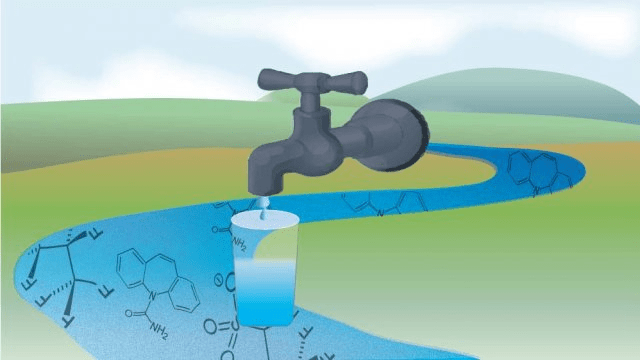
A group of potentially toxic “forever chemicals,” mostly coming from prescribed drugs, may be contaminating drinking water for millions of Americans, as wastewater treatment plants fail to remove them — and climate change may be making the situation even worse, according to a new report.

Scientists analyzed water samples flowing through eight large publicly owned wastewater plants across the US, all of similar size and using similar technologies to those serving 70% of the population.

Even with advanced treatment technologies, they found forever chemicals and compounds able to transform into them were being discharged into rivers and lakes where they can reenter the drinking water supply. Roughly 23 million Americans could be exposed to these forever chemicals from wastewater alone, the study found.

“We’re identifying really large amounts of chemicals that we know very little about,” said Bridger Ruyle, an environmental engineering scientist at NYU and an author of the studypublished Monday in the Proceedings of the National Academy of Sciences.

This is especially concerning as treated wastewater is expected to make up an increasing proportion of drinking water supplies as climate change-fueled drought shrinks water sources, Ruyle told CNN.

Forever chemicals are so-called for their ability to stay in the environment — and in people’s bodies — for a very long time without breaking down. There are nearly 15,000 of them, known collectively as PFAS, or perfluoroalkyl and polyfluoroalkyl substances.

Since the 1950s, PFAS have been used in a huge range of consumer products, prized for their ability to resist oil, grease, heat and water. They make clothes waterproof, carpets stain-resistant and pans non-stick. But their prolific use has come at a cost. Even at very low levels, they have been linked to a range of health conditions, including thyroid problems, infertility and some cancers.

People are exposed to PFAS in many ways, but drinking water is an important one. Almost half the tap water in the US is contaminated, according to a 2023 study.

Wastewater treatment plants play a major role, Ruyle said. They receive PFAS-contaminated water from homes and industry and about 50% of drinking water plants in the US are downstream from one of them, he added.

In 2024, the Environmental Protection Agency introduced rules to dramatically reduce concentrations of six PFAS in drinking water. However, the study found the chemicals the EPA regulates made up only about 8% of the potentially hazardous compounds found in the water samples analyzed. The majority comprised unregulated chemicals including other PFAS and pharmaceuticals.

Drug companies use compounds classified as PFAS because they are very hard to degrade, Ruyle said. This can increase the concentration of drugs in people’s bodies.

While that’s an advantage for the effectiveness of the drugs, it’s a problem everywhere else. A molecule that’s hard to degrade in the body, is also hard to degrade in a wastewater plant or in rivers and lakes, Ruyle said.

The study also found climate change could increase exposure. Lakes and rivers shrink during drought, but the amount of wastewater humans produce does not, Ruyle said. This means there is less natural water to dilute the chemicals in wastewater before it enters drinking water plants.

In many parts of the country, especially those susceptible to drought, water reuse is already an important source of drinking water, said David Andrews, acting chief science officer at the Environmental Working Group, which monitors exposure to chemicals including PFAS. “These water systems are particularly vulnerable,” said Andrews, who was not involved in the study.

“This study highlights how wastewater treatment plants are not currently equipped to clean up the contamination,” he told CNN.

Denis O’Carroll, a professor of civil and environmental engineering at the University of New South Wales, also not involved in the research, said the study “suggests that many PFAS go undetected using traditional laboratory methods.” He told CNN the analysis was consistent with his own recent research which found PFAS levels in surface and groundwater around the world are being underestimated.

The study is also significant because it quantifies different sources of PFAS at wastewater treatment plants and finds those from pharmaceuticals “may be of concern,” he said. It’s important to understand the sources of PFAS in order to reduce them he added.

Much more research is still needed, Ruyle said. “There is a really large universe of PFAS that are much more prevalent, that are being found at these major sources, (and) we need to get an understanding of what their own health risks are,” he said.

There are actions people can take, including filtering tap water. But experts say the best solution is find ways to stop PFAS entering the environment in the first place.

“We need to address the problem at the source,” Ruyle said, “rather than installing even more advanced, more expensive, more resource-intensive technologies at drinking water utilities or asking people to buy specialized home treatment systems.”

CLICK HERE FOR MORE INFORMATION: https://www.cnn.com/2025/01/06/climate/forever-chemicals-pfas-drinking-water-drugs-wellness/index.html

Weather extremes ‘wreaking havoc’ on global water systems

By Neil Murphy

Scientists say climate extremes wreaked havoc on the global water cycle last year, leading to flooding and droughts around the world that displaced millions and cost the global economy billions.

Last year, half of the world’s population experienced their warmest year yet. Air temperatures were 1.2ºC warmer than at the start of the century and 2.2ºC above the pre-industrial era.

Water systems have borne the brunt of this change, with rising sea surface temperatures intensifying and causing tropical cyclones and droughts, a report by the Australian National University said.

Water-related disasters killed more than 8,700 people, displaced 40 million people and caused economic losses exceeding $550 billion. The most damaging water-related disasters last year included flash floods, river floods, droughts, tropical cyclones and landslides.

“In 2024, Earth experienced its hottest year on record, for the fourth year in a row. Water systems across the globe bore the brunt,” according to ANU professor Albert van Dijk, who said these extremes were changing how water was moving around the planet.

This year was not an isolated occurrence but part of a worsening trend of more intense floods, prolonged droughts, and record-breaking extremes, he added.Speaking to The National, Prof van Dijk said devastating flooding and record rainfall recorded in the UAE in April last year were probably related to the same wider water crisis.

“Where attribution studies on these sorts of downpours have been done they typically indicate that they would have been only half as likely without climate change. That’s even more the case in coastal areas where warming seas increase the moisture in the air”. He also warned that extreme events would occur increasingly more often in the future, including in the UAE.

The research team used data from thousands of ground stations and satellites orbiting the Earth to deliver near real-time insights into variables such as rainfall, soil moisture, river flows, and flooding. “We found rainfall records are being broken with increasing regularity. For example, record-high monthly rainfall totals were achieved 27 per cent more frequently in 2024 than at the start of this century, whereas daily rainfall records were achieved 52 per cent more frequently. Record-lows were 38 per cent more frequent, so we are seeing worse extremes on both sides,” he said.

“In Bangladesh, in August, heavy monsoon rains and dam releases caused widespread river flooding. More than 5.8 million people were affected and at least one million tonnes of rice was destroyed. In Spain, more than 500 millimetres of rain fell within eight hours in late October, causing deadly flash floods.”

Flooding in Brazil caused more than 80 deaths, with the region recording more than 300 millimetres of rainfall, he added.

Prof van Dijk also said that while rainfall records were being broken, elsewhere droughts in many regions of the world were affecting farming and helping fuel further climate instability.

In the Amazon Basin, one of the Earth’s most important ecosystems, low river levels cut off transport routes and disrupted hydropower generation. Wildfires destroyed more than 52,000 square kilometres in September alone, releasing vast amounts of greenhouse gases, the report said.

Southern Africa also suffered a severe drought which reduced maize production by more than 50 per cent and left more than 30 million people facing food shortages.

“We need to prepare and adapt to inevitably more severe extreme events. That can mean stronger flood defences, developing more drought-resilient food production and water supplies, and better early warning systems. “Water is our most critical resource, and its extremes – both floods and droughts – are among the greatest threats we face,” Prof van Dijk said.

CLICK HERE FOR MORE INFORMATION: https://www.thenationalnews.com/climate/environment/2025/01/06/weather-extremes-wreaking-havoc-on-global-water-systems/

We’re paying to clean up an oil industry mess

By Kelsey Lamp

When we drill, we spill. That old adage has been true over and over again. But spilling isn’t the only environmental problem created by offshore drilling: drilling itself requires a massive industrialization of the ocean and coastline, with previously peaceful ecosystems cut through by pipelines and the surface of the Gulf of Mexico studded by oil platforms. 

When leases end and the oil stops flowing, the oil companies are supposed to pay to clean up and remove this extensive infrastructure, permanently plug their wellheads and leave the site for the sea turtles, fish and whales that swim through the Gulf’s warm waters. 

But far, far too often, that is not what happens. 

Earlier this month, the Department of Interior announced that it has hired a company to decommission eight abandoned oil and gas pipelines off the coast of Texas. This news should be welcome: removing pipelines will allow the seafloor to recover over time, and even “decommissioning in place” (where the pipeline is cleaned and filled with seawater) will reduce the risk that corroded pipelines could release more toxic chemicals into the Gulf. 

But there are some problems: first, this effort, while positive for the health of Gulf ecosystems off the coast of Texas, is a drop in the bucket compared to the scale of orphaned, abandoned and delinquent infrastructure that sits off the larger Gulf coast. Second, the companies that profited off dirty, dangerous drilling should be the ones picking up the bill for cleanup, not us. 

An ocean of outdated offshore oil and gas infrastructure

The amount of oil and gas infrastructure in the Gulf of Mexico is overwhelming: one study estimated that there are 14,000 unplugged, non-producing wells in U.S. waters and wetlands, and a U.S. Government Accountability Office (GAO) research report from last year found that the government’s own data recorded almost 2,300 wells in the Gulf that were at the end of their life and needed to be decommissioned. 

What’s worse: that same government report highlighted just how often oil and gas companies are missing or outright ignoring decommissioning deadlines: of the wells that were due for decommissioning between 2010 and 2022, 1,700 of them were overdue, with 1,300 wells on leases that had ended more than two years earlier. These delinquent wells could, in some cases, spell disaster: 700 of these wells hadn’t even been temporarily plugged, meaning companies had not taken interim steps to “install long-term barriers to prevent leaks before decommissioning.” 

And despite having the authority to do so, the Bureau of Safety and Environmental Enforcement (BSEE), the federal agency responsible for administering decommissioning, almost never reports a company for failure to meet its responsibilities, which means that the Bureau of Ocean Energy Management (BOEM), which issues new permits and leases for offshore drilling, isn’t considering whether a company applying to do more drilling at a new site has cleaned up their mess on a previous lease. 

We’re on the hook if companies don’t clean up their mess

Without action, taxpayers will end up paying to clean up the oil industry’s messes: the GAO report found that the total cost of decommissioning oil and gas infrastructure currently in the Gulf could cost between $40-$70 billion. If operators fail to meet their decommissioning obligations, then BOEM will be left to fund the cleanup. 

In theory, BOEM should have already collected supplementary bonds from companies to cover this cost. Supplementary bonds, similar to security deposits on an apartment rental, are meant to defray the cost of cleanup if companies leave a mess. But right now, BOEM has only $3.5 billion in bonds – nowhere near enough to cover the $40-$70 billion dollars of outstanding costs. 

All of this delinquent and abandoned infrastructure comes with risk: the longer pipelines and platforms sit corroding in salt water, the greater the likelihood that we’ll see a spill or a release of toxic chemicals. And abandoned offshore wells may also be leaking methane, a potent greenhouse gas, into the atmosphere, as a study conducted on abandoned oil & gas infrastructure in Europe’s North Sea found.  

Pathways to a brighter future

For the health of the Gulf’s ocean life and our coastal communities, we need to tackle this generational problem head on. 

Before I get into specific policy recommendations to deal with decommissioning, let me be clear: the absolute best thing to do for the ocean is to end offshore drilling all together, and then figure out how to get rid of all of the old infrastructure. Barring that, we should at least stop digging ourselves in deeper: we need to stop selling new leases for oil & gas drilling in the Gulf of Mexico, or anywhere else in the U.S. waters. Every lease sold today will lock us into new drilling infrastructure for decades to come. 

But at a time when Congress is considering a bill that would require even more new oil and gas leasing than is already planned in the Gulf, there are still good, common sense ways to tackle the problem of delinquent, abandoned and orphaned oil & gas infrastructure in our federal waters. 

First, government officials should start enforcing their own deadlines and rules around decommissioning and penalize companies that fail to meet them. If they need more resources and tools to be able to take on delinquent companies, Congress should increase funding and support for enforcement – a smart investment, if it means avoiding costly clean-ups in the future. 

We should also stop allowing bad actors to continue to operate oil and gas rigs in our waters. If a company has failed to fulfill its decommissioning responsibilities, it should not be able to buy new leases, purchase leases from other companies, or begin new drilling or exploration operations on leases it already owns. Drilling for oil offshore is risky, and only companies willing and able to abide by the rules should have the privilege of continuing to drill off our coast. 

Finally, BOEM should require companies to set aside more money for clean up on the front-end, so if a company fails to meet its obligations, taxpayers aren’t picking up the tab. 

The case can be made that offshore drilling was never worth the risk of spills and pollution. It’s especially not worth it today in 2024. We now fully know that old, decaying pipelines and other drilling infrastructure remain in the Gulf unattended. Moreover, we know that renewables and EVs are on the rise, and we’re slowly but surely turning the corner toward a new energy future. This future will be better for us, and better for the Gulf’s whales, sea turtles and fish. 

Step one to get to that future is dealing with the mess that’s in the Gulf. Let’s get started. 

CLICK HERE FOR MORE INFORMATION: https://environmentamerica.org/articles/were-paying-to-clean-up-an-oil-industry-mess/

How coal mining harms the environment

By Ellen Montgomery & Amelia English

Coal mining harms our lands, waters, and wildlife even before burning contributes to coal air pollution and climate change

You may be familiar with coal mining’s environmental impacts in terms of air pollution and climate change. In addition to degrading air quality and contributing to greenhouse gas emissions, extracting coal harms our lands, waters, and wildlife.

Here are some of the adverse effects of coal mining on the physical environment:

Damaging the land

Surface mining is a method of coal mining in which huge machines remove layers of soil and rock to expose underground coal deposits. Companies clear forests and strip away the earth in the process, leaving behind desolate lands incapable of supporting wildlife. Not only is excessive logging devastating for wildlife habitats and their inhabitants, but it also accelerates erosion. Without vegetation to anchor the soil, precipitation can carry away loose topsoil into nearby waterways. The sediment can kill fish and plants as well as clog streams, disrupting their natural flow and decreasing available aquatic habitat.

Mountaintop removal is an especially destructive form of surface coal mining. Once the land is cleared, explosives are used to blast off the mountaintop. Blasting can remove nearly 600 feet or more of elevation — more than the height of the Washington Monument. Excess rock and soil are then dumped into large, downward-sloping runoff paths created in adjacent river valleys for disposal. These paths, called valley fills, permanently bury headwater streams, which are the essential tributaries where all river networks begin. More than 2,000 miles of headwater streams have been buried due to mountaintop removal, causing critical losses in wildlife habitat, clean water sources, and natural benefits such as nutrient regulation and flood control.

Polluting water

Beyond headwater stream loss, mountaintop removal has severe impacts on water quality that can persist for decades post-mining. According to a report by the EPA, water quality degradation from mountaintop mines and valley fills can reach levels fatally toxic to wildlife. Valley fills drastically increase salinity and metal concentrations downstream, endangering sensitive organisms such as salamanders and certain fish species.

Of all the watershed degradation issues in coal mining areas, acid mine drainage is one of the most serious. Acid mine drainage (AMD) occurs when water reacts with sulfur-bearing minerals in rocks, resulting in highly acidic water that contains toxic heavy metals. It poses a severe threat to wildlife and renders affected waterways unusable for drinking and recreation. In some areas, the water flowing from coal mines can burn your skin because it is so acidic. 

AMD can also turn the water an alarming orange or red color — a widespread problem in central Appalachia, where many streams are tainted with orange, acidic water. Acid mine drainage is a significant water quality issue in the US, where it degrades approximately 12,400 miles of rivers and streams, posing health risks to ecosystems and nearby communities.

Threats to biodiversity

Each step of the coal mining process poses threats to biodiversity. Clearing forests for surface mining can fragment critical wildlife habitat, displacing or killing the species that reside there. Valley fills bury headwater streams, which provide refuge for rich communities of aquatic life and support species found nowhere else in the river system. Since these headwater streams also form the foundations of stable river food webs, disturbances from coal mining can trigger cascading effects throughout the entire river ecosystem.

Furthermore, water contamination from coal mining has devastating effects on the wildlife in and around streams. Scientists who analyzed central Appalachian streams impacted by coal mining found a 32% decline in the number of species present and a 53% decline in the total number of invertebrates, fish, and salamanders compared to stream sites unaffected by mining operations. 

Selenium pollution in water from coal mining is associated with the decline in sensitive fish populations and deformities in fish and birds. In regions of British Columbia and Montana affected by coal mining, fish with missing gills, misshapen skulls, and crooked spines have been recorded. The concentrations of these pollutants in animals can increase as they make their way up the food chain in a process known as biomagnification. This means that even concentrations with minimal effects on organisms lower in the food chain can have severe consequences for higher-level predators, such as fish, birds, and humans, due to the accumulation of toxins in their bodies.

From devastated landscapes to polluted waterways, the environmental impacts of coal mining are extensive, reaching far beyond greenhouse gas emissions alone. These are not just local issues that restoring mining sites can correct. Ecosystem disruptions often have ripple effects that can lead to irreversible losses or damages, and mining impacts can persist even after restoration efforts. 

The consequences of coal mining highlight the importance of the renewable energy transition. By supporting policies and initiatives that prioritize renewable energy alternatives, we can mitigate these harms to the environment and wildlife to preserve nature for future generations.

Where is coal mined in the United States?

According to the U.S. Energy Administration, we mined for coal in 22 states in 2022.

The top 5 states for coal production are Wyoming, West Virginia, Pennsylvania, Illinois and Kentucky.

States where coal mining happens.

Alabama
Alaska
Colorado
Illinois
Indiana
Kentucky
Louisiana
Maryland
Mississippi
Missouri
Montana
New Mexico
North Dakota
Ohio
Oklahoma
Pennsylvania
Tennessee
Texas
Utah
Virginia
West Virginia
Wyoming

CLICK HERE FOR MORE INFORMATION: https://environmentamerica.org/center/articles/how-coal-mining-harms-the-environment/

Development, pollution threaten Papuan women’s mangrove forest in Indonesia

By Associated Press

JAYAPURA, INDONESIA — 

On the southeastern coast of the city of Jayapura, Petronela Merauje walked from house to house in her floating village inviting women to join her the next morning in the surrounding mangrove forests.

Merauje and the women of her village, Enggros, practice the tradition of Tonotwiyat, which literally means “working in the forest.” For six generations, women from the 700-strong Papuan population there have worked among the mangroves collecting clams, fishing and gathering firewood.

“The customs and culture of Papuans, especially those of us in Enggros village, is that women are not given space and place to speak in traditional meetings, so the tribal elders provide the mangrove forest as our land,” Merauje said. It’s “a place to find food, a place for women to tell stories, and women are active every day and earn a living every day.”

The forest is a short 13 kilometers away from downtown Jayapura, the capital city of Papua, Indonesia’s easternmost province. It’s been known as the women’s forest since 2016, when Enggros’ leader officially changed its name. Long before that, it had already been a space just for women. But as pollution, development and biodiversity loss shrink the forest and stunt plant and animal life, those in the village fear an important part of their traditions and livelihoods will be lost. Efforts to shield it from devastation have begun but are still relatively small.

Women have their own space — but it’s shrinking

One early morning, Merauje and her 15-year-old daughter took a small motorboat toward the forest. Stepping off on Youtefa Bay, mangrove trees all around, they stood chest-deep in the water with buckets in hand, wiggling their feet in the mud to find bia noor, or soft-shell clams. The women collect these for food, along with other fish.

“The women’s forest is our kitchen,” said Berta Sanyi, another woman from Enggros village.

That morning, another woman joined the group looking for firewood, hauling dry logs onto her boat. And three other women joined on a rowboat.

Women from the next village, Tobati, also have a women’s forest nearby. The two Indigenous villages are only 2 kilometers apart, and they’re culturally similar, with Enggros growing out of Tobati’s population decades ago. In the safety of the forest, women of both villages talk about issues at home with one another and share grievances away from the ears of the rest of the village.

Alfred Drunyi, the leader of Drunyi tribe in Enggros, said that having dedicated spaces for women and men is a big part of the village’s culture. There are tribal fines if a man trespasses and enters the forest, and the amount is based on how guilty the community judges the person to be.

“They should pay it with our main treasure, the traditional beads, maybe with some money. But the fines should be given to the women,” Drunyi said.

But Sanyi, 65, who’s been working in the forest since she was just 17, notes that threats to the space come from elsewhere.

Development on the bay has turned acres of forest into large roads, including a 700-meter bridge into Jayapura that passes through Enggros’ pier. Jayapura’s population has exploded in recent decades, and around 400,000 people live in the city — the largest on the island.

In turn, the forest has shrunk. Nearly six decades ago, the mangrove forest in Youtefa Bay was about 514 hectares. Estimates say it’s now less than half that.

“I am so sad when I see the current situation of the forest,” Sanyi said, “because this is where we live.” She said many residents, including her own children, are turning to work in Jayapura instead of maintaining traditions.

Pollution puts traditions and health at risk

Youtefa Bay, where the sea’s brackish water and five rivers in Papua meet, serves as the gathering bowl for the waste that runs through the rivers as they cross through Jayapura.

Plastic bottles, tarpaulins and pieces of wood are seen stuck between the mangrove roots. The water around the mangrove forest is polluted and dark.

After dozens of years being able to feel the clams on the bay with her feet, Sanyi said she now often has to feel through trash first. And once she removes the trash and gets to the muddy ground where the clams live, there are many fewer than there used to be.

Paula Hamadi, 53, said that she never saw the mangrove forest as bad as it is now. For years, she’s been going to the forest almost every day during the low tide in the morning to search for clams.

“It used to be different,” Hamadi said. “From 8 a.m. to 8:30 in the morning, I could get one can. But now, I only get trash.”

The women used to be able to gather enough clams to sell some at the nearest village, but now their small hauls are reserved for eating with their families.

A study in 2020 found that high concentrations of lead from waste from homes and businesses were found at several points in the bay. Lead can be toxic to humans and aquatic organisms, and the study suggests it has contaminated several species that are often consumed by the people of Youtefa Bay.

Other studies also showed that populations of shellfish and crab in the bay were declining, said John Dominggus Kalor, a lecturer on fisheries and marine sciences at Cenderawasih University.

“The threats related to heavy metal contamination, microplastics, and public health are high,” Kalor said. “In the future, it will have an impact on health.”

Some are trying to save the land

Some of the mangrove areas have been destroyed for development, leading to degradation throughout the forest.

Mangroves can absorb the shocks of extreme weather events, like tsunamis, and provide ecosystems with the needed environment to thrive. They also serve social and cultural functions for the women, whose work is mostly done between the mangroves.

“In the future people will say that there used to be a women’s forest here” that disappeared because of development and pollution, said Kalor.

Various efforts to preserve it have been made, including the residents of Enggros village themselves. Merauje and other women from Enggros are trying to start mangrove tree nurseries and, where possible, plant new mangrove trees in the forest area.

“We plant new trees, replace the dead ones, and we also clean up the trash around Youtefa Bay,” Merauje said. “I do that with my friends to conserve, to maintain this forest.”

Beyond efforts to reforest it, Kalor said there also needs to be guarantees that more of the forest won’t be flattened for development in the future.

There is no regional regulation to protect Youtefa Bay and specifically the women’s forests, but Kalor thinks it would help prevent deforestation in the future.

“That should no longer be done in our bay,” he said.

CLICK HERE FOR MORE INFORMATION: https://www.voanews.com/a/development-pollution-threaten-papuan-women-s-mangrove-forest-in-indonesia/7873058.html