Drugs and other contaminants found in private drinking wells on Cape Cod

Recent news about tainted water in Flint, Michigan, and other parts of the country have called into question the safety of the nation’s drinking water supply. Adding to this, a new study finds that pollutants from household wastewater—pharmaceuticals and consumer product chemicals—can make their way into people’s private wells, and that backyard septic systems are likely to blame. The findings reinforce growing concerns about the health risks posed by unregulated chemicals in drinking water.

In tests of water samples from private wells on Cape Cod, researchers at Silent Spring Institute found 27 unregulated contaminants, including a dozen different pharmaceuticals, a variety of chemicals used in non-stick coatings, flame retardants, and an artificial sweetener. The study appears online Wednesday, January 27 in the journal Science of the Total Environment.

Approximately 44 million Americans get their drinking water from private wells. Unlike public wells, private wells are not federally regulated; responsibility for ensuring the safety and quality of the water falls on individual homeowners. Because private wells tend to be shallower than public wells and are less frequently monitored, they are also more susceptible to contamination from local land use activities such as farming, residential development, and landfills. Contamination of private wells is an ongoing public health issue in many parts of the U.S., including the Midwest and California.

Homes that rely on private wells also tend to have their own septic systems. About 25 percent of all U.S. households use a septic system for processing household wastewater. In previous research on Cape Cod, scientists at Silent Spring discovered that hormone-disrupting chemicals and pharmaceuticals from septic systems can leach into groundwater and enter nearby ponds. “The next question was whether contaminants in household wastewater, once they enter the groundwater, make their way into drinking water supplies,” says Dr. Laurel Schaider, a research scientist at Silent Spring and lead author of the new study.

To answer that question, Schaider and her colleagues sampled water from 20 private wells throughout Cape Cod and tested the samples for 117 different contaminants. About 70 percent of the wells contained PFASs (perfluoroalkyl substances)—a class of fluorinated chemicals also known as PFCs. PFASs are endocrine-disrupting chemicals that have been associated with cancer and developmental disorders. They are routinely found in consumer products such as pizza boxes, non-stick pans, waterproof clothing, and stain-resistant carpets

The researchers also found pharmaceuticals in two thirds of the wells tested. Sulfamethoxazole, an antibiotic used to treat urinary tract infections, and carbamazepine, a drug used to treat seizures, nerve pain, and bipolar disorder, were among the most common pharmaceuticals detected. Twenty-five percent of the wells contained flame retardant chemicals.

Schaider and her colleagues also looked at nitrate levels in each well and found that wells with higher nitrate concentrations also had more contaminants, as well as higher concentrations of contaminants. All the wells were located in areas served by septic systems, the researchers noted, and further analysis showed that the contaminants most likely came from these backyard wastewater treatment systems. “This is the first study to show septic systems as sources of PFASs in drinking water from private wells,” says Schaider. “Given that 85 percent of residents on the Cape rely on septic systems, the risk of contaminated water is a real health concern.”

The Environmental Protection Agency (EPA) regulates nitrate in drinking water, but there are no health standards for the kinds of household pollutants found in the study. The concentrations of the pharmaceuticals the researchers detected were orders of magnitude lower than those found in a therapeutic dose. “But that doesn’t necessarily mean there’s nothing to worry about,” says Schaider. “Drugs are intended for specific uses and can have side effects,” she says. “And we don’t give certain medications to pregnant women or children because the developing body is very sensitive.”

Another concern is that people might have allergies to drugs like antibiotics, and endocrine disruptors like PFASs and flame retardants may produce effects at much lower doses than previously thought. What’s more, the health effects from exposure to mixtures of different chemicals in drinking water are unknown.

“People often don’t think about where their tap water comes from,” says Schaider. “But it’s really important that they do and that they take steps to make sure it’s safe.” Private well owners should have their water tested on an annual basis. Water quality tests typically look for nitrate and bacteria, and do not include unregulated chemicals from everyday household activities. However, the new study shows that nitrate levels may be a good indicator for these other pollutants.

“This study constitutes an important contribution to the understanding of contaminants in private drinking water wells,” says Patrick Phillips, a scientist with the U.S. Geological Survey in Troy, N.Y., who has done extensive studies of household contaminants in groundwater. “The finding that contaminants are positively correlated with nitrate is an important one that will help identify private wells that are susceptible to contamination.”

Currently, the EPA’s safe limit for nitrate in drinking water is 10 parts per million (ppm). But Schaider and her colleagues found pharmaceuticals and PFASs in drinking water with nitrate levels less than 1 ppm. In cases where nitrate levels are less than the EPA limit but greater than 1 ppm, private well owners might want to consider installing a solid carbon block filter as a precaution to remove contaminants that may be present. To stop chemicals from getting into the environment in the first place, Schaider advises people to avoid flushing unused medications down the drain, to reduce their use of products containing toxic chemicals, and to maintain their septic systems. Moving septic systems further away from private wells and limiting development near wells could also help protect drinking water from contamination.

FOR MORE INFORMATION: https://phys.org/news/2016-01-drugs-contaminants-private-wells-cape.html
Drinking water study shows beef cattle can tolerate high levels of sulphates

Scientists at the University of Saskatchewan (USask) have published a study that shows beef cattle can tolerate higher concentrations of sulphates in drinking water than previously believed.

“There are clear and significant implications for healthy animals from the research,” said Dr. Greg Penner (Ph.D.), associate professor in the USask Department of Animal and Poultry Science and Centennial Enhancement Chair in Ruminant Nutritional Physiology. 

National and provincial recommendations for suitable or safe levels of sulphates in drinking water range from 1,000 to 2,500 milligrams (mg) of sulphates per liter of water. But these recommendations are not science-based, something Penner and his collaborators set out to change. 

According to the team’s research published this month in Applied Animal Sciencebeef cattle can tolerate up to 3,000 mg of added sulphates per liter of water. 

During the project, the cattle drank water with 1,000, 2,000 and 3,000 mg of added sulphates per liter of water to mimic real levels experienced on some Saskatchewan cattle ranches. Regardless of these levels of added sulphates, the cattle continued to drink and eat, resulting in a normal weight gain. 

At first glance, the research results seem to be good news for Saskatchewan cattle producers who have wells and dugouts containing high levels of sulphates. But Penner is cautious. 

The problem is that sulphates in water potentially bind with trace minerals in a cow’s rumen, one of four stomachs, making those minerals unavailable for the body to absorb and use. 

So in addition to monitoring water and feed intake and weight gain, the researchers compared blood analyses at the beginning and the end of the study. The level of copper was lower at the end of the study, potentially affecting a cow’s fertility. 

“There could be longer-term effects of higher sulphate exposure in terms of reproductive efficiency,” Penner said. “A producer might not see anything negative in terms of growth rate, feed intake and water intake, but those negative impacts may be hiding deeper—higher sulphate concentrations may be affecting trace mineral status, which could affect fertility.” 

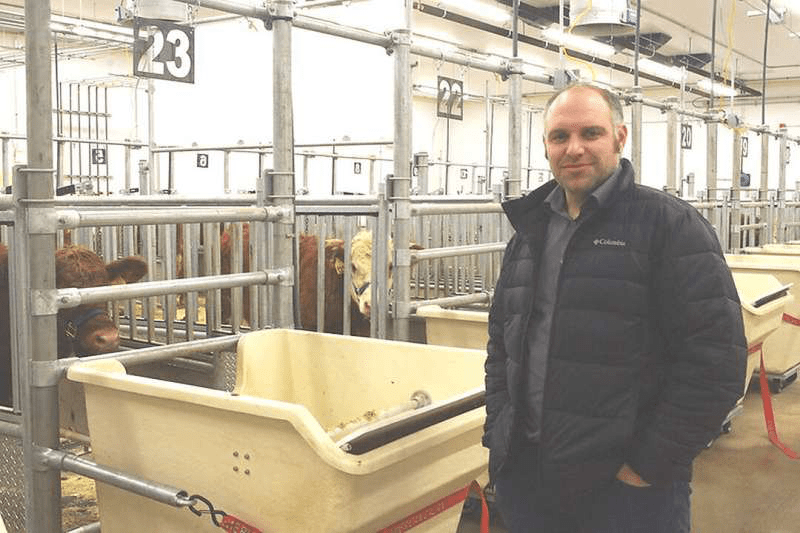
The research was the first to be conducted in the highly specialized metabolism barn at the university’s Livestock and Forage Centre of Excellence, located south of Clavet, Sask. 

While Penner led the study, he worked closely with collaborators from Saskatchewan’s Ministry of Agriculture—Leah Clark, the province’s livestock specialist, and Colby Elford, a livestock and feed extension specialist. University student researchers Jordan Johnson and Brittney Sutherland also worked on the project. 

Funding was provided by the Saskatchewan Ministry of Agriculture and the Canadian Agriculture Partnership through the Strategic Field Program. The Roy Romanow Provincial Laboratory provided water quality analysis as an in-kind contribution. 

This is the first of a series of studies that Penner will conduct into safe water quality levels for cattle. 

His next project, which starts in April, is a three-year study in collaboration with researchers at Texas Tech University, USask’s animal and poultry science department, the Western College of Veterinary Medicine’s large animal clinical sciences department, and the Saskatchewan Ministry of Agriculture. 

Cattle will receive water with higher sulphate concentrations than were involved in today’s published research, with the expectation that, at some point, cattle will be negatively affected by the sulphates. 

However, the researchers will also test various ways of interfering with the sulphates binding with trace minerals in the rumen. For instance, bismuth subsalicylate, a commonly found antacid, is known to bind with sulfides. That in turn could diminish the effect of sulphates in water consumed by cattle, minimizing the problem before it starts.

FOR MORE INFORMATION: https://phys.org/news/2020-04-beef-cattle-tolerate-high-sulphates.html

Soft corals more resilient than reef-building corals during a marine heatwave

Soft corals, the penned, fanned and tentacled corals, of Lord Howe Island appear more resilient to coral bleaching than their hard coral cousins, a team of marine biologists led by UNSW Science finds.

Hard, reef-building corals appear to be less resilient to coralbleaching than soft corals according to a survey at the world’s southern-most coral reef, around Lord Howe Island, during, immediately after, and then seven months after a marine heatwave in 2019.

“Overall, soft corals at Lord Howe Island did better than hard corals during the bleaching event,” says Rosemary (Rosie) Steinberg, Ph.D. student and lead author of the paper published in Frontiers in Physiology. “This suggests that if Lord Howe Island continues to bleach, the species of soft corals that did well might become more prevalent on these reefs in comparison to their hard cousins.”

This in turn, says Steinberg, “allows us to plan for the benefits and challenges that a soft-coral dominated reef might pose.”

“Soft corals are different to hard corals—the ones we usually see in photos of reefs—because the vast majority of them don’t make a solid skeleton underneath their tissue. They are usually flexible, while hard corals are usually rigid and immovable.”

“The fact that some species not only survived bleaching but didn’t have any physical response to marine heatwaves is excellent news. It lets us know that while we may lose some species to future bleaching, there is a chance that the reef can recover, although with a different coral community.”

The resistant species were “very common soft corals [meaning they] can hopefully maintain important reef habitat and function while more sensitive species recover,” according to Steinberg.

While, overall, soft corals survived better than hard corals, some species still showed signs of bleaching.

Soft corals more resilient than reef-building corals during a marine heatwave
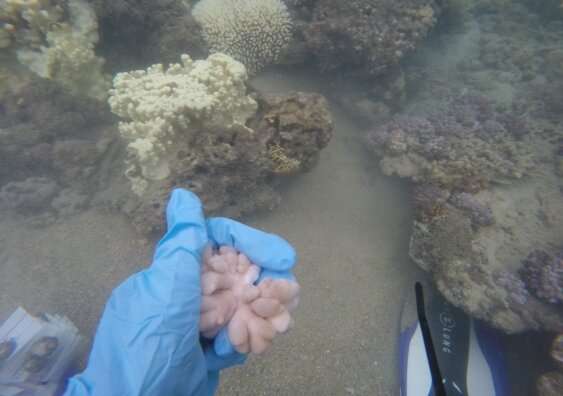
“Some colonies of the bleached species, Cladiella sp., didn’t just bleach, but peeled off the reef during the heatwave. As far as I can tell, this is a world-first observation in the literature.” Credit: Rosie Steinberg/UNSW Science

“Each species of soft coral had a different response,” says Steinberg. “One bleached, one seemed to do better than normal, and one didn’t have any response to the increased heat.”

Coral bleaching involves the expelling of symbionts, the microscopic organisms that inhabit the coral’s cells to impart color and energy to the creature. In this survey, the researchers found one species, Xenia sp., responded to the heatwave by acquiring more (not less, which is typical for coral bleaching) of these symbionts, theoretically able to generate more, not less, energy.

“This really surprised me,” says Steinberg, “Xenia is a very charismatic and beautiful species, and I’m not entirely sure what happened. Perhaps it was a unique stress response, or perhaps they thrive during heatwaves—or, at least, warmer water than the cooler Lord Howe Island temperatures.”

The variable response of soft and hard coral species to marine heatwaves emphasizes the importance of species-specific protection of reefs.

“Knowing which groups and species of corals are likely to survive in our warming world is critical to conserving corals reefs. This information can let us predict what future reefs will look like, what species of fish and invertebrates they will support, and what services they will be able to provide to the communities that rely on them.”

“For example, many communities, including those of Lord Howe Island and the northern coasts of Australia, rely on the rocky reef structure to break waves and protect shorelines. Most studies of coral bleaching focus on hard corals, and for one very obvious reason—hard corals actually build the rock structure of the reef. Without them, the reef starts to fall apart.”

“Since we are finding that soft corals may survive better in our warming world in eastern Australia, we really need to understand what role soft corals play in keeping this hard reefstructure together.”

Next, the team is delving deeper into understanding how soft corals, their symbiotic algae, and their bacterial communities dealt with the marine heatwaves.

“We are examining which species of algae and bacteria survived the heatwaves, which were expelled from corals, and which came in to fill the empty spaces. This can help us understand if there are any interventions, like adding more heat-resistant symbionts to reefs, that might help corals at Lord Howe Island survive and recover from future marine heatwaves.”

FOR MORE INFORMATION:https://phys.org/news/2022-06-soft-corals-resilient-reef-building-marine.html

The Amazon rainforest is disappearing quickly and threatening Indigenous people who live there

Forests throughout the world are shrinking year after year—and Brazil is the epicenter. According to the World Wildlife Fund, more than a quarter of the Amazon rainforest will be devoid of trees by 2030 if cutting continues at the same speed.

If nothing is done to stop it, an estimated 40% of this unique forest will be razed by 2050.

Beyond the material and environmental consequences, this deforestation also threatens human rights, including the rights of marginalized communities to life, physical integrity, a reasonable quality of life and dignity. Brazil is one of the most worrying cases in this regard.

As a Ph.D. student in political science, my research interests include climate justice, the energy transition, the green economy and international environmental politics.

Chainsaw massacre

Article 25 of the United Nations Declaration on the Rights of Indigenous Peoples rules that these communities fully possess the “the right to maintain and strengthen their distinctive spiritual relationship with their traditionally owned or otherwise occupied and used lands, territories, waters and coastal seas and other resources.”

This article is not being respected by the Brazilian government in the Amazon.

Although the country had pledged to significantly reduce deforestation and limit clear-cutting to 3,925 square kilometers, data from Human Rights Watch shows that chainsaws have razed nearly 13,000 square kilometers of tropical forests, making communities of Indigenous peoples even more vulnerable.

The rate of deforestation in these territories increased by 34% between 2018 and 2019, despite Brazil’s commitment in 2009 to reduce it by 80%. This has led to the forced displacement of communities over hundreds of kilometers, as well as major health problems and a loss of reference points. According to Human Rights Watch, nearly 13,235 square kilometers of the Amazon rainforest was clear cut between August 2020 and July 2021, an 22% increase, compared to the same period in the previous year.

This coincides with Jair Bolsonaro’s accession to power. In the month of January 2022 alone, 430 square kilometers of tropical forest was destroyed, five times more than in January 2021.

Threats and assassinations

Multiple abuses have been documented in Brazil since the beginning of colonization, including the illegal encroachment of the Brazilian state on Indigenous territories. Under Bolsonaro, the number of criminal networks contributing to the deforestation of the Amazon has multiplied. Organized crime views the large timber and agriculture industries as opportunities to move and launder money. The groups illegally exploit forest land, then hide drugs in timber shipments destined for Europe or Asia.

Experts qualify this illegal activity as “narco-deforestation.” Numerous illegal gold and mineral extraction sites are also operating in the Amazon, and the companies running them often make threats to the Munduruku that live there.

People and activists who have protested the ongoing deforestation have been threatened, harassed and killed. In 2019, the NGO Global Witness recorded 24 deaths of environmental activists and land defenders, almost all occurring in the Amazon. This puts Brazil in third place among the countries with the highest number of deaths of environmental defenders, after Colombia and the Philippines.

There are reminders of this in the news. Bruno Araujo Pereira, a defender of environmental and Indigenous rights, and British journalist Dom Phillips have been missing since June 5, in an area called the Javari Valley, which has a reputation of being “lawless.”

According to a local organization, the two had received death threats shortly before disappearing. Brazilian police first said search teams had discovered their belongings and later that bodies were spotted in the area of their disappearance. Police reported on June 15 they had found human remains while searching for the pair and that a fisherman who had fought with the pair had confessed to their killing.

The number of deaths of people involved in environmental and territorial defense may be greatly underestimated, as data are not available and transparent for all countries.

Women and children, the main victims of deforestation

A recent United Nations report reveals a strong correlation between worsening climate change and deteriorating human rights around the world.

Deforestation disproportionately affects Indigenous communities, especially women and children. It increases the pressure already placed on women to feed their children and families, while limiting their access to essential goods, including medicine. 

Indeed, the health of these communities depends on access to natural medicinal products found in biodiversity. The Amazon is a major reservoir of substances used in the manufacture of several pharmaceutical products available on the South American continent. 

Nearly 80% of the population in developing countries relies on natural medicinal products for their primary health care. In the majority of communities, it is also women who are responsible for cultivating the land and providing transportation and water treatment.

Children are equally at risk. For example, a study conducted in sub-Saharan African countries shows a link between the loss of forest cover and the deterioration of health conditions of the youngest. Malnutrition, caused by reduced availability of fruits, vegetables and nuts, can affect children’s growth. The exposure to smoke from the multiple fires in the Amazon is also likely to cause respiratory problems and even more serious conditions in children.

FOR MORE INFORMATION:https://phys.org/news/2022-06-amazon-rainforest-quickly-threatening-indigenous.html

After decades of loss, the world’s largest mangrove forests are set for a comeback

After decades of loss, the world's largest mangrove forests are set for a comeback

Mangroves ring the shores of many of Indonesia’s more than 17,000 islands. But in the most populated areas, the world’s largest mangrove forests have been steadily whittled away, and with them, the ability to store blue carbon.

As the world’s fourth-most populous nation has grown, pressure on the mangroves has too. More than 756,000 hectares of mangroves have been cleared and turned into brackish ponds to farm water shrimp and milkfish. 

Every year for the past three decades, another 19,000 hectareshas been ripped out for aquaculture and increasingly, for oil palm plantations. As of 2015, an estimated 40% of the country’s mangroves had been degraded or lost

Is this another predictable bad news story about the environment? No. This is a good news story. That’s because Indonesia’s government is, rising to the challenge of conserving its mangroves—and restoring lost forests. 

Government investment in mangroves is rising and the political will is in place. Indonesia’s ambitious goal is to restore almost all of what’s been lost, rehabilitating 600,000 hectares of mangroves by 2024. 

Why have Indonesia’s mangroves been hard hit?

In a 2012 interview, former Indonesian forestry official Eko Warsito explained why his country’s mangroves were disappearing: “More than 50% of Indonesia’s population lives in coastal areas, and most of them are poor. An ordinary plot of mangroves is worth $84 a hectare. But if it’s cleared and planted with oil palms, it can be worth more than $20,000 a hectare.”

After decades of loss, the world's largest mangrove forests are set for a comeback
Credit: Ministry of Environment and Forestry, Republic of Indonesia

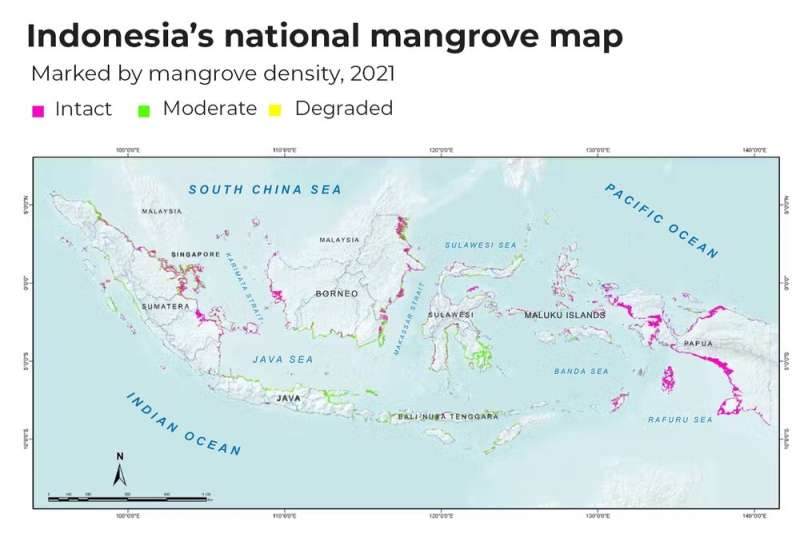
Unfortunately, this difference in perceived value has seen mangroves degraded or replaced. You can glimpse the current state of Indonesia’s 3.3 million hectares of mangrove area in the map below, which was released last year by Indonesia’s environment and forestry ministry. 

Mangroves are broadly in good condition in the provinces of Papua and West Papua. But in the more populated areas—especially around the densely populated island of Java—mangroves have been largely deforested and degraded.

Recent analysis by the World Bank puts the value of mangrove ecosystems at between A$21,000 to $70,000 per hectare per year. Similarly, a 2020 cost-benefit analysis of mangrove conservation versus conversion to shrimp aquaculture in Indonesia’s Papua province estimated the direct and indirect value of mangroves at A$34,000 per hectare per year. 

But these valuations are heavily influenced by the role mangroves play in providing ecosystem services. Without these services, mangroves are worth two orders of magnitude less, at around A$340 per hectare. 

Their real value lies in their ability to store large amounts of carbon, averaging almost 4,000 tons of carbon dioxide equivalents per hectare. Until now, however, policy bottlenecks at the national level have stopped Indonesia from investing in better mangrove management and producing new revenue streams from stemming mangrove losses.

After decades of loss, the world's largest mangrove forests are set for a comeback
Restoring mangroves requires human labour and machinery, as in this image of villagers in Sulawesi improving water flow and drainage into disused shrimp ponds. Credit: Rio Ahmad (Director of Yayasan Hutan Biru)

Indonesia’s mangroves have suffered because of this disconnect between their real value and government policiesand institutions. Over 20 institutions have some level of responsibility for mangrove management in Indonesia. It’s no wonder their agendas often conflict. 

But progress is being made. Two years ago, President Joko Widodo added mangroves to the mandate of the country’s peatland restoration agency, after its success at restoringdamaged peatlands. The goal for mangroves is to restore 600,000 hectares of mangroves by 2024. 

There are alternatives to aquaculture

You might think it’s too hard to restore mangroves once they’ve been turned into shrimp farms. Previously, this has been true, with an over-reliance on simply planting more seedlings rather than tackling the harder work of social and economic reliance on former mangrove habitat. In response, Indonesia’s government has mapped around 77,000 hectares of the best restoration candidate areas across 300 villages in Sumatra and Kalimantan (Indonesian Borneo), working in full collaboration with coastal villagers. 

To create alternatives to aquaculture, Indonesia’s national farmer field school program will expand to include hundreds of coastal villages. These coastal field schools help local villages improve their management of the coasts and develop alternative sources of income. 

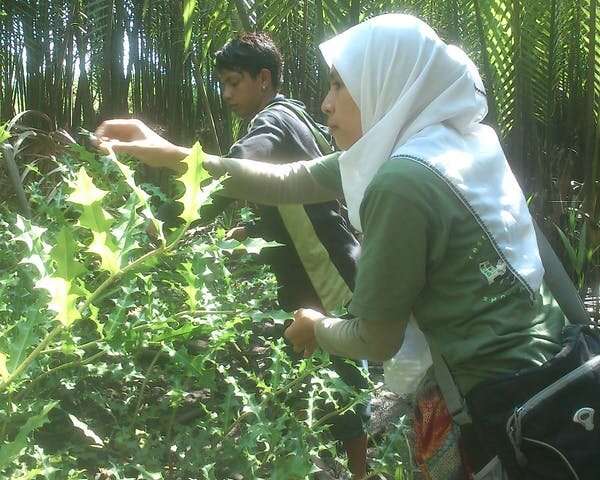
  • After decades of loss, the world's largest mangrove forests are set for a comebackRatna Fadillah, an expert in non-timber forest product use, harvests holly mangrove leaves to make herbal green tea. These teas offer a low-cost opportunity to create a business, which many women and youth across Indonesia are adopting. Credit: Benjamin Brown
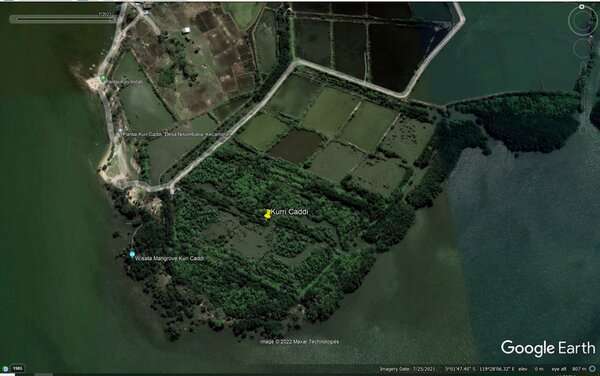
  • After decades of loss, the world's largest mangrove forests are set for a comebackThis Google Earth image shows how quickly mangroves can rebound after hydrological restoration to make water flows more natural. Credit: Google Earth
  • After decades of loss, the world's largest mangrove forests are set for a comebackRatna Fadillah, an expert in non-timber forest product use, harvests holly mangrove leaves to make herbal green tea. These teas offer a low-cost opportunity to create a business, which many women and youth across Indonesia are adopting. Credit: Benjamin Brown
  • After decades of loss, the world's largest mangrove forests are set for a comebackThis Google Earth image shows how quickly mangroves can rebound after hydrological restoration to make water flows more natural. Credit: Google Earth

These include learning to use Nypah palms alongside mangroves, to allow villagers to harvest the valuable sugar from the sap. This species is the only palm considered a true mangrove. They can produce 800,000 liters of sap per hectare per year, forming a sustainable commodity base for organic palm sugar production as well as bio-ethanol. 

Other options include encouraging production of honey, gluten-free flour, tea, juice, jam, and cosmetics. For some villages, eco-tourism could be an option, or shifting to more sustainable aquaculture.

What’s next?

Indonesia’s government is drafting a new mangrove policy, focused on balancing mangrove protection, sustainable use and restoration. We’re already seeing welcome realignment between the nation’s ministries.

These efforts are being funded by the Indonesian government, with more financial support sought from other governments and multilateral organizations to scale up their mangrove management to a national scale.

Indonesia’s work to turn around the fate of their ailing mangroves will be shown on the world stage at the G20 summit in Bali in November. By then, there will be a public dashboard to represent progress captured by field-based and satellite monitoring.

FOR MORE INFORMATION:https://phys.org/news/2022-06-decades-loss-world-largest-mangrove.html

UM study finds microplastic pollution in Flathead Lake

They’re in our oceans and rivers. They’re in the food we eat and the water we drink. They’ve even been detected inside the human body. They’re called microplastics—particles of plastic so small they can’t be seen by the naked eye. While researchers have known for years that these microplastics exist in Flathead Lake, the concentrations and origins of the microplastic pollution have remained a mystery.

Now, thanks to a study conducted at the University of Montana’s Flathead Lake Biological Station, scientists have a greater understanding of the amount of microplastics polluting Flathead Lake, the likely sources of these microplastics and what can be done to prevent more from finding their way into the lake‘s world-renowned pristine water.

Recently published in the scientific journal Environmental Pollution, this microplastics study was led by FLBS visiting researcher Dr. Xiong Xiong from the Chinese Academy of Science’s Institute of Hydrobiology. Xiong came to FLBS in 2018 on a mission to learn more about microplastics in freshwater lakes in relatively unpopulated regions and to help provide insight to aid in their management.

“It looks quite clean, but if this clean lake is suffering from plastics, I want to check that,” Xiong said at the start of his study four years ago. “I think people think (plastic pollution) is more serious in the ocean, but many people live inland, and we need the freshwater. It may affect our daily life more directly than the plastic in the ocean.”

To conduct this study, Xiong joined FLBS Director Jim Elser and a team of biological station scientists to sample surface watersat 12 different locations around Flathead Lake over a one-year period. They then examined the samples for the occurrence, distribution and types of microplastics.

After analyzing the samples, the team discovered that, while levels of microplastic pollution measured in Flathead Lake were lower than in lakes in densely populated areas, Flathead had microplastic levels similar to or higher than lakes studied in other less-densely populated areas of the world.

In other words, Flathead Lake is now home to microplastics and new microplastic particles are arriving every day.

“Microplastics in lakes can interfere with food webs because animals like zooplankton and fish can ingest them,” Elser said. “They can carry toxins into the animal, displace real foods and physically damage digestive tissues.”

There are three main ways that microplastics reach Flathead Lake, according to the study. One way is atmospheric microplastic deposition. This occurs when microplastics are transported to Montana from other more populated areas by the atmosphere (e.g., wind and clouds) and then fall into Flathead Lake—either directly from the air (known as dry deposition) or through snow and rainfall (wet deposition).

Microplastics in dry deposition were highest in the fall season, while wet deposition was highest in the winter season.

“This study showed that microplastics are literally raining—and snowing—down on us out of the sky,” Elser said.

The other two other ways in which microplastics can enter Flathead Lake are through the lake’s major river inputs, which includes the Flathead River on the north end of the lake and lakeside sources near larger shoreline communities such as Polson, Bigfork and Lakeside.

At the mouth of the Flathead River, the biggest source of microplastics is most likely from plastic waste disposal, which in Flathead County is primarily landfill rather than recycling. Although landfills located in the Flathead Watershed are not open pit, microplastics are mobilized via leachate (water that picks up contaminants) and via the soil of the landfill when winds carry away dust.

Meanwhile, in the more highly populated shoreline areas of the lake, researchers found that concentrations of microplastics were especially high. In addition to plastic packaging, many of today’s clothes are made from fibrous plastics. These synthetic fabrics break apart on a microscopic level during washing and then are transported and deposited into our waters through home septic drain fields and community water treatment plants.

Plastic waste from other human activities also is worthy of attention. A variety of water activities such as kayaking, sailing, speedboating, water skiing and fishing are important outdoor pursuits in the Flathead Watershed. But these activities involve plastic boats, ropes, floats and fishing line that can degrade and transform into microplastics over time.

Though the levels of microplastics in Flathead Lake are relatively low, they are concerning. However, researchers are quick to point out that much can be done to reduce their presence in Montana’s waters.

“While we need to know more about microplastic impacts in our lakes, we know enough to act to reduce plastic inputs now,” Elser said. “Each of us can reduce our use of plastics, properly dispose of them and implement impactful approaches such as laundry filters. We can also encourage businesses to do the same and for governments to provide facilities and systems to better handle plastics in our watershed.” 

Fibrous microplastics can be reduced by improving laundry practices and wastewater treatment or by reducing the use of synthetic fiber material in favor of natural fiber clothing and materials. As an example, a recent study in California found that the adoption of in-line filters in washing machines had the potential to decrease annual synthetic microfiber emissions to natural environments by nearly 80%. 

Further strengthening disposal measures of plastic waste by both residents and visitors could greatly help reduce microplastic contamination in Flathead Lake. Such measures include better education about the harms of improper plastic disposal, enhancing plastic waste recycling in the region and reducing the overall use of plastic products, such as single-use plastics common in the food service industry.

When it comes to reducing atmospheric microplastic deposition, researchers said extensive solutions are needed. The total production of plastic waste in the United States is 42 million tons per year, which is much higher than other countries per capita. This suggests that, even in an area of relatively low population, Flathead Lake will remain at risk from microplastics arriving by air until nationwide measures can be taken.

Xiong and his research team said more studies are needed to better understand and address our microplastic problem, not only in the Flathead Watershed but also throughout the world. The good news is that, because human activities are indisputably the only source of microplastics, this is a problem that we have the power to solve.

FOR MORE INFORMATION:https://phys.org/news/2022-06-um-microplastic-pollution-flathead-lake.html

Climate scientists say expected ocean changes require planning for many generations ahead

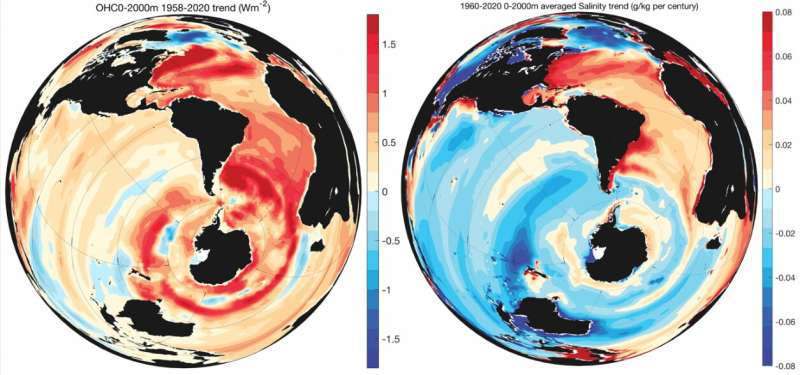
Even if society is able to slow all greenhouse gas emissions and get to “net zero” by mid-century as targeted by nations of the world in the UN Paris Agreement, there is a lag built into the climate system primarily as a result of ocean thermal inertia that means slow emerging changes such as deep ocean warming and sea-level rise will continue very long afterward.

Climate scientists argue in a new review paper that this means climate actions need to be established at multiple time scales. The paper has recently been published in Atmospheric and Oceanic Science Letters.

In the near term (∼2030), goals such as the United Nations Sustainable Development Goals (SDGs) will be critical. Over longer times (∼2050–2060 and beyond), global carbon neutrality targets may be met as countries continue to work toward reducing emissions. The climate actions need to extend far beyond the current period of focus to time scales of hundreds of years. On these time scales, preparation for “high impact, low probability” risks—such as an abrupt showdown of Atlantic Ocean circulation and irreversible ice sheet loss—should be fully integrated into long-term planning.

The global ocean, which covers some 70 percent of the Earth’s surface, is slower to absorb and release heat than land. The large mass and heat capacity also means the ocean is much more capable of storing heat than air or land, and the ocean is hence the most important controlling component of the Earth’s climate.

This “ocean thermal inertia” offers both good news and bad news with respect to climate change. It means that the planet is not heating up as fast as it would without an ocean. But it also means that even once we halt greenhouse gas emissions by about 2050 to 2060, as laid out in the United Nations Paris Agreement—like a speeding train taking time to slow down once the brakes are hit—the climate system will still continue to change for a considerable amount of time afterward.

The ocean will keep on warming as heat is transported downwards into deeper ocean waters, and the climate systemwill only re-stabilize when that deep ocean stops warming and the Earth reaches an equilibrium between incoming and outgoing heat.

“This process means that while surface warming may stabilize at about 1.5-2℃ when global emissions reach net-zero emissions, sub-surface ocean warming will continue for at least hundreds of years, yet we normally only talk about climate action on the scale of a few decades to the end of the century at the most,” said lead-author, Prof. John Abraham, a mechanical engineering researcher with the University of St. Thomas in Minnesota, “That needs to change.”

As a consequence, a system of scientific ocean monitoring with that time-scale in mind needs to be developed. Besides subsurface temperature and sea level, the tracking of ocean climate trends such as pH, sea ice, ocean surface heat flux, currents, salinity, carbon, will require long-duration consistent and calibrated measurements, and compared with temperature, these essential climate variables are currently much less observed.

“Changes to the ocean will also continue to impact extreme weather over these longer periods, as well as sea-level rise.” said Prof. Lijing Cheng, an ocean and climate scientist from Institute of Atmospheric Physics, Chinese Academy of Sciences. “And infiltration of sea water into fresh water supplies can affect coastal food supplies, aquifers, and local economies. Other impacts that are connected to ocean warming and so need to be considered for the very long term include more damaging storm surges, coastal erosion, marine heatwaves, ocean acidification, and marine oxygen depletion.”

“Clearly this later group of measures will take a much longer time to implement but will also provide much longer lasting benefits”, added Pennsylvania State University climatologist Michael E Mann, another co-author of the paper. “Multi-scale adaptation practices like this should be considered throughout the globe.”

Finally, the researchers argue, societies need to begin to consider ensuring they are resilient in the face of “high impact, low probability” events (an unlikely event that would have significant consequences if it happens), such as an abrupt showdown of Atlantic Meridional Overturning Circulation, large methane emissions from the seabed or thawing permafrost, passing a tipping point for losing a major ice sheet, or an abrupt shift and transition of ocean ecosystem including a major extinction event.

FOR MORE INFORMATION: https://phys.org/news/2022-06-climate-scientists-ocean-require.html

Research clarifies hazards posed by harmful algal blooms

Research by Oregon State University has shed new light on the hazards associated with harmful algal blooms such as one four years ago that fouled drinking water in Oregon’s capital city of Salem.

The study led by Theo Dreher, emeritus professor of microbiology, involved sampling of cyanobacterial blooms from 10 Oregon lakes including Detroit Reservoir, which provides drinking water for Salem.

Genome sequencing and toxin analyses enabled Dreher and collaborators in the OSU colleges of Science and Agricultural Sciences to identify the precise types of toxins produced by specific organisms.

“This information is important for protecting public health, both with regard to consumption of drinking water and exposure to toxins through recreation on lakes,” Dreher said. “Two toxin-producing Dolichospermum cyanobacteria were present in Detroit Reservoir, one producing a type of cylindrospermopsin and another producing an uncommon form of microcystin. Occurrences of toxins had been known previously, but now we know the precise toxin types and the organisms making them.”

Cyanobacteria, often referred to as blue-green algae, are microscopic organisms ubiquitous in all types of water around the globe. They use sunlight to make their own food and in warm, nutrient-rich environments and can quickly multiply, resulting in blooms that spread across the water’s surface.

These harmful algal blooms, often abbreviated to HABs and which are of concern when visible in lake water, can form at any time of the year but most often between spring and fall.

In 2007 a national survey by the Environmental Protection Agency found microcystin, a recognized liver toxin and potential liver carcinogen, in one out of every three lakes that were sampled. Some strains of cyanobacteria can also produce neurotoxins, while most of the toxin-producing algae can cause gastrointestinal illness and acute skin rashes.

“Cyanobacterial HABs affect many of Oregon’s lakes each year,” Dreher said. “Some, but not all, of the blooms are toxic. Potential exposure to cyanotoxins is of public health concern, and blooms particularly pose a threat to dogs entering lakes.”

Among the 10 bodies of water in the research by Dreher and OSU colleagues Ryan Mueller and Ed Davis II, toxigenic Dolichospermum cyanobacteria caused blooms in four of them: Detroit Reservoir and Odell Lake in the Cascades, Lake Billy Chinook (Metolius Arm) in central Oregon and Junipers Reservoir, a private reservoir west of Lakeview in southern Oregon.

Analysis verified the presence and type of toxin. Microcystin was present in Odell Lake, Lake Billy Chinook and Junipers Reservoir.

“In early summer of 2018, low concentrations of microcystin and cylindrospermopsin cyanotoxins were found in finished tap water in Salem,” Dreher said. “A do-not-drink advisory was issued for vulnerable members of the population, particularly infants and pregnant women. Our research establishes the cyanobacteria and toxins that were involved in that emergency.”

Dreher notes that the Salem scare, along with the death of more than 30 steers from drinking cyanotoxin from Junipers Reservoir in June 2017, raised awareness of the hazards of cyanobacterial blooms in the state. The Oregon Legislature has since provided funding to the Department of Environmental Quality in an effort to improve the state’s ability to detect blooms and respond to them, he said.

“The good news is that not every cyanobacterial bloom that occurs in our lakes is toxic, although it is always wise to follow the rule of avoiding contact when there’s green growth in the water,” Dreher said.

If a person or a pet comes in contact with water that may contain harmful bacteria, the Centers for Disease Control and Prevention advises immediate rinsing with fresh water. Dogs should not be allowed to lick the contaminated water off their fur, the CDC adds, and a veterinarian should be called right away.

Anyone swallowing water near a harmful algal bloom should immediately call a doctor or poison control center. 

Amanda Foss of GreenWater Laboratories in Palatka, Florida, also took part in this research. The findings were published in Harmful Algae.

FOR MORE INFORMATION: https://phys.org/news/2022-06-hazards-posed-algal-blooms.html

The link between wildfires and drinking water contamination

Following a devastating wildfire in 2018 that raged through Paradise, California, volatile organic compounds (VOCs) were found to be contaminating the town’s water—and scientists suggest this problem may be widespread in other fire-prone areas. A feature article in Chemical & Engineering News, an independent news outlet of the American Chemical Society, examines how plastic pipes may be a key source of contamination and explores what can be done to protect vulnerable communities.

Testing revealed Paradise’s water contained VOCs (including benzene, naphthalene and toluene, among others) at levels exceeding U.S. Environmental Protection Agency standards, writes freelance contributor Robin Meadows. A team investigating the water contamination did not find VOCs in the treatment plants or mains but did detect them in the service lines, which are smaller pipes near or above ground typically made of plastics like polyvinyl chloride (PVC) and high-density polyethylene (HDPE). The researchers also found evidence that PVC and HDPE start to degrade and generate VOCs at high temperatures, but don’t need to burn to do so. Another study identified the VOCs in Paradise’s water and compared them to VOCs emitted from burned pipes and to other sources such as building materials. Their results suggest that the water sample was contaminated by a combination of plastic pipes and smoke.

While it is impractical and costly to eliminate plastic from service lines, experts say that some changes can help protect communities from their risks, such as burying them deeper to insulate them from the heat produced by fires. A network of isolation valves can help prevent contaminants from spreading throughout the water system in the event of a fire. In the future, sensors may be able to detect when pipes reach the threshold temperature for releasing VOCs. Beyond installing engineering systems, other strategies include managing vegetation, reducing the flammability of buildings and assessing individual community vulnerabilities. And after wildfires, water utility companies should act fast to test for contaminants in the water of burned homes and service lines, say experts.

FOR MORE INFORMATION: https://phys.org/news/2022-06-link-wildfires-contamination.html

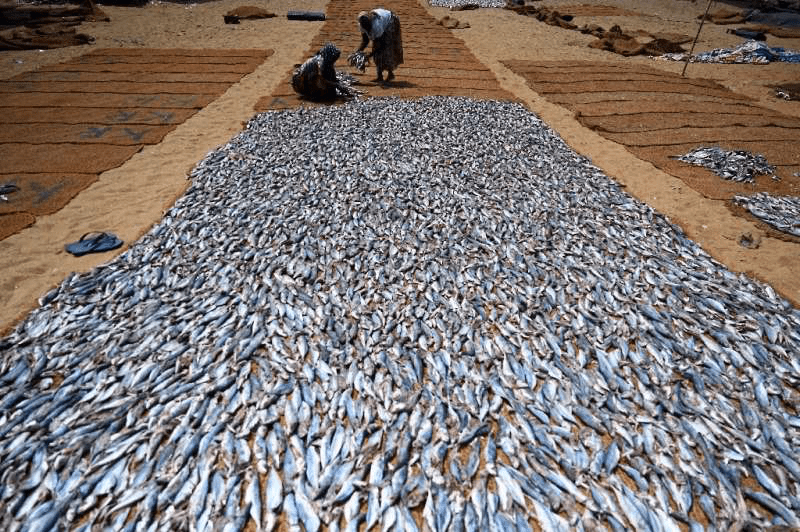
Aquaculture drives aquatic food yields to new high

The production of wild and farm-raised fish, shellfish and algae reached record levels in 2020, and future increases could be vital to fighting world hunger, the Food and Agriculture Organization said Wednesday.

Driven by sustained growth in aquaculture, global fisheries and aquatic farming together hauled in 214 million tonnes, the UN agency said in a report.

The total first-sale value of 2020 production topped $400 million, with $265 million coming from aquaculture, a sector poised for further expansion.

These trend lines are good news for a world facing price hikes and food shortages due to the war in Ukraine, disrupted supply chains, and inflation. 

“The growth of fisheries and aquaculture is vital in our efforts to end global hunger and malnutrition,” said FAO director Qu Dongyu. 

But overfished oceans, climate change and pollution—if left unaddressed—could threaten that potential, the UN agency warned.

“Aquaculture growth has often occurred at the expense of the environment,” Qu noted. 

Many shrimp farms in Vietnam, China and Cambodia, for example, have displaced mangrove forests that are nurseries for marine life and critical barriers against storm surges. 

Climate change poses additional challenges, experts say. 

“Warming waters will create environments where there’s more likelihood of bacterial disease,” said Josh Madeira, director of fisheries and aquaculture policy at the Monterey Bay Aquarium.

That means a sector already highly reliant on antibiotics will likely become even more so, he told AFP.

Production of aquatic animals in 2020—totalling 178 million tonnes—was evenly divided between fisheries and aquaculture, according to the FAO report.

The remaining 36 million tonnes was algae production.

Overfished stocks

Yields of fish, shrimp and other shellfish destined for human consumption are more than 60 percent higher than during the 1990s, far outpacing population growth, according to the report, released during the UN Ocean Conference in Lisbon.

On average, people worldwide consume over 20 kilos (44 pounds) of aquatic foods per year today, more than double the amount 50 years ago.

Globally, 17 percent of the protein consumed by humans comes from aquatic sources. In many Asian and African countries, that figure rises to more than 50 percent.

Wild and farmed food from the seas and inland waters are also a critical source of essential omega-3 fatty acids and micronutrients, recent research has shown.

“Aquatic foods are increasingly recognised for their key role in food security and nutrition,” Qu said. 

Nearly 90 percent of aquatic animal production is for human consumption, with the rest destined for non-food uses such as fishmeal and fish oil.

Asian countries were the source of 70 percent of the world’s fisheries and aquaculture of aquatic animals in 2020.

China remaines by far the top fisheries producer, followed by Indonesia, Peru, Russia, the United States and Vietnam.

So-called capture fisheries of commercial species in the wild—including tuna, cod, salmon and especially anchoveta—dropped by four percent in 2020 compared to the average of the previous three years.

Part of the drop can be attributed to COVID-related disruptions, but long-term decline is due to the pressures of overfishing, experts say. 

Catch levels peaked in the mid-1990s, and have—with fluctuations—stagnated since then.

“The FAO estimates that 34 percent of caught fish come from overfished stocks,” University of British Columbia economist and fisheries expert Rashid Sumaila told AFP.

“But they are very conservative,” he added. “Independent studies put that figure at 50 percent.”

Aggravating the problem is some $34 billion dollars annually in government subsidies. 

Earlier this month, the World Trade Organization (WTO) took preliminary steps to reduce these handouts to industry, but experts say the measures will have limited effect and take years to implement.

FOR MORE INFORMATION: https://phys.org/news/2022-06-aquaculture-aquatic-food-yields-high.html