Sarasota Bay’s water quality is the best it’s been in 8 years. Can we keep it that way?

By: Carter Weinhofer
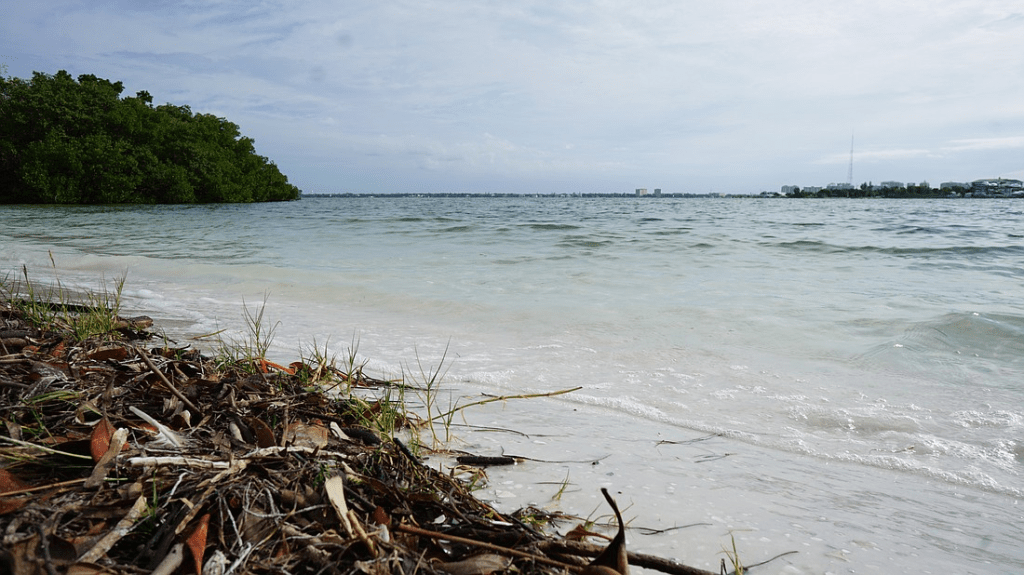
Sarasota Bay’s water quality is the best it’s been in eight years. 

That’s what Executive Director of the Sarasota Bay Estuary Program Dave Tomasko said in his most recent director’s note

But while it may be a good time to reflect on the positives, it’s not time to take a break.

We can’t let the water quality slip away again, Tomasko said.

He explained that in a recent meeting with colleagues at the Florida Department of Environmental Protection, he was told that FDEP would be releasing their “Draft Impaired Waters List” and “Draft De-List List.” 

The lists summarize bodies of water that are considered out of compliance with water quality standards, and conversely those that are improving so much that they can be taken off the list. 

From the conversation, he learned that Sarasota Bay, Roberts Bay, Little Sarasota Bay and Blackburn Bay will all be delisted for nutrient pollution. 

Simply put, the algae in Sarasota Bay has decreased so much that the water meets the standards to be considered “good quality.” 

“If you go out in the bay, you can tell the difference compared to where we were a few years ago,” Tomasko said.

Science talk

The main nutrient in question is chlorophyll-a. 

A higher amount of chlorophyll-a in the water is an indicator of more algae in the water. Chlorophyll is the molecule found in all plants that allows the organisms to absorb sunlight and photosynthesis. 

Nutrients like nitrogen and phosphorus feed the algae. 

If you want your lawn to be greener, you add nitrogen and phosphorus, Tomasko said. Likewise, if you wanted the bay to be more green than blue — meaning more algae than clear water — you would add more nitrogen and phosphorus. 

The first part of that analogy is part of the problem: fertilizers containing nitrogen and phosphorus are common culprits of runoff issues. 

More algae is like putting a blanket on your front lawn, Tomasko said in another analogy. The blanket suffocates the vegetation by preventing sunlight from reaching what lies below it. 

Which is precisely what algae overgrowth does to seagrasses.

Seagrasses are important bases for ecosystems, providing food sources for fish, crabs, manatees and sea turtles. 

Two of the most common seagrasses found around Florida, turtle grass and manatee grass, are named after the animals that consume the species as a main food source. 

Tomasko said he’s already seeing these important seafloor forests recovering. 

Between 2014 and 2018, Tomasko said the lower part of Sarasota Bay lost about 30% of its seagrass coverage. This was mostly related to a couple of very wet years, and problems with overwhelmed wastewater treatment facilities.

The biggest decline in recent years, according to Tomasko, occurred between 2018 and 2020 in the upper part of the bay, just southeast of Sister Keys. About 2,000 acres were lost. 

This is believed to be associated with the red tide event that began in 2017, and had major impacts on the bay’s water quality. 

Tomasko and colleagues with SBEP have been tracking that area for the last couple years, and have been seeing the potential for recovery. 

Around mid-September, Tomasko said the amount of seagrass was impressive. They found an abundance all over the place. 

Although aerial data of seagrass coverage won’t be taken for another year, Tomasko is hopeful. 

“We think it’s going to be a huge increase, maybe multiple hundreds of acres,” he said. “It was one of my best days out in the field.” 

Aaron Zimmerman works with water quality for Sarasota County, where he’s been a part of the research since 2021. 

Overall, he agrees with Tomasko’s observations. He’s also seen good trends for seagrass and a decreased abundance of macroalgae. 

Zimmerman said what’s important about their research is that while aerial images take good readings of overall seagrass coverage, the work he does with his team is able to provide a more detailed look. 

This includes seagrass coverage by species, the three most common ones being shoal, manatee and turtle grass. 

Zimmerman said he can say firsthand from being on the water that it seemed clearer in terms of quality, most likely meaning chlorophyll levels are going down. This means algae production is also decreasing. 

So all in all, reducing the amount of nutrients getting into the water will decrease the amount of algae in the water, which in turn will help water quality and allow seagrasses to recover. 

Big-ticket fixes, big payoff

Tomasko and scientists with Sarasota County agree that the most impactful reasons behind this good news are the improvements on the larger scale: upgraded stormwater and wastewater infrastructure. 

A few examples Tomasko pointed out in his director’s note include the Bee Ridge Wastewater Treatment Plant upgrades of over $250 million, the county’s wastewater treatment plant improvements, the Celery Fields project and ongoing stormwater retrofit projects at the Bobby Jones Golf Course. 

Heather Bryen has been with the county stormwater and water quality team since 2011, and has seen a lot of improvement projects big and small.

“They’re very committed to putting their money where their mouth is and getting the job done,” Bryen said. 

Tomasko said the hundreds of millions of dollars that local governments are spending on wastewater and stormwater improvements are paying off by reducing the inflow of nutrients. 

Can’t stop, won’t stop

Though good news is worth celebrating, Tomasko urged it’s not time to say it’s good enough — this area has already made that mistake once before. 

This time, Tomasko hopes bay residents have learned lessons from the past. 

“It’s the re-restoration,” Tomasko said. “We already did it once and then we let it slip away, and now we’re trying to get it back again.”

In the mid-90s, Tomasko said a similar increase in water quality occurred. But, locals let that slip away due to the pressure of massive population growth, aging infrastructure, wetter weather and warming waters. 

Now local officials are ensuring that everyone can do their part. 

Mollie Holland is the coordinator of a county program called NEST, which stands for Neighborhood Environmental Stewardship Team. 

In her words, NEST takes the large-scale problems and boils them down to the community level to show residents what they can do to be a part of the solution. 

She’s even helped write a book, “Healthy Ponds Guide,” that is a comprehensive guide to being a water-conscious citizen. 

Some things are easier to implement. 

One of the most important ways people can help is to not be a part of the problem: by not overfertilizing lawns, not blowing grass clippings into the bay or drainage and to pick up after dogs. 

By taking those suggestions into consideration, people can help prevent nutrients like nitrogen and phosphorus from entering the water system.

And some of these solutions are actually money savers, Holland said. Using less fertilizer is less expensive. 

But when certain projects come with increased costs, Holland said it’s also her group’s job to educate people about the importance of these improvements. 

“Sometimes you have to break a few eggs to make an omelet, and spend some money and invest in our future and our climate here,” Holland said.

Most residents want to be a part of the solution, she said, because the water and the environment are one of the state’s biggest draws. 

“When you ask folks why they come here, yes, it’s the sunshine and the warm weather,” Holland said. “But nine chances out of 10 when you ask somebody why they’re here it’s because of the environment.”

Tomasko’s recent meeting with FDEP colleagues served another purpose — to set even higher standards for the bay’s water quality. 

Sarasota Bay Estuary Program will be pursuing a reasonable assurance plan for Sarasota Bay, in collaboration with local governments, FDEP and the EPA. 

The reasonable assurance plan, Tomasko said, will propose stricter water quality standards. 

Higher standards aren’t meant to set the bay up for failure though, he said. It’s to ensure that the millions of dollars going into stormwater and wastewater projects aren’t put to waste — and to make sure the water quality doesn’t decline again. 

CLICK HERE TO LEARN MORE: https://www.yourobserver.com/news/2023/oct/11/sarasota-bays-water-quality-best-in-years/

Why the saltwater wedge climbing up the Mississippi River is a wake-up call to the region

By: Roby Chavez

NEW ORLEANS — A saltwater intrusion from the Gulf of Mexico predicted to reach metro New Orleans by the middle of this month has slowed, a relief to emergency officials and communities who were bracing for the worst.

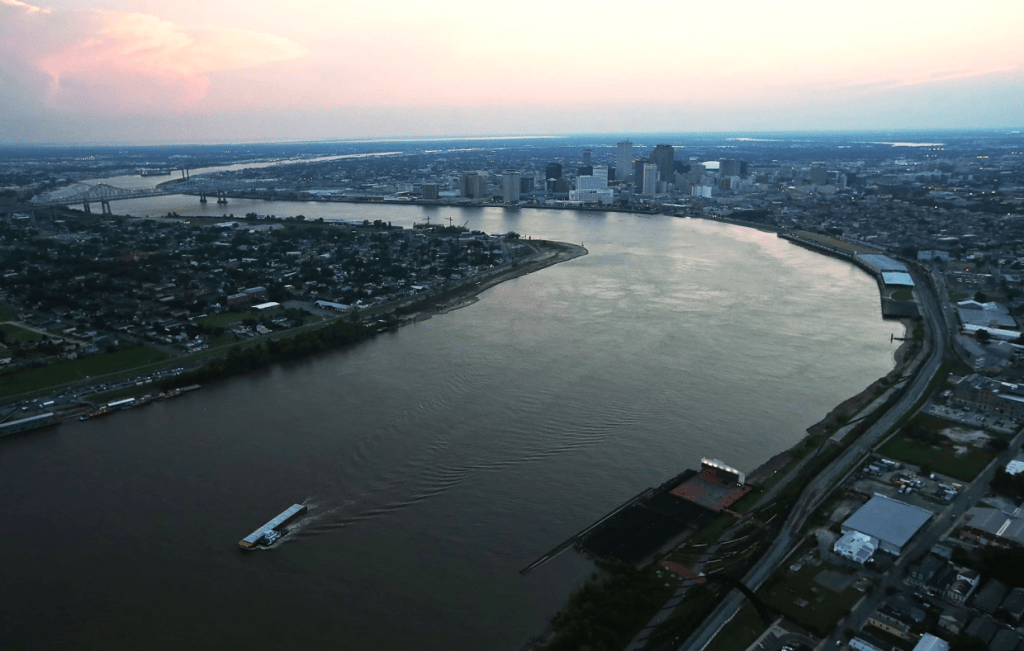
The massive saltwater wedge moving up the Mississippi River, the area’s main source of drinking water, threatened to expose close to a million residents in four parishes to dangerous levels of salt water. Now, the saltwater wedge has slowed considerably. As of last week, it hasn’t moved for 10 days and remains at a standstill 20 miles south of the city.

New predictions announced by the U.S Army Corps of Engineers last week suggest it likely won’t reach far enough upriver to threaten the drinking supply for most of Orleans and Jefferson Parishes.“This updated projection is clearly a relief to all of us,” said Collin Arnold, director of the New Orleans Office of Homeland Security and Emergency Preparedness. “But our job in emergency management is to help prepare for the worst. I think we all believe that we will face this again at some point.”

Historic low river levels for the second year in a row have left the Mississippi River susceptible to water flowing up from the Gulf of Mexico.

For the last few weeks, emergency officials were desperately searching for other sources of fresh water, anticipating unsafe drinking water. Despite the new improved predictions, officials are still moving ahead with precautions for areas that have already been affected. The latest close call has raised questions and deepened concerns about the mighty Mississippi River, which is steadily drying up and slowing down. Corps officials stressed river levels will likely remain low through January, and they noted that forecasts could again change.

Similar saltwater intrusions have happened about once every decade, including in 1988, 1999, 2012, and 2022. Louisiana has in the past averted major problems from high levels of salt water, like damaging pipes and water intake systems, as well as being a danger to people on low-sodium diets. But this is the second such event in as many years. Leaders say it’s taking longer for the region to recover from back-to-back years of low river flow, which points to the urgency for long-term solutions.

While it seems a worst-case scenario won’t play out this time, smaller communities like Plaquemines and St. Bernard Parishes are already inundated with salt. Plaquemines Parish has relied on bottled water for bathing, cooking, and drinking since June. The Corps will have to continue to barge more than eight million gallons of fresh water a day to flush out its water systems.

What is happening with the Mississippi River right now?

Water levels have drastically dropped due to extreme heat and drought intensified by climate change, slowing the river’s powerful current. The U.S. Drought Monitor map in September showed that a majority of the Mississippi River Basin, which stretches 2,350 miles, is experiencing extreme or exceptional drought conditions.

How much water flows through the river and how quickly is key to prevent salt water from intrusion. The Corps said the river was flowing at 150,000 cubic feet per second, half of what is needed to keep salt water out.

Rain can help. But that “would require about 10 inches across the entire Mississippi Valley for us to get flows above 300,000 cubic feet per minute,” Col. Cullen Jones, commander of the Corps’ New Orleans office, told the New Orleans City Council in late September.

The major change in the timeline is partially due to more water than expected flowing down the river. But it’s been a wake-up call for the region to upgrade water plants, expand pipeline networks, and make other improvements.

Jones said strategic mitigation work to heighten an existing underwater levee or sill, among other precautions, has diminished the emergency. The improved outlook also comes following new flow forecasts that predict a slowdown of the wedge’s intrusion upriver.

Salt water is heavier than fresh water, so it sits on the bottom of the river. The augmented sill, which Jones said is now 62 percent complete, works as an underwater levee until the amount of salt water reaches high enough to breach the sill.

“We are ahead of schedule,” Jones said. “Our daily surveys show the salt water that overtops the sill has less density and salinity than that behind the wedge.”

The new track now predicts the saltwater intrusion will only reach smaller water intakes in the community of Algiers, located just across the Mississippi River from the historic French Quarter district, and not until Nov. 23, a month later than originally expected.

Other help came from the Mississippi River’s depth at the salt water’s current location. Salt water had already advanced nearly 70 miles up the river. During the past month, the saltwater wedge traveled 15 miles upriver in one week but came to a standstill last week. Jones said it was due to it settling in a 120-foot-deep hole in the river.

“It’s been filling in a very deep pocket in the river, giving us more time, a lot more … When you look at what has changed, it is because we beat the original forecast,” Jones said. “As we increased the height of the sill, we’re getting an additional speed bump.

How did the outlook change?

Emergency management officials have been collaborating for weeks and were moving with deliberate speed on various plans to dilute the salt in water systems, including building expensive pipelines, barging in fresh water from further upriver, installing desalination equipment, and augmenting the underwater dam in the Mississippi River to slow the progress of the saltwater intrusion.

After meeting with state and local emergency management officials and Corps representatives, Gov. John Bel Edwards sounded the warning on Sept. 22. He called the situation serious but urged people not to panic.

“We will get through this just as we have with other emergencies and that is by working together,” Edwards said.

Edwards stressed that the emergency requires a well-planned engineering response, multiple mitigation efforts, and regional cooperation.

“This is a very challenging situation. There is not one thing that is going to solve this challenge for us. It will be a combination of lots of different efforts,” Edwards said as planning got underway.

President Joe Biden declared a federal emergency in Louisiana on Sept. 22, which quickly brought federal disaster assistance and helped ramp up mitigation efforts.


The Corps vowed to transport via barge as much as 36 million gallons of fresh river water daily into the region to dilute the saltiness to safe levels. In recent days, barges began rushing in 15 million gallons of fresh water collected from further upstream to mix with the intake at affected riverside water treatment plants to dilute salt water.

Rural areas also started to use salt-filtering equipment to supplement the barge water. Plaquemines Parish acquired three desalination units to filter salt water for all five of its water treatment plants and are already cleaning water for the Parish’s 22,800 residents.

Orleans and Jefferson Parishes, with a combined population of more than 800,000 people, put their hopes in constructing pipelines because barge water would not be sufficient. For example, New Orleans Mayor LaToya Cantrell said the city’s Carrollton water treatment facility uses 141 million gallons each day. Now, the prediction is that the plant may not experience saltwater intrusion.

To buy some time, the Corps started dredging the Mississippi to increase the height of the underwater sill by 25 feet. It was expected to slow the saltwater by 10 to 15 days. In reality, it created a month’s delay.

In populous Jefferson Parish, which borders New Orleans, workers rushed to start construction of a 14-mile flexible pipeline. The multimillion-dollar project is designed to transport fresh water from further upriver where the salt level is expected to remain much lower.

Despite the changing timeline, that work will continue. “Due to the nature of this changing environment and that we’re going to get new forecasts every week, we certainly don’t want to lose any time or get flat-footed if something were to change on us,” Jefferson Parish President Cynthia Lee Sheng said. “We want to see if this works.”

By Oct. 4, work on their pipeline in Jefferson Parish was well underway but work had not started in New Orleans. Mayor Cantrell said she was confident enough of the pipeline could be built in time to maintain safe drinking water during the saltwater emergency. Now, it won’t be necessary and the hugely expensive pipeline could be avoided if predictions hold.

Instead, Orleans Parish is shifting its focus to ensure fresh water at the smaller river intake in Algiers, a New Orleans neighborhood that sits across the river from the city’s French Quarter, where saltwater intrusion is expected on Nov. 23.

The pipeline plan came with a hefty $250 million price tag and the Sewerage & Water Board of New Orleans is glad to have more time to rebid the plans and not be rushed.

“We intend to stand the course until the situation is completely resolved,” said Ron Spooner, the board’s interim general superintendent. “Today is truly the answer to all of our collective prayers. This gives us time for more planning what we need to do.”

Spooner said it’s possible that the sewerage and water board will postpone parts of the plan to explore more permanent solutions.

“This is a regional effort — state, local, and federal level — because the more we look into it, the magnitude of the solutions is quite expensive,” Spooner said as planning started several weeks ago.

What are the health issues caused by saltwater intrusion?

When salt levels go above 250 parts per million, as they already have reached in Plaquemines Parish, they pose a risk to individuals on low-sodium diets; those with cardiovascular disease, high blood pressure, or kidney disease; as well as dialysis patients, infants, and pregnant people, according to the Louisiana Department of Health.

“For the vast majority of people, you will stop drinking the water because it doesn’t taste well before it becomes a danger to your health,” Louisiana state health officer Dr. Joseph Kanter said.

Health officials also note salt water is not appropriate for pets to drink.

Over time, high levels of salt water can cause damage to plumbing, appliances, cooling systems that use water, and water heaters in homes and buildings. Emergency management officials say sodium cannot be easily removed from drinking water through boiling or conventional filtration like Brita filters.

Salt water can accelerate the corrosion of pipes in water distribution systems. Health officials say saltwater intrusion could corrode lead and galvanized steel pipes, possibly leaching heavy metals into drinking water, depending on how long the emergency lasts.

“This is similar to what happened in Flint, Michigan – incoming water was not treated properly and led to corrosion of lead pipes throughout the system,” according to a statement from the New Orleans Office of Homeland Security and Emergency Preparedness. “This contaminated Flint’s water system with heavy metals such as lead and copper, which left water undrinkable and required a major effort to replace corroded pipes.”

Sewerage and water board officials acknowledged that salt water could increase lead contamination but said it’s too early to predict the severity. Kanter said very frequent testing will be required.

“Any speculation about impacts is premature, but we are working diligently with top experts at Louisiana Dept. of Health and the Environmental Protection Agency to prepare to increase our frequency of lead testing and address impacts swiftly with a full range of resources,” a sewerage and water board spokesperson said in an email to the Times-Picayune.

While the clock has slowed and it appears that the major population centers’ water intake systems may be spared, emergency officials say the goal remains the same even if they are breathing a bit easier as they drink a cold glass of water — sans the salt.

“To maintain as close as possible the normal operations of our water treatment facilities and drinking water capabilities across the impacted area,” said Casey Tingle from the Governor’s Office of Homeland Security and Emergency Preparedness.

CLICK HERE TO LEARN MORE: https://www.pbs.org/newshour/nation/why-salt-water-is-threatening-drinking-water-in-new-orleans-and-what-officials-are-doing-about-it

Ancient carbon in rocks releases as much carbon dioxide as the world’s volcanoes

By: The University of Oxford

A new study led by the University of Oxford has overturned the view that natural rock weathering acts as a CO2 sink, indicating instead that this can also act as a large CO2 source, rivalling that of volcanoes. The results, published today in the journal Nature, have important implications for modelling climate change scenarios.

Rocks contain an enormous store of carbon in the ancient remains of plants and animals that lived millions of years ago. This means that the “geological carbon cycle” acts as a thermostat that helps to regulate the Earth’s temperature. For instance, during chemical weathering rocks can suck up CO2 when certain minerals are attacked by the weak acid found in rainwater. This process helps to counteract the continuous CO2 released by volcanoes around the world, and forms part of Earth’s natural carbon cycle that has helped keep the surface habitable to life for a billion years or more.

However, for the first time this new study measured an additional natural process of CO2 release from rocks to the atmosphere, finding that it is as significant as the CO2 released from volcanoes around the world. Currently, this process is not included in most models of the natural carbon cycle.

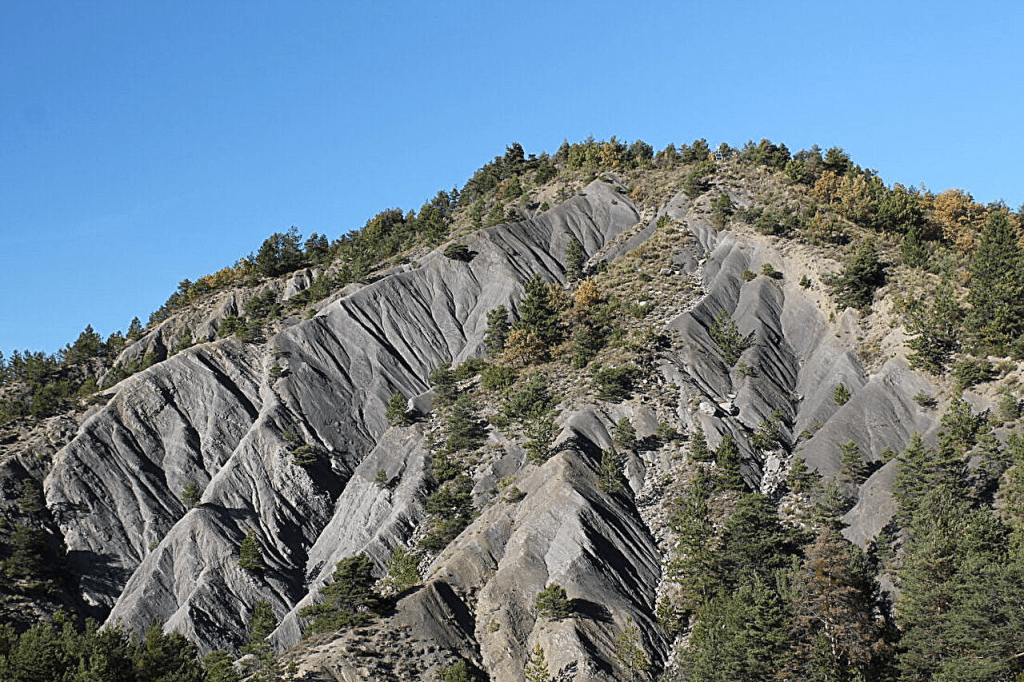
The process occurs when rocks that formed on ancient seafloors (where plants and animals were buried in sediments) are pushed back up to Earth’s surface, for example when mountains like the Himalayas or Andes form. This exposes the organic carbon in the rocks to oxygen in the air and water, which can react and release CO2. This means that weathering rocks could be a source of CO2, rather than the commonly assumed sink.

Up to now, measuring the release of this CO2 from weathering organic carbon in rocks has proved difficult. In the new study, the researchers used a tracer element (rhenium) which is released into water when rock organic carbon reacts with oxygen. Sampling river water to measure rhenium levels makes it possible to quantify CO2 release. However, sampling all river water in the world to get a global estimate would be a significant challenge.

To upscale over Earth’s surface, the researchers did two things. First, they worked out how much organic carbon is present in rocks near the surface. Second, they worked out where these were being exposed most rapidly, by erosion in steep, mountain locations.

Dr Jesse Zondervan, the researcher who led the study at the Department of Earth Sciences, University of Oxford, said: “The challenge was then how to combine these global maps with the river data, while considering uncertainties. We fed all of our data into a supercomputer at Oxford, simulating the complex interplay of physical, chemical, and hydrological processes. By piecing together this vast planetary jigsaw, we could finally estimate the total carbon dioxide emitted as these rocks weather and exhale their ancient carbon into the air.”

This could then be compared to how much CO2 could be drawn down by natural rock weathering of silicate minerals. The results identified many large areas where weathering was a CO2 source, challenging the current view about how weathering impacts the carbon cycle. Hotspots of CO2 release were concentrated in mountain ranges with high uplift rates that cause sedimentary rocks to be exposed, such as the eastern Himalayas, the Rocky Mountains, and the Andes. The global CO2 release from rock organic carbon weathering was found to be 68 megatons of carbon per year.

Professor Robert Hilton (Department of Earth Sciences, University of Oxford), who leads the ROC-CO2 research project that funded the study, said: “This is about 100 times less than present day human CO2 emissions by burning fossil fuels, but it is similar to how much CO2 is released by volcanoes around the world, meaning it is a key player in Earth’s natural carbon cycle.”

These fluxes could have changed during Earth’s past. For instance, during periods of mountain building that bring up many rocks containing organic matter, the CO2 release may have been higher, influencing global climate in the past.

Ongoing and future work is looking into how changes in erosion due to human activities, alongside the increased warming of rocks due to anthropogenic climate changes, could increase this natural carbon leak. A question the team are now asking is if this natural CO2 release will increase over the coming century. “Currently we don’t know — our methods allow us to provide a robust global estimate, but not yet assess how it could change” says Hilton.

“While the carbon dioxide release from rock weathering is small compared to present-day human emissions, the improved understanding of these natural fluxes will help us better predict our carbon budget” concluded Dr. Zondervan.

CLICK HERE TO LEARN MORE: https://www.sciencedaily.com/releases/2023/10/231004132437.htm

Extreme fires and heavy rainfall driving platypuses from their homes

By: The University of Melbourne

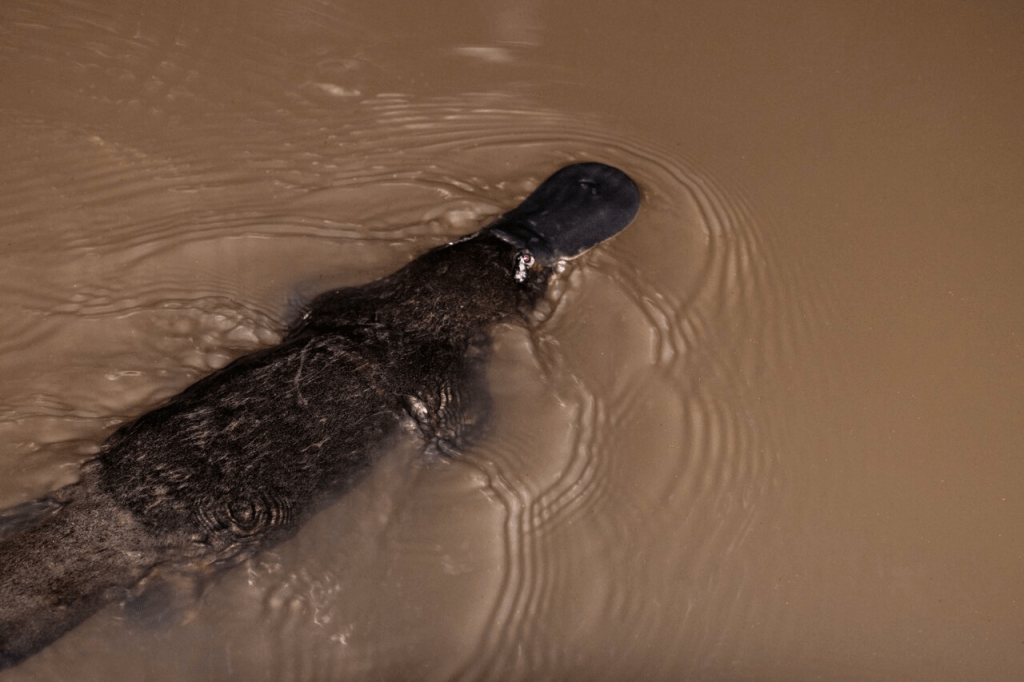
Australia’s emerging pattern of severe mega bushfires and heavy rainfall may be driving platypuses from their homes, a new study by University of Melbourne researchers has shown. 

Analysis of platypus DNA in rivers and creek water samples collected before and after the Black Summer 2019-2020 megafires suggest Australia’s beloved semi-aquatic monotremes might be abandoning severely bushfire-affected areas for up to 18 months after a fire, especially if heavy rainfall has followed the fire. 

The study uses the recent technique of environmental DNA sampling, where animal DNA is collected from water, soil, air, or snow rather than directly from the animal itself. This helps scientists indirectly record hard-to-spot animals like the platypus, which are shy, low in number and venture out mostly at night. 

The survey, funded by the San Diego Zoo Wildlife Alliance and published today in the journal Biological Conservation, is the first landscape scale study of how platypuses might respond to increases in bushfires and rainfall caused by climate change. 

Lead researcher Dr Emily McColl-Gausden, from the Faculty of Science, said the results suggest that a combination of severe bushfire followed by heavy rainfall hit platypus the hardest.  

“We simply don’t know how the platypus responds to bushfire. We assume because they are near water, they will be relatively unaffected. While there is more work to do, our research tells us that severe fire followed by intense rain is the worst combination for platypuses,” Dr McColl-Gausden said.  

“Fire might not directly kill platypus because their burrows protect them. But when there is rainfall after a fire, as happened in 2019-2020, unstable soil, dead plants and ash and debris can wash into rivers and creeks. This kills the yabbies, aquatic invertebrates and insect larvae that platypus rely on for food and may force them to abandon the site. 

“While the platypus may eventually come back, we don’t know the effect of repeated bushfires, whether on their reproduction and life cycle, the survival of their young, on their food security, or on the impact of being forced to move their burrows to more suitable sites. We don’t know if the platypus may one day leave the area for good.” 

Researchers repeatedly sampled 118 sites in Victoria and NSW, 57 of which were later affected by the 2019-2020 bushfires. This allowed researchers to have a comparison between fire-affected and non fire-affected sites. They collected samples before the fires, within 6 months after the fires and between 12 and 18 months after the fires, giving them data from three points in time. 

Across fire-affected sites, there was a 78 per cent chance a platypus was in an area before the fire, and a 72 per cent chance one year after the fire, before rising again to 79 per cent.  

Watersheds are areas of land that drain rainwater into local streams and creeks. When there was heavy rainfall across a site’s watershed and that watershed experienced high severity fire across a quarter or more of its area, the probability that platypus lived at a site fell to less than 10 per cent, indicating that platypus had died or had abandoned the area. 

“In Australia, fire helps shape animal and plant distributions. But there is evidence that a new pattern is emerging, where fires are more frequent, bigger, and more severe due to warming and drying trends,” Dr McColl-Gausden said. 

Environmental DNA sampling is a useful addition to traditional methods that use humane traps to hold platypus until they can be recorded. While traps give scientists useful data such as age, sex and general health, environmental DNA sampling allows researchers to rapidly monitor large areas of land after a natural disaster like a bushfire. 

“Thousands of species of animals live in areas affected by the 2019-2020 mega fires,” Dr McColl-Gausden said. 

“Systematic surveys will help us understand how platypus and other native species might be harmed by increases in the number, scale and severity of bushfires, and what governments and the community can do to reduce the cumulative effect of more frequent and more severe bushfires. We need to include this surveillance as part of our normal emergency response.”

CLICK HERE TO LEARN MORE: https://www.sciencedaily.com/releases/2023/10/231004105205.htm

Brazil Sets up Task Force for Unprecedented Drought in Amazon -Minister

By Lisandra Paraguassu and Anthony Boadle

BRASILIA (Reuters) -Brazil’s government is preparing a task force to provide emergency assistance to inhabitants in the Amazon region hit by a severe drought that has impacted the rivers that are their life support, Environment Minister Marina Silva said.

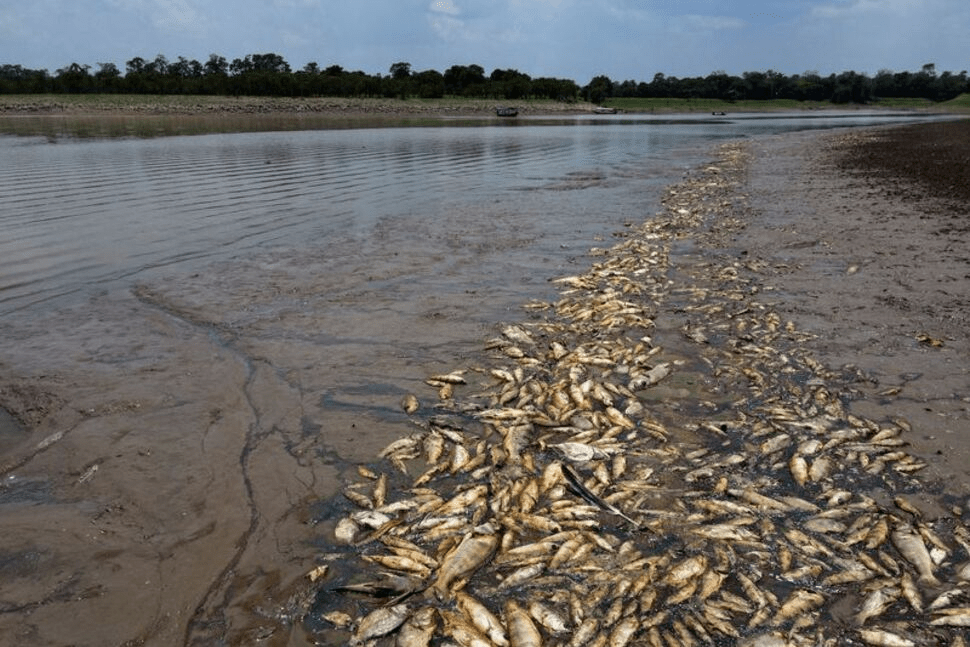
Low river levels and hotter waters have killed masses of fish seen floating on river surfaces, contaminating the drinking water, she said.

“We have a very worrying situation. This record drought has disrupted river transport routes threatening food and water shortages, and a large fish mortality is already beginning,” she told Reuters in an interview.

Some 111,000 people have been affected in a region where a much of the population’s protein comes from fishing, which will be suspended for some time, she added.

The civil defense agency warned that the drought could eventually impact up to 500,000 people in the Amazon.

The Port of Manaus website said the Rio Negro’s water level fell by an average of 30 centimeters (11.8 inches) a day since mid-September and stood at 16.4 meters (54 feet) on Wednesday, about six meters below its level on the same day of last year.

The federal task force would be airlifted by the Air Force to the states of Amazonas and Acre with water, food, medicines and other resources, Silva said.

The government also allocated 140 million reais ($27.76 million) to dredging rivers and ports in the region to keep transport flowing when water levels drop, she added.

The drought in the Amazon, like the flooding in the south of Brazil, results from the El Niño phenomenon, which warms the surface water in the Pacific Ocean. This year the impact has been greater than normal, weather experts say.

Silva said this was the effect of a periodic El Niño mixing with changes in weather patterns brought by global warming.

“We are seeing a collision of two phenomena, one natural which is El Niño and the other a phenomenon produced by humans, which is the change in the Earth’s temperature,” she said.

Worsened by climate change, this combination has caused drought not seen before in the Amazon and “is incomparably stronger and could happen more frequently,” she added.

($1 = 5.0431 reais)

CLICK HERE TO LEARN MORE: https://www.usnews.com/news/world/articles/2023-09-27/brazil-sets-up-task-force-for-unprecedented-drought-in-amazon-minister

Drought-Hit Indian Farmers Protest Against Sharing of River Water

By Chandini Monnappa and Navamya Ganesh Acharya

BENGALURU (Reuters) -Farmers battling drought in India’s southern state of Karnataka began a day-long strike on Friday to protest against the sharing of water from a river that also runs through the neighbouring state of Tamil Nadu.

Police urged calm with all schools and public places staying shut, as thousands of farmers and trade union members held rallies after protests began this week in the tech hub of Bengaluru, against an order from the Supreme Court to share the waters.

“We will not let water from our river enter into the other state at a time when our farmlands are barren,” said T. Ramanujan, the leader of a farmers’ union in Karnataka.

With millions of farmers dependent on the river Cauvery for irrigation in both states, the dispute over sharing its waters has been one of the long-standing legal battles.

In August the Tamil Nadu government approached the Supreme Court, requesting its intervention, while Karnataka argued that it had inadequate water in its reservoirs due to low rainfall.

Street protests began this week after the court directed Karnataka to release 5,000 cusecs of river water to Tamil Nadu for 15 days this month. A cusec is a volume equivalent to one cubic foot, or 28 cubic litres, per second.

Protesters in Bengaluru chanted “ours, ours, Cauvery is ours,” slogans and called for police and government officials to join the protest

Scores of people and some children from distressed districts carried placards with signs that said “We will give our blood but not water.”

The government of Tamil Nadu says Karnataka had failed to manage the river and it must limit over-consumption of the shared resource.

“I have sown seeds but the ground is dry due to scanty rainfall and now we have shortage of supply from Cauvery river,” said S. Kumar, a 48-year-old farmer in the state’s district of Pudukkottai. “Small farmers are struggling this year.”

The Cauvery originates in the Karnataka region of Talakaveri and flows through Tamil Nadu before entering the Bay of Bengal.

Officials at an industry body in Karnataka said over 60% of manufacturing plants adhered to the call for strike, a decision that cost them about four billion Indian rupees (over $48 million).

“Nevertheless, we readily accept our losses because we accept that water is crucial for both sustaining life and food production,” said Ramesh Chandra Lahoti, President at Federation of Karnataka Chambers of Commerce and Industry.

($1=83.0762 Indian rupees)

CLICK HER TO LEARN MORE: https://www.usnews.com/news/world/articles/2023-09-29/drought-hit-indian-farmers-protest-against-sharing-of-river-water

Rivers contain hidden sinks and sources of microplastics

By The University of Plymouth

Significant quantities of microplastic particles are being trapped in riverbed sediments or carried through the air along major river systems, a new study has shown.

The research, conducted along the length of the Ganges River in South Asia, found on average about 41 microplastic particles per square metre per day settled from the atmosphere. .

In addition, analysis by scientists found 57 particles per kilogram on average in sediment from the riverbed as well as one particle in every 20 litres of water.

The research, published in Science of the Total Environment, represents the first combined analysis of microplastics in water, sediment and air around a major river system.

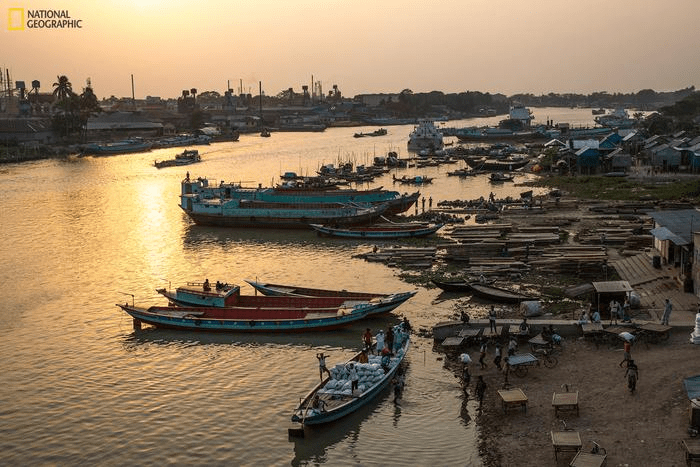
It was conducted using samples collected by an international team of scientists as part of the National Geographic Society’s Sea to Source: Ganges expedition.

Lead author Dr Imogen Napper, a Research Fellow at the University of Plymouth and National Geographic Explorer, said: “We have known for some time that rivers are key pathways for the transfer of microplastics to marine environments. However, there has always been uncertainty about the sheer amounts being transported, and whether they represent long-term sinks. This study goes some way to unravelling that mystery, and revealing the true scale of microplastic contamination that our river systems can represent.”

The research involved scientists from: the University of Plymouth (UK); the Wildlife Institute of India (India); the University of Dhaka, WildTeam, and Isabella Foundation (Bangladesh); National Geographic Society, University of Georgia (USA); ZSL (Zoological Society of London), University of Exeter (UK); and Nantes Université (France).

Many of the same scientists were involved in a previous study, published in January 2021, which suggested the Ganges River and its tributaries could be responsible for up to 3 billion microplastic particles entering the Bay of Bengal every day.

In addition to highlighting the overall abundance of particles, for the new study scientists found fibres to be the most common type, representing up to 99% of the microplastics discovered in some of the samples analysed.

Within this, rayon (synthetically altered cellulose) was the dominant polymer — representing up to 82% of the fibres found in some samples — ahead of acrylic and polyester, and blue was the most common colour.

The sediment samples often contained denser microplastic particles than those found in water and air, and higher population densities correlated with increased microplastic abundance for air and water samples.

Writing in the study, scientists say they believe clothing is likely to be the prominent source of microplastics to this particular river system, influenced by atmospheric deposition, wastewater, and direct inputs such as the handwashing of clothes in the Ganges.

Dr Anju Baroth, scientist and PI from Wildlife Institute of India, said: “Earlier studies based on modelling had reported rivers in Asia as one the largest source of microplastic pollution to sea. This research based on primary field data has provided clear insight on the levels of microplastics in different environmental matrices of river Ganges and that several major river systems of the world have reported comparatively higher microplastics than the Ganges. This study could be used to further mature the theory on major sinks and sources of microplastics in major river systems of the world.”

Dr Gawsia Wahidunnessa Chowdhury, country lead in Bangladesh, added: “This research is ground breaking and we need to make the findings understandable for the key stakeholders. including policy makers. This research provides a platform for global scientists and we have developed a collaborative research group who have been working hard to implement innovative solutions locally for Bangladesh.”

Professor Heather Koldewey, ZSL (Zoological Society of London) Senior Marine Technical Advisor, said: “Our research shows that clothing is the major source of microplastics in the air, water and sediment of this vast river system, enabling us to work with partners and policy makers to seek locally appropriate solutions. These can be informed and supported by the brilliant scientists from Bangladesh and India who were key members of the team involved in this paper.”

CLICK HERE TO LEARN MORE: https://www.sciencedaily.com/releases/2023/09/230925124804.htm

Ultrasound may rid groundwater of toxic ‘forever chemicals’

By Ohio State University

New research suggests that ultrasound may have potential in treating a group of harmful chemicals known as PFAS to eliminate them from contaminated groundwater.

Invented nearly a century ago, per- and poly-fluoroalkyl substances, also known as “forever chemicals,” were once widely used to create products such as cookware, waterproof clothing and personal care items. Today, scientists understand that exposure to PFAS can cause a number of human health issues such as birth defects and cancer. But because the bonds inside these chemicals don’t break down easily, they’re notoriously difficult to remove from the environment.

Such difficulties have led researchers at The Ohio State University to study how ultrasonic degradation, a process that uses sound to degrade substances by cleaving apart the molecules that make them up, might work against different types and concentrations of these chemicals.

By conducting experiments on lab-made mixtures containing three differently sized compounds of fluorotelomer sulfonates — PFAS compounds typically found in firefighting foams — their results showed that over a period of three hours, the smaller compounds degraded much faster than the larger ones. This is in contrast to many other PFAS treatment methods in which smaller PFAS are actually more challenging to treat.

“We showed that the challenging smaller compounds can be treated, and more effectively than the larger compounds,” said co-author of the study Linda Weavers, a professor of civil, environmental and geodetic engineering at The Ohio State University. “That’s what makes this technology potentially really valuable.”

The research was published in The Journal of Physical Chemistry A.

One of only a few studies to probe into how ultrasound might be used to rid our surroundings of toxic PFAS chemicals, this paper is an extension of previous research of Weavers’ that determined that the same technology could also degrade pharmaceuticals in municipal tap and wastewater.

“PFAS compounds are unique because many of the destruction technologies that we use in environmental engineering for other hard-to-remove compounds don’t work for them,” Weavers said. “So we really need to be developing an array of technologies to figure out which ones might be useful in different applications.”

Unlike other traditional destruction methods that attempt to break down PFAS by reacting them with oxidizing chemicals, ultrasound works to purify these substances by emitting sound at a frequency much lower than typically used for medical imaging, said Weavers. Ultrasound’s low-pitched pressure wave compresses and pulls apart the solution, which then creates pockets of vapor called cavitation bubbles.

“As the bubbles collapse, they gain so much momentum and energy that it compresses and over-compresses, heating up the bubble,” said Weavers.

Much like powerful combustion chambers, the temperatures inside these tiny bubbles can reach up to 10,000 Kelvin, and it’s this heat that breaks down the stable carbon-fluorine bonds that PFAS are made of and renders the byproducts essentially harmless. Unfortunately, this degradation method can be costly and extremely energy intensive, but with few other options, it may be something the public needs to consider investing in to protect groundwater for drinking and other uses, said Weavers.

While manufacturing industries are starting to move away from making use of PFAS, regulatory agencies are working to heighten public awareness about how to avoid them. Earlier this year, the U.S Environmental Protection Agency proposed the National Primary Drinking Water Regulation (NPDWR), which would require public water systems to monitor for certain PFAS, notify the public of these levels and take measures to reduce them if they’re over a certain limit.

Because ultrasound is so effective at cleaning PFAS from solutions, the study concludes that scientists and government agencies should consider using it in future treatment technology development as well as along with other combined-treatment approaches.

Though Weavers’ research is not ready to be scaled up to aid in larger anti-contamination efforts, the study does note that their work could be the opening move toward creating small, high-energy water filtration devices for public use inside the home.

“Our research revolves around trying to think about how you scale to something bigger and what you need to make it work,” said Weavers. “These compounds are found everywhere, so as we learn more about them, understanding how they can degrade and break down is important for furthering the science.”

CLICK HERE TO LEARN MORE: https://www.sciencedaily.com/releases/2023/09/230929131545.htm

Ancient plant wax reveals how global warming affects methane in Arctic lakes

By Northwestern University

By studying fossils from ancient aquatic plants, Northwestern University and University of Wyoming (UW) researchers are gaining a better understanding of how methane produced in Arctic lakes might affect — and be affected by — climate change.

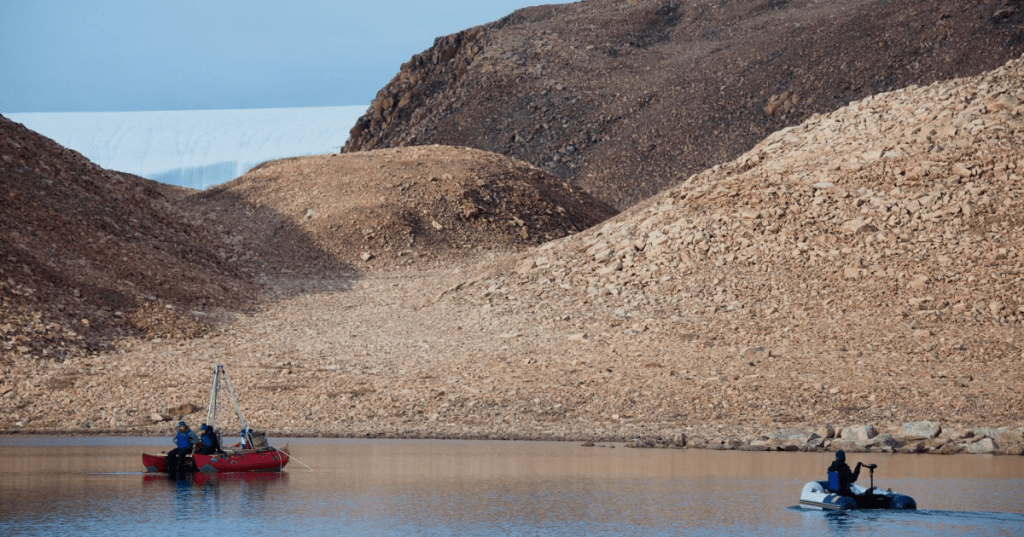
In a new study, the researchers examined the waxy coatings of leaves preserved as organic molecules within sediment from the early-to-middle Holocene, a period of intense warming that occurred due to slow changes in Earth’s orbit 11,700 to 4,200 years ago. These wax biomarkers — which were once a part of common aquatic brown mosses — were preserved in sediment buried beneath four lakes in Greenland.

By studying these biomarkers, the researchers discovered that past warming during the middle Holocene caused lakes across a wide range of Greenland’s climates to generate methane. Because methane is a more potent greenhouse gas than carbon dioxide, any changes in methane production with warming are important to understand.

Currently, researchers have incomplete knowledge of how much methane is produced in Arctic lakes and how ongoing warming will affect methane production. The new study suggests that warming potentially could lead to a previously under-appreciated flux in methane emissions from lakes.

The study will be published on Friday (Sept. 29) in the journal Science Advances.

“Last time Greenland lakes experienced major warming, we were coming out of the last ice age, and it took some time for the conditions to develop for lake methane cycling to increase,” said Jamie McFarlin, who led the study. “But once it developed, the lakes in our study maintained an intensified methane cycle for thousands of years until the onset of the naturally driven late Holocene cooling. This supports a climate dependence on lake methane cycling in some Arctic lakes.”

“These data show increased periods of methane cycling during past warm periods,” added Magdalena Osburn, the study’s senior author. “Living on a warming planet, we can look to these signs from the past to help predict our future. We suspect this process is going to become more and more important in the future of these lakes.”

When the research began, McFarlin was a Ph.D. student at Northwestern; now she is an assistant professor at UW. Osburn is an associate professor of Earth and planetary sciences at Northwestern’s Weinberg College of Arts and Sciences. Osburn co-advised McFarlin with Yarrow Axford, William Deering Professor in Geological Sciences at Weinberg College and the paper’s second author.

Lakes act as significant natural sources of methane, but exactly how much methane production will change with ongoing warming within Arctic lakes is not fully quantified. And because Arctic and boreal landscapes are the fastest warming regions on Earth, it is imperative for researchers to better understand the dynamics between warming temperatures and methane production in these lakes.

To explore these dynamics, the researchers produced new data at two lakes (Wax Lips Lake and Trifna Sø) and reviewed published data from two additional lakes on Greenland (Lake N3 and Pluto Lake). They compared the hydrogen isotopic composition of aquatic plant waxes within the sediment to biomarkers from terrestrial plants and other sources. The isotopic composition of biomarkers from aquatic plants revealed a signature from methane during the early-middle Holocene at most sites.

Because these plants absorb methane, they might mitigate some of the methane produced in lakes before it is emitted into the atmosphere.

“In the lakes in our study, some methane was taken up by aquatic mosses living in the lakes — likely through a symbiotic association with a type of bacteria that eats methane,” McFarlin said. “We do not know yet how much methane was produced versus consumed in these lakes during the time period of our study, so the overall effect on the atmosphere remains unclear. The uptake of methane into plants is likely restricted to very specific types of aquatic mosses, however, so not all lakes or even all Arctic lakes will have these same dynamics.”

“The Arctic has huge areas covered in lakes,” Axford said. “Not every lake has mosses that will record methane dynamics, but our study also highlights that those vast swaths of Arctic lakes are vulnerable to climate-driven changes in methane cycling, whether mosses are on site to witness those changes or not. This is yet another way that rapid warming in the Arctic could affect global climate.”

CLICK HERE TO LEARN MORE: https://www.sciencedaily.com/releases/2023/09/230929171001.htm

Salt water creeping up Mississippi could cause health concerns and more

By Denise Chow

The steady push of salt water upstream in the drought-hit Mississippi River could have serious health and economic consequences across southern Louisiana, where many communities rely on the river for drinking water, irrigation and shipping.

Persistent drought in the region has dropped water levels in the Mississippi River to near-historic lows, allowing salt water from the Gulf of Mexico to creep upriver and much farther inland than normal. 

Drinking water across most of the state is still considered safe at the moment, but it’s projected that salt water could reach water intake facilities in Belle Chasse by Oct. 13, St. Bernard by around Oct. 19 and facilities in New Orleans later in October. In Plaquemines Parish, south of New Orleans, residents have already been relying on bottled water since the summer after the area’s water system became inundated.

President Joe Biden on Wednesday declared the unfolding saltwater intrusion a federal emergency, freeing up funds to support state and local relief efforts. The U.S. Army Corps of Engineers was working this week to expand an underwater barrier to help delay the seawater’s movement upstream, but officials say they expect the “sill” to be overtopped again in the coming weeks.

The health impacts from excess salinity in drinking water are top of mind for those in southeastern Louisiana, but experts say saltwater intrusion can also endanger crops, animal stock and infrastructure in the region.

Salt in the drinking water supply is a major concern because it can cause sodium to spike to unsafe levels in the human body, which increases blood pressure.

Stephen Murphy, an assistant professor at Tulane University’s School of Public Health and Tropical Medicine, said those most at risk are infants, pregnant women and people who already need to closely monitor their sodium intake.

“Members of the population who are on no-salt or low-salt diets will be susceptible because those individuals need to be extremely careful about high blood pressure,” he said.

Officials in Louisiana said millions of gallons of water are being barged in to dilute local water supplies, if needed, and reverse osmosis equipment may also be used at some treatment facilities.

Gov. John Bel Edwards said the Louisiana Department of Health will work with parish officials to test municipal drinking water and issue public health guidance.

Murphy said people can prepare by stocking up on bottled water, but added that there’s no reason to panic.

“Just like we would during hurricane season, go out and buy what you need and maybe a little more in case something goes wrong,” he said. “But you don’t need to go out and buy every pallet of water you can find.”

Still, saltwater intrusion can have other serious effects on people and animals, particularly because of its corrosive nature.

There are concerns, for instance, that seawater could corrode pipes and leach heavy metals into the water supply, said Holly Michael, a hydrogeologist at the University of Delaware and director of the Delaware Environmental Institute.

“If you introduce water with different chemistry into a water distribution system, that can create all sorts of problems,” she said. “Depending on what pipes are made of, saltwater intrusion could release heavy metals, it could change the chemistry in water treatment, it could corrode appliances in people’s homes.”

Agriculture in the region will likely be affected by salt water creeping upstream, particularly farmers who rely on river water for irrigation. Michael’s own research in Delaware found that saltwater intrusion often caused farmers to unknowingly irrigate their fields with saltier-than-normal water, causing crops to die.

Low water levels in the Mississippi River, a key shipping corridor, could also affect commercial operations, exacerbating existing issues from lingering drought conditions.

Michael said the developing situation highlights how climate change and drought are affecting people’s lives and livelihoods — and how far-reaching the consequences can be.

“It’s important that people understand how fragile our systems are, especially at the coast,” she said. “We need to really think about what we’re doing to our systems and also how they’re responding to change, and then be proactive about understanding how that might affect our lives and infrastructure.”

CLICK HERE TO LEARN MORE: https://www.nbcnews.com/science/environment/salt-water-creeping-mississippi-cause-health-concerns-rcna117360