New study allows regional prediction of uranium in groundwater

Landforms from Groundwater Erosion and Deposition ( Read ) | Earth Science  | CK-12 Foundation

Lurking in sediments and surrounding the precious groundwater beneath our feet is a dangerous toxin: uranium. Scientists have long known this and tested for it. But now Stanford researchers have identified the trigger that causes naturally occurring uranium to dislodge from sediments and seep into groundwater, pointing to a solution for managing the toxin before it becomes a problem.

In a new regional model that combines aquifer information with soil properties for predicting groundwater quality, the researchers pinpointed the factors associated with uranium contamination. The research, published in Environmental Science & Technology Dec. 8, indicates that calcium concentrations and soil alkalinity are key determining factors of uranium groundwater contamination in California’s Central Valley. The findings will be especially important as water managers plan for a future with more people and less water available from snowpack in a warming world.

Uranium is among the top three harmful, naturally occurring groundwater contaminants in the Central Valley, along with arsenic and chromium. The radioactive, metallic element becomes dangerous when consumed in high quantities, causing kidney damage and increased risk of cancer. It is prevalent within the Central Valley’s San Joaquin Valley, and also occurs naturally in semi-arid and arid environments worldwide.

Researchers focused on locations in the Central Valley aquifers where groundwater uranium concentrations have been observed to exceed the drinking water standard of 30 micrograms of uranium per liter.

“Every aquifer has one or more of these natural contaminants. The question is whether they sit benignly in the sediments or really cause problems by getting into the groundwater,” said co-author Scott Fendorf, the Huffington Family Professor in Earth system science at the School of Earth, Energy & Environmental Sciences (Stanford Earth). “Water managers can use our findings to forecast solutions before the problems are manifested.”

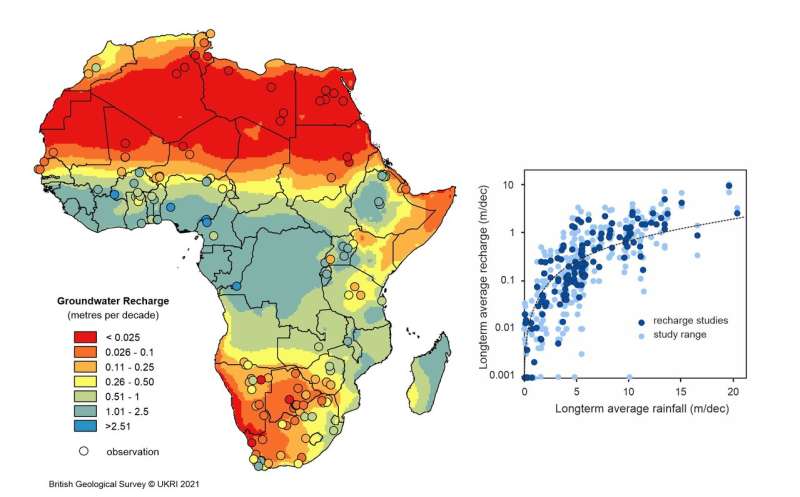
The study focuses on the chemical impacts of groundwater recharge, which is the process of rainfall seeping into soils and moving down into underlying aquifers. As rainwater seeps downward, its chemistry changes as it interacts with the ground environment. Pumping the water back out also influences the dynamics of the aquifer, which can change the chemistry of the system and how elements such as uranium are partitioned between the solids (sediments) and water. If the water picks up more calcium during its travels and also becomes more alkaline, it can attract uranium and contaminate aquifers, the researchers found.

“Our work shows that it’s not just properties of the aquifer that are impacting uranium, but factors such as clay content and pH of the soil that served as important predictors of groundwater uranium concentrations,” said lead study author Alandra Lopez, a PhD student in Earth system science. “It highlights the importance of including data about soil properties when generating aquifer vulnerability maps for a naturally occurring contaminant like uranium.”

The good news: the researchers estimate that the factors introducing this process of uranium loosening from sediments into groundwater mainly occur within the top six feet of the soil, suggesting an easy fix could involve bypassing that area.

“If you’re going to manage aquifer recharge, which will be increasingly needed with climate change, be careful about having the water infiltrate through the soil where calcium and alkalinity are often highest. These management scenarios are being considered right now,” said Fendorf, who is also a senior fellow at the Stanford Woods Institute for the Environment.

The team says their methodology offers water managers an easy way to predict major influences on groundwater uranium concentrations at scale.

“We’re trying to tell everybody that you need to think about this ahead of time, because that’s when you can manage around the problem,” Fendorf said. “It’s a kind of forward prediction versus hindsight reaction — once you measure uranium in the water, your problem is already at hand and it’s much more expensive to fix.”

This research was funded by the Water Foundation, a US National Science Foundation Graduate Research Fellowship and partly supported by the US Department of Energy, Office of Biological and Environmental Research, Subsurface Biogeochemistry Program (SBR).make a difference: sponsored opportunity


Story Source:

Materials provided by Stanford University. Original written by Danielle Torrent Tucker. Note: Content may be edited for style and length.


Journal Reference:

  1. Alandra M. Lopez, Arden Wells, and Scott Fendorf. Soil and Aquifer Properties Combine as Predictors of Groundwater Uranium Concentrations within the Central Valley, CaliforniaEnvironmental Science & Technology, 2020 DOI: 10.1021/acs.est.0c05591

FOR MORE INFORMATION: Stanford University. “New study allows regional prediction of uranium in groundwater.” ScienceDaily. ScienceDaily, 8 December 2020. <www.sciencedaily.com/releases/2020/12/201208111432.htm>.

Central Europe: Dry Aprils pave the way for summer droughts

Central Europe: Dry Aprils pave the way for summer droughts |  PreventionWeb.net

In the past 20 years, Central Europe has experienced six summer heat waves and droughts. Until now, however, it was unclear what factors led to these extreme events. Researchers from two Helmholtz Centres (AWI & UFZ) have now discovered that in Central Europe, temperature and precipitation patterns in April play a vital role in determining whether or not the soils are drier than average in the following summer. If the April is too warm, with little precipitation, a large proportion of the moisture stored in the soil evaporates, making a summer drought more likely. The team has also identified one of the reasons for the repeated dry Aprils and the correspondingly increased risk of drought. Decreasing temperature differences between the Arctic and the middle latitudes lead to a shift in the jet stream and the formation of a blocking high-pressure system over the North Sea and parts of Germany. This in turn means that the April weather in Central Europe is getting much too warm and dry, as the researchers report in a study released today in the Nature Partner Journals npj Climate and Atmospheric Science.

Monica Ionita, a climatologist and expert on weather forecasting at the Alfred Wegener Institute Helmholtz Centre for Polar and Marine Research (AWI), can still remember it clearly: in late April 2018, it was so hot in Bremen that she put a paddling pool in the garden for her daughter, although it should have been much too early to splash around outdoors. She now knows that the spring heat wave at the time provided the impetus for the following summer being one of the driest in the history of Central Europe.

“Since the turn of the century, Central Europe has experienced repeated summer heat waves and droughts, which have caused damage amounting to millions of Euros. To date, attempts to correctly predict such extreme events have been unsuccessful because the influence of the spring has been underestimated. That is why we decided to closely investigate the links between the weather in spring and that in the subsequent summer — for the entire period for which sufficient records are available. In other words, the last 140 years,” the expert reports.

April’s pivotal role: Lack of rain coupled with heat causes soils to dry out

For the analysis, Monica Ionita and her colleagues employed climate (and hydrologic) model outputs as well as statistical methods that the AWI researchers have developed; and had already successfully applied in long-term forecasts of river water levels. The findings show: in the last 14 years, the temperature and precipitation trends in April have changed fundamentally. “While there was little change in the months of March and May in the period 2007 to 2020, April was on average 3 degrees Celsius warmer compared to the reference period 1961 to 2000. In extreme years, like 2018, it was so warm in April that the snow that had fallen in winter virtually evaporated before it had the chance to drain into the soil in the form of meltwater. Furthermore, since 2007, in most regions of Central Europe there has only been half as much rain as in the reference period,” Ionita explains.

In the past 14 years, the absence of precipitation has only been one of the problems: “Rising April temperatures have led to the moisture stored in the soil evaporating. As a result, in spring there was already a marked lack of moisture in the soils of Central Europe, especially in Germany. As a rule, this deficit couldn’t be compensated for in the summer. In other words: the summer drought in the soils was pre-programmed back in April,” adds Rohini Kumar, a hydrologist at the Helmholtz Centre for Environmental Research (UFZ) in Leipzig and co-author of the new study.

The causes of dry springs in Central Europe

But which weather conditions over Central Europe cause the repeated record-high temperatures and dry spells in April? “Our analysis shows that a blocking high-pressure system formed over the North Sea and parts of Germany in that period, and this diverted the jet stream northwards, resulting in spells of sunny and dry weather in Central Europe lasting up to two weeks,” explains Ionita. There was also a phase with similarly low precipitation in April in the period from 1881 to 1895. But at the time it wasn’t as warm, which meant that less moisture evaporated from the soil and there weren’t the long-term effects that we’re seeing today. “The serious consequences of these spring dry spells are largely due to the rising air temperatures,” comments Ionita.

We can’t yet say whether blocking high-pressure systems will determine the April weather in Central Europe in the future, since the climate is subject to natural fluctuations. But in their study, the scientists were able to identify one important driver: “One reason for the formation of stable high-pressure areas is the decreasing temperature differences between the Arctic and the middle latitudes in spring. Under these conditions, the jet stream that controls the weather in Central Europe follows a zigzagging course, allowing the high-pressure system to settle over the North Sea,” Ionita adds.

According to climate scenarios, these initial conditions will also occur in the future. However, high-pressure systems will form less frequently (be less likely to form) if we succeed in achieving the Paris climate goals and limit global warming to 1.5 degrees Celsius by 2100. “If temperature increases exceed this goal, it is highly likely that such high-pressure areas will form. In Central Europe, the month of April will continue to be warmer and drier than it was 20-30 years ago, thus paving the way for large-scale water shortages and arid soils all summer long,” warns the AWI researcher.

“Such a development would have major effects on the soils’ water balance and their associated ecosystem services,” states Kumar, adding: “In recent years, we’ve seen a series of summer droughts throughout Central Europe — with severe consequences in terms of plant productivity and low water-levels in rivers. Understanding the conditions under which such dry periods occur is vital to implement precautionary and preventive measures in time.”make a difference: sponsored opportunity


Story Source:

Materials provided by Alfred Wegener Institute, Helmholtz Centre for Polar and Marine ResearchNote: Content may be edited for style and length.


Journal Reference:

  1. M. Ionita, V. Nagavciuc, R. Kumar, O. Rakovec. On the curious case of the recent decade, mid-spring precipitation deficit in central Europenpj Climate and Atmospheric Science, 2020; 3 (1) DOI: 10.1038/s41612-020-00153-8

FOR MORE INFORMATION: Alfred Wegener Institute, Helmholtz Centre for Polar and Marine Research. “Central Europe: Dry Aprils pave the way for summer droughts: Researchers identify the causes of dry springs and describe their long-term consequences.” ScienceDaily. ScienceDaily, 7 December 2020. <www.sciencedaily.com/releases/2020/12/201207112316.htm>.

Satellite-tagged bottles show promise for tracking plastic litter through rivers

Satellite-tagged bottles show promise for tracking plastic litter through  rivers

A new study demonstrates the potential for plastic bottles tagged with tracking devices to deepen our understanding of how plastic pollution moves through rivers. Emily Duncan of the University of Exeter, U.K., and colleagues present this research in the open-access journal PLOS ONE on Dec 2, 2020.

Plastic pollution threatens natural ecosystems and human health worldwide. Previous research suggests that rivers transport up to 80 percent of the plastic pollution found in oceans. However, while ocean modeling and tracking technology have revealed detailed insights into how plastic litter moves and accumulates within oceans, river transport of plastic pollution remains poorly understood.

To help address this knowledge gap, Duncan and colleagues developed a new, low-cost, open-source tracking method that uses reclaimed 500 mL plastic bottles to house custom-designed electronics, allowing the bottles to be tracked via GPS cellular networks and satellite technology. These “bottle tags” mimic plastic beverage bottles, in the hopes that they realistically replicate the path of plastic pollution down a river.

As part of the National Geographic Sea to Source Ganges Expedition, the researchers released 25 bottle tags at various sites along the Ganges River. They successfully tracked several of them through the river and into the Bay of Bengal. They also released three bottles directly into the Bay of Bengal to mimic paths followed by litter once it reaches the sea. The farthest distance traveled by any of the bottles was 2,845 kilometers, which took 94 days.

This study demonstrates that future research could use bottle tags to significantly boost understanding of plastic litter’s movement through rivers and into oceans. These devices could reveal new insights into areas where plastic litter is likely to accumulate and periods when large amounts of plastic pollution are moving through the waterways.

The authors also highlight the potential for bottle tags to engage the public — such as by enabling people to follow the bottles’ journeys for themselves — potentially boosting awareness, discouraging littering, and informing changes to pollution policy.

The authors add: “Our ‘message in a bottle’ tags show how far and how fast plastic pollution can move. It demonstrates that this is a truly global issue, as a piece of plastic dropped in a river or ocean could soon wash up on the other side of the world.”make a difference: sponsored opportunity


Story Source:

Materials provided by PLOSNote: Content may be edited for style and length.


Journal Reference:

  1. Emily M. Duncan, Alasdair Davies, Amy Brooks, Gawsia Wahidunnessa Chowdhury, Brendan J. Godley, Jenna Jambeck, Taylor Maddalene, Imogen Napper, Sarah E. Nelms, Craig Rackstraw, Heather Koldewey. Message in a bottle: Open source technology to track the movement of plastic pollutionPLOS ONE, 2020; 15 (12): e0242459 DOI: 10.1371/journal.pone.0242459

FOR MORE INFORMATION: PLOS. “Satellite-tagged bottles show promise for tracking plastic litter through rivers: Researchers successfully track ‘bottle tags’ through Ganges River system into Bay of Bengal.” ScienceDaily. ScienceDaily, 2 December 2020. <www.sciencedaily.com/releases/2020/12/201202192806.htm>.

Climate change warms groundwater in Bavaria

Climate change warms groundwater in Bavaria - Naveen Bharat eन्यूज़ पोर्टल  - Today's Truth

Groundwater reservoirs in Bavaria have warmed considerably over the past few decades. A new study by researchers at Martin Luther University Halle-Wittenberg (MLU) compares temperatures at 35 measuring stations, taken at different depths, with data from the 1990s. Water found at a depth of 20 metres was almost one degree warmer on average than 30 years ago. The findings were published in the journal “Frontiers in Earth Science.”

As the air warms, the ground also becomes warmer over time — ultimately resulting in warmer groundwater. Geologists call this thermal coupling. “Unlike the atmosphere, however, the earth’s sub-surface is very sluggish,” explains Professor Peter Bayer, a geoscientist at MLU and co-author of the study. Because the ground below the surface does not react to short-term temperature fluctuations and thus tends to reflect long-term trends, it is a good indicator of climate change.

“This ground warming effect has been known to scientists, however there is still little data on it,” explains Bayer. For the new study, Bayer and his doctoral student Hannes Hemmerle repeated measurements that had been carried out in the 1990s at 35 measuring stations in groundwater reservoirs in Bavaria. The measuring points are distributed throughout the state, which provides a rare insight into the development of an entire region.

The geologists were able to show that almost all the groundwater reservoirs they investigated had warmed up in a similar way over the decades. “Climate change has a very clear effect at depths starting at around 15 metres; at that point short-term local or seasonal fluctuations can no longer be measured,” explains Hemmerle. The groundwater at depths of 20 metres was, on average, nearly 0.9 degrees Celsius warmer than in the 1990s. At depths of 60 metres it was still nearly 0.3 degrees warmer. During the same period, the average air temperature rose by 1.05 degrees Celsius.

“It can be assumed that the groundwater will warm up even more as a delayed reaction to air temperatures and that it will continue to react to rising atmospheric temperatures in the future,” says Hemmerle. The consequences of this warming are still difficult to gauge, says Bayer, who adds, higher water temperatures affect the growth of microbes and put pressure on underground ecosystems that are adapted to very constant temperatures.

In order to get a feel for the magnitude of the measurements, Bayer and Hemmerle also compared ground warming at a depth of 15 metres with Bavaria’s annual heating requirements. Their findings: the increase in temperature correlates to about ten percent of demand. “At least a portion of the heat could possibly be reused as geothermal energy,” says Bayer. However, the results cannot be directly transferred to the whole of Germany. “But it can be assumed that the trend is the same,” says Hemmerle.make a difference: sponsored opportunity


Story Source:

Materials provided by Martin-Luther-Universität Halle-WittenbergNote: Content may be edited for style and length.


Journal Reference:

  1. Hannes Hemmerle, Peter Bayer. Climate Change Yields Groundwater Warming in Bavaria, GermanyFrontiers in Earth Science, 2020; 8 DOI: 10.3389/feart.2020.575894

FOR MORE INFORMATION: Martin-Luther-Universität Halle-Wittenberg. “Climate change warms groundwater in Bavaria.” ScienceDaily. ScienceDaily, 1 December 2020. <www.sciencedaily.com/releases/2020/12/201201124124.htm>.

Ultrasensitive transistor for herbicide detection in water

Why Is Drinking Water Important? 6 Reasons to Stay Hydrated

A new polymer-based, solid-state transistor can more sensitively detect a weed killer in drinking water than existing hydrogel-based fluorescence sensor chips. The details were published in Chemistry-A European Journal.

The sensor is a specially designed organic thin-film transistor based on semiconducting molecules of carboxylate-functionalized polythiophene (P3CPT). What’s special about this particular device is that, unlike other conjugated polymer-based sensors, this one is a solid-state device that can conduct an electric current when placed inside a fluid.

The device, designed by Tsuyoshi Minami of The University of Tokyo’s Institute of Industrial Science and colleagues, works by adding copper ions, which bind to the P3CPT molecules. When the device is placed in water that contains even the smallest amount of the herbicide glyphosate, the copper ions leave the P3CPT molecules to attach to the glyphosate molecules. This causes a detectable reduction in the flow of electric current through the device. Glyphosate is a commonly used weed killer in agriculture, and there are concerns that its presence in drinking water can be harmful to human health.

The scientists found that the device was so sensitive that it could detect as low as 0.26 parts per million of glyphosate in drinking water. The team compared their new device to a conventional fluorescence sensor chip, which was only capable of detecting down to 0.95 parts per million of glyphosate. To put this into perspective, the maximum allowable amount of glyphosate in drinking water, according to the United States Environmental Protection Agency, is 0.7 parts per million.

The scientists believe that the sensitivity of their device boils down to interactions occurring within individual polymer molecules and between neighbouring ones. Commonly used fluorescence sensors depend solely on interactions occurring within individual molecules.

“Our device could be a novel solid-state platform for sensing target molecules in aqueous media,” says Minami. The researchers are currently working on further developing their polythiophene-based sensors.make a difference: sponsored opportunity


Story Source:

Materials provided by Institute of Industrial Science, The University of TokyoNote: Content may be edited for style and length.


Journal Reference:

  1. Yui Sasaki, Koichiro Asano, Tsukuru Minamiki, Zhoujie Zhang, Shin‐ya Takizawa, Riku Kubota, Tsuyoshi Minami. A Water‐Gated Organic Thin‐Film Transistor for Glyphosate Detection: A Comparative Study with Fluorescence SensingChemistry – A European Journal, 2020; 26 (64): 14525 DOI: 10.1002/chem.202003529

FOR MORE INFORMATION: Institute of Industrial Science, The University of Tokyo. “Ultrasensitive transistor for herbicide detection in water.” ScienceDaily. ScienceDaily, 1 December 2020. <www.sciencedaily.com/releases/2020/12/201201124142.htm>.

Offshore submarine freshwater discovery raises hopes for islands worldwide

Offshore submarine freshwater discovery raises hopes for islands worldwide

Twice as much freshwater is stored offshore of Hawai’i Island than was previously thought, according to a University of Hawai’i study with important implications for volcanic islands around the world. An extensive reservoir of freshwater within the submarine southern flank of the Hualālai aquifer has been mapped by UH researchers with the Hawai’i EPSCoR ‘Ike Wai project. The groundbreaking findings, published in Science Advances, reveal a novel way in which substantial volumes of freshwater are transported from onshore to offshore submarine aquifers along the coast of Hawai’i Island.

This mechanism may provide alternative renewable resources of freshwater to volcanic islands worldwide. “Their evidence for separate freshwater lenses, stacked one above the other, near the Kona coast of Hawai’i, profoundly improves the prospects for sustainable development on volcanic islands,” said UH Manoa School of Ocean and Earth Science and Technology (SOEST) Dean Brian Taylor.

Paradigm shift

Through the use of marine controlled-source electromagnetic imaging, the study revealed the onshore-to-offshore movement of freshwater through a multilayer formation of basalts embedded between layers of ash and soil, diverging from previous groundwater models of this area. Conducted as a part of the National Science Foundation-supported ‘Ike Wai project, research affiliate faculty Eric Attias led the marine geophysics campaign.

“Our findings provide a paradigm shift from the conventional hydrologic conceptual models that have been vastly used by multiple studies and water organizations in Hawai’i and other volcanic islands to calculate sustainable yields and aquifer storage for the past 30 years,” said Attias. “We hope that our discovery will enhance future hydrologic models, and consequently, the availability of clean freshwater in volcanic islands.”

Co-author Steven Constable, a professor of geophysics at the Scripps Institution of Oceanography, who developed the controlled source electromagnetic system used in the project, said, “I have spent my entire career developing marine electromagnetic methods such as the one used here. It is really gratifying to see the equipment being used for such an impactful and important application. Electrical methods have long been used to study groundwater on land, and so it makes sense to extend the application offshore.”

Kerry Key, an associate professor at Columbia University who employs electromagnetic methods to image various oceanic Earth structures, who not involved in this study, said, “This new electromagnetic technique is a game changing tool for cost-effective reconnaissance surveys to identify regions containing freshwater aquifers, prior to more expensive drilling efforts to directly sample the pore waters. It can also be used to map the lateral extent of any aquifers already identified in isolated boreholes.”

Two-times more water

Donald Thomas, a geochemist with the Hawai’i Institute of Geophysics and Planetology in SOEST who also worked on the study, said the findings confirm two-times the presence of much larger quantities of stored groundwater than previously thought.

“Understanding this new mechanism for groundwater…is important to better manage groundwater resources in Hawai’i,” said Thomas, who leads the Humuʻula Groundwater Research project, which found another large freshwater supply on Hawai’i Island several years ago.

Offshore freshwater systems similar to those flanking the Hualālai aquifer are suggested to be present for the island of O’ahu, where the electromagnetic imaging technique has not yet been applied, but, if demonstrated, could provide an overall new concept to manage freshwater resources.

The study proposes that this newly discovered transport mechanism may be the governing mechanism in other volcanic islands. With offshore reservoirs considered more resilient to climate change-driven droughts, volcanic islands worldwide can potentially consider these resources in their water management strategies.

This project is supported by the National Science Foundation EPSCoR Program Award OIA #1557349.make a difference: sponsored opportunity


Story Source:

Materials provided by University of Hawaii at ManoaNote: Content may be edited for style and length.


Journal Reference:

  1. Eric Attias, Donald Thomas, Dallas Sherman, Khaira Ismail and Steven Constable. Marine electrical imaging reveals novel freshwater transport mechanism in Hawai‘iScience Advances, 2020 DOI: 10.1126/sciadv.abd4866

FOR MORE INFORMATION: University of Hawaii at Manoa. “Offshore submarine freshwater discovery raises hopes for islands worldwide.” ScienceDaily. ScienceDaily, 25 November 2020. <www.sciencedaily.com/releases/2020/11/201125154829.htm>.

Climate change presents new challenges for the drinking water supply

Climate change presents new challenges for the drinking water supply |  EurekAlert! Science News

The Rappbode Reservoir in the Harz region is Germany’s largest drinking water reservoir, supplying around one million people with drinking water in areas including the Halle region and the southern part of the state of Saxony-Anhalt. Water temperatures in the reservoir now have the potential to increase significantly due to climate change. If average global warming reaches between 4 and 6 degrees by the year 2100, as the current trend suggests, temperature conditions in the Rappbode Reservoir will become comparable to those in Lake Garda and other lakes south of the Alps. In an article in Science of the Total Environment magazine, a team of researchers led by the Helmholtz Centre for Environmental Research (UFZ) writes that the reservoir’s operators could partially offset the impacts this will have on the drinking water supply — to do so, they would have to change the way the reservoir is managed.

The impacts of climate change can already be seen in the Rappbode Reservoir: Over the past 40 years, the water surface temperature in the reservoir has increased by around 4 degrees in the summer months. This trend could continue, as has now been demonstrated by a team of researchers led by Dr Karsten Rinke, who researches lakes at UFZ. Working on the basis of a lake model developed by US researchers, the team took into account potential reservoir management strategies to forecast the impacts climate change could have on water temperatures and on the lake’s physical structure, which control the stratification and seasonal mixing of the body of water. Their research looked at three scenarios for future greenhouse gas emissions. The so-called “representative concentration pathways” (RCPs) describe whether greenhouse gas emissions will be halted (RCP 2.6), will continue to rise (RCP 6.0) or even continue to increase unabated (RCP 8.5) by 2100. According to the Intergovernmental Panel on Climate Change IPCC, the latter case would result in average global warming of more than 4 degrees by the end of this century.

For the RCP 2.6 and RCP 6.0 scenarios, the study’s authors projected that the average temperature on the water surface of the Rappbode Reservoir is set to increase by 0.09 degrees or 0.32 degrees respectively every decade by the year 2100. This would correspond to a total increase of around 0.7 degrees (RCP 2.6) and around 2.6 degrees (RCP 6.0) by the end of this century. As expected, the increase in temperatures would be the highest under the RCP 8.5 scenario, which would see the water temperature increasing by 0.5 degrees every decade or approx. 4 degrees by 2100.

However, in terms of using drinking water, what happens in the deeper strata of the reservoir — i.e., at depths of 50 metres and below — is more serious, as this is where raw water is taken out before being treated to prepare it as drinking water. It is true that impacts by 2100 would be relatively minor under the RCP 2.6 and RCP 6.0 scenarios, as the water temperature would continue to be around 5 degrees year-round. However, water temperatures will increase significantly under the RCP 8.5 scenario — by nearly 3 degrees by the end of the century. As a result, the water in the depths of the reservoir would warm to around 8 degrees. “This would turn a reservoir in Germany’s northernmost highlands into a body of water comparable to Lake Maggiore or Lake Garda nowadays,” says UFZ scientist Rinke. An increase of this magnitude would have consequences because it would significantly accelerate the speed of biological metabolic processes. “A temperature increase to 8 degrees nearly doubles oxygen demand, that is the amount of oxygen organisms consume during their respiration and degradation processes,” says lead author Chenxi Mi, who is focusing on climate impacts on the Rappbode Reservoir in his doctorate at UFZ. Increased oxygen consumption will place an additional pressure on the water’s oxygen budget, because the duration of summer stagnation — the phase of stable temperature stratification in lakes in which the deep water is closed off to oxygen supply from the atmosphere — is already extending due to climate change. Plus, warmer water is also unable to absorb as much oxygen. Potential consequences include intensified dissolution of nutrients and dissolved metals from the sediment, algae growth and an increase in blue-green algae.

In other words, the 8.5 scenario would have impacts on the drinking water supply if it were to occur. The reservoir’s operators draw the raw water from the lowermost strata for good reason, as the water there is cold and contains only low levels of suspended substances, dissolved metals, algae, bacteria and potentially pathogenic microorganisms. If the oxygen content there decreases more rapidly due to the rising water temperature, the risk of contamination increases, for example due to substances released from the sediment and greater bacteria growth. Treating the water would therefore require a greater effort on the part of the operators, and they would have to deal with higher demands in terms of the treatment capacity they would need to reserve. “This means preventing the deep water from warming is also worthwhile from the perspective of the drinking water supply, and the ideal way to do this is ambitious climate policies that limit warming,” says Rinke.

But the operators are not completely powerless against the warming of the deep water in the reservoir. The model simulations set up by Rinke’s team show that a share of the heat can be exported by using a clever system to withdraw the water. This has to do with the water that is released to the downstream waters that is, the water that is withdrawn and drains into the water course below the reservoir in order to keep the discharge conditions there stable. This so-called downstream discharge would need to be withdrawn not from the lower strata as it has been thus far but rather from near the surface. “This approach would allow the additional heat caused by climate change to be released again,” Rinke explains. However, he adds, it would be impossible to prevent the deep water from heating up if the air temperature increases beyond 6 degrees. “Even though operators have had to cope more with a shortage of water due to the very dry years we’ve had recently, it’s just as important to think about the quality of the water. In terms of reservoir management, we definitely have options and can respond to new conditions caused by climate change. In this way, we can alleviate certain negative impacts through climate adaptation measures.”

The operators of the Rappbode Reservoir at the Talsperrenbetrieb Sachsen-Anhalt company are aware of this. They have been working closely together with Karsten Rinke and his team of researchers at UFZ for many years to assess the impacts of climate change and discussed about potential options for adapting the Rappbode Reservoir. The Talsperrenbetrieb is already planning new infrastructures that will make it possible to implement the new management strategies.make a difference: sponsored opportunity


Story Source:

Materials provided by Helmholtz Centre for Environmental Research – UFZNote: Content may be edited for style and length.


Journal Reference:

  1. Chenxi Mi, Tom Shatwell, Jun Ma, Yaqian Xu, Fangli Su, Karsten Rinke. Ensemble warming projections in Germany’s largest drinking water reservoir and potential adaptation strategiesScience of The Total Environment, 2020; 748: 141366 DOI: 10.1016/j.scitotenv.2020.141366

FOR MORE INFORMATION: Helmholtz Centre for Environmental Research – UFZ. “Climate change presents new challenges for the drinking water supply.” ScienceDaily. ScienceDaily, 23 November 2020. <www.sciencedaily.com/releases/2020/11/201123112457.htm>.

Predicting urban water needs

Urban water management - Ramboll Group

The gateway to more informed water use and better urban planning in your city could already be bookmarked on your computer. A new Stanford University study identifies residential water use and conservation trends by analyzing housing information available from the prominent real estate website Zillow.

The research, published Nov. 18 in Environmental Research Letters, is the first to demonstrate how new real estate data platforms can be used to provide valuable water use insights for city housing and infrastructure planning, drought management and sustainability.

“Evolving development patterns can hold the key to our success in becoming more water-wise and building long-term water security,” said study senior author Newsha Ajami, director of urban water policy at Stanford’s Water in the West program. “Creating water-resilient cities under a changing climate is closely tied to how we can become more efficient in the way we use water as our population grows.”

It’s estimated that up to 68 percent of the world’s population will reside in urban or suburban areas by 2050. While city growth is a consistent trend, the types of residential dwellings being constructed and neighborhood configurations are less uniform, leading to varying ways in which people use water inside and outside their homes. The people living within these communities also have different water use behaviors based on factors such as age, ethnicity, education and income. However, when planning for infrastructure changes, decision-makers only take population, economic growth and budget into account, resulting in an incomplete picture of future demand. This, in turn, can lead to infrastructure changes, such as replacing old pipes, developing additional water supply sources or building wastewater treatment facilities, that fail to meet community needs.

Zillow and other real estate websites gather and publish records collected from different county and municipal agencies. These websites can also be updated by homeowners, making them rich sources of information that can otherwise be difficult and timely to obtain. The Stanford researchers used data from Zillow to gather single-family home information, including lot size, home value and number of rooms in Redwood City, California, a fast-growing, economically diverse city with various styles of houses, lots and neighborhoods. Then, they pulled U.S. Census Bureau demographic information for the city, looking at factors including average household size and income along with the percentage occupied by renters, non-families, college educated and seniors.

Coupling the Zillow and census data and then applying machine learning methods, the researchers were able to identify five community groupings, or clusters. They then compared the different group’s billing data from the city’s public works department to identify water usage trends and seasonal patterns from 2007 to 2017 and conservation rates during California’s historic drought from 2014 to 2017.

“With our methods incorporating Zillow data we were able to develop more accurate community groupings beyond simply clustering customers based on income and other socioeconomic qualities. This more granular view resulted in some unexpected findings and provided better insight into water-efficient communities,” said lead author Kim Quesnel, a postdoctoral scholar at the Bill Lane Center for the American West while performing the research.

They found the two lowest income groups scored average on water use despite having a higher number of people living in each household. The middle-income group had high outdoor water use but ranked low in winter water use, signaling efficient indoor water appliances — such as low-flow, high-efficiency faucets and toilets — making them an ideal target for outdoor conservation features such as converting green spaces or upgrading to weather-based or smart irrigation controllers.

The two highest income groups, characterized by highly educated homeowners living in comparatively larger homes, were the most dissimilar. One cluster — younger residents on smaller lots with newer homes in dense, compact developments — had the lowest water use of the entire city. The other high-income cluster consisting of older houses built on larger lots with fewer people turned out to be the biggest water consumer. The finding goes against most previous research linking income and water use, and suggests that changing how communities are built and developed can also change water use patterns, even for the most affluent customers.

All groups showed high rates of water conservation during drought. Groups with the highest amount of savings (up to 37 percent during peak drought awareness) were the two thirstiest consumers (the high-income, large-lot and middle-income groups) demonstrating high potential for outdoor water conservation. Groups with lower normal water usage were also able to cut back, but were more limited in their savings. Understanding these limitations could inform how policymakers and city planners target customers when implementing water restrictions or offering incentives such as rebates during drought.

This research lays the framework for integrating big data into urban planning, providing more accurate water use expectations for different community configurations. Further studies could include examining how data from emerging online real estate platforms can be used to develop neighborhood water use classifications across city, county or even state lines. An additional area of interest for the researchers is examining how water use consumption is linked to development patterns in other kinds of residential areas, for example in dense cities.

“Emerging, accessible data sources are giving us a chance to develop a more informed understanding of water use patterns and behaviors,” said Ajami. “If we rethink the way we build future cities and design infrastructure, we have the opportunity for more equitable and affordable access to water across various communities.”make a difference: sponsored opportunity


Story Source:

Materials provided by Stanford University. Original written by Michelle Horton. Note: Content may be edited for style and length.


Journal Reference:

  1. Kimberly J Quesnel, Saahil Agrawal, Newsha K Ajami. Diverse paradigms of residential development inform water use and drought-related conservation behaviorEnvironmental Research Letters, 2020; 15 (12): 124009 DOI: 10.1088/1748-9326/abb7ae

FOR MORE INFORMATION: Stanford University. “Predicting urban water needs.” ScienceDaily. ScienceDaily, 18 November 2020. <www.sciencedaily.com/releases/2020/11/201118080752.htm>.

Governments can curb over-fertilization in agriculture

Governments can curb over-fertilisation - Sciena

The world is awash with nitrogen. In agriculture, nitrogen is used as a fertiliser to increase output, but this causes one of the biggest environmental problems of our time. Nitrogen pollution has detrimental effects on water and soil and is also harmful to human and animal health. What’s more, when the air or rain carry nitrogen into unfertilised habitats, such as bogs or forests, it causes a decline in natural biodiversity.

National governments have it within their power to curb the problem. What is required are national and international policies that steer the global food system towards higher yields and a much lower environmental impact. However, research to date has barely touched on the extent to which countries actually influence their nitrogen pollution and their crop yields.

Quantifying countries’ overall impact

Now, ETH researchers David Wüpper and Robert Finger from the Chair of Agricultural Economics and Policy have joined forces with other international authors to investigate for the first time the overall impact of almost every country in the world on their nitrogen pollution and crop yields. The results of their study were recently published in the journal Nature Food.

In this publication, the researchers show that countries do in fact have a major impact, especially on levels of nitrogen pollution. In fact, countries’ impact on pollution is often multiple times greater than their effect on crop yields.

Curbing use without compromising yield

In many countries much greater use of nitrogen fertiliser has only marginally reduced their yield gap — the difference between potential yield and the actual yield achieved. Overall, when individual countries attempt to close the yield gap by 1 percent, this is associated with a 35 percent rise in nitrogen pollution on a global scale. In other words, some countries are using enormous amounts of fertiliser but achieve very little in the way of additional yield. This leads the researchers to conclude that many countries could curb their fertiliser use without seeing yield reductions.

In their study, they also identified the factors that explain overall nitrogen use and pollution relative to their crop yields. Key factors include the quality of institutions, the degree of economic development and the size of the population, for example, but also the share of agriculture in the country’s total economy.

Another major factor that influences a country’s nitrogen pollution is direct state subsidies to reduce the cost of nitrogen fertiliser. However, indirect subsidies and policy measures that affect the price of agricultural products in relation to fertiliser costs also play a role, as do regulations and laws, farmer training, technology and even trade structures.

Evaluating global nitrogen and yield data

One example of how country-specific factors influence nitrogen pollution can be seen at the border between Kazakhstan and China, a region that is naturally dry with sparse vegetation. Satellite images show that on the Chinese side the vegetation is lush and green right up to the border, but on the Kazakh side it changes abruptly and becomes less green. This points to the presence of irrigation and ample amounts of nitrogen fertiliser on the Chinese side.

“Such a marked difference in the vegetation can’t be a natural phenomenon,” says Wüpper, lead author of the study. “This example illustrates that the country in which the fields are located is a decisive factor for yield and nitrogen pollution,” he explains. “However, it would be possible for China to achieve a similar yield with significantly less nitrogen pollution.”

Also Switzerland is hardly a poster child for nitrogen pollution levels. Like other European countries, but considerably more, it continues to apply nitrogen fertiliser in great volumes that are too much for the crops to fully absorb. The surplus ends up in streams, lakes and other ecosystems.

“Agriculture in Switzerland is very intensive,” Wüpper says. He explains that this has a direct impact on nitrogen pollution, not least because the fodder that Swiss animals eat comes from abroad. However, the manure produced by the livestock is spread on Swiss soil, where it contributes to the levels of nitrogen pollution.

Economic instruments are one policy option

“Overall, however, there’s an uneven balance in the distribution of fertiliser resources around the globe,” the researchers say to sum up. While Switzerland has an oversupply, other regions of the world don’t have enough. In parts of sub-Saharan Africa, for example, farmers underuse nitrogen fertiliser. However, if they were to increase their use of nitrogen fertiliser only marginally, they would be able to significantly increase their yields. Mitigating this global fertiliser imbalance would enable yields to be considerably increased in some places and pollution to be greatly reduced in others.

One way to achieve this would be to adjust the cost of nitrogen fertiliser. In countries where too much is used, the cost of fertiliser should go up, e.g. by introducing a nitrogen tax, or by other policy instruments and adjustments. Conversely, in countries in which too little nitrogen fertilizer is used, the price should go down, e.g. by introducing a nitrogen subsidy, or by other policy instruments and adjustments.

Another approach involves changes on farms themselves. Government and industry could offer farmers incentives to make their crop production more environmentally friendly. They could, for example, promote certain production processes that increase the efficiency of nitrogen use. Moreover, farmers who use less nitrogen and consequently have to contend with lower yields could receive financial compensation from the state.

Huge potential in precision farming

New technologies could also increase nitrogen efficiency. “We’re talking about what’s known as precision agriculture, a concept in which fertiliser is applied only where it is actually needed. This can increase the efficiency of use and reduce environmental problems without decreasing output,” Finger explains.

“But consumption can also make a big difference,” Wüpper adds. He points out that one-third of all food produced goes to waste, intensifying nitrogen pollution and environmental damage. “If we cut down on food waste, we reduce environmental problems, too,” he says. A much meat-reduced diet also helps to cut back excess levels of fertiliser because if farmers produce less meat, less manure ends up on the fields.make a difference: sponsored opportunity


Story Source:

Materials provided by ETH Zurich. Original written by Peter Rüegg. Note: Content may be edited for style and length.


Journal Reference:

  1. David Wuepper, Solen Le Clech, David Zilberman, Nathaniel Mueller, Robert Finger. Countries influence the trade-off between crop yields and nitrogen pollutionNature Food, 2020; 1 (11): 713 DOI: 10.1038/s43016-020-00185-6

FOR MORE INFORMATION: ETH Zurich. “Governments can curb over-fertilization in agriculture.” ScienceDaily. ScienceDaily, 12 November 2020. <www.sciencedaily.com/releases/2020/11/201112093115.htm>.

Pesticides commonly used as flea treatments for pets are contaminating English rivers

Pesticides used to treat cats and dogs are contaminating English rivers |  Daily Mail Online

Researchers at the University of Sussex have found widespread contamination of English rivers with two neurotoxic pesticides commonly used in veterinary flea products: fipronil and the neonicotinoid imidacloprid. The concentrations found often far exceeded accepted safe limits.

These chemicals are banned for agricultural use due to the adverse environmental effects, but there is minimal environmental risk assessment for pesticides used on domestic cats and dogs. This is due to the assumption that there are likely to be fewer environmental impacts due to the amount of product used.

But there is growing concern that this assumption may be incorrect. To investigate this, Professor Dave Goulson and Rosemary Perkins from the University of Sussex analysed data gathered by the Environment Agency in English waterways between 2016-18. They found that fipronil was detected in 98% of freshwater samples, and imidacloprid in 66%.

Rosemary Perkins, a PhD student at Sussex and a qualified vet, said: “The use of pet parasite products has increased over the years, with millions of dogs and cats now being routinely treated multiple times per year.”

“Fipronil is one of the most commonly used flea products, and recent studies have shown that it degrades to compounds that are more persistent in the environment, and more toxic to most insects, than fipronil itself. Our results, showing that fipronil and its toxic breakdown products are present in nearly all of the freshwater samples tested, are extremely concerning.”

According to the Veterinary Medicines Directorate (VMD), who funded the research, there are 66 licensed veterinary products containing fipronil in the UK, and 21 containing imidacloprid, either alone or in combination with other parasiticides. These include spot-on solutions, topical sprays and collars impregnated with the active ingredient.

While some of these products can be purchased only with a veterinary prescription, others can be bought without a prescription from pet shops, supermarkets, pharmacies and online. Many pet owners receive year-round preventative flea and/or tick treatment from their vet practice via healthcare plans.

Fipronil has a history of very limited agricultural use prior to its ban in 2017. It is also licensed for use in ant and cockroach baits, however only one product is licensed for use by non pest-control professionals. Use on pets seems to be the most plausible source of the widespread contamination of rivers.

The paper, co-authored with Martin Whitehead from the Chipping Norton Veterinary Hospital and Wayne Civil at the Environment Agency, examines the occurrence of fipronil and imidacloprid in English rivers as indicators of the potential contamination of waterways from the use of pet flea treatments.

They found that the average fipronil concentration across the rivers sampled by the Environment Agency exceeded chronic safety thresholds five-fold. The overall pollution levels in English rivers indicate that fipronil and its toxic breakdown products pose a high risk to aquatic ecosystems.

While, in most rivers, imidacloprid was found to pose a moderate risk, in seven out of the 20 rivers sampled there was a high environmental risk.

Co-author Professor Dave Goulson said “Fipronil and imidacloprid are both highly toxic to all insects and other aquatic invertebrates. Studies have shown both pesticides to be associated with declines in the abundance of aquatic invertebrate communities. The finding that our rivers are routinely and chronically contaminated with both of these chemicals and mixtures of their toxic breakdown products is deeply troubling.”

The paper, published in Science of the Total Environment, notes that the highest levels of pollution were found immediately downstream of wastewater treatment works, supporting the hypothesis that significant quantities of pesticide may be passing from treated pets to the environment via household drains.

Bathing of pets treated with spot-on fipronil flea products has been confirmed as a potentially important route to waterways for fipronil via sewers, and the washing of hands, pet bedding or other surfaces that have come into contact with treated pets are potential additional pathways for entry to sewers. Other pathways for contamination of waterways includes swimming and rainfall wash-off from treated pets. The strong correlation between fipronil and imidacloprid levels across the river sites tested suggest that they may be coming from a common source.

Rosemary Perkins added: “We’ve identified a number of steps that can be taken to minimise or avoid environmental harm from pet flea and/or tick treatments. These range from introducing stricter prescription-only regulations, to considering a more judicious and risk-based approach to the control of parasites in pets, for example by moving away from blanket year-round prophylactic use.

“We’d recommend a re-evaluation of the environmental risks posed by pet parasite products, and a reappraisal of the risk assessments that these products undergo prior to regulatory approval.”make a difference: sponsored opportunity


Story Source:

Materials provided by University of Sussex. Original written by Stephanie Allen. Note: Content may be edited for style and length.


Journal Reference:

  1. Rosemary Perkins, Martin Whitehead, Wayne Civil, Dave Goulson. Potential role of veterinary flea products in widespread pesticide contamination of English riversScience of The Total Environment, 2020; 143560 DOI: 10.1016/j.scitotenv.2020.143560

FOR MORE INFORMATION: University of Sussex. “Pesticides commonly used as flea treatments for pets are contaminating English rivers: New research reveals widespread contamination, with two neurotoxic pesticides found in concentrations that far exceed accepted safe limits.” ScienceDaily. ScienceDaily, 17 November 2020. <www.sciencedaily.com/releases/2020/11/201117085940.htm>.