A major citizen suit against a giant plastics company resulted in a huge payout and a commitment to do better. The case has set off ripples of change across an industry that often pollutes with impunity.
The state Department of Health declared tap water safe to drink Monday at the Red Hill Housing military community on Oʻahu.
While only 10% of the homes were tested for fuel contamination, the state will conduct ongoing sampling to ensure the safety of the water.
Red Hill Housing includes 135 homes as well as Red Hill Elementary School. The U.S. Army oversees the community, but it is served by the Navy’s water distribution system.
Thousands of residents on the water system have reported illnesses as a result of fuel contamination in the system since late last year. About 4,000 military families have been living in hotels since early December.
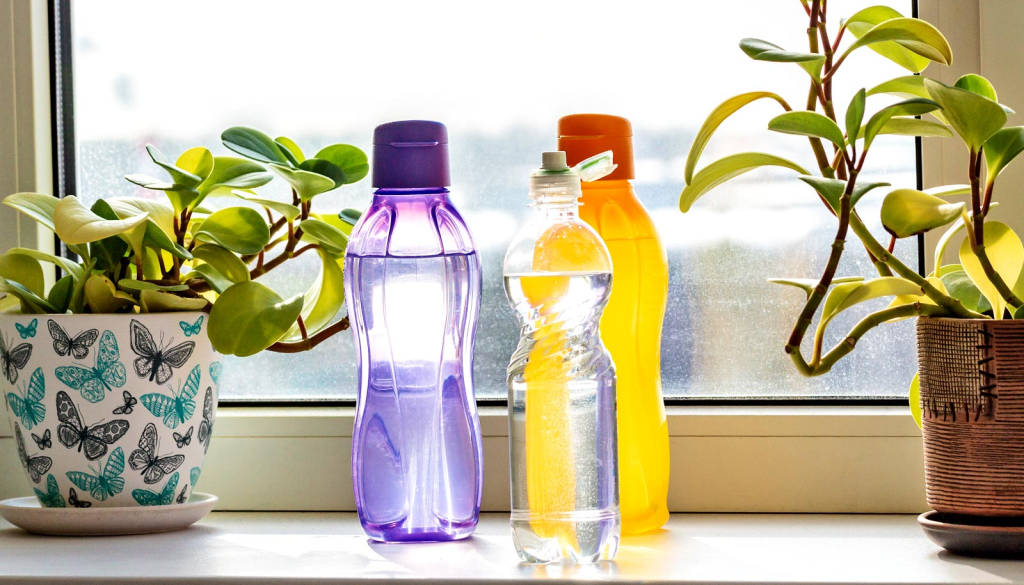
HOUSTON (KIAH) Do you have a reusable plastic water bottle? Do you ever leave water in there overnight, then keep drinking it the next day? After reading this, you probably won’t EVER do that again.
A new scientific report says you should STOP doing that immediately. At least with reusable SOFT plastic water bottles.
A new study by Tel Aviv University researchers found that in a marine environment, microplastics absorb and concentrate toxic organic substances and thus increase their toxicity by a factor of 10, which may lead to a severe impact on human health. The study was conducted by Dr. Ines Zucker of the School of Mechanical Engineering and the Porter School of the Environment and Earth Sciences at Tel Aviv University, together with Ph.D. student Andrey Eitan Rubin.
About one-third of the sites sampled so far in Maine’s statewide testing of school water exceed the acceptable limit for lead, a finding in line with what state public health officials expected.
Lead gets into the water from pipes and plumbing fixtures. It can affect brain development, causing learning disabilities and behavioral problems in children, particularly those under 6, depending on how much of the water they drink and how long they have been drinking it.
A U.S. Geological Survey report took aim at untreated well water in Delaware when it found widely distributed per-and polyfluorinated alkyl substances (PFAS) contamination statewide.
The USGS report released in December 2021 found a variety of types of PFAS in water from 16 of the 30 wells sampled in Delaware; one sample contained eight different types. Those that contained PFAS generally had low concentrations.
The most toxic substances that we identified actually came after the bottle had been in the dishwasher—presumably because washing wears down the plastic and thereby increases leaching,” explains Selina Tisler.
Several of these substances are potentially harmful to human health. There is a need for better regulation and manufacturing standards for manufacturers, according to the chemists behind the study.
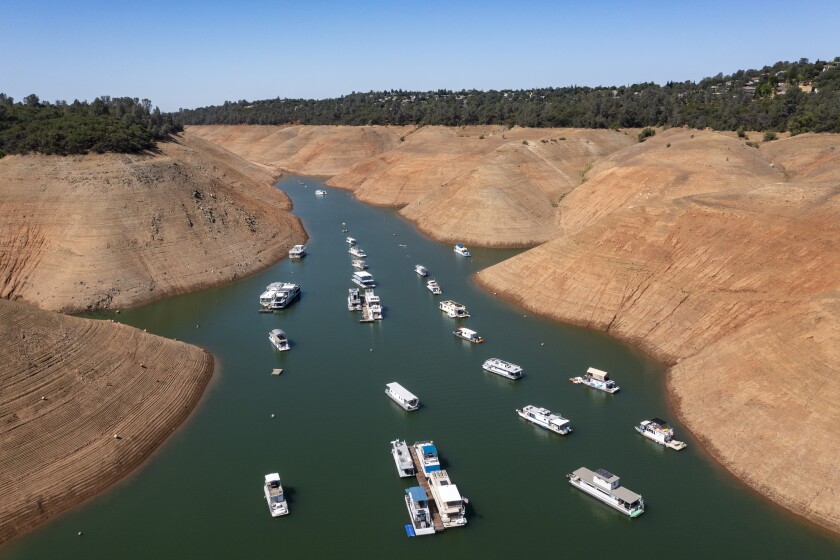
California’s mountain snowpack is shrinking, and climate change is intensifying the severe drought. Streams have dwindled and reservoirs have declined as vast quantities of water are diverted for farms and cities. Endangered fish are struggling to survive. And in farming areas in the Central Valley, hundreds of families are struggling with dry wells as groundwater levels continue to drop…
Water from a supply containing high levels of toxic chemicals has been pumped into the homes of more than 1,000 people, the Guardian can reveal.
Cambridge Water has admitted it removed a supply containing four times the regulatory limit of perfluorooctane sulphonate (PFOS), which was being blended with other supplies to provide water to the homes of customers in south Cambridgeshire, in June last year. But the 1,080 customers living in Stapleford and Great Shelford were never informed that they had been exposed. The company has not revealed how long the water had been tainted.