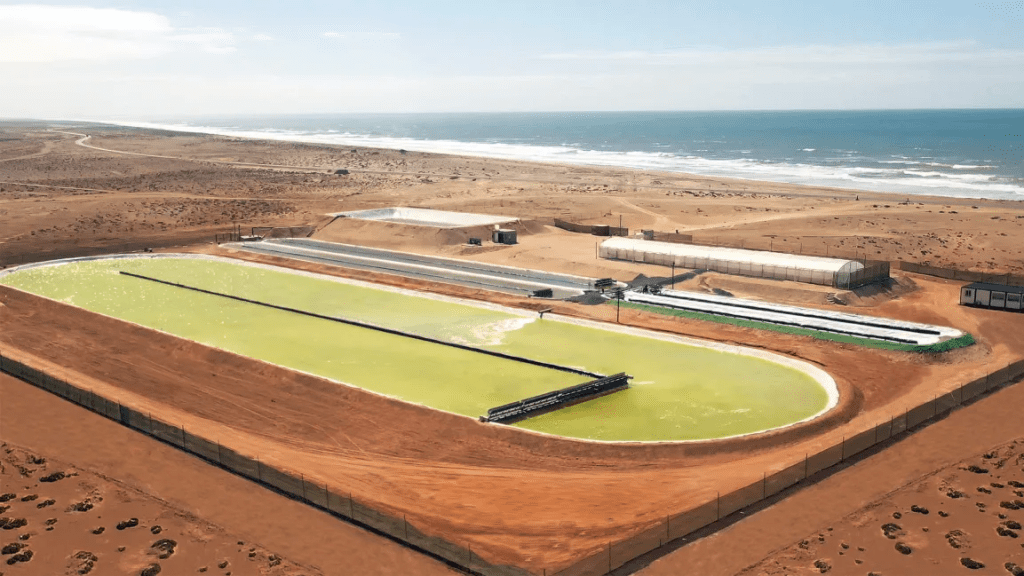
This startup fights climate change by growing algae in the desert

In the Sahara Desert along the coastline in Morocco, more than 300 miles from the nearest city, a green pond now sits in the middle of the sand. It’s a test site for Brilliant Planet, a startup that plans to fight climate change by growing vast quantities of carbon-capturing algae in the world’s deserts.

“Per unit area, we can fix as much carbon—or more carbon, depending on where we are in the seasonality—as a rainforest,” says Raffael Jovine, cofounder and chief scientist at Brilliant Planet. “The difference is, when a rainforest tree falls down, it returns 97% of the carbon back to the atmosphere, whereas we can sequester all of it.” The production at the test site varies, as the company runs different trials. But when it builds the first commercial-scale plant, covering 1,000 acres, it expects to remove 40,000 tons of CO2 per year, roughly the equivalent emissions of using 92,000 barrels of oil. Scaled up to cover available desert land on coasts, the system could hypothetically remove 2 gigatons of CO2 a year.

The company pumps seawater from the nearby coast into its facility, taking advantage of the fact that the water is filled both with nutrients that algae needs to grow and with CO2; the ocean has absorbed tens of billions of tons of CO2 emissions over the last few decades. As the water flows through a series of containers and ponds, algae grows in the startup’s proprietary system and captures carbon. When the algae is ready to be harvested—a process that takes between 18 and 30 days—it’s filtered out of the water, which is returned to the ocean. (The process also makes the water less acidic, helping solve another problem caused by climate change.) Then the algae is dried and buried under the sand, where the carbon it captures can be permanently stored.

It’s one example of something that climate science says is necessary: Tackling climate change involves not only moving away from fossil fuels and eliminating other emissions, but also removing CO2 from the air. The latest IPCC report says that carbon removal—both through technology and natural solutions like planting trees— is essential and will have to massively grow for the world to have any chance of limiting global warming to 1.5 or 2 degrees Celsius.

Read more, at: https://www.fastcompany.com/90740513/this-startup-fights-climate-change-by-growing-algae-in-the-desert


Algae bloom alert issued for Orange County lake

ORANGE COUNTY, Fla. — There’s a health alert in effect for an Orange County lake after the presence of a harmful toxin was detected on April 6.

The Florida Department of Health in Orange County said harmful blue-green algal toxins were found in Lake Mann by the Florida Department of Environmental Protection.

Health officials said blue-green algae are a type of bacteria that is common in Florida’s freshwater environments, and that a bloom occurs when the rapid growth of algae leads to an accumulation of individual cells that discolor water and often produce floating mats that emit unpleasant odors.

Officials said the blooms can impact human health and ecosystems, including fish and other aquatic animals.

Article Published on 4/11/22

Stony Brook scientist: Nitrogen loading an ongoing threat to Long Island waters

Stony Brook University scientist Christopher Gobler emphasized again at his annual State of the Bays lecture last Wednesday that excessive nitrogen loading from wastewater is an ongoing threat for Long Island waters. 

“Warming, acidification, hypoxia and harmful algal blooms are the four horsemen of the ocean climate change apocalypse, because they’re all happening together,” he said.

The Suffolk County subwatershed plan, published in 2020, showed nitrogen levels rising in surface and ground waters. Between June and September 2021, documented marine and freshwater harmful algal blooms and dead zones were widespread on Long Island shorelines. 

The rising population on Long Island has correlated with a significant increase in the nitrate levels in the aquifer, according to Mr. Gobler. Epidemiological literature on even low levels of nitrates have been associated with elevated levels of cancer, he said, adding that Suffolk County has higher rates of bladder cancers than anywhere else in the state or country, and higher rates of kidney cancer than average. 

Widespread toxic algal blooms have also impacted water quality and marine ecosystems, including the bay scallop population, he noted. Suffolk County has the most toxic blue-green algal blooms in the state, according to Mr. Gobler, and last year was “pretty bad” for rust tides, with the bloom starting in early August and continuing through October. Last spring, there was also a mahogany tide in many places across the south shore. 

In an October report, Mr. Gobler said conditions causing low oxygen and harmful algae blooms in Long Island waters, including on the East End, have become a “new normal,” with every major bay and estuary that summer suffering from toxic blooms and dead zones in a “dual assault of climate change and excessive nitrogen loading.”

Read More, at: https://shelterislandreporter.timesreview.com/2022/04/13/stony-brook-scientist-nitrogen-loading-an-ongoing-threat-to-long-island-waters/

Fracking-Related Water Pollution Linked to Poor Infant Health

New research documents for the first time the pollution of public water supplies caused by shale gas development, commonly known as fracking, and its negative impact of infant health. These findings call for closer environmental regulation of the industry, as levels of chemicals found in drinking water often fall below regulatory thresholds. 

“In this study, we provide evidence that public drinking water quality has been compromised by shale gas development,” said Elaine Hill, Ph.D., an associate professor with the University of Rochester Departments of Public Health Sciences, Economics and Obstetrics & Gynecology. “Our findings indicate that drilling near an infant’s public water source yields poorer birth outcomes and more fracking-related contaminants in public drinking water.”

The new paper, which appears in the Journal of Health Economics, is co-authored by Hill and Lala Ma, Ph.D., with the University of Kentucky. Hill’s previous research was the first to link shale gas development to drinking water quality and has examined the association between shale gas development and reproductive health, and the subsequent impact on later educational attainment, higher risk of childhood asthma exacerbation, higher risk of heart attacks, and opioid deaths. Her research brings an important perspective to the policy discussion about fracking which has often emphasized the immediate job creation and economic benefits, without fully understanding the long-term environmental and health consequences for communities in which drilling occurs.

Read more, at: https://www.technologynetworks.com/applied-sciences/news/fracking-related-water-pollution-linked-to-poor-infant-health-360534

Oil companies to pay state $15 million to settle water pollution allegations

PROVIDENCE — A trio of fossil fuel companies are set to pay the state $15 million to settle a federal lawsuit brought by Attorney General Peter Neronha over allegations that they polluted groundwater supplies in Rhode Island with a gasoline additive that has been linked to cancer. 

Methyl tertiary-butyl ether was mixed with gasoline to boost engine performance, but the chemical was known to leak from underground fuel storage tanks at gas stations and contaminate water aquifers and soils. The most notable instance in Rhode Island occurred in Burrillville in 2001, which resulted in the closure of the only well that supplied the village of Pascoag. The chemical was banned by the state in 2007, but cases of contamination still arise because MTBE persists in the environment. 

Under the settlement with Neronha’s office announced on Monday, Shell, Sunoco and CITGO agreed to pay $15 million that will be used for MTBE remediation and emergency response efforts conducted by the state Department of Environmental Management.  

Read more, at: https://www.providencejournal.com/story/news/2022/04/11/ri-settlement-water-contamination-lawsuit-mtbe-oil-companies/7276877001/

Uranium Detectable in Two-Thirds of U.S. Community Water System Monitoring Records

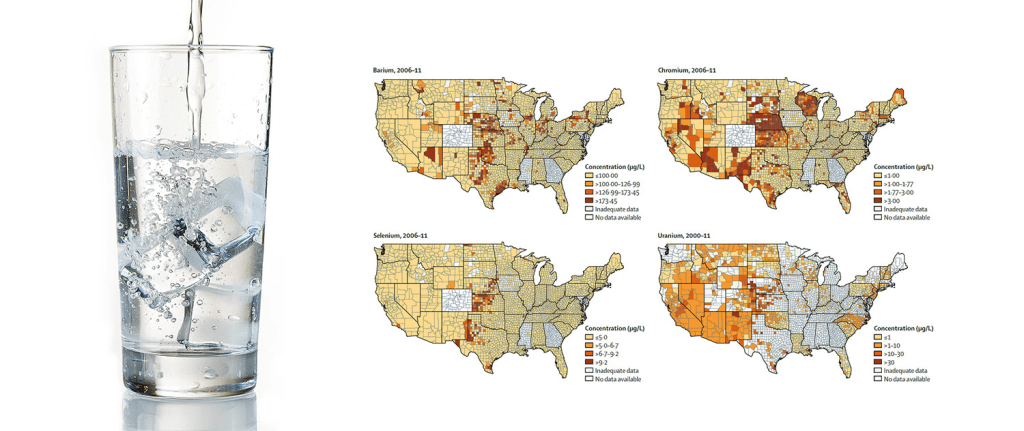
In a study on metal concentrations in U.S. community water systems (CWS) and patterns of inequalities, researchers at Columbia University Mailman School of Public Health found that metal concentrations were particularly elevated in CWSs serving semi-urban, Hispanic communities independent of location or region, highlighting environmental justice concerns. These communities had the highest levels of uranium, selenium, barium, chromium, and arsenic concentrations.

Even at low concentrations, uranium represents an important risk factor for the development of chronic diseases. Until now, little epidemiological research had been done on chronic water uranium exposures despite the potential health effects of uranium exposure from CWSs. Uranium, in particular, has been underappreciated in the literature as a public drinking water contaminant of concern. The study results are published in the journal The Lancet Planetary Health.

“Previous studies have found associations between chronic uranium exposure and increased risk of hypertension, cardiovascular disease, kidney damage, and lung cancer at high levels of exposure,” said Anne Nigra, PhD, assistant professor of Environmental Health Sciences at Columbia Mailman School of Public Health. “Our objectives were to estimate CWS metal concentrations across the U.S, and identify sociodemographic subgroups served by these systems that either reported high metal concentration estimates or were more likely to report averages exceeding the U.S. EPA’s maximum contaminant level.”

Approximately 90 percent of U.S. residents rely on public drinking water systems, with most residents relying specifically on CWSs that serve the same population year-round. The researchers evaluated six-year EPA review records for antimony, arsenic, barium, beryllium, cadmium, chromium, mercury, selenium, thallium, and uranium to determine if average concentrations exceeded the maximum contaminant levels set by the EPA which regulates levels for six classes of contaminants. This included approximately 13 million records from 139,000 public water systems serving 290 million people annually. The researchers developed average metal concentrations for 37,915 CWSs across the country, and created an online interactive map of estimated metal concentrations at the CWS and county levels to use in future analyses.

Read more, at: https://www.publichealth.columbia.edu/public-health-now/news/uranium-detectable-two-thirds-us-community-water-system-monitoring-records

Georgia Power exec: Closing coal ash ponds will still leave contaminated groundwater

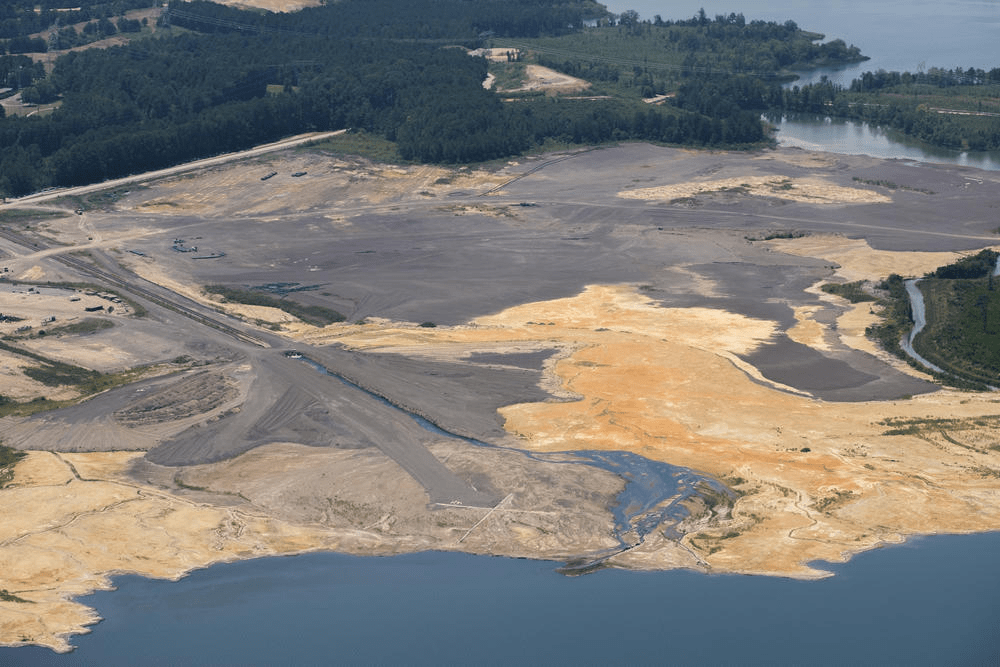
Four coal ash ponds Georgia Power plans to close in place will continue to expose ash to groundwater after the closures are completed, an executive with the utility disclosed this week.

Ash ponds at Plant Hammond near Rome, Plant McDonough south of Vinings, Plant Yates near Newnan and Plant Scherer near Macon are among 10 ash ponds Georgia Power plans to close in place by 2028. Ash from the utility’s other 19 ponds at coal plants across Georgia will be closed by excavating and removing the ash.

Aaron Mitchell, Georgia Power’s director of environmental affairs, testified on the second of two days of hearings before the state Public Service Commission (PSC) on a plan the utility submitted in January outlining the mix of energy sources it intends to rely on for power generation during the next 20 years.

Read more, at: https://www.gpb.org/news/2022/04/08/georgia-power-exec-closing-coal-ash-ponds-will-still-leave-contaminated-groundwater

Thousands of Discharges Keep Pollution Flowing: How can EPA better protect Our Nation’s Waters?

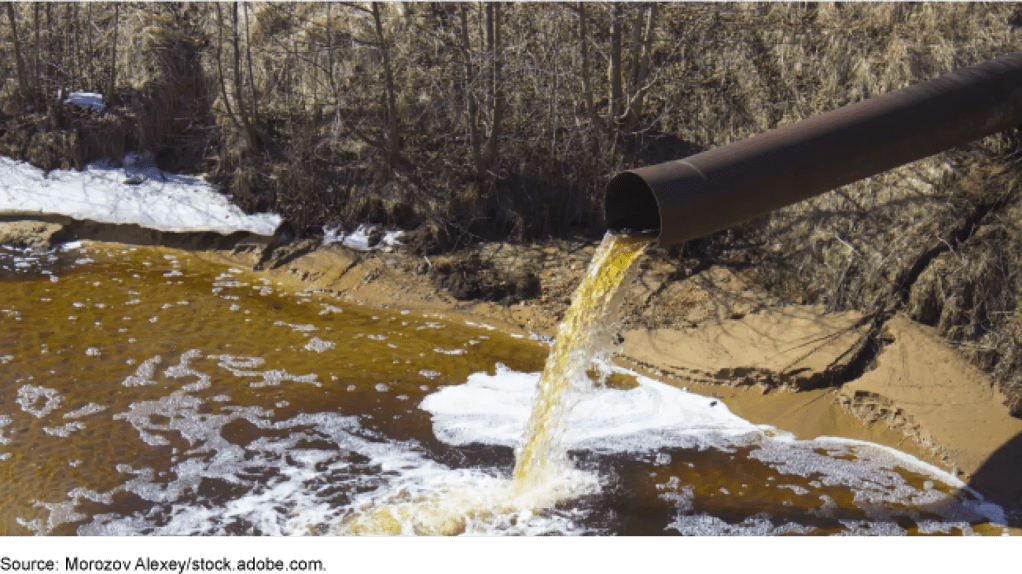
The Environmental Protection Agency (EPA) leads federal efforts to monitor water quality in the nation’s lakes, rivers, streams, and other water bodies. However, in 2018, EPA estimated that nearly 11,000 industrial facilities and municipal wastewater treatment plants had illegally dumped significant amounts of pollution into nearby water bodies.

For World Water Day—a day meant to raise awareness of the importance of clean water access—today’s WatchBlog post looks at EPA’s efforts to monitor and reduce water pollution, and our recommendations for improving this oversight.

How does EPA track water pollution?

Under the Clean Water Act, municipal wastewater treatment plants and industrial facilities must obtain a permit from EPA—or authorized state, tribal, and territorial governments—to discharge pollutants, such as contaminated wastewater, into waters of the U.S.

In FY 2020, about 335,000 facilities had such permits, including more than 700 municipalities with sewer systems that have combined sewer overflows, which can be a major source of pollution during heavy rainfall events. These permits set limits on the amount of pollutants allowed from each source and protect designated uses of the receiving waters. In addition, many facilities are required to monitor and report the amount of pollutants discharged each year to EPA. However, as discussed above, in 2018, nearly 11,000 facilities significantly exceeded their permit limits and illegally discharged pollutants into nearby waters.

Read more, at: https://www.gao.gov/blog/thousands-discharges-keep-pollution-flowing-how-can-epa-better-protect-our-nations-waters

Ohio could soon pass bill to deregulate development of ephemeral water streams

The Ohio legislature could soon pass a bill allowing for deregulating the development of “ephemeral streams” — natural flows of water that form after rain and snowmelt.

Ohio has an estimated 115,000 miles of primary headwater streams, according to legislative testimony from Ohio Environmental Protection Agency Director Laurie Stevenson, referring to the brooks and ravines that are the origin of most rivers. Of them, an estimated 36,400 miles are ephemeral streams. They channel water into larger streams and can filter out contaminants like nitrogen and phosphorus.

Current state law requires a permit to discharge, dredge or fill material into any ephemeral feature, according to analysis from the Legislative Service Commission. Environmentalists say this permit, which is sometimes paired with required environmental mitigation, is a key means to protect larger bodies of water that catch ephemeral flow.

Legislation passed by the House would eliminate this permitting and mitigation requirement, explicitly removing ephemeral features from regulation under Ohio water pollution control laws. An amended version the Senate passed Wednesday would essentially only allow the state to regulate ephemeral streams if they’re covered by the federal Clean Water Act.

The federal issue has been ping-ponged between presidential administrations. Then-President Donald Trump’s U.S. EPA reversed rules imposed by his predecessor, Barack Obama, that applied Clean Water Act protections to ephemeral streams. However, a federal court in Arizona vacated the Trump-era rule in August, which reverts the permitting process to a case-by-case review to determine if the ephemeral stream has a “significant nexus” to more traditional bodies of water. The EPA under current President Joe Biden is in the process of changing the rule once again.

Read more, at: https://www.news5cleveland.com/news/state/ohio-could-soon-pass-bill-to-deregulate-development-of-ephemeral-water-streams

Inside the effort to close Piney Point and keep Tampa Bay safe

With a new overseer in charge, Florida finally has a plan to shut down an old environmental scourge.

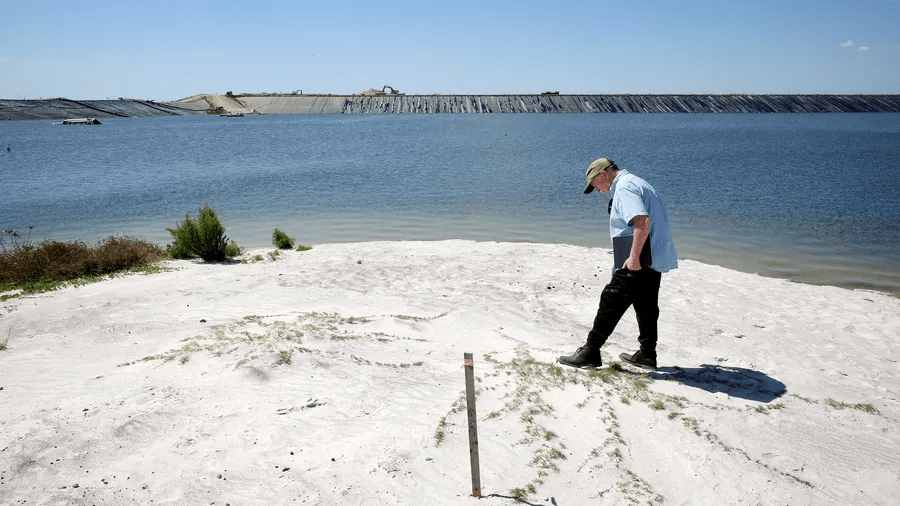
PALMETTO — The site of the former Piney Point fertilizer plant is still an environmental threat hanging like an anvil over Tampa Bay.

But one year since a reservoir on the property sprang a leak — leading to the release of 215 million gallons of polluted water into the bay — new management is offering a sense of hope that an end to the danger is within reach.

A pipe snaking to Port Manatee no longer spits tainted water. Engineers stopped warning of an imminent collapse and devastating flood. And a judge ordered an independent overseer to take control of the property from its struggling owner, a company formed by Wall Street investors.

Read more, at: https://www.tampabay.com/news/environment/2022/04/01/inside-the-effort-to-close-piney-point-and-keep-tampa-bay-safe/