Inexpensive method detects synthetic cannabinoids, banned pesticides

Scientists have modified proteins involved in plants’ natural response to stress, making them the basis of innovative tests for multiple chemicals, including banned pesticides and deadly, synthetic cannabinoids.

During drought, plants produce ABA, a hormone that helps them hold on to water. Additional proteins, called receptors, help the plant recognize and respond to ABA. UC Riverside researchers helped demonstrate that these ABA receptors can be easily modified to quickly signal the presence of nearly 20 different chemicals. 

The research team’s work in transforming these plant-based molecules is described in a new Nature Biotechnology journal article. 

Researchers frequently need to detect all kinds of molecules, including those that harm people or the environment. Though methods to do that exist, they are often costly and require complicated equipment. 

“It would be transformative if we could develop rapid dipstick tests to know if a dangerous chemical, like a synthetic cannabinoid, is present. This new paper gives others a roadmap to doing that,” said Sean Cutler, a UCR plant cell biology professor and paper co-author.

The problem with synthetic cannabinoids is something Cutler calls, “regulatory whack-a-mole.” Because they send people to the hospital, authorities have attempted to outlaw them in this country. However, dozens of new versions emerge every year before they can be controlled.

“Our system could be configured to detect lab-made cannabinoid variations as quickly as they appear on the market,” Cutler said.

The research team also demonstrated their testing system can signal the presence of organophosphates, which includes many banned pesticides that are toxic and potentially lethal to humans. Not all organophosphate pesticides are banned but being able to quickly detect the ones that are could help officials monitor water quality without more expensive testing at laboratories. 

For this project, the researchers demonstrated the system in laboratory-grown yeast cells. In the future, the team would like to put the modified molecules back into plants that could serve as biological sensors. In that case, a chemical in the environment could cause leaves to turn specific colors or change temperatures. 

Although the work focuses on cannabinoids and pesticides, the key breakthrough here is the ability to rapidly develop diagnostics for chemicals using a simple and inexpensive system. “If we can expand this to lots of other chemical classes, this is a big step forward because developing new tests can be a slow process,” said Ian Wheeldon, study co-author and UCR chemical engineer.

This research was developed through a contract with the Donald Danforth Plant Science Center to support the Defense Advanced Research Projects Agency (DARPA) Advanced Plant Technologies (APT) program. The team included scientists from the Medical College of Wisconsin, Michigan State University, and the Donald Danforth Plant Science Center in St. Louis. This work was facilitated by chemical and biological engineer Timothy Whitehead at the University of Colorado, Boulder.

To create this system, researchers took advantage of the ABA plant stress hormone’s ability to switch receptor molecules on and off. In the “on” position, the receptors bind to another protein, forming a tight complex that can trigger visible responses, like glowing. Whitehead, a collaborator on the work, used state-of-the-art computational tools to help redesign the receptors, which was critical to the success of the group’s work.

“We take an enzyme that can glow in the right context and split it into two pieces. One piece on the switch, and the other on the protein it binds to,” Cutler said. “This trick of bringing two things together in the presence of a third chemical isn’t new. Our advance is showing we can reprogram the process to work with lots of different third chemicals.”

FOR MORE INFORMATION: https://phys.org/news/2022-06-inexpensive-method-synthetic-cannabinoids-pesticides.html

Climate change could be making it harder for seabirds to catch fish

University College Cork (UCC) researchers have found that that cloudier waters, caused in part by climate change, is making it harder for seabirds to catch fish.

On Little Saltee, a small island off the coast of Ireland, the researchers attached tiny trackers to the feathers of Manx shearwaters. The aim of the study, published in Proceedings of the Royal Society B, was to understand how underwater visibility affects seabirds’ ability to forage for fish and other prey. It is the first study to examine the impact of ocean clarity on seabirds’ diving abilities.

Climate change is leading to the oceans becoming cloudier

Jamie Darby, a marine ecologist in the School of Biological Environmental and Earth Sciences and the MaREI centre at UCC, and lead author of the study, stated “The chemical and physical properties of the planet’s oceans are changing at an unnatural rate, bringing about challenges for marine life. One consequence of climate change is that large areas of our oceans are becoming cloudier.”

Darby and the research team investigated the diving patterns of the black and white Manx shearwaters in relation to local environmental conditions like cloud cover and water clarity. Over 5000 different dives were recorded and using publicly available databases, and a range of relevant information about weather patterns and ocean conditions were amassed.

Struggling to find food

The study found that the birds dove deeper when sunlight could penetrate further underwater, suggesting that visibility is key to their ability to dive for food. As the planet warms and the ocean becomes cloudier this finding is important because it means that seabirds will have to overcome this challenge.

“Our findings support the idea that the birds needed sufficient sunlight to be able to forage at depth. While this study examined one particular seabird. The results can be extended to other animals. Many visually-dependent predators could find themselves struggling to find food as human activities continue to make the oceans murkier” stated Jamie Darby.

FOR MORE INFORMATION: https://www.sciencedaily.com/releases/2022/07/220728143019.htm

Where coral reefs may be buffered against warming oceans

As warming ocean temperatures threaten the existence of coral reefs, scientists at the National Center for Atmospheric Research (NCAR) have successfully used an extremely high-resolution computer simulation of ocean circulation to identify possible “thermal refugia” where these biodiverse ecosystems are more likely to survive.

The research team has published an interactive, freely available online global atlas (https://ncar.github.io/coral-viz/) with the locations of these areas, where ocean dynamics and cooler waters combine to provide possible havens for coral reefs.

“We hope this work serves as a starting point for other scientists who are interested in reefs,” said NCAR scientist Scott Bachman, who led the new study, published in the journal Frontiers in Marine Science. “We invite researchers to look at our website, identify where refugia may be, and then go observe the health of the reefs.”

The research was supported by the U.S. National Science Foundation, which is NCAR’s sponsor. The study was co-authored by scientists at the University of Tasmania and the University of Auckland.

Waves of cooler water

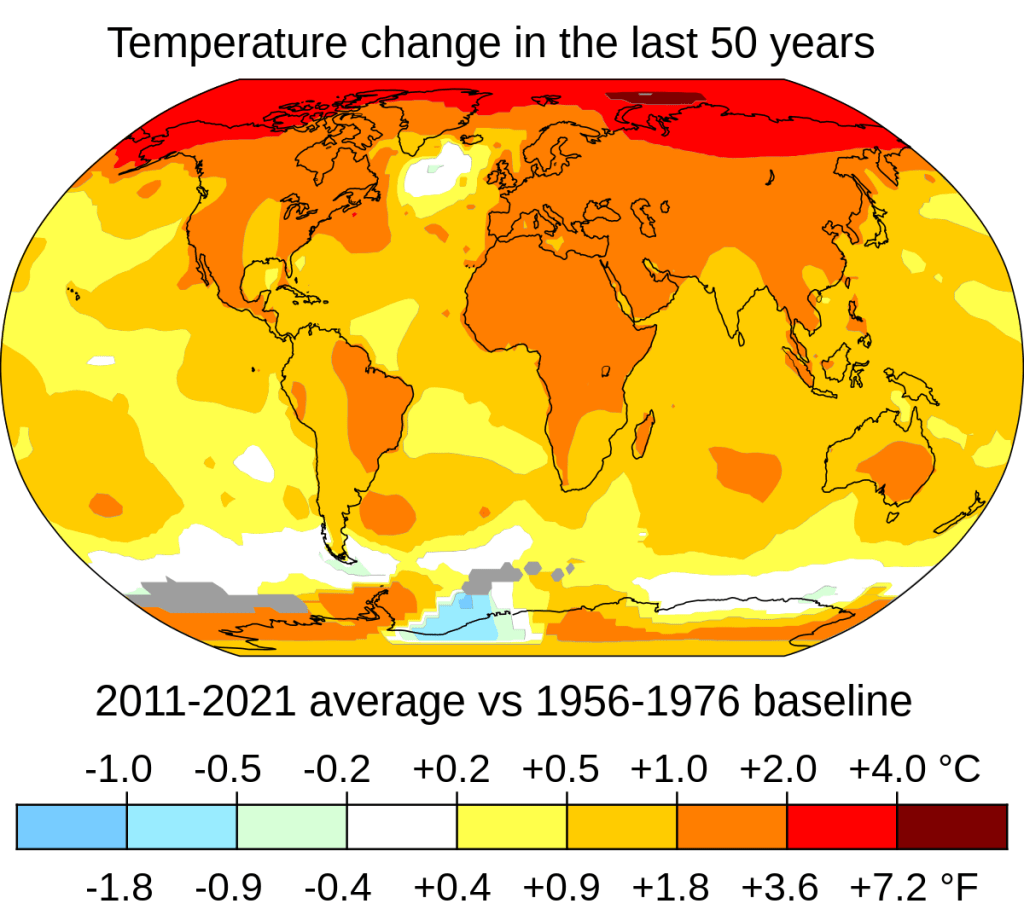
Climate change poses such a threat to coral reefs worldwide that the majority are expected to be lost in less than three decades, with warming ocean waters bleaching the reefs and leaving behind lifeless skeletons. The loss of coral reefs has far-reaching ramifications for the environment and society. They are home to almost a third of marine species and support hundreds of millions of people worldwide. Reefs generate an estimated global economic value of $10 trillion per year, and the protection they provide to shorelines from storm and flood damage is worth billions of dollars each year, according to NCAR scientist and study co-author Joan Kleypas.

However, scientists have found that some reefs do fare better than others. In some regions of the ocean, for example, cooler water, lifted from the deep ocean by subsurface oscillations known as internal ocean gravity waves, can lap over the reefs and buffer them from increased heat.

“These gravity waves are everywhere, and under special conditions, they can bring cooler water near the surface of the ocean where reefs are,” Bachman said. “You need powerful waves with large amplitudes to collide with physical obstacles, like a seamount, to force the waves to slosh upwards.”

Scientists have understood for some time that this gravity wave phenomenon exists in select places. For example, a combination of the tides and the deep basins of the Coral Triangle — a marine area that includes the waters of Indonesia, Malaysia, the Philippines, and other nearby countries — create conditions that favor gravity waves bringing cooler water to the surface. But it has been difficult to determine all the places across the globe where similar conditions could exist, in part because the gravity waves may not bring the water all the way to the surface and therefore cannot be identified by satellites.

Without the ability to observe the thermal refugia from space, scientists are left with computer modeling as a tool to identify them globally. The main obstacle for models, however, is scale. Coral reefs are relatively tiny compared to the vastness of the ocean, and running a simulation at high enough resolution over the entire globe to capture how gravity waves interact with a specific reef requires massive computational resources.

However, one such simulation exists. NASA’s Estimating the Circulation and Climate of the Ocean (ECCO) Project simulated the entire ocean at a resolution of about 2 kilometers and saved data at hourly time steps, frequent enough to accurately capture how internal gravity waves behave. To do the analysis that was necessary to identify thermal refugia, Bachman downloaded a staggering 400 terabytes of data from the ECCO Project.

“This type of study is not uncommon on a local scale,” Bachman said. “But it’s rare on a regional scale, and until now, it’s never before been done on a global scale.”

The resulting atlas offers some hope, according to Kleypas, who has conducted pioneering research into the effects of climate change on coral reefs.

“Coral reefs are not doing well, and we’ve all been going through a period of mourning,” Kleypas said. “This study highlights where there is cause for hope. We’re not saying that this atlas will solve everything, but it can help us be smarter about our approach to conserving the reefs that have the best chance of survival.”

FOR MORE INFORMATION: https://www.sciencedaily.com/releases/2022/08/220803112623.htm

Microplastics in the Indian Ocean

Samples from the tropical Indian Ocean were investigated using a new method for extraction and identification of microplastic particles from water samples. The result: The burden is clearly measurable.

They may be tiny, but they pose a global problem for humans and the environment: microplastic particles. These are plastic particles with a diameter between one micron and five millimeters. Their accurate analysis is an enormous challenge due to high error rates and the high time demand of previous methods. The considerably improved analysis of microplastics was carried out using a new method, Laser Direct Infrared (LDIR) Chemical Imaging. It was combined with a new sample preparation protocol that decomposes interfering components of the sample with fewer work steps by chemical and enzymatic reactions. The protocol was developed in the Department of Inorganic Environmental Chemistry led by Dr. Daniel Pröfrock. The chemical characterization of the microplastic particles is based on their absorption of infrared light.

Dr. Lars Hildebrandt, one of the two first authors, explains: “In this study, the device, which uses a so-called quantum cascade laser, demonstrated its advantages in the analysis of microplastic particles in environmental samples. It is fast and automatable, which is important for a future standard procedure.”

In the upper water layers

An average concentration of 50 microplastic particles and fibers per cubic meter of water was found in near-surface water of the tropical Indian Ocean, which is unexpectedly high for the open ocean. The most common types of plastic were paint particles (49 percent), presumably originating from abrasion of ship painting, followed by polyethylene terephthalate (PET) with a share of 25 percent. Among other things, PET is used in synthetic clothing as polyester microfibers and for the production of beverage bottles. It potentially enters the environment through washing clothes. Microplastic particles are also formed via fragmentation of PET bottles, for example due to mechanical stress or solar radiation. In recent years, the microplastic pollution in the environment has increased continuously. Plastic particles have now been detected in almost all investigated living organisms.

Fadi El Gareb, the co-first author of the study, says: “Our results show that many microplastic particles, such as polypropylene, polystyrene, and polyethylene, have been fragmented on their way from land-based sources to the open ocean. Thus, they are even more easily ingested by organisms. Through the Sunda Strait, a strait between Sumatra and Java, a large share of the found plastic waste may have entered the Indian Ocean, making it a hotspot in terms of microplastic pollution.” A significant portion of the world’s plastic waste ends up being exported to countries bordering the Indian Ocean. Due to ineffective waste management, around five million tons of plastic waste are discharged into the marine environment from China and the Indonesian archipelago every year (model-based estimate from 2017).

A look into the future

In further investigations, the authors of the study also want to investigate microplastic occurrences in other oceans using the new analysis method. Dr Tristan Zimmermann of the Institute for Coastal Environmental Chemistry, who has already sampled parts of the North Atlantic as part of another study, says: “We will sample arctic waters at the east coast of Greenland this August during a cruise with the research vessel MARIA S. MERIAN. Here, the data basis regarding microplastic particles is still very insufficient.” The researchers want to answer the question: How significant is microplastic pollution in remote regions and is it more severe than expected?

FOR MORE INFORMATION: https://www.sciencedaily.com/releases/2022/06/220608112252.htm

Rice husks can remove microcystin toxins from water

Scientists at The University of Toledo have discovered that rice husks can effectively remove microcystin from water, a finding that could have far-reaching implications for communities along the Great Lakes and across the developing world.

An abundant and inexpensive agricultural byproduct, rice husks have been investigated as a water purification solution in the past. However, this is the first time they have been shown to remove microcystin, the toxin released by harmful algal blooms.

The results of the study were recently published in the journal Science of the Total Environment.

“Delivering safe water is critical, and finding an economically viable solution to deliver safe water to people all over the world is going to be really important. The ability of this simple material to be powerful enough to address this issue is impressive,” said Dr. Jon Kirchhoff, Distinguished University Professor and chair of the Chemistry and Biochemistry Department.

The research, led by Kirchhoff and Dr. Dragan Isailovic, associate professor of chemistry in the College of Natural Sciences and Mathematics, used organic rice husks that were treated with hydrochloric acid and heated to 250 degrees Celsius.

The rice husks were then dispersed in a series of water samples collected from Lake Erie during the 2017 harmful algal bloom to measure how much of the toxin they could absorb.

Researchers found the rice husks removed more than 95 percent of microcystin MC-LR — the most common type found in Lake Erie — in concentrations of up to 596 parts-per-billion (ppb). Even in concentrations approaching 3,000 ppb, more than 70 percent of the MC-LR was removed, and other types of MCs were removed as well.

“We looked at the removal of microcystins from real environmental samples and the material has performed really well,” Isailovic said. “We are talking about extremely high concentrations of microcystins originating from cyanobacterial cells. Normally during summer, we have much, much lower concentrations in Lake Erie.”

The United States Environmental Protection Agency recommends a 10-day drinking water guideline that young children not drink water containing more than a total of 0.3 ppb of microcystin and school-age children and adults not drink water containing more than a total of 1.6 ppb of microcystin.

Beyond their effectiveness, rice husks have a number of other appealing attributes. They’re cheap — researchers paid $14.50 for half a cubic foot and buying in bulk would bring that price down significantly — and they’re able to be repurposed.

Heating microcystin-laden rice husks to 560 degrees Celsius destroys the toxins and produces silica particles, which can be used in other applications.

The researchers are hopeful their discovery could be scaled up beyond the lab to develop a more environmentally friendly method for treating water that has been contaminated by harmful algal blooms or cheap but effective filtration systems for the developing world.

“We could potentially use this readily available material to purify water before it even gets into Lake Erie,” Isailovic said. “There are engineering solutions that need to be done, but one of our dreams is to apply what we develop in our labs to provide safe drinking water.”

Other authors of the study were doctoral students Dr. Dilrukshika Palagama and Dr. Amila Devasurendra, who first proposed looking at rice husks as a way to remove microcystin and have since graduated from UToledo, and current doctoral student David Baliu-Rodriguez.


For more information: https://www.sciencedaily.com/releases/2019/05/190506080838.htm

New method to detect impact of sea level rise

University of Adelaide scientists have developed a new simple, inexpensive and fast method to analyse sulfur isotopes, which can be used to help investigate chemical changes in environments such as oceans, and freshwater rivers and lakes.

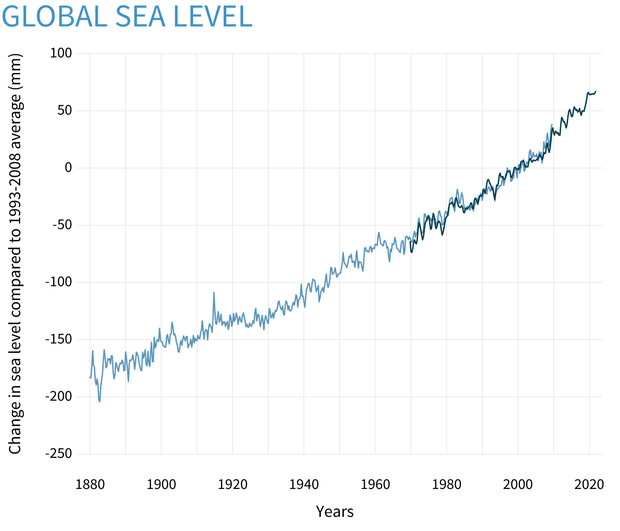
Published in Talanta, the research opens up potential for new environmental applications of the method, such as tracing the effect of sea level rise, including detection of seawater intrusion into freshwater systems.

“Sulfur isotopes can tell us a great deal about Earth cycles both now and in the past,” said lead author PhD student Emily Leyden from the University of Adelaide’s School of Biological Sciences.

“Different water sources have different levels of sulfur isotopes within them. The processes that occur within an environment such as the intrusion of seawater into freshwater systems, and oxidation of acid sulfate soils, can change these ratios. By analysing sulfur isotope ratios we can gain important insights into how environments are changing.”

The traditional method of measuring sulfur isotopes is known as mass spectroscopy (MS), where samples are ionized (split into their ions) and the ions of interest in the samples are measured depending on their mass to charge ratio, which differs between isotopes of the same chemical element.

The traditional method has been notoriously difficult, as the mass to charge ratio amongst ions can disperse and overlap, which can make the results hard to differentiate. Sulfur can usually only be measured reliably if there is complex chemical purification before analysis, which is time consuming, difficult and expensive.

As part of Ms Leyden’s PhD study, a team including members from the University of Adelaide’s Metal Isotope Group with the School of Physical Sciences, the School of Biological Sciences and Adelaide Microscopy, with scientists at Flinders University, worked together to develop a novel method to measure sulfur isotopes using an inductively coupled plasma (ICP) MS instrument.

The new instrument enabled the team to solve the overlapping issue (known as spectral interference) by combining sulfur with another element (oxygen in this case) to increase the mass to charge ratio in order to lower the risk of spectral interference. The sulfur isotopes can then be measured accurately without the need for complex and time consuming sample purification.

In the study, the University of Adelaide scientists simulated how the method would work in a real world scenario by tracing seawater flooding into a range of different coastal environments in South Australia.

Following flooding, the original sulfur isotope of the soil water clearly changed to that of the seawater isotope. The sulfur isotope ratios of the samples also gave clues to their individual and unique makeup before seawater flooding. For example, acid sulfate soil impacts were detected in two soils, and the signature of historical upstream silver sulfide mining could be detected from a site in the upper Onkaparinga River.

Co-author and Principal PhD Supervisor Associate Professor Luke Mosley from the University of Adelaide’s Environment Institute and School of Biological Sciences says, the new method opens up sulfur isotope measurement to a range of new environmental applications for scientists across many different disciplines.

University of Adelaide scientists have developed a new simple, inexpensive and fast method to analyse sulfur isotopes, which can be used to help investigate chemical changes in environments such as oceans, and freshwater rivers and lakes.

Published in Talanta, the research opens up potential for new environmental applications of the method, such as tracing the effect of sea level rise, including detection of seawater intrusion into freshwater systems.

“Sulfur isotopes can tell us a great deal about Earth cycles both now and in the past,” said lead author PhD student Emily Leyden from the University of Adelaide’s School of Biological Sciences.

“Different water sources have different levels of sulfur isotopes within them. The processes that occur within an environment such as the intrusion of seawater into freshwater systems, and oxidation of acid sulfate soils, can change these ratios. By analysing sulfur isotope ratios we can gain important insights into how environments are changing.”

The traditional method of measuring sulfur isotopes is known as mass spectroscopy (MS), where samples are ionized (split into their ions) and the ions of interest in the samples are measured depending on their mass to charge ratio, which differs between isotopes of the same chemical element.

The traditional method has been notoriously difficult, as the mass to charge ratio amongst ions can disperse and overlap, which can make the results hard to differentiate. Sulfur can usually only be measured reliably if there is complex chemical purification before analysis, which is time consuming, difficult and expensive.

As part of Ms Leyden’s PhD study, a team including members from the University of Adelaide’s Metal Isotope Group with the School of Physical Sciences, the School of Biological Sciences and Adelaide Microscopy, with scientists at Flinders University, worked together to develop a novel method to measure sulfur isotopes using an inductively coupled plasma (ICP) MS instrument.

The new instrument enabled the team to solve the overlapping issue (known as spectral interference) by combining sulfur with another element (oxygen in this case) to increase the mass to charge ratio in order to lower the risk of spectral interference. The sulfur isotopes can then be measured accurately without the need for complex and time consuming sample purification.

In the study, the University of Adelaide scientists simulated how the method would work in a real world scenario by tracing seawater flooding into a range of different coastal environments in South Australia.

Following flooding, the original sulfur isotope of the soil water clearly changed to that of the seawater isotope. The sulfur isotope ratios of the samples also gave clues to their individual and unique makeup before seawater flooding. For example, acid sulfate soil impacts were detected in two soils, and the signature of historical upstream silver sulfide mining could be detected from a site in the upper Onkaparinga River.

Co-author and Principal PhD Supervisor Associate Professor Luke Mosley from the University of Adelaide’s Environment Institute and School of Biological Sciences says, the new method opens up sulfur isotope measurement to a range of new environmental applications for scientists across many different disciplines.

“Using this new method, scientists can measure sulfur isotopes in environmental samples easily following only simple dilution of the sample of interest,” said Associate Professor Mosley.

“It is particularly timely and important given there is rapid global environmental change, and the method enables easier detection of seawater intrusion into freshwater systems due to sea-level rise.”

FOR MORE INFORMATION: https://www.sciencedaily.com/releases/2021/08/210803105512.htm

Improving the estimation of microplastic concentrations in freshwater environments

The extent of plastic pollution remains largely hidden from view in the form of microplastics (MPs): plastic particles with diameters less than 5 mm. Since plastics are slow to degrade, they fragment into tiny particles that end up contaminating entire ecosystems. In the years since their discovery in the early 1970s, MPs have become a ubiquitous and global concern. MPs are found in land, air, water, and the food that we eat, especially seafood. This is because freshwater sources, such as rivers, often carry off MPs into the oceans, where they accumulate.

Despite its pervasiveness, however, there is currently no standard procedure to measure and quantify MP concentration in rivers. Plankton nets, originally designed to collect plankton samples, are commonly used to capture MPs in rivers. To prevent these nets from getting clogged and ensure a large sample size, multiple samples are collected at fixed locations along the river and the MP concentration is calculated as the average of all the sampling results. Most studies, however, do not take uncertainties and sampling errors into account, resulting in an erroneous assessment of MP concentrations, particularly in terms of the amounts of samples required for accurate MP assessments.

Now, in a recent study published in Environmental Pollution, Dr. Mamoru Tanaka and Professor Yasuo Nihei from Tokyo University of Science along with Associate Professor Tomoya Kataoka from Ehime University in Japan have improved upon the estimation of the MP concentration by accounting for the variability between estimations obtained from different samples. The variance can help estimate the appropriate number of samples required for an accurate representation of MP contamination. “For an on-site sampling of microplastics, we have proposed a method for determining the appropriate number of iterations in each contamination situation,” says Dr. Tanaka.

Additionally, the variance can provide insight into how MPs are distributed in the waterbody. For instance, if they are uniformly distributed in the river, the variances between the samples would be low. On the other hand, a high variance would indicate a non-uniform clumped distribution.

To evaluate the inter-sample variances in MP concentration, the scientists borrowed another method originally intended for zooplankton. “It turns out that the numerical concentration ranges of riverine microplastics overlap with those of zooplankton,” explains Dr. Tanaka, regarding the similarity of both the sampling procedure and the concentration estimations between MPs and zooplankton. According to this method, the inter-sample variance is proportional to the average or mean of the concentration estimations.

For the MP concentrations, the team collected 10 samples in plankton nets at two sites along the Ohori River and Tone-unga (Unga) canal in Chiba, Japan — two waterbodies that flow through urban areas and contain a high concentration of plastic waste. They identified a total of 1333 MP particles at the sampling sites. The average concentrations of the MPs, which were measured to be 5.23 particles/m3 in the Ohori and 15.22 particles/min the Unga, were higher than the reported average of MPs in Japanese rivers (4.3 particles/m3). Furthermore, the calculated averages and variance at both locations matched up with a simple linear regression. “Variance steadily increased with an increase in the mean numerical concentrations,” points out Dr. Tanaka. Regression analysis further suggested that the MPs in the rivers do not interact with one another, resulting in random particle distributions.

Most importantly, the team found that at high MP concentrations, two replicate samples are sufficient to measure the MP concentrations accurately. “We found that the mean of two replicates maintained sufficient precision of less than 30% for conditions with high concentrations of more than 3 particles/m3,” says Dr. Tanaka.

The problem of MPs has been recognized in recent years and various countries including Japan have passed legislation to ensure better monitoring and control of MPs in the environment. In this light, this study could help improve the sampling methodology, reducing the time and resources invested in MP assessment surveys.

make a difference: sponsored opportunity

FOR MORE INFORMATION: https://www.sciencedaily.com/releases/2022/08/220810105114.htm

Natural clean-up: Bacteria can remove plastic pollution from lakes

A study of 29 European lakes has found that some naturally-occurring lake bacteria grow faster and more efficiently on the remains of plastic bags than on natural matter like leaves and twigs.

The bacteria break down the carbon compounds in plastic to use as food for their growth.

The scientists say that enriching waters with particular species of bacteria could be a natural way to remove plastic pollution from the environment.

The effect is pronounced: the rate of bacterial growth more than doubled when plastic pollution raised the overall carbon level in lake water by just 4%.

The results suggest that the plastic pollution in lakes is ‘priming’ the bacteria for rapid growth — the bacteria are not only breaking down the plastic but are then more able to break down other natural carbon compounds in the lake.

Lake bacteria were found to favour plastic-derived carbon compounds over natural ones. The researchers think this is because the carbon compounds from plastics are easier for the bacteria to break down and use as food.

The scientists caution that this does not condone ongoing plastic pollution. Some of the compounds within plastics can have toxic effects on the environment, particularly at high concentrations.

The findings are published today in the journal Nature Communications.

“It’s almost like the plastic pollution is getting the bacteria’s appetite going. The bacteria use the plastic as food first, because it’s easy to break down, and then they’re more able to break down some of the more difficult food — the natural organic matter in the lake,” said Dr Andrew Tanentzap in the University of Cambridge’s Department of Plant Sciences, senior author of the paper.

He added: “This suggests that plastic pollution is stimulating the whole food web in lakes, because more bacteria means more food for the bigger organisms like ducks and fish.”

The effect varied depending on the diversity of bacterial species present in the lake water — lakes with more different species were better at breaking down plastic pollution.

A study published by the authors last year found that European lakes are potential hotspots of microplastic pollution.

When plastics break down they release simple carbon compounds. The researchers found that these are chemically distinct to the carbon compounds released as organic matter like leaves and twigs break down.

The carbon compounds from plastics were shown to be derived from additives unique to plastic products, including adhesives and softeners.

The new study also found that bacteria removed more plastic pollution in lakes that had fewer unique natural carbon compounds. This is because the bacteria in the lake water had fewer other food sources.

The results will help to prioritise lakes where pollution control is most urgent. If a lake has a lot of plastic pollution, but low bacterial diversity and a lot of different natural organic compounds, then its ecosystem will be more vulnerable to damage.

“Unfortunately, plastics will pollute our environment for decades. On the positive side, our study helps to identify microbes that could be harnessed to help break down plastic waste and better manage environmental pollution,” said Professor David Aldridge in the University of Cambridge’s Department of Zoology, who was involved in the study.

The study involved sampling 29 lakes across Scandinavia between August and September 2019. To assess a range of conditions, these lakes differed in latitude, depth, area, average surface temperature and diversity of dissolved carbon-based molecules.

The scientists cut up plastic bags from four major UK shopping chains, and shook these in water until their carbon compounds were released.

At each lake, glass bottles were filled with lake water. A small amount of the ‘plastic water’ was added to half of these, to represent the amount of carbon leached from plastics into the environment, and the same amount of distilled water was added to the others. After 72 hours in the dark, bacterial activity was measured in each of the bottles.

The study measured bacterial growth — by increase in mass, and the efficiency of bacterial growth — by the amount of carbon-dioxide released in the process of growing.

In the water with plastic-derived carbon compounds, the bacteria had doubled in mass very efficiently. Around 50% of this carbon was incorporated into the bacteria in 72 hours.

“Our study shows that when carrier bags enter lakes and rivers they can have dramatic and unexpected impacts on the entire ecosystem. Hopefully our results will encourage people to be even more careful about how they dispose of plastic waste,” said Eleanor Sheridan in the University of Cambridge’s Department of Plant Sciences, first author of the study who undertook the work as part of a final-year undergraduate project.

FOR MORE INFORMATION: https://www.sciencedaily.com/releases/2022/07/220726132524.htm

Oft-overlooked grasslands build biodiversity, resilience over centuries

Grasslands’ biodiversity and resilience to disturbances such as fire, heat and drought is the result of a slow process over hundreds of years, like that of old growth forests, finds new University of Colorado Boulder-led research.

Publishing in the journal Science on Aug. 5, 2022, as part of a special issue on grasslands, the study contradicts years of assumptions that grasslands’ ecological development is quick and their recovery is rapid, posing new challenges to their successful restoration.

“Old growth grasslands have a unique suite of characteristics that develop over a really long time. Recovering grasslands do not have the same species or the same characteristics as they did prior to soil tilling or tree planting, and they take centuries to redevelop,” said Katharine Suding, senior author of the paper and Distinguished Professor in the Department of Ecology and Evolutionary Biology and Institute of Arctic and Alpine Research (INSTAAR) at CU Boulder. “It’s an important reminder that we need to conserve the ancient grasslands that are still intact.”

An expert in the field of North American grasslands, Suding partnered with other experts from around the world to evaluate the current state of global grassland science, conservation and restoration — from arid, prairie and coastal grasslands, to those in the tropics and savannahs.

Grasslands, which account for nearly 40% of land-based ecosystems, provide habitat for a wide diversity of animals and plants, and contribute to the livelihoods of over 1 billion people worldwide. They also provide significant carbon sequestration and biodiversity benefits, and can be more resilient than forests in the face of a quickly changing climate.

Yet over the past couple of centuries, ancient grasslands around the world have largely been converted into farmland, used to grow trees or been developed as cities expand.

The researchers found that while the destruction of these pristine grasslands can occur very quickly, complete recovery of grassland biodiversity and essential ecosystem functions occurs slowly or not at all. The findings further emphasize the importance of conserving the world’s remaining untouched grasslands.

“If you plant trees in an older grassland or till it for agriculture, you will probably never get many of the unique diversity and belowground characteristics back. It is irreversible,” said Suding.

Restoration takes time 

Grasslands store the bulk of their material underground, in roots that can reach as far as 20 feet deep. This unseen physical presence is how they can store a lot of carbon — about a third of all carbon stored on land — and remain resilient to fire and other ecological disturbances. It’s also why grasslands are often underappreciated in comparison to forests. If it’s out of sight, it’s out of mind.

Grassland restoration, however, can take a page out of forests’ playbook.

“‘Old growth’ is not only a term for forests, but one that applies to grasslands as well,” said co-author Elise Buisson, who co-authored that finding in a 2015 publication.

Old growth grasslands are unique in their underground structures and biodiversity compared to newer, younger grasslands. And while these old growth ecosystems may never be fully replicated in modern-day landscapes, they provide a model for restoration efforts, said Suding.

Even a decade ago, grassland restoration focused on distributing species’ seed onto a landscape, adding grazing or fire, and stepping aside. The new analysis finds that it takes more than a hands-off approach to be successful. Instead of tossing all the ingredients into a crockpot and turning it on high, grasslands may need more of a step-by-step recipe approach to restoration.

“We should think of restoration as more of guiding a trajectory. Some species don’t come in right at the start, and the disturbance that maintains the grassland needs time to grow and be tweaked as these species get established and the soil develops,” said Suding. “These processes take time.”

For example, some plants do well reproducing from seed in, say, the upper Midwest but not in Colorado due to the drier climate. Many tropical grasses don’t spread by seed at all, instead by rhizomes and tubers underground, and are much more difficult to reestablish.

Implications for policy

The report comes a year after the start of the United Nations Decade on Ecosystem Restoration, which aims to restore degraded ecosystems around the world to increase biodiversity, help achieve the Sustainable Development Goals and the Paris Climate Agreement. At the same time, planting trees has become a popular “natural solution” around the world to remove large quantities of carbon from the atmosphere.

Yet while the UN initiative explicitly states, “planting trees on natural grassland may destroy more than it creates,” as countries make ambitious goals and commitments to ecosystem restoration this decade, Suding worries that for many, this only means planting trees.

“We would lose a huge element of the biodiversity on Earth if we planted trees in old growth grasslands,” said Suding. “I think we need to be a little bit more careful about what’s best for the globe, in terms of where to restore what.”

As climate change threatens the American West through drought, heat and wildfire, grasslands are also a resilient choice to use less water, reduce soil erosion and keep carbon in the ground over time. It’s the older, veteran grasslands that are most beneficial in this regard.

“They’re very resilient to a lot of these threats that we’re increasingly experiencing. Grasslands are resilient and can deliver well in terms of our priorities of carbon storage, water infiltration and soil health,” said Suding.

FOR MORE INFORMATION:https://www.sciencedaily.com/releases/2022/08/220805091224.htm

Importance of good water quality

National Water Quality Month was originally founded in 2005 by the Environmental Protection Agency (EPA) but has a long history of support prior to its founding. Public support goes all the way back to the early 1970s, when initiatives for the Clean Water Act first began. After being passed in 1972, the Clean Water Act made it illegal to dump large amounts of toxic materials into water bodies. A little later, the Safe Drinking Water Act was passed in 1974 to protect the public water systems and groundwater supply. Today, the Clean Water Act, the Safe Drinking Water Act, the EPA, and water utility companies all play an important part in making sure that our water is safe to use.

Humans are not the only ones that benefit from good water quality; countless fish, animals and plants need good, clean water to thrive and survive. Consider the ongoing tragedy of the West Indian Manatees of Florida. These iconic mammals, already on the endangered list, have lost huge areas of prime seagrass that they rely on for grazing due to harmful algae blooms that block sunlight from reaching the seagrasses. The algae blooms are caused by increased water pollution and higher water temperatures. Over 475 manatees died of starvation just this year from January to March from habitat loss. This tragic loss could have been prevented by better water quality.

There’s no one source to blame for the deterioration of water quality; thousands of factors impact the quality of local waters, but there are ways that we can all pitch in to do our part and help out. Picking up after your pets, washing your car on grass or in car washes rather than the driveway, pick up and bag trash, don’t over fertilize your yard, keep your car well maintained and serviced, and becoming informed about water quality rules and regulations locally are all ways that we can each get involved in supporting the quality of our water supply.

FOR MORE INFORMATION: https://www.delgazette.com/opinion/97827/importance-of-good-water-quality