How does low-impact development help manage stormwater?

Cities can have many benefits when designed well, including reducing carbon imprints. Another way cities can improve their environmental impact is by using “low-impact development” with regard to water management. It is also called “green stormwater infrastructure.”

The Soil Science Society of America’s (SSSA) September 1st Soils Matter blog explores how low-impact development provides planners with a toolbox of practices and approaches to manage water during rain events and snowmelt.

According to soil scientist and blogger John McMaine, on undeveloped lands with no impervious surfaces, only a small amount of rainfall (10%) becomes runoff. The natural landscapeand soil manages the rain (or snowmelt) by storing, infiltrating, or through evapotranspiration. But in cities, where soil is covered with asphalt for roads, cement and other materials for sidewalks and parking lots, runoff becomes a problem. And buildings count, too.

Every time it rains in a city, rainfall hits pavement and runs off into streams, lakes, and ponds. There are few barriers between the source of runoff and the water body. In cities, during precipitation events, the level of water in streams and rates of flow can increase quickly. In natural and country landscapes, streams rise more slowly and over a longer period of time. Low-impact development replicates the natural water balance by reducing runoff and increasing infiltration.

A big driver for managing stormwater is to reduce local flooding. While flood reduction is an immediate and critical need, if cities just send water downstream using a curb, gutter, and storm sewer system, this just relocates the problem rather than resolving it. The approach of low-impact development is to use water management that gets as close as possible to the natural hydrology or water balance of a landscape.

Cities can manage local and downstream flooding and peak flows using low-impact development. Using detention and retention basins, cities can create ways to capture and hold water, and release it at a controlled rate. These systems can reduce downstream peak flows, but do not reduce the total flow volume. Low-impact development reduces both peak flow and total flow volume, and it improves water quality.

In general, low-impact development works by slowing water down, spreading it out, and soaking it in. Conventional development connects systems of impervious surfaces to quickly send water downstream to mitigate local flooding. An example would be storm drains on a roadway attached to an underground piping system.

Low-impact development manages stormwater by capturing, storing, and treating it on-site. Water is held and infiltrates into the ground or distributed across the landscape. Low-impact development approaches can include landscape site design or structural practices.

Considering stormwater when a building site is designed could mean disconnecting impervious surfaces, such as directing roof runoff into a lawn instead of into a driveway connected to the street. This gives runoff an opportunity to soak into the ground instead of just flowing downstream. This is an easy, low-cost way to add function to a landscape to manage stormwater runoff more effectively.

Rain gardens and rain barrels are two of the most common strategies for homeowners. Rain gardens, or bioretention cells, are shallow depressions in the landscape that runoff is routed into. The water ponds for 24-48 hours as it slowly soaks into the soil. They are planted with flowers or shrubs that can withstand extremes in water—both flooding and drought. The plants also provide pollinator habitat and aesthetic value. Rain barrels are containers, often a 50-gallon barrel, which hold captured rainwater that can be used to water landscaping.

Cities, businesses, and institutions can implement a wide range of practices to help manage runoff. Impermeable, or impervious, sidewalks, parking lots, and roads can be made permeable, or pervious. Permeable pavement can be concrete, asphalt, or pavers. They feature a large amount of empty space that allow water to soak into the pavement. If you’ve seen water rushing off a parking lot during a rainstorm, you can imagine how much runoff can be reduced with permeable or pervious pavement. Medians, boulevards, shoulder areas, and rights of way are great candidates to include pervious pavement.

Low-impact development can be implemented by homeowners, businesses, or cities. Cost does not have to be a barrier when using low-impact strategies. All landscaping costs money—why not broaden the focus from only visual, to also functional. Green stormwater infrastructure can provide attractive landscaping features that also reduce peak flows and reduce runoff volume. It can improve water quality and depending on planting types can also provide habitat for pollinators. It’s time that cities shift their paradigm to use landscapes to meet multiple objectives, not just to look good.

FOR MORE INFORMATION:https://phys.org/news/2022-09-low-impact-stormwater.html
Keeping bacteria at bay in Hawaiian water bodies

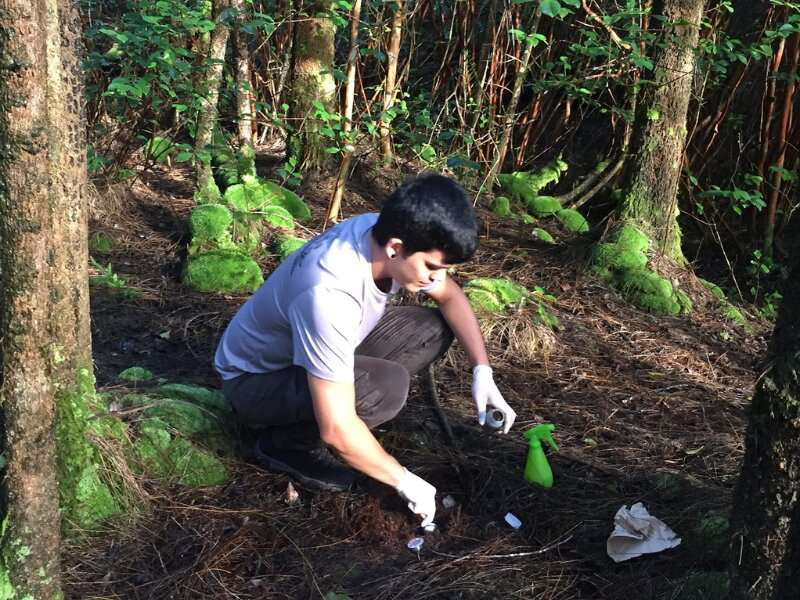
During heavy rains, Hawaii’s streams, rivers, and nearshore waters change on microscopic levels. Bacteria in these aquatic systems increase, and some of these bacteria can be harmful to human health. They can cause problems like gastroenteritis—also known as the stomach flu—as well as skin and respiratory diseases.

It is known in the science community that soils are a common source of these disease-causing—or pathogenic—bacteria. What isn’t as well-known, though, is what kinds of soils are the major suppliers of these microbial intruders.

In a new study, Tracy Wiegner, a researcher at the University of Hawaii, and her team identified urban and agricultural soils as the culprits of the bacteria. The research found that levels of pathogenic bacteria are highest in urban and agricultural soils. Stormwater runoff from these soils transports lots of bacteria into water bodies.

In contrast, pathogenic bacteria are present at low levels in soils in native forests. That makes it unlikely that these forest soils are a major source of the bacteria found in Hawaii’s inland and coastal waters.

The study was published in the Journal of Environmental Quality.

The study measured levels of three different bacteria in urban, agricultural, and native forest soils. One of the bacteria was Staphylococcus aureus. It causes staph infections. “In Hawaii, people often mention they’ve had staph infections,” says Wiegner. “This may be caused by exposure to harmful bacteria in nearshore water activities like swimming, canoeing, and surfing.”

Of particular concern to researchers and the medical community is one of the antibiotic resistant versions, methicillin-resistant S. aureus (MRSA).

The other two bacteria in the study were Enterococcus and Clostridium perfringens. Both bacteria are called fecal indicator bacteria. Levels of these bacteria can be used as indicators of pollution from sewage in most places in the United States. But in Hawaii, the situation is more complicated.

Enterococcus can thrive in the tropical soils of Hawaii. “That makes it unclear whether high levels of Enterococcus found in Hawaiian waters following storms are from sewage pollution, soils, or both,” says Wiegner. In response, Hawaii uses Clostridium bacteria as a secondary bacterial indicator for detecting sewage pollution.

The study took place in the Hilo Bay watershed on Hawaii Island, often called the Big Island. Researchers collected soil samples from urban, agricultural, and native forest areas. Then they determined levels of the different bacteria in the samples.

The researchers could detect Staphylococcus and Enterococcus in all the soils samples. Levels of Staphylococcus and Enterococcus were highest in urban and agricultural soils and lowest in native forest soils. “This suggests that there are small natural populations of Staphylococcus and Enterococcus bacteria in Hawaiian soils,” says Wiegner. “But the presence of humans and other animals increases their levels.”

That means reducing human and animal activity can decrease levels of soil bacteria. This could be particularly useful in areas near water bodies, and could reduce how much bacteria can be transported to the water bodies during heavy rainfall.

The study also detected very low levels of Clostridium bacteria in all the soils tested. That makes it unlikely that soils are the source of Clostridium levels detected in Hawaiian waters after heavy rainfall. Instead, this bacterium comes from sewage pollution. “Clostridium may be a better indicator of sewage pollution in Hawaiian waters,” says Wiegner.

“It is important for watershed and community health managers to identify sources of pathogens entering waterbodies,” says Wiegner. “Appropriate management action can reduce the concentrations of bacteria in soils. They can also reduce their transport during storms.”

Management actions could include building green infrastructure. Examples of green infrastructure include restoring and maintaining riparian buffersconstructing wetlands for stormwater retention, and beach grooming. Building green infrastructure has improved water quality in places like the Great Lakes region in the United States and coastal waters of New Zealand. “These measures can reduce the transport of bacteria from soils to water bodies in Hawaii,” says Wiegner. “That could ultimately reduce bacterial transmission during water recreational activities.”

FOR MORE INFORMATION: https://phys.org/news/2022-09-bacteria-bay-hawaiian-bodies.html

How long does it take for seagrass to recover? What more swans could mean for estuary ecosystems

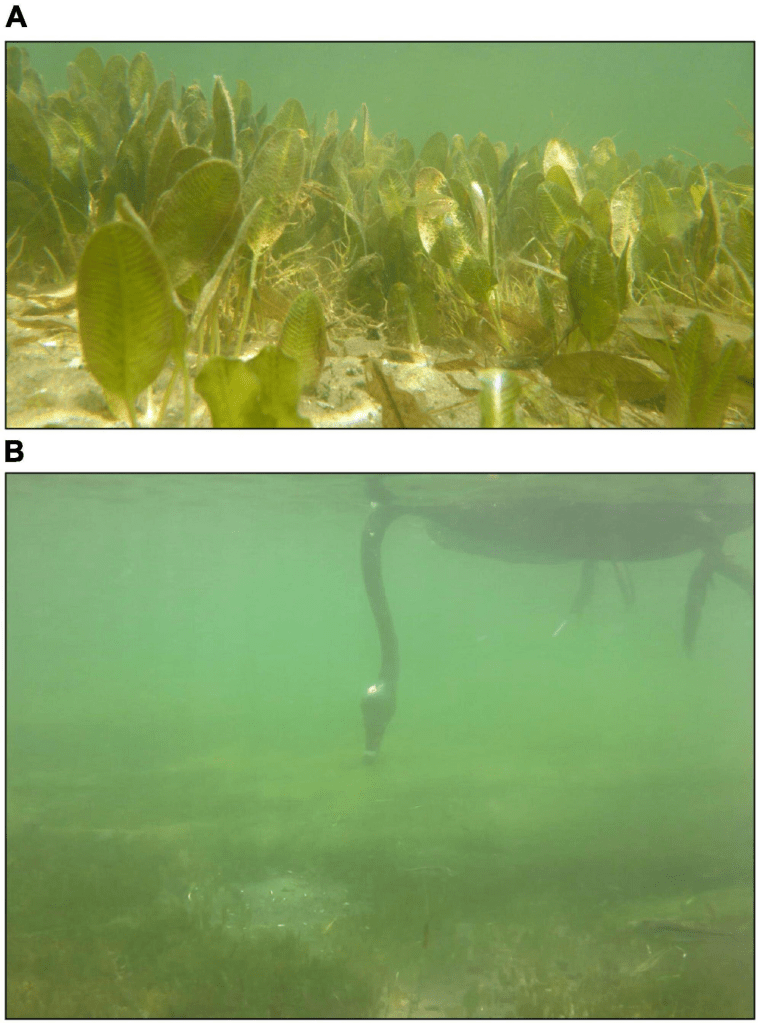
In an Australian first, scientists from Edith Cowan University (ECU) have determined how long it takes for seagrass to recover after grazing by swans.

The project, led by ECU Master’s student Caitlyn O’Dea, used floating pens in Perth’s Swan River, to keep swans away from the seagrass to allow tracking of its recovery.

Seagrasses are the only flowering plants that can live underwater and are considered amongst the most productive ecosystems in the world. However, climate change, coastal developments and run-off from urban, industrial, and agricultural areas have all led to its ongoing global decline.

Grazing has also led to complete loss of seagrass in some marine ecosystems. “To simulate grazing, we removed a quarter, half, three-quarters and all the seagrass in parts of the meadow,” Ms. O’Dea said.

The experiment was set up at Mosman Park, Nedlands, Crawley, Attadale and Como.

The regrowth of seagrass was tracked weekly to fortnightly over a three-month period, leading to the first official recordings of its recovery time.

“The findings revealed that when grazing was less intense, the recovery time was four to six weeks. Under greater grazing intensity, the seagrass took seven to 19 weeks to recover,” Ms. O’Dea explained.

With a decrease in area of seasonal wetlands across in Western Australia due to the drying climate, black swans are likely to be more common in the Swan River.

“Seagrass not only provides a vital food source for birds and other animals, but it also provides habitat and shelter as well as improves water quality, so increased grazing pressure on seagrass could have implications for the ecosystem as a whole,” she explained.

Ms. O’Dea said the research also identified seagrass recovery was most commonly through vegetative measures, as opposed to sexual reproduction.

“Seagrass has rhizomes which can grow into areas like the horizontal runners of grass in your backyard. They can also flower and produce seeds, which for this species lay dormant in the sediment. We didn’t observe any recovery through reproduction, which could simply be due to the time of year, as we’d expect to see germination in spring.”

Ms. O’Dea said her research will allow for further examination of how grazing and other potentially interacting pressures could impact seagrass ecosystems even further.

FOR MORE INFORMATION: https://phys.org/news/2022-09-seagrass-recover-swans-estuary-ecosystems.html

To study impacts of longer, hotter summers, ecologists haul 5,000 pounds of sand up a mountain

As spring unfolds into summer each year on Niwot Ridge, just north of Nederland, snowdrifts give way to small shrubs and colorful lichens on this exposed tundra, resembling a coral reef at 10,000 feet above sea level. A portion of the landscape will also soon be covered in what looks like more like heaping mounds of chocolate chip ice cream.

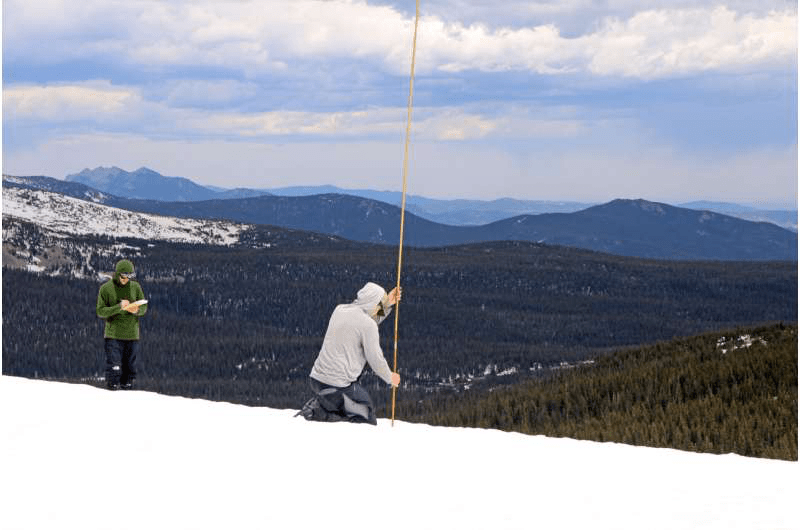
For the past five years, a small team of research assistants and volunteers have hiked up Niwot Ridge in late May to set the stage for a unique experiment in which they spread 5,000 pounds of black sand across portions of the remaining snowpack.

Their goal? To simulate the not-so-distant future effects of a warming planet on alpine ecosystems. Researchers want to know what may happen as mountain snowpack melts sooner and summer lasts longer each year due to rising temperatures from climate change.

“We’re seeing a large influence of these longer summers. When things warm up and melt out earlier, those seem to be years that really affect the system—the plants, the pikas and the water quality,” said Katharine Suding, lead investigator of the project, and professor of distinction in the Department of Ecology and Evolutionary Biology and the Institute of Arctic and Alpine Research (INSTAAR). “And the best way to figure out what might happen in the future is to test it out.”

Suding’s team uses simple, cheap and environmentally friendly sand to naturally attract more sunlight, heat up snow and melt it faster. It’s made of the same glassy silica particles used in fire pits and ash trays.Each season, the team spreads the sand on top of the snow at five test plots across the ridge, leaving some snow next to it untouched. Throughout the summer, dozens of graduate students, volunteers and faculty run soil sensors, collect vegetation and gather data about pollinators to see what kinds of changes, if any, the snow melting sooner causes on the tundra beneath.

The project is just one of dozens of research projects conducted by CU Boulder scientists and partner institutions at the century-old Mountain Research Station. The effort is also part of the Niwot Long-term Ecological Research Program.

“It’s quite an ambitious project,” said Jennifer Morse, climate technician at the Mountain Research Station, who oversees the execution of experiments like this one.

Peak snowpack typically occurs around late May or early June, although it may at first seem a misnomer. While the snow is still yards deep in some places, requiring snowshoes or skis to cross, in others it’s already long gone. The goal is to apply the sand when the snow is no longer accumulating and is instead starting to melt, so the sand they apply isn’t covered up by additional snowfall.

This timing makes for a formidable feat. Hauling 5,000 pounds of sand up the mountain in late spring requires the use of a utility task vehicle (UTV) with snow treads, as windswept and melting mounds of snow along the road from the station to the sites would prove impossible for a regular vehicle.

Once the researchers have ridden or skied up the ridge, they visit each of the five test plots over the course of a few days. They first gather snow depth measurements at set intervals on both sides of each test plot, which they’ll do every two weeks until the snow fully melts.

FOR MORE INFORMATION: https://phys.org/news/2022-09-impacts-longer-hotter-summers-ecologists.html

Overall warming of up to 5°C in this century projected for the Eastern Mediterranean and Middle East


A new report prepared by an international group of scientists and published in the authoritative journal Reviews of Geophysics, identifies the EMME* as a climate change hot spot, and concludes that the region is warming almost two times faster than the global average, and more rapidly than other inhabited parts of the world. For the remainder of the century, projections based on a business-as-usual pathway indicate an overall warming of up to 5°C or more, being strongest in the summer, and associated with unprecedented heatwaves that can be societally disruptive. Further, the region will experience rainfall shortages that compromise water and food security. Virtually all socio-economic sectors are expected to be critically affected, with potentially devastating impacts on the health and livelihoods of the 400 million people of the EMME, with worldwide implications.

The report, which was prepared under the auspices of the Max Planck Institute for Chemistry and The Cyprus Institute, in preparation to COP27, which will take place in Egypt in November 2022, provides an updated, comprehensive assessment of measurement data and recent climate analyses, covering a wide range of time scales, phenomena and possible future pathways. It identifies the region as a climate change hot spot, and also signals that the EMME is rapidly overtaking the European Union as a source of greenhouse gases, and becoming a major emitter at the global scale.

In addition to the average increase in temperatures, the researchers call attention to the emergence of extreme weather events with potentially disruptive societal impacts. These include the strongly increasing severity and duration of heatwaves, droughts and dust storms, and torrential rains which are expected to trigger flash floods. The assessment also comprises a discussion of atmospheric pollution and land-use change in the region, considering urbanization, desertification and forest fires, and includes recommendations for possible climate change mitigation and adaptation measures.

“Business-as-usual pathways for the future,” meaning projections assuming no immediate, ambitious climate action to avert the current climate trajectories, “imply a northward expansion of arid climate zones at the expense of the more temperate regions,” explains Dr George Zittis of the Cyprus Institute, first author of the study. As a result, mountainous climate zones with snow will diminish during this century. The combination of reduced rainfall and strong warming will contribute to severe droughts. The sea level in the EMME is projected to rise at a pace similar to global estimates, though many countries are unprepared for the advancing seas. “This would imply severe challenges for coastal infrastructure and agriculture, and can lead to the salinization of costal aquifers, including the densely populated and cultivated Nile Delta,” warns Zittis.

The projected changes will critically affect virtually all socio-economic sectors, particularly under a business-as-usual scenario. Jos Lelieveld, Director of the Max Planck Institute for Chemistry, Institute Professor at the Cyprus Institute and coordinator of the assessment, notes: “People living in the EMME will face major health challenges and risks of livelihood, especially underprivileged communities, the elderly, children and pregnant women.” To avoid the most extreme of severe weather events in the region, the scientists highlight that immediate and effective climate action is urgent. “The motto of COP 27 is well chosen: Together for just, ambitious implementation now,” states Jos Lelieveld. “Since many of the regional outcomes of climate change are transboundary, stronger collaboration among the countries is indispensable to cope with the expected adverse impacts. The need to meet the goals of the Paris Agreement has become more important than ever,” concludes Lelieveld. The study notes that meeting the main Paris Agreement targets could stabilize the annual temperature increase in the EMME to about 2°C by the end of the century, rather than the devastating 5°C which is projected under a business-as-usual scenario.

Possible adaptation options and policy recommendations noted in the report to contribute to meeting these targets stress the need for rapid implementation of decarbonization actions with a particular emphasis on the energy and transportation sectors, which dominate greenhouse gas emissions in the EMME. The report also stresses the importance of transformational changes toward climate resilience to adapt to increasingly challenging environmentally conditions. Priority areas include the coping with limited water resources and preparing for more frequent weather extremes such as heat waves that will be particularly challenging for the growing urban population.

The report has been published in the American Geophysical Union Open Access Journal with the highest impact factor in Earth sciences. It was motivated by the Cyprus Government Initiative for Coordinating Climate Change Actions in the EMME, launched in 2019, aiming at the development of a joint Regional Climate Action Plan to address the specific needs and challenges EMME countries are facing, and advance coordinated action towards the goals of the Paris Agreement. At the political level, an EMME Heads of State Summit will be held in autumn 2022 when the Regional Action Plan is expected.

* The 17 countries included in the analysis of the report are Bahrain, Cyprus, Egypt, Greece, Iran, Iraq, Israel, Jordan, Kuwait, Lebanon, Oman, Palestine, Qatar, Saudi Arabia, Syria, Turkey and the United Arab Emirates.

FOR MORE INFORMATION: https://www.sciencedaily.com/releases/2022/09/220906114225.htm

Little Ice Age study reveals North Atlantic reached a tipping point

Scientists have used centuries-old clam shells to see how the North Atlantic climate system reached a “tipping point” before the Little Ice Age.

The Little Ice Age — a period of regional cooling, especially in the North Atlantic — lasted several centuries, ending in about 1850.

A long-standing theory suggests initial cooling in this period was sustained by “sea-ice to ocean feedbacks” — sea ice expanded and this slowed ocean currents which in turn reduced the flow of warm water from the south.

The new study, by the University of Exeter, used the shells of quahog clams — which can live for several hundred years — to understand how the ocean has evolved and responded to external changes over recent centuries.

The findings show that the North Atlantic climate system destabilised and lost resilience (the ability to recover from external changes) prior to the Little Ice Age, possibly causing it to “tip” into a new, colder state.

And the researchers say the North Atlantic could be approaching a new tipping point, with major consequences for the region’s climate.

With scientists warning that multiple tipping points may now be approaching worldwide due to human-driven climate change, the study helps us understand when and how tipping points are triggered.

“One way to tell that a system is approaching a sudden transition is that it becomes slow to respond to perturbations (external changes),” said lead author Beatriz Arellano-Nava, of Exeter’s Global Systems Institute.

“In other words, a system loses the ability to return to its average state, and can instead ‘tip’ into a new state.”

“In the case of the North Atlantic prior to the Little Ice Age, this loss of resilience made the system vulnerable to an abrupt switch, potentially heralding the transition to Little Ice Age conditions” said Dr Paul Halloran, who co-led the research.

The new study warns that vulnerability of the North Atlantic system is a critical issue today, with recent analysis suggesting it has destabilised during the last century and might be approaching a tipping point.

“Our latest analysis suggests that the system of ocean currents in the northern North Atlantic could be at risk of a tipping point again now due to global warming, leading once again to abrupt climate change over Europe,” said Professor Tim Lenton, Director of the Global Systems Institute.

Analysis of clam shells focussed on oxygen and carbon isotopes and shell growth — all of which can be used as measures of environmental variability.

The study was funded by the European Union’s Horizon 2020 research and innovation programme.


Story Source:

Materials provided by University of ExeterNote: Content may be edited for style and length.

FOR MORE INFORMATION: https://www.sciencedaily.com/releases/2022/09/220913110338.htm


Climate change is affecting drinking water quality

The water stored in reservoirs ensures our supply of drinking water. Good water quality is therefore important — but is at significant risk due to climate change. In a model study of the Rappbode reservoir in the Harz region, a research team from the Helmholtz Centre for Environmental Research (UFZ) demonstrated how the climate-related disappearance of forests in the catchment area for Germany’s largest drinking water reservoir can affect water quality. The problem of such indirect consequences of climate change is seriously underestimated, the scientists warn in Water Research. Water quality is of critical importance, especially for drinking water reservoirs, as subsequent treatment in the waterworks must continually meet high standards.

Heat waves, drought, floods, forest fires — the consequences of climate change are increasing and are changing our environment. A prime example is the countryside in the catchment area for the Rappbode reservoir in the eastern Harz region. This is the largest drinking water reservoir in Germany and provides drinking water for roughly one million people. Long periods of drought over the years from 2015 to 2020 have so severely weakened the tree population in the Harz region that parasites such as bark beetles have been able to propagate. This further exacerbated the effect: The trees were further damaged and quickly died off. “Over the past four years, the Rappbode catchment area, characterized by conifers, primarily spruce, has lost over 50 percent of its forest,” says UFZ hydrologist and last author Prof. Michael Rode. “This massive forest dieback is advancing rapidly and is dramatic. This will have consequences for the drinking water reservoir.”

Forests play a key role in the water cycle. They filter the water and bind nutrients and are therefore necessary for good water quality. The fewer nutrients — i.e. nitrogen or phosphorus compounds — contained in reservoir water, the better it is for drinking water treatment. “This makes it more difficult for algae to develop, making drinking water treatment in the waterworks more cost-effective and easier,” explains UFZ lake researcher and co-author Dr. Karsten Rinke. “Nutrient management in water conservation areas is therefore very important. Over the past decades, long-term concepts with close cooperation between forest and water management have advanced the development of large areas of forest in the Rappbode reservoir catchment area.” The rapid forest decline in the eastern Harz region is now a matter of grave concern for the reservoir and waterworks operators.

Spurred by this development, the UFZ team has investigated the effects of climate-induced deforestation on reservoir water quality in their model study. This study was based on data from the TERENO (Terrestrial Environmental Observatories) environmental observatory network, in which the UFZ is a participant with the Harz/Central German Lowland Observatory. “We were able to access environmental data from a period of over ten years, providing us with a solid set of data,” says Dr. Xiangzhen Kong, also a UFZ environmental scientist and lead author of the study. The team used data from the international ISIMIP project (Inter-sectoral Impact Model Intercomparison Project) to predict future climate changes. “We first fed these data into a model in order to estimate the climate-related effects on the nutrient balance in the catchment area,” explains Kong. “The resulting data were then processed in a reservoir ecosystem model with which we were able to determine the effects of different deforestation scenarios on the predicted water quality for 2035.

The Rappbode reservoir is supplied by three different catchment areas, two of which were included in the study. “The Hassel catchment area is characterized by agriculture, while that of the Rappbode is predominantly forest — at least that was the case before the spruce forests died,” says Kong. Before the water from the two catchment area flows into the large Rappbode reservoir, it is first retained by an upstream pre-dam. The agricultural influence results in a significantly higher nutrient content in the water in the Hassel pre-dam than that in the Rappbode pre-dam. “We were able to demonstrate that, for an anticipated deforestation of up to 80 percent, the Rappbode predam will experience an 85 percent increase in dissolved phosphorus concentration and a more than 120 percent increase in nitrogen concentration within only 15 years. The Rappbode pre-dam will thus reach nearly the same nutrient levels as the Hassel pre-dam,” says Kong. This will result in a more than 80 percent increase in diatoms and more than 200 percent increase in green algae in the Rappbode pre-dam. These results highlight the coming necessity for a wide range of adaptations in drinking water management. “Nutrient input to reservoir catchment areas should be reduced even more than previously, reforestation projects with drought-resistant tree species should be further promoted and waterworks should be adapted to the impending developments with selective water removal strategies,” says Rode. “And what remains important and must be further increased: extensive, granular environmental monitoring.”

The results for the Rappbode reservoir can be applied to other reservoir catchment areas in similar regions. “Forest dieback as an indirect consequence of climate change has a more pronounced effect on reservoir water quality than direct effects of climate change such as elevated water temperature. We were actually surprised by the extent of this effect,” says Kong.

FOR MORE INFORMATION: https://www.sciencedaily.com/releases/2022/09/220909120719.htm

Researchers develop new technique to keep drinking water safe using machine learning

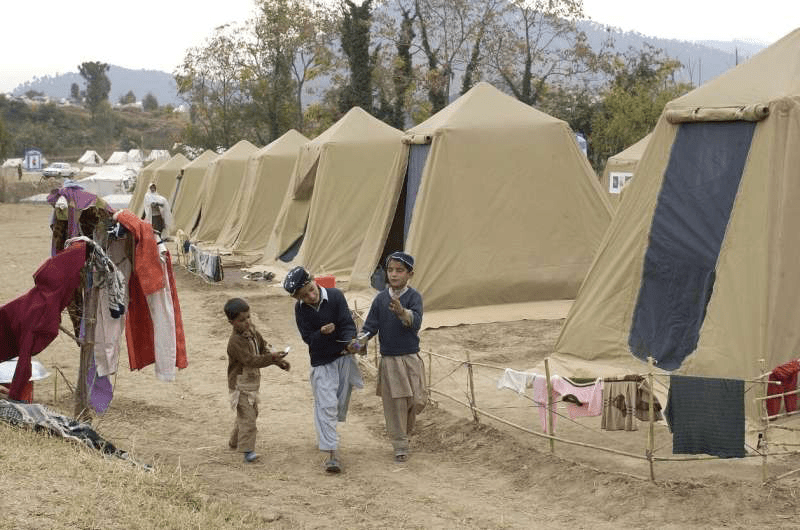
Waterborne illness is one of the leading causes of infectious disease outbreaks in refugee and internally displaced persons (IDP) settlements, but a team led by York University has developed a new technique to keep drinking water safe using machine learning, and it could be a game changer. The research is published in the journal PLOS Water.

As drinking water is not piped into homes in most settlements, residents instead collect it from public tap stands using storage containers.

“When water is stored in a container in a dwelling it is at high risk of being exposed to contaminants, so it’s imperative there is enough free residual chlorine to kill any pathogens,” says Lassonde School of Engineering Ph.D. student Michael De Santi, who is part of York’s Dahdaleh Institute for Global Health Research, and who led the research.

Recontamination of previously safe drinking water during its collection, transport and storage has been a major factor in outbreaks of cholera, hepatitis E, and shigellosis in refugee and IDP settlements in Kenya, Malawi, Sudan, South Sudan, and Uganda.

“A variety of factors can affect chlorine decay in stored water. You can have safe water at that collection point, but once you bring it home and store it, sometimes up to 24 hours, you can lose that residual chlorine, pathogens can thrive and illness can spread,” says Lassonde Adjunct Professor Syed Imran Ali, a Research Fellow at York’s Dahdaleh Institute for Global Health Research, who has firsthand experience working in a settlement in South Sudan.

Using machine learning, the research team—including Associate Professor Usman Khan, also of Lassonde—has developed a new way to predict the probability that enough chlorine will remain until the last glass is consumed. They used an artificial neural network (ANN) along with ensemble forecasting systems (EFS), something that is not typically done. EFS is a probabilistic model commonly used to predict the probability of precipitation in weather forecasts.

“ANN-EFS can generate forecasts at the time of consumption that take a variety of factors into consideration that affect the level of residual chlorine, unlike the typically used models. This new probabilistic modeling is replacing the currently used universal guideline for chlorine use, which has been shown to be ineffective,” says Ali.

Factors such as local temperature, how the water is stored and handled from home to home, the type and quality of the water pipes, water quality and whether a child dipped their hand in the water container can all play a role in how safe the water is to drink.

“However, it’s really important that these probabilistic models be trained on data at a specific settlement as each one is as unique as a snowflake,” says De Santi. “Two people could collect the same water on the same day, both store it for six hours, and one could still have all the chlorine remaining in the water and the other could have almost none of it left. Another 10 people could have varying ranges of chlorine.”

The researchers used routine water quality monitoring data from two refugee settlements in Bangladesh and Tanzania collected through the Safe Water Optimization Tool Project. In Bangladesh, the data was collected from 2,130 samples by Médecins Sans Frontières from Camp 1 of the Kutupalong-Balukhali Extension Site, Cox’s Bazaar between June and December 2019 when it hosted 83,000 Rohingya refugees from neighboring Myanmar.

Determining how to teach the ANN-EFS to come up with realistic probability forecasts with the smallest possible error required out-of-the-box thinking.

“How that error is measured is key as it determines how the model behaves in the context of probabilistic modeling,” says De Santi. “Using cost-sensitive learning, a tool that morphs the cost function towards a targeted behavior when using machine learning, we found it could improve probabilistic forecasts and reliability. We are not aware of this being done before in this context.”

For example, this model can say that under certain conditions at the tap with a particular amount of free residual chlorine in the water, there is a 90 percent chance that the remaining chlorine in the stored water after 15 hours will be below the safety level for drinking.

“That’s the kind of probabilistic determination this modeling can give us,” says De Santi. “Like with weather forecasts, if there is a 90 percent chance of rain, you should bring an umbrella. Instead of an umbrella, we can ask water operators to increase the chlorine concentration so there will be a greater percentage of people with safe drinking water.”

“Our Safe Water Optimization Tool takes this machine learning work and makes it available to aid workers in the field. The only difference for the water operators is we ask them to sample water in the container at the tap and in that same container at the home after several hours,” says Ali.

“This work Michael is doing is advancing the state of practice of machine learning models. Not only can this be used to ensure safe drinking water in refugee and IDP settlements, it can also be used in other applications.”

FOR MORE INFORMATION: https://phys.org/news/2022-09-technique-safe-machine.html

Riverine floodplains are among the most species-rich ecosystems on earth. Because they form the interface between land and water, they are hotspots of nutrient turnover and biodiversity. Along many rivers, however, numerous floodplains have been cut off from waterways or converted to other uses. At the same time, too many nutrients enter the water, especially nitrogen. Both degrade water quality and threaten biodiversity—both in the rivers themselves and in the seas into which they flow.

To a certain extent, rivers have the ability to break down nutrients in the river water itself and in the floodplains. Researchers working on the international IDES collaborative project have determined just how large the contribution of floodplains is to reduce nitrogen for the Danube River basin. “The special feature of our study is that we looked at such a large area for the first time, because the Danube has the second largest catchment area in Europe,” said IGB scientist and co-author Dr. Andreas Gericke.

The Danube catchment covers an area of more than 800,000 km2 and stretches across 19 countries. Some 70 to 80% of its floodplains have been cut off from the river or converted into agricultural land in recent decades, depriving it of its ecosystem functions and services. 

The researchers now wanted to know how much of the nutrient retention is provided by the remaining active floodplains. To do this, the team used the MONERIS model developed at the IGB, which determines nutrient inputs from various sources—including the atmosphere, fertilizer use in agriculture and sewage treatment plants—and calculates their fate and transport in the river system. 

According to the study, 500,000 metric tons of nitrogen enter the waters of the Danube River Basin each year, predominantly as nitrate. Most of the inputs come from agriculture (44%) and urban sources (30%). Two-thirds of these inputs reach the Black Sea, and one-third, or 160,000 metric tons, are degraded in water bodies.

To find out how large the share of floodplains in nitrate retention is, the team supplemented the MONERIS calculations with further modeling for the Danube and its tributaries Sava, Tisza and Jantra. There, 3,842 km2 of floodplains are found, accounting for nearly half of all active floodplains in the Danube basin. 

“Most nitrate is degraded in the water network, for example by nitrogen being taken up by plankton or converted by bacteria (denitrification). But floodplains can also contribute to a not inconsiderable extent to nutrient retention,” Andreas Gericke reports. The results show that active floodplains degrade 33,200 tons of nitrate annually, which corresponds to 6.5% of the input. Based on the model results, the researchers estimate that nitrate removal could be increased by 14.5% if the approximately 1,300 km² of potentially restorable floodplains and oxbow lakes were reconnected to the main streams.

“Our results impressively show that it makes sense to preserve floodplains and restore their functions—not only because of their ability to break down nutrients, but also to preserve biodiversity among many other ecosystem services,” said Martin Tschikof from the Institute of Hydrobiology and Water Management at BOKU. He is the lead author of the study. The simplified assumptions and data allow only limited statements. However, they are a good basis for better consideration of floodplains and their reconnection for good water quality in Europe’s major river basins.

FOR MORE INFORMATION: https://phys.org/news/2022-09-floodplains-quality-rivers.html

Growing number of Native American households in Nevada face plumbing poverty, water quality problems

A growing number of Native American households in Nevada have no access to indoor plumbing, a condition known as “plumbing poverty,” according to a new study by a team from DRI and the Guinn Center for Policy Priorities.

The study assesses trends and challenges associated with water security (reliable access to a sufficient quantity of safe, clean water) in Native American households and communities of Nevada and also found a concerning increase in the number of Safe Drinking Water Act violations during the last 15 years.

Native American communities in the Western U.S., including Nevada, are particularly vulnerable to water security challenges because of factors including population growth, climate change, drought, and water rights. In rural areas, aging or absent water infrastructure creates additional challenges.

In this study, the research team used U.S. Census microdata on household plumbing characteristics to learn about the access of Native American community members to “complete plumbing facilities,” including piped water (hot and cold), a flush toilet, and a bathtub or shower. They also used water quality reports from the Environmental Protection Agency to learn about drinking water sources and health violations.

According to their results, during the 30-year time period from 1990-2019, an average of 0.67 percent of Native American households in Nevada lacked complete indoor plumbing—higher than the national average of 0.4 percent. Their findings show a consistent increase in the lack of access to plumbing over the last few decades, with more than 20,000 people affected in 2019.”Previous studies have found that Native American households are more likely to lack complete indoor plumbing than other households in the U.S., and our results show a similar trend here in Nevada,” said lead author Erick Bandala, Ph.D., assistant research professor of environmental science at DRI. “This can create quality of life problems, for example, during the COVID-19 pandemic, when lack of indoor plumbing could have prevented basic health measures like hand-washing.”

Plumbing poverty may correlate with other types of poverty. Analysis by the study team showed that as the number of people living in a household increased, access to complete plumbing decreased significantly, in agreement with other studies.

Study findings also showed a significant increase in the number of Safe Drinking Water Act violations in water facilities serving Native American Communities in Nevada from 2005 to 2020. The most common health-based violations included presence of volatile organic compounds (VOCs), presence of coliform bacteria, and presence of inorganic chemicals.

“Water accessibility, reliability, and quality are major challenges for Native American communities in Nevada and throughout the Southwest,” said coauthor Maureen McCarthy, Ph.D., research professor of environmental science and director of the Native Climate project at DRI.

The study authors hope that their findings are useful to decision-makers and members of the general public who may not be aware that plumbing poverty and water quality are significant problems in Nevada.

FOR MORE INFORMATION: https://phys.org/news/2022-09-native-american-households-nevada-plumbing.html