Colorado will certainly grow warmer between now and 2050, but whether it will become wetter due to this warming isn’t clear yet, according to a new state climate report due out next month.
The draft report, 2023 Climate Change in Colorado, shows that scientific models predict with high confidence that the state will see temperatures rise 2.5 degrees to 6 degrees Fahrenheit by 2050, but models looking at how this warming trend will impact water are much less clear. Some projections indicate the state could see more precipitation, and others show it will get less, according to Becky Bolinger, assistant state climatologist and an author of the new report.
“Some models are showing wetter, some drier, and we have a lot of uncertainty about which direction it is going to go,” Bolinger said.
“Since 2008 we have consistently experienced drier conditions. If you were to do a simple trend, it would appear we have gone drier, but there is a lot of variability. It is possible we will end this dry period and go into a wetter period. It is also possible that we could go into a drier period,” she said.
The Climate Change in Colorado report was produced by the Colorado Climate Center at Colorado State University, with support from the Colorado Water Conservation Board and Denver Water.
Bolinger said that this new third edition of the climate report, two previous editions were published in 2008 and 2014 respectively, is designed to serve as a guide for any community, or farm, or industry in Colorado working to prepare for a warmer future.
Despite the uncertainty about water, new modeling shows that snow, soil moisture and streamflows will likely decline, heat waves, fires and droughts will increase in frequency, and extreme rain storms and flooding are also likely to worsen.
Among the hardest-hit sectors will be agriculture, Bolinger said, in part because evaporation rates will rise as temperatures rise. As larger amounts of water are lost to the atmosphere, plants will need more.
In addition, because spring snows will melt and peak runoff will occur sooner, farmers will likely have to change planting schedules and figure out how to make their irrigation water last longer.
“It’s going to get harder to farm,” Bolinger said.
Out on Colorado’s Eastern Plains, at the Greeley-based Central Colorado Water Conservancy District, that’s not necessarily a surprise.
Randy Ray, executive director of the district, said farmers have already begun using comparatively new methods to stretch their water supplies and to help the soil retain moisture. These techniques, which include dramatically reducing the tilling of soils and using compost to help them retain water, are becoming more and more common, Ray said.
Irrigators also continue to call for more storage, whether it is in a reservoir or an aquifer, to give them more flexibility in how they manage irrigation water.
“I’m confident that the American farmer is going to be able to adapt,” Ray said. “It probably isn’t going to be easier and they are going to adapt with different crops and different methods of irrigation.”
Water utilities across the state have already begun analyzing what the dramatic warming trends mean for urban water supplies.
The City of Grand Junction has done forecasts that show worst-case drought scenarios could slash annual water supplies by more than half, to 6,400 acre-feet, down from the 15,000 acre-feet its system generates and stores each year. It also figures that long-term warming will drop the number by an additional 10%, according to Mark Ritterbush, Grand Junction’s manager of water services.
“By 2039, we may need to develop a different water supply in the event the worst-case scenario happens. We have the water rights, we would just need to upgrade our treatment technology to utilize those new sources,” he said.
Having more refined climate data and experts, such as those available at the Colorado Climate Center, is going to be helpful, he said.
“I feel good about [our forecast], but you never really know,” he said. “I’d like to know if that 10% we came up with is accurate.”
Lake Geneva, nestled at the foot of the Alps, has long been considered as a near-pristine body of water, but new research has found that its plastic pollution levels are as high as those in the oceans.
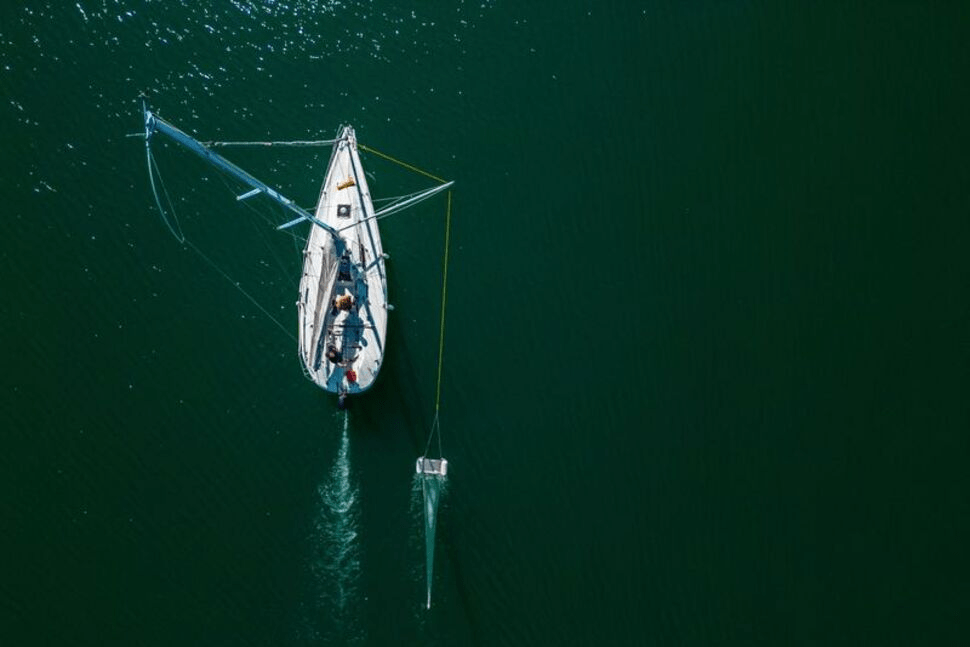
Oceaneye, a Geneva-based non-profit that has for more than a decade been scouring the seas to collect plastic fragments, has turned its attention closer to home to landlocked Switzerland.
“We compared the levels with the ocean data and reached the conclusion that the microplastic pollution on the lake surface is the same order of magnitude as the oceans,” said Pascal Hagmann, the founder and director of Oceaneye.
He was speaking from the stern of a sailing vessel that was dragging a sample-collecting device across Switzerland’s biggest lake, also known as Lac Leman.
“We found that interesting because we often have the image of the Leman Lake as a big Alpine lake with crystal waters but it’s not really the case,” he said, using the French name.
The crescent-shaped lake is the largest in Western Europe covering 580 square kilometers (224 square miles) straddling France and Switzerland and is fed partly by Alpine glaciers. It spills into the Rhone River which eventually flows into the Mediterranean Sea.
Switzerland’s bordering cantons treat the water and then pipe it into homes as drinking water. One of the lakeside towns, Evian, on the French side, is also the name given to a brand of bottled water from a natural spring.
Microplastics derive from the breakdown of various consumer and industrial plastic waste over time and their concentrations are accumulating in the world’s oceans. They have even been found in the blood samples of unborn babies and scientists are trying to understand the health risks of the phenomenon for people and animals.
Hagmann said he was worried that rising plastic consumption over time would lead to more litter ending up in water systems. “We are seeing the growth curve rise very quickly. Projections are pessimistic if we do nothing,” he said, although he acknowledged that at least awareness of the issue was growing. “When we began working on this 12 years ago and talked about plastic fragments in water, people took us for wackos and now it is a recognized problem.”
Benton Harbor residents have been inundated with challenges facing their water system for years. Lead in pipes. Ineffective corrosion treatment. Threats of water shut-offs. Piled one on top of another.
Some relief is at hand. Following years of public interest campaigning, two years of construction, and $45 million in federal aid, almost all of Benton Harbor’s lead pipes have been replaced. The U.S. Environmental Protection Agency last month confirmed that Benton Harbor complies with safe water requirements. The measurements showed that the levels of lead are not hazardous.
Another hardship, though, has emerged in its place: more expensive water bills. Residents were told that in the next five years, water bills will grow 10 percent annually.
Rev. Edward Pinkney, an influential community organizer who helped lead the work to solve the lead emergency, said that a couple of years ago his water bill was around $40 a month. Now it is about $75. In five years, it will be around $120 if the 10 percent annual increase persists.
One of the main reasons for the increase is that Benton Harbor’s drinking water plant lost a third of its customer base after neighboring St. Joseph and Benton Township disconnected from the system, said Elin Warn Betanzo, president of Safe Water Engineering, a consulting firm. Right before that, the water plant made an expensive update to the infrastructure.
The burden of paying for it fell on the Benton Harbor residents. “The state played a role in removing their ratepayer base,” Betanzo said. “Benton Harbor would not be in this situation today if it wasn’t for the state’s decision. So they need public health protection, they need water system upgrades, and it can’t be supported only by the community through 10% annual rate increases.”
The plant still needs “millions of dollars of upgrades that they need to do over the next five to ten years,” according to Betanzo.
Reflecting on the government’s actions, Rev. Pinkney said: “What happened in the city of Benton Harbor, we hope and pray that does not ever, ever happen to anyone else. Because the government knew the problem and did nothing until we pressured them to do something.”
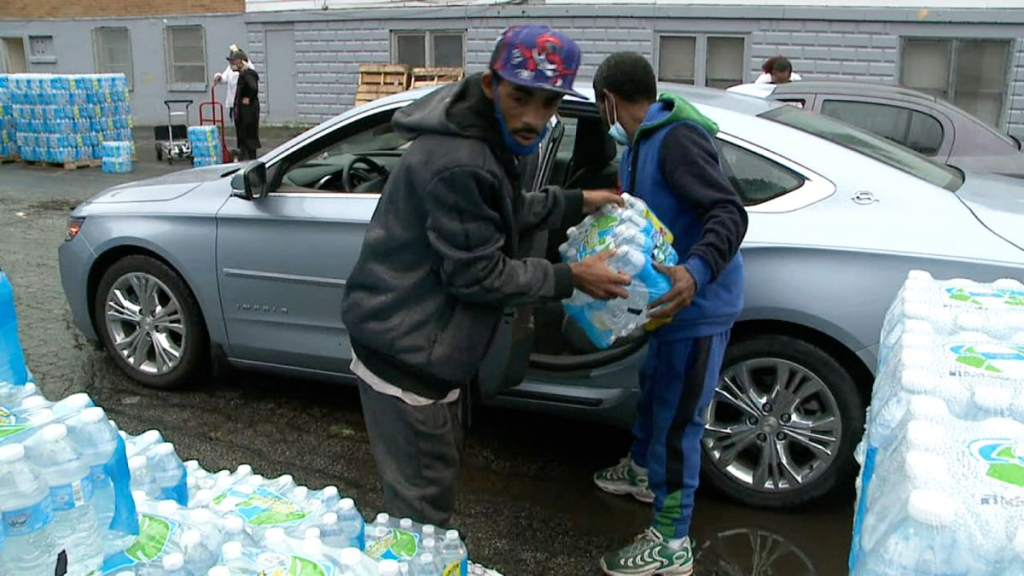
Cyndi Roper, senior policy advocate with the Natural Resources Defense Council, an organization based in New York City, said that communities like Benton Harbor have water trauma. “Their trust was violated. And so the question of whether or not they trust the tap water, with or without the filters, is another part of the equation and some people don’t trust the filters, and so they still want bottled water.”
She added, “In a water trauma community, it’s really important to be able to respond in a way that the residents are most comfortable with being able to ensure that they are getting their hydration, cooking, and other needs met.”
Benton Harbor is not alone in its struggle to address water affordability. Around 200 communities across Michigan are overburdened with the cost of the water infrastructure.
The battle for safe water is ongoing and requires community attention. Rev. Pinkney said: “Make sure that you hold your government accountable for their actions and inactions.”
Amid a brutal campaign a decade ago to claim a caliphate across the lands of Mesopotamia, the insurgent group the Islamic State sought to control the region’s choke points. In the desert, that means water. In northern Syria, its fighters seized Tabqa Dam. Proceeding eastward they commanded the decrepit Mosul Dam on the Tigris River in northern Iraq. A third target, Fallujah Dam, was just as strategic.
The structure west of Baghdad diverts water from the Euphrates River for irrigation. Together, the Tigris and Euphrates are the famed waterways of Mesopotamia, cradles of civilizations and present-day lifelines for farmers and cities in Syria, Iraq, and Turkey.
Upon taking control of Fallujah Dam, Islamic state insurgents promptly shut the gates. Downstream, the water supply for the holy cities of Karbala and Najaf was cut off. Upstream, crops were destroyed and livestock killed as the impounded waters flooded hundreds of square kilometers of land.
The events of 2014 echoed the region’s history. Nearly three thousand years earlier, the Assyrian king Sargon II destroyed an irrigation system in southern Mesopotamia during a military campaign against the Chaldeans. It was one of many acts of violence, in the Fertile Crescent and elsewhere, in which water systems were the target.
These conflicts are among the stories recounted in The Three Ages of Water, a new book by scientist Peter Gleick that traces the arc of society through its relationship with the most elemental of human needs.
“Water is us,” Gleick writes. And, he argues, we’re committing a series of self-inflicted wounds.
Studded with big themes and historical sweep, the book is a history and a blueprint. There’s conflict and violence over water. But also groundwater depletion, scientific advances, agricultural revolutions, life-giving improvements in public health, legal codes to manage scarce supplies, and the misery of those left behind.
Not to be overshadowed by trends and ideas, fascinating characters populate the pages. Famous and obscure, these are the people who moved history. John Snow, the disease detective who proved that a cholera outbreak in Victorian London was spread not by foul air but by tainted water. John Leal, the physician who first chlorinated a major city’s drinking water supply in order to kill off harmful bacteria. And Mesalim, the king of the Sumerian city-state of Kish who, 4,500 years ago, brokered a legal treaty to intervene in the first documented water conflict, which was also in the lands of Mesopotamia.
Gleick, co-founder and senior fellow at the Pacific Institute and a Circle of Blue board member, depicts the history of water in three acts, or ages.
The first age was defined by survival. Early humans hunted, gathered, and then mostly settled, founding civilizations in prominent river valleys. The first works of water engineering — dams, aqueducts, and irrigation systems — were developed. The human relationship to water, at this point, “was both central and unplanned — but always intimate.”
The second age was marked by acceleration and control. Knowledge of biology, chemistry, and physics expanded rapidly with the scientific revolutions of the 17th and 18th centuries, advances that later underpinned public health victories.
At the same time, new learnings opened the door to dominion at unprecedented scale. Nature was corralled, leashed, harnessed, colonized, exploited, and extracted. Polluted rivers caught fire. Dams blocked rivers for hydropower. Canals punctured hundreds of kilometers into the drylands, bringing irrigation water and land cultivation. Wetlands were diked and drained.
All of this development blunted the sharp edge of nature’s uncertainties. Large-scale engineering provided for an astronomical increase in material wealth, and longer lives. Deaths from waterborne diseases in the United States essentially vanished after Leal’s chlorination experiment caught on. But many people are not so fortunate. Diarrhea remains one of the leading causes of death globally for children under age 5. Roughly 2 billion people do not have safe drinking water.
Gleick argues that we are now at the cusp of a third age of water — “a fork in the road of our own survival” — when society must reckon with the crises brought on by the excesses of the second. Just as the energy sector must transition away from fossil fuels, society needs to revamp its relationship with water.
If society does not, there is dystopia. But Gleick does not countenance it. Instead he offers a blueprint for a sustainable transition. The blueprint is informed by his decades of research into something called the “soft path.” This means prizing water-sipping appliances and technology that cleans and reuses water. It means restoring ecosystems and re-valuing rivers. It means shifts in policy and law. In this vision, all people have sufficient clean water and sanitation. It means rapidly cutting planet-warming greenhouse gas emissions, for climate change is a water disruptor.
How to achieve this? All policy is implementation, as political scientists like to say. But that is beyond the scope of the book. Gleick does frequently remind readers that walking this soft path does not require an inconceivable detour. The tools and waypoints already exist. The key challenges, he says, are neither membranes nor money.
“There are no insurmountable technological or economic roadblocks to a positive Third Age of Water,” Gleick writes. “But whether we can overcome the political, social, and cultural obstacles that remain depends on the choices we make and how quickly we act.”
Those obstacles — political, social, cultural — are the true tests. Is unanimity possible as the world cracks under unbearable heat? What are we willing to sacrifice today for a calmer tomorrow? Can the momentous stakes overcome the viciousness of near-sighted politics and the echoes of history? Will we act quickly?
These are the unknowns in this uncertain third age.
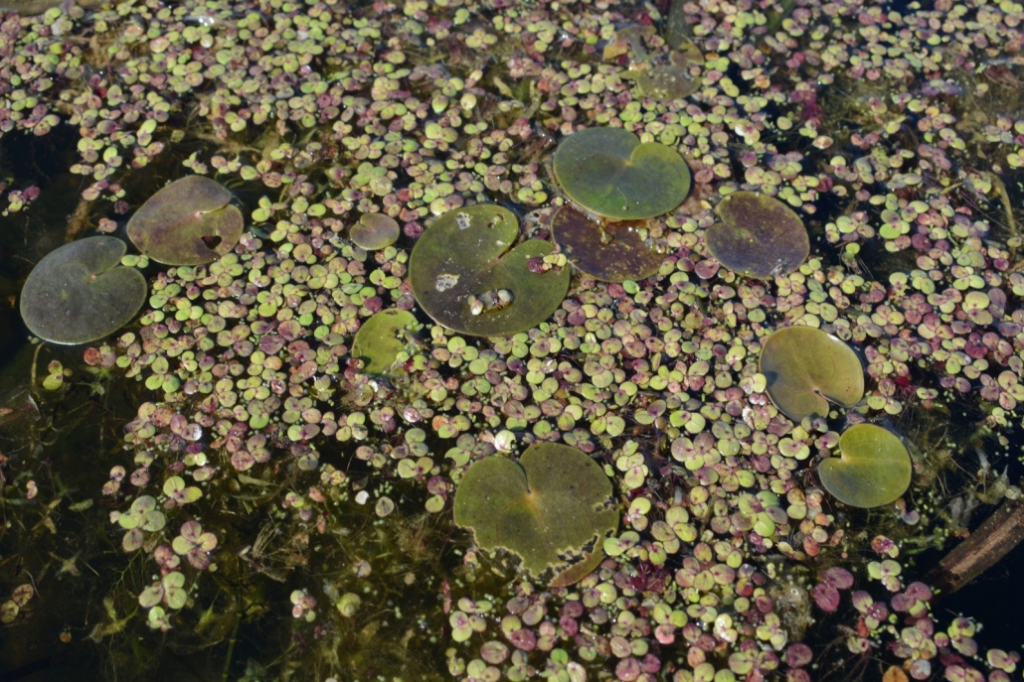
In the waters where it’s a native species — Europe, Asia, and Africa – the aquatic plant known as European frog-bit is no trouble at all. Though its name summons images of slime and bumps, frog-bit is a decorative display of coin-size leaves that in shallow water look like lily pads and serve as a source of food for insects, snails, rodents, waterfowl, and fish.
In the 1930s, frog-bit was transported out of its home region to decorate ponds and aquarium tanks in the U.S. and Canada. It escaped, likely in the first half of the century, And like so many other non-native exotic species of plants and animals started to spread in streams and rivers to make its way to Michigan, the waters of the Great Lakes, and to parts of New York, Ohio, Pennsylvania, Vermont, and Washington where it has no predators.
Almost a century later, frog-bit has become a formidable nuisance, especially along parts of Lake Huron and in southeast Michigan. First, the plant forms mats in Michigan surface waters so thick that they block sunlight and diminish oxygen levels for native species, and make it impossible to swim, boat, or fish. Second, frog-bit defies effective control.
In June, the U.S. Army Corps of Engineers promoted what the agency hopes will be a new strategy for frog-bit control. It offered researchers a $200,000 grant to develop a biological control for the frog-bit and its relative – water soldier.
The urgency is evident. One major cause of frog-bit’s expanding presence, say state authorities, is that boat owners are not following the “clean, drain, dry” rule to remove remnants on their hulls. The consequence is that in Michigan, frog-bit is creeping inland. Established populations are found in Monroe, Wayne, Macomb, St. Clair, and Wayne counties. It has been documented in 12 counties in total, including Arenac, Alpena, Kent, and Chippewa.
“You should clean your boat before you leave. Ideally, dry it off and drain any water out of it. So that you’re not moving water and mud that has seeds or turions in it,” said Tom Alwin, a senior aquatic biologist at the EGLE who works with aquatic invasive species.
Additionally, the frog-bit can move without human help using water currency. On top of its mobility, frog-bit is an evolutionary intelligent fighter. It is hiding among other plants such as cattails, said Noah Jansen, a restoration manager at Tip of the Mitt Watershed Council based in Petoskey, Michigan.
And if you miss one or two plants, the frog-bit will rebound and appear in the same place again, Alwin said.
That’s because frog-bit is resourceful. The plant uses two reproduction strategies to spread – seeds and turions, a bud that is capable of growing into a complete plant. Seeds and turions can’t be eradicated by herbicides. They hide on the bottom in the mud and wait till the right time to grow.
Hand pulling can work for adult plants. “It’s a rewarding feeling to reach into the water and pull out a big handful of it and know that you’re removing it from the ecosystem. But it’s a lot of work if you’re gonna do it all day long,” said Chris Engle, communication associate at the non-profit Huron Pines, based in Gaylord, Michigan.
With its grant for biological control, the Army Corps is embarking on a program of research, safety testing, and approval of a new frog-bit eradication strategy.
Michigan has had some success with bio-control. In 1994, the state introduced – the Galerucella beetle, which feeds on invasive purple loosestrife, a shoreline plant displacing native plants across the state.
Engle said that several hundred beetles were recently released in Mio to eradicate the loosestrife that grows on the Sable River shoreline.
“It’s always a risky proposition to introduce a new species. But at the same time, I feel that can be a really effective way to also help control an invasive species like frog-bit,” said Jansen.
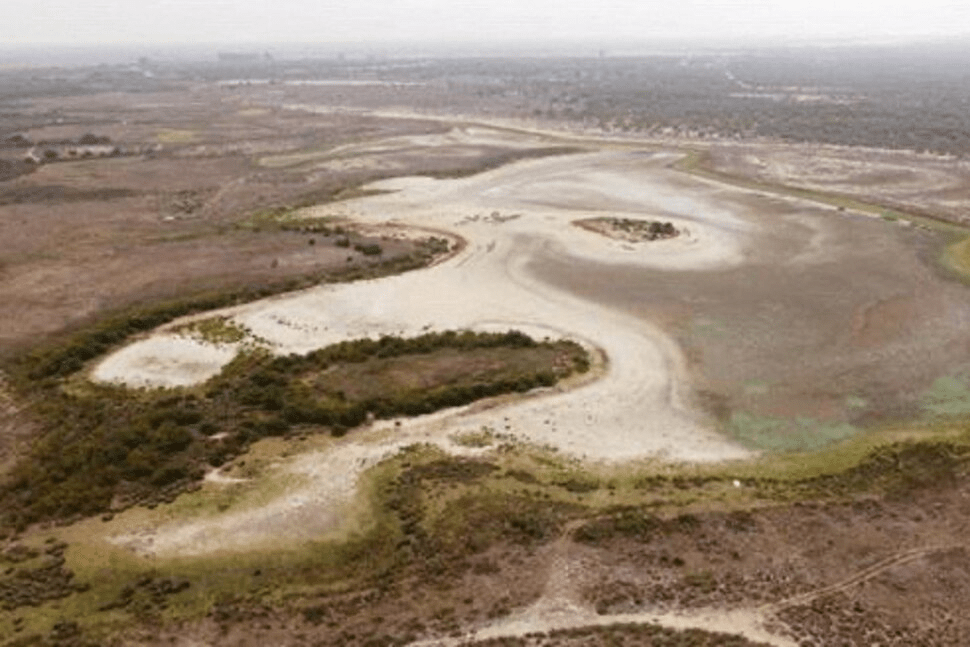
MADRID (Reuters) – The largest permanent lagoon in southern Spain’s Donana national park has completely dried out for the second summer in a row due to a prolonged drought and the overexploitation of aquifers, the Spanish National Research Council (CSIC) said on Thursday.
The drying out of the lagoon comes as Spain grapples with the third heatwave of the summer, while emptying reservoirs have forced water restrictions in parts of the country.
“Since we began collecting data on the area half a century ago, this has never happened in two consecutive years, which shows the seriousness of the situation facing the Donana lagoon system and, with it, all the biodiversity that depends on it,” the CSIC said in a statement.
The Donana wetlands harbour many endemic and threatened species, such as freshwater eels and turtles.
Most lagoons in Donana are temporary, meaning their basins fill when flooded by rainwater from aquifers in the winter and then dry out in the hotter months. But a few also contain water during the summer, providing an important refuge for migratory birds heading southward after breeding in northern Europe.
According to the researchers, Donana has seen in the past two years the lowest precipitation levels in a decade and the highest average annual temperature ever recorded, at 18.53 Celsius (65.35 Fahrenheit).
Donana’s lagoons are not only threatened by the drought and heat. They are also surrounded by a sea of greenhouses and a complex system of pipes that take water from illegally drilled wells for use by farmers growing red berries.
Andalusia’s conservative regional government plans an amnesty that would legalise additional irrigation around Donana, prompting an outcry from environmentalists.
There are some things in life that we want to last forever, but there are other things that we’d rather not have sticking with us. Toxic chemicals are one of the latter.
A group of chemicals known as PFAS are so-called “forever chemicals.” They are indestructible, man-made compounds that can build up in our environment. They can be found in our foods, our clothing and even our body. In fact, a review of 2011-2012 data from the Centers for Disease Control and Prevention showed that PFAS are present in the blood of 97% of Americans.
While it’s hard to avoid PFAS completely, there are certain steps you can take to lower exposure and mitigate risks.
What Are PFAS?
Perfluoroalkyl and polyfluoroalkyl substances, known simply as PFAS, are a group of man-made chemical compounds often used to coat products to repel oil, water and other liquids that cause wear and tear from daily use. Introduced by DuPont Chemical in the 1940s, various PFAS chemicals were the secret weapon behind successful cookware brands like Teflon and Scotchgard, which were known for their long-lasting and anti-stick qualities. Soon after, competitors began to follow suit.
However, this durability comes at a price.
“All of those same properties that make them really resistant to water, it also makes them pretty indestructible in the environment,” explains Sydney Evans, a senior science analyst at the Environmental Working Group in Washington, D.C. “They are almost impossible to break down.”
While scientists are researching ways to degrade and destroy PFAS, there is no widespread, safe method in practice yet.
When the long-term health consequences of PFAS exposure started to come to light, many companies in the United States voluntarily stopped producing products with PFAS. However, many simply replaced the two original variations of PFAS – PFOA (perfluorooctanoic acid) and PFOS (perfluorooctanoic sulfonic acid) – with slightly different chemical compounds that have pretty much the same risk.
“There are relatively minor chemical differences between many of these compounds, which is why they sort of behave similarly,” says Scott Bartell, professor of environmental and occupational health at the University of California, Irvine. “They’re all difficult to break down in the environment because they have a carbon fluorine bond, (which) is one of the strongest bonds known to man.”
Over the past seven decades, experts have identified more than 12,000 different types of PFAS.
Health Consequences of PFAS Exposure
According to the Agency for Toxic Substances and Disease Registry, a federal public health agency run by the U.S. Department of Health and Human Services, PFAS are linked to an increased risk of the following health conditions:
Experts are unclear how much PFAS exposure leads to negative health effects.
“That’s literally the trillion dollar question: Is there a safe level (of) exposure?” Scott says. “I think that’s very much still a matter of some debate amongst scientists.”
There’s a growing consensus among scientists that any level of exposure could put people at risk for certain health conditions, like cancer and decreased vaccination response.
However, David Nadler, a research faculty member at the New York Institute of Technology in Old Westbury, New York, and former director within the New York City Department of Environmental Protection, points out that PFAS are often found with other pollutants and toxins, so it’s hard to solely blame PFAS for causing these negative health effects.
“(PFAS) just might be one of the ingredients in the recipe of all of these other chemical mixtures that we’re inhaling, or that may be in small quantities, in our water supply and with clothing, as well,” Nadler says.
What Products Contain PFAS?
If you’re looking to cut down on your salt intake, you can read the nutrition label that comes with your food to see how much sodium is inside. But when it comes to determining the amount of PFAS in a certain product, the answer can be difficult to discern.
“It’s kind of hard to say what the worst offender is because there’s so much that we don’t know,” Evans says. “These manufacturers are not required to disclose what they’re using, and how much they’re using. Then there’s, of course, the issue of what’s being intentionally added, and what’s happening as a byproduct.”
Even products touted as “organic” and “nontoxic” have been busted for the presence of PFAS. In late 2022, the feminine hygiene company Thinx shelled out a $5 million settlement after customers who tested the underwear filed a class-action lawsuit against the company for its use of PFAS in the products.
Since then, studies have revealed that products like school uniforms and firefighter gear also contain PFAS – as do marine life and food sources, like types of salmon and trout. Long-term exposure to these chemicals has been linked to negative health outcomes, including increased cancer risks and some researchers are still figuring out.
The safest bet is avoiding products that are known to traditionally carry PFAS. Evans recommends avoiding anything with a “stain-resistant” or “water-resistant” label. These include:
Food packaging, especially those with grease-resistant paper, like microwave popcorn, fast-food wrappers, take-out containers or pizza boxes.
Cleaning products, like dishwashers and laundry detergent.
Cosmetics. These include concealers, foundations, shampoo and coated dental floss. Waterproof makeup contains particularly high chemical levels.
Outdoor or exercise gear, particularly water-resistant raincoats and sweat-resistant workout gear.
Uniforms, including firefighter gear and school uniforms – which a recent study found to have similar levels of PFAS contamination to outdoor gear.
Nonstick cookware. Even if your pan boasts a “PFOA-free” label, that likely means that the manufacturers replaced the PFOA with one of the thousands of other PFAS. Instead, opt for a dish made of stainless steel or cast iron material.
Plastic containers, particularly those that are fluorinated, which means they have gone through a process to prevent paneling and distortion.
Clothes and household products aren’t the only way of getting exposed to PFAS. Since these chemicals don’t break down, there’s a large amount of PFAS in the soil and water supply.
PFAS in the Water
As a result of the mounting evidence linking PFAS exposure to serious health effects, federal health agencies have updated their health advisories of acceptable PFAS limits in drinking water to virtually zero.
Until recently, the Environmental Protection Agency’s advisory levels of PFAS in drinking water were 70 parts per trillion. However, in June 2022, the EPA lowered the number to .004 parts per trillion for PFOA and .02 parts per trillion for PFOS.
“The updated advisory levels, which are based on new science and consider lifetime exposure, indicate that some negative health effects may occur with concentrations of PFOA or PFOS in water that are near zero,” according to the EPA report.
The best way to find out how much PFAS you’re exposed to in your tap water is to check your annual water quality report issued by your local government.
“If you really look at it, you get to see everything that’s been tested for,” Nadler says. “You see the number of times a certain chemical came up higher than what, let’s say, the state health department might allow for.”
Missed yours this year? Fear not. Most, if not all, water suppliers will have this copy online.
You can also check the EWG’s tap water database, where you can search by zip code to see what contaminants are found in your area’s water.
Do water filters remove PFAS?
Although a water filter won’t get rid of all chemicals in your drinking water, it will significantly cut down your exposure.
“The good news is that even your basic countertop-pitcher style filters will reduce the level of PFAS in drinking water, as long as you use it correctly and change out the filter,” Evans says.
Bartell recommends a granular activated carbon filter or reverse osmosis filter that has been officially certified to remove PFOA and PFOS.
PFAS in marine life
In addition to lurking in the water, PFAS can contaminate marine animals, like fish. A recent study showed that PFAS can accumulate inside fish, particularly salmonids, which includes fish like salmon, trout and char.
Graham Peaslee, the researcher behind the initial Thinx discovery and co-author of the study on PFAS and fish, and others, says that the findings may have implications for how humans can come in contact to PFAS through their diet, which is “an important route of exposure.”
PFAS Testing
You may want to find out how much PFAS is in your blood after reading this, but PFAS testing has its limits.
You’ll have to seek out a specialty lab to perform the test, and health insurance probably won’t cover the cost. According to the scientific research organization Silent Spring Institute, testing is only available for 40 of the thousands of different PFAS. Additionally, the test will not be able to tell you the source of your exposure or for how long you’ve been exposed.
Even if you do get tested, it’s important to note that not all blood tests will tell you the same thing. Some blood tests look at blood sera, which is a fluid or serum in the blood, to test for PFAS. This can detect some but not all chemicals in the family.
According to Peaslee, who is also a professor of chemistry and biochemistry at the Department of Physics and Astronomy at the University of Notre Dame, one common PFAS that does not accumulate in blood sera is PFHxA. PFHxA is a breakdown of PFAS often from consumer products like stain-resistant fabric. Instead of using a blood sera test, checking for PFHxA can require a whole-blood test. In places where these have been conducted, “PFHxA is about the third most abundant PFAS found in blood,” Peaslee says.
In contrast, some PFAS accumulate at higher concentrations in the blood sera. These chemicals may appear less prevalent on a whole-blood test due to differences in proportions.
If the test results show that you have elevated levels of PFAS in your blood, there could be preventive measures, such as more frequent screenings for the conditions related to high PFAS exposure. For example, if you have a blood concentration above 20 nanograms per milliliter for seven types of PFAS, then physicians can perform additional health screenings similar to those for people with a close family history of certain cancers.
Reducing Your Exposure
There isn’t really a way to live without PFAS, as hard as you may try. But there are ways to reduce risks of exposure.
Avoiding clothes or furniture labeled water- or stain-resistant, using cast-iron instead of nonstick cookware and filtering your water is a great place to start.
“Don’t panic, but do read the labels and ask the questions,” Peaslee says.
Some questions to ask yourself before using or purchasing a product:
Does this product contain properties that have been associated with PFAS? Examples include waterproof, long-lasting or fast-drying labeling.
Does anything on the label mention PFAS? Look for a product that says “Contains no intentional PFAS.”
Remember that even products that do not contain intentionalPFAS may contain unexpected sources, so determine how much risk you are personally willing to take.
By not purchasing a product that contains PFAS, if this information is clear, consumers may be able to put pressure on manufacturers to make better products, Peaslee says.
“The power of the consumer is significant,” he adds. But unfortunately, an individual approach isn’t going to solve a systematic problem nor change the PFAS landscape overnight. So, researchers like Peaslee are keeping at it, with “lots of papers to come until public pressure changes manufacturing patterns.”
Peaslee adds that in the last few years alone, research on PFAS has “exploded.”
“As little as ten years ago there were six peer-reviewed articles a month published on PFAS and health (human health, public health, ecological health) from around the world, while last year there were more than 54 publications a month on PFAS and health,” Peaslee says. “There is so much research occurring on this topic that we are finding out new things every day.”
While discovering new sources of PFAS exposure may not seem like a reason to celebrate, the fact that researchers are committed to studying PFAS can be viewed as a good thing. The more information available, the more tools we have to build a healthier future.
Through advocacy work, you can also pressure lawmakers to set regulations to include PFAS testing requirements for products, and for consumers to be transparent about the materials they use in their manufacturing processes.
“(If) we all sit back and wait for somebody else to do it, nobody’s going to do it,” Evans says. “But if we each take it upon ourselves to write that letter, to send that email, over time, as a group, we can have a huge impact.”
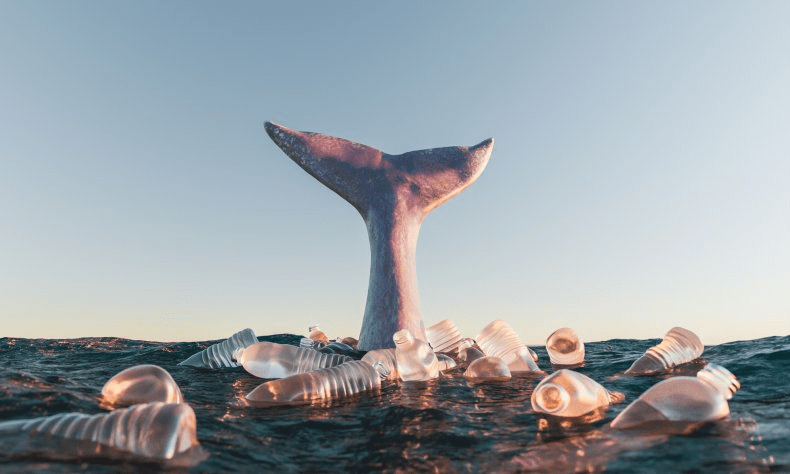
Microscopic plastic particles have been found in the fats and lungs of two-thirds of the marine mammals in a graduate student’s study of ocean microplastics. The presence of polymer particles and fibers in these animals suggests that microplastics can travel out of the digestive tract and lodge in the tissues.
The study, slated for the Oct. 15 edition of Environmental Pollution, appeared online this week.
Harms that embedded microplastics might cause to marine mammals are yet to be determined, but plastics have been implicated by other studies as possible hormone mimics and endocrine disruptors.
“This is an extra burden on top of everything else they face: climate change, pollution, noise, and now they’re not only ingesting plastic and contending with the big pieces in their stomachs, they’re also being internalized,” said Greg Merrill Jr., a fifth-year graduate student at the Duke University Marine Lab. “Some proportion of their mass is now plastic.”
The samples in this study were acquired from 32 stranded or subsistence-harvested animals between 2000 and 2021 in Alaska, California and North Carolina. Twelve species are represented in the data, including one bearded seal, which also had plastic in its tissues.
Plastics are attracted to fats — they’re lipophilic — and so believed to be easily attracted to blubber, the sound-producing melon on a toothed whale’s forehead, and the fat pads along the lower jaw that focus sound to the whales’ internal ears. The study sampled those three kinds of fats plus the lungs and found plastics in all four tissues.
Plastic particles identified in tissues ranged on average from 198 microns to 537 microns — a human hair is about 100 microns in diameter. Merrill points out that, in addition to whatever chemical threat the plastics pose, plastic pieces also can tear and abrade tissues.
“Now that we know plastic is in these tissues, we’re looking at what the metabolic impact might be,” Merrill said. For the next stage of his dissertation research, Merrill will use cell lines grown from biopsied whale tissue to run toxicology tests of plastic particles.
Polyester fibers, a common byproduct of laundry machines, were the most common in tissue samples, as was polyethylene, which is a component of beverage containers. Blue plastic was the most common color found in all four kinds of tissue.
A 2022 paper in Nature Communications estimated, based on known concentrations of microplastics off the Pacific Coast of California, that a filter-feeding blue whale might be gulping down 95 pounds of plastic waste per day as it catches tiny creatures in the water column. Whales and dolphins that prey on fish and other larger organisms also might be acquiring accumulated plastic in the animals they eat, Merrill said.
“We haven’t done the math, but most of the microplastics probably do pass through the gut and get defecated. But some proportion of it is ending up in the animals’ tissues,” Merrill said.
“For me, this just underscores the ubiquity of ocean plastics and the scale of this problem,” Merrill said. “Some of these samples date back to 2001. Like, this has been happening for at least 20 years.”
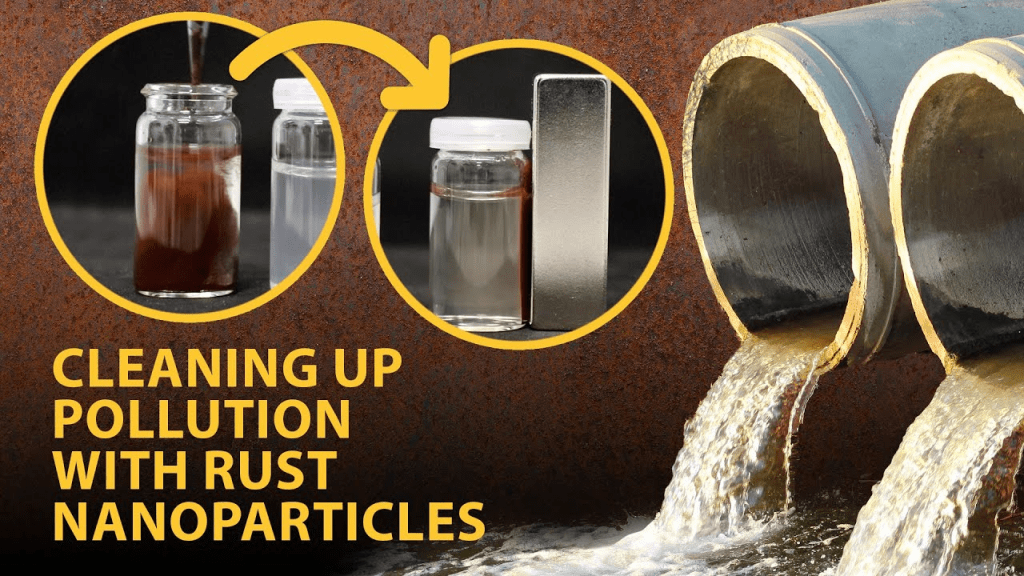
Pouring flecks of rust into water usually makes it dirtier. But researchers have developed special iron oxide nanoparticles they call “smart rust” that actually makes it cleaner. Smart rust can attract many substances, including oil, nano- and microplastics, as well as the herbicide glyphosate, depending on the particles’ coating. And because the nanoparticles are magnetic, they can easily be removed from water with a magnet along with the pollutants. Now, the team is reporting that they’ve tweaked the particles to trap estrogen hormones that are potentially harmful to aquatic life.
The researchers will present their results today at the fall meeting of the American Chemical Society (ACS).
“Our ‘smart rust’ is cheap, nontoxic and recyclable,” says Marcus Halik, Ph.D., the project’s principal investigator. “And we have demonstrated its use for all kinds of contaminants, showing the potential for this technique to improve water treatment dramatically.”
For many years, Halik’s research team has been investigating environmentally friendly ways to remove pollutants from water. The base materials they use are iron oxide nanoparticles in a superparamagnetic form, which means they are drawn to magnets, but not to each other, so the particles don’t clump.
To make them “smart,” the team developed a technique to attach phosphonic acid molecules onto the nanometer-sized spheres. “After we add a layer of the molecules to the iron oxide cores, they look like hairs sticking out of these particles’ surfaces,” says Halik, who is at Friedrich-Alexander-Universität Erlangen-Nürnberg. Then, by changing what is bound to the other side of the phosphonic acids, the researchers can tune the properties of the nanoparticles’ surfaces to strongly adsorb different types of pollutants.
Early versions of smart rust trapped crude oil from water collected from the Mediterranean Sea and glyphosate from pond water collected near the researchers’ university. Additionally, the team demonstrated that smart rust could remove nano- and microplastics added to lab and river water samples.
So far, the team has targeted pollutants present in mostly large amounts. Lukas Müller, a graduate student who’s presenting new work at the meeting, wanted to know if he could modify the rust nanoparticles to attract trace contaminants, such as hormones. When some of our body’s hormones are excreted, they are flushed into wastewater and eventually enter waterways. Natural and synthetic estrogens are one such group of hormones, and the main sources of these contaminants include waste from humans and livestock. The amounts of estrogens are very low in the environment, says Müller, so they are difficult to remove. Yet even these levels have been shown to affect the metabolism and reproduction of some plants and animals, although the effects of low levels of these compounds on humans over long periods aren’t fully known.
“I started with the most common estrogen, estradiol, and then four other derivatives that share similar molecular structures,” says Müller. Estrogen molecules have a bulky steroid body and parts with slight negative charges. To exploit both characteristics, he coated iron oxide nanoparticles with two sets of compounds: one that’s long and another that’s positively charged. The two molecules organized themselves on the nanoparticles’ surface, and the researchers hypothesize that together, they build many billions of “pockets” that draw in the estradiol and trap it in place.
Because these pockets are invisible to the naked eye, Müller has been using high-tech instruments to verify that these estrogen-trapping pockets exist. Preliminary results show efficient extraction of the hormones from lab samples, but the researchers need to look at additional experiments from solid-state nuclear magnetic resonance spectroscopy and small-angle neutron scattering to verify the pocket hypothesis. “We are trying to use different puzzle pieces to understand how the molecules actually assemble on the nanoparticles’ surface,” explains Müller.
In the future, the team will test these particles on real-world water samples and determine the number of times that they can be reused. Because each nanoparticle has a high surface area with lots of pockets, the researchers say that they should be able to remove estrogens from multiple water samples, thereby reducing the cost per cleaning. “By repeatedly recycling these particles, the material impact from this water treatment method could become very small,” concludes Halik.
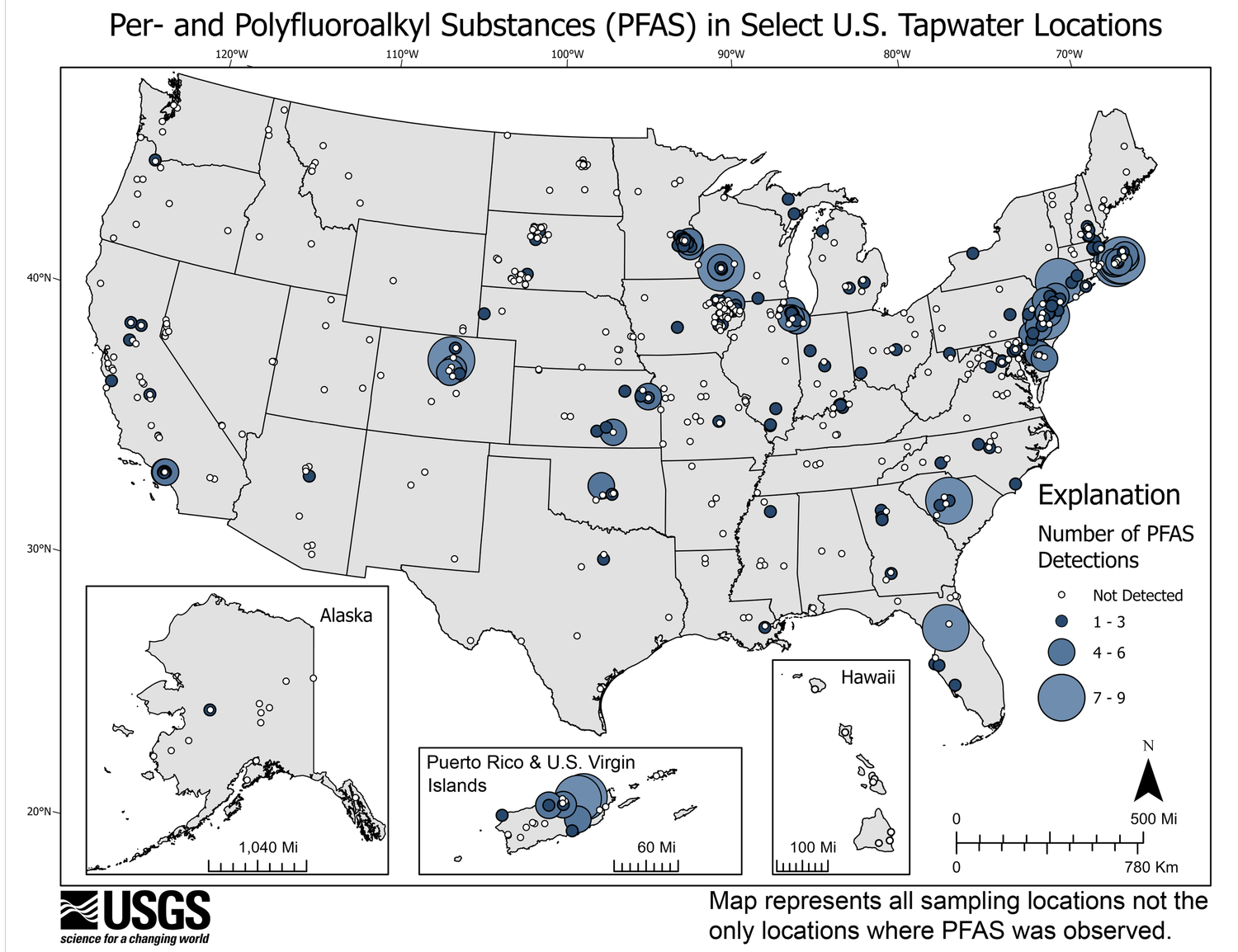
Nearly half of U.S. drinking water supplies likely contain at least one form of per- and poly-fluoroalkyl substances (PFAS), according to a recently published study conducted by the U.S. Geological Survey (USGS).
Commonly known as “forever chemicals” because of their persistence in the environment, PFAS comprise a class of thousands of synthetic compounds that are frequently found in many different consumer, commercial, and industrial products. In recent years, PFAS have been detected at varying levels in a growing number of water supplies across the United States.
Exposure to certain levels of some PFAS could lead to adverse health outcomes in humans and animals, according to the U.S. Environmental Protection Agency (EPA), though additional research is needed to understand such outcomes in more detail.
Sampling water directly from the taps of consumers is part of what makes the recent study unique, says Kelly Smalling, a research hydrologist for the USGS and the lead author of the article.
“Most state and federal monitoring programs typically measure exposure to PFAS and other pollutants at water treatment plants or in the surface water or groundwater wells that supply them,” Smalling says. “The USGS study specifically focused on collecting water directly from a homeowner’s tap where exposure actually occurs. This study also emphasized the importance of collecting data on PFAS from private wells which are not regulated by the EPA and monitored at the discretion of homeowners.”
Results vary
Tap water samples were collected from a range of areas that have experienced low, medium, and high levels of human impacts. “The low category includes protected lands; medium includes residential and rural areas with no known PFAS sources; and high includes urban areas and locations with reported PFAS sources such as industry or waste sites,” according to a July 5 news release from the USGS announcing the results of the study.
Three laboratories were used to assess the concentrations of 32 PFAS in the samples. At least one PFAS was detected in 20 percent of samples from private wells and 40 percent of samples from public water supplies, according to the article.
In samples containing PFAS, the number of individual PFAS compounds ranged from 1 to 9, though the median was 2. Seventeen different types of PFAS were observed in the samples. The most frequent of these were perfluorobutane sulfonic acid (PFBS), at 16 percent; perfluorohexane sulfonic acid (PFHxS), at 15 percent; and perfluorooctanoic acid (PFOA), at 14 percent.
Detected concentrations for individual PFAS ranged from 0.025 to 319 ng/L, while the median was 2.88 ng/L. Cumulative PFAS concentrations in samples ranged from 0.348 to 346 ng/L, with a median of 7.00 ng/L.
This past March the EPA proposed maximum contaminant limits of 4.0 ng/L for PFOA and 4.0 ng/L for perfluorooctanesulfonic acid (PFOS). These proposed limits for PFOA and PFOS were exceeded in 6.7 percent and 4.2 percent, respectively, of all tap water samples collected, according to the article. However, the PFOA and PFOS limits were exceeded in 48 percent and 70 percent, respectively, of tap water samples when detected.
PFAS in 45 percent of U.S. drinking water
The USGS used its data to model and estimate PFAS contamination nationwide. “Modeled results indicate that on average at least one PFAS is detected in about 45% of U.S. drinking-water samples,” according to the article.
“Most of the exposure was observed near urban areas and potential PFAS sources,” according to the July 5 news release. “This included the Great Plains, Great Lakes, Eastern Seaboard, and Central/Southern California regions. The study’s results are in line with previous research concluding that people in urban areas have a higher likelihood of PFAS exposure. USGS scientists estimate that the probability of PFAS not being observed in tap water is about 75% in rural areas and around 25% in urban areas.”
“We were not especially surprised by any of the findings,” Smalling says. “This study is important because not only does it provide information on exposure to PFAS broadly across the U.S. in tap water, but it also gives private well users information that they did not have previously. What we did find interesting is that exposure to PFAS was similar in samples collected from unregulated private wells and regulated public supply.”
The study “can help members of the public to understand their risk of exposure and inform policy and management decisions regarding testing and treatment options for drinking water, including drinking water providers,” Smalling says. “Results further indicate potential hotspots for PFAS exposure, which should provide drinking water providers with more information in their respective areas.”




 GET WET!