WMO report highlights growing shortfalls and stress in global water resources

By World Meteorological Organization

The year 2023 marked the driest year for global rivers in over three decades, according to a new report coordinated by the World Meteorological Organization (WMO), which signaled critical changes in water availability in an era of growing demand. 

A symmetrical dam with flowing waterfalls under a cloudy sky, surrounded by lush green hills and a tranquil lake.

The last five consecutive years have recorded widespread below-normal conditions for river flows, with reservoir inflows following a similar pattern. This reduces the amount of water available for communities, agriculture and ecosystems, further stressing global water supplies, according to the State of Global Water Resources report.

Glaciers suffered the largest mass loss ever registered in the last five decades. 2023 is the second consecutive year in which all regions in the world with glaciers reported iceloss.

With 2023 being the hottest year on record, elevated temperatures and widespread dry conditions contributed to prolonged droughts. But there were also a significant number of floods around the world. The extreme hydrological events were influenced by naturally occurring climate conditions – the transition from La Niña to El Niño in mid-2023 – as well as human induced climate change.

“Water is the canary in the coalmine of climate change. We receive distress signals in the form of increasingly extreme rainfall, floods and droughts which wreak a heavy toll on lives, ecosystems and economies. Melting ice and glaciers threaten long-term water security for many millions of people. And yet we are not taking the necessary urgent action,” said WMO Secretary-General Celeste Saulo.

“As a result of rising temperatures, the hydrological cycle has accelerated. It has also become more erratic and unpredictable, and we are facing growing problems of either too much or too little water. A warmer atmosphere holds more moisture which is conducive to heavy rainfall. More rapid evaporation and drying of soils worsen drought conditions,” she said.

“And yet, far too little is known about the true state of the world’s freshwater resources. We cannot manage what we do not measure. This report seeks to contribute to improved monitoring, data-sharing, cross-border collaboration and assessments,” said Celeste Saulo. “This is urgently needed.”

The State of Global Water Resources report series offers a comprehensive and consistent overview of water resources worldwide. It is based on input from dozens of National Meteorological and Hydrological Services and other organizations and experts. It seeks to inform decision makers in water-sensitive sectors and disaster risk reduction professionals. It complements WMO’s flagship State of the Global Climate series.

The State of the Global Water Resources report is now in its third year and is the most comprehensive to date, with new information on lake and reservoir volumes, soil moisture data, and more details on glaciers and snow water equivalent.

The report seeks to create an extensive global dataset of hydrological variables, which includes observed and modelled data from a wide array of sources. It aligns with the focus of the global Early Warnings for All initiative on improving data quality and access for water-related hazard monitoring and forecasting,and providing early warning systems for all by 2027.

Currently, 3.6 billion people face inadequate access to water at least a month per year and this is expected to increase to more than 5 billion by 2050, according to UN Water, and the world is far of track Sustainable Development Goal 6 on water and sanitation.

Highlights

Hydrological extremes

The year 2023 was the hottest year on record. The transition from La Niña to El Niño conditions in mid-2023, as well as the positive phase of the Indian Ocean Dipole (IOD) influenced extreme weather.

Africa was the most impacted in terms of human casualties. In Libya, two dams collapsed due to a major flood in September 2023, claiming more than 11,000 lives and affecting 22% of the population. Floods also affected the Greater Horn of Africa, Democratic Republic of Congo and Rwanda, Mozambique and Malawi.

Southern USA, Central America, Argentina, Uruguay, Peru and Brazil were affected by widespread drought conditions, which led to 3% gross domestic product loss in Argentina and lowest water levels ever observed in Amazon and in Lake Titicaca.

River discharge

The year 2023 was marked by mostly drier-than-normal to normal river discharge conditions compared to the historical period. Similar to 2022 and 2021, over 50% of global catchment areas showed abnormal conditions, with most of them being in deficit. Fewer basins showed above normal conditions.

Large territories of Northern, Central and South America suffered severe drought and reduced river discharge conditions in 2023. The Mississippi and Amazon basins saw record low water levels. In Asia and Oceania, the large Ganges, Brahmaputra and Mekongriver basins experienced lower-than-normal conditions almost over the entire basin territories.

The East coast of Africa had above and much above-normal discharge and flooding. North Island of New Zealand and the Philippines exhibited much above normal annual discharge conditions. In Northern Europe, the entire territory of the UK and Ireland saw above-normal discharge, also Finland and South Sweden.

World map showing 2023 river discharge conditions. Regions are color-coded from much below to much above normal. Data from simulations, using ensembles of ten GHMSs.

2023: Half of the globe had dry river flow conditions

Reservoirs and lakes

The inflows into reservoirs showed a similar pattern to the global river discharge trends: India, North, South and Central America, parts of Australia experiencing below-normal inflow conditions. The basin-wide reservoir storage varied significantly, reflecting the influence of water management, with much above-normal levels in basins like the Amazon and Parana, where river discharge was much-below-normal in 2023.

Lake Coari in the Amazon faced below-normal levels, leading to extreme water temperature. Lake Turkana, shared between Kenya and Ethiopia, had above-normal water volumes, following much above-normal river discharge conditions.

Groundwater Levels

In South Africa, most wells showed above-normal groundwater levels, following above-average precipitation, as did India, Ireland, Australia, and Israel. Notable depletion in groundwater availability was observed in parts of North America and Europe due to prolonged drought. In Chile and Jordan groundwater levels were below normal, with the long-term declines due to over-abstraction rather than climatic factors.

Soil moisture and evapotranspiration

Levels of soil moisture were predominantly below or much below normal across large territories globally, with North America, South America, North Africa, and the Middle East particularly dry during June-August.  Central and South America, especially Brazil and Argentina, faced much below-normal actual evapotranspiration in September-October-November. For Mexico, this lasted almost the entire year because of drought conditions.

In contrast, certain regions, including Alaska, northeast Canada, India, parts of Russia, parts of Australia and New Zealand experienced much above-normal soil moisture levels. 

Snow water equivalent

Most catchments in the Northern Hemisphere had below to much-below normal snow water equivalent  in March. Seasonal peak snow mass for 2023 was much above normal in parts of North America and much-below normal in Eurasian continent.

Glaciers

Glaciers lost more than 600 Gigatonnes of water, the worst in 50 years of observations, according to preliminary data for September 2022 – August 2023. This severe loss is mainly due to extreme melting in western North America and the European Alps, where Switzerland’s glaciers have lost about 10% of their remaining volume over the past two years. Snow cover in the northern hemisphere has been decreasing in late spring and summer: in May 2023, the snow cover extent was the eighth lowest on record (1967–2023). For North America the May snow cover was the lowest in the same period

Summer ice mass loss over the past years indicated that glaciers in Europe, Scandinavia, Caucasus, Western Canada North, South Asia West, and New Zealand have passed peak water (maximum melt rate of a retreating glacier; leading to reduced water storage and availability afterwards), while Southern Andes (dominated by the Patagonian region), Russian Arctic, and Svalbard seem to still present increasing melt rates.

Bar chart showing global glacier mass changes from 1980 to 2020. It depicts mass loss trends with color gradients indicating annual loss or gain. Winter and summer balances are labeled.

Retreating Glaciers: Glaciers suffer largest mass loss in 50 years

Notes to Editors

The State of Global Water Resources report contains input from a wide network of hydrological experts, including National Meteorological and Hydrological Services, Global Data Centres, global hydrological modelling community members and supporting organizations such as NASA and the German Research Centre for Geosciences (GFZ).

The number of river discharge measurement stations increased from 273 in 14 countries to 713 in 33 countries, and the groundwater data collection expanded to 35459 wells in 40 countries, compared to 8,246 wells in 10 countries in the previous year (Figure 1). However, despite improvements in observational data sharing, still Africa, South America, and Asia remain underrepresented in hydrological data collection, highlighting the need for improved monitoring and data sharing, particularly in the Global South.

The report seeks to enhance the accessibility and availability of observational data (both through better monitoring and improved data sharing), further integrate relevant variables into the report, and encourage country participation to better understand and report water cycle dynamics.

Future reports are anticipated to include even more observational data, supported by initiatives like the WMO’s Global Hydrological Status and Outlook System (HydroSOS), the WMO Hydrological Observing System (WHOS), and collaboration with global data centers.

CLICK HERE FOR MORE INFORMATION: https://wmo.int/news/media-centre/wmo-report-highlights-growing-shortfalls-and-stress-global-water-resources

The Frozen World is the “Canary in the Coalmine”

By World Meteorological Organization

All people on Earth depend on the cryosphere. Snow, glaciers, ice sheets, sea ice, and permafrost are significant reservoirs and sources of freshwater, sustaining ecosystems and supporting livelihoods. Approximately 70% of the Earth’s freshwater is stored in glaciers and ice sheets. However, greenhouse gas emissions are driving rapid changes in the cryosphere, leading to global consequences including rising sea levels, loss of water resources, accelerated warming, extreme weather events, and significant impacts on biodiversity, ecosystems, and human livelihoods. Coastal regions, low-lying islands, polar and high mountain areas are especially vulnerable.

Snow-covered mountains and glaciers are reflected in calm Antarctic waters under a blue sky with wispy clouds.

A new WMO Bulletin article describes the cryosphere as the “Canary in the coal mine” of the climate system because coal mines once used canaries as early indicators of potential danger: their sensitivity to poisonous gases caused their early demise during gas leaks, sounding a danger alarm for miners. Today, “canary in the coal mine” is commonly used to express alert for environmental dangers. 

The article explains why the cryosphere has become one of WMO’s top priorities.

Reflecting the urgency of the challenge, WMO Secretary-General Celeste Saulo took part in high-level events at COP29 to highlight the importance of the cryosphere.

International Year of Glaciers’ Preservation 

An event hosted by Tajikistan’s President Emomali Rahmon increased awareness of the importance of the upcoming International Year of Glaciers’ Preservation in 2025. In collaboration with UNESCO, WMO is facilitating its implementation.

WMO provides annual updates on the State of the Global Climate, which assess melting of glaciers through monitoring. Glaciers mass balance is an important climate change indicator. And it is an alarming one.

The recently released “State of Global Water Resources 2023” report highlights alarming findings. Glaciers worldwide respond differently to climate change, but collectively, they lost over 600 gigatons of water in 2023. 600 gigatons of water is about 13% of the world’s annual water consumption, Celeste Saulo told the event. 

“This was the largest mass loss in 50 years of measurements. This underscores a pressing concern: the long-term reduction in water stored as ice will critically affect future water resources for people and ecosystems,” she said. 

The ministerial-level event was attended by Shehbaz Sharif, the Prime Minister of Pakistan – one of the countries on the frontline of short term hazards like glacial lake outflows, avalanches and floods and long-term water insecurity. 

A Message from the Frozen World 

A Message from the Frozen World – the Global Impact of a Changing Cryosphere.”was issued by key stakeholders and rightsholders from polar, mountainous and vulnerable low-lying regions at a high-level event hosted by Norway as Chair of the Arctic Council.

Participants at the high-level event included Chile, Bhutan, Germany, Pakistan, Nepal, the Inuit Circumpolar Council, WMO, the International Centre for Integrated Mountain Development, the Ambition on melting ice (AMI) / International Cryosphere Climate Initiative, the Arctic Council’s Arctic Monitoring and Assessment Programme, and the Scientific Committee on Antarctic Research. The event was opened by the Prime Minister of Norway, H.E. Mr. Jonas Gahr Støre.

“Norway, as chair of the Arctic Council, recognizes the cryosphere’s critical role and is committed to amplifying the urgent message from the polar and high mountain regions,” said Morten Høglund, Chair of the Arctic Council. “We must leverage scientific research and Indigenous Knowledge to tackle these issues. The Arctic Council is vital for this collaboration, yet this is a global concern. To slow irreversible climate change, we must keep global temperatures below 1.5°C.”

The side event hosted by Norway highlighted the serious impacts of climate change in the Arctic, Antarctica, and mountain cryosphere, and related these to vulnerable low-lying and downstream populations. It emphasized the impact on Indigenous Peoples and the need to equitably and ethically utilize the Knowledge of Indigenous Peoples in response to these changes. 

The event concluded with the representatives of governments of Germany and Pakistan signing the Ambition on Melting Ice: On Sea-level Rise and Mountain Water Resources (AMI) Declaration, that was initiated at COP27 and is co-chaired by Chile and Iceland.

Regional cryosphere changes – global impacts

The Arctic is one of the regions most impacted by climate change. In the last 45 years, it has warmed at three times the global average, severely impacting its environment, biodiversity, and communities. But changes in the region extend far beyond the Arctic; its effects are felt worldwide.

A significant part of the population in the Arctic and high mountain regions are Indigenous Peoples. This includes over 180,000 Inuit that have lived and thrived in Inuit Nunaat, the circumpolar Inuit homeland, for millennia and have unique Knowledge about the ice and the ecosystems it sustains. Inuit livelihoods, culture, and ways of life are particularly impacted by the changing cryosphere and a multitude of other external compounding threats that were not caused by Inuit, yet they are experiencing its consequences. 
“Inuit are a people of the cryosphere. We are deeply and intrinsically connected with sea ice and the nature of a frozen landscape for traveling, hunting, safely living on our lands and harvesting our marine resources. In recent years, Inuit have increasingly been impacted by the lack of ice, which affects our health, wellbeing and livelihoods, thereby impacting our collective and individual rights,” says Sara Olsvig, Chair of the Inuit Circumpolar Council (ICC). 

“For centuries, the lives of communities in the Hindu Kush Himalayas have been intrinsically linked to the mountain cryosphere. Now, however the snowpack and frozen water stores that have sustained these communities’ livelihoods, settlements, cultures are disappearing at an unprecedented pace, already rendering life in too many mountain settlements unviable,” Pema Gyamtsho, Director General, ICIMOD states.  “Climate-driven hazards are outpacing efforts at resilience building. We must do more to champion and amplify the ground-realities of these traditional custodians of mountain ecosystems, to revive their culture of care for cryosphere and the ecological and human systems it supports, and to equip them with the tools and finance to adapt.”

The Antarctic and Greenland Ice Sheets have certain thresholds where irreversible collapse becomes inevitable and, in the case of West Antarctica especially, may be quite close without far stronger emissions reductions, leading to potentially rapid sea-level rise that could result in 3 meters already early in the next century. 

“A temperature increase of 1.5 degrees Celsius versus current policies, that will take us well above 2 degrees, makes all the difference in the world,” stated Dr. Robert DeConto, an Intergovernmental Panel on Climate Change (IPCC) author. With very high emissions, the latest IPCC Report AR6 concluded that 15 meters sea-level rise by 2300 cannot be ruled out. “Leaders must understand that we are in the cryosphere risk zone,” he concluded.

“WMO published its State of the Climate Update at COP29. It confirms that 2024 is on track to be the hottest year on record, and this has profound implications for the cryosphere. Arctic sea ice extent in 2024 was once again below average and Antarctic sea ice extent was the second lowest on record. Glacier loss is worsening. In 2023, glaciers lost a record 1.2-meter water equivalent of ice – about five times the amount of water in the Dead Sea. It was the largest loss since measurements began in 1953 and was due to extreme melting in North America and Europe. We are sending out an SOS on the cryosphere,” stated Celeste Saulo.

CLICK HERE FOR MORE INFORMATION: https://wmo.int/media/news/frozen-world-canary-coalmine

Confusion mounts in another U.S. city grappling with lead in its taps

By Amudalat Ajasa

SYRACUSE, N.Y. — After assuring residents here for months that their tap water is safe to drink despite earlier tests showing high lead levels, city officials announced Thursday that some of their earlier assessments were done improperly.

The news in Syracuse — the latest U.S. city grappling with a crisis over contaminated drinking water — comes after officials first disclosed in August that samples collected in the spring found that dozens of homes had dangerous levels of lead exposure. The city said 10 percent of the homes it surveyed had levels more than four times the Environmental Protection Agency threshold that triggers government enforcement, or more than twice what officials found during the Flint, Michigan, water crisis a decade ago.

City officials, who disclosed the testing problems after The Washington Post made several inquiries, argue the high lead levels identified in August may have stemmed from a problem in testing and said they had placed two water department employees on administrative leave. After retesting 24 of the homes that had elevated lead concentrations earlier this year, two came back above the EPA’s threshold, Syracuse’s chief policy officer, Greg Loh, said in a statement Thursday.

For months, Syracuse Mayor Ben Walsh has said the high lead levels were “anomalies.”

“We had one sample [set] where we exceeded the [EPA] limit,” Walsh said this week. “But based on historical data and our most recent data, we are below EPA limits and the water is safe.”

Still, environmental advocates, who have fanned across the city in an effort to notify residents about possible lead contamination, countered that the readings could still indicate a potential problem in Syracuse’s water supply that needs to be addressed. And as residents have learned more about the lead pipes in their homes, there’s mounting confusion about how the city conducted its testing and what officials are doing to address the potential issues.

Valerie Baron, a senior attorney at the advocacy group Natural Resources Defense Council (NRDC), said the improper sampling methods from employees “doesn’t prove that the water is safe from lead.”

City officials told The Post earlier this week that residents voluntarily took water samples from their homes for the city to test — a practice known as self-administered testing. But several interviews with residents revealed that many had not received or participated in the tests. Then, inquiries and reporting from The Post prompted the city to conduct further reviews of the assessments, said Sol Muñoz, a spokesperson for the city’s infrastructure department.

One resident told The Post that she saw someone take samples from outdoor water sources, which doesn’t meet EPA requirements. The requirements call for tests to be conducted from a kitchen or bathroom sink.

When initially asked whether the city collected water from outside faucets, Muñoz said the city itself did not do testing but had heard about instances of landlords sampling outdoor spigots.

On Thursday, Loh said officials are investigating reports that water was sampled from outdoor spigots and said “required sampling protocols were not followed.”

In more recent rounds of testing, the city sampled water from 115 properties — 45 of which number were part of the initial round of testing in the spring — reporting Thursday that the results came in under the EPA’s threshold.

Still, Baron said that there is no reason to think that water from outdoor spigots will contain less lead than a kitchen or bathroom sink.

The lack of clarity around testing practices has raised concerns about risks from the roughly 14,000 lead pipes that carry water to homes across this city of 150,000 people.

The city typically tests the water for lead every three years. The EPA recently lowered the threshold for government intervention from 15 parts per billion to 10 under the new Lead and Copper Rule Improvements.

Lead levels varied throughout homes in the area during the spring, according to data obtained through a Freedom of Information Act request by the NRDC. The highest levels detected were 2,520 ppb — over 250 times the new action level. Other homes had 346 ppb, 225 ppb and 198 ppb, according to documents reviewed by The Post.

In recent interviews with nine Syracuse residents — after knocking on 21 of the 27 homes that tested with high lead levels — none knew how the city had collected samples of their water. At least one resident said she observed someone taking a sample from an outdoor spigot. One university student said he called the water utility after receiving the results and was told the sample could have been taken from an outside hose. Five other residents said they were unsure how the city had tested their water.

There is no safe level of exposure to lead, according to the Centers for Disease Control and Prevention. And harms from drinking contaminated water could be irreversible. Low-level exposure can cause permanent cognitive damage, especially in children, and it is known to cause development delays, difficulty learning and behavioral problems.

Mona Hanna, a pediatrician and associate dean of public health at Michigan State University who helped expose the widespread contamination of Flint’s drinking water a decade ago, said the situation in Syracuse gave her déjà vu.

“Every level of lead poses a potential danger,” Hanna said. “These levels are astronomical in Syracuse.”

Yet officials have called the higher lead levels outliers and said that previous years’ testing results have not exceeded the EPA’s threshold in over a decade.

In mid-October, national environmental groups, concerned medical providers and residents sent a letter to state and city officials, as well as the EPA, calling on them to declare a state of emergency and to better inform all Syracuse residents about potential risks.

In response, the city released a statement saying the “data does not support the conclusion of an emergency situation or comparisons to other U.S. cities.”

“The last thing we want to do is cause unnecessary anxiety or concern from residents who don’t have reason to be concerned,” Walsh said this week.

But the city stressed it is taking the situation seriously.

Baron said the city “has a lead-contaminated drinking water crisis that requires urgent action.”

“Yet city officials are downplaying the problem and have failed to ensure that residents are protected now from high levels of toxic lead in their tap water,” Baron added.

On Sunday, the NRDC and Syracuse University PhD student Kiara Van Brackle canvassed the area, handing out water filters to homes that had reported high lead levels and sharing information about water safety. As the group knocked on doors, it became clear how much confusion exists, as well as inconsistencies between their experiences and what officials had described.


Many residents said they were stunned to initially learn their homes had high lead levels. Some knew very little about the dangers of lead water contamination. Many didn’t know that the lead contamination was a wider problem across the city.

Liam Rodewald and Justin Schmidt had always wondered about the water quality in Syracuse given the relative age of homes here, but it was a letter from the city in July that confirmed the college students’ suspicions. The letter said that their home water had tested at 77.3 ppb — nearly eight times the EPA limit.

The students were confused. To their knowledge, the city never tested their water or dropped off a kit so they could test the water themselves. Their landlord confirmed he did not conduct the test and had no knowledge that tests were sent. The students have lived in the same home for two years.

“I’m wary to drink the water,” said Rodewald, who attends SUNY College of Environmental Science and Forestry with Schmidt. “How are they able to confidently say that the water is safe when they don’t know what’s coming out of the faucet?”

Rodewald and Schmidt thought their high lead levels could have been an isolated incident. Then last week, they heard people at school talking about it. They realized water contamination was a larger issue.

“If that’s the only way I found out about the information, how are other people finding out?” Rodewald said.

Lead pipes were initially installed in cities decades ago because they were cheaper and more malleable, but the heavy metal can corrode, causing lead to leach into drinking water. Congress banned their installation in 1986. In early October, the EPA finalized the Lead and Copper Rule Improvements, a policy update that requires water utilities to replace all lead pipes within a decade — a move aimed at eliminating a toxic threat that continues to affect tens of thousands of American children each year.

Environmental advocates and health experts in the area argue the situation in Syracuse parallels the water crisis in Flint, Michigan. In 2014, Flint officials switched the city’s water source to save money but did not ensure there were corrosion-control chemicals in the new water supply. After a year of resident complaints, officials confirmed that the water coming through the taps was contaminated. Nearly 100,000 Flint residents, in the majority-Black city, were exposed to lead through their home water sources, according to the CDC.

A group of Virginia Tech researchers sampled water in Flint homes in 2015 and found that 10 percent of the homes tested at 31 ppb. In Syracuse, 10 percent of homes sampled in the spring showed a level of 70 ppb or higher.

The state of New York has doled out nearly $22.8 million from the bipartisan infrastructure law to the city to replace lead pipes — with $12.8 million released following the announcement of the high lead levels in August. Between the early 2000s and 2018, the city completed about 2,500 partial pipe replacements — a process that includes replacing pipes on the public side of streets. The city announced in September that they plan to do more than 3,000 lead service line replacements in the next year. Officials say they are on track to remove all lead service lines before the EPA’s deadline.

The White House estimates that more than 9 million homes across the country are still supplied by lead pipelines, which are the leading source of lead contamination through drinking water.

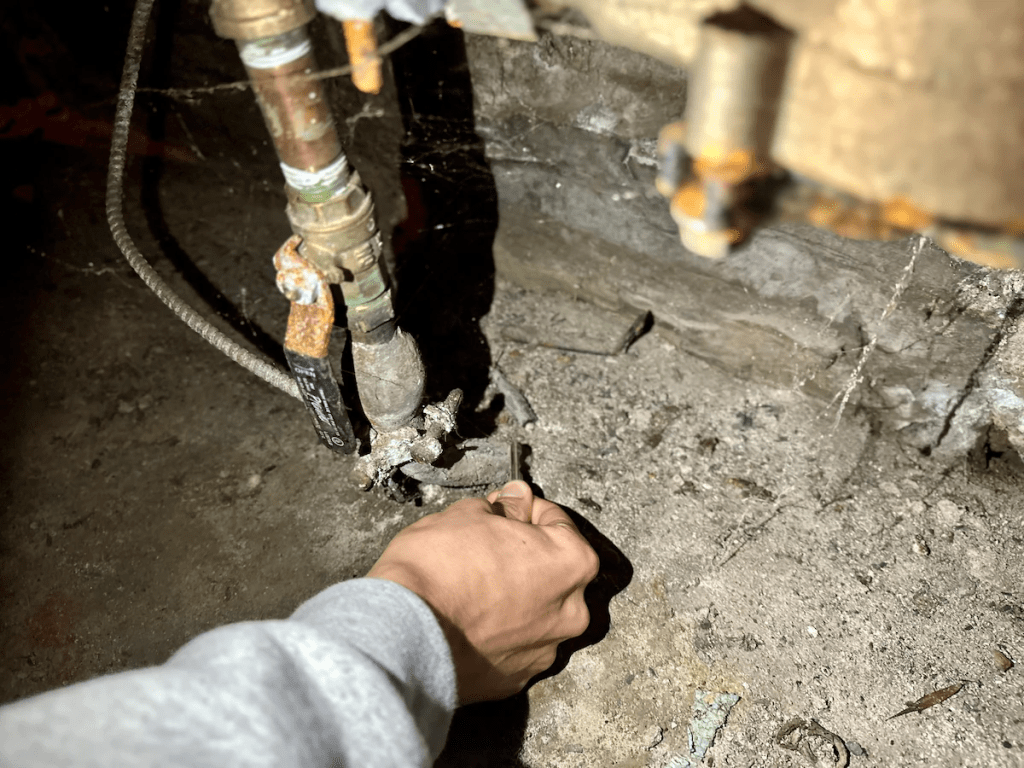
When they moved in two years ago, college students Rodewald and Schmidt didn’t know the water that served their home came from lead service lines. Earlier this week, Rodewald used a key to gently scratch the metal pipe that feeds water throughout the house for the first time. Shiny, silver streaks appeared. It was a lead pipe.

They had both hoped to stay in Syracuse after they graduate in the spring. Now they are considering leaving.

CLICK HERE FOR MORE INFORMATION: https://www.washingtonpost.com/climate-environment/2024/11/01/syracuse-lead-tap-water-contamination/

Scientists examine how wastewater practices in Florida Keys impact water quality

By Matthew Carroll

UNIVERSITY PARK, Pa. — Wastewater contains nutrients that can overfeed algae, leading to harmful algal blooms and pollution issues in the ocean and other waterways. A new study by researchers at Penn State tracked how these nutrients migrate from disposal sites in the Florida Keys, and the results have already informed wastewater practices in the region.

The scientists reported their findings, which summarize two years of wastewater and groundwater monitoring data, in the journal ACS ES&T Water. The data were made public as they were collected.

Many treatment facilities in the Florida Keys perform initial biological and chemical treatment of wastewater and then inject it into shallow wells, less than 100 feet underground. In theory, remaining nutrients like inorganic phosphate would adsorb or stick to the surface of the porous limestone bedrock as the wastewater plume travels in the subsurface before reaching coastal waters, the scientists said.

But Penn State researchers and other groups of scientists have detected potential wastewater contamination in groundwater and nearshore waters, suggesting current wastewater treatment and disposal techniques may be insufficient. Citing previous studies by other researchers and preliminary data from this study led by Penn State researchers, an environmental group sued the city of Marathon, Florida, in 2022, over alleged pollution from shallow wells. The city agreed to settle the lawsuit by transitioning away from the use of such wells.

In 2021, Penn State scientists installed monitoring wells around the injection site of a city of Marathon wastewater treatment facility, and gathered two years of data on nutrients, dissolved ions and human-produced compounds, such as the artificial sweetener sucralose and pharmaceuticals, in groundwater and nearshore waters.

They found the shallow injection process removed more than 90% of soluble reactive phosphorus (SRP), a type of inorganic phosphate. But SRP and sucralose were both detected in nearshore waters, indicating incomplete removal from wastewater, according to the researchers.

“Our findings suggest the use of shallow injection as a disposal mechanism for treated wastewater should be reevaluated at facilities with large discharge capacities,” said Miquela Ingalls, assistant professor of geosciences at Penn State and corresponding author on the study. “Further analytical and quantitative approaches like the ones we used here may help determine whether wastewater injection can be considered the direct equivalent of a point-source contaminant discharge.”

The Clean Water Act makes it illegal to directly discharge contaminants into fresh water — like sewage spilling from a pipe into a river. But whether something is considered the equivalent of direct discharge is complicated and involves factors like how far the water must travel and the path it takes, the researchers said. 

In the Florida Keys, the water travels through bedrock comprising a porous carbonate material made of ancient coral reefs that can bind phosphate to its surface through a process called adsorption.

“The idea is that any remaining phosphate that wasn’t remediated in the initial treatment steps, once they pump it into the ground, will be adsorbed onto the bedrock’s surface and taken out of the solution,” Ingalls said. “We studied how effective this remediation mechanism was by investigating the efficiency and permanence of phosphate adsorption.”

The scientists said about 75% of the SRP was removed from the plume in the first 10 days of transit by adsorption. A slower removal mechanism in which SRP is incorporated into calcium phosphate minerals, like those that make up our bones and teeth, brought the total phosphate removal efficiency above 90%.

The researchers also injected fluorescent green dye to trace the movement of wastewater from the injection well through the array of sampling well sites.

Groundwater in the Florida Keys has a high salinity due to its proximity to the ocean and is therefore very dense, the scientists said. When less dense wastewater is injected underground, it quickly buoys back up to the surface.

This is an issue because contaminants or nutrients that were not removed in the initial treatment or adsorbed onto the bedrock may travel directly to nearshore waters along the coastline, the scientists said.  

“It’s sort of a confluence of issues because of the geography of the Keys,” Ingalls said. “You have this salty groundwater that causes the less dense wastewater to buoy to the surface. And the Keys themselves are such narrow land bodies that once it returns to the surface, there is very little transport distance before it’s back in the ocean.”

Ingalls said the team is continuing to analyze data collected from the shallow injection wells and is currently focusing on levels of nitrogen — another wastewater pollutant.

“With phosphate, it’s about the chemical binding to the carbonate bedrock,” she said. “With nitrogen, it’s entirely about the microbial communities that live in the subsurface and consume nitrate and other nitrogen species. The reason to study both is because both can have similar negative impacts on clean water. Both can cause eutrophication, which increases algae growth and low-oxygen conditions that are harmful to fragile shallow marine ecosystems.”

Lee Kump, the John Leone Dean in the College of Earth and Mineral Sciences and a professor of geosciences, and Kate Meyers and Megan Martin, who earned their master’s degrees from Penn State in 2023 and 2022, respectively, also contributed to this work.

The U.S. Environmental Protection Agency provided funding for this work.

CLICK HERE FOR MORE INFORMATION: https://www.psu.edu/news/earth-and-mineral-sciences/story/scientists-examine-how-wastewater-practices-florida-keys-impact

The system that moves water around the Earth is off balance for the first time in human history

By Laura Paddinson

CNN — 

Humanity has thrown the global water cycle off balance “for the first time in human history,” fueling a growing water disaster that will wreak havoc on economies, food production and lives, according to a landmark new report.

Decades of destructive land use and water mismanagement have collided with the human-caused climate crisis to put “unprecedented stress” on the global water cycle, said the report published Wednesday by the Global Commission on the Economics of Water, a group of international leaders and experts.

The water cycle refers to the complex system by which water moves around the Earth. Water evaporates from the ground — including from lakes, rivers and plants — and rises into the atmosphere, forming large rivers of water vapor able to travel long distances, before cooling, condensing and eventually falling back to the ground as rain or snow.

Disruptions to the water cycle are already causing suffering. Nearly 3 billion people face water scarcityCrops are shriveling and cities are sinking as the groundwater beneath them dries out.

The consequences will be even more catastrophic without urgent action. The water crisis threatens more than 50% of global food production and risks shaving an average of 8% off countries’ GDPs by 2050, with much higher losses of up to 15% projected in low-income countries, the report found.

“For the first time in human history, we are pushing the global water cycle out of balance,” said Johan Rockström, co-chair of the Global Commission on the Economics of Water and a report author. “Precipitation, the source of all freshwater, can no longer be relied upon.”

The report differentiates between “blue water,” the liquid water in lakes, rivers and aquifers, and “green water,” the moisture stored in soils and plants.

While the supply of green water has long been overlooked, it is just as important to the water cycle, the report says, as it returns to the atmosphere when plants release water vapor, generating about half of all rainfall over land.

Disruptions to the water cycle are “deeply intertwined” with climate change, the report found.

A stable supply of green water is vital for supporting vegetation that can store planet-heating carbon. But the damage humans inflict, including destroying wetlands and tearing down forests, is depleting these carbon sinks and accelerating global warming. In turn, climate change-fueled heat is drying out landscapes, reducing moisture and increasing fire risk.

The crisis is made more urgent by the huge need for water. The report calculates that, on average, people need a minimum of about 4,000 liters (just over 1,000 gallons) a day to lead a “dignified life,” far above the 50 to 100 liters the United Nations says is needed for basic needs, and more than most regions will be able to provide from local sources.

Richard Allan, a climate science professor at Reading University, England, said the report “paints a grim picture of human-caused disruption to the global water cycle, the most precious natural resource that ultimately sustains our livelihoods.”

Human activities “are altering the fabric of our land and the air above which is warming the climate, intensifying both wet and dry extremes, and sending wind and rainfall patterns out of kilter,” added Allan, who was not involved in the report.

The crisis can only be addressed through better management of natural resources and massive cuts in planet-heating pollution, he told CNN.

The report’s authors say world governments must recognize the water cycle as a “common good” and address it collectively. Countries are dependent on each other, not only through lakes and rivers that span borders, but also because of water in the atmosphere, which can travel huge distances — meaning decisions made in one country can disrupt rainfall in another.

The report calls for a “fundamental regearing of where water sits in economies,” including better pricing to discourage wastefulness and the tendency to plant water-thirsty cropsand facilities, such as data centers, in water-stressed regions.

“The global water crisis is a tragedy but is also an opportunity to transform the economics of water,” said Ngozi Okonjo-Iweala, director general of the World Trade Organization and a co-chair of the commission that published the report. Valuing water properly is essential, she added, “so as to recognize its scarcity and the many benefits it delivers.”

CLICK HERE FOR NO INFORMATION: https://www.cnn.com/2024/10/16/climate/global-water-cycle-off-balance-food-production/index.html

What is sea level rise and why does it matter to our future?

By Daniel Dickinson

The UN Secretary-General António Guterres has been visiting the Pacific Ocean nations, Tonga and Samoa, where sea level rise has been one of the key issues he has been discussing with the communities he has met.

On 25 September, global leaders and experts will gather at the UN to discuss how best to address the threat.

High water mark

It is estimated that the oceans have risen by approximately 20-23 centimetres (8-9 inches) since 1880.

In 2023, the average sea level globally reached a record high the UN’s World Meteorological Organization (WMO) confirmed, according to satellite records kept since 1993.

Worryingly, the rate of increase over the last 10 years is more than twice the rate of sea level rise in the first decade of the satellite record, from 1993 to 2002.

What causes sea levels to rise?

Rising sea levels are the result of ocean warming and the melting of glaciers and ice sheets, phenomena which are the direct consequences of climate change.

Even if global warming is limited to 1.5°C above pre-industrial levels, which is the goal that countries around the world set as part of the Paris Agreement of 2015, the planet will see a sizeable increase in sea water levels.

It is worth noting that ocean circulation patterns, such as the Gulf Stream, can lead to regional differences in sea level rise.

What are the consequences?

Rising sea levels have wide-reaching implications not just on the physical environment, but also the economic, social and cultural fabric of vulnerable nations across the world.

Saltwater flooding can damage coastal habitats, including coral reefs and fish stocks, agricultural lands as well as infrastructure, including housing, and can impact the ability of coastal communities to sustain their livelihoods.

Flooding can contaminate fresh water supplies, promote waterborne diseases threatening people’s health and lead to stress and mental health problems.

At the same time, tourism revenues, a key economic driver especially in many small island developing States (SIDS), can suffer as beaches, resorts and other tourist attractions like coral reefs are damaged.

The combination of so many factors can force people to leave their homes, relocate to higher ground where available or ultimately migrate, which in turn disrupts economies, livelihoods and communities.

It is perhaps not surprising the UN Secretary-General, Antonio Guterres, has described the phenomenon as a “threat multiplier”.

What is the link between rising sea levels and climate change?

Quite simply, sea level rise is a symptom of climate change.

As global temperatures increase due to climate change, the oceans absorb much of this excess heat. Warmer water grows in volume, a process known as thermal expansion, which is a significant contributor to sea level rise.

Rising sea levels also create a catastrophic circular feedback loop.

For example, mangrove forests, which protect coastal habitats and store damaging carbon gases that contribute to climate change, can quickly become overwhelmed losing their protective qualities. Fewer mangroves means more harmful gases in the environment, which drives climate change, and with increased temperatures, sea levels will rise even further.

Which countries are most affected?

It’s estimated that around 900 million people, that is one out of every 10 people on earth, live in close proximity to the sea.

People living in the coastal zones of densely populated countries like Bangladesh, China, India, the Netherlands and Pakistan will be at risk and potentially suffer catastrophic flooding. Also at risk are major cities on every continent, including Bangkok, Buenos Aires, Lagos, London, Mumbai, New York and Shanghai.

Small islands with low-lying land areas are arguably facing the most critical threats. Sea level rise and other climate impacts are already forcing people in such Pacific Ocean nations as Fiji, Vanuatu and the Solomon islands to relocate.

What can be done to counter sea level rise?

The single most consequential action that can be taken is to slow down global warming by reducing greenhouse gas emissions, the primary driver of climate change.

Meanwhile, mitigating and adapting to higher sea levels has taken on new importance.

A wide range of solutions, which obviously come at a cost, are available including: building infrastructure, such as sea walls and storm surge barriers, to protect against flooding and erosion; improving drainage systems and constructing flood resistant buildings; restoring natural barriers like mangroves; and protecting wetlands and coral reefs to absorb wave energy and reduce the impact of storm surges.

Many countries are also stepping up their disaster risk reduction plans as well as through UN-supported early warning systems to deal with sea level-related incidents.

In some cases, communities may also be relocated from vulnerable coastal areas as part of adaptation measures, an approach known as managed retreat.

Civil society organizations attending UN climate negotiations in Dubai in 2023 demand reparations for the loss and damage caused by climate change.

UNFCCC/Kiara Worth

Civil society organizations attending UN climate negotiations in Dubai in 2023 demand reparations for the loss and damage caused by climate change.

How the UN helps

Countering sea level rise requires a comprehensive and internationally coordinated approach, which the United Nations is uniquely equipped to lead.

The UN Framework Convention on Climate Change (UNFCCC) facilitated the Paris Agreement to limit global warming which is essential for reducing the extent of future sea level rise.

The UN also provides support to SIDS and is working with the global community to provide financial support especially through the Loss and Damage Fund to the most vulnerable countries and to help them adapt to climate change impacts.

CLICK HERE FOR MORE INFORMATION: https://news.un.org/en/story/2024/08/1153596

Protesters call on government to tackle water pollution

By Hollie Cole & Esme Stallard

Thousands of people gathered in central London on Sunday to call for tougher action on keeping the UK’s rivers and seas clean.

The March for Clean Water was advertised as a “one-off” event to petition the government to enforce laws that tackle water pollution and ensure “all polluting industries” upgrade infrastructure and reduce water wastage.

According to the Environment Agency, there were 3.6 million hours of spills in 2023 – more than double the total hours of spills in 2022.

Steve Reed, the environment, food, and rural affairs secretary, said he shared the “public’s anger” and had taken “immediate action” to start tackling the “pollution scandal”

A spokesperson for the water industry regulator Ofwat said “companies will be held to account for past failings” and it had opened an enforcement action against “all wastewater companies”.

Water companies can release untreated sewage when it rains heavily to prevent homes being flooded but there have been instances where this has been done prematurely, and such spills are potentially illegal when it is dry.

Contained within the spills is human waste, wet wipes and sanitary products, which can pose a serious risk to the local wildlife, swimmers and others who use UK waterways.

On average in 2023, there were 1,271 spills a day across England, compared to 825 in 2022.

The Clean Water March was organised by 140 organisations and started at the Albert Embankment and ended with a rally in Parliament Square.

Those taking part came from across the UK, from West Yorkshire to Pembrokeshire, and the organisers said 8,000 people registered to take part.Sarah Walsh from Cornwall was at the march and told the BBC that pollution in the sea “affects my livelihood directly” as an open-water swimming coach.

“I can’t take people swimming if the sea’s got any form of pollution in it,” she said.

“It affects our well-being as well because we can’t get in the sea, so it’s just been horrendous this year particularly.”

Katherine Keyte from Poole and Bournemouth is part of a cold water swim group and said she had “never marched before” but “felt very, very passionately about this”.

“The frustration is around everything, I don’t really care who is in government, it is about having a plan, a plan that lasts more than four years, a plan that is long term so we can all enjoy, so our children, and our children’s children can enjoy clean water,” the 60-year-old said.

She added: “It is quite emotional looking and seeing the amount and type of people from every walk of life and every hobby – and they have all come down for one cause.”

Nature broadcaster Chris Packham was among the crowd at the march in central London and said “people are still frustrated” and want to see action more rapidly.

He criticised the Budget that was announced on Wednesday for “not mentioning nature”, which he called “reckless”.

“I think this is very much a time when we want to see our politicians putting planet first and understanding that this is a long-term investment that’s required to recover these ecosystems and it needs to go in place now,” he told the BBC.

Steve Reed said within 70 days of winning the general election in July, he introduced new laws banning the payment of “unfair bonuses to polluting water bosses”. 

He added that he had launched a commission to lead a “root and branch review of the entire water sector to put right what’s gone so badly wrong”.

A spokesperson from Water UK, the trade association for the water industry, said it supported the aims of March for Clean Water, adding that the system was “not working” and was “not delivering for people or the environment”.

“No sewage spill is ever acceptable, and water companies want to invest a record £108 billion to ensure the security of our water supply in the future and end sewage entering our rivers and seas.”

CLICK HERE FOR MORE INFORMATION: https://www.bbc.com/news/articles/cvg4p0p6867o

Highest Ocean Warming in 400 Years Poses ‘Existential Threat’ to Australia’s Great Barrier Reef, Researchers Say

By Martina Igini

The ocean heat extremes in 2017, 2020, and 2024 – the highest in four centuries – were caused by human influence on the climate system, new research suggests.

This generation will likely witness the demise of Australia’s iconic Great Barrier Reef unless rapid, coordinated, and ambitious action is taken globally to reverse climate change, a new study has warned.

Scientists came to this conclusion after looking at recent sea surface temperature trends. They found that the extreme ocean heat recorded between January and March in 2017, 2020, and 2024 was the highest in 400 years. These extremes, which were caused by anthropogenic influence on the climate system, pose an “existential threat” to the reef’s ecosystem. Located off the coast of Queensland, the reef is the largest in the world. It covers an area of about 344,400 square kilometres (133,000 square miles), more than the UK and Ireland combined.

Coral bleaching occurs as a heat stress response from rising ocean temperatures, which drives algae away from coral reefs, causing reefs to lose their vibrant colours. While a bleaching event is not directly linked to corals’ death, more frequent and intense heat stresses make corals more vulnerable to diseases, slowing down their recovery and limiting their ability to spawn.

Scientists at universities across Australia said in a paper published Wednesday in the scientific journal Nature that at this rate, the reef is at risk of experiencing “near-annual coral bleaching.” This, they said, would “further threaten the ecological function and outstanding universal value of one of Earth’s greatest natural wonders.”

Recent large-scale marine heatwaves have led to more frequent and severe mass bleaching events around the world, with reefs’ natural recovery processes struggling to keep up. 

In March, the Great Barrier Reef Authority said that aerial surveys on over 300 inshore, midshelf, and offshore reefs confirmed that “widespread, often called mass, coral bleaching event is unfolding” across the reef. A month later, the US National Oceanic and Atmospheric Administration’s (NOAA) and the International Coral Reef Initiative (ICRI) confirmed that the world is undergoing its fourth global coral bleaching event. It is the second in the past ten years. Among the 53 regions affected are Florida, Eastern Tropical Pacific nations including Mexico, El Salvador, Costa Rica, Panama, and Colombia, and Australia. 

According to the most recent report by the Global Coral Reef Monitoring Network (GCRMN), the world has lost approximately 14% of corals since 2009

Coral reefs are extremely important ecosystems that exist in more than 100 countries and territories and support at least 25% of marine species. They are integral to sustaining Earth’s vast and interconnected web of marine biodiversity and provide ecosystem services valued up to $9.9 trillion annually. They are sometimes referred to as “rainforests of the sea” for their ability to act as carbon sinks by absorbing the excess carbon dioxide in the water. 

Worrying Trends

Until June, sea surface temperatures broke records every month for 15 consecutive months. While the hot streak came to an end last month, warming is expected to continue. 

Monthly global surface air temperature anomalies (°C) relative to 1850–1900 from January 1940 to July 2024, plotted as time series for each year. 2024 is shown with a thick red line, 2023 with a thick orange line, and all other years with thin grey lines.
Monthly global surface air temperature anomalies (C) relative to 1850–1900 from January 1940 to July 2024, plotted as time series for each year. Data source: ERA5. Image: C3S/ECMWF.

According to the new study, even if all current international climate mitigation pledges are met, global mean surface temperature is still estimated to increase anywhere between 1.9C and 3.2C above pre-industrial levels by the end of the century. But even if we were to limit global warming to 1.5C, the critical threshold established in 2015 as part of the Paris Agreement, 70-90% of the world’s reefs would still “likely” be lost globally.

So far, the world has warmed by 1.2C compared to pre-industrial times. Nevertheless, IPCC data suggests that 20-40% of the global human population live in regions that, by the decade 2006–2015, had already experienced warming of more than 1.5C in at least one season. According to the UN body, every 0.5C (0.9F) of global warming will cause discernible increases in the frequency and severity of heat extremes, heavy rainfall events, and regional droughts.

CLICK HERE FOR MORE INFORMATION:https://earth.org/highest-ocean-warming-in-400-years-poses-existential-threat-to-australias-great-barrier-reef-researchers-say/

Flesh-eating bacteria cases rise to record level after hurricanes in Florida

By: Liz Freeman C., A. Bridges, and Thao Nguyen

NAPLES, Fla. − Florida has seen a surge of flesh-eating bacteria cases in recent weeks after parts of the state were inundated with heavy rain and flooding due to back-to-back hurricanes, according to state health department data.

There have been 74 cases of Vibrio vulnificus in 2024, according to the latest data from the Florida Department of Health, equaling the record set in 2022 when Hurricane Ian and other devastating storms hit the state. Of this year’s cases, the data also shows that there have been 13 deaths statewide linked to Vibrio vulnificus infections.

Vibrio vulnificus is a naturally occurring but potentially fatal bacterial infection that thrives in warm floodwaters when hurricanes and tropical storms push a mix of fresh and saltwater upstream into canals and rivers. The water carries pollutants, sewage and debris.

The bacteria can infect a person with an open wound, such as a cut, and can cause the skin and soft tissue around the wound to quickly break down. Treatment may require limb amputation to stop the rapid flesh deterioration, and the infection can be fatal.

“While floodwaters are present, there is an increased risk of Vibrio infections, such as Vibrio vulnificus, which can be life-threatening,” the state health department warned in a news release before Hurricane Milton made landfall as a Category 3 hurricane, pushing a wall of water ashore and dumping rain across the state.

“Vibriobacteria, commonly found in warm coastal waters, can cause illness when ingested or when open wounds are exposed to contaminated water,” the state health department added. “After heavy rainfall and flooding, the concentration of these bacteria may rise, particularly in brackish and saltwater environments.”

The Tampa Bay area saw the largest increase of Vibrio vulnificus cases after Hurricane Helene made landfall on Sept. 26 as a Category 4 storm along Florida’s Big Bend region. Before Helene, there were no reported cases in Pinellas County and only one in Hillsborough County.

But as of Sunday, Pinellas County has 14 confirmed cases while Hillsborough County has eight, according to state health department data.

Nationwide, about 150 to 200 Vibrio vulnificus cases are reported to the Centers for Disease Control each year. About one in five people die from this infection, sometimes within one to two days of becoming ill, according to the CDC.

Where are the cases of flesh-eating bacteria in Florida?

After the recent hurricanes, health officials issued “no swim” advisories until testing could determine bacteria levels at popular beach spots. The advisories in Lee County and at most Collier County beaches were lifted last week after tests showed acceptable bacteria levels based on state guidelines.

Though Vibrio vulnificus normally lives in warm seawater, the surge in cases could stem from earlier infections or contact with bacteria-laden water in canals and other bodies of water.

As of Tuesday afternoon, here’s a breakdown of the cases per county, according to the Florida Department of Health:

  • Alachua County: 2
  • Bay County: 1
  • Brevard County: 5
  • Broward County: 1
  • Charlotte County: 4
  • Citrus County: 3
  • Clay County: 1
  • Collier County: 1
  • Duval County: 4
  • Escambia County: 4
  • Hernando: 3
  • Hillsborough: 7
  • Lee: 5
  • Leon County: 1
  • Okaloosa County: 1
  • Palm Beach County: 2
  • Pasco County: 4
  • Pinellas County: 14
  • Santa Rosa County: 2
  • Sarasota County: 2
  • Seminole County: 2
  • Sumter County: 1
  • Volusia County: 2
  • Walton County: 2

The counties of Charlotte, Citrus, Hernando, Hillsborough, Lee, Pasco, Pinellas, and Sarasota showed unusual increases due to Helene and Milton, the state health department said.

What is Vibrio vulnificus?

The Vibrio vulnificus bacteria can be found in raw or undercooked seafood, saltwater, and brackish water, created when fresh water from a river or lake meets salty seawater. Flooding spreads brackish water into places it doesn’t usually get to, and people working in floodwaters during and after storms are susceptible.

Vibrio vulnificus, while rare, can be life-threatening. Some Vibrio vulnificus infections lead to necrotizing fasciitis, a severe infection in which the flesh around an open wound dies. Without treatment, death can occur in just a few days.

People with compromised immune systems, liver disease or open wounds are at higher risk for Vibrio vulnificus, the Florida Department of Health said.

What are the symptoms of Vibrio vulnificus?

Common symptoms of Vibrio infection may include:

  • Watery diarrhea, often accompanied by stomach cramping, nausea, vomiting and fever.
  • Bloodstream infection: fever, chills, dangerously low blood pressure and blistering skin lesions.
  • Wound infection, which may spread to the rest of the body: fever, redness, pain, swelling, warmth, discoloration and discharge (leaking fluids).

Health officials advise people who experience these symptoms to seek immediate medical attention after exposure to floodwaters. Healthcare professionals can treat the infection with antibiotics, but in extreme cases, arms and legs may need to be amputated to remove dead or infected tissue.

“Many people with Vibrio vulnificus infection require intensive care or limb amputations,” the CDC said on their website.

To avoid contracting Vibrio vulnificus, the Florida Department of Health said to follow several safety precautions:

  • Avoid swimming or wading in floodwaters, standing water, seawater and brackish water.
  • Cover open cuts or wounds with waterproof bandages if they come in contact with floodwaters, standing water, seawater or brackish water.
  • Wash skin and any open cuts or wounds thoroughly with soap and clean water after contact with floodwaters.

CLICK HERE FOR MORE INFORMATION: https://www.usatoday.com/story/news/nation/2024/10/22/flesh-eating-bacteria-cases-hurricanes-florida/75784065007/

Helene’s grueling toll 3 weeks later: 26 missing; water shortages linger

By Christopher Cann, Sarah Honosky, and Iris Seaton

ASHEVILLE, N.C. – More than three weeks after Tropical Storm Helene ravaged western North Carolina, 26 people remain unaccounted for Tuesday as schools and government offices prepare to reopen amid prolonged power outages and water service disruptions.

The missing were being sought and tracked by a North Carolina Department of Public Safety task force created after several hundred people were unaccounted for amid widespread communication and power blackouts. Last week, North Carolina Gov. Roy Cooper said 96 people were missing.

Helene’s death toll stands at 224; a total of 96 storm-related deaths were reported in North Carolina alone. The toll includes 49 deaths in South Carolina, 33 in Georgia, 27 in Florida, 17 in Tennessee and two in Virginia.

While search operations continue, other large-scale recovery efforts were underway after what Cooper said was “the deadliest and most devastating storm” in North Carolina’s history.

Hundreds of roads remain closed. Dozens of parks are shuttered. At least 7,300 homes and businesses were without power as of Tuesday. And all residents in the storm-battered city of Asheville remain under a boil water advisory.

Some things are returning to normal – or at least intend to. The school board in hard-hit Buncombe County voted to reopen schools Friday. In Asheville, officials lifted a citywide curfew Monday, and the school district announced classes will resume next week. Major attractions, including the North Carolina Arboretum and the Biltmore Estate, were preparing to reopen.

Here’s what we know about the recovery in western North Carolina.

3 weeks after Helene, some residents still have no running water

Though a significant portion of Asheville’s water system has come back online, the water is still not safe to drink and areas pummeled by landslides remain without water altogether – frustrating residents.

Officials in Asheville said about 95% of the city’s water system is running non-potable water. For many, the water that sputtered out of faucets was brown or sediment-filled, but it was enough to flush their toilets.

Get the Daily Briefing newsletter in your inbox.

The day’s top stories, from sports to movies to politics to world events.

Delivery: DailyYour Email

Some pockets of the city remain “particularly problematic” because of pipes being washed out in the historic deluge, Water Resources Department spokesperson Clay Chandler said. Some residents at higher elevations also might need to wait longer for running water, she said.

Del Coufal and his neighbors have not had water for three weeks. Amid the outage, Coufal has settled into a new routine: stopping at various water distribution sites around the county to pick up boxes of water for his family.

Though he understands the complications, Coufal said, it’s still frustrating to watch as water returns to other parts of Asheville and Buncombe County.

“Honestly, it’s just the life’s essentials that you kind of take for granted, and now that they’re gone, it can be really challenging,” he said. He can get by for another week or two, but not knowing is difficult. “You just continue on. I guess that’s all you can do.”

National Guardsmen give water to residents at a Community Care Station in Asheville, N.C., on Oct. 21, 2024, after the remnants of Hurricane Helene caused historic flooding in the area.

School districts in battered Asheville, Buncombe County set to reopen

Multiple school districts in western North Carolina were set to reopen after weeks of repairs and restoration.

The Asheville City School District, which serves 3,900 students, will reopen on Oct. 28 with two shortened days before resuming its regular schedule Oct. 30. Superintendent Maggie Fehrman said staff are working to prepare lessons to support students with their experiences after the storm.

“When you get your students back in the building, you have to take some time to process what happened and give them that opportunity for their voices to be heard so they feel seen,” Fehrman said.

The district is also working on plans to support staff who have had traumatic experiences. “We did have staff that lost their home, but we also have staff that lost their family. One of our staff members lost 11 members of her family,” Fehrman said.

The school district for Buncombe County, which encompasses Asheville and its surrounding communities, will resume classes on Friday, the district said. Earlier in the month, the district announced the deaths of four of its students from Helene. All other students have since been accounted for.

Non-potable water is back at each of the district’s campuses, but with a boil-water notice still in effect, the district is unable to reopen to pre-K students. An emergency plan is pending with the state, Fehrman said, adding she does not have a timeline for its approval.

Debris processing sites galvanize local residents amid health concerns

After resident concerns mounted over temporary debris processing sites opened in Asheville – two of them near a public housing neighborhood – officials closed several sites and designated another as the new main area for staging, grinding and compacting debris.

The announcement said no additional debris will be taken to 65 Ford St. – a grassy expanse near public housing complex Deaverview Apartments and adjacent to Westmore, which has 72 affordable apartments for low-income families – while the city continues to secure additional sites, City Manager Debra Campbell said at a Buncombe County briefing.

Officials also closed a processing site set up last week in the Asheville Municipal Golf Course.

“We are aware of the concern that many have expressed about the location of sites that were initially chosen to manage storm debris,” Campbell said. “I want to emphasize that the safest thing we can do for our environment, our economy and our community is to remove storm debris from our homes and business areas as quickly and as responsibly as possible.”

The processing sites were opened to deal with the 10 million cubic yards of wreckage generated by Helene in Buncombe County and Asheville.

Last week, Campbell said the sites would serve temporarily as staging for organic waste, such as trees and vegetation; construction and demolition materials; appliances and electronics; and household hazardous waste like batteries, pesticides, paint and cleaning supplies. Processing the materials might produce “noise, dust and smells,” she said.

The sites, which are estimated to operate for at least a year, quickly galvanized nearby residents.

“We’re trying to get a committee together to get them out of here. Because we’ve got children, babies. This is our health,” said Vivian Pagan, a longtime resident of a public housing complex near one of the now-closed sites. “We don’t want them here. They can find somewhere else to put that place.”

Reopenings announced as residents seek ‘sense of normalcy’

Campbell said city offices will reopen Wednesday. Some city facilities remain closed, including several recreation centers and regional entertainment facilities.

The Biltmore Estate, one of Asheville’s most popular tourist attractions and largest employers, announced it will reopen on Nov. 2 after portions of its grounds, including its entrance and multiple low-lying buildings, were damaged.

“We are incredibly grateful for the outpouring of support for our community and the determination of our first responders, utility workers and community volunteers,” Bill Cecil Jr., president and CEO of Biltmore, said in a statement. “As recovery unfolds, welcoming guests back to Biltmore not only means we can open, but also brings critical support to our region’s economy to aid area employees, local businesses and friends.”

The North Carolina Arboretum in southern Asheville is working to reopen by Nov. 18, the first day of its annual Winter Lights Festival.

The storm uprooted more than 5,000 trees across the 434-acre enclave. To make a successful reopening a reality, arboretum officials are in talks with the U.S. Army Corps of Engineers.

“We’re trying to get open as quick as we can,” said Drake Fowler, the North Carolina Arboretum’s executive director. “We have people calling and asking all the time; they want to get out and walk their dog, and they want that sense of normalcy.”

CLICK HERE FOR MORE INFORMATION: https://www.usatoday.com/story/news/nation/2024/10/22/hurricane-helene-recovery/75790213007/