These common medications could be releasing ‘forever chemicals’ into the environment

By Amudalat Ajasa

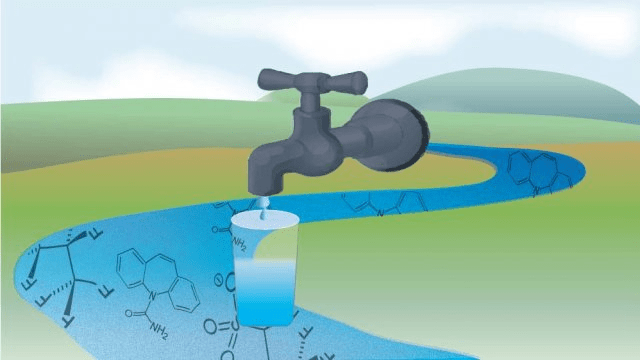
The widespread use of pharmaceuticals in America is introducing even more toxic “forever chemicals” into the environment through wastewater, according to a study released Monday, and large municipal wastewater treatment plants are not capable of fully filtering them out.

The plants’ inability to remove compounds known as organofluorines from wastewater before it enters drinking water supplies becomes even more pronounced during droughts and could affect up to 23 million people, scientists wrote in an article published Monday in Proceedings of the National Academy of SciencesMost of the compounds came from commonly prescribed medications including antidepressants and statins, the researchers found.

They found that the organofluorines — a group that includes per- and polyfluoroalkyl substances, or PFAS — were found in wastewater in eight large municipal treatment plants. The wastewater continued to contain high concentration of organofluorines and other compounds that meet the definition of PFAS even after treatment.

The researchers found up to three-quarters of the extractable compounds were from 12 commonly prescribed fluorinated medicines, including antidepressants, statins and medications used to treat Type 2 diabetes and HIV. The facilities removed less than 25 percent of the compounds during treatment, the researchers found.

Bridger Ruyle, the study’s lead author, said that the fluorinated chemicals from pharmaceuticals aren’t fully metabolized and leave the body with waste. They then enter the wastewater stream and the environment.

“That means that downstream aquatic organisms and potentially people drinking water may also now be exposed to these pharmaceuticals,” Ruyle said.

The American Chemical Society and the Product Quality Research Institute did not immediately respond to requests for comment.

PFAS, also known as forever chemicals, are a class of thousands of carbon-fluorine bonded compounds manufactured to make products and coatings that repel grease, water, oil and heat. The persistent chemicals are found in hundreds of household items including nonstick cookware, menstrual products, dental floss and medicines.

In the spring, the Environmental Protection Agency finalized the nation’s first drinking water standard for PFAS, limiting six specific PFAS chemicals from a class of thousands. The agency acted after mounting evidence suggested those chemicals in water can pose a health risk to people at even the smallest detectable levels of exposure.

Wastewater collected from homes, industrial sites and businesses is typically transported to wastewater treatment plants. There, the wastewater is filtered, disinfected and discharged into streams and rivers. Some communities — particularly in times of drought — draw on water that includes the discharge for drinking water.

But drought only exacerbates the amount of organofluorines found in treated wastewater that is used for drinking, the researchers found. This is because natural water supplies are diminished and do not dilute the treated wastewater before it enters the drinking water supply.

Ruyle said the problem could become more pronounced as water becomes scarcer and populations grow, making it more difficult for natural water systems to dilute waste and communities more reliant on using treated wastewater for drinking.

In the wastewater he tested, Ruyle said, regulated PFAS only made up about 8 percent of the PFAS found. The rest of the fluorinated compounds and PFAS present in the wastewater are not regulated by the EPA, he said. Some included precursor chemicals that can chemically transform into the regulated PFAS once in the environment, he said.

Per- and polyfluoroalkyl substances have been linked to several kinds of cancer, infertility, high cholesterol, low birth weights, and negative effects on the liver, thyroid and immune system.

The EPA does not regulate PFAS in wastewater but has “issued guidance to state permitting programs recommending that wastewater systems monitor for PFAS using the best-available methods and, where they are detected, take steps to reduce them using pretreatment authorities,” said Zachary Schafer, director for policy at EPA’s Office of Water.

The National Association of Clean Water Agencies, which represents wastewater treatment plants, said that in drought-stricken areas, the connection is closer between drinking water sources and wastewater.

“Anything we eat, drink or put into our bodies … whatever types of compounds, chemicals, pollutants, whatever words you want to use, that’s all going to make its way to a wastewater treatment plant,” said Adam Krantz, the association’s chief executive. “It’s all one water. The water cycle remains the water cycle, and there’s only as much water as we currently have on Earth.”

Krantz said water utilities and wastewater facilities are responsible for following the Safe Drinking Water and Clean Water acts.

He said water utilities and wastewater management systems should not bear the brunt of fixing PFAS-related problems; instead, it should be up to manufacturers, which are “the primary source and the ones making the money off of these products to begin with.”

“The major way to avoid all of those concerns is to take the bad stuff out from the source and to make the polluter pay for that, because these things are coming into the water and wastewater treatment plants from manufacturers,” Krantz said.

Water and waste utilities around the country are working to tackle chemicals in drinking water, said Ralph Exton, executive director of the Water Environment Federation, an association of water and wastewater professionals.

“These utilities are largely involuntary receivers of contaminants of emerging concern … like PFAS and pharmaceuticals,” Exton said. “For example, pharmaceuticals tend to enter the waste stream through human excrement and the improper disposal of medications.”

The group has urged Congress to provide more funding for research and innovation so that the cost of mitigation does not fall on utilities and their customers.

Carrie McDonough, an assistant professor of chemistry at Carnegie Mellon University, said the study highlights the prevalence and persistence of fluorinated pharmaceuticals. She said we need to consider using these chemicals only when they are essential, because dilution does not reduce them to low levels.

“Traditional wastewater treatment techniques that work pretty well for a lot of other wastewater-associated contaminants aren’t going to break apart a carbon-fluorine bond,” she said.

While very little is known about the long-term exposures of pharmaceutical waste on people living downstream or how such waste definitively affects drinking water, Ruyle said there needs to be more research done to consider the persistent secondary environmental exposures to pharmaceuticals.

“I think what this study really emphasizes is how prevalent these chemicals are in major PFAS sources and highlights the need for us to better understand what exposures and potential risks are to these classes of chemicals,” Ruyle said.

CLICK HERE FOR MORE INFORMATION: https://www.washingtonpost.com/climate-environment/2025/01/06/prescription-drugs-toxic-chemicals-pfas-water-supply/
Government report highlights groundwater contamination across India

By Esha Lohia

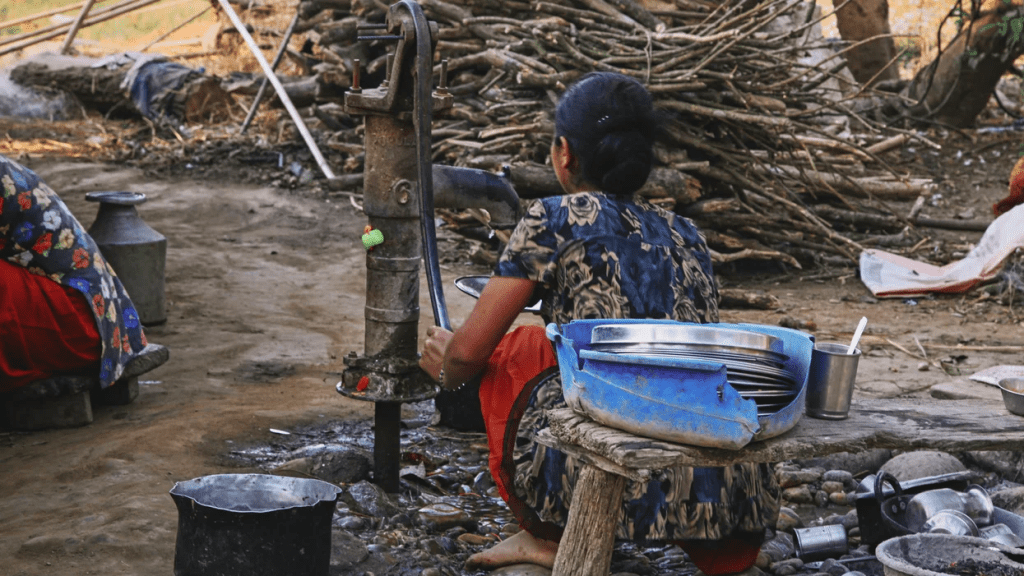
India, the world’s largest user of groundwater, consumes 87% of it for irrigation and 11% for domestic use. However, this vital resource is increasingly polluted, driven by complex interactions between natural processes and human activities, highlights the Annual Ground Water Quality Report released by the Central Ground Water Board (CGWB) on December 31.

According to the report, nearly a fifth of the samples collected exceeded permissible limits for pollutants such as nitrates, with significant quantities of radioactive uranium also present. “With increasing population pressures, industrial activities, and agricultural practices, maintaining and improving groundwater quality has become more challenging,” the report says. It cites urbanisation and climate change as additional contributing factors.

The report is prepared based on 15,259 groundwater samples collected in May 2023 for a comprehensive groundwater quality assessment. Among the samples, 19.8% exceeded the permissible limit for nitrate, 9.04% for fluoride and 3.55% for arsenic. A significant portion of the sample was found to exceed the permissible limits for iron (13.20%), chloride (3.07%), electrical conductivity (EC) (7.25%), and uranium (6.60%).

“Arsenic, fluoride, uranium, nitrate pose serious health risks, either through direct toxicity or long-term exposure,” the report says.

Nitrate, a major groundwater pollutant

The report identifies nitrate pollution as the “most significant concern”. About 56% of India’s districts have been found to have nitrates beyond the safe limit of 45 mg/L in their groundwater. This contamination is particularly severe in states like Rajasthan, Karnataka and Tamil Nadu, with more than 40% of water samples exceeding the nitrate permissible limit. States like Maharashtra, Telangana, Andhra Pradesh, and Madhya Pradesh have also shown notable levels of nitrate contamination, pointing towards a growing concern, the report says. Of the 15 most severely affected districts, nearly half belong to Maharashtra, i.e., seven districts. Telangana, which stands second, has three nitrate-affected districts.

The nitrate contamination is primarily caused by agricultural runoff and overuse of nitrogen-based fertilisers. It also emerged in pre- and post-monsoon analysis of 4,982 groundwater samples that CGWB had done to assess the impact of seasonal recharge on groundwater quality. The study reveals a slight increase in nitrate contamination levels beyond the permissible limit after the monsoon recharge, i.e., from 30.77% of samples pre-monsoon to 32.66% post-monsoon.

The report highlights the dual effect of rainfall, which dilutes nitrates in some areas but leads to a higher leaching of contaminants from the surface to the groundwater in states with intensive, synthetic fertiliser-dependent agricultural activities. The report also highlights livestock farming and improper management of animal waste that can contribute to nitrate pollution.  The report underlines the risk of high nitrate levels in drinking water, which can cause a potentially fatal condition in infants known as methemoglobinemia, commonly called “blue baby syndrome.”

Uranium contamination, a notable concern

The report terms elevated levels of uranium in several regions as a notable concern. As per the report, 6.60% of the samples have levels of the radioactive element uranium that exceed the safe limit of 30 ppb (parts per billion). Around 42% and 30% of these uranium-contaminated samples are from Rajasthan and Punjab, respectively, where levels exceed even 100 ppb, says the report.

The CGWB report identifies excessive fertiliser use as a potential cause of uranium contamination in Punjab’s groundwater, while it attributes contamination in Tamil Nadu, Karnataka, and Chhattisgarh to geogenic factors.

There are differing views on the issue of uranium contamination. Alok Srivastava, a former chemistry professor at Panjab University, says, “Our study on uranium toxicity in Punjab, particularly in the Malwa region, suggests that this issue could have a geogenic origin. This is based on our findings of uranium-rich fossils and paleosols found in the geochannels of lower Himalayan Shiwalik regions. These fossils and paleosols were likely exposed to the ancient uranium-enriched geogenic channels before being uplifted by tectonic activity, which may still be feeding the current groundwater channels in Malwa.”

Water samples from states such as Haryana, Karnataka, Uttar Pradesh, Madhya Pradesh, Tamil Nadu, Chhattisgarh, Maharashtra, and Bihar were also found to have uranium concentration above the permissible limit in some localised pockets.

While Madhya Pradesh and Karnataka saw a decrease, Uttar Pradesh showed a significant increase in the number of districts with uranium-contaminated groundwater with levels exceeding 30 ppb in 2023 compared to 2019. However, this increase in observations in 2023 is because of more water samples were collected and tested in 2023 (by approximately 700 samples), which likely led to the identification of more contaminated areas, the report clarifies.

Another study mentioned in the CGWB report found a strong correlation between uranium concentration in drinking water and uranium in human bones, suggesting that bones are good indicators of uranium exposure via ingestion of drinking water. Uranium enters human tissues mainly through drinking water, food, air and other occupational and accidental exposures and can lead to cancer and kidney damage.


Fluoride contamination and elevated arsenic levels

The report says that 9.04% of samples had fluoride levels above the limit, while 3.55% had arsenic contamination. This is particularly worrying because long-term exposure to both contaminants can have severe health consequences, including fluorosis (for fluoride) and cancer or skin lesions (for arsenic), the report says. Arsenic concentration has been reported in West Bengal, Jharkhand, Bihar, Uttar Pradesh, Assam and Manipur, Chandigarh, Punjab and Chhattisgarh.

Adding to the concern is fluoride contamination found in 263 districts in the country. Fluoride contamination refers to a situation when levels exceed the permissible limit of 1.5 mg/L. This fluoride contamination is severely prevalent in several districts of states like Rajasthan (31 mg/L), Haryana (17), Karnataka (19), Telangana (28), Gujarat (25), Punjab (17) and Andhra Pradesh (17).

“The fluoride contamination in India occurs in pockets, particularly in confined aquifers of Rajasthan and in select villages of Uttar Pradesh’s Central Ganga Alluvial region, like Fatehpur, where high levels of fluoride have been detected,” says Venkatesh Dutta, a professor at School of Earth & Environmental Sciences (SEES), Babasaheb Bhimrao Ambedkar University, Lucknow.

Although the monsoon season led to some improvement in fluoride levels in states like Rajasthan, Haryana, Karnataka, Andhra Pradesh and Telangana, the overall contamination levels remain alarmingly high, the report states.

Overexploitation fuels contamination

The CGWB report reveals a correlation between areas with high uranium concentrations in groundwater and regions facing significant groundwater stress. “This overlap points to the exacerbating effect of overexploitation and deepening water levels on uranium contamination in these regions,” the report says. This implies groundwater is being overexploited beyond what rainfall or other irrigation sources can replenish.

“With the increasing extraction of water over time, the water levels continue to drop, exposing us to some of the channels high in uranium concentration,” says Srivastava.

In an accompanying report, Dynamic Ground Water Resource of India 2024, the CGWB estimates groundwater extraction at 60.4% in 2024, which hasn’t changed much since 2009, when measurements began biennially (and annually since 2022).

“This is hard to believe, with rising population, agricultural intensity, and urban settlements heavily relying on groundwater instead of surface water. There is a rise in construction on recharge areas and encroachment on floodplains. As a result, we are losing the net total recharge areas. It is concerning that paved areas are expanding at the cost of unpaved lands that are crucial for groundwater recharge,” says Dutta.

CLICK HERE FOR MORE INFORMATION: https://india.mongabay.com/2025/01/government-report-highlights-groundwater-contamination-across-india/

Determining the Prevalence of Contaminants in Treated and Untreated Drinking Water

Just 2.5 percent of the Earth’s water is fresh, making it crucial for humans to use water in smart, effective ways that preserve this precious resource. Water reuse has become an important part of the solution. In the United States, wastewater is treated and may then be discharged into surface water or ground water aquifers. There, natural processes including volatilization, dilution, sedimentation, and reactions to sunlight may decrease the concentration of contaminants before the water is taken up for further treatment in drinking water facilities.

Although wastewater and drinking water treatment is designed to remove pollutants, there is potential for trace levels of unregulated contaminants to be present in treated drinking water. Improvements in analytical instrumentation now allow scientists to measure these very low concentrations. There is an emerging awareness of the potential for these chemicals to be present in every portion of the water cycle—wastewater, surface water, groundwater, and drinking water. To develop strategies for protecting human health, EPA needs to understand the prevalence of contaminants in both treated drinking water and its source water.

Scientists from EPA and the U.S. Geological Survey (USGS) conducted a multi-phase study to determine the presence of contaminants of emerging concern (CECs) in treated and untreated drinking water collected from approximately 25 drinking water treatment plants (DWTPs) across the United States. Samples were analyzed for 247 chemical and microbiological pollutants, including a wide range of chemicals used in homes, businesses, and industries. Treatment plants chosen for this study receive waters impacted by a variety of waste sources, including municipal waste, septic systems, and livestock production.

The contaminants examined in the study are not regulated in drinking water by EPA, and little is known about their prevalence. The samples were analyzed by 15 methods for chemicals, microorganisms, and estrogen bioactivity. Analyte selection was focused on pharmaceuticals, but also included other classes of analytes, including per- and polyfluoroalkyl substances (PFAS), hormones, fungi, bacteria, protozoa and viruses.

The studies provide important baseline information on the presence of contaminants in treated and untreated drinking water, as well as qualitative information on the efficacy of differing drinking water treatment technologies in removing contaminants. The results will be used to inform the next generation of EPA drinking water safety standards.

CLICK HERE FOR MORE INFORMATION: https://www.epa.gov/water-research/determining-prevalence-contaminants-treated-and-untreated-drinking-water

Drinking water contaminated with ‘forever chemicals’ may be tied to increased cancer risks

By Pamela Ferdinand

The risk of developing certain cancers may be higher for people exposed to per- and polyfluoroalkyl substances (PFAS) — also known as “forever chemicals” — in U.S. drinking water, according to a first-of-its-kind ecological study led by researchers at the University of Southern California’s Keck School of Medicine.

PFAS are endocrine disruptors widely used in consumer products that persist in the environment and human body. While these manufactured chemicals have been linked to serious health issues including cancer, the researchers say this is the first study to examine the potential association between cancer and public water systems. Drinking water is a significant way people are exposed to PFAS, recent research has shown, based on comparisons of tap water and human blood samples.

The findings, published today [Jan. 9, 2025] in the Journal of Exposure Science and Environmental Epidemiology, suggest—albeit cautiously—that PFAS contamination of drinking water could contribute to nearly 7,000 incidences of cancer cases in the U.S. per year, based on the most recent EPA list of unregulated contaminants that are required to be monitored. 

The study also comes nine months after the federal agency announced a final National Primary Drinking Water Regulation, which sets legally enforceable Maximum Contaminant Levels (MCL) for six PFAS.

“The significant associations identified between PFAS in drinking water and various cancers, including those of the endocrine, digestive, oral cavity, pharynx, skin, and respiratory systems, underscore the urgent need for more comprehensive research,” the researchers say. “Given the recent regulation of PFAS in drinking water by the US EPA, our findings highlight the critical importance of developing effective strategies to mitigate cancer risks from exposure to PFAS through drinking water.”

Researchers looked at PFAS in drinking water measured in two waves (2013–2015 and 2023–2024) and county-level cancer incidence between 2016 and 2021. Cancer data came from the National Cancer Institute’s Surveillance, Epidemiology, and End Results (SEER) Program, which includes cancer registries covering about half of the U.S. population. Information about PFAS levels in public drinking water was obtained from the EPA.

According to the study, the increase in cancer risk (incidence rate ratio, or IRR) ranged from 1.02 to 1.33. The strongest link was between perfluorobutane sulfonic acid (PFBS) and mouth and throat cancers, with an IRR of 1.33—meaning the risk was 33% higher.

That was followed by an association between perfluorononanoic acid (PFNA) and perfluoroheptanoic acid (PFHpA) to cancers in the endocrine system, mostly thyroid cancers. 

While more research is needed, the study suggests drinking water contaminated by various PFAS may lead to an increased risk of leukemia and cancers of:

  • Brain
  • Esophagus, colon and rectum (colorectal cancer), rectosigmoid junction, and gallbladder
  • Large intestine and liver
  • Respiratory system, mainly lung cancer

Researchers also found that different cancers appeared to be associated with PFAS based on sex. For men, PFAS was linked to cancers in the urinary system, brain, leukemia, and soft tissues. For women, the chemicals were linked to cancers in the thyroid, mouth/throat, and soft tissues.

The study accounted for air pollution, obesity prevalence, smoking rates, and urbanicity (how urban an area is). However, researchers say they could not control for individual-level variables except for age and sex or for potential confounders specific to each cancer type, among other factors.

The researchers say several states were not included in the SEER database, which may not adequately capture areas with the highest levels of PFAS contamination in drinking water.

“This limitation might partly explain the lack of observed associations in our study for cancers such as kidney and testicular cancers found in previous studies, as areas with the most severe contamination, such as Michigan, and potential health effects could be underrepresented,” they say, adding that people may not drink tap water “in regions where PFAS contamination or water contamination is prevalent.”

CLICK HERE FOR MORE INFORMATION: https://usrtk.org/healthwire/drinking-water-forever-chemicals-cancer/

European rivers and lakes are chemically polluted, water security in danger

By Robert Hodgson

Wastewater enters a biological purification tank at the MM San Rocco plant in Milan, Italy, The EU faces an upward battle to clean up its lakes and rivers by 2027

A damning report into the state of Europe’s surface and groundwaters just three years away from a clean-up deadline increases pressure on EU executive to take action, not least to finalise a water resilience plan it shelved earlier this year.

Only 37% of Europe’s lakes and rivers meet the criteria for good ecological status and over two-thirds are affected by excessive levels of chemical pollutants, the European Environment Agency (EEA) warns in a report published today.

Moreover, nearly a quarter of groundwater, which supplies two-thirds of Europe’s drinking water, failed to reach the legal threshold for good chemical status, with nitrates and pesticides from agriculture responsible for significant pollution.

The EEA concluded that Europe is facing “serious challenges to water security” – a warning that comes eight months after the European Commission shelved a planned water resilience initiative intended to tackle the increasing water stress that the EU environment watchdog says now affects 20% of EU territory and 30% of its population.

“While these stats are alarming, they’re not even giving the full picture as it’s only assessed against a limited and outdated list of pollutants,” said Sara Johansson, a specialist in water pollution prevention at the European Environmental Bureau.

Under the EU’s Water Framework Directive (WFD), governments are required to ensure – besides some exceptions under extenuating circumstances – that all surface and groundwater achieve good status with regards both chemical pollution and ecosystem health by 2027.

Today’s report follows an equally dire assessment of water quality the EEA published in 2019, and suggests that little progress has been made despite the looming deadline. Green groups have reacted by redoubling a call for the EU executive to ensure that existing legislation is enforced, including new requirements in the Nature Restoration Law.

“Restoring at least 25,000 km of rivers to their free-flowing state is not just an environmental necessity: it’s a commitment to biodiversity and our future,” said Andras Krolopp, head of biodiversity policy at The Nature Conservancy Europe, referring also to a UN treaty that is the subject of a global summit later this month. “Europe has a global commitment under the Convention on Biological Diversity and the Nature Restoration Law to achieve this goal.”

As well as the ongoing problem of pollution and obstruction of Europe’s natural waterways, industry bodies this week raised the alarm about the huge investment that will be needed to tackle the growing problem of water scarcity, exacerbated by climate change.

Water Europe – a trade association representing researchers and manufacturers of water purification and management technology – published on Monday (14 October) a study suggesting that €255 billion will need to be invested over the next six years to ensure compliance with EU legislation

The lobby group’s director Durk Krol said the investment was essential if the EU was to meet its Green Deal and industrial goals. “Our aim with this study is to provide actionable insights on how we can secure water availability for both nature and economic activities, paving the way towards a Water-Smart Society,” he said.

Meanwhile, a raft of 13 companies, including Siemens, Suez and Veolia, meanwhile, issued a joint statement calling on EU policy makers to deploy digital technologies to harmonise a “highly fragmented” water management landscape that that makes it more difficult to implement the WFD and other directive on drinking water, waste water, industrial emissions and flood prevention.

“[T]here is currently a shortage of reliable data and lack of measurement at EU level, for example on issues such as water leakage – which in turn leads to a lack of insights on which specific actions to pursue,” they write.

In her mission letter to EU commissioner designate for environment Jessica Roswall, president Ursula von der Leyen has tasked tasked her with finalizing the overdue resilience strategy.

“This strategy will address water efficiency, scarcity, pollution and water related risk. It will aim to enhance the competitive innovative edge of our water industry, develop clean tech, take a circular economy approach and include proposal to digitalise water management, cycles and utilities,” von der Leyen wrote.

CLICK HERE FOR MORE INFORMATION: https://www.euronews.com/green/2024/10/15/eu-way-off-track-to-clean-up-rivers-and-lakes-by-2027-deadline

Bridging the water finance gap as climate impacts bite

By Mike Scott

January 7 – When it comes to corporate exposure to nature risk, water has to be the most salient. Agriculture uses 70% of the world’s freshwater, opens new tab, but it is also critically important to sectors ranging from textiles to pharmaceuticals and semiconductors.

For many years companies took for granted that water would be available in sufficient quantities for whatever they wanted to do. That perception, however, has started to change as the impacts of climate change – from droughts to catastrophic floods to changes in rainfall patterns – start to make themselves felt on water supplies, infrastructure and business operations around the world. Water risks now feature prominently in the World Economic Forum’s annual Global Risks Report, opens new tab.

At the same time demand is increasing, in part from new sources, such as the data centres that help to drive the AI revolution. There is also growing concern about pollution from substances such as PFAS forever chemicals, and over-exploitation of reserves.

In the U.S., the Ogallala Aquifer, which runs from South Dakota to Texas, provides a quarter of the water used in U.S. agriculture, irrigating fields that produce $7 billion of crops a year. But water levels in the aquifer have dropped precipitously thanks to drought and abstraction by farmers.

”There’s either too little or too much,” says Alison Gilbert, water stewardship lead at consultancy Anthesis. ”Companies are having to deal with scarcity, floods and poor quality as well as growing regulatory and reputational risks. And they recognise that they need to do something about it.”

Recognition, however, is not necessarily translating into action. At COP16 in Cali in October, Nature Action 100, the investor-led initiative to engage with companies deemed systematically important in stemming nature loss, reported in its inaugural benchmark assessment, opens new tab that while over two-thirds disclose a commitment to protect nature, only one had done a comprehensive materiality assessment of nature-related dependencies, impacts, risks or opportunities.

There are a number of initiatives specifically aimed at helping companies report on and manage their water use, including CDP’s water disclosure programme, the Taskforce for Nature-related Financial Disclosures and the Valuing Water Finance initiative at sustainable investment advocacy group Ceres.

Ceres’ water lead, Kirsten James heads up the latter initiative, which involves more than 100 investors responsible for $17 trillion in assets engaging with some of the world’s largest water users.

”Investors are concerned about the water risks in their portfolios. They see that water crises are increasing in scope and scale. At the same time, companies are at very different stages of their water stewardship journeys,” says James.

”Many companies have looked at the risks in their own operations but are pretty much ignorant about the risks in their supply chains and the water footprint of their suppliers. … You can do all the work inside your own fence line and still not have enough water.”

She says water risks reside along companies’ entire value chain. ”For example, there is a lot of focus on the water consumption of data centres in the tech industry, but the sector is also affected by disruptions in the semiconductor supply chain and also at the miners that provide the raw materials for chips.”

One company that isn’t taking water for granted is PepsiCo, the beverages and snacks producer. ”Water is a key ingredient for our agricultural raw materials and a central pillar of our sustainability strategy,” says David Grant, senior director for global climate and water solutions at the company.

Besides exceeding targets to improve water efficiency by 25% from 2015 levels by 2025 and to cut water use in agriculture by 15%, PepsiCo is also one of a number of companies with an ambition to have net-positive water impact (NPWI).

The concept was developed by the CEO Water Mandate, opens new tab, and aims to ensure that a company’s contributions towards a healthy water basin exceed their impacts, with a focus on availability, quality and accessibility.

During a session at Climate Week New York, PepsiCo’s vice president, global sustainability, Roberta Barbieri, explained how the company is working with The Nature Conservancy to quantify the ”stacked benefits” of investing in replenishment of watersheds, beyond just saving water.

In one project in Guatemala, TNC used bio-acoustics to get a baseline measure of insect species in that part of the watershed, identifying them by the fluttering of their wings. It will go back in a year’s time to see what impact PepsiCo’s work has had on insect populations.

In another project, in a watershed that provides water to the city of Phoenix, Arizona, PepsiCo worked with TNC to help local farmers convert from growing water-thirsty alfalfa to barley, which needs less water, and is grown at a time of year when there is greater availability.

The farmers have increased their revenue stream because a local distillery is buying the barley and malting it for use in the local craft brewery.

”We’ve expanding our thinking, and are moving from just water-saving benefits, to climate benefits from sequestration and biodiversity benefits,” Barbieri said.

Gilbert of Anthesis says addressing water risk is challenging because water supplies need to be looked at from the perspective of the entire watershed rather than just where the water is withdrawn.

The Colorado river in the U.S., for example, is vital to the economy of California but spans many different states, each with its own regulations, before reaching California.

That means that conservation or restoration projects to improve water resilience, such as restoring wetlands, can happen many miles away from a company’s operations.

It also means that cooperation and collaboration are vital. ”Even the most ambitious company cannot do it alone. We see a big movement towards collective action really starting to gain momentum among companies and investors,” she adds.

One initiative that is facilitating more cooperation is the CEO-led Water Resilience Coalition. It’s Water Action Hub collects information on 100 priority basins ”with the highest level of opportunity for collective action from an economic and shared water risk perspective”.

Last year the coalition and NGO WaterAid launched the Women + Water Collaborative programme, opens new tab, which aims to improve access to clean water and sanitation in water-stressed communities in India. Partners in the project are clothing group Gap, food producer Cargill and pharmaceutical company GSK – companies from different sectors that are all hugely water-reliant, but in different ways.

Besides risks, there are also a lot of economic opportunities arising from the drive to conserve water. PepsiCo, for example, has used advanced water treatment technology such as membrane bioreactors to cut consumption by up to 70%. ”At some sites in Latin America, we are effectively independent of the water utility because we can treat the water we consume and reuse it,” Pepsi’s Grant says.

Justin Winter, co-portfolio manager of asset manager Impax’s Water Strategy, says ”Water efficiency and reuse are two of the biggest opportunity areas. There are already significant issues around water supply conflicts,” he says. ”Semiconductor manufacturers require ultrapure water free from contaminants, for example, so companies like TSMC are looking at reuse rates of around 90%.”

In the UK, water retailer Everflow, which sells only to business customers, expects to see new markets and products open up thanks to the spread of smart meters for water customers. ”There is a huge opportunity to improve water efficiency, reduce consumption by incentivising water-saving and provide better visibility on water use for suppliers and consumers,” says Lois Gill, head of public affairs at Everflow.

And in the U.S., OriginClearis offering decentralised water treatment using the as-a-service model to provide companies with onsite water treatment. Riggs Eckelberry, chairman and CEO, says: ”If you can take industrial users off grid and get them to treat their own effluent, you can provide cheaper water to households and corporates can manage their costs.”

Gilbert of Anthesis says it is vital that businesses take action to reduce their dependence on what is a finite resource. ”It’s not about doing a good deed. It makes strategic business sense to invest in resilience in the face of growing water stress and the risks that creates for business.”

CLICK HERE FOR MORE INFORMATION: https://www.reuters.com/sustainability/sustainable-finance-reporting/bridging-water-finance-gap-climate-impacts-bite-2025-01-07/

Wildfires can contaminate drinking water with harmful chemicals. Here’s what to know

By Andrew J. Whelton

The wildfires in the Los Angeles area have destroyed thousands of structures, many of them homes, and firefighters continue to battle the infernos. Parts of Pacific Palisades, Altadena, Pasadena and other California communities are now unrecognizable.

As evacuation orders are lifted, safe drinking water should be top of mind for those residents able to return to their homes.

What many people don’t realize is the extent to which their community drinking water systems can be damaged by fire, how their water is affected and what they can do about it.

As an environmental engineer, I work with communities affected by wildfires and other disasters. Over the years, my team and I have been called in to help after some of the most destructive wildfires in U.S. history. In some cases, we have advised state and local officials from afar.

Several local water systems in the Los Angeles area have begun issuing warnings about not using the potentially unsafe drinking water. Here’s what residents in the area, and anyone else living near where a wildfire burns, need to know.

How fires can make water unsafe

Fires can make drinking water, and the water pipes and tanks themselves, unsafe. This occurs for a number of reasons.

One cause is when high water use from firefighting drains the water system.

A firefighter works to keep a car from burning as flames spread nearby.
Fighting fires can take enormous amounts of water. If the water lines are depleted, contamination can result. AP Photo/Ethan Swope

Water systems are not designed to fight wildfires. Damaged and destroyed structures also prompt uncontrolled water leaks. Power loss also prevents water from being replenished fast enough into the draining water systems. Combined, these factors can depressurize the water system, leaving no water available.

When water is depleted, the system is vulnerable to chemical contamination.

Drinking water contamination can also come from the air and from damage to water system infrastructure. Heat can partially melt plastic pipes and water meters, releasing chemicals; smoke can be sucked into water systems; and breaks in the water infrastructure can introduce contamination.

An illustration shows damage to the systems themselves.
Some common sources of water contamination during fires include water use depressurizing water systems, plastic heating up and smoke pulled into systems. Andrew Whelton/Purdue UniversityCC BY-SA

A host of cancer-causing chemicals have been found in damaged water systems after wildfires. Sometimes these chemicals, such as benzene, can cause someone to become immediately ill if they drink or use the water. Symptoms can include nausea, headaches and rashes.

These chemicals stick to the infrastructure surfaces and can even penetrate some plastic pipes and gaskets. Removing them can take days to months. Some plastics can adsorb chemicals like a sponge and release them into clean drinking water slowly, making that water unsafe for long periods of time.

A photo shows water pipes and a meter beneath a melted plastic cover, damaged by a fire.
Water meters and pipes are vulnerable to damage during a fire. Andrew Whelton/Purdue University, CC BY-ND

How communities can reduce the risk

Residents and businesses should pay attention to announcements from their drinking water provider and health officials about water safety.

Safety can be determined through proper chemical testing. Fortunately, the first-ever guide for water systems to respond to and recover from fires was published in 2024. Property owners can find more information from groups like our research team at Purdue University.

When to test and treat your own water

When it comes to testing home drinking water, caution is needed.

After the 2023 wildfires in Maui, Hawaii, and the 2018 Camp Fire in Paradise, California, I met with many households who spent hundreds to thousands of dollars to hire companies to conduct their own water testing. However, many of the results turned out to be irrelevant. In some cases:

  • Residents were charged for water analysis even though their samples were improperly handled.
  • The potentially contaminated water was dumped out of plumbing before a sample was collected.
  • Water samples were not screened for the correct fire-related chemicals.
  • Samples were not collected from the right locations or enough locations in the home.

Treating water is not advised until the levels of contamination are known. Water systems in the area have issued such warnings.

A student tests water in a sink.
Purdue University graduate student Paula Coelho conducts tests for water quality. Home drinking water testing can be helpful once the water provider has confirmed that the water being delivered is now safe. Andrew Whelton/Purdue University, CC BY-ND

Residents should also be aware that home water treatment devices are not certified to make extremely contaminated water safe.

To help property owners make the best decisions, water utilities need to rapidly test and share with the public what chemicals are present in their water systems. Once that testing has been done and the risks are known, property owners may want to commission their own testing if their plumbing is damaged or if contaminated water has flowed in.

Water systems can recover

It can be frustrating waiting for information, but immediately after fires it’s often unsafe for water officials to enter the affected areas to begin testing.

As history has shown, safe water can be restored. Assistance from experts who have helped others respond can expedite the recovery. In my experience, communities that recover rapidly and stronger are those where they work together and support one another.

CLICK HERE FOR MORE INFORMATION: https://theconversation.com/wildfires-can-contaminate-drinking-water-systems-with-harmful-chemicals-heres-what-los-angeles-needs-to-know-247146

‘Dying of thirst’ as climate-driven floods mix with oil

By Maura Ajak & Stephanie Stafford

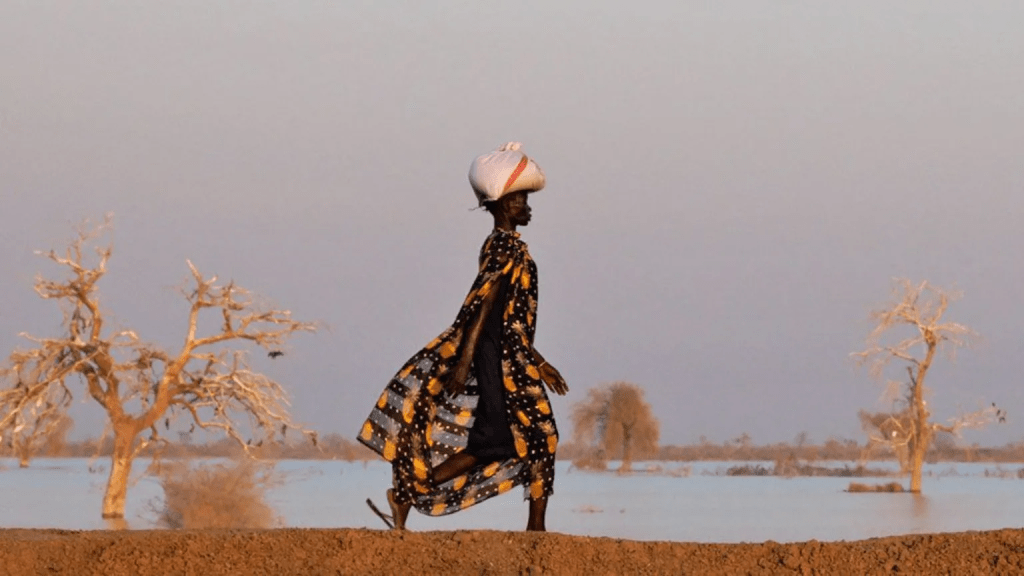
Herders scooping murky water from a small pond in grasslands in South Sudan are well aware of the dangers they face if they drink it.

“The water is dirty because this place has oil – it has chemicals in it,” says their chief, Chilhok Puot.

Nyatabah, a woman from this community raising cows in the heart of oil fields in Unity State, adds: “If you drink it, it makes you pant and cough.

“We know it’s bad water, but we don’t have anywhere else, we’re dying of thirst.”

A former oil engineer, David Bojo Leju, has told the BBC World service that flooding in the area is washing pollution into water sources.

Large swathes of the state have been under water for several years after unprecedented flooding, which scientists say has been worsened by climate change.

Mr Bojo Leju says the floods are a “disaster” and that pollution from mismanaged oil facilities is a “silent killer” spreading across the state.

South Sudan is the world’s youngest country and one of its poorest, with a government hugely dependent on oil revenue.

Unity State, a major oil-producing state, has always experienced seasonal flooding. But in 2019, extreme rains brought a deluge that engulfed villages, grasslands and forests. Year after year of intense rainfall followed. The water built up, trapped on the clay soil.

At the worst point in 2022, two-thirds of Unity State were submerged, according to the UN World Food Programme (WFP) – even now, it says about 40% is still under water.

Mr Bojo Leju worked for eight years for the oil consortium Greater Pioneer Operating Company (GPOC), a joint venture between Malaysian, Indian and Chinese oil companies – with South Sudan’s government owning 5%.

After a major pipeline rupture five years ago, he started photographing and filming pools of oily water and heaps of blackened soil in locations in Unity State, including sites near Roriak, where the herders live.

He says spills from oil wells and pipelines were “a recurring situation”, and that he was involved in transporting contaminated soil away from roads, so it would not be seen.

He tried to raise his concerns with company managers, but he says little was done and “there was no treatment plan for soil”.

Mr Bojo Leju also says “produced water” – water released from the ground when oil is extracted and often containing hydrocarbons and other pollutants – was not properly treated.

There were reports of high oil content, above international standards, in the produced water “every day in our morning meeting”, he says, “and this water is injected back into the environment”.

“The question is where does water flow?” he says. 

“Up to the river, up to the water source where people drink, up to ponds where people catch fish.”

Mr Bojo Leju explains that “some of the oil chemicals seeped down” into the groundwater, where they will flow into boreholes.

“The water table is contaminated,” he says.

When intense rains began in 2019, earth dykes were put around some spilled oil “but it was not enough to withstand the volume of water”, he adds.

In Roriak, there is no data available about the quality of the water the herders drink, but they fear pollution is making their cattle sick. 

They say calves have been born without heads or without limbs.

Unity State’s agriculture minister blames the deaths of more than 100,000 cattle in the last two years on the floods combined with oil pollution.

In a forest close to Roriak, a group of men and women chop down trees to make charcoal. 

They have walked for eight hours along dirt roads flanked by flood water to reach the forest.

They say the only water they can find here is polluted. 

Even boiled “it causes diarrhoea and abdominal pain”, says one woman, Nyakal.

Another, Nyeda, wipes away tears, saying she needs the charcoal to sell, but is worried about her seven children, left with her mother for a week.

“She has nothing either,” she says.

Nyeda lives near the state capital, Bentiu, in a reed hut squeezed into a camp housing 140,000 people who have fled conflict or the floods. It is completely surrounded by flood water and protected only by earth dykes.

There is some food aid, but many in the area survive by foraging for water lily roots and fish to supplement their rations.

Safe water is scarce. Nyeda uses water from a borehole for washing and cooking, but needs money to buy drinking water.

Health professionals and politicians in the area have told the BBC they fear pollution and the lack of clean water are taking a toll on human health.

In a hospital in Bentiu, a mother has just given birth. Her new-born baby’s nose and mouth are joined.

“They have no access to clean water,” says Dr Samuel Puot, one of the doctors caring for the baby.

“They just drink from the river where water and oil are mixed. That might be the problem.”

He says there are “many” cases of children born with abnormalities, such as no limbs or a small head, in Bentiu and also Ruweng, an oil-producing area north of Unity State. 

They often die within days or months, he adds.

Genetic testing can give clues about the causes of congenital abnormalities, but the hospital does not have the facilities, and results are often not conclusive.

Dr Puot wants the government to keep a register of cases.

As the data is not recorded systematically, it is not clear whether these anecdotal reports indicate an unusually high prevalence of congenital abnormalities.

“It is plausible that oil-related pollution could contribute to an increased risk of birth defects,” says Dr Nicole Deziel, an environmental health specialist at Yale University.

Environmental pollution is a risk factor for congenital abnormalities, alongside genetics, maternal age, infection and nutrition, she says.

Some compounds released during the production of oil can affect foetal development, Dr Deziel adds.

“Anecdotal reports can serve as important indicators of environmental health problems,” she says, but stresses that without systematic data collection, establishing evidence of a causal relationship is difficult.

In 2014 and 2017, the German-based non-governmental organisation Sign of Hope carried out peer-reviewed studies close to other oil fields in Unity State.

They found increased salinity and high concentrations of heavy metals in water nearer oil wells, as well as high concentrations of lead and barium in human hair samples. 

The researchers concluded these were indicators of pollution from oil production.

The government has commissioned an environmental audit of the impact of the oil industry, but the results are yet to be made public more than a year later than expected.

Mary Ayen Majok, a senior politician from the ruling party, has been raising concerns about oil pollution for more than a decade.

She is a member of the government and deputy speaker in the upper house of the South Sudanese parliament, and is from Ruweng. 

She says one of her own relatives has had a child “born with deformities” and believes many such cases are not reported because of fear of stigma or lack of access to medical facilities.

Ms Majok says South Sudan “inherited an industry that was based on bad practices” when the country was formed in 2011 after it gained independence from Sudan.

A five-year civil war broke out in 2013. For a nation facing conflict and heavily dependent on oil revenues, improving environmental responsibility has been “at the tail of our priorities”, she says.

Laws and institutions have been established but “accountability is not that strong”, she says.

“Talking about oil is like touching the heart of the government,” says Mr Bojo Leju.

He spoke to the BBC in Sweden, where he has been granted asylum.

In 2020 he was approached by South Sudanese lawyers who wanted to sue the government over oil pollution.

He agreed to testify as a witness. But he says security personnel detained him, hit him on the head with a pistol and forced him to sign a document recanting his evidence.

He fled the country soon afterwards. The lawyers did not pursue their case.

The BBC asked the oil consortium GPOC and the South Sudanese president’s office to comment on the allegations in this report, but they did not respond.

Scientists are not sure whether the floods in Unity State will ever recede.

Dr Chris Funk, director of the Climate Hazards Center at University of Carolina, Santa Barbara, says 2019 saw record sea surface temperatures in the west Indian Ocean, which “would have been impossible in a world without climate change”.

Warmer air can hold more moisture, and he says there was a “strong link” between these sea temperatures and the 2019 extreme rains over East Africa.

Dr Funk says higher rainfall has continued since then over the Lake Victoria basin that feeds into South Sudan, but it is not clear whether this is a permanent new pattern.

Temperatures in South Sudan have risen and are expected to rise further, he adds.

This means extreme precipitation “will be more extreme” and, under some global warming scenarios, heat and humidity could mean some parts of the country “would not be liveable”, he says.

However, despite the floods and pollution fears, many here hope to return to a life of raising animals and living off the land.

In Roriak, children fashion a miniature village out of the clay on the ground, complete with model huts and cows.

And near Bentiu, an elderly woman grinds water lily roots next to the flood water. She says she would like to a have a cow again, one day.

“When the water goes down, I’ll grow grain, even if it’s years,” she adds.

CLICK HERE FOR MORE INFORMATION: https://www.bbc.com/news/articles/c4gpmx7z0xno

Thousands of abandoned mines in Colorado are leaking toxic water, but Congress finally has a solution in sight

By Elise Schmelzer, The Denver Post

Polluted water leaking from thousands of abandoned mines in Colorado’s mountains is turning wetlands orange and dumping toxic dissolved metals in the headwaters of many of the state’s rivers.


But people who want to fix the problem are hampered by the very federal laws meant to protect the environment.

Organizations and local governments that want to fix the acidic drainage from a mine outside of Alma—and the hundreds of thousands of other abandoned mines across the West—are hopeful about new legislation under consideration in Congress. By removing liability burdens, the bill would finally give them more leeway to stop the pollution seeping into the streams relied upon for drinking water, recreation, and fish and animal habitat.

“This is a problem that is generally unseen to the general public,” said Ty Churchwell, a mining coordinator with Trout Unlimited who has worked for more than two decades to create better policy for abandoned mine cleanup. “As long as they can walk over to their tap and turn it on and clean water comes out, too often people don’t think about what’s happening at the top of the watersheds.

“But it’s a horribly pervasive problem, especially in the West. It’s hurting fisheries, tourism and recreation, domestic water—it’s a problem that needs to be solved.”

More than 23,000 abandoned mines dot public and private land across Colorado’s mountains and hills, according to the Colorado Division of Reclamation, Mining and Safety. At least 500 of those measurably harm nearby water quality by leaking acidic water packed with dissolved metals and sulfates. Those substances can turn streams and wetlands an unsettling orange. In high-enough concentrations, the acidic mine drainage can kill aquatic ecosystems.

Acidic drainage pollutes at least 1,800 miles of Colorado’s streams, according to a 2017 report from state agencies. About 40% of headwater streams across the West are contaminated by historical mining activity, according to the Environmental Protection Agency.

But nonprofits, local governments and other third parties interested in fixing the problem are deterred by stringent liability policies baked into two of the country’s landmark environmental protection laws: Superfund and the Clean Water Act. Anyone attempting to clean up sources of pollution at a mine could end up with permanent liability for the site and its water quality.

“When I talk to clients and lay out exposure under Superfund and the Clean Water Act, they just throw up their hands and say, ‘John I’d like to help, but I can’t take that risk,”‘ said John Watson, an attorney who practices environmental law.

State officials, nonprofit leaders and lawmakers for decades have worked to find a solution that allows outsiders—called “good Samaritans”—to mitigate the pollution infiltrating thousands of miles of streams.

That work may finally bear fruit as Congress considers a solution that advocates believe has a good chance of passing. Federal legislation to address the problem cleared the Senate with unanimous support, and on Wednesday it passed out of the House Transportation and Infrastructure Committee—the farthest any good Samaritan mine cleanup bill has proceeded.Perfect as the enemy of the good

Last week, large machinery rumbled at the abandoned mine outside Alma as contractors worked to grade a hill of mine waste, flattening the yellow- and orange-tinged rocks.

Since the mine’s opening in 1891, polluted water has flowed out, traveling through the pile of mine tailings and waste rock, which contain elevated levels of arsenic, iron, lead, copper, mercury, molybdenum and zinc.

Zinc, which is toxic to fish in elevated concentrations, is one of the major concerns at the site, where the collapsed mine entrance spews about an eighth of a pound of dissolved zinc every day. The water becomes even more polluted after it passes through the waste piles.

Water testing showed that the amount of dissolved zinc in the water increased by a factor of 14 after the mine water traveled through the waste.

That water was then dumped into 4 acres of wetlands below the site—and eventually into Mosquito Creek, which drains into the Middle Fork of the South Platte River south of Alma.

But now, after work by Trout Unlimited, the mine water travels around the mine waste via a lined channel that keeps the contaminated water from seeping into the dirt. Contractors will also reshape the mine waste—which covers about an acre—and enhance it with substances like crushed limestone to trap and neutralize metals when water passes through.

The hill will then be covered and revegetated.

When completed in October, the $244,000 project should measurably improve water quality in the creek, said Jason Willis, director of the nonprofit’s Western Abandoned Mine Lands Program. Though work is only halfway done, the wetlands already appear less orange.If good Samaritan laws were in place, Willis said, Trout Unlimited could address the source of the pollution at the mouth of the mine.

“We could be doing this project a little more holistically,” he said.

Under current law, Trout Unlimited would have to assume permanent liability for the pollution if it decided to address the discharge at its source. The nonprofit would also be required to treat 100% of the pollution, which is not always possible or financially feasible, said Churchwell, the group’s mining coordinator.

“Our contention is that if we can remove 25%, 50%, 75%—isn’t that better than none at all?” he said. “And none at all is the program that we have today. We can’t let the perfect be the enemy of the good.”

Even state agencies shy away from treating toxic mine drainage at its source.

Colorado’s Inactive Mine Reclamation Program addresses safety concerns from mine openings and pollution from mine waste and tailings, but it does not treat polluted water at the point of discharge, program director Jeff Graves said in an email.

“CERCLA (the Superfund law) and Clean Water Act create a situation where a Good Sam, in this case the State, could be liable for long-term water treatment or remediation at a site where the State undertakes reclamation activities,” he wrote.

No constituency for orange water

Now Congress is attempting to remove that barrier. The pending bill, the Good Samaritan Remediation of Abandoned Hardrock Mines Act of 2024, would create a pilot program for up to 15 remediation projects led by good Samaritan organizations. A number of Colorado lawmakers are co-sponsors of the bill, including both senators and Reps. Brittany Pettersen, Joe Neguse, Lauren Boebert and Jason Crow.

Under the bipartisan legislation, a good Samaritan cannot be someone who had a role in the creation of the mine. Good candidates include state agencies, counties, watershed groups and other nonprofits. A site can only be eligible for the program if there is nobody remaining to be held accountable for the original mining and pollution.

Many abandoned mines stopped production before major legislation was enacted to hold miners responsible for environmental damage. While the worst sites are remediated under the Superfund law, many medium and small sites do not qualify—even though they, too, contribute pollution to soils and waters, Churchwell said.

A good Samaritan law could allow others to fill the void.

Gov. Jared Polis’ administration has thrown its support behind the legislation. Dan Gibbs, executive director of the Colorado Department of Natural Resources, in January wrote a letter urging senators to approve the bill.

“Previous bills over the past 25 years have attempted to strike a balance between incentivizing would-be cleanup proponents while protecting against further environmental harm, but have not garnered sufficient support to move forward,” Gibbs wrote in the Jan. 9 letter. “This Bill strikes that balance, and has gained broad support from the mining industry, state and local governments, sportsman groups, and conservation organizations.”

One of the state’s biggest water providers also supports the concept of a good Samaritan bill. Denver Water draws nearly half of its supply for 1.5 million people from the South Platte River basin—the same basin that the mine site outside Alma drains into.

“Thousands of abandoned mines across Colorado and the West remain a threat to water quality and in some cases can make drinking water treatment more complex and costly,” Alison Witheredge, a Denver Water watershed scientist, said in an emailed statement. “Denver Water supports expanding the tools available to nonprofits and other groups to take steps to clean up these sites without the burden of environmental liability that can be associated with taking on these challenging problems.”

After more than two decades of advocating for a good Samaritan law, Churchwell believes the current iteration of the legislation threads the needle between legal, mining and environmental needs.

“Orange, heavy metal water from mines impacts everyone, regardless of political party—this is not a political issue,” Churchwell said. “There’s no constituency for orange water.”

CLICK HERE FOR MORE INFORMATION: https://phys.org/news/2024-09-thousands-abandoned-colorado-leaking-toxic.html

Half the world’s countries have degraded freshwater systems, UN finds

Nairobi, 28 August 2024 – In half the world’s countries one or more types of freshwater ecosystems are degraded, including rivers, lakes and aquifers. River flow has significantly decreased, surface water bodies are shrinking or being lost, ambient water is growing more polluted, and water management is off-track. These are some of the findings of three reports tracking progress on freshwater, published today by UN-Water and the UN Environment Programme (UNEP).

The triennial series of reports is focused on progress towards achieving the goal of “clean water and sanitation for all” (SDG 6) through protecting and restoring freshwater sources. Based on greater data sets than ever before, the reports reiterate the call to scale up support for Member States in tackling challenges through the UN System-wide strategy for water and sanitation and the accompanying upcoming Collaborative Implementation Plan.

“Our blue planet is being rapidly deprived of healthy freshwater bodies and resources, with dire prospects for food security, climate change and biodiversity,” said Dianna Kopansky, Head of the Freshwater and Wetlands Unit, Ecosystems Division at UNEP. “At this critical point, global political commitments for sustainable water management have never been higher, including through the passing of a water resolution at the last UN Environment Assembly in February, but they are not being matched by required finance or action. Protection and restoration policies, tailored for different regions, are halting further loss and show that reversing degradation is within reach. We absolutely need more of them.”


Widespread degradation

A reported 90 countries, most in Africa, Central- and Southeast Asia, are experiencing the degradation of one or more freshwater ecosystems. Other regions, such as Oceania, mark improvements. Pollution, dams, land conversion, over-abstraction and climate change contribute to degradation of freshwater ecosystems.

Influenced by climate change and land use, river flow has decreased in 402 basins worldwide – a fivefold increase since 2000. A much smaller number is gaining in river flow.

Loss of mangroves due to human activities (e.g., aquaculture and agriculture) poses a risk to coastal communities, freshwater resources, biodiversity, and climate due to their water filtration and carbon sequestering properties. Significant decreases of mangroves were reported in Southeast Asia, though the overall net rate of deforestation has leveled off in the last decade.

Lakes and other surface water bodies are shrinking or being lost entirely in 364 basins worldwide. A continued high level of particles and nutrients in many large lakes can lead to algal blooms and low-oxygen waters, primarily caused by land clearance and urbanization, and certain weather events.

Nevertheless, the construction of reservoirs contributes to a global net-gain in permanent water, mainly in regions like North America, Europe, and Asia.


Low levels of water quality monitoring

The poorest half of the world contributes under 3 per cent of global water quality data points, including only 4,500 lake quality measurements out of almost 250,000. This reveals an urgent need to improve monitoring capacity.

Lack of data on this scale means that by 2030 over half of humanity will live in countries that have inadequate water quality data to inform management decisions related to address drought, floods, impacts from wastewater effluents and agricultural runoff.

Where good data are available, it shows that freshwater quality has been degrading since 2017. Where data are lacking, the signs are not promising.

Report authors recommend the expansion and development of routine government-funded monitoring programmes, as well as incorporating citizen science into such national programmes, and exploring the potential of satellite-based Earth observation and modelled data products to help fill the data gap.


Inadequate progress on water resources management in over 100 countries

Balancing competing needs for sustainable water use from society and the economy requires the implementation of integrated water resources management (IWRM) across sectors, at all levels and across borders by 2030.

47 countries have fully reached or almost reached IWRM, 63 countries need to accelerate implementation, while 73 countries have only limited capacity for IWRM. At the current rate of reported progress, the world will only achieve sustainable water management by 2049. This means that by 2030 at least 3.3 billion people in over 100 countries are likely to have ineffective governance frameworks to balance competing water demands.

Solutions include unlocking finance through revenue raising and cost recovery arrangements, investments in infrastructure and management, as well as coordinated action, greater institutional capacity and better monitoring networks.

CLICK HERE FOR MORE INFORMATION: https://www.unep.org/news-and-stories/press-release/half-worlds-countries-have-degraded-freshwater-systems-un-finds