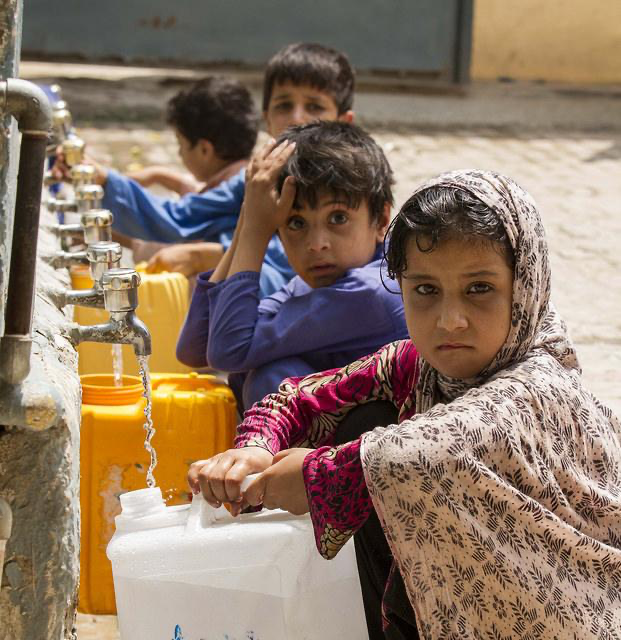
A new study indicates more than 4 billion people in low- and middle-income countries (LMICs) lack access to safe drinking water, Swiss researchers reported yesterday in Science.
Combining household surveys and earth observation data (including satellite, airborne, and land-based data) with geospatial modelling techniques, a team led by researchers from the Swiss Federal Institute of Aquatic Science and Technology estimated that only 33% of the total population of 135 LMIC’s used a safely managed drinking water service (SMDWS) in 2020, leaving approximately 4.4 billion without access to safe drinking water. That’s more than twice the number of people estimated to lack access to safe drinking water in a 2020 by the World Health Organization and the United Nations (UN) Children’s Fund Joint Monitoring Programme for Water Supply, Sanitation and Hygiene.
The lowest national rates of SMDWS use were in sub-Saharan Africa. The study estimates that, in 12 countries in the region, less than 10% of the population used SMDWS in 2020.
Safe drinking water a ‘basic human right’
The study also found that access to safe drinking water in LMICs is primarily limited by fecal contamination, which affects nearly half the population in those countries and is indicated by Escherichia colicontamination in the primary drinking water source.
“Detection of fecal contamination in drinking water is concerning, as ingestion of fecal pathogens is a major driver of diarrheal disease, one of the leading causes of under-five child mortality globally,” the study authors wrote.
The authors note that access to safe drinking water is recognized as a basic human right and plays a core role in the UN’s 2030 Agenda for Sustainable Development. They add that drawing attention to the many regions lacking safe water could “inform the mobilization and effective allocation of financial resources and human capacity” to address the issue.
“By filling crucial data gaps, our results point toward a substantial underestimation of the number of people whose basic human rights to safe drinking water are not being met and provide information on which subcomponents may be limiting use of SMDWS regionally,” they wrote.
The Baku Dialogue on Water for Climate Action is intended to provide continuity between the annual UN climate negotiations and promote coherence and collaboration. It aims to ensure a consistent focus on water and its interplay with climate change, biodiversity loss, pollution, and desertification, focusing on actions at the international, regional, river and basin levels.
“Water is not just a victim of climate change but it is also a vital solution. Water is at the heart of achieving many Sustainable Development Goals. Without water there is no sustainable development,” said COP29 President Mukhtar Babayev. “Water must be integrated into full aspects of the global climate agenda.”
He said that the Caspian Sea – the world’s largest inland water body and an integral part of Azerbaijan’s national identity and economy – is shrinking, alongside the degradation of biodiversity. “This is an alarming prospect,” he said.
WMO is one of the founding partners of the Baku Dialogue on Water for Climate Action, which will be hosted by the UN Environment Programme.
The Baku Dialogue declaration resolves to:
promote dialogue and partnerships among countries at international, regional, river and basin levels,
strengthen the generation of scientific evidence on the causes and impacts of climate change on water resources, water basins and water-related ecosystems,
enhance water-related climate policy actions.
It received a ringing endorsement from speakers at a high-level side event in the closing stages of COP29.
Freshwater resources are increasingly under pressure from rising societal demands, environmental degradation and climate change.
“2023 was the driest for rivers globally in more than three decades of records. Almost half of the planet experienced lower than normal annual river flows. The world’s glaciers experienced their largest mass loss in almost fifty years of record-keeping. This is a worrying omen for future water security for billions of people,” WMO Deputy Secretary-General Ko Barrett told the high-level event.
“Water is at the heart of the international disaster risk reduction agenda and the Early Warnings for All initiative. This is essential, given that water-related hazards are the leading cause of human and economic losses in many countries,” she said.
Water is vital for climate change mitigation as a key enabler of greenhouse gas emission reductions. Water supports renewables like biofuels, hydropower, and is needed for cooling of low-emission power plants. Finally, water is essential for hydrogen and for producing minerals vital for battery technology.
“This makes the necessary green energy transition a thirsty business and is why we need integrated water and climate policies,” said Ko Barrett.
WMO Role
WMO will be a committed partner in implementation of the Baku Dialogue.
As the specialized UN agency for weather, climate and water, WMO will leverage its mandate to support informed decision-making. National Meteorological and Hydrological Services need to play a crucial role in integrating water data and information into development policies for informed decision-making. This builds on the expertise of WMO’s national hydrological advisers.
WMO is co-coordinator of the UN-Water Expert Group on Water and Climate Change, and offers comprehensive support to the UN System-wide Strategy on Water and Sanitation.
Improved water monitoring and data sharing is vital in order to improve integrated management of water resources.
Increased funding is essential to enhance water monitoring systems, implement early warning systems, and build resilience in communities vulnerable to water stress and extreme events.
The need for water action
The impacts of climate change are felt through water.
One-fifth of the world’s river basins are experiencing rapid changes in the area covered by surface waters
Glaciers have suffered the largest mass loss in 50 years.
Around 2.2 billion people still do not have access to safe drinking water, 3.5 billion lack access to safely managed sanitation,3 and at least 50% of the world’s population — around 4 billion people — live under highly water-stressed conditions, with the most vulnerable hit the hardest.
Over 90 percent of disaster-affected people and nearly 95 percent of infrastructure loss and damage were impacted by water-related disasters, while floods are one of the major sources of water pollution, threatening water quality and human health and safety.
The economic impacts of climate change on water resources are significant. Some regions could experience GDP declines of up to 6% by 2050 due to water-related impacts on agriculture, health, and incomes.
Without mitigating actions, global GDP could decrease by up to 18% by mid-century if temperatures rise by 3.2°C. These findings underscore the substantial economic risk posed by climate-induced disruptions to the hydrological cycle.
Nationally Determined Contributions
Integrating water management and cooperation into national climate policy, such as Nationally Determined Contributions and National Adaptation Plans, is crucial for effective climate adaptation and mitigation.
Understanding water availability and constraints can assist in deciding on climate change response options and guide the design of projects, reduce project risks and hence costs – a key issue as NDC 3.0 are being prepared.
Such integration ensures also a coordinated approach to managing shared water resources, enhancing resilience to climate impacts, and promoting sustainable development.
It allows countries to address water security, improve public health, and reduce climate-related vulnerabilities comprehensively across water dependent sectors.
By incorporating these elements into national climate policies, countries can leverage international cooperation to achieve their climate goals and ensure the provision of essential services
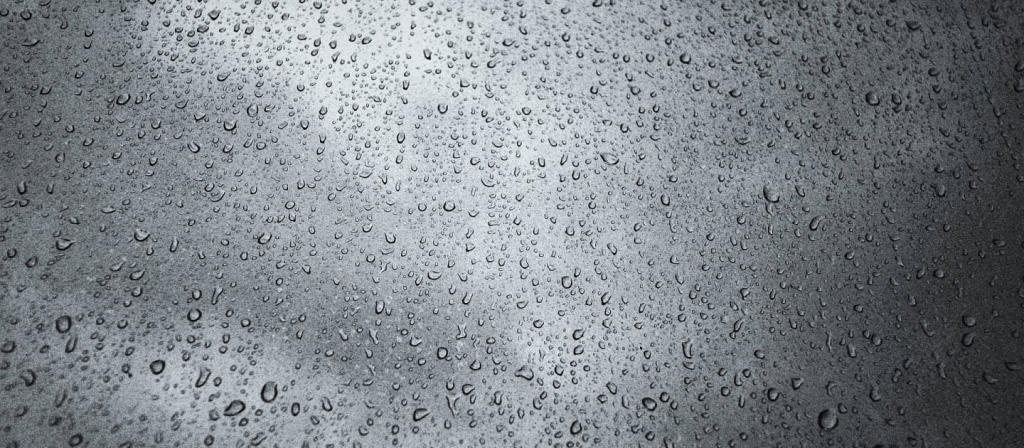
PFAS are in Miami’s rainwater. And it is the latest evidence the synthetic “forever chemicals” — that have raised health concerns for people and wildlife — hitch a ride on the water cycle, using the complex system to circulate over greater distances.
For more than a year, FIU researchers collected and analyzed 42 rainwater samples across three different sites in Miami-Dade County. A total of 21 perfluoroalkyl and polyfluoroalkyl substances, or PFAS, were detected, including PFOS and PFOA (since phased out of production over cancer concerns), as well as the newer varieties used in manufacturing today.
While profiles of several PFAS matched back to local sources, others did not. According to the study, published in Atmospheric Pollution Research, this suggests Earth’s atmosphere acts as a pathway to transport these chemicals far and wide — contributing to the worldwide pollution problem.
“PFAS are practically everywhere,” said FIU Assistant Professor of Chemistry and study author Natalia Soares Quinete. “Now we’re able to show the role air masses play in potentially bringing these pollutants to other places where they can impact surface water and groundwater.”
Widely used in consumer products — non-stick cookware, clothing, cosmetics, food packaging, detergents and firefighting foams, to name a few — PFAS were purposefully created to be almost indestructible. They don’t break down easily or simply go away. Once in the environment, they accumulate over time. People can ingest or inhale them, and exposure has been linked to liver and kidney damage, fertility issues, cancer and other diseases. The EPA warned even low levels of exposure can be dangerous, setting strict near-zero limits for some PFAS in drinking water.
It’s still unclear, though, how exactly these long-lived chemicals journey through the environment.
Quinete, who heads the Emerging Contaminants of Concern lab in FIU’s Institute of Environment, has been trying to piece this picture together.
Her research group is among the first to extensively track the prevalence of the persistent pollutants across South Florida. They’ve detected PFAS in drinking water and surface water including Biscayne Bay. And, subsequently, also found PFAS in animals that live in those areas, including oysters and economically important recreational fish and lobsters. Rain was the natural next place for the team to look.
PFAS can infiltrate the atmosphere by either evaporation or getting absorbed into microscopic particles and dust. Wind and shifting air currents shuttle them along. Eventually, it rains. As each drop falls to earth, it brings along some of the pollutants. The cycle begins and ends and begins again.
This played out in the team’s data.
Between October 2021 and November 2022, the most frequently detected and abundant PFAS in Miami’s rainwater, in 74% of samples, were PFCAs — commonly used in non-stick and stain-resistant products, food packaging and firefighting foams. The researchers previously detected high levels of these compounds in nearby surface waters, a sign they’re coming from local sources.
However, a noticeable shift occurred at certain times of year. PFAS concentrations suddenly skyrocketed during the dry season (October through May), coinciding with Northeastern air masses moving into Miami. More emerging PFAS also made an appearance including those typically found in North Carolina and other states, where facilities produce goods made with these particular chemicals.
“The season variations were interesting to us,” said Maria Guerra de Navarro, a graduate student in Quinete’s lab who helped lead the study. “We know there are northern states with manufacturing that matches back to the PFAS we saw, so it’s likely that’s where they are coming from.”
Here’s what the researchers suspect is happening: Drier air in northern currents creates perfect conditions for more PFAS-laden dust and particles to spread around. Rain “washing out” those pollutants from the air could account for higher contaminant concentrations. Guerra de Navarro is currently examining this kind of dry deposition, measuring how many PFAS can be packed into particles smaller than 10 microns — seven times smaller than the strand of a human hair (70 microns).
As with their past research, the team hopes the data can help guide future solutions and regulations for controlling and reducing PFAS.
“This is all about creating awareness that this is all one world,” says Guerra de Navarro. “What’s happens in one area can impact here, there, everywhere. We have to be thinking about how to prevent these chemicals from going all over the world.”
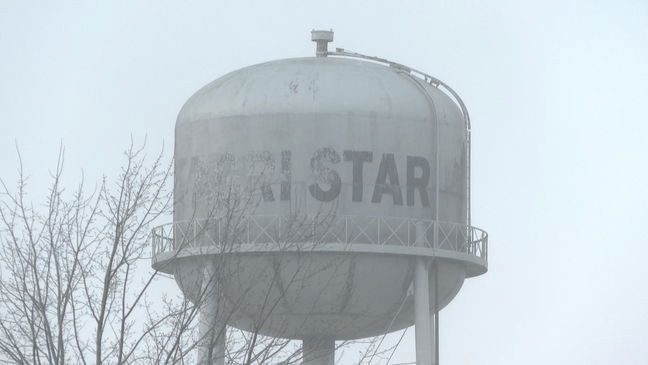
POSTVILLE, Iowa — A nonprofit environmental group has filed a federal lawsuit against Agri Star Meat & Poultry, alleging the Iowa meatpacking plant has repeatedly violated the Clean Water Act by discharging pollutants into Hecker Creek and the Yellow River.
Driftless Water Defenders, represented by Public Justice, FarmSTAND, and Larew Law Office, filed the lawsuit Monday in the U.S. District Court for the Northern District of Iowa. The legal action follows a 60-day notice period during which the group warned of its intent to sue, citing years of self-reported permit violations and a lack of enforcement from state regulators.
According to the complaint, Agri Star’s Postville facility has “discharged and continues to discharge pollutants” beyond legal limits, including ammonia nitrogen, total suspended solids, chloride, oil and grease, and biochemical oxygen demand. The lawsuit seeks declaratory and injunctive relief, financial penalties of up to $68,445 per day per violation, and court-ordered compliance measures.
“Agri Star has repeatedly violated the terms of its Clean Water Act permit over the course of many years,” said Daniel C. Snyder, director of the Environmental Enforcement Project at Public Justice, according to a Monday press release announcing the lawsuit. “The state has failed to secure Agri Star’s compliance with binding federal law. As a result, Driftless Water Defenders is doing exactly what Congress intended: acting as a private attorneys general to enforce the Clean Water Act when government regulators fail to do so.”
The lawsuit claims Agri Star has continued polluting Hecker Creek, a tributary of the Yellow River, despite holding a National Pollutant Discharge Elimination System permit issued by the Environmental Protection Agency, which contracts the Iowa Department of Natural Resources to carry out enforcement. The complaint alleges Iowa DNR has failed to carry out appropriate enforcement and that the meatpacking company has not only exceeded permitted pollutant levels, but also failed to conduct required water quality sampling and report results for additional contaminants.
Driftless Water Defenders President Chris Jones said in the press release that Iowa’s waterways are a public resource and must be protected. “The Yellow River has traditionally been one of Iowa’s recreational crown jewels—clean water where citizens can fish, hike, canoe and kayak,” he said. “If governmental agencies won’t enforce our clean water laws, citizens must step in to do that.”
Agri Star has a history of regulatory scrutiny. Last March, the company discharged 250,000 gallons of untreated beef processing waste into Postville’s wastewater system, causing a two-day shutdown of the city’s water treatment facility. According to the complaint, this followed at least five prior enforcement actions against the company by the U.S. Environmental Protection Agency.
Driftless Water Defenders’ notice of intent to sue, sent Dec. 23, cited violations including Agri Star’s September 2024 discharge of 1,149 pounds of ammonia nitrogen per day—more than ten times its permitted limit of 97 pounds. The same month, the plant allegedly released 19,165 pounds of total suspended solids per day, exceeding the legal limit of 293 pounds by a factor of 65.
Attorney James C. Larew, representing the plaintiffs, said the group had hoped Agri Star would take meaningful compliance measures after receiving the 60-day notice but received no such indication. “In filing a citizen suit, we intend to protect these vital resources as authorized and intended by the law,” Larew said in the press release.
Iowa DNR has previously told Iowa’s News Now that it is considering enforcement action against Agri Star for chloride violations and has issued a notice of violation. DNR officials have said Agri Star has struggled to meet new chloride limits that took effect in August 2024 and could face further penalties if it does not come into compliance.
The complaint calls for immediate compliance with permit limits, new pollution control technology, and additional staffing and training to ensure proper environmental management.
“People have the right to enjoy their local waterways, in the Driftless Region and everywhere,” said FarmSTAND attorney Holly Bainbridge in the press release. “After 60 days of notice, it’s time to enforce the Clean Water Act through the courts and make Agri Star stop polluting the Yellow River and Hecker Creek.”
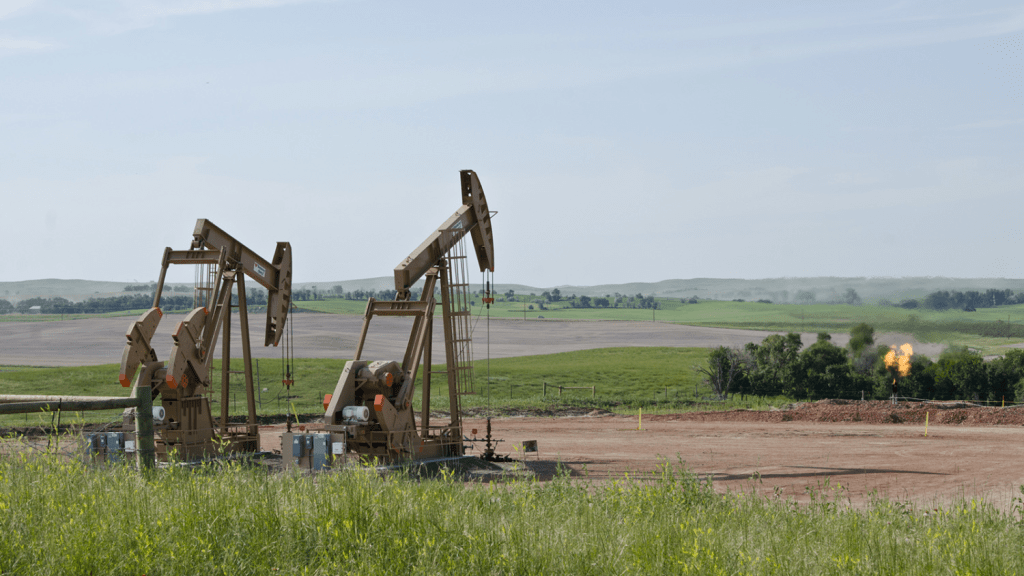
Hydraulic fracturing, or “fracking,” is the process of injecting water, chemicals and sand into horizontal wells under high pressure to crack rock and release oil and gas.
Even though the oil and gas industry often uses a restrictive definition of “fracking” that refers only to the moment in the extraction process where the rock is fractured, the impacts of fracking go far beyond some broken rock.
What is fracking and why is it bad for the environment?
There are many activities needed to bring a gas or oil well into production, and all of them have environmental impacts.
Fracking requires a lot of water. More than 100,000 gallons of water are used to create a fracking well. Once the well is created, even more water and toxic chemicals are used to operate it.
Once the well has produced gas or oil, transporting it also carries environmental costs. The construction of infrastructure like pipelines and roads can change the shape of a landscape forever, decimating and fragmenting habitat that wildlife need to survive.
Fracking pollutes waterways
Fracking has polluted both groundwater and surface waterways such as rivers, lakes and streams.
Pollution can enter our waterways at several points in the fracking process. Fracking fluid can leak or spill as it is transported to the site of the well, mixed with chemical additives, and pumped from place to place. Fracking also involves highly pressurizing that liquid — so damage to the well infrastructure can result in blowouts that spew wastewater into the environment.
Wastewater from the fracking process is produced in enormous volumes – both as “flowback” immediately after fracking, and “produced water” over a longer period while a well is producing oil and gas. Fracking operators have no safe, sustainable way of dealing with this toxic waste.
Fracking waste contains dangerous pollutants. The toxic substances in fracking chemicals and wastewater have been associated with a variety of negative health effects, including cancer, endocrine disruption, and neurological and immune system problems.
Researchers at the Yale School of Public Health analyzed more than 1,000 chemicals found in fluid fracking and wastewater. Toxicity data were not available for many of them, but of the chemicals for which toxicity data were available, 65% were toxic.
That means at least 15% of the chemicals used in fracking are toxic or dangerous to human health – and the true number might be much higher.
And fracking doesn’t simply pollute water. It also removes water from the water supply both for us and the broader environment.
Each well that is fracked requires hundreds of thousands or millions of gallons of water. Unlike most industrial uses of water, in which water returns to the water cycle for further use, water used in fracking typically can’t be cleaned up for a broad range of other uses.
Water from fracking usually either remains in the well, is “recycled” to frack new wells, or is disposed of in deep injection wells. Injecting the water deep underground keeps it separate from natural aquifers, meaning that fracking takes billions of gallons out of the water supply annually.
Fracking damages wild places
Well pads, new access roads, pipelines and other infrastructure built for fracking turn forests and rural landscapes into industrial zones. Infrastructure to support fracking has directly damaged at least 679,000 acres of land since 2005. That’s an enormous area, just slightly smaller than Yosemite National Park.
What does developing the land to support new fracking wells mean for wild places and critical wildlife habitat?
Before drilling can begin, the land at the well site must be clear-cut and leveled so that drilling equipment, gas collection and processing equipment, and vehicles can operate. The removal of trees and plants completely destroys habitat wildlife need to survive, and leaves the soil vulnerable to erosion.
And the destruction doesn’t stop at the well site itself. Additional land must be cleared for roads to the well site, as well as for any pipelines and compressor stations needed to deliver gas to market. Roads can be especially dangerous to wildlife. By one estimate, each fracking well is responsible for more than 3,000 one way truck trips over its lifetime. Without wildlife crossings, that means a lot of animals end up as roadkill.
Overall, the development of natural gas infrastructure results in up to 23 acres of land cover disturbance per well pad.
Even habitat that isn’t directly destroyed can be damaged. The “edge habitat” surrounding an industrialized area becomes degraded and vulnerable to the spread of invasive plants.
Fracking harms wildlife
The loss of habitat associated with fracking, and the impacts of the operation of fracking wells, can have serious detrimental effects on wild animals.
Fracking creates air pollution that can seriously impact wildlife. A Colorado study revealed that exposure to air pollution from fracking could cause neurological problems, respiratory diseases, and cancer in wild animals.
The loud machines and bright lights of industrial fracking areas can change animals’ behavior and interfere with their ability to make use of the habitat they have left near fracking sites. Research on mule deer in Colorado found that the number of deer living on land essential to the species’ wintertime survival declined by 25 to 50 percent near gas and drilling operations.
The fragmentation of habitat associated with fracking development is especially hard on bird species that depend on large tracts of undisturbed habitat to survive. Endangered cerulean warblers, who need deep forest habitat, are experiencing population declines across their range, but researchers noted that the decline was 15 percent higher near fracking sites than in the wider region. Species such as the northern harrier, snowy owl, rough-legged hawk and American kestrel rely on 30 to 100 acres of undisturbed grassland for breeding or wintering habitat, which developments like pipelines and roads can fracture.
The clearing of land for well pads, roads and pipelines also threaten aquatic ecosystems by increasing sedimentation of nearby waterways and decreasing shade. One study found an association between increased density of gas drilling activity and degradation of ecologically important headwater streams.
Water contamination related to fracking can cause fish to die. After fracking equipment failed at an Ohio site in 2014, a fire broke out, causing trucks to explode and thousands of gallons of toxic chemicals to leak into an Ohio River tributary. More than 70,000 fish were killed by the pollution.
In a recently published paper, NASA scientists use nearly 20 years of observations to show that the global water cycle is shifting in unprecedented ways. The majority of those shifts are driven by activities such as agriculture and could have impacts on ecosystems and water management, especially in certain regions.
“We established with data assimilation that human intervention in the global water cycle is more significant than we thought,” said Sujay Kumar, a research scientist at NASA’s Goddard Space Flight Center in Greenbelt, Maryland, and a co-author of the paper published in the Proceedings of the National Academy of Sciences.
The shifts have implications for people all over the world. Water management practices, such as designing infrastructure for floods or developing drought indicators for early warning systems, are often based on assumptions that the water cycle fluctuates only within a certain range, said Wanshu Nie, a research scientist at NASA Goddard and lead author of the paper.
“This may no longer hold true for some regions,” Nie said. “We hope that this research will serve as a guide map for improving how we assess water resources variability and plan for sustainable resource management, especially in areas where these changes are most significant.”
One example of the human impacts on the water cycle is in North China, which is experiencing an ongoing drought. But vegetation in many areas continues to thrive, partially because producers continue to irrigate their land by pumping more water from groundwater storage, Kumar said. Such interrelated human interventions often lead to complex effects on other water cycle variables, such as evapotranspiration and runoff.
Nie and her colleagues focused on three different kinds of shifts or changes in the cycle: first, a trend, such as a decrease in water in a groundwater reservoir; second, a shift in seasonality, like the typical growing season starting earlier in the year, or an earlier snowmelt; and third a change in extreme events, like “100-year floods” happening more frequently.
The scientists gathered remote sensing data from 2003 to 2020 from several different NASA satellite sources: the Global Precipitation Measurement mission satellite for precipitation data, a soil moisture dataset from the European Space Agency’s Climate Change Initiative, and the Gravity Recovery and Climate Experiment satellites for terrestrial water storage data. They also used products from the Moderate Resolution Imaging Spectroradiometer satellite instrument to provide information on vegetation health.
“This paper combines several years of our team’s effort in developing capabilities on satellite data analysis, allowing us to precisely simulate continental water fluxes and storages across the planet,” said Augusto Getirana, a research scientist at NASA Goddard and a co-author of the paper.
The study results suggest that Earth system models used to simulate the future global water cycle should evolve to integrate the ongoing effects of human activities. With more data and improved models, producers and water resource managers could understand and effectively plan for what the “new normal” of their local water situation looks like, Nie said.
Water is essential to life, driving our economies and supporting the foundation of ecosystems. Yet, despite its critical role, many regions are facing severe water shortages.
Add to this the plight of a warming planet, and the result is an urgent global crisis that needs effective water management strategies.
Research conducted by Lorenzo Rosa of Carnegie Science and Matteo Sangiorgio of the Polytechnic University of Milan sheds light on the growing water crisis under various climate scenarios.
The experts emphasize a critical need for robust water policies, with insights that could prove instrumental in future preparations.
The water gap issue
A “water gap” happens when people need more water than what is available. This problem affects billions of people around the world.
The amount of water needed for drinking, farming, and industry is often more than what nature can provide. When people use too much water without allowing time for it to be replenished, natural sources like rivers, lakes, and aquifers start to dry up.
Over time, this continuous overuse creates a serious water shortage, making it harder for communities, farms, and businesses to get the water they need.
“Water scarcity is one of the greatest challenges facing humanity this century. About 4 billion people reside and about half the world’s irrigated agriculture is in regions that experience water scarcity for at least one month each year,” said Rosa.
Climate change and water shortages
The water scarcity issue is further complicated by climate change. Rising temperatures destabilize rainfall patterns, shift water cycles, and deplete natural freshwater sources.
This adds substantial strain to already fragile water systems, elevating the risk of shortages in urban and rural areas.
According to Rosa, higher temperatures accelerating evaporation rates can deplete water supplies, even in regions that have historically been stable. Unpredictable weather patterns causing droughts and floods further complicate water management.
Water demand amidst population growth
Population explosion further strains water resources with expanding cities requiring greater quantities for drinking, sanitation, and industrial usage.
Agricultural production must also increase to feed the growing population, making water conservation and management even more critical.
“We must be able to balance environmental resilience and the growing need for water in a warming world with a burgeoning population,” noted Rosa.
Rising temperatures and water shortages
The research paints a troubling picture. The baseline global water gap stands at nearly 458 billion cubic meters (121 trillion gallons) annually.
The water gap is expected to increase by 6% under 1.5°C (2.7°F) warming and by 15% under 3°C (5.4°F) warming.
“Even relatively modest increases in the water gap can put pressure on ecosystems and lead to severe shortages for agricultural use, resulting in food insecurity,” said Rosa.
Water resource management needs quick action and future planning. Building better systems to store and share water can help solve the problem. Advances in technology present possibilities like desalination of seawater and wastewater treatment and reuse.
Agriculture, a major consumer of global water, must adapt by shifting to crops that require less water or employing advanced irrigation techniques.
Finding solutions for water shortages
Rosa’s research plays an important role in finding solutions for water shortages. He is exploring ways to make irrigation more efficient so that less water is wasted.
Rosa also investigates how to keep soil moist for longer, which helps crops grow with less water. Another part of his work focuses on improving how water is stored, making sure it is available when needed.
In addition to water management, Rosa also examines how to reduce the harmful effects of fertilizer production on the environment. The goal is to make farming more sustainable, ensuring that future generations can grow food without harming natural resources.
As climate change intensifies, water shortages will continue to be a significant issue across the globe. It is essential for policymakers, researchers, and communities to collaborate on finding effective solutions.
By understanding water scarcity and exploring innovative approaches, we can work toward ensuring a sustainable water future.
UNESCO and the World Meteorological Organization (WMO) have officially launched the International Year of Glaciers’ Preservation on January 21st, 2025, marking a crucial milestone in global efforts to protect these essential water towers that provide freshwater to over 2 billion people worldwide.
Numerous activities and events during the year will seek to raise global awareness about the critical role of glaciers in the climate system and hydrological cycle, while addressing the urgent challenges posed by accelerated glacier melting.
A Critical Moment for Earth’s Cryosphere
More than 275,000 glaciers worldwide cover approximately 700,000 km². Glaciers and ice sheets store about 70% of the global freshwater. However, these ice formations are rapidly retreating due to climate change. The preservation of these crucial resources is essential not only for environmental sustainability, but also for economic stability and safeguarding cultural services and livelihoods.
WMO Secretary-General Celeste Saulo said:
“WMO recently confirmed that 2024 was the warmest year on record and has sounded repeated Red Alerts about the state of our climate, including the retreat of glaciers. In 2023, glaciers suffered the largest mass loss in the five decades of record-keeping. It was the second consecutive year in which all regions in the world with glaciers reported ice loss. Melting ice and glaciers threaten long-term water security for many millions of people. This international year must be a wake-up call to the world.”
“The preservation of glaciers stands as one of humanity’s most urgent challenges. These ancient ice formations are not just frozen water – they are the guardians of our planet’s climate history, the source of life for billions, and sacred places for many cultures. Their rapid disappearance is a stark reminder that we must act now,” said Audrey Azoulay, Director-General of UNESCO.
Key Initiatives and Global Impact
The United Nations General Assembly proclaimed the International Year of Glaciers’ Preservation in December 2022, and established March 21st as the annual World Day for Glaciers. It seeks to increase awareness of the vital role glaciers, snow, and ice play in the climate system and hydrological cycle, as well as the far-reaching impacts of rapid glacial melt and their impacts on economies and communities.
“We are confident that this initiative will mobilize the global community, inspire action, and drive the policies and solutions necessary to protect these invaluable natural resources,” said Bahodur Sheralizoda, Chairman of the Committee for Environmental Protection of Tajikistan, which was instrumental in the declaration of the year.
The initiative focuses on several critical areas:
Expanding global glacier monitoring systems to enhance data collection and analysis
Developing early warning systems for glacier-related hazards
Promoting sustainable water resource management in glacier-dependent regions
Preserving cultural heritage and traditional knowledge related to glacial environments
Engaging youth in glacier preservation efforts and climate action
Short-term hazards, Long Term Loss
Glaciers are often referred to as the “water towers of the world” because river basins with headwaters in the mountains supply freshwater to over half of humanity, including in the Himalaya-Hindu Kush and Tibetan Plateau region, known as the Third Pole.
The melting of glaciers, snow and ice translates into a short-term increase in landslides, avalanches, floods and droughts and a long-term threat to the security of water supplies for billions of people.
“Glaciers don’t care if we believe in science – they just melt in the heat for all to see,” said John Pomeroy, co-chair of the Advisory Board and a professor at the University of Saskatchewan. “Our “frozen water” has acted like millions of small dams, holding back water until the snow or glaciers melt – right when we needed it. More than 2 billion people rely on mountain snow and ice to replenish their rivers, lakes, and groundwater to support ecosystems, agriculture, energy, industry and drinking water. All of this is now at risk as global heating causes rapid glacier retreat, glacier lake outburst floods, snow droughts, loss of sea ice, rising sea levels, permafrost thaw and wildfires,” he said.
Carolina Adler of the Mountain Research Initiative is the other co-chair.
Scientific Heritage and Future Generations
Glaciers contain irreplaceable archives of human, environmental, and climate history, preserving crucial records of Earth’s past within their ancient ice. These frozen time capsules provide scientists with invaluable data about historical climate patterns, atmospheric composition, and even human activity spanning thousands of years. Their disappearance threatens not only water security but also results in the loss of unique ecosystems and biodiversity that have evolved in these specialized environments.
For Indigenous Peoples across Asia, Latin America, the Pacific, and East Africa, glaciers hold profound cultural and spiritual significance, often considered sacred spaces and the abode of deities. The loss of these ice formations would mean the irreversible disappearance of sites central to cultural heritage and spiritual practices that have been recognized by UNESCO as Intangible Cultural Heritage of Humanity.
According to the Intergovernmental Panel on Climate Change, glaciers are projected to continue to decline in almost all regions of the world throughout the 21st century.
As mountain glaciers retreat, they are also altering water availability and quality downstream, with implications for aquatic ecosystems and many sectors such as agriculture and hydropower.
Join forces for Glaciers’ Preservation
The International Year of Glaciers’ Preservation 2025 emphasizes the urgent need for immediate, ambitious action to reduce greenhouse gas emissions to stabilize the climate and implement effective adaptation strategies. For the sake of future generations, the time to act is now.
Governments, scientific institutions, private sector organizations, and civil society are invited to join this global effort. Through collaborative action and increased awareness, we can work together to preserve these vital resources for future generations.
For more information about the International Year of Glaciers’ Preservation and how to participate in its initiatives, visit www.un-glaciers.org
Resources
WMO’s State of Global Water Resources 2023 and State of the Global Climate 2023reports both provide many details of glacier retreat and ice mass loss. The implications for water resources – on which people, economies and ecosystems depend – are also quantified.
To support this global initiative, UNESCO has already developed key resources including the comprehensive “Building resilience to the melting cryosphere” brochure, which examines the impacts of glacier melt on sea levels and water resources while outlining UNESCO’s monitoring, awareness, and educational initiatives, and a special edition of the UNESCO Courier titled “Glaciers: Chronicle of a predicted meltdown“, exploring environmental resilience, climate impacts, cultural heritage, and youth engagement through diverse perspectives and experiences. An engaging teaser video for the IYGP interactive exhibition is now available, showcasing the dramatic changes in glacier landscapes and featuring diverse perspectives and stories from impacted communities worldwide.”
Early last year, Bogotá faced a prolonged drought, leading to historically low water levels in reservoirs and forcing Colombia’sauthorities to impose water rationing. Then, in November, heavy rains triggered widespread flooding, submerging streets, stranding vehicles and disrupting traffic.
People living in neighbourhoods built over wetlands, such as Suba Rincón, suffered a double impact from these extreme events, that served to underscore the city’s vulnerability to deforestation, El Niño and the climate crisis. In these districts people have been left counting the cost of repeated floods.
Added to this, Bogotá’s waters have increasingly turned grey over recent decades. Residents are worried not only about their houses and public infrastructure but also about pollution and possible health issues.
“The water is deeply contaminated. The city’s perspective was that the water bodies were there to drain the sewage from our homes,” says Héctor Lorenzana, who has lived by the wetlands since his childhood. “Long ago, you could smell the woods and its different trees. Nowadays, even the sound of the water has changed.”
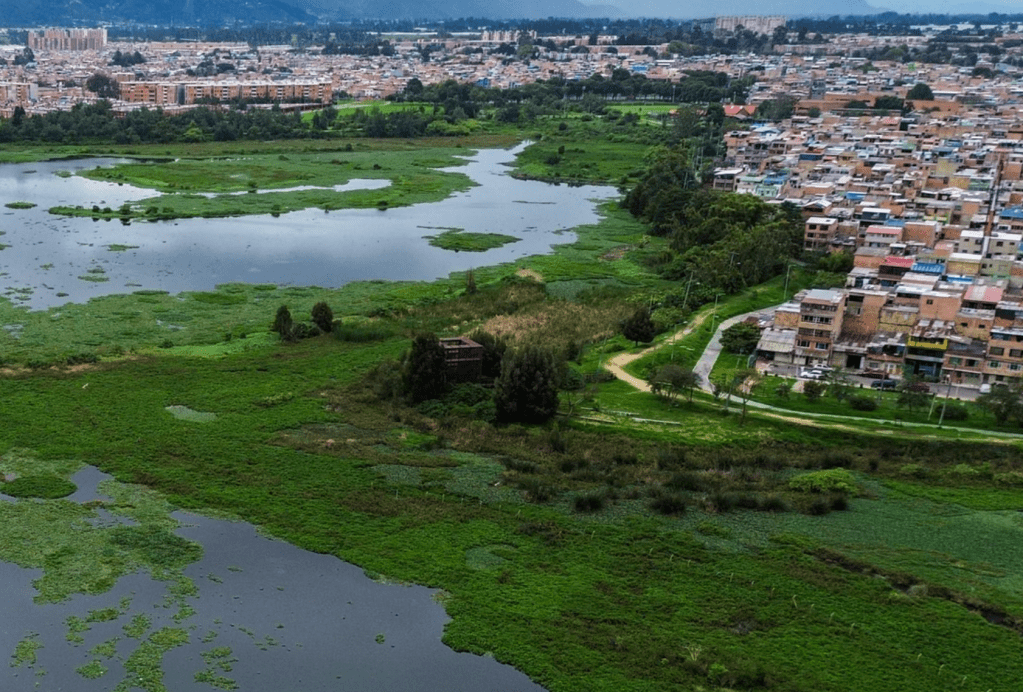
Bogotá is located in an ecosystem comprising 11 wetlands – locally known as District Ecological Wetland Parks (PEDH) – whose importance is recognised by the Ramsar convention. Six more areas await the same recognition and are officially marked as protected zones by the local government.
These wetlands regulate the freshwater supply from the city’s rivers, providing flood control and groundwater conservation – an important function since the country has experienced the highest recurrence of extreme weather events in South America, with 84% of its population and 86% of its assets located in areas that are exposed to two or more natural hazards.
The wetlands are also the habitat for 196 endemic bird species, including 42 aquatic and 65 migratory birds, such as the Bogotá rail (Rallus semiplumbeus) and Apolinar’s wren (Cistothorus apolinari).
Yet, the city’s rapid expansion and inadequate planning have damaged Bogotá’s wetlands, fragmenting the ecosystem and disrupting its natural water cycle. According to the Bogotá Wetlands Foundation, about 700 hectares (1,700 acres) of wetlands remain, approximately 1.45% of the original area.
“The rivers born in the hills have been canalised underground and above ground, but this system is not enough for the increasing rainfall,” says Orlando Vargas Ríos, a biologist and specialist in environmental restoration.
The value of Colombia’s wetlands has been neglected since colonisation, as urbanisation has gradually replaced freshwater marshes.
“The city grew on top of the wetlands, which have undergone different interventions,” says Vargas, through drainage of the water bodies and rubble filling to facilitate agriculture and building.
Urban and economic development also paid scant regard to the fact that the wetlands scattered across Bogotá were home to the Muisca Indigenous people, who had inhabited the area for centuries. These communities not only coexisted with the ecosystem, but considered it sacred.
“Our great-great-grandmothers used to give birth in the lake of the wetlands,” says Alejandro Samaca, a Muisca lawyer and nature defender.
According to Samaca, diseases, invasive species, and infrastructure projects are among the factors threatening the species that are essential to his people’s traditions. “Without our traditional medicine [found in the wetlands], we will lose our culture,” he says.
While the climate crisis is amplifying the collapse of Bogotá’s wetlands, Vargas believes these extreme events could be mitigated by restoring the marshlands and recovering the contaminated rivers. “We need to reconstruct the wetlands and redesign the city by reconstructing its water cycle,” he argues.
The droughts and floods that have battered Colombia’s capital have helped put environmental safeguarding at the centre of the political agenda.
Susana Muhamad, the environment minister until her resignation at the weekend over a political dispute with the president, Gustavo Petro, has repeatedly raised concerns about several city projects that have threatened the wetlands’ biodiversity, water cycle and management.
“The flooding in Bogotá demonstrates that the water connection between the eastern hills, wetlands and Bogotá River needs to be enabled,” she posted on X.
Campaigners argue that it is essential to mount legal opposition to development projects threatening the wetlands. This includes blocking the construction of large, impermeable recreational areas, extensive bridges, and new highways designed to alleviate the city’s traffic problems.
Since 2016, activists have opposed a project initiated by former mayor Enrique Peñalosa that involves the construction of 38.5km (23.6 miles) of concrete bridges. Although presented as an ecological corridor for bikers and walkers, the project was designed as a set of bridges whose foundations lie six metres underground, and have a significant environmental impact.
Last May, the environment ministry imposed protective measurespreventing the construction of these corridors in the wetlands of Tibabuyes, Córdoba and Jaboque, after ruling that the work carried out there was detrimental to them. However, the works were already in progress, and now the huge concrete columns remain abandoned.
Activists have called for the structures to be removed and for compensation through the regeneration of other wetlands in the city as they await the results of new environmental impact studies.
“Restoration is an expensive activity. Instead of investing so much money in this, we should invest in protecting the areas,” argues Oscar Manrique, a specialist with the forestry directorate of the environment ministry.
Activists hope their struggle to protect the wetlands will help future generations coexist with this ecosystem.
“My alarm clock to go to school used to be the beautiful singing of the frogs in a wetland area next to my house,” says Lorenzana, recalling his childhood. Today, he says, he can no longer hear them.
“I have a great-nephew who I treasure. I would love it if he had the opportunities I had.”
Water is life. Yet, as the world population mushrooms and climate change intensifies droughts, over 2 billion people still lack access to clean, safe drinking water. By 2030, water scarcity could displace over 700 million people. From deadly diseases to famines, economic collapse to terrorism, the global water crisis threatens to sever the strands holding communities together. This ubiquitous yet unequally distributed resource underscores the precarious interdependence binding all nations and ecosystems and shows the urgent need for bold collective action to promote global water security and avert the humanitarian, health, economic, and political catastrophes that unchecked water stress promises.
The global water crisis refers to the scarcity of usable and accessible water resources across the world. Currently, nearly 703 million people lack access to water – approximately 1 in 10 people on the planet – and over 2 billion do not have safe drinking water services. The United Nations predicts that by 2025, 1.8 billion people will be living in countries or regions with absolute water scarcity. With the existing climate change scenario, almost half the world’s population will be living in areas of high water stress by 2030. In addition, water scarcity in some arid and semi-arid places will displace between 24 million and 700 million people. By 2030, water scarcity could displace over 700 million people.
In Africa alone, as many as 25 African countries are expected to suffer from a greater combination of increased water scarcity and water stress by 2025. Sub-Saharan regions are experiencing the worst of the crisis, with only 22-34% of populations in at least eight sub-Saharan countries having access to safe water.
Water security, or reliable access to adequate quantities of acceptable quality water for health, livelihoods, ecosystems, and production has become an urgent issue worldwide.
This crisis has far-reaching implications for global health, food security, education, economics, and politics. As water resources dwindle, conflicts and humanitarian issues over access to clean water will likely increase. Climate change also exacerbates water scarcity in many parts of the world. Addressing this complex and multifaceted crisis requires understanding its causes, impacts, and potential solutions across countries and communities.
The Global Water Crisis
The global water crisis stems from a confluence of factors, including growing populations, increased water consumption, poor resource management, climate change, pollution, and lack of access due to poverty and inequality.
The world population has tripled over the last 70 years, leading to greater demand for finite freshwater resources. Agricultural, industrial, and domestic water usage have depleted groundwater in many regions faster than it can be replenished. Agriculture alone accounts for nearly 70% of global water withdrawals, often utilizing outdated irrigation systems and water-intensive crops.Climate change has significantly reduced renewable water resources in many parts of the world. Glaciers are melting, rainfall patterns have shifted, droughts and floods have intensified, and temperatures are on the rise, further exacerbating the crisis.
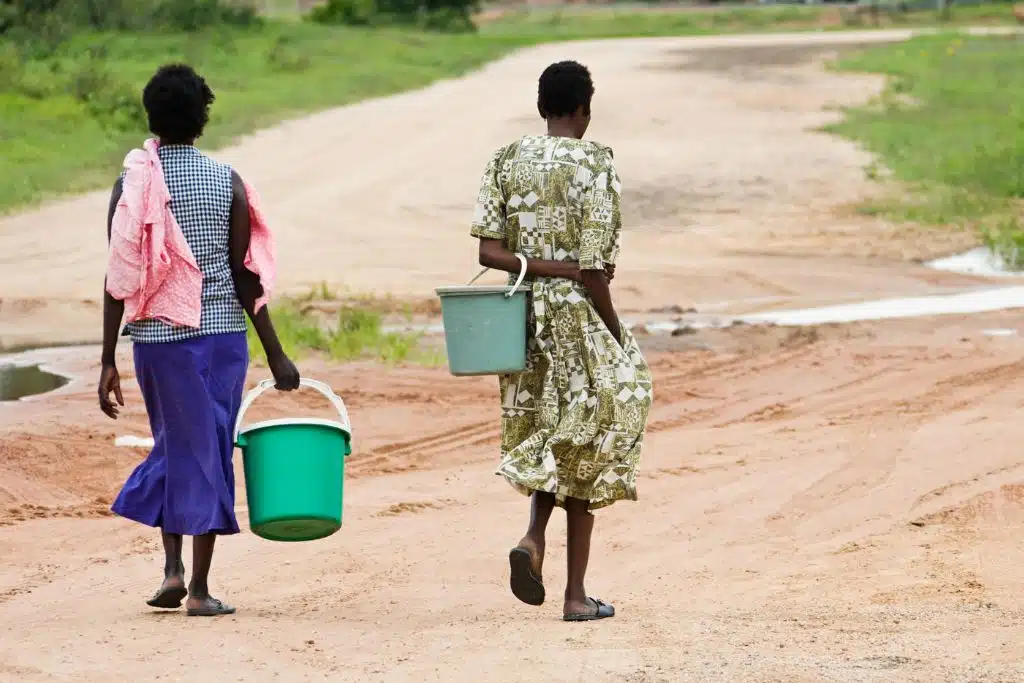
In many less developed nations, lack of infrastructure, corruption, and inequality leave large populations without reliable access to clean water. Women and children often bear the burden of travelling distances to fetch water for households. Contamination from human waste, industrial activities, and agricultural runoff also threaten water quality and safety.
Water scarcity poses risks to health, sanitation, food production, energy generation, economic growth, and political stability worldwide. Conflicts over shared water resources are likely to intensify without concerted global action.
Case Study: Water Crisis in Gaza
The water crisis in Gaza represents one of the most severe cases of water scarcity worldwide. The small Palestinian territory relies almost entirely on the underlying coastal aquifer as its source of freshwater. However, years of excessive pumping far exceed natural recharge rates. According to the UN, 97% groundwater does not meet World Health Organization (WHO) standards for human consumption due to high salinity and nitrate levels.
The pollution of Gaza’s sole freshwater source stems from multiple factors. Rapid population growth contaminated agricultural runoff, inadequate wastewater treatment, and saltwater intrusion due to over-extraction have rendered the aquifer unusable.
In June 2007, following the military takeover of Gaza by Hamas, the Israeli authorities significantly intensified existing movement restrictions, virtually isolating the Gaza Strip from the rest of the occupied Palestinian territory (oPt), and the world. The blockade imposed by Israeli Authority also severely restricts infrastructure development and humanitarian aid.
The water crisis has devastated Gazan agriculture, caused widespread health issues, and crippled economic growth. Many citizens of Gaza have to buy trucked water of dubious quality, as the public network is unsafe and scarce. The United Nations Relief and Works Agency for Palestine Refugees in the Near East (UNRWA) reports that this water can cost up to 20 times more than the public tariff, with some households spending a third of their income or more on water. Long-term solutions require increased water supplies, wastewater reuse, desalination, and better resource management under conflict.
According to a 2022 report by the WHO and UNICEF’s Joint Monitoring Programme (JMP), 344 million people in sub-Saharan Africa lacked access to safely managed drinking water, and 762 million lacked access to basic sanitation in 2020. WaterAid, a non-governmental organization, explains that water resources are often far from communities due to the expansive nature of the continent, though other factors such as climate change, population growth, poor governance, and lack of infrastructure also play a role. Surface waters such as lakes and rivers evaporate rapidly in the arid and semi-arid regions of Africa, which cover about 45% of the continent’s land area. Many communities rely on limited groundwater and community water points to meet their water needs, but groundwater is not always a reliable or sustainable source, as it can be depleted, contaminated, or inaccessible due to technical or financial constraints. A 2021 study by UNICEF estimated that women and girls in sub-Saharan Africa collectively spend about 37 billion hours a year collecting water, which is equivalent to more than 1 billion hours a day.The 2023 UN World Water Development Report emphasizes the importance of partnerships and cooperation for water, food, energy, health and climate security in Africa, a region with diverse water challenges and opportunities, low water withdrawals per capita, high vulnerability to climate change, and large investment gap for water supply and sanitation.
Water security in Africa is low and uneven, with various countries facing water scarcity, poor sanitation, and water-related disasters. Transboundary conflicts over shared rivers, such as the Nile, pose additional challenges for water management.
However, some efforts have been made to improve water security through various interventions, such as community-based initiatives, irrigation development, watershed rehabilitation, water reuse, desalination, and policy reforms. These interventions aim to enhance water availability, quality, efficiency, governance, and resilience in the face of climate change. Water security is essential for achieving sustainable development in Africa, as it affects numerous sectors, such as agriculture, health, energy, and the environment.
Other Countries with Water Shortages
Water scarcity issues plague many other parts of the world beyond Gaza and Africa. Several examples stand out:
Iraq faces severe water stress impacting agriculture and public health. The Tigris and Euphrates Rivers have dwindled because of upstream damming and climate change. Water distribution is inefficient and wasteful.
Indiagrapples with extensive groundwater depletion, shrinking reservoirs and glaciers, pollution from agriculture and industry, and tensions with Pakistan and China over shared rivers. Monsoons are increasingly erratic with climate change.
While the specifics differ, recurrent themes include unsustainable usage, climate change, pollution, lack of infrastructure, mismanagement, poverty, transboundary conflicts, and population growth pressures. But resources often exist; the challenge lies in equitable distribution, cooperation, efficiency, and sustainable practices. Multiple approaches must accommodate local conditions and transboundary disputes.
Global Water Security Is at Risk
Water scarcity poses a grave threat to global security on multiple fronts.
First, it can incite conflicts within and between nations over access rights. History contains many examples of water wars, and transboundary disputes increase the risk today in arid regions like the Middle East and North Africa.
Second, water shortages undermine food security. With agriculture consuming the greatest share of water resources, lack of irrigation threatens crops and livestock essential for sustenance and livelihoods. Food price spikes often trigger instability and migrations.
Third, water scarcity fuels public health crises, leading to social disruptions. Contaminated water spreads diseases like cholera and typhoid. Poor sanitation and hygiene due to water limitations also increase illness. The Covid-19 pandemic underscored the essential nature of water access for viral containment.
Finally, water shortages hamper economic growth and worsen poverty. Hydroelectricity, manufacturing, mining, and other water-intensive industries suffer. The World Bank estimates that by 2050, water scarcity could cost some regions 6% of gross domestic product (GDP), entrenching inequality. Climate migration strains nations. Overall, water crises destabilize societies on many levels if left unaddressed.
Solutions and Recommendations
Tackling the global water crisis requires both local and international initiatives across infrastructure, technology, governance, cooperation, education, and funding.
First, upgrading distribution systems, sewage treatment, dams, desalination, watershed restoration, and irrigation methods could improve supply reliability and quality while reducing waste. Community-based projects often succeed by empowering local stakeholders.
Second, emerging technologies like low-cost water quality sensors, affordable desalination, precision agriculture, and recyclable treatment materials could help poorer nations bridge infrastructure gaps. However, funding research and making innovations affordable remains a key obstacle.
Third, better governance through reduced corruption, privatization, metering, pricing incentives, and integrated policy frameworks could improve efficiency. But human rights must be protected by maintaining affordable minimum access.
Fourth, transboundary water-sharing treaties like those for the Nile and Mekong Rivers demonstrate that diplomacy can resolve potential conflicts. But political will is needed, along with climate change adaptation strategies.
Fifth, education and awareness can empower conservation at the individual level. Behaviour change takes time but can significantly reduce household and agricultural usage.
Finally, increased financial aid, public-private partnerships, better lending terms, and innovation prizes may help nations fund projects. Cost-benefit analyses consistently find high returns on water security investments.
In summary, sustainable solutions require combining new technologies, governance reforms, education, cooperation, and creative financing locally and globally.
Conclusion
The global water crisis threatens the well-being of billions of people and the stability of nations worldwide. Key drivers include unsustainable usage, climate change, pollution, lack of infrastructure, poverty, weak governance, and transboundary disputes. The multiple impacts span public health, food and energy security, economic growth, and geopolitical conflicts.
While daunting, this crisis also presents opportunities for innovation, cooperation, education, and holistic solutions. With wise policies and investments, water security can be achieved in most regions to support development and peace. But action must be accelerated on both global and community levels before the stresses become overwhelming. Ultimately, our shared human dependence on clean water demands that all stakeholders work in unison to create a water-secure future.






 GET WET!