Water Quality in South Africa

By Yana Emets

May 10, 2017

Water quality in South Africa is considered a difficult issue, and the country has struggled to supply some rural and local municipalities. People in urban areas, usually provided with fresh drinkable tap water, are concerned with the water quality of this year’s supply.

The engineered part of the water system in South Africa is heavily dependent on the healthy functioning of the natural water cycle. Water quality is poor due to growing pollution caused by urbanization, mining, deforestation and other anthropogenic causes. South Africa’s annual rainfall is 492 millimeters, which is only half of the world’s average.

After a few months of drought, dam levels dramatically lowered, causing a fresh water deficiency. Multiple complaints arose all over the country. Water quality in South Africa has been affected by unusual smell and color properties. Numerous instances of belly sicknesses were reported, and some people were hospitalized.

Governmental officials have been working to ensure that the sicknesses were caused by the seasonal change and from the turnover of the water in the reservoirs, which is to blame for latest water’s aesthetic qualities. Concern about sedimentary levels in water reservoirs, which were raised by the drought, has increased, as high sedimentary levels are dangerous for human health.

Further water inspection unveiled tap water compliance with the South African National Standard (SANS) 241:2015. Analysts warn that the climate change could impact water quality in South Africa. High evaporation levels and temperature increase can cause volumetric water loss. The decrease in its quality, specifically due to higher salt concentration and aging infrastructure, is in response to climatic demands.

Multiple organizations, such as WWF and the Blue Drop Certification System, are taking effort in prioritizing water safety. Their efforts are increasing awareness of the current situation amongst the population. Understanding responsible use in the current environment, in addition to growing a sustainable economy, will improve the ecological situation for all South Africans.

For more information, visit https://borgenproject.org/water-quality-in-south-africa/

Your Bottled Water Probably Has Plastic In It. Should You Worry?

BY MARKHAM HEID 

MAY 29, 2019 11:06 AM EDT

cropped-logo-jpeg

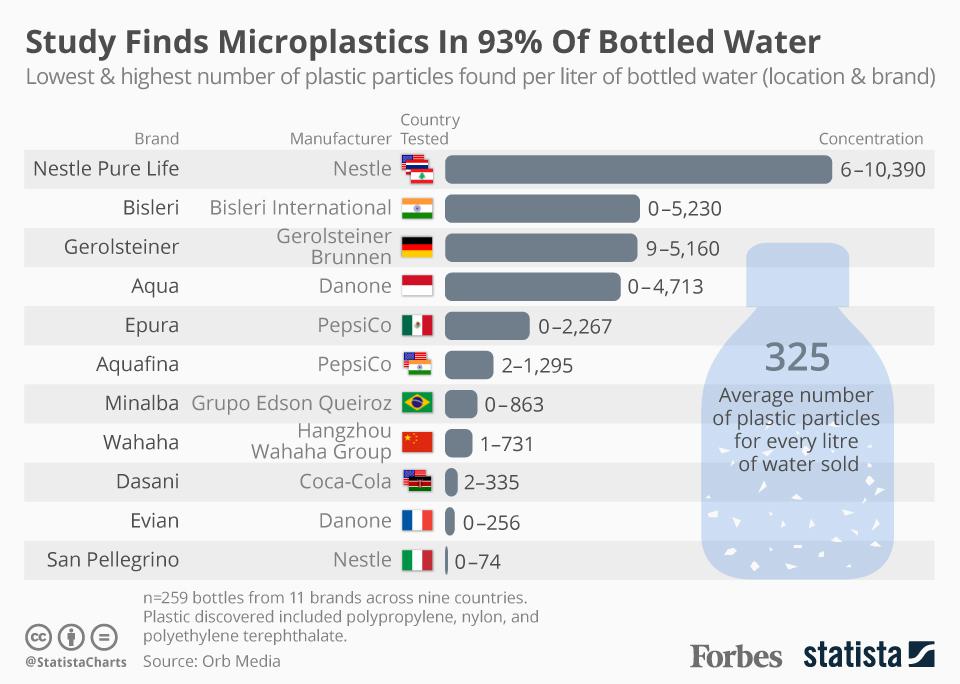
Plastic contamination is rampant in bottled water. That was the unsettling conclusion of a study published last year in Frontiers in Chemistry that analyzed samples taken from 259 bottled waters sold in several countries and found that 93% of them contained “microplastic” synthetic polymer particles.

Many of those particles weren’t all that small. “Some were definitely visible without a magnifying glass or microscope,” says Sherri Mason, author of the study and a sustainability researcher at Penn State Erie, The Behrend College.

The 11 bottled water brands tested in Mason’s study are among the most popular and widely available in the U.S. and around the world. Samples from the brands tested varied in plastic concentrations, and the average across brands was 325 microplastic particles per liter of bottled water, researchers found. Nestlé Pure Life had the largest average concentration of plastic particles out of all the brands tested; one sample from the brand was found to contain more than 10,000 microplastic particles per liter.

Mason’s findings generated headlines and a World Health Organization announcement that the group plans to investigate the safety of bottled water. (The results of that review should be published later this year, according to a WHO spokesperson.) But Mason says the problem of microplastic contamination is far bigger than bottled H2O. “These plastic particles are in our air, in our water and in our soil,” she says.

Last month, a study published in Nature Geoscience found that microplastic particles were blowing through the air of the verdant Pyrenees Mountains in France. Another study published this year found microplastic contamination in U.S. groundwater. “Every time and everywhere we look for plastics in a scientific context, we find them,” says Phoebe Stapleton, an assistant professor of pharmacology and toxicology at Rutgers University.

That includes in people. A small 2018 study analyzed stool samples taken from people in Finland, Japan, Italy, Russia and other countries. Every sample contained microplastics.

“We know that humans are exposed to these particles,” Stapleton says. “We know they get into our body through ingestion and inhalation, and depending on their size, we know they usurp the natural physiological barriers.” This means some of these plastic particles are small enough to pass through the body’s protective tissues and into the bloodstream and organs, she explains.

There’s also evidence in animals and lab tissues that suggests females who are pregnant may pass these microplastics on to their unborn offspring. “Preliminary [rodent] studies from our group, and published studies from others, indicate that after maternal exposure, these particles have the propensity to cross the placental barrier and enter the fetal compartment, depositing in fetal organs,” Stapleton says.

What’s not clear, though, is how this plastic exposure affects human health. “Unfortunately, we do not currently know the toxicological outcomes of these exposures,” she says. The notion that plastics are accumulating in our bodies “is uncomfortable and scary,” she says. “But the studies to prove [negative effects] need to be done.”

Other researchers say we know enough already to deem these plastic exposures a threat to human health. “In animal models and in epidemiological studies in humans, we have a correlation between plastic exposures and known health hazards,” says Frederick vom Saal, a distinguished professor emeritus of biological sciences at the University of Missouri.

He says there’s evidence that plastics and the chemical pollutants that bind to them have toxic effects. “They’re implicated in the obesity epidemic and in other metabolic diseases such as diabetes and heart disease, as well as cancer and reproductive problems and neural problems like attention deficit disorder,” he says. “If you look at the trendlines of non-communicable diseases around the world, you see there is a correlation between exposure to these [plastic] pollutants.”

While correlation is not causation, he says, direct cause-and-effect data will be hard to come by. It would be unethical to purposely expose pregnant women to specific plastic particles in order to observe the biological effects. This means the research on microplastics and health will likely always be correlational in nature or taken from animal and lab models, he says.

Based on the existing data, vom Saal says we know enough to recognize that we should change how we interact with—and dispose of—plastics. “A lot of this is a consequence of dumping literally billions of pounds of plastic into the environment,” he says.

A 2017 study found that 79% of all the plastic humans have produced has ended up either in landfills or in nature. In 2010 alone, up to 12 million metric tons were dumped into the world’s oceans, the study found.

Ironically, the volume and variety of plastic-related exposures is another of the major challenges researchers face when attempting to show that these pollutants could be making people sick. “We’re all exposed to so many chemicals every day that if you’re 30 and you develop some rare form of cancer, no one’s ever going to be able to connect that to something you were exposed to,” Mason says. “Making that connection is basically impossible.”

More of Mason’s research has found plastic contamination in tap water, beer and sea salt. While all this suggests that microplastic exposure is unavoidable, Mason says focusing on bottled water is worthwhile for two reasons.

For starters, she says most of the particles her study found in plastic water bottles turned out to be fragments of polypropylene, which is the type of plastic used to make bottled water caps. “This seemed to suggest that it was the act of bottling the water that was contributing most of the plastic,” she says. At the particle sizes she and her colleagues were able to detect and measure, there was “about twice as much” plastic in bottled water compared to tap water or beer, she explains.

“Bottled water is marketed as though it’s cleaner than tap, but numerous studies show it’s definitely not cleaner,” Mason says. “Based on all the data we have, you’re going to be drinking significantly less plastic from tap water out of a glass than if you go and buy bottled water.”

A statement from Nestlé Waters North America included assurances of their water products’ quality and safety. Said Nestlé: “So far, our testing has not detected micro-plastics in our plastic water bottles beyond trace level. It is not possible at this stage to determine exactly where such traces originate from. We have been sharing our expertise and we are collaborating with the scientific community to advance understanding on the topic.”https://embed.actionbutton.co/widget/widget-iframe.html

Another reason to focus on bottled water, Mason says, is that its popularity is a major contributor to the world’s plastic pollution problem. By some estimates, Americans buy 50 million plastic bottles of water annually.

“Forgoing bottled water and plastic bags and plastic straws is a basic thing we could all be doing that can dramatically affect how much plastic ends up in the environment,” she says.

Reducing how much bottled water we drink would also save U.S. consumers billions. “If we took what we spend on bottled water just in the U.S. and we used that instead on water infrastructure,” Mason says, “every person on this planet could have access to clean water three times over.”

For more information, visit https://time.com/5581326/plastic-particles-in-bottled-water/

Red tide returns to Tampa Bay: ‘This is a major disaster here in the Tampa Bay region’

Red tide returns to Tampa Bay: ‘This is a major disaster here in the Tampa Bay region’

Author: Shannon Clowe (WTSP)

Published: 9:51 PM EDT July 9, 2021

Updated: 1:11 AM EDT July 10, 2021

PINELLAS COUNTY, Fla. — People living in Pinellas County said red tide is back and it’s extreme in some areas along Tampa Bay.

People living in Coquina Key described it as the worst they have seen. 

“This is like no red tide we’ve ever seen before. Goliath grouper, dead dolphin, dead tarpon,” one woman living in Coquina Key, Beth Moch explained.

People who live along the water in Coquina Key said they have never seen this many fish die because of red tide. 

“We’re seeing thousands and thousands of dead marine life in our waterways,” another person living in Coquina Key, Mike McGraw said.

People said there were so many dead fish, the smell became unbearable. 

“I couldn’t even go outside and do the lawn today because it was that putrid, the smell,” Moch stated. 

People in Coquina Key were coughing and had headaches. Those are symptoms you could experience if you are in an area around red tide.

City workers picked up dead fish in Coquina Key. Crews were also in St. Petersburg and cleaned up dead fish there as well.

People are happy the city acted to clean the dead sea life, but they want to see more done. 

“I’d like to know what type of disaster we’re dealing with and I think the only way to do that is to bring in scientists and do some additional testing,” Moch stated.

10 Tampa Bay reached out to Governor DeSantis’s office to see if state officials will act on the current red tide in Tampa Bay.

FWC’s latest report shows there is red tide detected in different parts of Tampa Bay. Beaches that are impacted include the following: St Pete, Redington Beach, Coquina Key Park, Vinoy Park and Maderia Beach. For current beach conditions, Mote Marine takes samples and updates its website.

For more information, visit https://www.wtsp.com/article/news/local/red-tide-tampa-bay/67-796f8232-4e1a-47a9-9bea-1e039d008de4

Drinking-Water Availability and Information

By The World Health Organization

14 June 2019

Key facts

  • In 2017, 71% of the global population (5.3 billion people) used a safely managed drinking-water service – that is, one located on premises, available when needed, and free from contamination.
  • 90% of the global population (6.8 billion people) used at least a basic service. A basic service is an improved drinking-water source within a round trip of 30 minutes to collect water.
  • 785 million people lack even a basic drinking-water service, including 144 million people who are dependent on surface water.
  • Globally, at least 2 billion people use a drinking water source contaminated with faeces.
  • Contaminated water can transmit diseases such diarrhoea, cholera, dysentery, typhoid, and polio. Contaminated drinking water is estimated to cause 485 000 diarrhoeal deaths each year.
  • By 2025, half of the world’s population will be living in water-stressed areas.
  • In least developed countries, 22% of health care facilities have no water service, 21% no sanitation service, and 22% no waste management service.

Introduction

Safe and readily available water is important for public health, whether it is used for drinking, domestic use, food production or recreational purposes. Improved water supply and sanitation, and better management of water resources, can boost countries’ economic growth and can contribute greatly to poverty reduction.

In 2010, the UN General Assembly explicitly recognized the human right to water and sanitation. Everyone has the right to sufficient, continuous, safe, acceptable, physically accessible, and affordable water for personal and domestic use.

Drinking water services

Sustainable Development Goal target 6.1 calls for universal and equitable access to safe and affordable drinking water. The target is tracked with the indicator of “safely managed drinking water services” – drinking water from an improved water source that is located on premises, available when needed, and free from faecal and priority chemical contamination.

In 2017, 5.3 billion people used safely managed drinking-water services – that is, they used improved water sources located on premises, available when needed, and free from contamination. The remaining 2.2 billion people without safely managed services in 2017 included:

  • 1.4 billion people with basic services, meaning an improved water source located within a round trip of 30 minutes
  • 206 million people with limited services, or an improved water source requiring more than 30 minutes to collect water
  • 435 million people taking water from unprotected wells and springs
  • 144 million people collecting untreated surface water from lakes, ponds, rivers and streams.

Sharp geographic, sociocultural and economic inequalities persist, not only between rural and urban areas but also in towns and cities where people living in low-income, informal, or illegal settlements usually have less access to improved sources of drinking-water than other residents.

Water and health

Contaminated water and poor sanitation are linked to transmission of diseases such as cholera, diarrhoea, dysentery, hepatitis A, typhoid, and polio. Absent, inadequate, or inappropriately managed water and sanitation services expose individuals to preventable health risks. This is particularly the case in health care facilities where both patients and staff are placed at additional risk of infection and disease when water, sanitation, and hygiene services are lacking. Globally, 15% of patients develop an infection during a hospital stay, with the proportion much greater in low-income countries.

Inadequate management of urban, industrial, and agricultural wastewater means the drinking-water of hundreds of millions of people is dangerously contaminated or chemically polluted.

Some 829 000 people are estimated to die each year from diarrhoea as a result of unsafe drinking-water, sanitation, and hand hygiene. Yet diarrhoea is largely preventable, and the deaths of 297 000 children aged under 5 years could be avoided each year if these risk factors were addressed. Where water is not readily available, people may decide handwashing is not a priority, thereby adding to the likelihood of diarrhoea and other diseases.

Diarrhoea is the most widely known disease linked to contaminated food and water but there are other hazards. In 2017, over 220 million people required preventative treatment for schistosomiasis – an acute and chronic disease caused by parasitic worms contracted through exposure to infested water.

In many parts of the world, insects that live or breed in water carry and transmit diseases such as dengue fever. Some of these insects, known as vectors, breed in clean, rather than dirty water, and household drinking water containers can serve as breeding grounds. The simple intervention of covering water storage containers can reduce vector breeding and may also reduce faecal contamination of water at the household level.

Economic and social effects

When water comes from improved and more accessible sources, people spend less time and effort physically collecting it, meaning they can be productive in other ways. This can also result in greater personal safety by reducing the need to make long or risky journeys to collect water. Better water sources also mean less expenditure on health, as people are less likely to fall ill and incur medical costs, and are better able to remain economically productive.

With children particularly at risk from water-related diseases, access to improved sources of water can result in better health, and therefore better school attendance, with positive longer-term consequences for their lives.

Challenges

Climate change, increasing water scarcity, population growth, demographic changes and urbanization already pose challenges for water supply systems. By 2025, half of the world’s population will be living in water-stressed areas. Re-use of wastewater, to recover water, nutrients, or energy, is becoming an important strategy. Increasingly countries are using wastewater for irrigation – in developing countries this represents 7% of irrigated land. While this practice if done inappropriately poses health risks, safe management of wastewater can yield multiple benefits, including increased food production.

Options for water sources used for drinking water and irrigation will continue to evolve, with an increasing reliance on groundwater and alternative sources, including wastewater. Climate change will lead to greater fluctuations in harvested rainwater. Management of all water resources will need to be improved to ensure provision and quality.

WHO’s response

As the international authority on public health and water quality, WHO leads global efforts to prevent transmission of waterborne disease, advising governments on the development of health-based targets and regulations.

WHO produces a series of water quality guidelines, including on drinking-water, safe use of wastewater, and safe recreational water environments. The water quality guidelines are based on managing risks, and since 2004 the Guidelines for drinking-water quality promote the Framework for Safe Drinking-water. The Framework recommends establishment of health-based targets, the development and implementation of Water Safety Plans by water suppliers to most effectively identify and manage risks from catchment to consumer, and independent surveillance to ensure that Water Safety Plans are effective and health-based targets are being met.

WHO also supports countries to implement the drinking-water quality guidelines through the development of practical guidance materials and provision of direct country support. This includes the development of locally relevant drinking-water quality regulations aligned to the principles in the Guidelines, the development, implementation and auditing of Water Safety Plans and strengthening of surveillance practices.

Since 2014, WHO has been testing household water treatment products against WHO health-based performance criteria through the WHO International ‘Scheme’ to Evaluate Household Water Treatment Technologies. The aim of the scheme is to ensure that products protect users from the pathogens that cause diarrhoeal disease and to strengthen policy, regulatory, and monitoring mechanisms at the national level to support appropriate targeting and consistent and correct use of such products.

WHO works closely with UNICEF in a number of areas concerning water and health, including on water, sanitation, and hygiene in health care facilities. In 2015 the two agencies jointly developed WASH FIT (Water and Sanitation for Health Facility Improvement Tool), an adaptation of the water safety plan approach. WASH FIT aims to guide small, primary health care facilities in low- and middle-income settings through a continuous cycle of improvement through assessments, prioritization of risk, and definition of specific, targeted actions. A 2019 report describes practical steps that countries can take to improve water, sanitation and hygiene in health care facilities.

For more information, visit https://www.who.int/news-room/fact-sheets/detail/drinking-water

Bottled Water: The Human Health Consequences of Drinking from Plastic

WATERWASTENATIONALNEW JERSEY

JULY 29, 2020

By Tatum Pied

As we continue to advocate for the reduction of plastic use beyond Plastic Free July, the issue of bottled water remains a significant problem to not only the well-being of our environment, but the quality of our health as well.

In the U.S. alone, Americans buy an estimated 50 billion water bottles a year from a growing industry projected to reach $334 billion by 2023. Many consumers purchasing bottled water are presented with the facade of a high quality product. In reality, countless companies are simply filtering municipal water and bottling it! Next time you reach for the bottle of “pure” water, think twice as popular brands may be selling you water contaminated with microplastics and toxic chemicals from their plastic packaging.

20180315_Plastic_Water.jpg

Plastic is everywhere. Most of us correlate plastic contamination to the destruction of our environment. According to the EPA, only 8.4% of plastic in the United States was recycled in 2017, but the problem continues to expand into the realm of human health. Recent studies show bottled water containing excessive levels of microplastics – small pieces of plastic debris less than five millimeters in size. According to research conducted by Orb Media, 93% of the 11 bottled water brands sampled, all showed traces of microplastics. The study included companies such as Aquafina and Evian, with Nestle Pure Life having one of the highest levels of contamination. Their research also showed bottled water contained about 50% more microplastics than tap water.

Most bottled water is sold in plastic #1, also known as polyethylene terephthalate (PET). Research shows that PET may be an endocrine disruptor, altering our hormonal systems. Although this type of plastic is BPA free, phthalates in bottles can still seep into your water, especially when exposed to high temperatures or stored for an extended period of time. Some companies, such as Poland Spring, use plastic #7 for their 3-gallon water bottles. This type of plastic contains BPA, which has been banned in countries around the world, including the European Union and China, due to its toxicity. BPA exposure is linked to multiple health effects including fertility issues, altered brain development, cancer, and heart complications. 

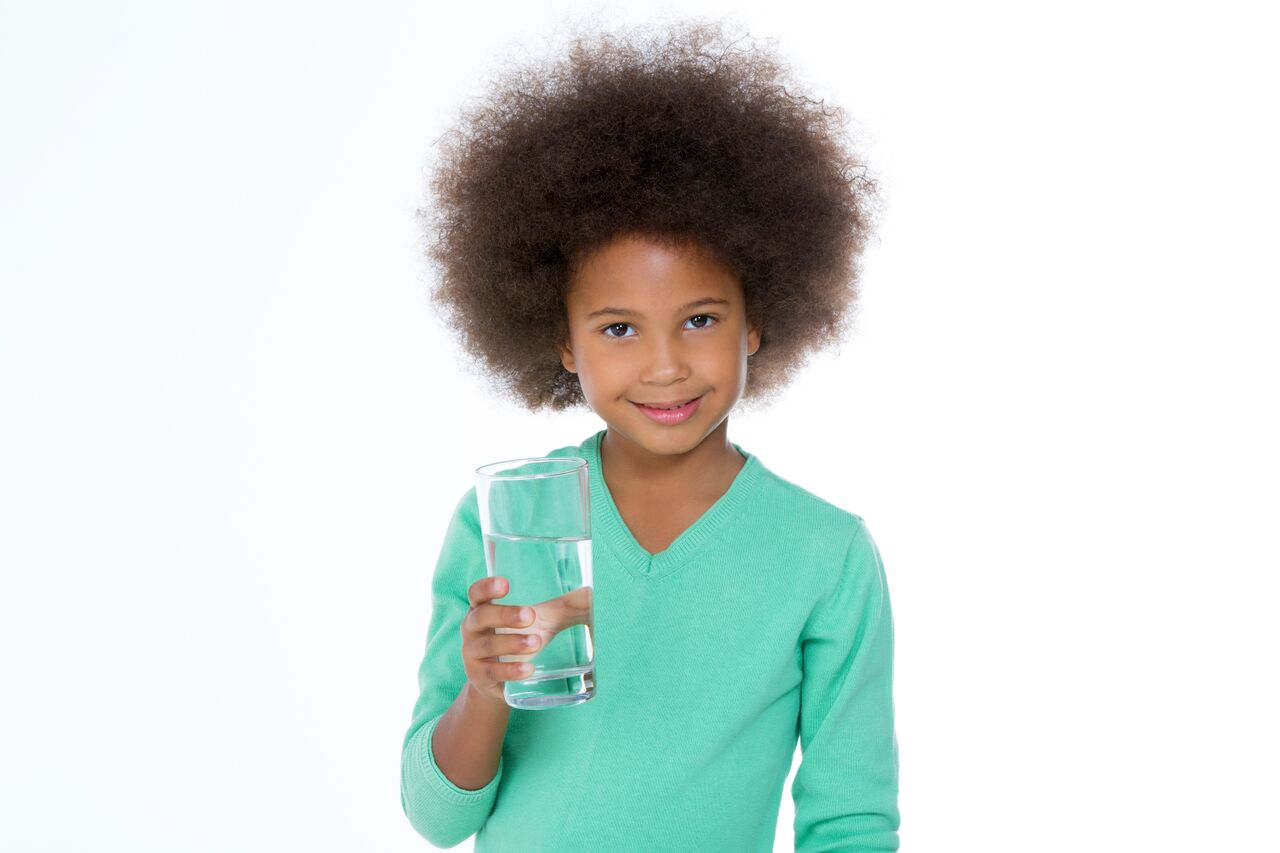
child drinking tap water

It is not mandatory for bottled water corporations to conduct lab tests or inform consumers where their water originates. In contrast to bottled water, tap water suppliers must undergo testing to show contaminant levels, offer quality reports to consumers, meet EPA standards, and disclose their water sources. This means bottled water isn’t always the safest option. Additionally, bottled water can be on average 1,000 times more expensive than tap water. So why are we still purchasing bottled water that pollutes our environment and impairs our health? As the obsession with bottled water brainwashes society, I felt compelled to ask people why they felt the need to make this purchase. Countless conversations later, I noticed a recurring theme: a desire to have safe and healthy drinking water.

Improving the quality of our municipal water is critical in order to switch to a safe and more sustainable alternative. The Clean Water for All Act acknowledges the importance and basic human right for everyone to have access to clean water. Reach out to your member of Congress to take action and express your support for this bill.  

If you’re not sure if your tap water is safe, check your Consumer Confidence Report, which outlines the contaminant levels of your tap water. We also urge you to reach out to your local water supplier to find out where your water comes from.

PFJ_Inst_06.26.20a_8.jpg

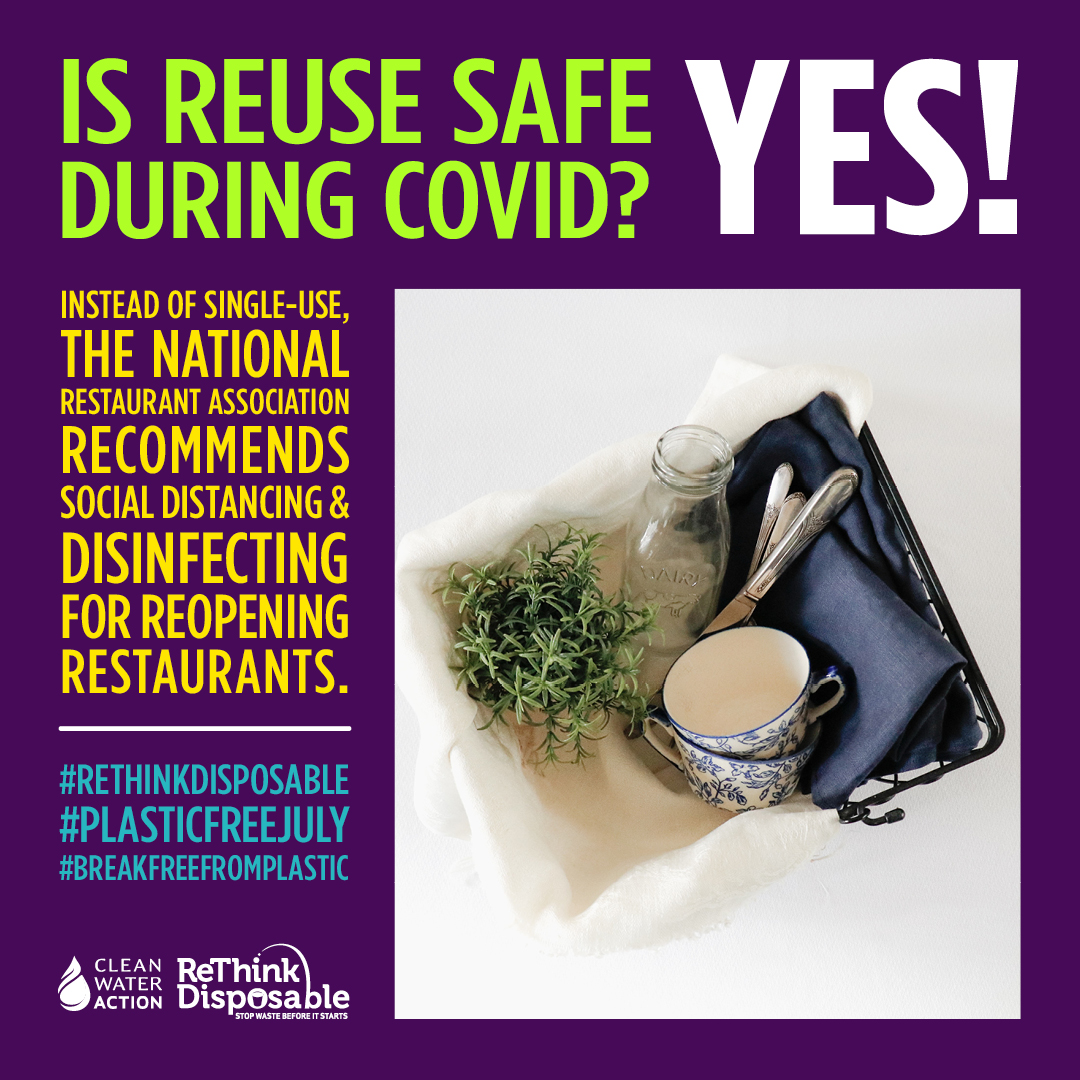
We can all do our part to reduce plastic pollution. Check out Clean Water Action’s award-winning ReThink Disposable program which works with businesses, restaurants, schools, communities, and individuals to help them make the switch from single-use disposables to reusables. Not only will this save you money, it will help improve your health and keep our planet clean.

For more information, visit https://www.cleanwateraction.org/2020/07/29/bottled-water-human-health-consequences-drinking-plastic

2 Nevada Men Ordered to Stop Selling Bottled Waters Linked to Hepatitis

Products branded as Re²al Water contained municipal tap water “processed with various chemicals,” prosecutors said.

Products branded as Re²al Water contained municipal tap water “processed with various chemicals,” prosecutors said.Credit…F.D.A.


By Johnny DiazJune 2, 2021

A father and son in Nevada were ordered on Monday to halt distribution of their branded bottled waters after five children were reportedly sickened after drinking the products, which federal prosecutors said consisted of tap water “processed with various chemicals.”

Companies run by the men, Brent A. Jones and Blain K. Jones, violated the Federal Food, Drug and Cosmetic Act “by distributing adulterated and misbranded bottled water,” the Justice Department said in a statement on Tuesday. In an order signed on Monday, Judge Jennifer A. Dorsey of the U.S. District Court for Nevada formalized a settlement in which the Joneses agreed to stop processing the products and destroy any in their possession.

According to the complaint, which was filed last month at the request of the U.S. Food and Drug Administration, the F.D.A. received information that at least five children had experienced cases of acute non-viral hepatitis, a condition that can lead to liver failure, after drinking an alkaline water product branded as Re²al Water.

Other complaints involving Re²al Water reported nausea and vomiting. As a result, the agency warned consumers, restaurants, distributors and retailers not to drink, cook with, sell or serve the product.

The Southern Nevada Health District later linked the death of at least one person who consumed the product, a woman in her 60s, to acute non-viral hepatitis.

The companies, AffinityLifestyles.com and Real Water, had distributed bottled water under the brand names Re²al Water Drinking Water and Re²al Alkalized Water from facilities in Henderson, Nev., and Mesa, Ariz., according to court records.

Federal prosecutors said that while the companies promoted their products as a healthy alternative to tap water, the products “in fact consisted of municipal tap water that the defendants processed with various chemicals in violation of current good manufacturing practices, relevant food safety standards and hazard prevention measures.”

According to the prosecutors, inspections by the F.D.A. found “multiple regulatory violations” in the companies’ manufacturing processes and “multiple failures to follow current good-manufacturing practice requirements for water-bottling facilities.”

“Food and water sold to consumers must be safe,” Acting Assistant Attorney General Brian M. Boynton of the Justice Department’s civil division said in a statement. “The Department of Justice will continue to work closely with the Food and Drug Administration to ensure that bottled water and other products we eat and drink are manufactured in compliance with the law.”

Editors’ Picks

A Vermont Runner Takes Her Show on the RoadConfused? Overwhelmed? You May Have Travel Whiplash.Can Streaming Pay? Musicians Are Pinning Fresh Hopes on Twitch.

J. Lee Gray, the lawyer for the Joneses, said on Wednesday that the company’s policy “is to refrain from commenting on pending litigation and investigations.”

He added, “Real Water takes customer safety and satisfaction very seriously and has worked to cooperate with F.D.A. and local health officials in their ongoing investigations of reported health issues.”

In a video posted on the company’s website in March, Brent A. Jones, the president of Real Water, apologized to customers about the federal investigation into the safety of its products, which it had voluntarily recalled.

“The lessons learned in this will drive further improvement in the brand,” the elder Mr. Jones, a former Republican lawmaker in the Nevada State Assembly, said in the video. He added that the company began over 13 years ago “with the intention to provide a healthy product that benefits and elevates people’s lifestyles.” As of Wednesday, the company’s website says it is under maintenance.

Prosecutors said that the defendants agreed to settle the suit, which calls for the defendants to destroy any food, including bottled-water products, that they may still have in their possession.

As part of the settlement, the defendants affirmed that they were no longer “processing, preparing, packing or distributing water or any other type of food.”

The settlement also stipulates that before they process or distribute any food in the future, the Joneses must first notify the F.D.A. and allow the agency to inspect facilities and procedures in advance.

“We are committed to preventing harmful products from entering the nation’s food supply, and we will take enforcement action when a company fails to follow the law,” Judy McMeekin, an F.D.A. associate commissioner, said in the statement.

The two men agreed to stop processing the products and destroy any in their possession
The two men agreed to stop processing the products and destroy any in their possessionCredit…FDA

FOR MORE INFORMATION: https://www.nytimes.com/2021/06/02/us/nevada-bottled-water-fda.html?auth=link-dismiss-google1tap

As Drought Dries California Rivers, Salmon Take Truck Rides to Sea

Reuters
The drought-stricken American River is pictured near the Glenbrook Park River Access near Sacramento,California, U.S., May 10, 2021. Picture taken May 10, 2021. REUTERS/Nina Riggio

GOLD RIVER, Calif. (Reuters) – During a typical spring, the silver young salmon swimming in long tanks at the Nimbus Fish Hatchery east of Sacramento would be released into the American River and then make their way out to the Pacific Ocean to grow to adulthood.

But with extreme drought now gripping California and much of West Coast, the rivers are too warm for the salmon to survive.

This week, the 3.5-inch (90-mm) smolt, as the young fish are known, embarked on a much different journey when they were loaded on to trucks and driven to the San Francisco Bay for release into cooler waters.

Low amounts of rain and snow led to less water and warmer temperatures in the state’s rivers and reservoirs, said Jason Julienne, who manages several state-run hatcheries in the Sacramento River system, including the Nimbus.

When those conditions occur, “we know we have to really go into high gear to make sure these fish survive,” said Harry Morse, spokesman for the California Department of Fish and Wildlife.

The state plans to truck 17 million of the smolt to the San Francisco Bay this year from various hatcheries, an emergency step not taken since the last major drought in 2014, Morse said.

On Monday, California Governor Gavin Newsom declared a drought emergency for 41 of the state’s 58 counties, including the major watersheds relied on by salmon and other wildlife.

Droughts in California are growing more frequent and more intense as climate change continues, threatening the state’s already tenuous supply of water for wildlife, farmers and urban areas, and creating conditions ripe for dangerous wildfires.

Other portions of the West Coast are also experiencing severe drought. In Oregon, federal officials said on Wednesday that a portion of water from the Klamath River system would not be available to farmers, and that additional protections for salmon and other fish were under consideration.

Even without drought and climate change, salmon and other fish were struggling to survive on the West Coast, as water projects such as dams and reservoirs inhibit their ability to migrate to the sea and back, a natural part of their life cycle that can take about three years.

Two species of Chinook salmon are considered endangered on the West Coast, and seven are considered threatened under the Endangered Species Act, according to the National Oceanic and Atmospheric Administration.

In the American River in California where the Nimbus smolt are usually released, water from rain and snow was flowing at just 31% of its average rate on Tuesday, according to state data. The resulting warmer water has created a desperate situation not only for the fish at the hatchery, but for the hundreds of thousands of fry and eggs laid naturally in the rivers themselves.

“My biggest fear is that each and every egg that is laid this year is going to die because the temperatures in the rivers are going to be too high,” said Mike Conroy, executive director of the Pacific Coast Federation of Fishermen’s Associations.

His organization is asking the state and federal agencies that apportion water from a complex system of reservoirs to make sure that sufficient cool water is released to prevent the rivers from becoming toxic to young fish, Conroy said.

But others – including a California agricultural sector that produces a third of the country’s vegetables and two-thirds of its fruits and nuts – also rely on that water. As more water is reserved for fish, less is available to irrigate farms and for the state’s 40 million residents.

“The pull of one wrong lever can throw the whole system out of whack,” said Conroy. “It has to be carefully balanced.”

FOR MORE INFORMATION: https://www.usnews.com/news/top-news/articles/2021-05-13/as-drought-dries-california-rivers-salmon-take-truck-rides-to-sea

Journey of PFAS in wastewater facilities highlights regulation challenges

Research: Journey of PFAS in wastewater facilities highlights regulation  challenges

Researchers at the University of New Hampshire have conducted two of the first studies in New England to collectively show that toxic human-made chemicals called PFAS (per-and polyfluoroalkyl substances), found in everything from rugs to product packaging, end up in the environment differently after being processed through wastewater treatment facilities making it more challenging to set acceptable screening levels.

“PFAS are persistent substances that are not easily broken down and have been linked to adverse health effects,” said Paula Mouser, associate professor of civil and environmental engineering. “They are found in a wide variety of industrial, commercial and medicinal products and can end up in the body, human waste and the environment. If not managed correctly, they can be further distributed around the environment in landfills, waterways and even stabilized biosolids could be applied to agricultural fields as fertilizers.”

The researchers looked at the journey of 24 different PFAS through six New Hampshire wastewater treatment facilities, including those along the Great Bay Estuary near the N.H. Seacoast, to examine how they are distributed after being treated. PFAS come in two forms, long-chain and short-chain, which refers to the number of carbon atoms attached to fluorine in the compounds. In their first study, recently published in the journal Environmental Science: Processes and Impacts, the researchers found that short-chain PFAS ended up in the facility liquid, or effluent, while long-chain PFAS were more abundant in the sludge due to their higher affinity toward solids.

After going through a range of biological and disinfectant processes in the municipal wastewater treatment facilities, researchers found roughly 10% of the PFAS present in Great Bay could be traced back to the wastewater facilities. This suggests other dominant PFAS sources are contributing to the waterways like septic systems, agricultural land and urban runoff (which can contain biosolids), groundwater discharge from contaminated sites and surface water runoff.

Currently, the United States Environmental Protection Agency (EPA) has only issued a drinking water health advisory for two of the 4,700 known PFAS, so individual states are working to set their own standards for PFAS in drinking water, surface water and biosolids. In 2020, the New Hampshire Department of Environmental Services established maximum contaminant levels (MCLs) for four PFAS in drinking water, while in 2019, the Maine Department of Environmental Protection (DEP) established screening levels for three PFAS in biosolids.

In the UNH researchers’ second study, featured in the New England Water Environment Association Journal, the researchers used Maine’s screening levels to look at both PFAS and PPCPs, pharmaceutical and personal care products like antibiotics and flame retardants, in biosolids from wastewater treatment facilities in both New Hampshire and Vermont. Of the 39 biosolids reviewed in the sludge waste, 29 had PFAS levels that exceeded screening levels set by the Maine DEP.

“State agencies across New England are all considering regulating PFAS in wastewater biosolids, but there is still more we need to know about how the treatment of wastewater sludge influences these forever chemicals,” said Mouser.

The researchers say the challenge is finding a safe and acceptable level for waste residue that doesn’t force facilities to deposit these solids in landfills which would be enormously costly, fill up landfills faster than anticipated and possibly lead to the leaching of PFAS into landfill wastewater that may continue the cycle by returning the not easily broken-down chemicals right back to treatment facilities.

The researchers say the studies highlight the knowledge gaps around contaminants of emerging concern, like PFAS, in wastewater residuals and stress that more research is needed to look at the influence of the facility design and operation on their treatment before costly upgrades are implemented in wastewater treatment facilities.

This research was funded by New Hampshire Sea Grant and the UNH Collaborative Research Excellence (CoRE) Initiative.

FOR MORE INFORMATION: University of New Hampshire

Stormwater could be a large source of microplastics and rubber fragments to waterways

Stormwater could be a large source of microplastics and rubber fragments to  waterways

In cities, heavy rains wash away the gunk collecting on sidewalks and roads, picking up all kinds of debris. However, the amount of microplastic pollution swept away by this runoff is currently unknown. Now, researchers in ACS ES&T Water report that stormwater can be a large source of microplastics and rubber fragments to water bodies and, with a proof-of-concept experiment, show that a rain garden could keep these microscopic pieces out of a storm drain.

Most cities’ storm drains end up discharging directly into wetlands, creeks or rivers. Rainwater running into these drains becomes a concoction of whatever is on the ground, including dirt and grass clippings, leaked car fluids, fertilizer and garbage. Recently, researchers also found that strong rains can displace microplastics, sweeping them into stormwater, but the importance of this runoff as a source of contamination is not well understood. So, Chelsea Rochman and colleagues wanted to see whether microplastics and other tiny particles are carried into waterways by storms in urban areas, and whether a rain garden could prevent that from happening.

The researchers collected water during heavy rainstorms from 12 streams flowing into the San Francisco Bay. First, they separated floating microparticles — which they define as less than 5 mm in size — by color and shape and tallied them, finding higher concentrations in the streams than previous researchers had found in treated wastewater that was discharged into the bay. Microscopic fibers and black rubbery fragments were the most common microparticles, while natural debris, glass, paint and wool were only minor components. Then, the team identified a subset of plastic- or rubbery-looking fragments as being made mostly of plastic polymers or other synthetic materials, and many of the black rubbery particles originated from tires. Finally, the researchers compared the microparticles entering a rain garden to those at the garden’s outflow into a storm drain. Their results showed that the rain garden captured 91 to 98% of the microparticles and 100% of the black rubbery fragments during three rain events. The researchers say that while rain gardens are known to reduce the amount of metals, nutrients and other pollutants in stormwater runoff, this study shows rain gardens could also be effective at reducing microplastic pollution.

FOR MORE INFORMATION: American Chemical Society

Clean water and toilets for healthy shelters

Clean water and toilets for healthy shelters | EurekAlert! Science News

Regular, standardized assessments of evacuation shelters can help keep people healthy following natural disasters, according to research published by Tohoku University scientists and colleagues in the journal Heliyon. The study found that a clean tap water supply and hygienic toilets were especially important for protecting evacuees from the spread of infectious diseases.

“A clean water supply and maintaining hygiene are important for reducing environmental health risks among victims of natural disasters,” says Tadashi Ishii, who specializes in disaster medicine at Tohoku University. “But scientists have not yet established a strong evidence base that describes the relationship between damage in resource supplies and infrastructure on the one hand and disaster victims’ health status on the other.”

Ishii led the Ishinomaki Zone Joint Relief Team following the Great East Japan Earthquake of March 11, 2011. More than 15,000 people died and 2,500 went missing following the disaster, with some 500,000 evacuated to shelters across Japan. It took nearly a year before all shelters were shut down.

The team conducted regular visits to the shelters in order to assess resource availability, infrastructure, and the health status and needs of people residing in the shelters. Now, Ishii and his research team have analysed these 2011 records to evaluate the impacts of resource supply levels and infrastructure damage on the physical health of evacuees.

Their study included 28 mid- to large-sized shelters regularly assessed in the weeks following the earthquake. The study looked specifically at changes made to resources and infrastructure between days 14 and 25 after the earthquake.

The team found that inadequate clean tap water and toilets were insufficiently improved during the assessment period in about half the shelters. Clinical symptoms of common respiratory and gastrointestinal infections were more prevalent in shelters where these two resources had not improved. Shelters that were able to improve the supply of clean tap water and toilet hygiene witnessed significant reductions in the prevalence of gastrointestinal symptoms among evacuees.

“Our study demonstrated the difficulty of quickly collecting objective assessment data from evacuation shelters during the acute phase of a massive disaster,” says Ishii. “It also shows the validity of quick visual assessments of resources by trained staff. Importantly, the study reveals the importance of rapidly restoring clean water supply and toilet hygiene in shelters to reduce environmental health risks among evacuees.”

Ishii and his team next plan to develop easy, reliable and quick assessment tools for evaluating resource damage and health status in evacuation shelters. He also stresses the importance of collaborating with local governments to set up effective supply chains that can rapidly deploy clean water and hygienic rescue toilets in the aftermath of natural disasters.

FOR MORE INFORMATION: Tohoku University